French · Impressionism
Claude Monet
b. 14 November 1840, Paris — d. 5 December 1926, Giverny
Claude Monet (1840–1926) was the French painter who founded Impressionism, recording changing light outdoors in works from Impression, Sunrise to the Japanese bridge and water lilies of his garden at Giverny.
Guides
Series
Places
566 works in the collection
Works by Claude Monet
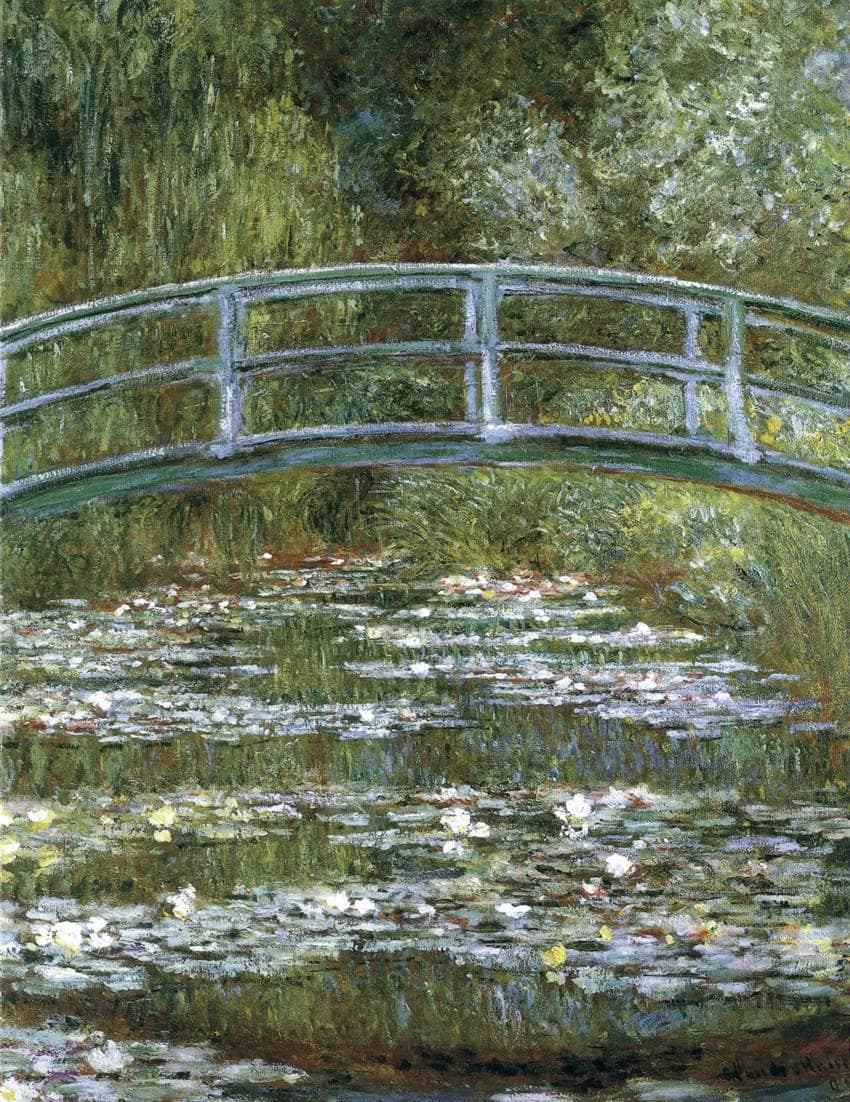
Bridge over a Pond of Water Lilies
Claude Monet · 1899
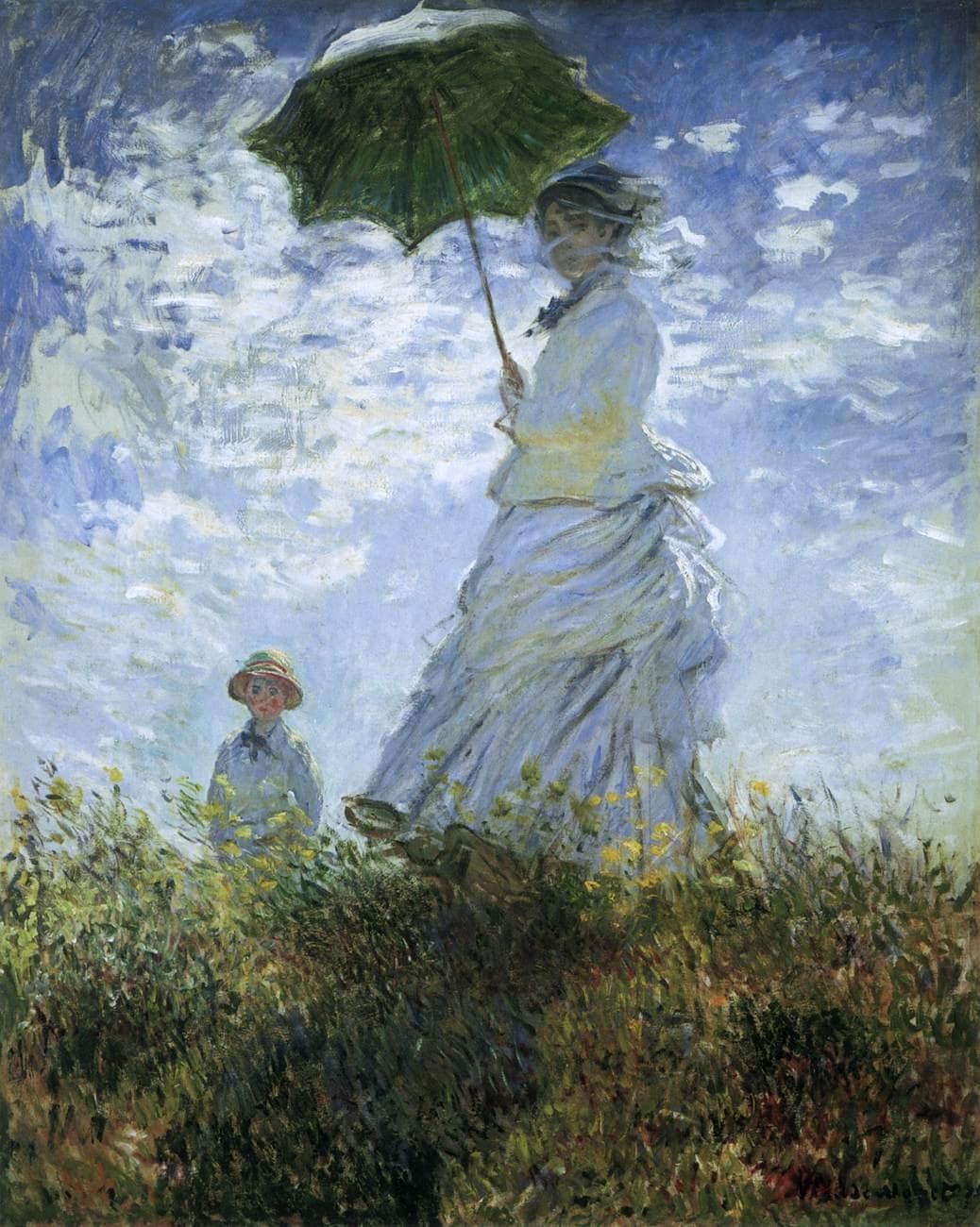
Woman with a Parasol – Madame Monet and Her Son
Claude Monet · 1875
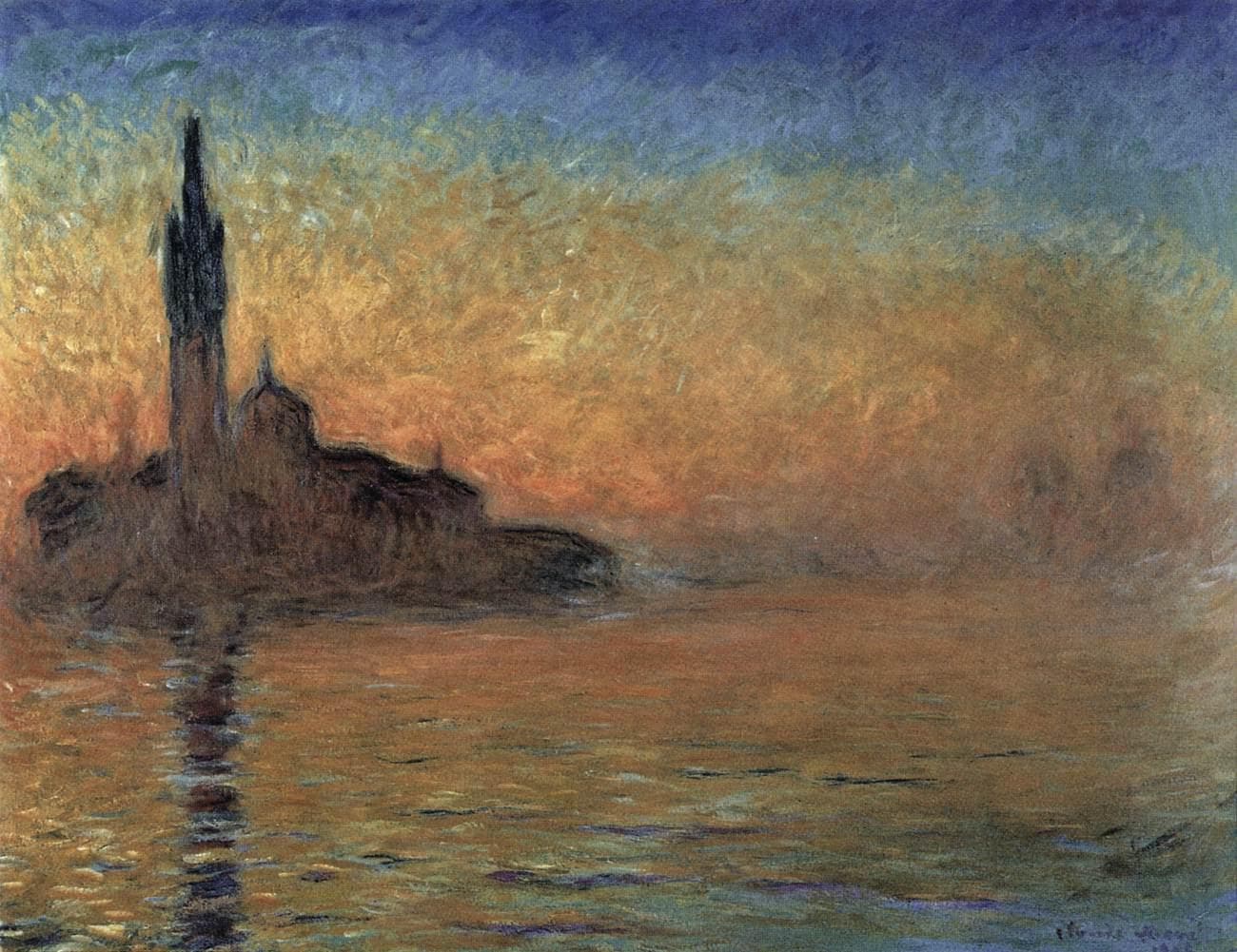
Sunset in Venice
Claude Monet · 1908–12
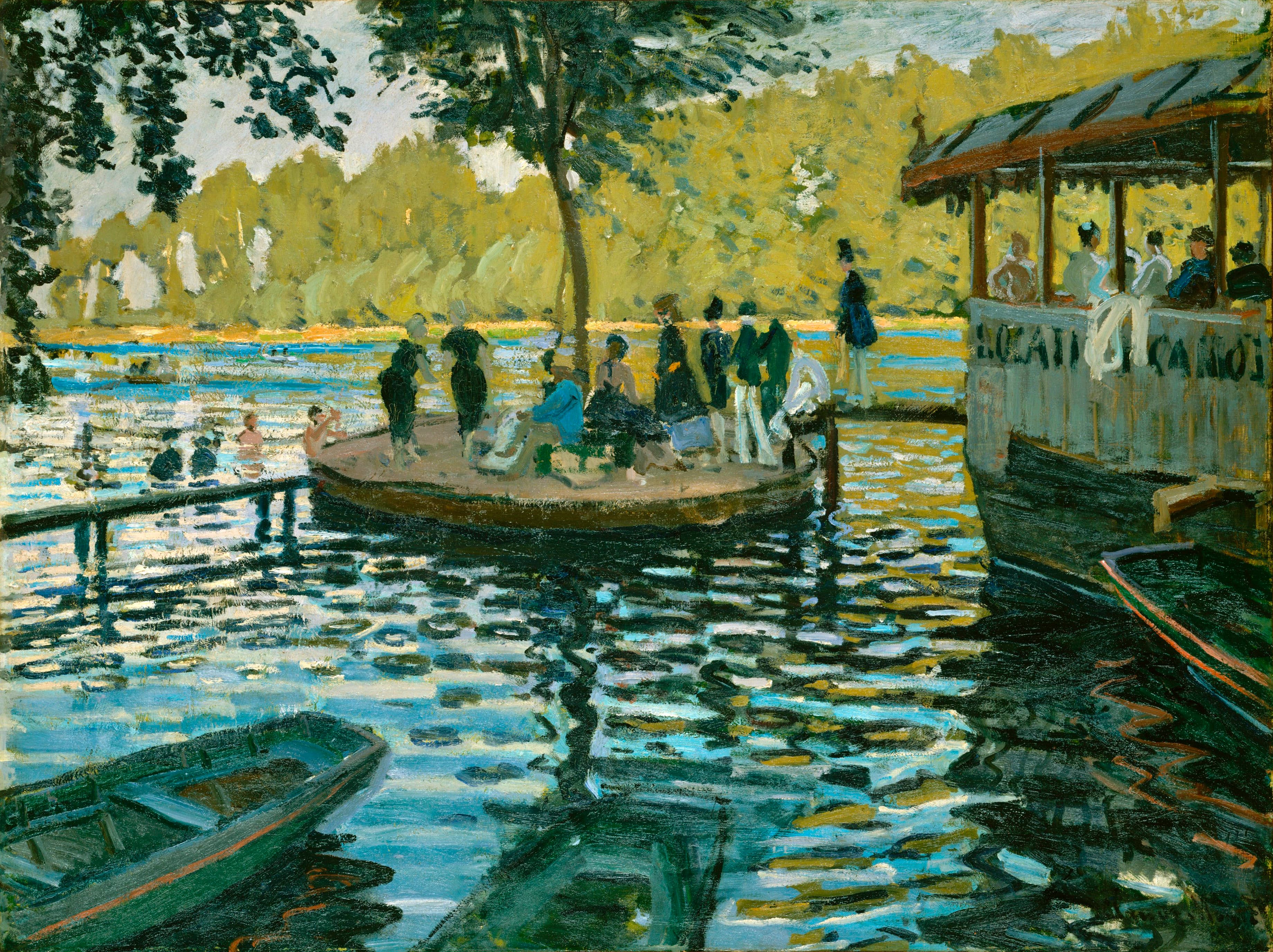
La Grenouillère
Claude Monet · 1869
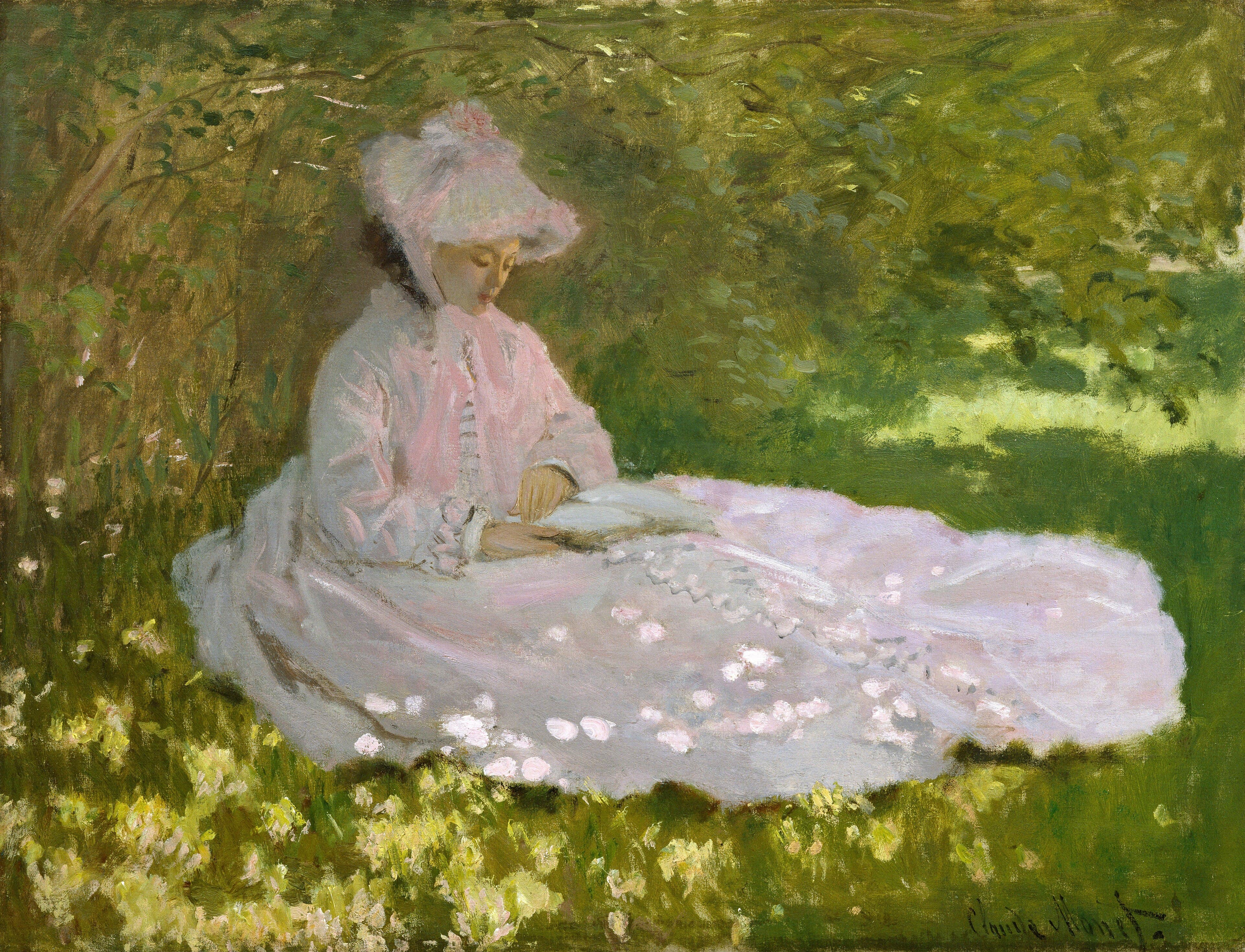
Springtime
Claude Monet · 1872
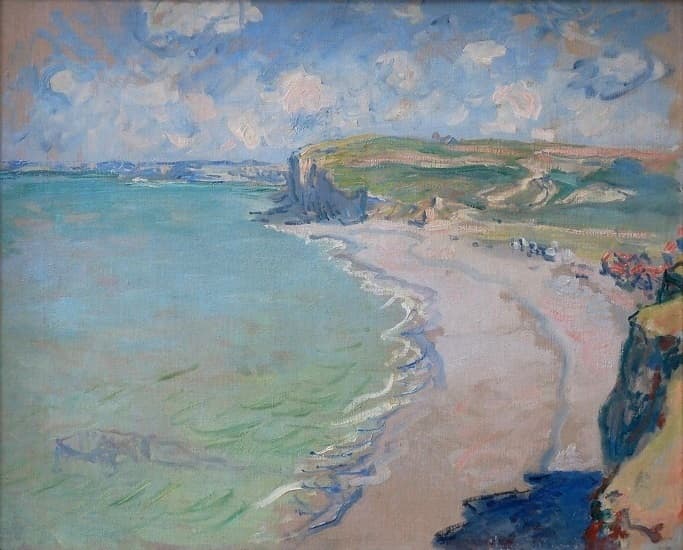
Beach in Pourville
Claude Monet · 1882
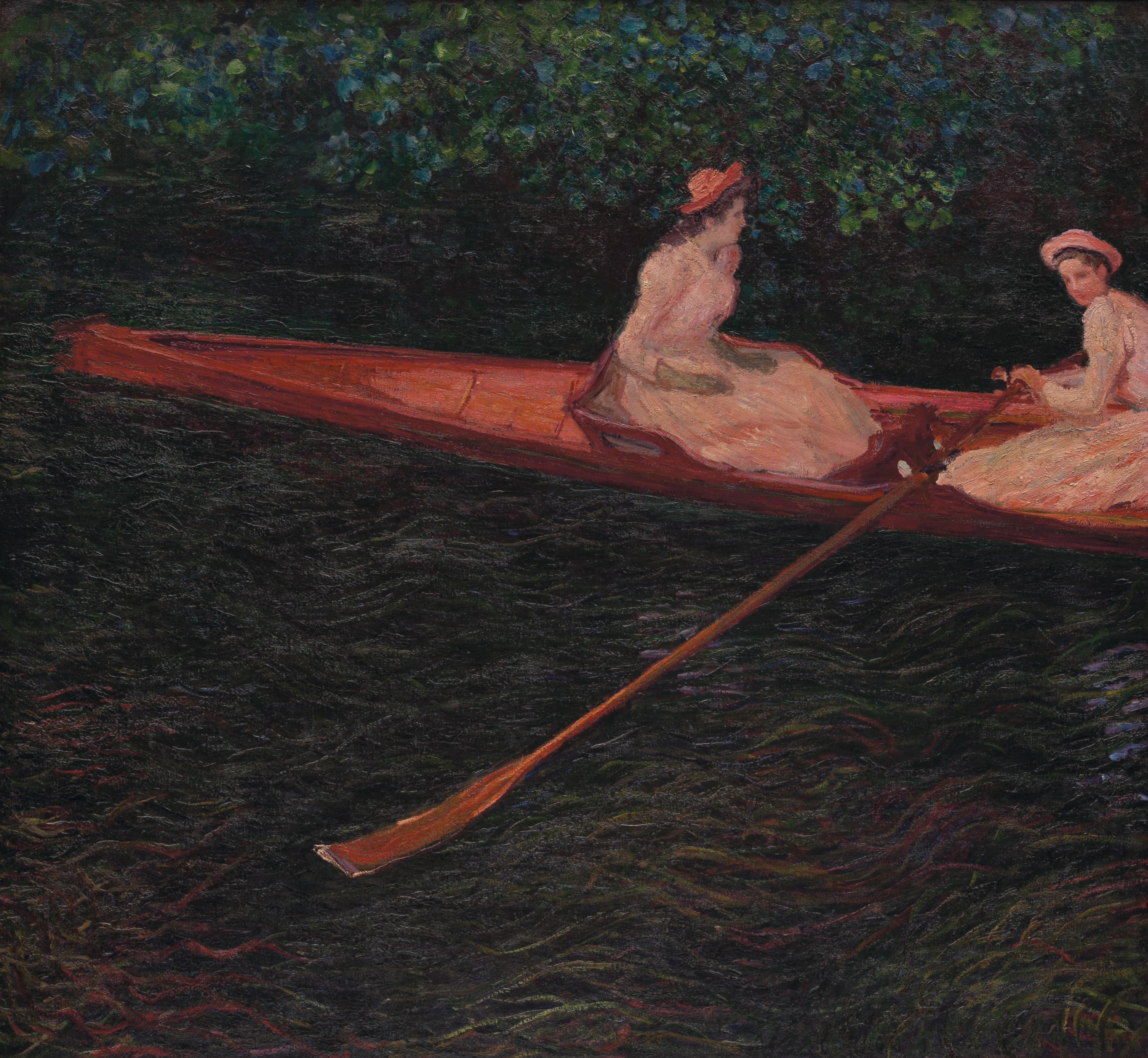
Boating on the River Epte
Claude Monet · 1890
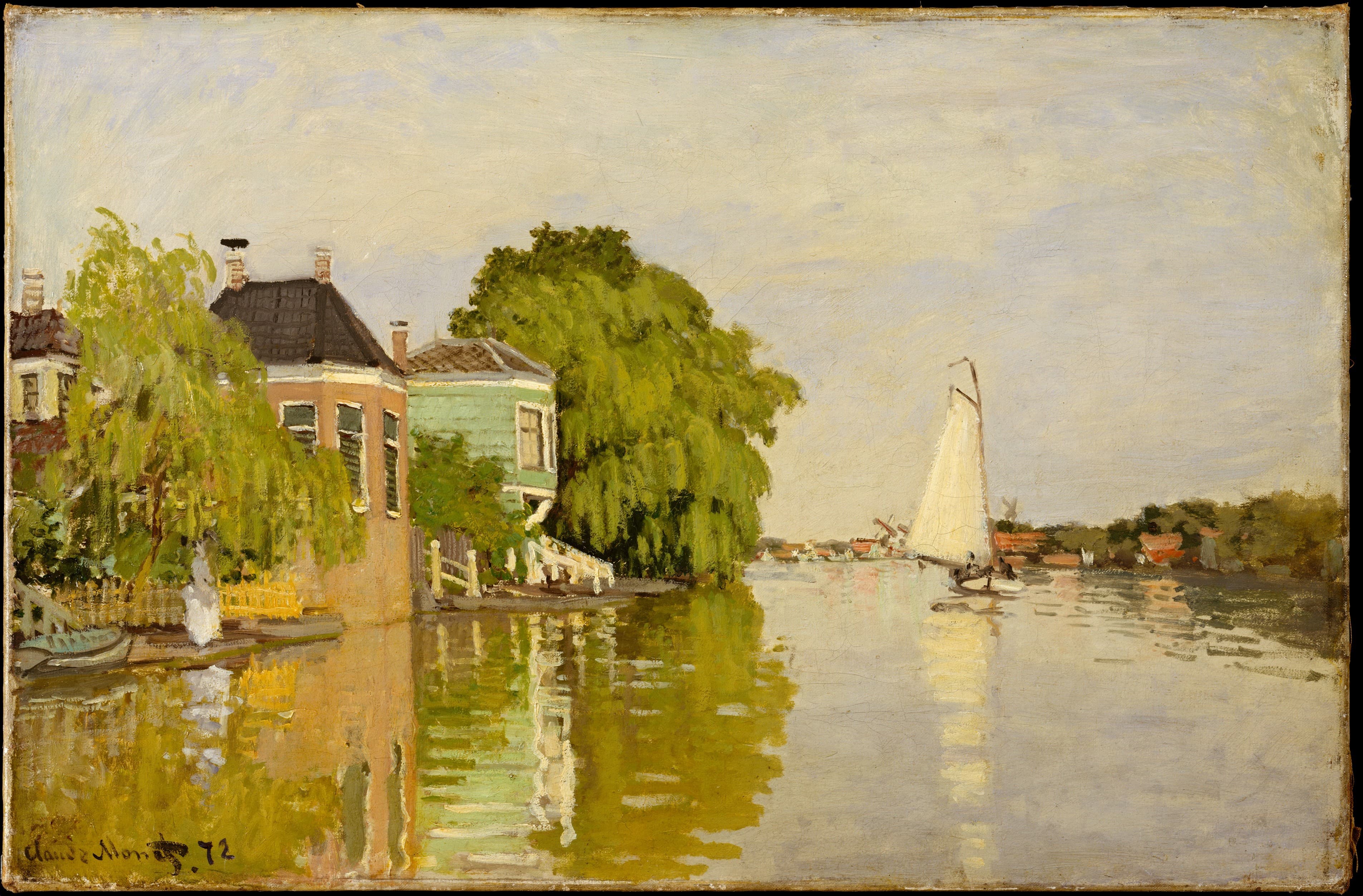
Houses on the Achterzaan
Claude Monet · 1871
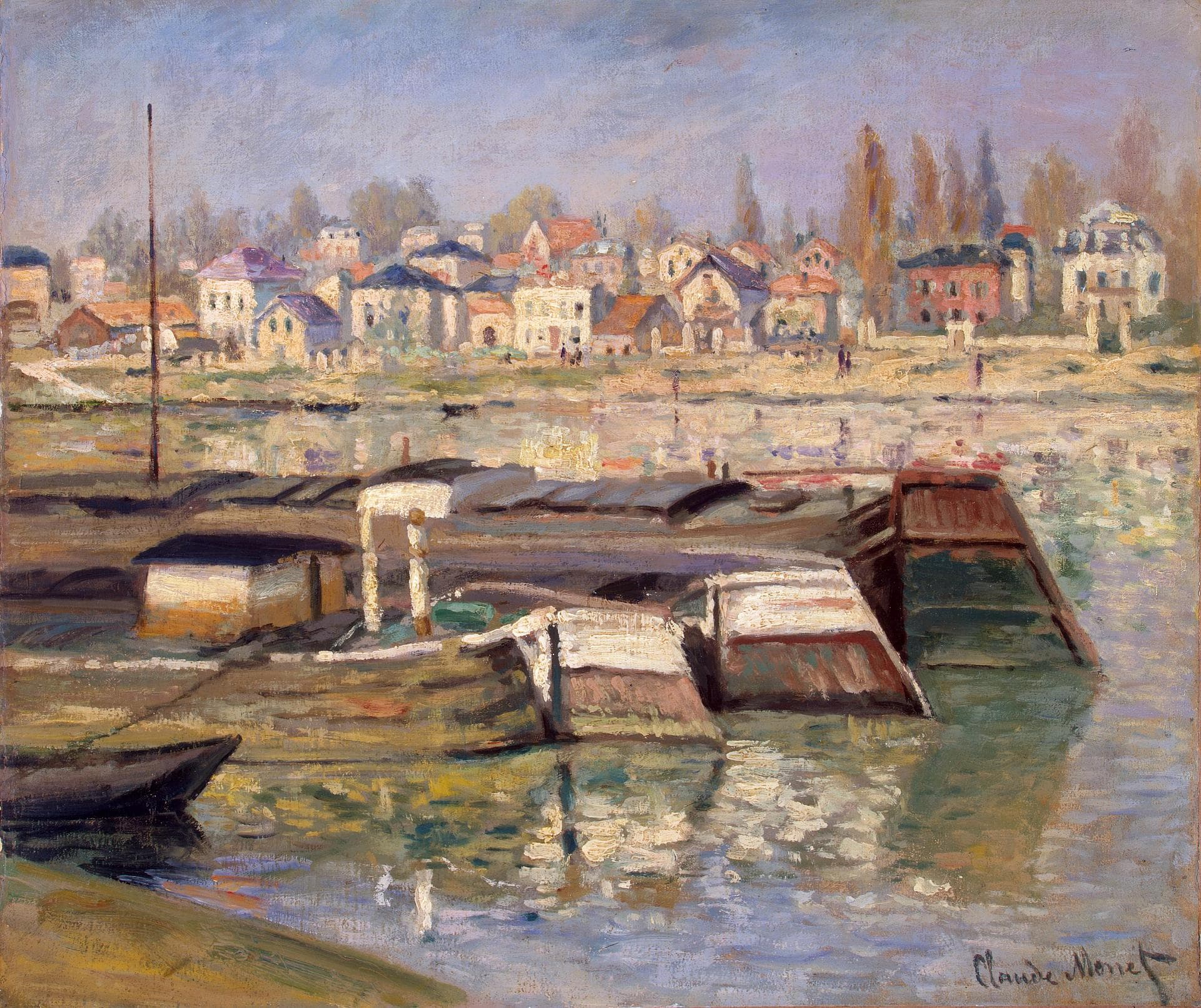
The Seine at Asnières (Hermitage)
Claude Monet · 1873
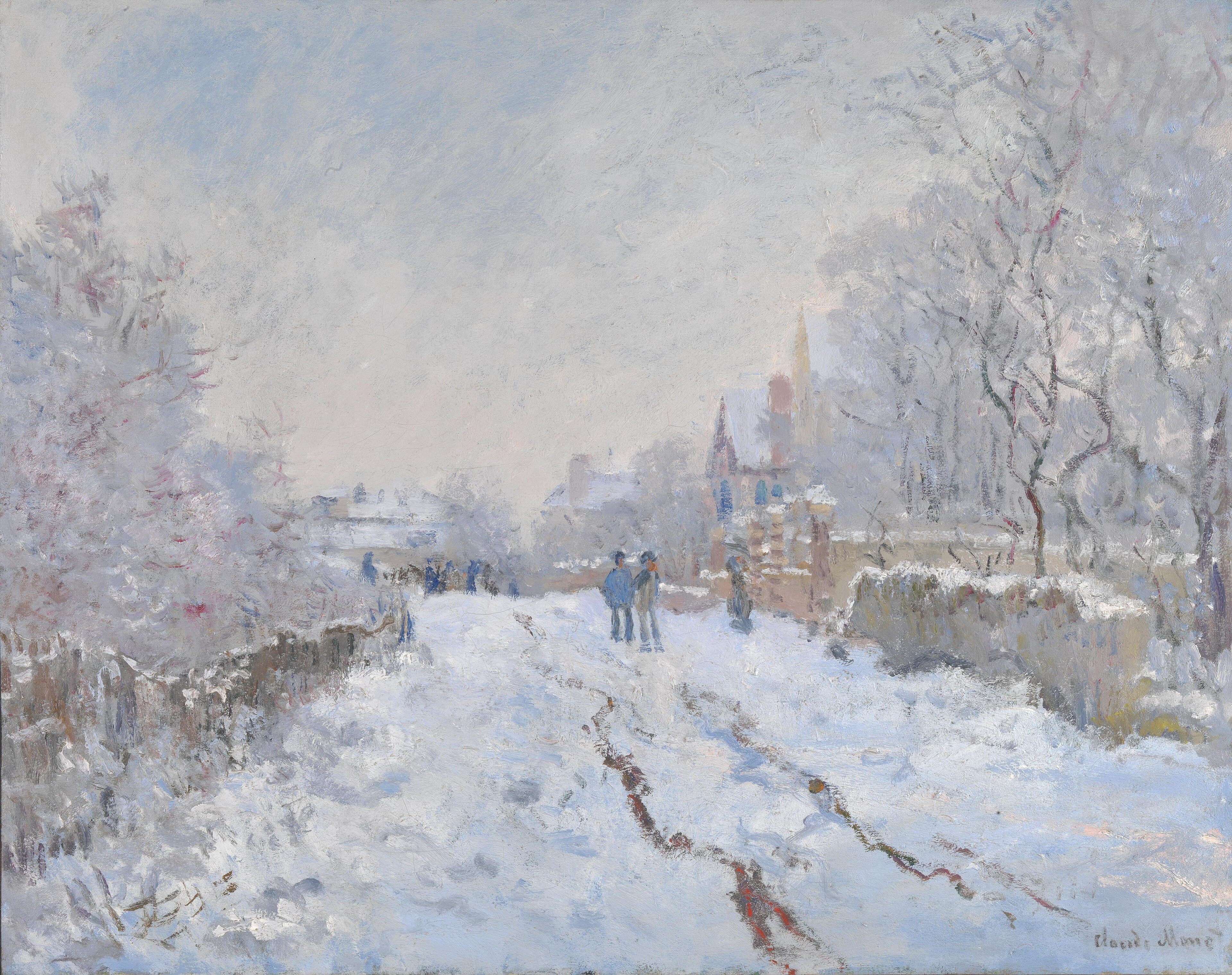
Snow Scene at Argenteuil
Claude Monet · 1875
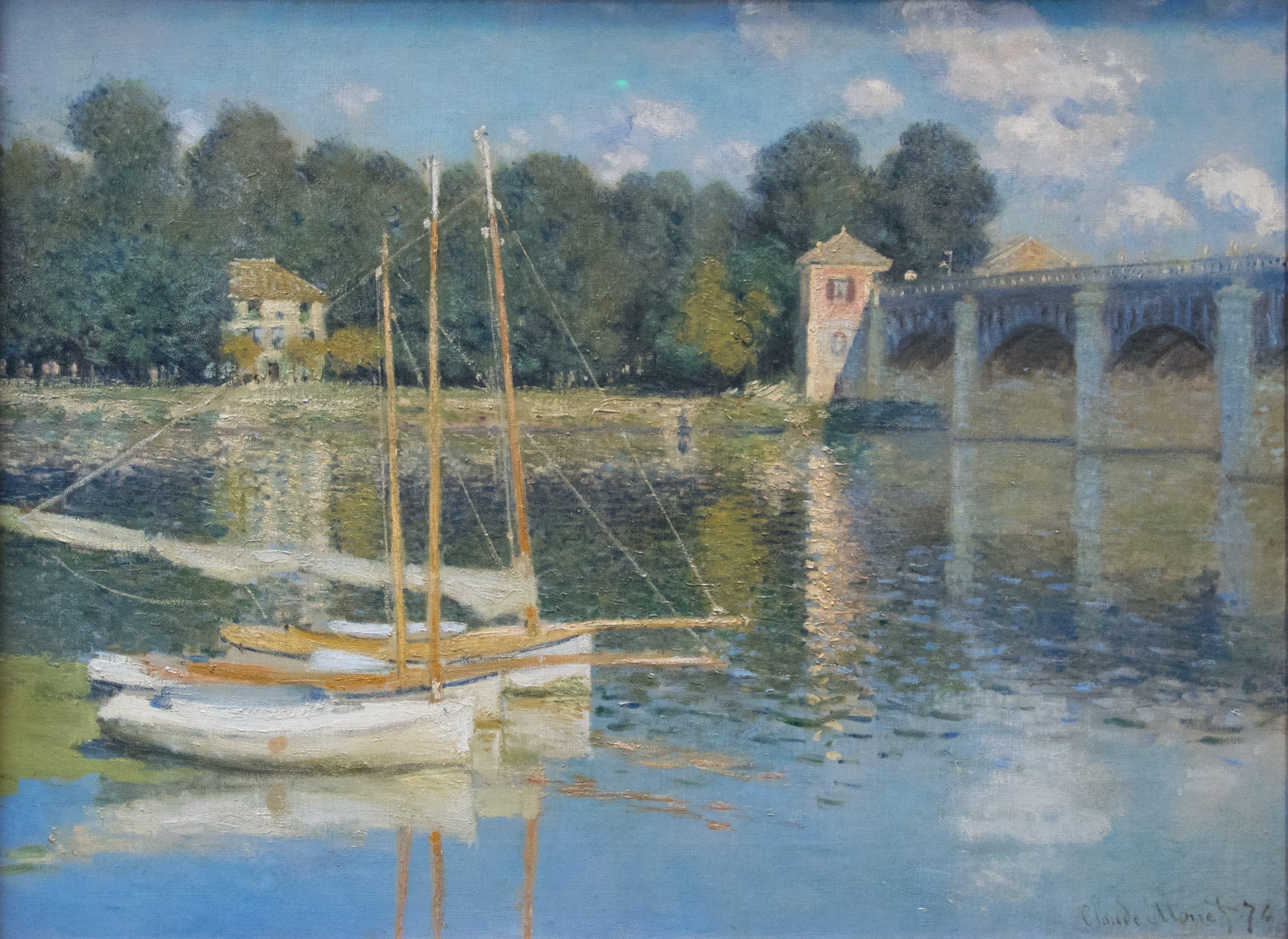
The Argenteuil Bridge
Claude Monet · 1874
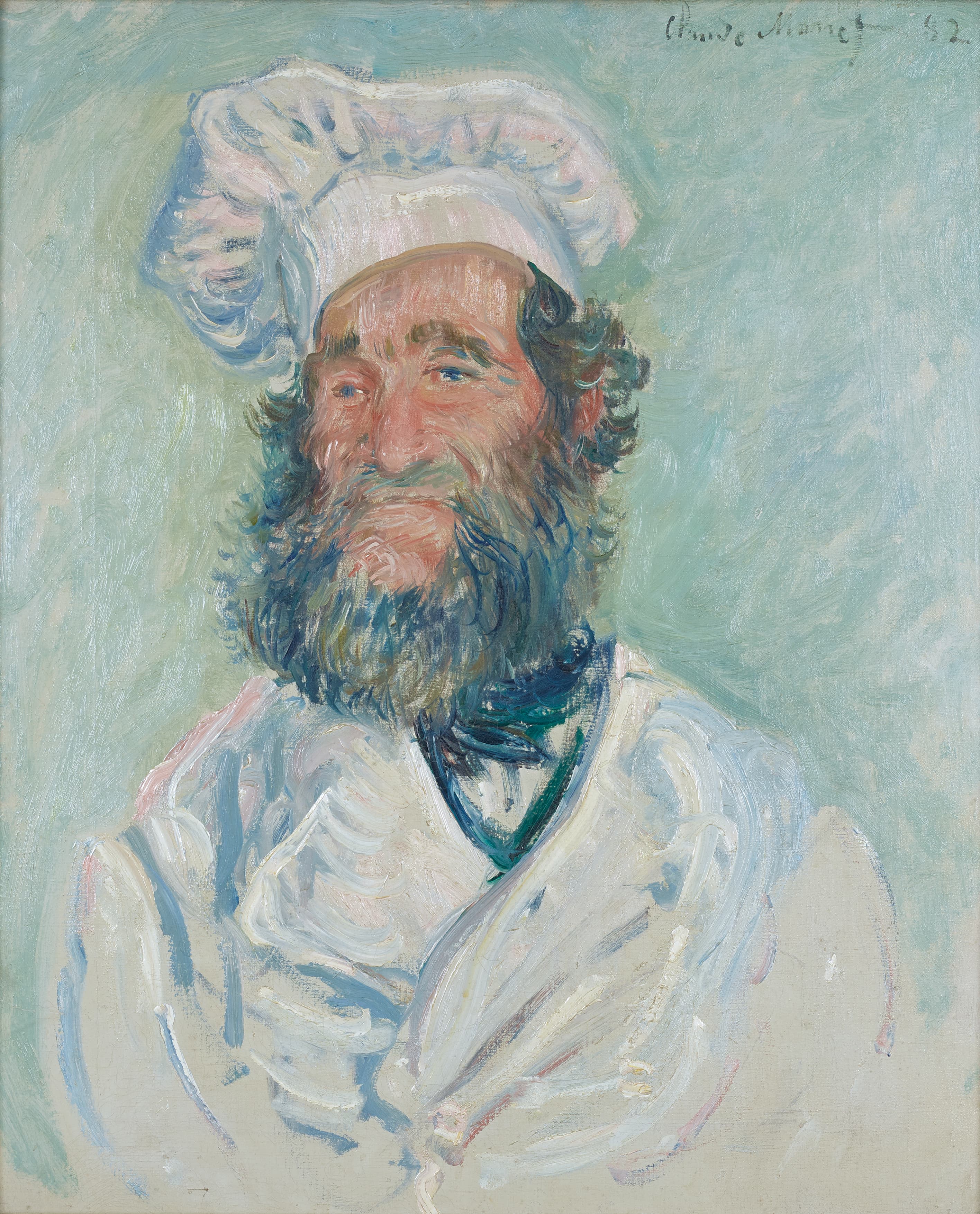
Portrait of Père Paul
Claude Monet · 1882
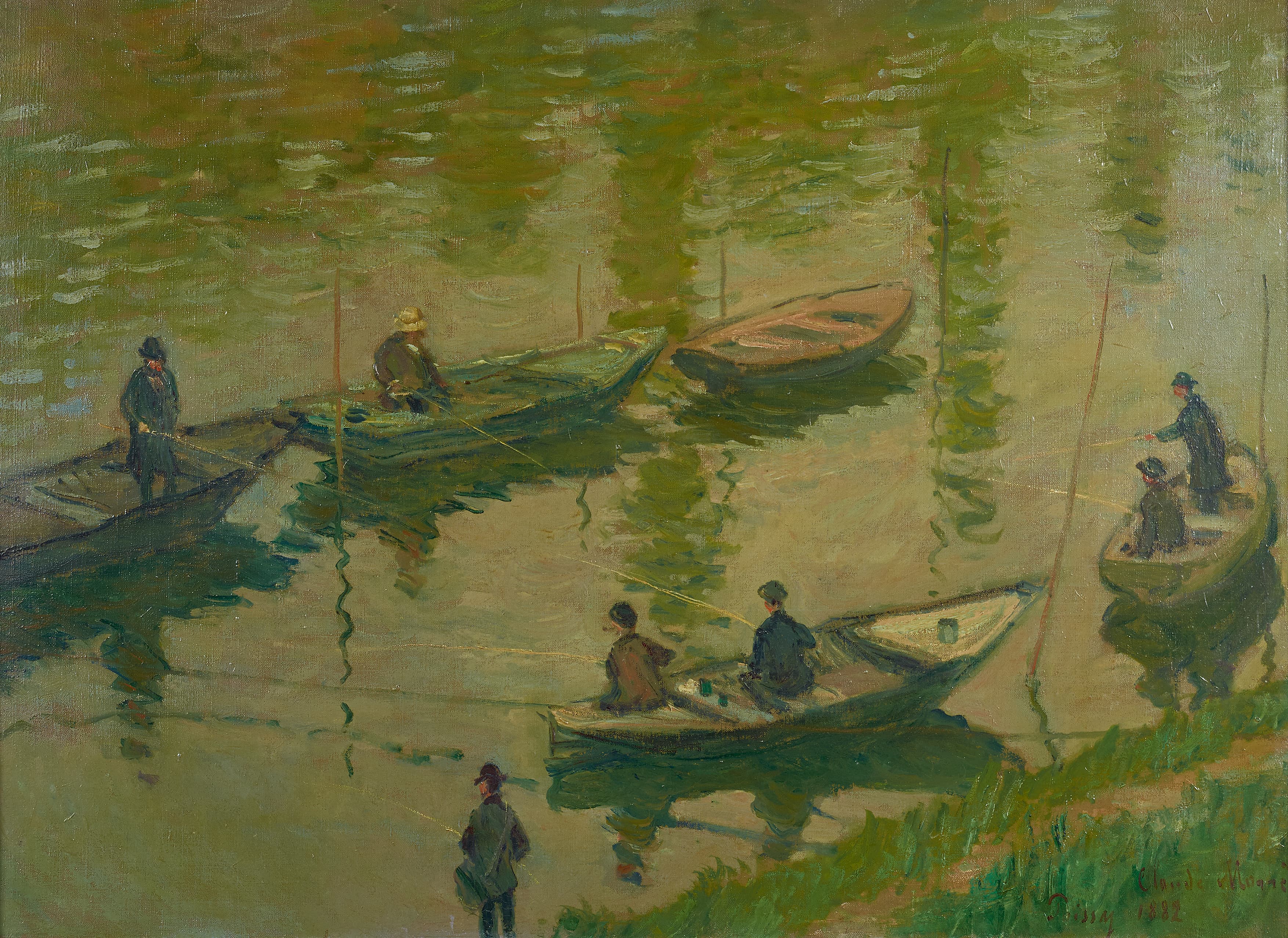
Anglers on the Seine at Poissy
Claude Monet · 1882
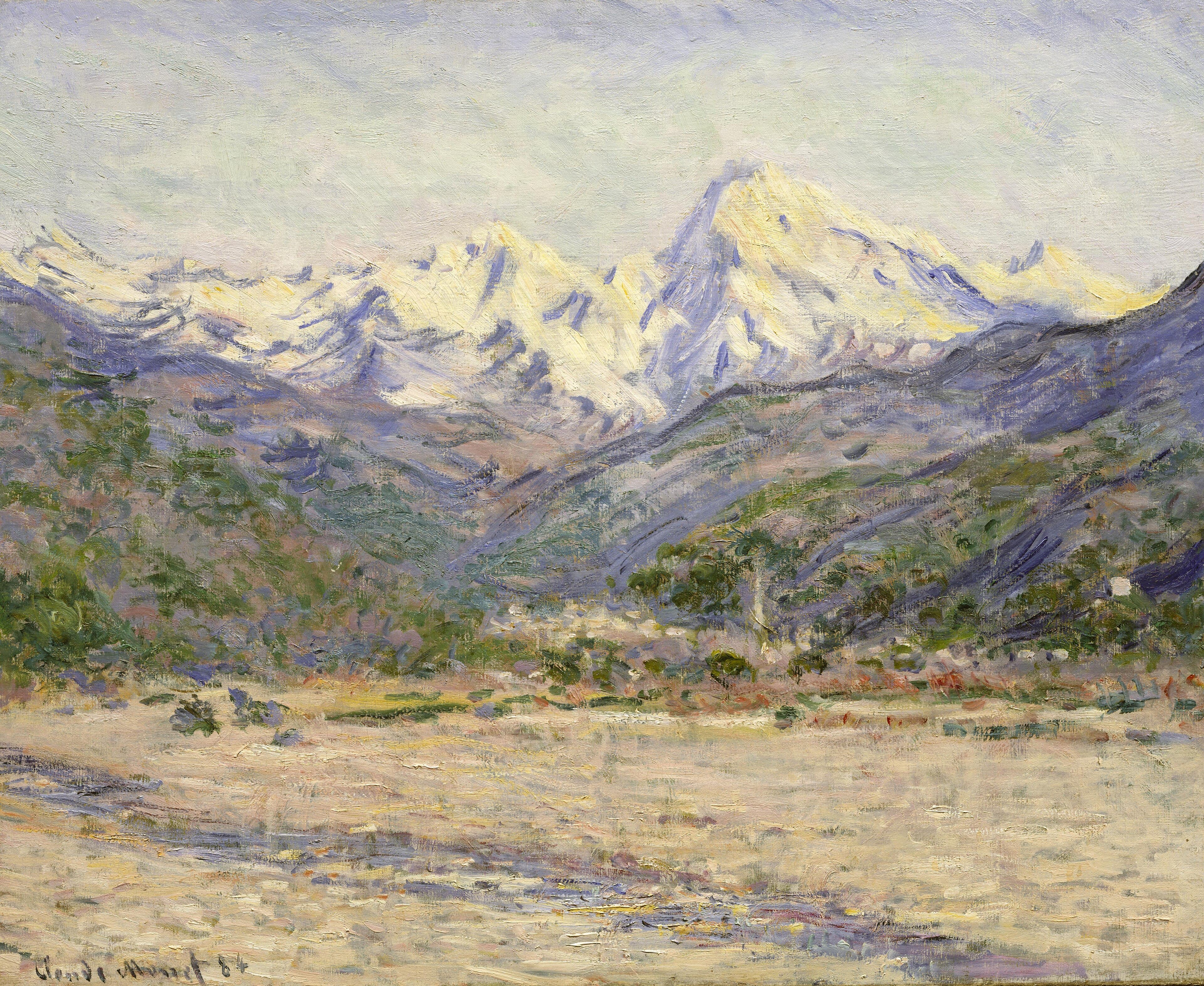
The Valley of the Nervia
Claude Monet · 1884
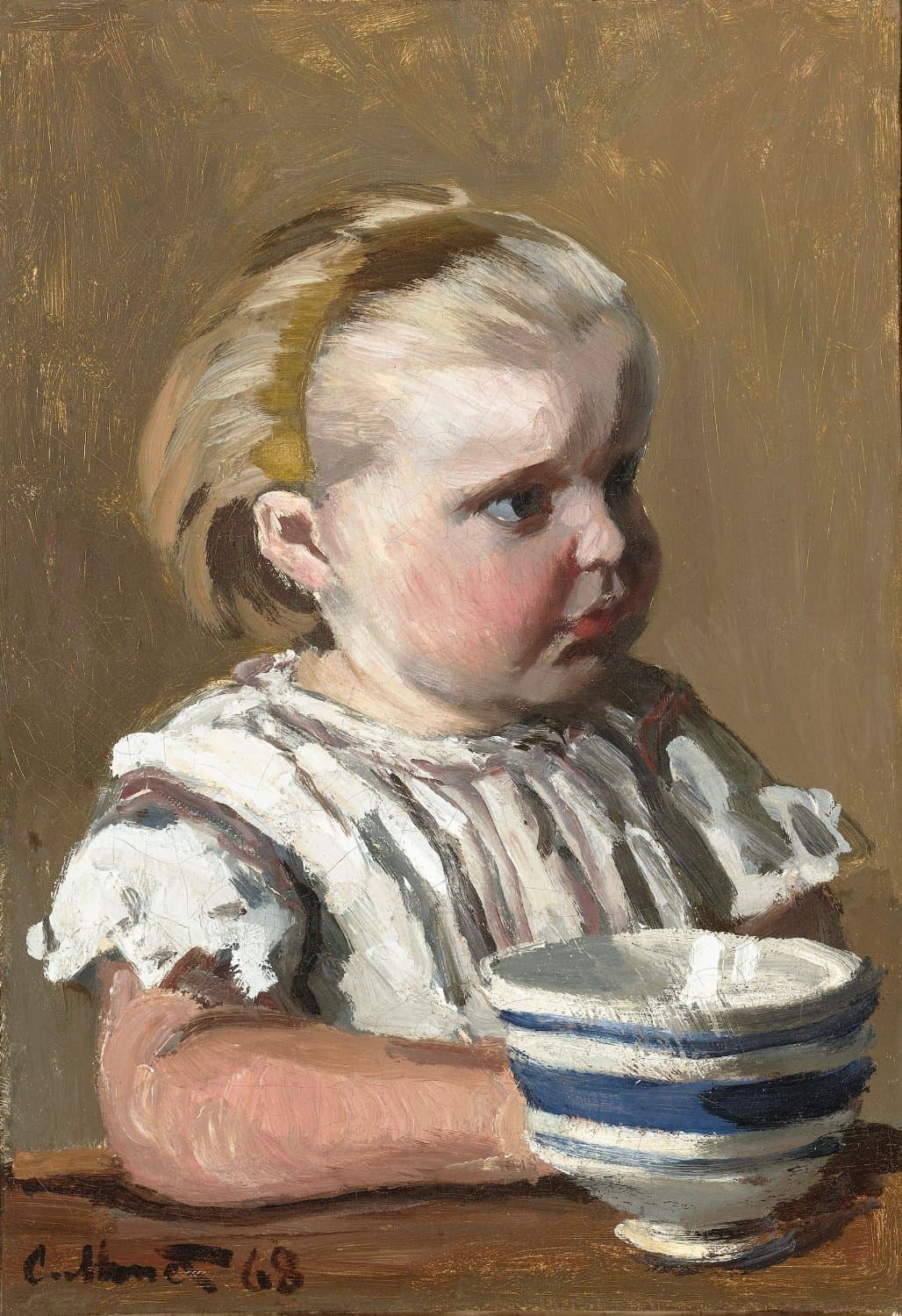
L'Enfant à la tasse (Portrait of Jean Monet)
Claude Monet · 1868
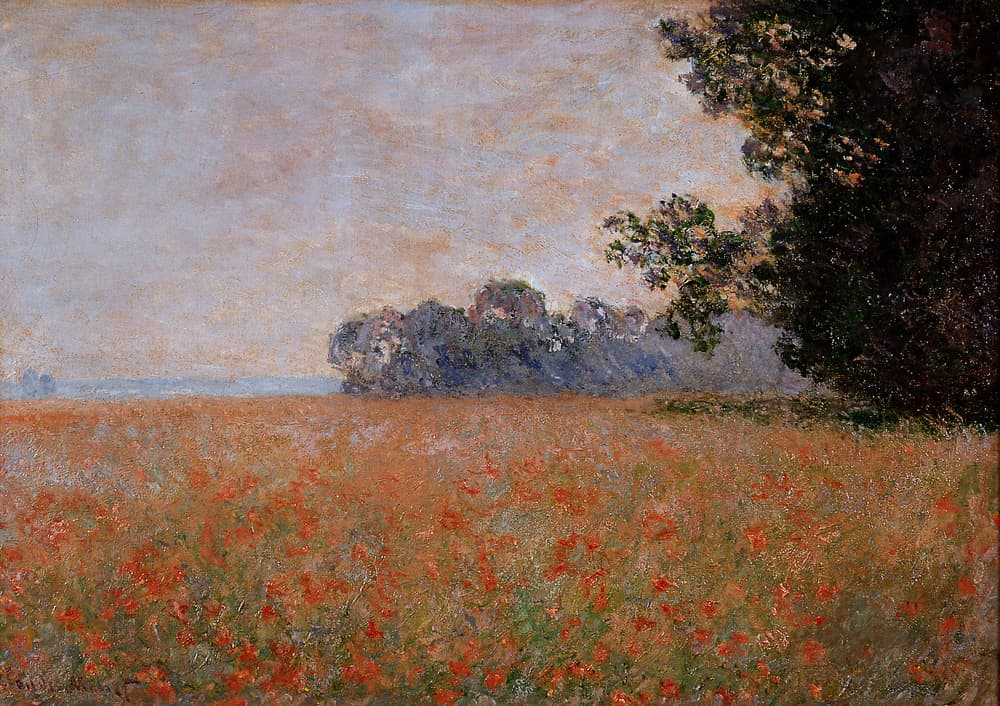
Oat Field with Poppies
Claude Monet · c. 1890
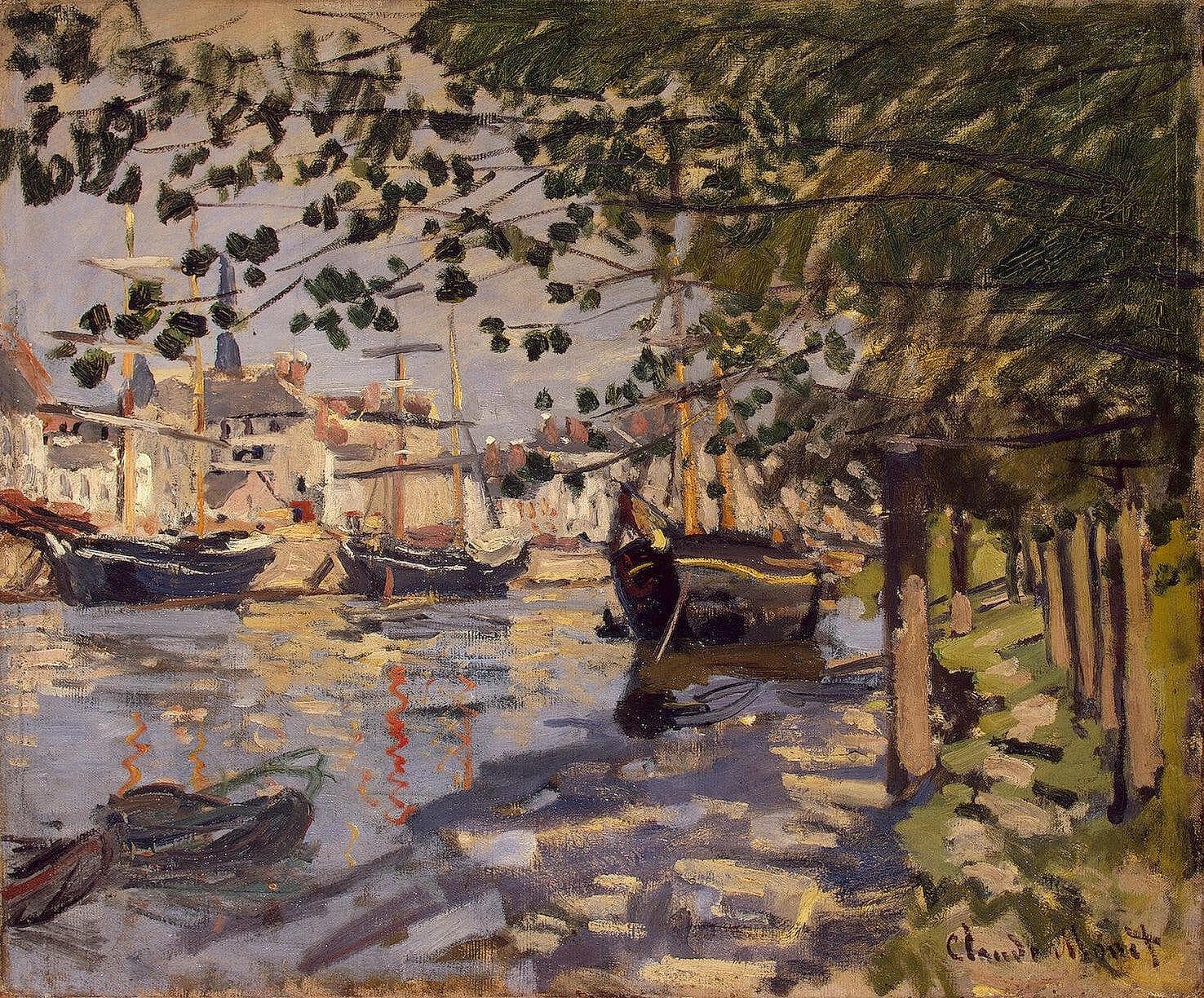
The Seine at Rouen
Claude Monet · 1872
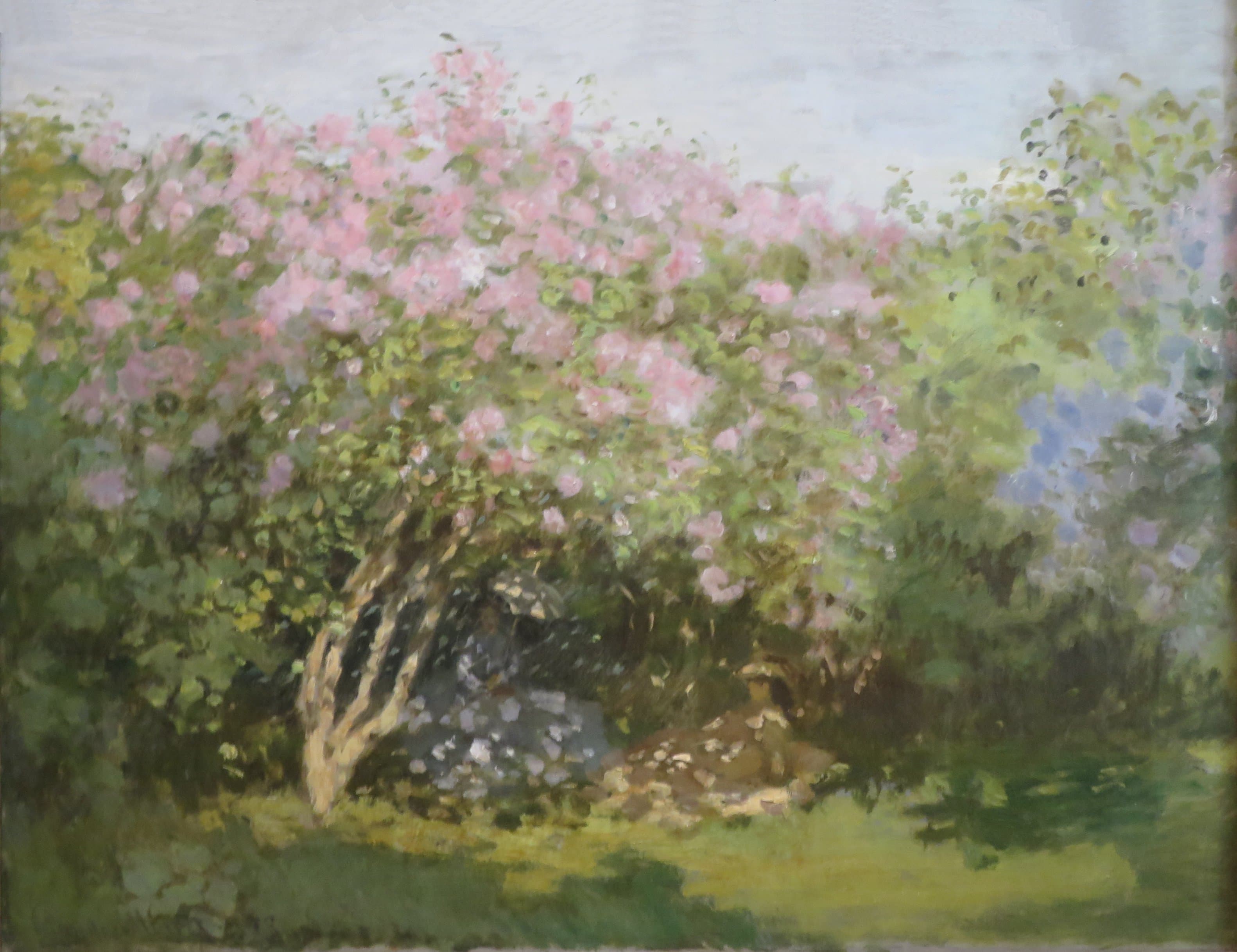
Lilac in the Sun
Claude Monet · 1873
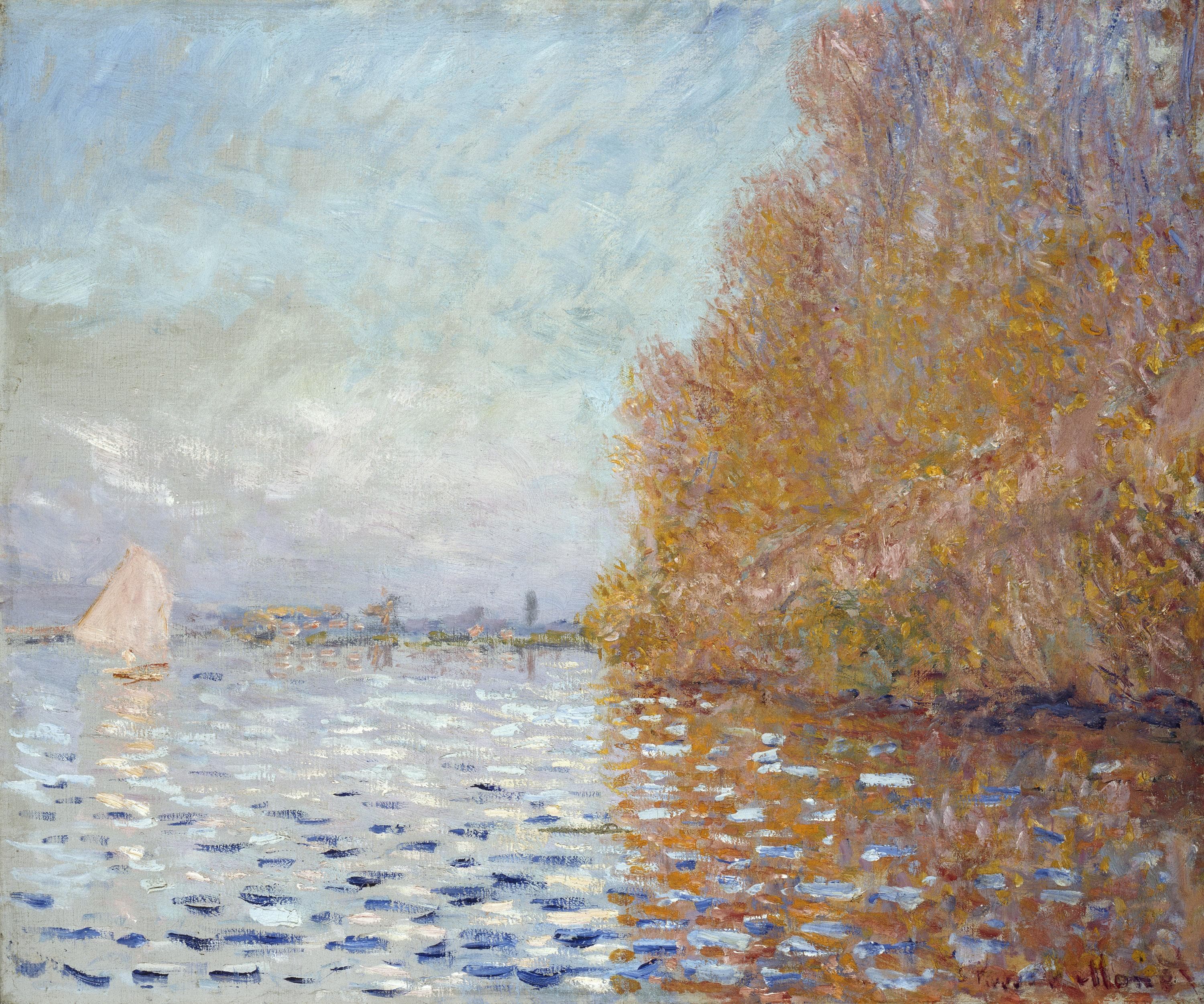
Argenteuil Basin with a Single Sailboat
Claude Monet · 1874
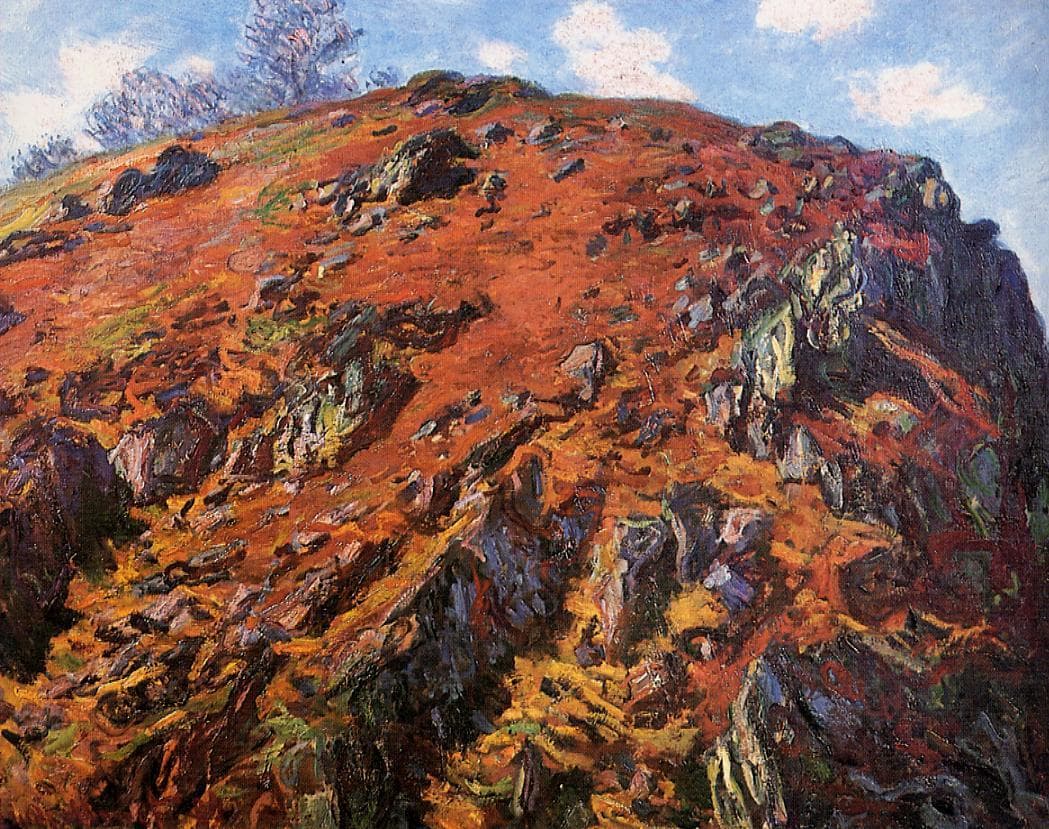
Study of Rocks, Creuse ('Le Bloc')
Claude Monet · 1889
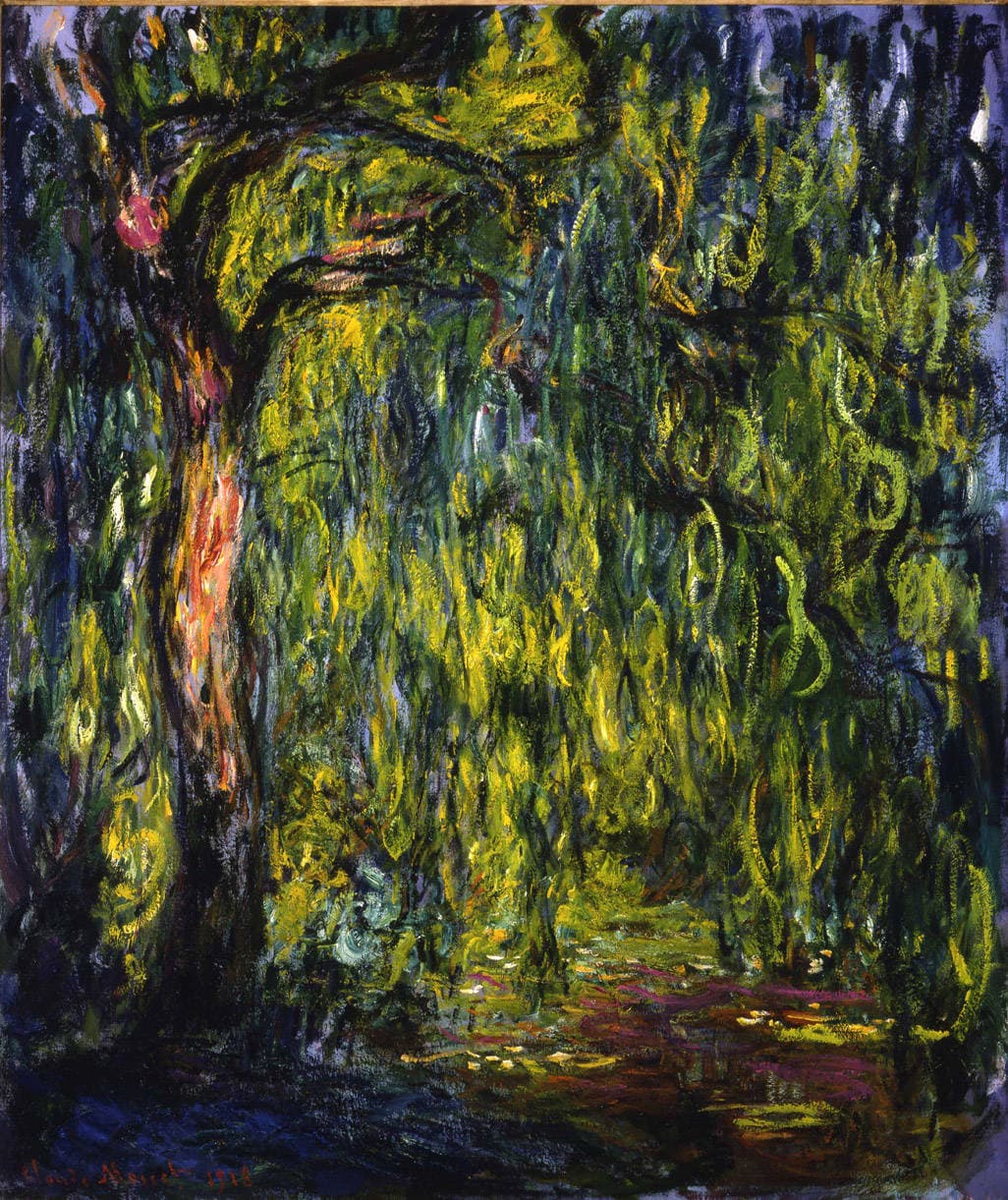
Weeping Willow (Columbus)
Claude Monet · 1918
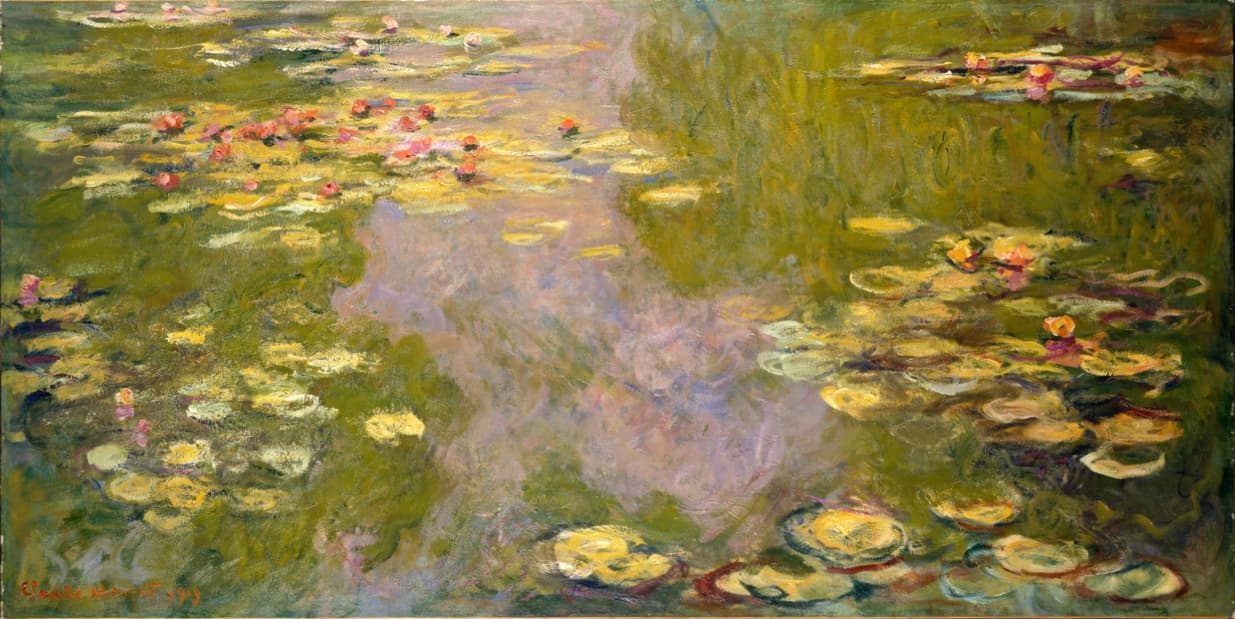
Water Lilies (1919, Metropolitan Museum)
Claude Monet · 1919
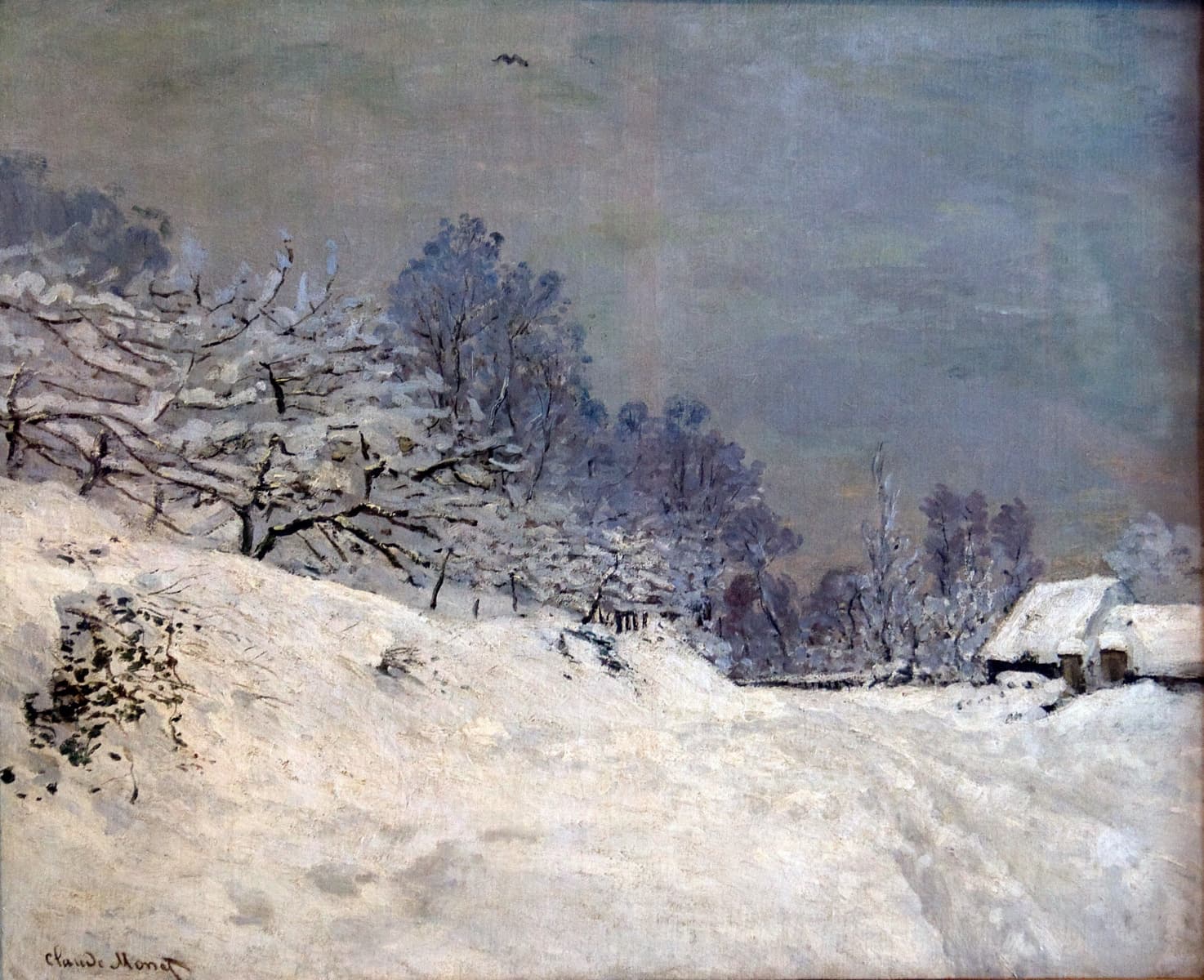
The Road in Front of Saint-Siméon Farm in Winter
Claude Monet · 1867
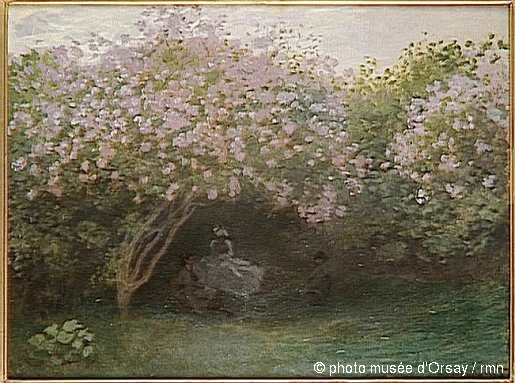
Lilacs, Gray Weather
Claude Monet · 1872–73
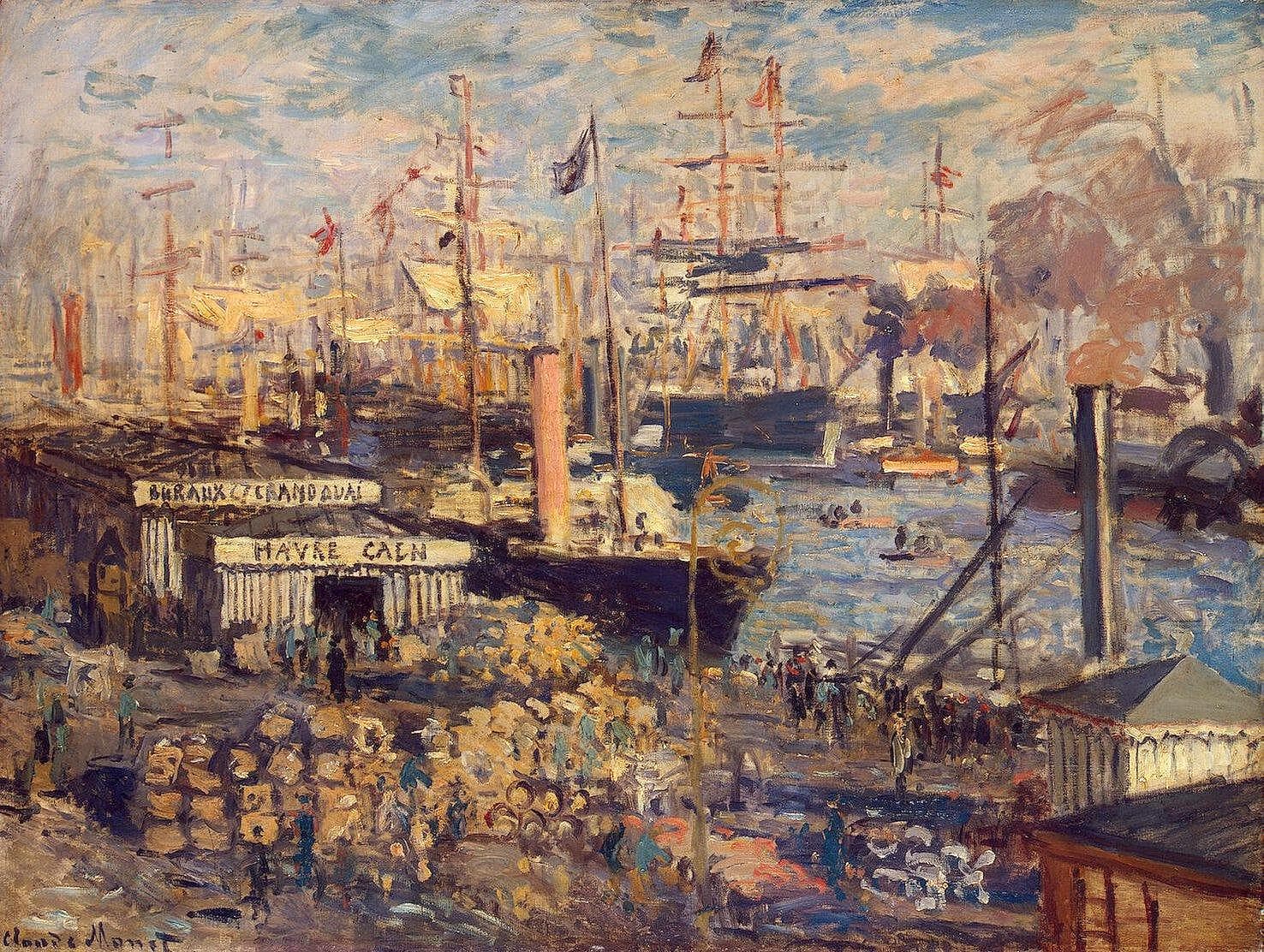
The Grand Quai at Le Havre
Claude Monet · 1874
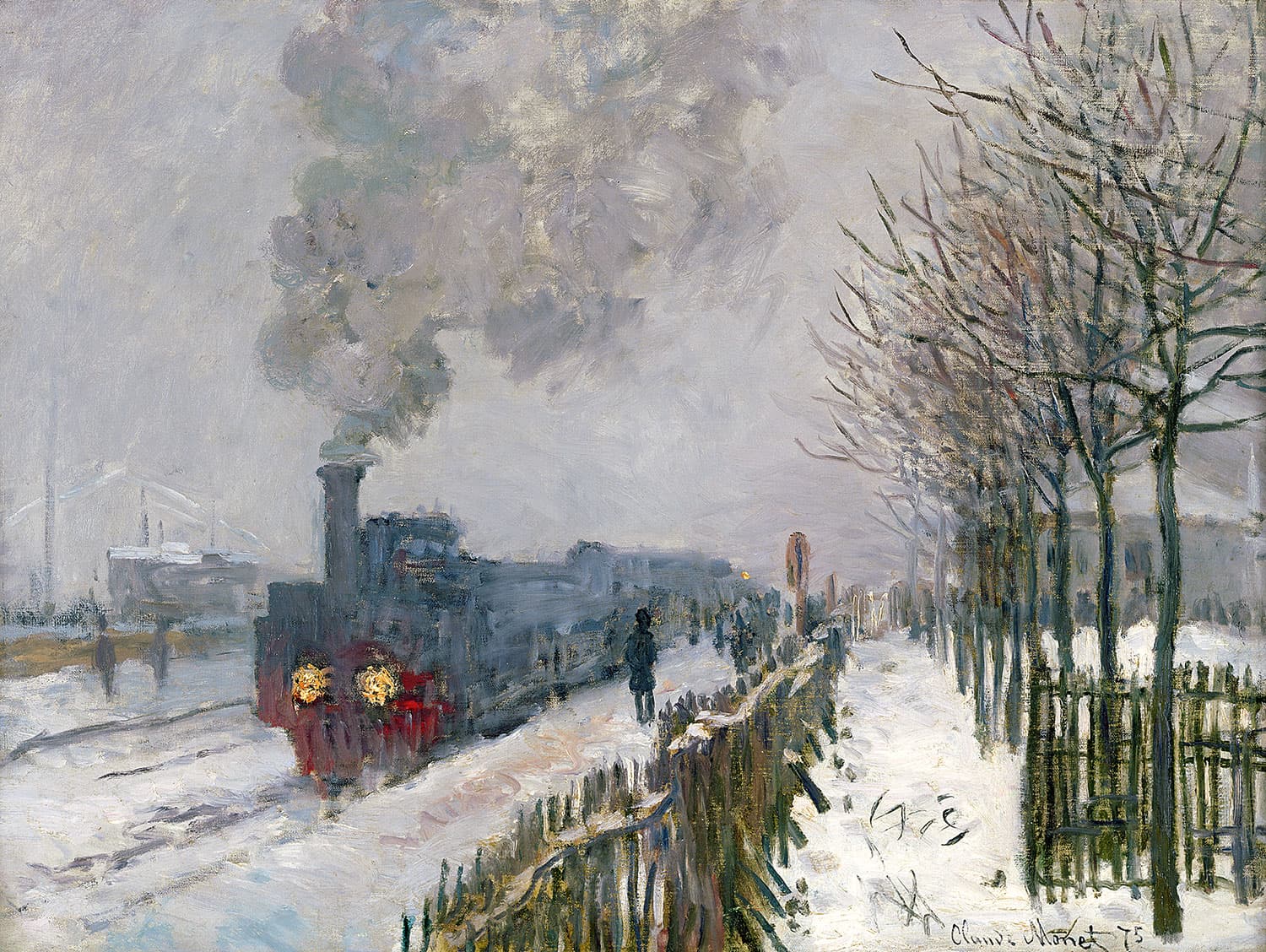
Train in the Snow (The Locomotive)
Claude Monet · 1875
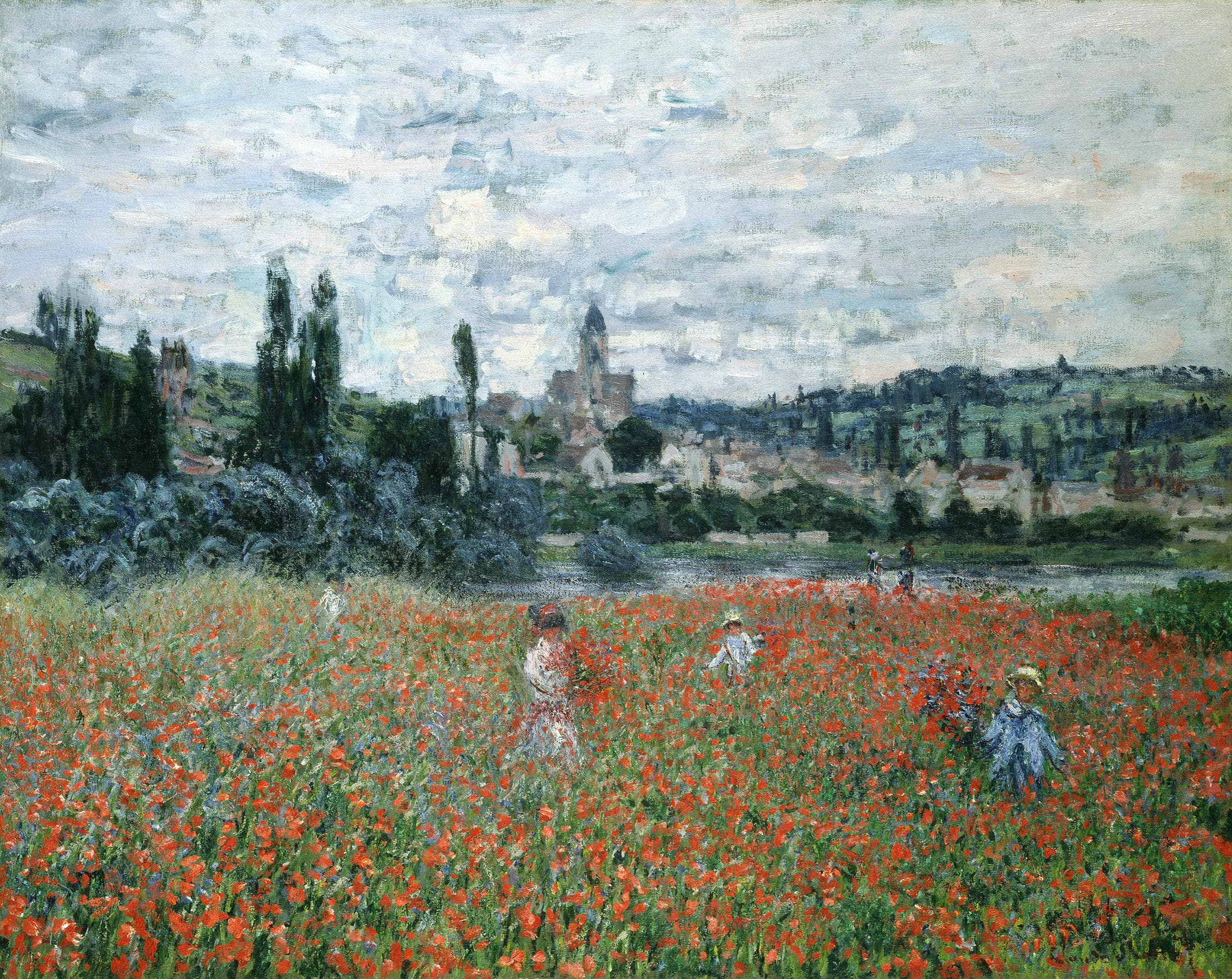
Poppy Field near Vétheuil
Claude Monet · c. 1879
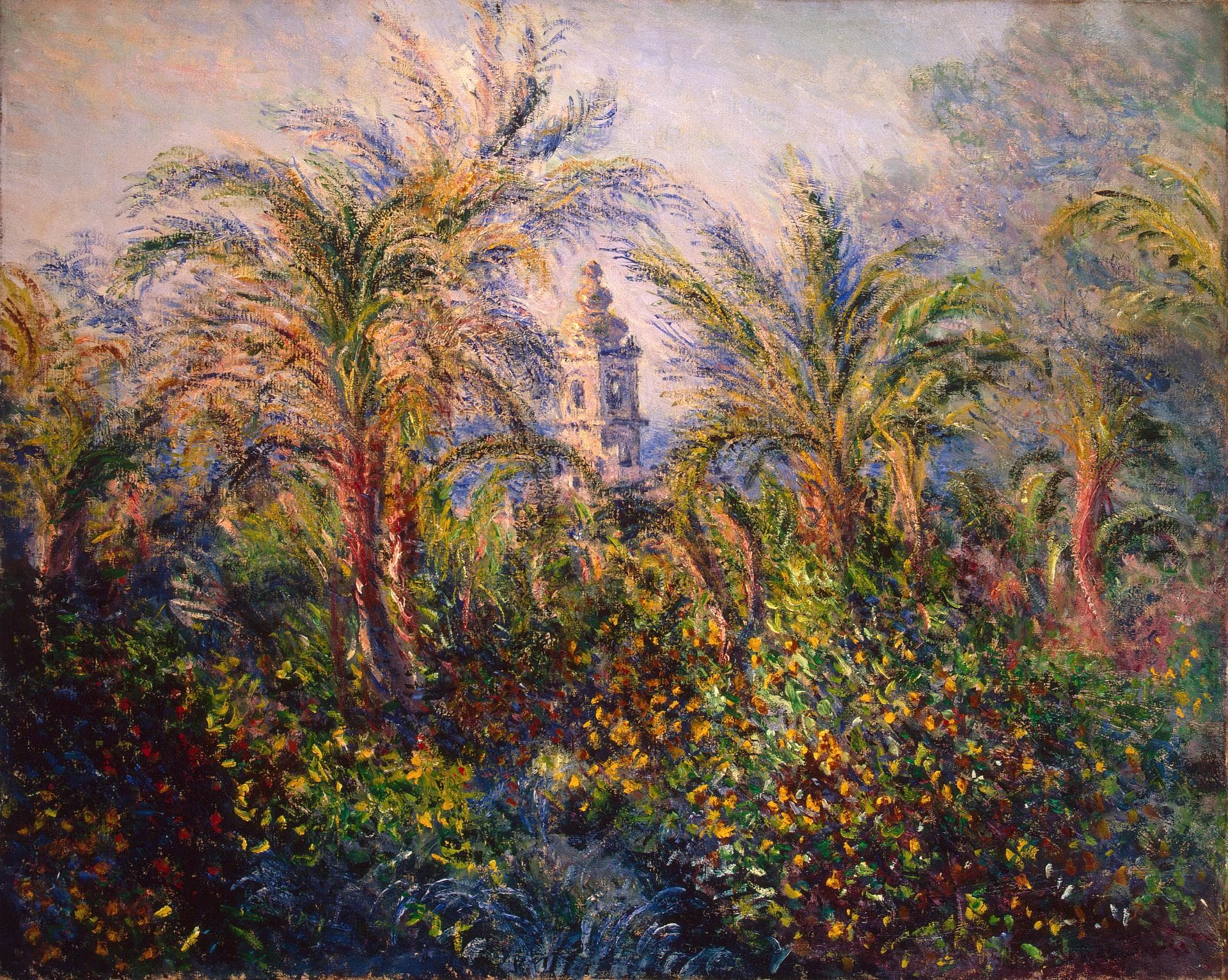
Garden at Bordighera, Impression of Morning
Claude Monet · 1884
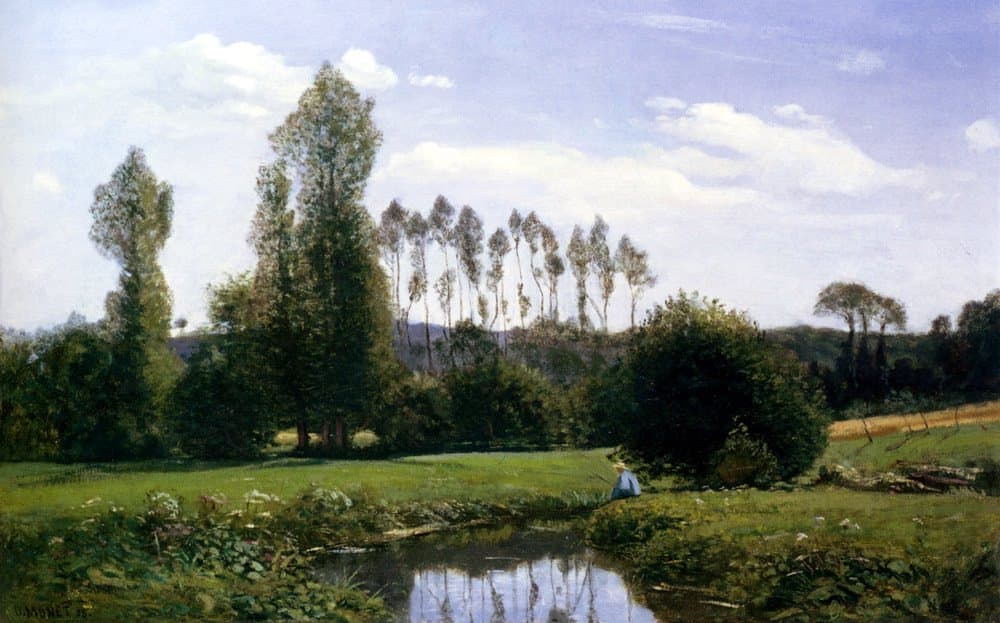
View at Rouelles, Le Havre
Claude Monet · 1858
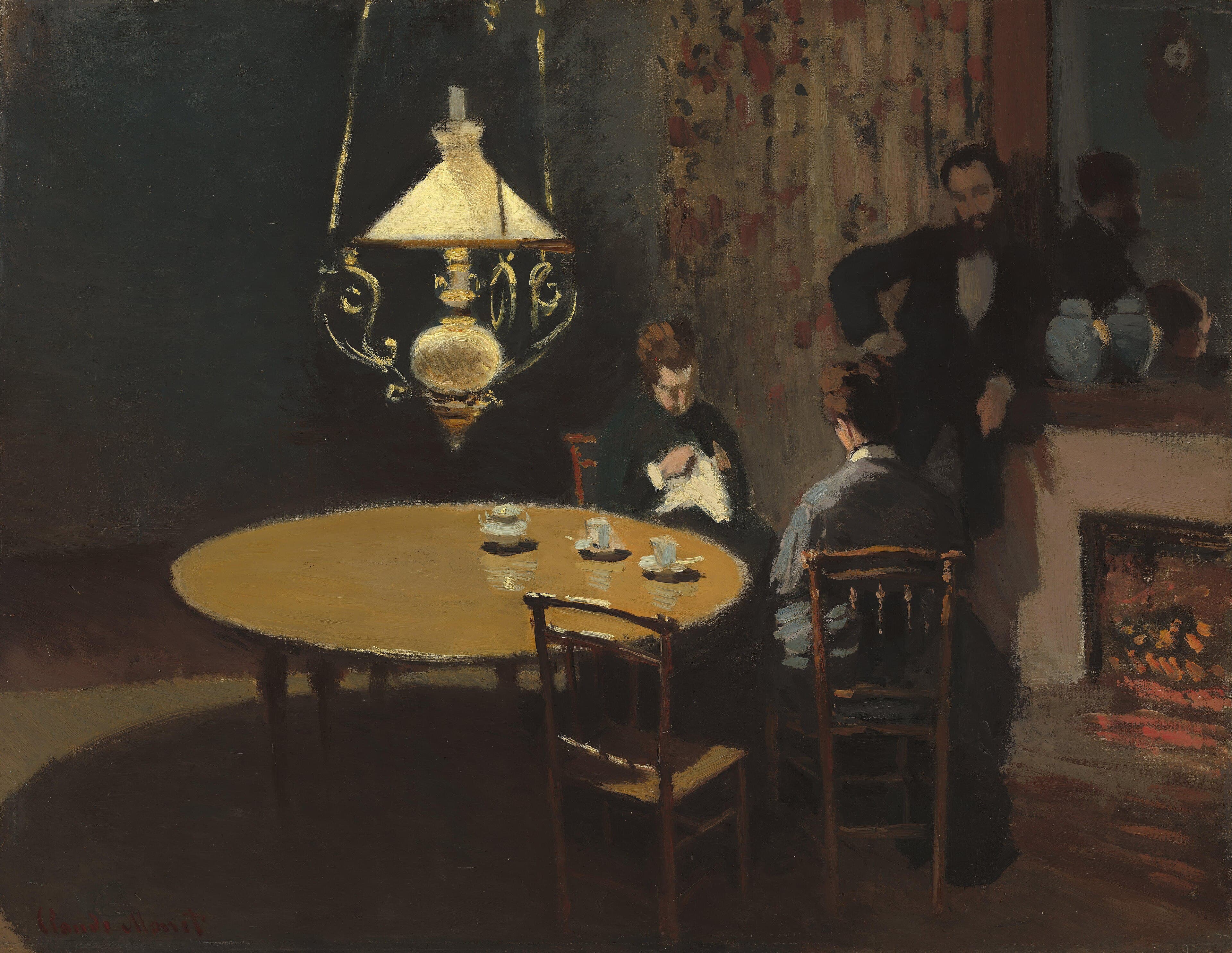
Interior, after Dinner
Claude Monet · 1868–69
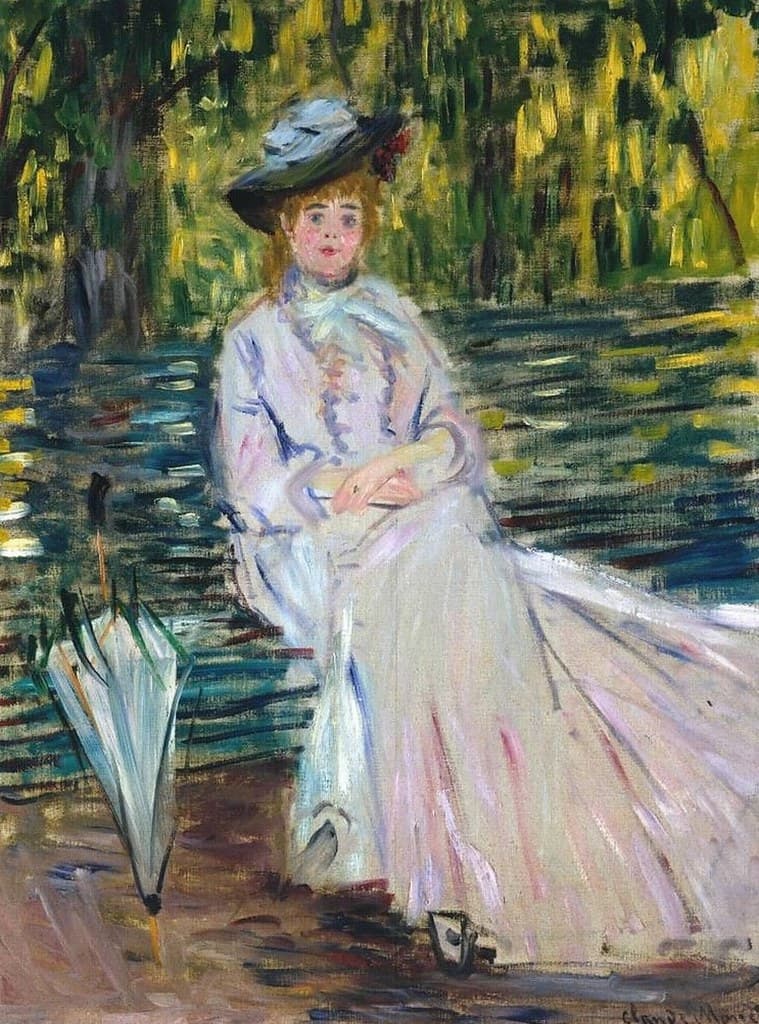
Woman Seated on a Bench
Claude Monet · c. 1874
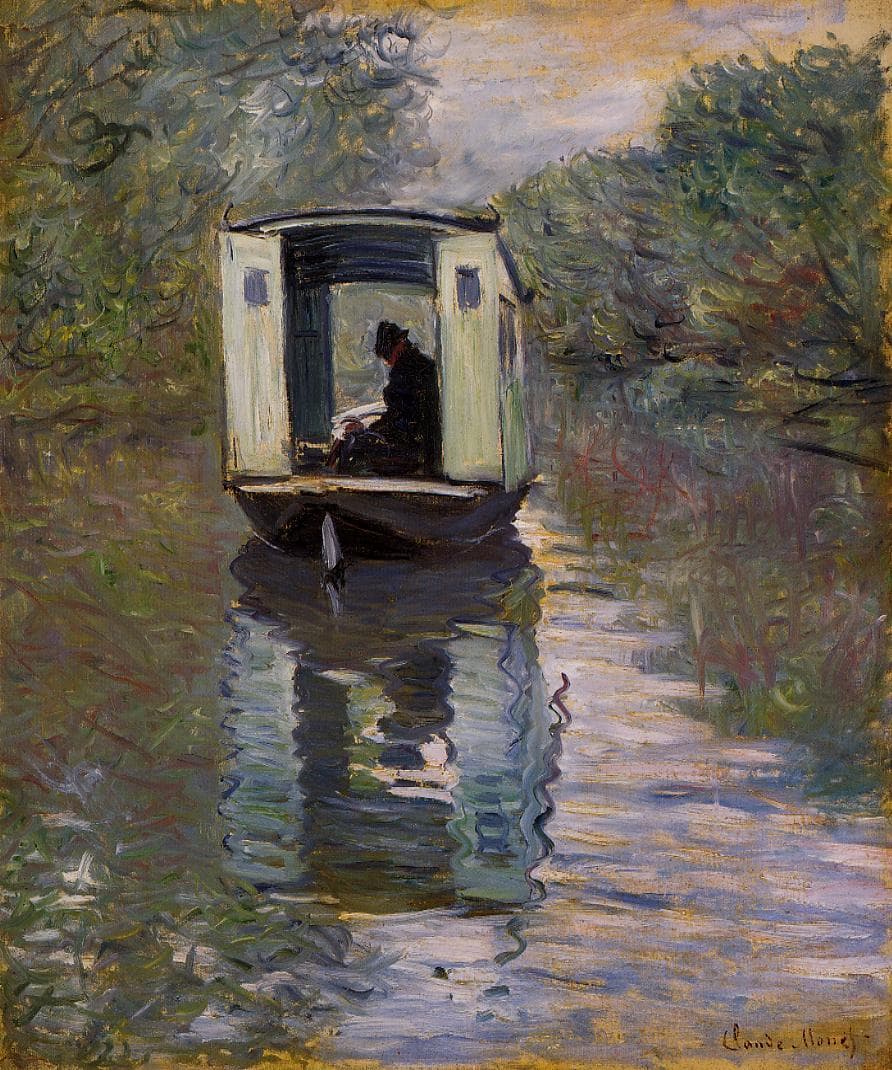
The Studio Boat (Le Bateau-atelier)
Claude Monet · 1876
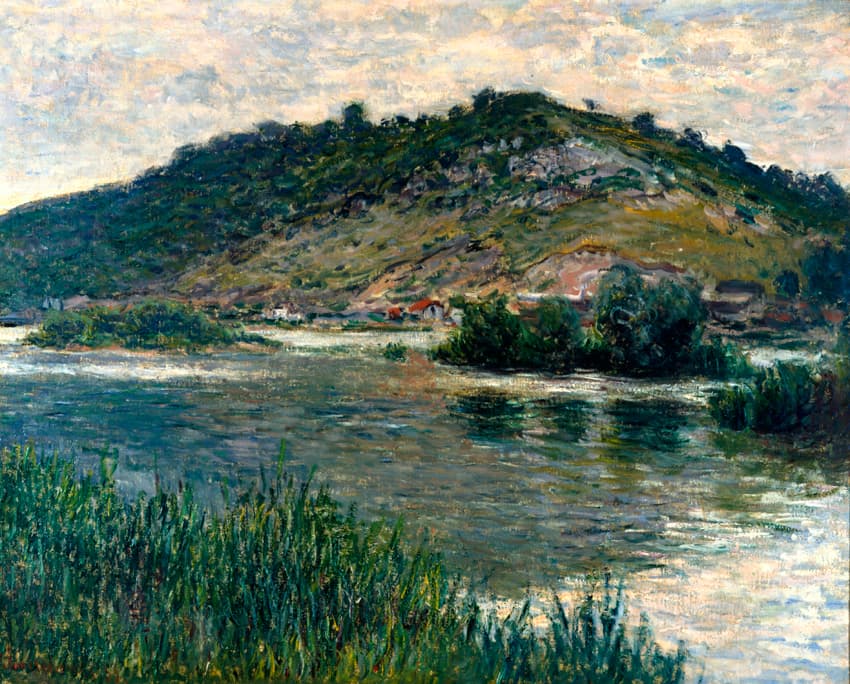
Landscape in Port-Villez
Claude Monet · 1883
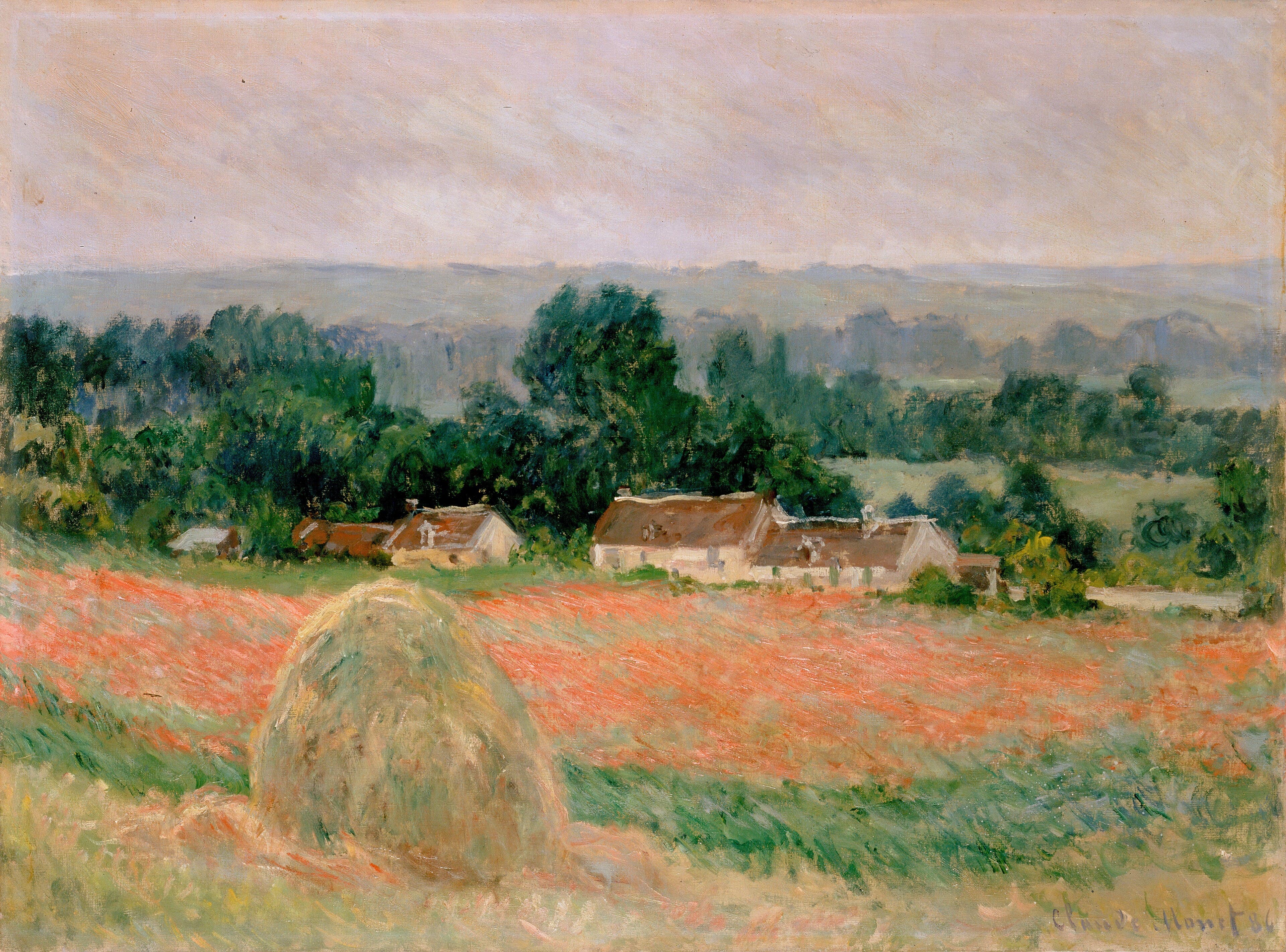
Haystack at Giverny
Claude Monet · 1886
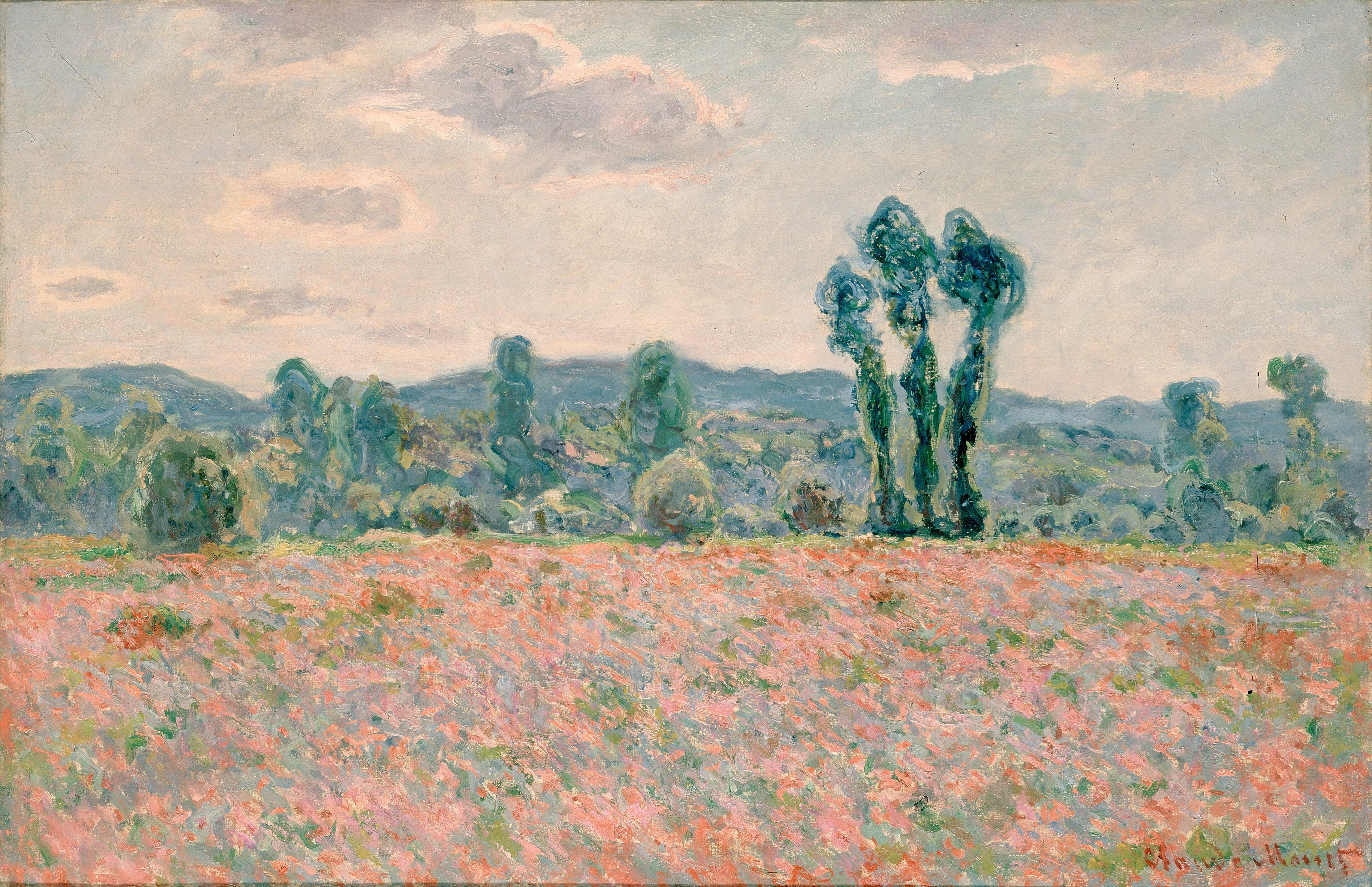
Poppy Field
Claude Monet · c. 1890
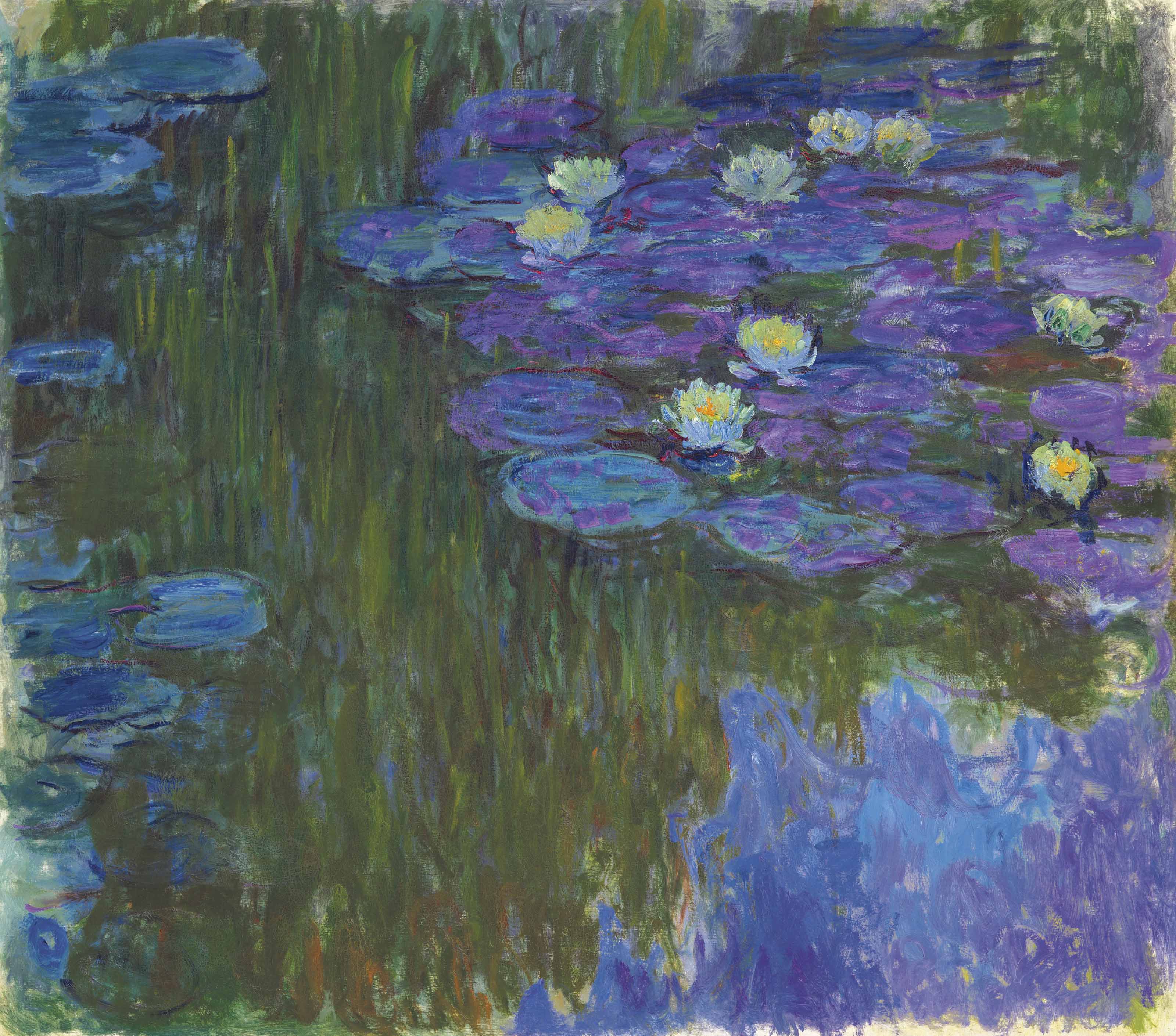
Nymphéas en fleur
Claude Monet · c. 1914–17
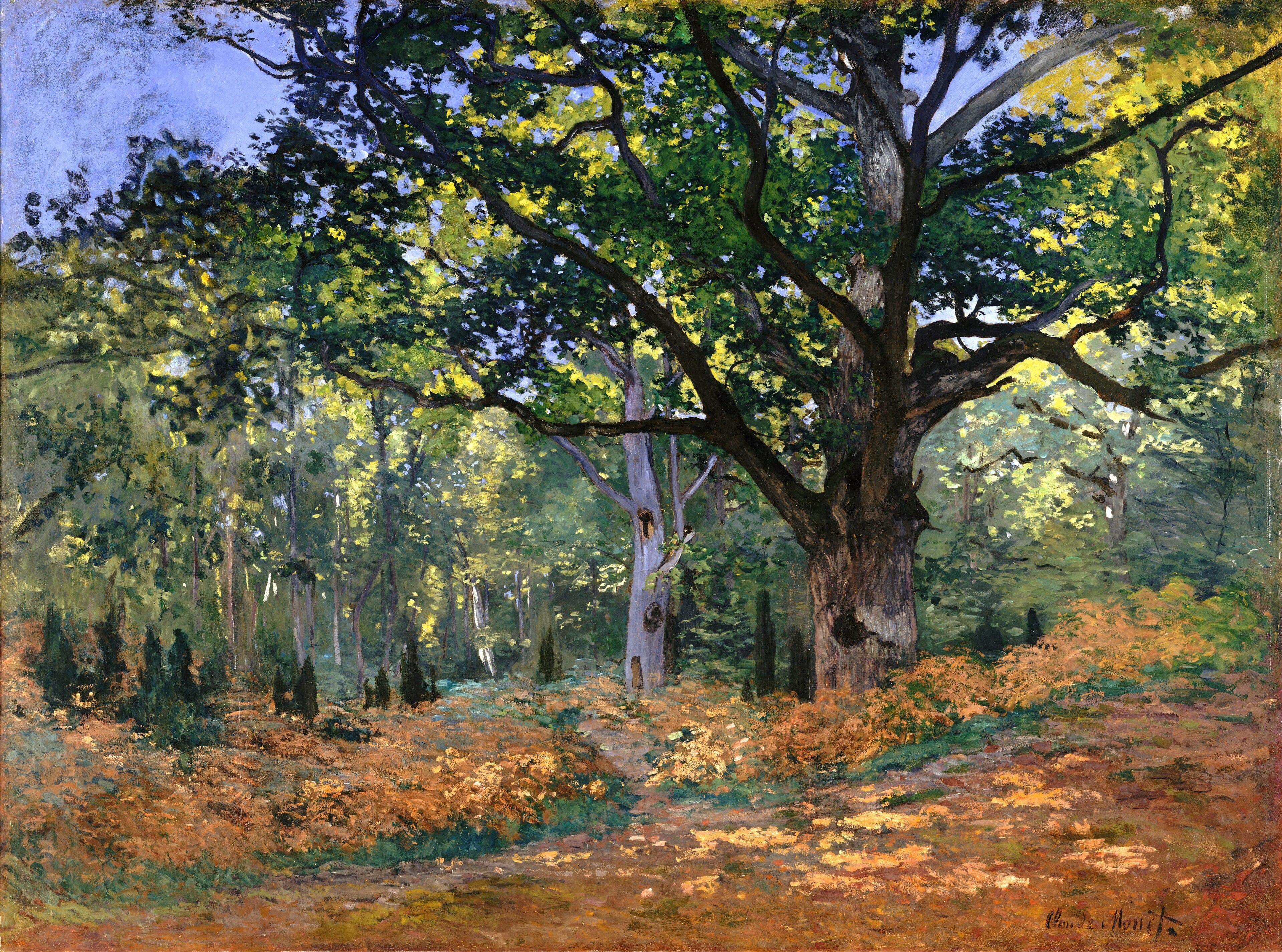
The Bodmer Oak, Fontainebleau Forest
Claude Monet · 1865
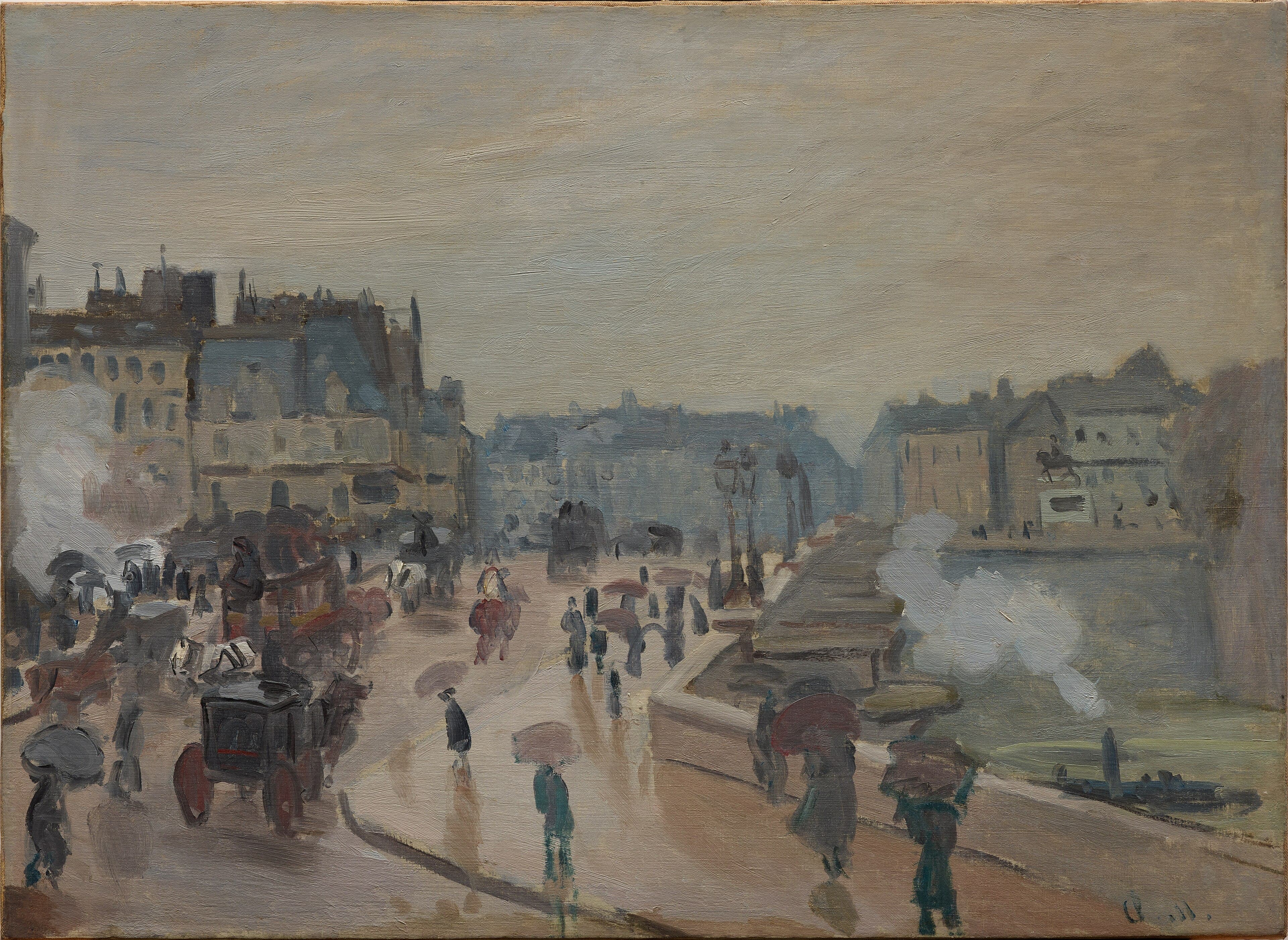
The Pont Neuf
Claude Monet · 1871
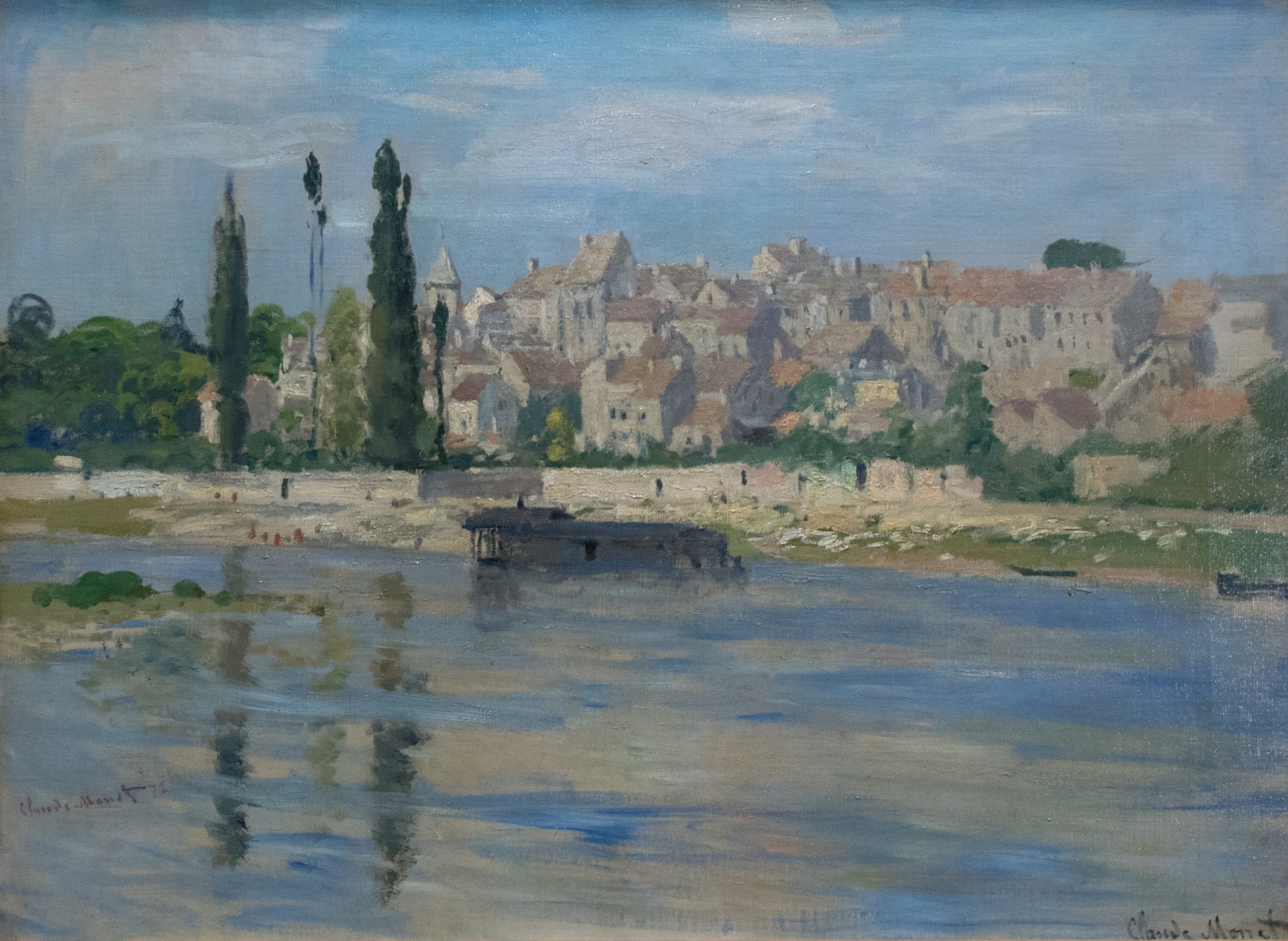
Carrières-Saint-Denis
Claude Monet · 1872
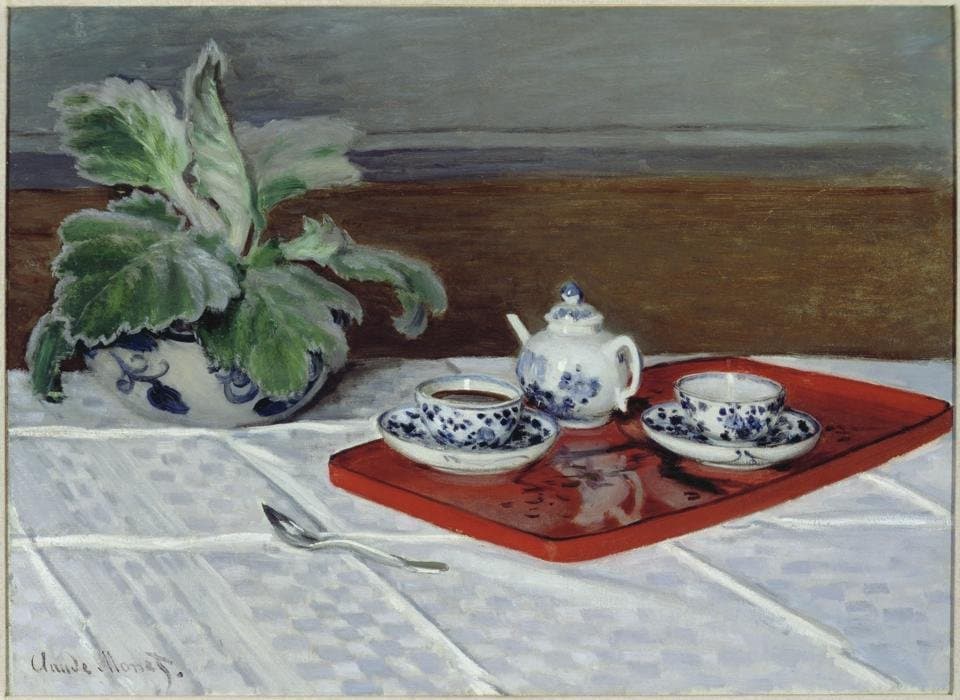
The Tea Service
Claude Monet · 1872
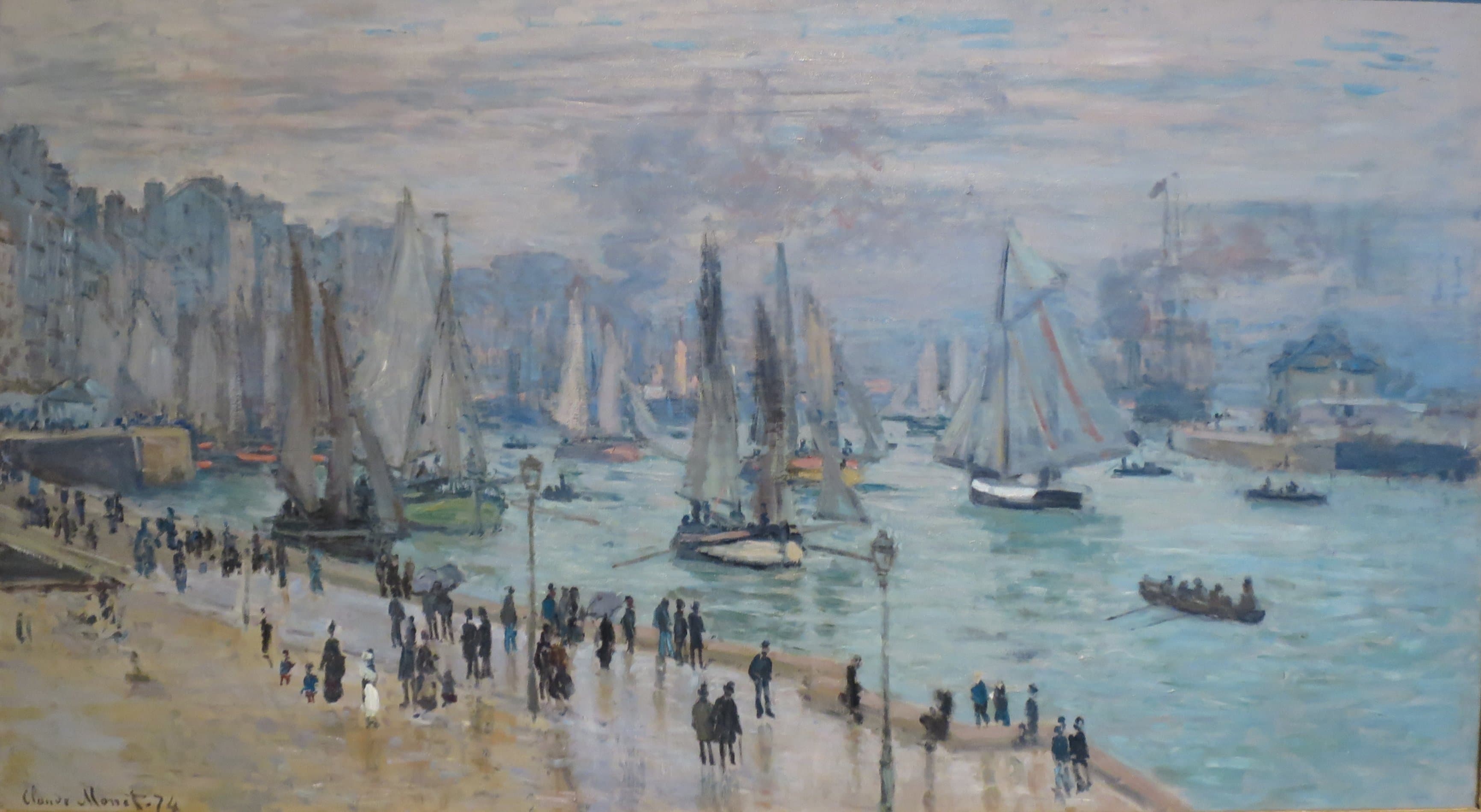
Fishing Boats Leaving the Harbor, Le Havre
Claude Monet · 1874
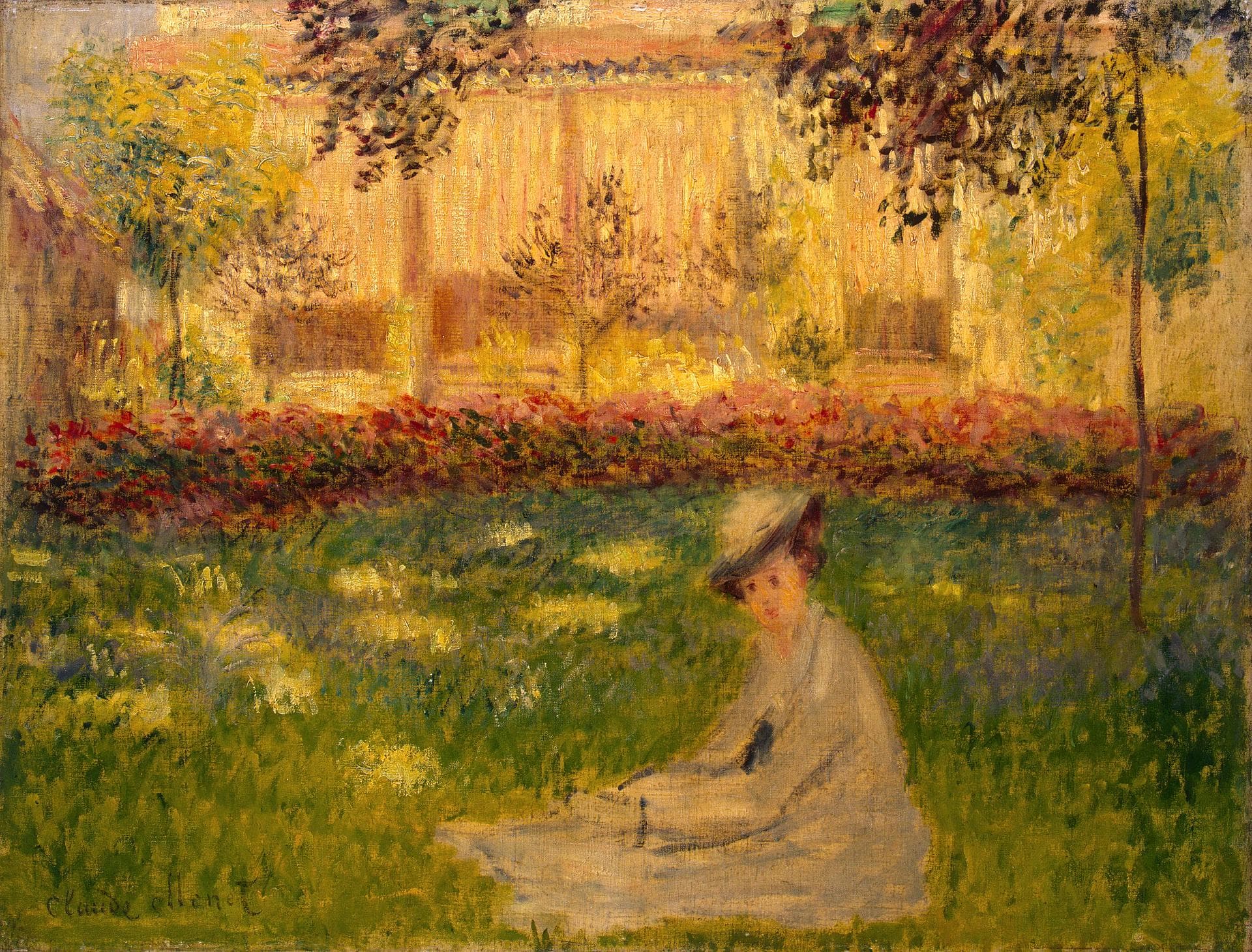
Woman in the Garden
Claude Monet · 1876
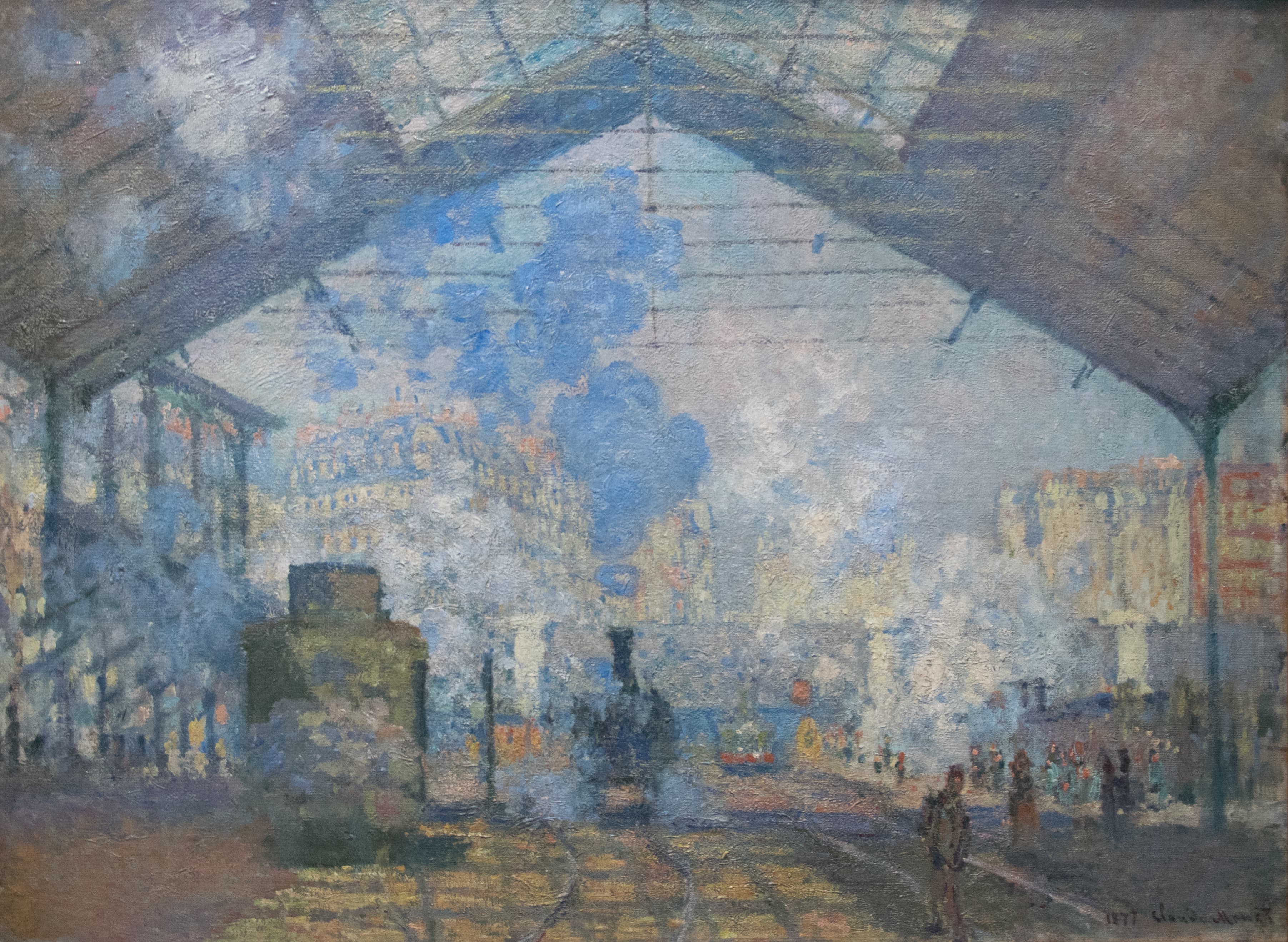
La Gare Saint-Lazare
Claude Monet · 1877
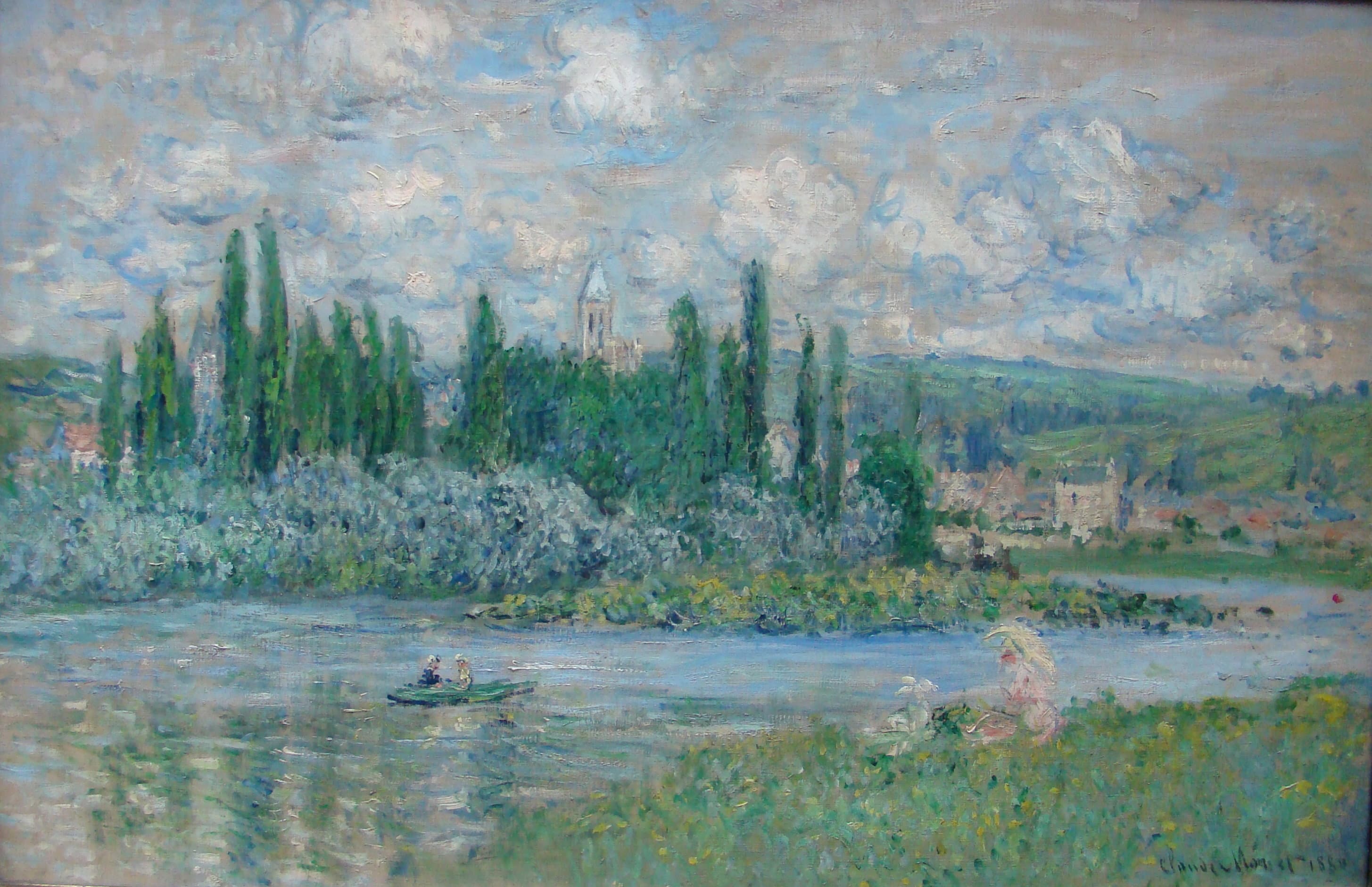
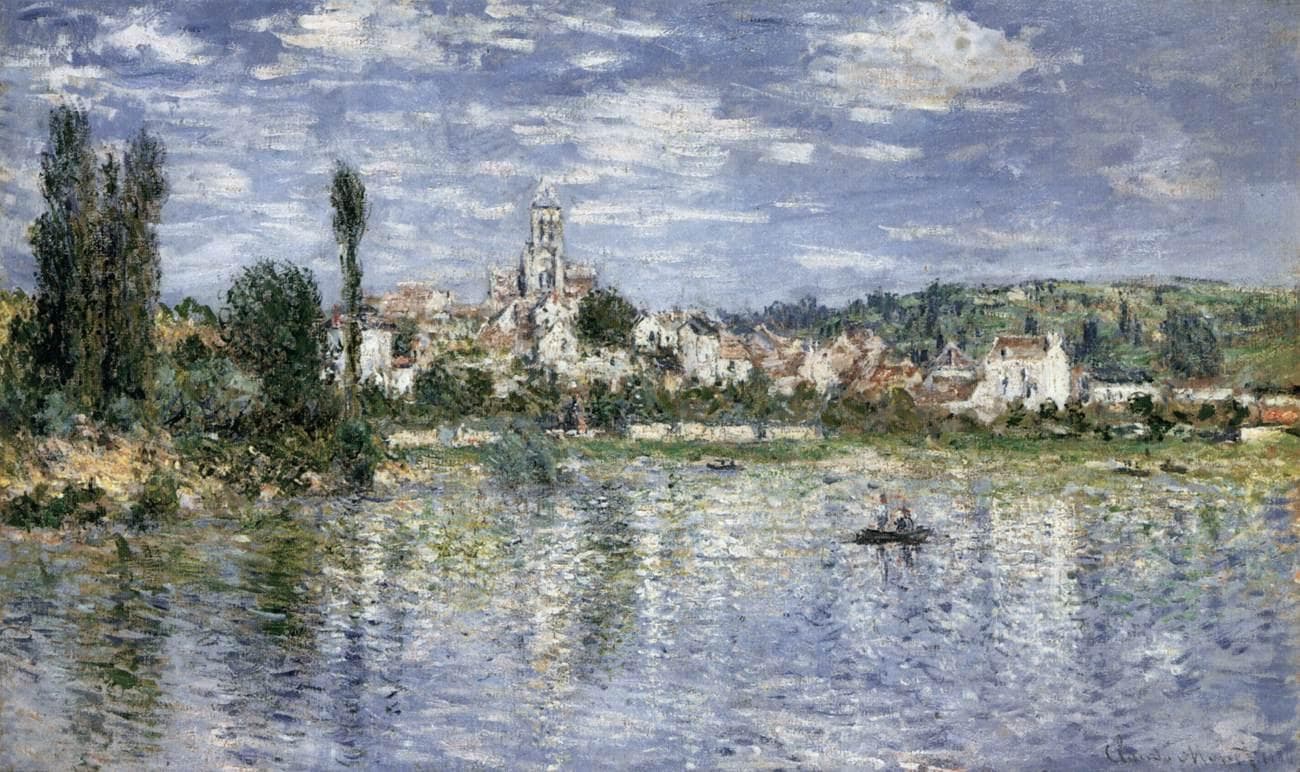
View of Vétheuil
Claude Monet · 1880
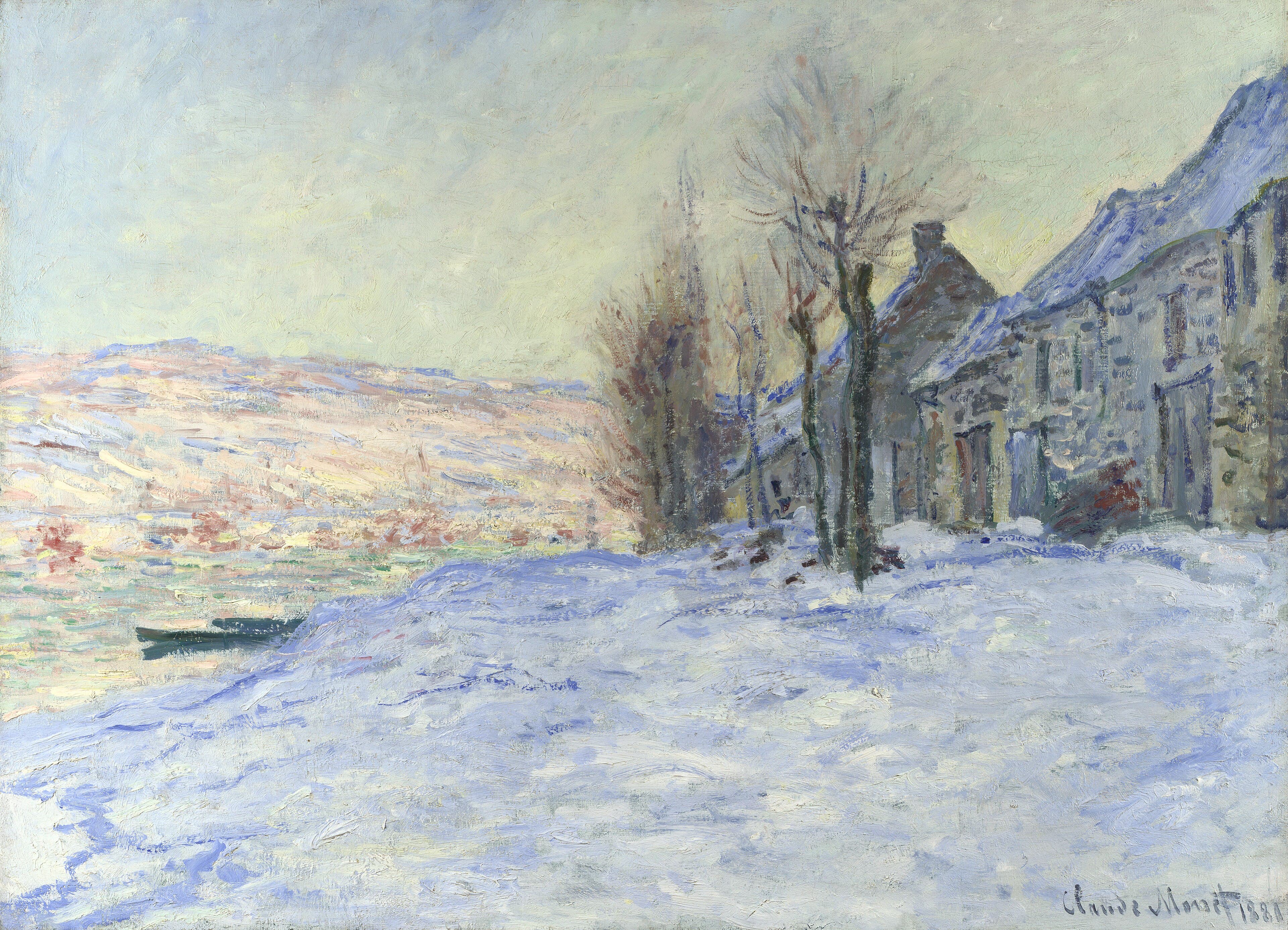
Lavacourt under Snow
Claude Monet · c. 1878–81
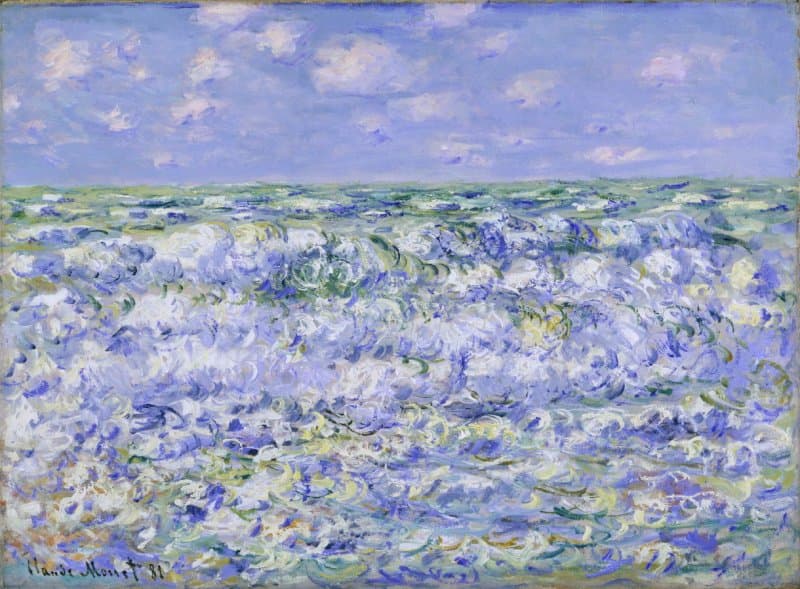
Waves Breaking
Claude Monet · 1881
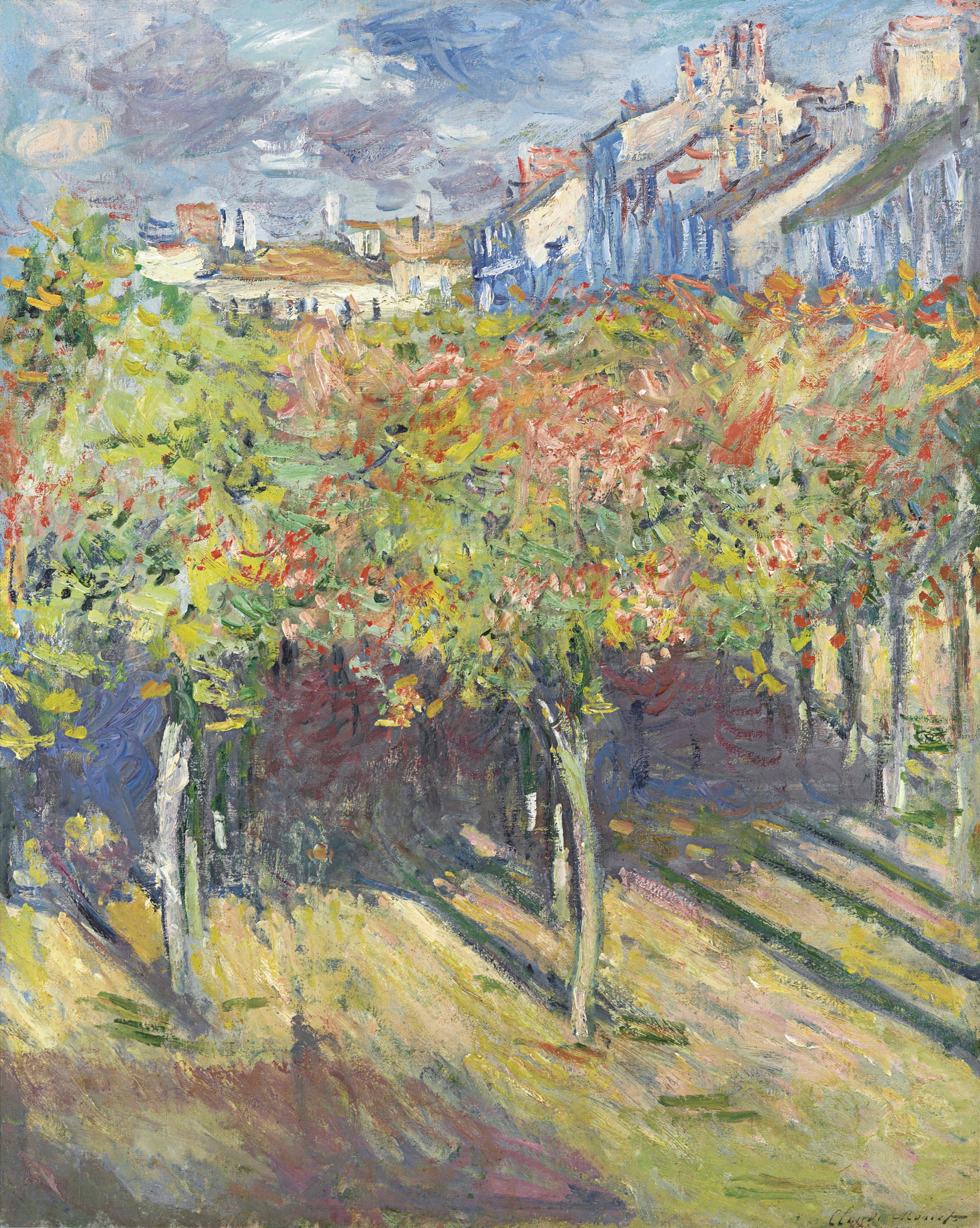
Les Tilleuls à Poissy
Claude Monet · 1882
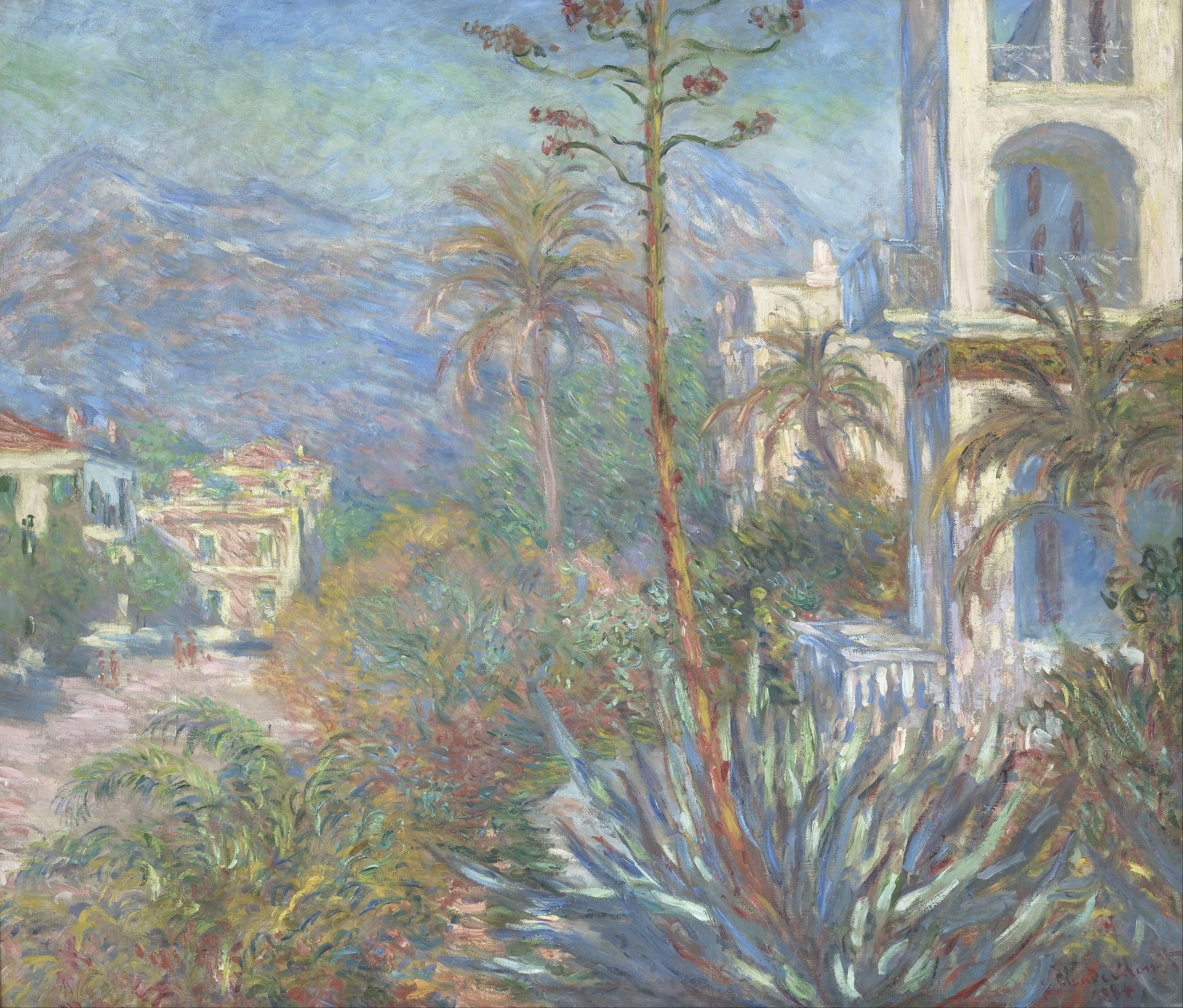
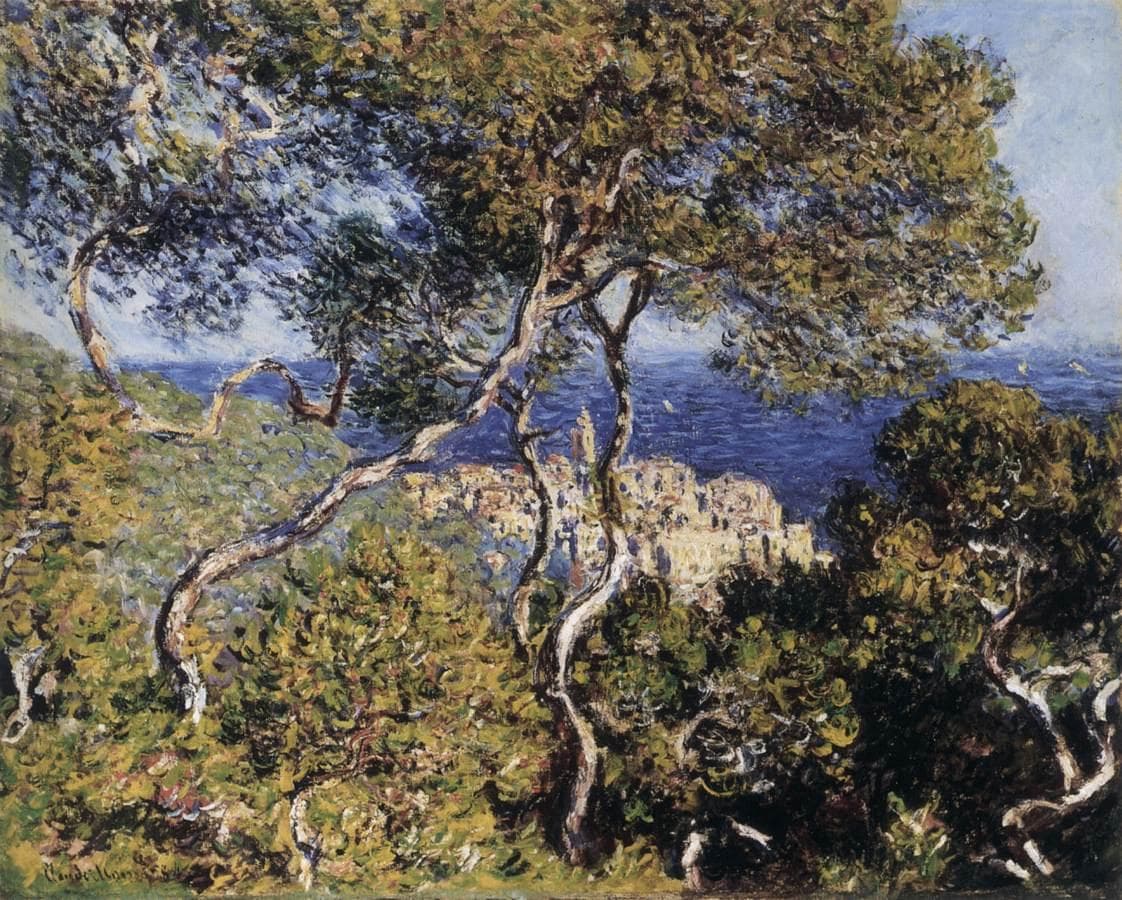
Villas at Bordighera
Claude Monet · 1884
Claude Monet (1840–1926) was a French painter and the central figure of Impressionism. Over six decades he tried to paint not things but the light and air between him and them, from the harbors of Normandy to the water garden he built at Giverny, where he painted Bridge over a Pond of Water Lilies (1899, Metropolitan Museum of Art), his most searched picture in our catalogue.
Life in brief
Monet was born in Paris and grew up in Le Havre, where he first earned money drawing caricatures. The landscape painter Eugène Boudin persuaded him to paint outdoors, the lesson that shaped everything after. In Paris he studied at the Académie Suisse and then in Charles Gleyre's studio, where he met Pierre-Auguste Renoir, Frédéric Bazille and Alfred Sisley. His earliest surviving canvas in our catalogue, Corner of the Studio (1861, Musée d'Orsay), is a dark, careful still life, far from what he would become.
The 1860s were years of ambition and debt. He planned a huge Déjeuner sur l'herbe to rival Manet's, posing his companion Camille Doncieux and friends in the forest of Fontainebleau. He never finished it; he left the canvas as security for unpaid rent, and when he recovered it, damp had damaged it, so he cut it up. Two surviving pieces are in the Musée d'Orsay (The Picnic, two parts; see also the fragment). On the Normandy coast he painted Regatta at Sainte-Adresse (1867) and A Cart on the Snowy Road at Honfleur.
Monet married Camille in 1870 and fled to London during the Franco-Prussian War. On his return the family settled at Argenteuil on the Seine, where he painted some of the happiest pictures of the movement: The Luncheon, Camille Monet on a Garden Bench and The Harbour at Argenteuil.
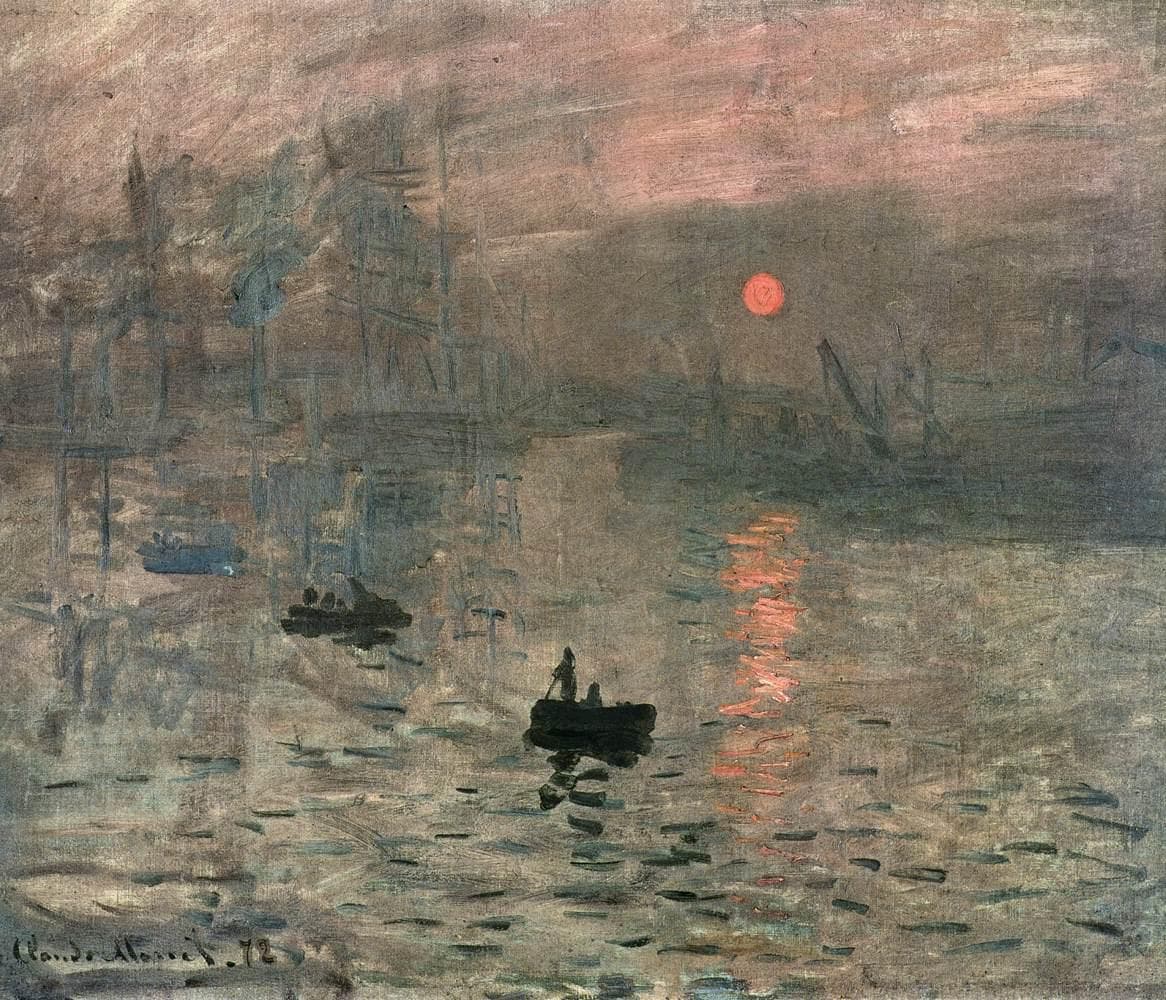
In 1874 Monet and his friends held their own exhibition outside the official Salon. His Impression, Sunrise (1872) gave the critic Louis Leroy a mocking name for the group, and it stuck. Boulevard des Capucines, a view of crowds from a high window, was also shown. The following years brought Woman with a Parasol – Madame Monet and Her Son (1875), View of the Tuileries Garden (1876), the smoke-filled station of Gare Saint-Lazare: the Train from Normandy (1877) and the flag-filled street of Rue Montorgueil (1878).
Money stayed scarce. The Monets moved to Vétheuil, sharing a house with the family of the bankrupt collector Ernest Hoschedé. Camille died there in September 1879, and Monet painted her on her deathbed in streaks of blue and violet (Camille Monet on Her Deathbed, Musée d'Orsay). That winter the Seine froze and broke up, the subject of Lavacourt in Winter.
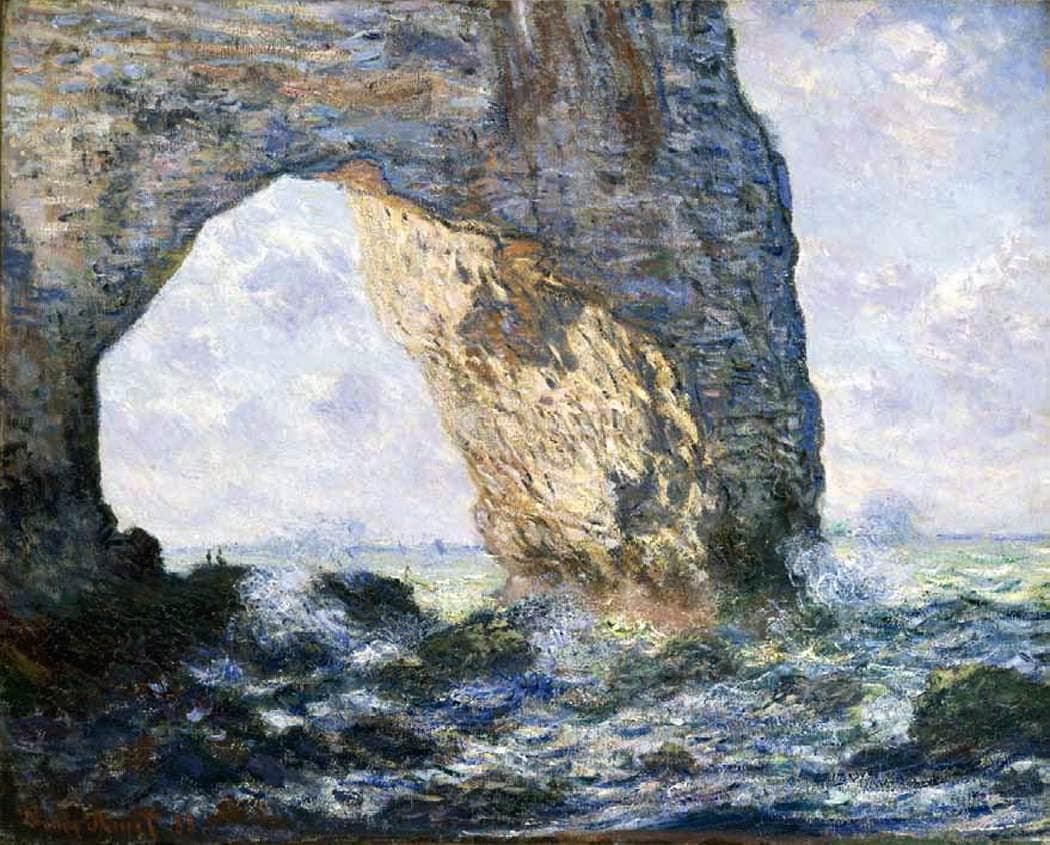
In 1883 Monet settled at Giverny with Alice Hoschedé, whom he married in 1892. Sales improved, and he traveled to paint: the cliffs of Étretat (La Manneporte, Rough Sea at Étretat), the Riviera (Palm Trees in Bordighera, 1884) and the Creuse valley in central France (Valley of the Creuse, 1889).
Series painting
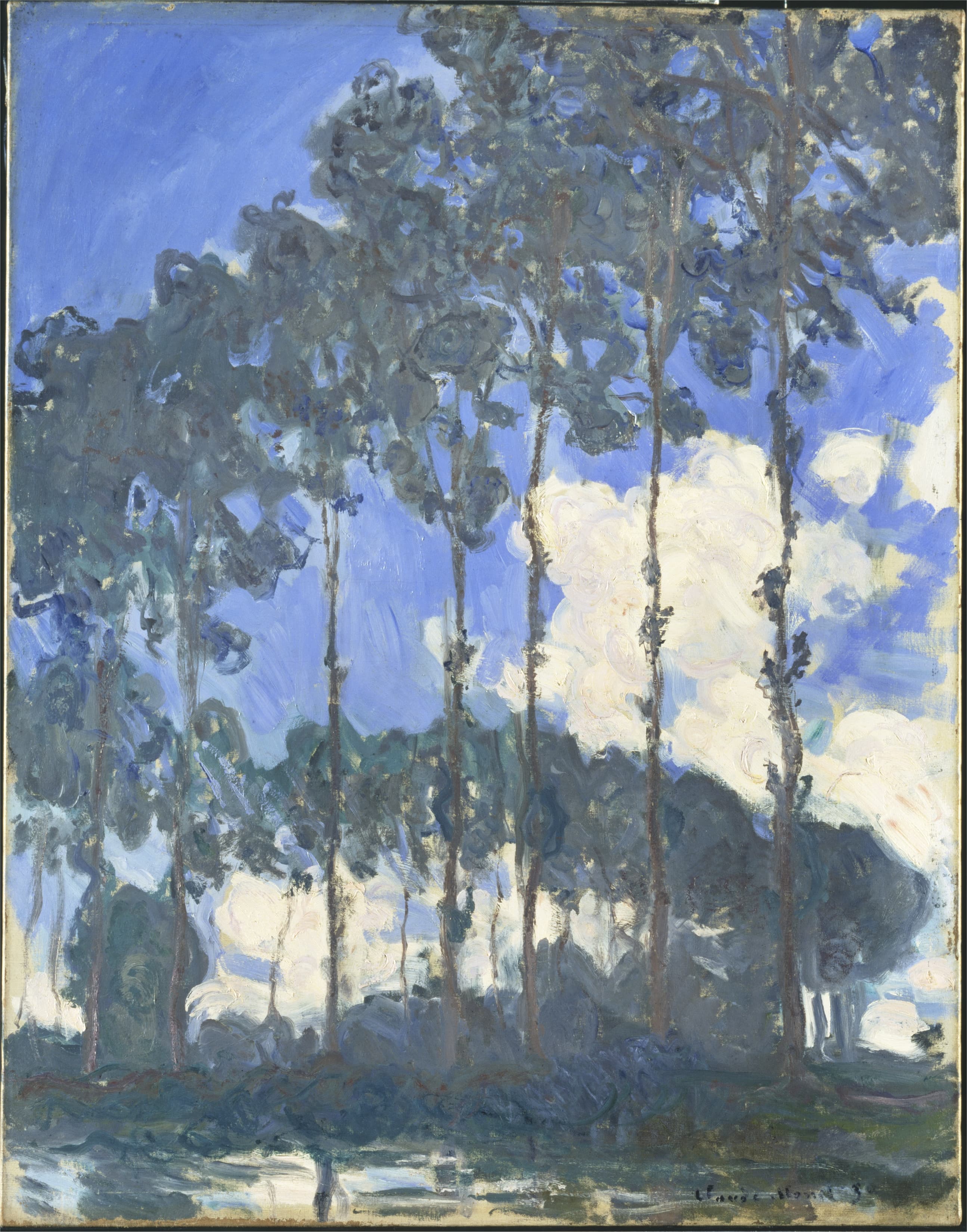
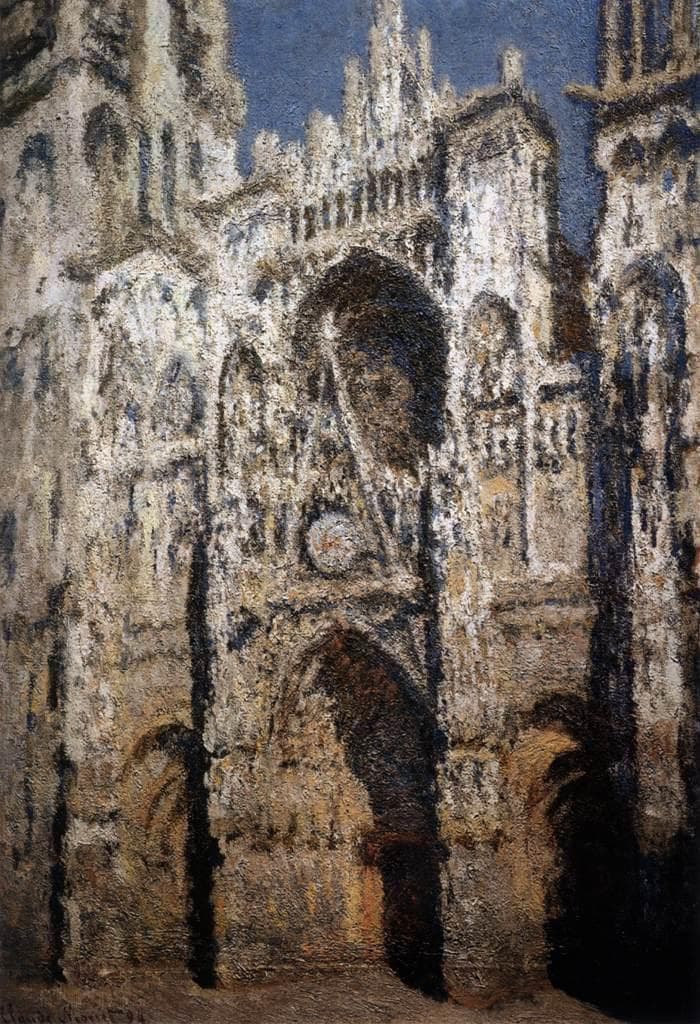
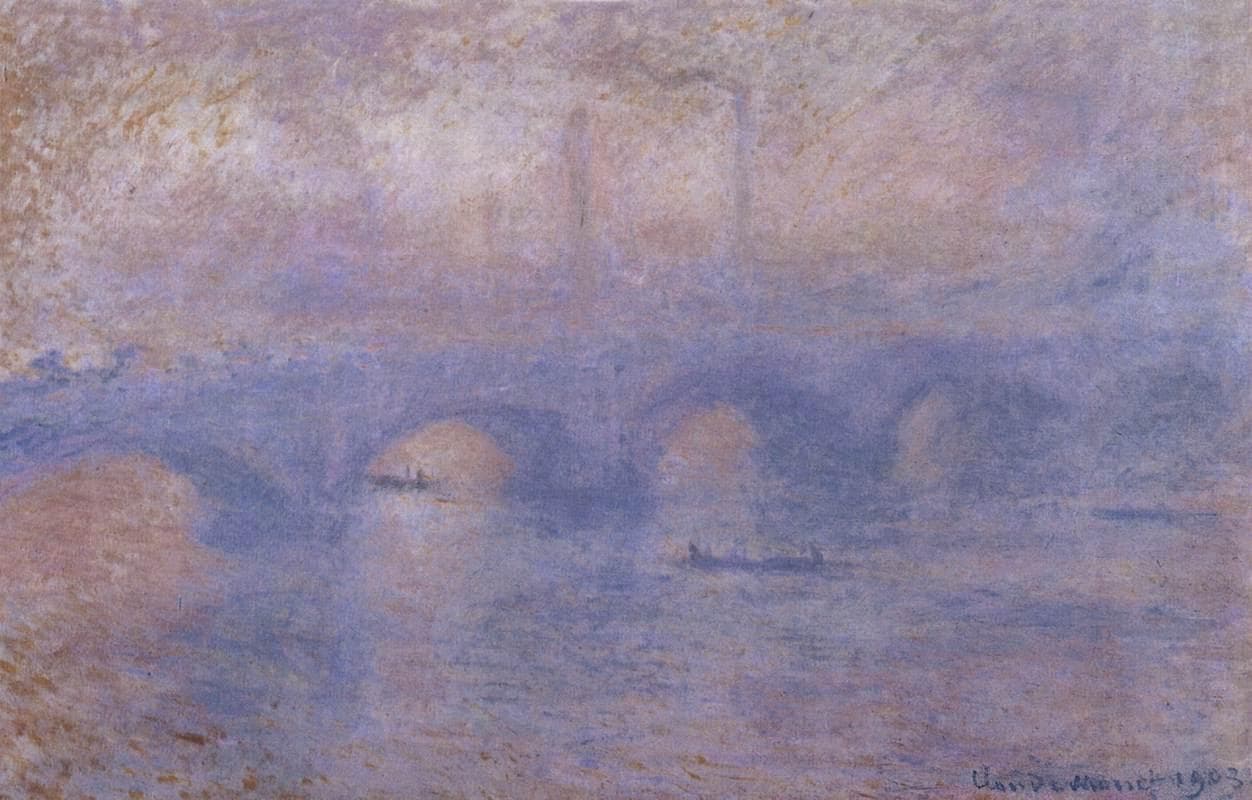
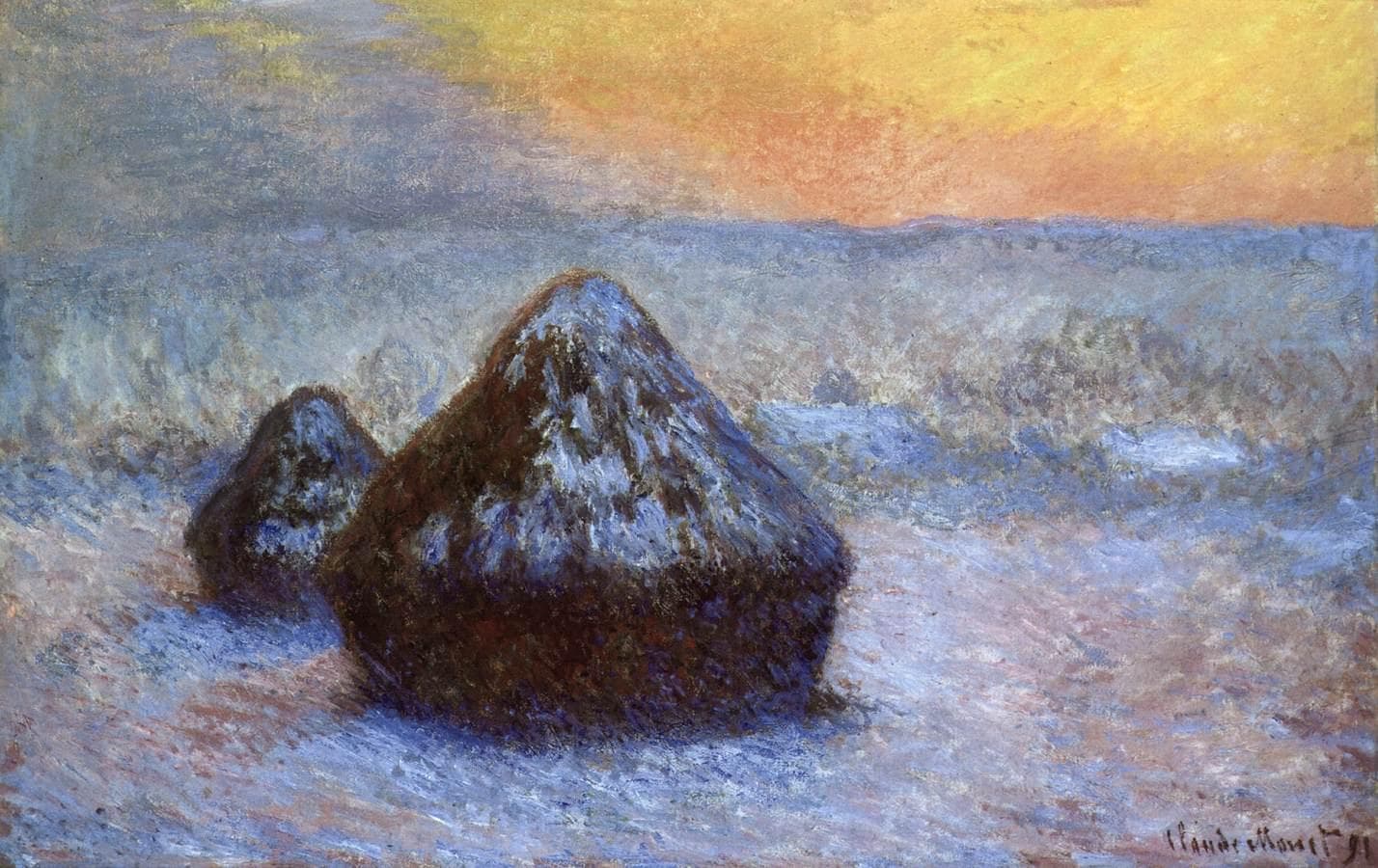
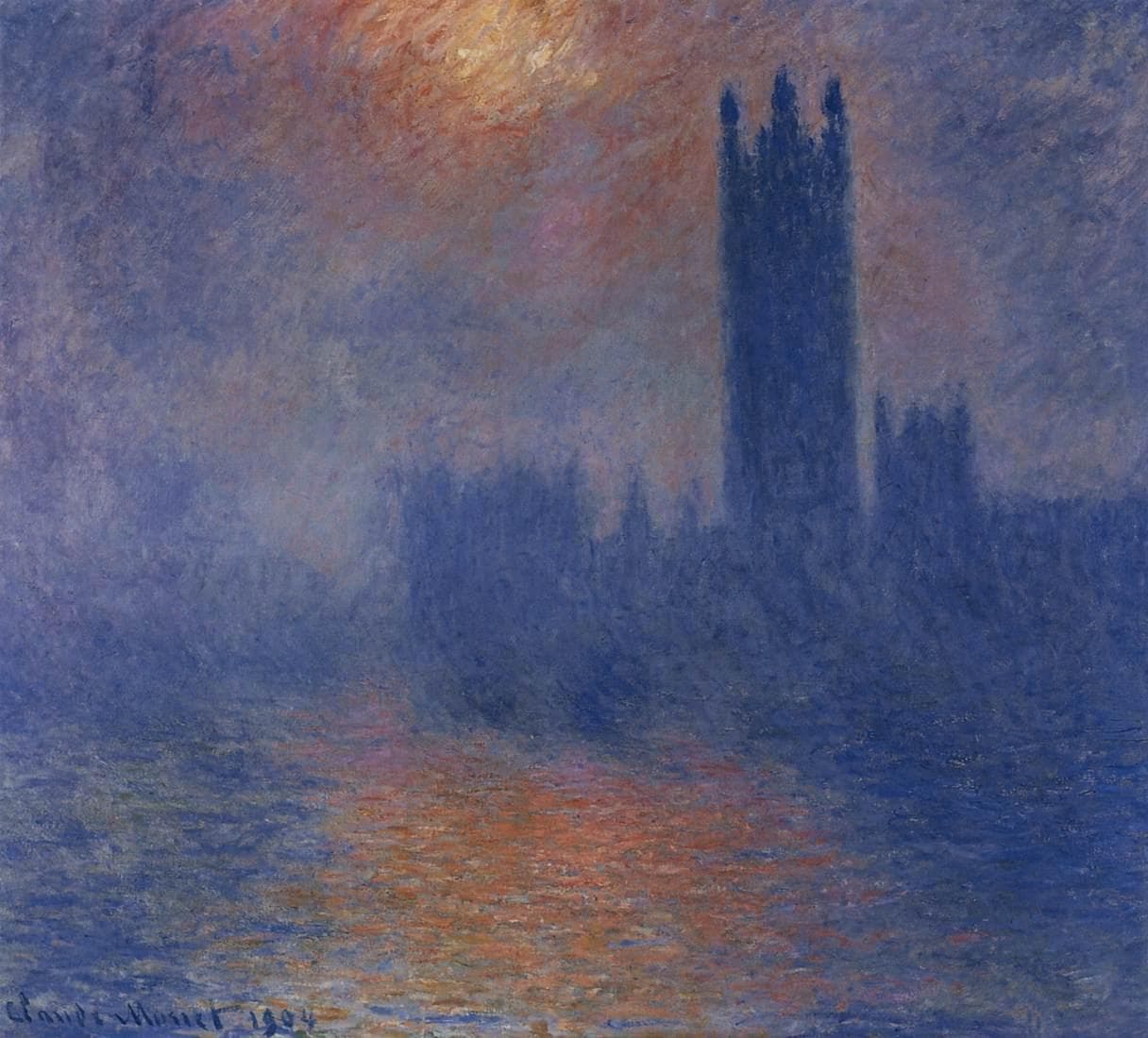
From around 1890 Monet worked in series, painting the same motif over and over in different light: haystacks, poplars, Rouen Cathedral, the Thames, Venice. He would carry several canvases outdoors and switch between them as the light changed. Three Poplars, Summer (1891) and Morning Haze (1894) come from this period, and the late Venetian Sunset in Venice (National Museum Cardiff) shows how far he had moved from description toward pure color.
The water garden at Giverny
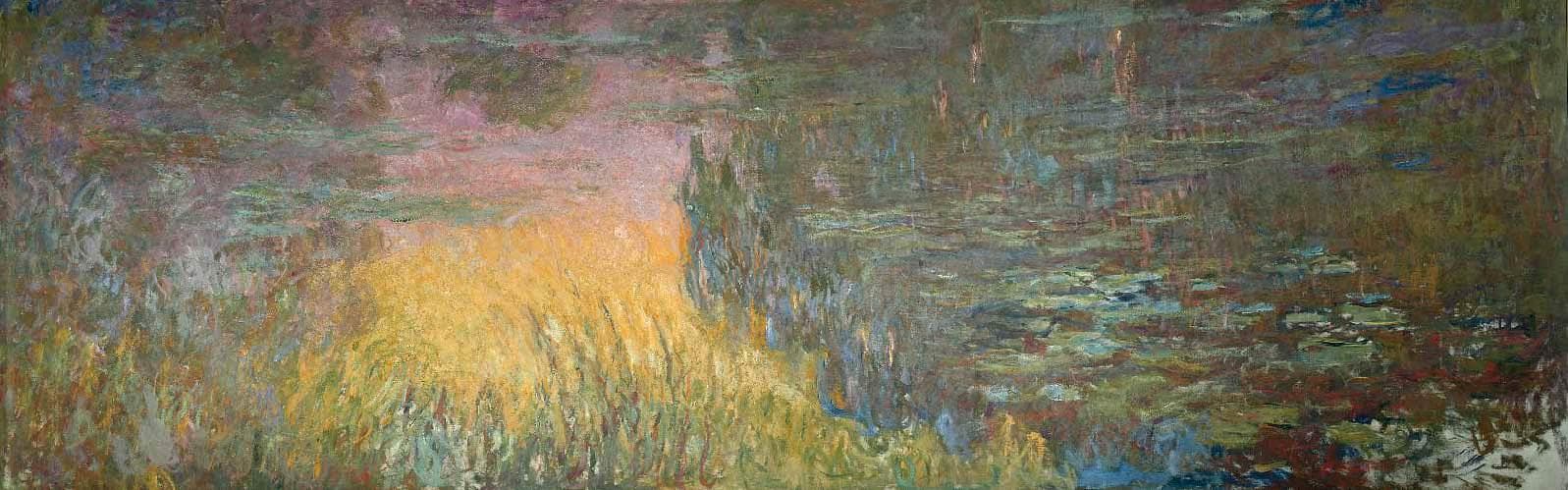
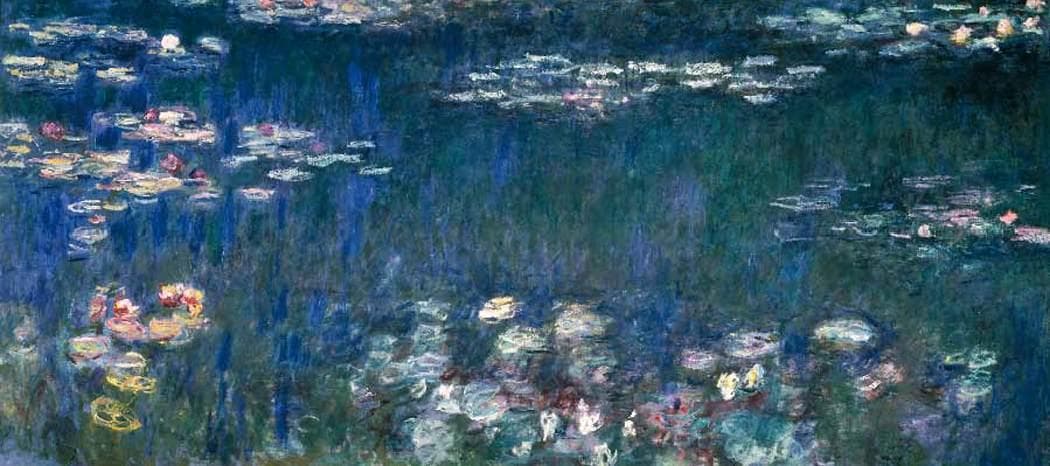
In 1893 Monet bought land across the road from his house, diverted a stream and created a pond planted with water lilies, crossed by a Japanese-style footbridge. From 1899 it became his main subject. In Bridge over a Pond of Water Lilies the green arched bridge spans the top of the canvas, and below it the pond is crowded with lily pads painted in short horizontal dabs, while reflected willows hang as vertical strokes, so the surface is woven from two directions at once. A year later, Water Lily Pond, Harmony in Rose (1900) shows the same view in warmer light. In his last years, with failing eyesight from cataracts, he painted near-abstract canvases such as Weeping Willow and the vast Water Lilies panels he gave to France, installed in the Orangerie in Paris in 1927, months after his death.
Style and technique
Monet worked outdoors, on light-colored grounds, with short, loaded strokes of unmixed color placed side by side. He avoided black, rendering shadow in blues and violets. Look closely at almost any of his paintings and you will find colors you never noticed at a distance: orange in a snowbank, pink in a white dress.
Legacy
Ridiculed in the 1870s, Monet was a national figure by 1900. His late, all-over water lilies were rediscovered in the 1950s by American abstract painters, and he is now among the most popular artists in the world. Browse Famous Monet Paintings and Impressionism.
Where to see his work
The Musée d'Orsay, the Musée Marmottan Monet and the Orangerie in Paris hold the largest groups. The Metropolitan Museum of Art, the Art Institute of Chicago, the Museum of Fine Arts, Boston, and the National Gallery in London have major holdings, and his house and garden at Giverny are open to visitors.
Questions & answers
Where is Monet's Bridge over a Pond of Water Lilies?
Bridge over a Pond of Water Lilies (1899) is in the Metropolitan Museum of Art in New York. It is one of a group of about a dozen views of the Japanese footbridge in his garden at Giverny that Monet painted in 1899–1900.
What are Claude Monet's most famous paintings?
His most famous works include Impression, Sunrise (1872), Woman with a Parasol (1875), the Gare Saint-Lazare series (1877), the Haystacks and Rouen Cathedral series, the Japanese bridge paintings of 1899–1900 and the late Water Lilies panels in the Orangerie in Paris.
Who are the woman and child in Woman with a Parasol?
They are Monet's wife Camille and their son Jean, painted in 1875 at Argenteuil. The painting, titled Woman with a Parasol – Madame Monet and Her Son, is in the National Gallery of Art in Washington, D.C.
Why is Monet called the father of Impressionism?
His painting Impression, Sunrise, shown at the first independent exhibition in 1874, gave the movement its name, and he pursued its aims longer and more consistently than anyone: painting outdoors, in broken color, to capture changing light.
Where can I see Monet's garden?
Monet's house and gardens at Giverny, about 75 km northwest of Paris, are run by the Fondation Claude Monet and open to visitors from spring to autumn. The water garden, lily pond and Japanese bridge have been restored.