Impressionism
Man with a Parasol (Portrait of Victor Jacquemont)
Claude Monet, 1865–67
Man with a Parasol is a full-length portrait by Claude Monet, dated 1865–67, of his childhood friend Victor Jacquemont standing on a sun-dappled woodland path with a black parasol and a spotted dog. It was held by the Kunsthaus Zürich, which in 2024 agreed to sell it.
- Artist
- Claude Monet
- Date
- 1865–67
- Medium
- Oil on canvas
- Dimensions
- 99 × 61 cm
- Collection
- Kunsthaus Zürich, Zurich, Switzerland
- Movement
- Impressionism
- Catalogue
- Wildenstein 54
What you are looking at
A man stands squarely in the middle of a forest path, looking straight at us. He wears a straw boater, a brown jacket and waistcoat, a striped shirt, a long pale yellow tie, grey trousers and light shoes, with a small red flower in his buttonhole. A cigarette or cigar is between the fingers of his right hand; a folded newspaper or papers is tucked under his left arm.
Over his head he holds a black parasol, which makes a dark disk behind his head and shoulders. At his side a black-and-white spotted hunting dog trots toward us. Around them, trees arch over the path, and sunlight breaks through the leaves in bright yellow-green flecks and falls in patches on the sandy ground.
The painting is tall and narrow, 99 × 61 cm, which makes the figure feel almost life-size and gives the path behind him a tunnel-like depth.
Who is the man?
The Kunsthaus Zürich identifies the sitter as Victor Jacquemont, a childhood friend of Monet. His name and address appear in Monet's oldest surviving address book, he collected paintings by the artist, and in a letter of 23 January 1907 to the dealers Bernheim-Jeune, Monet himself confirmed the identity. Whether the portrait was a commission is not known.
Monet in the mid-1860s
The date given by the museum, 1865–67, places the painting in the years when the young Monet was attempting to paint modern people at full scale out of doors. In 1865–66 he worked on his huge Le Déjeuner sur l'herbe, a picnic in the forest of Fontainebleau, and in 1866 he painted Women in the Garden outdoors. Man with a Parasol belongs with these: a fashionable man in a real woodland, with the light of the forest falling on him as it actually would, dappled and broken.
Close looking
The parasol is the boldest decision in the picture. It is almost pure black, a flat, sharp-edged shape silhouetted against the light-filled leaves, and it frames the head like a halo. Monet uses it to stop the eye at the face. Then look at the light on the path: the sun falls through the leaves in horizontal bands of cream and pale yellow, laid on with broad, quick strokes, a technique that looks forward to Impressionism. The leaves overhead are separate flicks of yellow, olive and dark green.
The figure, by contrast, is painted more solidly, in the manner of Courbet and Manet, whose influence Monet was absorbing. The brown jacket is modeled in broad planes; the grey trousers carry soft folds; the face is firm. The dog is a lively passage, its patches of black laid down in a few confident strokes, its pale body catching the light. Notice the shadows: under the man's feet and the dog's paws they are blue-violet rather than brown, an early sign of Monet's interest in colored shadow.
Provenance and restitution
The painting belonged to the German Jewish industrialist and collector Carl Sachs of Breslau. It was on loan to the Kunsthaus Zürich from 1934. In 1939 Sachs and his wife fled Nazi Germany to Switzerland, and a few weeks later he sold the painting to the Kunsthaus.
The museum has since acknowledged that he sold it under duress, needing money to live on. In June 2024 the Zürcher Kunstgesellschaft, which owns the Kunsthaus collection, reached a "just and fair solution" with Sachs's heirs: the painting is to be sold and the proceeds shared. As of that announcement, the time and place of the sale had not been decided, so the painting may have left Zurich.
The case is one of a number of reassessments by Swiss museums of works bought from persecuted collectors in the 1930s, where sales on neutral soil were long treated as unproblematic.
Why a man with a parasol?
A parasol might seem an unusual accessory for a man, but in the 1860s men did carry sunshades in summer, especially in the country, alongside the straw boater. In painting, though, the parasol was strongly associated with women, and Monet's later and far more famous parasol pictures all show Camille or Suzanne Hoschedé. Here the black parasol turns a casual walk into a portrait with presence: it frames the sitter, signals the heat and brightness of the day, and allows Monet to show the play of shade and sunlight on a figure, the problem he would return to for the rest of his career.
Related works
Compare the women with parasols Monet painted a decade later: Woman with a Parasol – Madame Monet and Her Son, Woman with a Parasol, Turned to the Left and Turned to the Right. For his early figure painting, see Camille (Woman in Green Dress).
Where to see it
The painting has been in the Kunsthaus Zürich (inventory 2334, Wildenstein 54). Following the 2024 settlement it is due to be sold; check the museum's collection website for its current status.
Questions & answers
Who is the man in Monet's Man with a Parasol?
He is Victor Jacquemont, a childhood friend of Monet whose name appears in the artist's oldest address book and who collected his paintings. Monet confirmed the sitter's identity in a letter to the dealers Bernheim-Jeune in January 1907.
Where is Monet's Man with a Parasol?
It has been in the Kunsthaus Zürich since 1939 (on loan from 1934). In June 2024 the museum agreed with the heirs of collector Carl Sachs, who sold it under duress after fleeing Nazi Germany, that it will be sold and the proceeds shared.
When did Monet paint Man with a Parasol?
The Kunsthaus Zürich dates it 1865–67, the years when Monet was painting large figures outdoors, including Le Déjeuner sur l'herbe and Women in the Garden. It is an oil on canvas measuring 99 × 61 cm.
Why is Man with a Parasol being sold?
Its former owner, the Jewish collector Carl Sachs, sold it to the Kunsthaus in 1939, weeks after fleeing to Switzerland, because he urgently needed money. The museum accepted this was a sale under duress and agreed in 2024 to sell the work and share the proceeds with his heirs.
More by the artist
Claude Monet

Bridge over a Pond of Water Lilies
Claude Monet · 1899

Woman with a Parasol – Madame Monet and Her Son
Claude Monet · 1875

Sunset in Venice
Claude Monet · 1908–12

La Grenouillère
Claude Monet · 1869

Beach in Pourville
Claude Monet · 1882

Springtime
Claude Monet · 1872

Boating on the River Epte
Claude Monet · 1890

The Seine at Asnières (Hermitage)
Claude Monet · 1873
Also painted in 1865
The same year
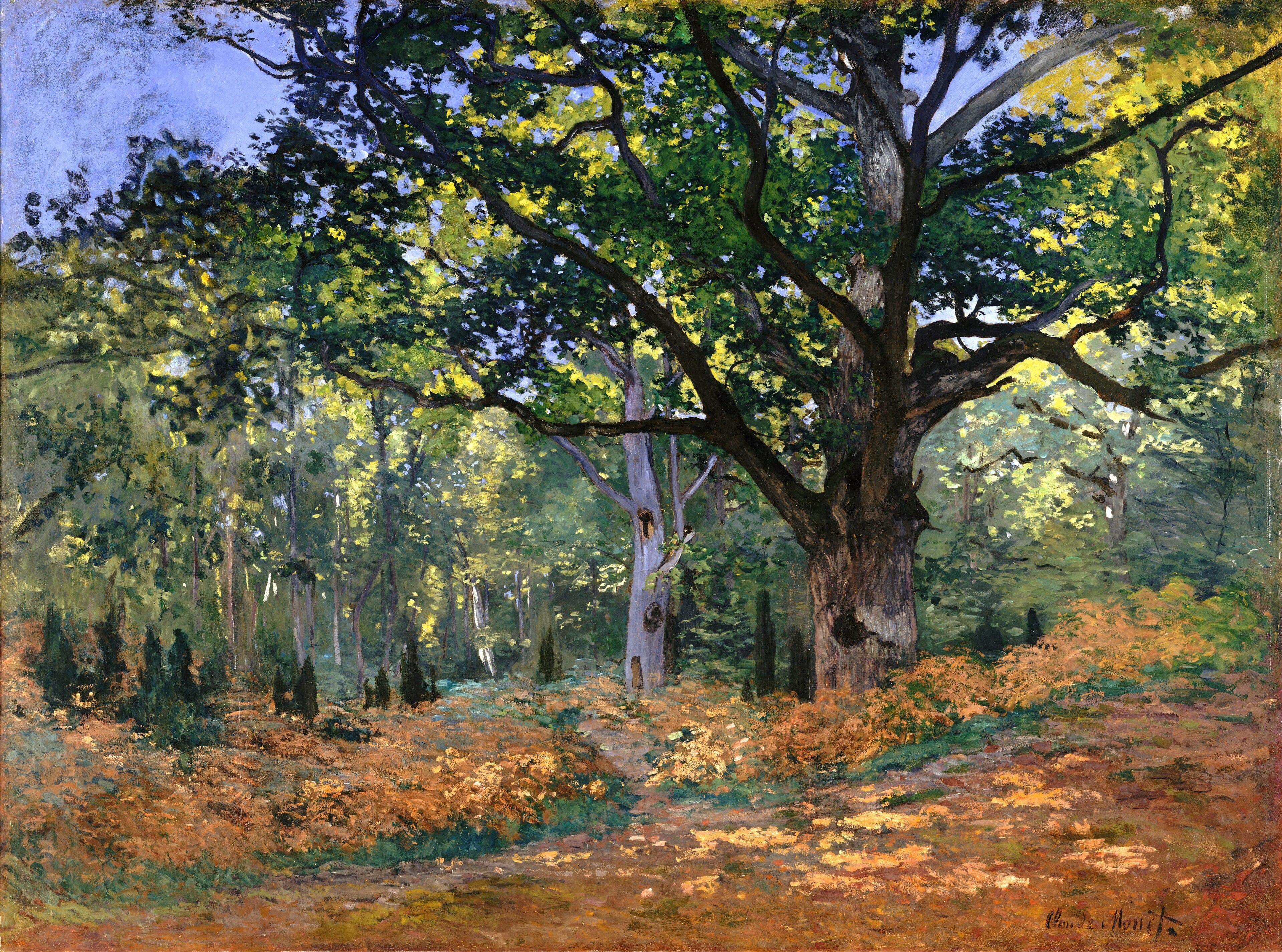
The Bodmer Oak, Fontainebleau Forest
Claude Monet · 1865
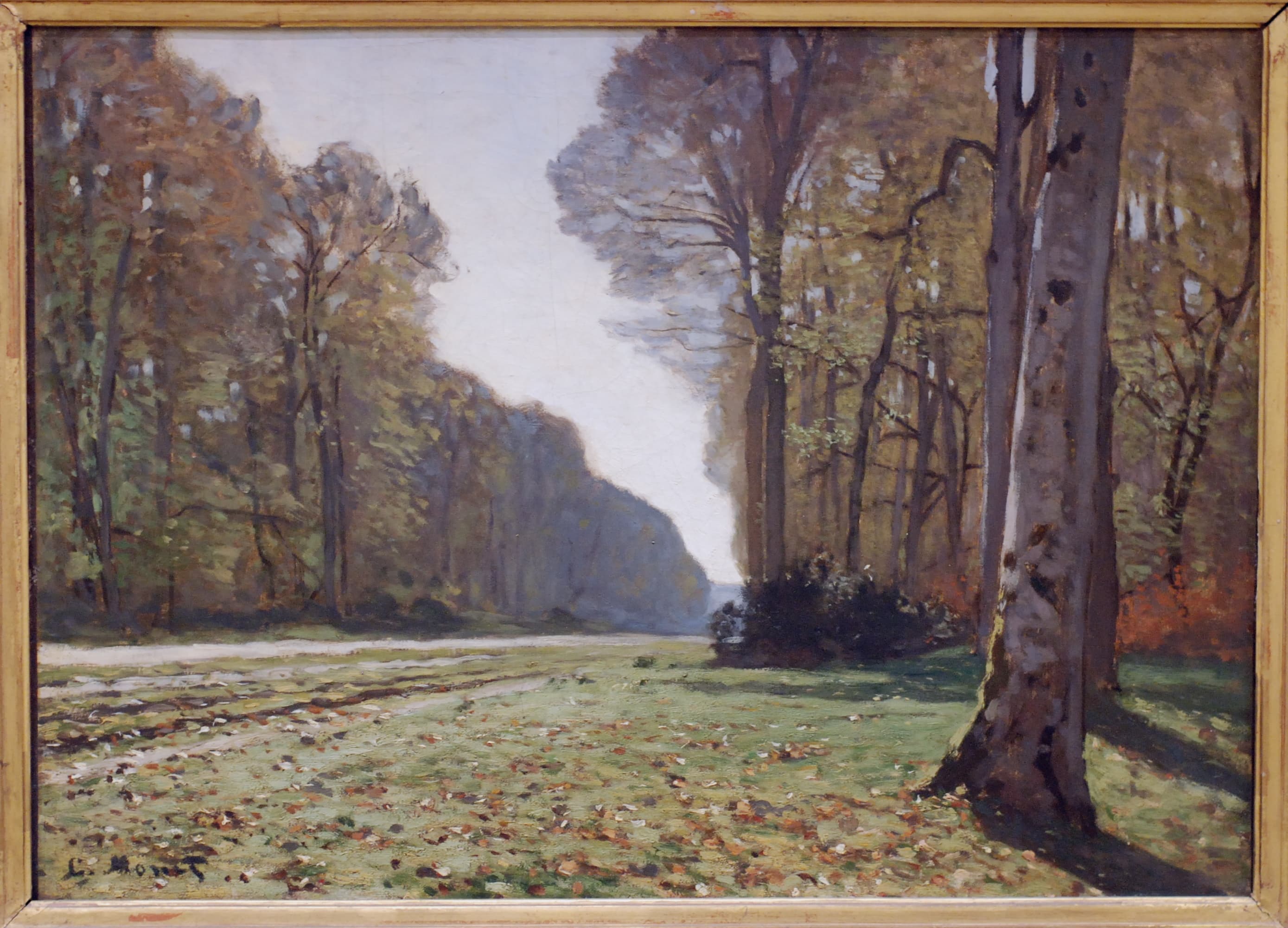
Le Pavé de Chailly
Claude Monet · c. 1865
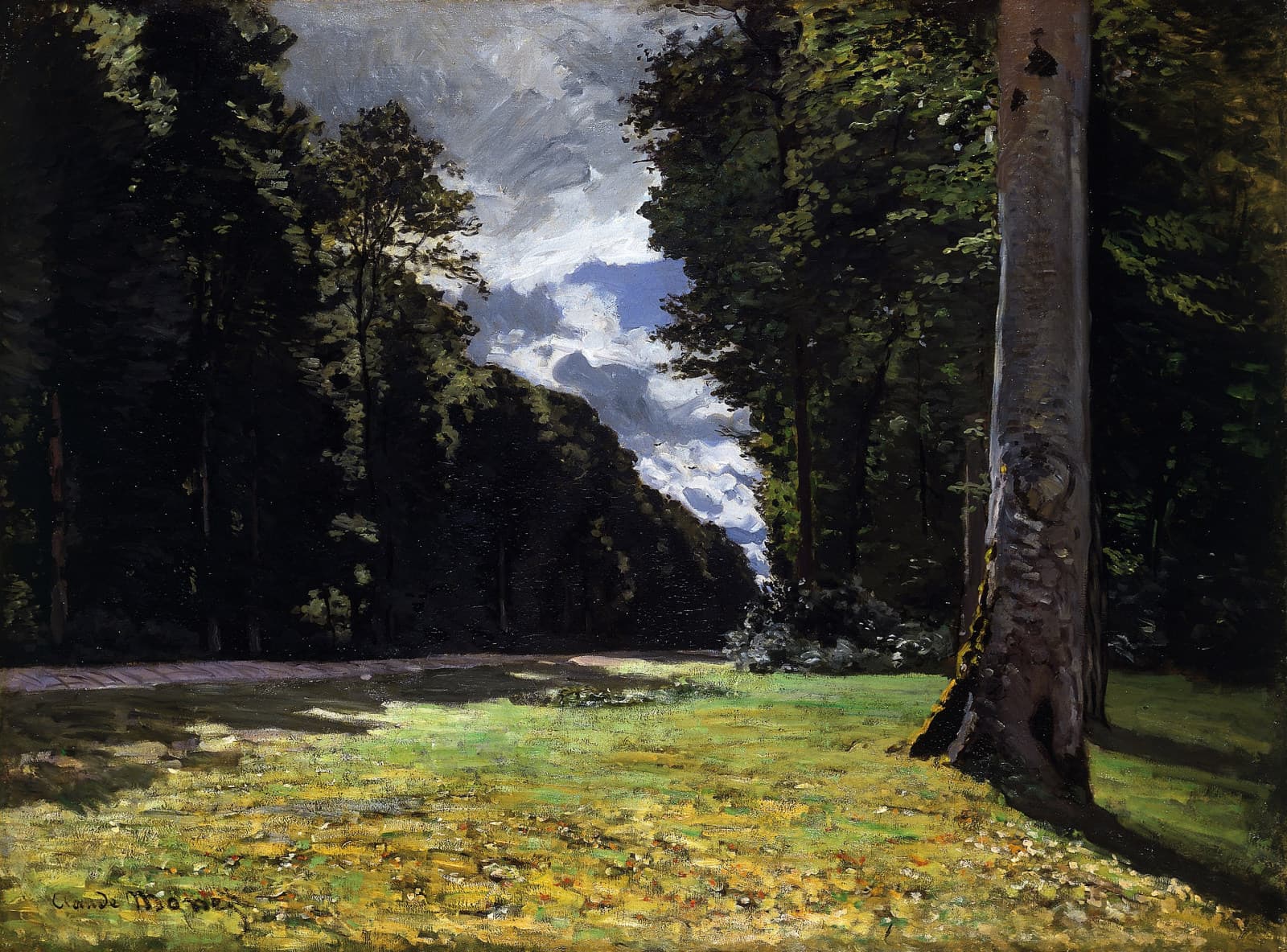
The Pavé de Chailly in the Forest of Fontainebleau
Claude Monet · 1865
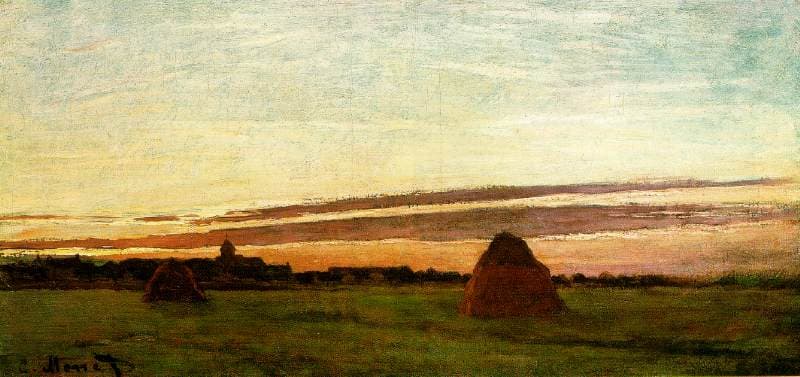
Haystacks at Chailly at Sunrise
Claude Monet · 1865
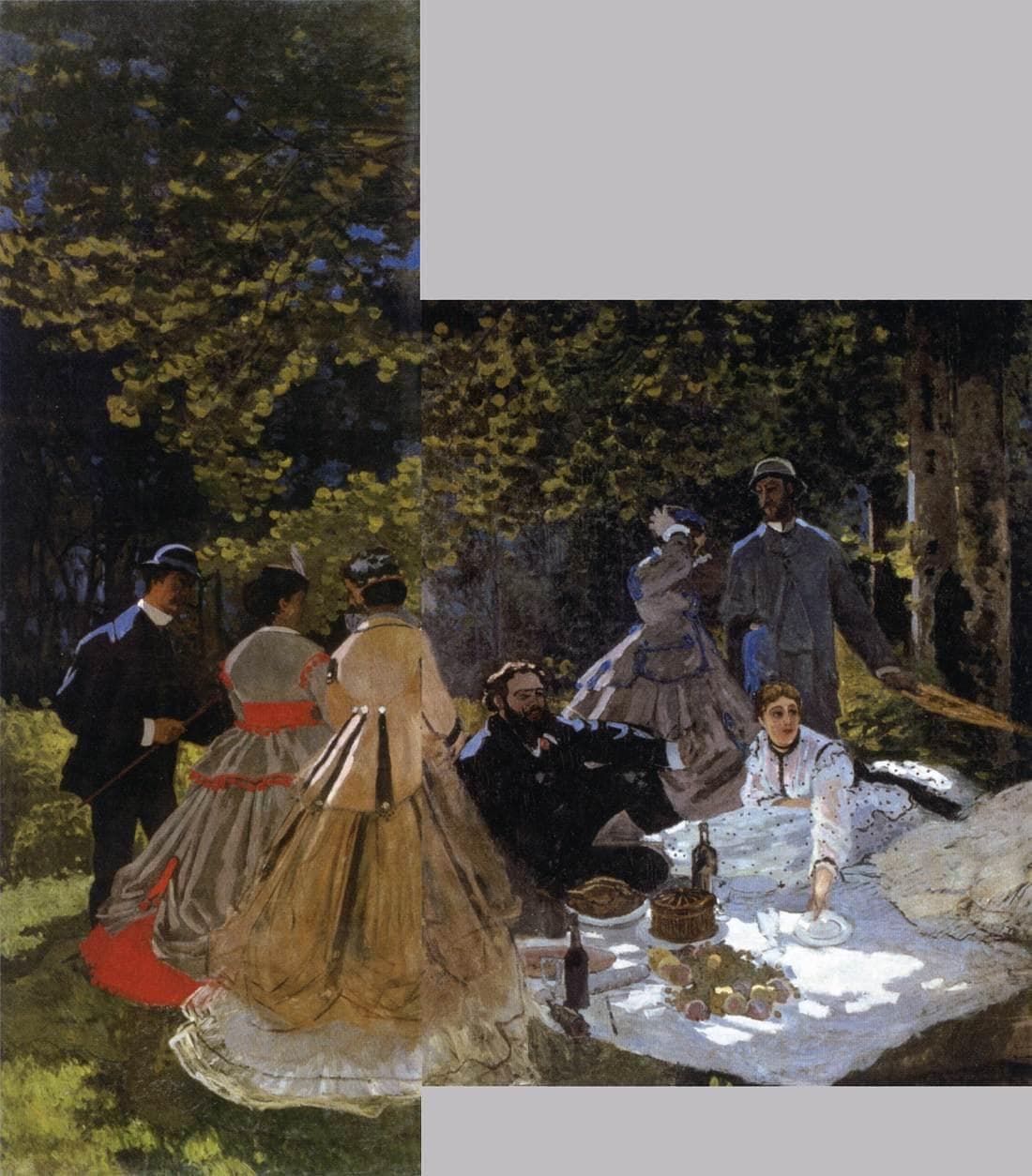
Le Déjeuner sur l'Herbe (two surviving fragments)
Claude Monet · 1865–66
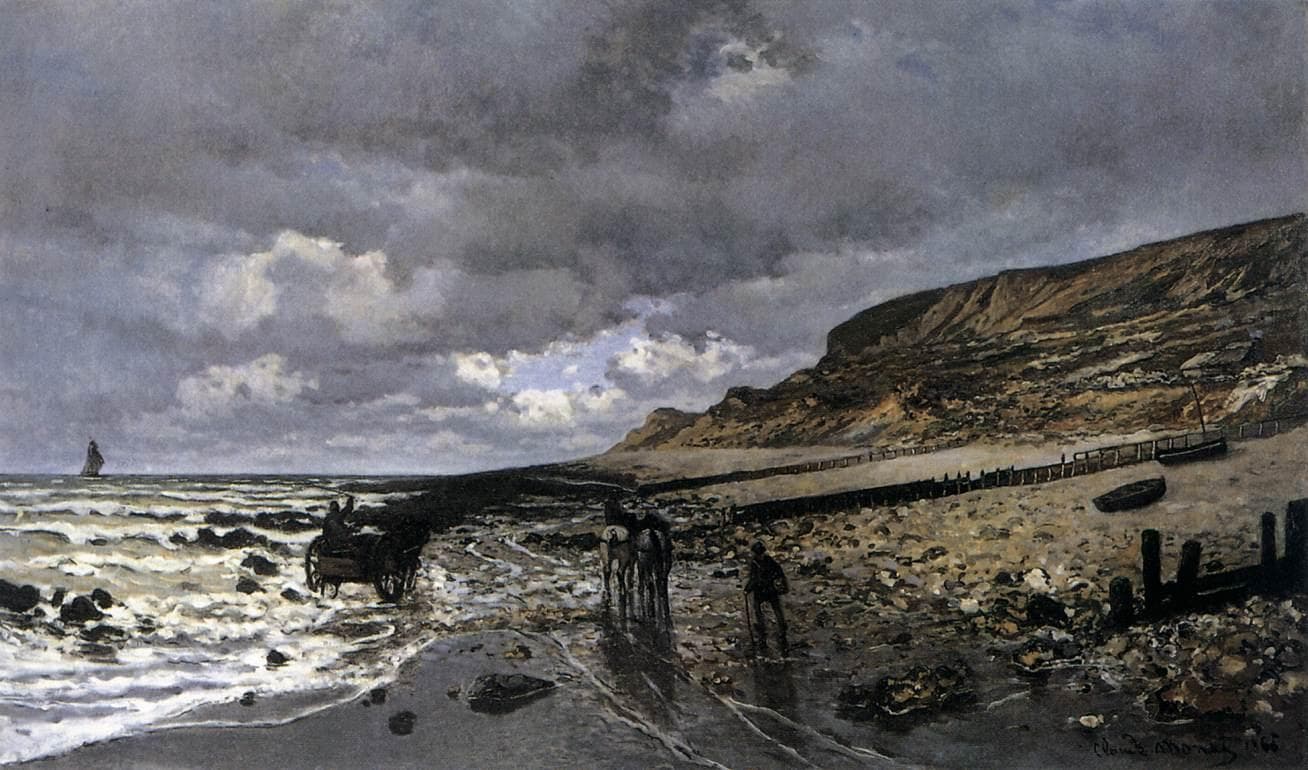
La Pointe de la Hève at Low Tide
Claude Monet · 1865
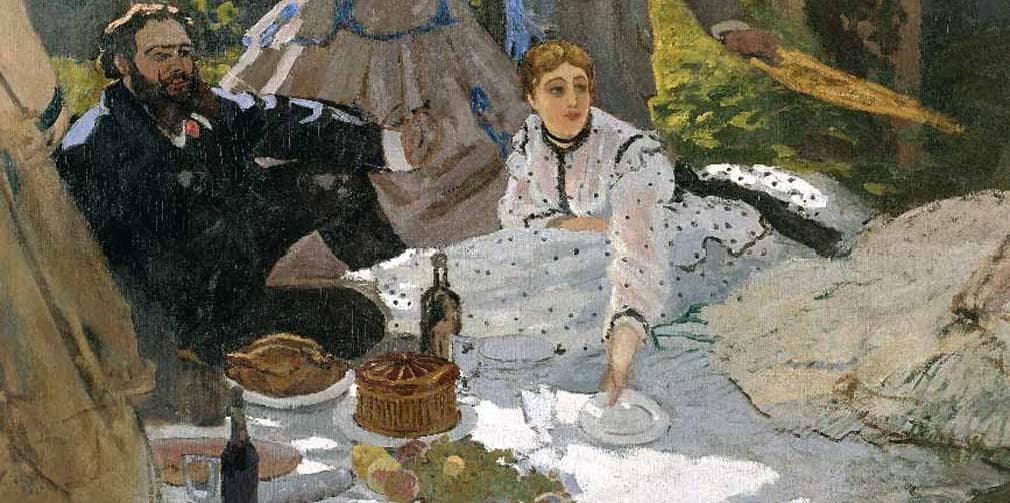
Picnic (detail)
Claude Monet · 1865–66
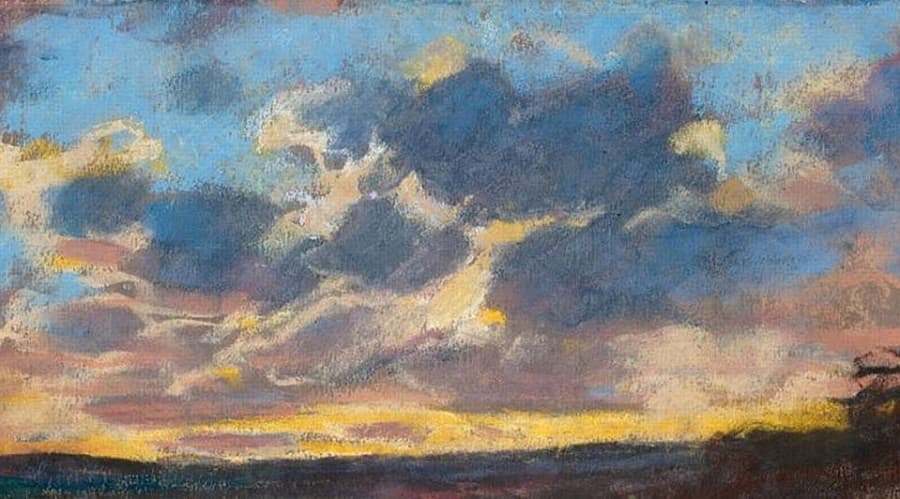
Setting Sun (Nightfall)
Claude Monet · c. 1865
Kindred works
You may also study
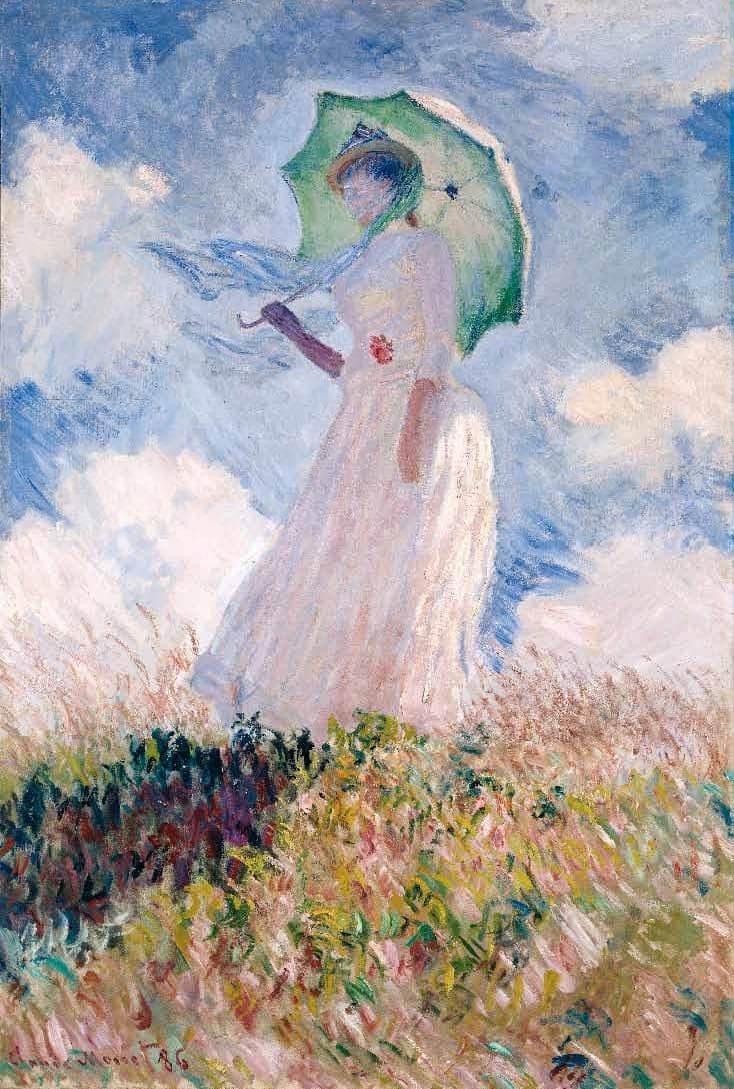
Woman with a Parasol, Facing Left
Claude Monet · 1886
Le Déjeuner sur l'Herbe (two surviving fragments)
Claude Monet · 1865–66
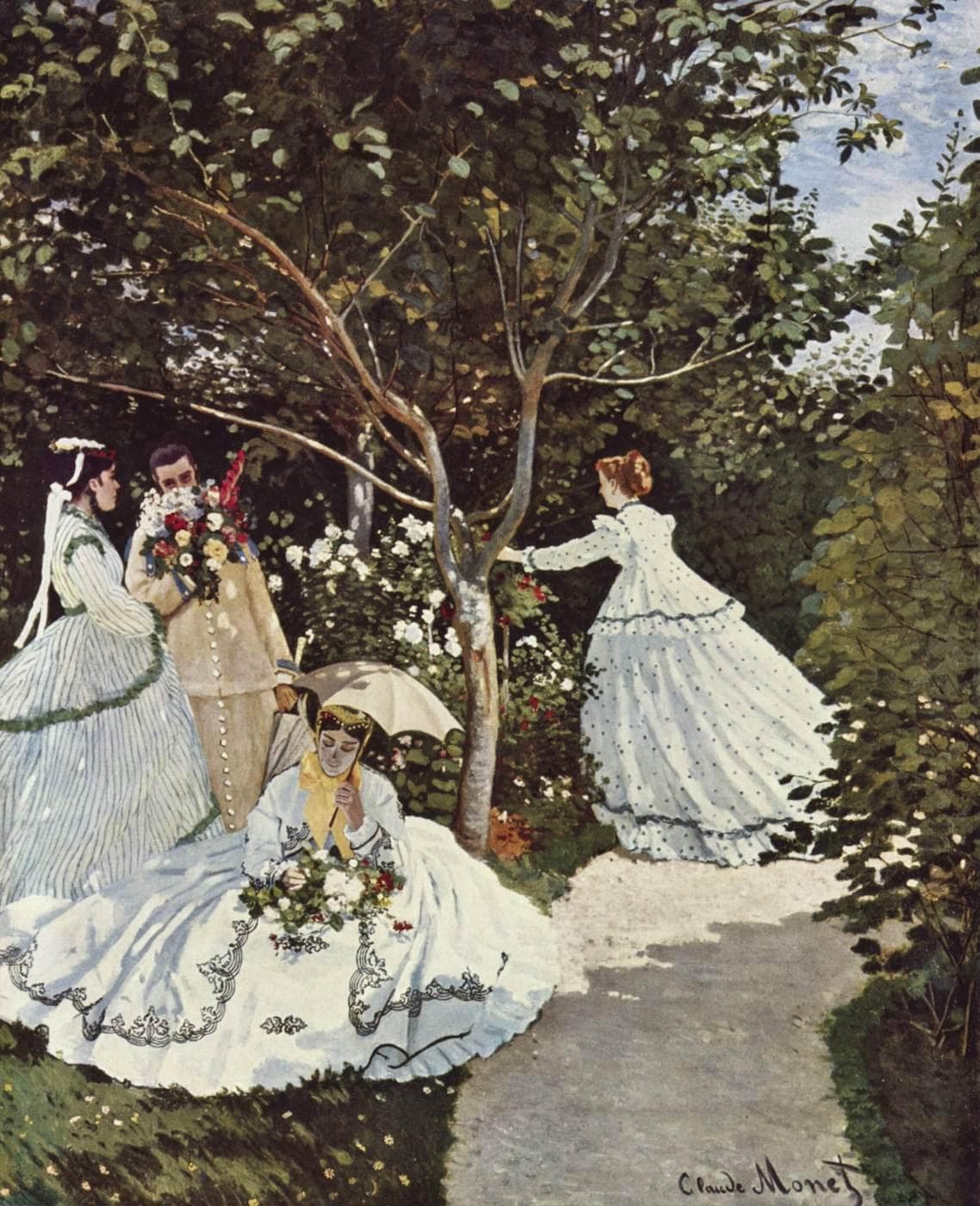
Women in the Garden
Claude Monet · 1866–67
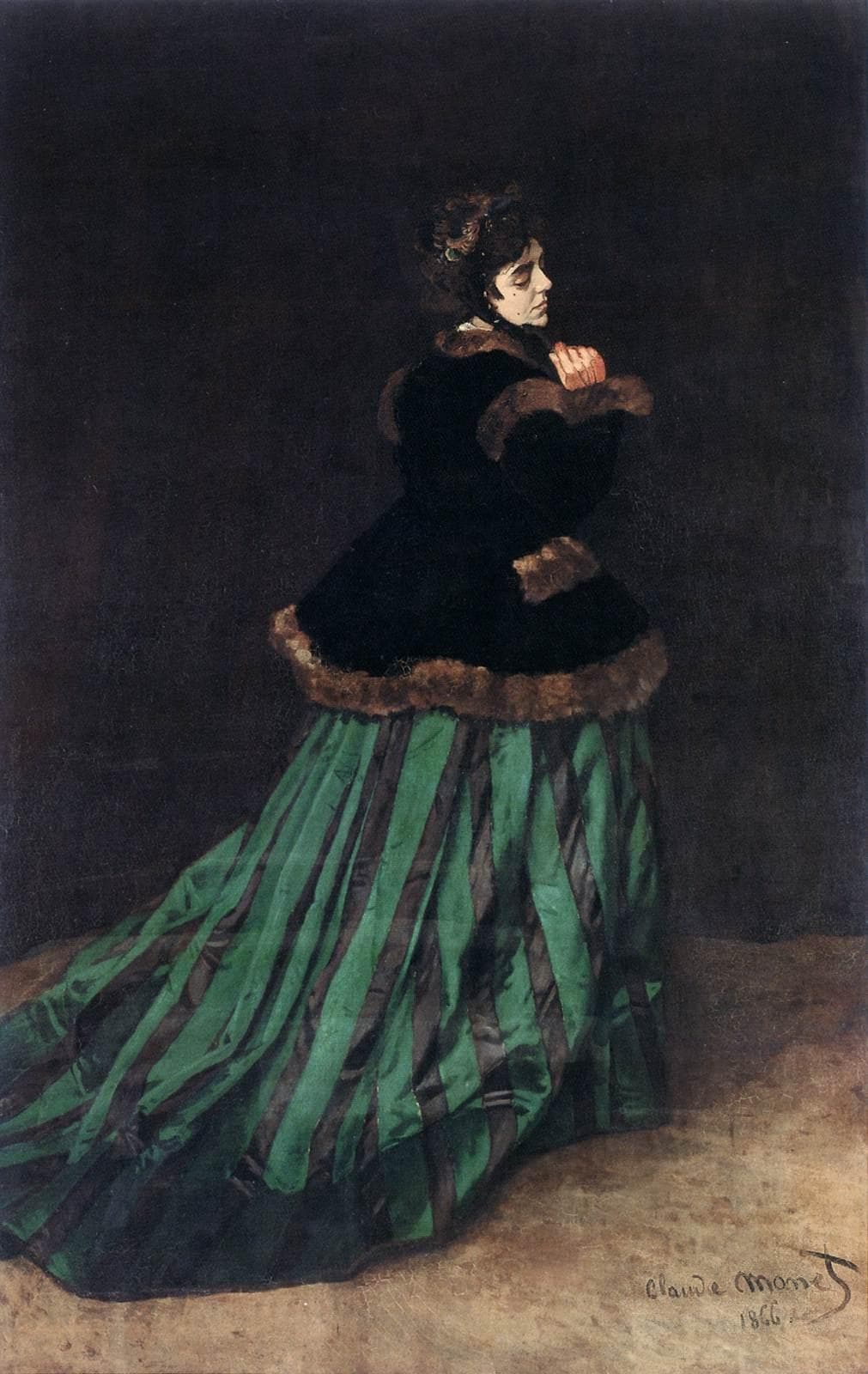
Camille (The Woman in the Green Dress)
Claude Monet · 1866

The Scream
Edvard Munch · 1893

Ophelia
John Everett Millais · 1851–52

The Great Wave off Kanagawa
Katsushika Hokusai · c. 1830–32
Las Meninas
Diego Velázquez · 1656