Impressionism
Poplars on the Banks of the River Epte
Claude Monet, 1891
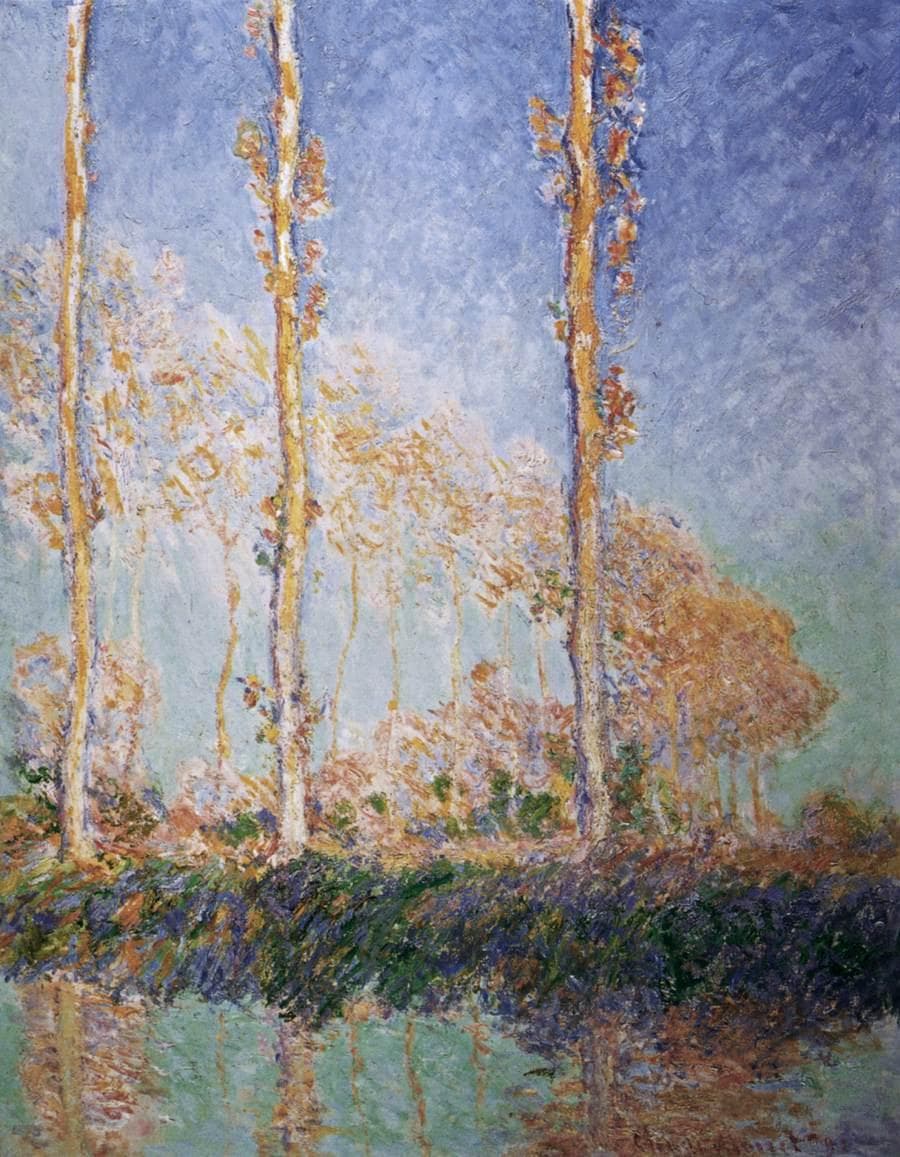
Poplars on the Banks of the River Epte is an 1891 painting by Claude Monet of a row of autumn poplars and their reflections, from his Poplars series painted near Giverny. The tall canvas, 100.3 × 65.2 cm (Wildenstein 1298), is in the Philadelphia Museum of Art.
- Artist
- Claude Monet
- Date
- 1891
- Medium
- Oil on canvas
- Dimensions
- 100.3 × 65.2 cm
- Collection
- Philadelphia Museum of Art, Philadelphia, United States
- Movement
- Impressionism
- Catalogue
- Wildenstein 1298
What you are looking at
Eight or nine slender poplars stand in a row along the far bank of the river, their trunks rising straight up the tall canvas and their crowns dissolving into a haze of rose, apricot and orange leaves. The trunks are drawn as long, unbroken strokes, some pale and sunlit, others darker and wrapped in clinging ivy, like the two near the right, whose dark tufted silhouettes stand out against the sky. Behind them is a second, lower band of autumn foliage, then a soft sky that shifts from blue at upper left to pale green and mint at right.
At the bottom, below a dark strip of bank painted in violet and blue, the river repeats everything upside down. The reflections are broken into horizontal dashes of pink, mauve and violet, and the trunks reappear as wobbling dark verticals running down to the bottom edge.
The color is the point. Almost nothing here is painted in its local color: the leaves are coral and salmon, the shadows violet, the sky a cool green that makes the warm tones glow. The paint is laid on in small, dry, overlapping touches that let earlier layers show through, so the whole surface shimmers. Signed and dated '91 at lower right, it is one of the most decorative canvases of the series.
Where and when
In the summer and autumn of 1891 Monet worked on the Epte near Limetz, a short way upstream from his home at Giverny. The poplars lined a marshy stretch of the river and belonged to the commune, which sold them for timber while he was still painting; he paid the buyer to leave them standing a little longer. Monet worked from a boat moored opposite the row, so that he looked straight across the water at the trunks. That fixed, frontal viewpoint is why so many canvases in the series share this design of verticals over a band of reflection.
How it was painted
This is one of the tall canvases, about a meter high. The verticals of the trunks are cut by just two horizontals, the bank and the waterline, and the reflections stretch the pattern down to the bottom edge. Monet kept several canvases going at once and changed from one to another as the light moved, then reworked them in the studio before exhibition. The layered, crusted surface of the sky, especially at upper right, shows that this was not a single session.
Look closely at the trunks: they are not straight lines ruled in one stroke but chains of short touches in cream, pink, blue and green, which is why they seem to flicker as if wind were moving through the leaves.
The Poplars series
The poplars are one of the great series of the 1890s, collected in our Poplars hub. Early in 1892 Paul Durand-Ruel showed fifteen of them together in Paris, following the success of the haystacks. This tall autumn view can be compared with the three trunks of Poplars, Three Pink Trees, Autumn, also in Philadelphia; the near-square view from the marsh; The Four Trees at the Met; and the Edinburgh Poplars on the Epte. The design here, a whole row seen frontally with a broad strip of reflection, is the most typical arrangement of the series.
Meaning
Monet's titles in these years name only place, weather and season. The poplars are not symbols; they are a structure, a fixed scaffold on which to hang changing light. Still, viewers have long read the autumn canvases as quietly melancholy, the trees glowing at their brightest just before they lose their leaves and, as it turned out, before they were felled. The repeated verticals and flat bands of color also look forward to the decorative late work of Claude Monet and to the way later painters used rhythm and pattern.
Where to see it
The painting belongs to the Philadelphia Museum of Art, which owns two canvases from the series. For other museums holding the poplars, see where to see Monet's paintings.
Questions & answers
Where is Poplars on the Banks of the River Epte?
This version, painted in 1891 and measuring 100.3 by 65.2 centimeters (Wildenstein 1298), is in the Philadelphia Museum of Art. The museum also owns a second canvas from the series, the three pink poplars in autumn. Other versions are in New York, London, Edinburgh, Cambridge, Tokyo and private collections.
When and where was it painted?
In 1891, on the river Epte near Limetz, just upstream from Monet's home at Giverny in Normandy. He worked from a studio boat moored opposite the row of trees from summer into autumn, and finished some canvases in the studio before they were shown in Paris in 1892.
Why are Monet's poplars pink?
Monet painted them in autumn, when the leaves turn yellow and orange, and he heightened the warm tones against cool blue and green sky to make the color vibrate. The violet shadows and reflections render shade and water through complementary color rather than darkening.
How many Poplars paintings are there?
Wildenstein lists more than twenty canvases of the Epte poplars, painted in 1891 with a few completed in early 1892. Fifteen were exhibited together at Durand-Ruel's gallery in Paris in 1892. They vary in format: tall frontal views like this one, close-ups of three or four trunks, and a few wider views.
More by the artist
Claude Monet

Bridge over a Pond of Water Lilies
Claude Monet · 1899

Woman with a Parasol – Madame Monet and Her Son
Claude Monet · 1875

Sunset in Venice
Claude Monet · 1908–12

La Grenouillère
Claude Monet · 1869

Beach in Pourville
Claude Monet · 1882

Springtime
Claude Monet · 1872

Boating on the River Epte
Claude Monet · 1890

The Seine at Asnières (Hermitage)
Claude Monet · 1873
Also painted in 1891
The same year
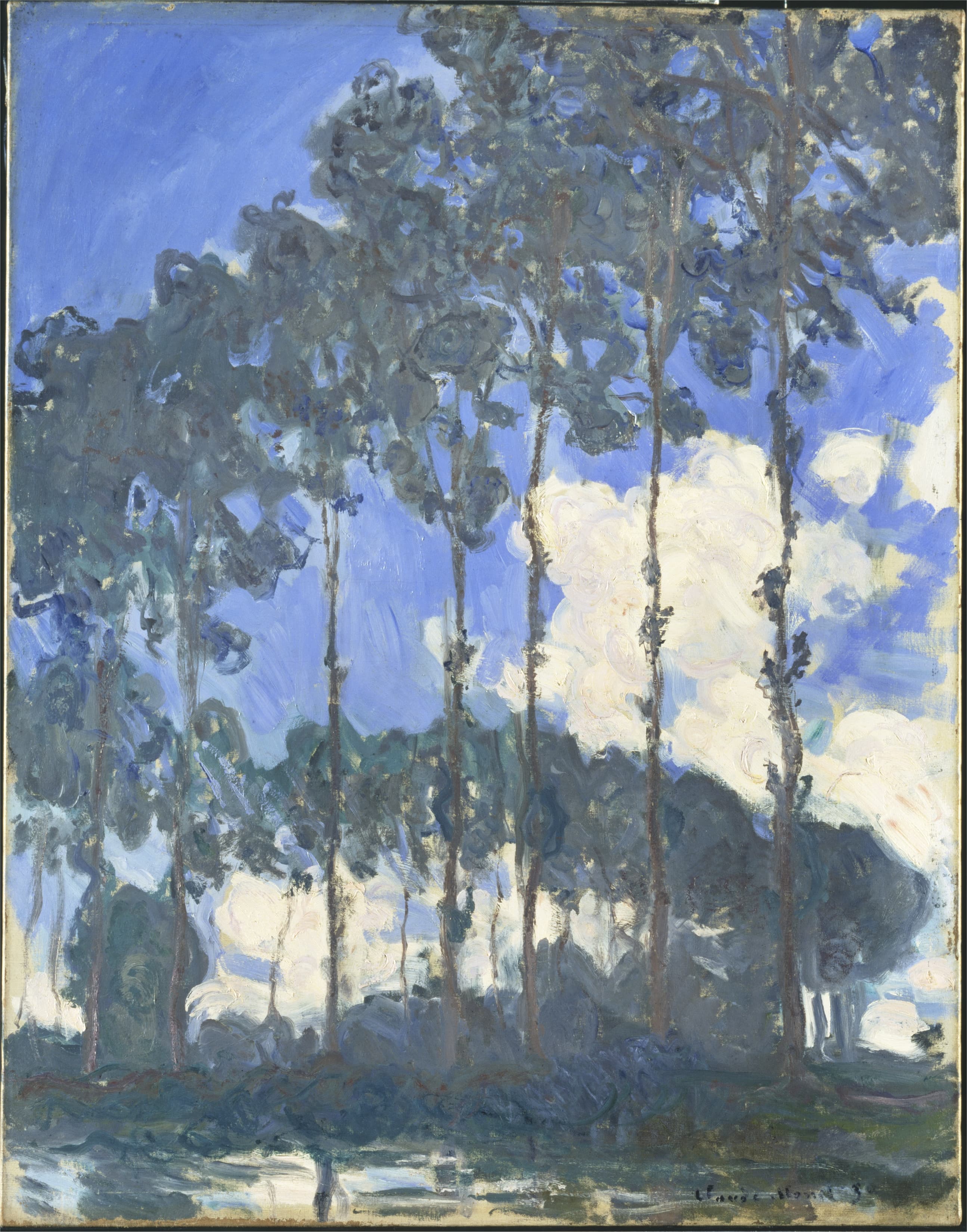
Poplars on the Epte (London)
Claude Monet · 1891
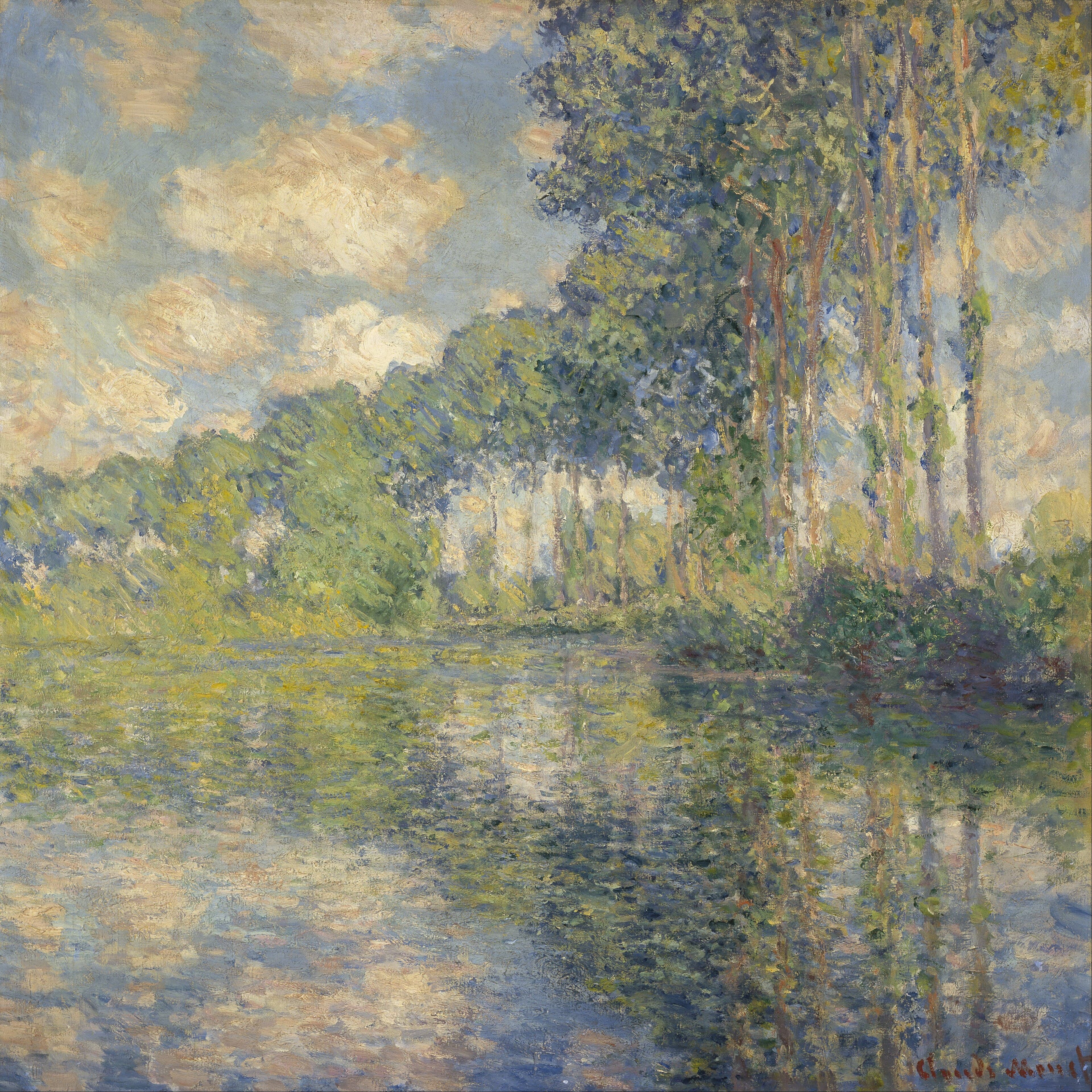
Poplars on the Epte (Edinburgh)
Claude Monet · 1891
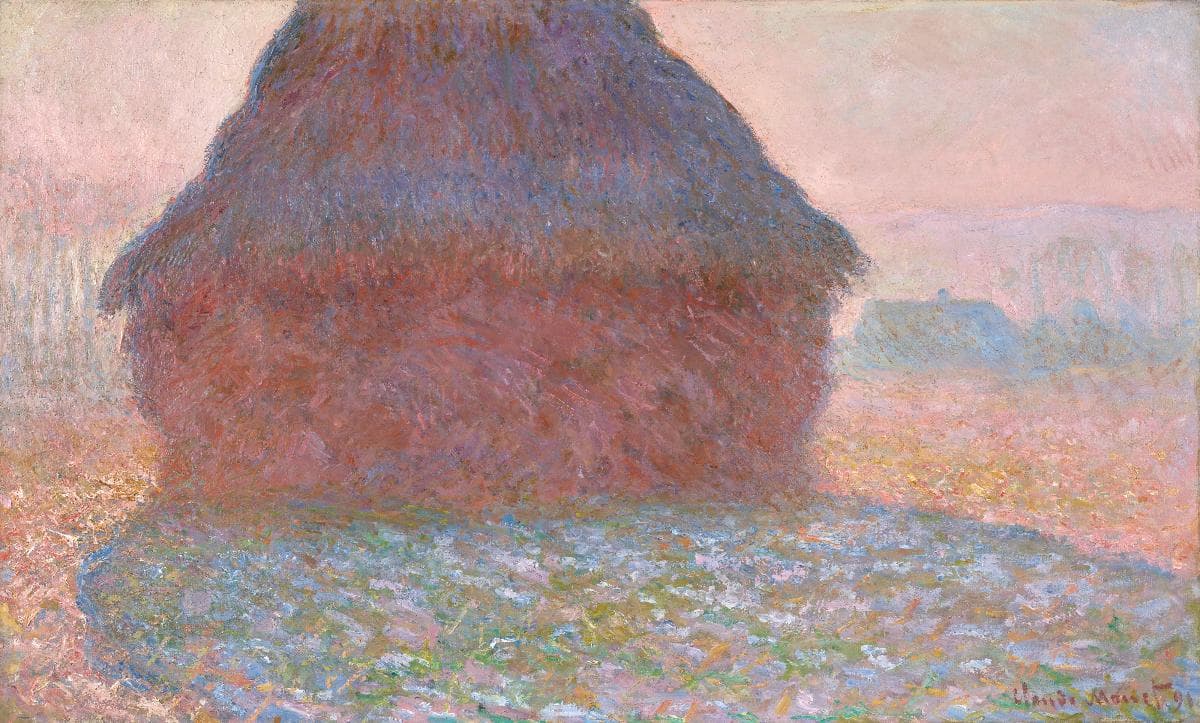
Grainstack in Sunlight
Claude Monet · 1891
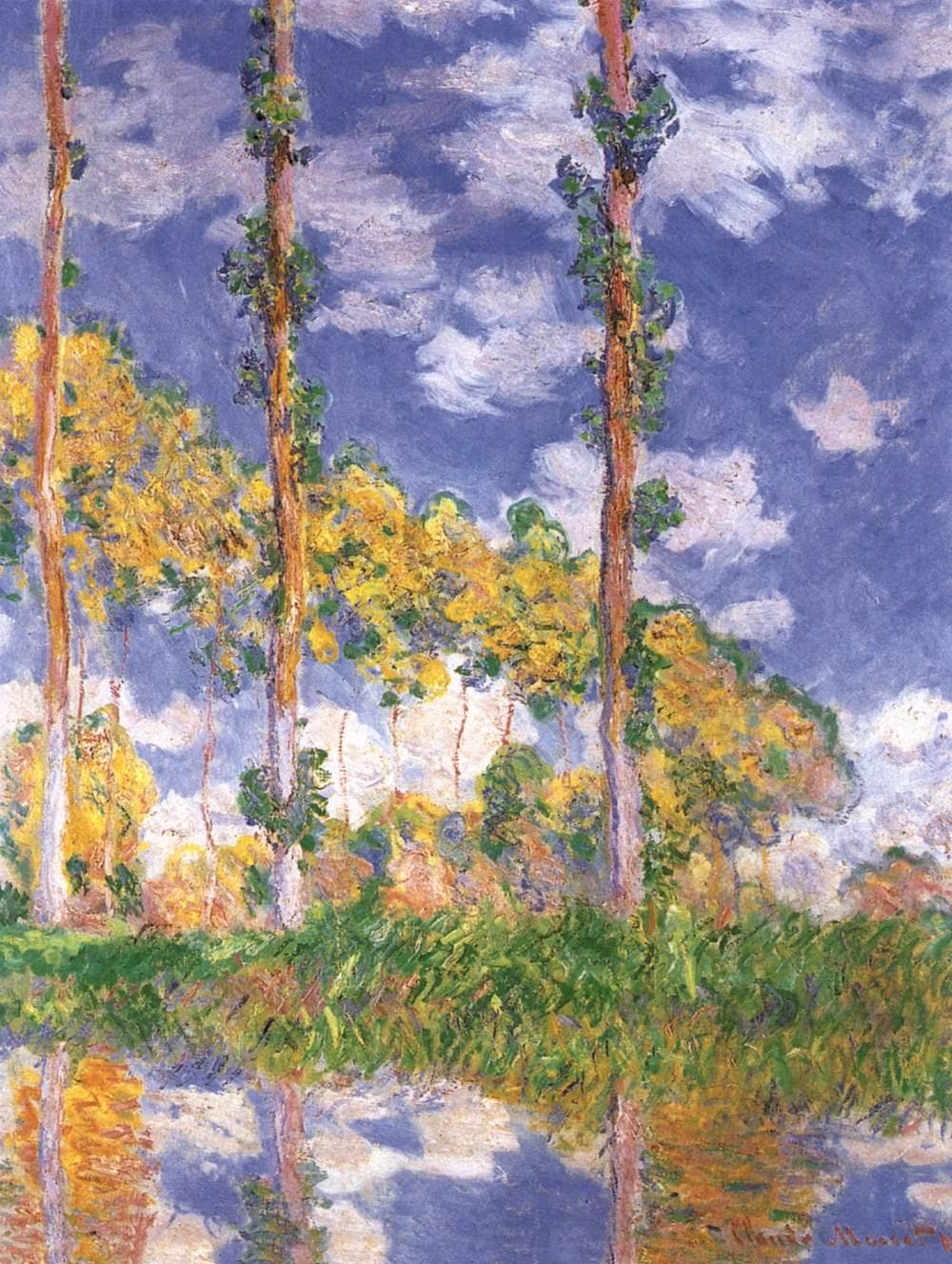
Three Poplars, Summer
Claude Monet · 1891
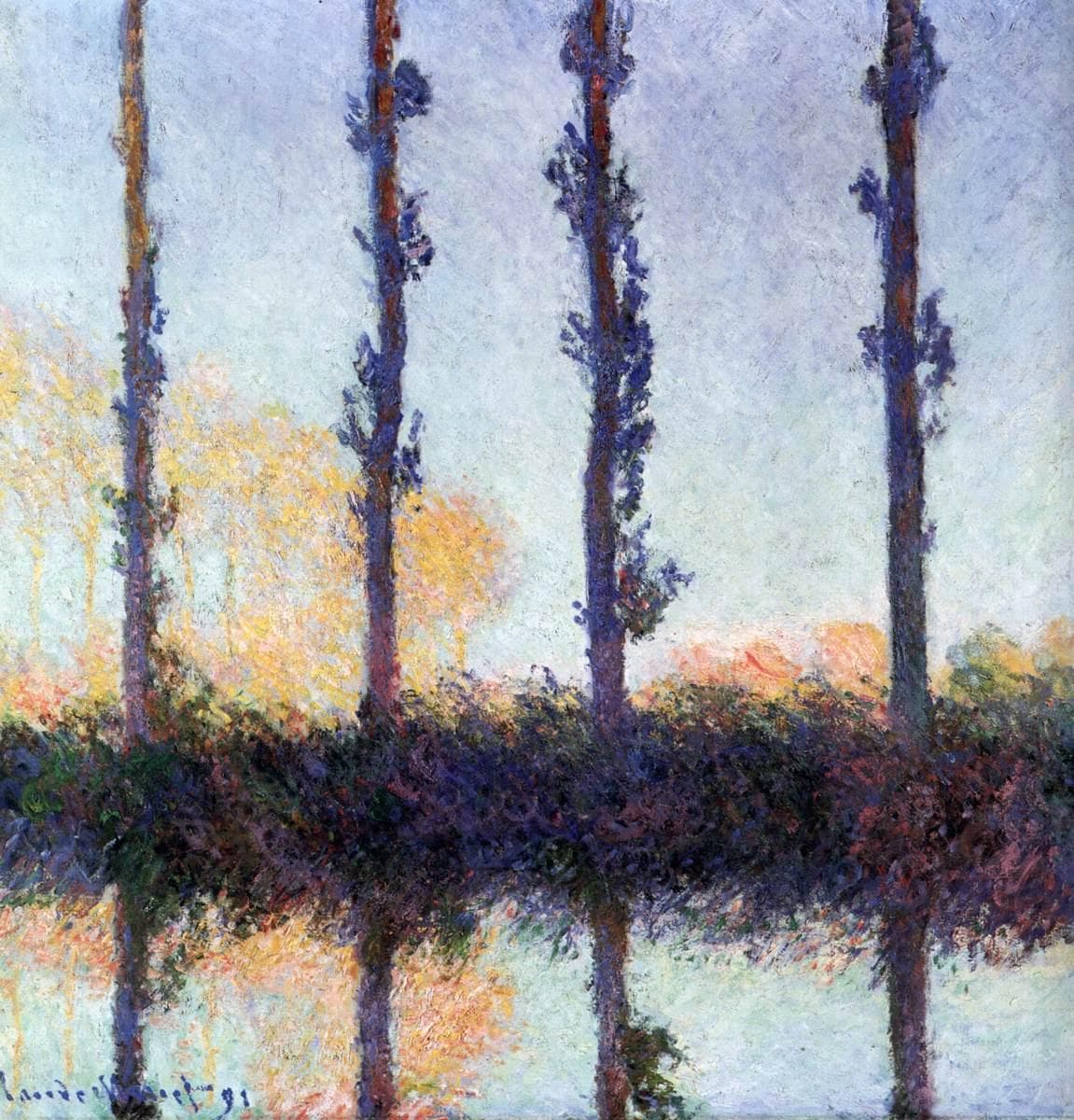
The Four Trees
Claude Monet · 1891
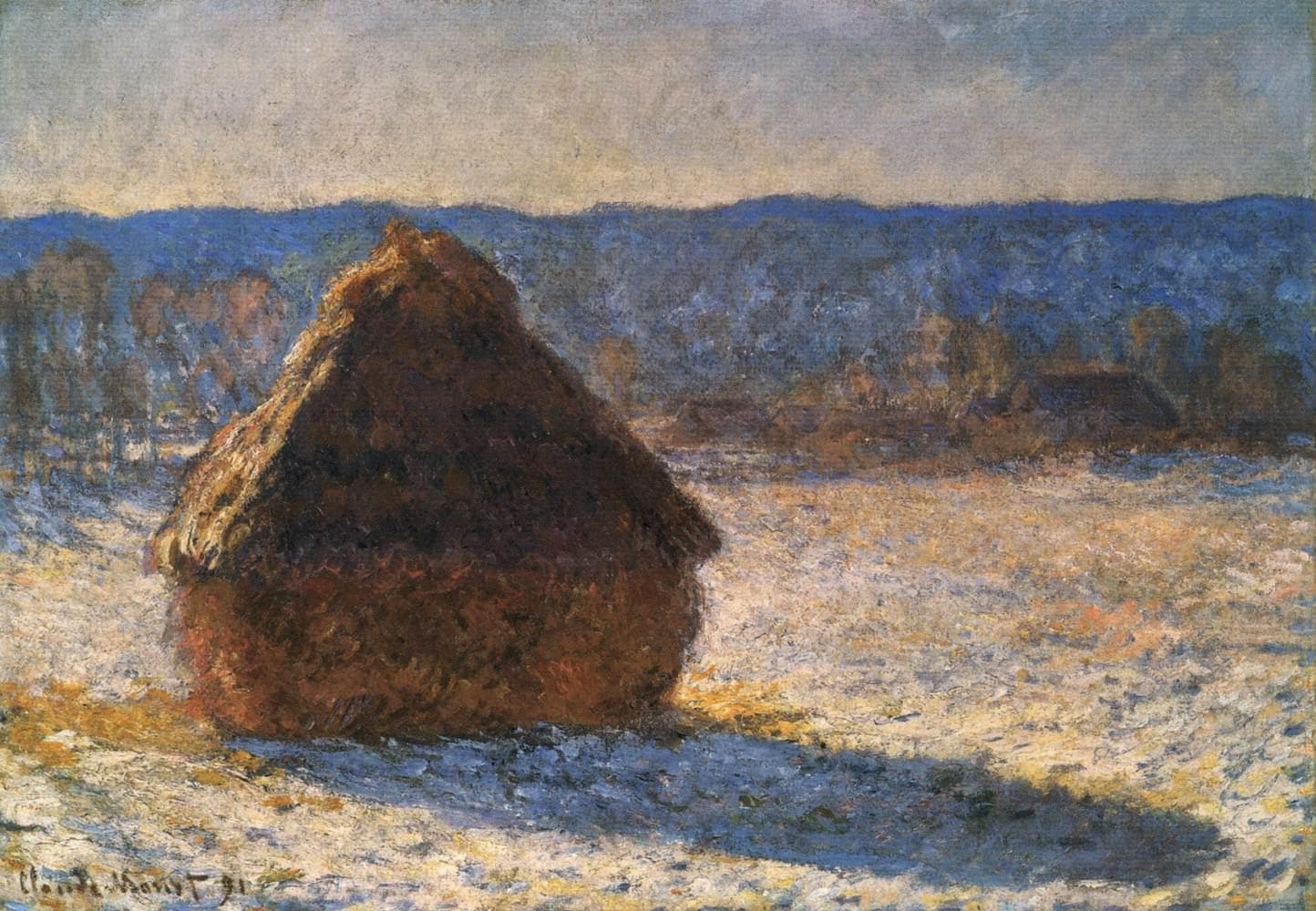
Grainstack (Snow Effect)
Claude Monet · 1891
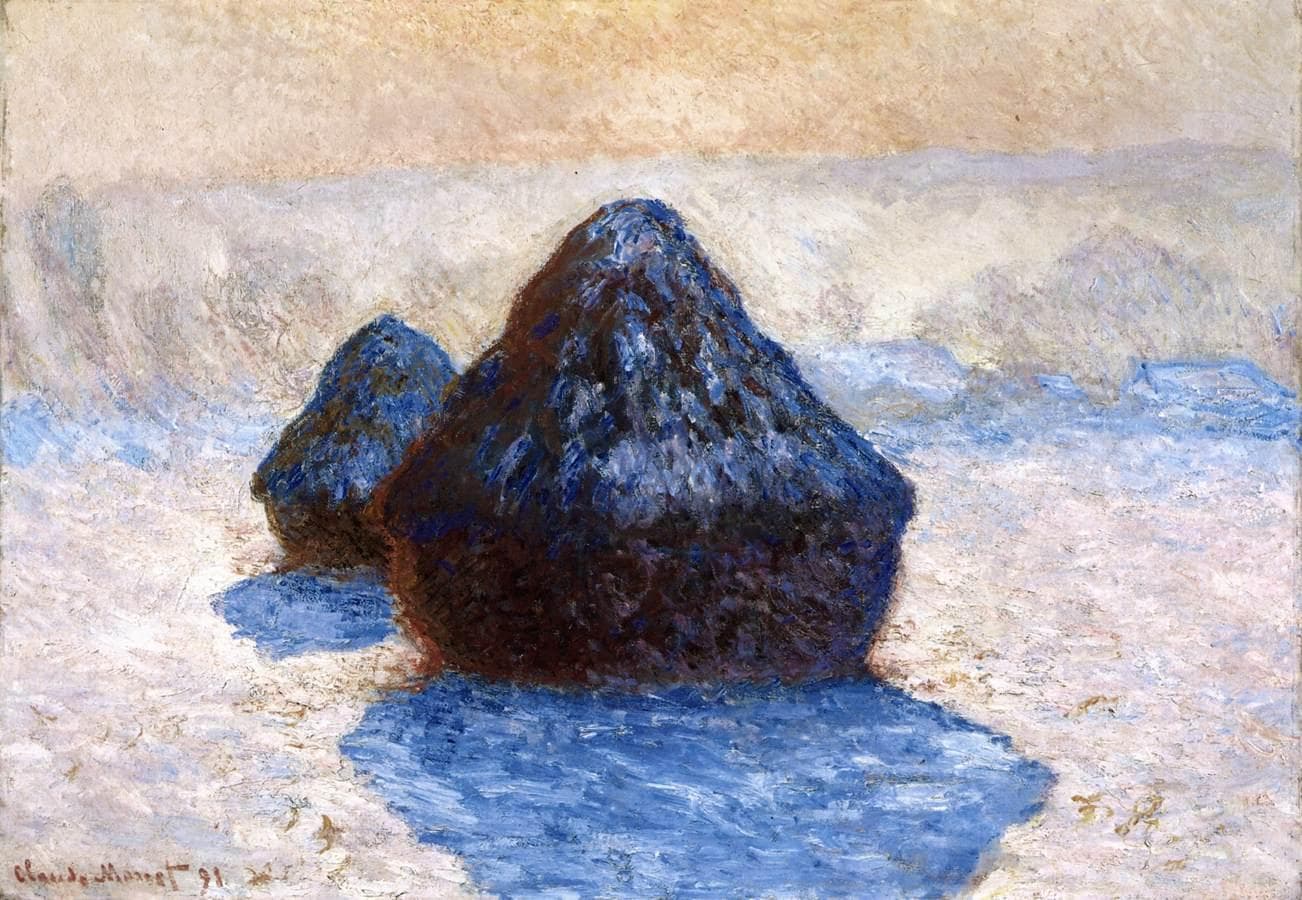
Haystacks, Snow Effect
Claude Monet · 1891
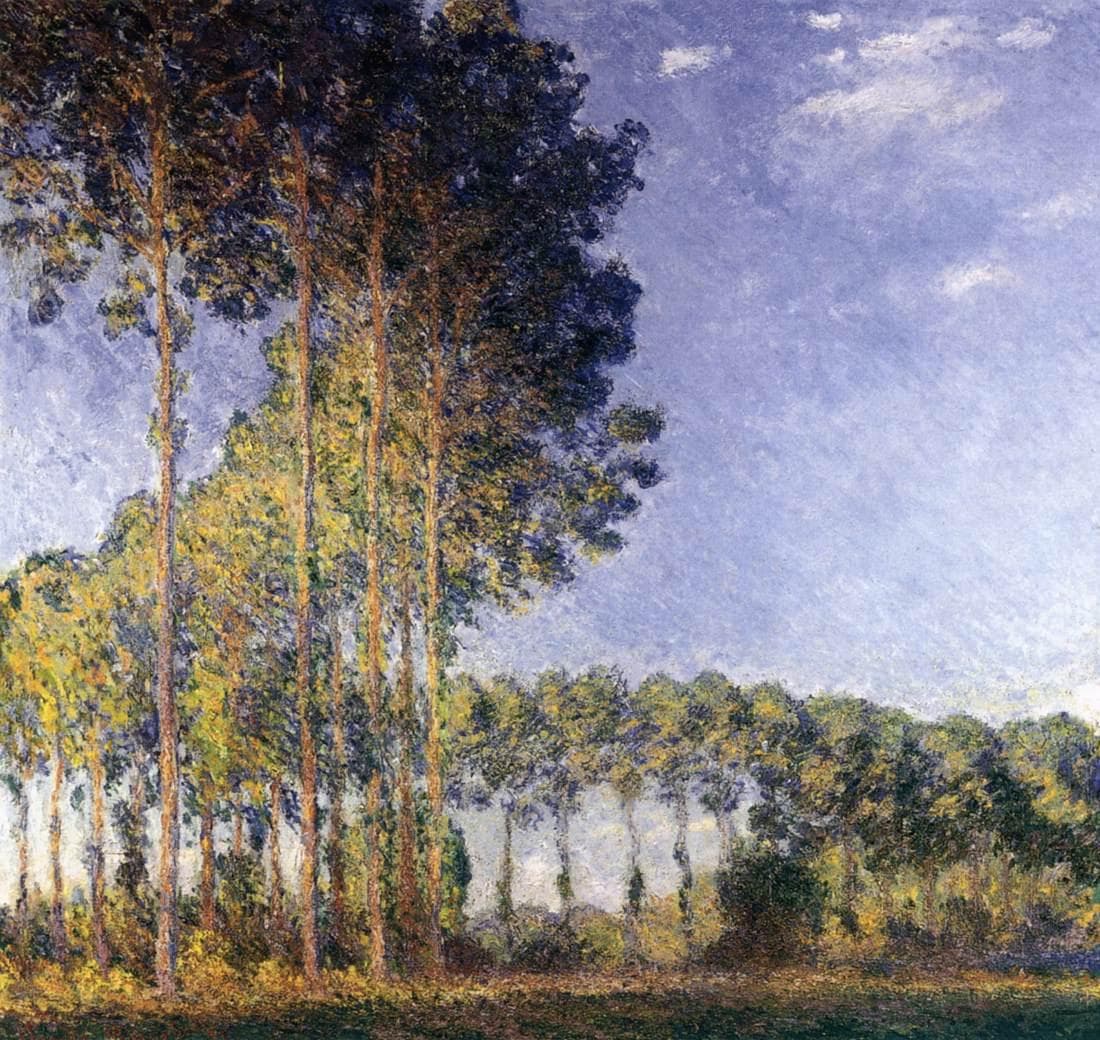
Poplars at the Banks of Epte
Claude Monet · 1891–92
Kindred works
You may also study
Poplars, Three Pink Trees, Autumn
Claude Monet · 1891
Poplars at the Banks of Epte
Claude Monet · 1891–92
The Four Trees
Claude Monet · 1891
Poplars on the Epte (Edinburgh)
Claude Monet · 1891
Three Poplars, Summer
Claude Monet · 1891

The Scream
Edvard Munch · 1893

Ophelia
John Everett Millais · 1851–52

The Great Wave off Kanagawa
Katsushika Hokusai · c. 1830–32