Impressionism
Sunset (Coucher de soleil)
Claude Monet, c. 1868
Sunset (Coucher de soleil) is a small pastel by Claude Monet from about 1868: a sky of violet clouds and streaks of yellow over a dark strip of land, probably near Le Havre. Signed lower right, it is in a private collection and was offered at Christie's in 2018.
- Artist
- Claude Monet
- Date
- c. 1868
- Medium
- Pastel on paper
- Dimensions
- 21.8 × 35.8 cm
- Collection
- Private collection
- Movement
- Impressionism
- Catalogue
- Wildenstein P51
What you are looking at
Almost the whole sheet is sky. Low across the bottom runs a dark band of land, brown, green and violet, with a clump of trees at the right edge. Above it a long seam of orange and yellow marks where the sun has just gone down. Then the clouds take over: heavy blue-violet masses drifting across a sky that shades from coral and pink near the horizon to pale green, buff and blue at the top. Here and there Monet has drawn quick zigzags of yellow straight over the clouds, little flashes of light catching their edges, and one longer squiggle runs out at the right like a crack of lightning.
The color is warmer and more theatrical than in many of Monet's sky studies. The whole lower half of the sky is flushed with red and rose, and the violet clouds sit on it like smoke. A few small patches of cream break through near the center, where the light is strongest. Pale blue shows between the clouds only at the edges of the sheet.
Pastel and the sky
This Coucher de soleil is a pastel on paper, about 22 by 36 centimeters, dated to around 1868 and signed "Claude Monet" at lower right. Monet is so closely tied to oil that his pastels are easy to forget, but he used the medium throughout the 1860s. Pastel suited what he wanted from the sky: it is fast, needs no drying time, and can be laid on with the side of the stick for broad color or with the point for a single sharp line. Both are here. The clouds are rubbed in with soft, broad strokes; the yellow zigzags and the streak of the sunset are drawn with pressure, so they sit brightly on top. The paper's tone shows through in places, especially in the land, and serves as a middle value.
Le Havre and Boudin
Monet had learned to look at skies like this from Eugène Boudin, the painter of the Normandy beaches, whose own pastel studies of clouds the poet Baudelaire praised in his review of the Salon of 1859. When the sheet was offered at auction it was described as one of a group of studies of the skies near Le Havre under changing weather, the coast of Monet's youth, which our Normandy coast hub covers. In 1868 Monet was living partly at Étretat and Fécamp, struggling for money after the birth of his son Jean, and making pictures like Heavy Sea at Étretat.
A closely comparable sheet, Setting Sun (Nightfall), has the same low strip of land, yellow seam of light and banks of cloud, in cooler blues.
Looking closely
Notice how little drawing there is of the land. The trees at right are a few dark scribbles, and the ground is a single dragged band. Monet was not interested in place; he wanted the time of day. That focus anticipates the paintings that would make his name, from Impression, Sunrise in 1872 to later sunsets on the Seine such as Sunset on the Seine in Winter. The yellow zigzags in particular are a remarkably free mark for the 1860s, closer to a drawing than to a description of cloud.
Meaning
There is no subject other than the sky, and that is the point. Studies like this were private tools, a way of fixing in memory how color behaves in fading light. For Claude Monet they were also an apprenticeship in speed, the ability to catch an effect before it vanished, which became the basis of his whole method.
Where to see it
Because this pastel is privately owned, it is not on public view. It is listed in Daniel Wildenstein's catalogue raisonné among Monet's pastels as number P51, and it was offered at Christie's in London in February 2018. Monet's sunsets in oil can be seen in many museums; see where to see Monet's paintings.
Questions & answers
Where is Monet's pastel Coucher de soleil?
This small pastel sunset, about 22 by 36 centimeters and dated around 1868, is in a private collection. It was offered at Christie's in London in February 2018. It is catalogued in Wildenstein's Monet catalogue raisonné as pastel number P51, so it is not on public display.
When and where was it made?
Around 1868, probably on the Normandy coast near Le Havre, where Monet grew up and where he made many quick studies of skies and the sea in the 1860s. It was described at auction as one of a group of sky studies made there under changing weather.
What does Coucher de soleil show?
A sky just after sunset over a dark strip of land with trees at the right: a seam of orange and yellow at the horizon, a pink and coral glow above it, and heavy violet clouds, with quick yellow zigzags drawn over them where the last light catches their edges.
Did Monet make pastels?
Yes. Although known for oil paintings, Monet made pastels, especially in the 1860s, often quick studies of skies, sea and weather. The medium let him record changing light rapidly outdoors, a habit he learned partly from Eugène Boudin on the Normandy coast.
More by the artist
Claude Monet

Bridge over a Pond of Water Lilies
Claude Monet · 1899

Woman with a Parasol – Madame Monet and Her Son
Claude Monet · 1875

Sunset in Venice
Claude Monet · 1908–12

La Grenouillère
Claude Monet · 1869

Beach in Pourville
Claude Monet · 1882

Springtime
Claude Monet · 1872

Boating on the River Epte
Claude Monet · 1890

The Seine at Asnières (Hermitage)
Claude Monet · 1873
Also painted in 1868
The same year
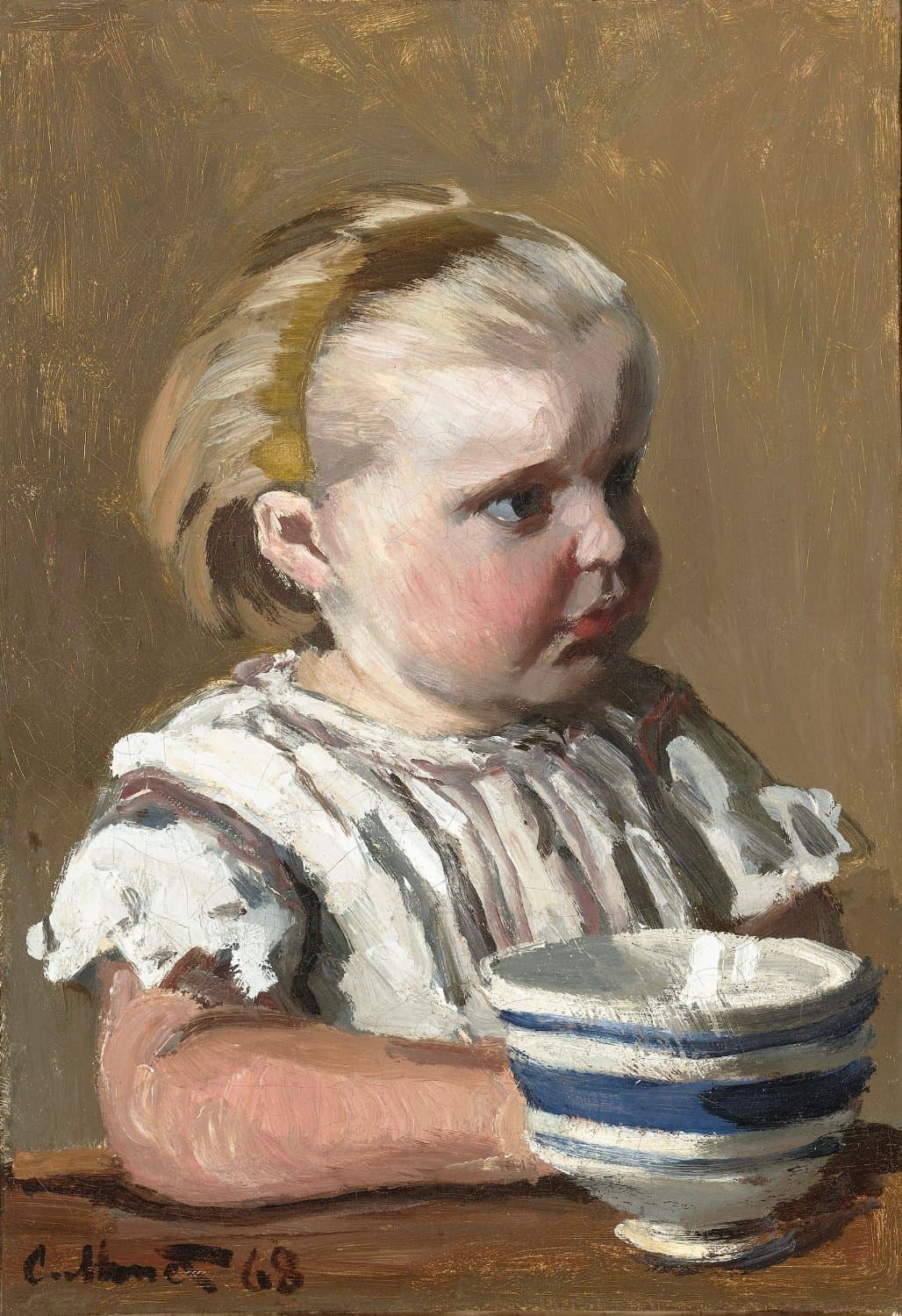
L'Enfant à la tasse (Portrait of Jean Monet)
Claude Monet · 1868
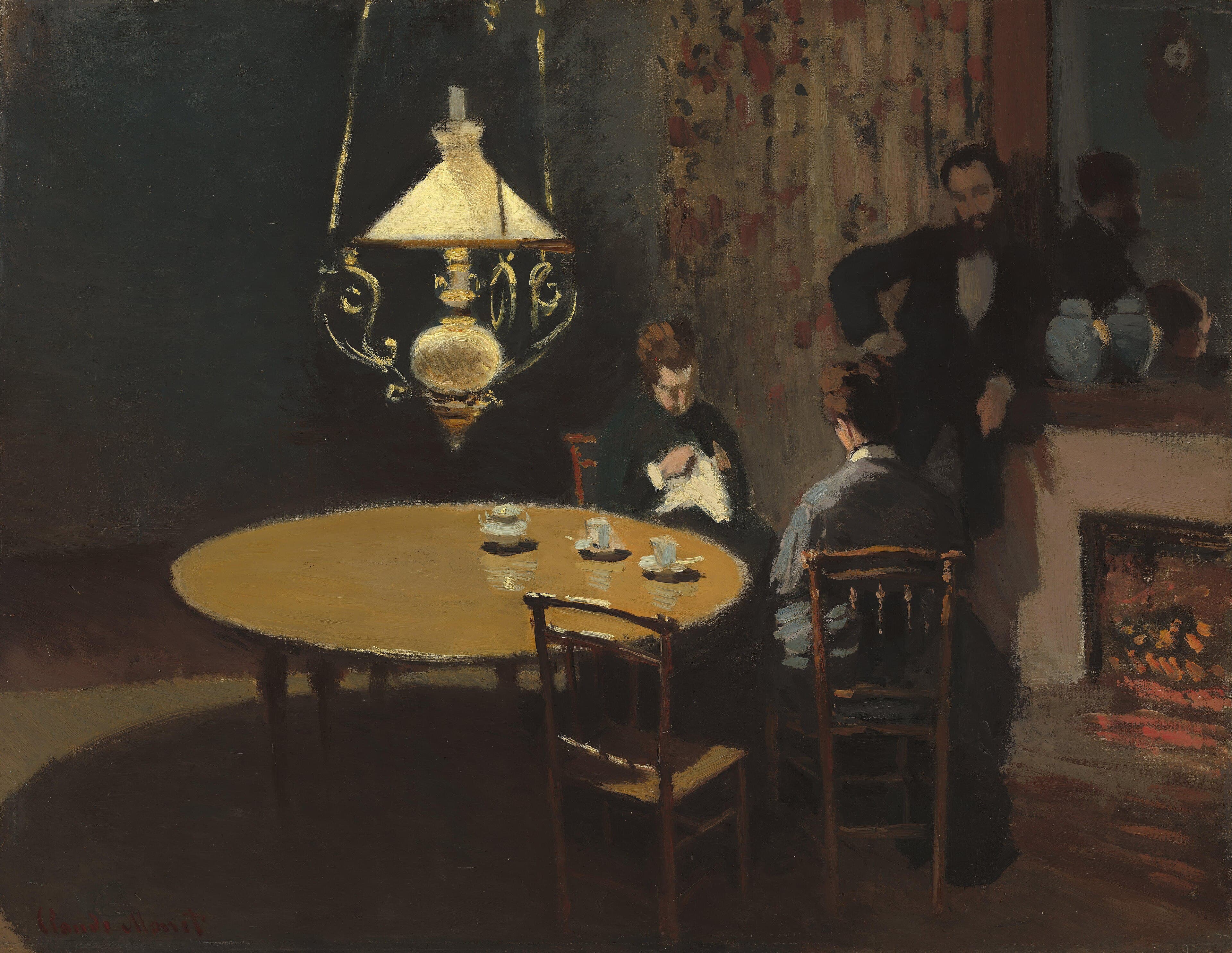
Interior, after Dinner
Claude Monet · 1868–69
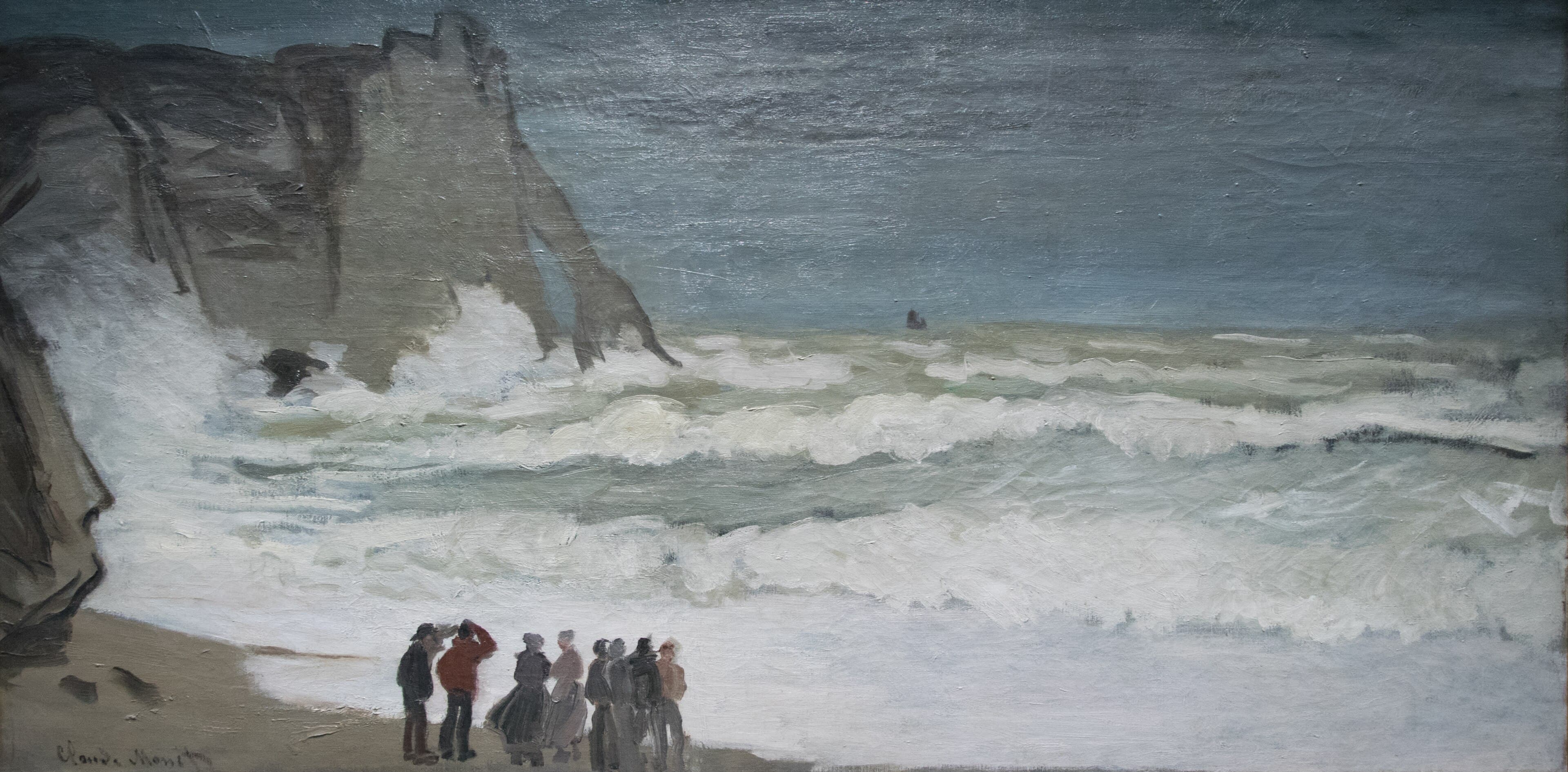
Heavy Sea at Étretat
Claude Monet · c. 1868–69
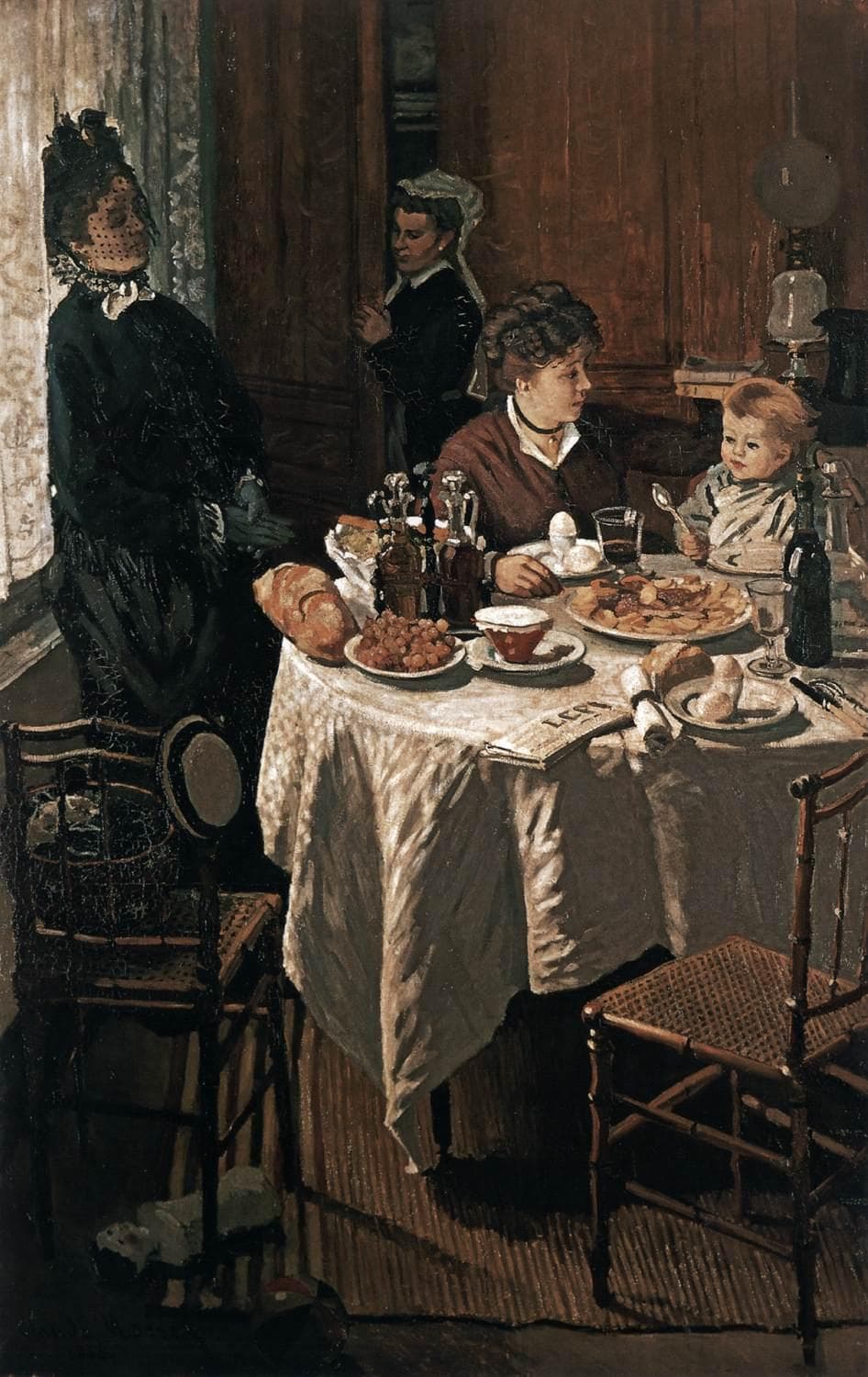
The Lunch
Claude Monet · 1868
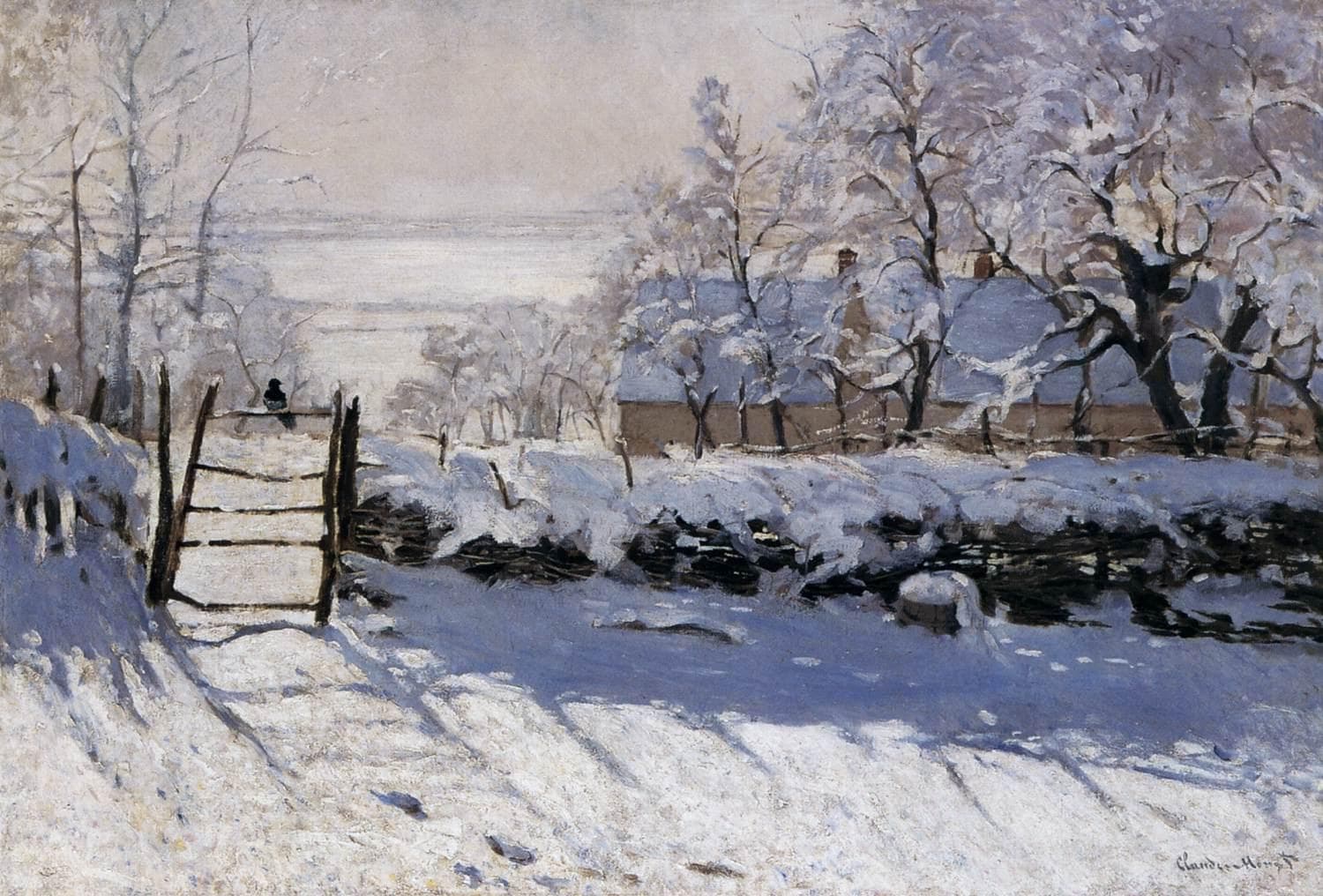
The Magpie
Claude Monet · 1868–69
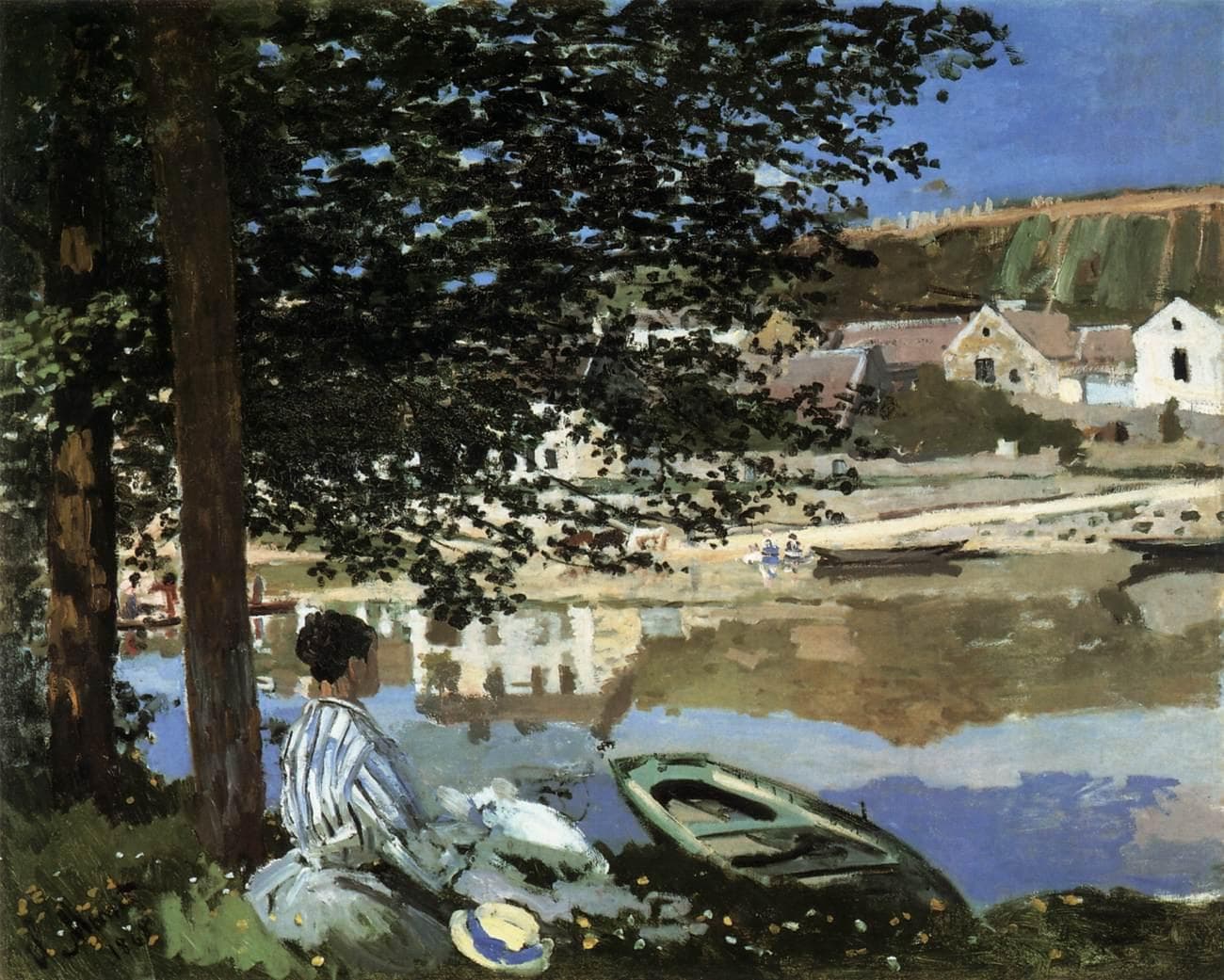
On the Bank of the Seine, Bennecourt
Claude Monet · 1868
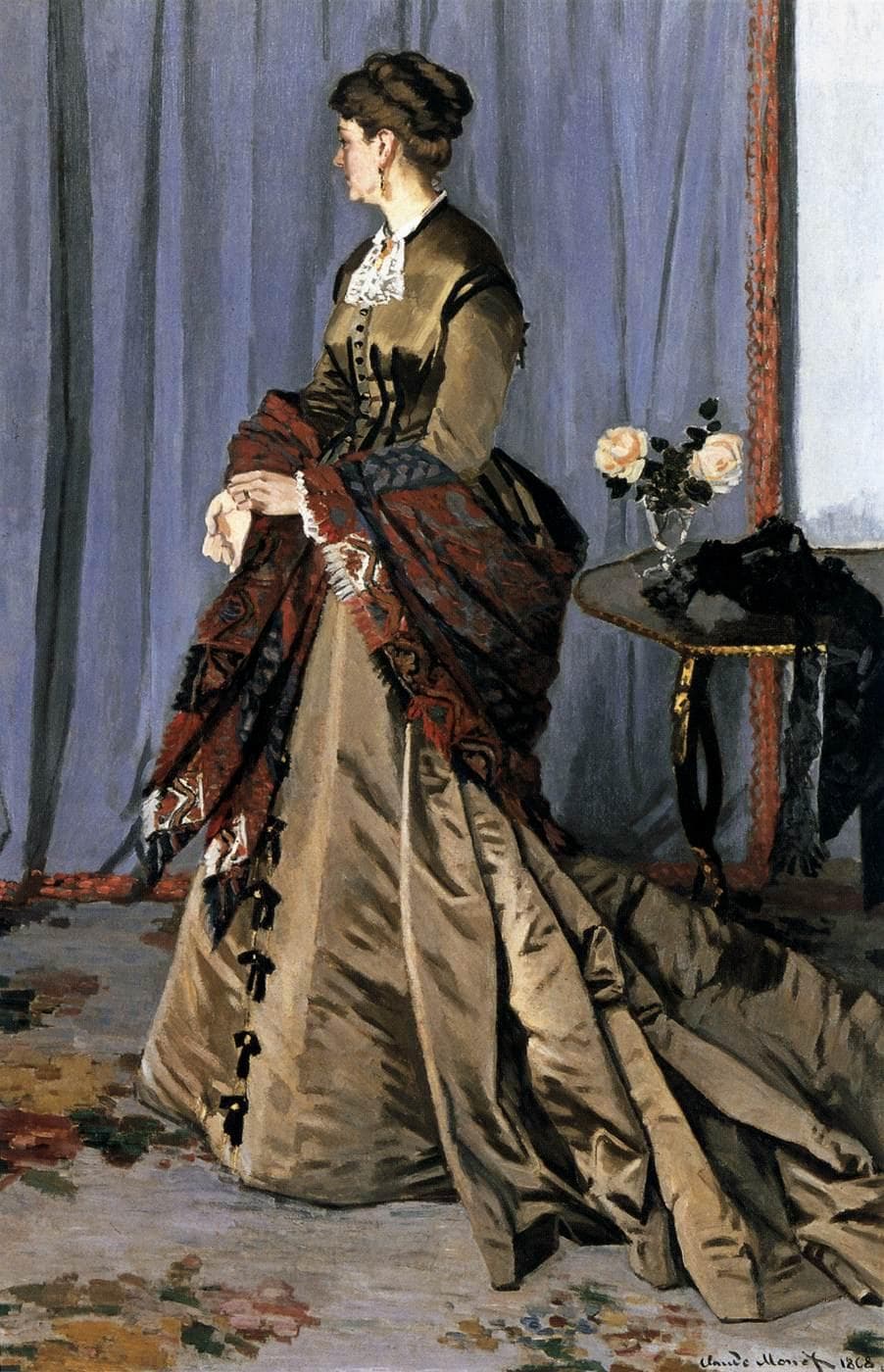
Madame Louis Joachim Gaudibert
Claude Monet · 1868
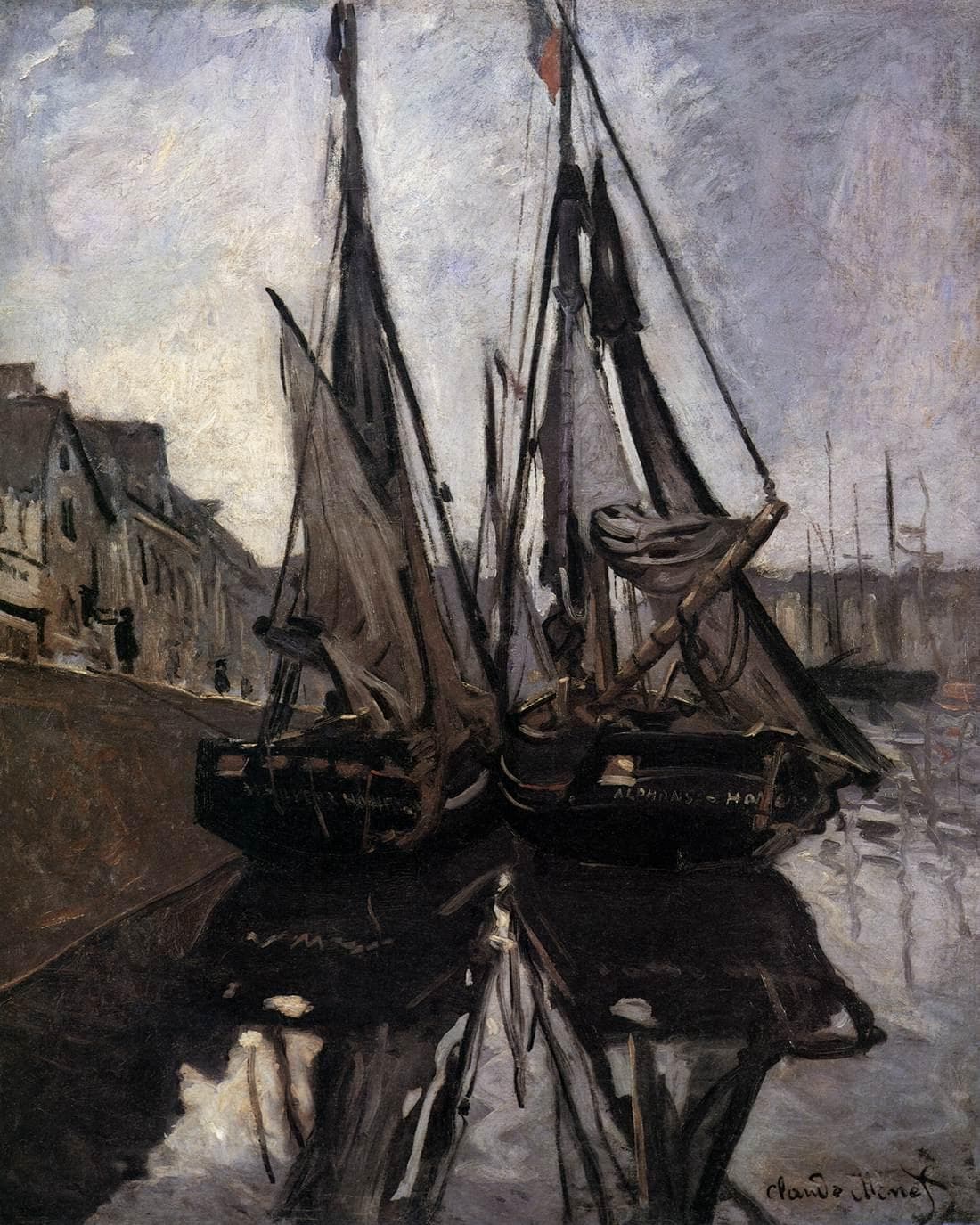
Fishing Boats at Honfleur
Claude Monet · c. 1868
Kindred works
You may also study
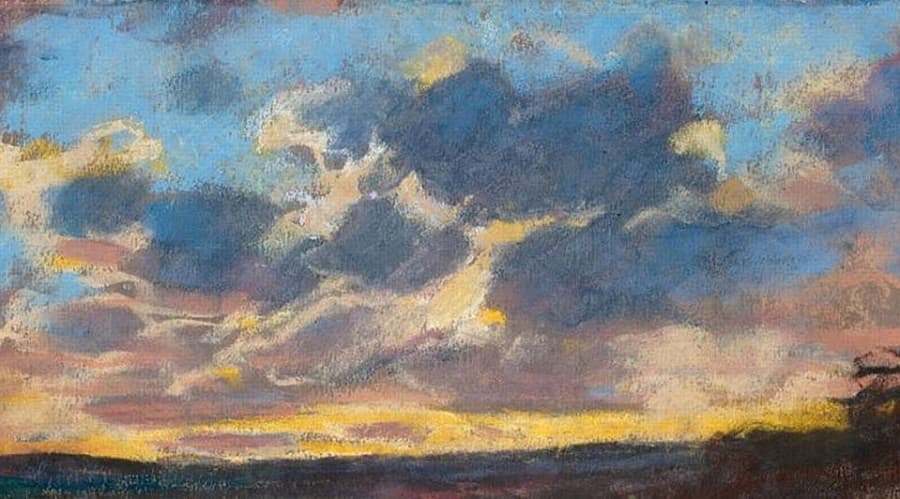
Setting Sun (Nightfall)
Claude Monet · c. 1865
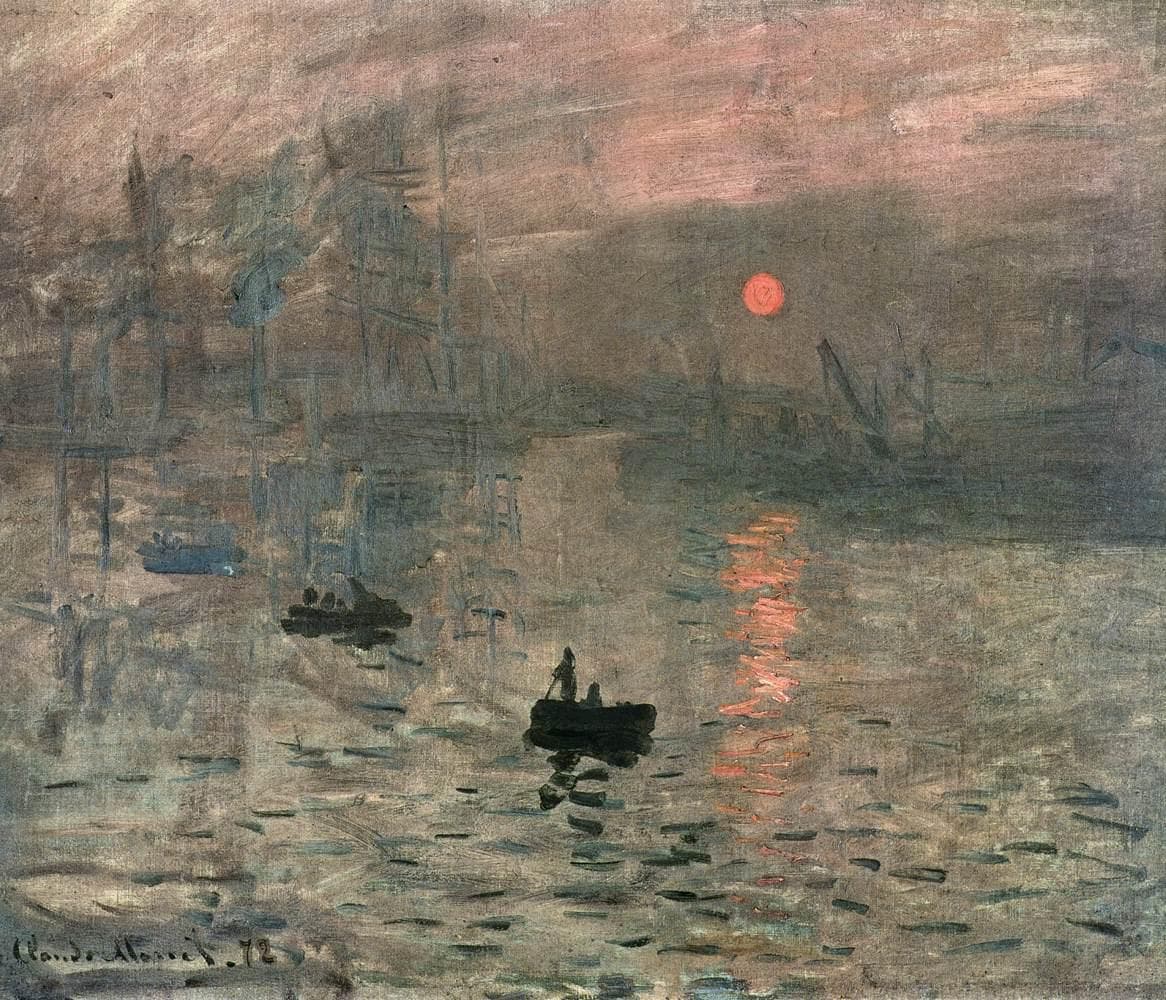
Impression, Sunrise
Claude Monet · 1872
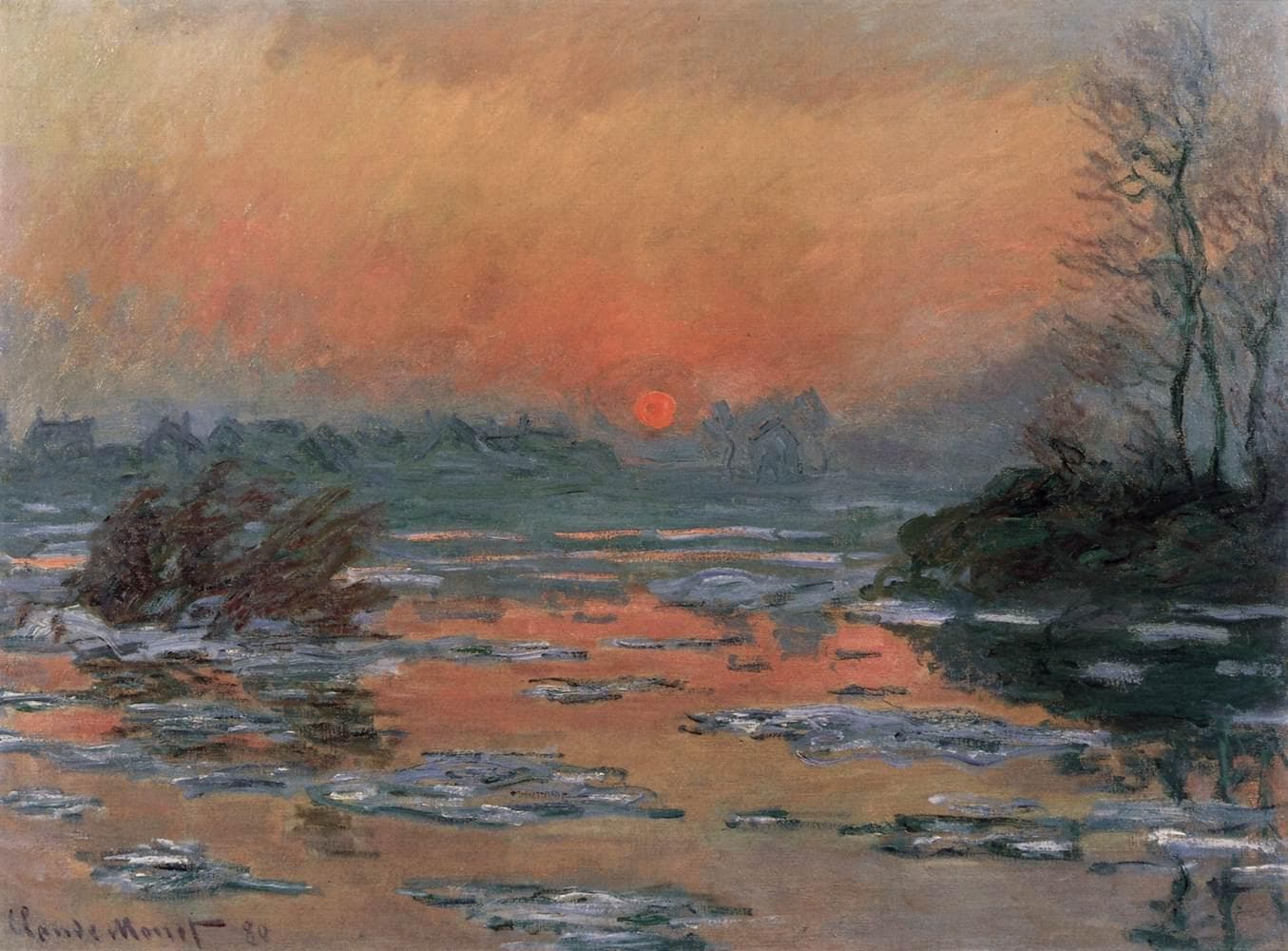
Sunset on the Seine in Winter
Claude Monet · 1880
Heavy Sea at Étretat
Claude Monet · c. 1868–69
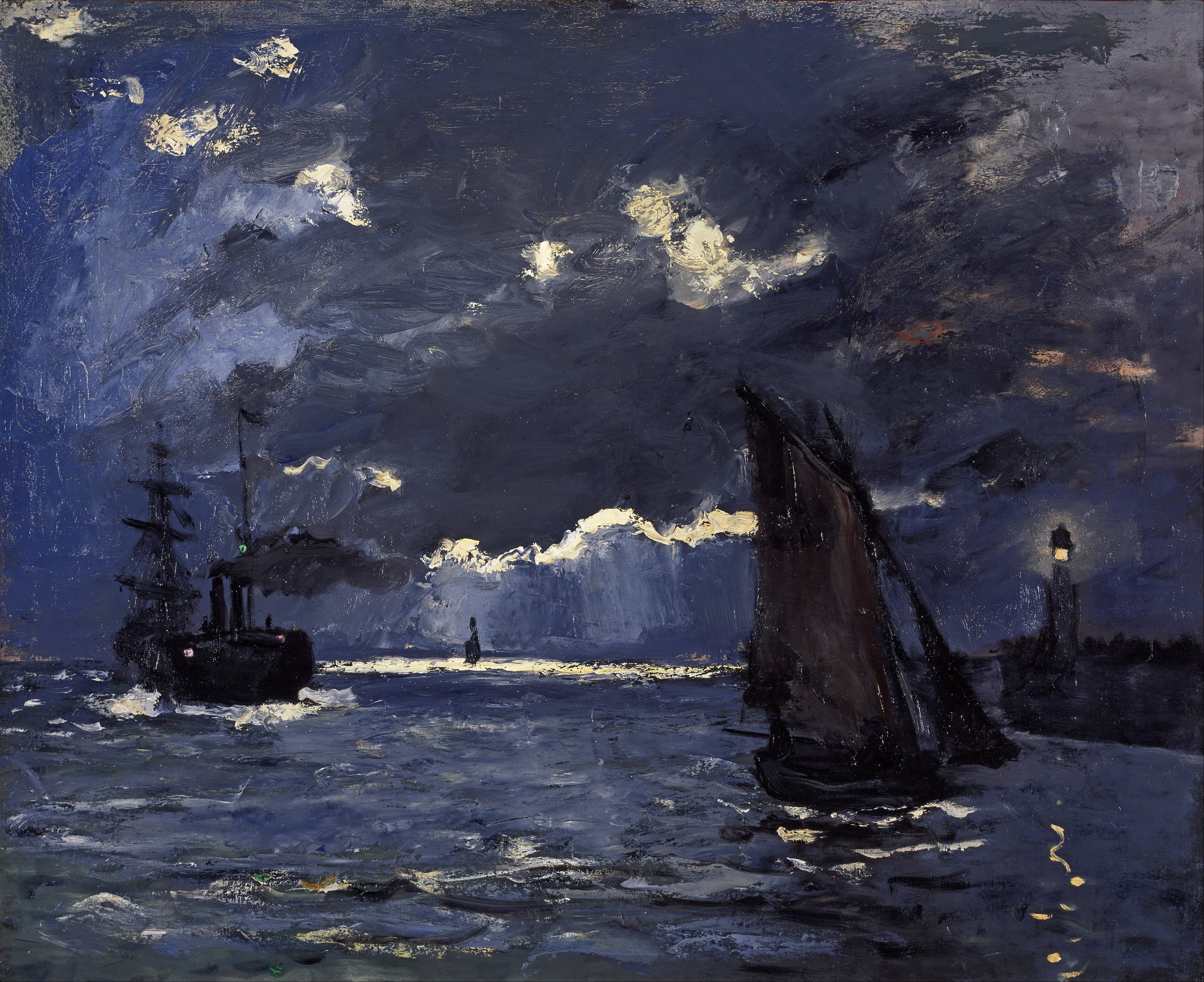
A Seascape, Shipping by Moonlight
Claude Monet · c. 1864

Nymphs Dancing to Pan's Flute
Joseph Tomanek

The Scream
Edvard Munch · 1893

Ophelia
John Everett Millais · 1851–52