Impressionism
Woman with a Parasol – Madame Monet and Her Son
Claude Monet, 1875
Woman with a Parasol – Madame Monet and Her Son is an 1875 painting by Claude Monet of his wife Camille and their son Jean on a windy hillside at Argenteuil. It is in the National Gallery of Art, Washington, D.C.
- Artist
- Claude Monet
- Date
- 1875
- Medium
- Oil on canvas
- Dimensions
- 100 × 81 cm
- Collection
- National Gallery of Art, Washington, D.C., United States
- Movement
- Impressionism
- Catalogue
- Wildenstein 381
Painted at Monet at Argenteuil
Claude Monet painted Woman with a Parasol – Madame Monet and Her Son in the summer of 1875 near his home at Argenteuil, on the Seine just outside Paris. His wife, Camille Doncieux, stands on a rise in a meadow, holding a green parasol against the sun, while their son Jean, about seven years old, waits a little farther off. The canvas, 100 × 81 cm, has belonged to the National Gallery of Art in Washington, D.C., since 1983. It is also known as The Stroll (La Promenade).
What you're looking at
We see Camille from below, as if Monet were sitting in the grass at the foot of the slope. That low viewpoint sets her against nothing but sky and clouds, so she seems to stand at the top of the world. The parasol tilts toward us, its underside a deep, cool green; the light hitting the meadow bounces up into it, which is why its lining picks up the same color as the grass.
The wind is everywhere. Camille's white veil streams sideways across her face, the hem of her dress billows to the right, and the clouds behind her are dashed in with quick diagonal strokes that run the same way. Even the grasses at her feet lean in the breeze. Monet unifies the picture through that single direction of movement rather than through careful drawing.
Look at the dress. It is "white," but almost none of it is painted white. The shadowed side is built from blues, lilacs and gray-greens; the sunlit side carries touches of yellow reflected from the meadow. This treatment of colored shadow, rather than shadow made by adding black, is one of the most important ideas of Impressionism, and it is easy to see here.
Jean, by contrast, is cut off at the waist by the brow of the hill. His round, pale face under a straw hat is a small, still point beside his mother's sweeping silhouette, and the gap between them gives the picture its depth. Camille's own face is barely described: a few strokes under the veil, enough to suggest a glance toward the painter.
How it was made
The painting was made outdoors, en plein air, and quickly, probably over a few hours. The brushwork is visible everywhere: long, loaded strokes for the dress, short choppy ones for the grass, scumbled patches for the clouds. Monet signed and dated it "Claude Monet 75" at the lower right. At 100 × 81 cm it is a sizable canvas to have worked on outdoors in a stiff breeze.
Context: Argenteuil, 1871–78
Monet, Camille and Jean lived at Argenteuil from late 1871 to 1878. These were relatively settled years, and Monet painted his family repeatedly in the house and garden there, in works such as The Luncheon (Monet's Garden at Argenteuil), Camille Monet on a Garden Bench and Madame Monet and a Friend in the Garden. Woman with a Parasol is the most monumental of them.
The picture was one of eighteen works Monet showed at the second Impressionist exhibition, held at Paul Durand-Ruel's gallery in Paris in April 1876. That November he sold it to Georges de Bellio, a doctor and collector who supported several Impressionists. It later passed through the de Bellio family and the Menier collection before Paul and Bunny Mellon bought it in 1965; they gave it to the National Gallery of Art in 1983.
What does it mean?
Monet did not intend a portrait in the formal sense; it is a scene of everyday family life caught in passing light. Its emotional charge comes from what happened next. Camille fell ill in the following years and died in 1879, aged 32, at Vétheuil, an event Monet recorded in Camille Monet on Her Deathbed. Knowing this, many later viewers read the windswept, half-veiled figure as an image of transience: a woman who seems about to dissolve into the sky.
That reading belongs to hindsight, but the painting does invite it. Camille is the only fully vertical form, yet she is painted with the same loose, airy strokes as the clouds, and the veil hides the one feature that would fix her identity.
A subject revisited
In 1886, at Giverny, Monet returned to the motif with two paintings of Suzanne Hoschedé, his stepdaughter-to-be, holding a parasol on a hill: Woman with a Parasol, Turned to the Left and Woman with a Parasol, Turned to the Right, both now in the Musée d'Orsay, Paris. In those later versions the face is left almost blank, as if the figure had become pure weather. The 1875 picture, with Jean present and Camille glancing back, remains the more personal of the three.
John Singer Sargent, who knew Monet, painted his own variation on the theme, Two Girls with Parasols at Fladbury (1889), now in the Metropolitan Museum of Art. For more, see Famous Monet Paintings.
Where to see it
The painting is in the West Building of the National Gallery of Art, Washington, D.C. (Collection of Mr. and Mrs. Paul Mellon, 1983.1.29), and is normally on view in the French Impressionist galleries. Admission is free. The work is in the public domain.
Questions & answers
Where is Monet's Woman with a Parasol?
The 1875 Woman with a Parasol – Madame Monet and Her Son is in the National Gallery of Art in Washington, D.C., a gift of Mr. and Mrs. Paul Mellon in 1983. Monet's two later parasol paintings of 1886, showing Suzanne Hoschedé, are in the Musée d'Orsay in Paris.
Who is the woman in Woman with a Parasol?
She is Camille Doncieux, Monet's first wife and frequent model. The boy is their son Jean, then about seven. Monet painted them on a hillside near their home at Argenteuil in the summer of 1875. Camille died four years later, in 1879, at the age of 32.
What is the meaning of Woman with a Parasol?
Monet meant it as a quick, outdoor scene of family life, catching wind, sunlight and colored shadow in a few hours. Later viewers, knowing Camille died in 1879, often read the veiled, windswept figure as an image of fleeting happiness and transience, a reading the airy brushwork encourages but Monet never stated.
When was Woman with a Parasol painted?
It was painted in 1875 and is signed and dated 'Claude Monet 75' at the lower right. Monet exhibited it the following year at the second Impressionist exhibition in Paris, in April 1876, and sold it that November to the collector Georges de Bellio.
How big is Woman with a Parasol?
The canvas measures 100 × 81 cm (about 39 × 32 in). That is large for a picture painted outdoors in a single campaign, though Monet's decorative panel The Luncheon of about 1873 is bigger still. Seen in the gallery, Camille is close to half life-size.
More by the artist
Claude Monet

Bridge over a Pond of Water Lilies
Claude Monet · 1899

Sunset in Venice
Claude Monet · 1908–12

La Grenouillère
Claude Monet · 1869

Beach in Pourville
Claude Monet · 1882

Springtime
Claude Monet · 1872

Boating on the River Epte
Claude Monet · 1890

The Seine at Asnières (Hermitage)
Claude Monet · 1873
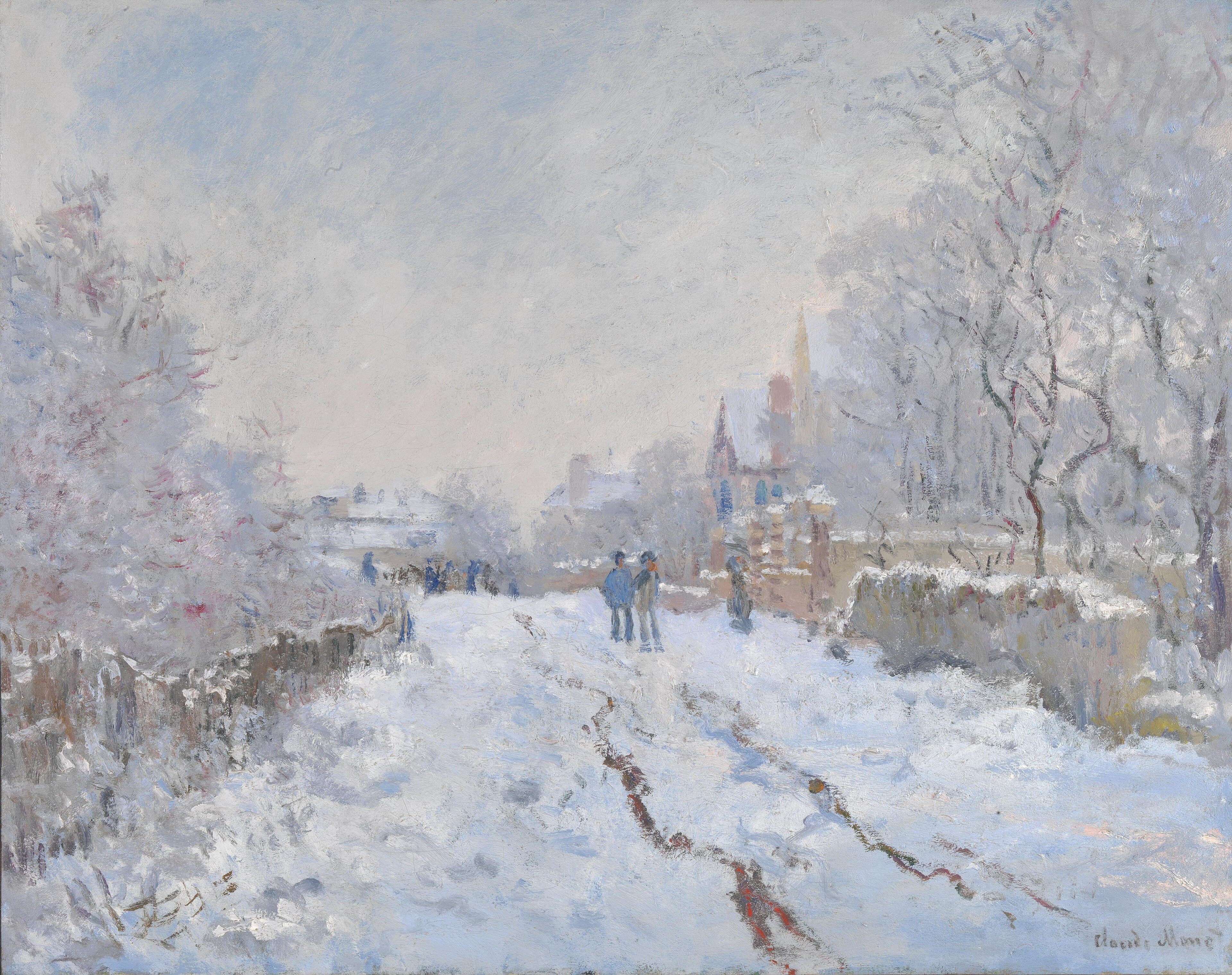
Snow Scene at Argenteuil
Claude Monet · 1875
Also painted in 1875
The same year
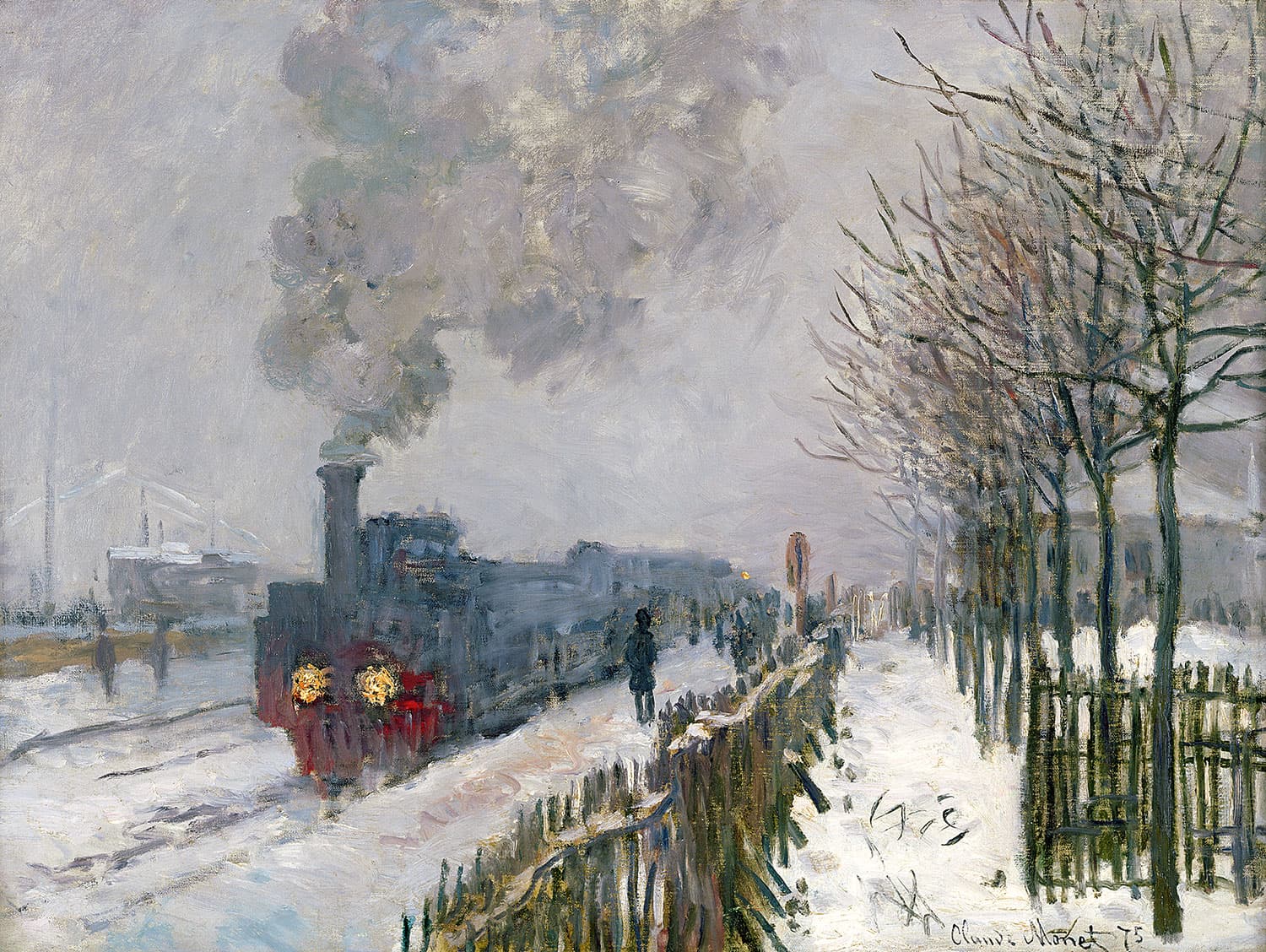
Train in the Snow (The Locomotive)
Claude Monet · 1875
Bords de la Seine à Argenteuil
Claude Monet · 1870s (inscribed 1875 on the frame)
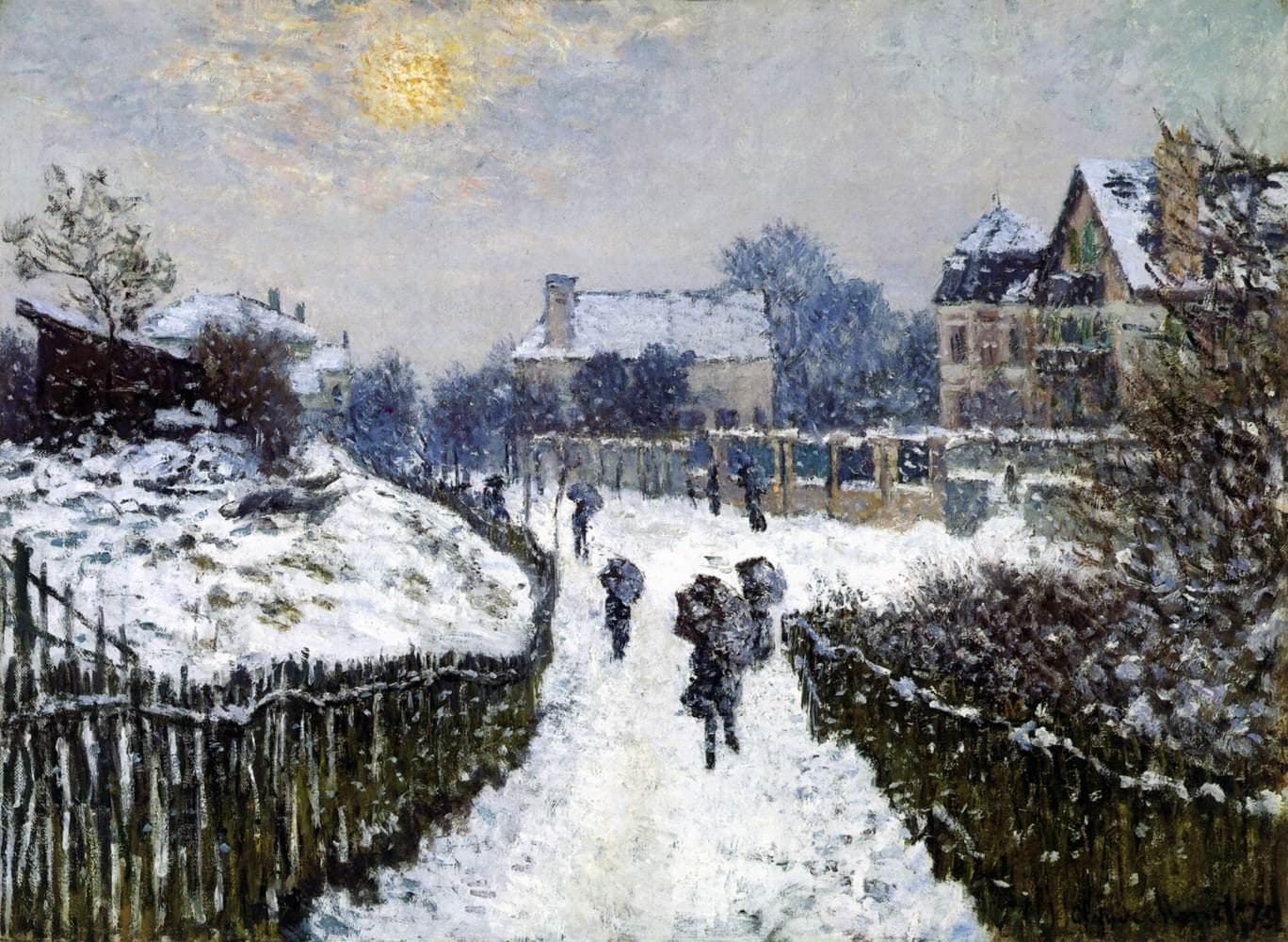
Boulevard Saint-Denis, Argenteuil, in Winter
Claude Monet · 1875
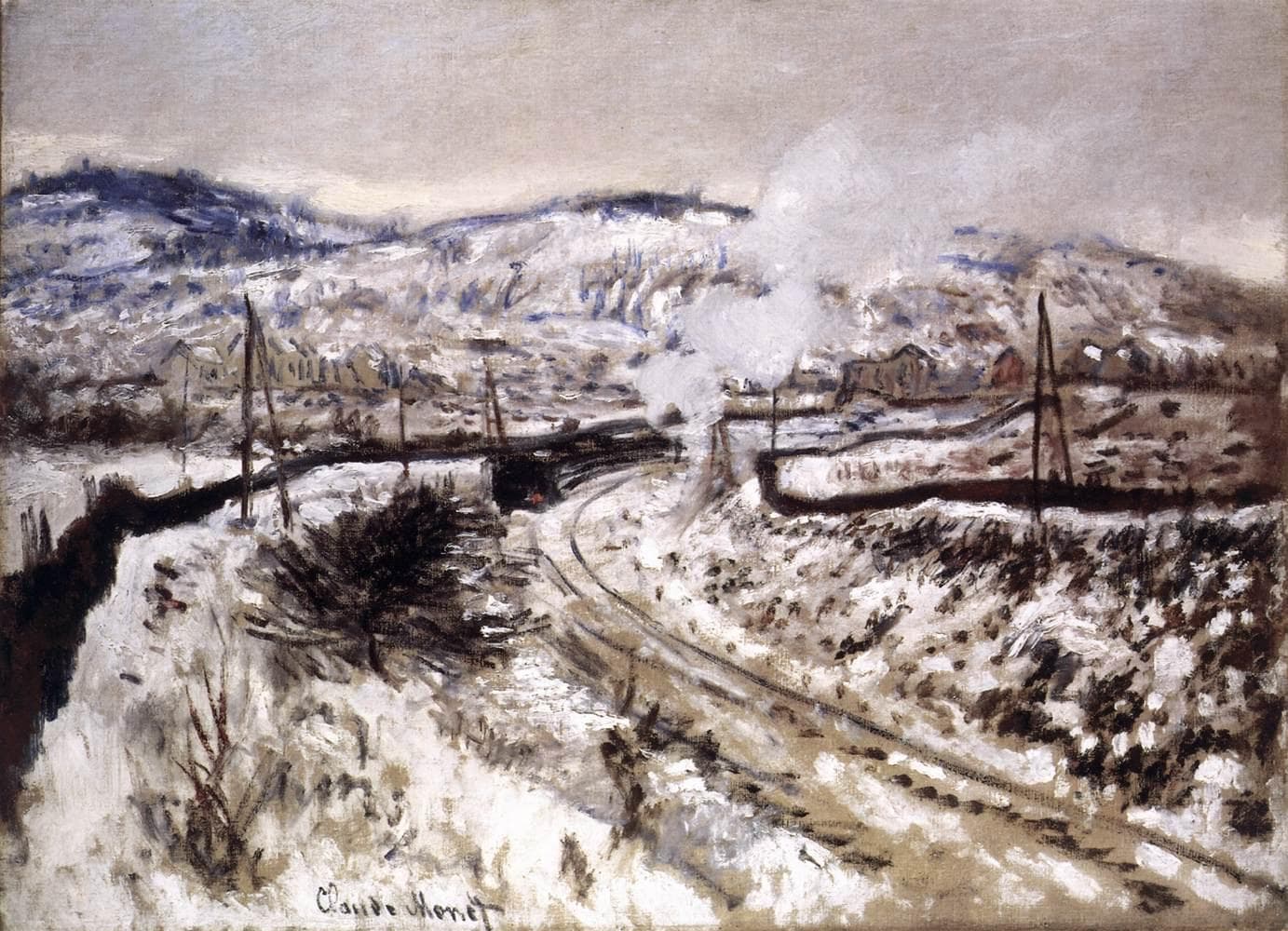
Train in the Snow at Argenteuil
Claude Monet · 1875
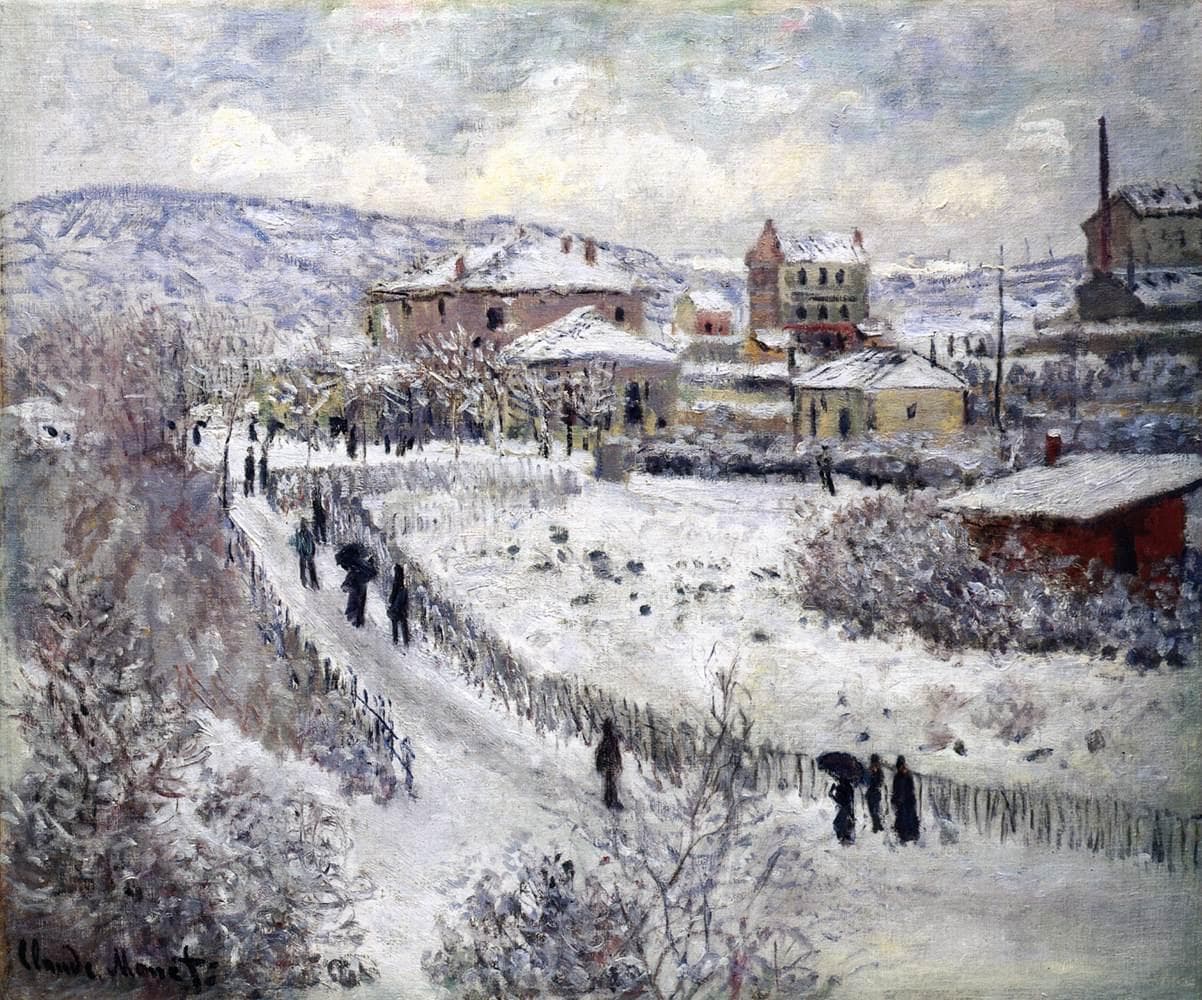
View of Argenteuil in the Snow
Claude Monet · 1874–75
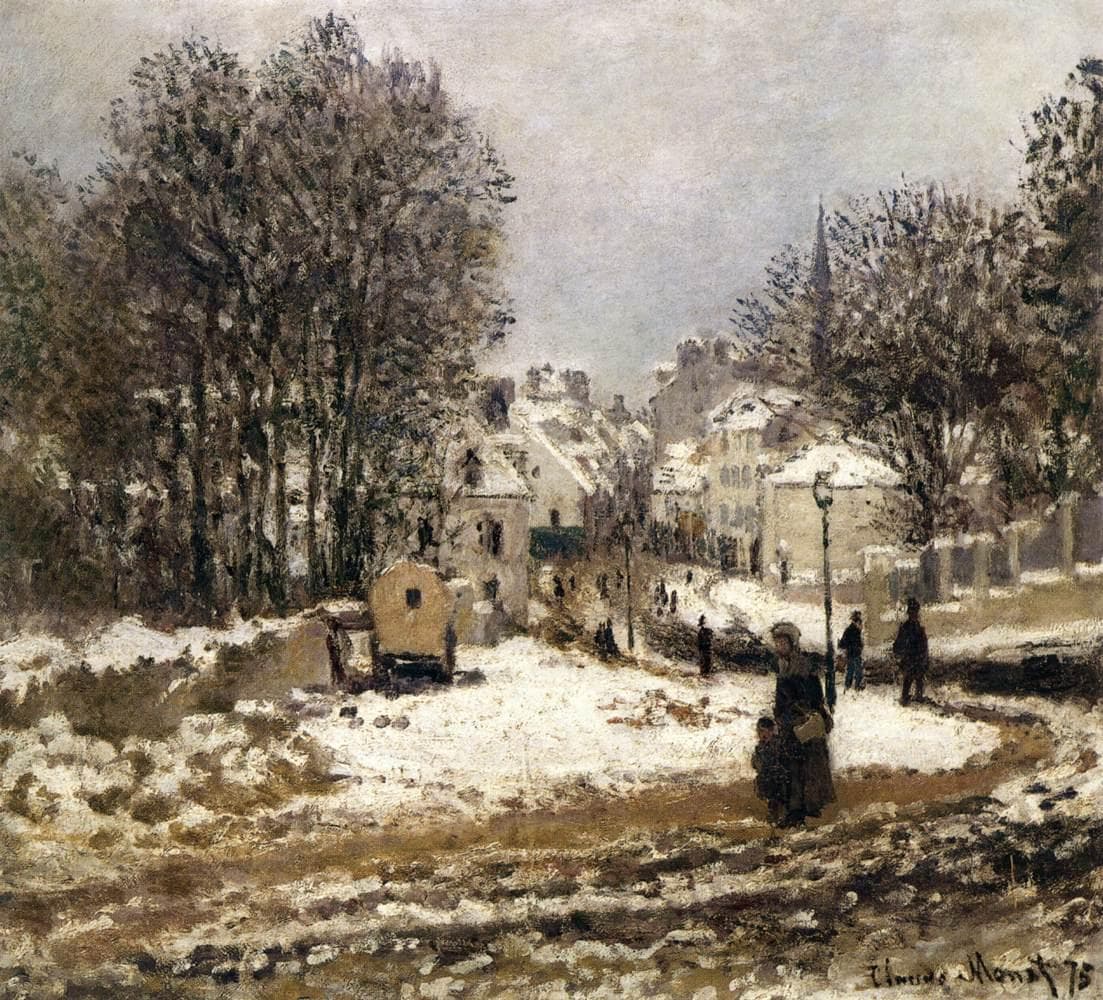
Entrance to the Grande Rue at Argenteuil, Winter
Claude Monet · 1875
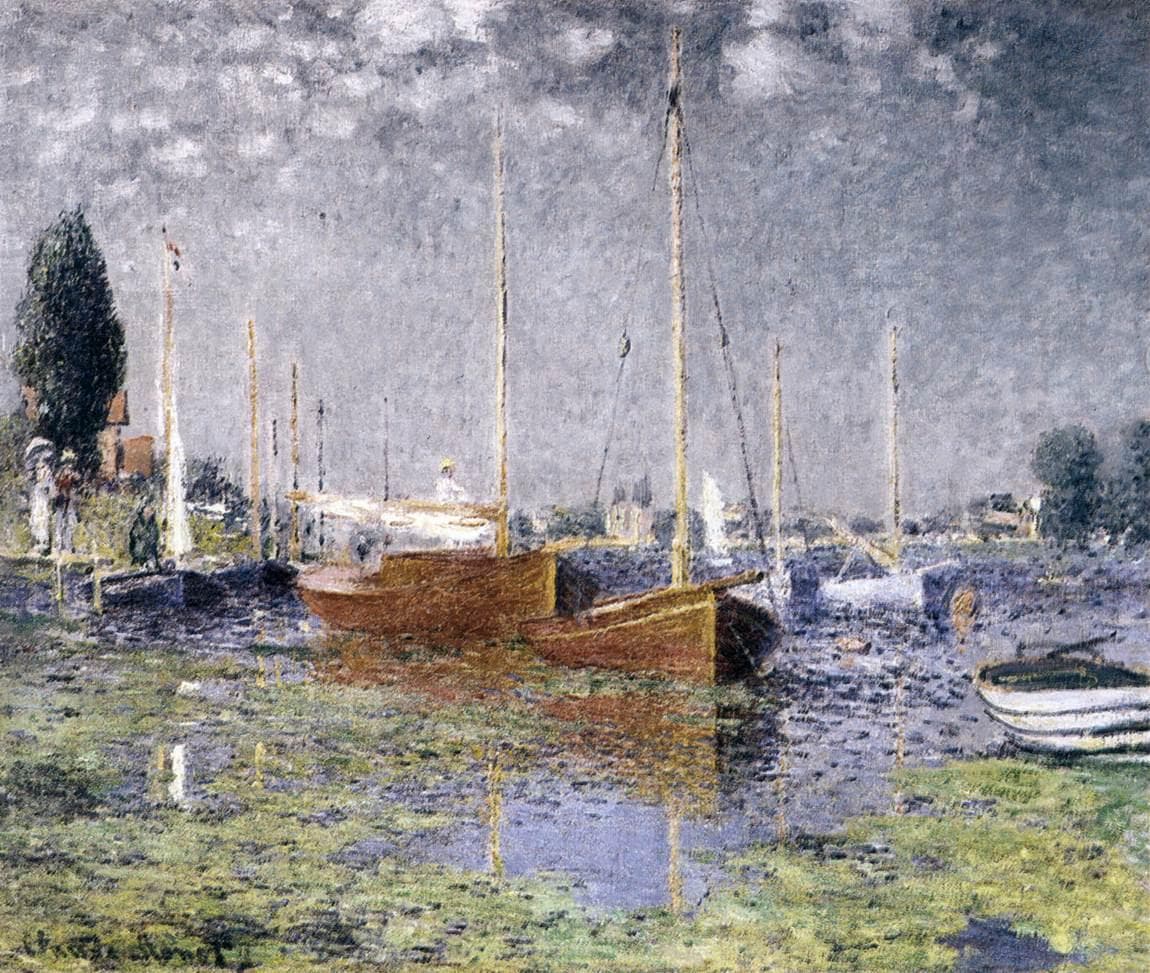
Red Boats at Argenteuil
Claude Monet · 1875
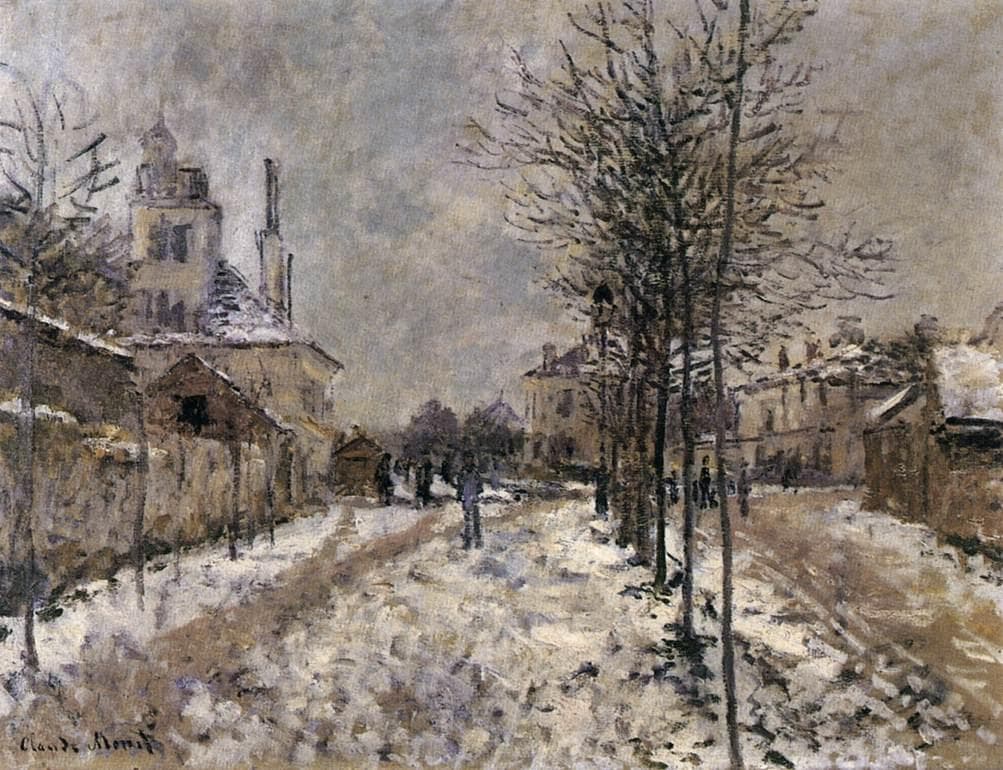
The Boulevard de Pontoise in Argenteuil under Snow
Claude Monet · 1875
Kindred works
You may also study
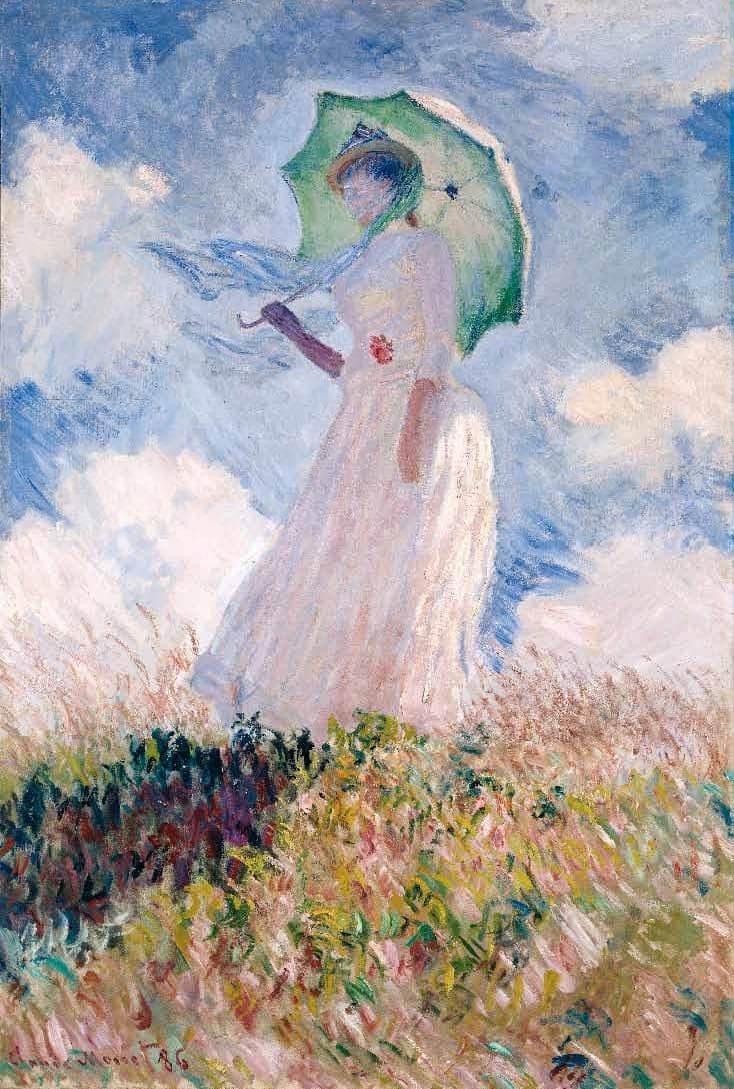
Woman with a Parasol, Facing Left
Claude Monet · 1886
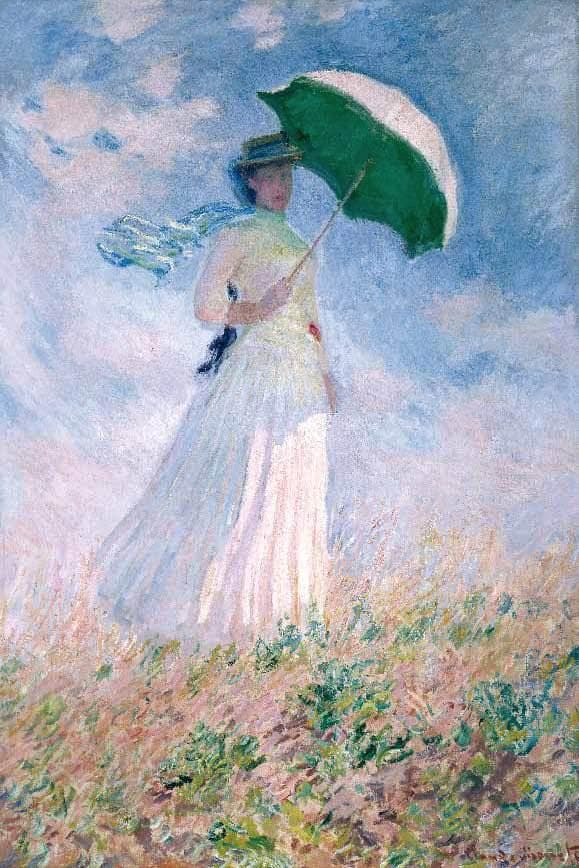
Woman with a Parasol, Facing Right
Claude Monet · 1886
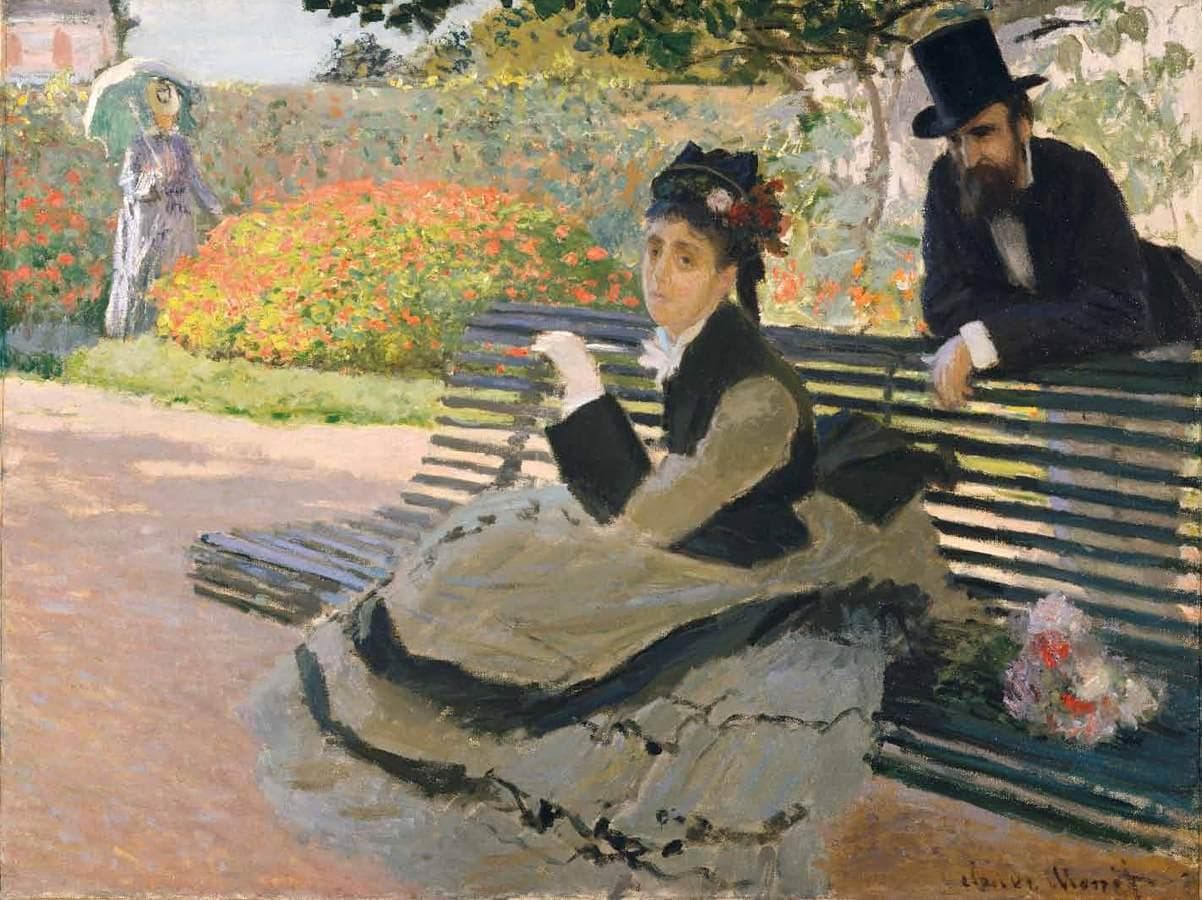
Camille Monet on a Garden Bench
Claude Monet · 1873
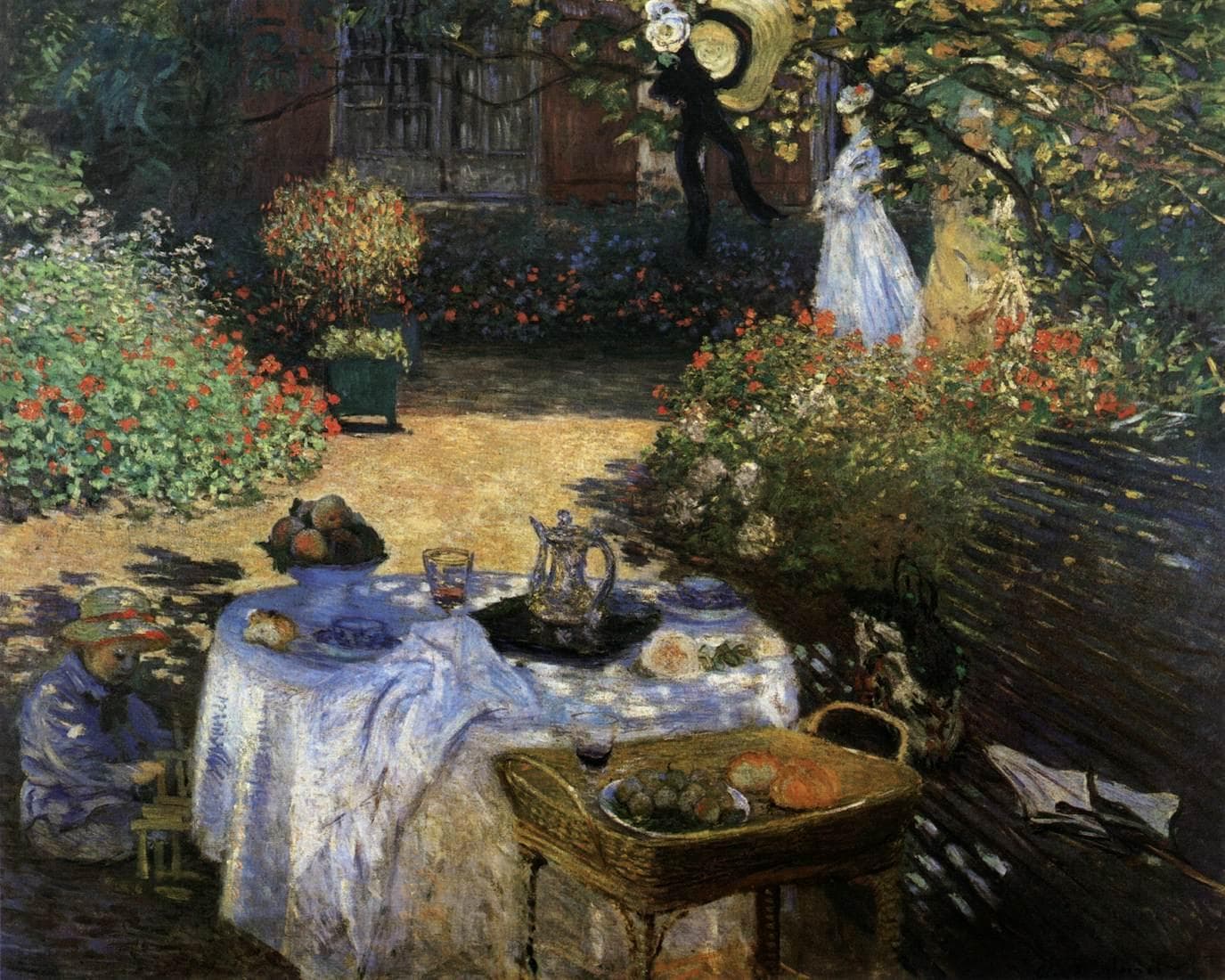
The Luncheon (Monet's Garden at Argenteuil)
Claude Monet · c. 1873
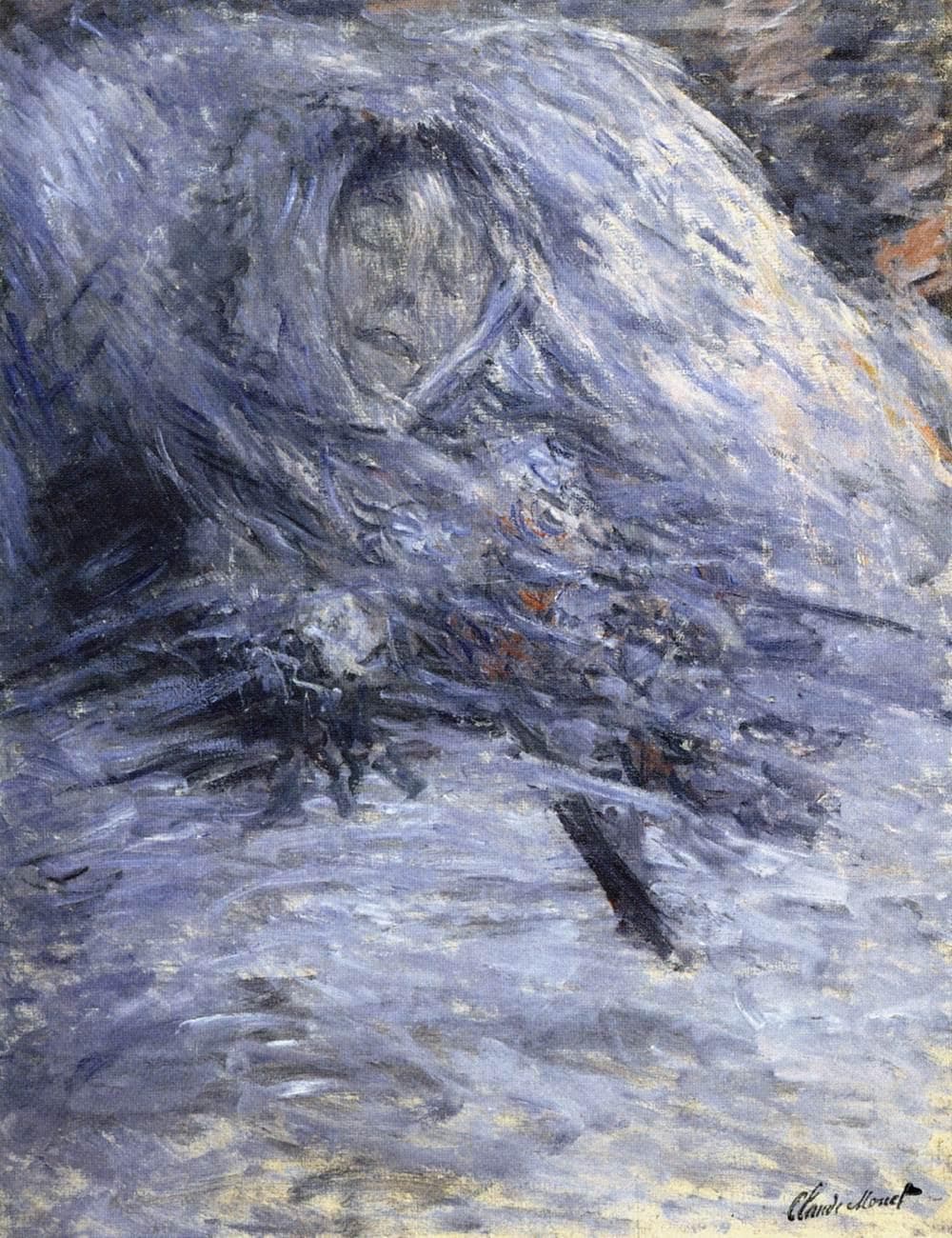
Camille Monet on Her Deathbed
Claude Monet · 1879
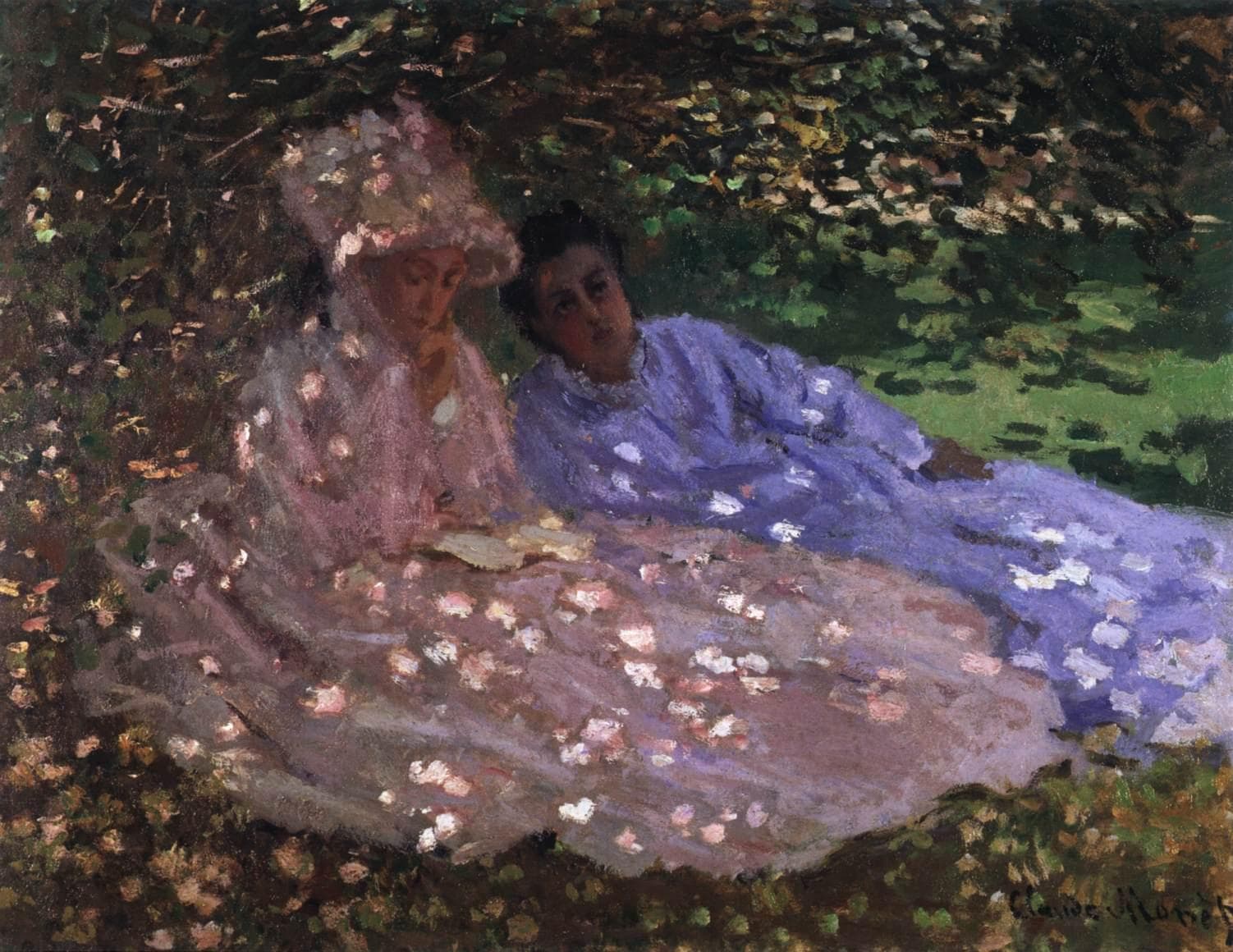
Madame Monet and a Friend in the Garden
Claude Monet · c. 1872

Venus de Milo
Alexandros of Antioch · c. 150–125 BC

The Scream
Edvard Munch · 1893