Impressionism
Thaw in Argenteuil
Claude Monet, 1873
Thaw in Argenteuil is a winter landscape by Claude Monet, dated 1873: thin snow melting on furrowed vegetable plots beside a path, a stone wall and snow-roofed houses under a grey sky. It is in a private collection.
- Artist
- Claude Monet
- Date
- 1873
- Medium
- Oil on canvas
- Dimensions
- 55 × 73 cm
- Collection
- Private collection
- Movement
- Impressionism
Painted at Monet at Argenteuil
Thaw in Argenteuil (Le Dégel à Argenteuil) is a winter landscape attributed to Claude Monet and dated 1873 in the sources that list it: melting snow on furrowed kitchen-garden plots beside a stone wall and a cluster of snow-roofed cottages. It is recorded as being in a private collection. Its catalogue details, including the place, have not been confirmed against the Wildenstein catalogue raisonné, so the date and title should be treated with caution.
What you are looking at
A narrow path of wet brown earth runs from the foreground into the middle of the picture, between two vegetable plots. The ground on both sides is furrowed, and the snow has begun to go: it lies in white patches and streaks along the ridges, with dark soil and green shoots showing in between. On the right a long stone wall in warm ocher and gray runs diagonally into the distance, its coping still capped with snow. Behind it stand cottages with white roofs, a tall chimney stack and a group of bare trees whose tangled, frosted branches reach up into the sky.
On the left, a few young pruned fruit trees stand in the plots, their twisted limbs drawn in dark strokes. Further back are more white roofs and a darker mass of trees. The sky, filling half the canvas, is a soft gray-blue streaked with paler cloud. A signature sits at lower right.
How a thaw is painted
A thaw is harder to paint than snow, because the subject is something disappearing. Monet does it with contrast. The remaining snow is put on in bright, thick dabs of white over brown and violet strokes for the wet earth, so the white seems to sit on top of the ground, about to slide off. The furrows in the right-hand plot are drawn with rhythmic diagonal strokes, rows of brown alternating with white, that pull the eye toward the wall.
The wall is the warmest passage in the picture, yellow, pink and gray stone set against the cold of everything else. The roofs behind it are painted as flat white planes with blue-gray shadows, and the trees are scrubbed in with a dry brush so that their crowns read as frost rather than foliage. Notice how the path, the furrows and the wall all converge on the same point in the middle distance where the cottages cluster: an ordinary destination, made worth looking at by the weather.
Monet at Argenteuil
Monet moved to Argenteuil, a small town on the Seine northwest of Paris, in December 1871 and stayed until 1878. He made about 170 paintings there, the core of early Impressionism: regattas, bridges, the family garden and, in the winters, snow. His best-known snow scenes there date from the hard winter of 1874–75, when he painted about eighteen views of the town under snow and frost, among them Snow at Argenteuil in Boston, Boulevard Saint-Denis, Argenteuil, in Winter and Entrance to the Grande Rue at Argenteuil, Winter. A date of 1873 would place this picture earlier than that group; that is possible, but unconfirmed.
The motif of kitchen gardens, walls and village houses is closer to the semi-rural edges of town than to the boulevards. Monet found such places all around Argenteuil, where market gardens still pressed up against the new suburban villas. Our hub on Monet at Argenteuil gathers the pictures from these years.
Snow in Monet's work
Snow suited the argument at the heart of Impressionism: that shadows have color and that white surfaces take on the hue of the sky. Monet had tested it in The Magpie of 1868–69 and in the roads of Louveciennes the following winter. He returned to it at Argenteuil, at Vétheuil in 1879–80, when the frozen Seine broke up in The Breakup of the Ice at Lavacourt, and at Giverny in the 1890s.
Where to see it
The painting is in a private collection and is not on public display. Many of Monet's Argenteuil winter scenes can be seen in museums, including the National Gallery in London and the Museum of Fine Arts, Boston; see where to see Monet's paintings. More on Claude Monet.
Questions & answers
Where is Monet's Thaw in Argenteuil?
The painting is recorded as being in a private collection and is not on public view. Many of Monet's other Argenteuil winter scenes are in museums, including Snow at Argenteuil at the Museum of Fine Arts, Boston, and Boulevard Saint-Denis, Argenteuil, in Winter, also in Boston.
When was Thaw in Argenteuil painted?
It is dated 1873 in the sources that list it, during Monet's years at Argenteuil (1871–78). Its catalogue record has not been independently confirmed. Most of his Argenteuil snow scenes date from the hard winter of 1874–75.
What does Thaw in Argenteuil show?
Melting snow on furrowed vegetable plots on either side of a muddy path, with a long stone wall, snow-roofed cottages and bare trees under a gray sky. Monet paints the snow in thick white dabs over brown and violet earth to show it disappearing.
How many snow scenes did Monet paint at Argenteuil?
About eighteen in the winter of 1874–75 alone, more than in any other single season of his career, plus a few from other winters. They show the town's streets, boulevards, railway and riverbank under snow and thaw, in a muted palette of grays, lilacs and browns.
More by the artist
Claude Monet

Bridge over a Pond of Water Lilies
Claude Monet · 1899

Woman with a Parasol – Madame Monet and Her Son
Claude Monet · 1875

Sunset in Venice
Claude Monet · 1908–12

La Grenouillère
Claude Monet · 1869

Beach in Pourville
Claude Monet · 1882

Springtime
Claude Monet · 1872

Boating on the River Epte
Claude Monet · 1890

The Seine at Asnières (Hermitage)
Claude Monet · 1873
Also painted in 1873
The same year
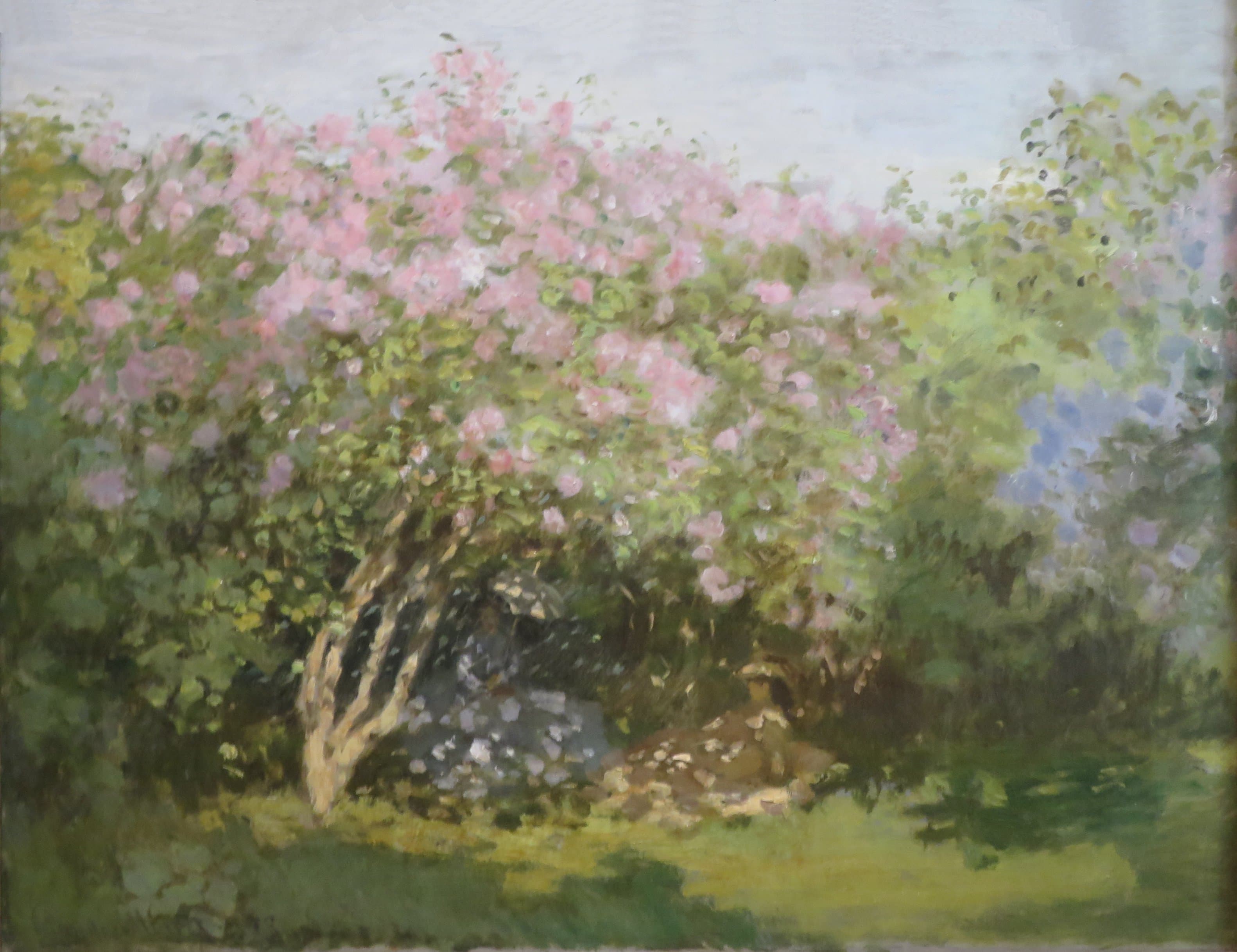
Lilac in the Sun
Claude Monet · 1873
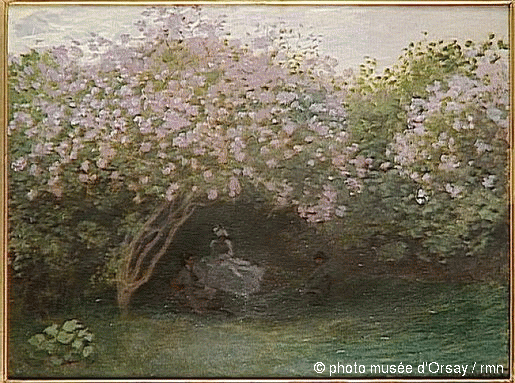
Lilacs, Gray Weather
Claude Monet · 1872–73
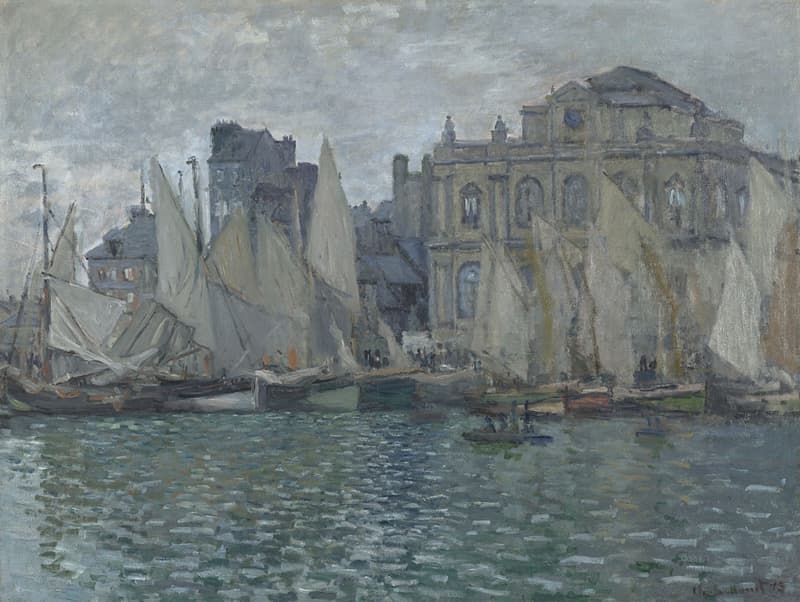
The Museum at Le Havre
Claude Monet · 1873
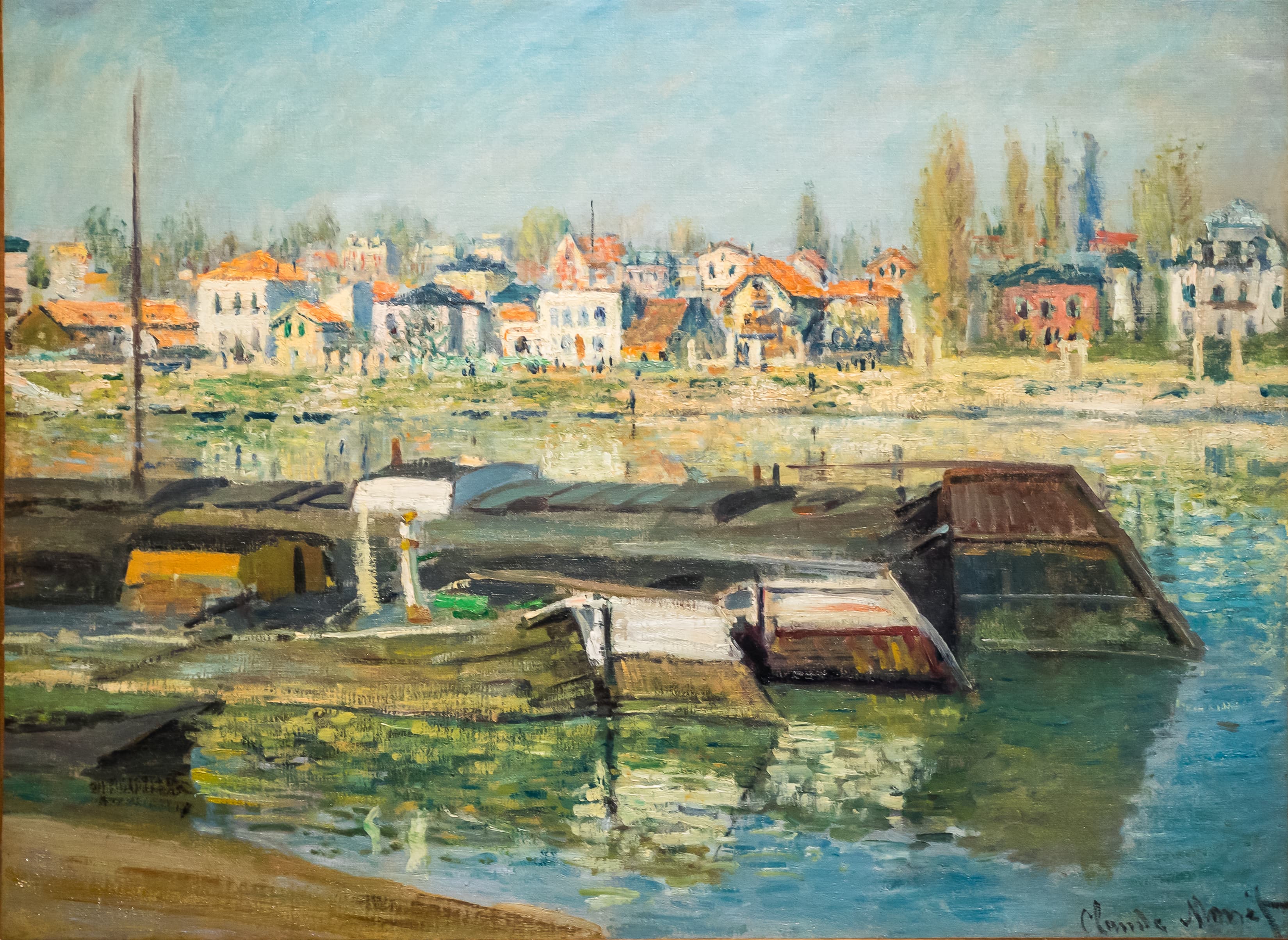
The Seine at Asnières
Claude Monet · 1873
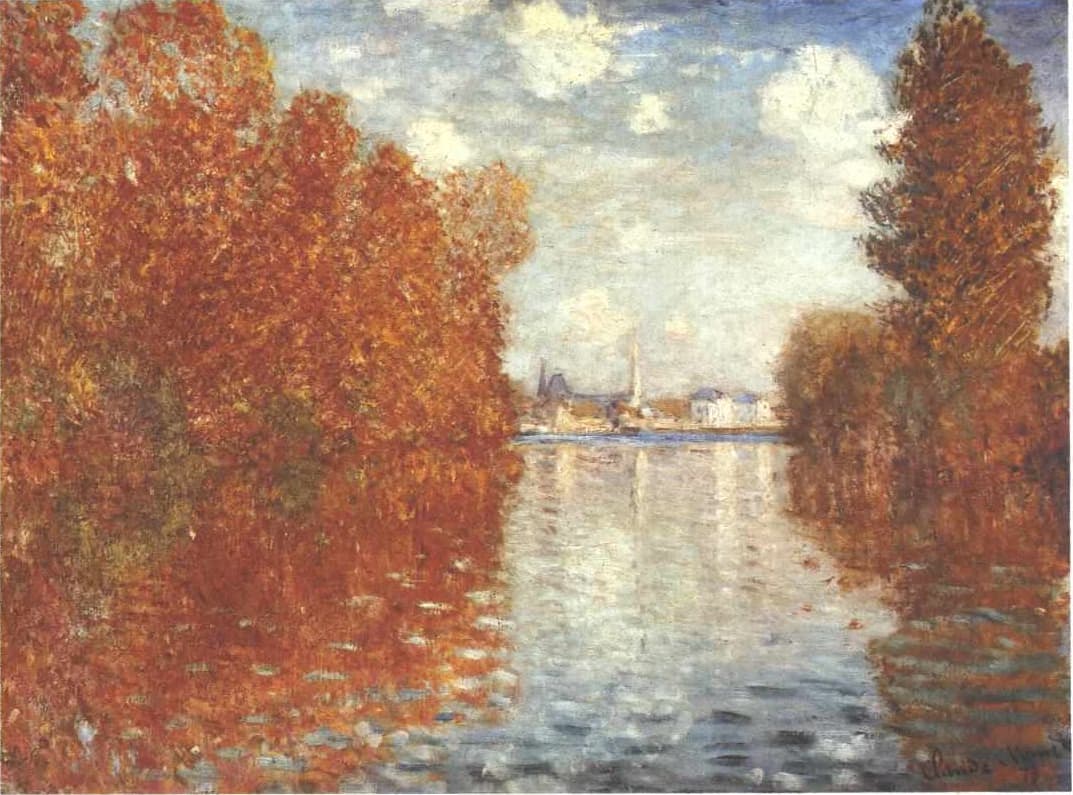
Autumn Effect at Argenteuil
Claude Monet · 1873
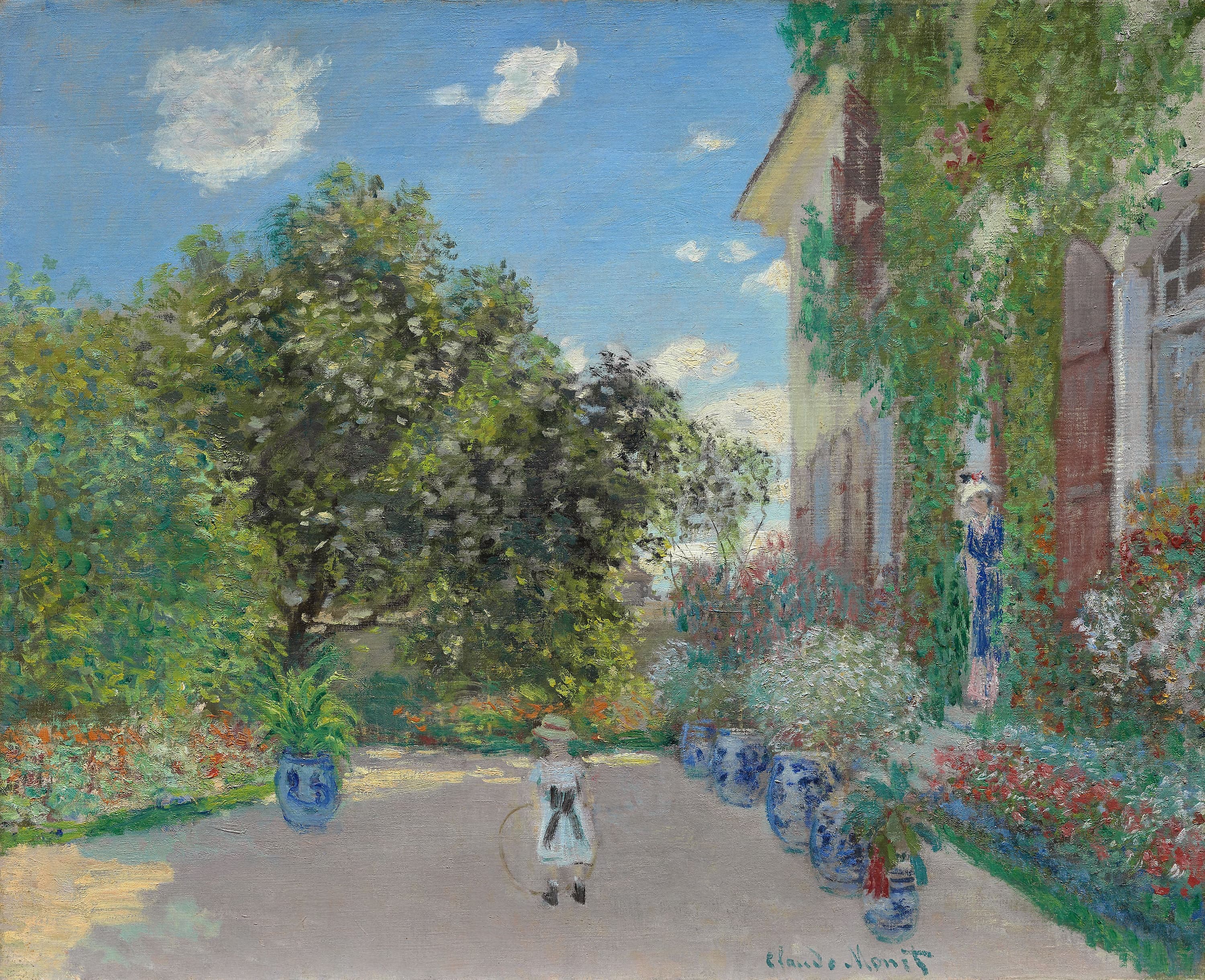
The Artist's House at Argenteuil
Claude Monet · 1873
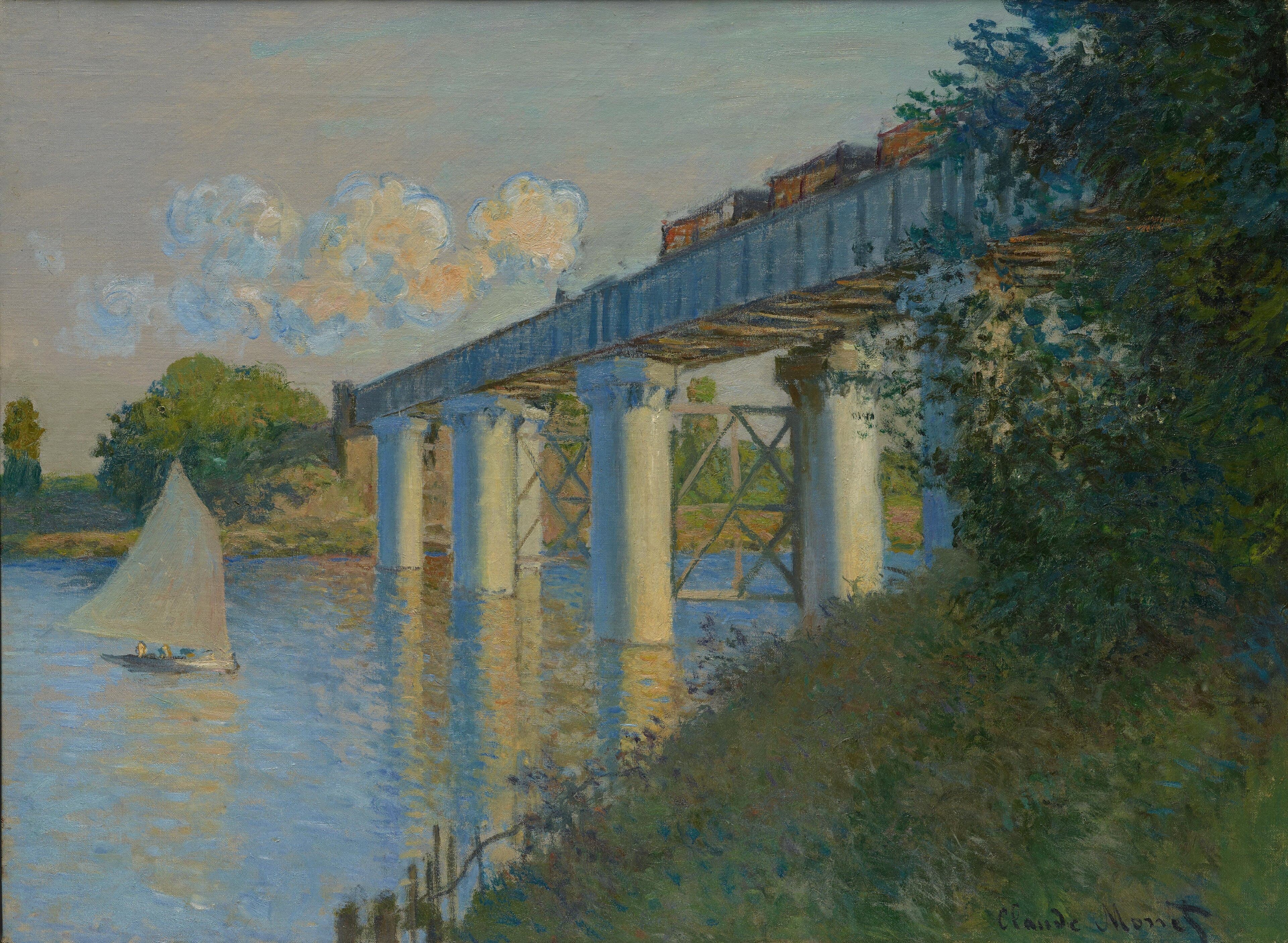
Railroad Bridge, Argenteuil
Claude Monet · 1873
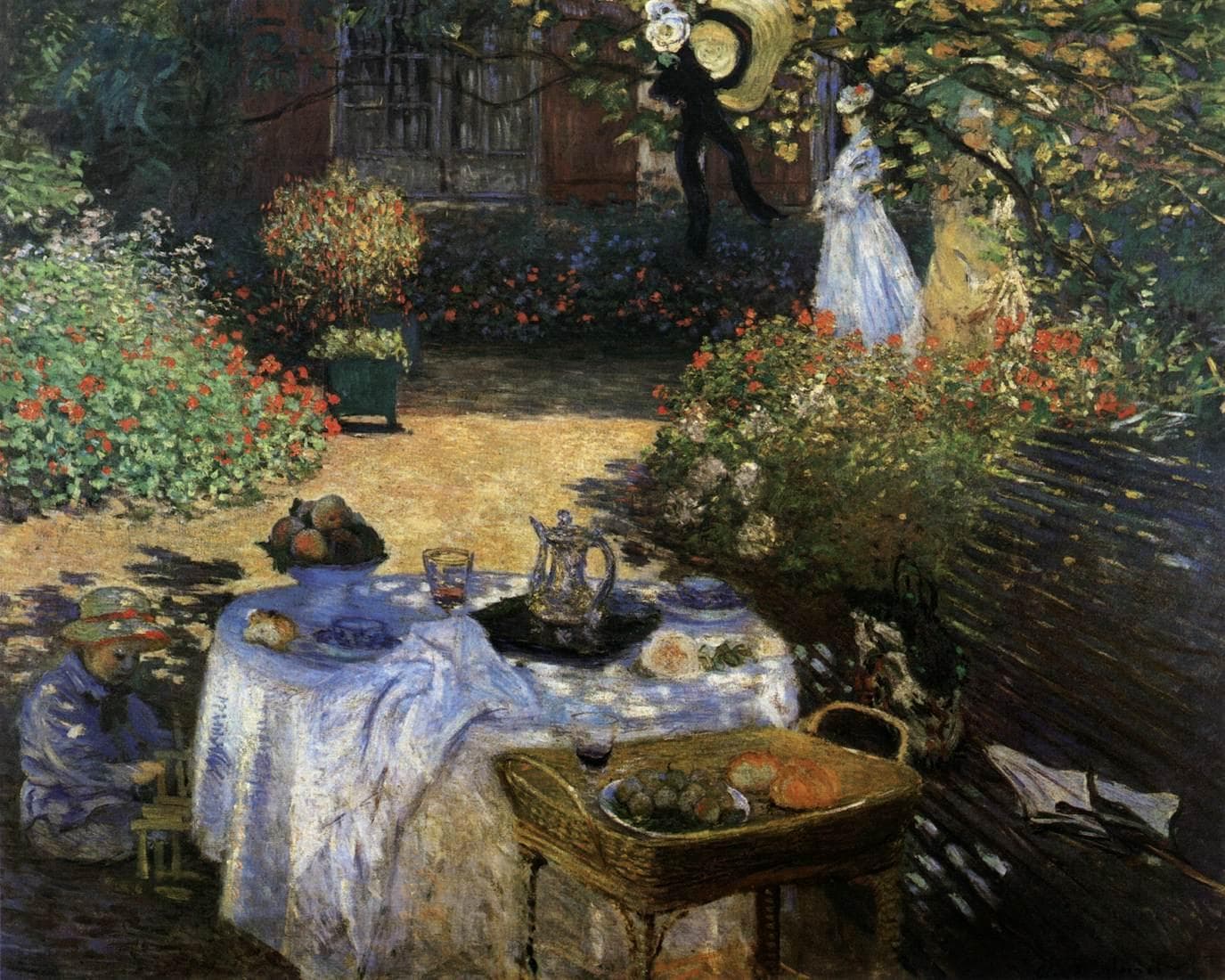
The Luncheon (Monet's Garden at Argenteuil)
Claude Monet · c. 1873
Kindred works
You may also study
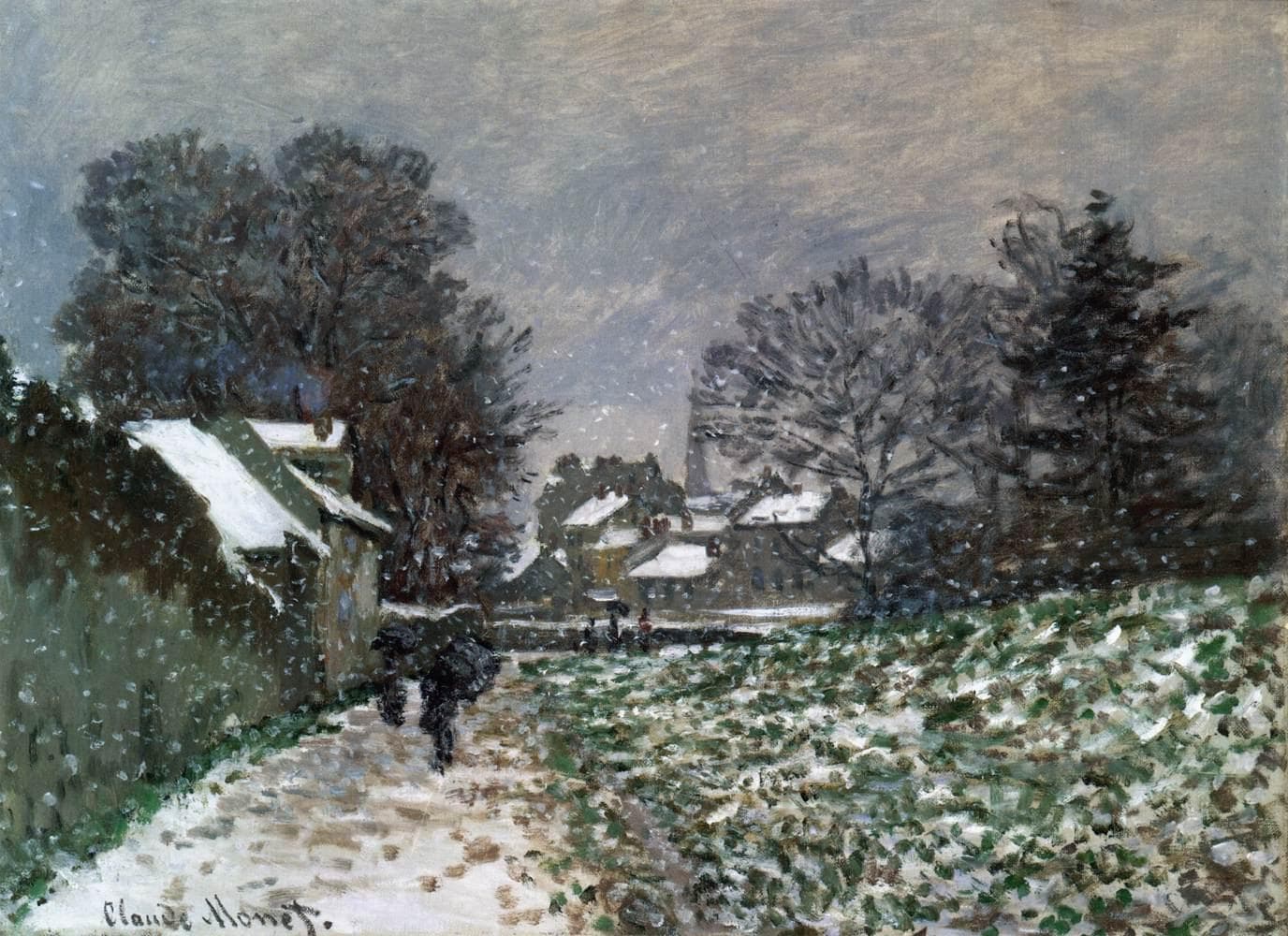
Snow at Argenteuil
Claude Monet · c. 1874
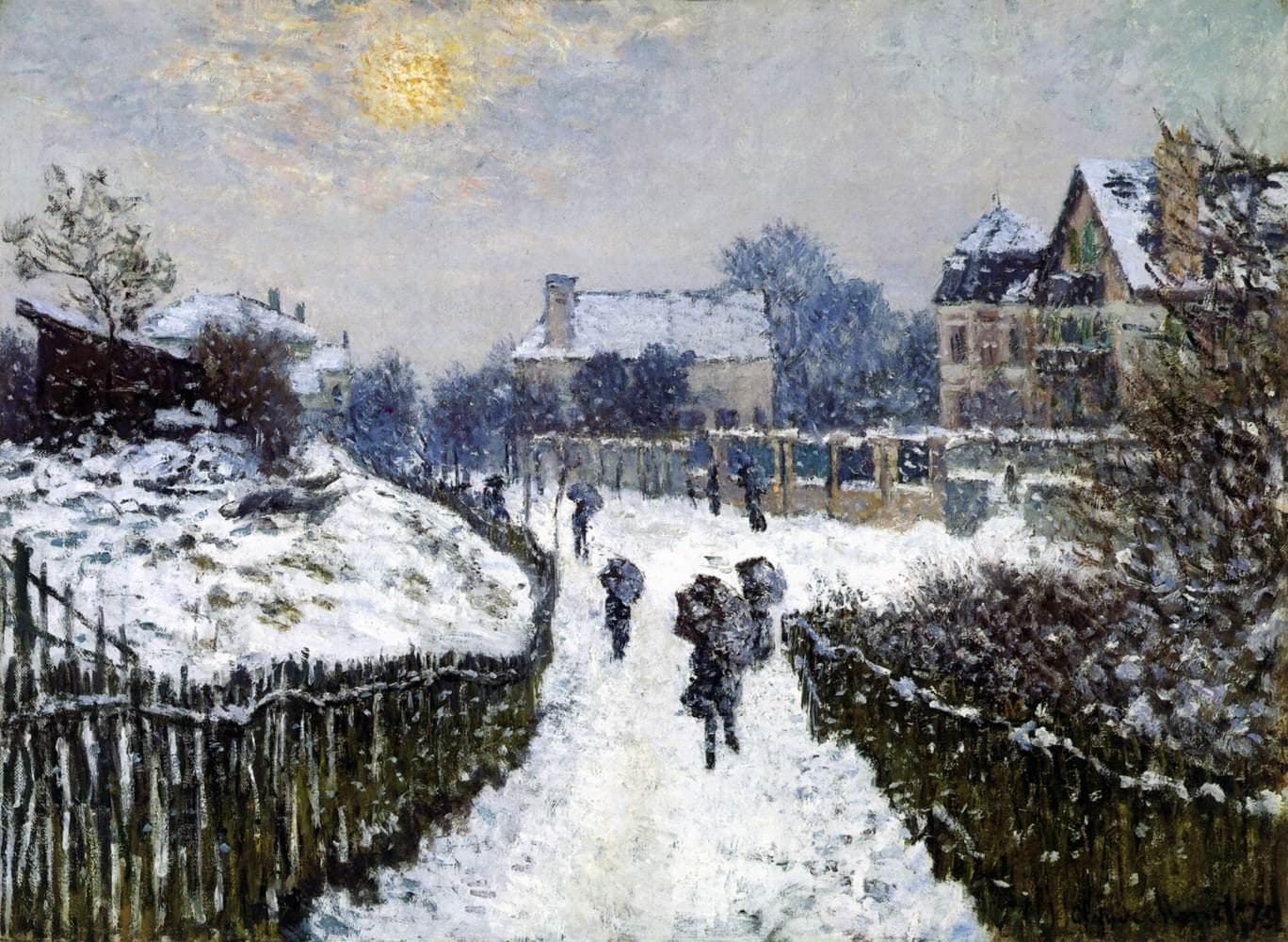
Boulevard Saint-Denis, Argenteuil, in Winter
Claude Monet · 1875
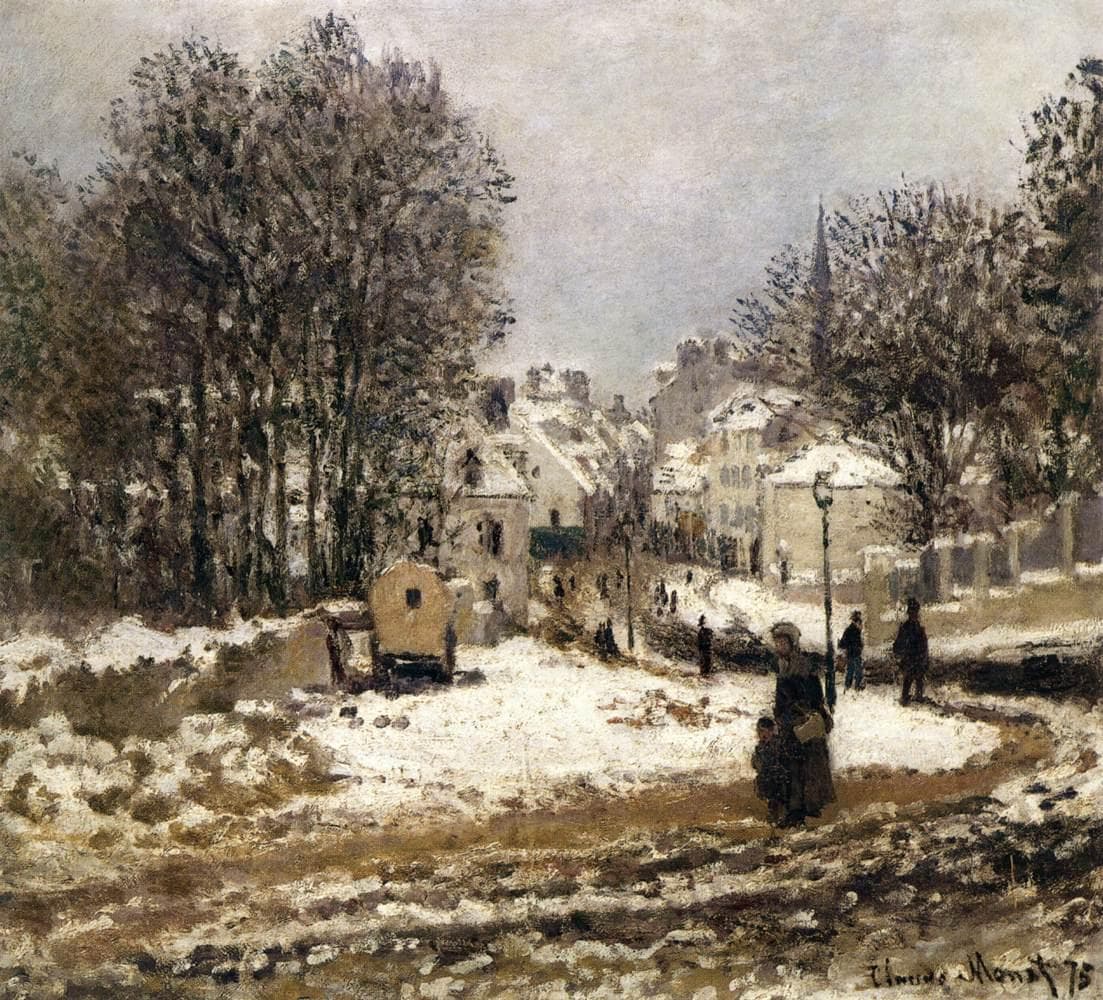
Entrance to the Grande Rue at Argenteuil, Winter
Claude Monet · 1875
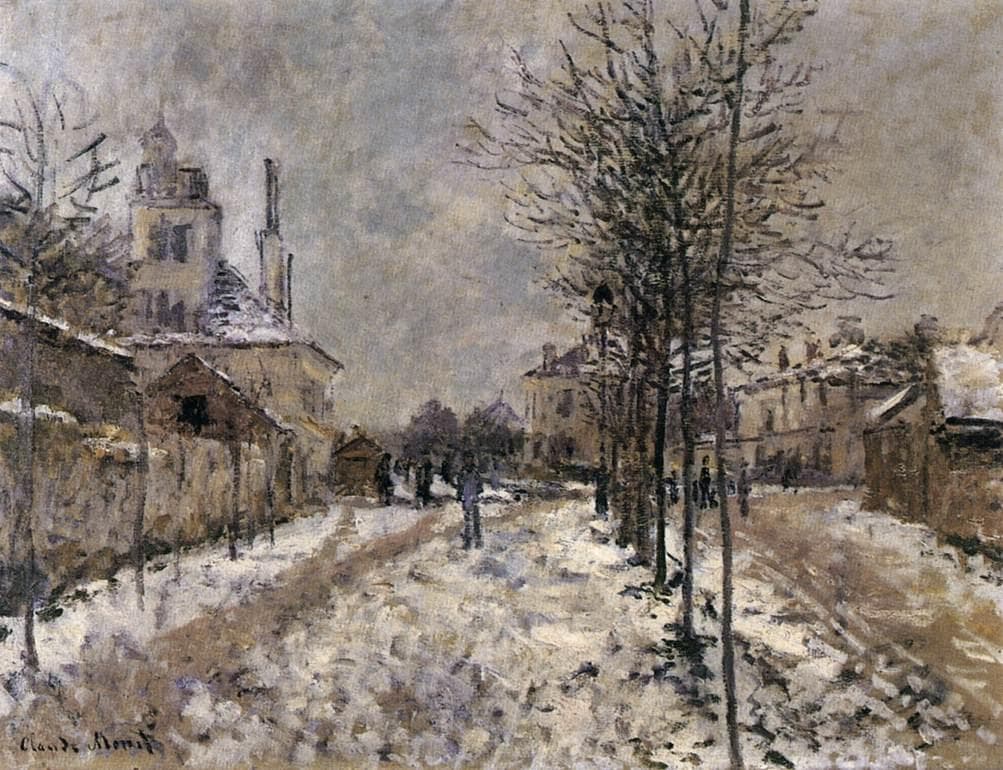
The Boulevard de Pontoise in Argenteuil under Snow
Claude Monet · 1875
Train in the Snow at Argenteuil
Claude Monet · 1875

The Scream
Edvard Munch · 1893

Ophelia
John Everett Millais · 1851–52

The Great Wave off Kanagawa
Katsushika Hokusai · c. 1830–32