Image: Dallas Museum of Art; via Wikimedia Commons · Public domain · via Wikimedia Commons
Impressionism
The Tea Service
Claude Monet, 1872
The Tea Service is an 1872 still life by Claude Monet of blue-and-white porcelain on a red lacquer tray and a white cloth, painted at Argenteuil. It is in the Dallas Museum of Art.
- Artist
- Claude Monet
- Date
- 1872
- Medium
- Oil on canvas
- Dimensions
- 53.3 × 72.7 cm
- Collection
- Dallas Museum of Art, Dallas, United States
- Movement
- Impressionism
- Catalogue
- Wildenstein 244
What you are looking at
A table covered with a white cloth, woven in a faint check pattern, runs across the lower two-thirds of the picture. On it, toward the right, sits a bright red lacquer tray holding a small blue-and-white teapot and two matching cups on saucers, one with dark tea still in it. To the left a blue-and-white porcelain bowl or cachepot holds a plant with large, soft, gray-green leaves that curl and droop over the rim. A silver teaspoon lies on the cloth in the foreground, its bowl catching a single highlight.
Behind the table the background is divided into two plain bands: a warm brown, perhaps a wooden sideboard or wainscot, and above it a cool gray-green wall. There is nothing else in the room. Monet signed the canvas at the lower left.
Where and when it was painted
Monet returned to France from the Netherlands in late 1871 with Camille and their son Jean and, after a few weeks in Paris, rented a house at Argenteuil, a short train ride down the Seine. The house had an outbuilding he could use as a studio. Although he spent most of his time painting outdoors along the river, in 1872 he made a small number of still lifes indoors, of which The Tea Service is one.
The objects themselves place the picture in its moment. The blue-and-white porcelain and the red lacquer tray recall the fashion for Japanese and Chinese wares that swept Paris in the 1860s and 1870s, the same taste that would lead to La Japonaise four years later. The tea service is a sign of the comfortable domestic life Monet was building in Argenteuil, the same world seen in Jean Monet on His Mechanical Horse of the same year.
How it was painted
The composition is built in three layers: the white cloth in front, the objects in the middle, and the flat bands of the wall behind. Monet concentrates his effort on the middle layer and keeps the background almost blank, so the eye goes straight to the tray.
The picture is a study of surfaces. The lacquer tray is a flat, glossy red, with lighter streaks where it reflects the cups. The porcelain is a crisp white painted with quick blue marks for the decoration, and the curve of each cup is caught by a single highlight. The cloth is white, but Monet paints it in grays, blues and pale yellows, with fine lines for the weave and the folds, and uses it to lead the eye back in perspective. The plant's leaves are soft and velvety, painted with dragged strokes of gray-green over darker green. The teaspoon, metal on cloth, is a lesson in how little paint it takes to say "silver."
Red and green, the tray and the leaves, are complementary colors, and Monet sets them on opposite sides of the canvas, with the blue-and-white porcelain linking them.
Monet's still lifes
Still life was never Monet's main subject, but he returned to it at intervals: the dark, Courbet-like Still Life with Meat of 1864, Jar of Peaches of 1866, the fruit pictures of the late 1870s such as Still Life with Melon, and the flower pieces of 1878–82. The Tea Service stands apart for its lightness and its almost Japanese economy of arrangement.
Ownership
Paul Durand-Ruel bought the picture soon after it was painted. It was included in the 1886 exhibition of Impressionist paintings he organized in New York, the first major showing of the group in the United States. It later passed through private collections and was shown in exhibitions in the United States, Russia, Britain and France. It came to the Dallas Museum of Art through the bequest of Margaret McDermott (2019.67.12.McD).
Where to see it
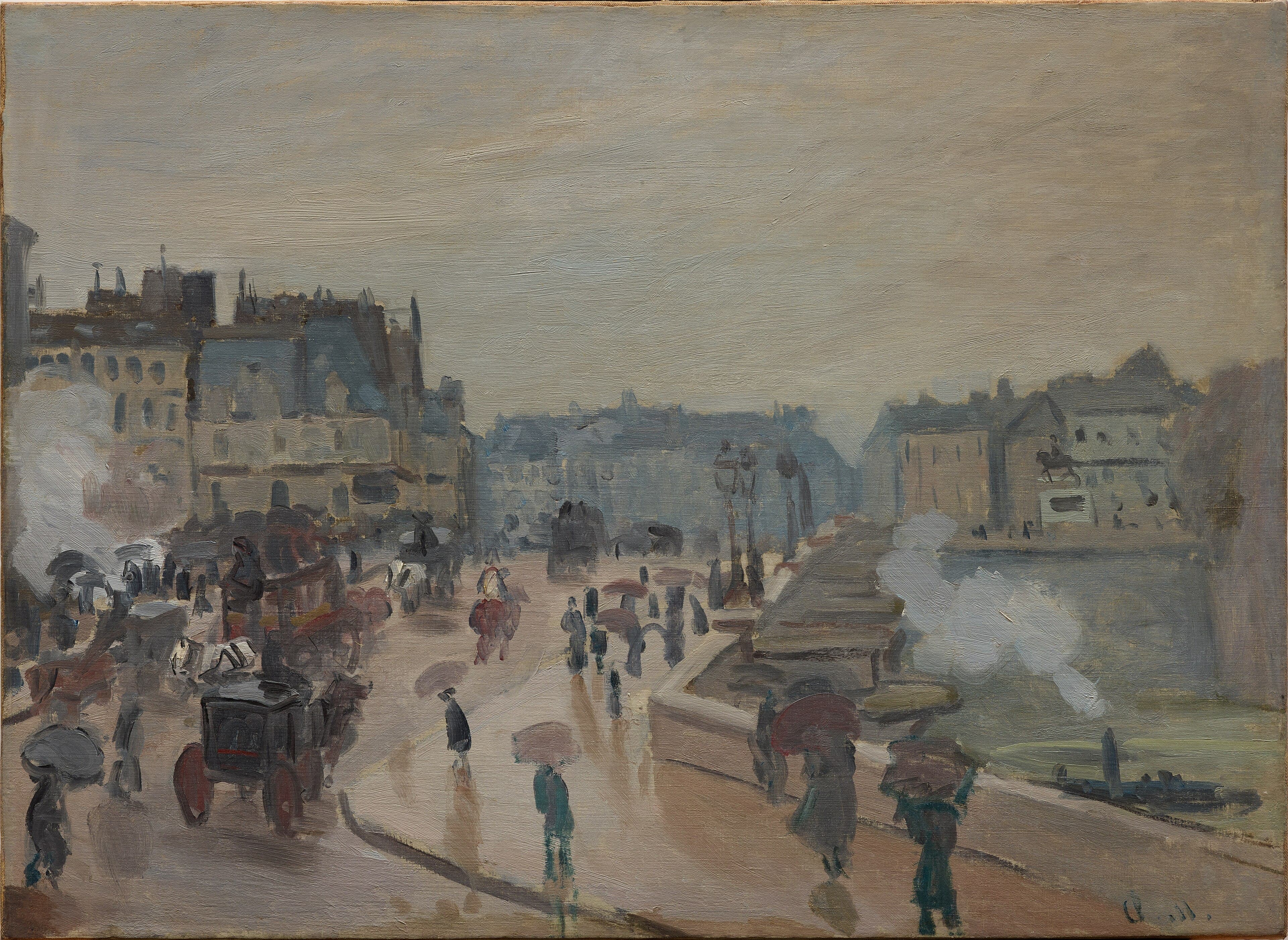
The Tea Service is in the Dallas Museum of Art, which also holds Monet's The Pont Neuf. For other collections, see where to see Monet's paintings.
Questions & answers
Where is Monet's The Tea Service?
It is in the Dallas Museum of Art in Texas, which received it through the bequest of Margaret McDermott; its accession number is 2019.67.12.McD.
When and where was The Tea Service painted?
Monet painted it in 1872 at Argenteuil, the Seine town near Paris where he had just settled with Camille and Jean, in the studio he set up in an outbuilding of their rented house.
What does The Tea Service show?
A blue-and-white teapot and two cups on a red lacquer tray, a potted plant with gray-green leaves in a porcelain bowl, and a silver spoon on a white checked tablecloth, set against a plain wall.
Did Monet paint many still lifes?
Only a modest number, mostly in the 1860s and between 1878 and 1882. The Tea Service is one of a few he painted in 1872, early in his years at Argenteuil.
More by the artist
Claude Monet

Bridge over a Pond of Water Lilies
Claude Monet · 1899

Woman with a Parasol – Madame Monet and Her Son
Claude Monet · 1875

Sunset in Venice
Claude Monet · 1908–12

La Grenouillère
Claude Monet · 1869

Beach in Pourville
Claude Monet · 1882

Springtime
Claude Monet · 1872

Boating on the River Epte
Claude Monet · 1890

The Seine at Asnières (Hermitage)
Claude Monet · 1873
Also painted in 1872
The same year
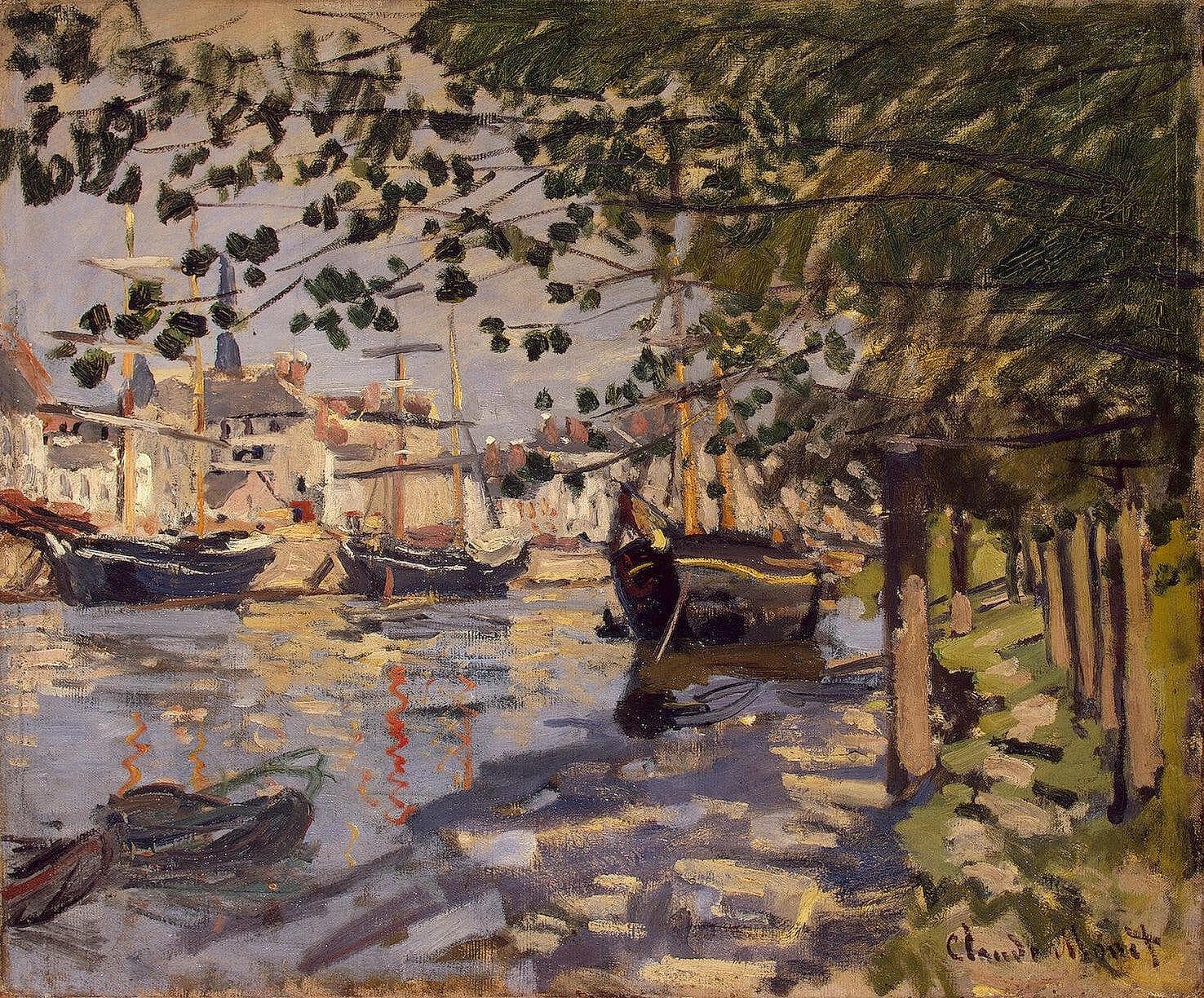
The Seine at Rouen
Claude Monet · 1872
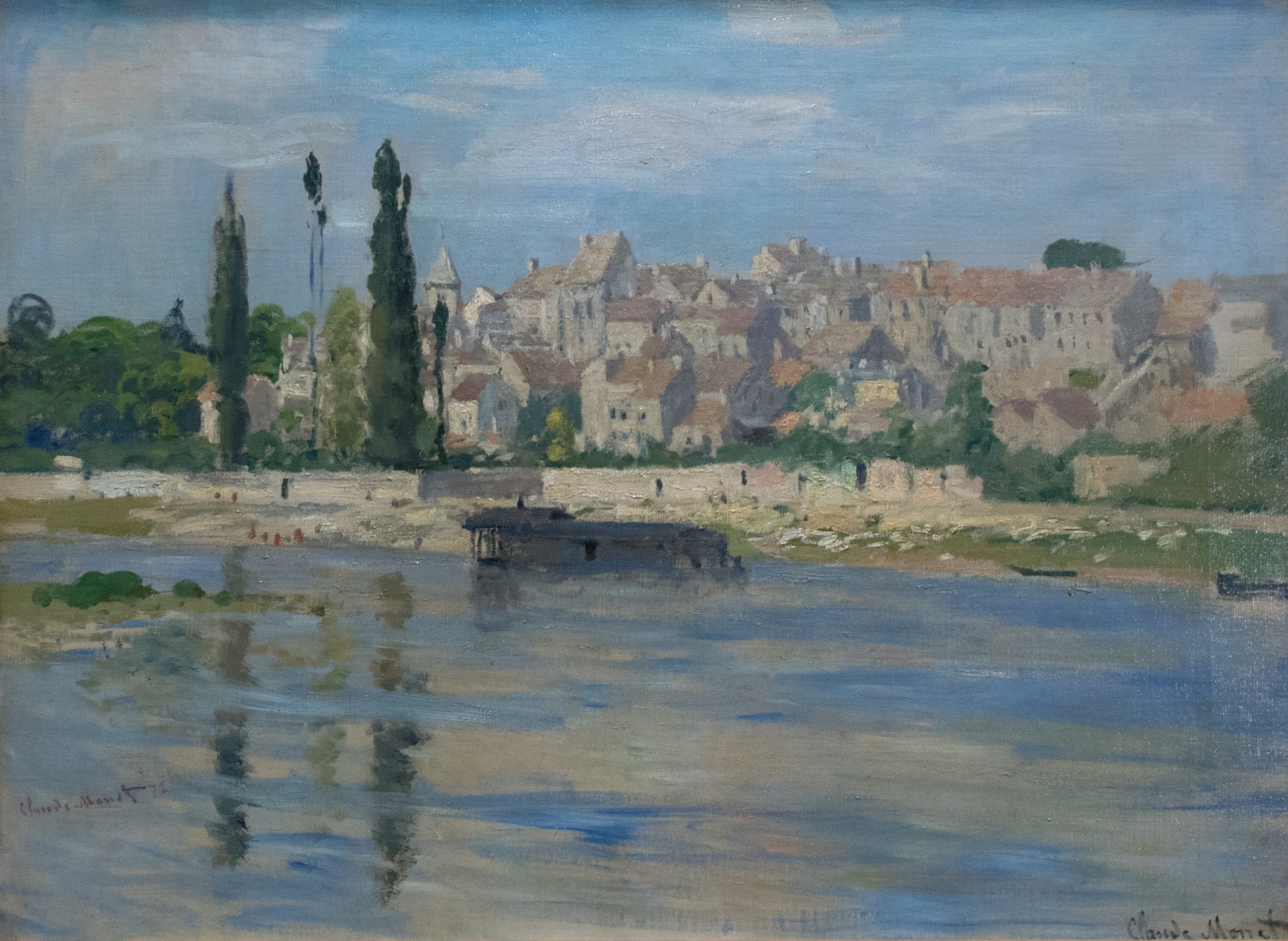
Carrières-Saint-Denis
Claude Monet · 1872
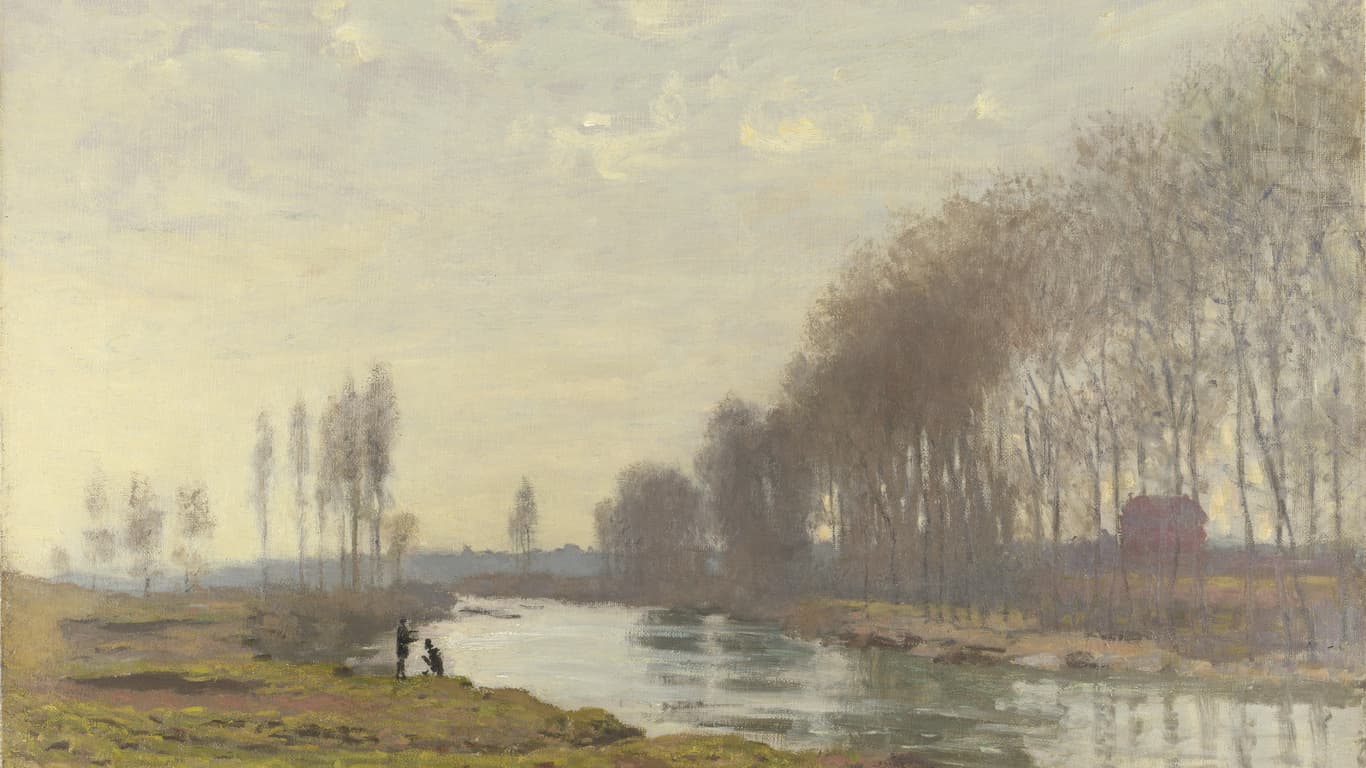
The Petit Bras of the Seine at Argenteuil
Claude Monet · 1872
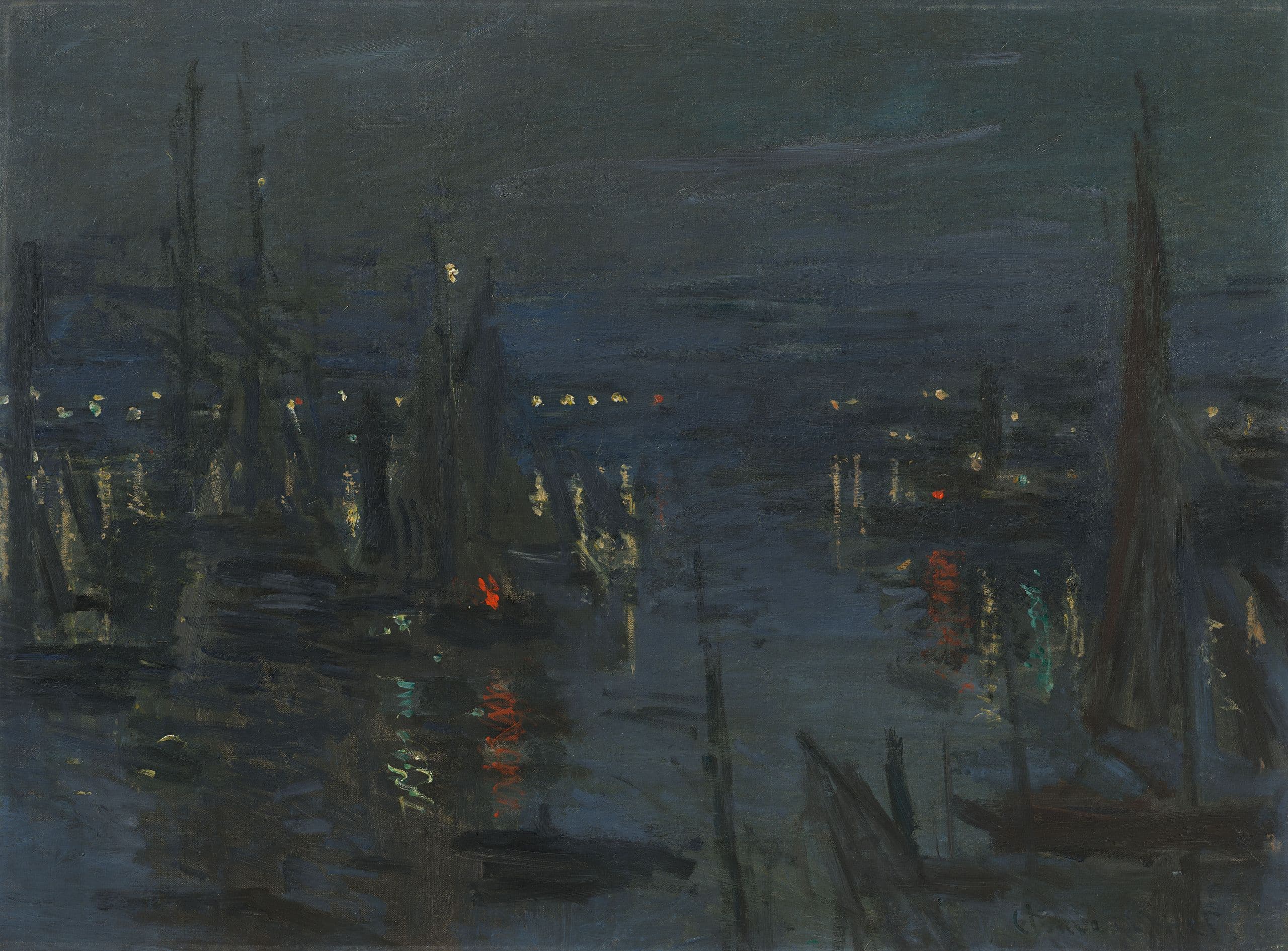
The Port of Le Havre, Night Effect
Claude Monet · 1872
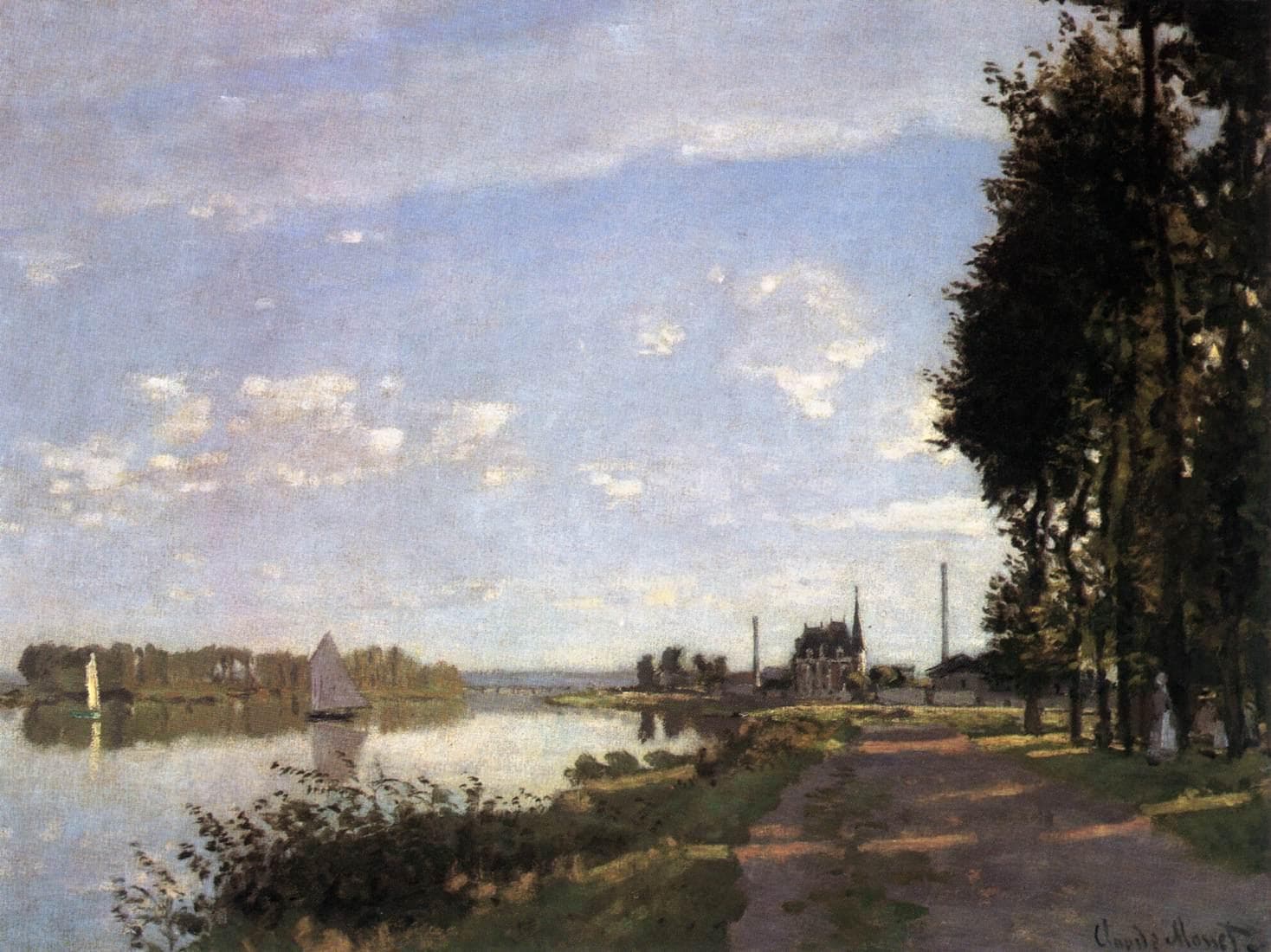
Riverside Path at Argenteuil
Claude Monet · c. 1872
The Basin at Argenteuil
Claude Monet · 1872
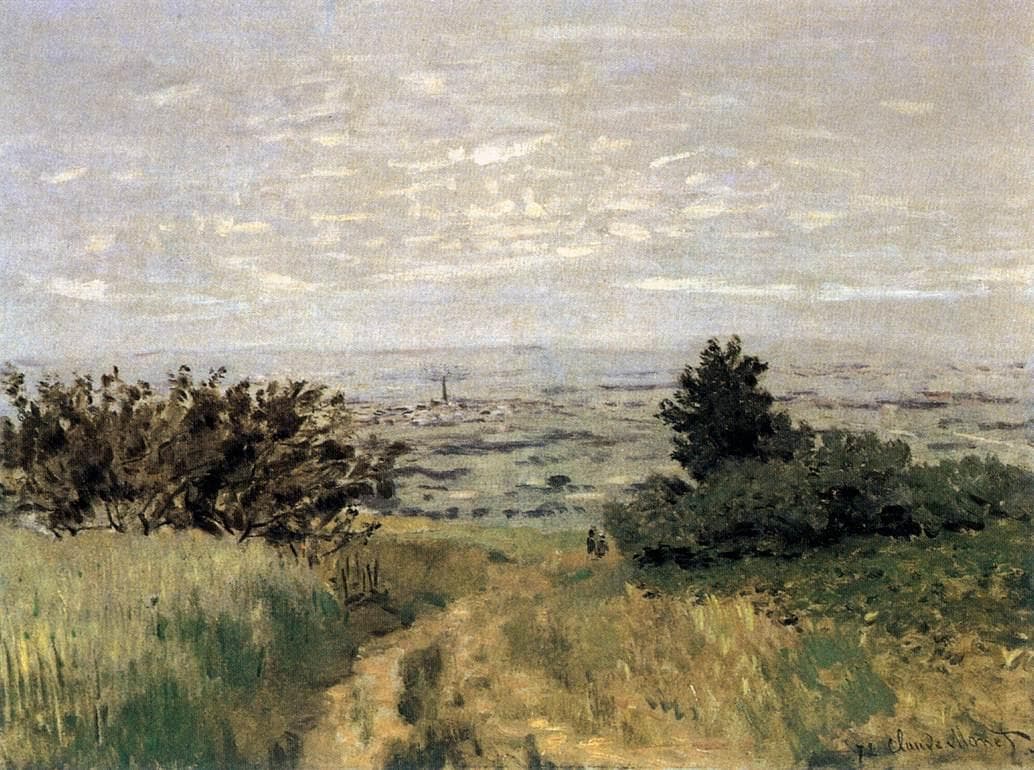
The Plain of Sannois at Argenteuil
Claude Monet · 1872
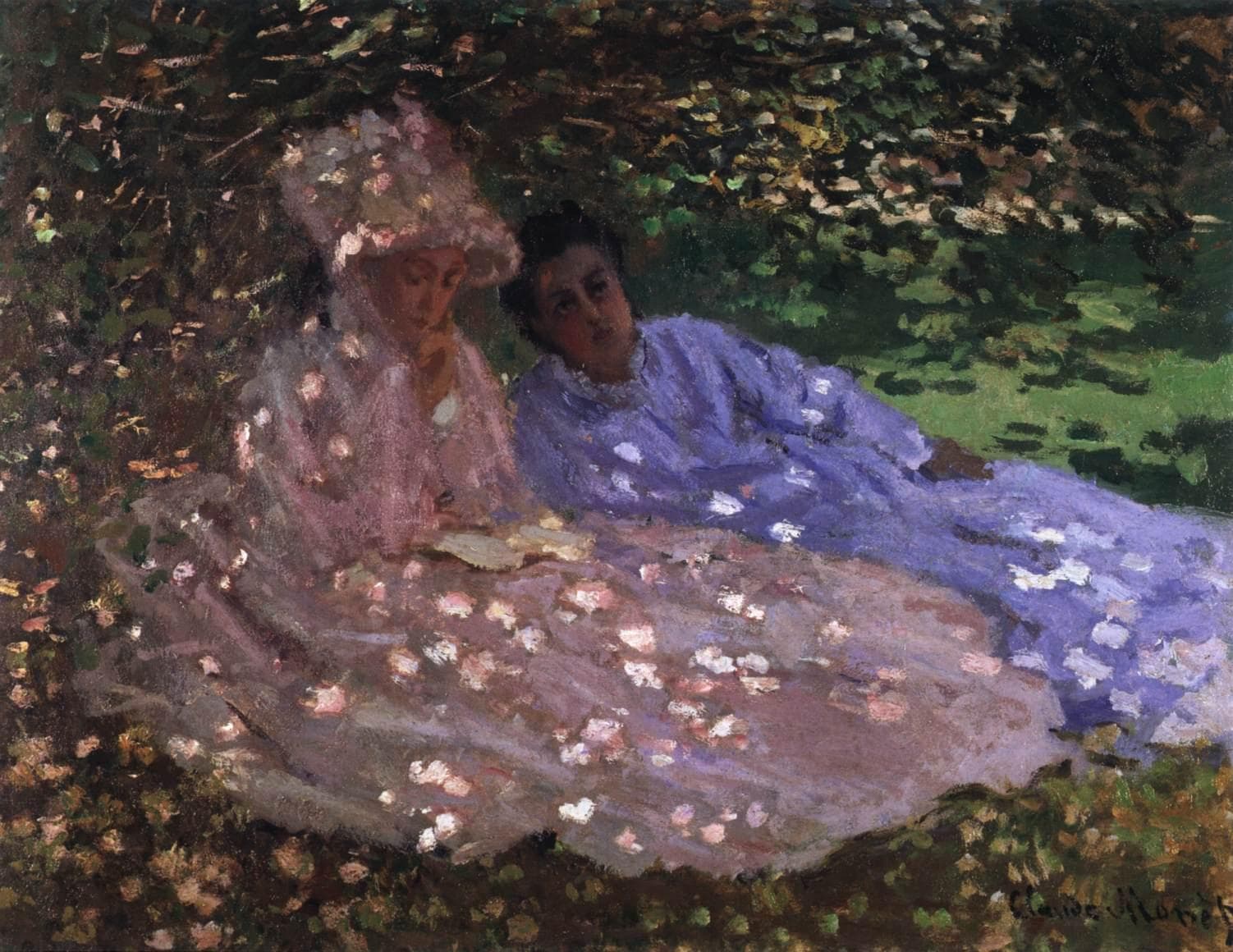
Madame Monet and a Friend in the Garden
Claude Monet · c. 1872
Kindred works
You may also study
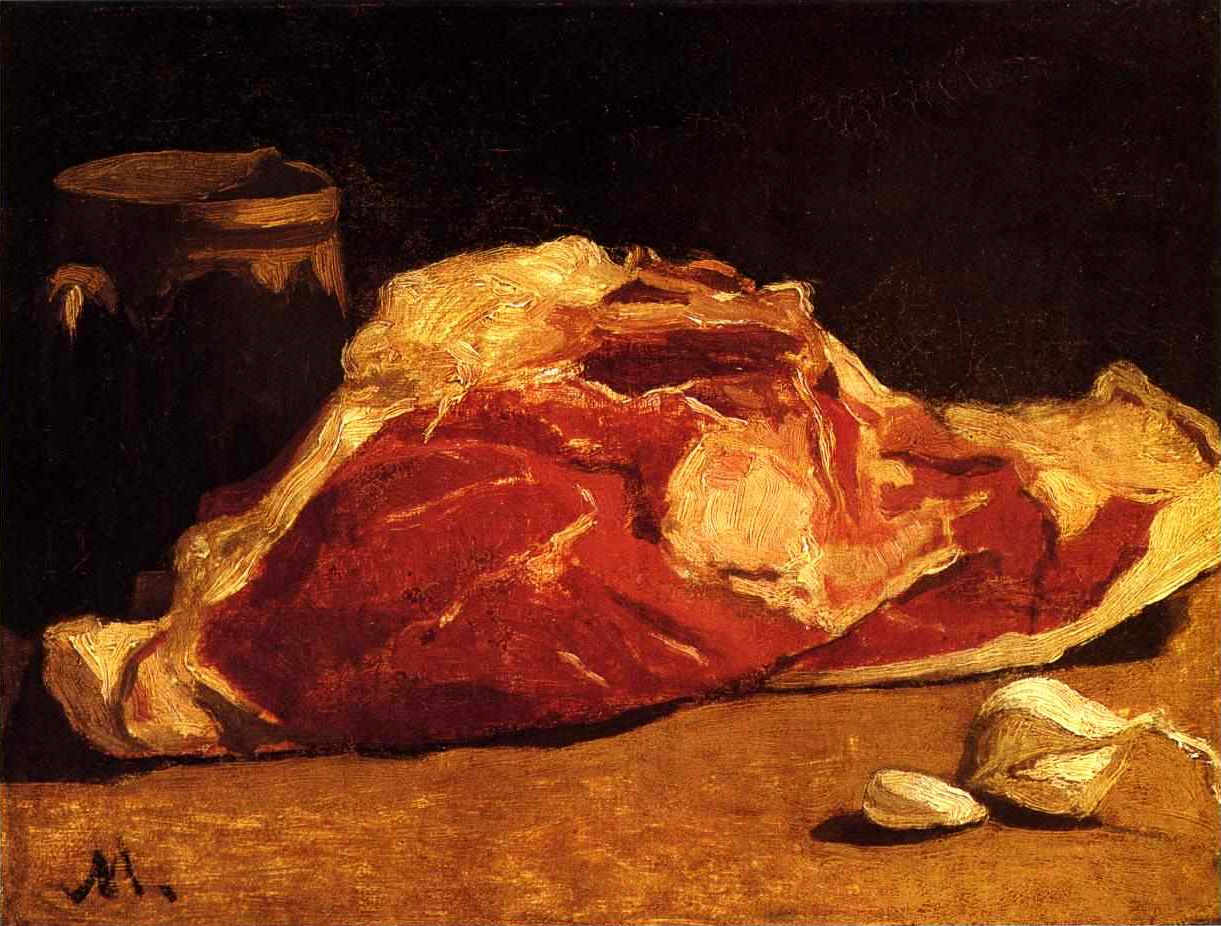
Still Life with Meat
Claude Monet · 1864
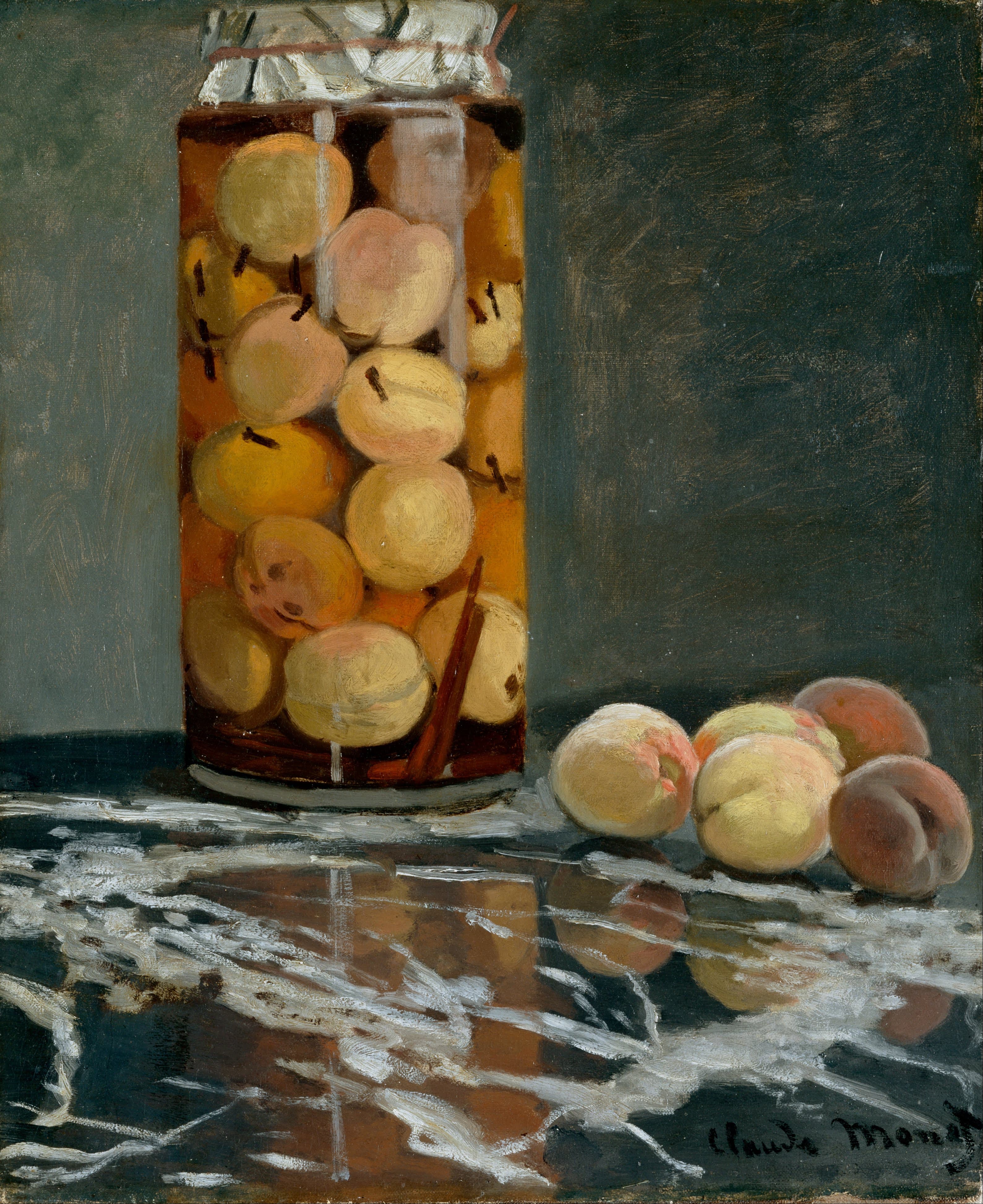
Jar of Peaches
Claude Monet · c. 1866
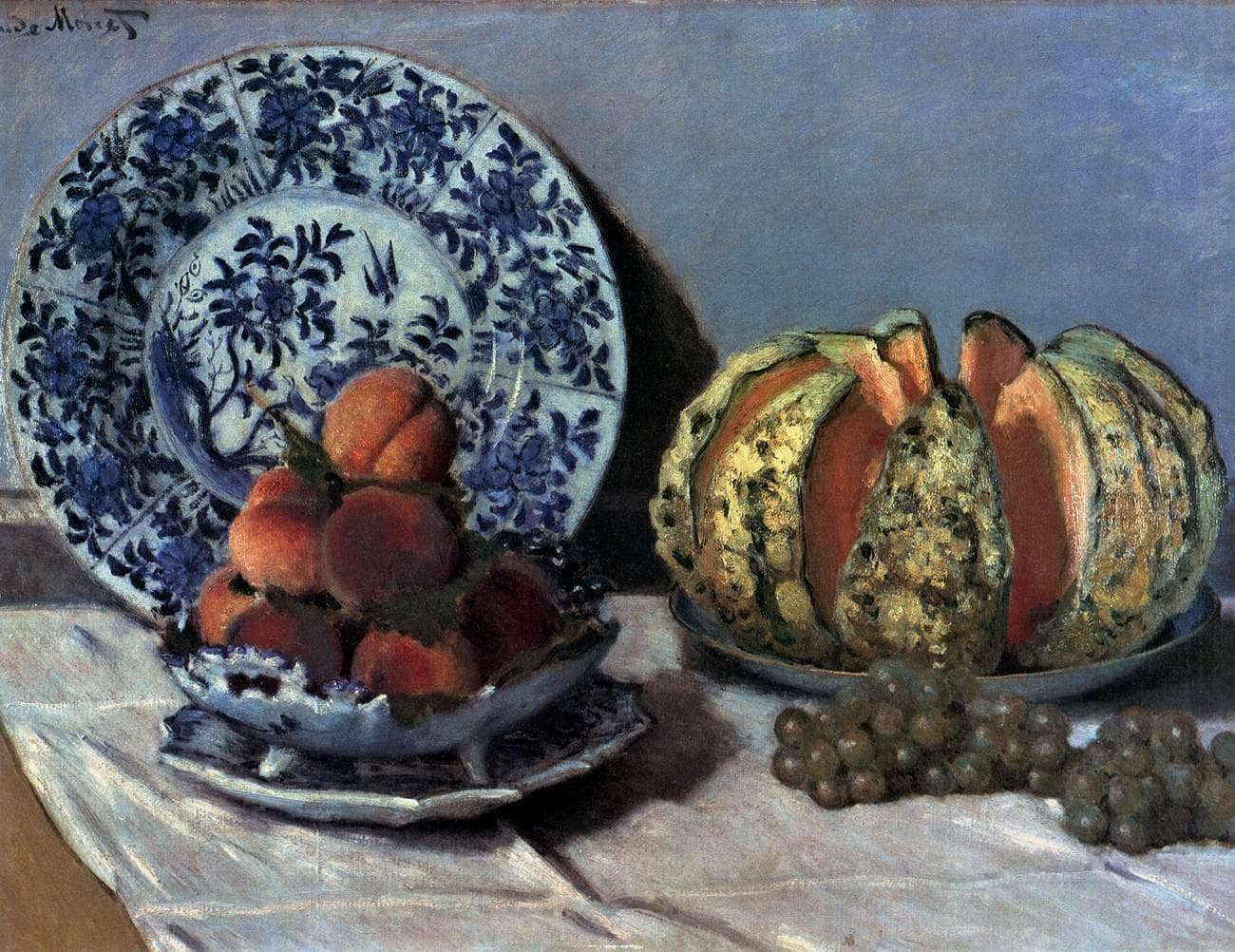
Still-Life with Melon
Claude Monet · c. 1872
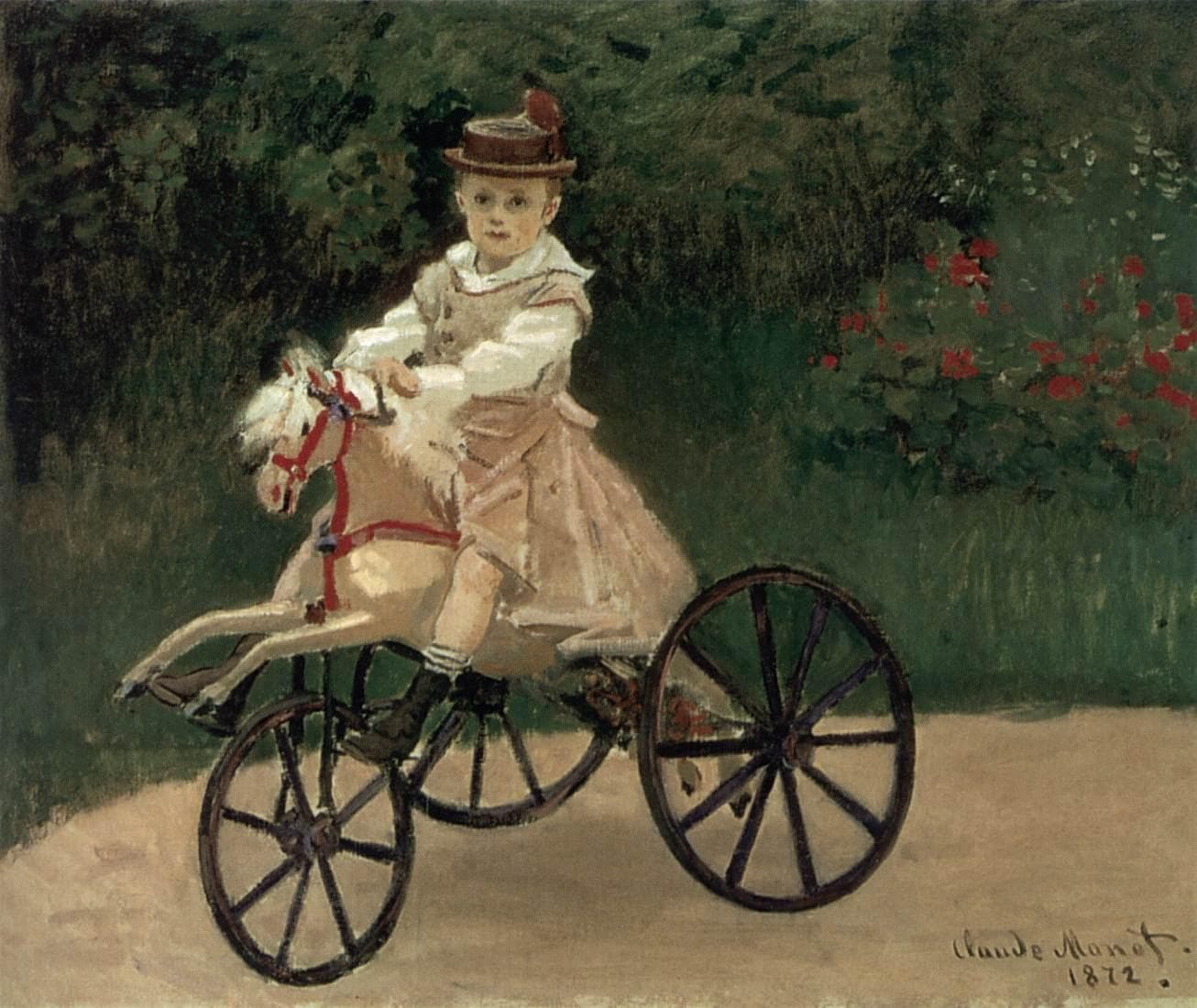
Jean Monet on His Hobby Horse
Claude Monet · 1872
The Pont Neuf
Claude Monet · 1871

Venus de Milo
Alexandros of Antioch · c. 150–125 BC

The Thinker
Auguste Rodin · Modeled 1880–82; enlarged 1902–03; this cast 1904
The Creation of Adam
Michelangelo · c. 1511–12