Impressionism
Regatta at Argenteuil
Claude Monet, c. 1872
Regatta at Argenteuil is a small oil painting by Claude Monet, c. 1872, of white-sailed yachts on the Seine at Argenteuil, their reflections broken into bold strokes of color. It measures 48 × 75 cm (Wildenstein 233) and is in the Musée d'Orsay, Paris.
- Artist
- Claude Monet
- Date
- c. 1872
- Medium
- Oil on canvas
- Dimensions
- 48 × 75 cm
- Collection
- Musée d'Orsay, Paris, France
- Movement
- Impressionism
- Catalogue
- Wildenstein 233
Painted at Monet at ArgenteuilMore at Monet at the Musée d'Orsay
What you are looking at
Four or five sailing boats lean on the water at left, their triangular white sails catching full sun, with a smaller sail far behind them. At right, a green bank rises to a cluster of houses, the largest with a bright orange-red roof and walls, half hidden among dark trees; a smaller red-roofed house sits beside it, and a tall poplar-like tree stands up between them. A long pale boat lies drawn up on the bank. A pale blue sky with thin streaks of cloud fills the top third.
Below, the river doubles everything: the sails become long white bars, the house becomes zigzag patches of orange and red, the trees become blotches of green and black. The reflections are the most radical part of the picture. Monet does not blend them; he lays down separate, thick, almost rectangular strokes of pure color side by side on the water, so the surface reads both as rippling river and as flat paint. Seen close, the bottom half looks nearly abstract.
Notice how quickly the boats are made: a few strokes of white for the sail, a dash of dark for the hull and a figure, and the scene is complete. The signature sits at lower right in dark paint, as hurried as the rest.
Argenteuil and the regattas
Monet settled in Argenteuil, a few kilometers downstream from Paris, at the end of 1871. The broad stretch of the Seine there was the most important sailing water near the capital, and regattas were held regularly in summer. Over the next few years Monet, often joined by Renoir, painted the boats, the promenade and the bridges dozens of times.
This picture is small and was probably painted quickly, perhaps in a single session, which gives it its freshness. Monet and Renoir painted side by side at Argenteuil in these years, and the boldness of the broken reflections owes something to that shared experiment.
How it was painted
The canvas is a wide, shallow format, 48 by 75 centimeters, suited to a river view. The sky is brushed thinly; the bank and houses are blocked in with broad strokes; and the water is laid down last, in heavy, separate touches of white, orange, green and blue that sit on the surface without blending. The paint in the reflections is thick enough to catch light, so the water literally glitters.
The Argenteuil boats
Monet returned to the regattas several times, in larger and more finished canvases of 1874. Compare this sunny day with the grey weather of Red Boats at Argenteuil (1875), and with The Basin at Argenteuil and Argenteuil, both in the Orsay and both of around 1872. The Petit Bras of the Seine at Argenteuil in London shows the quieter side channel of the river.
Color as structure
The composition is split almost in half. On the left, white sails against blue sky and water: a cool, bright zone. On the right, red and orange houses against green trees: a warm, saturated one. The river joins the two, mixing their colors in its reflections. Red set against green and orange against blue are the two strongest complementary pairs, and Monet places them so that each makes the other more intense. This is design by color rather than by line, and it is one reason the small canvas reads so vividly from across a gallery.
Meaning
The subject is leisure: middle-class Parisians sailing on a summer Sunday, the new suburban pleasures that the railway made possible. But the deeper subject is light on water, the sensation of a bright day rather than any event. That a sketch-like picture like this could be considered a complete painting was one of the propositions Impressionism had to defend, and Claude Monet defended it here with unusual daring.
Where to see it
The painting is in the Musée d'Orsay in Paris; see our guide to Monet at the Musée d'Orsay. It came to the French state in 1894 with the bequest of Gustave Caillebotte, himself a keen sailor and boat designer at Argenteuil. For the Normandy regatta painted five years earlier, see The Regatta at Sainte-Adresse.
Questions & answers
Where is Regatta at Argenteuil by Monet?
The painting is in the Musée d'Orsay in Paris. It is a small canvas, 48 by 75 centimeters, painted around 1872 and catalogued as Wildenstein 233. It entered the French national collections in 1894 through the bequest of the painter and collector Gustave Caillebotte.
When and where was Regatta at Argenteuil painted?
Around 1872, on the Seine at Argenteuil, the suburb northwest of Paris where Monet had settled at the end of 1871. The river there was the main sailing water near the capital, and regattas were held regularly in summer.
What is special about the reflections in Regatta at Argenteuil?
Monet paints them as separate, thick strokes of unmixed white, orange, green and blue placed side by side rather than blended. The water reads as rippling from a distance but looks almost abstract up close, one of the boldest passages in all his early work.
Did Monet paint more than one Regatta at Argenteuil?
Yes. He painted sailing boats and regattas at Argenteuil many times between 1872 and 1875, including larger regatta scenes in 1874. This small, sunny version of about 1872 remains the best known and the most often reproduced.
More by the artist
Claude Monet

Bridge over a Pond of Water Lilies
Claude Monet · 1899

Woman with a Parasol – Madame Monet and Her Son
Claude Monet · 1875

Sunset in Venice
Claude Monet · 1908–12

La Grenouillère
Claude Monet · 1869

Beach in Pourville
Claude Monet · 1882

Springtime
Claude Monet · 1872

Boating on the River Epte
Claude Monet · 1890

The Seine at Asnières (Hermitage)
Claude Monet · 1873
Also painted in 1872
The same year
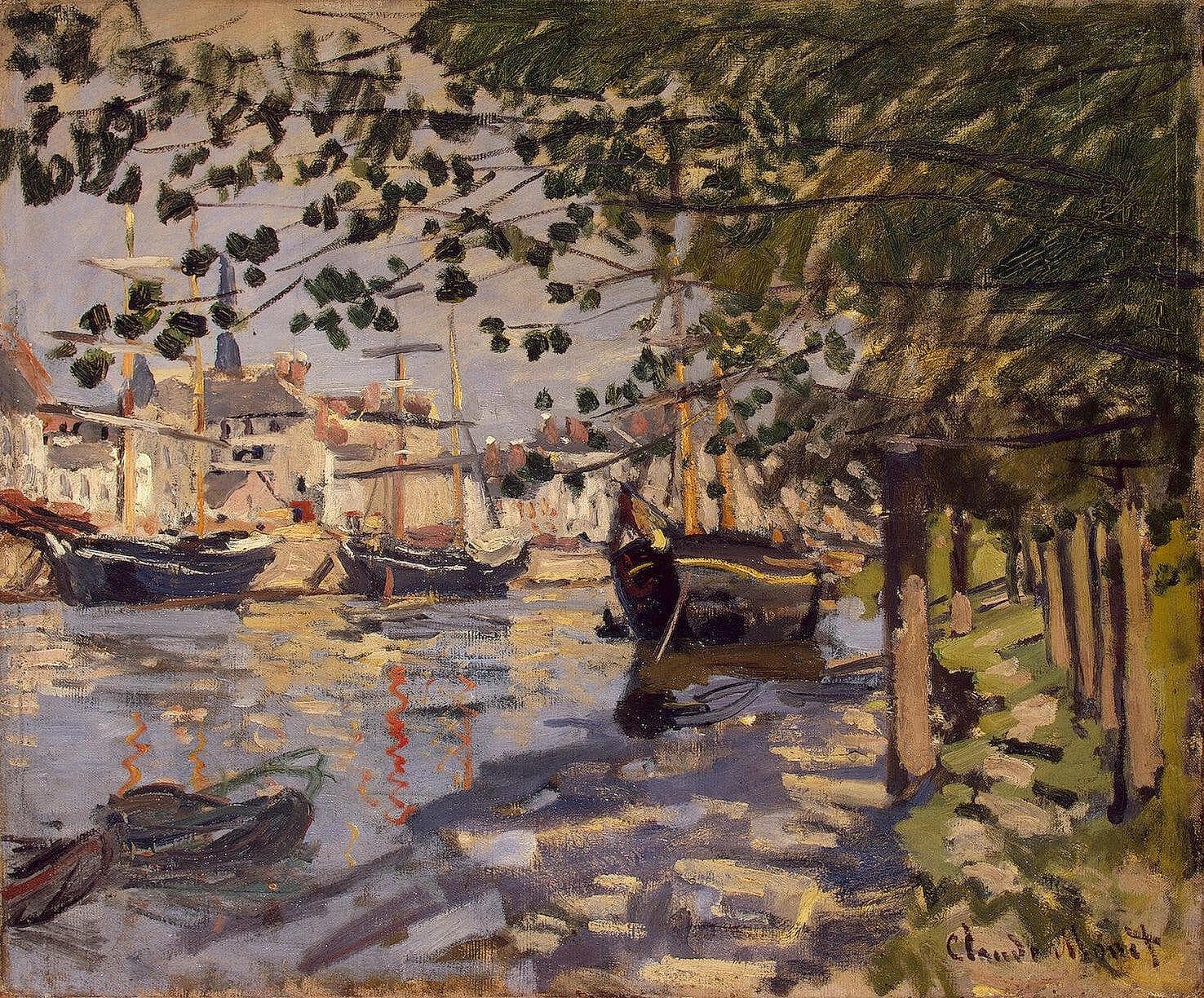
The Seine at Rouen
Claude Monet · 1872
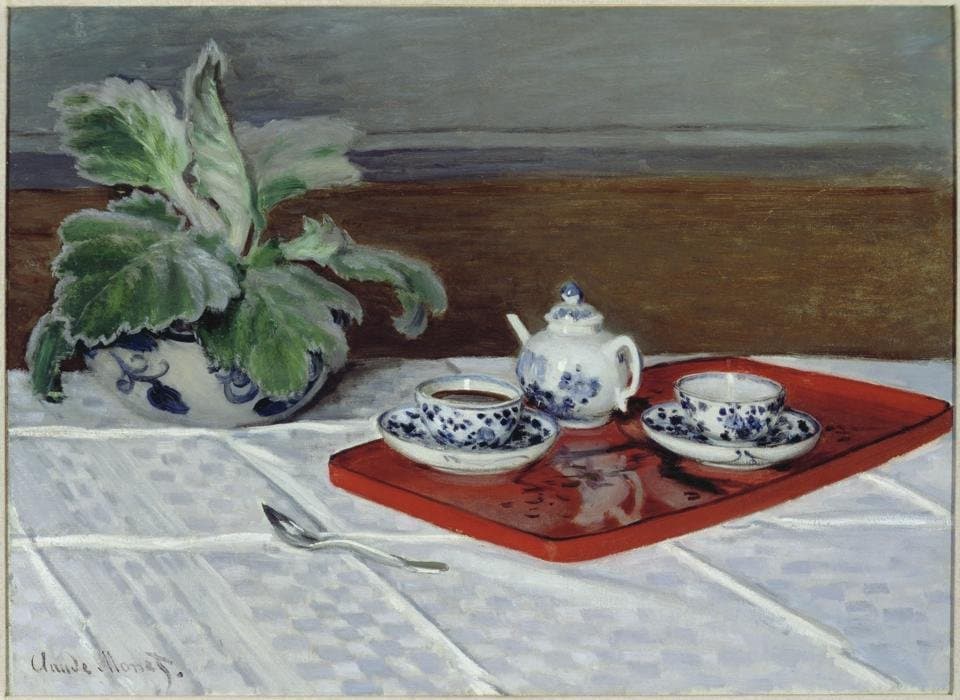
The Tea Service
Claude Monet · 1872
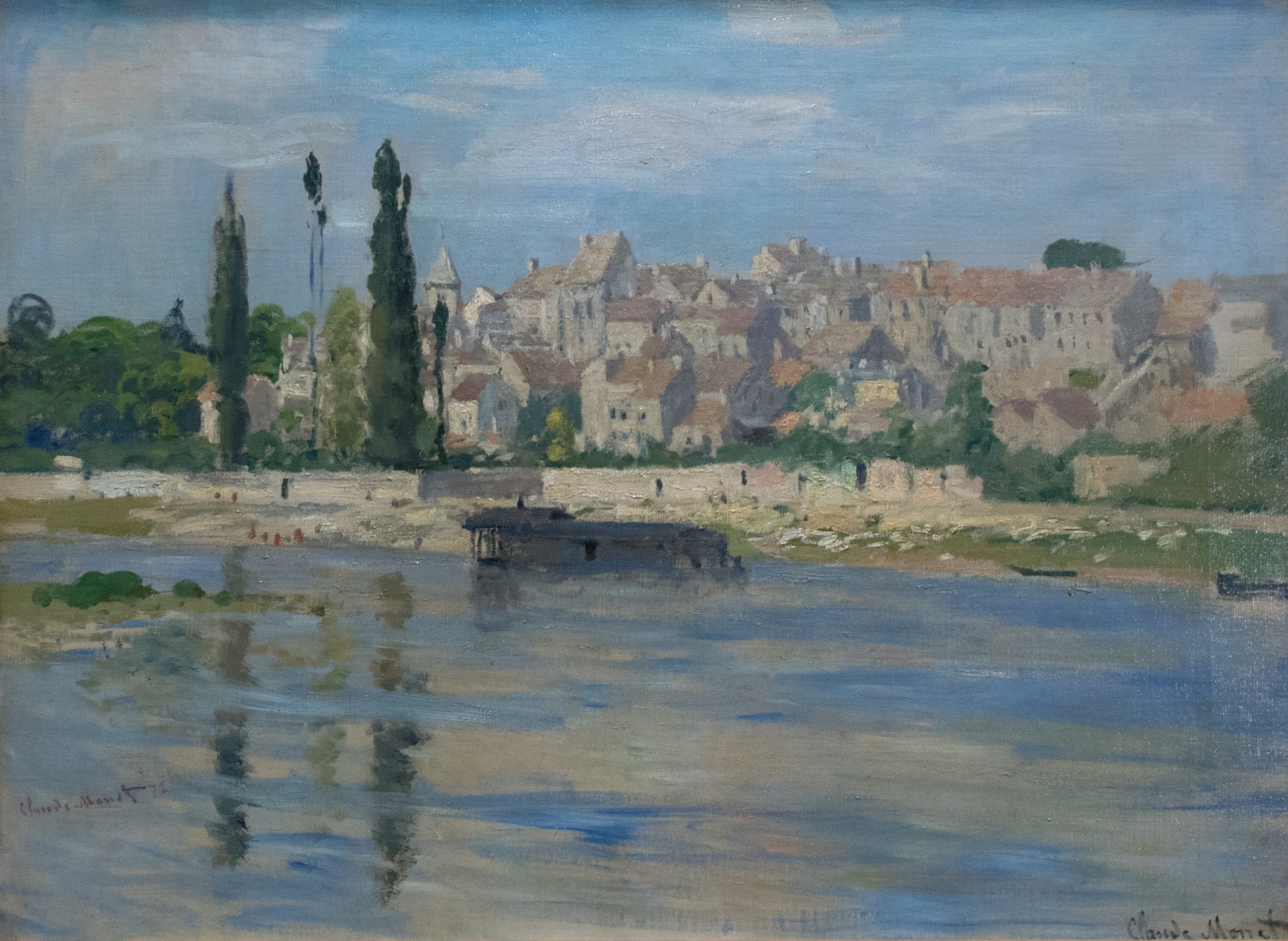
Carrières-Saint-Denis
Claude Monet · 1872
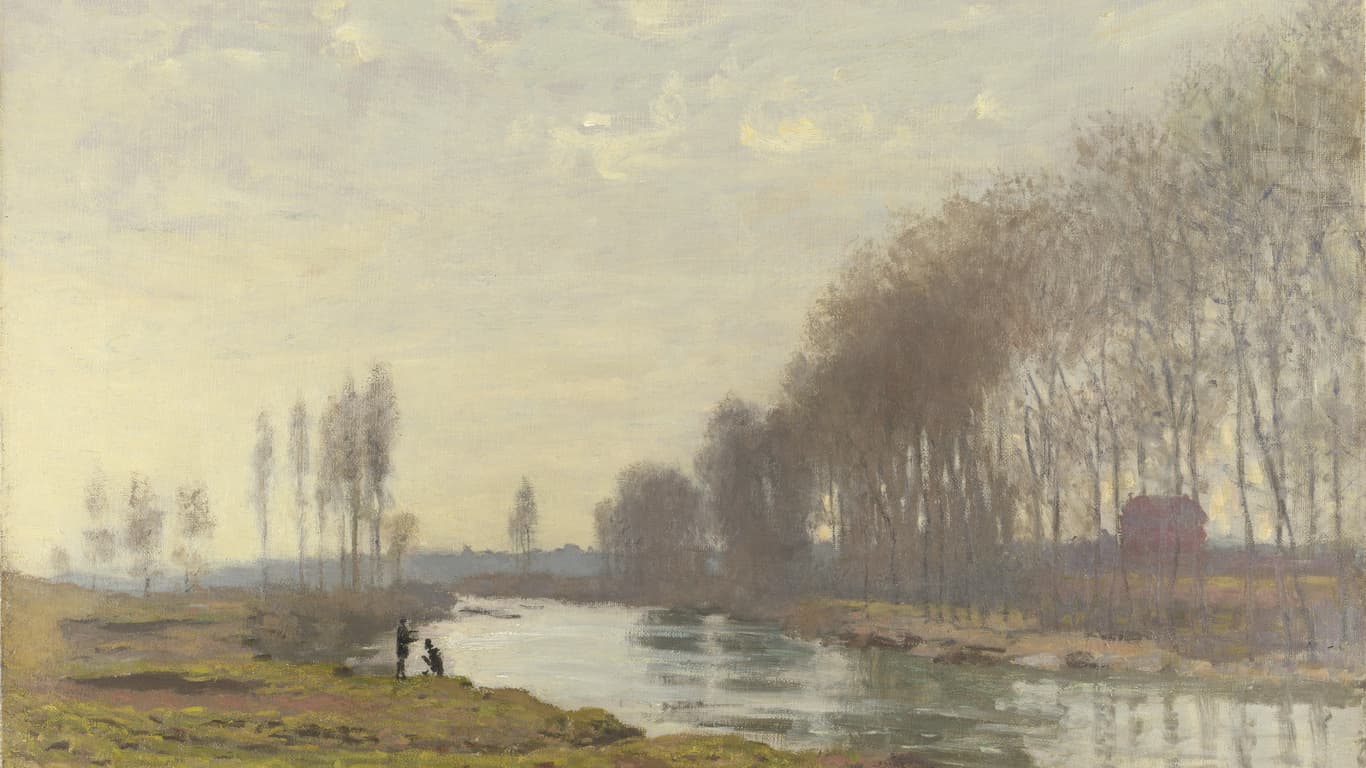
The Petit Bras of the Seine at Argenteuil
Claude Monet · 1872
The Port of Le Havre, Night Effect
Claude Monet · 1872
Riverside Path at Argenteuil
Claude Monet · c. 1872
The Basin at Argenteuil
Claude Monet · 1872
The Plain of Sannois at Argenteuil
Claude Monet · 1872
Kindred works
You may also study
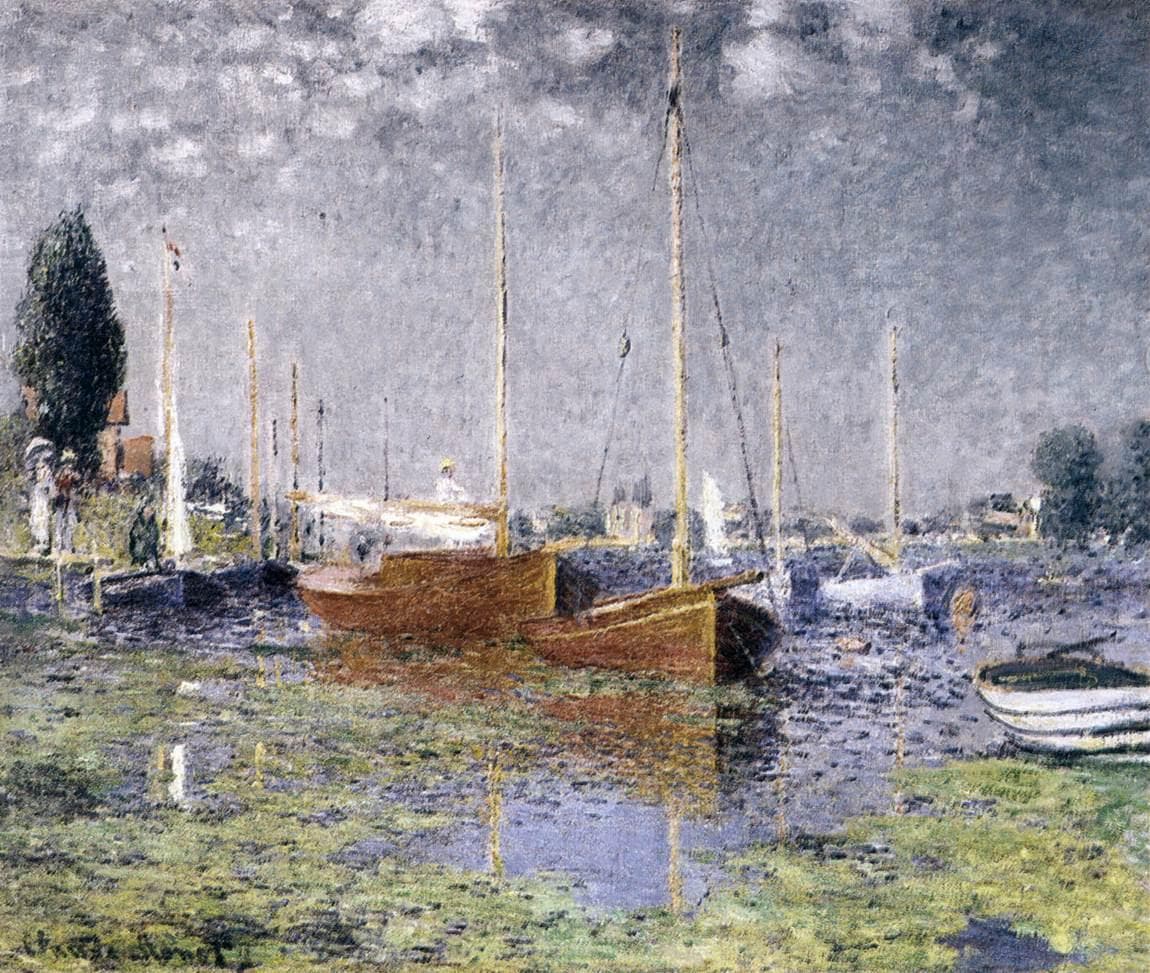
Red Boats at Argenteuil
Claude Monet · 1875
The Basin at Argenteuil
Claude Monet · 1872
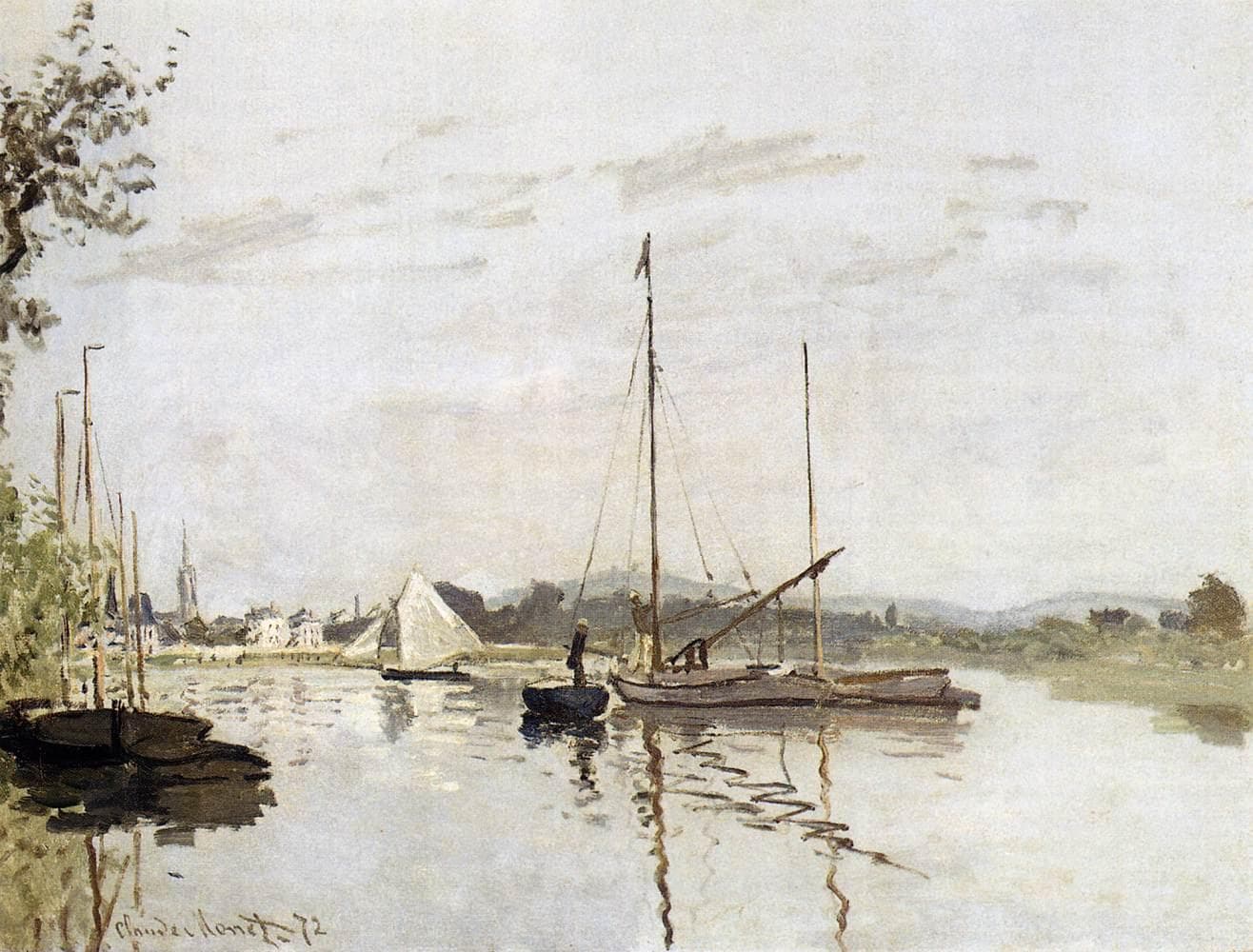
Argenteuil
Claude Monet · c. 1872
The Petit Bras of the Seine at Argenteuil
Claude Monet · 1872

The Scream
Edvard Munch · 1893

Ophelia
John Everett Millais · 1851–52

The Great Wave off Kanagawa
Katsushika Hokusai · c. 1830–32
The Birth of Venus
Sandro Botticelli · c. 1484–1486