Museum
Monet at the Musée d'Orsay: The Paintings and Where to Find Them
From the giant canvases of the 1860s to Rouen Cathedral and the lily pond: the national collection of Monet, and how to see it in one visit.
Monet at the Orsay is the fullest public account of his career anywhere: the Musée d'Orsay in Paris holds about ninety paintings by Claude Monet by our catalogue's count, from the vast Women in the Garden (1866) and the fragments of Luncheon on the Grass to Poppy Field (1873), The Magpie, La Gare Saint-Lazare, five Rouen Cathedrals and the Giverny lily pond. A number are lent out or on long-term deposit in regional French museums at any given time.
Where the Marmottan is the painter's studio collection, the Orsay is the public record: the pictures Monet showed at the Salon and the Impressionist exhibitions, and those bought by the state and by the collectors who left them to France. This guide picks the essential Monet works in the museum, explains how they got there, and gives practical notes for a visit.
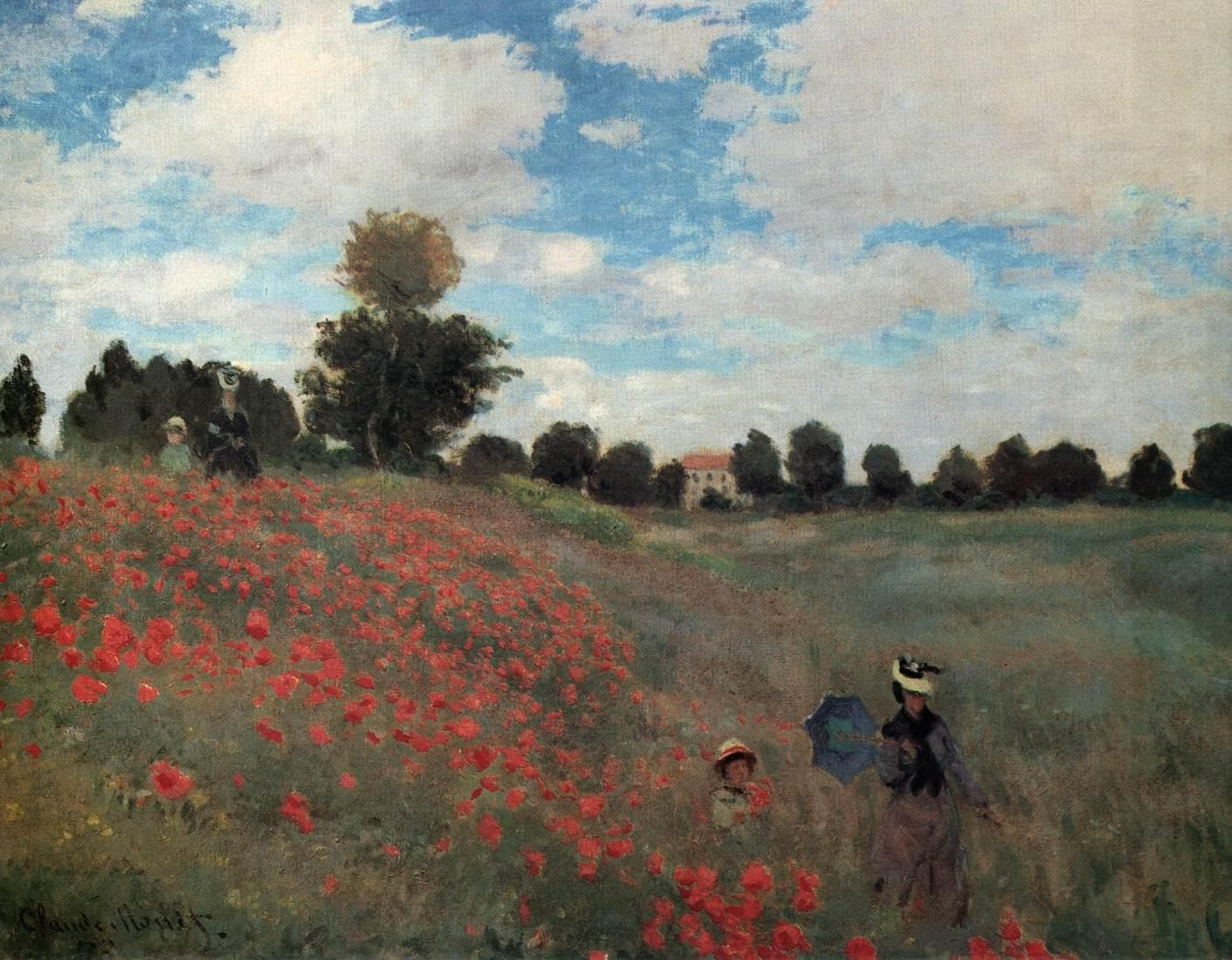
Poppy Field (Poppies at Argenteuil)
Claude Monet · 1873
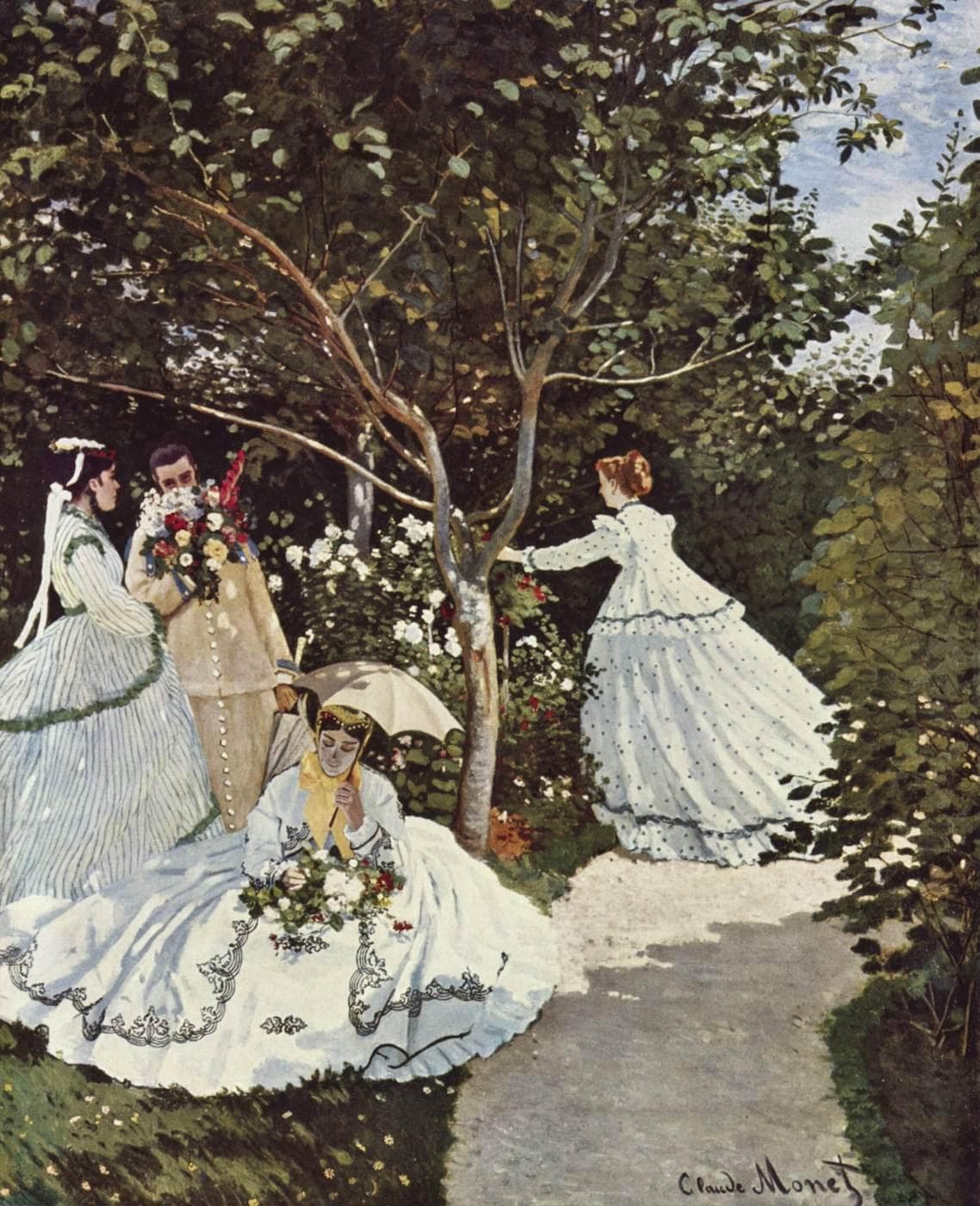
Women in the Garden
Claude Monet · 1866–67
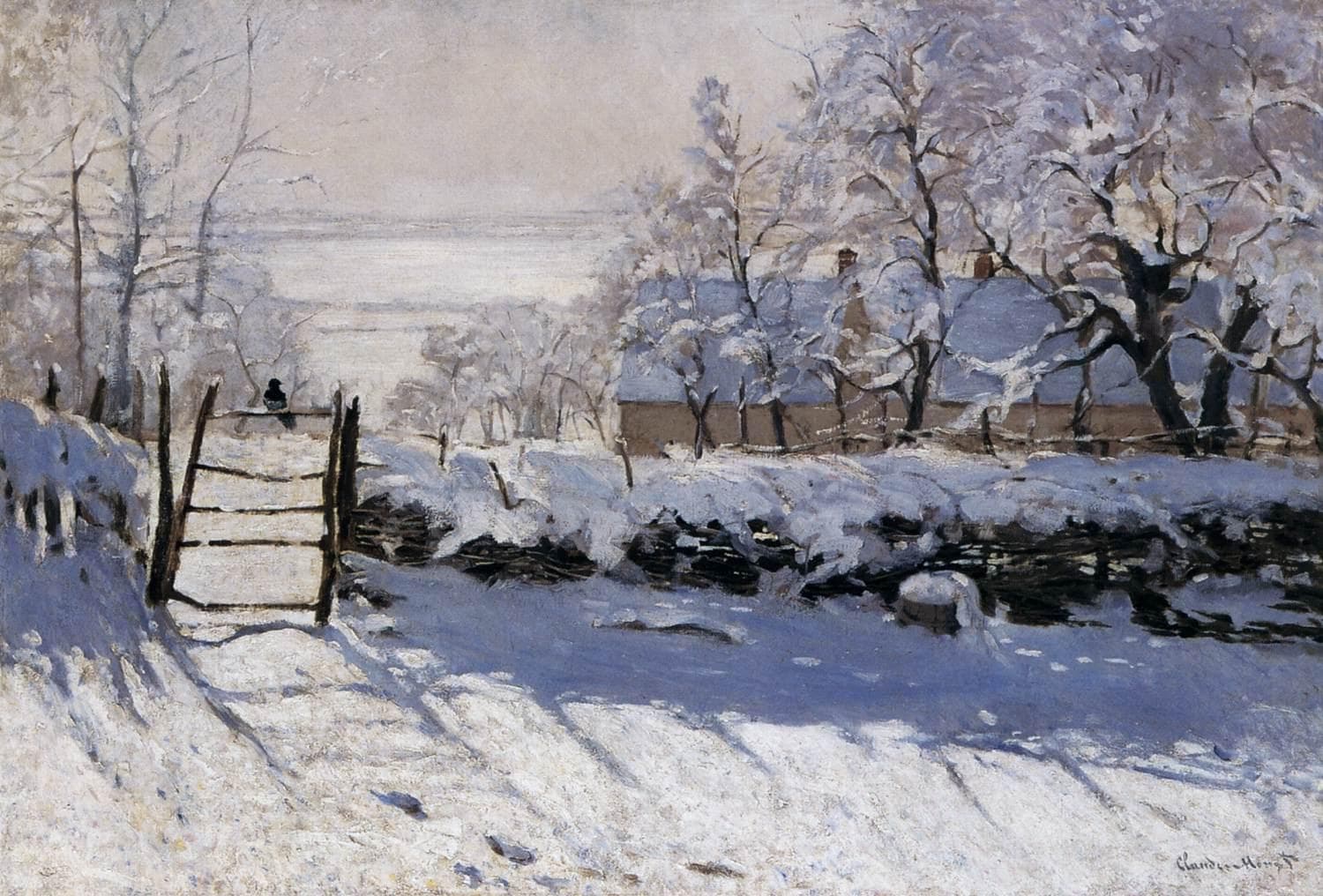
The Magpie
Claude Monet · 1868–69
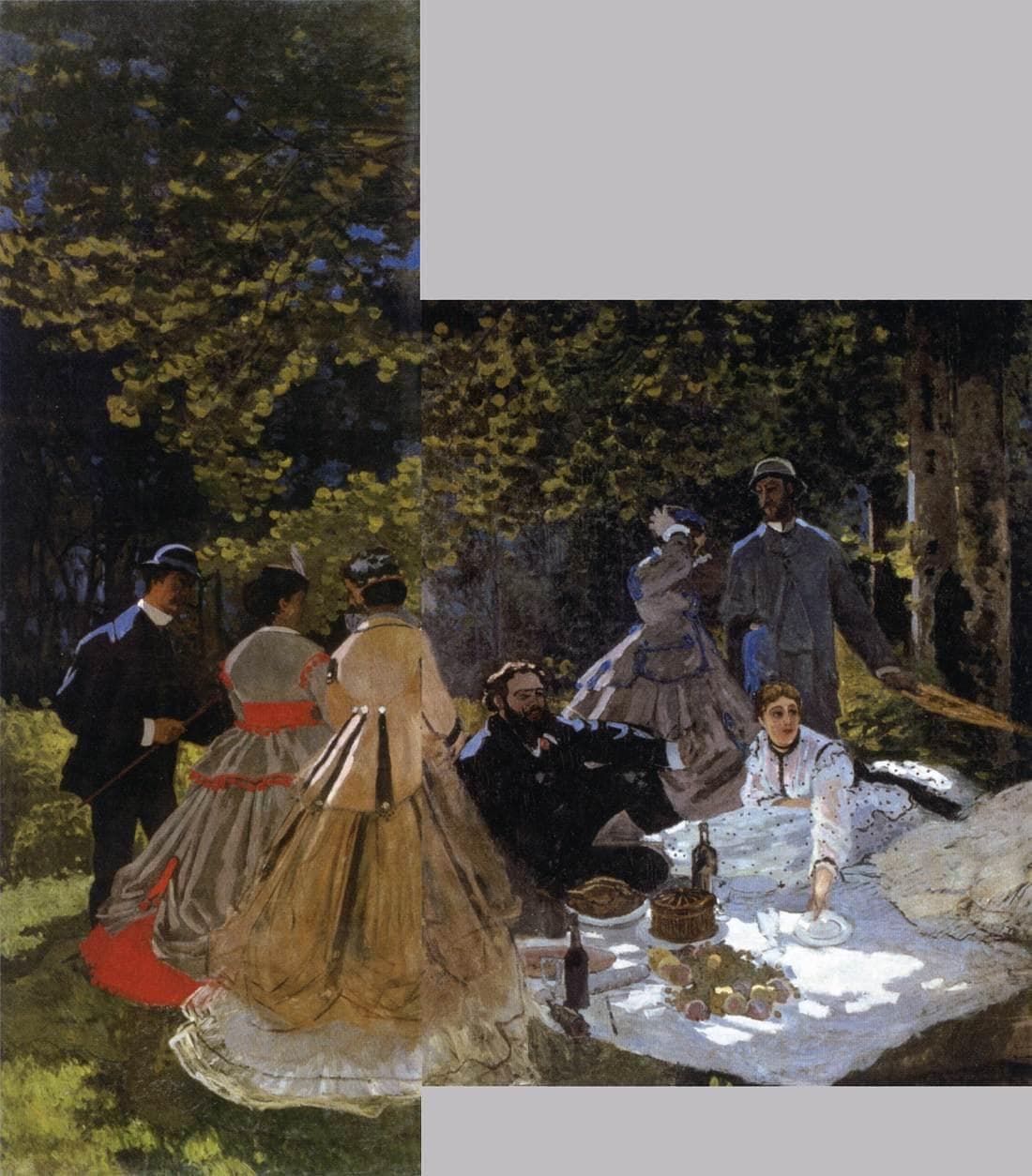
Le Déjeuner sur l'Herbe (two surviving fragments)
Claude Monet · 1865–66
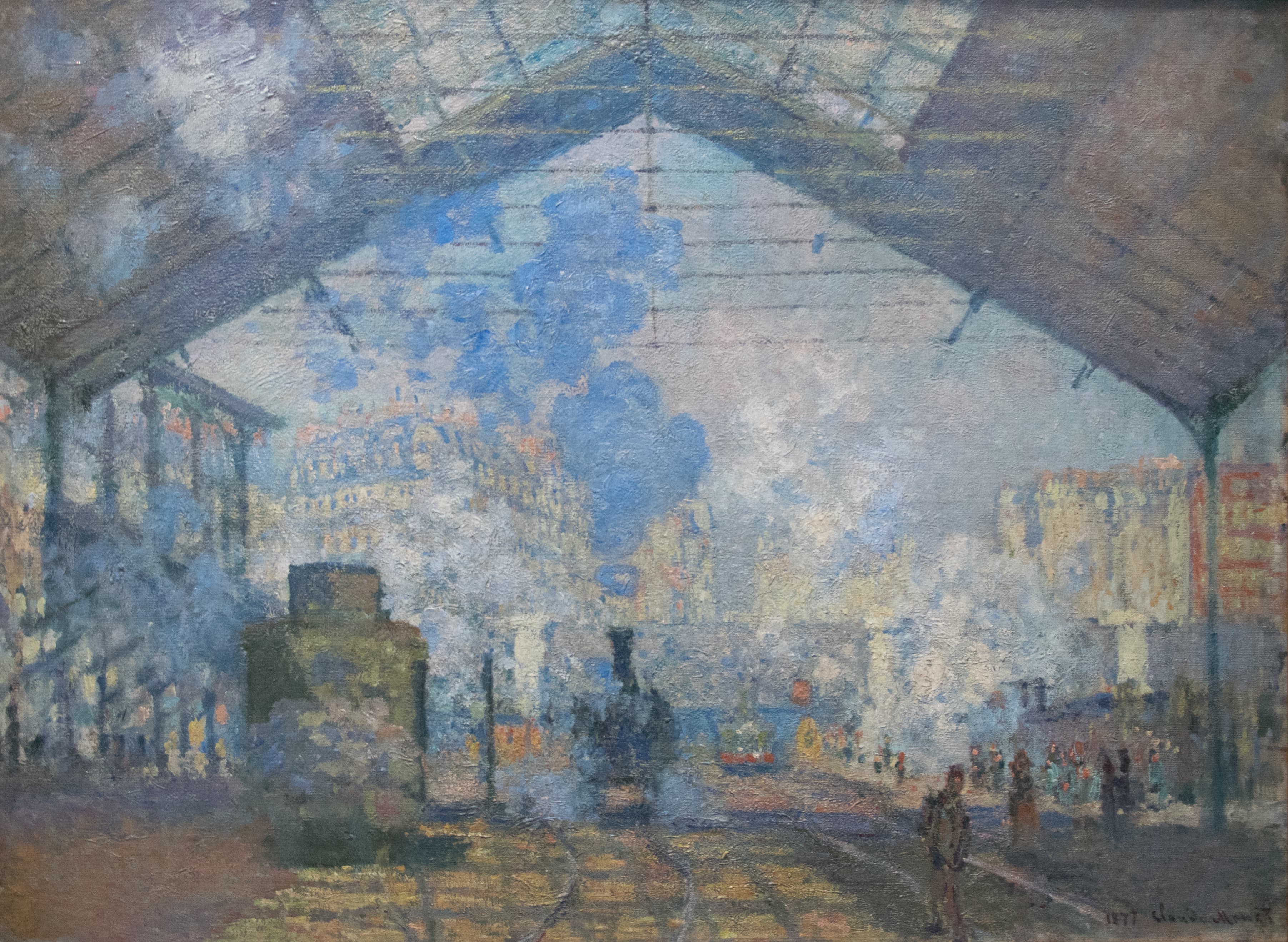
La Gare Saint-Lazare
Claude Monet · 1877
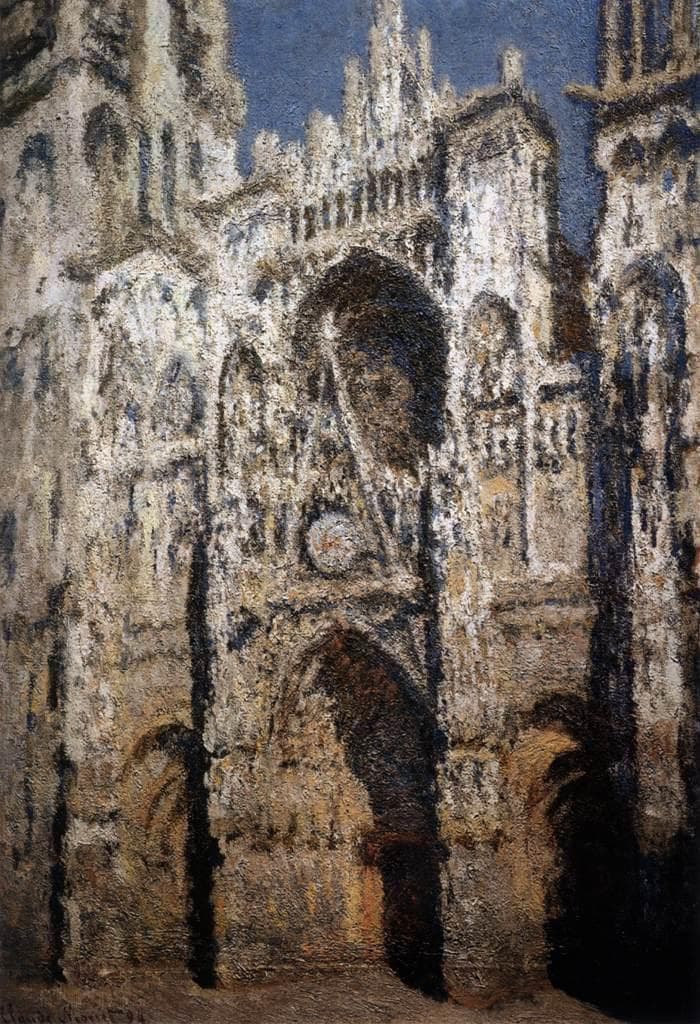
Rouen Cathedral in Full Sunlight
Claude Monet · 1893
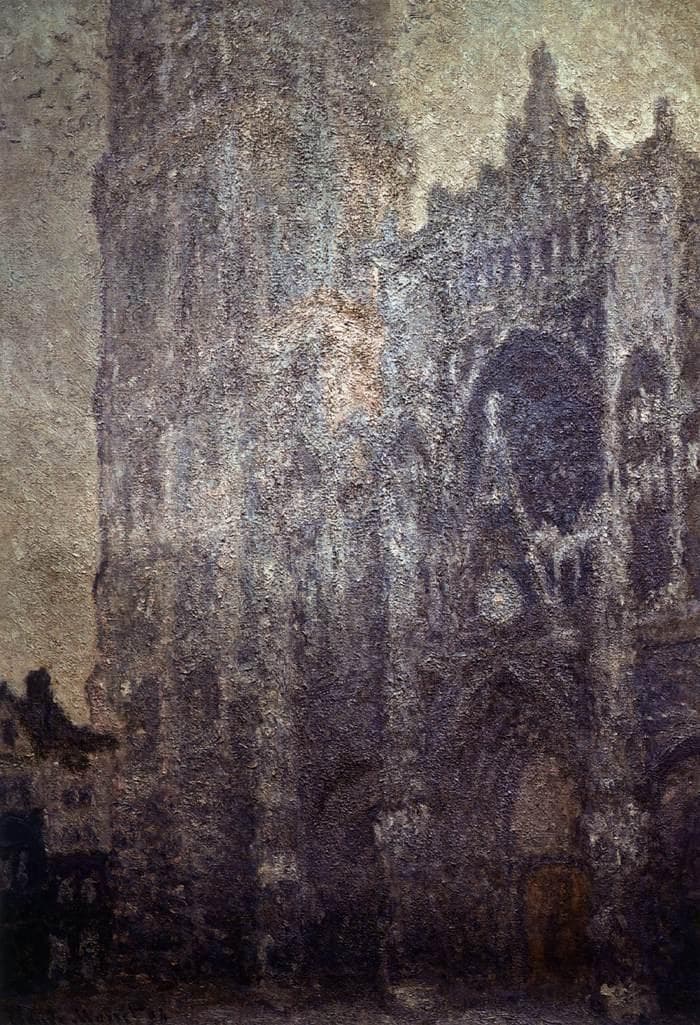
Rouen Cathedral, Effects of Morning Light
Claude Monet · 1893
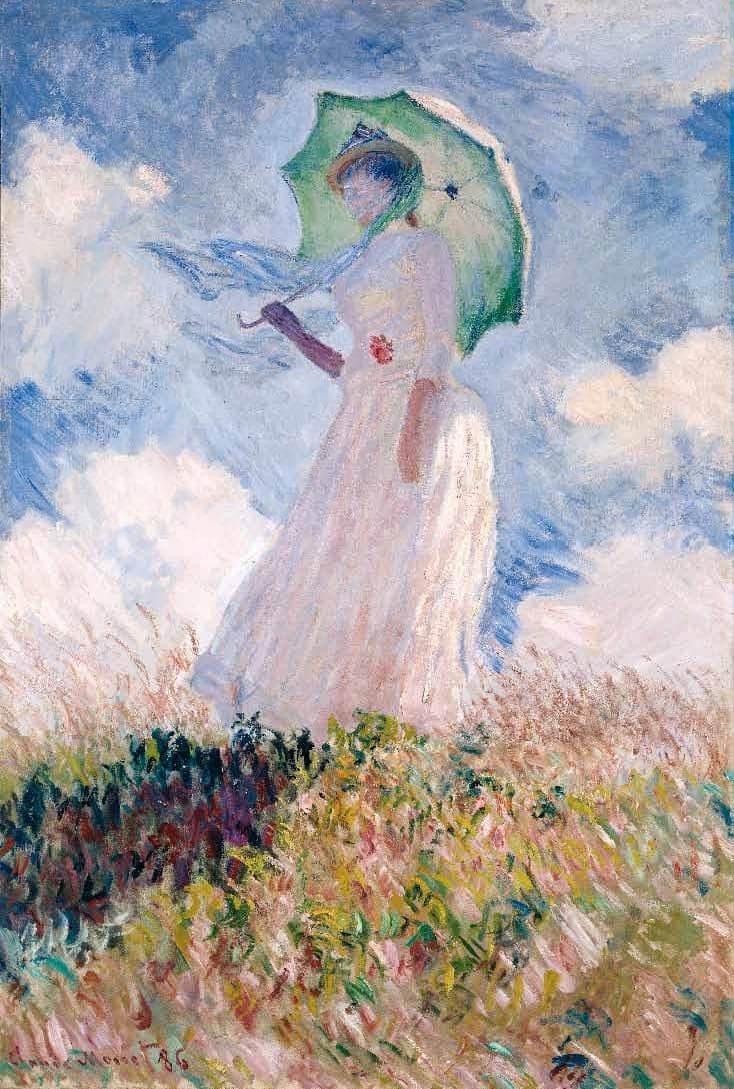
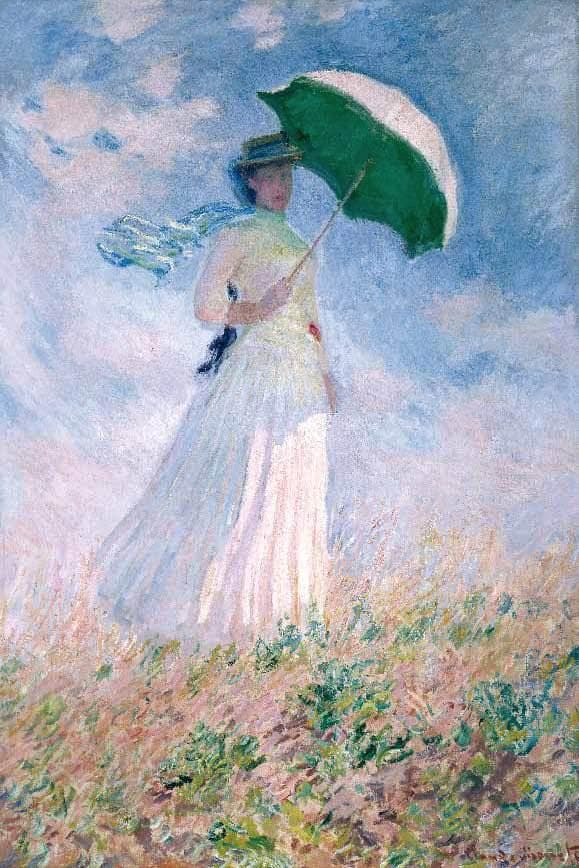
Woman with a Parasol, Facing Left
Claude Monet · 1886
Woman with a Parasol, Facing Right
Claude Monet · 1886
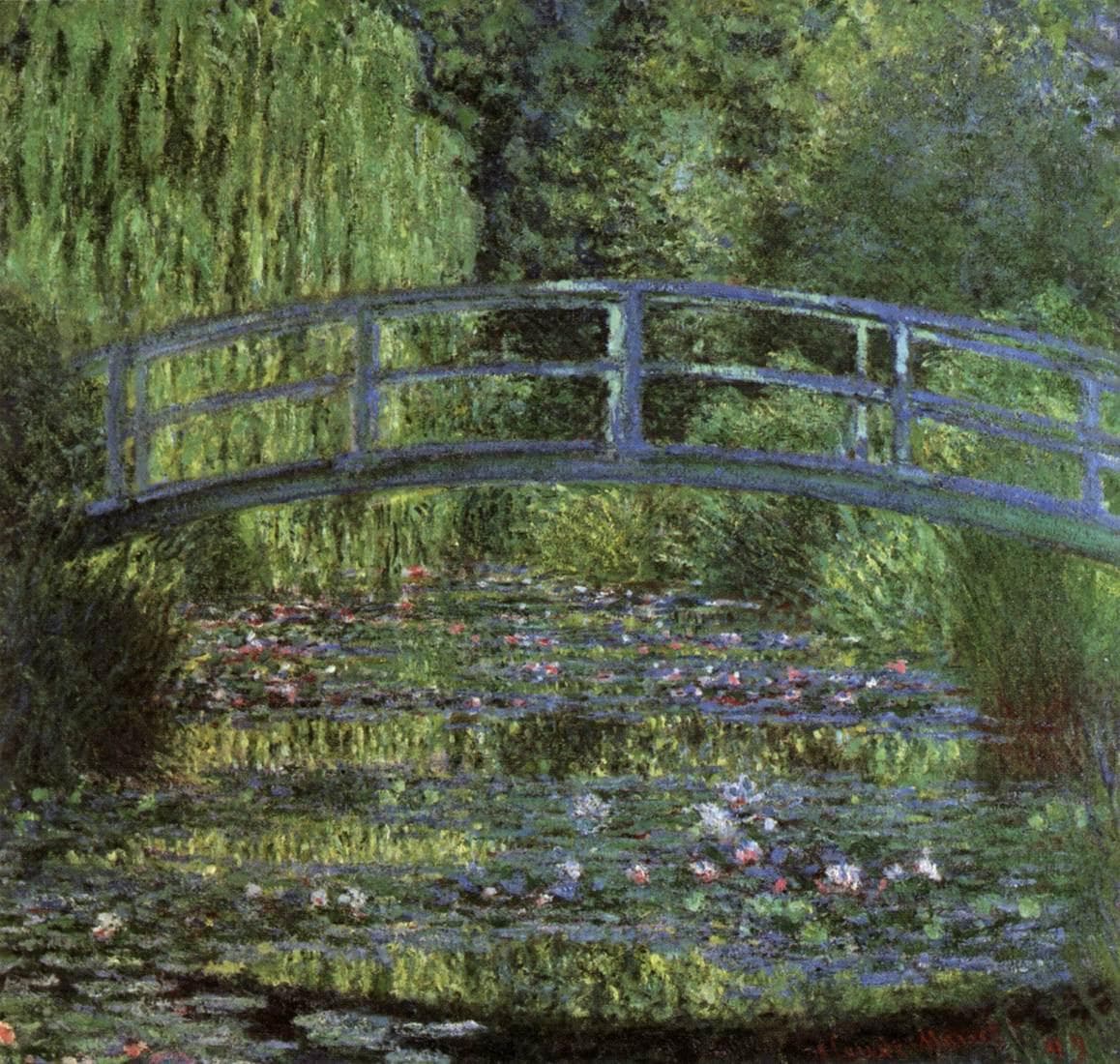
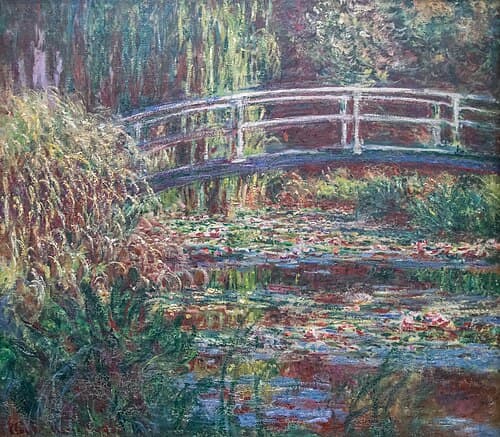
Water Lily Pond, Green Harmony
Claude Monet · 1899
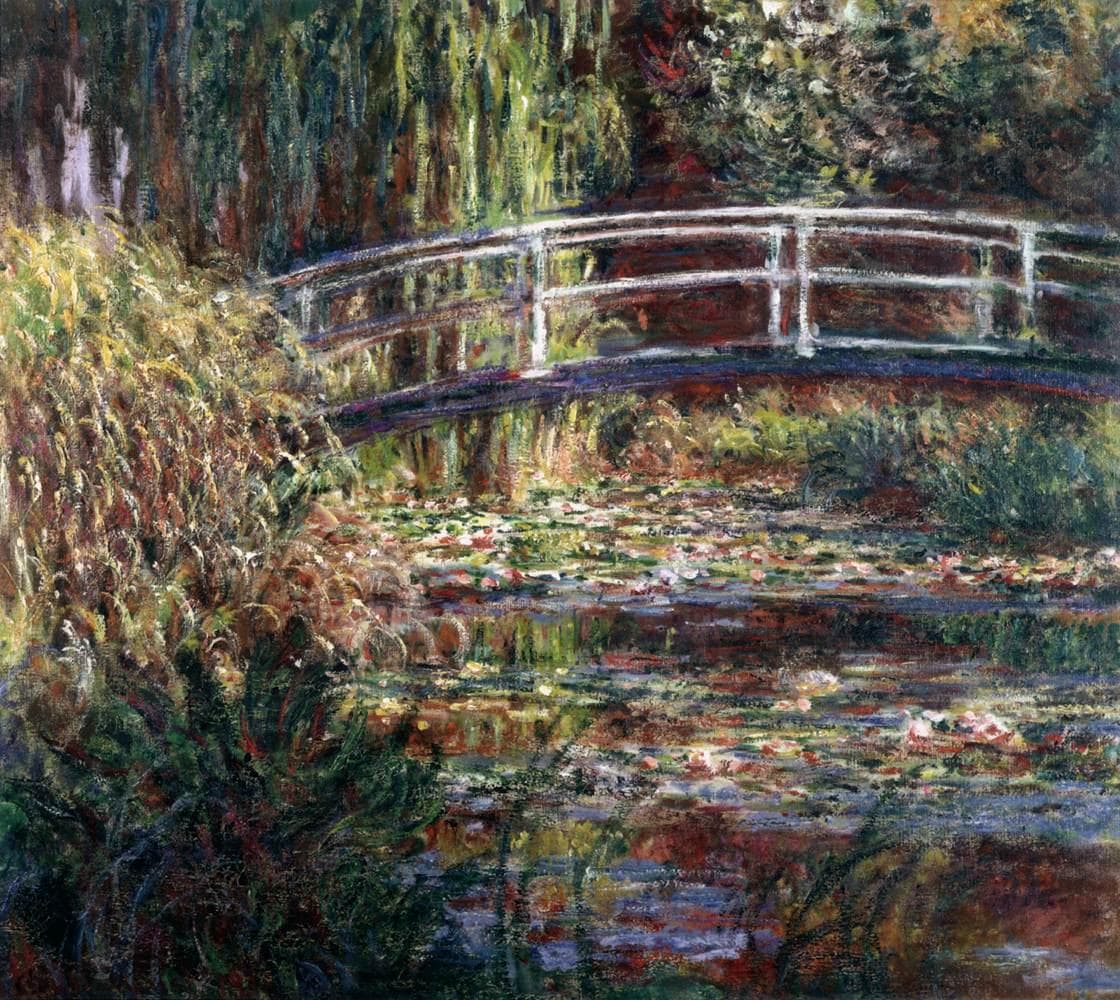
The Water Lily Pond, Harmony in Rose
Claude Monet · 1900
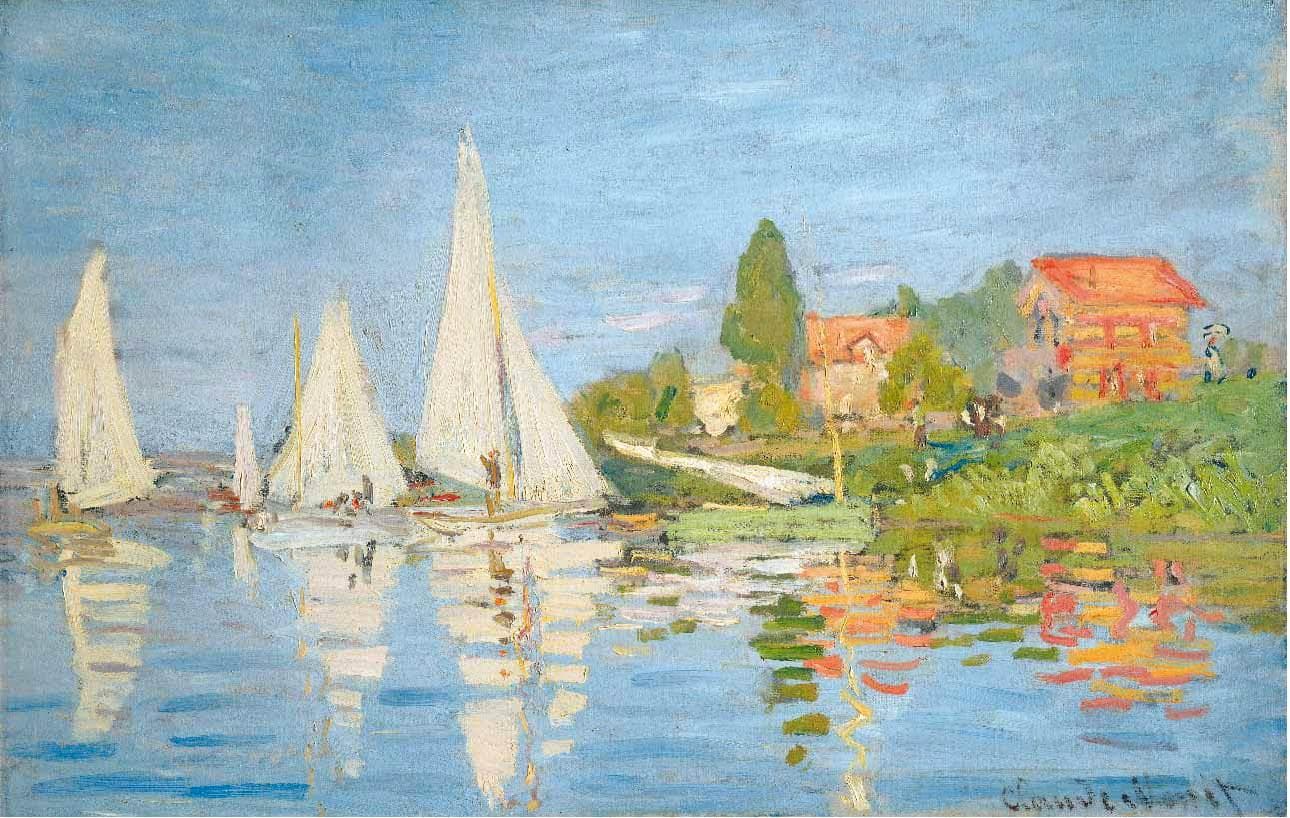
Regatta at Argenteuil
Claude Monet · c. 1872
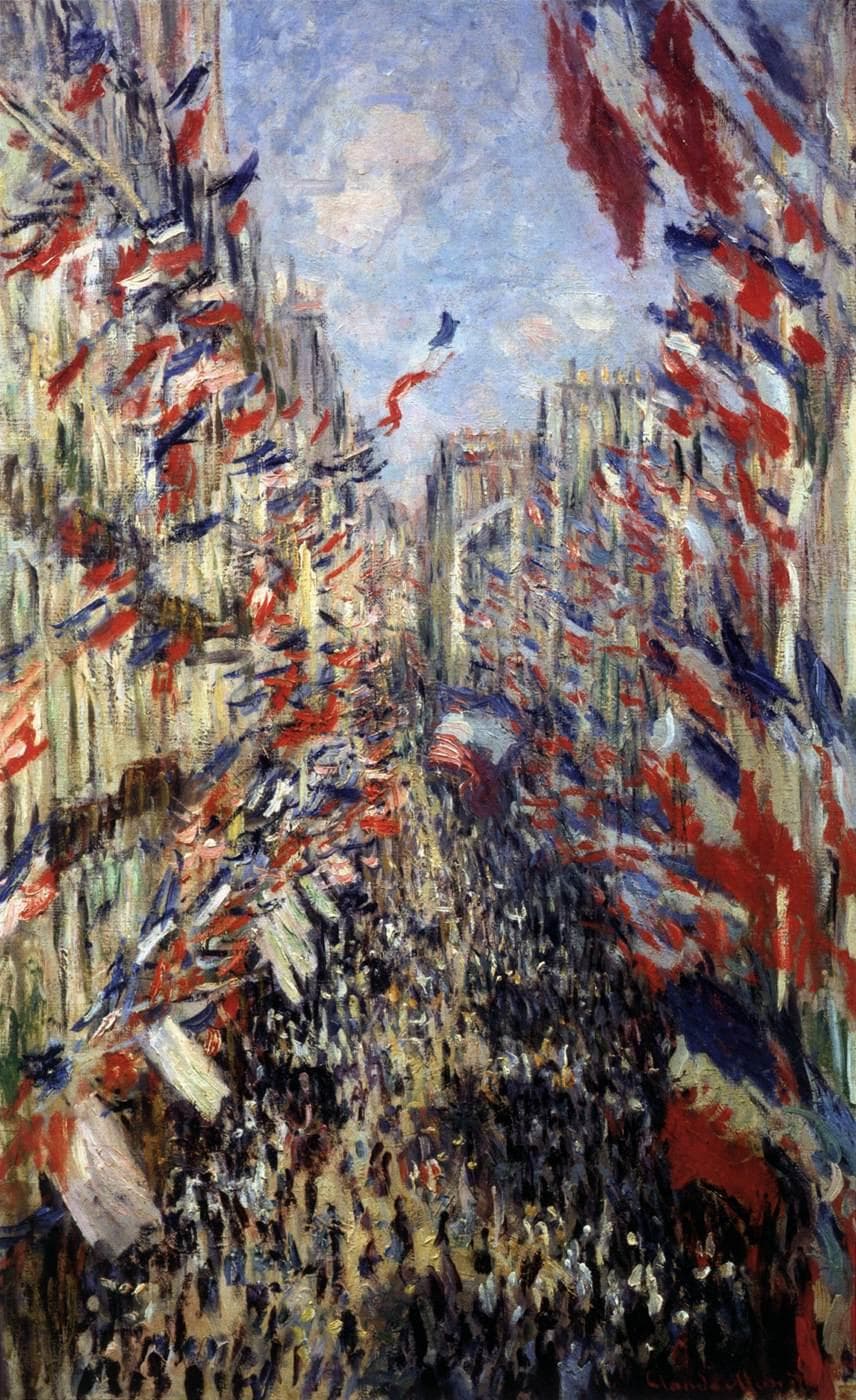
Rue Montorgueil in Paris, Celebration of 30 June 1878
Claude Monet · 1878
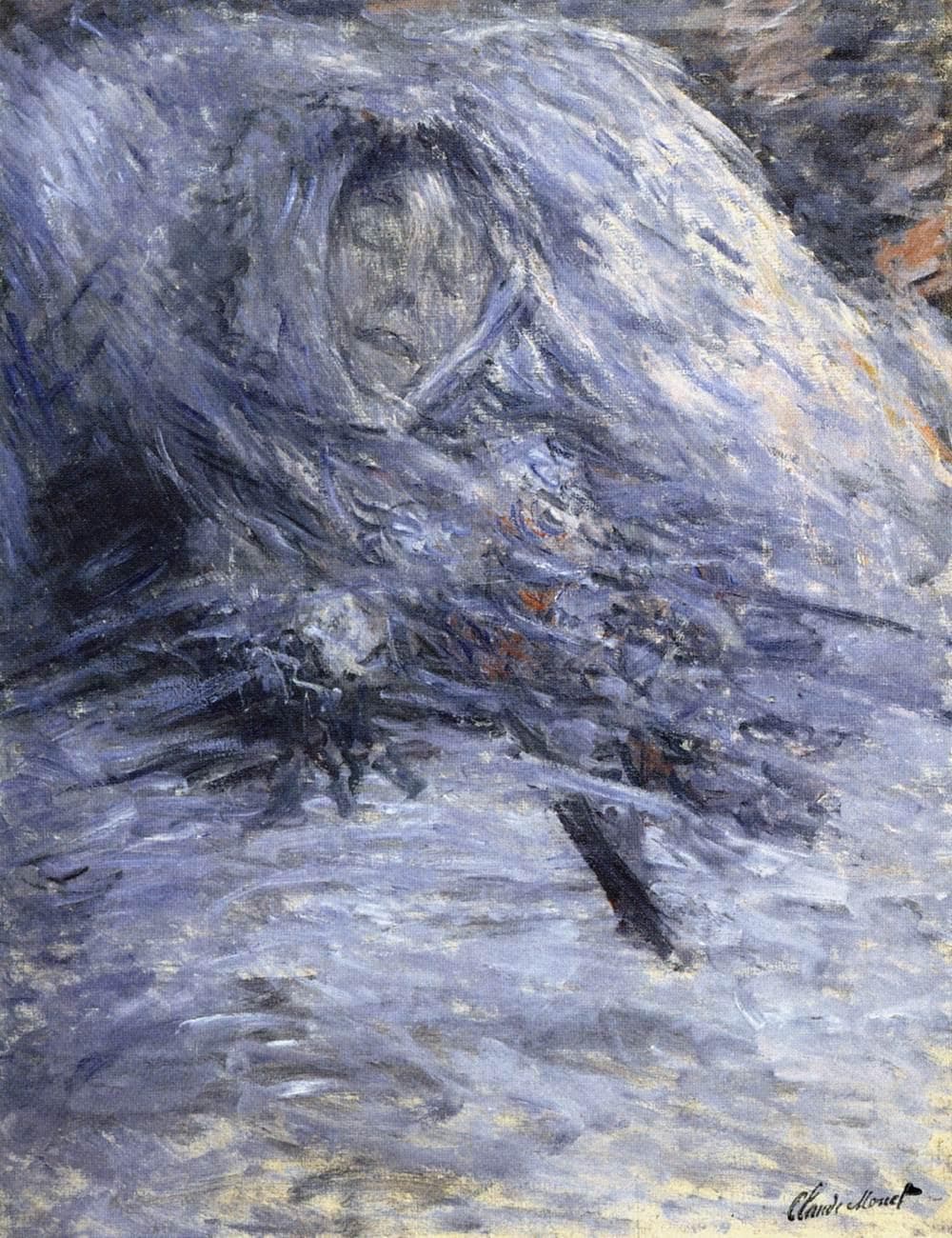
Camille Monet on Her Deathbed
Claude Monet · 1879
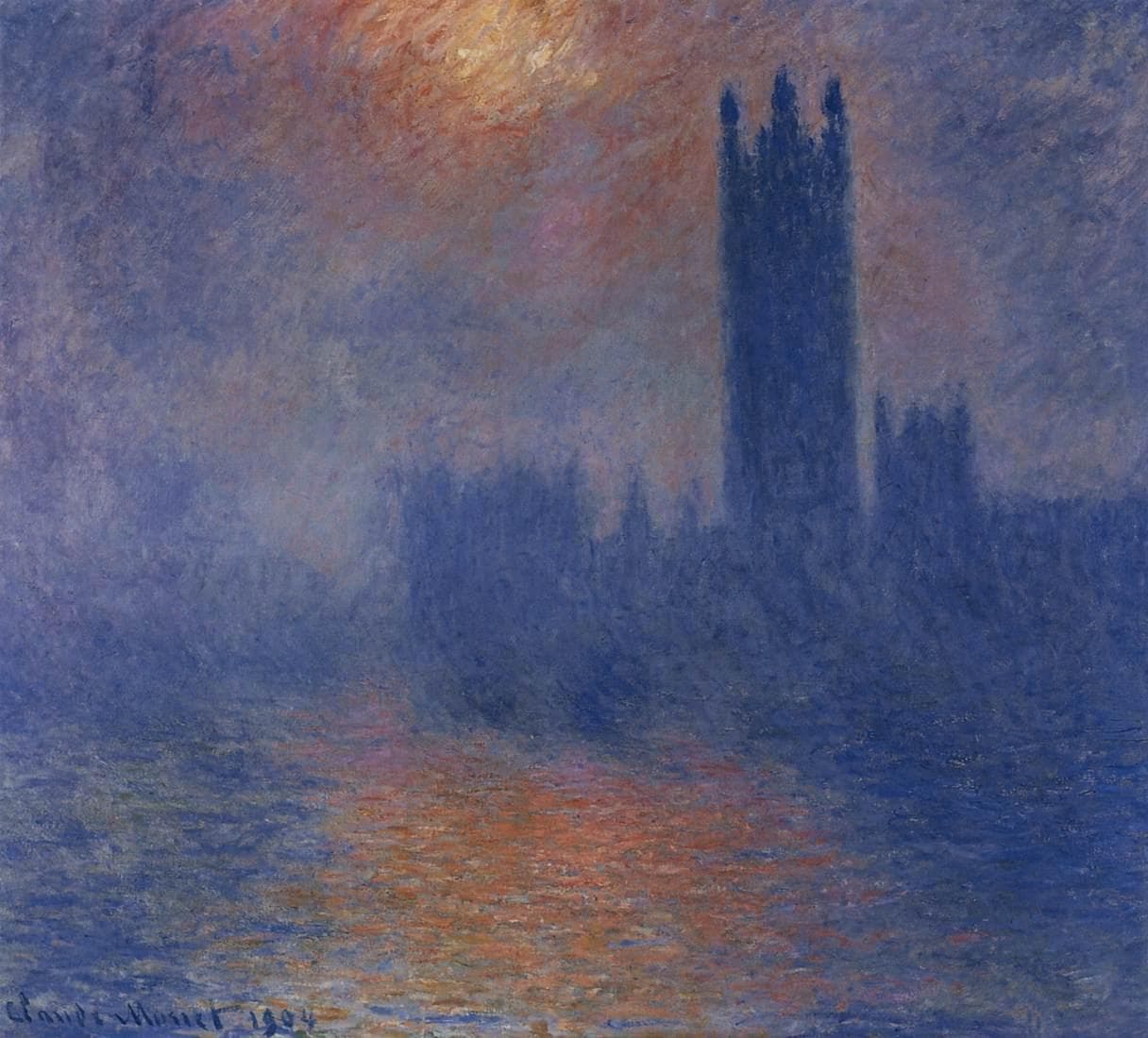
The Houses of Parliament in London
Claude Monet · 1904
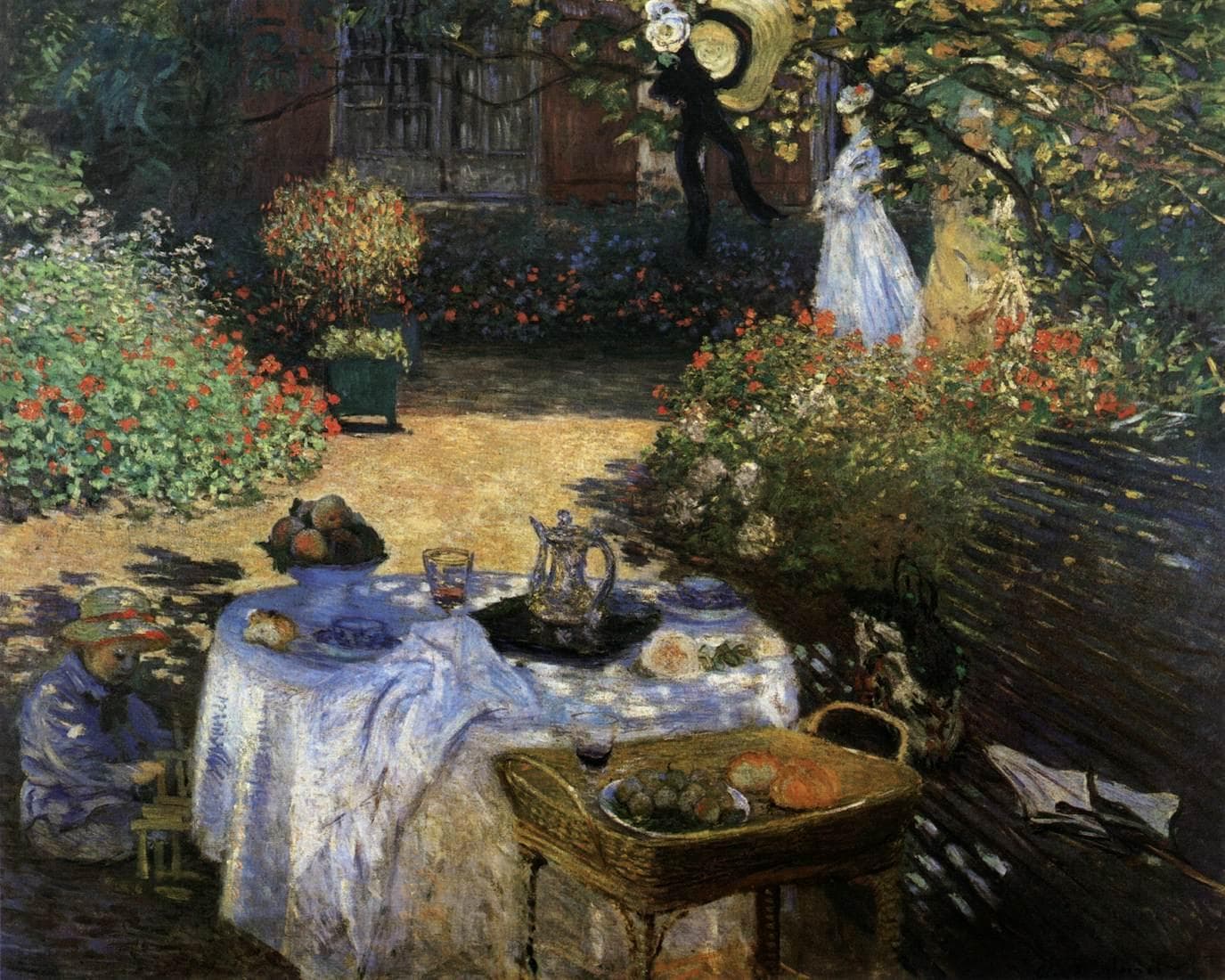
The Luncheon (Monet's Garden at Argenteuil)
Claude Monet · c. 1873
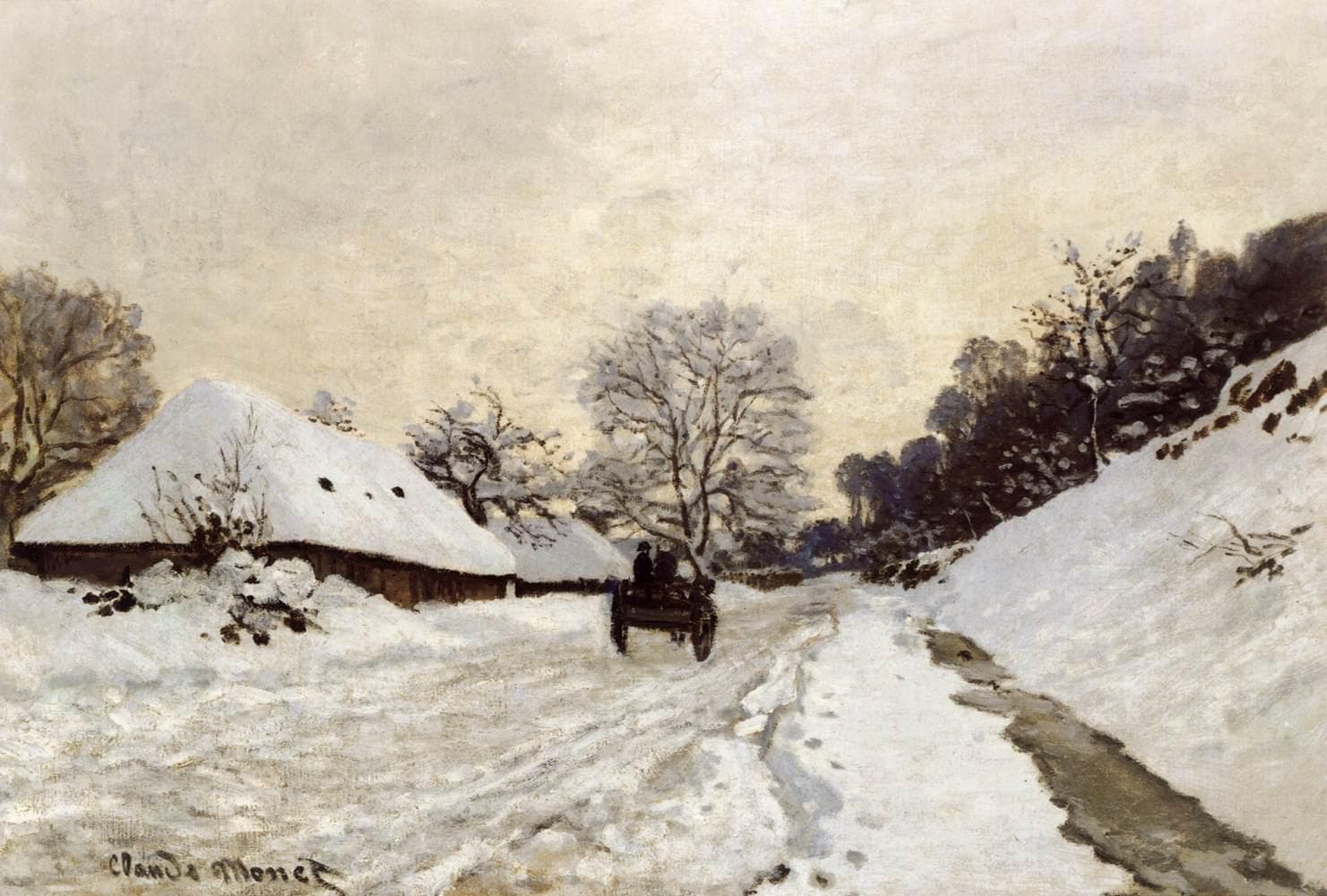
A Cart on the Snowy Road at Honfleur
Claude Monet · c. 1867
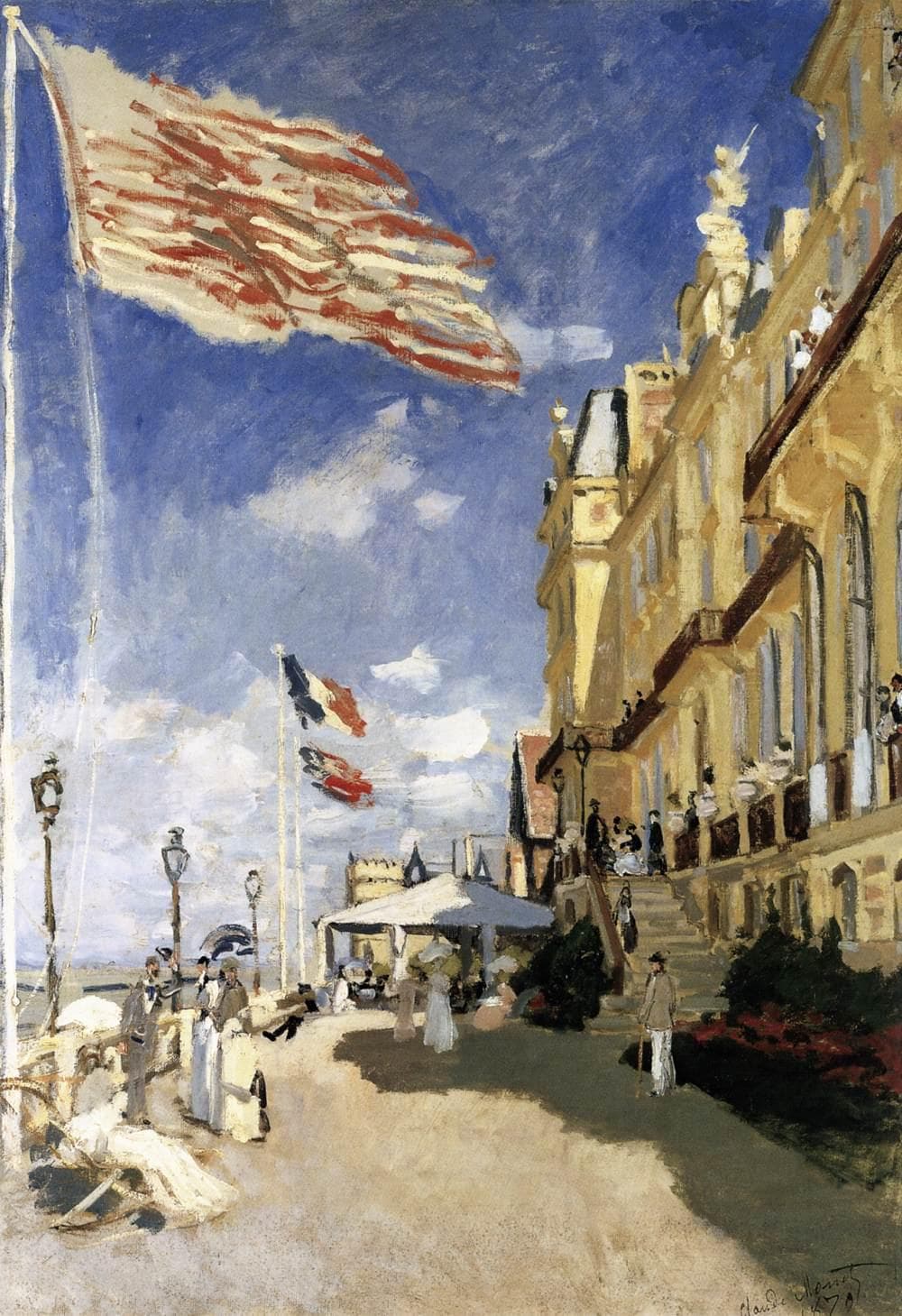
The Hôtel des Roches Noires, Trouville
Claude Monet · 1870
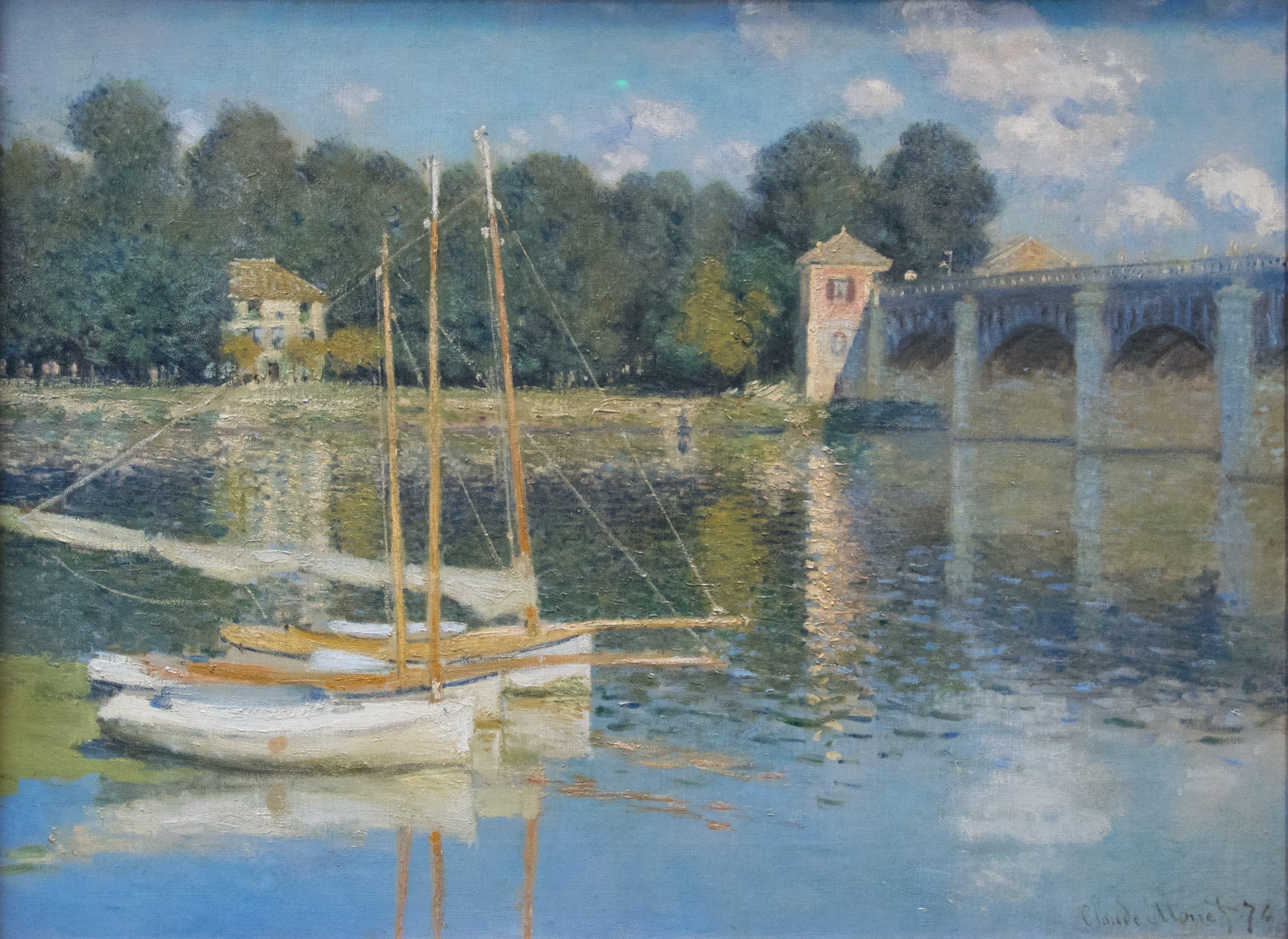
The Argenteuil Bridge
Claude Monet · 1874
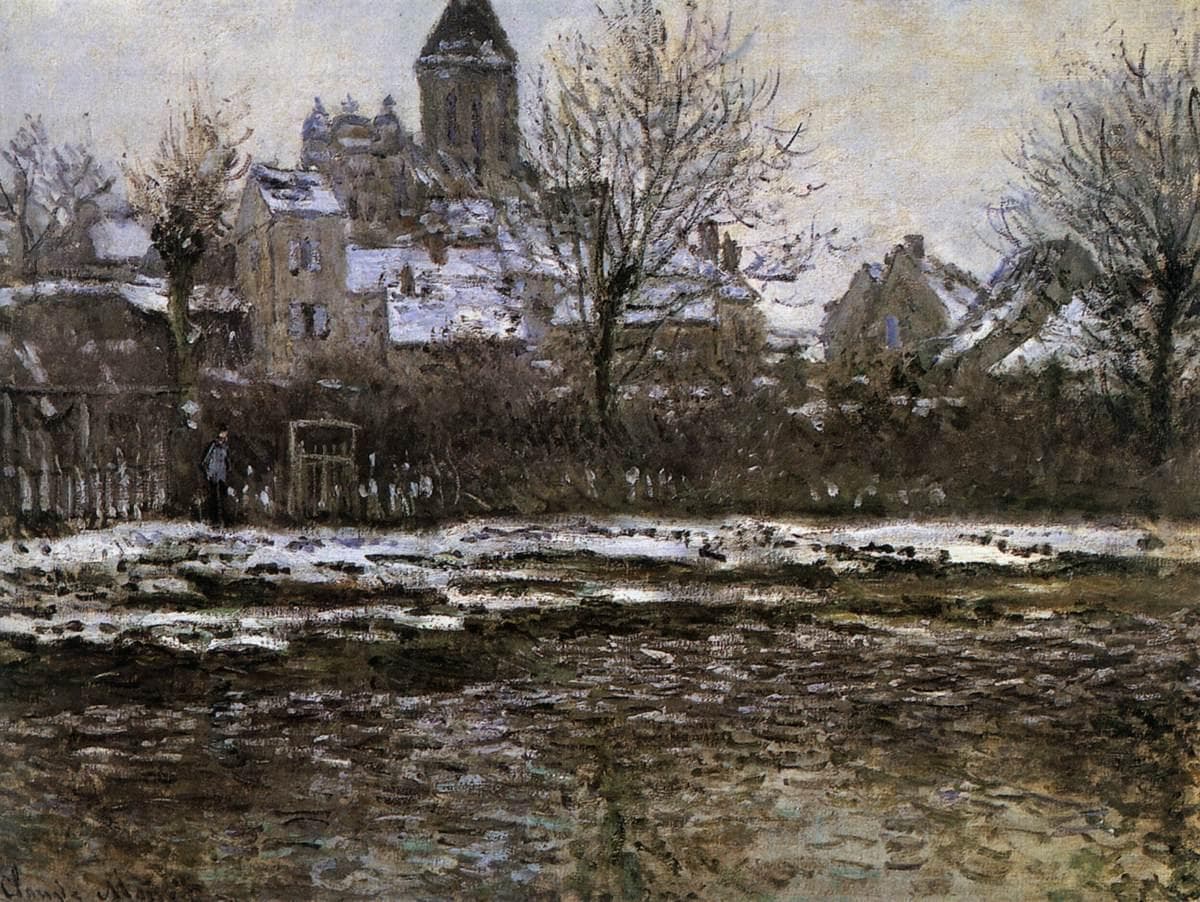
The Church in Vétheuil in Winter
Claude Monet · 1878–79
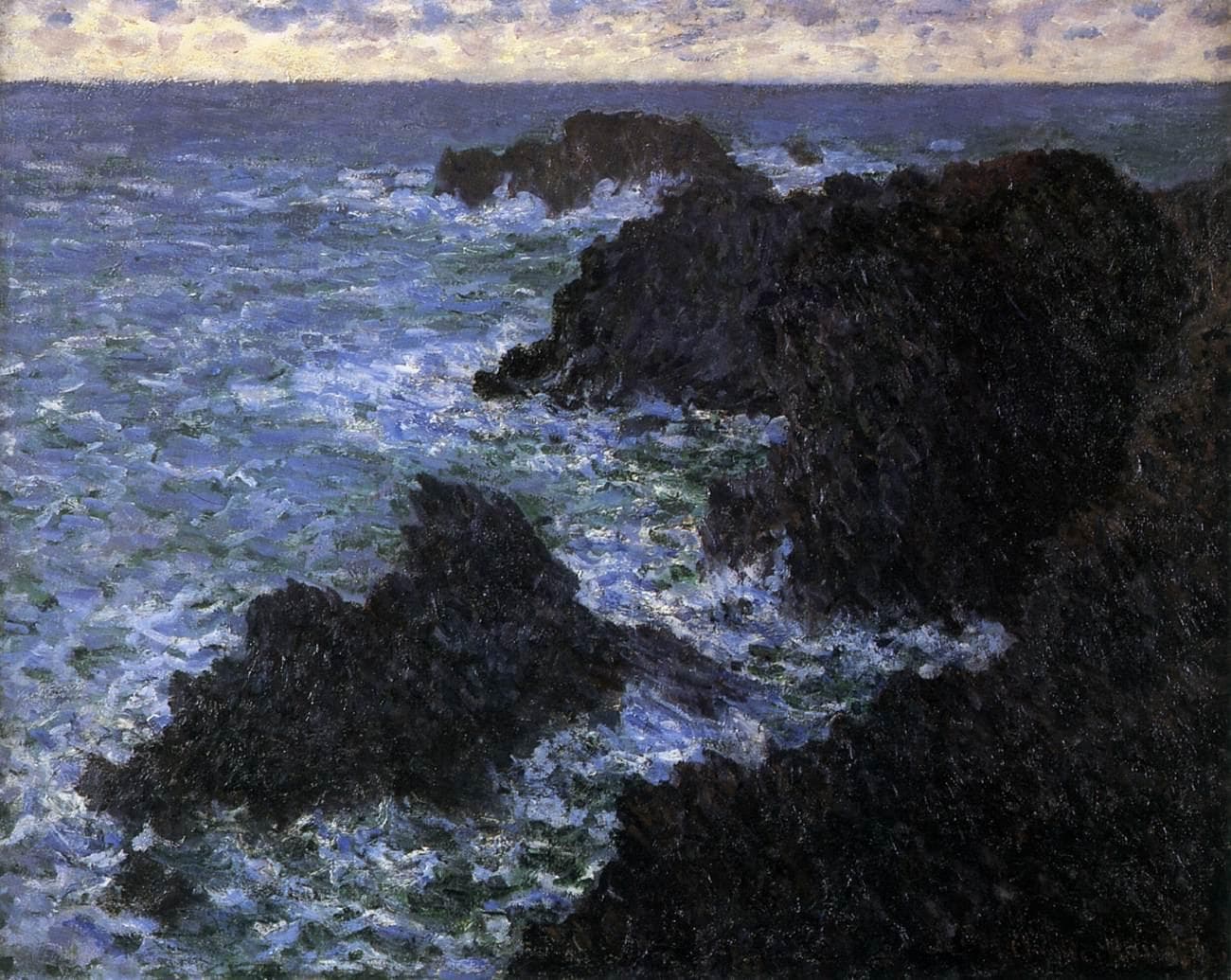
The Rocks of Belle-Île, the Wild Coast
Claude Monet · 1886
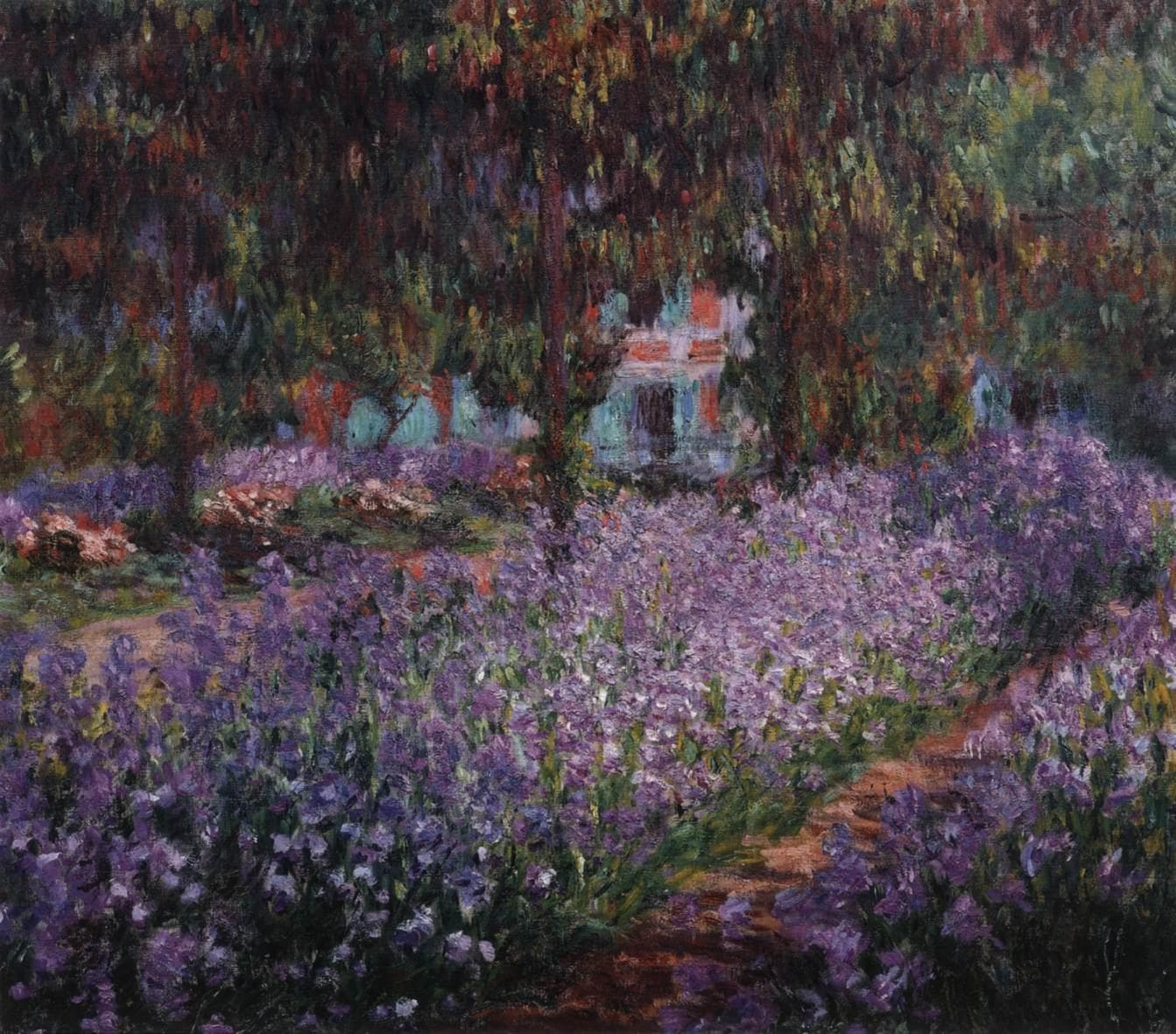
Irises in Monet's Garden at Giverny
Claude Monet · 1900
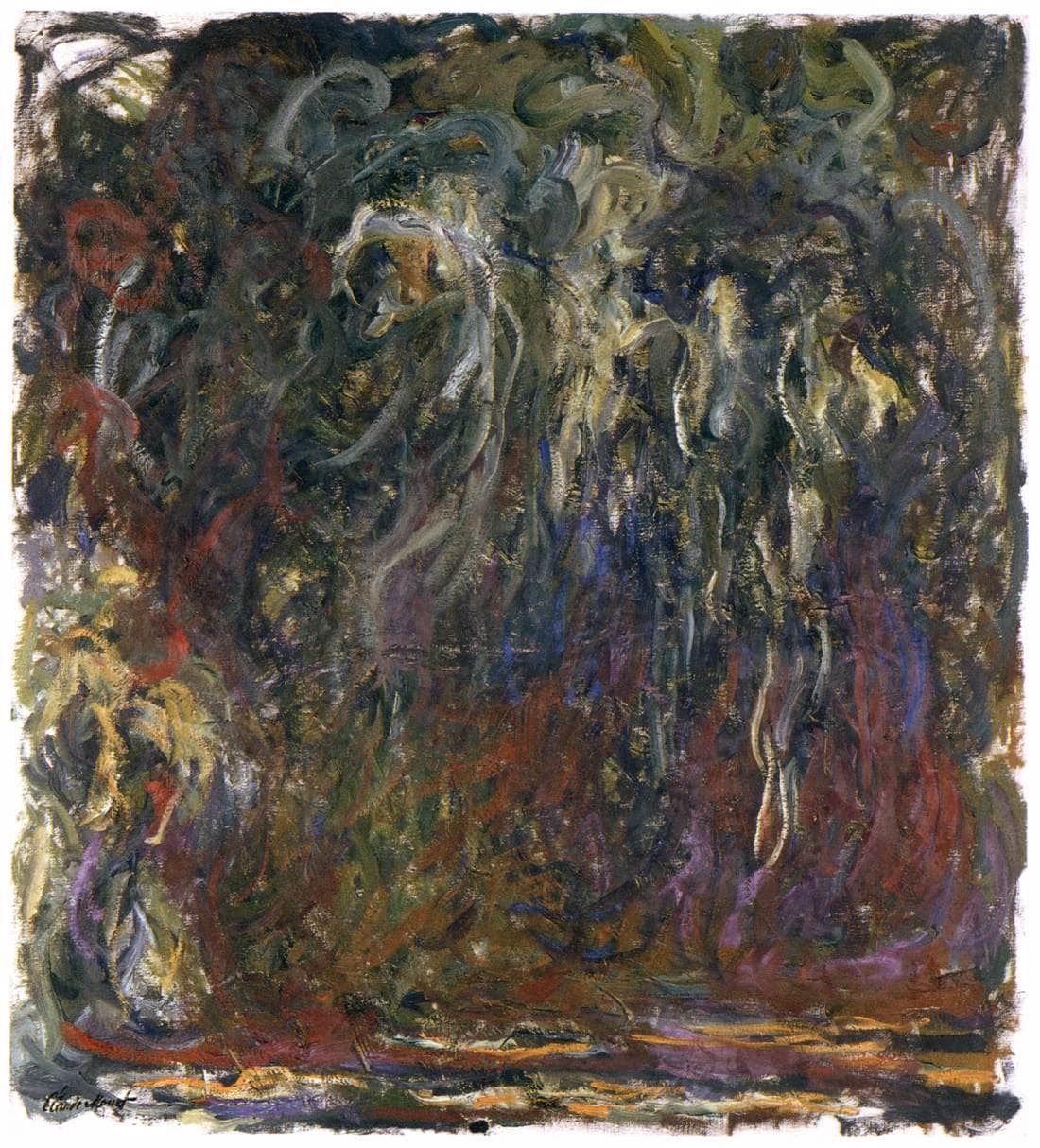
Weeping Willow
Claude Monet · 1920–22
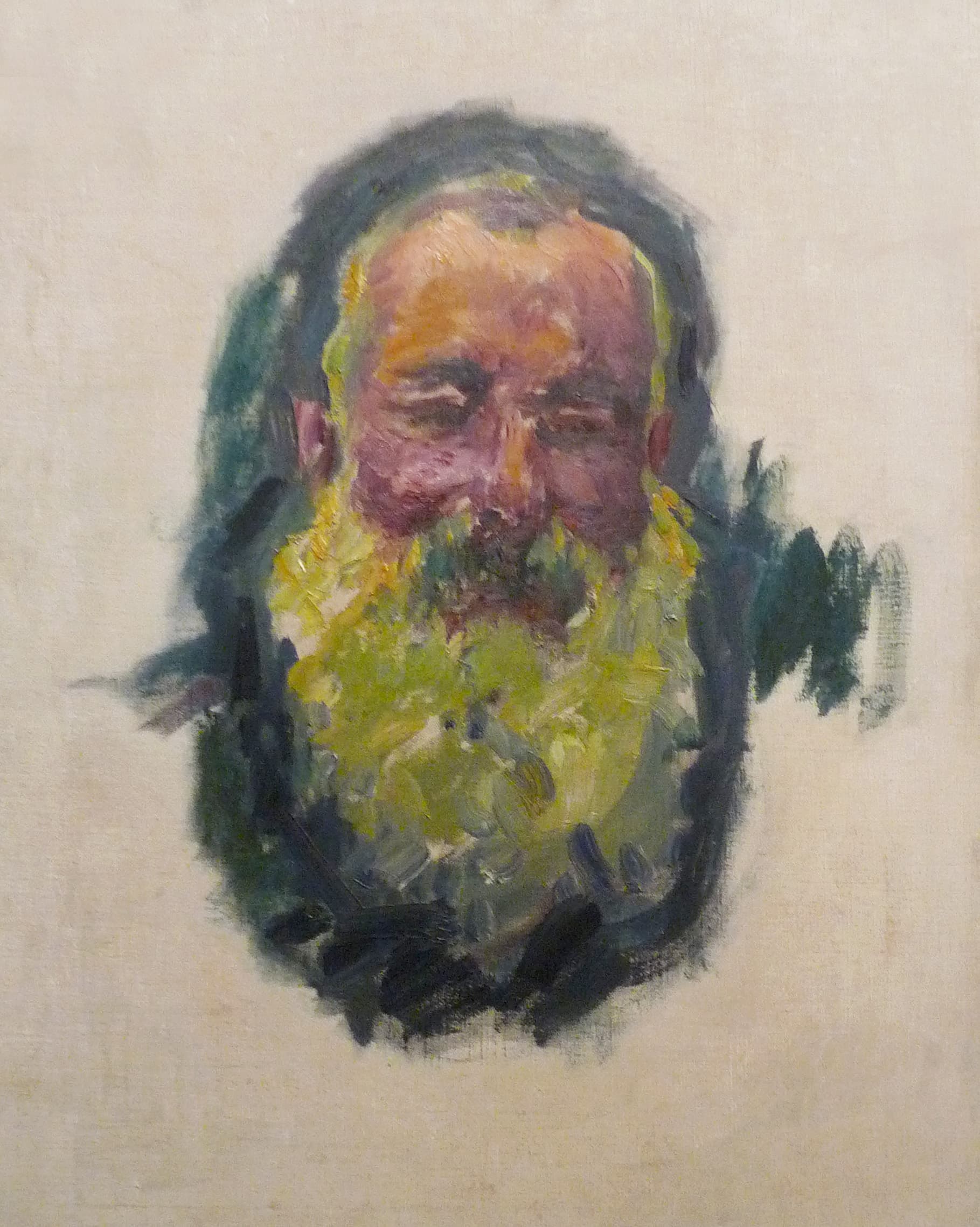
Self-Portrait (1917)
Claude Monet · 1917
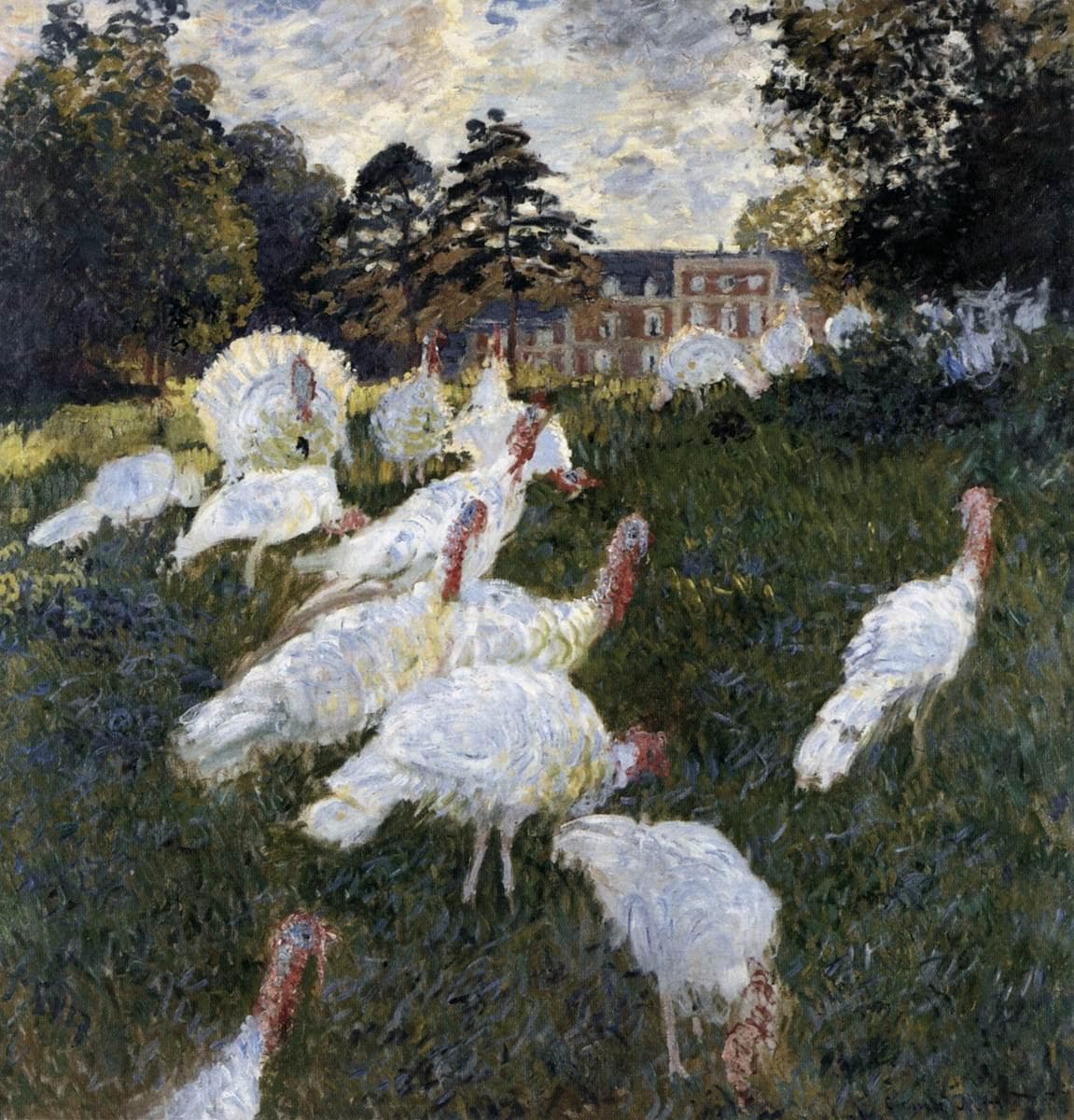
The Turkeys
Claude Monet · 1877
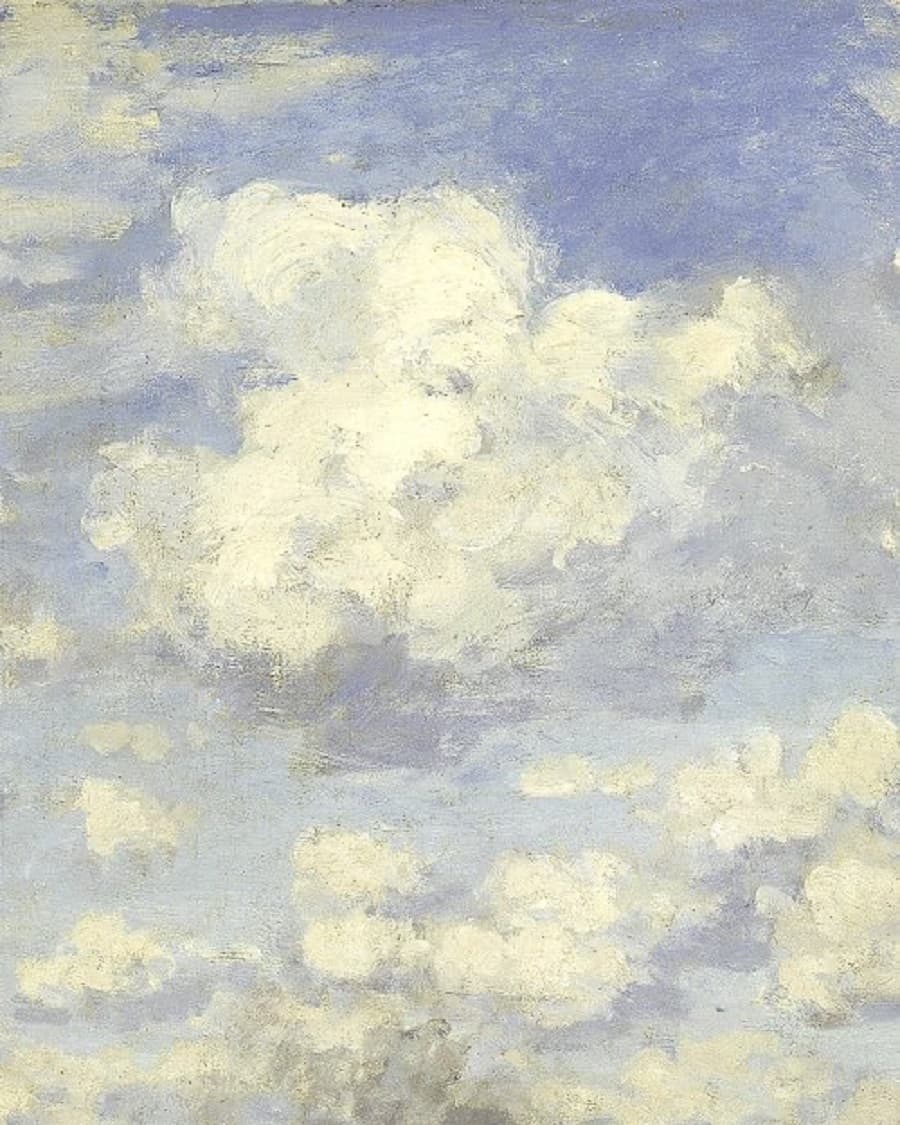
The Basin at Argenteuil
Claude Monet · 1872
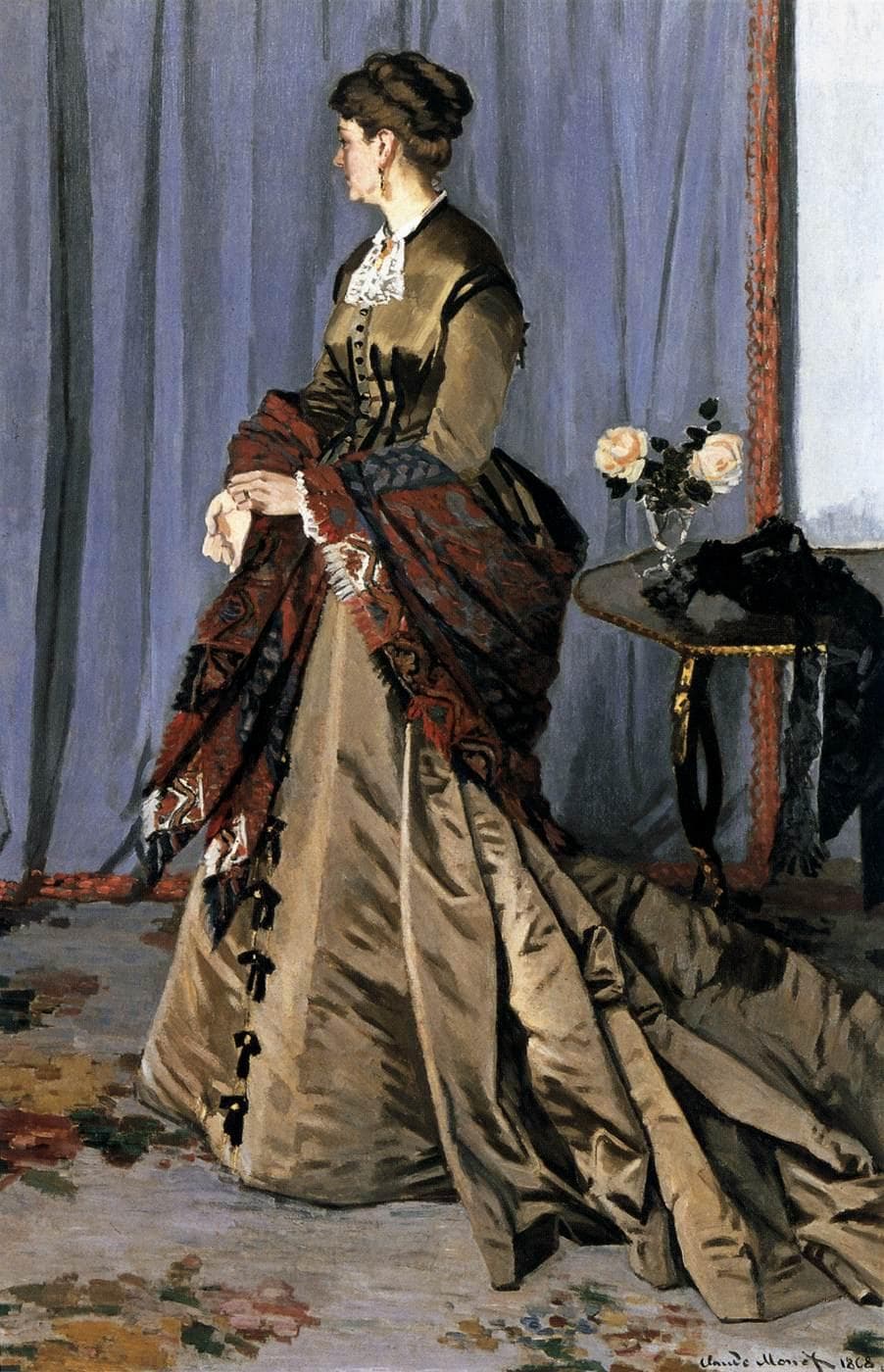
Madame Louis Joachim Gaudibert
Claude Monet · 1868
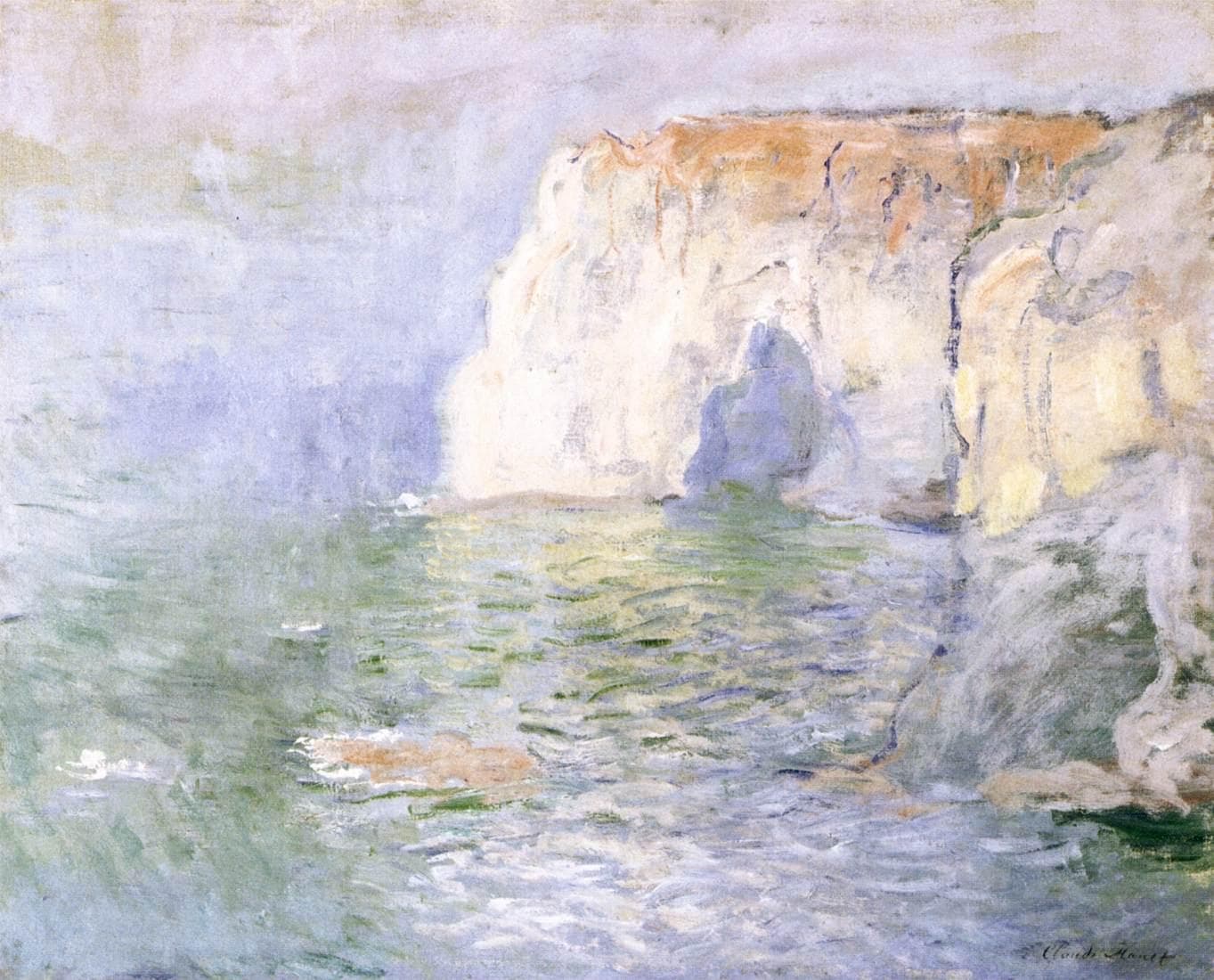
Étretat, the Manneporte, Reflections on the Water
Claude Monet · c. 1885
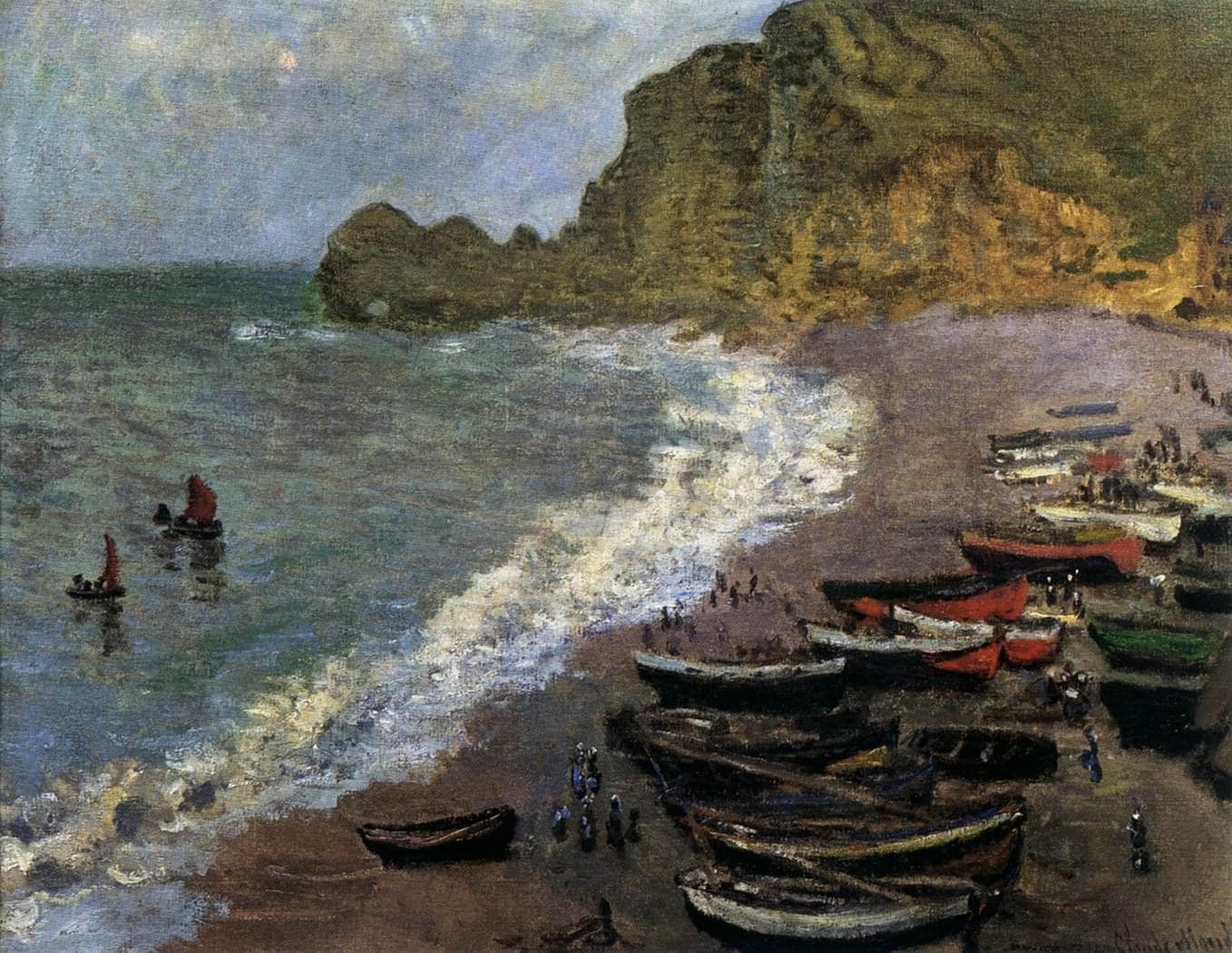
The Beach at Étretat
Claude Monet · 1883
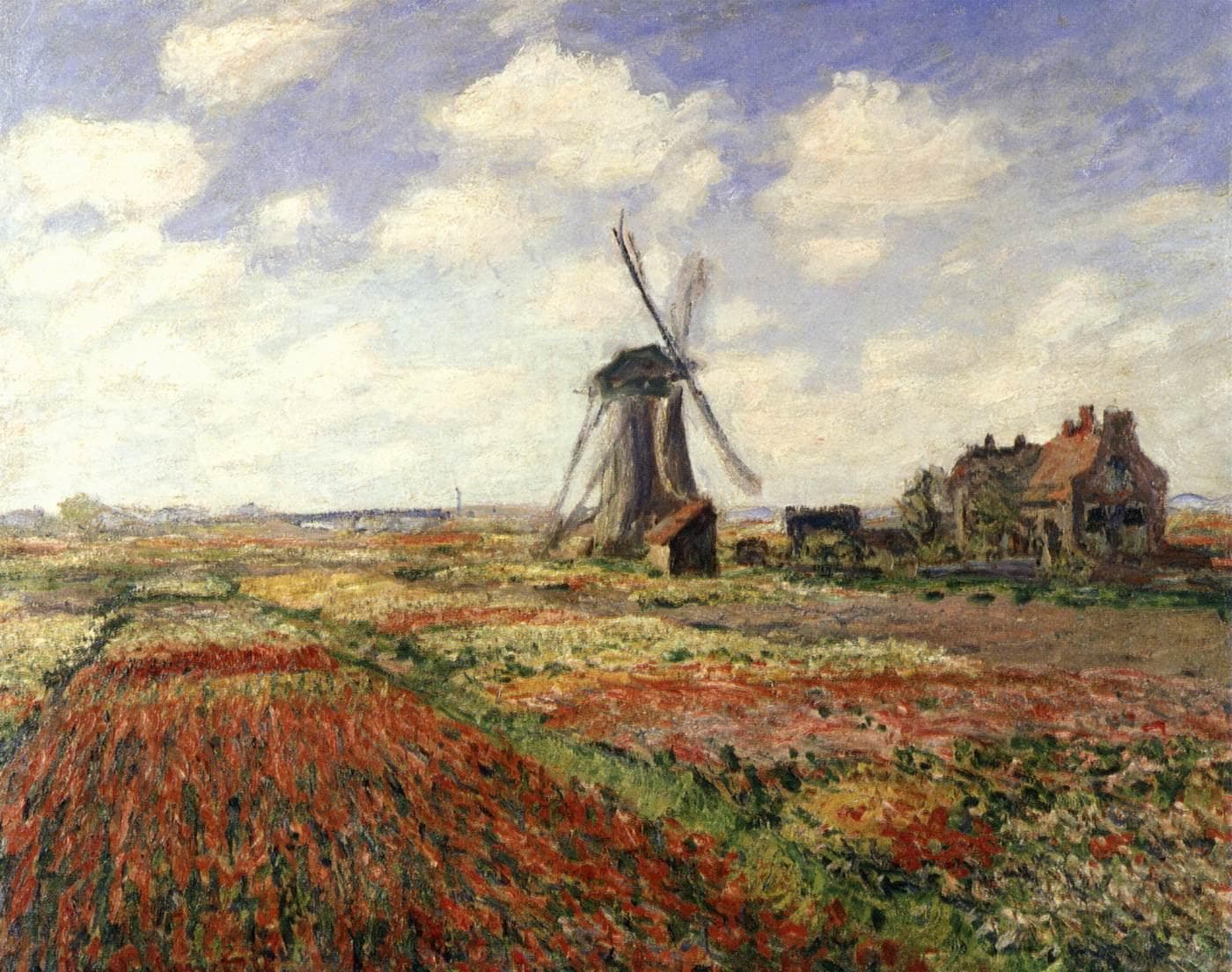
Tulip Fields in Holland
Claude Monet · 1886
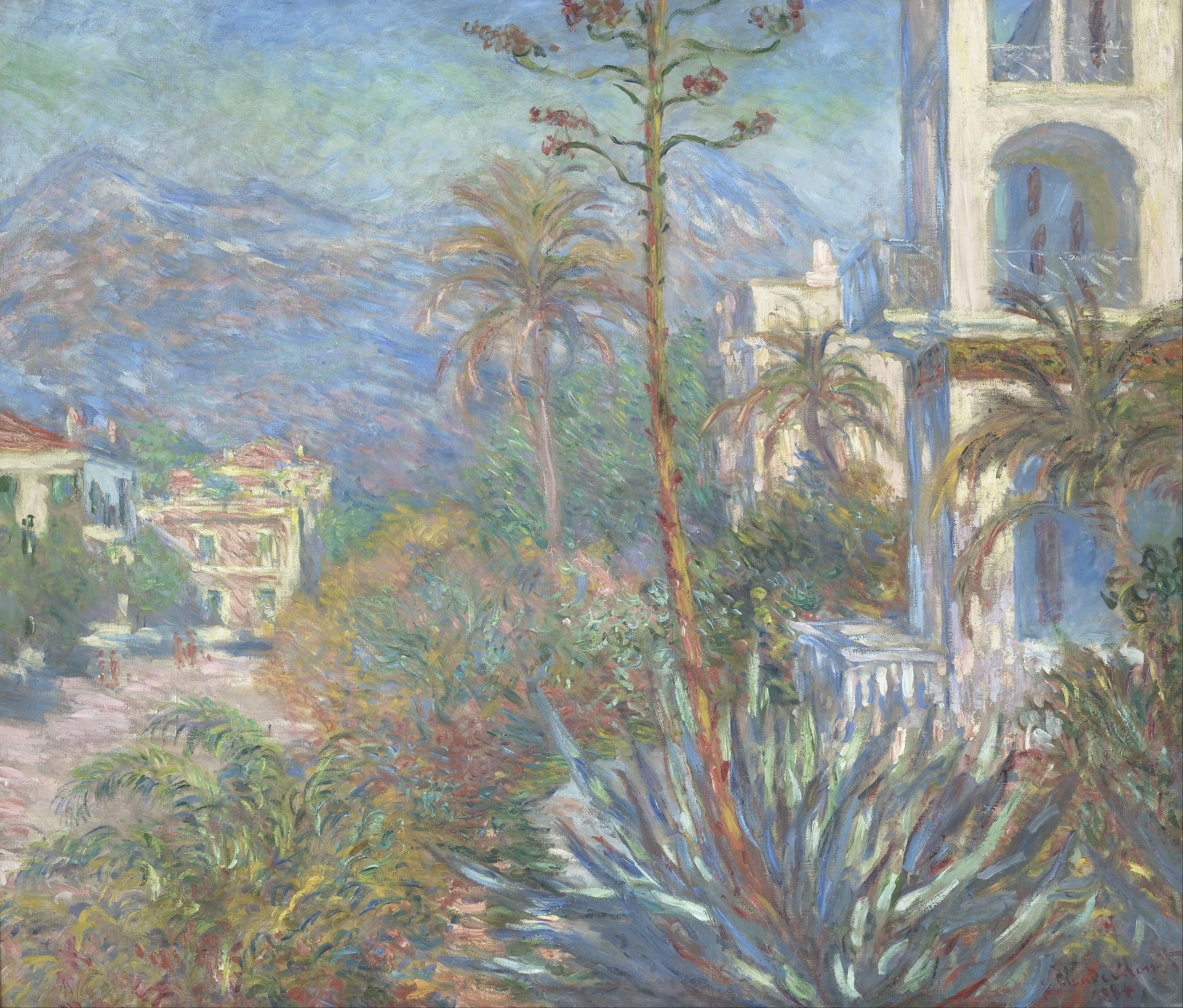
Villas at Bordighera
Claude Monet · 1884
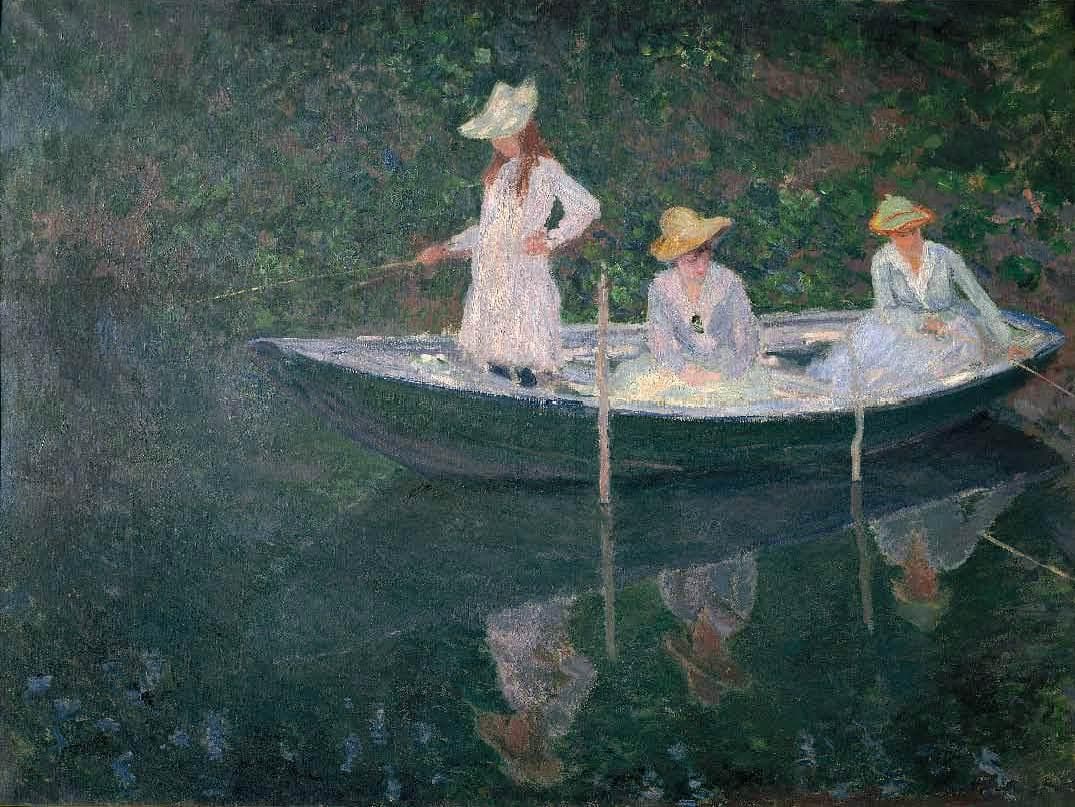
The Boat at Giverny
Claude Monet · c. 1887
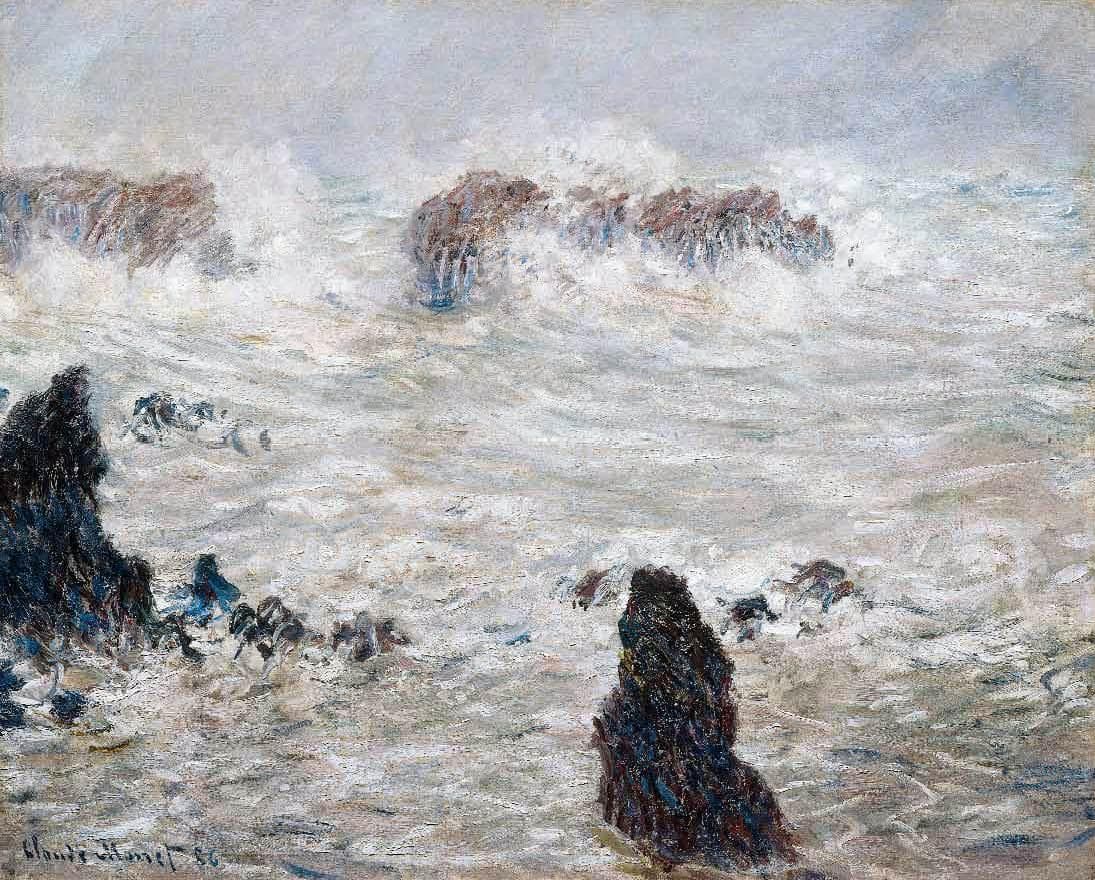
Storm off Belle-Île
Claude Monet · 1886
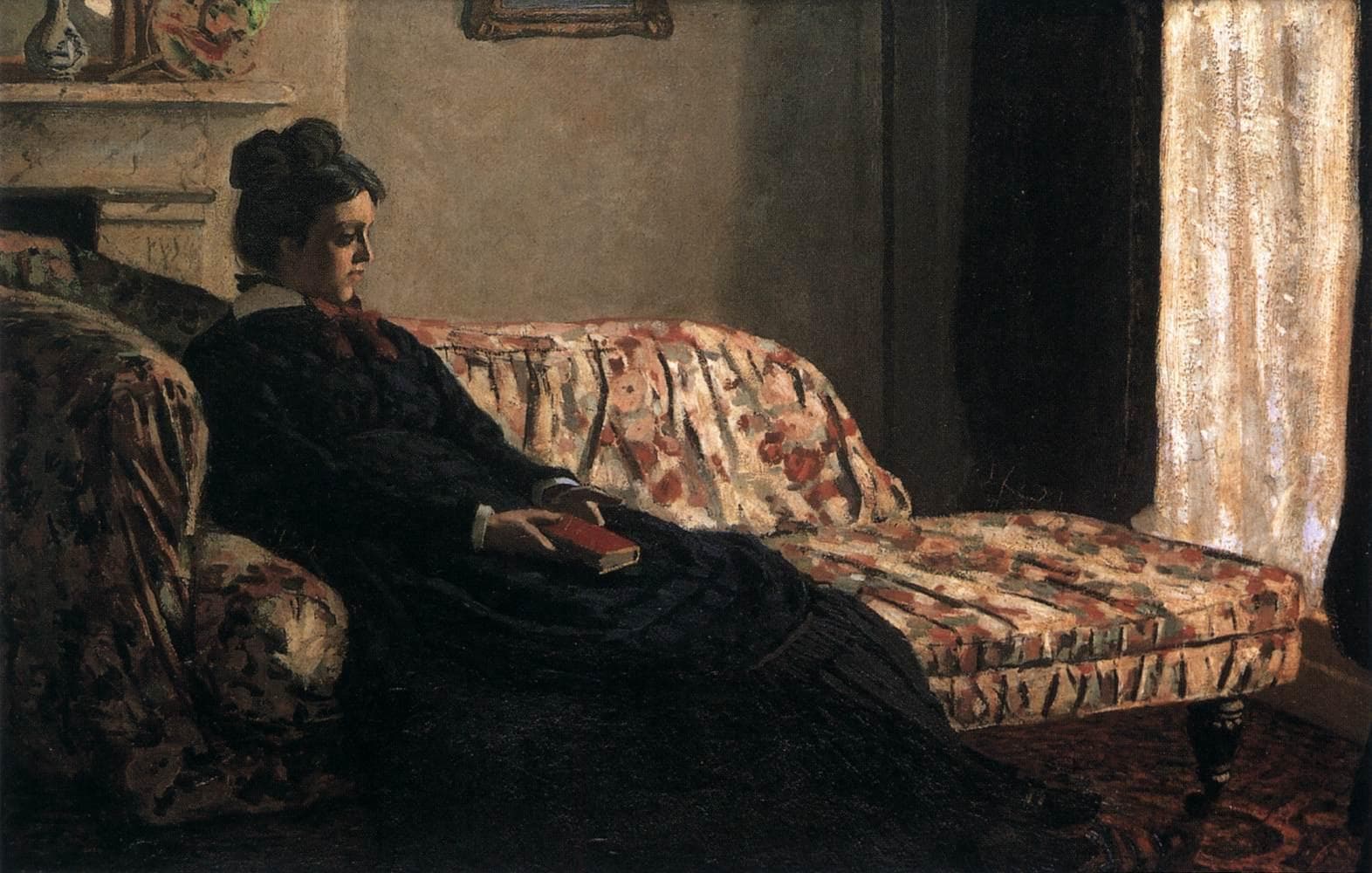
Meditation (Madame Monet on the Sofa)
Claude Monet · c. 1871
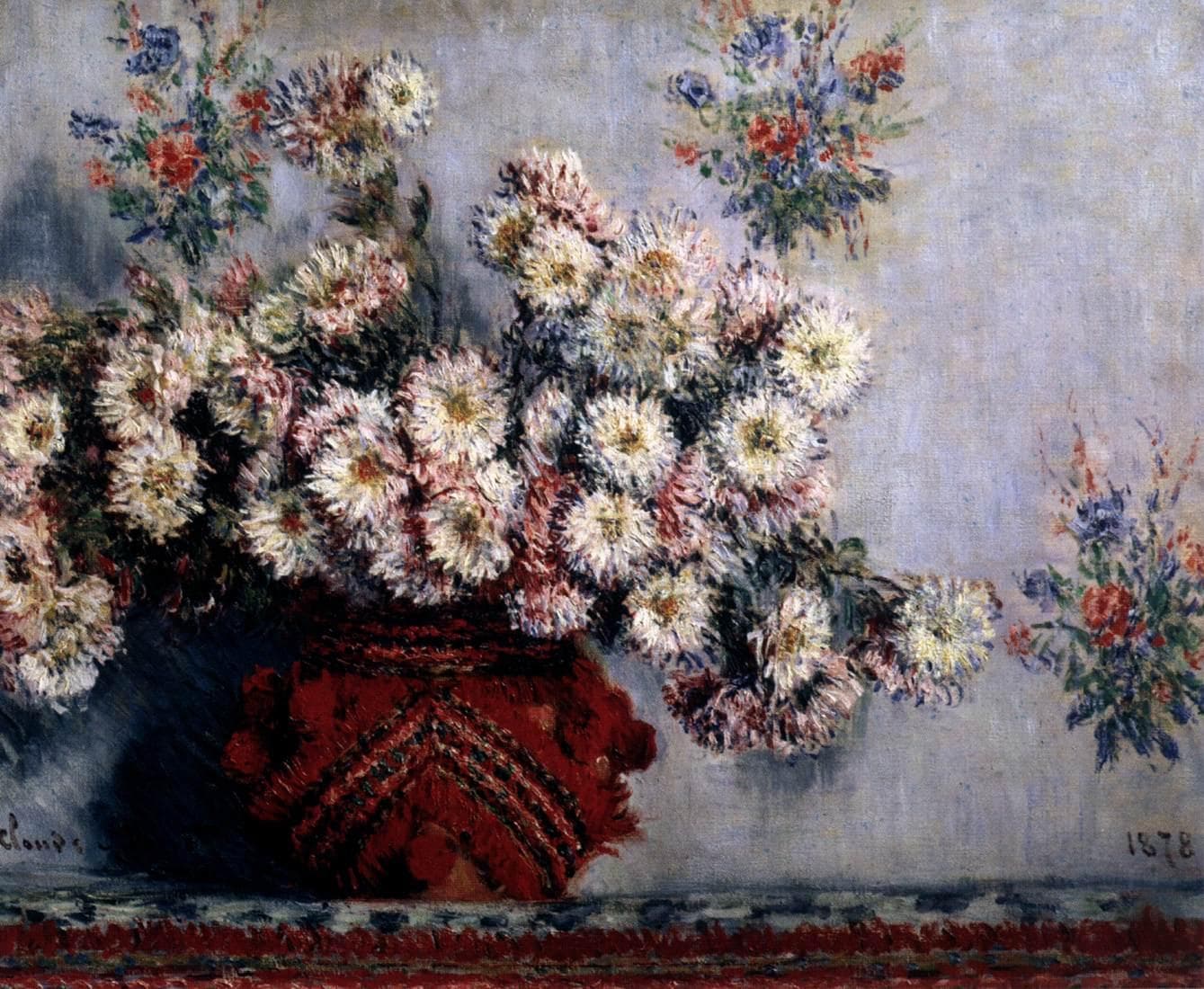
Chrysanthemums
Claude Monet · 1878
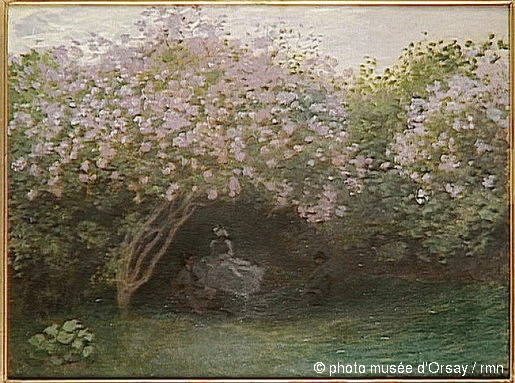
Lilacs, Gray Weather
Claude Monet · 1872–73
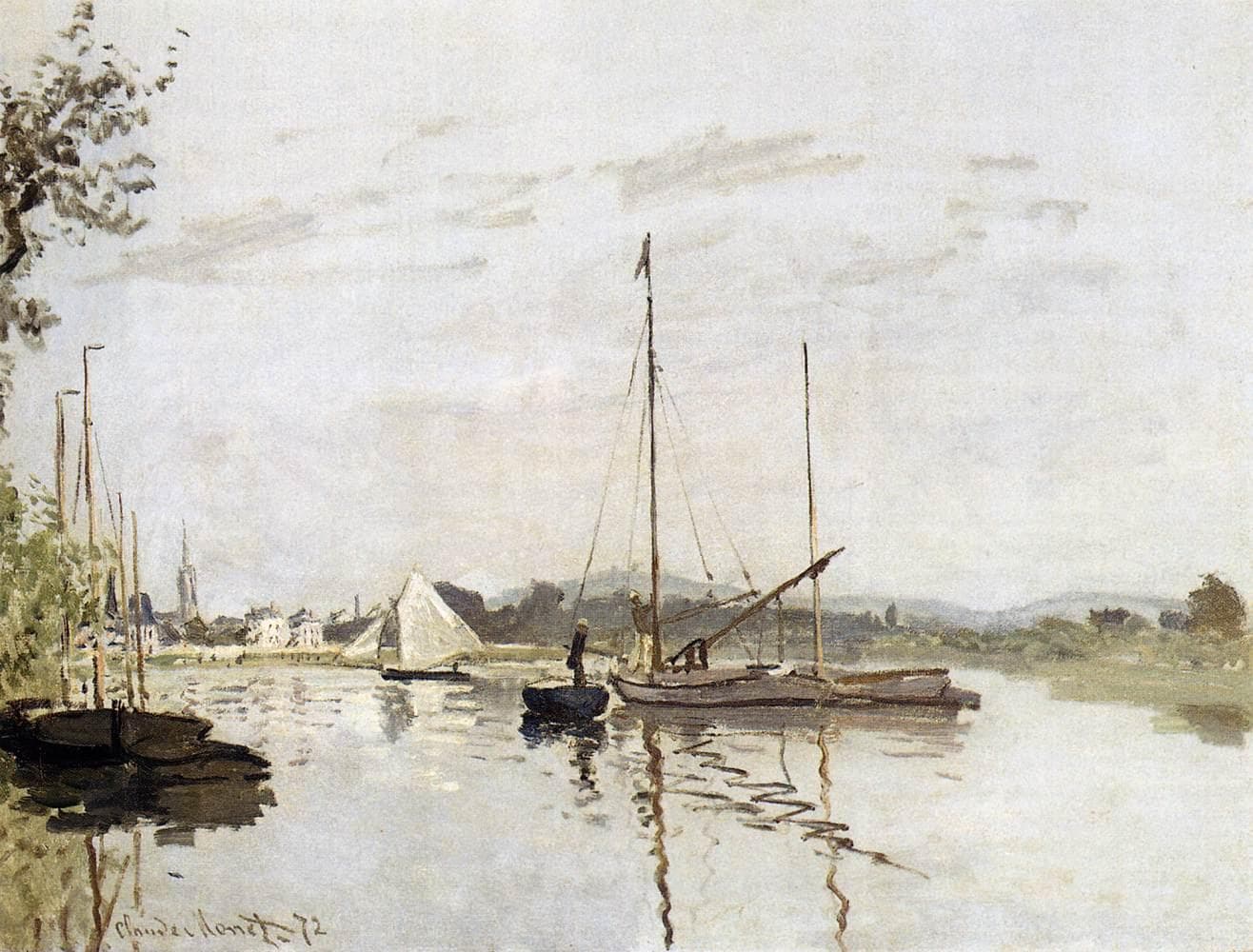
Argenteuil
Claude Monet · c. 1872
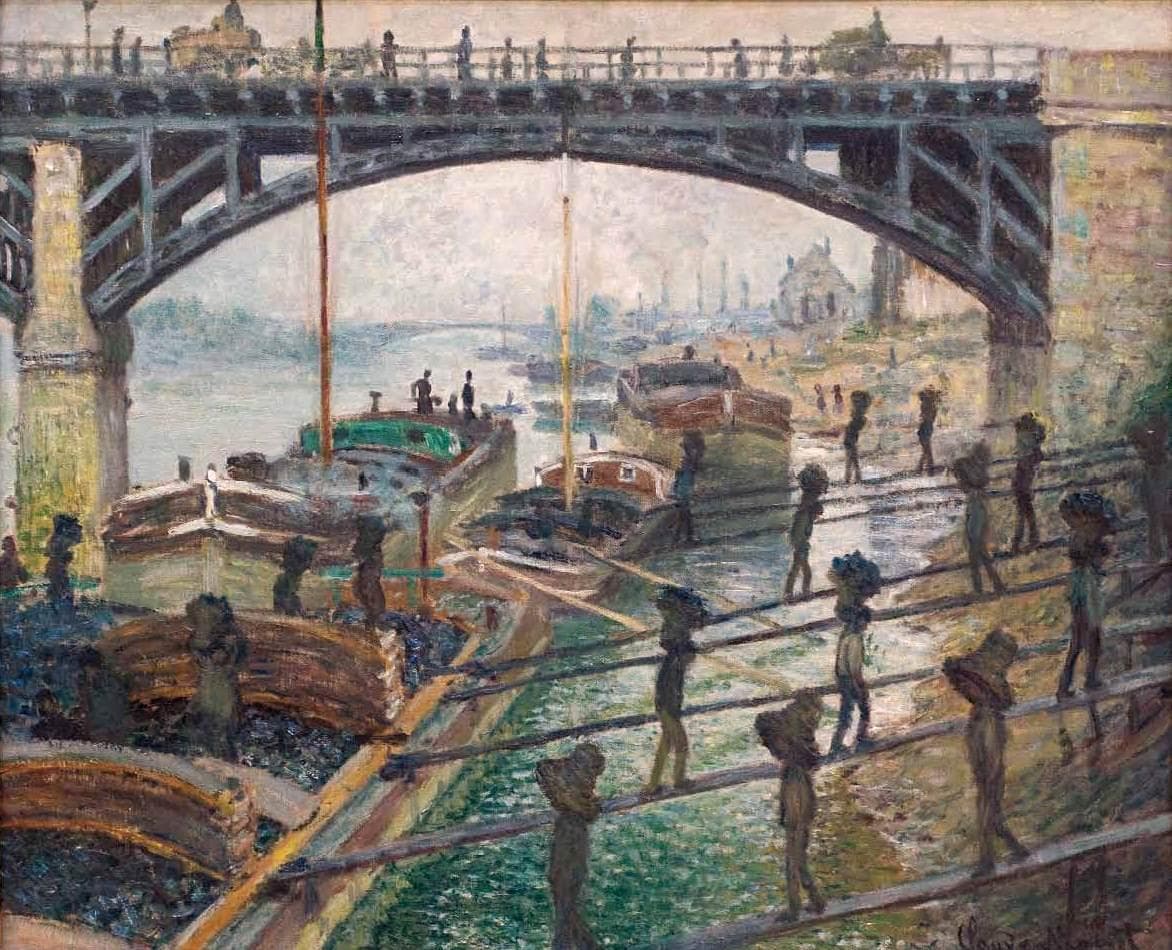
The Coal Workers
Claude Monet · c. 1875
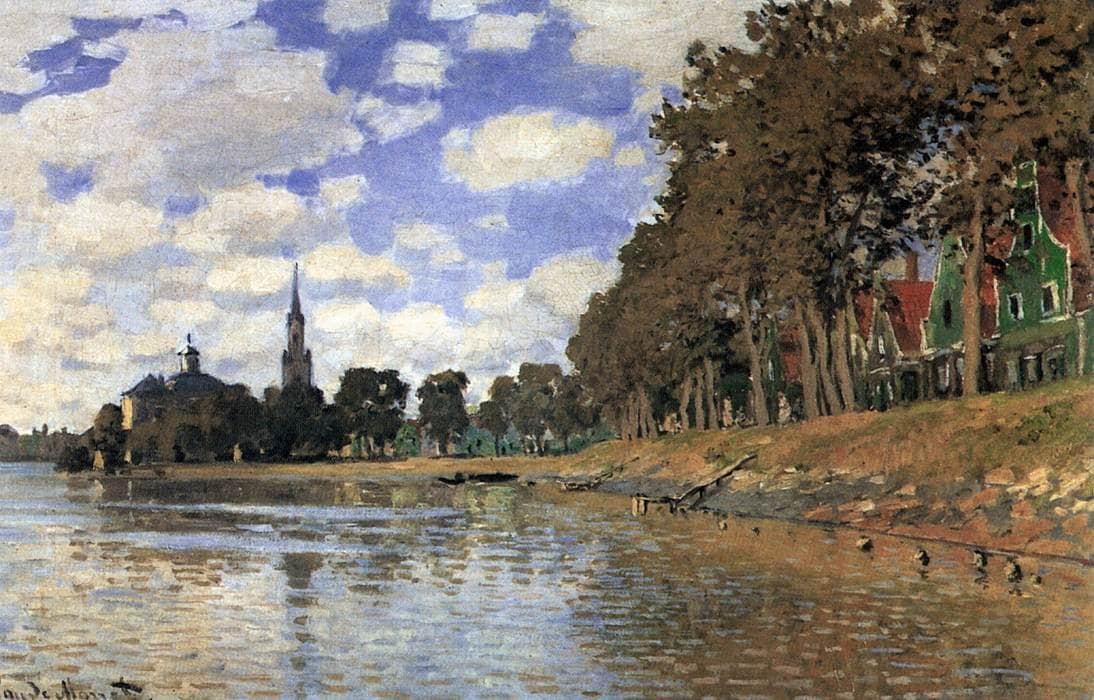
Zaandam
Claude Monet · 1871
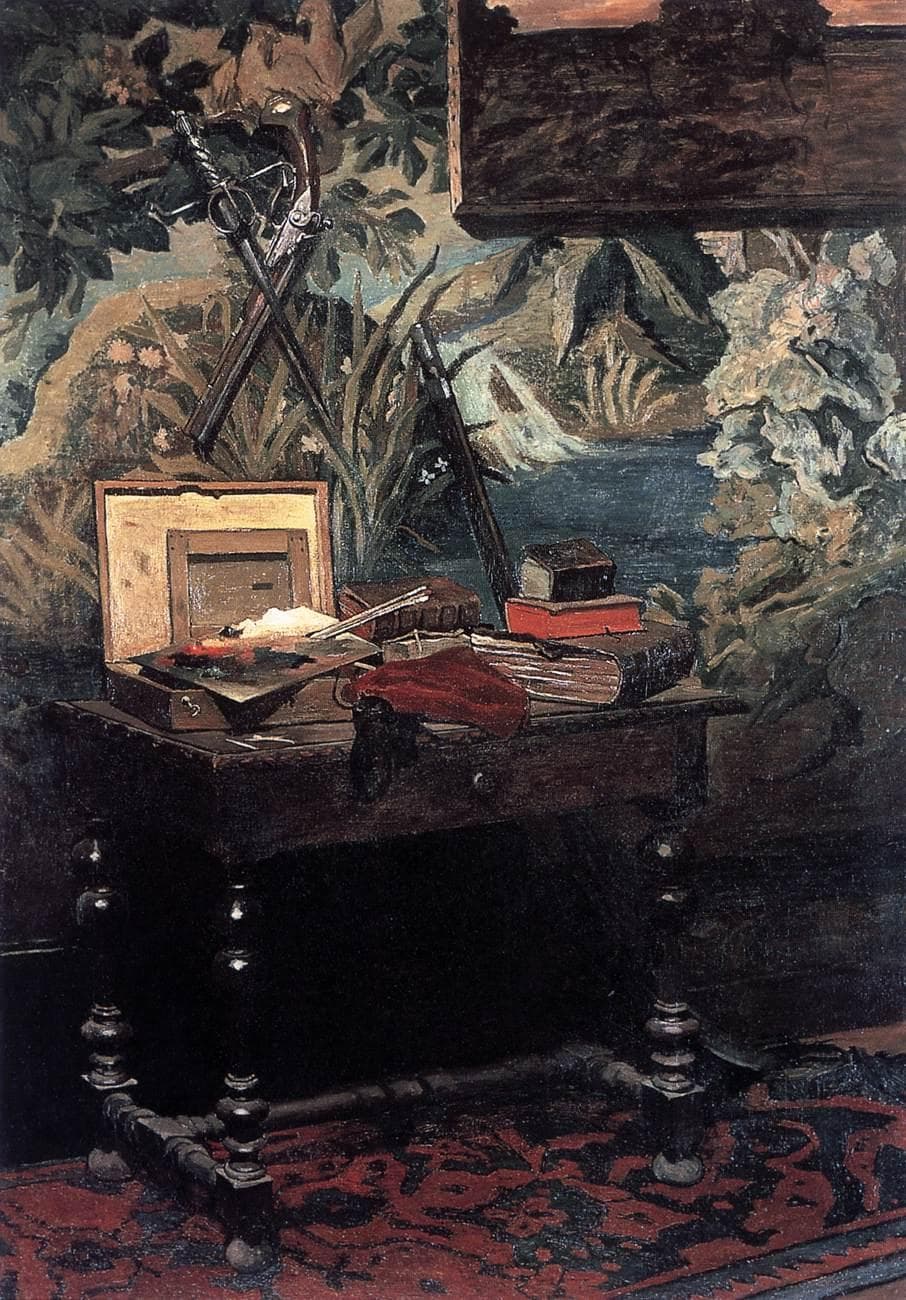
Corner of the Studio
Claude Monet · 1861
The collection
All 87 works in the collection
From the catalogue raisonné. Works with a full close reading are marked ✦.
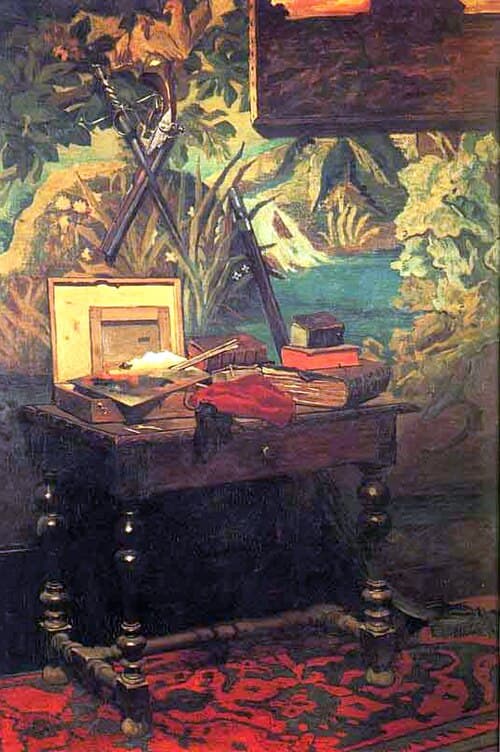
✦Corner of a Studio
1861
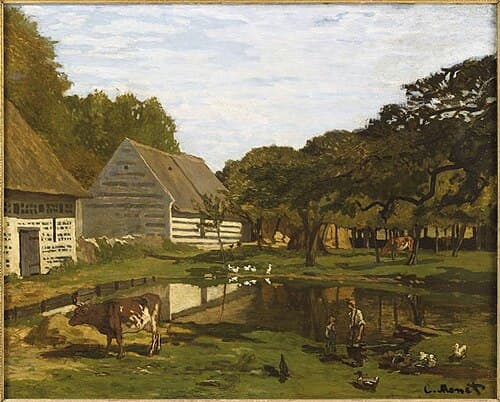
✦Farm Courtyard in Normandy
1863
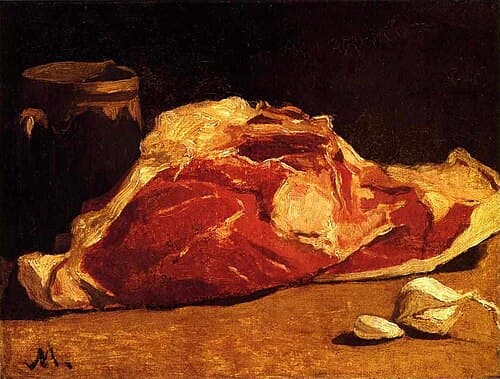
✦Still life with flesh
1864
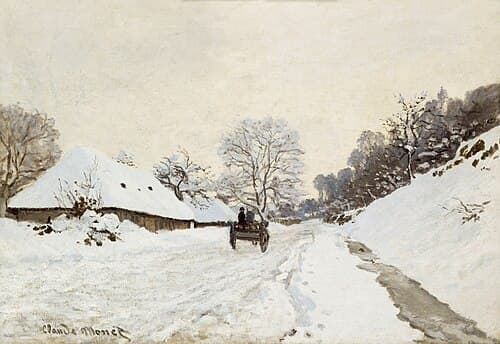
✦A Cart on the Snowy Road at Honfleur
1865
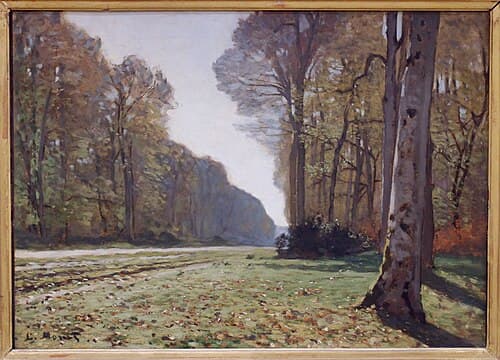
✦Le Pavé de Chailly
1865
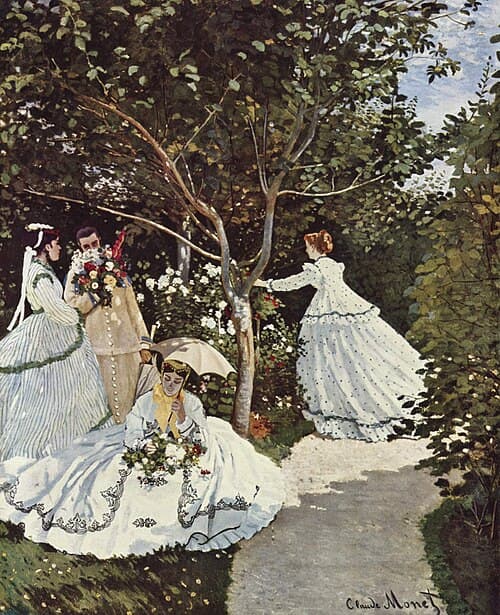
✦Women in the Garden
1866
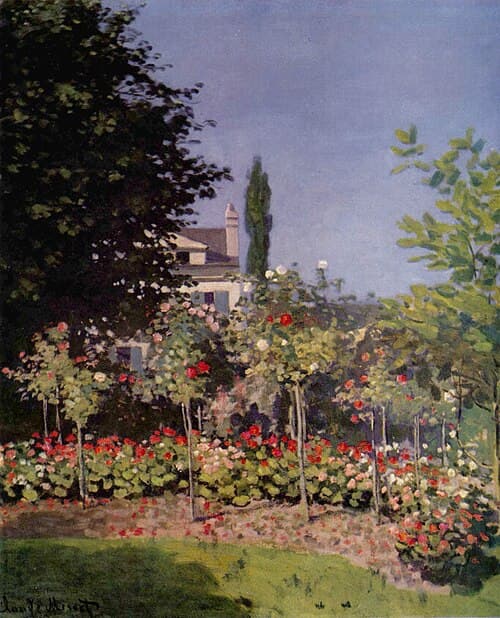
✦Blossoming Garden, Sainte-Adresse
1866
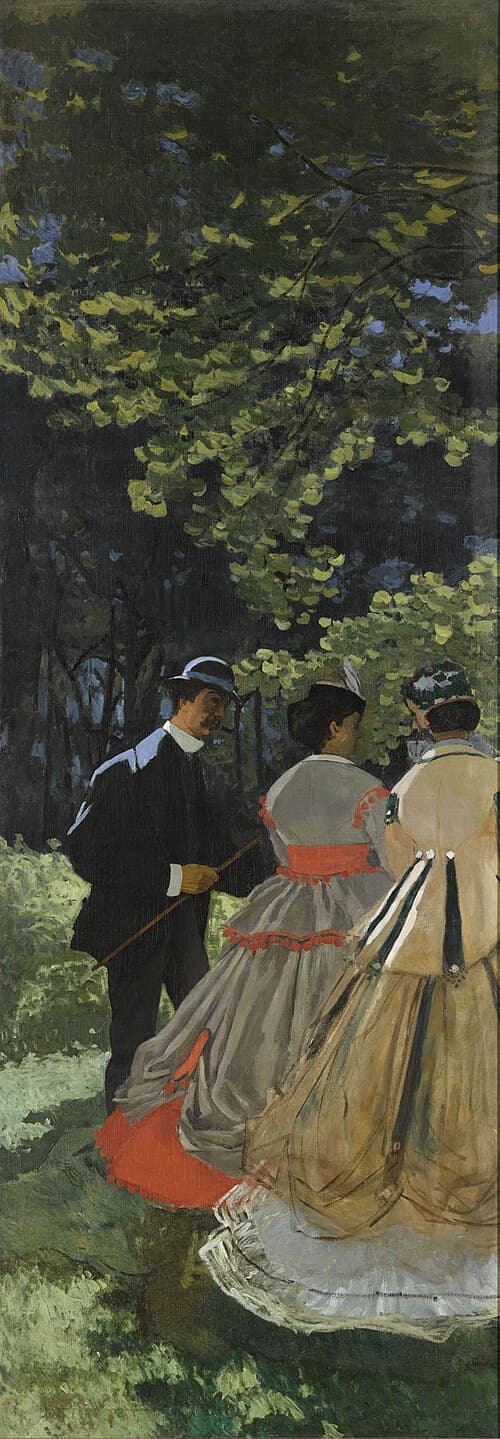
Luncheon on the Grass, Left Panel
1866
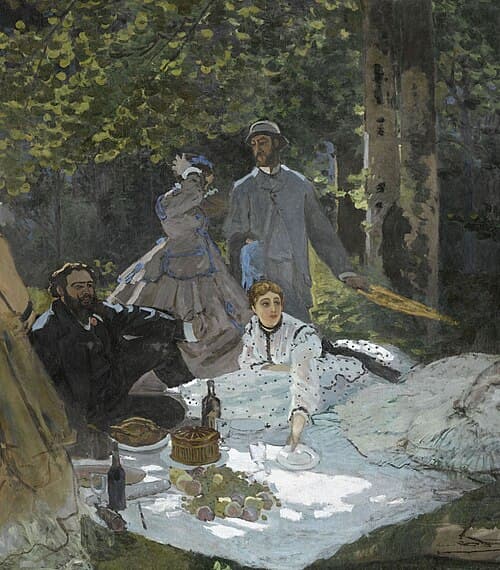
✦Luncheon on the Grass, Central Panel
1866
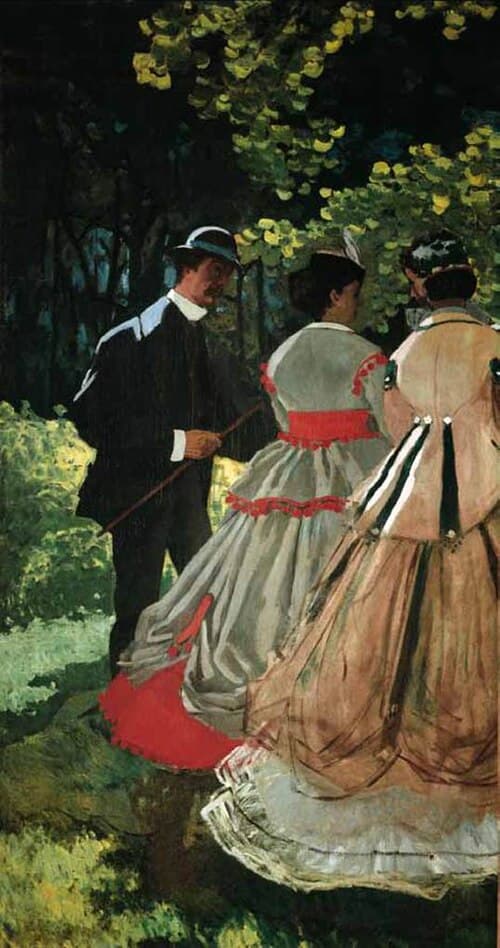
✦Luncheon on the Grass
1866
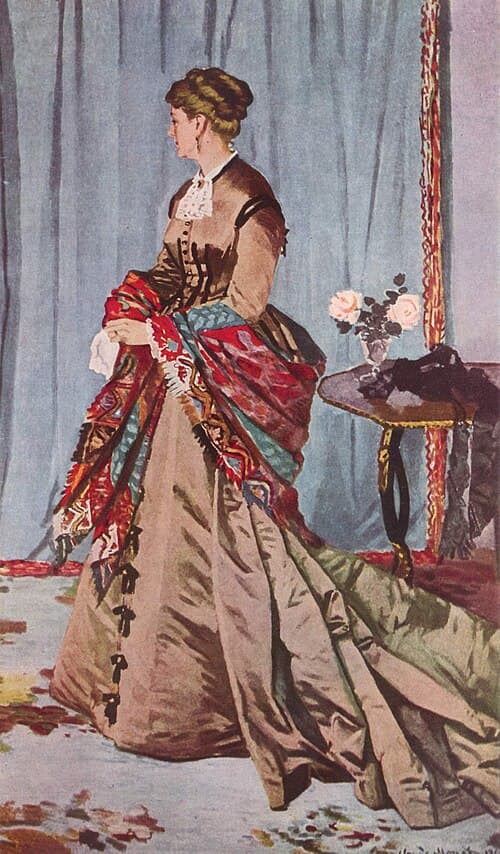
✦Madame Louis Joachim Gaudibert
1868
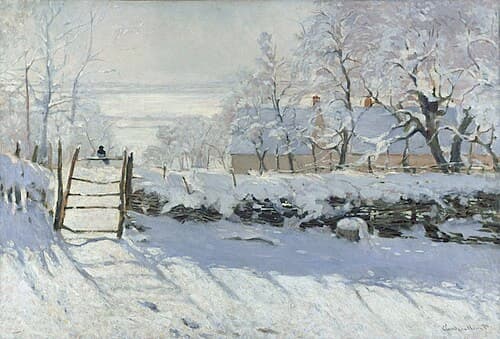
✦The Magpie
1868
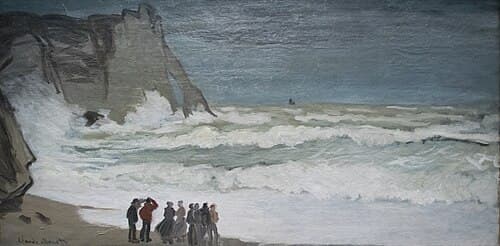
✦Heavy Sea in Étretat
1868
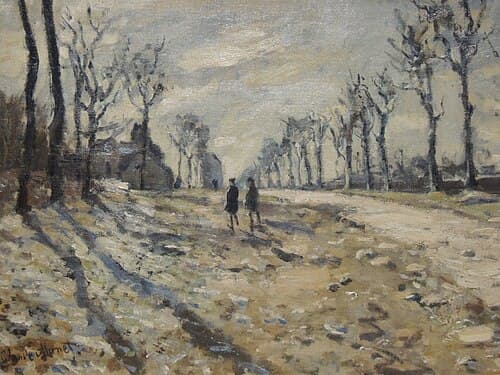
Snow at Sunset
1869
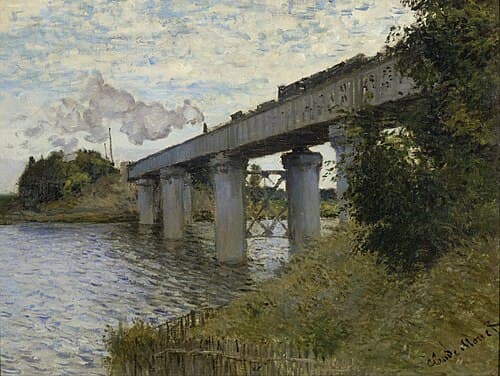
✦The Railway Bridge at Argenteuil
1870
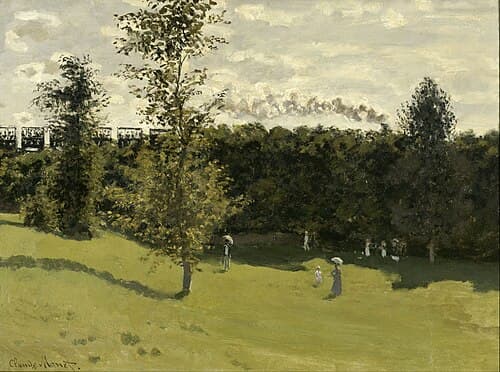
✦Train in the Countryside
1870
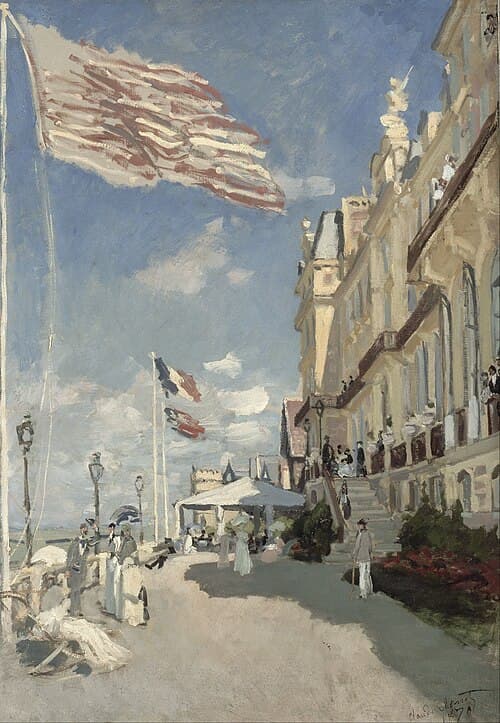
✦Hôtel des Roches Noires
1870
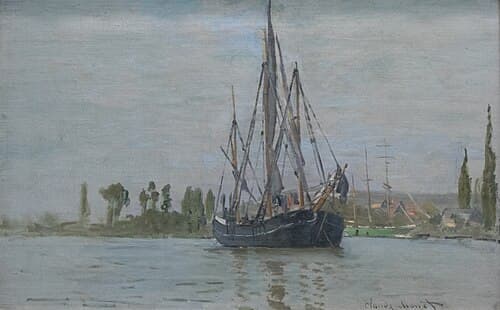
Anchored Chasse-marée
1871
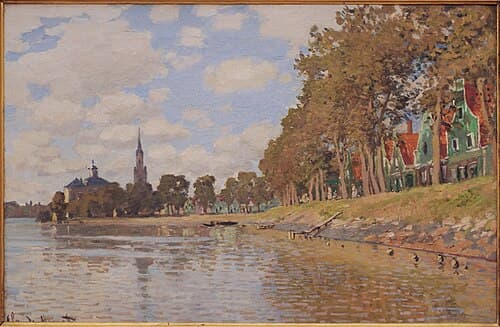
✦Zaandam
1871
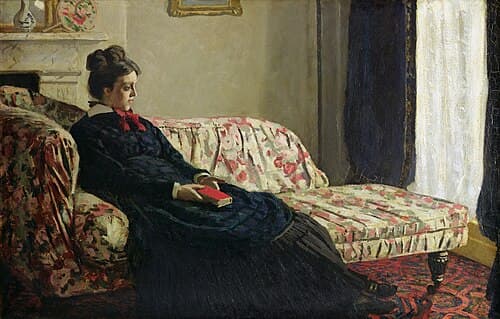
✦Meditation. Madame Monet on the Sofa
1871
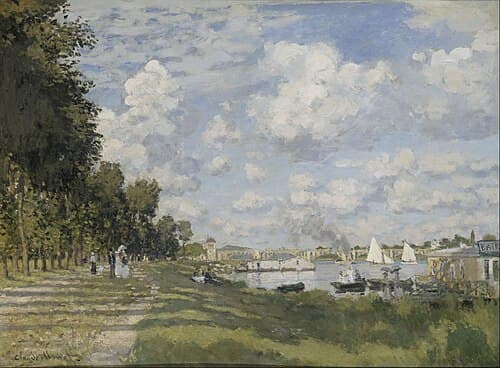
✦Le Bassin d'Argenteuil
1872
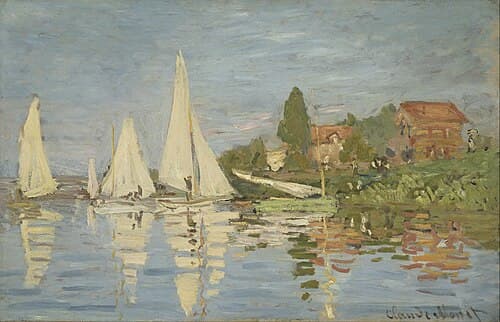
✦Régates à Argenteuil
1872
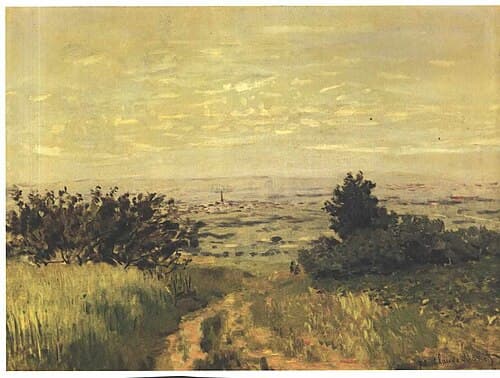
✦View to the plain of Argenteuil
1872
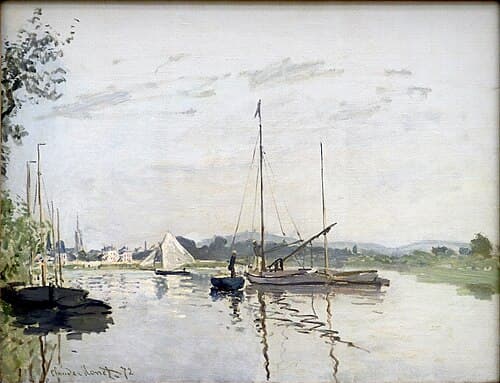
✦Argenteuil
1872
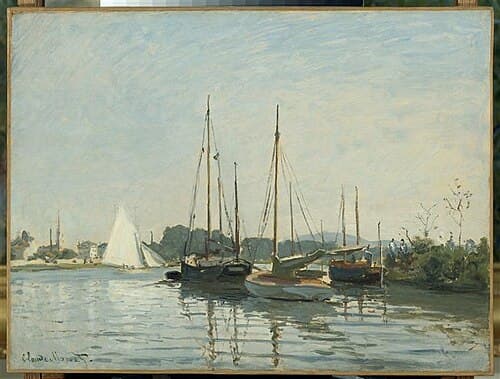
Pleasure Crafts
1872
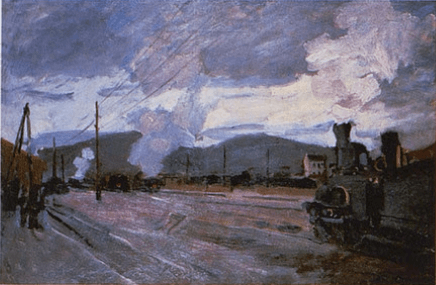
Argenteuil Station
1872
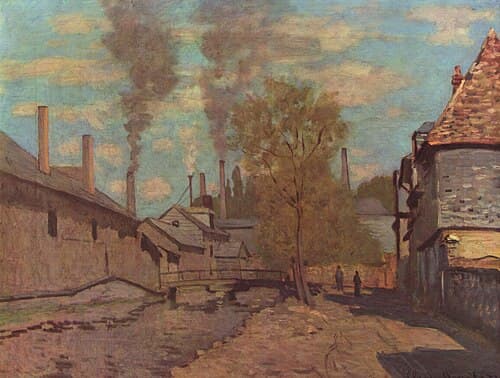
Robec Stream
1872
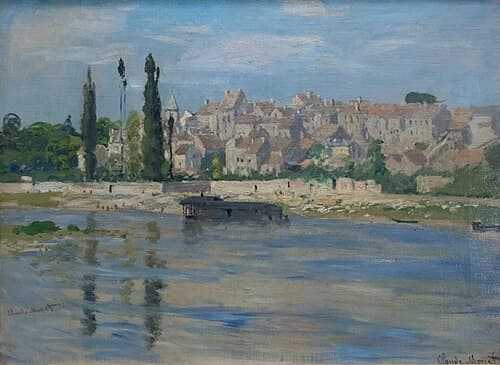
✦Carrières-Saint-Denis
1872
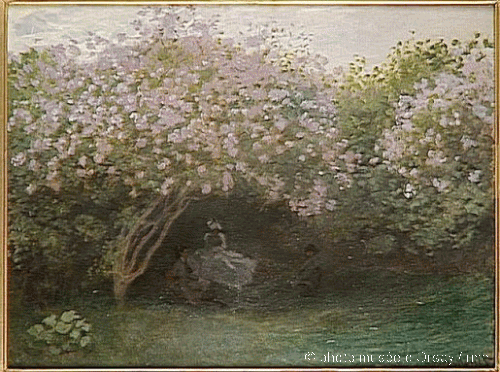
✦Lilas, Temps gris
1873
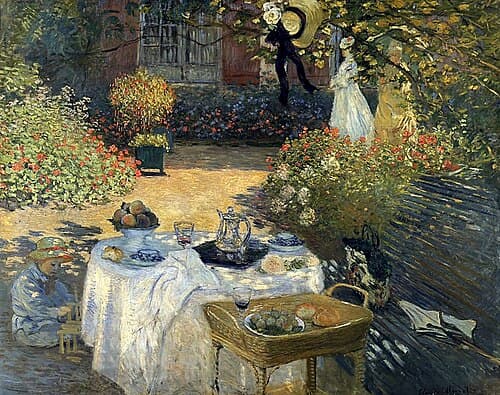
✦The Luncheon
1873
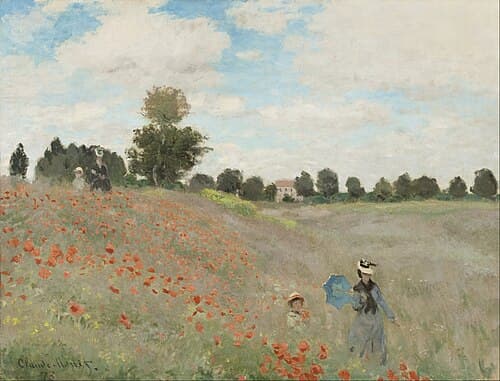
✦The Poppy Field near Argenteuil
1873
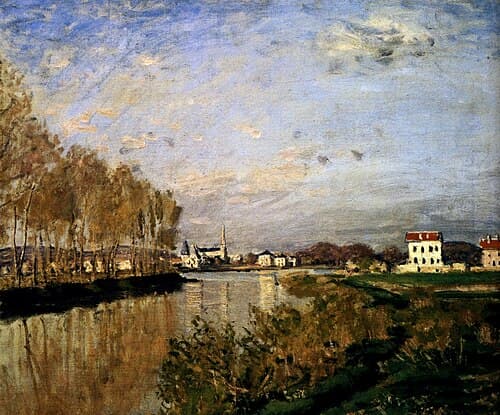
✦The Seine in Argenteuil
1873
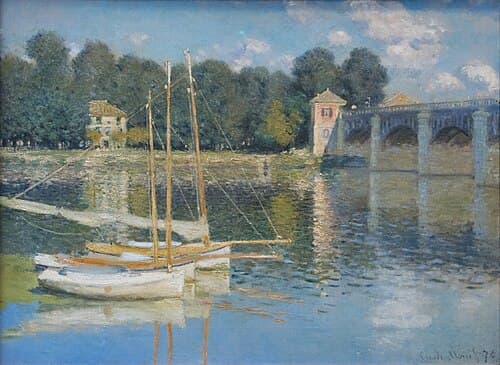
✦The Railway Bridge at Argenteuil
1874
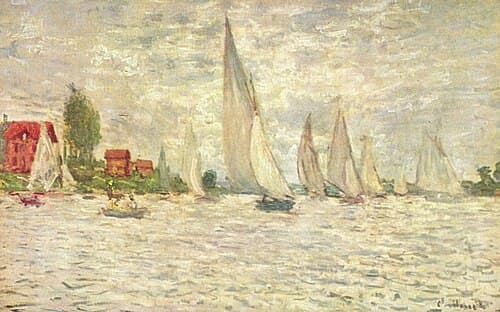
Les barques. Régates à Argenteuil
1874
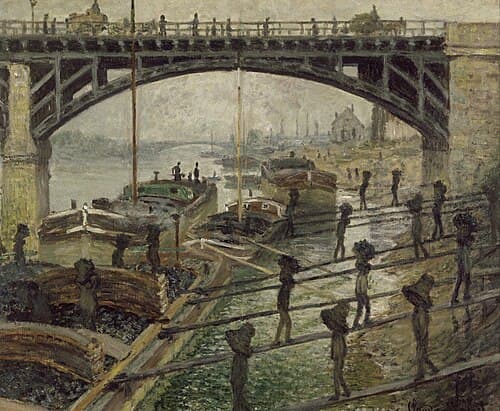
✦The Coalmen
1875
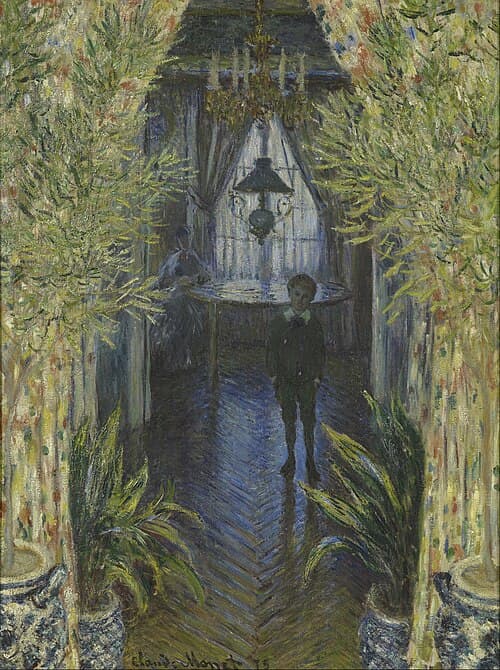
Apartment Corner
1875
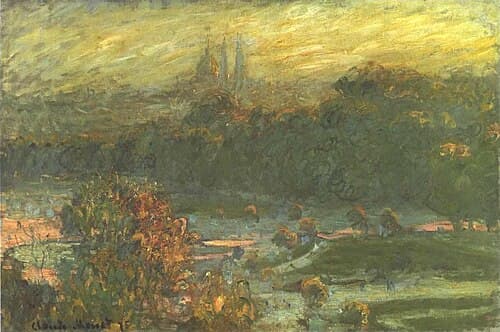
Jardin des Tuileries
1875
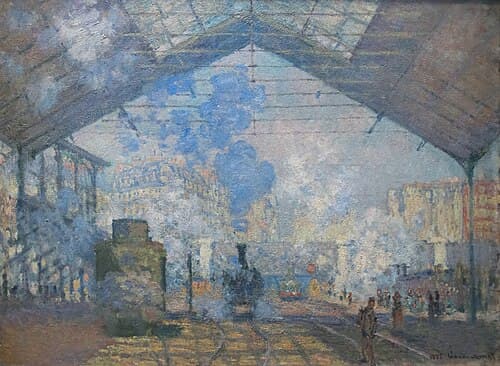
✦La Gare Saint-Lazare
1877
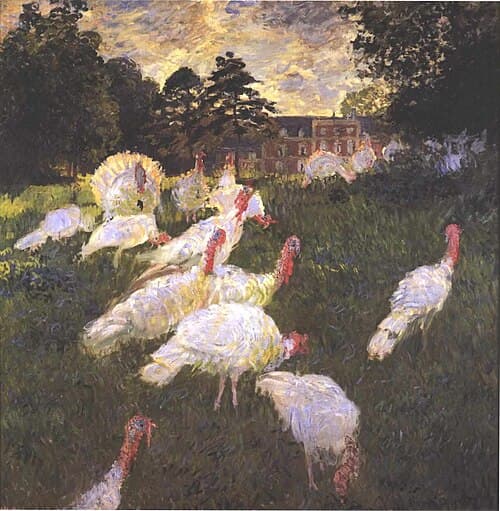
✦The Turkeys
1877
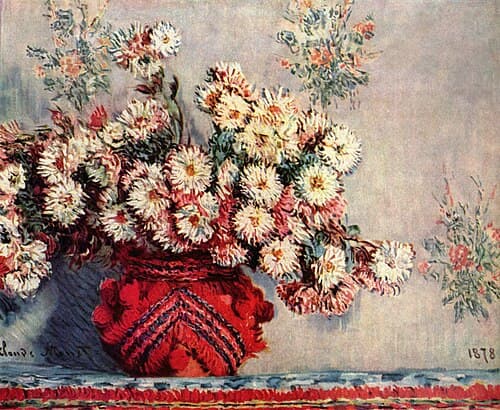
✦Chrysanths
1878
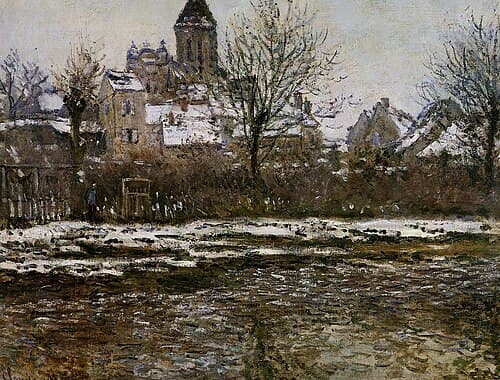
✦Snow Effect in Vétheuil
1878
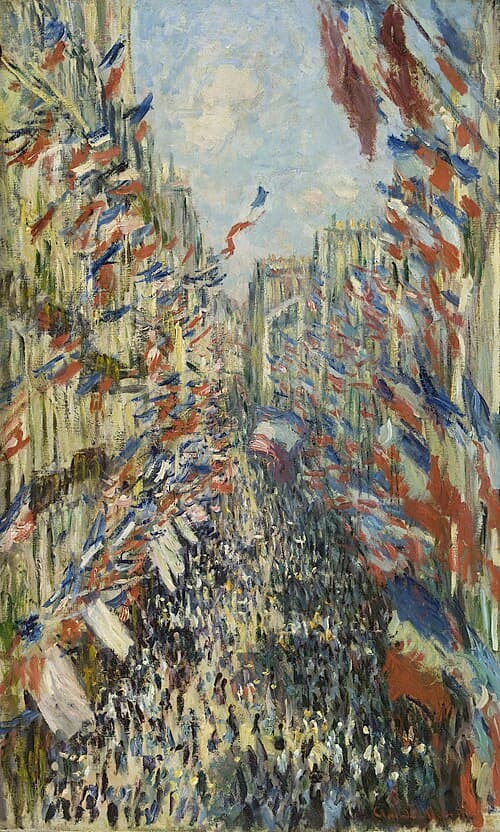
✦La Rue Montorgueil
1878
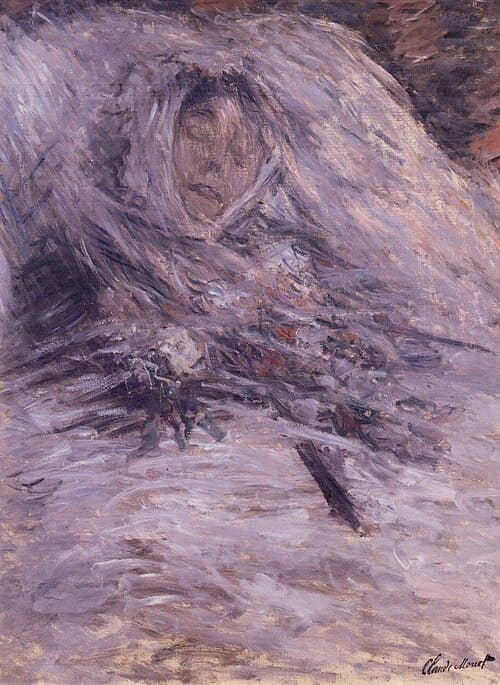
✦Camille Monet on her deathbed
1879
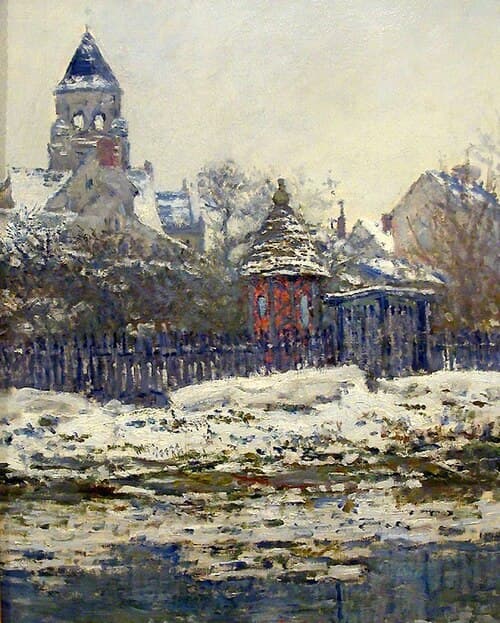
✦Vétheuil Church
1879
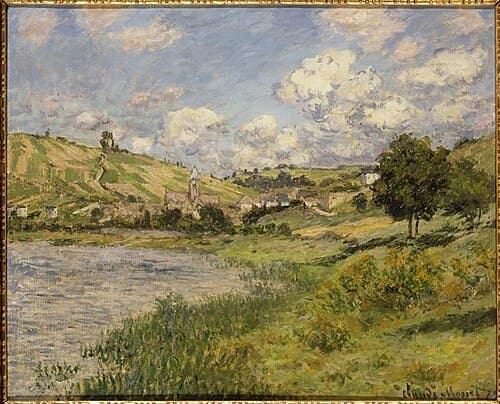
Landscape. Vétheuil
1879
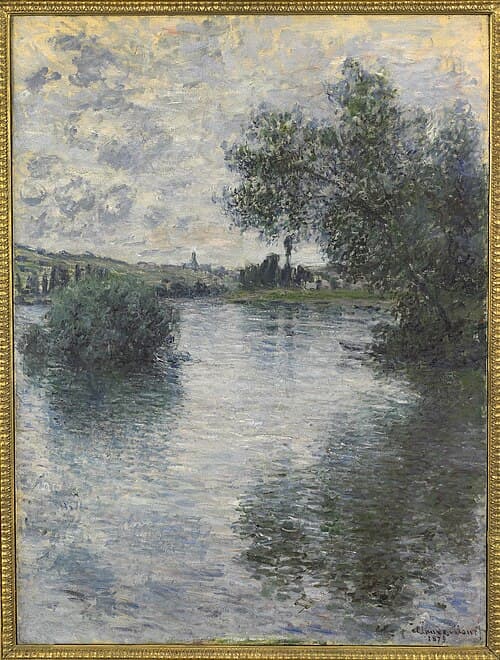
The Seine at Vétheuil
1879
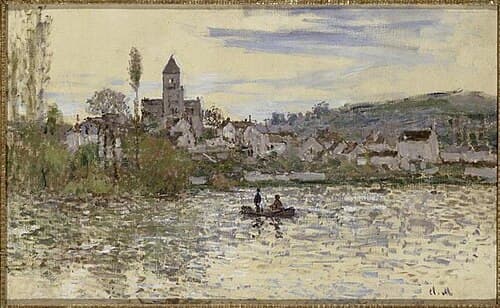
The Seine at Vétheuil
1879
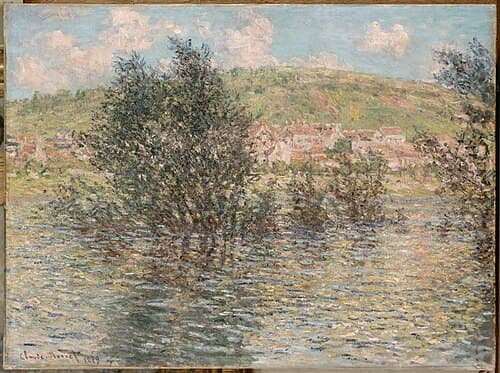
The Seine at Vétheuil, Sun Effect after Rain
1879
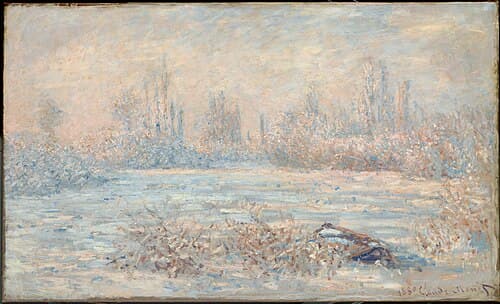
Frost
1880
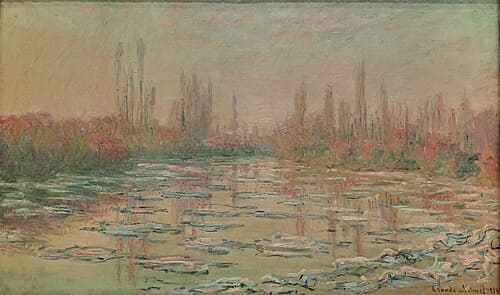
Floating Ice on the Seine
1880
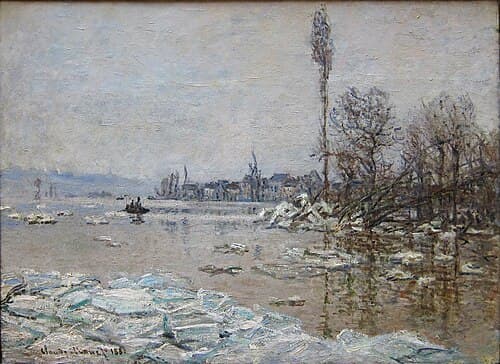
Debacle at Vétheuil, View of Lavacourt
1880
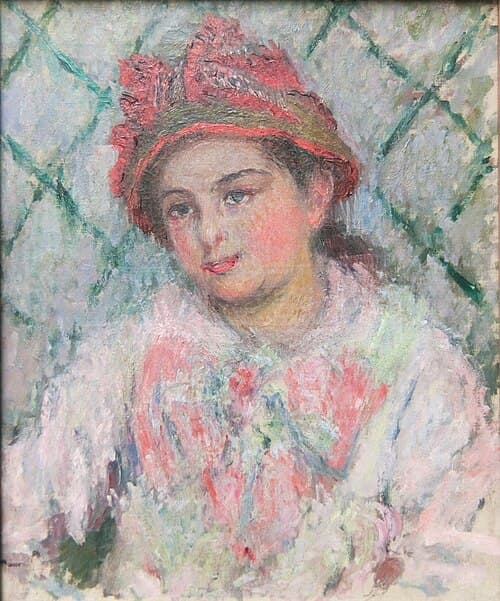
Blanche Hoschedé as a Child
1880
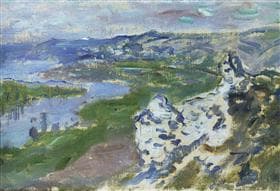
The Seine, from Chantemesle's Heights
1881
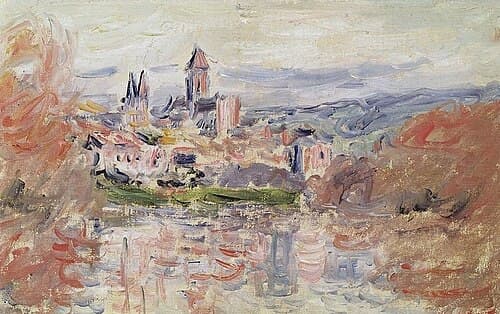
Vétheuil Village
1881
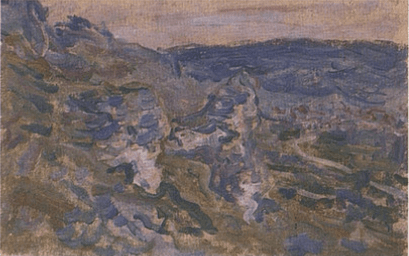
Hillsides near Vétheuil
1881
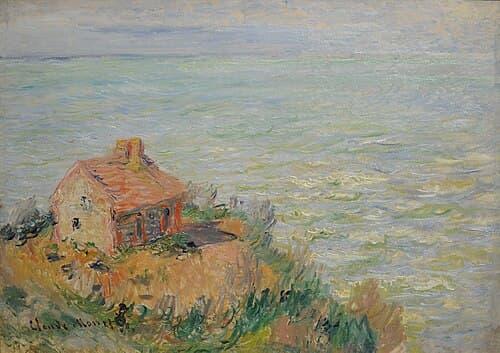
Customs House. Afternoon Effect
1882
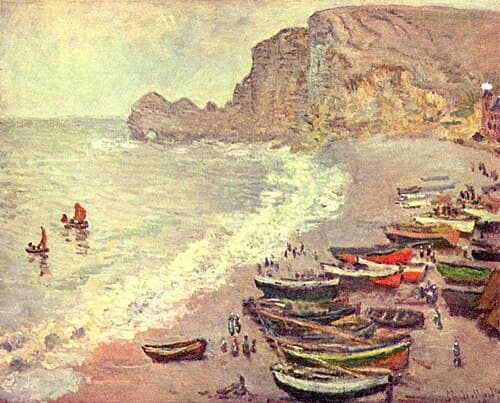
✦Étretat: The Beach and the Porte d'Amont
1883
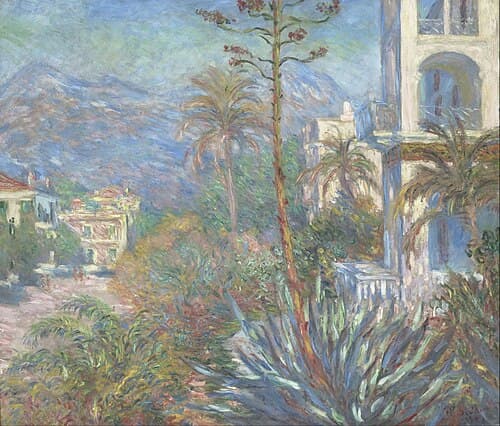
✦Villas at Bordighera
1884
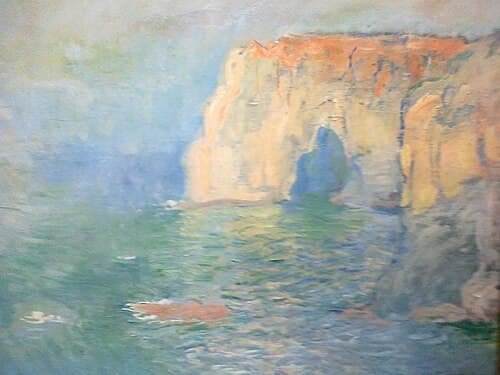
✦Étretat, the Manneporte, Reflection on Water
1885
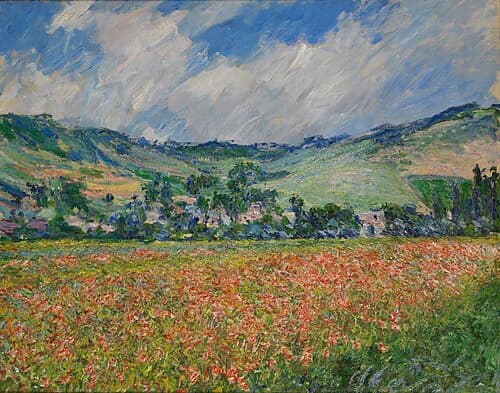
✦Poppy Field. Around Giverny
1885
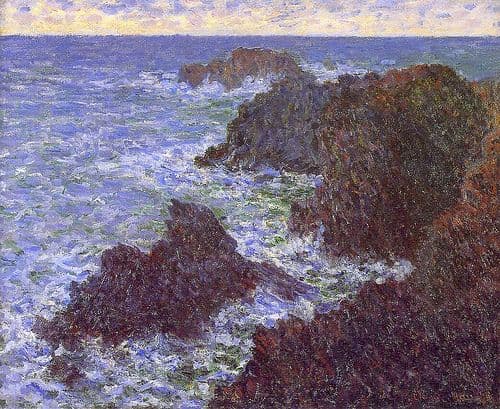
✦Belle-Île Rocks, Côte Sauvage
1886
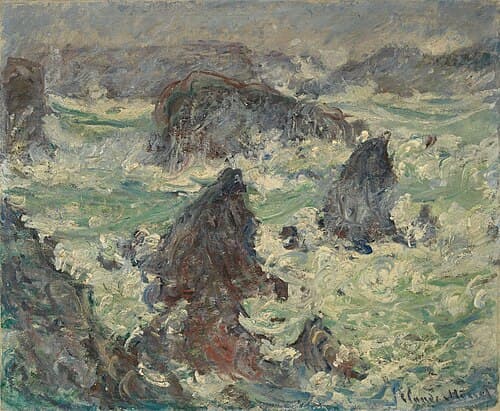
Tempête sur les Côtes de Belle-Île
1886
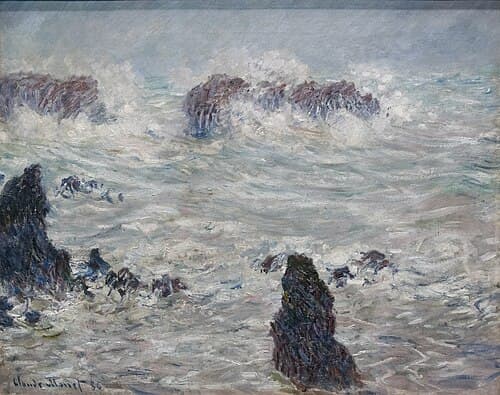
✦Tempête, côtes de Belle-Ile
1886
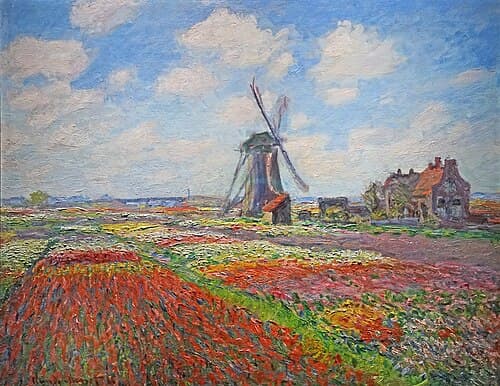
✦Tulip Field in Holland
1886
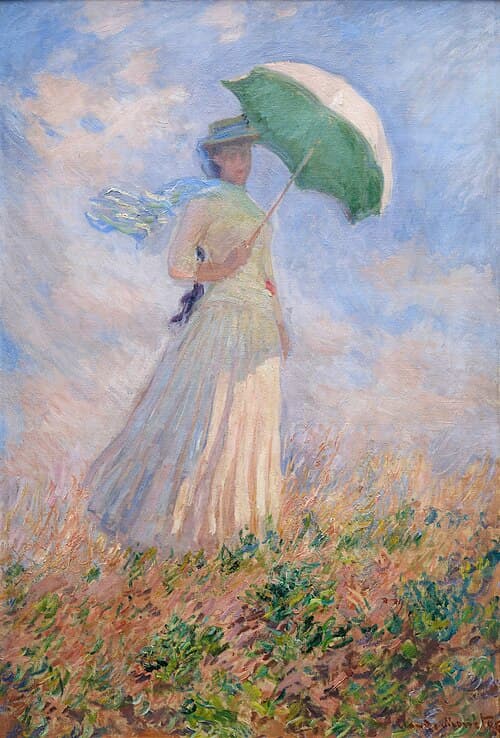
✦Femme à l'ombrelle tournée vers la droite
1886
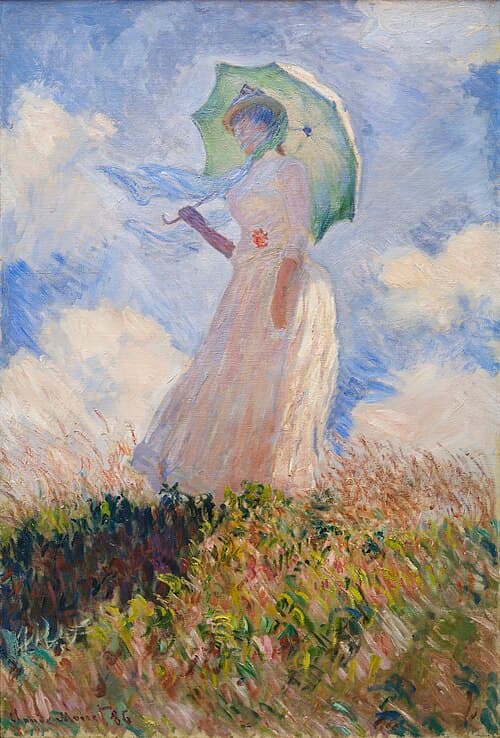
✦Woman with a Parasol, facing left
1886
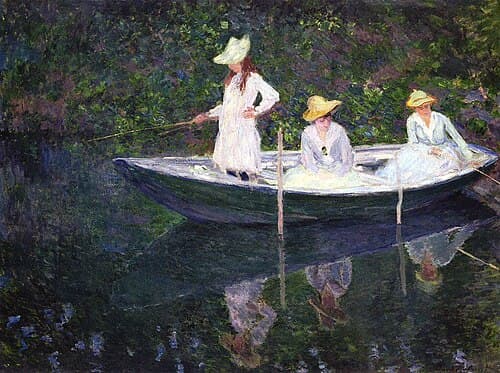
✦La barque à Giverny
1887
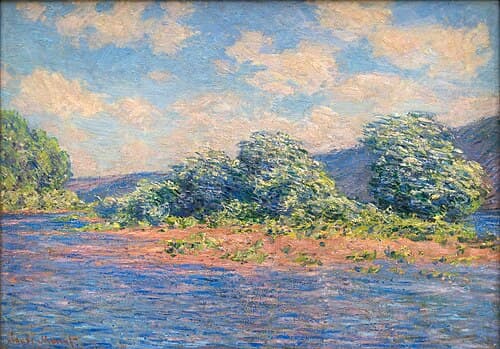
The Seine at Port-Villez
1890
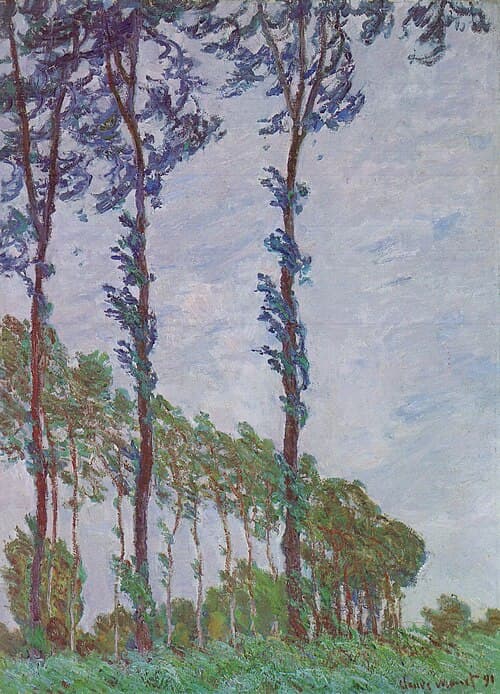
Wind Effect, Row of Poplars
1891
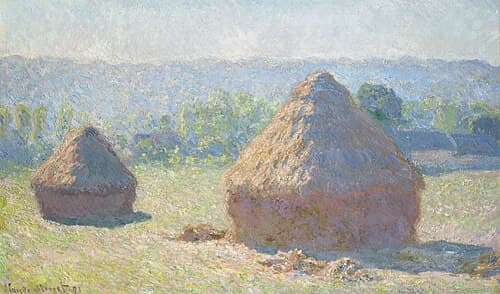
Haystacks, end of Summer
1891
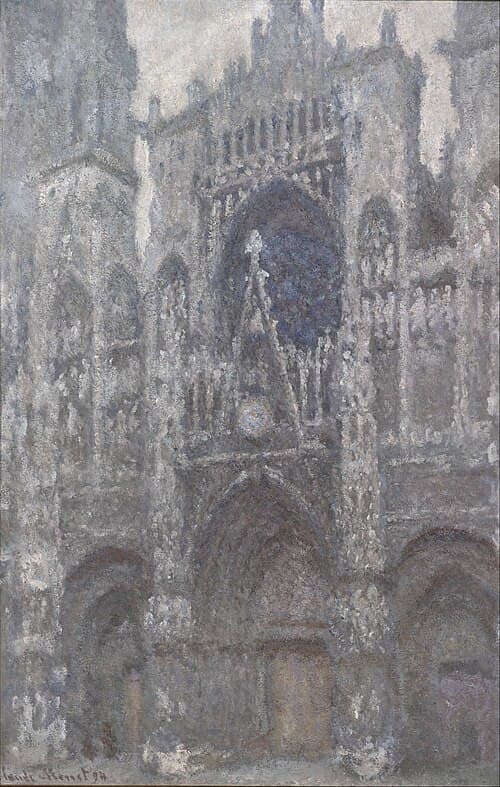
Rouen Cathedral, Portal, Cloudy Weather
1892
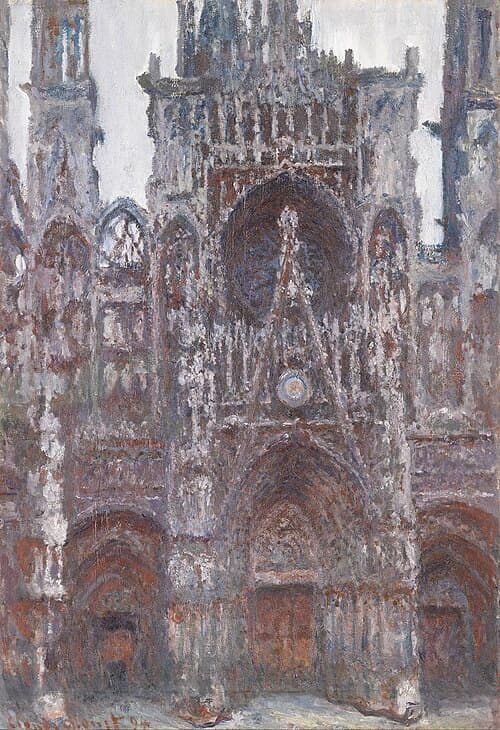
Rouen Cathedral, Portal, Front View
1892
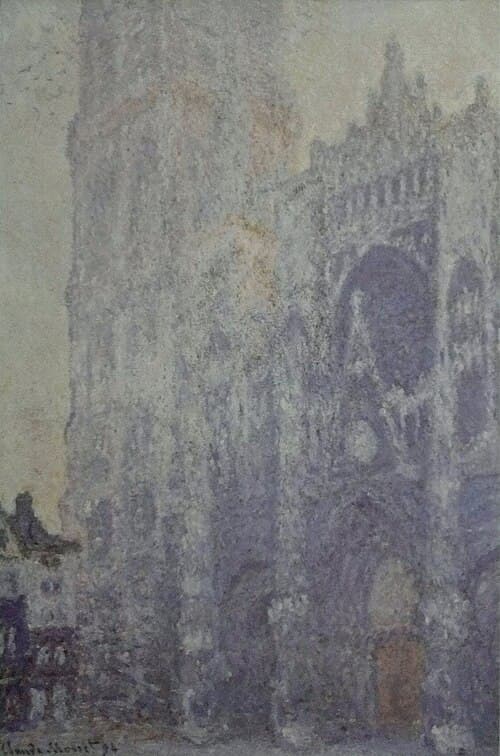
✦Rouen Cathedral, Portal and Tower Saint-Romain, Morning Light
1893
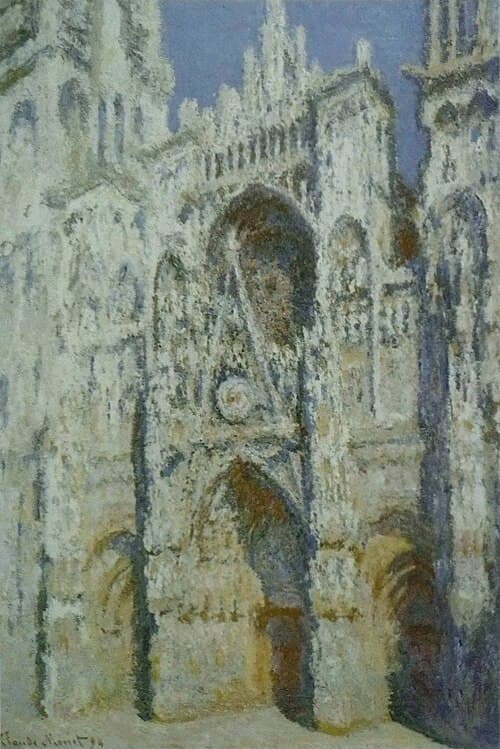
✦Rouen Cathedral, Portal and Tower Saint-Romain in the Sun
1893
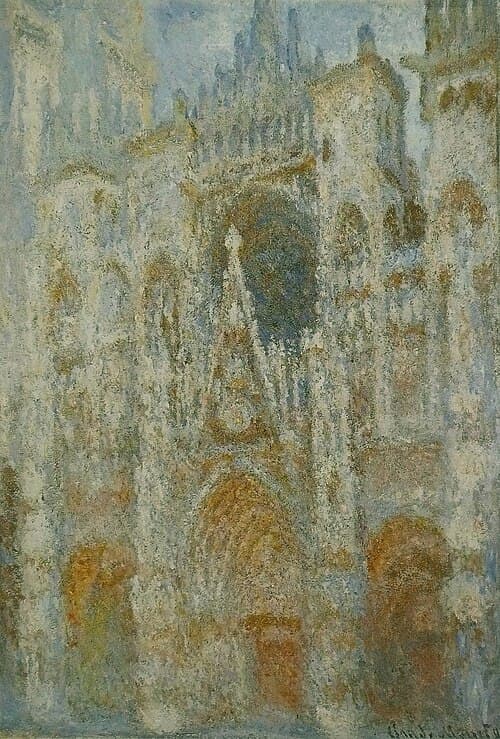
Rouen Cathedral, Portal, Morning Sun
1893
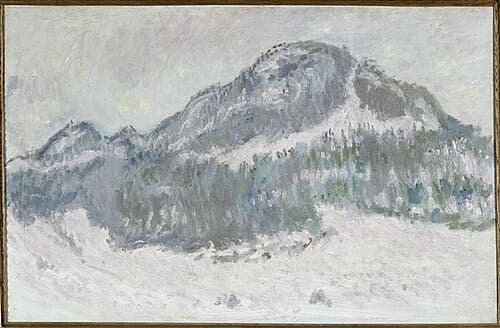
Kolsaas Mount, Norway
1895
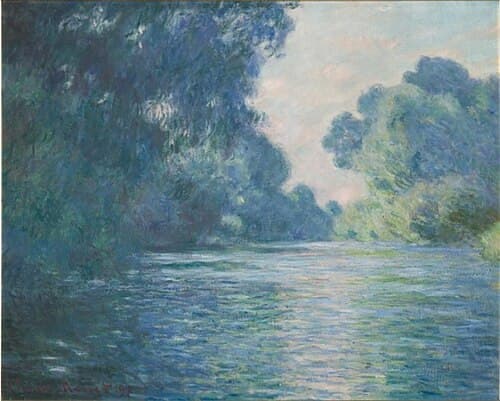
✦Arm of the Seine near Giverny
1897
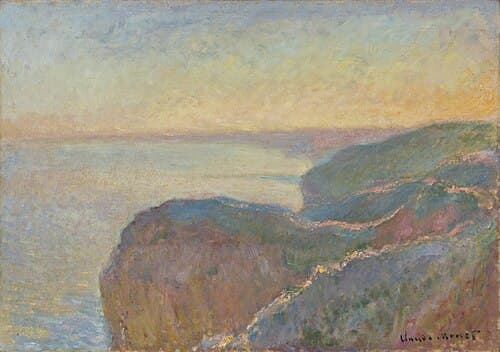
✦Sur la falaise de Dieppe
1897
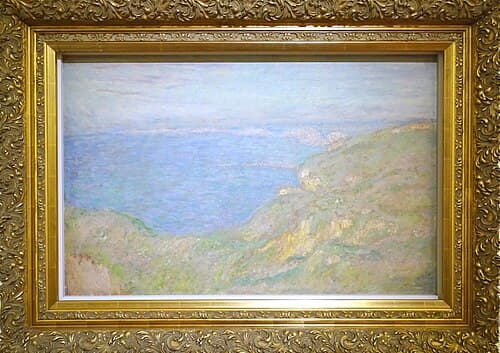
Fécamp Cliff
1897
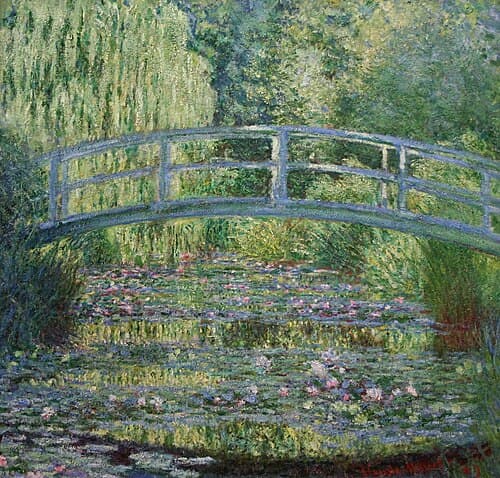
✦The Water Lily Pond: Green Harmony
1899
✦Le Bassin aux nymphéas, Harmonie rose
1900
Vétheuil, Sunset
1900
✦The artist's garden at Giverny
1900
✦London, the Houses of Parliament, Sunlight Opening in Fog
1904
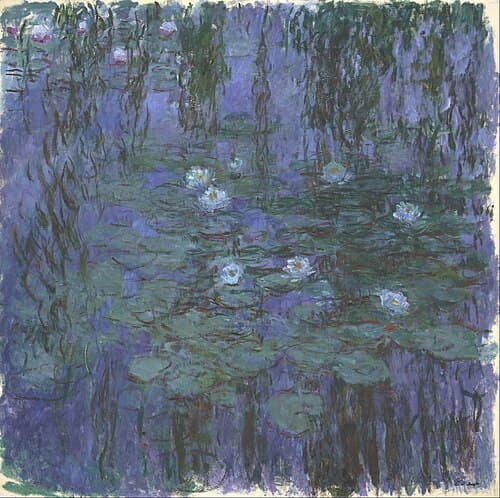
Blue Water Lilies
1916
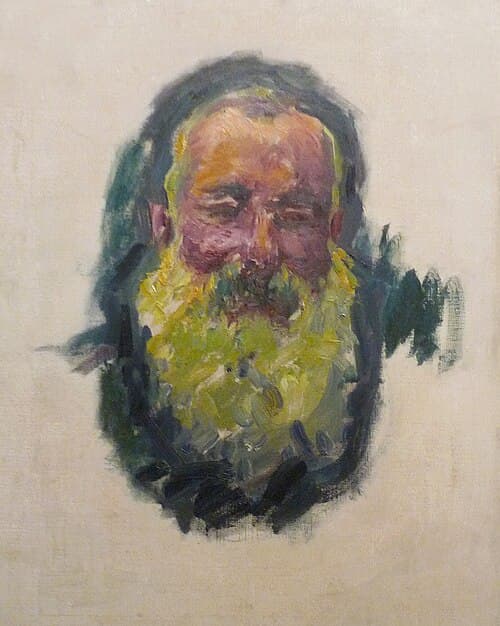
✦Autoportrait
1917
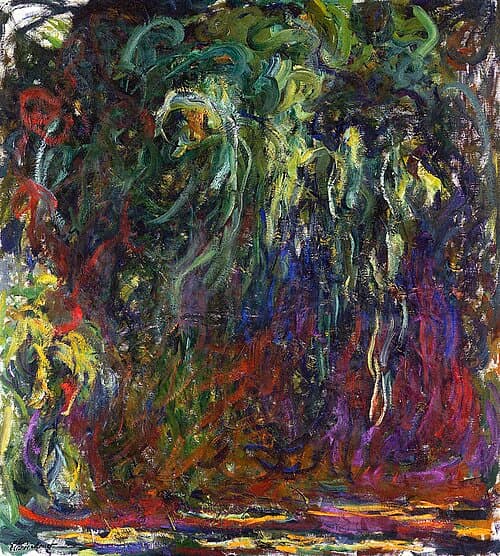
✦Weeping Willow
1921
How France came to own Monet
For most of Monet's life the French state bought almost nothing from him. The national collection was assembled largely by gift. The first great step was the bequest of the painter and collector Gustave Caillebotte, Monet's friend and supporter, who died in 1894 and left his Impressionist pictures to the nation. The state accepted only part of the bequest, after long and bitter argument, but it included several Monets, and they went on show at the Musée du Luxembourg in 1897.
Other gifts followed. Étienne Moreau-Nélaton gave his collection in 1906, and in 1911 the banker Isaac de Camondo bequeathed a magnificent group including Rouen Cathedrals. In 1921, with Clemenceau's encouragement, the state finally bought a major painting directly from the artist: Women in the Garden, which the Salon had rejected more than fifty years earlier. Later gifts, purchases and the recovery of works looted during the Second World War completed the collection. It was shown at the Jeu de Paume in the Tuileries from 1947, and moved to the converted Orsay railway station when the museum opened in 1986.
The 1860s: ambition on a grand scale
Monet's early pictures were enormous. Women in the Garden (1866–67) stands over two and a half meters tall; he painted it outdoors at Ville-d'Avray and dug a trench in the garden so he could lower the canvas and reach the top. Camille Doncieux posed for several of the four women. The light falls in patches through leaves onto white dresses, the shadows are colored, and the faces are barely described: the subject is sunlight on fabric.
Next to it are the surviving pieces of Luncheon on the Grass (1865–66), Monet's answer to Manet's scandalous picture of the same name. Monet left the huge canvas with a landlord as security for unpaid rent; it was damaged by damp, and he later cut it up. Two fragments are at Orsay. A smaller sketch of the whole composition is in the Pushkin Museum, Moscow.
From the same decade come The Magpie (1868–69), a snowy field near Étretat with a single black bird on a gate, perhaps the most beautiful study of white in nineteenth-century painting, and A Cart on the Snowy Road at Honfleur.
The Impressionist decade
The 1870s are the core of any visit. Poppy Field (1873), shown at the first Impressionist exhibition in 1874, sets two pairs of figures, probably Camille and Jean, wading through a slope of red poppies near Argenteuil. The poppies are not flowers but dabs of vermilion, larger in the foreground than the figures' faces. Nearby hang Regatta at Argenteuil (c. 1872), its reflections built from loose, almost separate strokes of pure color, The Luncheon, and The Railway Bridge at Argenteuil.
La Gare Saint-Lazare (1877) is the Orsay's picture from the station series: the glass and iron shed seen from inside, locomotives breathing blue and white steam that fills the vault. Rue Montorgueil, Paris, Celebration of 30 June 1878 is a street of flags, red, white and blue flickering down the whole height of the canvas.
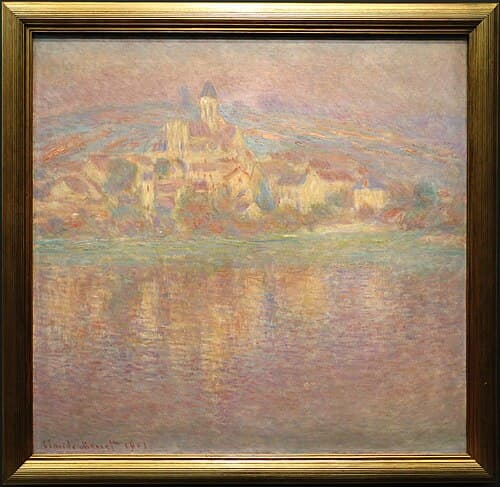
From Vétheuil there is Camille Monet on Her Deathbed (1879) and snowy views of the church.
Figures in the wind and the series
In 1886 Monet painted two pendants, Woman with a Parasol, Facing Left and its pair facing right, with Suzanne Hoschedé on a hilltop at Giverny. The faces are left blank; the wind, the grass and the parasol's shadow are the subject. They are among the last large figure paintings he made.
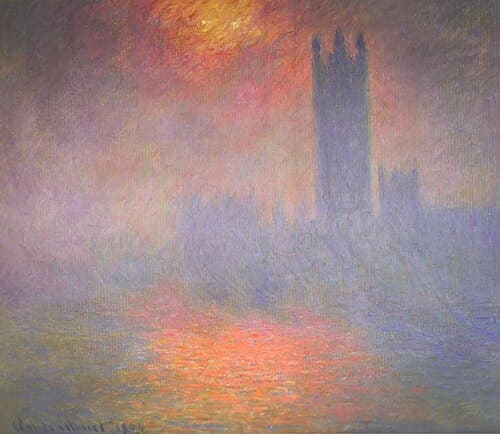
The series pictures of the 1890s are represented by five Rouen Cathedrals, including Rouen Cathedral, Portal and Tower Saint-Romain in Full Sunlight and Morning Light. When they hang side by side, as they usually do, they are the best possible demonstration of what Monet meant by painting not an object but the light on it. There is also the Belle-Île coast, and from London The Houses of Parliament, Sun Breaking Through the Fog (1904).
Giverny
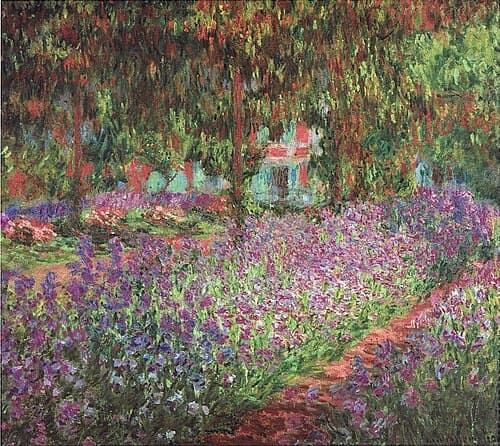
The museum's later Monets come from the garden. The Water Lily Pond, Green Harmony (1899) shows the Japanese footbridge arching across a pond packed with lily pads, and its pair in rose of 1900 shows the same view a year later, warmer and looser. The Artist's Garden at Giverny (1900) is a path of purple irises. The late Weeping Willow and Blue Water Lilies show the style of his last decade, and Monet's 1917 self-portrait, one of very few he painted, is a rare look at the painter himself, painted with the same quick strokes as his garden.
Visiting: practical notes
- Where: the Musée d'Orsay is on the Left Bank of the Seine in the 7th arrondissement, across the river from the Tuileries and a short walk from the Orangerie.
- Opening times (from the museum's website): Tuesday to Sunday, 9:30 am to 6 pm, with a late opening on Thursdays until 9:45 pm. Closed on Mondays, 1 May and 25 December. Check the website for changes and book ahead; queues at the entrance can be long.
- Where the Monets hang: most of the Impressionist Monets are on the top floor (level 5), in the Impressionist galleries under the station's roof, where the Rouen Cathedrals, the Argenteuil and Giverny pictures hang near Renoir, Sisley, Pissarro and Degas. The large early canvases and the later works have moved between galleries over the years, and paintings are regularly lent to exhibitions, so check the museum's floor plan or online collection on the day.
- What to see first: if you have one hour, see Poppy Field, The Magpie, Women in the Garden, the Rouen Cathedrals and the two Women with a Parasol.
The Orsay lent heavily to the Monet centenary exhibitions of 2026, including Monet, painting time at the Orangerie (30 September 2026 to 25 January 2027), so some works may be across the river during that run. For other collections, see where to see Monet's paintings.
Questions & answers
How many Monet paintings are in the Musée d'Orsay?
The Musée d'Orsay holds about ninety paintings by Claude Monet, the second-largest Monet collection after the Musée Marmottan Monet. Some are on long-term deposit in regional French museums or out on loan, so the number on view in Paris at any time is lower.
What Monet paintings are at the Orsay?
Highlights include Poppy Field (1873), Women in the Garden (1866–67), fragments of Luncheon on the Grass, The Magpie, La Gare Saint-Lazare (1877), Rue Montorgueil (1878), the two Women with a Parasol (1886), five Rouen Cathedrals, The Water Lily Pond, Green Harmony (1899) and a rare self-portrait of 1917.
Which floor are the Monets on at the Musée d'Orsay?
Most of the Impressionist Monets hang on level 5, the top floor, in the Impressionist galleries under the old station roof. Some large early canvases and later works are shown elsewhere, and works go out on loan, so check the museum's floor plan or website when you visit.
Is the Musée d'Orsay open on Mondays?
No. According to the museum's website, the Musée d'Orsay is closed on Mondays. It is open Tuesday to Sunday from 9:30 am to 6 pm, with late opening until 9:45 pm on Thursdays. Check the official site before visiting.
Is Impression, Sunrise at the Musée d'Orsay?
No. Impression, Sunrise is at the Musée Marmottan Monet in western Paris. The Orsay's best-known Monet from the first Impressionist exhibition of 1874 is Poppy Field (Coquelicots), painted near Argenteuil in 1873.