Series
Monet's Water Lilies: The Nymphéas Series, 1897–1926
About 250 paintings of one pond in Giverny, from small studies of floating pads to the room-sized panels of the Orangerie.
Claude Monet's Water Lilies (Nymphéas) are a series of about 250 oil paintings of the lily pond in his garden at Giverny, Normandy, made from 1897 until his death in 1926. Monet water lilies range from small close-up studies to the eight giant panels, up to 17 meters long, installed in the Musée de l'Orangerie in Paris in 1927.
The largest single holdings are the Orangerie and the Musée Marmottan Monet, which inherited the canvases left in his studio. The rest are spread across museums in Europe, the United States and Japan, and a few remain in private hands. The series was the main work of the last three decades of Monet's life: he dug the pond, planted it, and then painted almost nothing else.
This page follows the water lilies in order, from the first studies of 1897 to the late panels, and explains how the pictures changed as the pond, the painter and his eyesight changed.
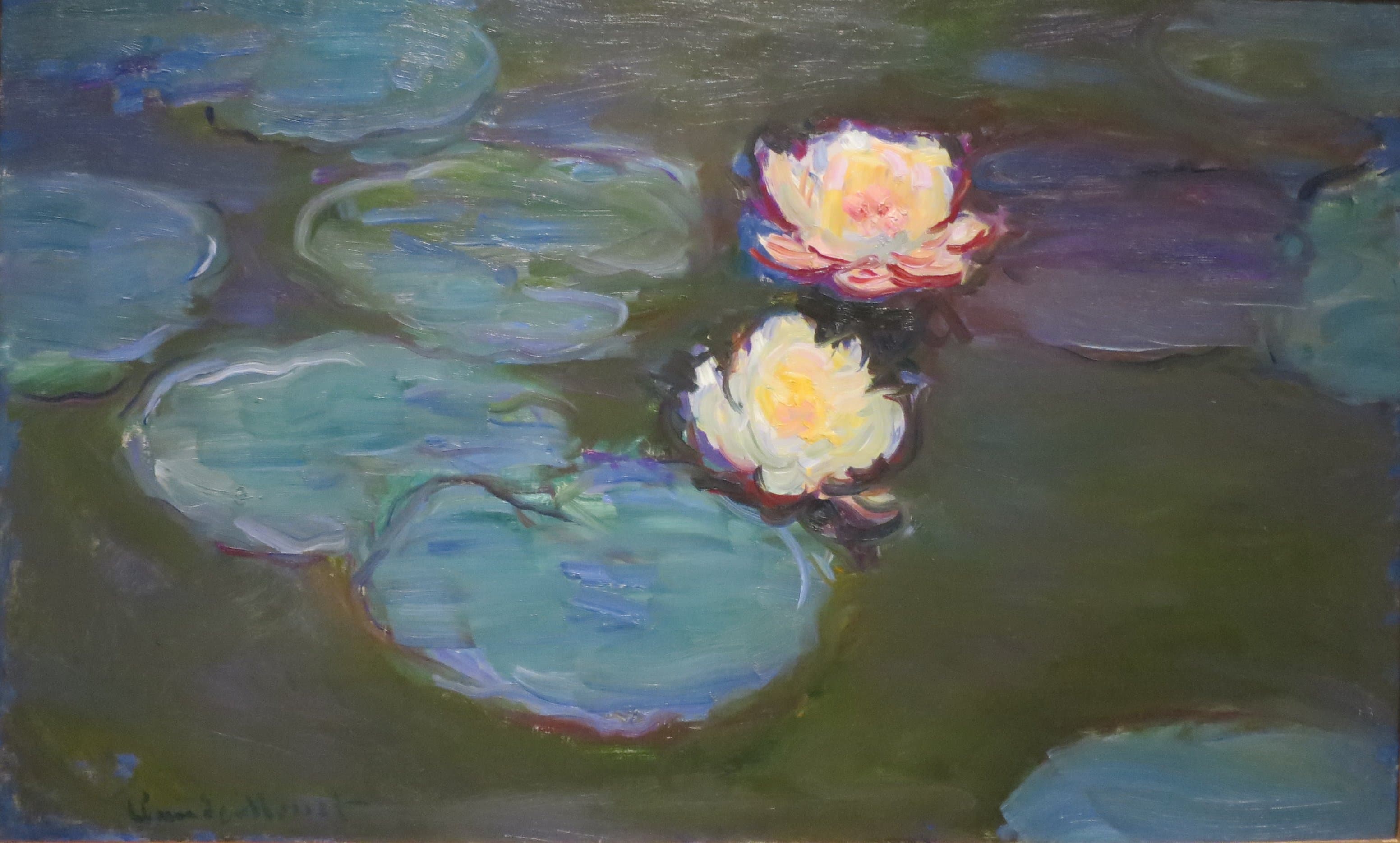
Nymphéas (Water Lilies), c. 1897–98
Claude Monet · c. 1897–98
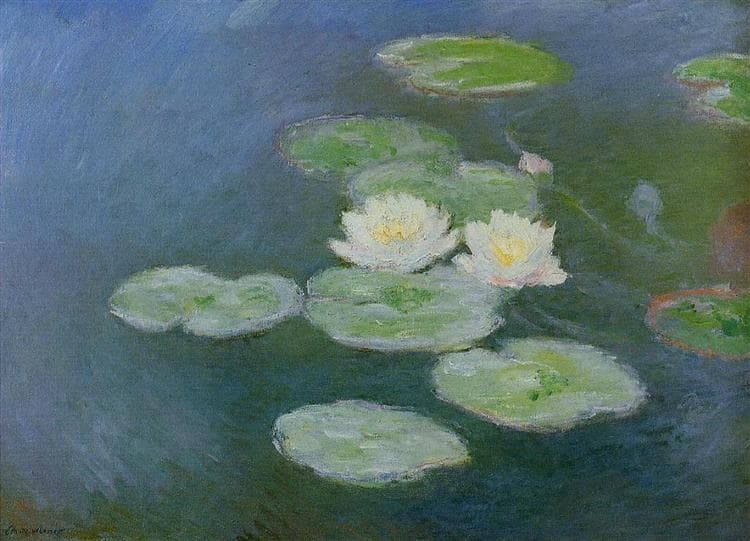
Water Lilies, Evening Effect
Claude Monet · 1897
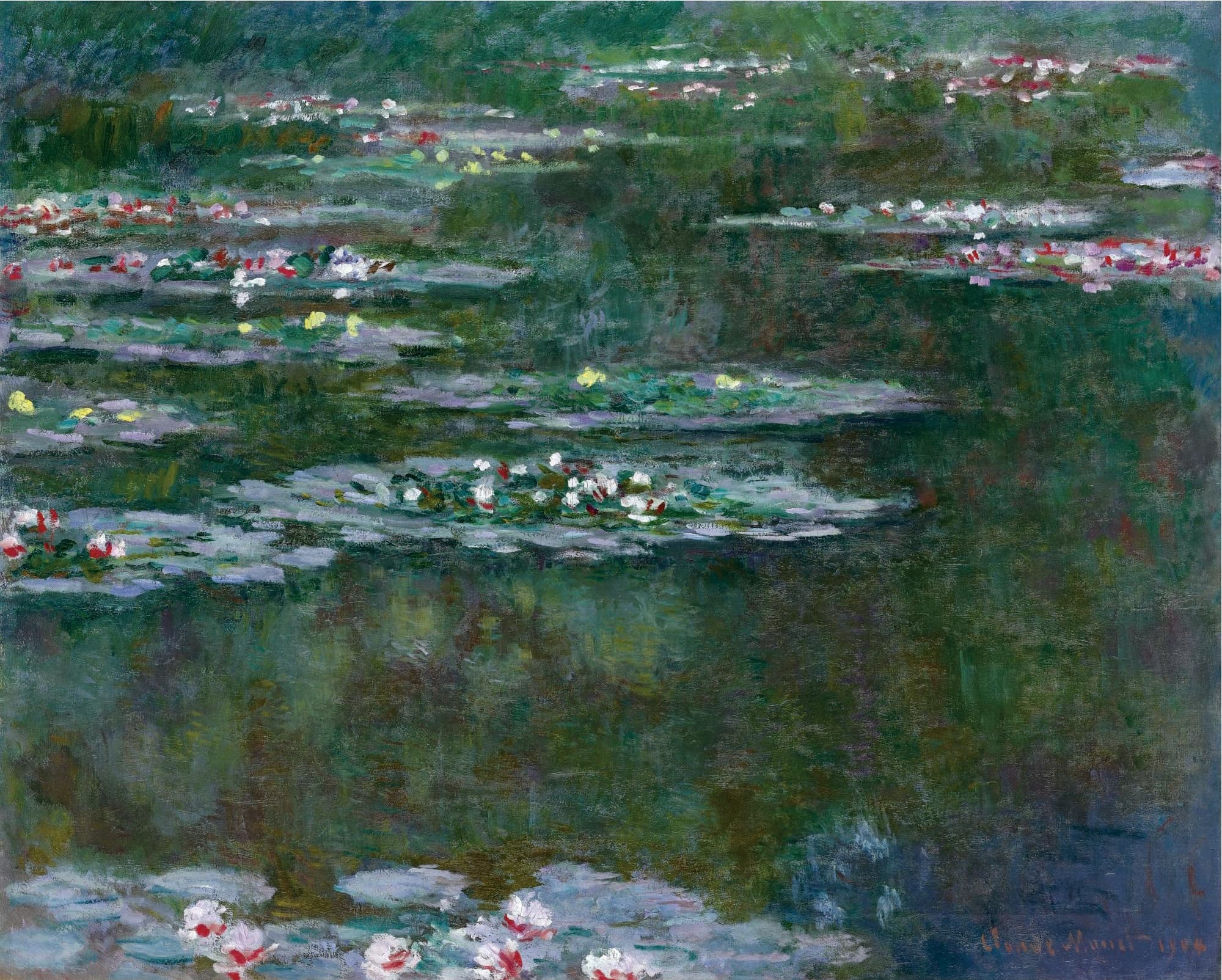
Water Lilies (1904)
Claude Monet · 1904

Water Lilies (MoMA triptych)
Claude Monet · 1914–26
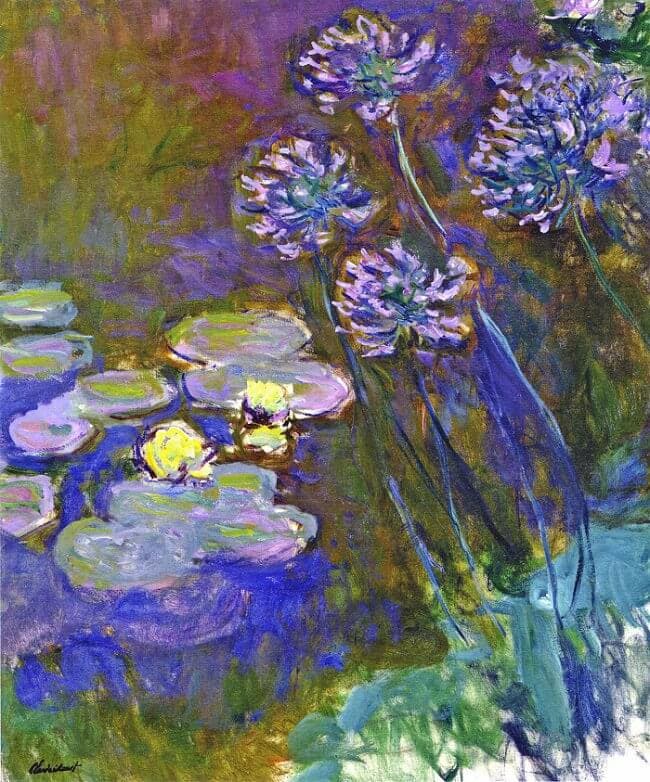
Water Lilies and Agapanthus
Claude Monet · 1914–17
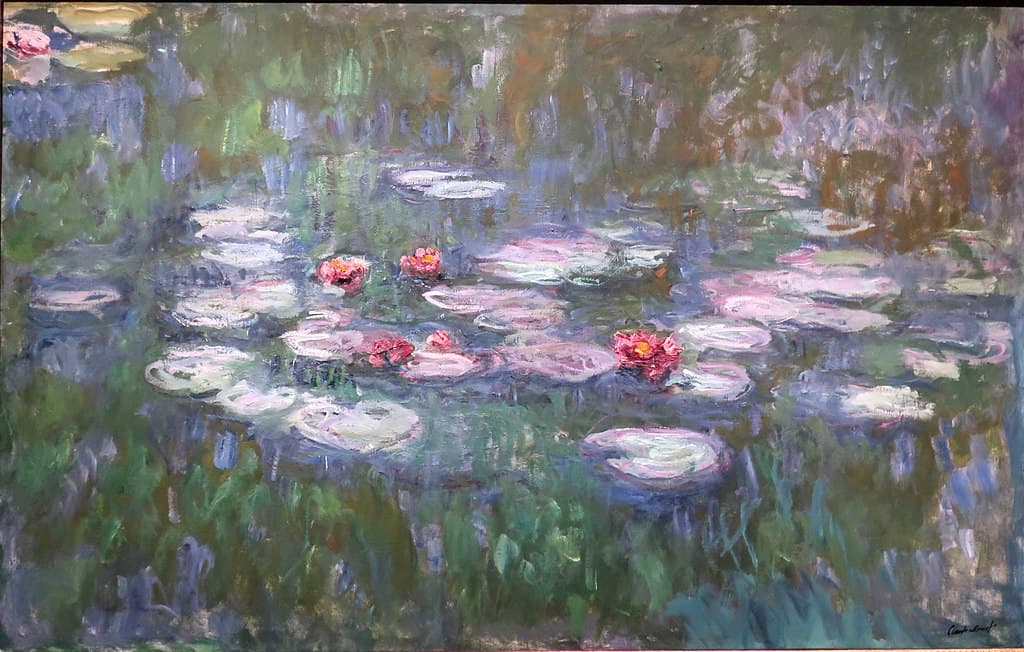
Nymphéas (Water Lilies)
Claude Monet · c. 1914–1919
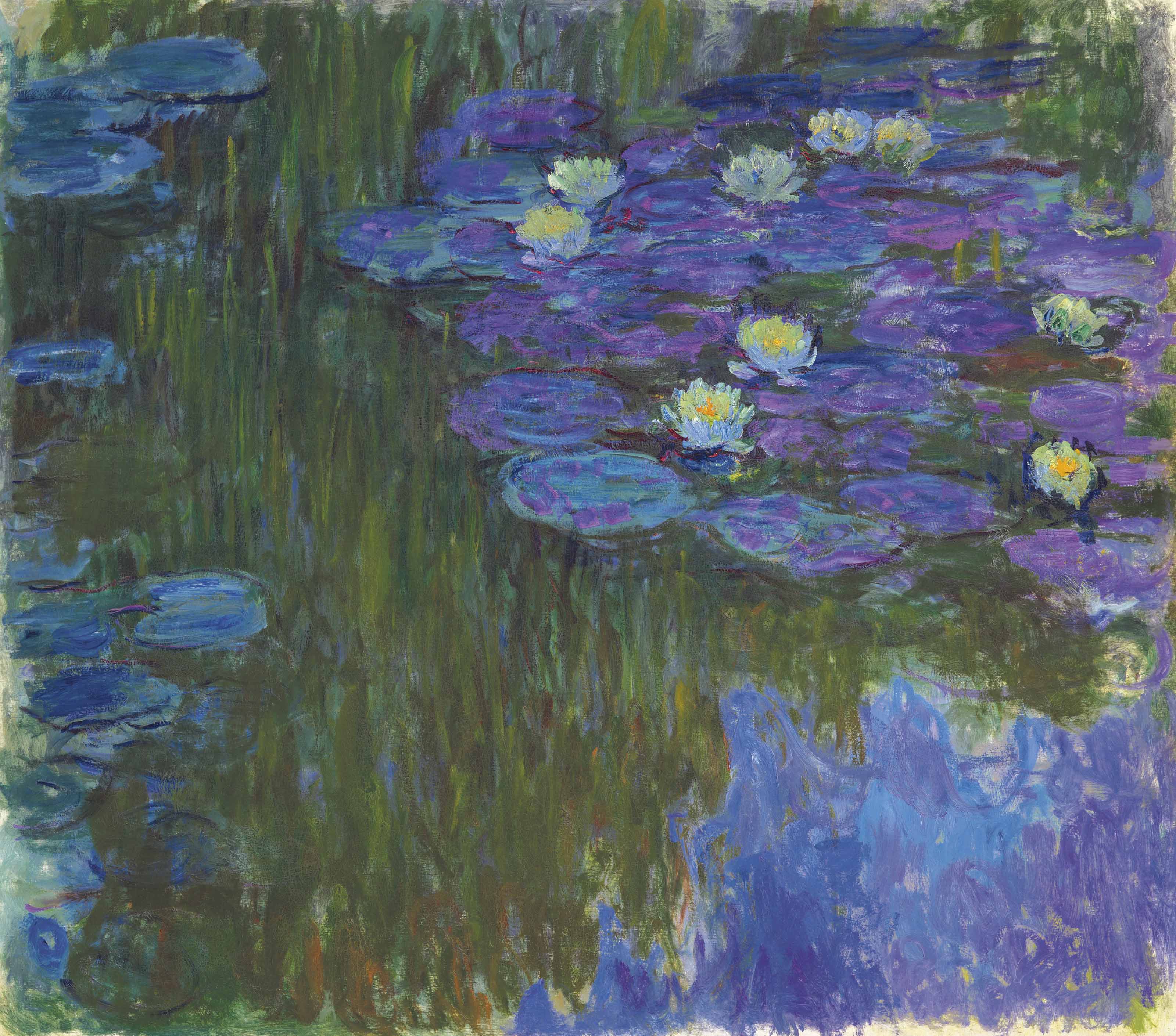
Nymphéas en fleur
Claude Monet · c. 1914–17
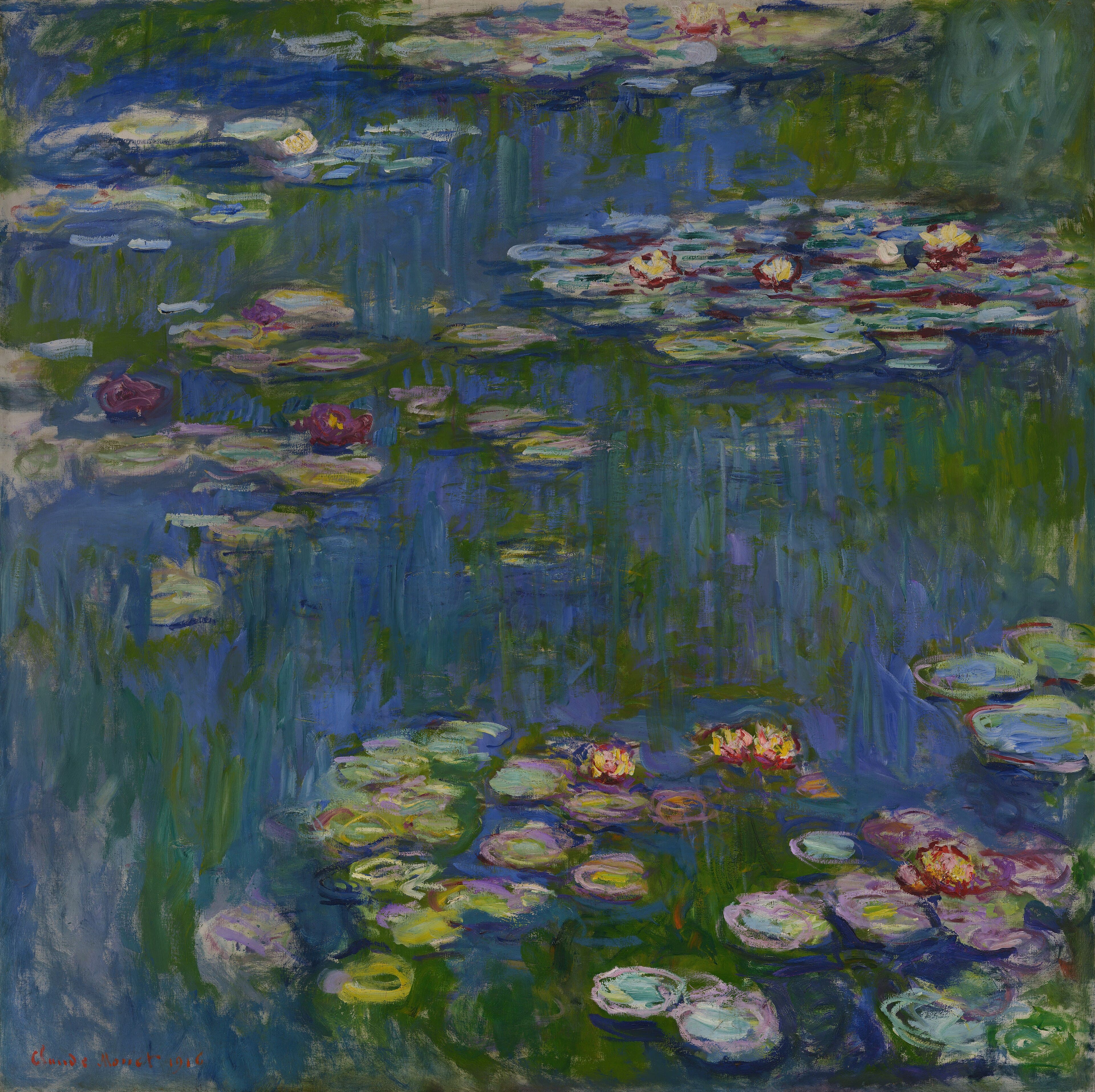
Water Lilies (1916, Tokyo)
Claude Monet · 1916
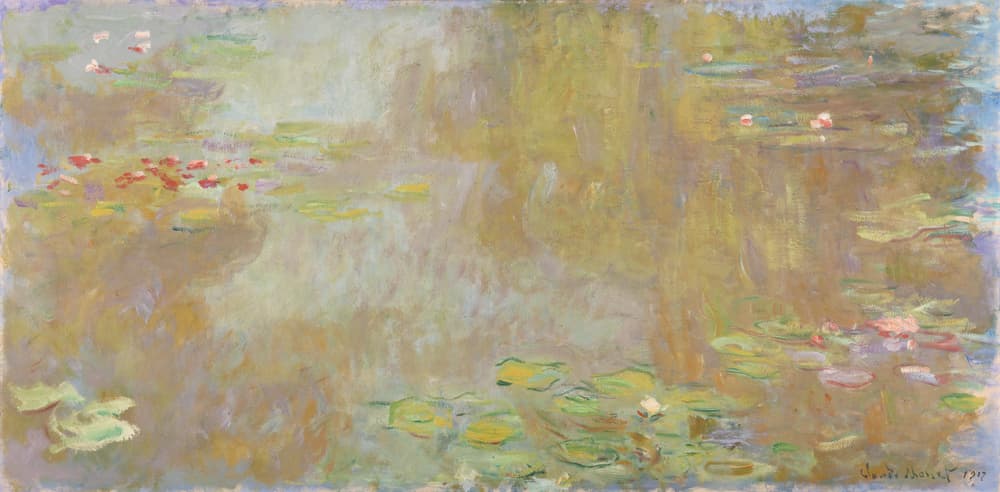
Water Lilies in Giverny
Claude Monet · 1917
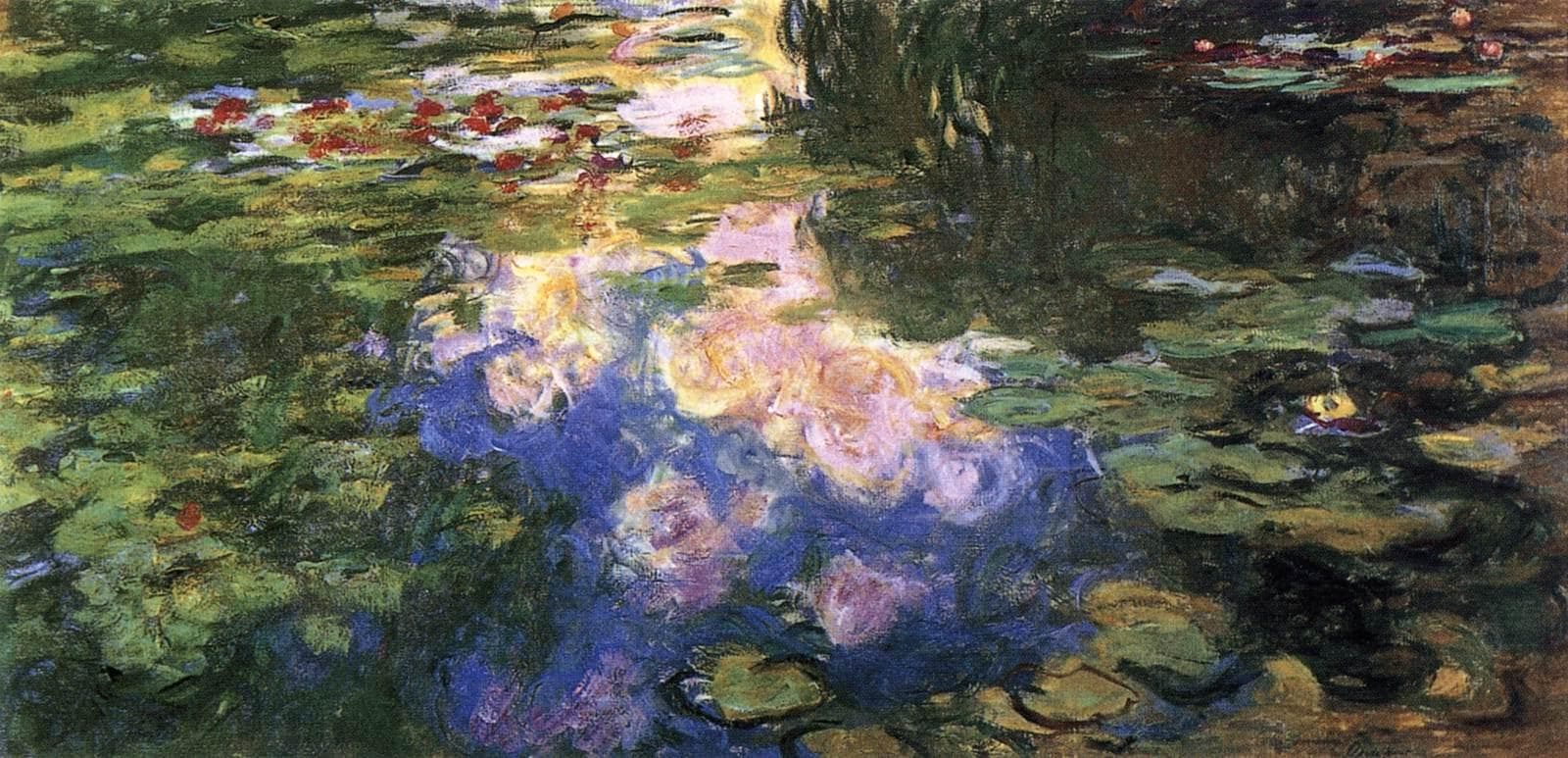
Water-Lily Pond (Le Bassin aux nymphéas), 1917–19
Claude Monet · 1917–19
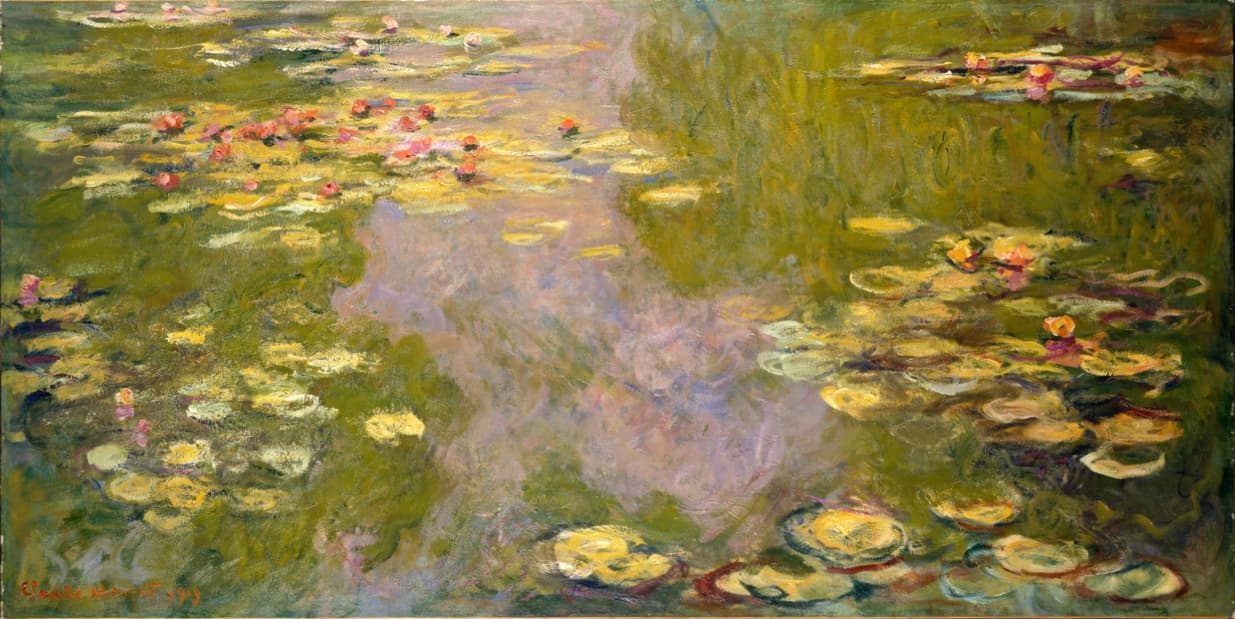
Water Lilies (1919, Metropolitan Museum)
Claude Monet · 1919
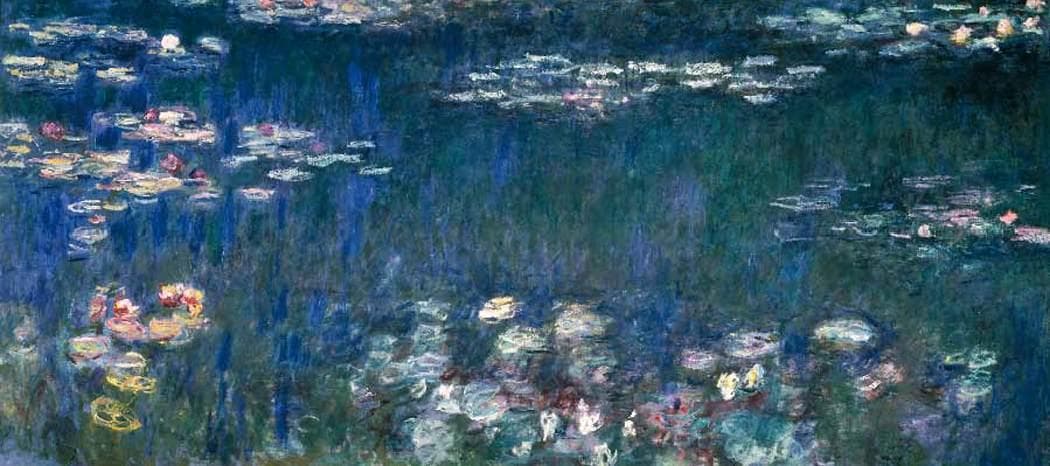
Water Lilies: Green Reflections
Claude Monet · 1914–26
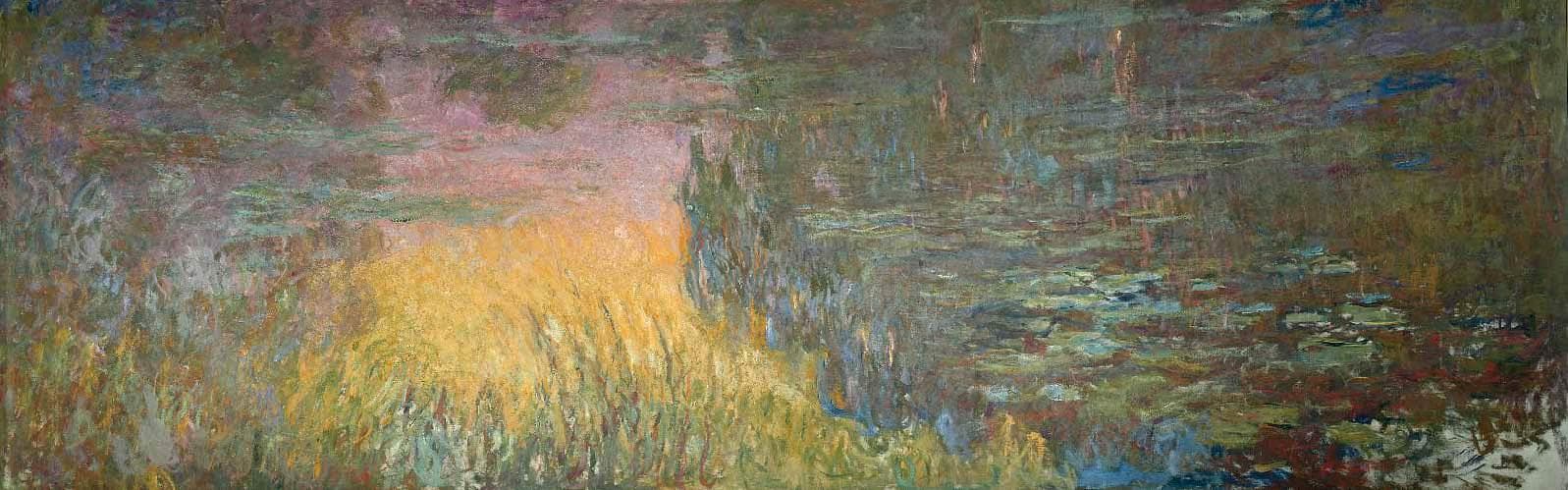
Water Lilies: Setting Sun
Claude Monet · 1914–26
The complete set
All 212 known canvases
From the catalogue raisonné. Works with a full close reading are marked ✦.
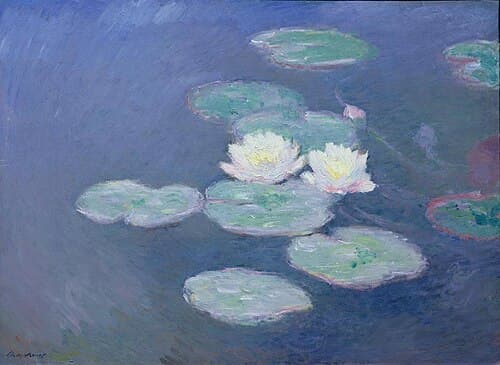
✦Nympheas, effect in the evening
1897 · Musée Marmottan Monet
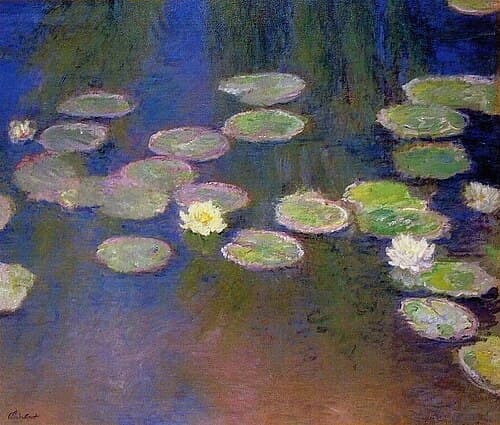
Water-Lilies
1897
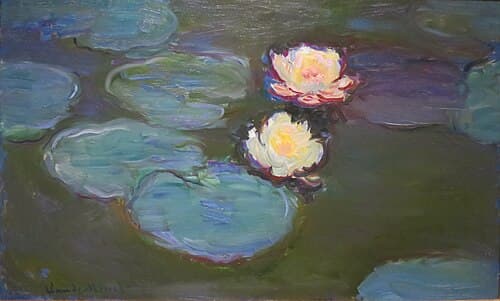
✦Nympheas
1897 · Los Angeles County Museum of Art
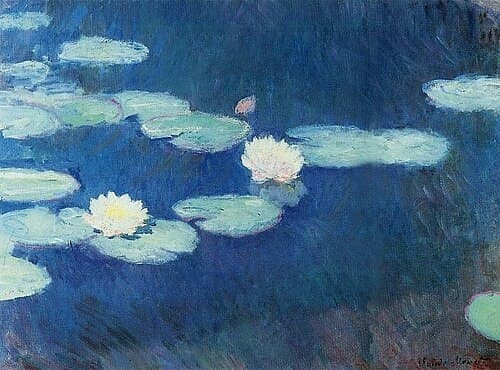
Water Lilies
1897
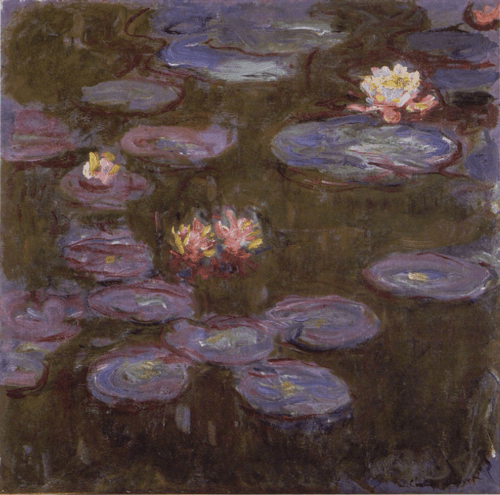
Water Lilies
1897
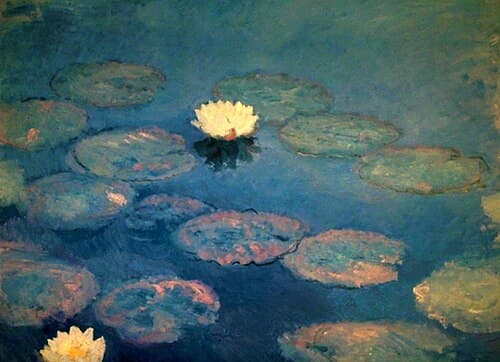
Water Lilies
1897
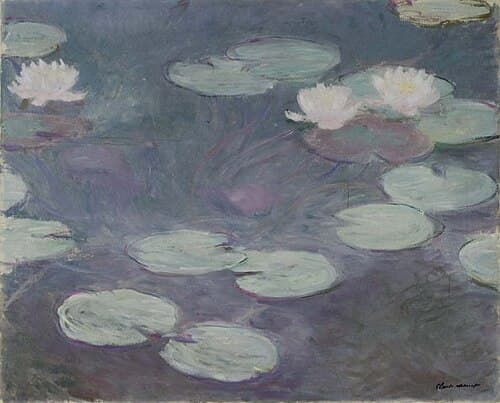
Water Lilies
1898 · Galleria Nazionale d'Arte Moderna e Contemporanea di Roma
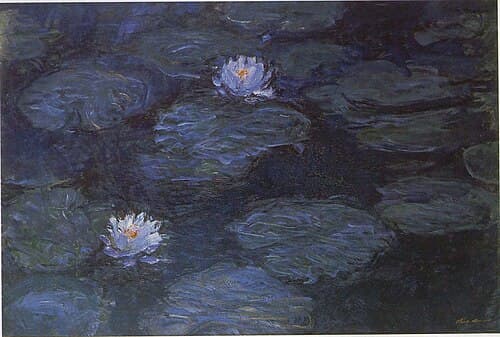
Water lilies
1898 · Kagoshima City Museum of Art
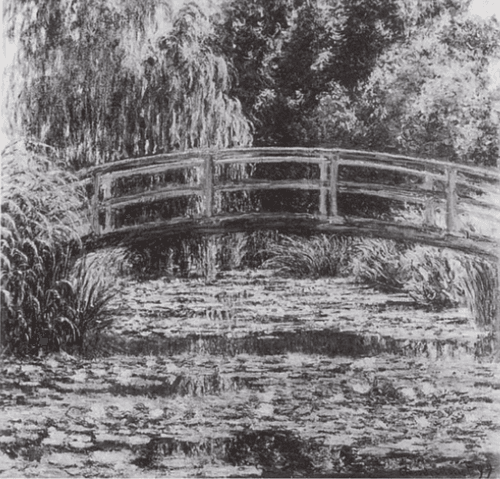
The Water Lily Pond
1899
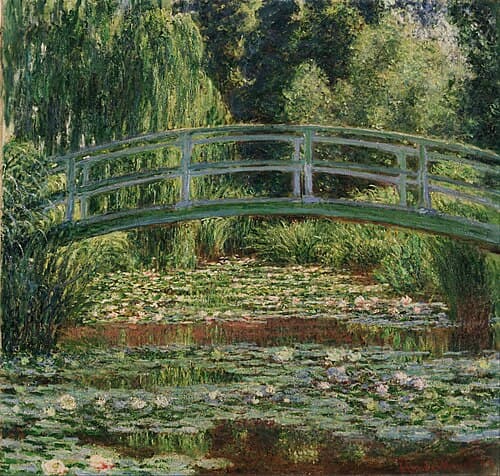
The Japanese Footbridge and the Water Lily Pool, Giverny
1899 · Philadelphia Museum of Art
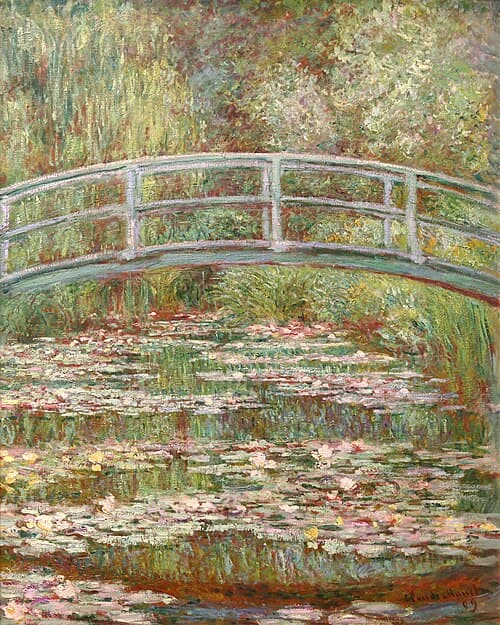
✦Bridge over a Pond of Water Lilies
1899 · Metropolitan Museum of Art
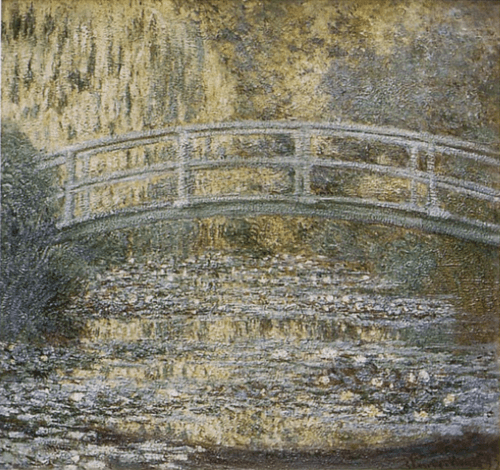
Water Lily Pond
1899 · Pola Museum of Art
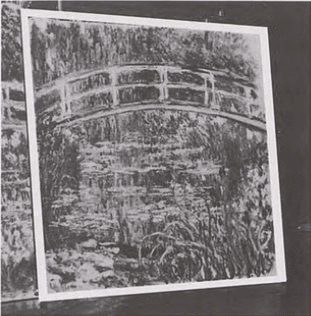
Water-Lily Pond
1899
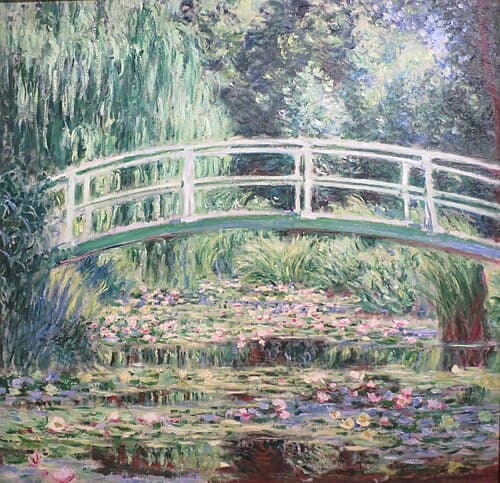
White Water Lilies
1899 · Pushkin Museum of Fine Arts
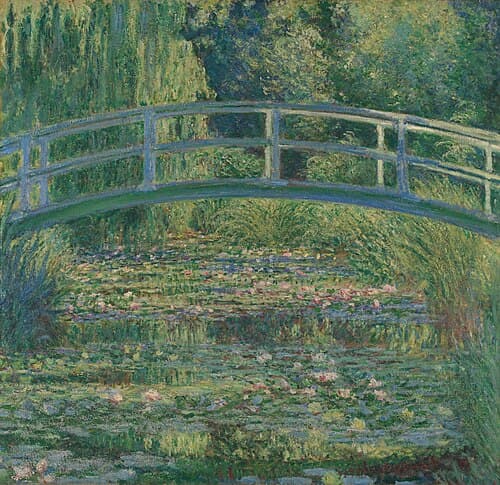
The Water-Lily Pond
1899 · National Gallery
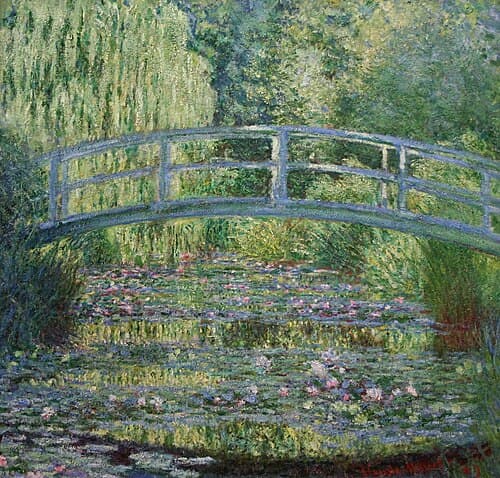
✦The Water Lily Pond: Green Harmony
1899 · Musée d'Orsay
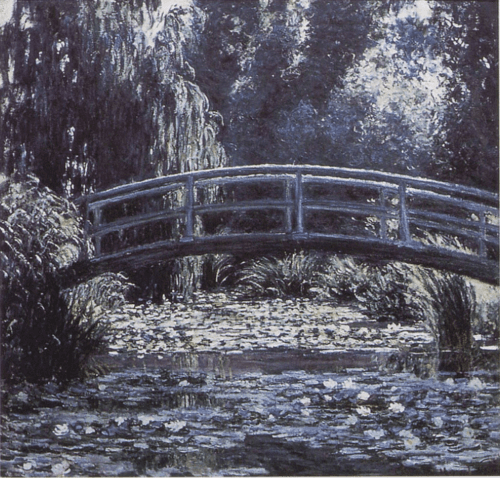
The Water-Lily Pond
1899
Bridge over the Water-Lilies
1899 · Mohamed Mahmoud Khalil Museum
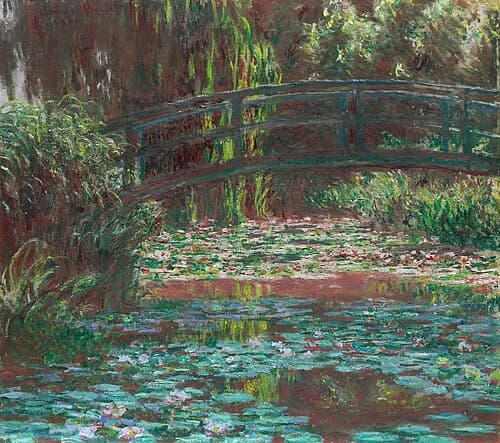
Water Lily Pond
1900 · Art Institute of Chicago
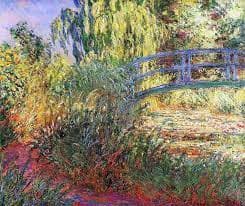
Water-lily Pond and Path by the Water
1900
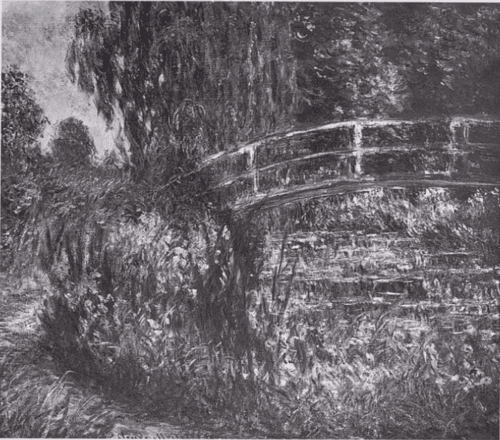
Water-Lily Pond: Water Irises
1900
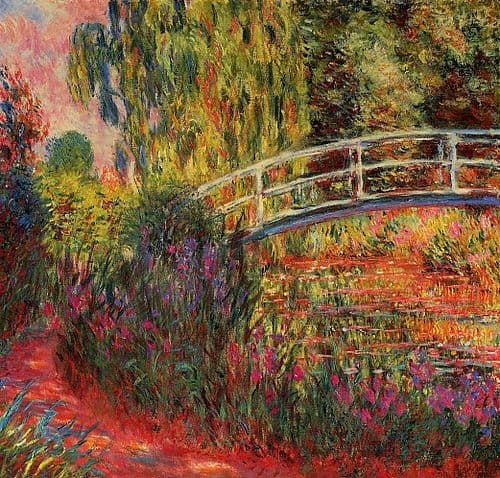
The Japanese Bridge or The Lily Pond
1900
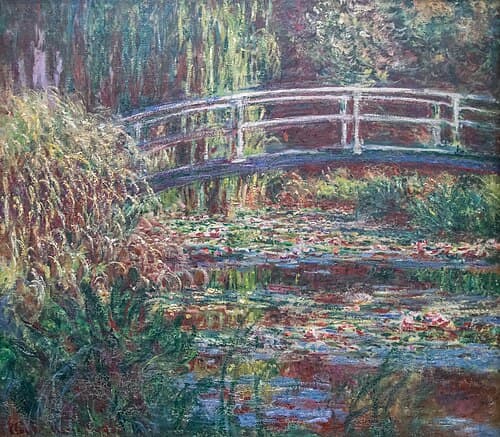
✦Le Bassin aux nymphéas, Harmonie rose
1900 · Musée d'Orsay
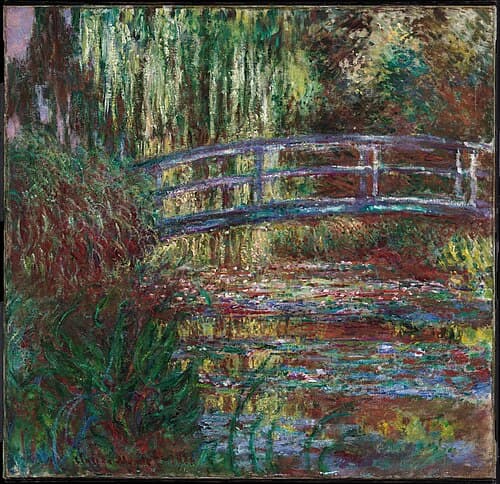
✦The Water Lily Pond
1900 · Museum of Fine Arts Boston
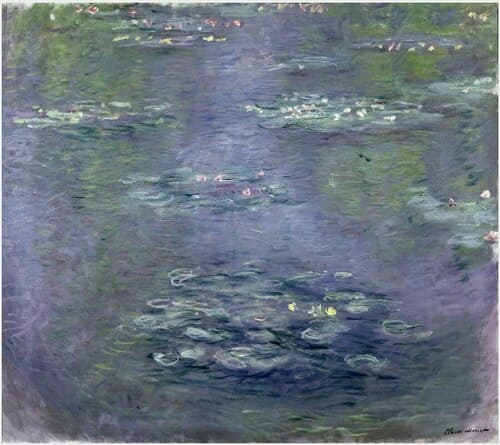
Water Lilies
1903 · Musée Marmottan Monet
Water-Lily Pond
1903
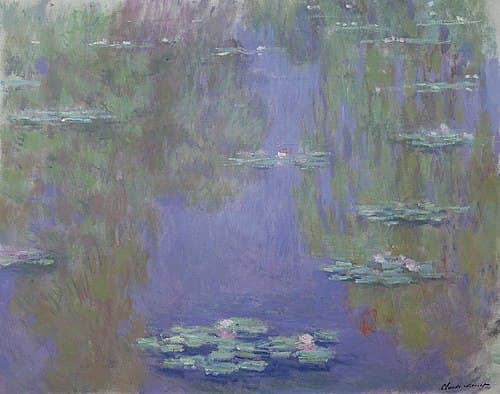
Nymphéas
1903 · Musée Marmottan Monet
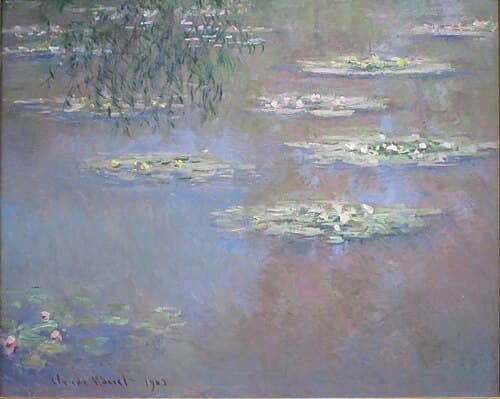
Waterlilies
1903 · Dayton Art Institute
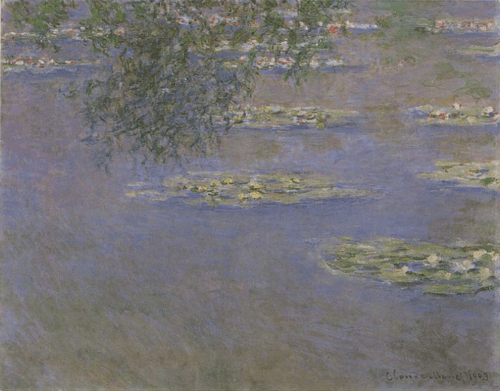
Nymphéas
1903 · Artizon Museum
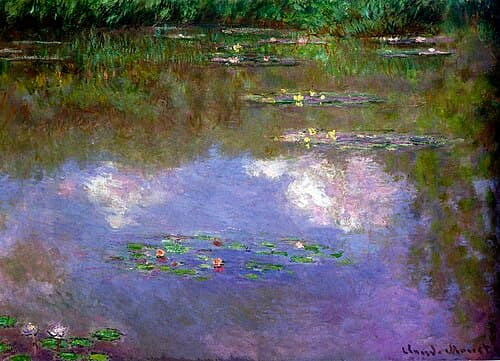
Water-Lilies, Clouds
1903
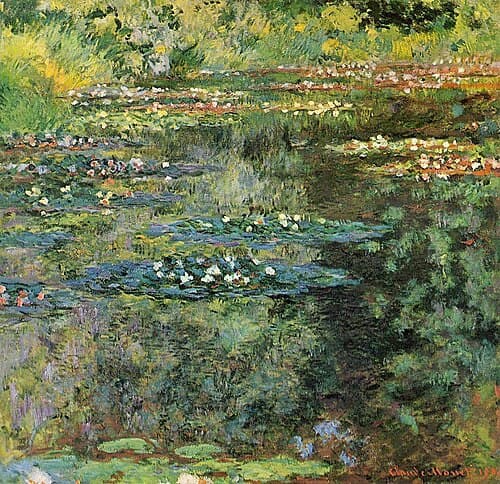
Water-Lilies
1904
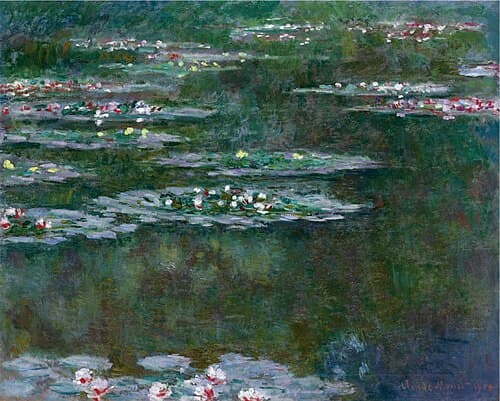
✦Water Lilies
1904
Water-Lily Pond
1904
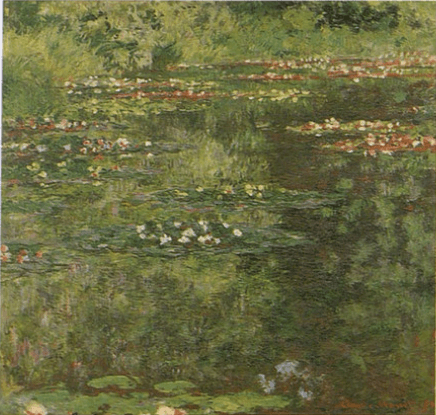
Nympheas
1904 · Musée des Beaux-Arts de Caen
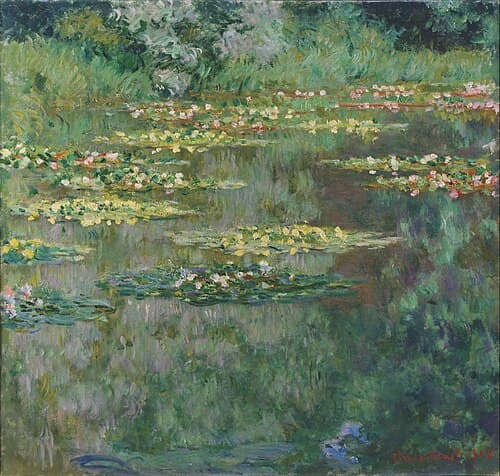
Le Bassin des Nympheas
1904 · Denver Art Museum
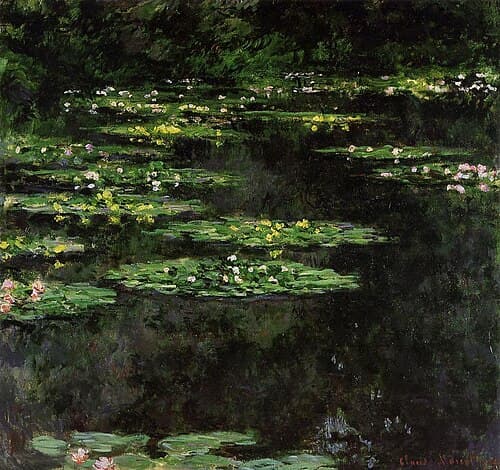
Water Lilies
1904 · MuMa Museum of modern art André Malraux
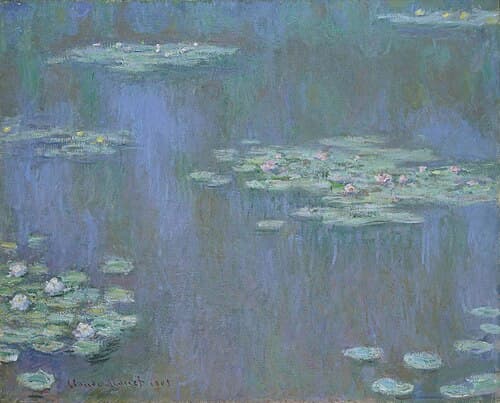
Waterlilies
1905 · Amgueddfa Cymru – Museum Wales
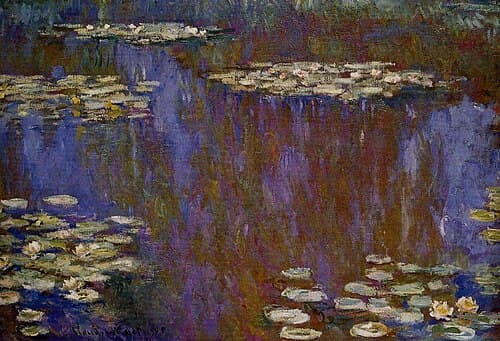
Water-Lilies
1905
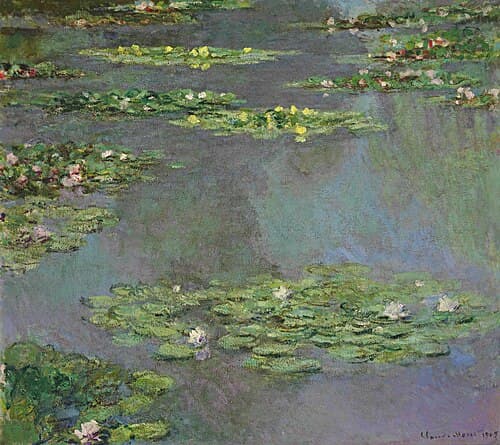
Water Lilies
1905
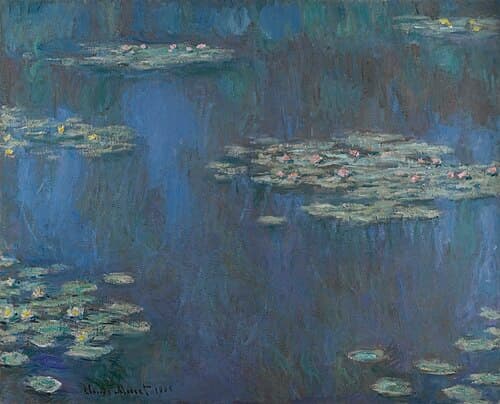
Water Lilies
1905
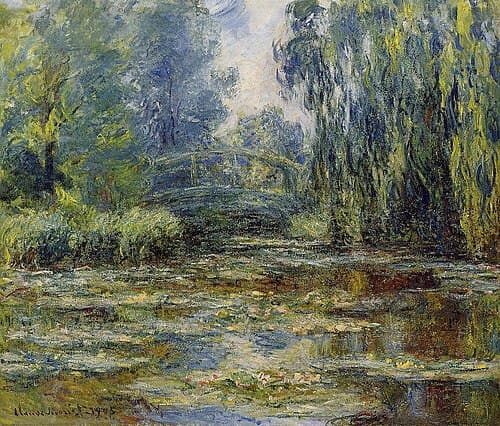
The Water-Lily Pond and Bridge
1905
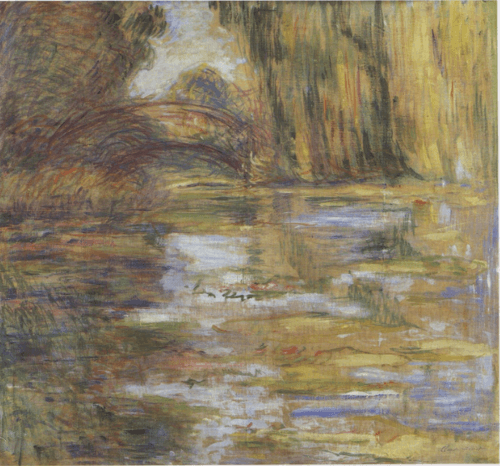
Lily Pond, the Bridge
1905
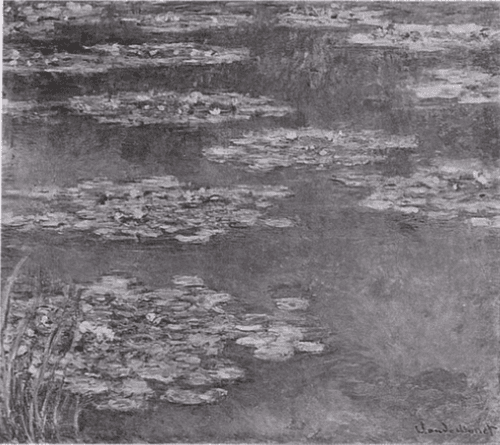
Water-Lilies
1905
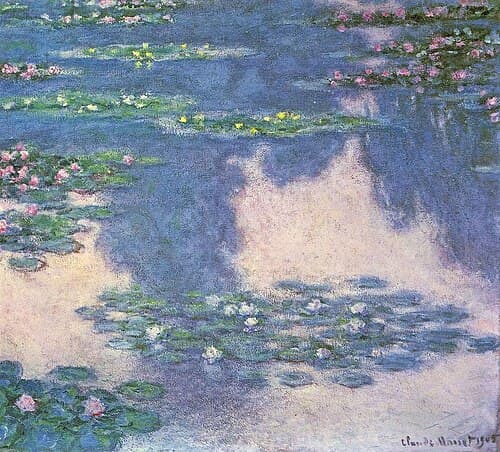
Water-Lilies
1905
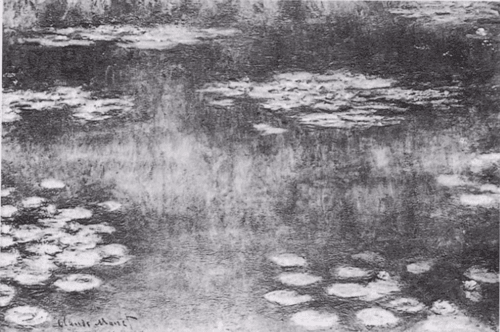
Water-Lilies
1905
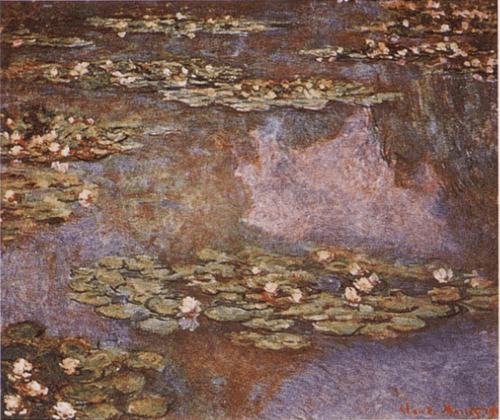
Water-Lilies
1905
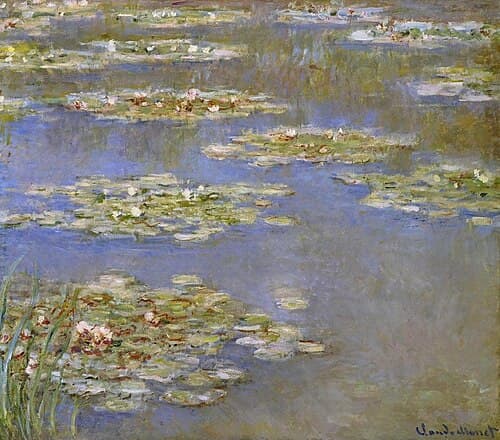
Water-Lilies
1905
Water-Lilies
1905
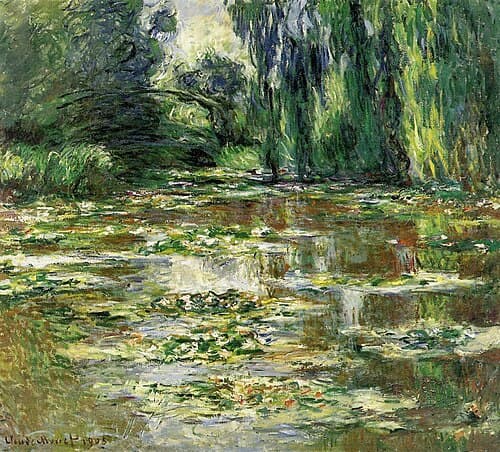
The Bridge over the Water-Lily Pond
1905
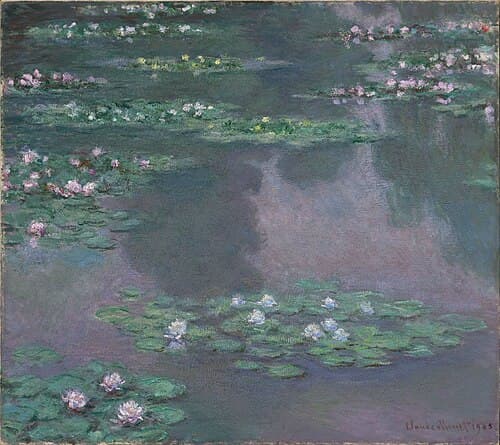
Water Lilies
1905 · Museum of Fine Arts Boston
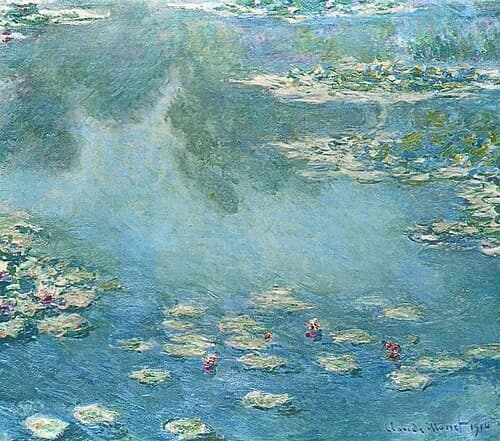
Water-Lilies
1906
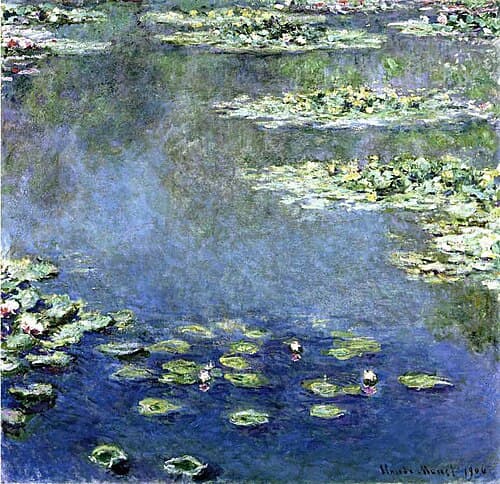
Water-Lilies
1906
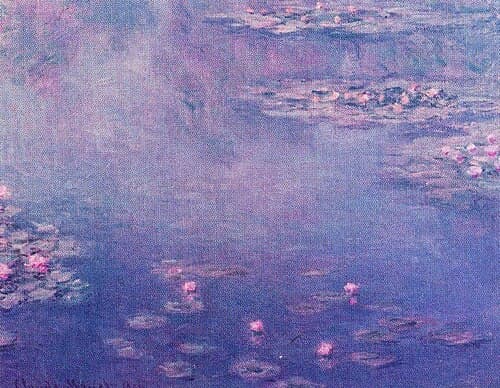
Water-Lilies
1906
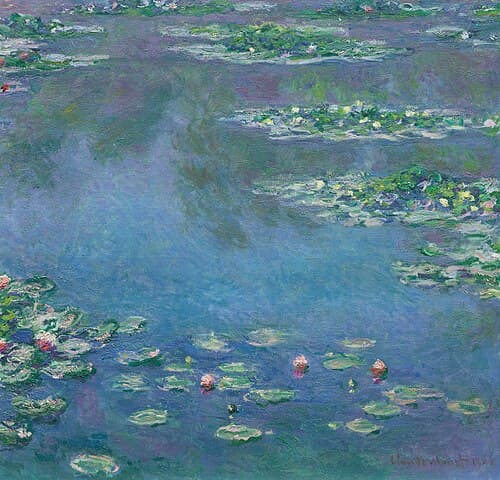
Water Lilies
1906 · Art Institute of Chicago
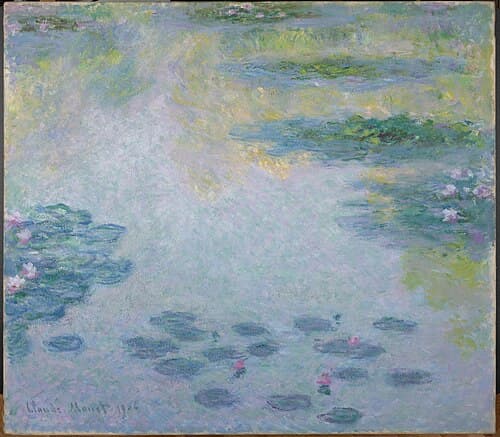
Waterlilies
1906 · Amgueddfa Cymru – Museum Wales
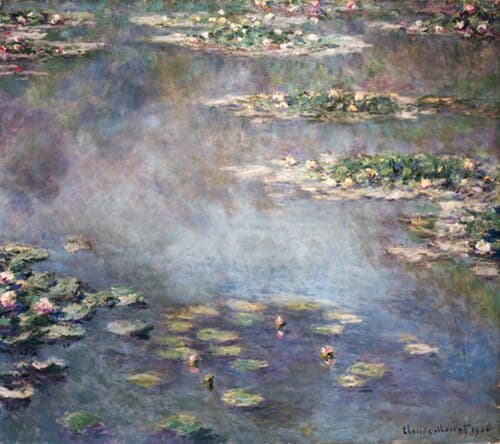
Water Lilies
1906
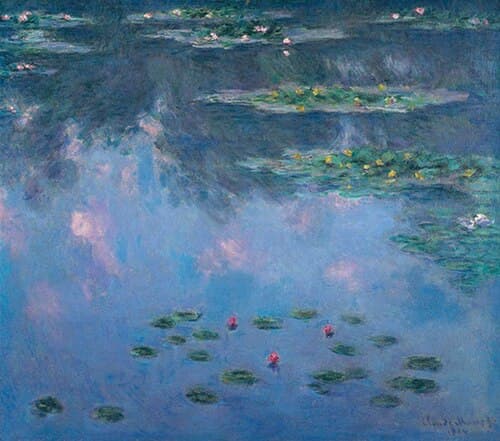
water lilies
1906 · Yoshino Gypsum
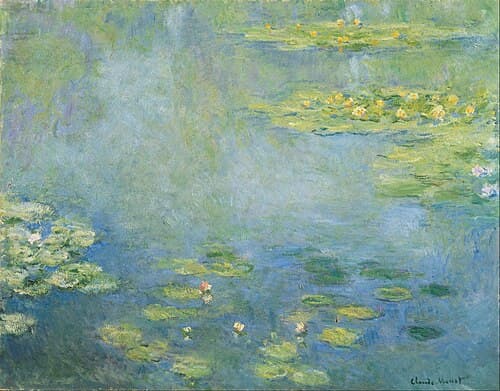
Waterlilies
1906 · Ohara Museum of Art
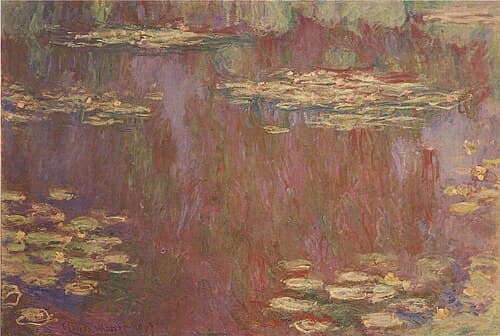
Water-Lilies
1906
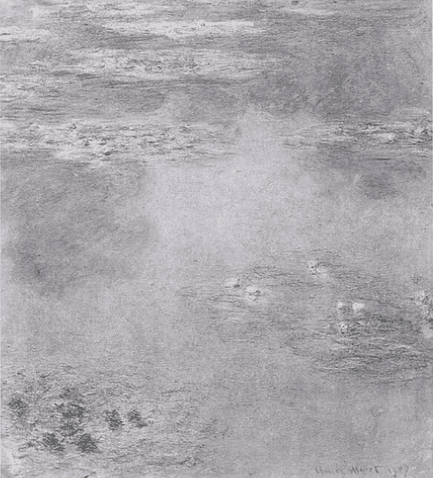
Water-Lilies
1907
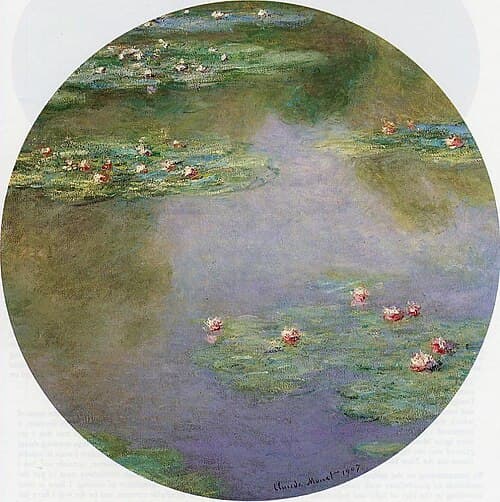
Water-Lilies
1907
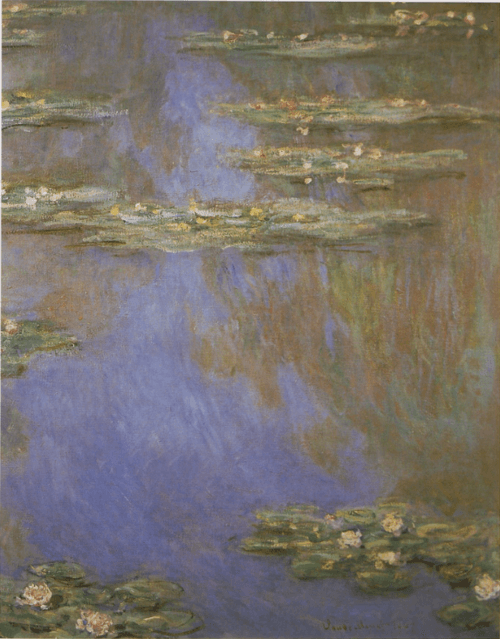
Water-Lilies
1907
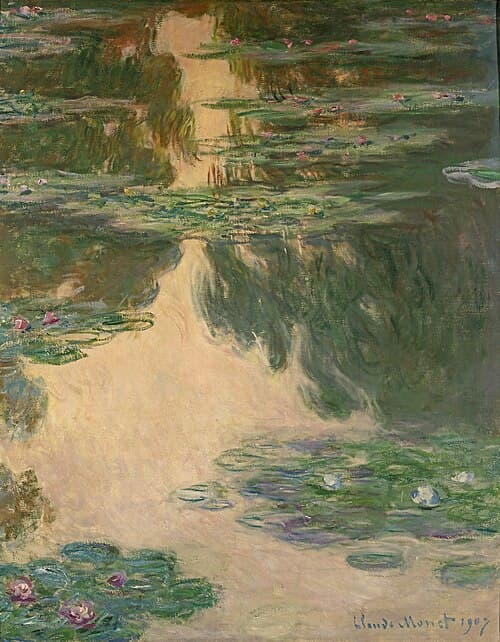
Water-Lilies
1907
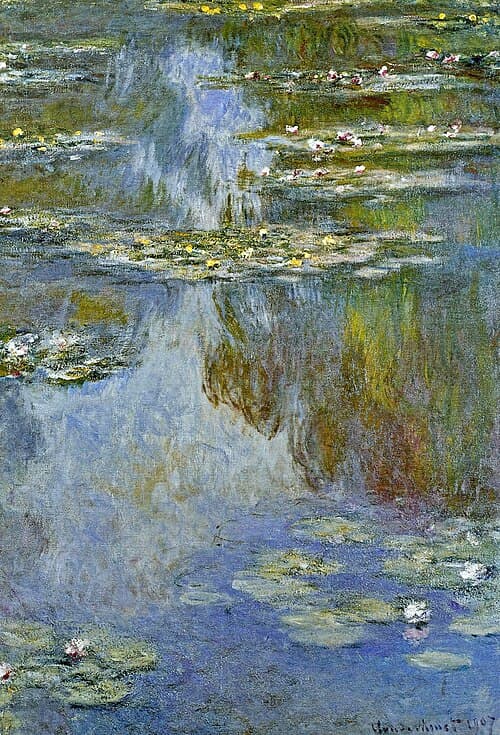
Water-Lilies
1907
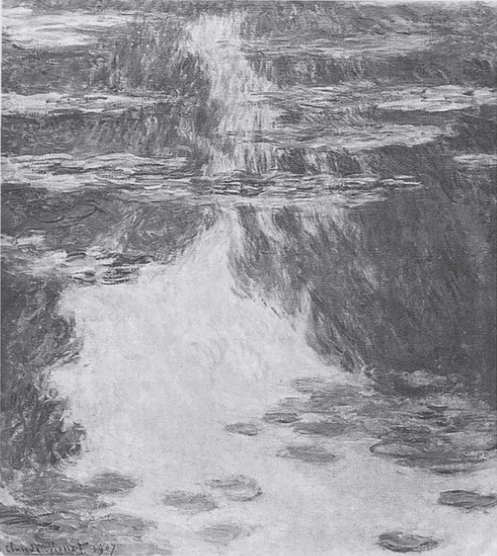
Water-Lilies
1907
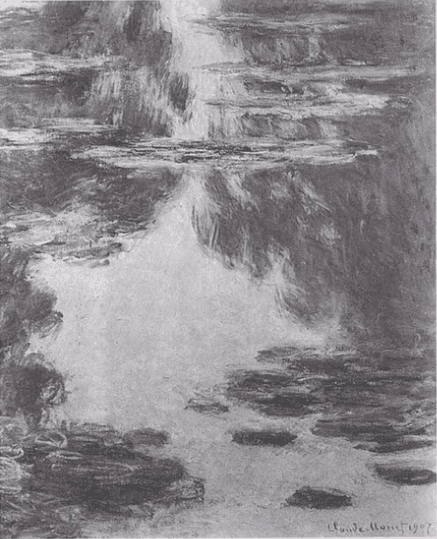
Water-Lilies
1907
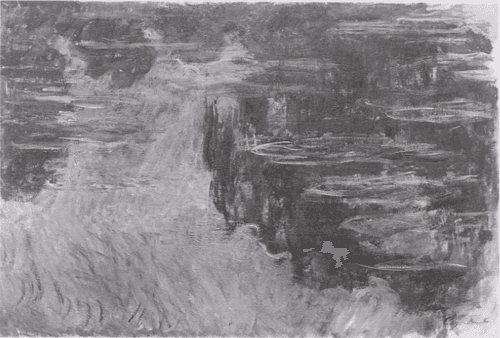
Water-Lily Pond, Sketch
1907
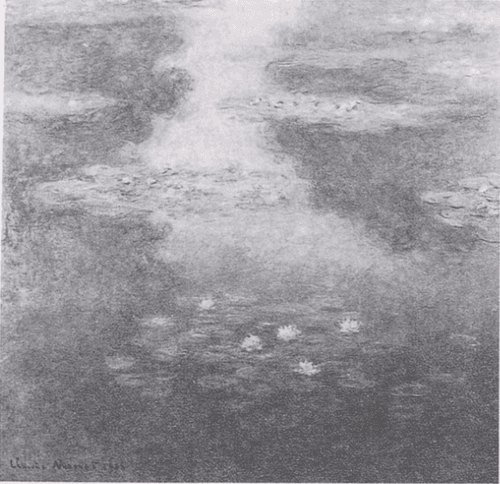
Water-Lilies
1907
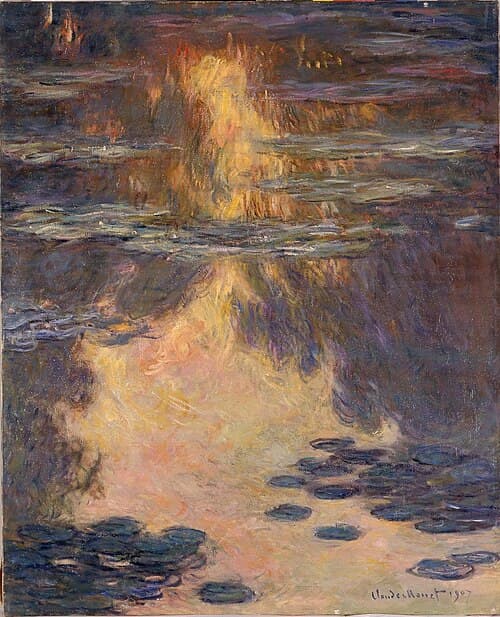
Nymphéas
1907 · Kubosō Memorial Museum of Arts
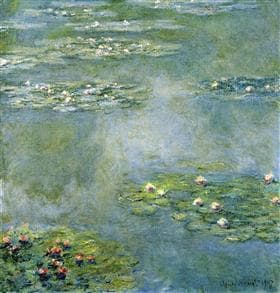
Water Lilies
1907 · Pola Museum of Art
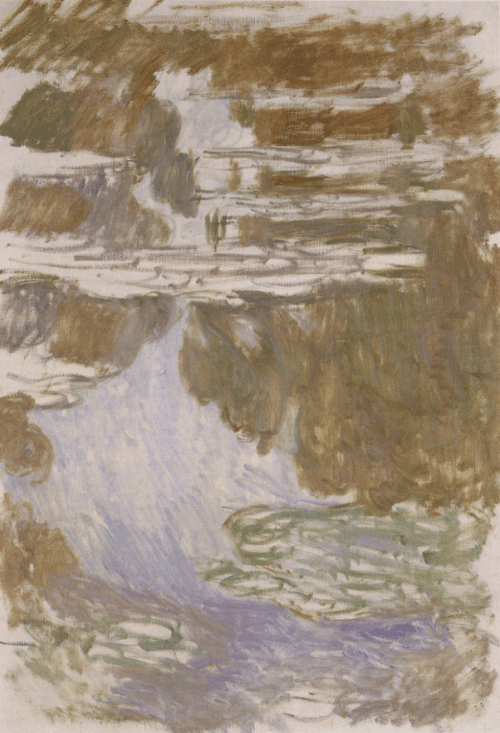
Water Lilies. Study
1907 · Musée Marmottan Monet
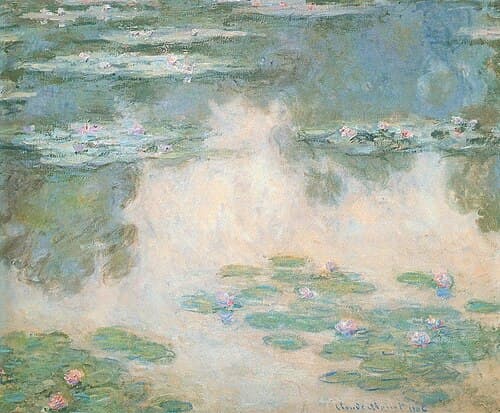
Water Lilies
1907 · Mohamed Mahmoud Khalil Museum
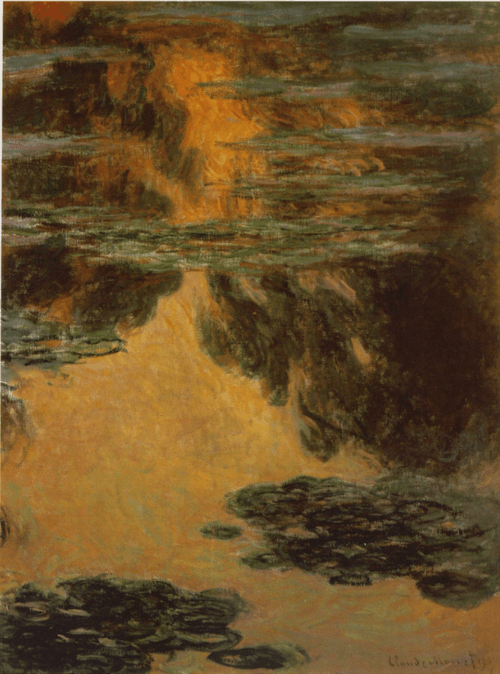
Waterlilies
1907 · Musée Marmottan Monet
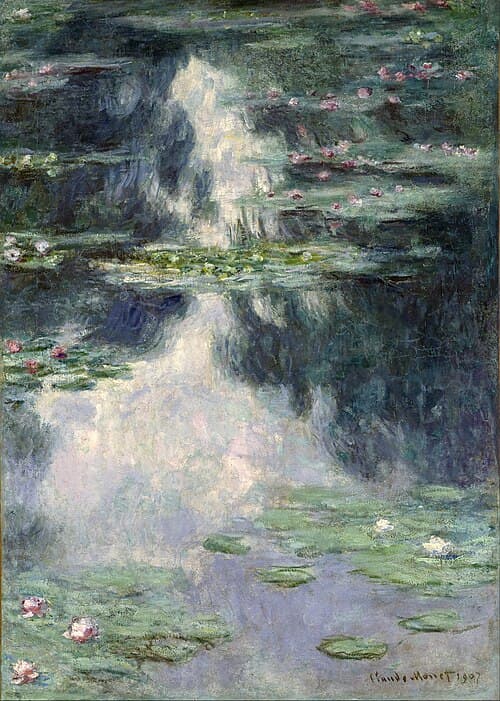
Pond with Water Lilies
1907 · Israel Museum
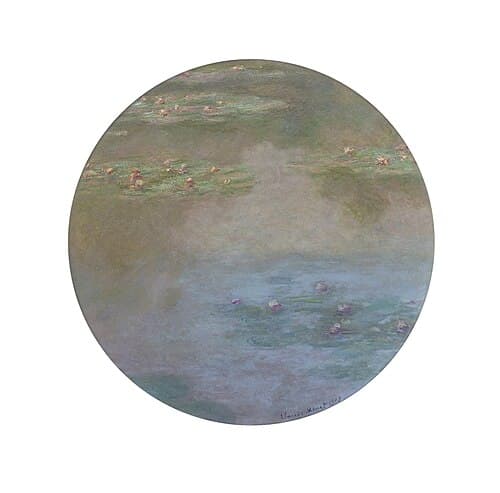
Water Lilies
1907 · Musée d'art moderne (Saint-Étienne)
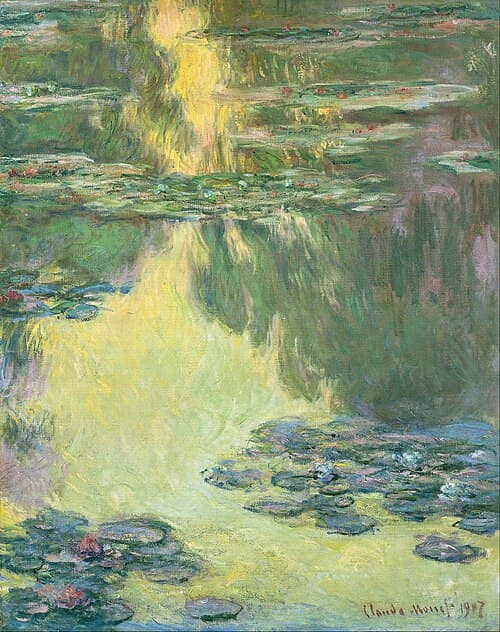
Waterlilies
1907 · Kawamura Memorial DIC Museum of Art
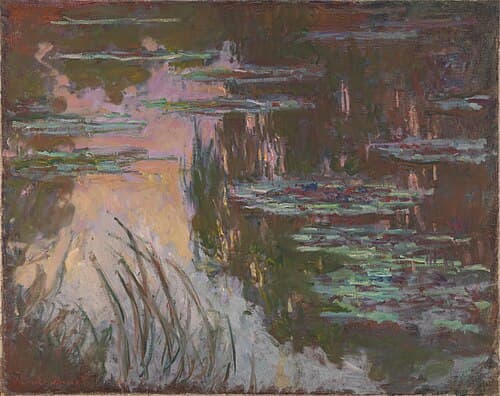
Water-Lilies, Setting Sun
1907 · National Gallery
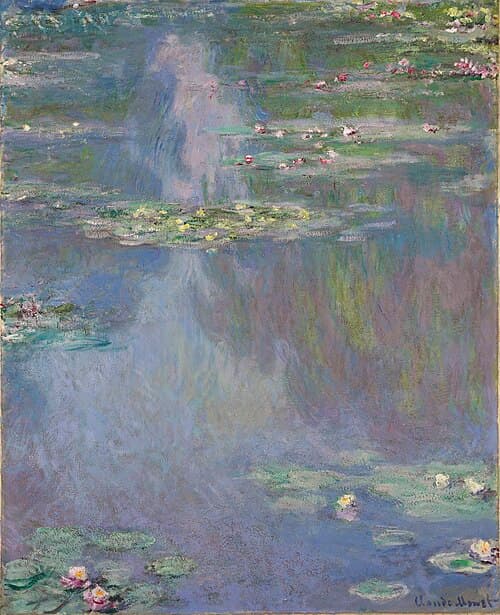
Water Lilies
1907
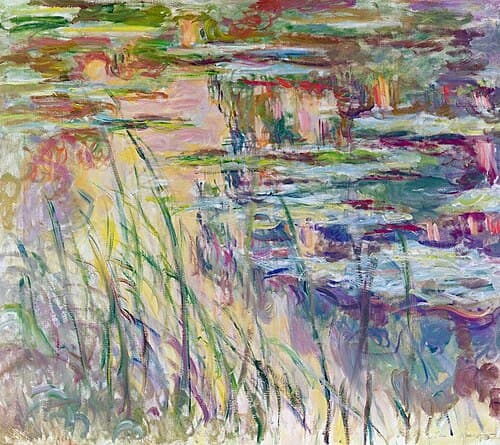
Water-Lilies, Reflections on the Water
1907 · Musée Albert André
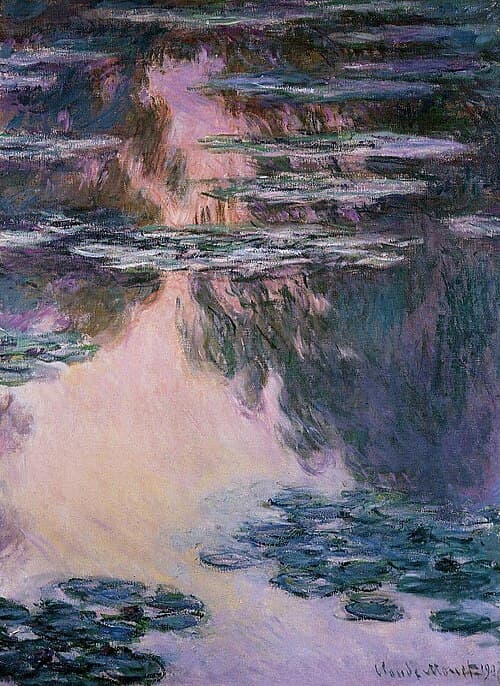
Water Lilies
1907 · Artizon Museum
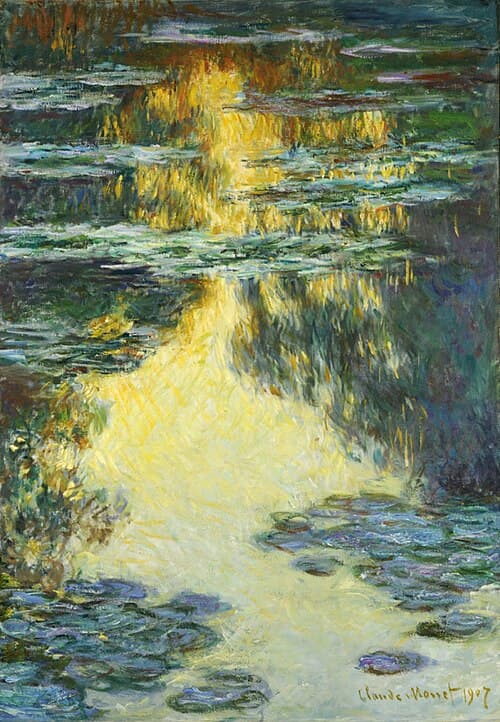
Water Lilies
1907 · Gothenburg Museum of Art
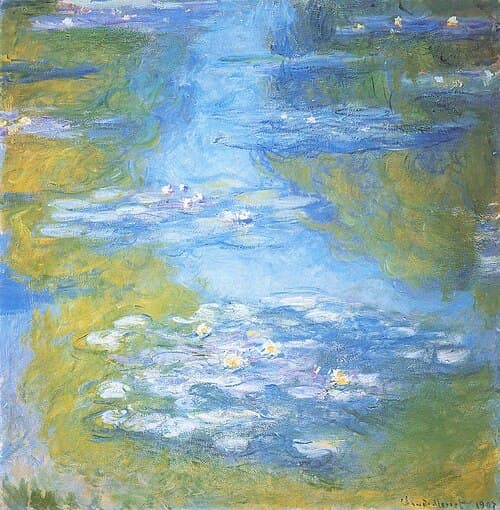
Nymphéas
1907
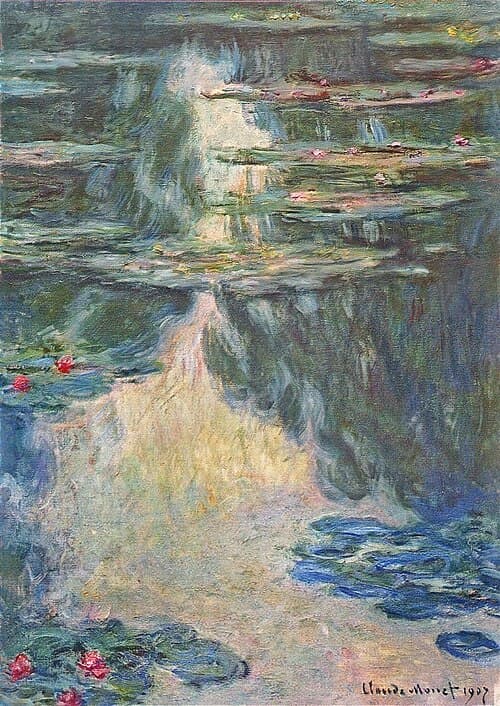
Water Lilies, Gray Weather
1907
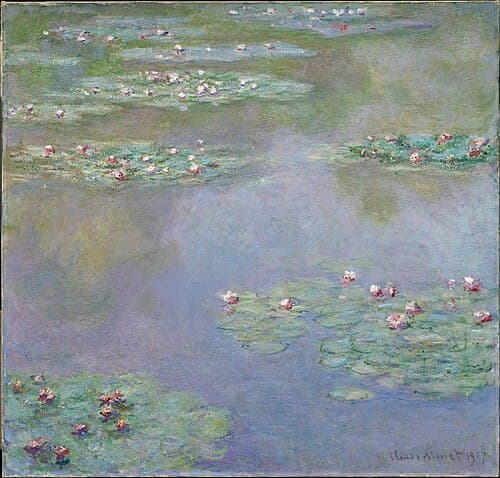
Water Lilies
1907 · Museum of Fine Arts Boston
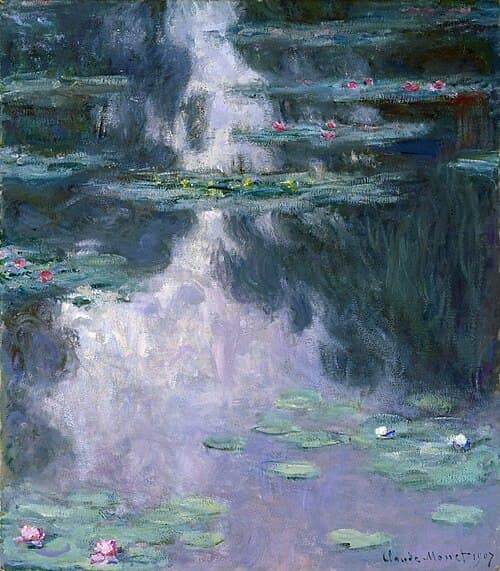
Water Lilies (Nymphéas)
1907 · Museum of Fine Arts, Houston
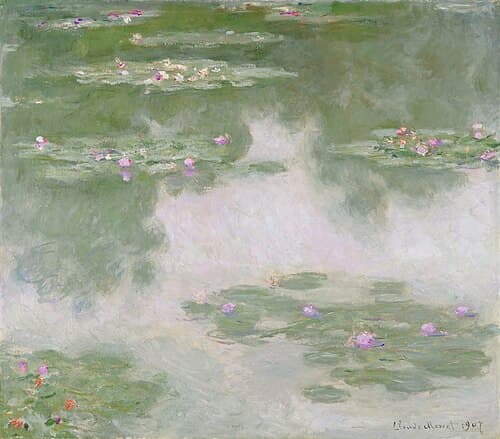
Nymphéas
1907 · Wadsworth Atheneum Museum of Art
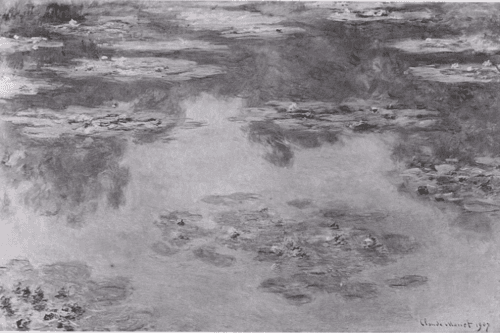
Water-Lilies
1907
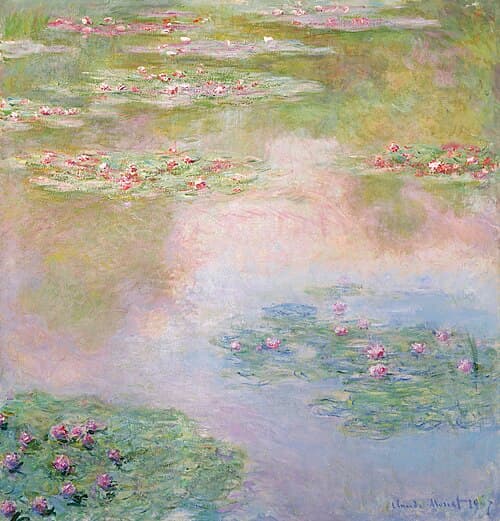
Water-Lilies
1907
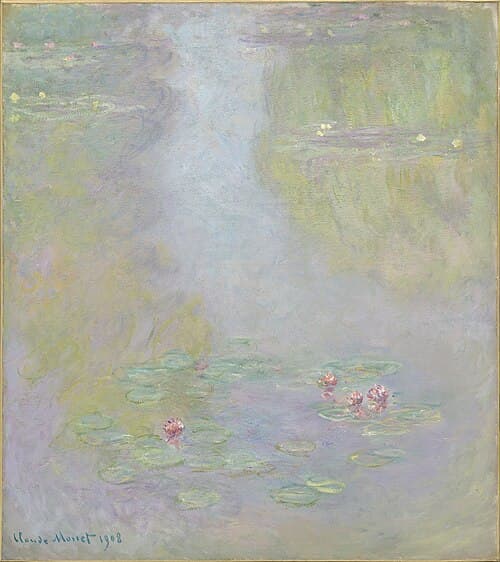
Water Lilies
1908 · Tokyo Fuji Art Museum
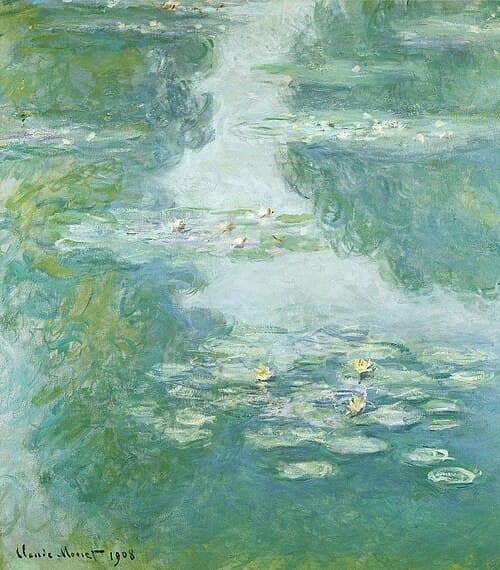
Water-Lilies
1908
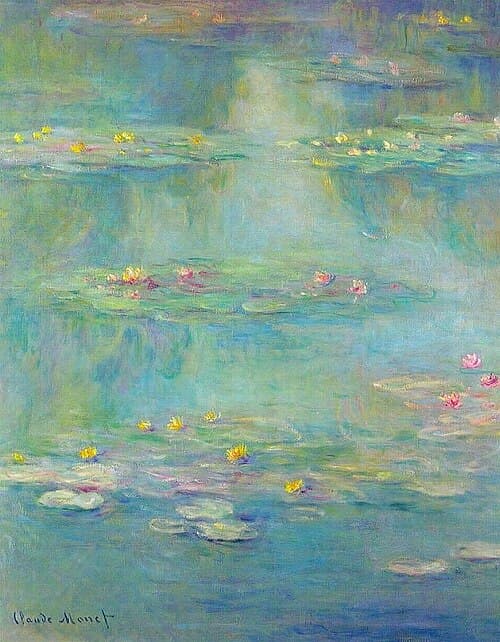
Water-Lilies
1908
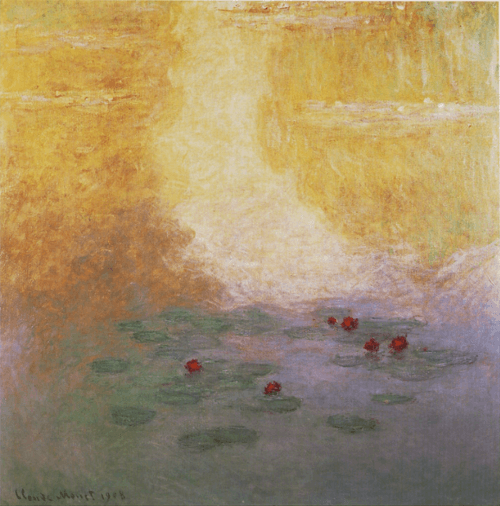
Water-Lilies
1908
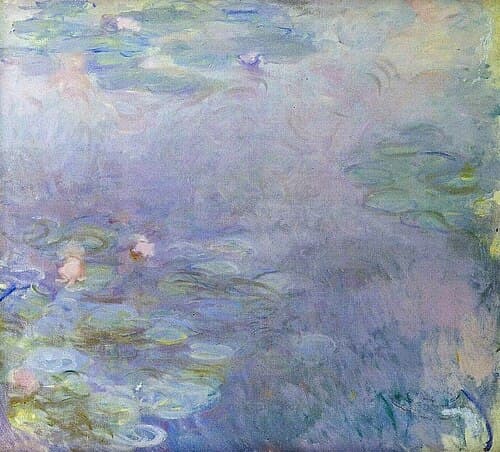
Water-Lilies
1908
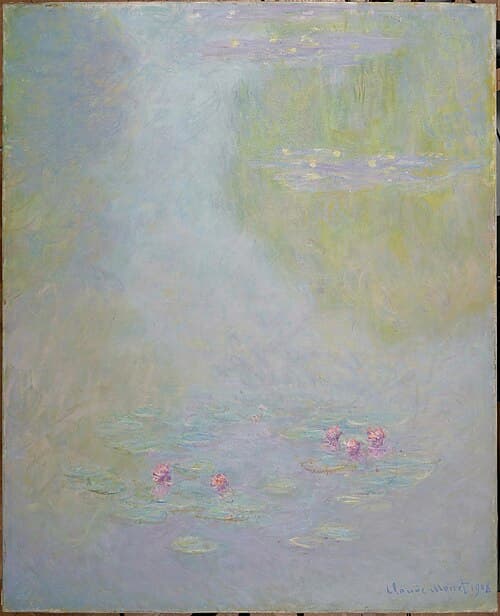
Waterlilies
1908 · Amgueddfa Cymru – Museum Wales
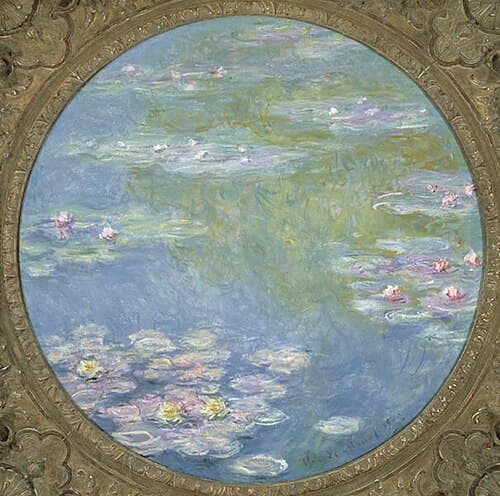
Water Lilies
1908 · Dallas Museum of Art
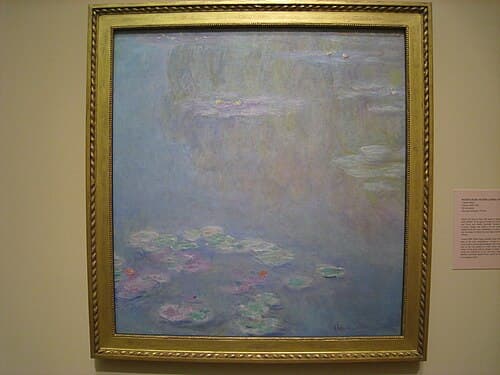
Water Lilies, Water Landscape
1908 · Worcester Art Museum
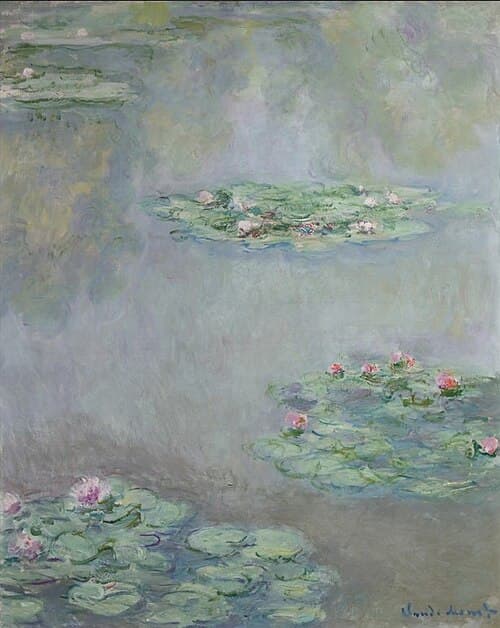
Nymphéas
1908
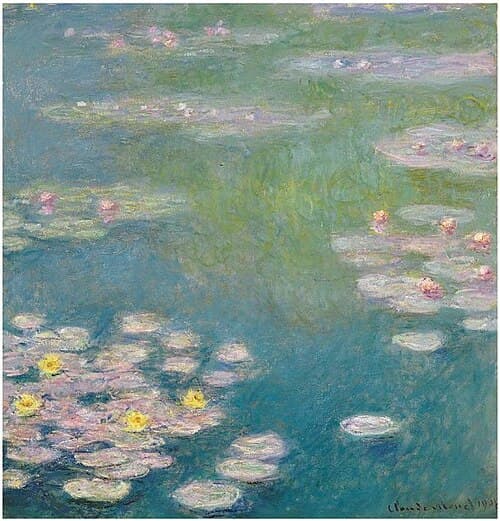
Nymphéas
1908
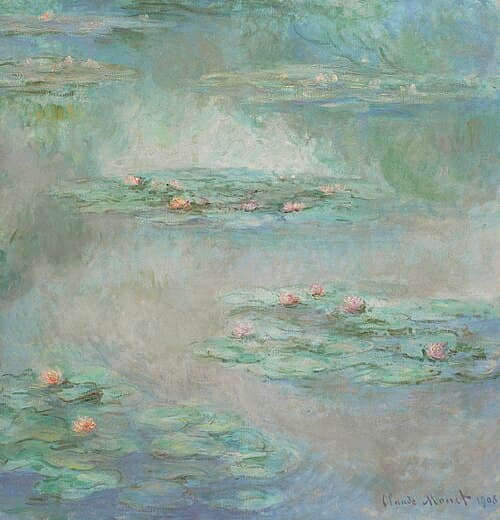
Nymphéas
1908
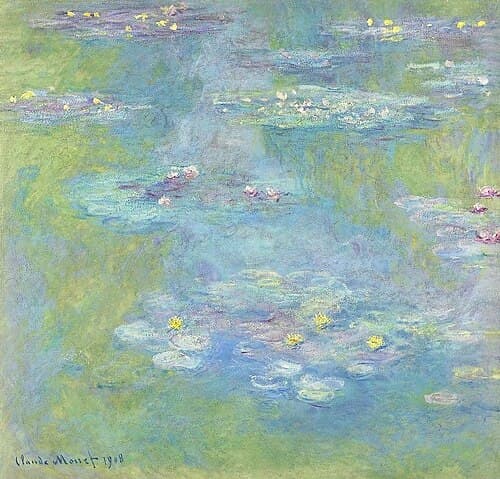
Nymphéas
1908
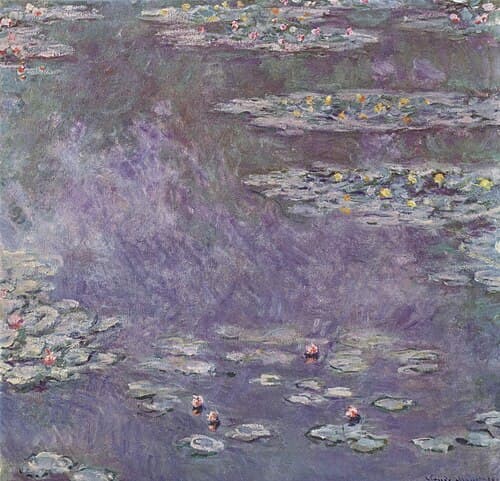
Nymphéas
1908 · Asahi Group Oyamazaki Villa Museum of Art
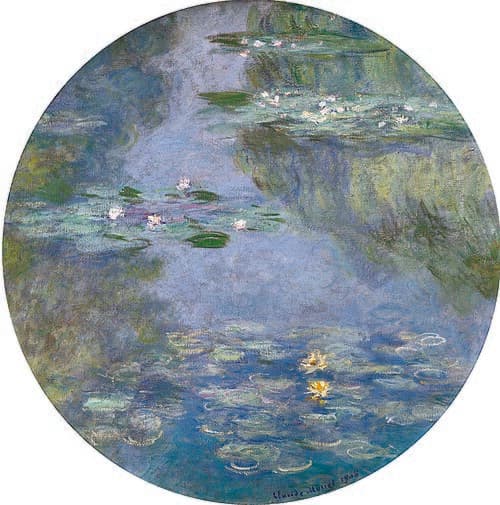
Nympheas
1908 · Musée Blanche Hoschedé-Monet
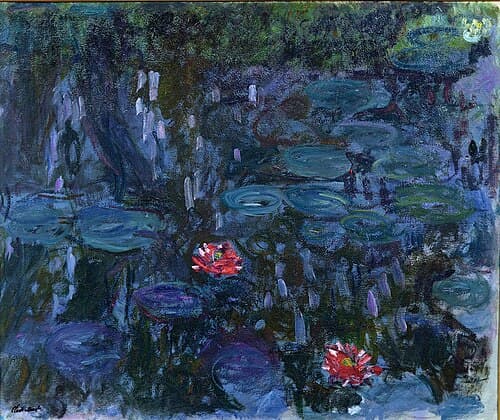
Nymphéas, reflets de saule
1910 · Musée Marmottan Monet
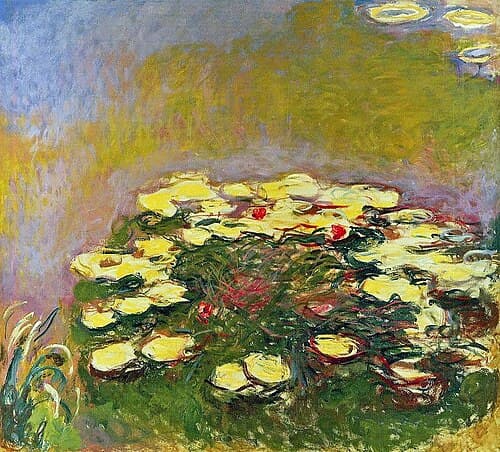
Water Lilies
1914
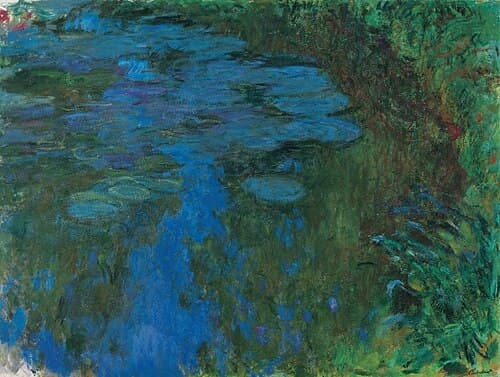
Water Lilies
1914 · Beyeler Foundation
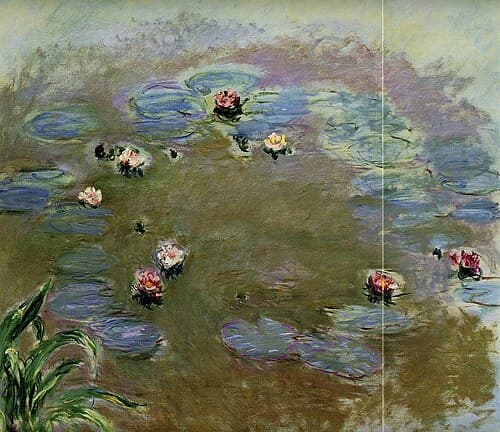
Water Lilies
1914
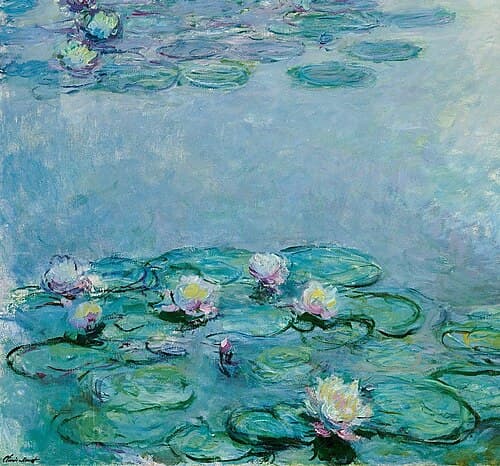
Water-Lilies
1914
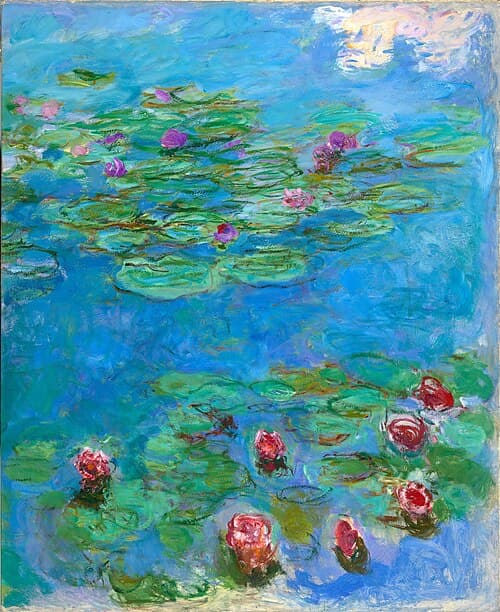
Water Lilies
1914 · Fine Arts Museums of San Francisco
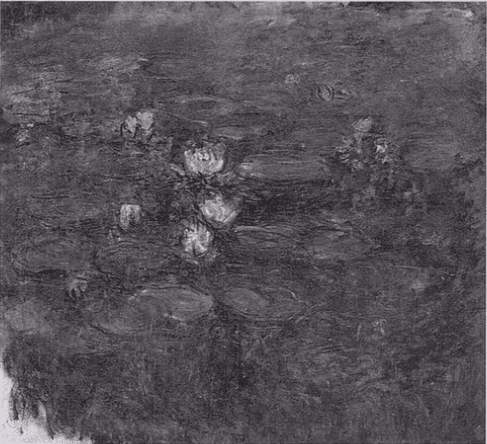
Water-Lilies
1914
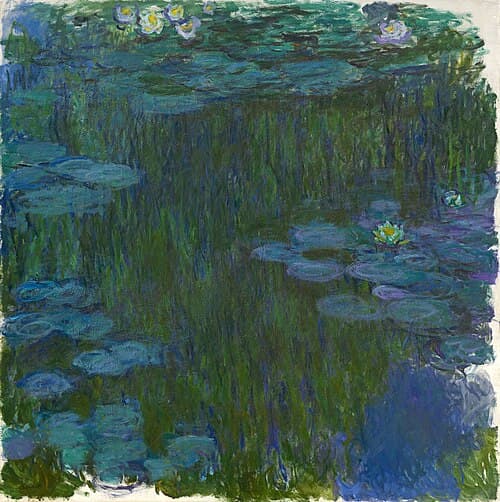
Water Lilies
1914 · Museum Barberini

✦Water Lilies
1914 · Museum of Modern Art
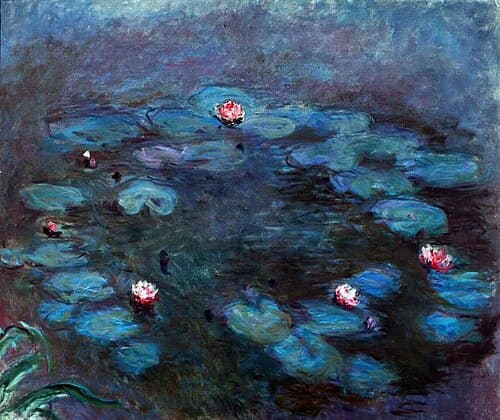
Water Lilies
1914
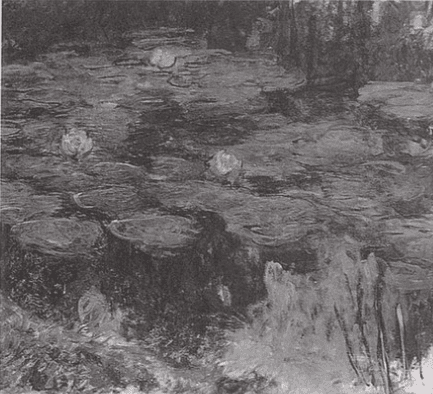
Water Lilies
1914
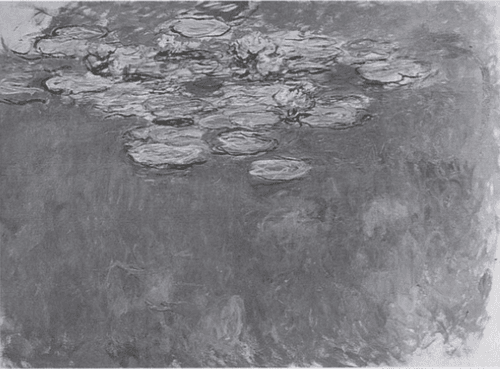
Water-Lilies
1914

Morning with Willows
1914 · Q2340634
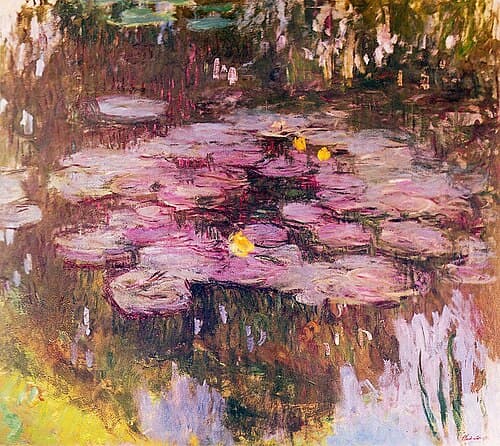
Water Lilies
1914
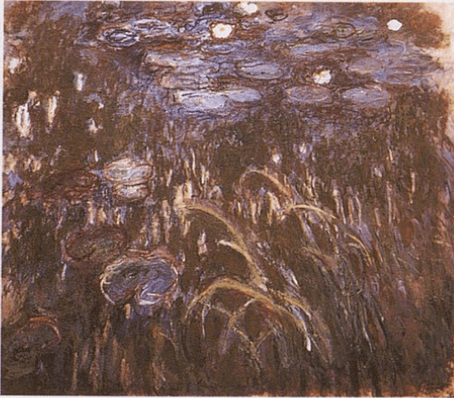
Water Lilies
1914 · Museum of Modern Art
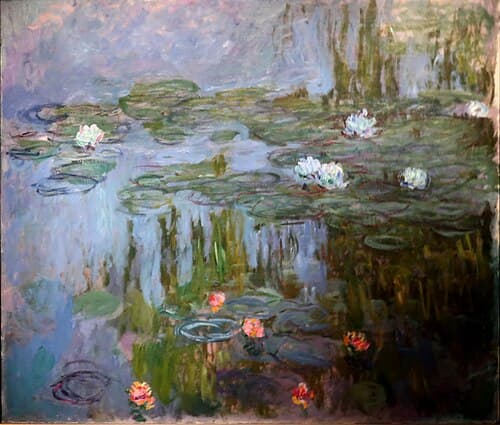
Waterlilies
1914 · Portland Art Museum
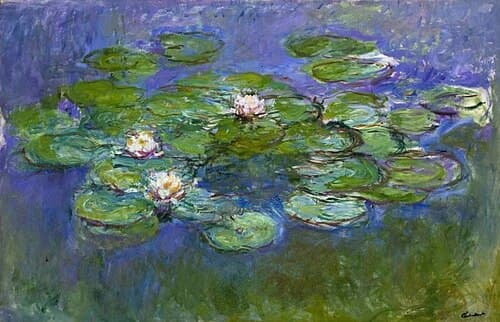
Water-Lilies
1914
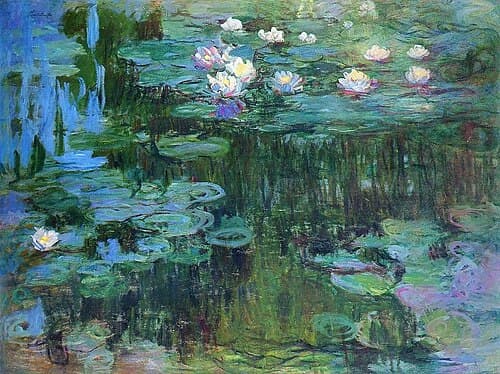
Nymphéas
1915
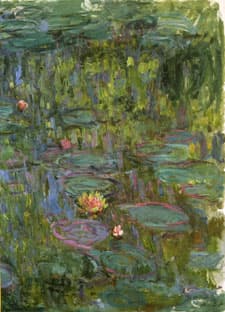
Water Lilies (Nymphéas)
1915 · The Museum of Modern Art, Gunma
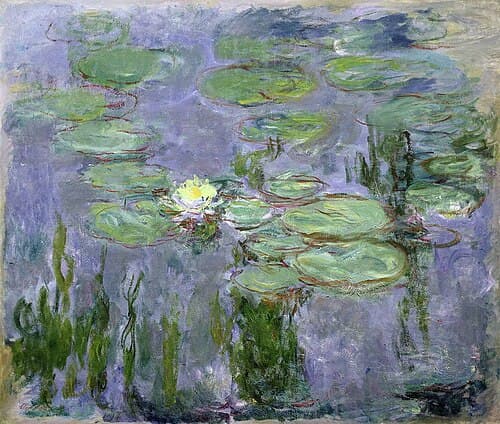
Water Lilies
1915 · Musée Marmottan Monet
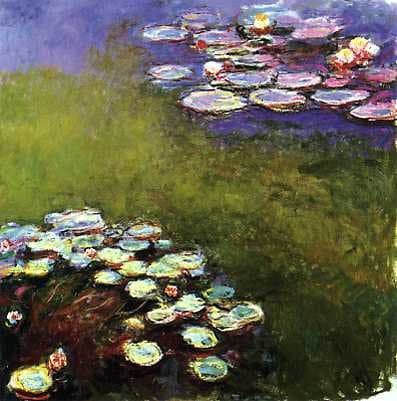
Water Lilies
1915 · Musée Marmottan Monet
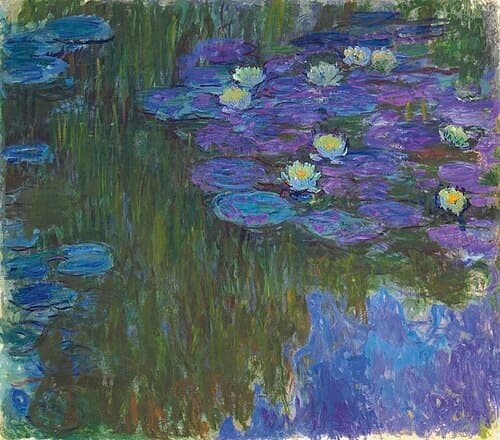
✦Nymphéas en fleur
1915
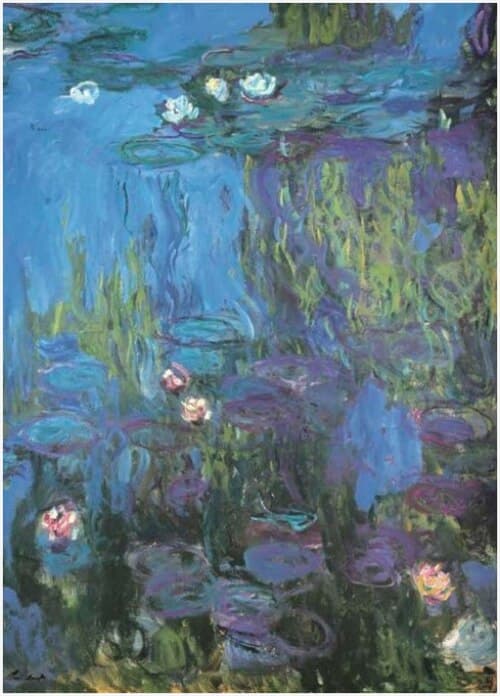
Nymphéas
1915
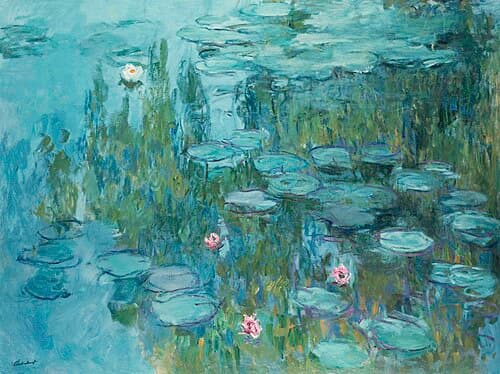
Water Lilies
1915 · Bavarian State Painting Collections
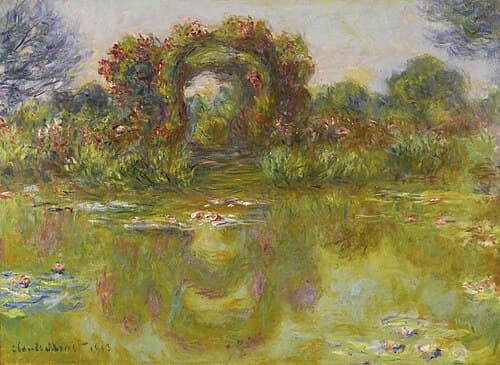
The Water-Lily Pond, Rose Arches
1915
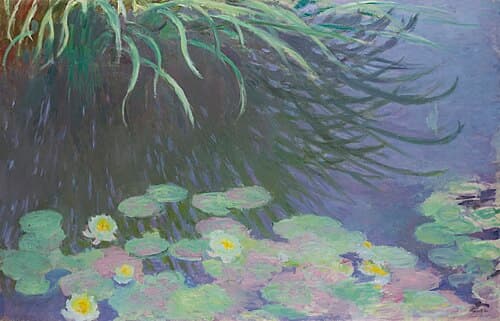
Nymphéas avec reflets de hautes herbes
1915
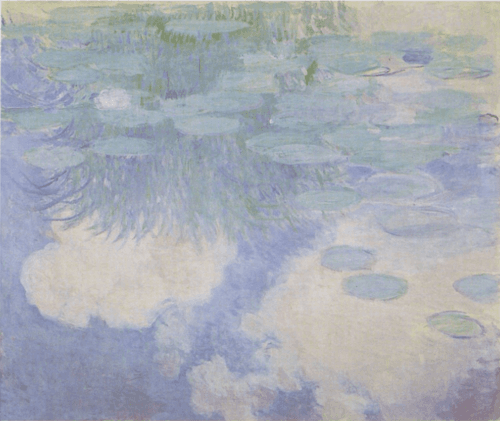
Nymphéas
1915 · Musée Marmottan Monet
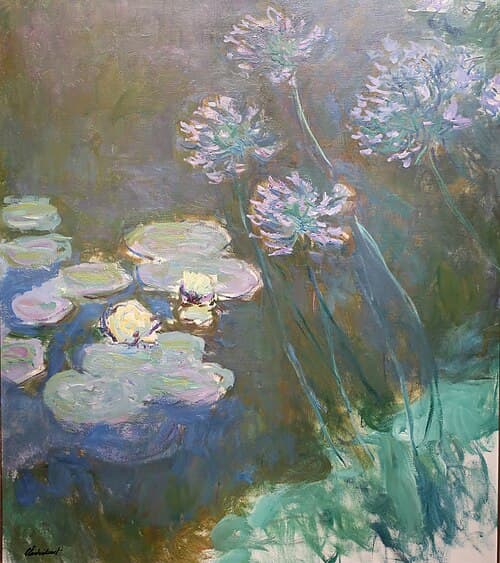
✦Nymphéas et Agapanthes
1915 · Musée Marmottan Monet
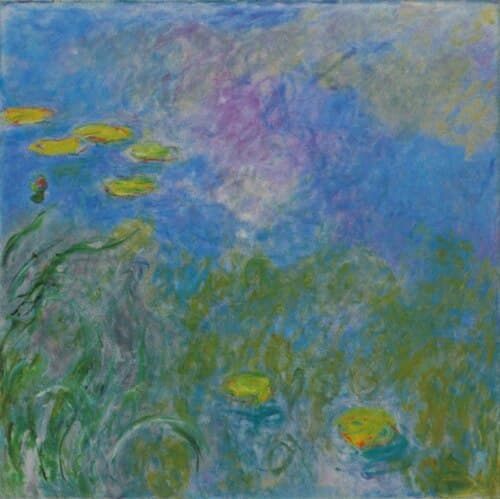
Water Lilies
1915 · Chichu Art Museum
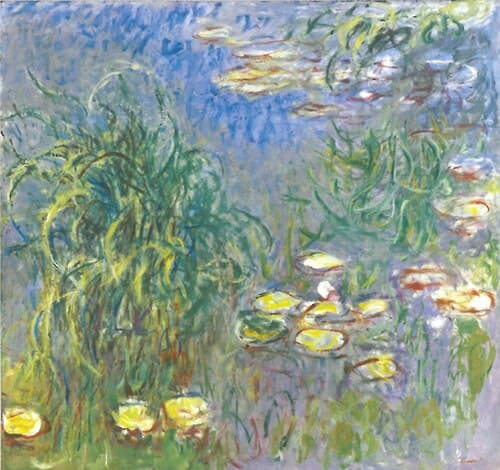
Water Lilies, Cluster of Grass
1915 · Chichu Art Museum
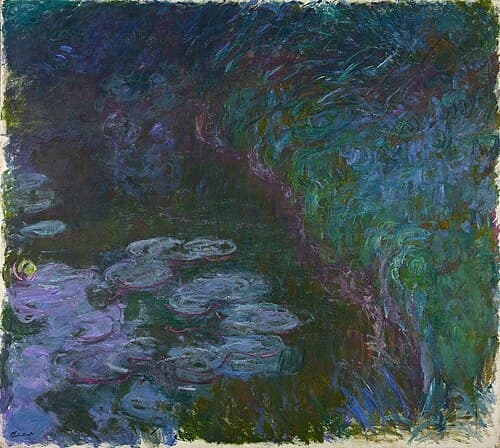
Nymphéas
1915 · Wallraf–Richartz Museum
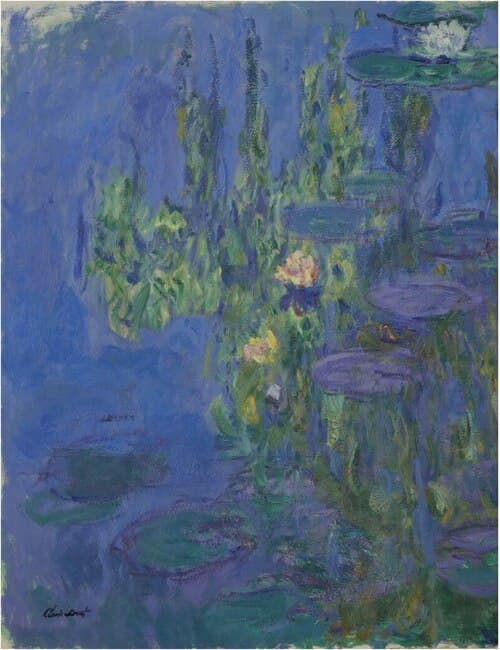
Water Lilies
1915
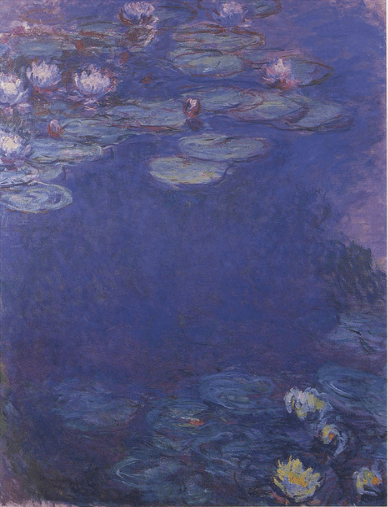
Water Lilies
1915
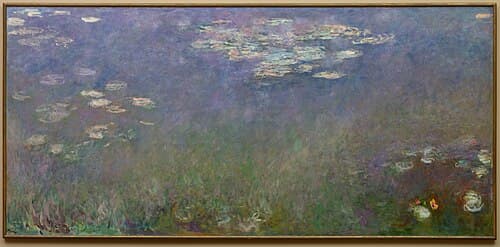
Water Lilies (Agapanthus)
1915 · Cleveland Museum of Art
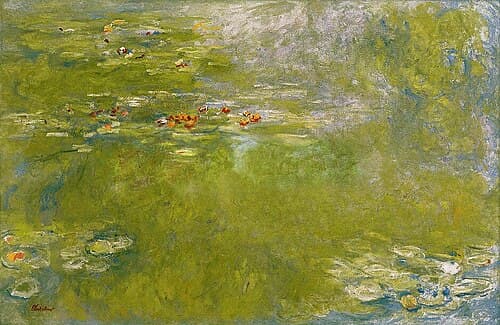
The Water-Lily Pond
1916 · Museum Folkwang
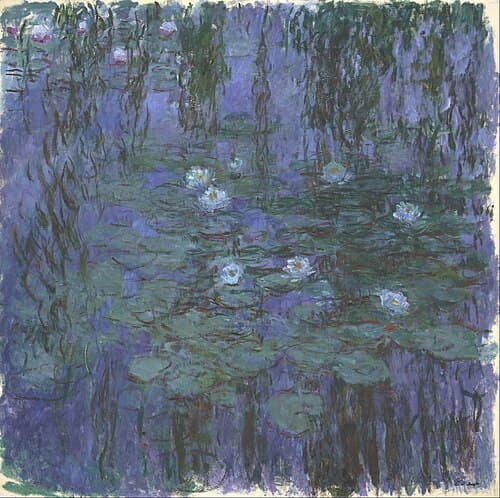
Blue Water Lilies
1916 · Musée d'Orsay
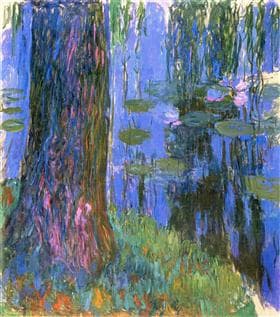
Weeping Willow and the Water-Lily Pond
1916
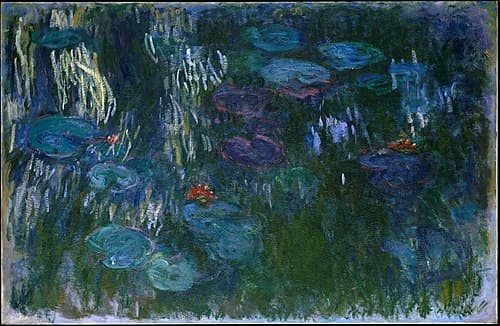
Water Lilies
1916 · Metropolitan Museum of Art
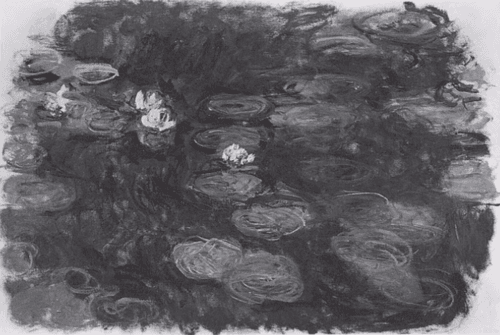
Water-Lilies
1916
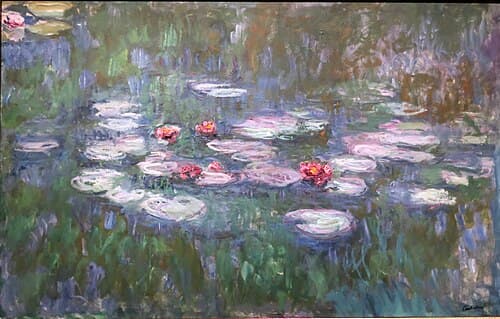
Water-Lilies
1916 · McNay Art Museum
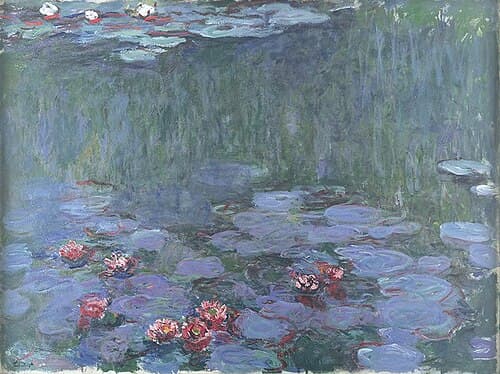
Water Lilies
1916 · Asahi Group Oyamazaki Villa Museum of Art
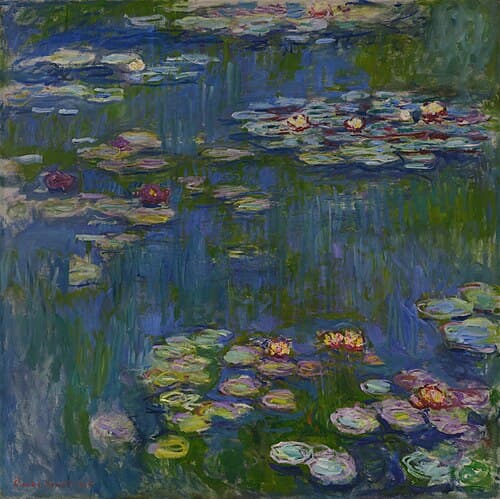
✦Water Lilies
1916 · National Museum of Western Art
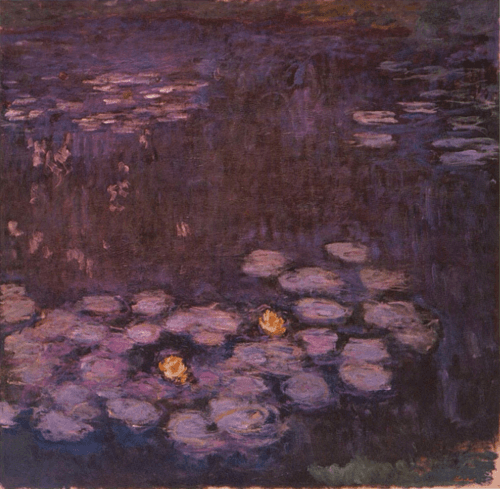
Nymphéas
1916 · Asahi Group Oyamazaki Villa Museum of Art
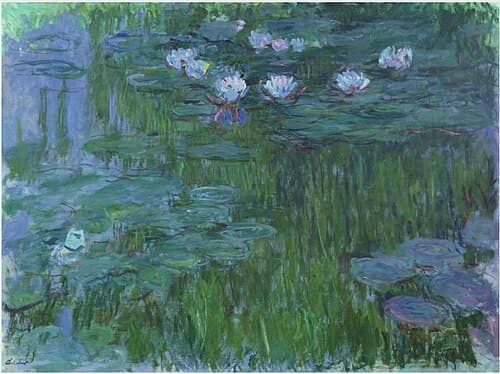
Nymphéas
1916 · Musée Marmottan Monet
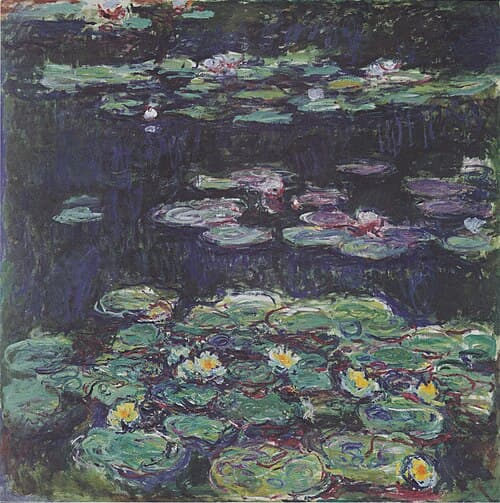
Nymphéas blancs et jaunes
1916 · Building of the Winterthur Museum of Art
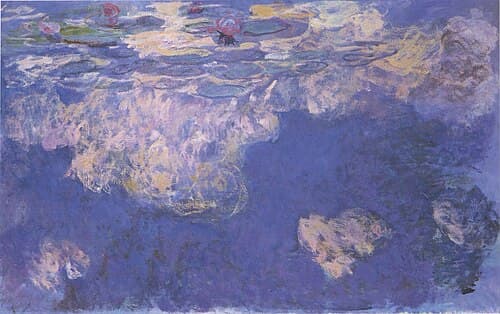
Water-Lilies
1916
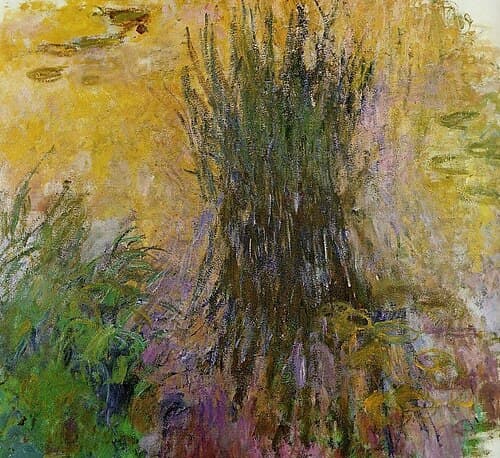
Nymphéas
1916 · Musée Marmottan Monet
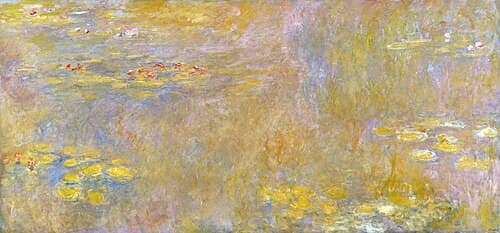
Water-Lilies
1916 · National Gallery
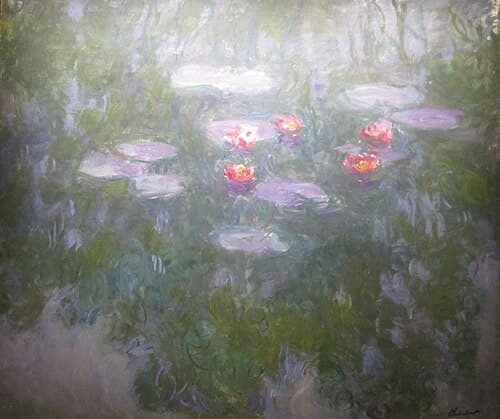
Nympheas
1917 · Musée Marmottan Monet
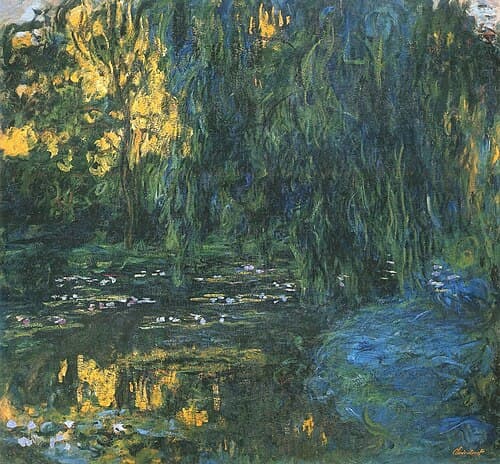
Water-Lily Pond and Weeping Willow
1917
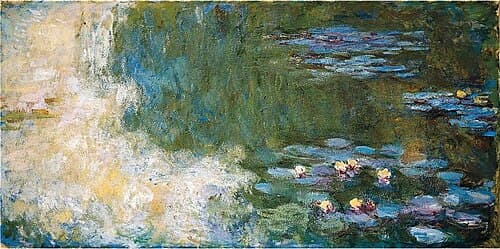
Water Lily Pond
1917 · National Museum of Modern and Contemporary Art, South Korea
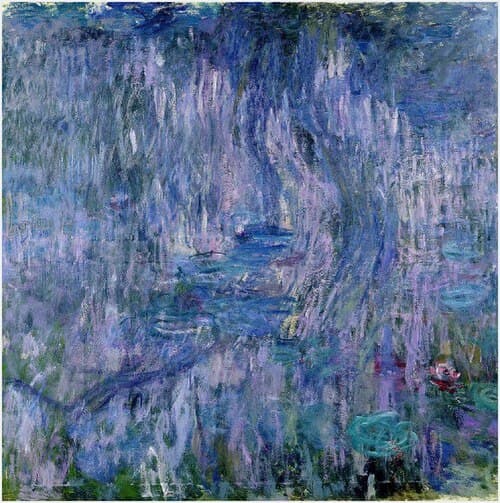
Water-Lilies, Reflection of a Weeping Willow
1917 · Musée Marmottan Monet
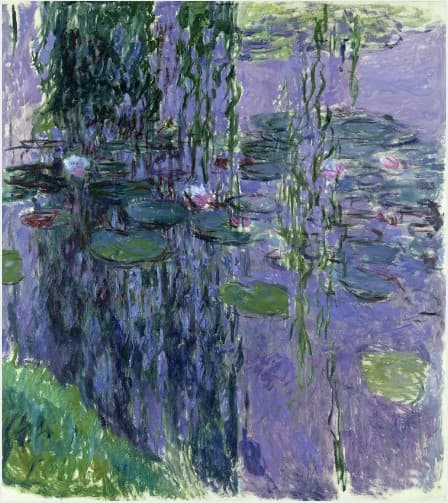
Water-Lilies
1917 · Musée Marmottan Monet
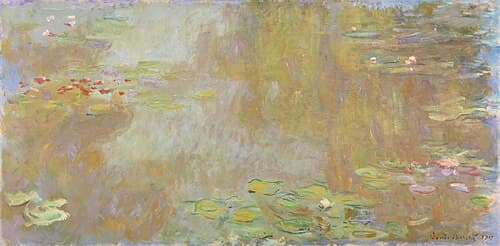
✦Water Lilies in Giverny
1917 · Nantes Museum of Arts
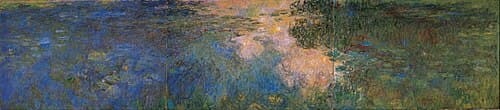
The Water-lily Pond
1917 · Beyeler Foundation
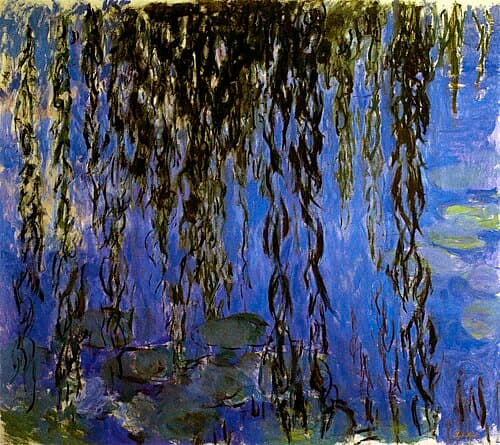
Nymphéas avec rameaux de saule
1917 · Lycée Claude-Monet
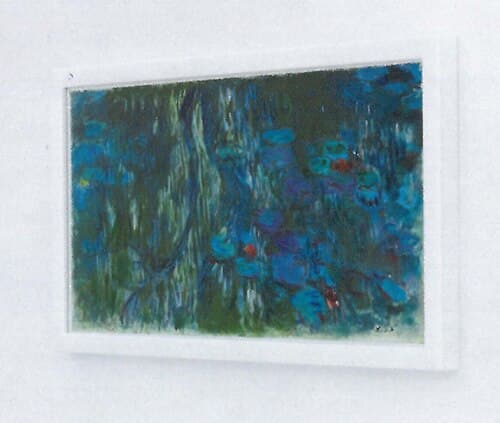
Water Lilies, Reflections of Weeping Willows
1917 · Chichu Art Museum
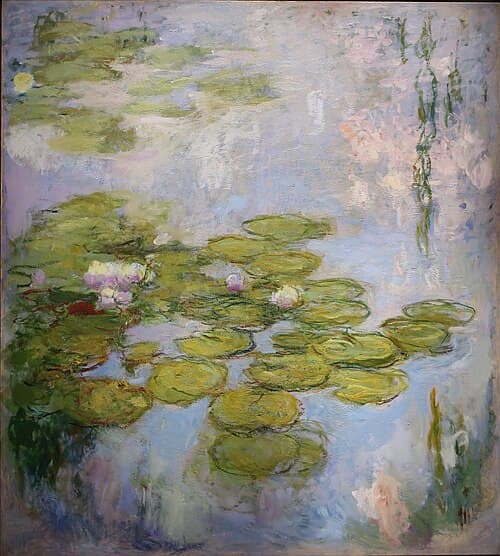
Water Lilies
1917 · Beyeler Foundation
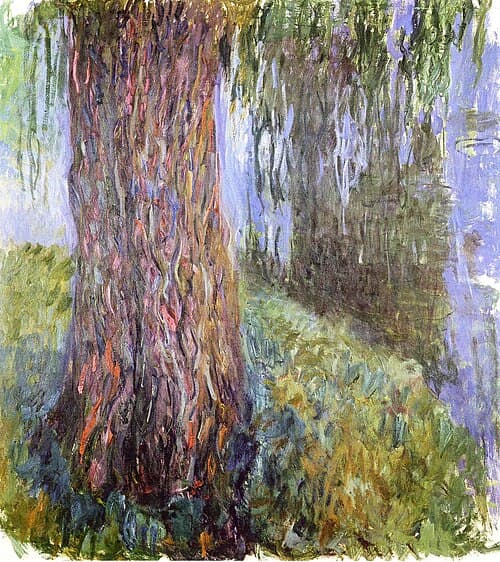
Saule pleureur et bassin aux nymphéas
1917 · Musée Marmottan Monet
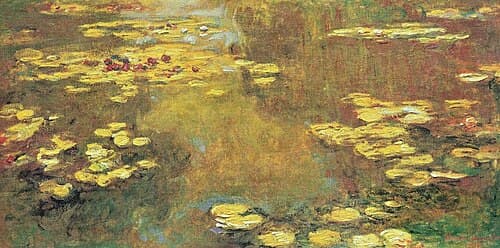
Water Lilies
1917
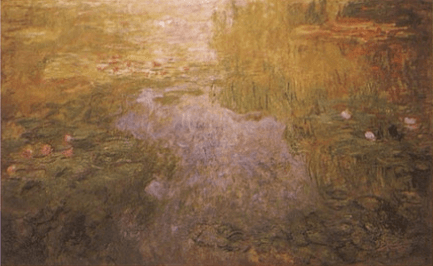
The Water-Lily Pond
1917
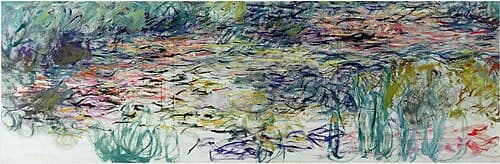
Nymphéas
1918 · Musée Marmottan Monet
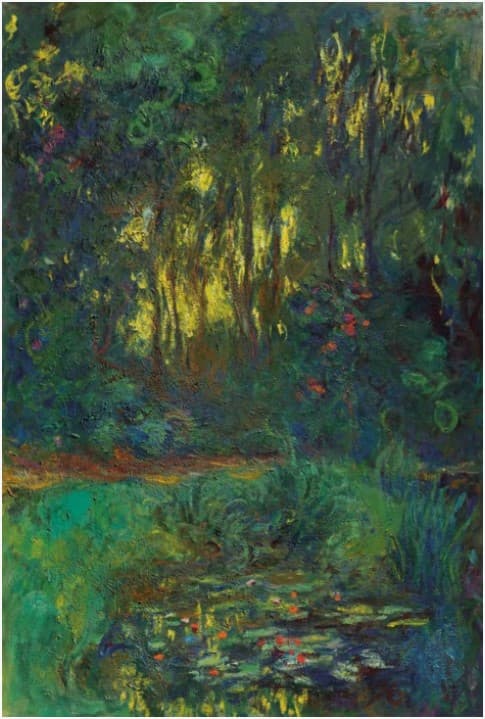
Corner of the Water Lily Pond
1918
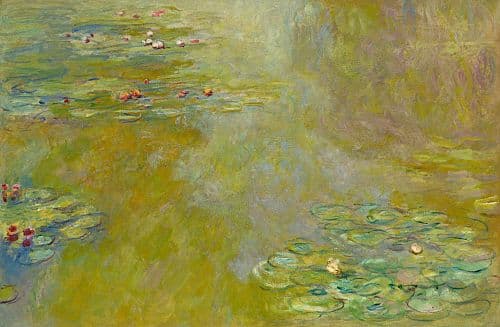
The Water-Lily Pond
1918 · Impressionism: The Hasso Plattner Collection
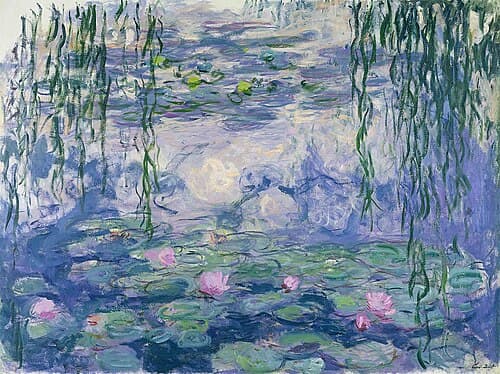
Water Lilies
1918 · Musée Marmottan Monet
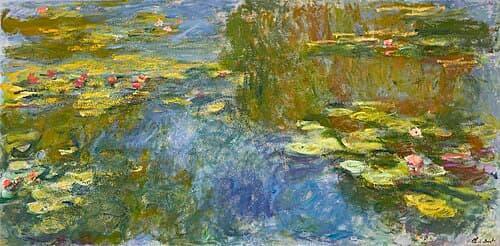
The Water Lily Pond
1918
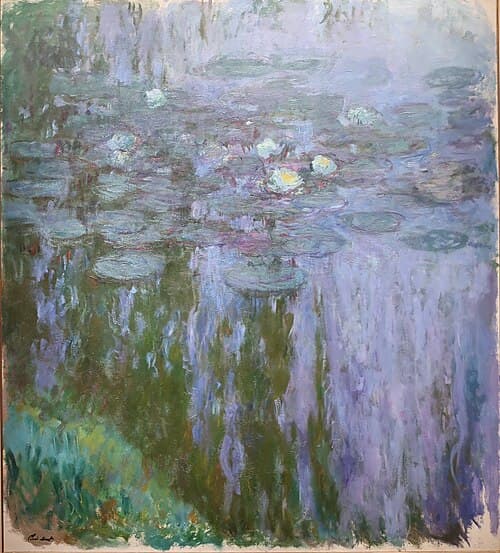
Nympheas
1918 · Musée Marmottan Monet
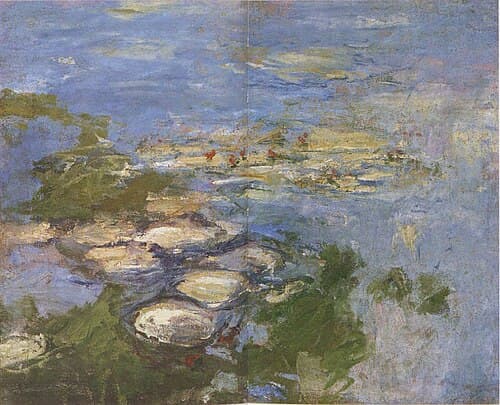
Water Lilies
1918
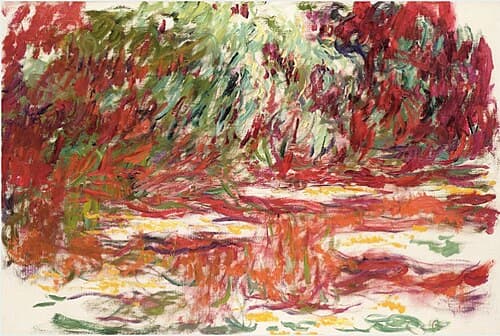
Bassin aux nymphéas
1918 · Musée Marmottan Monet
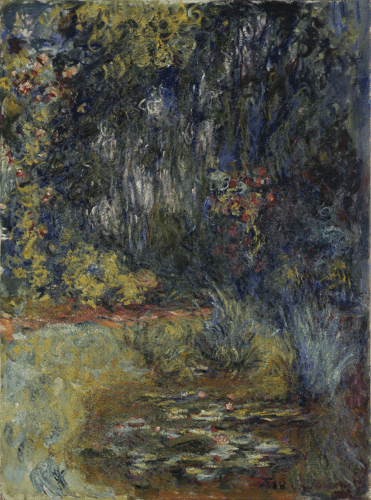
Corner of the basin of the Nymphéas
1918 · Museum of Art and History Geneva
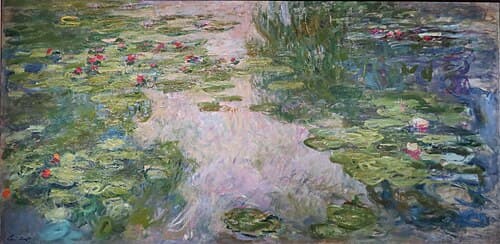
Waterlilies
1918 · Honolulu Museum of Art
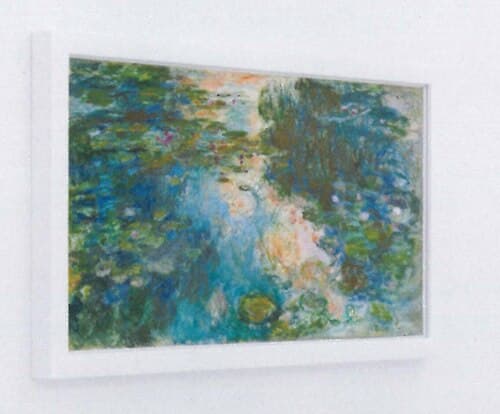
Water-Lily Pond
1918 · Chichu Art Museum
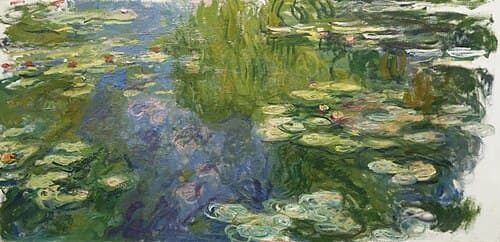
Le Bassin aux nymphéas
1918 · Trusted Media Brands
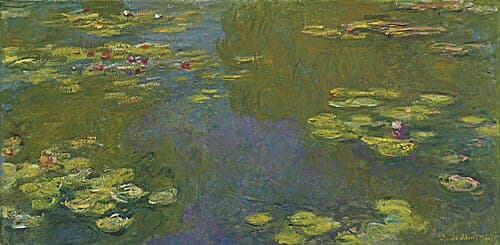
The Water Lily Pond
1918
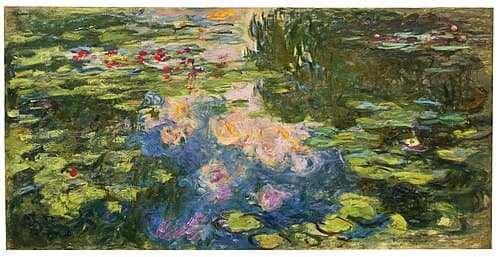
✦Water-Lily Pond
1918
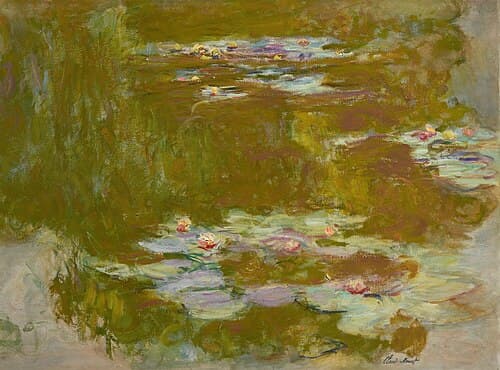
Le Bassin aux nymphéas
1918
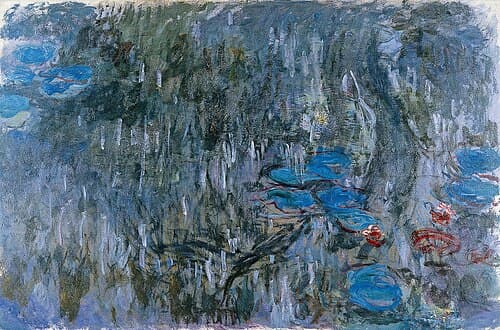
Water-Lilies, Reflection of a Weeping Willow
1918 · Kitakyushu Municipal Museum of Art
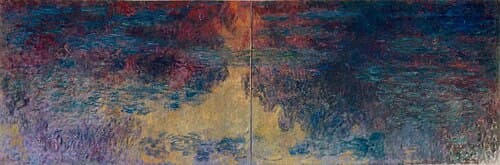
Le Bassin aux nymphéas, le soir
1918 · Kunsthaus Zürich
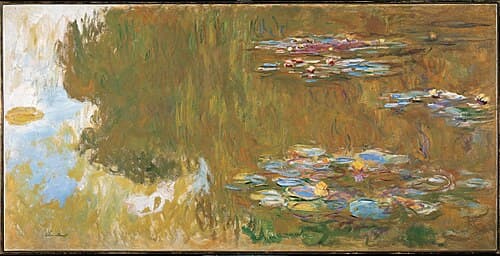
The Water Lily Pond
1918 · Albertina
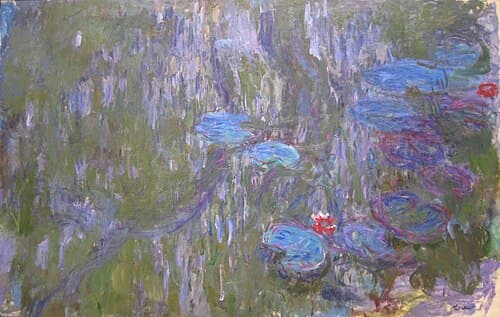
Water Lilies, Reflections of Weeping Willows
1918 · Metropolitan Museum of Art
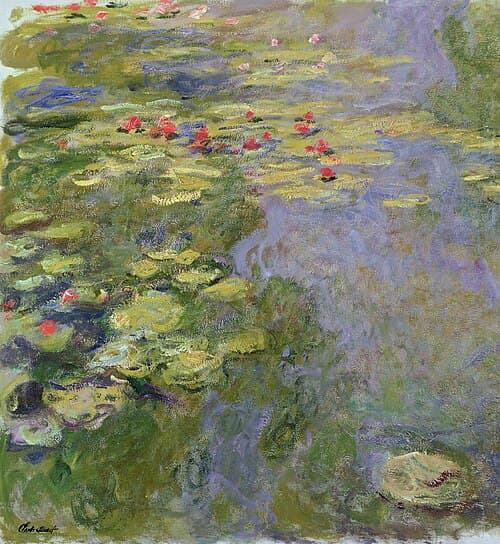
The Water-Lily Pond
1918 · Musée Marmottan Monet
Le Bassin aux nymphéas avec iris
1918 · Kunsthaus Zürich
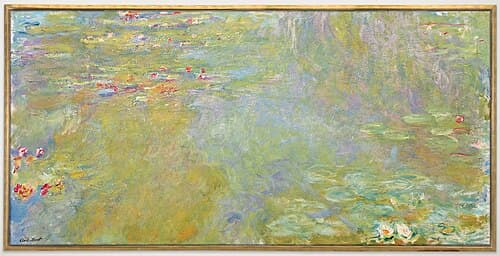
The Water-Lily Pond
1918
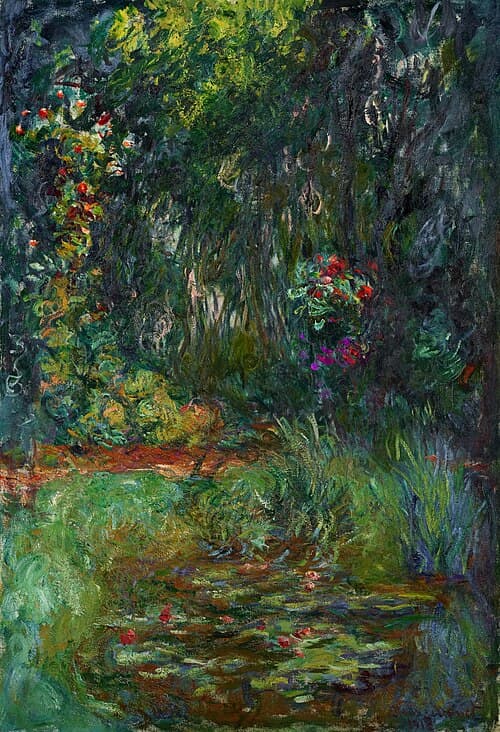
Coin du bassin aux nymphéas
1918
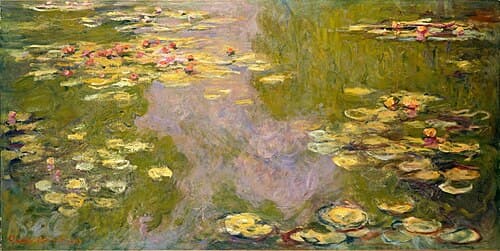
✦Water Lilies
1919 · Metropolitan Museum of Art
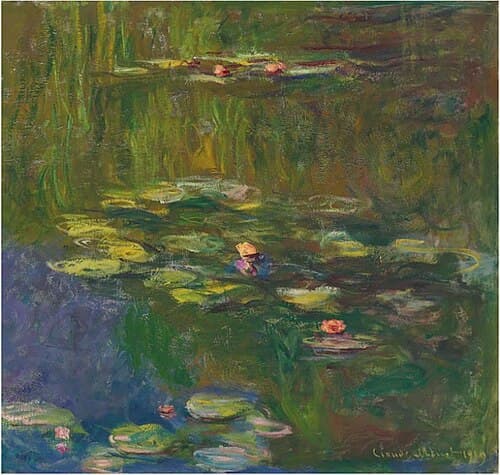
The Water Lily Pond
1919
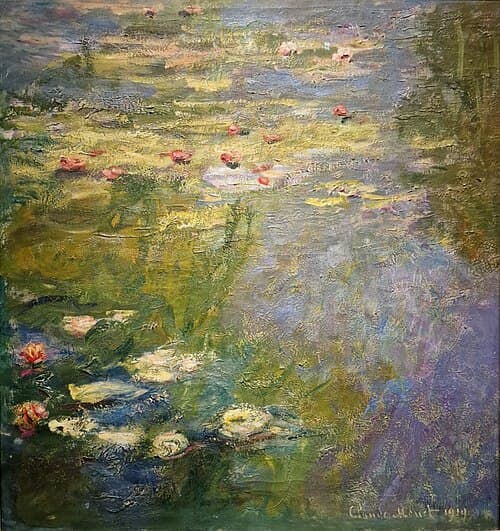
Water Lily Pond
1919 · Tel Aviv Museum of Art
Water-Lily Pond (right half)
1920 · Chinese Box
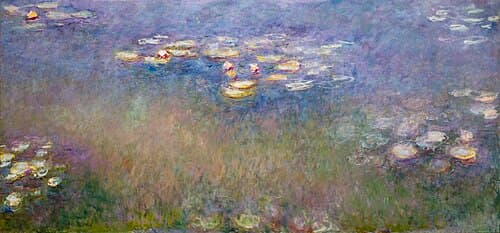
Water Lilies
1920 · Saint Louis Art Museum

The Water Lilies - Clear Morning with Willows
1920 · Musée de l'Orangerie
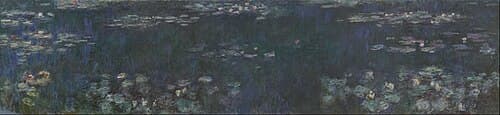
✦The Water Lilies - Green Reflections
1920 · Musée de l'Orangerie

The Water Lilies - Morning
1920 · Musée de l'Orangerie
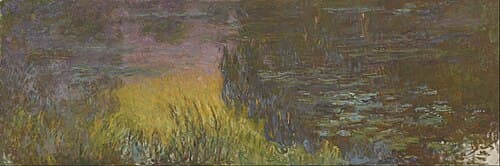
✦The Water Lilies - Setting Sun
1920 · Musée de l'Orangerie

The Water Lilies - The Two Willows
1920 · Musée de l'Orangerie
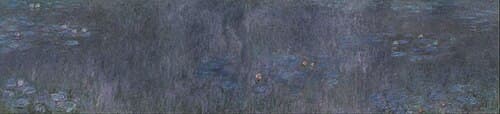
The Water Lilies - Tree Reflections
1920 · Musée de l'Orangerie
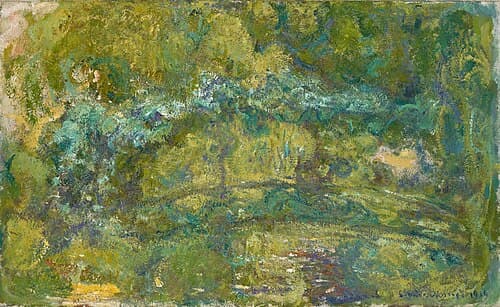
La passerelle sur le bassin aux nymphéas
1920 · Kunstmuseum Basel
Water-Lily Pond (triptych, center panel)
1920 · Beyeler Foundation
Water-Lily pond
1920 · Chichu Art Museum
Water-Lily Pond (triptych, right panel)
1920 · Beyeler Foundation
Reflections of the Weeping Willow on the Water-Lily Pond
1920
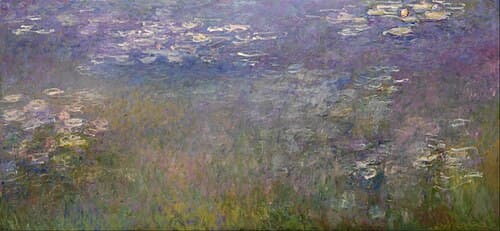
Water Lilies
1920 · The Nelson-Atkins Museum of Art
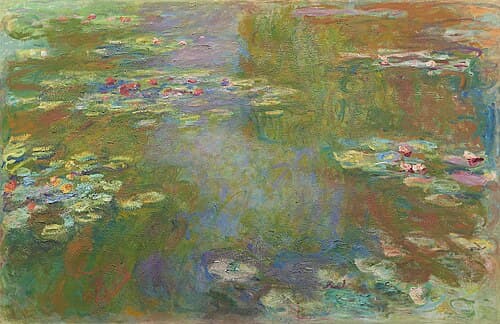
Water Lily Pond
1921 · Art Institute of Chicago
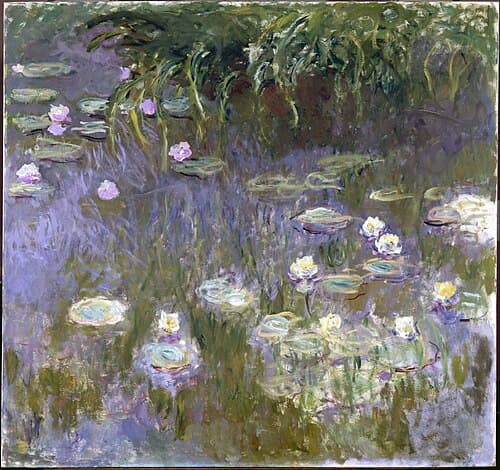
Water Lilies
1922 · Toledo Museum of Art
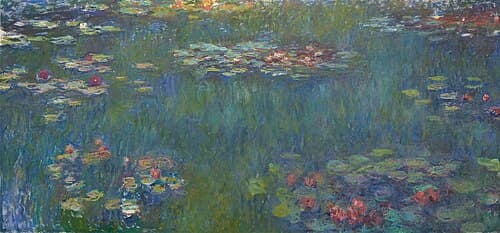
Waterlilies Pond, Green Reflection
1923 · Foundation E.G. Bührle Collection
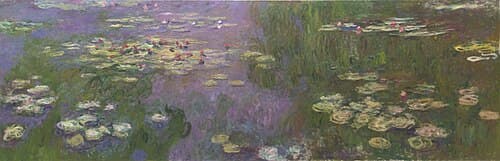
Water Lilies (Nymphéas)
Carnegie Museum of Art
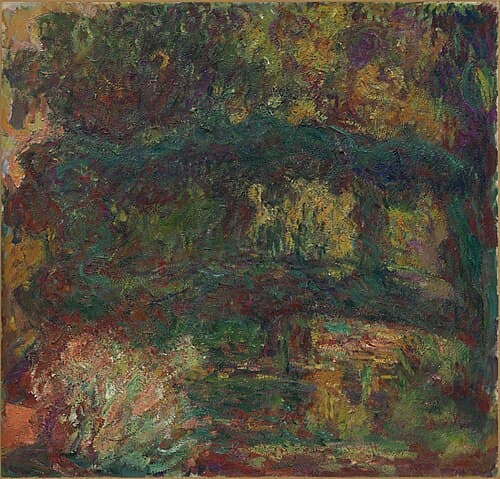
Nymphéas, Japanese Bridge
Philadelphia Museum of Art
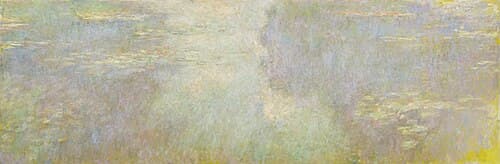
Water Lilies
Museum of Modern Art
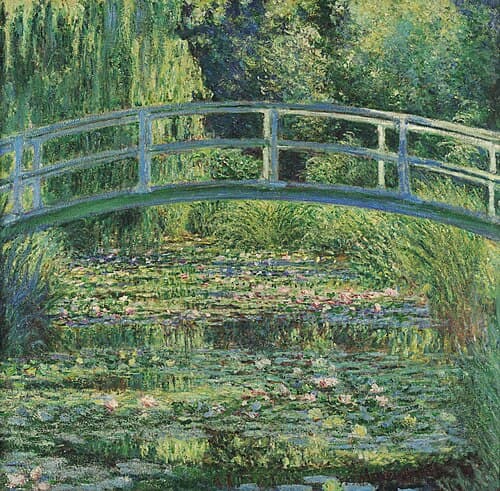
Water Lilies and Japanese Bridge
Princeton Art Museum
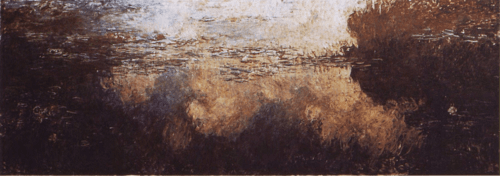
Water-Lily Pond
Museum of Modern Art

Nymphéas [Waterlilies]
National Gallery of Australia
What are Monet's Water Lilies?
The Nymphéas are pictures of water seen from above. Monet looked down at the surface of a pond and painted three things at once: the lily pads and flowers floating on it, the sky and trees reflected in it, and, now and then, the dark water and stems below it. There is usually no horizon and no bank. The edge of the canvas cuts the pond at random, as if the picture were a fragment of something with no edges at all.
That is the series' great novelty. In the earlier series of haystacks, poplars and Rouen Cathedral, Monet kept one motif and changed the light. In the water lilies the motif itself is mostly light: a cloud appears among the pads only because it is reflected there. Monet called the late pictures "landscapes of water."
The pond Monet built to paint
Monet moved to Giverny in 1883 and bought the house in 1890. In 1893 he acquired a marshy plot across the road and railway line and won permission, against the objections of neighbors worried about their water, to divert a little branch of the river Epte into a pond. He stocked it with hybrid water lilies in white, pink, yellow and red from a specialist nursery, planted irises, willows and bamboo on its banks, and built an arched footbridge across its narrow end.
The pond was enlarged in 1901 and again later, and Monet employed a gardener whose job was to tend the water itself: to clear weed, trim the lilies into clusters and keep the surface clean enough to reflect the sky. The garden was designed to be painted, and the paintings record it as it grew.
The first studies, 1897–1900
Monet's earliest lily pictures, such as Water Lilies, Evening Effect and the Nymphéas of 1897 in Los Angeles, are small and close: a few pads and a couple of blooms on dark water, painted from the bank. In 1899 and 1900 he turned to a wider view that included the footbridge, the group now gathered on our Japanese Footbridge page. In those, the lilies are a carpet laid under an arch of greenery.
Water landscapes, 1903–1908
From 1903 Monet dropped the bridge and the bank and looked straight down at the water. Canvases like the Water Lilies of 1904 show islands of pads drifting across reflections of trees and pale sky, with the far bank sometimes reduced to a dark band at the top. He worked on many canvases at once, returning to each as the same light came back, and reworked them for years in the studio.
In May 1909 his dealer Paul Durand-Ruel showed 48 of these pictures in Paris under the title Les Nymphéas, séries de paysages d'eau. Critics were astonished. There had never been an exhibition of so many paintings of so little: a few square meters of water seen at different hours.
The Grandes Décorations, 1914–1926
After the deaths of his second wife Alice in 1911 and his son Jean in 1914, and with his eyesight failing, Monet planned something larger: a ring of water-lily paintings that would surround the viewer. In 1915 he built a new studio at Giverny, about 23 by 12 meters, big enough to hold canvases two meters high and several meters wide, which he moved around on wheeled easels.
The work of these years includes the huge panels and dozens of related canvases: Water Lilies at MoMA, the 1916 Water Lilies in Tokyo, Water Lilies in Giverny in Nantes, Water Lilies and Agapanthus at the Marmottan, and the privately owned Le Bassin aux nymphéas of 1917–19. Many have no fixed date, only a range such as "1914–26", because Monet kept them in the studio and kept painting on them.
Monet offered a set of panels to the French state the day after the Armistice of November 1918, at the urging of his friend Georges Clemenceau. The gift was formalized in 1922. The eight compositions were installed in two oval rooms at the Orangerie in the Tuileries and opened in May 1927, five months after his death. Among them are Green Reflections and Setting Sun.
How the versions differ
Read in order, the series moves from description toward sensation.
- Viewpoint. The early pictures include a bank or the bridge. After 1903 the bank disappears and the canvas becomes all surface.
- Format. Square and near-square canvases give way, after 1914, to long horizontal panels and to round canvases (tondi) shown in 1909.
- Light and hour. Some pictures are cool mornings in blue and green; others are evenings in which the water turns gold, rose and violet, as in the Orangerie's Setting Sun.
- Season. Lilies flower from late spring to autumn, so the series is a summer one, but the willows and reflections change through the year.
- Touch. The early pads are drawn as clear ovals. In the late work they dissolve into loops and dabs of paint, sometimes laid on in thick crusts, sometimes thinned and scrubbed.
Monet's cataracts and the late water lilies
From about 1912 Monet suffered from cataracts in both eyes. By the early 1920s colors looked muddy and yellowed to him, and he worked partly from memory and from the labels on his paint tubes. Some late lily and garden pictures are dominated by reds and browns. In 1923 he had surgery on his right eye and, after a difficult recovery and new glasses, repainted parts of several panels. How much the condition shaped the late style is debated: Monet's handling had been growing broader for years, and he was also deliberately painting for vast walls seen from a distance.
How the water lilies were sold, and their reputation
Unlike the haystacks, which sold within weeks, many late water lilies never left the studio in Monet's lifetime. His son Michel inherited them and bequeathed them in 1966 to the Musée Marmottan, which is why that museum holds the richest group of late canvases. In the 1950s, as American abstract painting rose, curators and collectors rediscovered these pictures as forerunners of large-scale abstraction; MoMA bought its first big lily panel in 1955 and replaced it after a fire in 1958. Today a lily picture is among the most expensive Monets on the market: one Bassin aux nymphéas sold for almost £41 million in London in 2008, and prices have risen since.
Where to see Monet's water lilies
- Musée de l'Orangerie, Paris: the eight Grandes Décorations, in the rooms Monet helped design.
- Musée Marmottan Monet, Paris: the largest group of late studio canvases.
- Musée d'Orsay, Paris: early lily and bridge pictures, see Monet at the Orsay.
- Museum of Modern Art, New York; the Metropolitan Museum (Water Lilies, 1919); the Art Institute of Chicago: major examples in the United States.
- The Agapanthus triptych is divided among the Cleveland Museum of Art, the Saint Louis Art Museum and the Nelson-Atkins Museum in Kansas City.
- National Museum of Western Art, Tokyo; Kunsthaus Zürich; Musée d'arts de Nantes: further large canvases.
For a full list by city, see Where to See Monet's Paintings, and for the house and garden themselves, our Giverny page. For the artist's life, see Claude Monet.
Questions & answers
How many water lilies paintings did Monet paint?
Monet painted about 250 pictures of his water lily pond at Giverny between 1897 and 1926. The count is approximate because many late canvases were unfinished studies, some were destroyed by Monet himself, and scholars group the large panels and related works in different ways.
Where are Monet's Water Lilies?
The most famous Water Lilies are the eight huge panels in the Musée de l'Orangerie in Paris, opened in 1927. The Musée Marmottan Monet in Paris holds the biggest group of late canvases. Others are at the Musée d'Orsay, MoMA, the Met, the Art Institute of Chicago, the National Museum of Western Art in Tokyo and many other museums.
Why did Monet paint water lilies?
Monet built the lily pond himself in 1893 so he would have a motif on his doorstep. The water let him paint flowers, sky and trees at once, as reflections, and to keep painting the same few meters of surface as the light changed. In his last years it also let him work at home as his health and eyesight declined.
Did Monet's cataracts affect the Water Lilies?
Probably in part. Cataracts dulled and yellowed Monet's color vision from around 1912, and some late works lean heavily on reds and browns. After surgery in 1923 he reworked several panels. But his brushwork had been loosening for years, and the broad handling also suits pictures made for very large walls.
How big are the Orangerie Water Lilies?
The eight Orangerie compositions are about two meters high and together run to roughly 90 meters of painted surface. They are made of joined canvas panels and hang around the curved walls of two oval rooms, so that visitors stand inside the pond.