Image: The National Gallery, London (Sir Hugh Lane Bequest, 1917); via Wikimedia Commons · Public domain · via Wikimedia Commons
Impressionism
Lavacourt under Snow
Claude Monet, c. 1878–81
Lavacourt under Snow is a sunlit winter scene by Claude Monet of the hamlet across the Seine from Vétheuil, dated 1881 but perhaps painted in the hard winter of 1879–80. It is in the National Gallery, London, shared with the Hugh Lane Gallery, Dublin.
- Artist
- Claude Monet
- Date
- c. 1878–81
- Medium
- Oil on canvas
- Dimensions
- 59.7 × 80.6 cm
- Collection
- National Gallery (Hugh Lane Bequest), London, United Kingdom
- Movement
- Impressionism
- Catalogue
- Wildenstein 511
Painted at Monet at Vétheuil
What you are looking at
A snowy riverbank fills the foreground, its surface painted in heavy strokes of blue and white. On the right, a row of low stone houses runs diagonally into the distance, their roofs thick with snow, their walls gray and violet in shadow. Bare trees stand in front of them, their branches a tangle of brown and purple lines against a pale, glowing sky.
On the left, beyond the snowbank, the Seine is a strip of cold blue-green water with floating ice, and a long dark boat is drawn up at the edge. On the far bank, low hills are touched with pink and yellow: the winter sun is falling on them while our side of the river is in shadow. The sky is pale cream and lemon, almost white near the horizon.
Where and when it was painted
Lavacourt is a small hamlet on the left bank of the Seine, opposite Vétheuil, where Monet lived from 1878 to 1881. He painted it many times from across the river and from its own riverbank. This picture is signed and dated 1881, but the National Gallery suggests that the date may have been added later and that the canvas could belong to the exceptionally cold winter of 1879–80, when the Seine froze and Monet worked outdoors in the snow. He signed and dated many pictures when he sold them, sometimes years after they were begun.
That winter came just after the death of Camille in September 1879, and the snow and ice pictures of 1879–80 have often been read in the light of his grief. Lavacourt under Snow is, however, one of the most luminous of them. See Monet at Vétheuil for the wider group.
How it was painted
A strong diagonal, formed by the line of houses and trees, runs from the lower right toward the middle of the picture and pulls the eye across the river to the sunlit far bank. Monet sets cool against warm: the near bank in blue and gray shadow, the distant hills in pale pink sunlight. That temperature contrast is the subject.
The snow in the foreground is painted with broad, loaded strokes, blue laid over white and white over blue, so that the surface of the paint itself feels like trodden snow. The houses are built up in small, separate touches of gray, violet and ochre. The trees are drawn in thin, wiry strokes. In the sky, Monet uses almost no blue; the light is the yellowish white of a low winter sun.
The hamlet looks timeless: stone cottages, a river, no factory chimney or railway. Look at the dark boat drawn up on the left: it is the only sign of work in the picture, and its black hull, almost the darkest note on the canvas, makes the snow around it look brighter. The National Gallery describes it as a traditional rural world untouched by industry, very different from Monet's views of Paris and Argenteuil a few years earlier.
The story of its purchase
In 1905 the Irish collector Hugh Lane offered this picture to the National Gallery, whose trustees thought it too avant-garde and preferred a Boudin. Lane bought the Monet himself, and it reached the Gallery after his death through his bequest of 1917. The Lane bequest has long been disputed between London and Dublin, and its pictures are now shared under an agreement between the National Gallery and the Hugh Lane Gallery. This one was on long loan to Dublin in 2006–13 and again from 2019, scheduled to 2026.
Related works
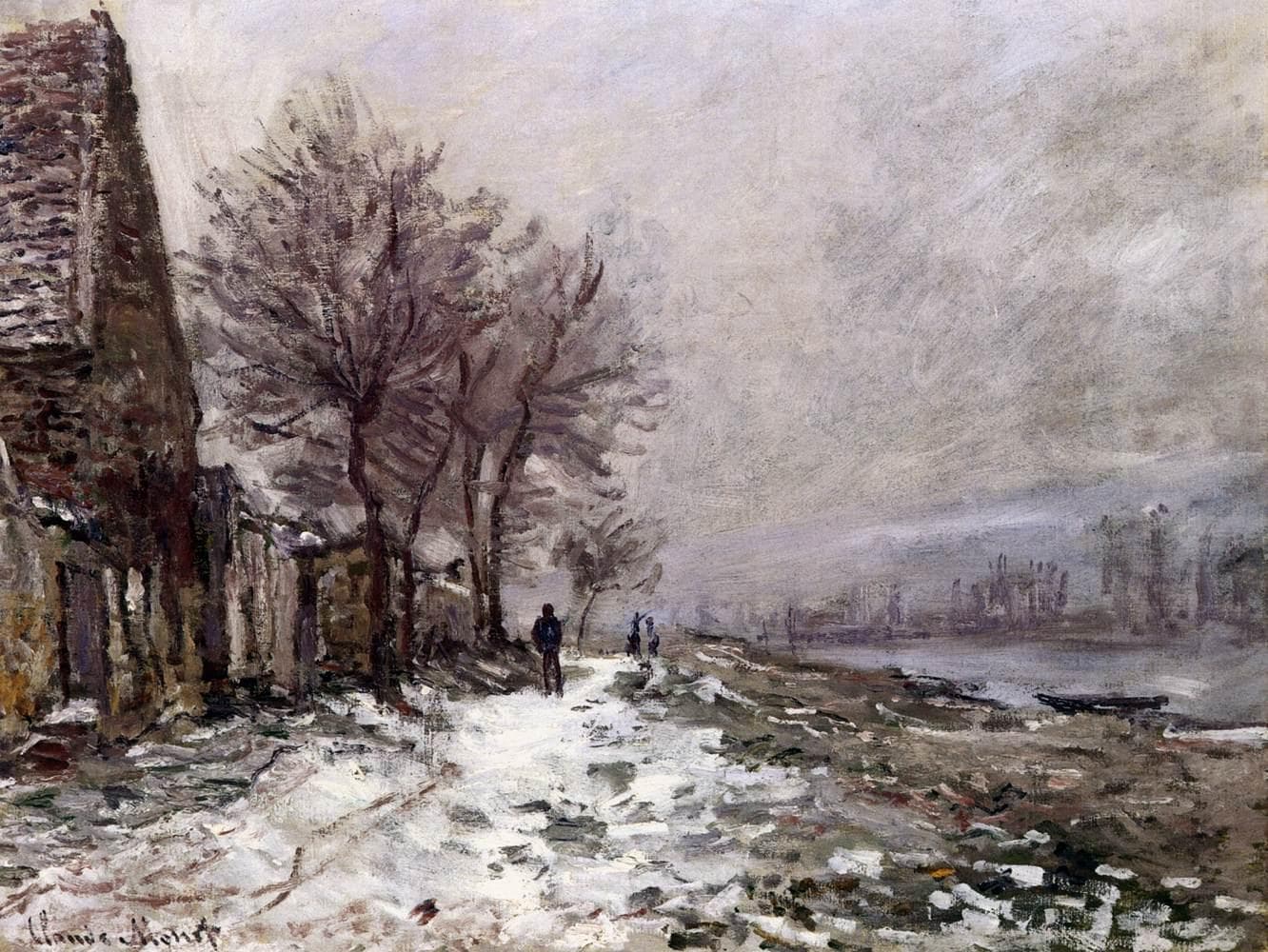
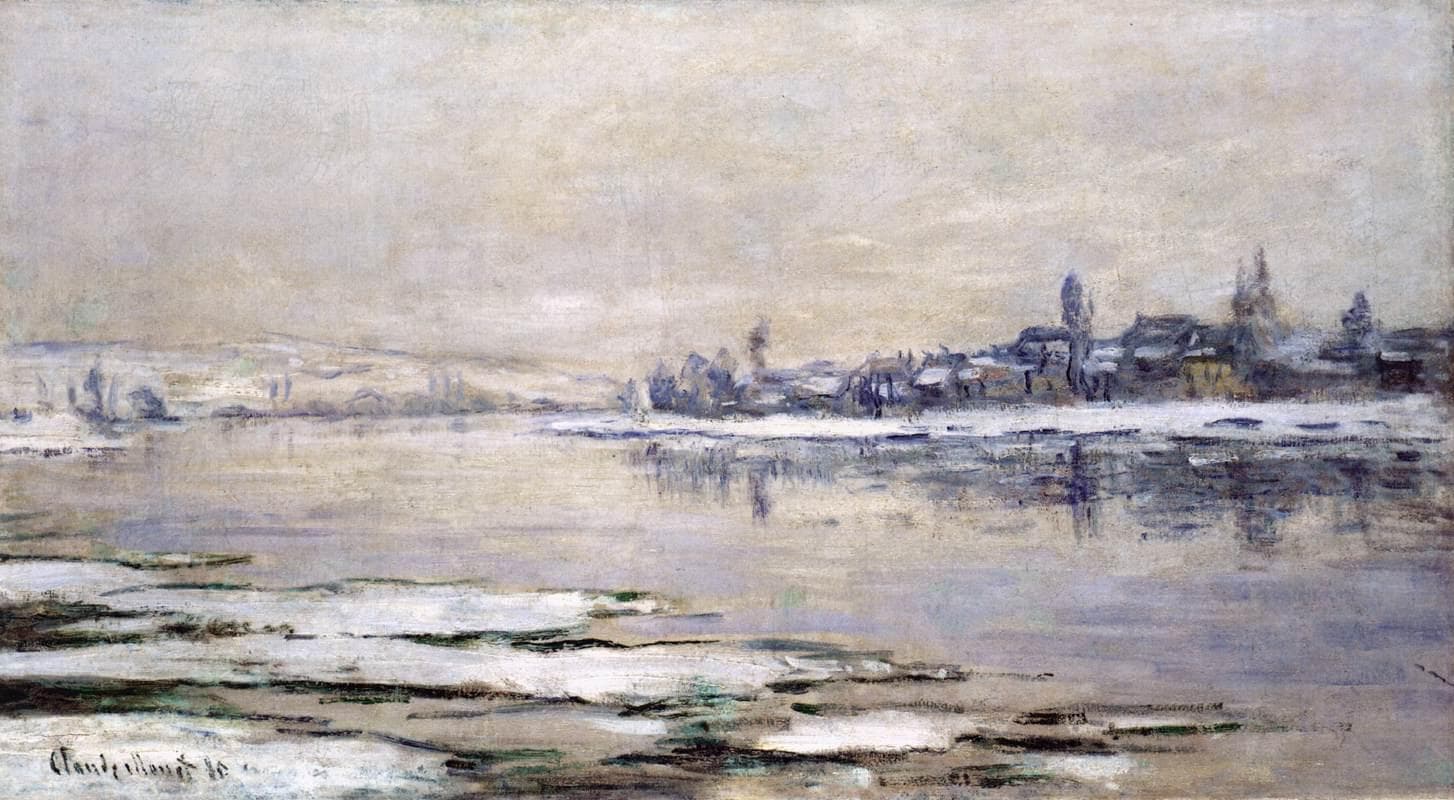
Other Lavacourt snow scenes include Lavacourt in Winter and Sunset on the Seine at Lavacourt, Winter Effect, and the river ice of that season appears in The Breakup of the Ice at Lavacourt.
Where to see it
Lavacourt under Snow belongs to the National Gallery, London (NG3262), and is held in partnership with the Hugh Lane Gallery, Dublin. Check both museums' websites for its current location. For other collections, see where to see Monet's paintings.
Questions & answers
Where is Monet's Lavacourt under Snow?
It belongs to the National Gallery, London (NG3262), as part of the Sir Hugh Lane Bequest, which is shared with the Hugh Lane Gallery in Dublin. It was on long loan to Dublin from 2019, scheduled to run to 2026, so check both museums before visiting.
When was Lavacourt under Snow painted?
It is signed and dated 1881, but the National Gallery dates it about 1878–81 and suggests it may have been painted in the very cold winter of 1879–80, when the Seine froze near Vétheuil.
Where is Lavacourt?
Lavacourt is a small hamlet on the left bank of the Seine, opposite Vétheuil, about 60 km northwest of Paris. Monet lived in Vétheuil from 1878 to 1881 and painted Lavacourt often.
Why did the National Gallery refuse the painting in 1905?
When Hugh Lane offered it, the trustees thought Monet too modern and chose a Boudin instead. Lane bought it himself, and it came to the Gallery through his bequest after his death in 1915.
More by the artist
Claude Monet

Bridge over a Pond of Water Lilies
Claude Monet · 1899

Woman with a Parasol – Madame Monet and Her Son
Claude Monet · 1875

Sunset in Venice
Claude Monet · 1908–12

La Grenouillère
Claude Monet · 1869

Beach in Pourville
Claude Monet · 1882

Springtime
Claude Monet · 1872

Boating on the River Epte
Claude Monet · 1890

The Seine at Asnières (Hermitage)
Claude Monet · 1873
Also painted in 1880
The same year
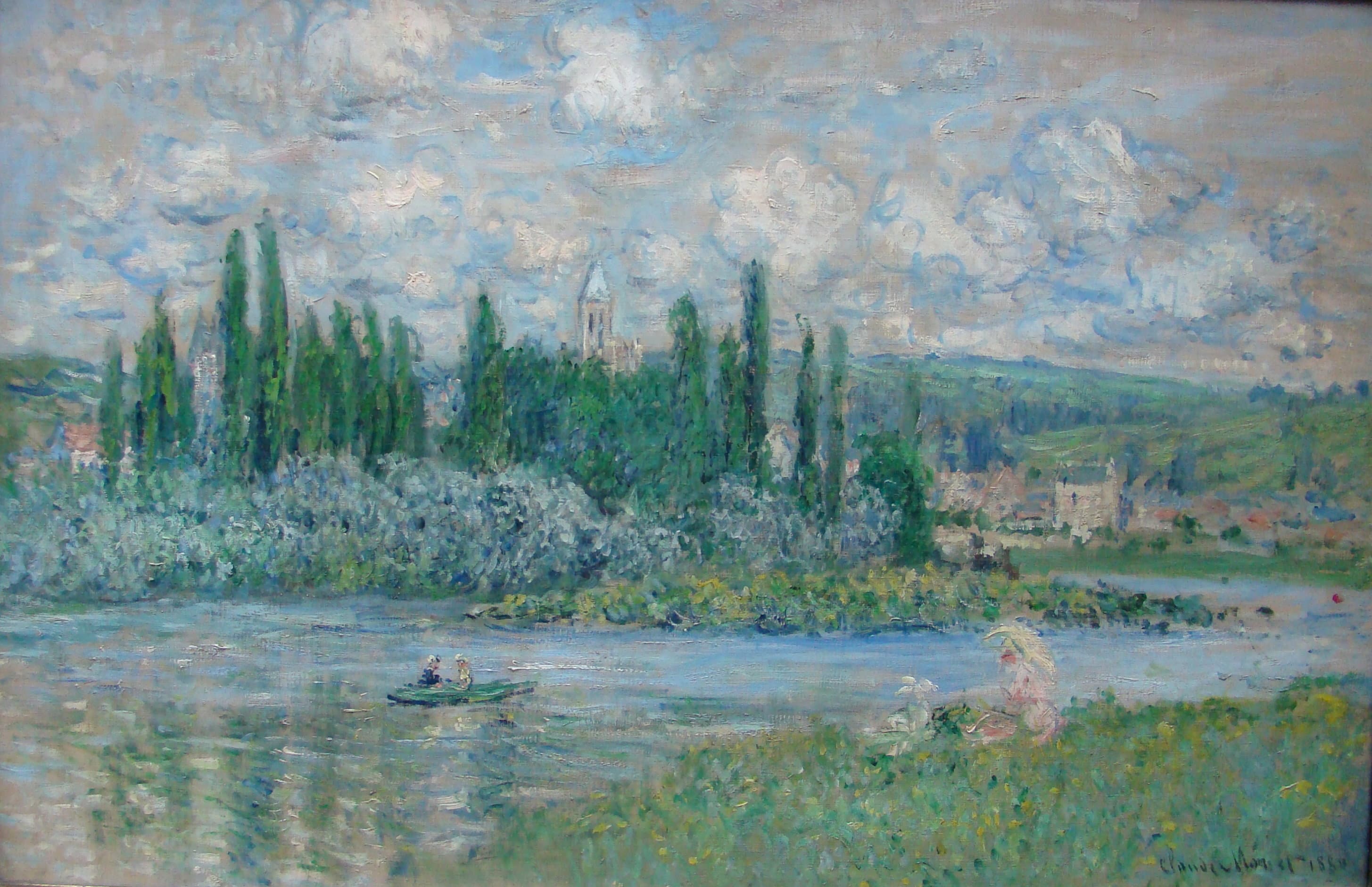
View of Vétheuil
Claude Monet · 1880
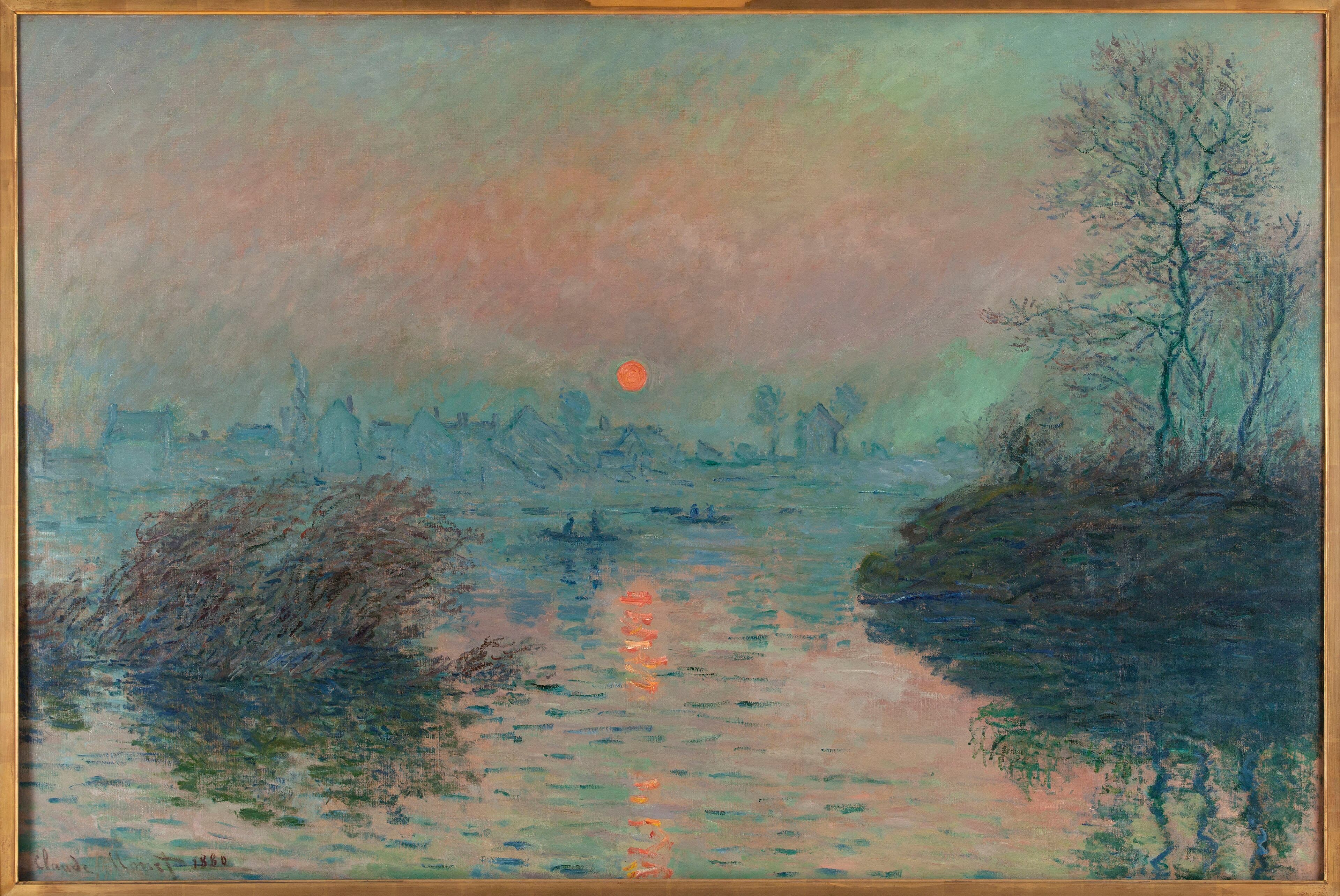
Sunset on the Seine at Lavacourt, Winter Effect
Claude Monet · 1880
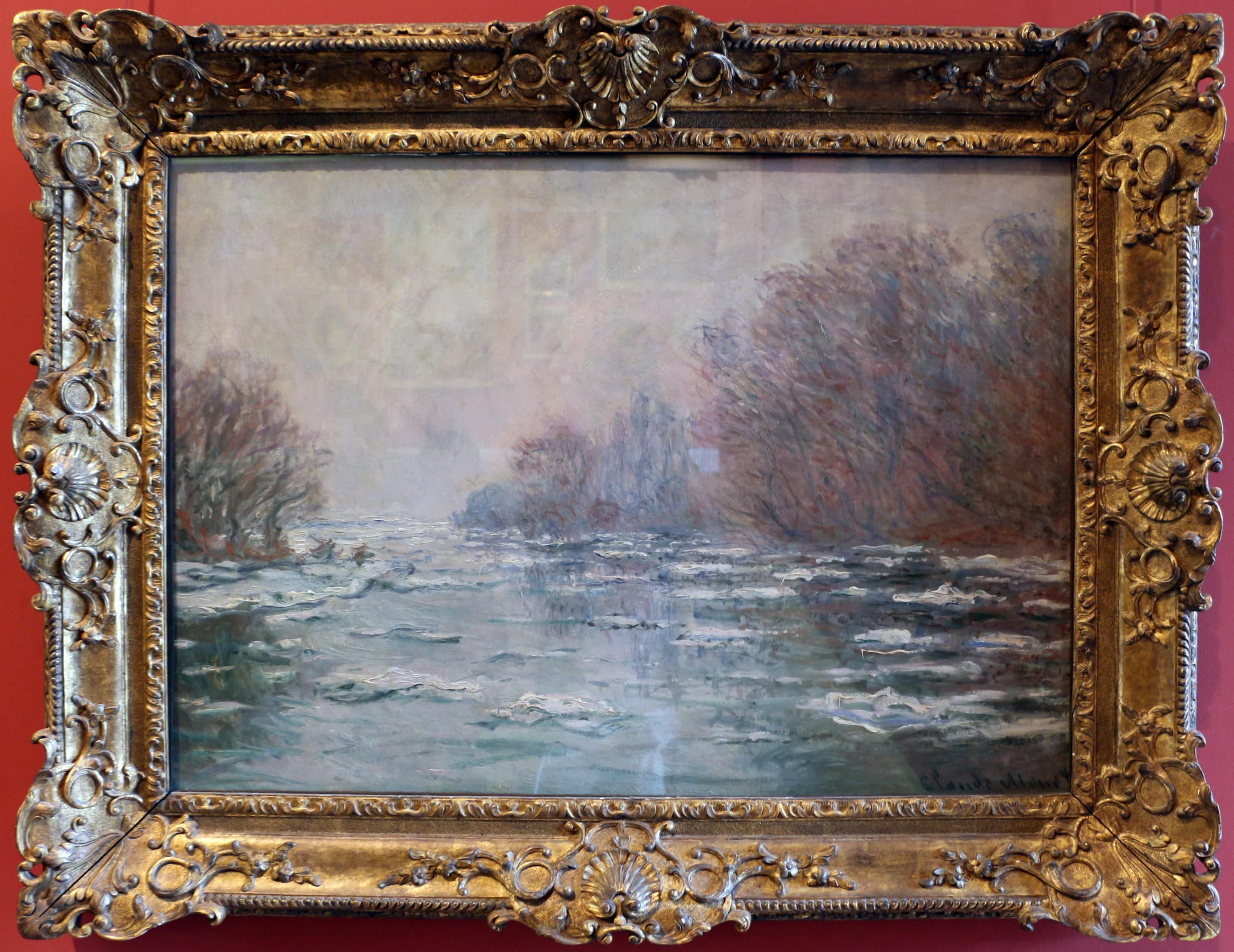
The Breaking Up of the Ice near Vétheuil
Claude Monet · c. 1880
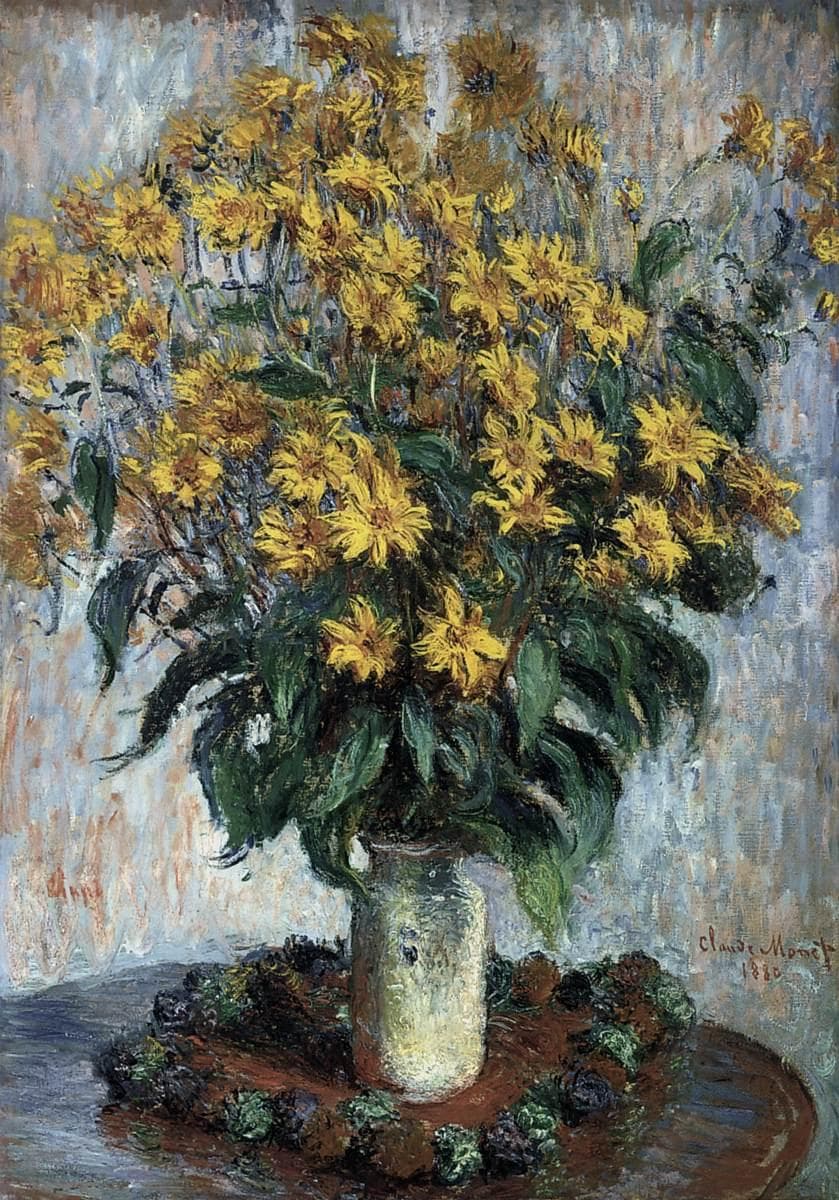
Jerusalem Artichoke Flowers
Claude Monet · 1880
View of Vétheuil
Claude Monet · 1880
Vétheuil in Summer
Claude Monet · 1880
Woman Seated under the Willows
Claude Monet · 1880
Still-Life with Pears and Grapes
Claude Monet · 1880
Kindred works
You may also study
Lavacourt in Winter
Claude Monet · 1879
Sunset on the Seine at Lavacourt, Winter Effect
Claude Monet · 1880
The Breakup of the Ice at Lavacourt
Claude Monet · 1880
Road to Vétheuil, Snow Effect
Claude Monet · 1879
The Church in Vétheuil in Winter
Claude Monet · 1878–79

The Scream
Edvard Munch · 1893

Ophelia
John Everett Millais · 1851–52

The Great Wave off Kanagawa
Katsushika Hokusai · c. 1830–32