Impressionism
Madame Monet and a Friend in the Garden
Claude Monet, c. 1872
Madame Monet and a Friend in the Garden, also called Two Women in a Garden, is a c. 1872 painting by Claude Monet of two women resting in dappled shade, one usually identified as Camille. It is privately owned, pledged in 2015 to LACMA.
- Artist
- Claude Monet
- Date
- c. 1872
- Medium
- Oil on canvas
- Dimensions
- 51 × 66 cm
- Collection
- Private collection (future gift to the Los Angeles County Museum of Art)
- Movement
- Impressionism
Painted at Monet at Argenteuil
Madame Monet and a Friend in the Garden, also catalogued as Two Women in a Garden, is a small painting by Claude Monet of about 1872, showing two women resting on the grass in the flickering shade of a flowering bush. The canvas, about 51 by 66 centimeters and signed at lower right, is in a private collection: in 2015 Wendy and Leonard Goldberg pledged it to the Los Angeles County Museum of Art as a future gift. The woman in pink is usually identified as Camille Monet, the painter's wife.
What does the painting show?
Two women sit close together on the ground under a canopy of leaves, and the picture is cropped tightly around them, with no horizon, no house and almost no sky. The woman on the left, in a pale pink dress and a wide pink hat heaped with trimming, bends her head over an open book in her lap; her face is shadowed under the brim, eyes lowered. The woman on the right, dark-haired and bareheaded, wears a loose lilac-blue dress with a white ruff at the neck. She reclines on one elbow, her skirt stretched out toward the right edge, and looks out past the viewer with a calm, heavy-lidded gaze.
The real event is the light. Sun breaks through the leaves overhead and falls across everything in irregular spots: dabs of white and cream on the pink skirt, pale lavender-white flecks on the blue dress, bright touches on the hat and the open pages. Above, the foliage is a dark weave of olive, brown and green, picked out with pinkish blossoms. At upper right the shade opens onto a patch of sunlit lawn in a clear yellow-green, crossed by the long blue-green shadows of the bush.
Around the women the ground is warm brown and green, scattered with fallen petals and the same spots of light. Monet's signature, "Claude Monet," is brushed in dark paint at lower right.
How was it painted?
The problem Monet set himself is one of the central problems of early Impressionism: how to paint figures in broken outdoor light without losing them. His answer here is to paint the dresses first as broad, fairly flat areas of pink and blue, modeled with cooler shadows, and then to lay the sunlight on top as thick, separate touches of light color. The spots do not follow the folds of the cloth; they sit on the surface like a pattern, which is exactly how dappled light looks to the eye.
The faces are kept small and simple, a few strokes each, and the reading woman's features almost vanish under her hat. The background foliage is painted with short, quick strokes in every direction, the paint dragged so that darker layers show through. The contrast between the shaded figures and the bright lawn at upper right gives the picture its depth, since there is no perspective to do it.
Where and when was it painted?
The canvas dates from around 1872, Monet's first full year at Argenteuil, on the Seine northwest of Paris, where the family rented a house with a garden. That spring and summer he painted Camille out of doors again and again, reading, sewing or resting in the shade. Two closely related canvases show figures resting under a flowering lilac: Lilacs in the Sun in the Pushkin Museum, Moscow, and Lilacs, Gray Weather in the Musée d'Orsay. In Springtime, now in the Walters Art Museum, Camille reads alone under the same kind of leafy canopy, flecked with the same light.
Who the second woman is has not been established. Writers on Monet's 1872 garden pictures often suggest that Camille's companion in them was Eugénie Lescouezec, the partner of the painter Alfred Sisley, but the identification is not secure for this canvas. Camille herself, Monet's favorite model since Camille (Woman in Green Dress) of 1866, appears throughout these years, as in Camille Monet on a Garden Bench.
Is it the same as Lilacs in the Sun?
No. Lilacs in the Sun and Lilacs, Gray Weather are larger, wider views in which the women are small figures seated deep inside the shade of a lilac bush, with the garden around them. This picture moves in close, so that the two women and their dresses fill almost the whole canvas and the dappled light becomes the subject. It is closest in spirit to Springtime, which shares its tight framing and its play of sunspots on a pale dress.
Where is Madame Monet and a Friend in the Garden today?
The painting remains in a private collection. LACMA listed it in 2015, under the title Two Women in a Garden, as a future gift of Wendy and Leonard Goldberg made for the museum's fiftieth anniversary. Whether the transfer has been completed should be checked with the museum. For public collections with Monet's work, see where to see Monet's paintings and the life of Claude Monet.
Questions & answers
Where is Madame Monet and a Friend in the Garden?
It is in a private collection. In 2015 Wendy and Leonard Goldberg pledged it, under the title Two Women in a Garden, to the Los Angeles County Museum of Art as a future gift for the museum's fiftieth anniversary. Whether the transfer has been completed should be checked with LACMA.
When and where was it painted?
Monet painted it around 1872, his first full year at Argenteuil, the town on the Seine northwest of Paris where the family rented a house with a garden. That spring and summer he painted Camille outdoors many times, reading or resting in the shade under flowering bushes.
What does the painting show?
Two women rest on the grass under a leafy canopy: on the left a woman in pink with a large trimmed hat reads a book, on the right a dark-haired woman in lilac-blue reclines on her elbow. Spots of sunlight fall across their dresses as thick touches of white and cream.
Is this the same painting as Lilacs in the Sun?
No. Lilacs in the Sun (Pushkin Museum) and Lilacs, Gray Weather (Musée d'Orsay) are wider views with small figures sitting deep in the shade of a lilac. This canvas crops close on the two women, making the dappled light on their dresses the subject. It is closest to Springtime in the Walters.
More by the artist
Claude Monet

Bridge over a Pond of Water Lilies
Claude Monet · 1899

Woman with a Parasol – Madame Monet and Her Son
Claude Monet · 1875

Sunset in Venice
Claude Monet · 1908–12

La Grenouillère
Claude Monet · 1869

Beach in Pourville
Claude Monet · 1882

Springtime
Claude Monet · 1872

Boating on the River Epte
Claude Monet · 1890

The Seine at Asnières (Hermitage)
Claude Monet · 1873
Also painted in 1872
The same year
The Seine at Rouen
Claude Monet · 1872
The Tea Service
Claude Monet · 1872
Carrières-Saint-Denis
Claude Monet · 1872
The Petit Bras of the Seine at Argenteuil
Claude Monet · 1872
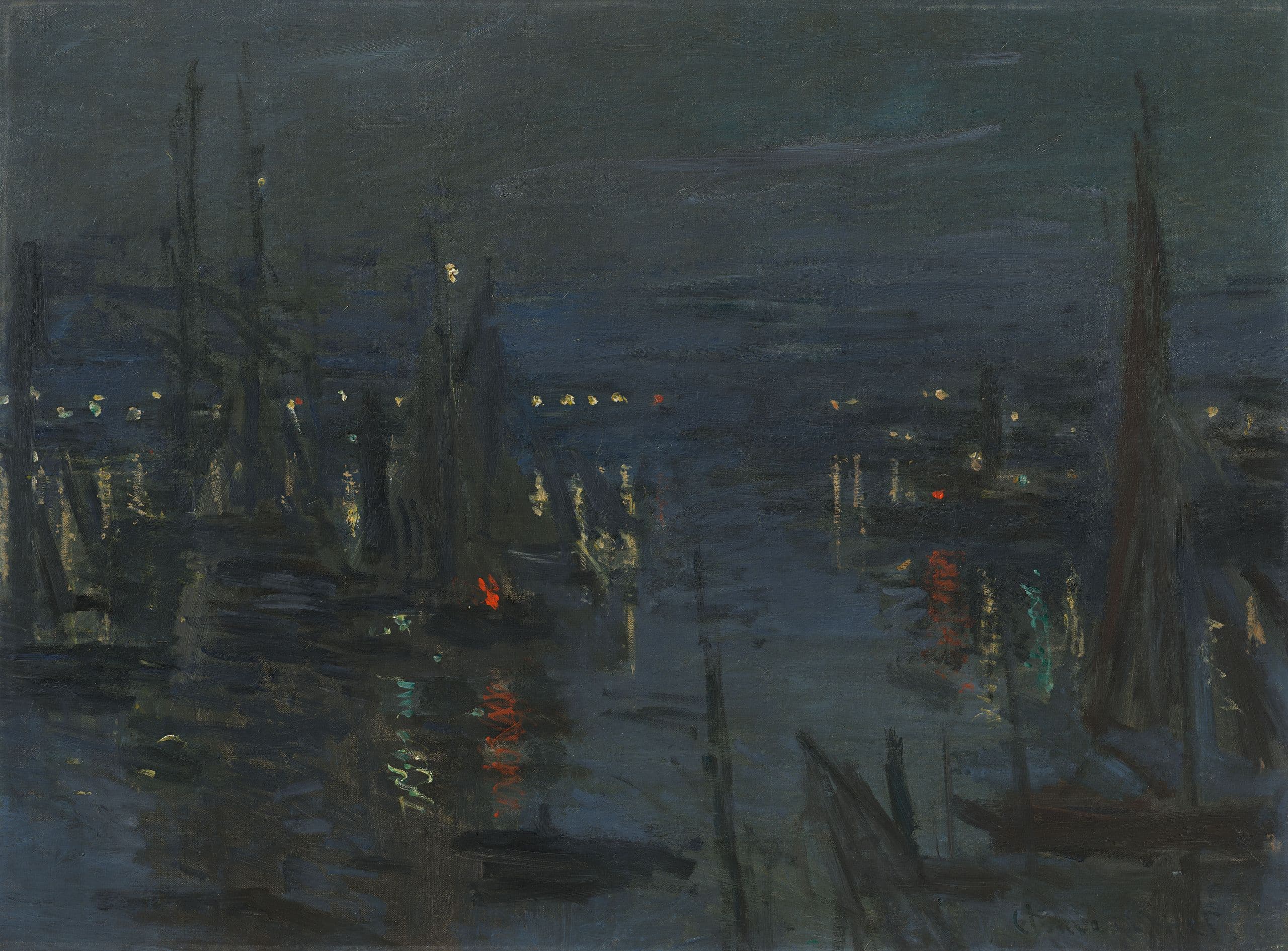
The Port of Le Havre, Night Effect
Claude Monet · 1872
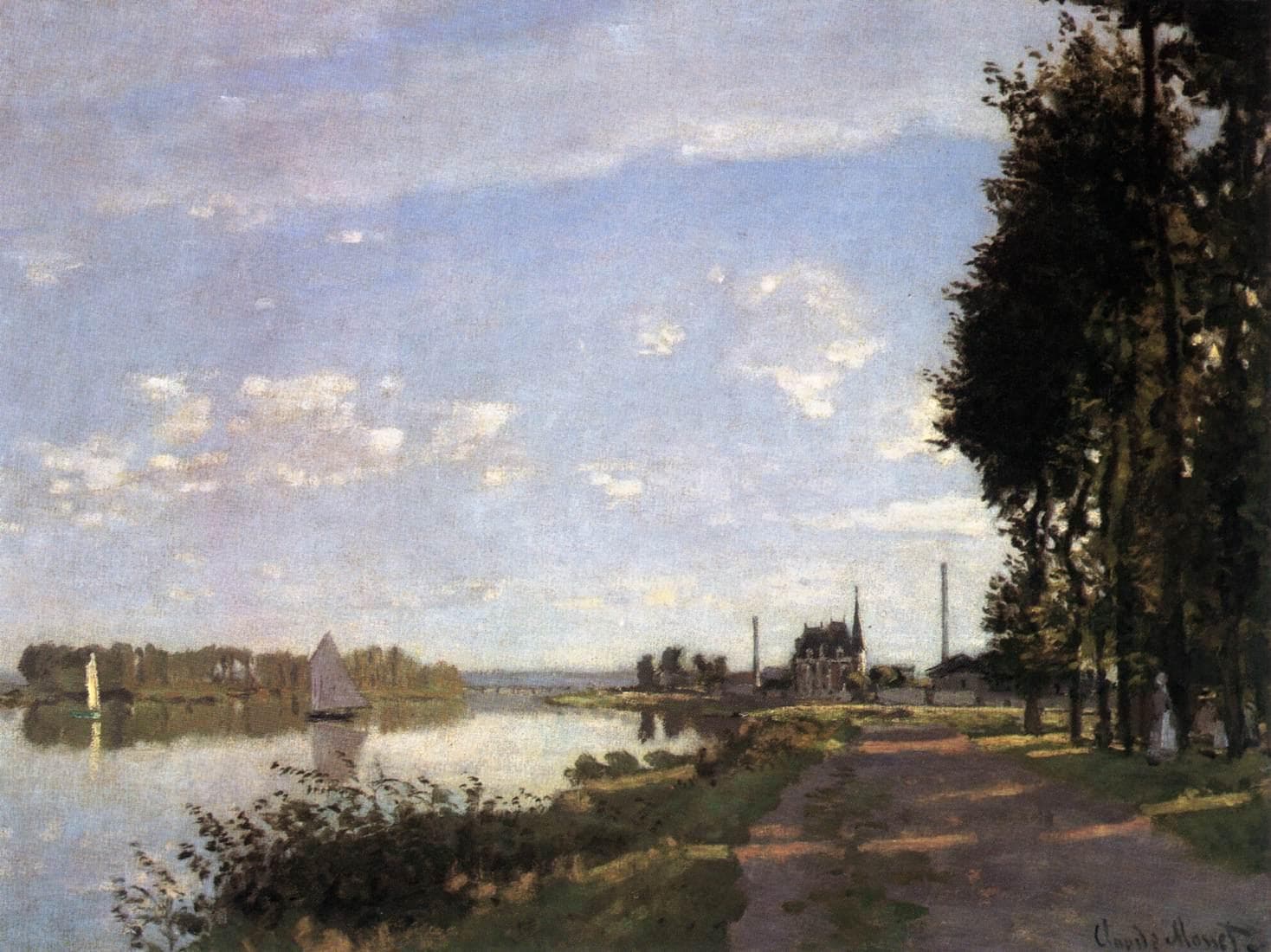
Riverside Path at Argenteuil
Claude Monet · c. 1872
The Basin at Argenteuil
Claude Monet · 1872
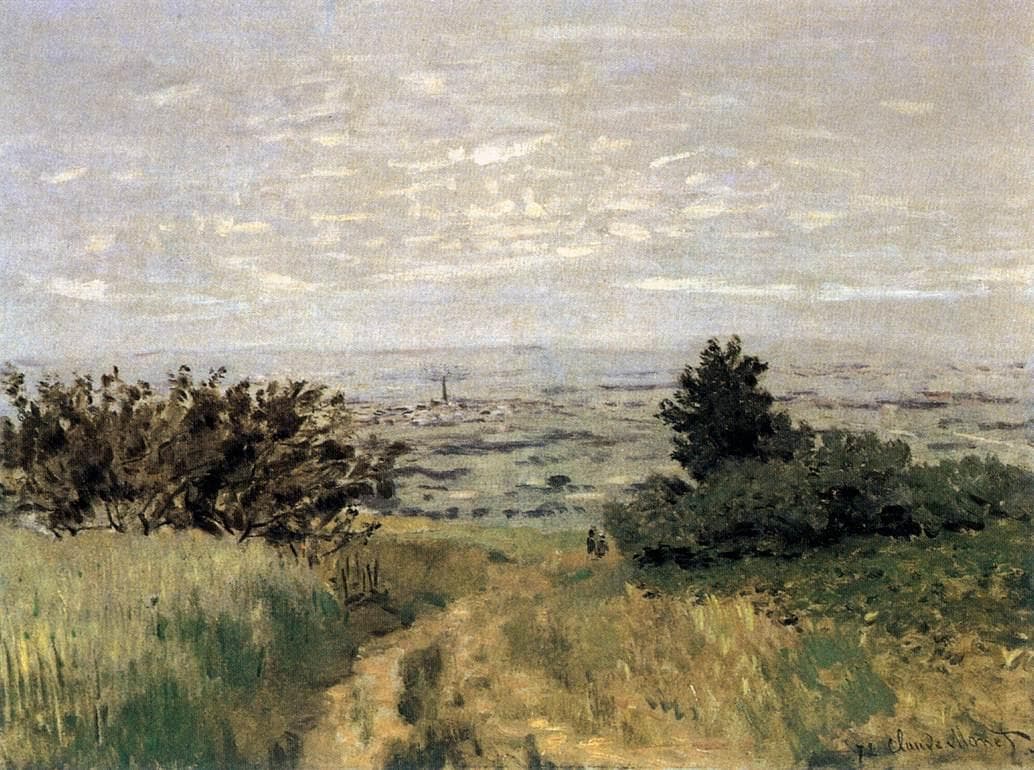
The Plain of Sannois at Argenteuil
Claude Monet · 1872
Kindred works
You may also study
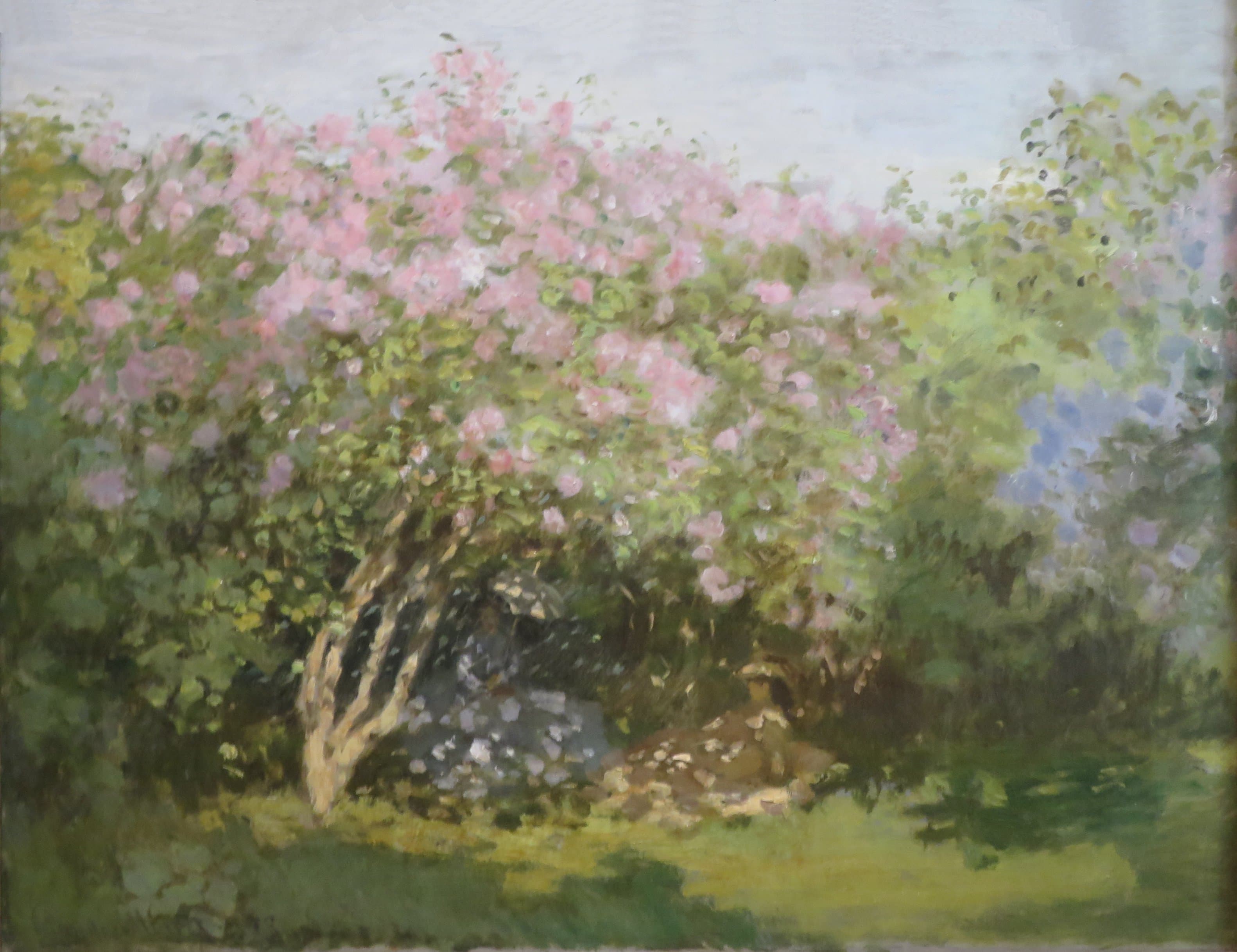
Lilac in the Sun
Claude Monet · 1873
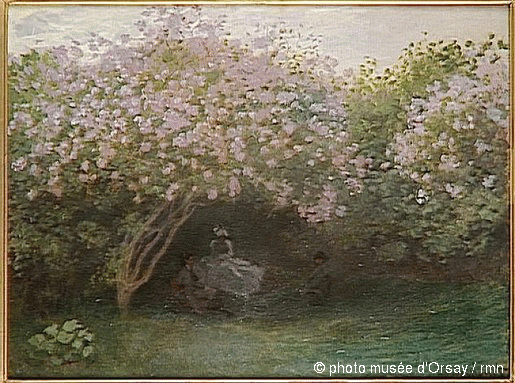
Lilacs, Gray Weather
Claude Monet · 1872–73
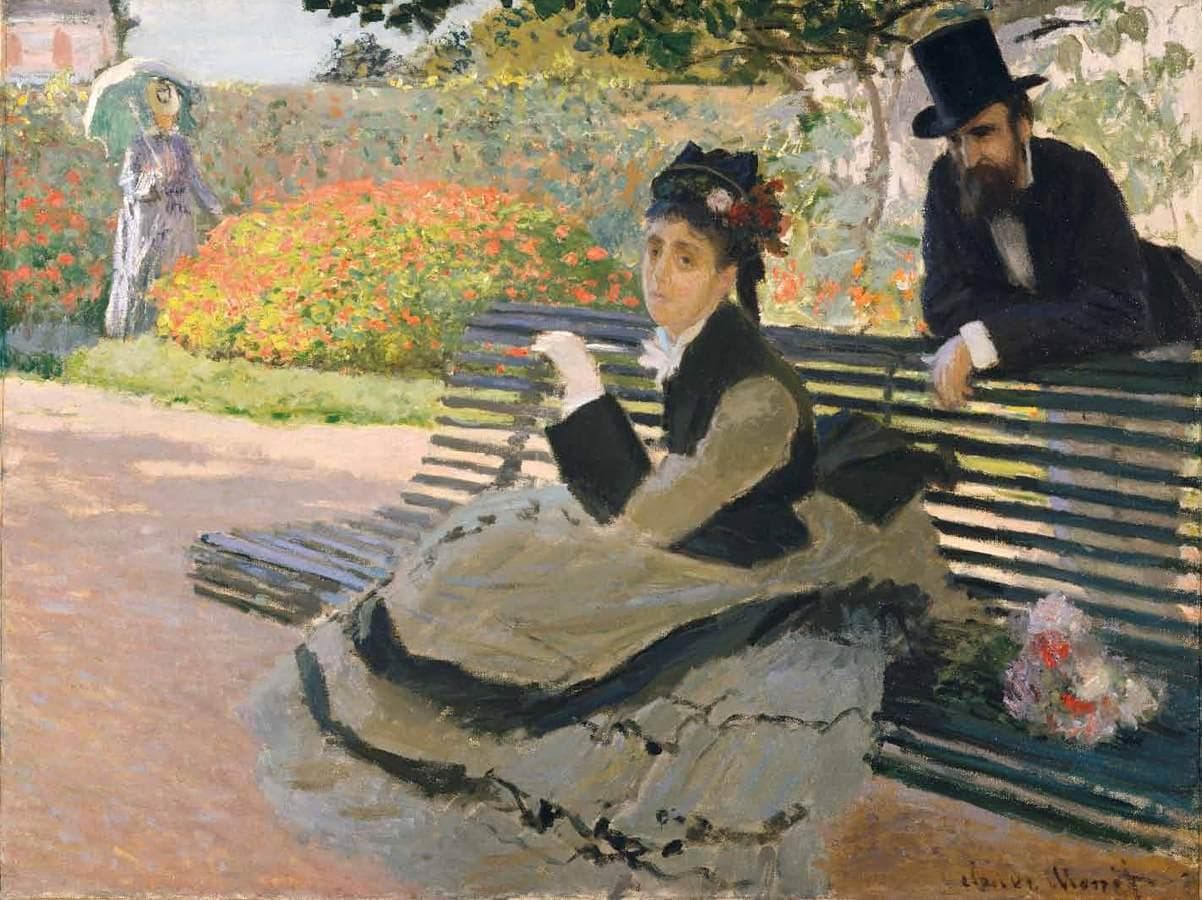
Camille Monet on a Garden Bench
Claude Monet · 1873
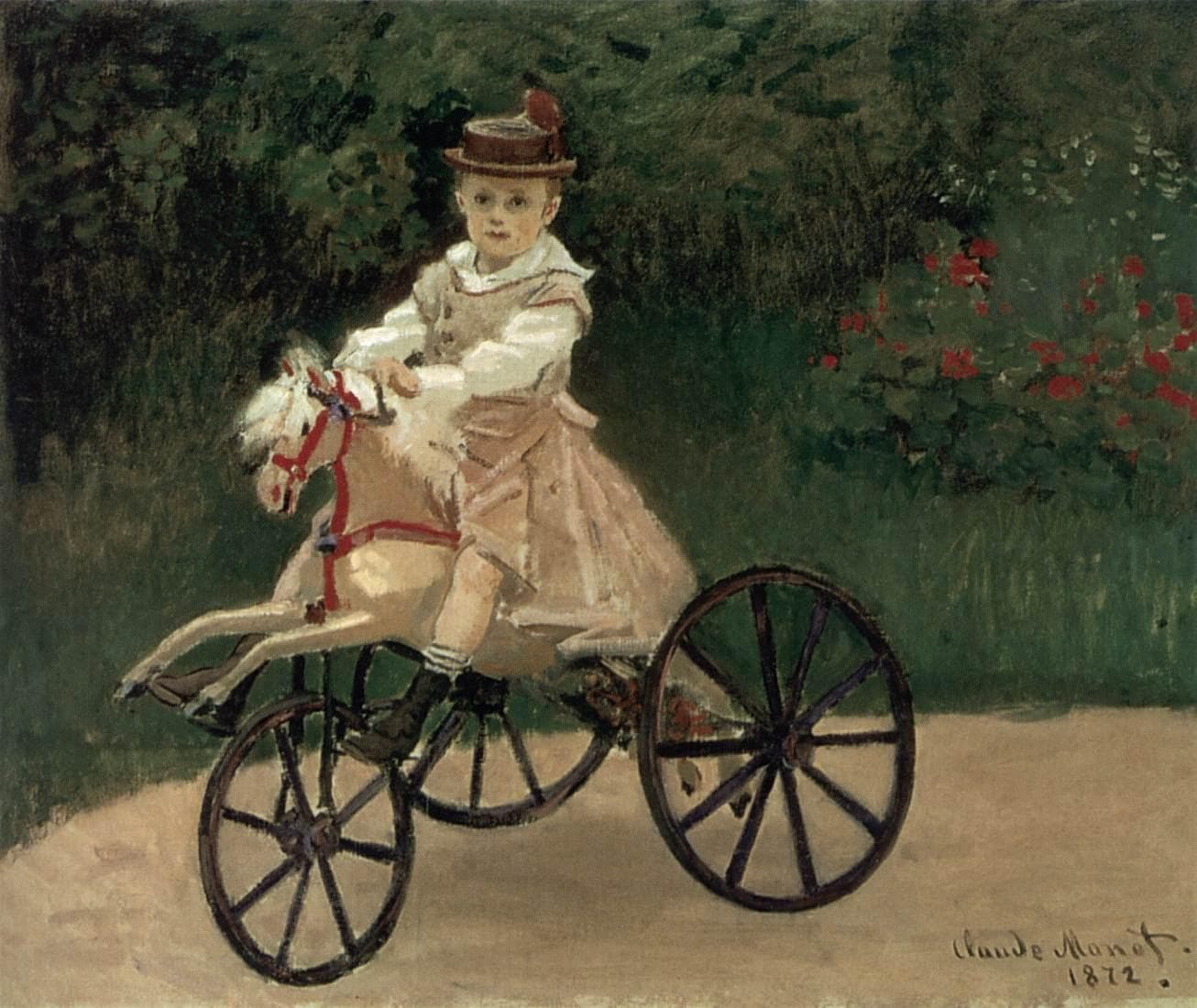
Jean Monet on His Hobby Horse
Claude Monet · 1872
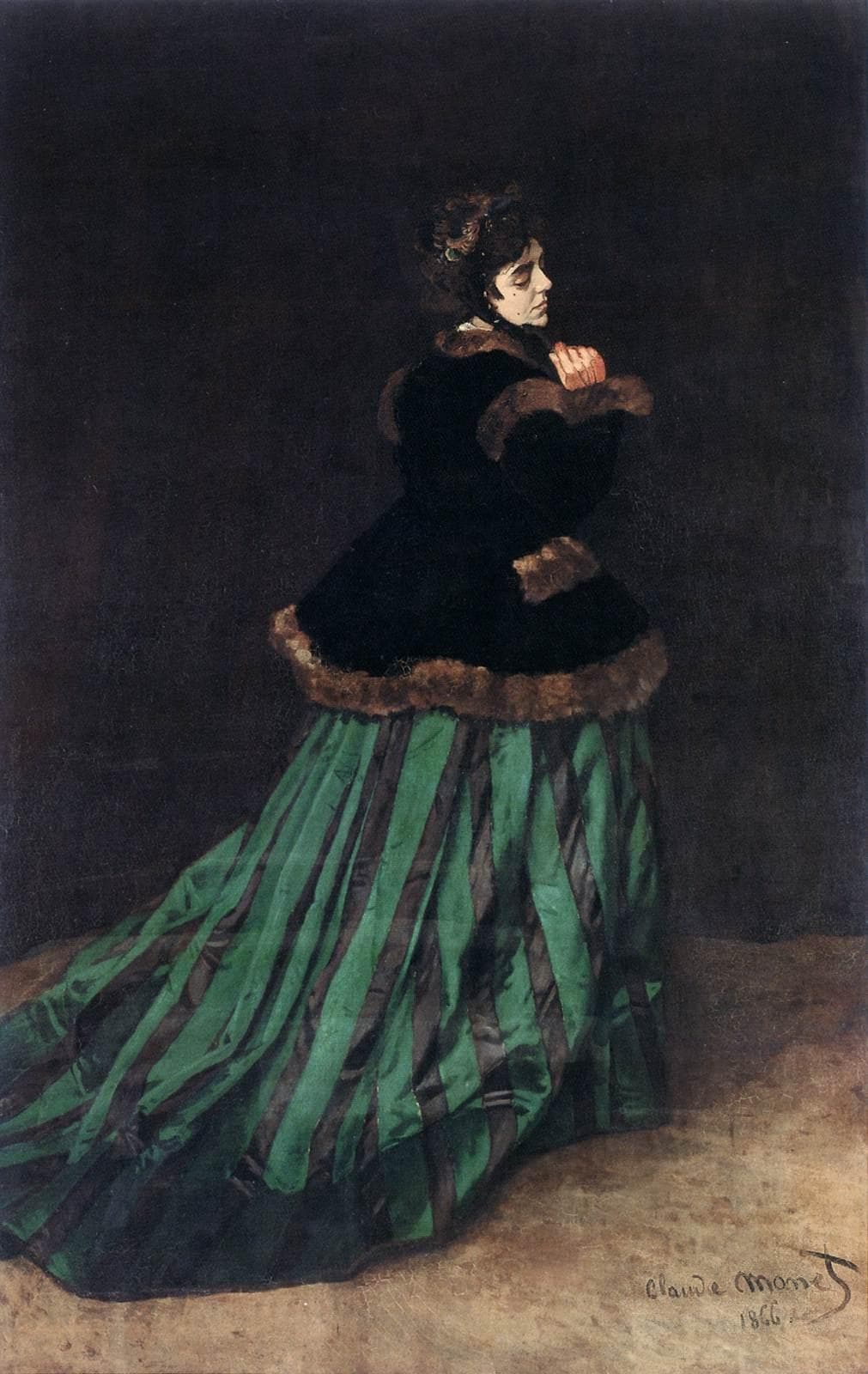
Camille (The Woman in the Green Dress)
Claude Monet · 1866

Venus de Milo
Alexandros of Antioch · c. 150–125 BC

The Scream
Edvard Munch · 1893

Ophelia
John Everett Millais · 1851–52