Impressionism
Woman Seated under the Willows
Claude Monet, 1880
Woman Seated under the Willows is an 1880 painting by Claude Monet of a woman sitting in long grass beneath willows by the Seine, with Vétheuil across the water. It is in the National Gallery of Art, Washington, D.C.
- Artist
- Claude Monet
- Date
- 1880
- Medium
- Oil on canvas
- Dimensions
- 81.1 × 60 cm
- Collection
- National Gallery of Art, Washington, D.C., United States
- Movement
- Impressionism
- Catalogue
- Wildenstein 613
Painted at Monet at Vétheuil
What you are looking at
The canvas is upright. Willows rise on both sides, their thin, wavy branches reaching to the top edge and making a loose, lacy canopy of green, lilac and gray. Through the gap between them, at the center, we see a strip of river and, across it, a village of pale houses with dark roofs in soft sunlight, a squat tower among them. In the foreground, in a meadow of long green grass, a woman sits in a light dress and a hat with a red trim. She is small and low in the picture, close to the bottom edge, almost hidden by the grass.
The light is diffused and silvery, a spring or early summer day with a high, pale sky. The signature and date, "1880 Claude Monet," run along the lower left.
Vétheuil, 1880
Claude Monet lived at Vétheuil, on the Seine northwest of Paris, from 1878 to 1881. His wife Camille had died there in September 1879, and the months that followed were hard; he was in debt and sharing a house with Alice Hoschedé and her children. In the spring and summer of 1880 he painted the riverbanks around the village repeatedly.
This canvas, catalogued by Wildenstein as W.613, is one of them. The seated woman has sometimes been identified as Alice Hoschedé, but the figure is too small and summary for certainty. The Vétheuil years are gathered on Monet at Vétheuil.
How it was painted
Monet uses the willows like a stage curtain. Their trunks frame the view on left and right, and the branches meet overhead, so we look through them at the village beyond. The branches are drawn in long, fluid lines of brown, violet and green, and the leaves are tiny dabs that thin out toward the sky, which is a pale, warm white.
The grass is the busiest area: strokes go in every direction, in green, yellow and blue, with flecks of white flowers. The woman is built from a few touches, a cream dress, a dab of red on the hat, a dark hand, but she sits convincingly, her weight in the grass. Her head is bent; she seems absorbed in something on her lap and unaware of us.
Look at the distant village. It is painted in small, squarish strokes of pink, white and blue, more solid than anything else in the picture, which makes it look sunlit and far away. Between village and meadow, the river is a single pale band, barely more than a line of light.
The upright format is the key decision. A horizontal canvas would have made this a river view with trees at the sides; turned on end, it becomes a picture about height and enclosure, the willows soaring over a figure who sits near the ground. Monet used the same format that year for the meadow view at the Met, and in both the eye travels upward from close grass to a distant, sunlit village.
The pollarded willow on the left, with its swollen trunk and bristling shoots, is the same kind of tree Monet would paint six years later at Giverny in Willows at Giverny.
The Vétheuil riverbank pictures and how this one differs
In 1880 Monet painted Vétheuil mostly as a distant view across water, as in Vétheuil in Summer, or from the meadows, as in the upright View of Vétheuil with its poppies. This canvas combines both approaches and adds a figure. It is one of the few pictures from these years in which a recognizable person appears in the landscape at all, and the way she is half absorbed into the grass is characteristic of how Monet treated figures after Camille's death.
Where to see it
The painting belongs to the National Gallery of Art in Washington, D.C. (Chester Dale Collection, 1963.10.178). For other museums with Monet's Vétheuil pictures, see Where to See Monet's Paintings.
Questions & answers
Where is Woman Seated under the Willows by Monet?
It is in the National Gallery of Art in Washington, D.C., part of the Chester Dale Collection (1963.10.178). The upright canvas measures 81.1 by 60 centimeters and is listed in the Wildenstein catalogue raisonné as W.613.
Where was Woman Seated under the Willows painted?
On the banks of the Seine near Vétheuil, the village northwest of Paris where Monet lived from 1878 to 1881. The houses seen through the trees across the river belong to the village or its neighbors. The canvas is signed and dated 1880.
Who is the woman under the willows?
She is not securely identified. Some writers suggest Alice Hoschedé, who shared Monet's household at Vétheuil and later became his second wife, but the figure is painted with only a few strokes, and Monet may have intended no particular sitter.
What does the painting show?
A woman sitting in long grass beneath a canopy of willows on the riverbank, with a sunlit village glimpsed across the water between the trunks. The willows frame the view like a curtain, and the figure is small and half hidden, part of the landscape rather than its subject.
More by the artist
Claude Monet

Bridge over a Pond of Water Lilies
Claude Monet · 1899

Woman with a Parasol – Madame Monet and Her Son
Claude Monet · 1875

Sunset in Venice
Claude Monet · 1908–12

La Grenouillère
Claude Monet · 1869

Beach in Pourville
Claude Monet · 1882

Springtime
Claude Monet · 1872

Boating on the River Epte
Claude Monet · 1890

The Seine at Asnières (Hermitage)
Claude Monet · 1873
Also painted in 1880
The same year
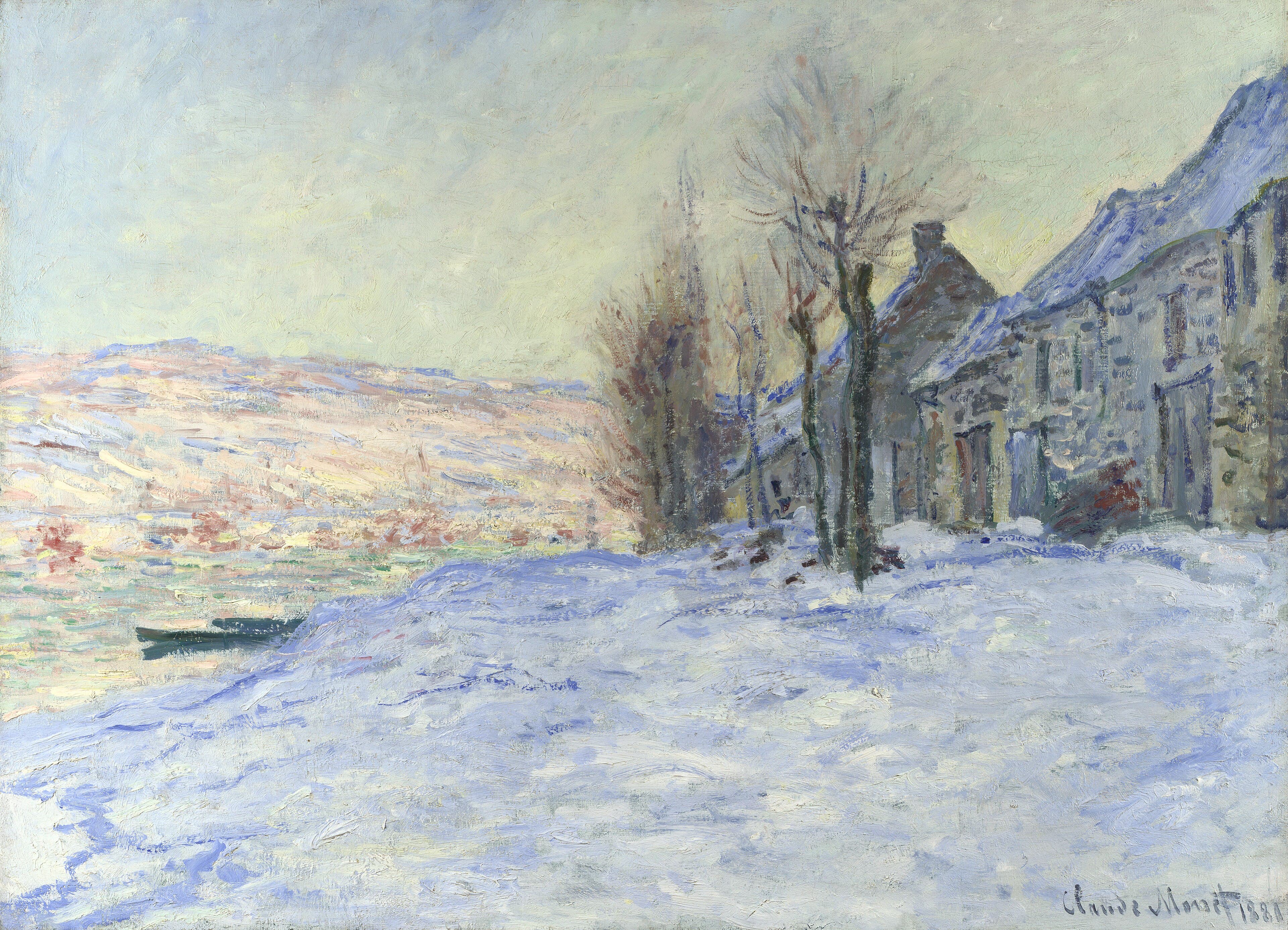
Lavacourt under Snow
Claude Monet · c. 1878–81
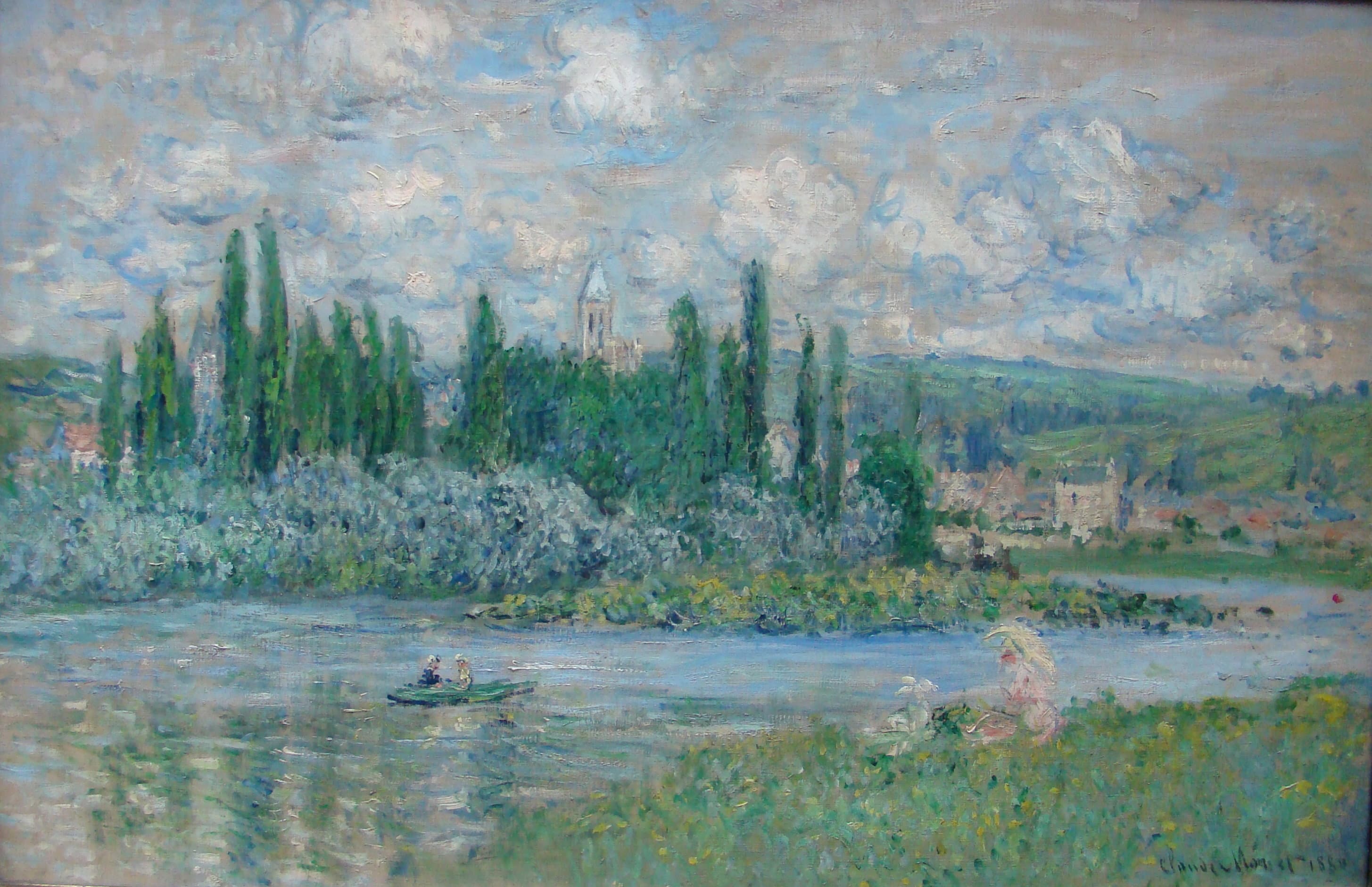
View of Vétheuil
Claude Monet · 1880
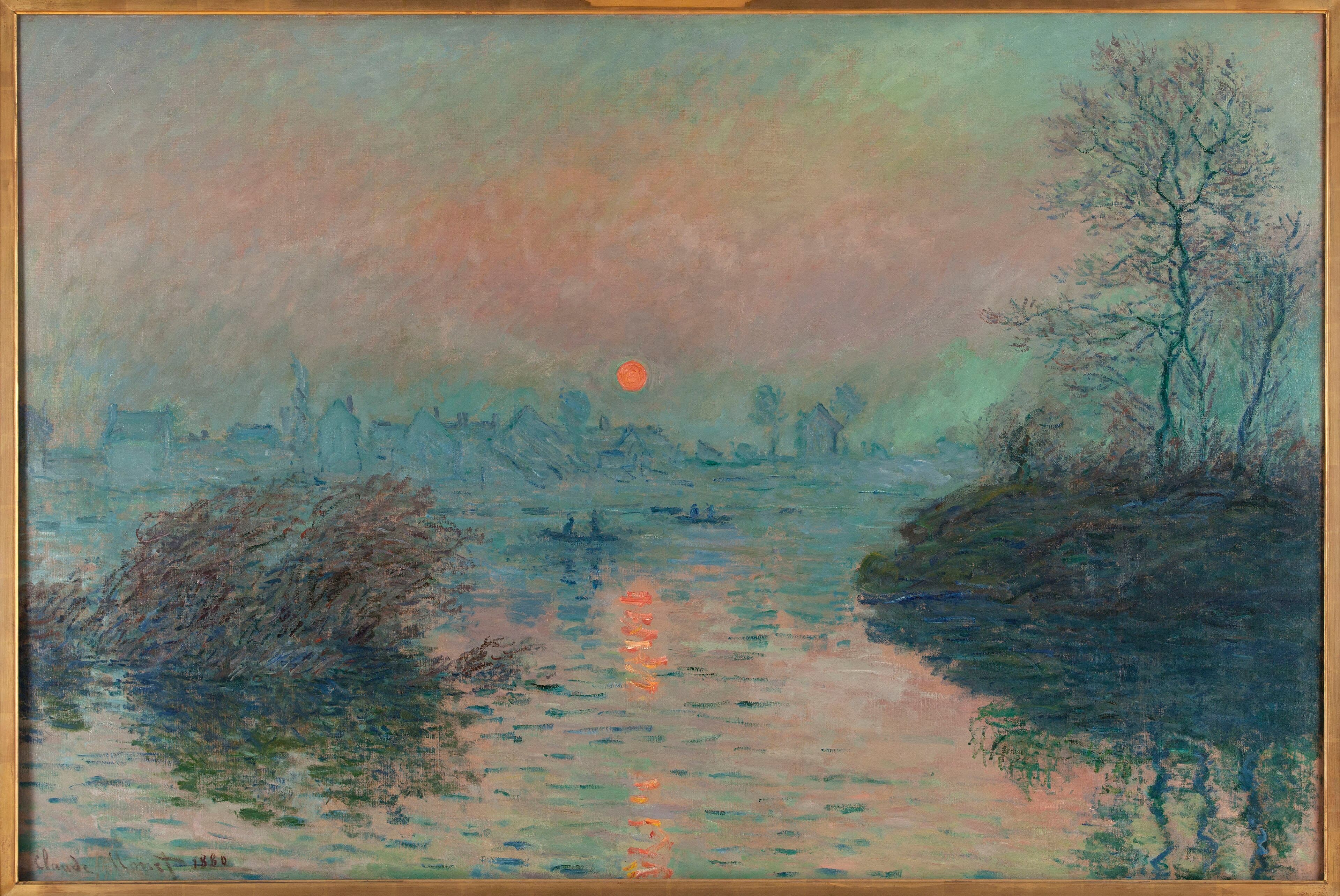
Sunset on the Seine at Lavacourt, Winter Effect
Claude Monet · 1880
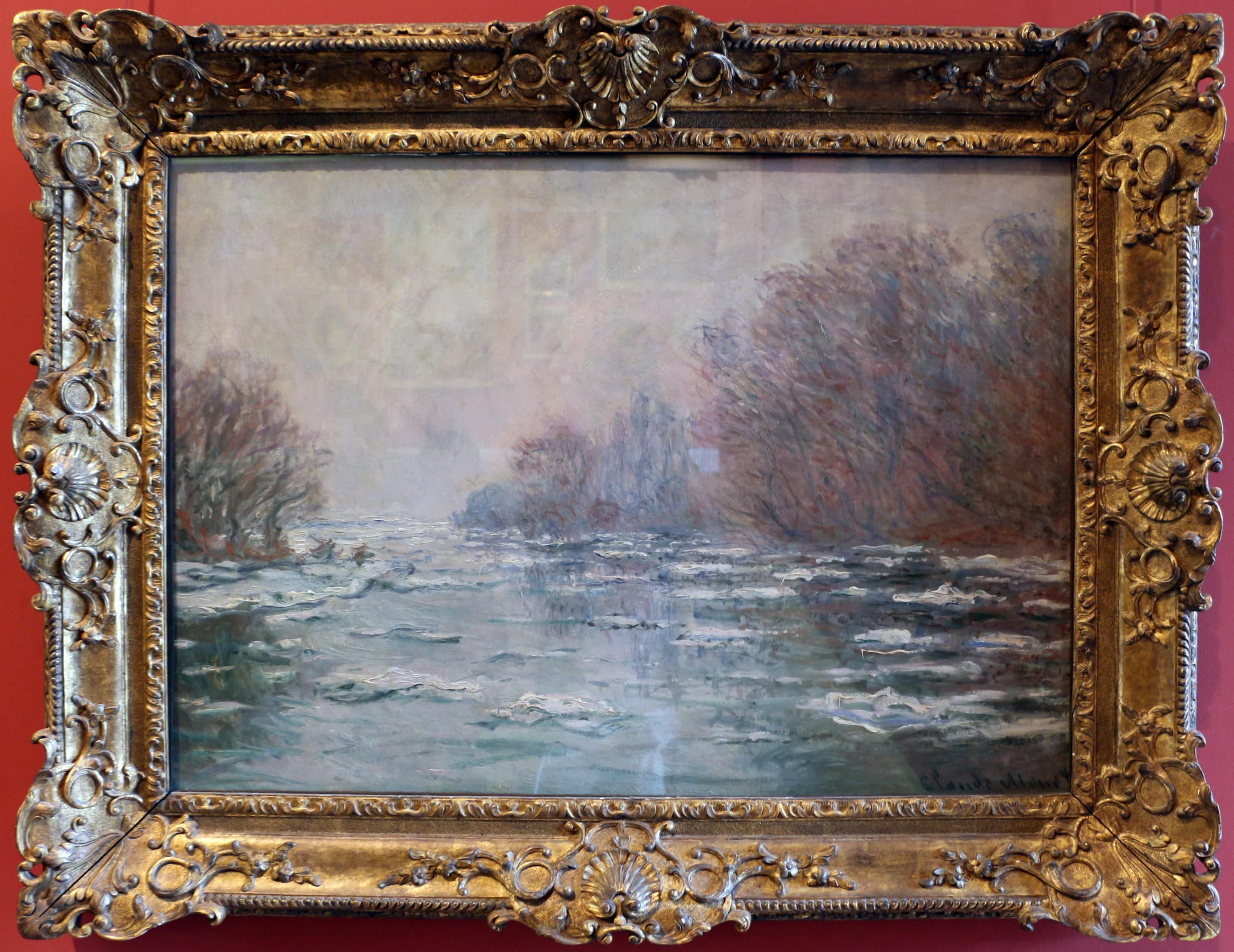
The Breaking Up of the Ice near Vétheuil
Claude Monet · c. 1880
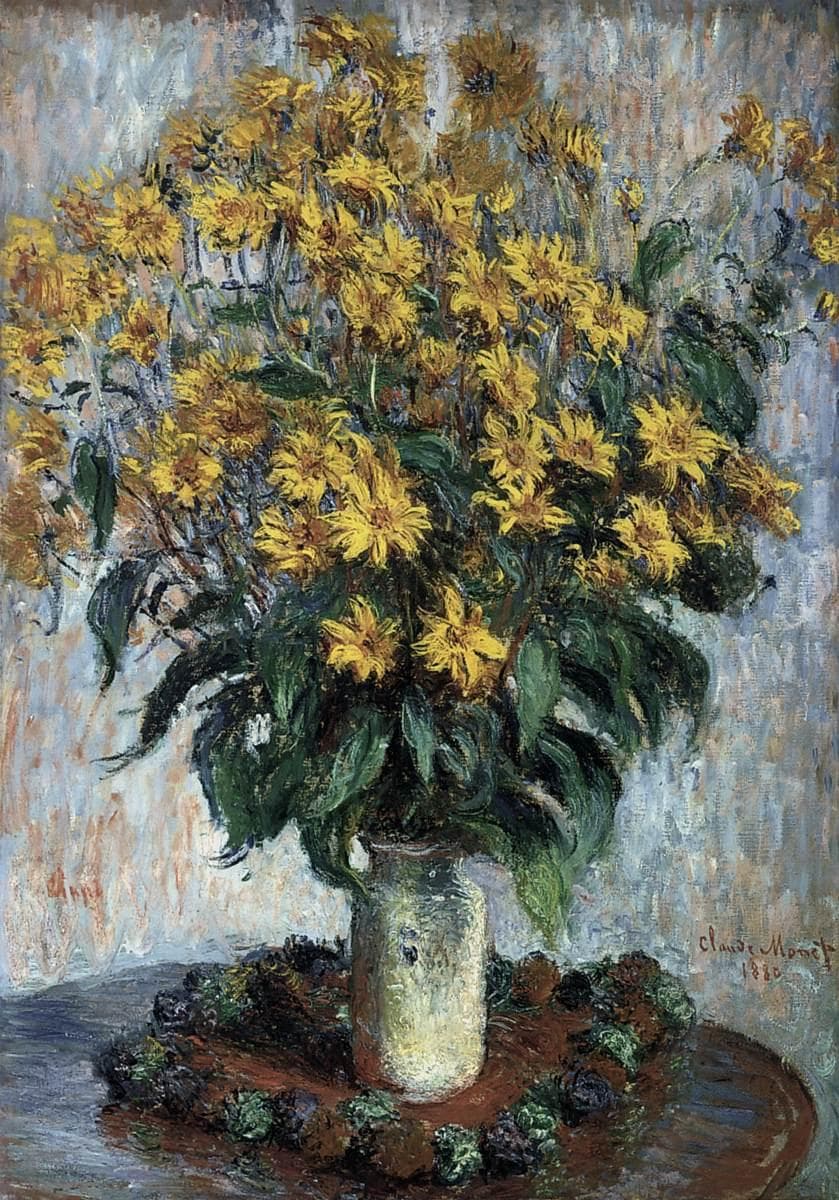
Jerusalem Artichoke Flowers
Claude Monet · 1880
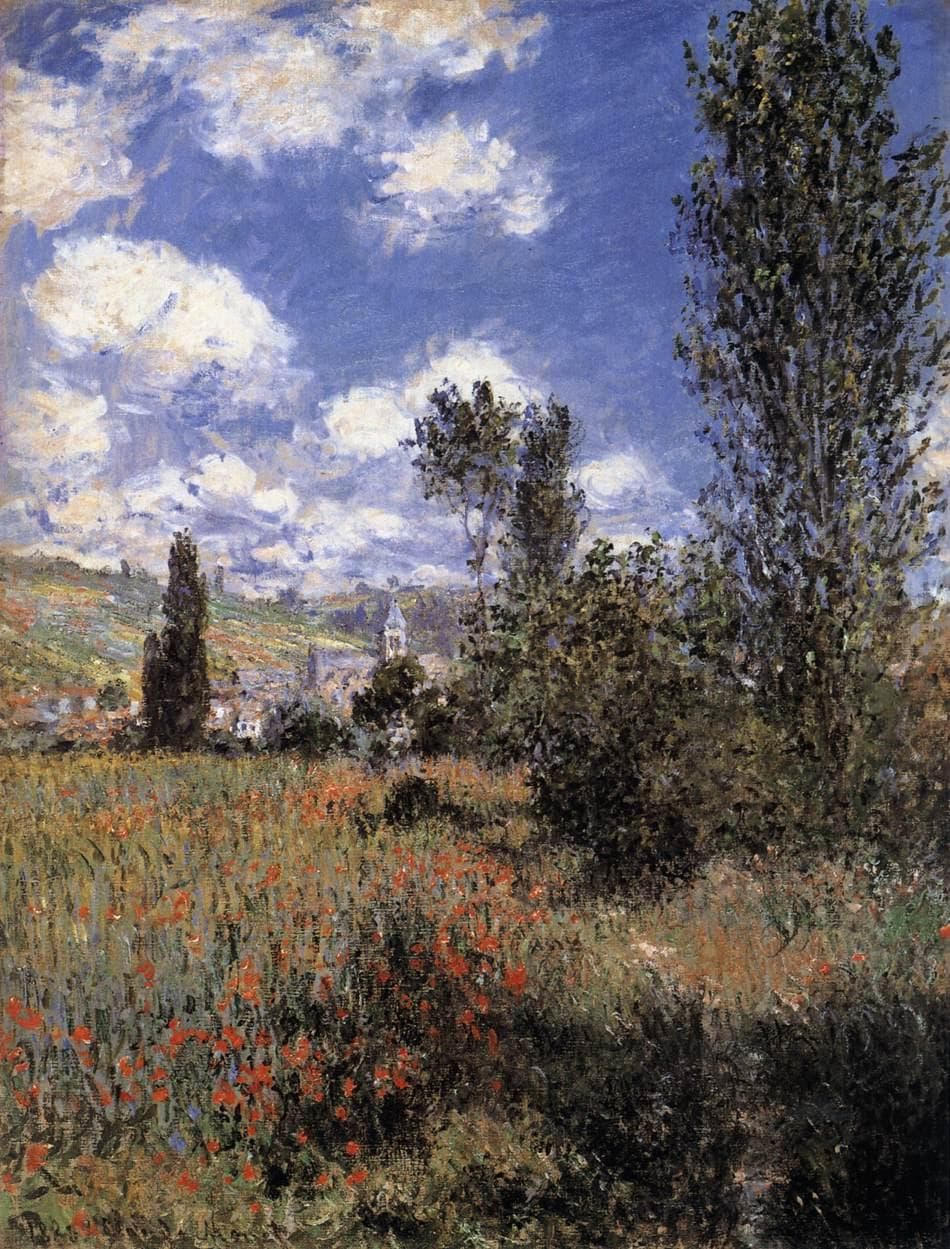
View of Vétheuil
Claude Monet · 1880
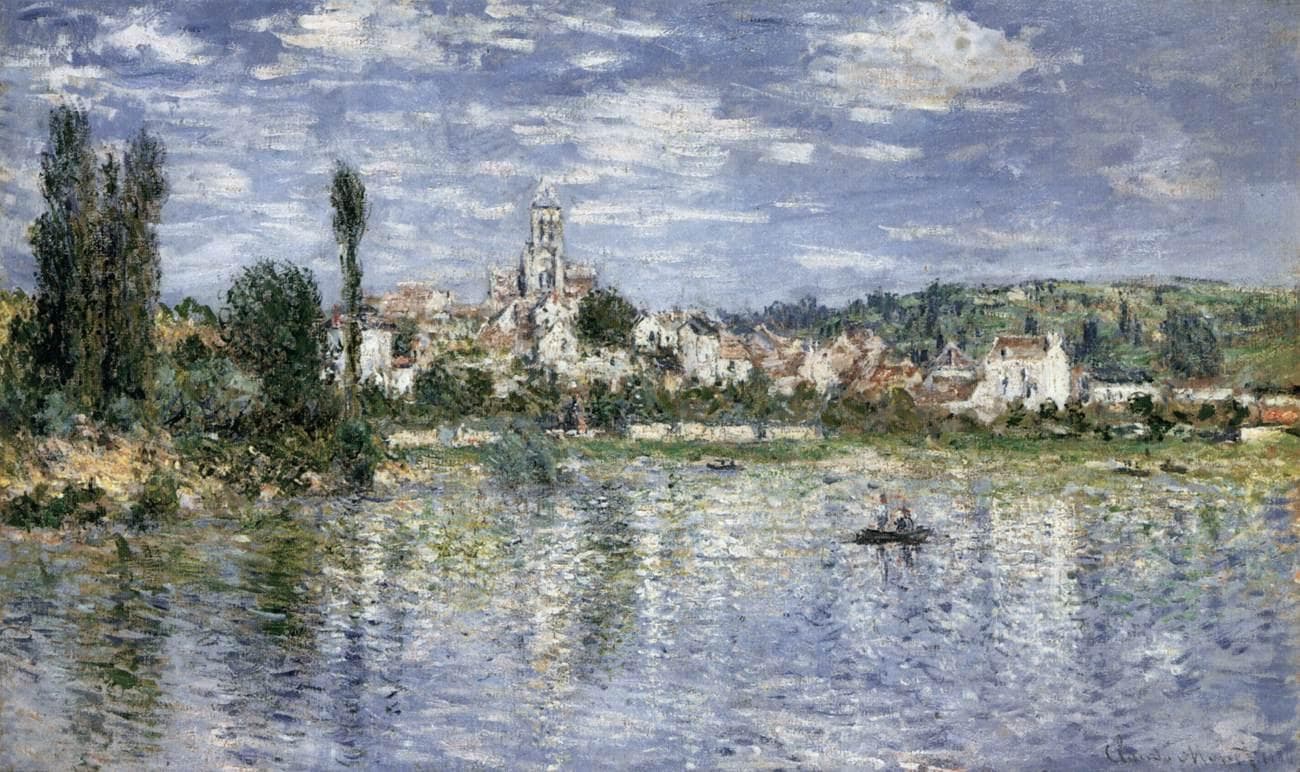
Vétheuil in Summer
Claude Monet · 1880
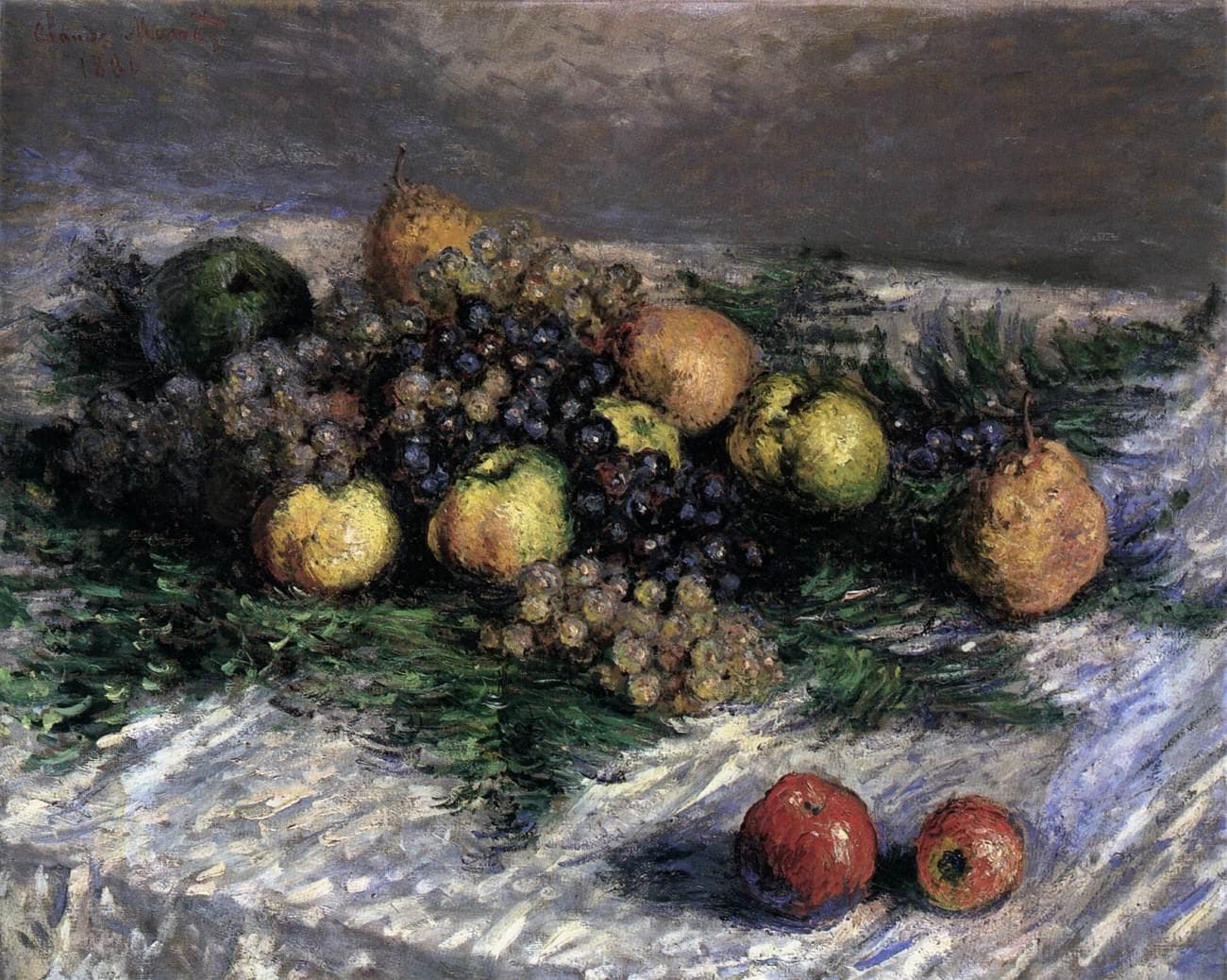
Still-Life with Pears and Grapes
Claude Monet · 1880
Kindred works
You may also study
View of Vétheuil
Claude Monet · 1880
Vétheuil in Summer
Claude Monet · 1880
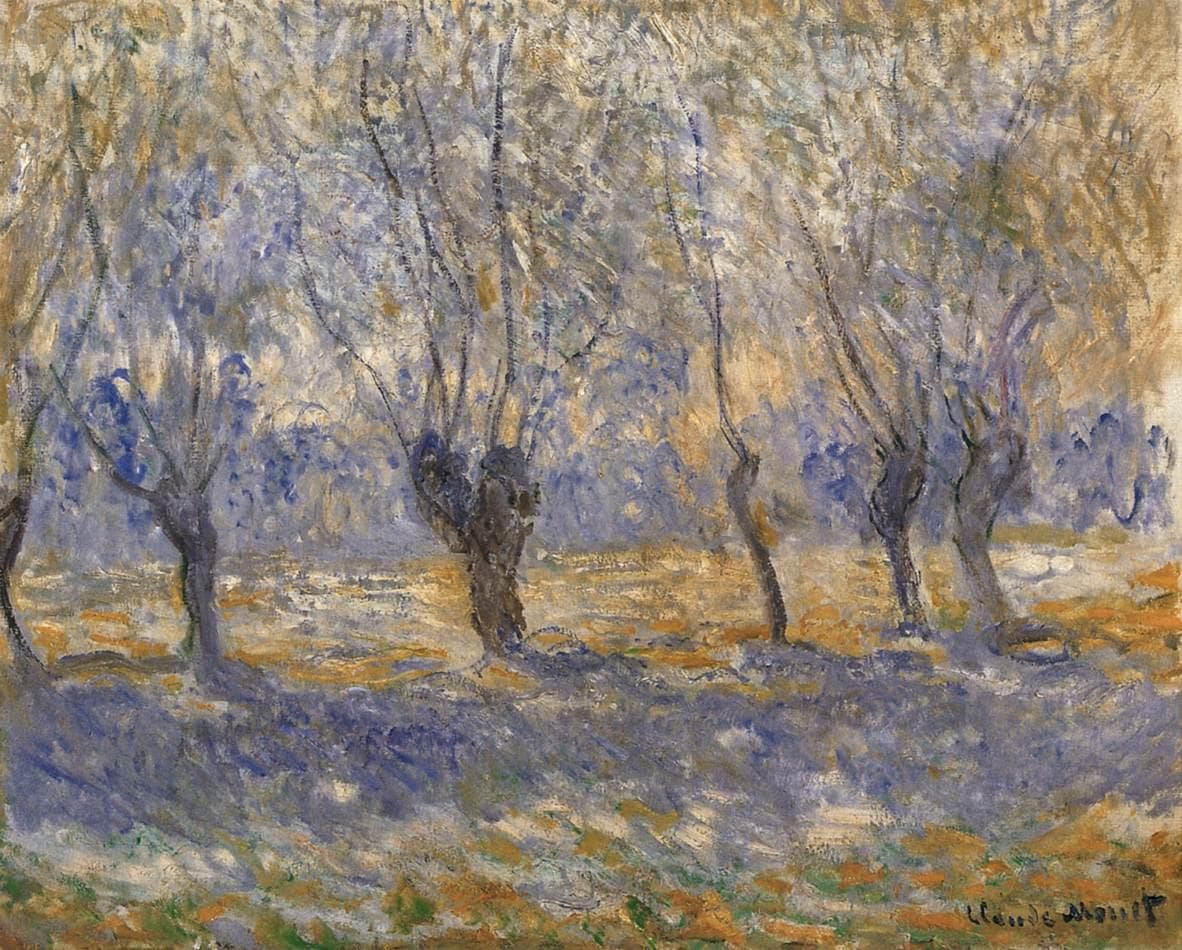
Willows at Giverny
Claude Monet · 1886
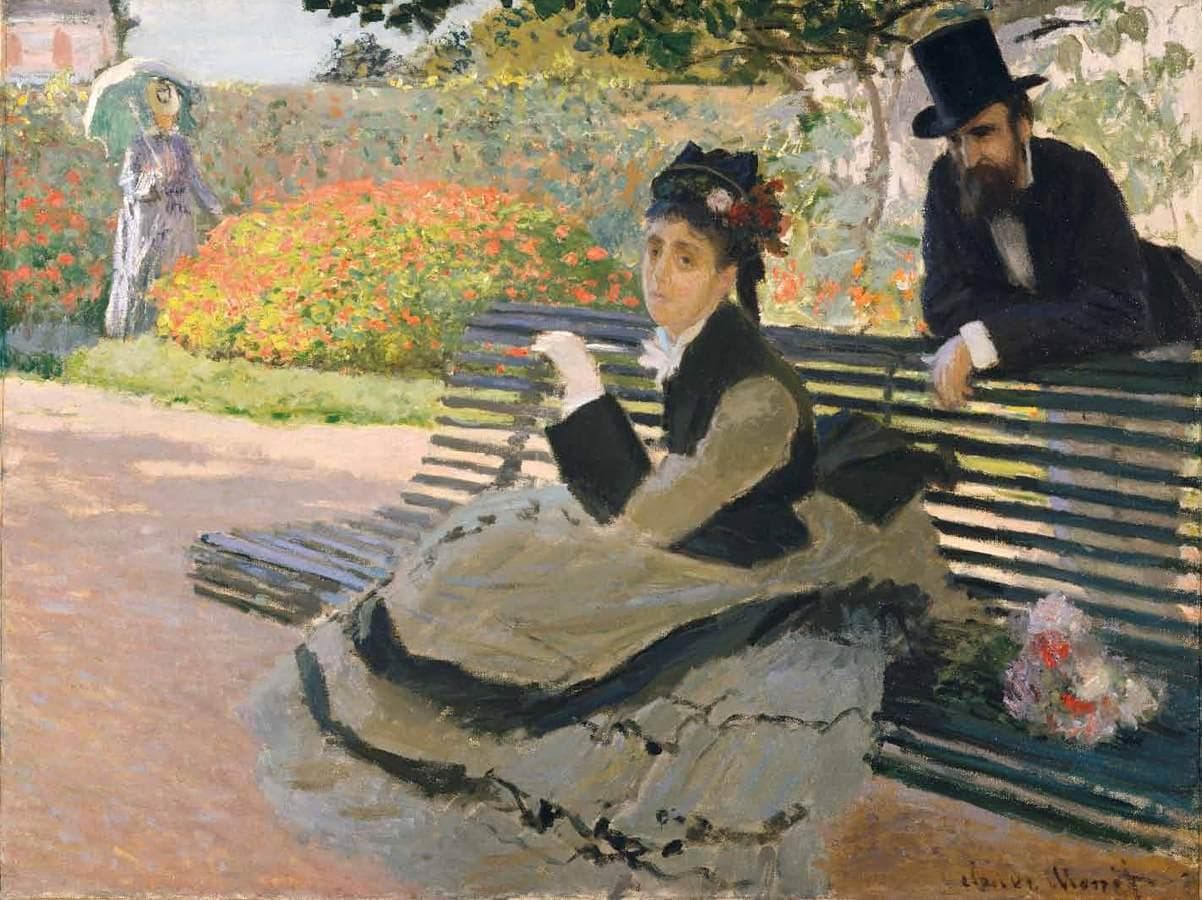
Camille Monet on a Garden Bench
Claude Monet · 1873
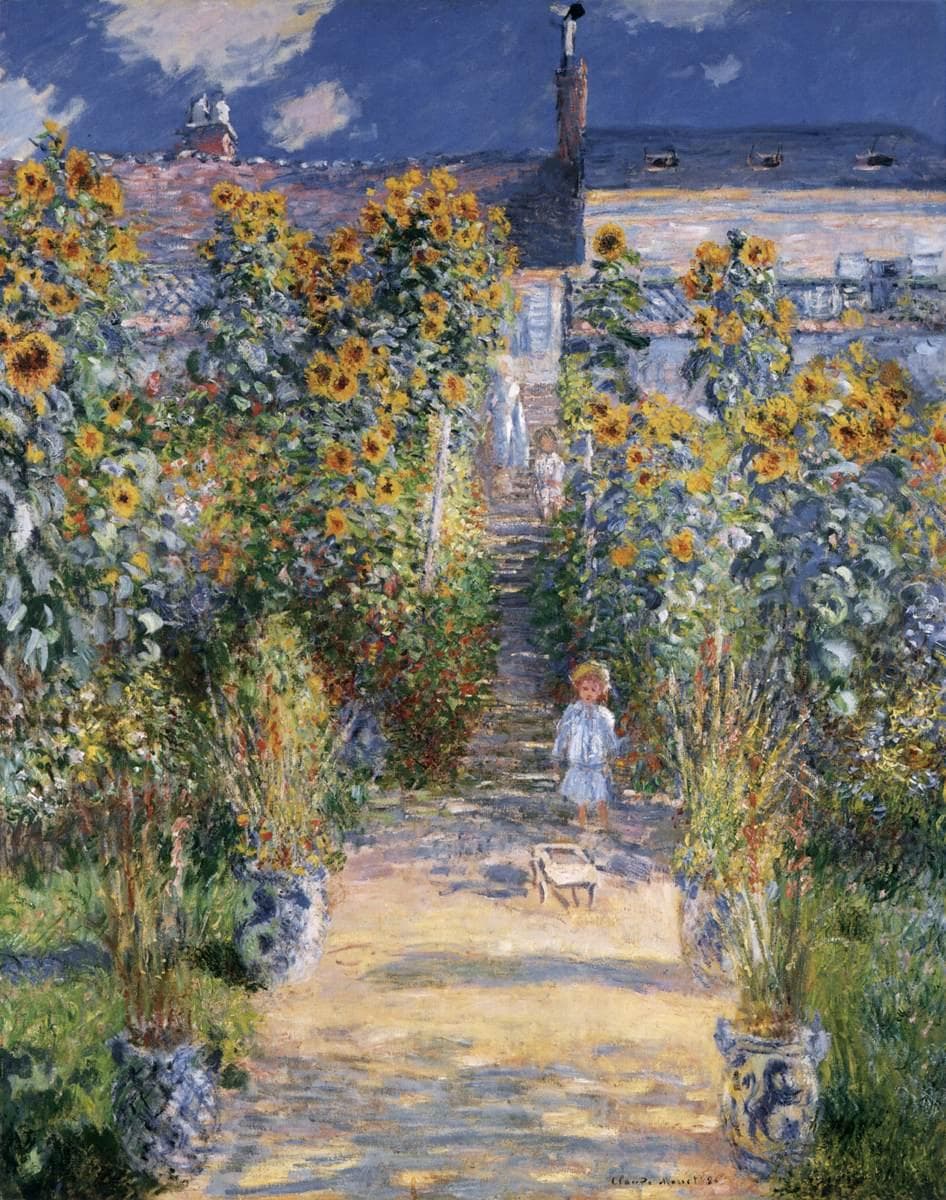
The Artist's Garden at Vétheuil
Claude Monet · 1881

Venus de Milo
Alexandros of Antioch · c. 150–125 BC

The Scream
Edvard Munch · 1893

Ophelia
John Everett Millais · 1851–52