Impressionism
The Magpie
Claude Monet, 1868–69
The Magpie (La Pie) is a snow landscape painted by Claude Monet in the winter of 1868–69 near Étretat, with a single black magpie on a gate and blue shadows across the snow. It is in the Musée d'Orsay, Paris.
- Artist
- Claude Monet
- Date
- 1868–69
- Medium
- Oil on canvas
- Dimensions
- 89 × 130 cm
- Collection
- Musée d'Orsay, Paris, France
- Movement
- Impressionism
- Catalogue
- Wildenstein 133
Painted at Étretat and the Normandy CoastMore at Monet at the Musée d'Orsay
What you are looking at
Fresh snow covers everything: a sloping field, a wattle fence, a hedge, the roof of a long farmhouse, the branches of the trees beyond. The sun is low and behind the trees at right, and its light comes toward us, so the shadows of the fence posts and trees stretch across the snow in long bands of blue and lilac. At the left, the fence runs back along the field, and set into it is a rough wooden gate of four rails.
On its top rail sits one small black bird, a magpie. It is the only truly dark spot in a huge expanse of white, and once you see it, the whole picture turns around it. Beyond the gate, the land falls away into a pale, misty distance where the trees dissolve into the sky. Monet signed the canvas at lower right.
Claude Monet painted La Pie in the winter of 1868–69 near Étretat on the Normandy coast. The canvas is large for a landscape, 89 by 130 centimeters, is number 133 in Wildenstein's catalogue, and is in the Musée d'Orsay, Paris.
Where and when
That winter Monet, Camille and their baby son Jean were living at Étretat, helped by the Le Havre patron Louis-Joachim Gaudibert, and Monet wrote to Bazille that he spent his days outdoors, on the shingle or in the countryside. The farm landscape here lies inland from the cliffs, in the countryside around the town. See Étretat and the Normandy Coast.
Monet painted outdoors in the cold. A journalist who came upon him at work in the snow near Honfleur a year or two earlier described him wrapped in several coats, gloved, with a foot warmer under him, at his easel in front of the motif in the freezing cold. The Magpie was the fruit of that kind of persistence: one of about 140 snow scenes Monet painted over his career, and the most famous.
How it was painted
The key discovery is in the shadows. Traditional painters made shadows on snow grey or brown. Monet saw that they are blue, because they reflect the sky, and he painted them blue and violet, while the sunlit snow is warmed with touches of cream, yellow and pink. The result looks, at first, simply white, and turns out to contain almost every color.
Look at the gate. Its posts and rails are a few strokes of dark brown, and their shadows on the snow are thin violet lines that fan out toward us. Then look at the hedge and stone wall to the right, where snow sits heavily on the branches, painted with thick, creamy paint, and at the farmhouse roof, a flat plane of blue-white under a line of snow-laden trees. In the distance the trees dissolve into a pale haze against a sky of yellow-grey.
The magpie is barely a few strokes of black, but Monet places it at the junction of the gate and the fence, exactly where the eye goes first, and its darkness makes all the whites around it brighter.
Reception and siblings
Monet submitted The Magpie to the Salon of 1869. It was rejected; the jury found its colored shadows and broad handling strange and unfinished. It stayed in private hands for more than a century, and the Musée d'Orsay acquired it in 1984. Today it is among the most loved paintings in the museum.
Monet had tried the snow scene a couple of winters earlier in A Cart on the Snowy Road at Honfleur and The Road in front of Saint-Siméon Farm in Winter. The interior he painted that same winter is The Lunch. Later snow pictures include The Boulevard de Pontoise under Snow of 1875. A close-up of the bird is at The Magpie (detail).
Where to see it
The painting hangs in the Musée d'Orsay: see Monet at the Musée d'Orsay. For the artist, see Claude Monet.
Questions & answers
Where is Monet's The Magpie?
La Pie is in the Musée d'Orsay in Paris, which acquired it in 1984. The canvas measures 89 by 130 centimeters and is catalogued by Wildenstein as number 133.
When and where did Monet paint The Magpie?
In the winter of 1868–69, in the countryside near Étretat on the Normandy coast, where he was living with Camille and their son Jean. He painted it outdoors, in the snow.
What does The Magpie show?
A snow-covered field with a wattle fence and a wooden gate, a farmhouse and snowy trees at right, and long blue shadows cast by a low sun. A single black magpie perches on the gate, the only dark note in the picture.
Why are the shadows blue in The Magpie?
Shadows on snow reflect the blue of the sky. Monet painted what he saw rather than conventional grey or brown shadows, setting blue and violet shade against warm, sunlit snow. The Salon jury of 1869 rejected the picture partly for this reason.
More by the artist
Claude Monet

Bridge over a Pond of Water Lilies
Claude Monet · 1899

Woman with a Parasol – Madame Monet and Her Son
Claude Monet · 1875

Sunset in Venice
Claude Monet · 1908–12

La Grenouillère
Claude Monet · 1869

Beach in Pourville
Claude Monet · 1882

Springtime
Claude Monet · 1872

Boating on the River Epte
Claude Monet · 1890

The Seine at Asnières (Hermitage)
Claude Monet · 1873
Also painted in 1868
The same year
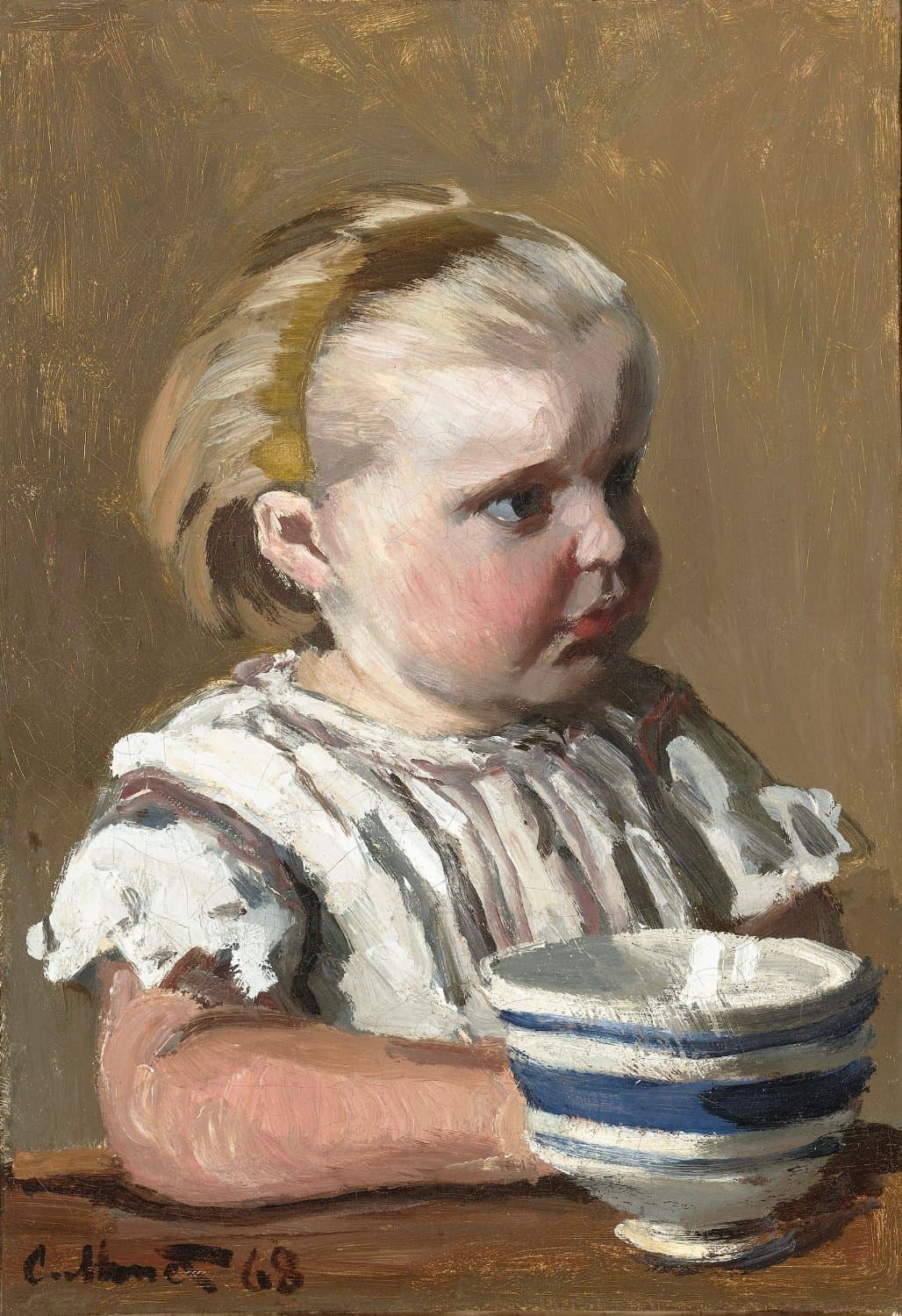
L'Enfant à la tasse (Portrait of Jean Monet)
Claude Monet · 1868
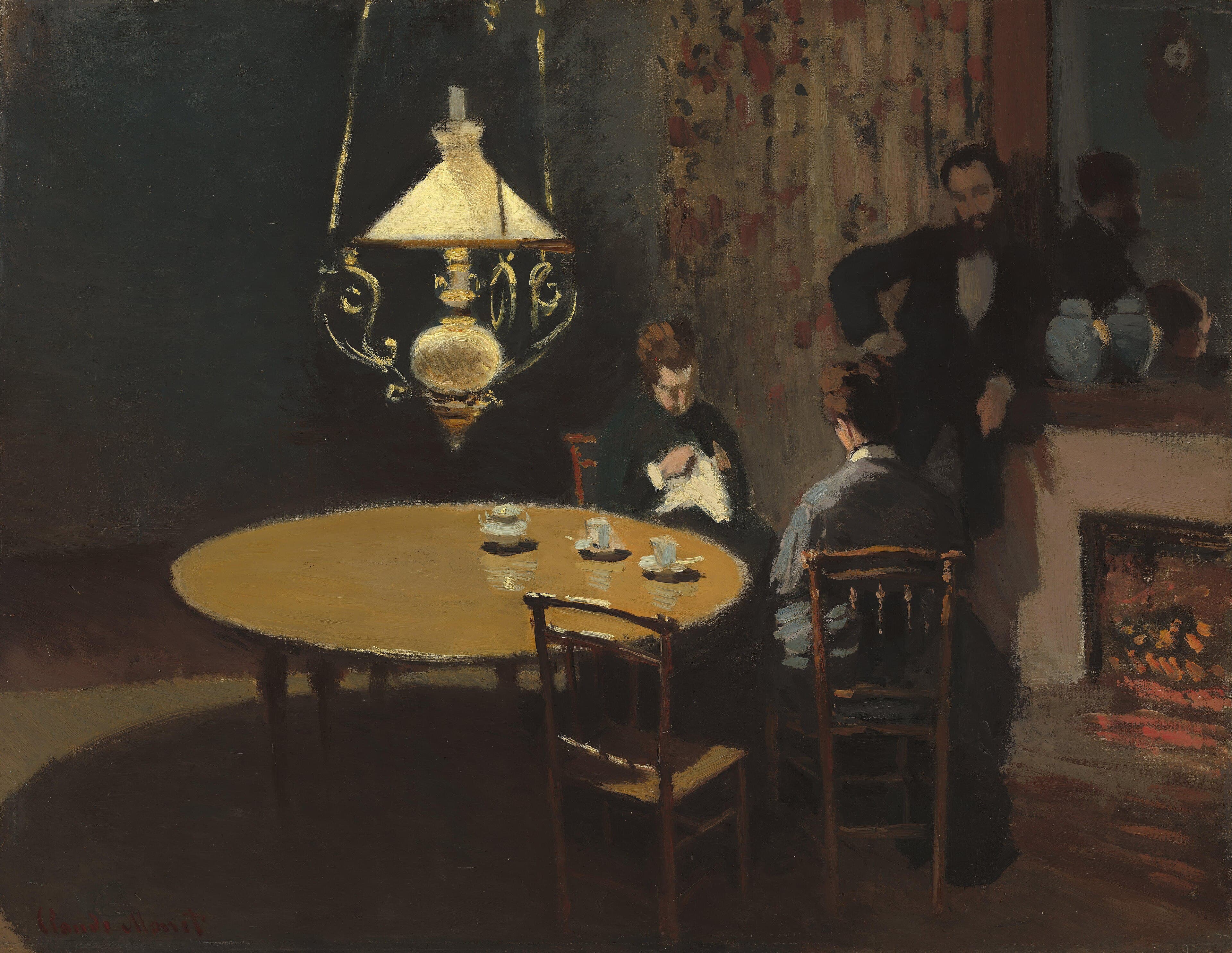
Interior, after Dinner
Claude Monet · 1868–69
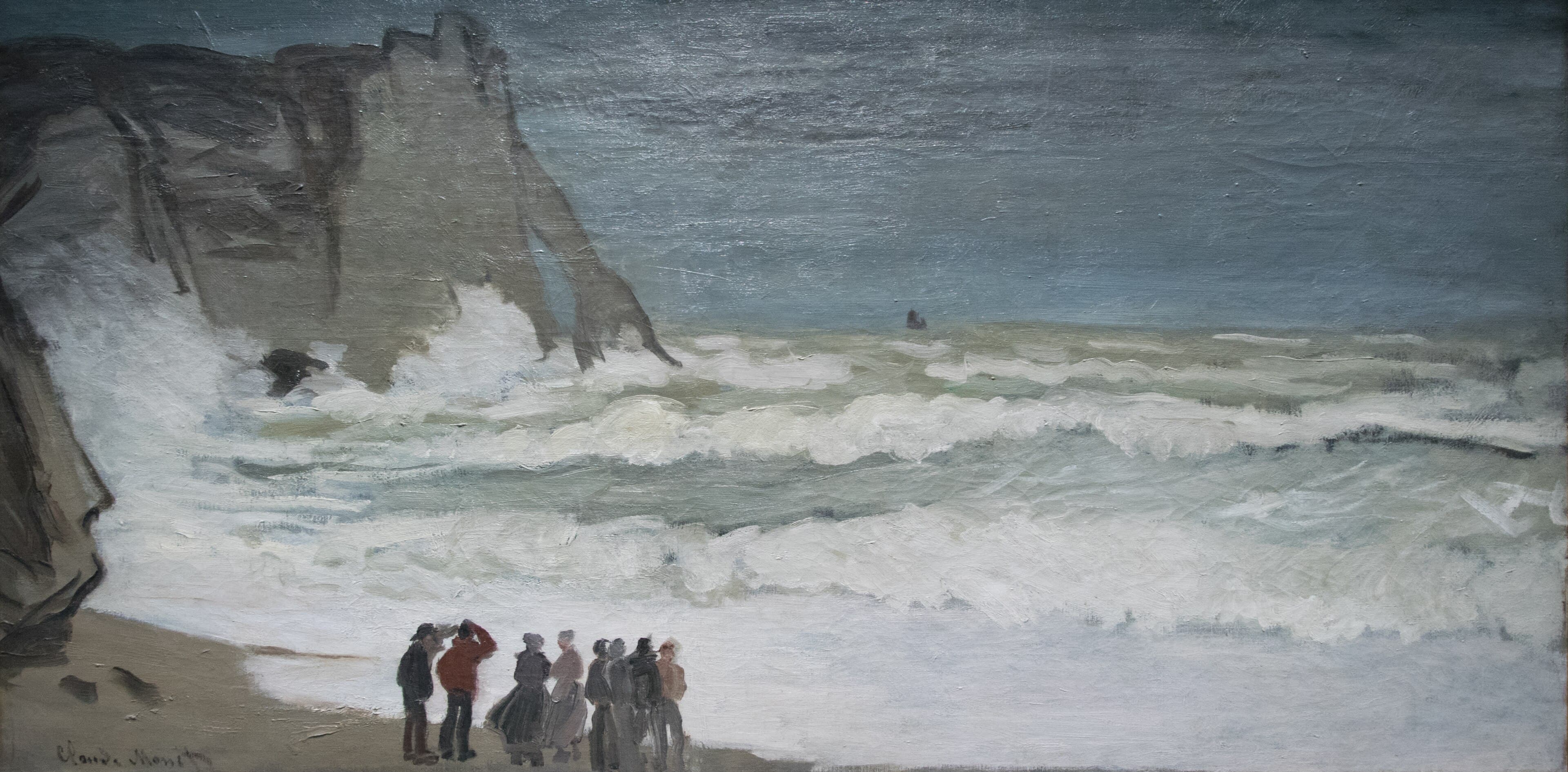
Heavy Sea at Étretat
Claude Monet · c. 1868–69
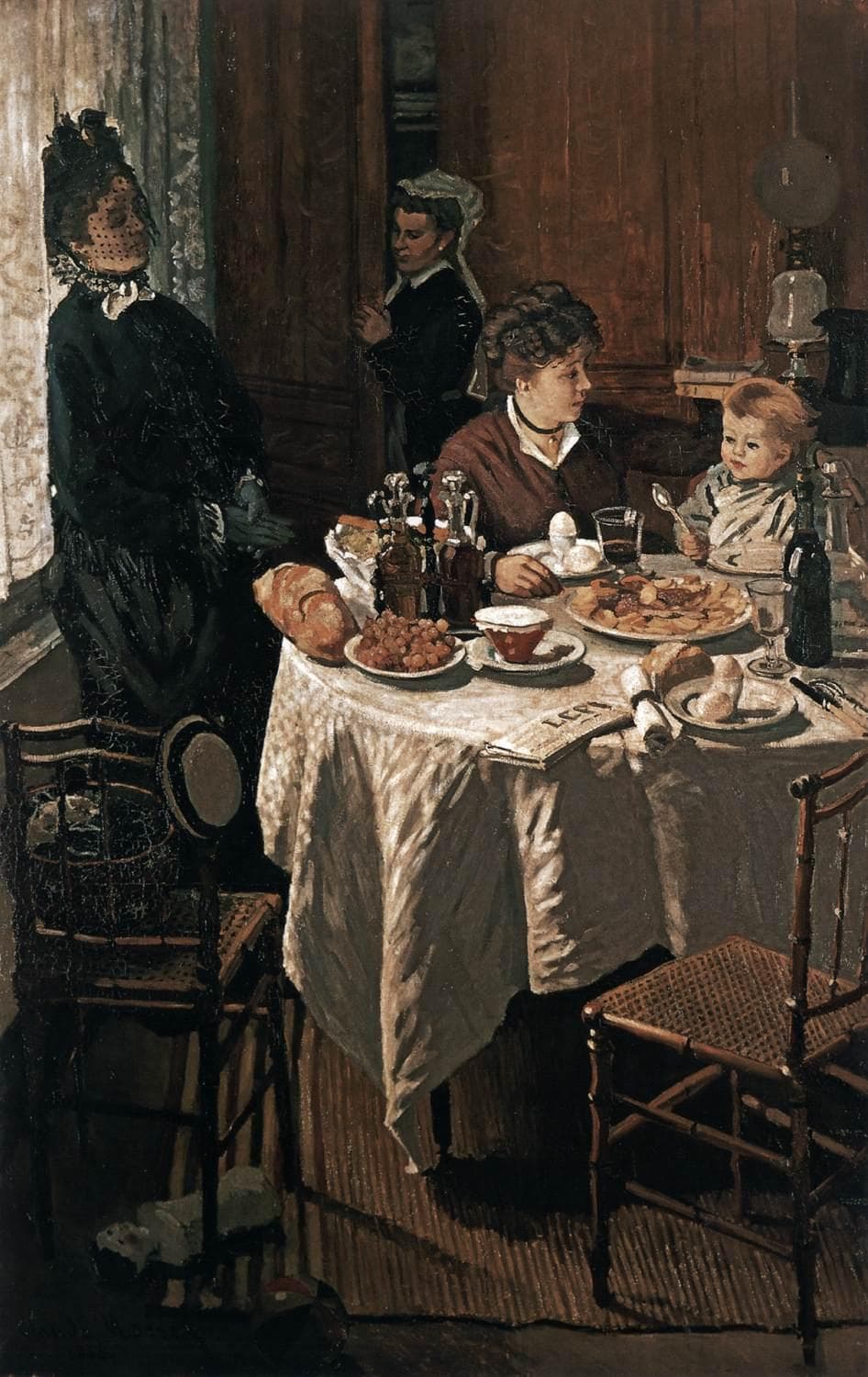
The Lunch
Claude Monet · 1868
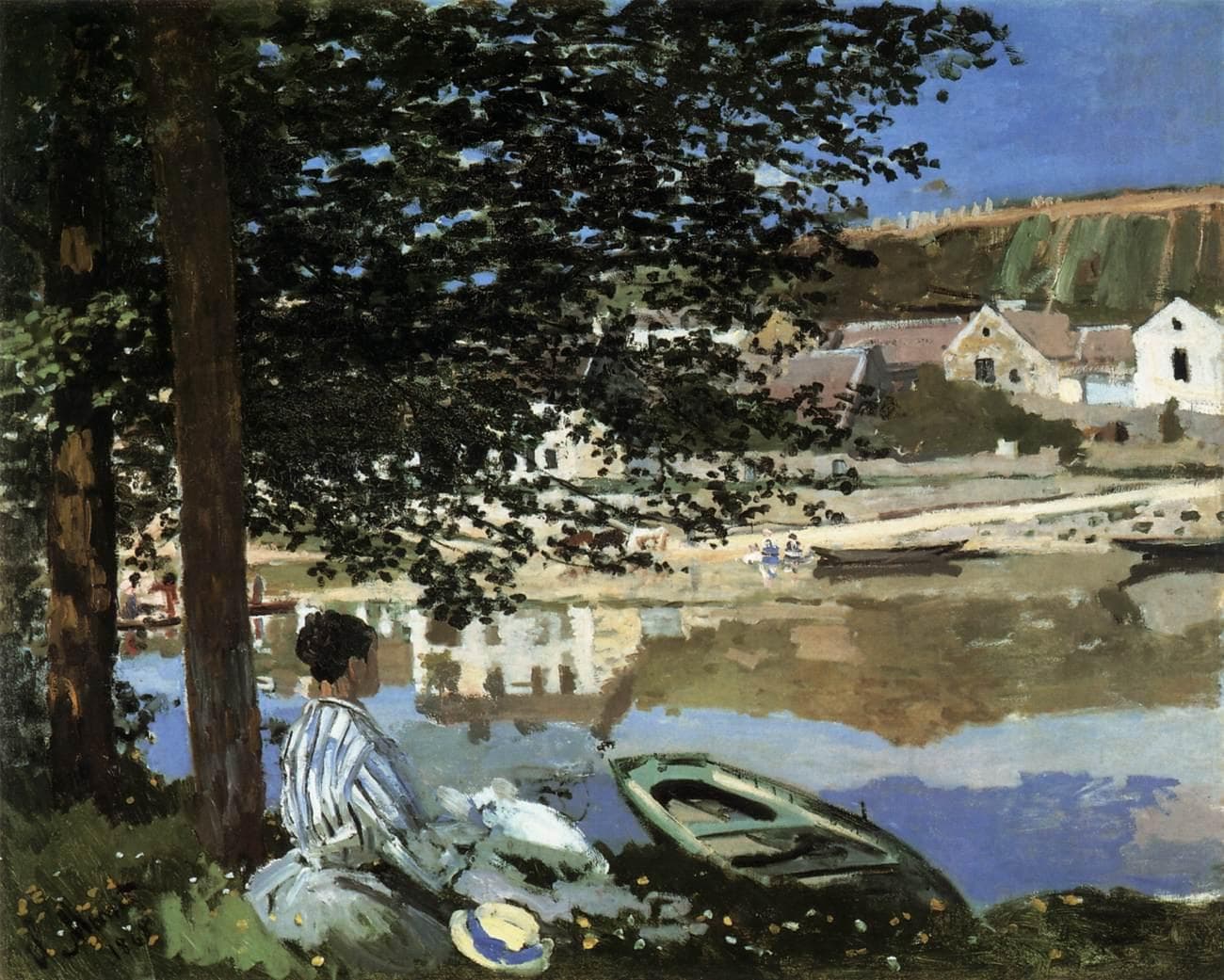
On the Bank of the Seine, Bennecourt
Claude Monet · 1868
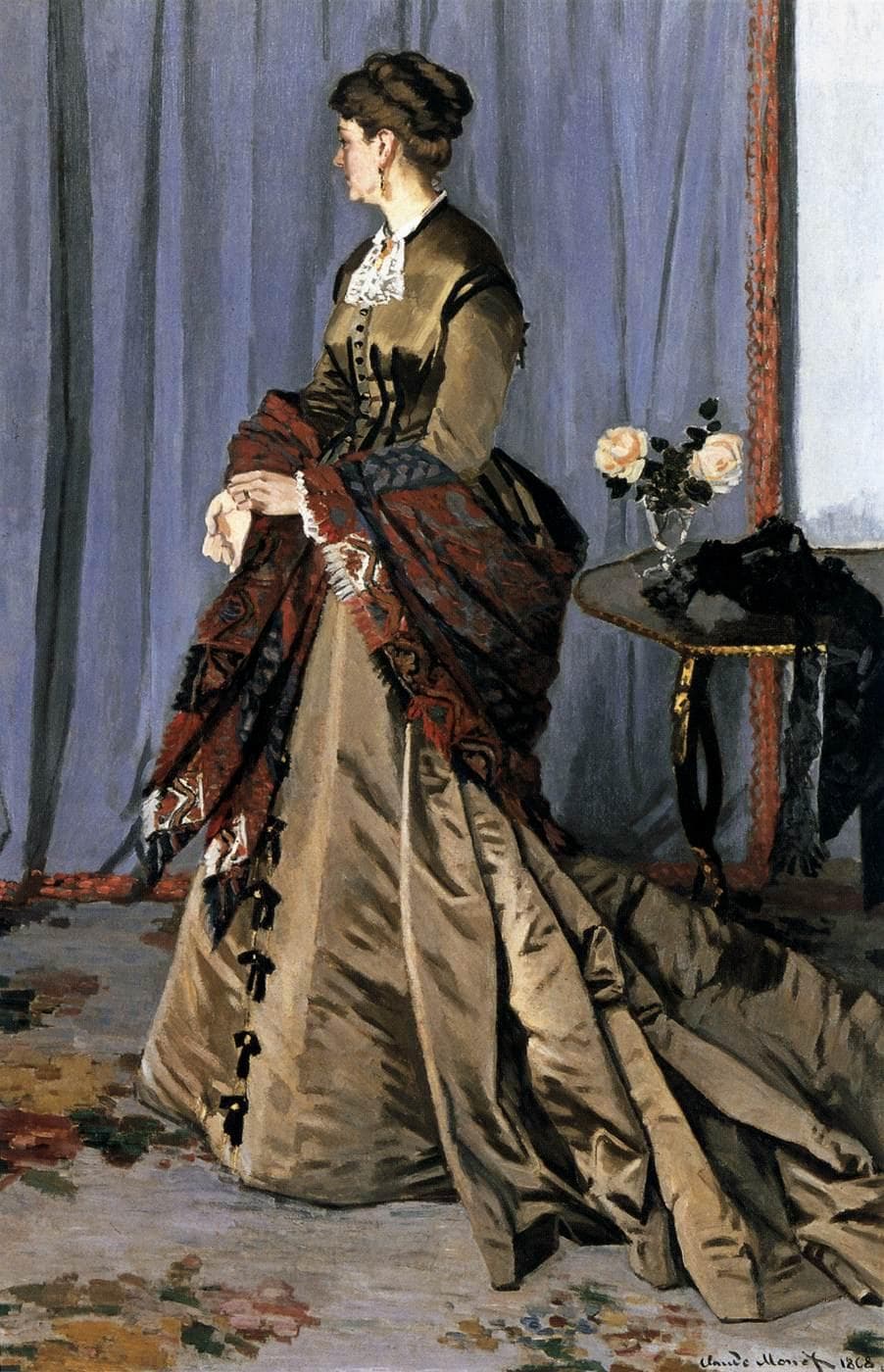
Madame Louis Joachim Gaudibert
Claude Monet · 1868
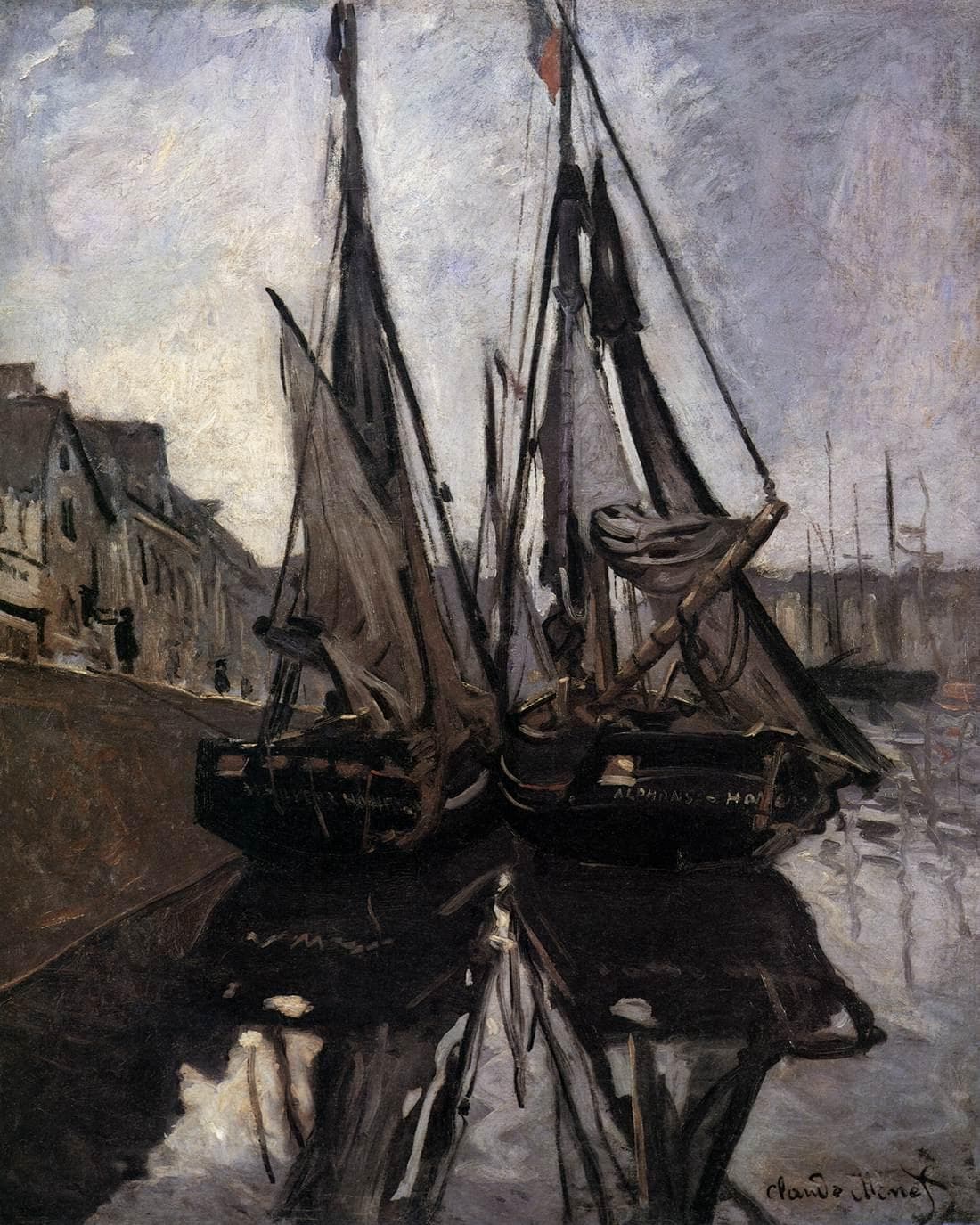
Fishing Boats at Honfleur
Claude Monet · c. 1868
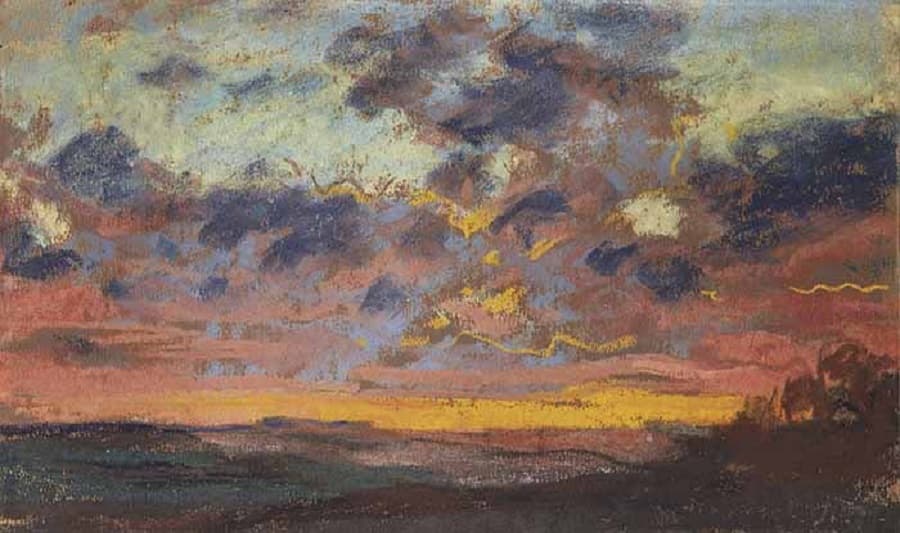
Sunset (Coucher de soleil)
Claude Monet · c. 1868
Kindred works
You may also study
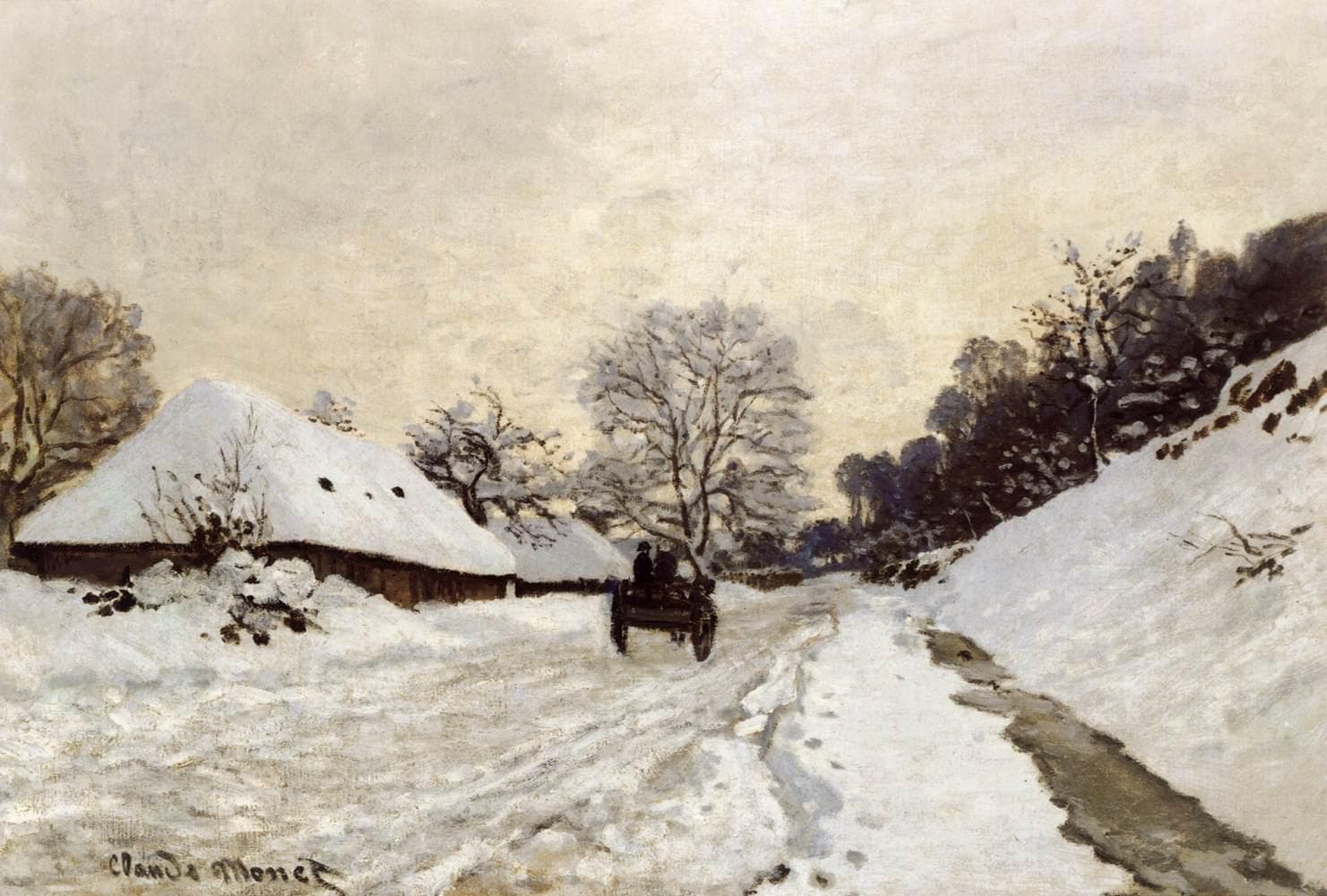
A Cart on the Snowy Road at Honfleur
Claude Monet · c. 1867
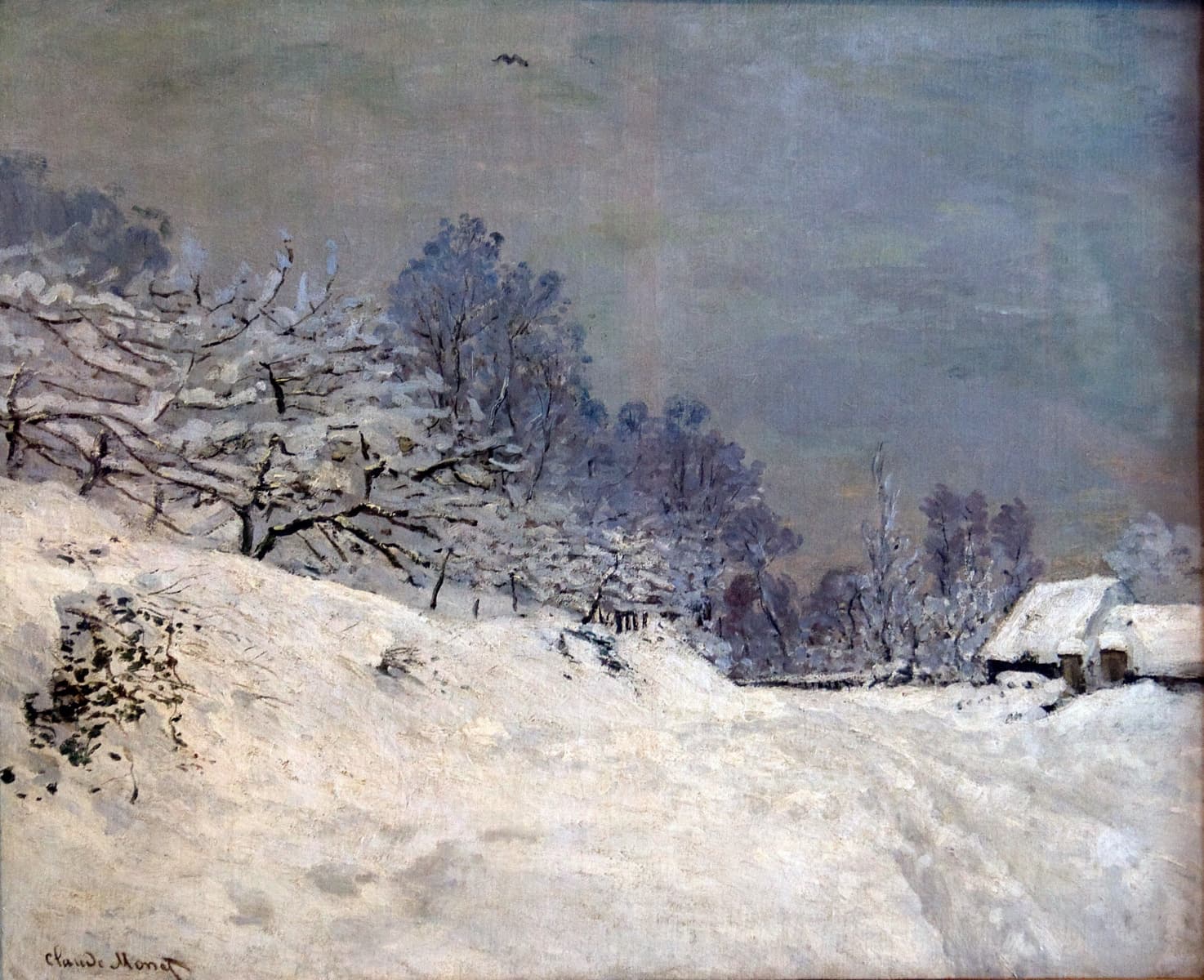
The Road in Front of Saint-Siméon Farm in Winter
Claude Monet · 1867
The Lunch
Claude Monet · 1868
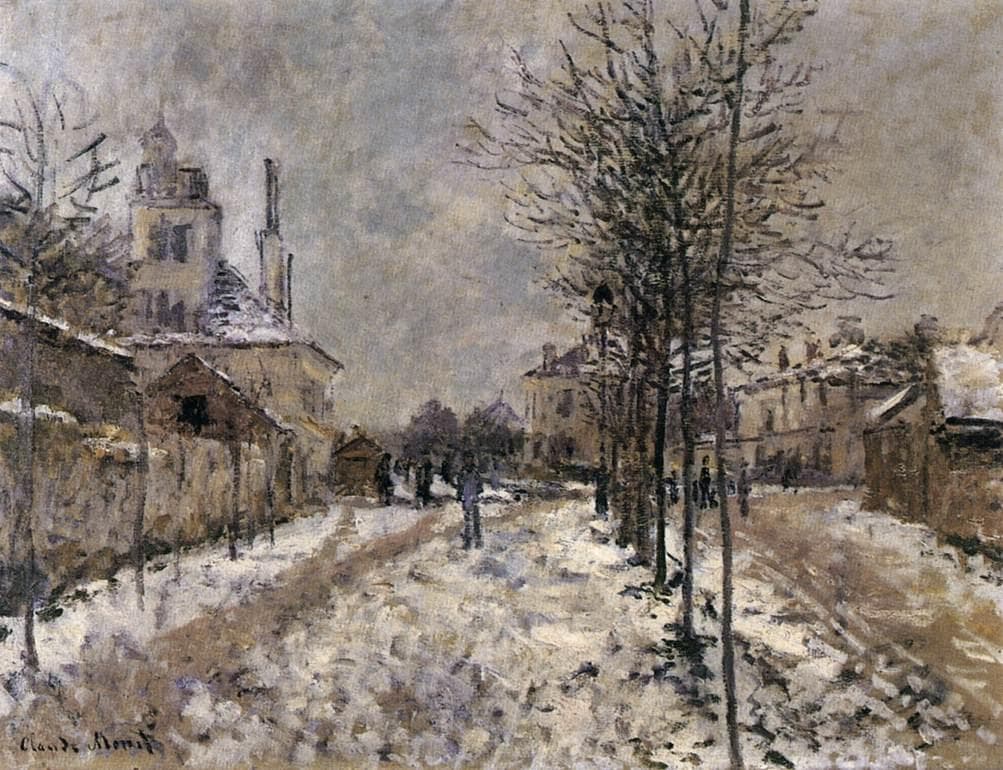
The Boulevard de Pontoise in Argenteuil under Snow
Claude Monet · 1875

The Scream
Edvard Munch · 1893

Ophelia
John Everett Millais · 1851–52

The Great Wave off Kanagawa
Katsushika Hokusai · c. 1830–32
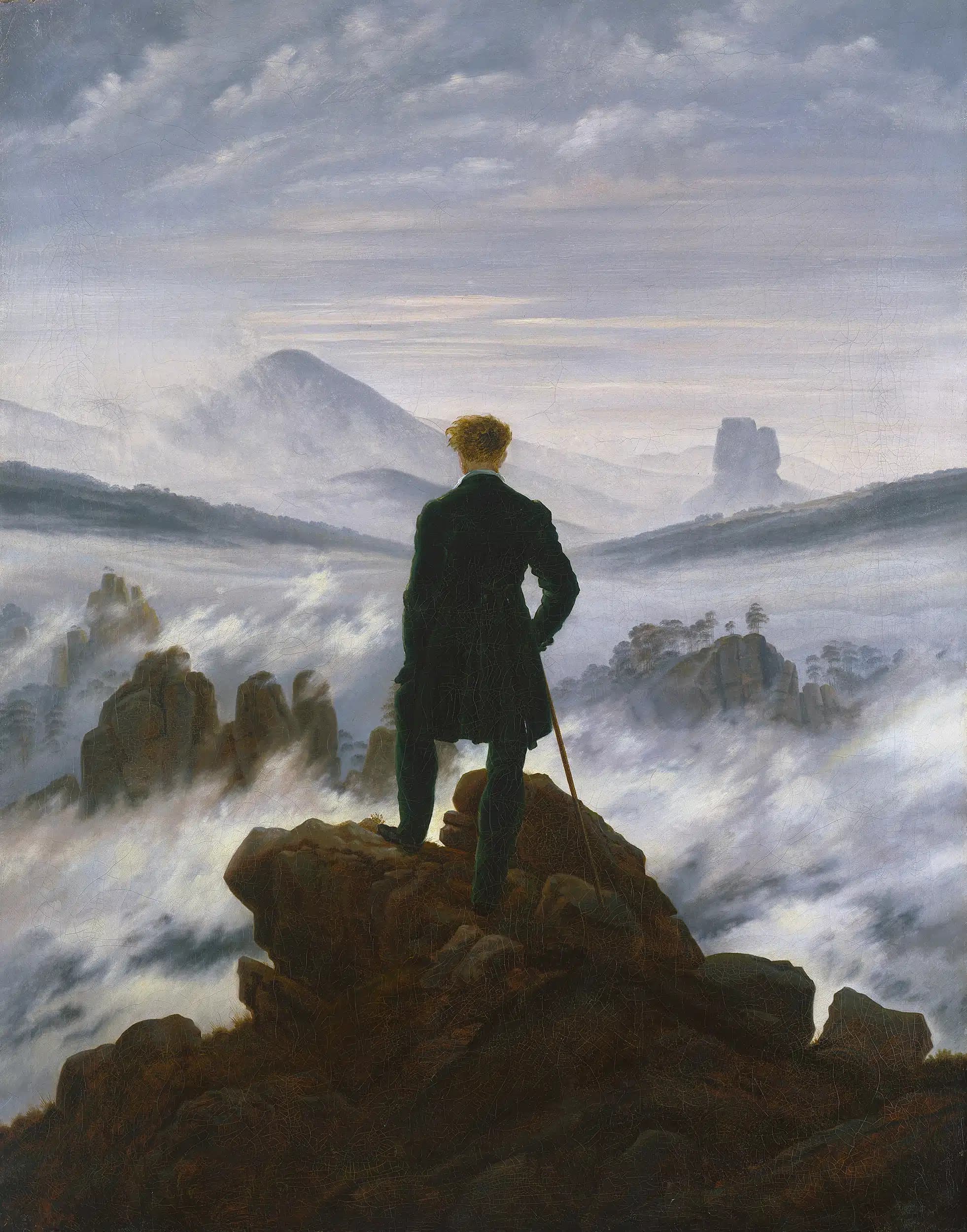
Wanderer above the Sea of Fog
Caspar David Friedrich · c. 1817