Image: State Hermitage Museum, Saint Petersburg · Public domain · via Wikimedia Commons
Impressionism
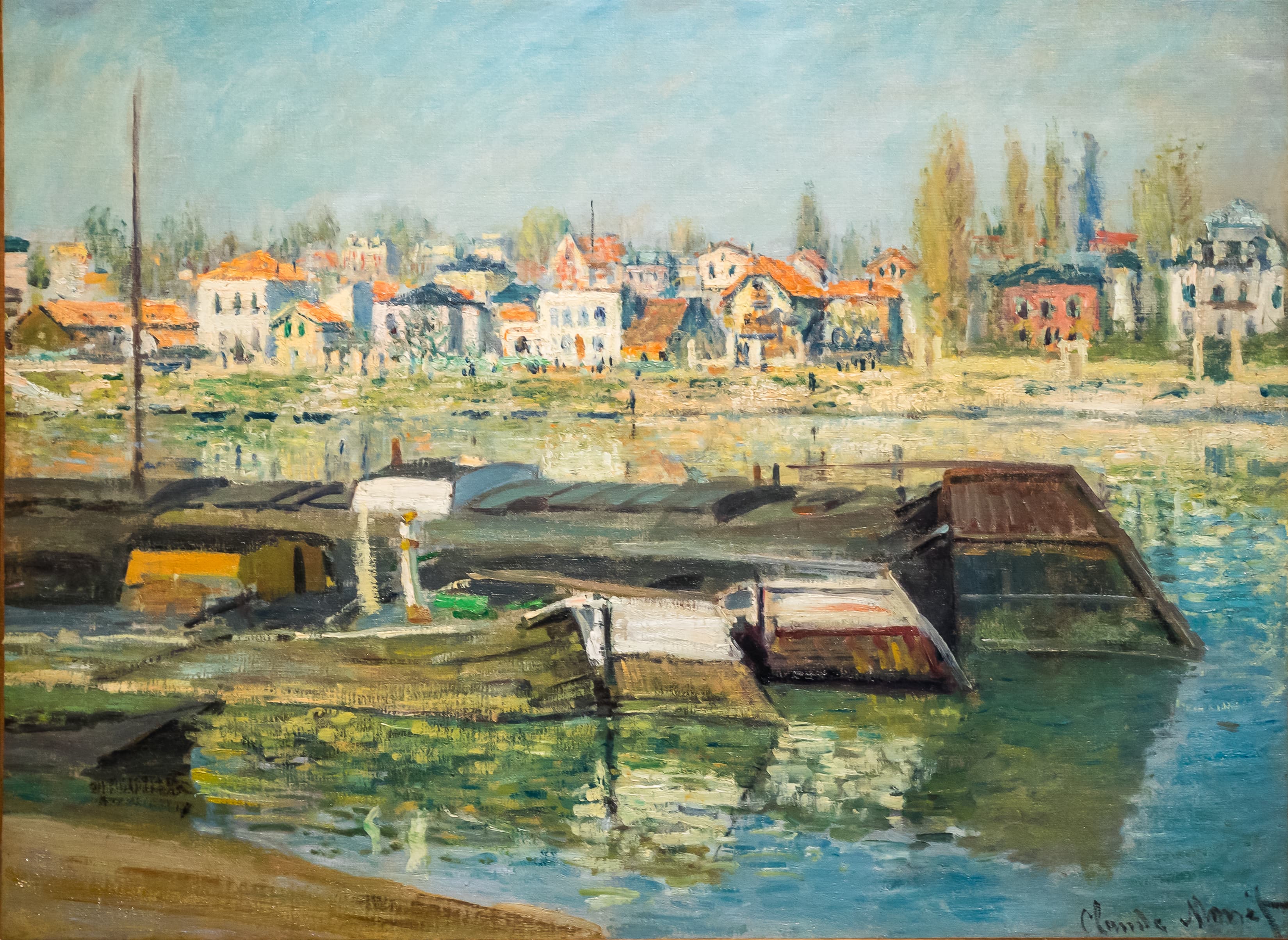
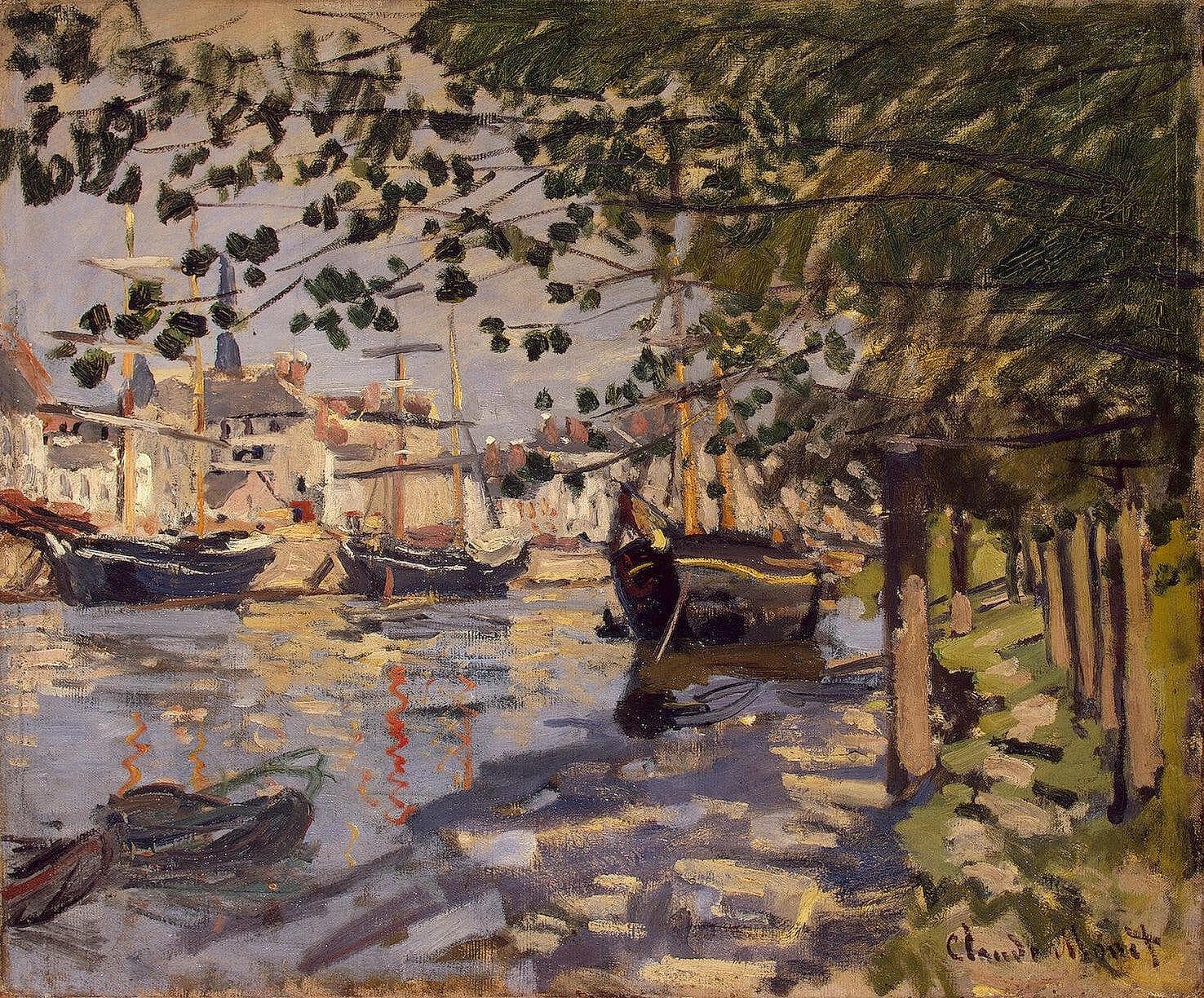
The Seine at Asnières (Hermitage)
Claude Monet, 1873
The Seine at Asnières is an 1873 painting by Claude Monet of laundry barges moored on the Seine at Asnières, northwest of Paris, with new suburban villas on the far bank. It is in the State Hermitage Museum, Saint Petersburg.
- Artist
- Claude Monet
- Date
- 1873
- Medium
- Oil on canvas
- Dimensions
- 46.4 × 55.5 cm
- Collection
- State Hermitage Museum, Saint Petersburg, Russia
- Movement
- Impressionism
- Catalogue
- Wildenstein 269
Claude Monet painted The Seine at Asnières in 1873, a few months after Impression, Sunrise. It shows flat-roofed barges moored on the Seine at Asnières, a fast-growing suburb just northwest of Paris, with a line of new villas and bare poplars across the water. The canvas, about 46 by 56 centimeters, is in the State Hermitage Museum in Saint Petersburg, which has shown it publicly since 1995. A second, larger view of the same stretch is in the Wallraf-Richartz Museum in Cologne.
What you're looking at
The foreground is crowded with working boats. A long, low barge runs across the picture with a covered cabin, its roof a gray-blue slab. Two blunt, box-like hulls with white upper edges jut toward us at the center, and a third, dark brown, sits at the right, its side reflected in the water below. These look like the floating wash-houses and storage barges common on the Seine at the time. A thin mast rises at the left edge, and the bow of a dark rowing boat noses in at lower left beside a strip of muddy bank.
Across the river the light is strong and dry. The far bank is a row of small houses in cream, ocher, pink and brick red, with blue-slate and orange roofs, punctuated by tall poplars still bare or just coming into leaf. A few tiny figures walk on the quay. Their reflections break up in the water into dabs of white, pink and yellow. The sky is pale lavender-blue, lightly brushed. Monet signed in dark paint at lower right.
Asnières in 1873
In the 1870s Asnières was changing quickly. The railway from the Gare Saint-Lazare had made it a short ride from Paris, and small industries, boatyards and new houses in brick and millstone grit were filling the riverbanks, built by workers and the lower middle class. The far bank in Monet's picture shows those new villas with their small gardens.
Monet was then living a few kilometers downstream at Argenteuil and came to Asnières to paint with friends. The modern suburban Seine, with its mix of leisure boats and working barges, was one of his central subjects in these years; see Monet at Argenteuil. The Cologne canvas, The Seine at Asnières, shows a similar view. Compare also Argenteuil and The Basin at Argenteuil, where the river is given over to sailing and promenades.
How it was painted
The picture is small and quickly painted. Monet builds the barges in broad, flat planes of color and outlines their edges with a few dark strokes. The cabin roof and the white rims are laid on thickly with a loaded brush. Across the river he switches to a smaller touch, setting down each house as a block of light color with a darker roof. In the water he uses short horizontal strokes that pick up the colors of the far bank, so the reflections read as broken light rather than mirror images. The palette is lighter and warmer than in Impression, Sunrise, with sun on the far bank and cooler violets in the shadows of the hulls.
The choice of subject matters too. Working barges, not pleasure boats, take up most of the foreground. Monet painted the industrial side of the Seine more often than his later reputation suggests, and this canvas is a modest example of that interest.
Ownership and where to see it
The painting belonged to Eduard Lorenz Lorenz-Meyer, a wealthy Hamburg businessman, and after his death to his widow, Alice Meyer. At the end of the Second World War it was removed to the Soviet Union and kept as war reparations, unknown to the public. It was first shown at the Hermitage in 1995, in an exhibition of French paintings from German private collections. It now belongs to the museum's group of Monet paintings in the General Staff Building. For other locations, see where to see Monet's paintings.
Questions & answers
Where is The Seine at Asnières by Monet?
This version is in the State Hermitage Museum in Saint Petersburg, which has displayed it since 1995. A second view of the same place, slightly larger, is in the Wallraf-Richartz Museum in Cologne.
When and where was The Seine at Asnières painted?
Monet painted it in 1873 at Asnières, a suburb on the Seine northwest of Paris, while he was living nearby at Argenteuil. It dates from a few months after Impression, Sunrise.
What does The Seine at Asnières show?
It shows working barges and floating cabins moored in the foreground, with a row of new suburban villas and tall poplars on the far bank under a pale sky. It is a picture of the industrializing Seine rather than of pleasure boating.
How did the painting reach the Hermitage?
It belonged to the Hamburg collector Eduard Lorenz Lorenz-Meyer and his widow. It was taken to the Soviet Union after the Second World War as war reparations, kept from view for decades, and first exhibited at the Hermitage in 1995.
More by the artist
Claude Monet

Bridge over a Pond of Water Lilies
Claude Monet · 1899

Woman with a Parasol – Madame Monet and Her Son
Claude Monet · 1875

Sunset in Venice
Claude Monet · 1908–12

La Grenouillère
Claude Monet · 1869

Beach in Pourville
Claude Monet · 1882

Springtime
Claude Monet · 1872

Boating on the River Epte
Claude Monet · 1890
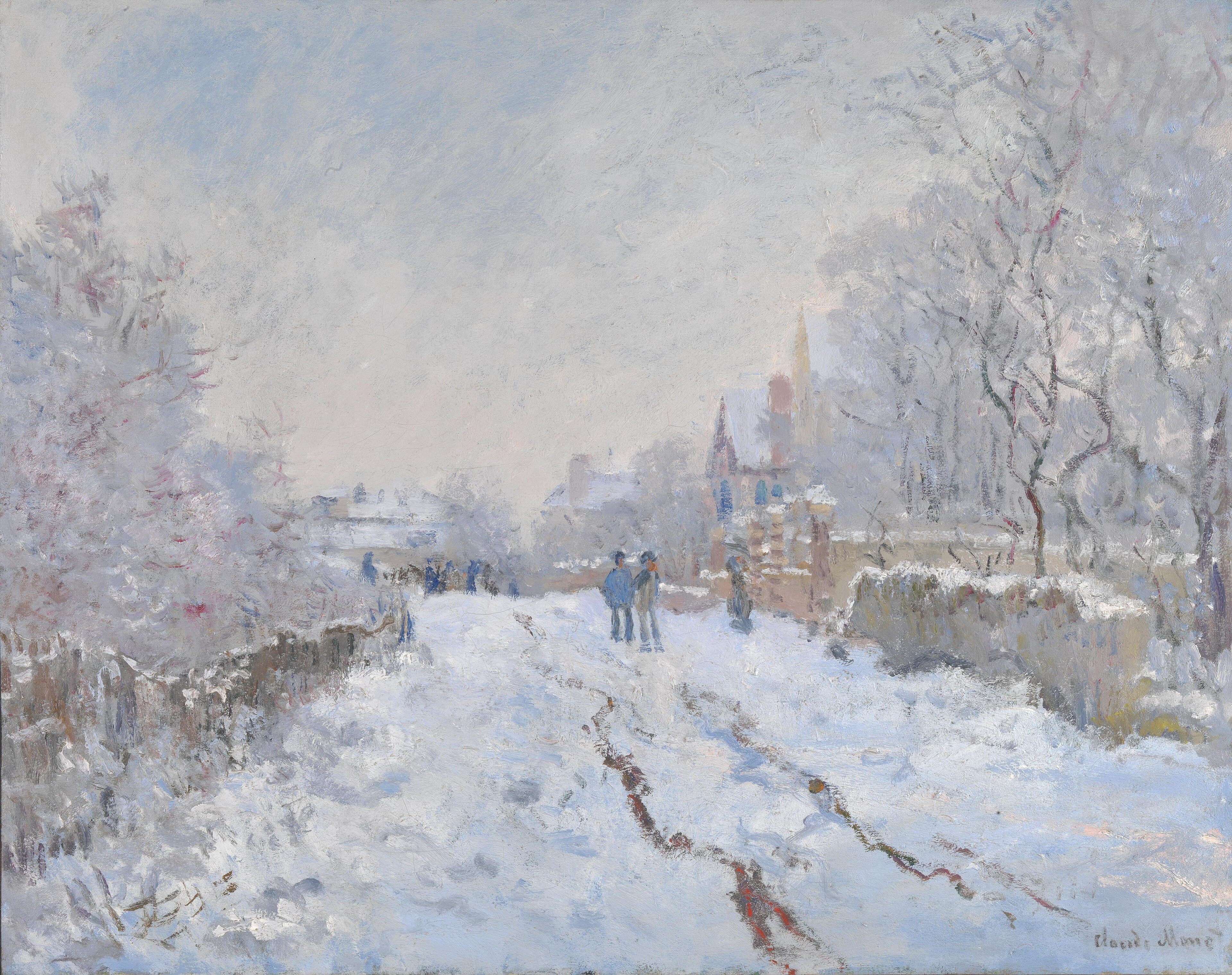
Snow Scene at Argenteuil
Claude Monet · 1875
Also painted in 1873
The same year
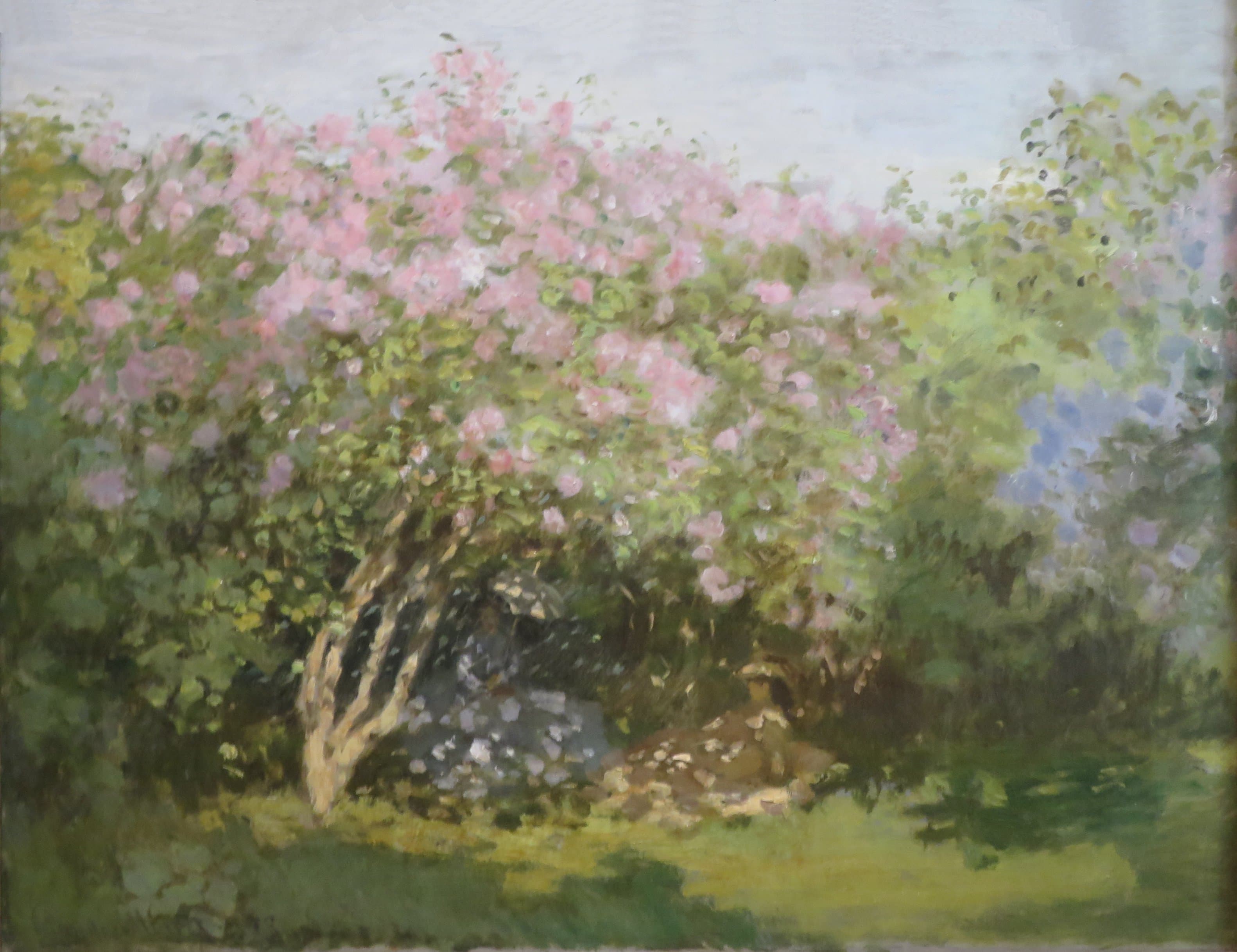
Lilac in the Sun
Claude Monet · 1873
Lilacs, Gray Weather
Claude Monet · 1872–73
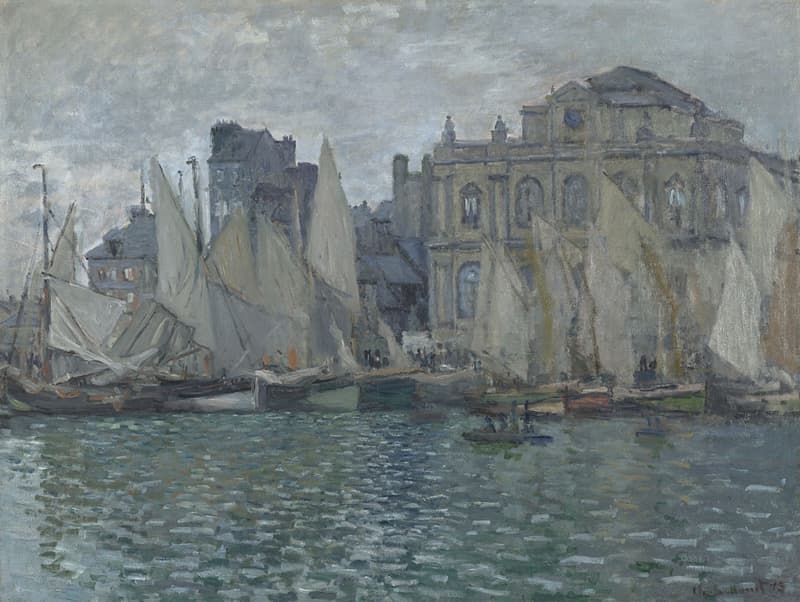
The Museum at Le Havre
Claude Monet · 1873
The Seine at Asnières
Claude Monet · 1873
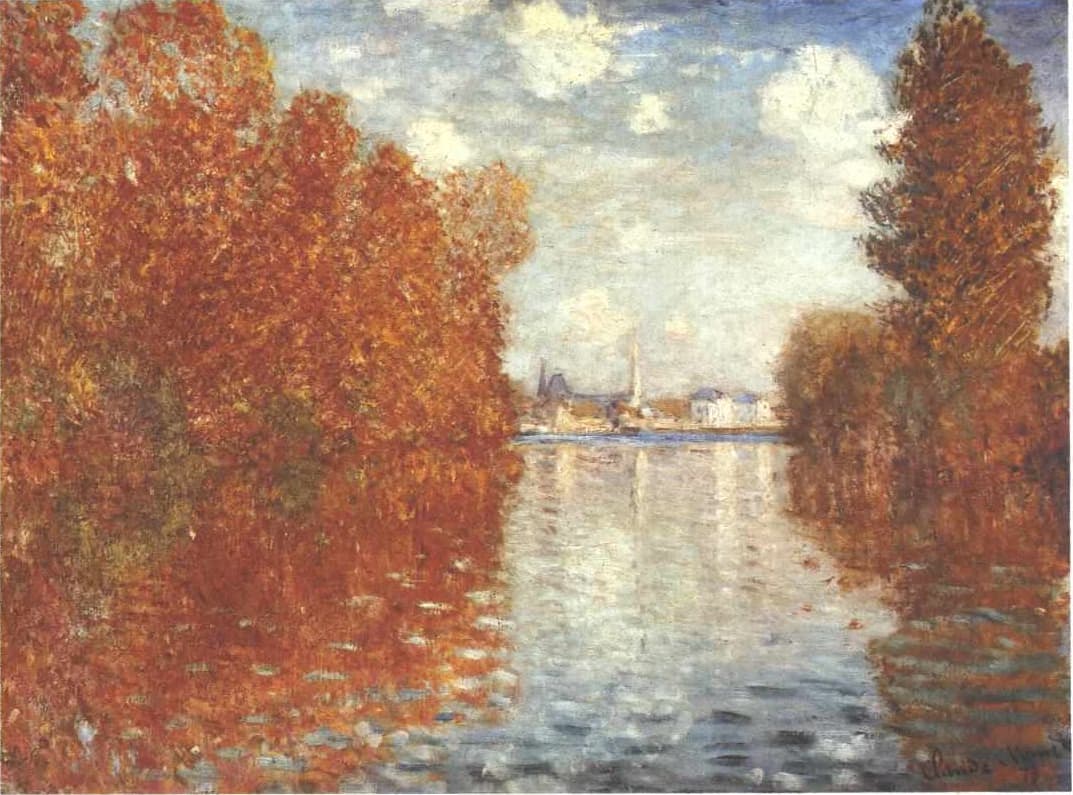
Autumn Effect at Argenteuil
Claude Monet · 1873
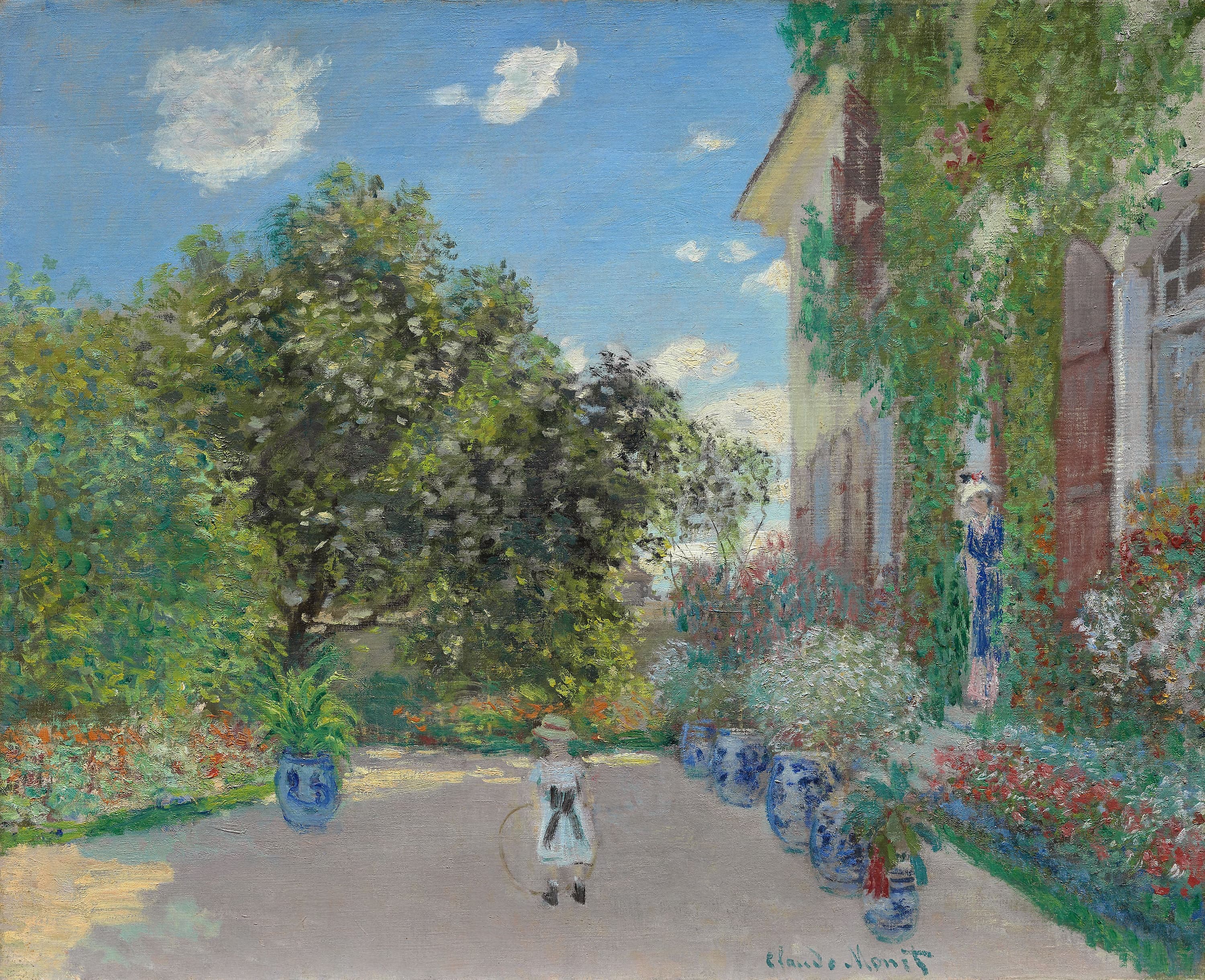
The Artist's House at Argenteuil
Claude Monet · 1873
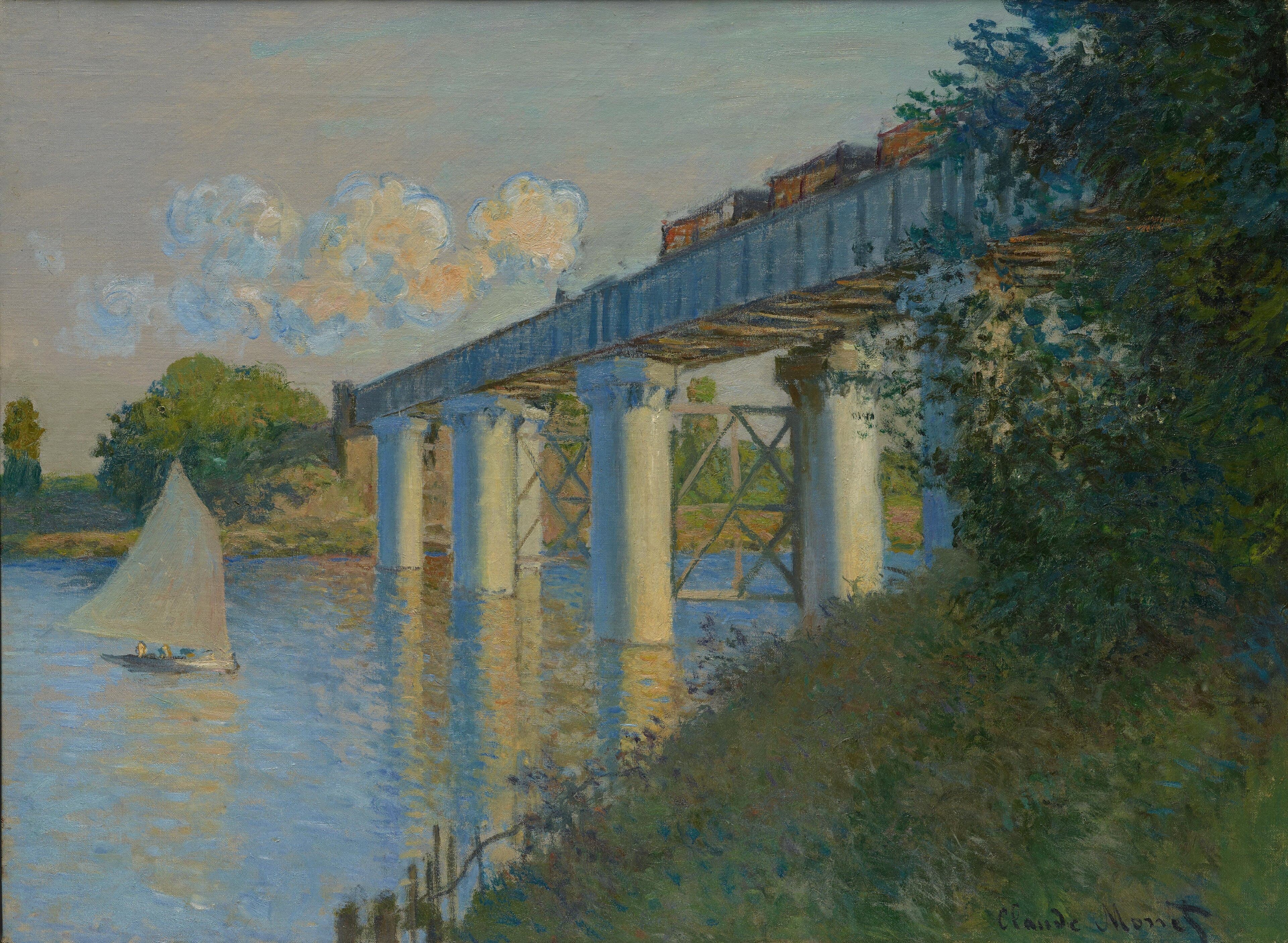
Railroad Bridge, Argenteuil
Claude Monet · 1873
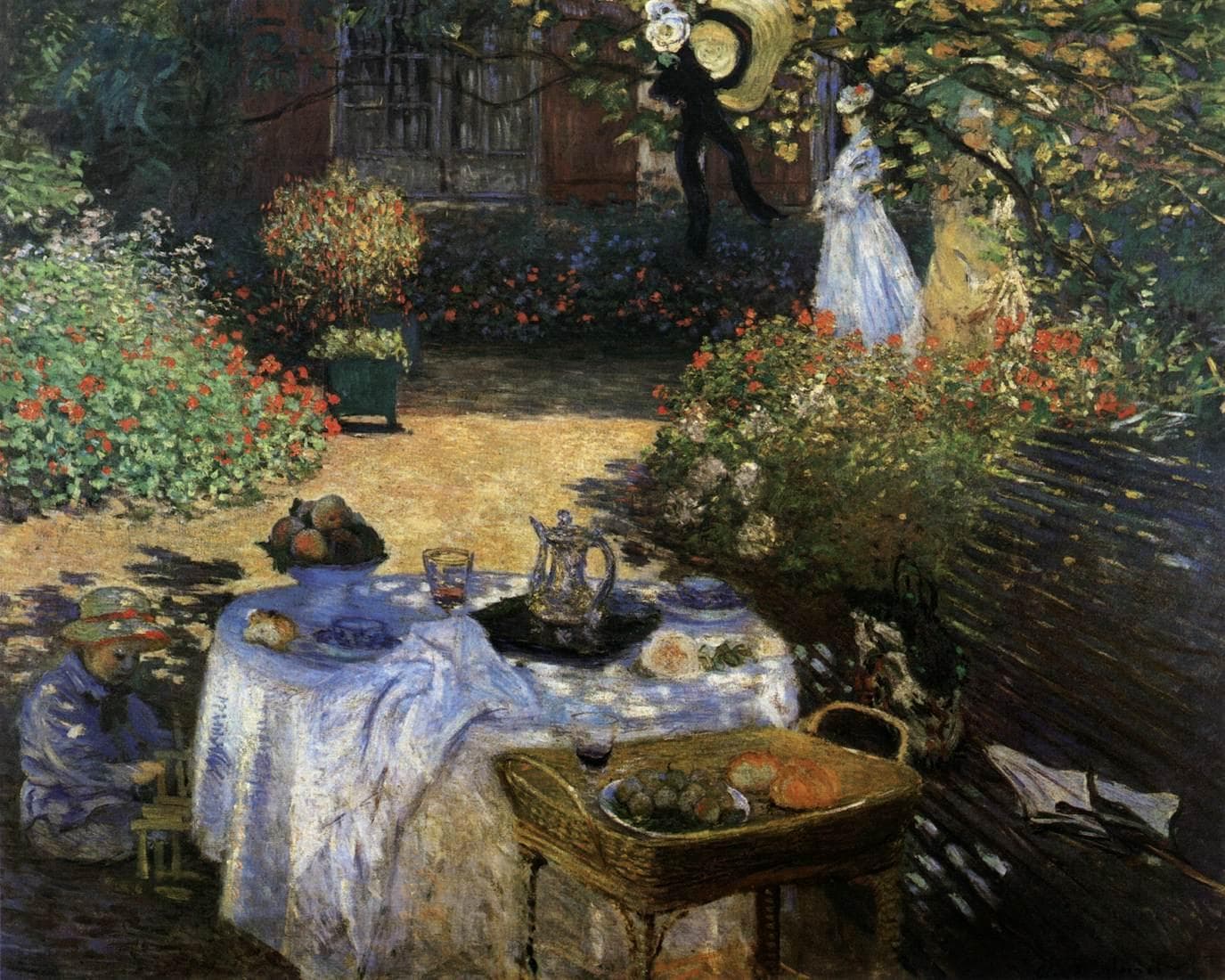
The Luncheon (Monet's Garden at Argenteuil)
Claude Monet · c. 1873
Kindred works
You may also study
The Seine at Asnières
Claude Monet · 1873
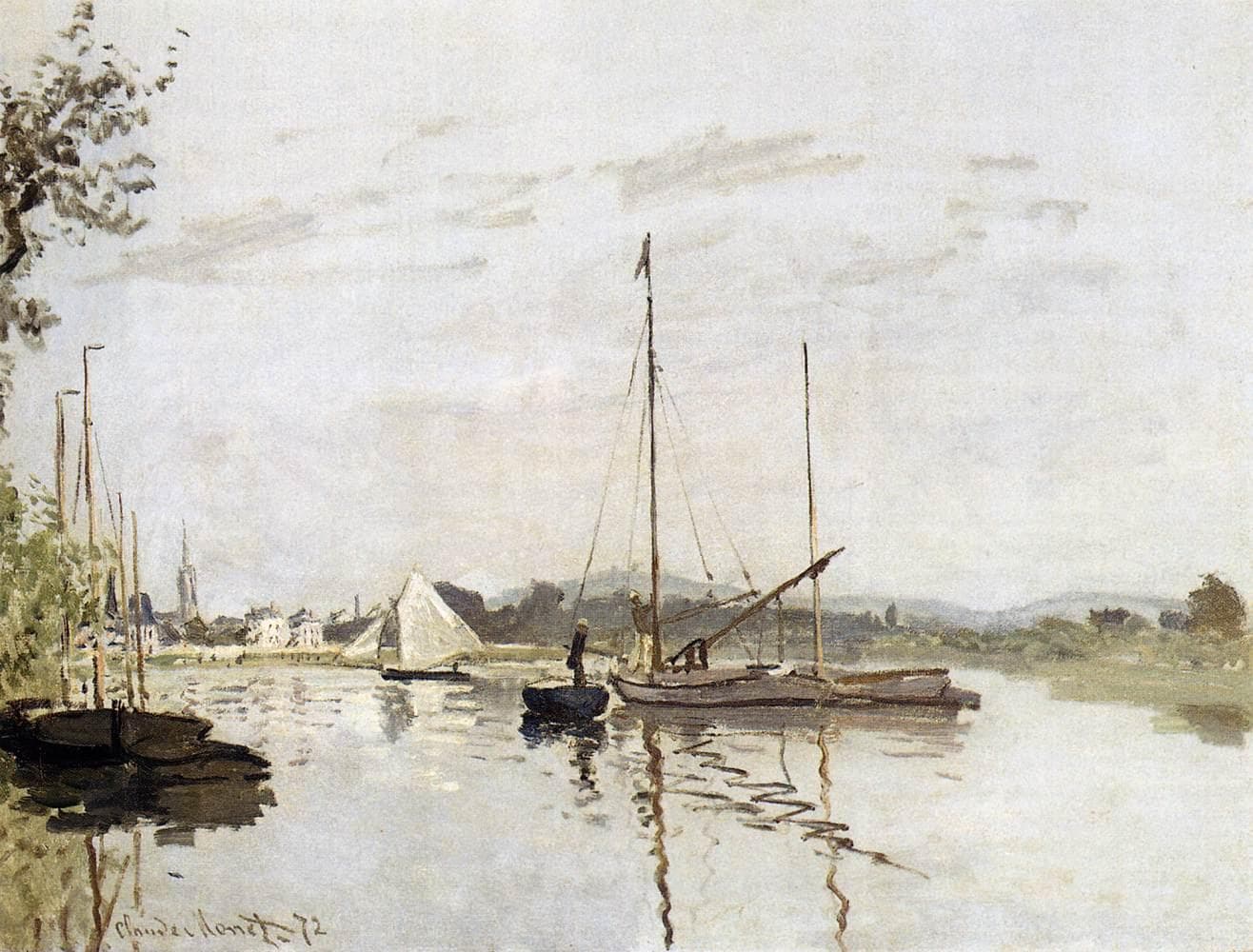
Argenteuil
Claude Monet · c. 1872
The Basin at Argenteuil
Claude Monet · 1872
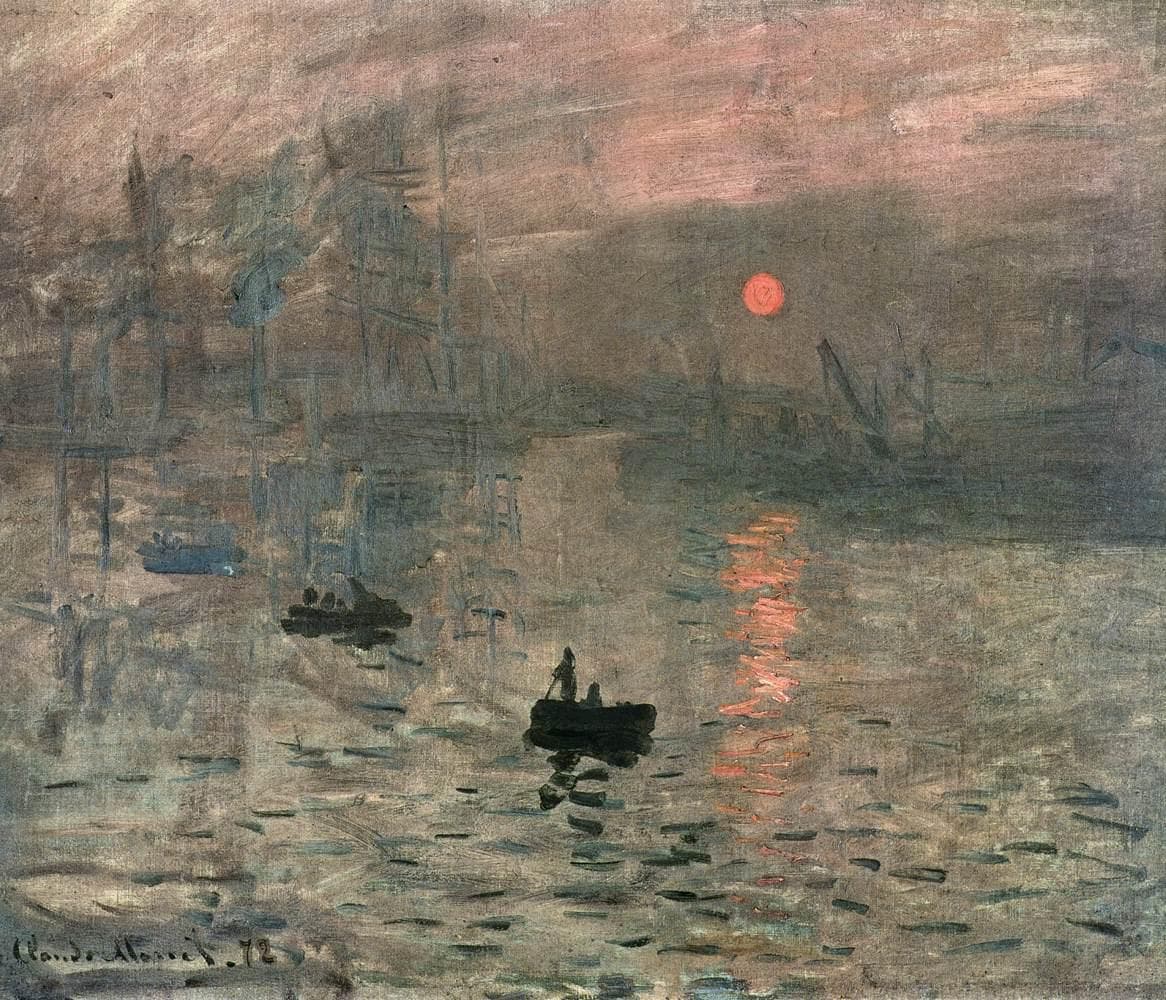
Impression, Sunrise
Claude Monet · 1872
The Seine at Rouen
Claude Monet · 1872

The Scream
Edvard Munch · 1893

Ophelia
John Everett Millais · 1851–52

The Great Wave off Kanagawa
Katsushika Hokusai · c. 1830–32