Museum
Musée Marmottan Monet: The World's Largest Monet Collection
Impression, Sunrise, the paintings left in the studio at Giverny, and the late gardens nobody saw in Monet's lifetime, in a quiet mansion on the edge of the Bois de Boulogne.
The Musée Marmottan Monet in Paris holds the largest collection of Claude Monet's work in the world: about ninety paintings in our catalogue, including Impression, Sunrise (1872), the picture that gave Impressionism its name, and the canvases his son Michel inherited from the studio at Giverny. The museum itself describes about a hundred works by Monet bequeathed by his family and friends.
No other museum lets you follow Monet so far into old age. Alongside a handful of famous early pictures, the Marmottan has dozens of late works he kept for himself: water lilies, weeping willows, the Japanese footbridge, the rose arches and the house seen from the garden, painted with growing freedom as his eyesight failed. This guide explains how the collection came together, what to see first and how to plan a visit.
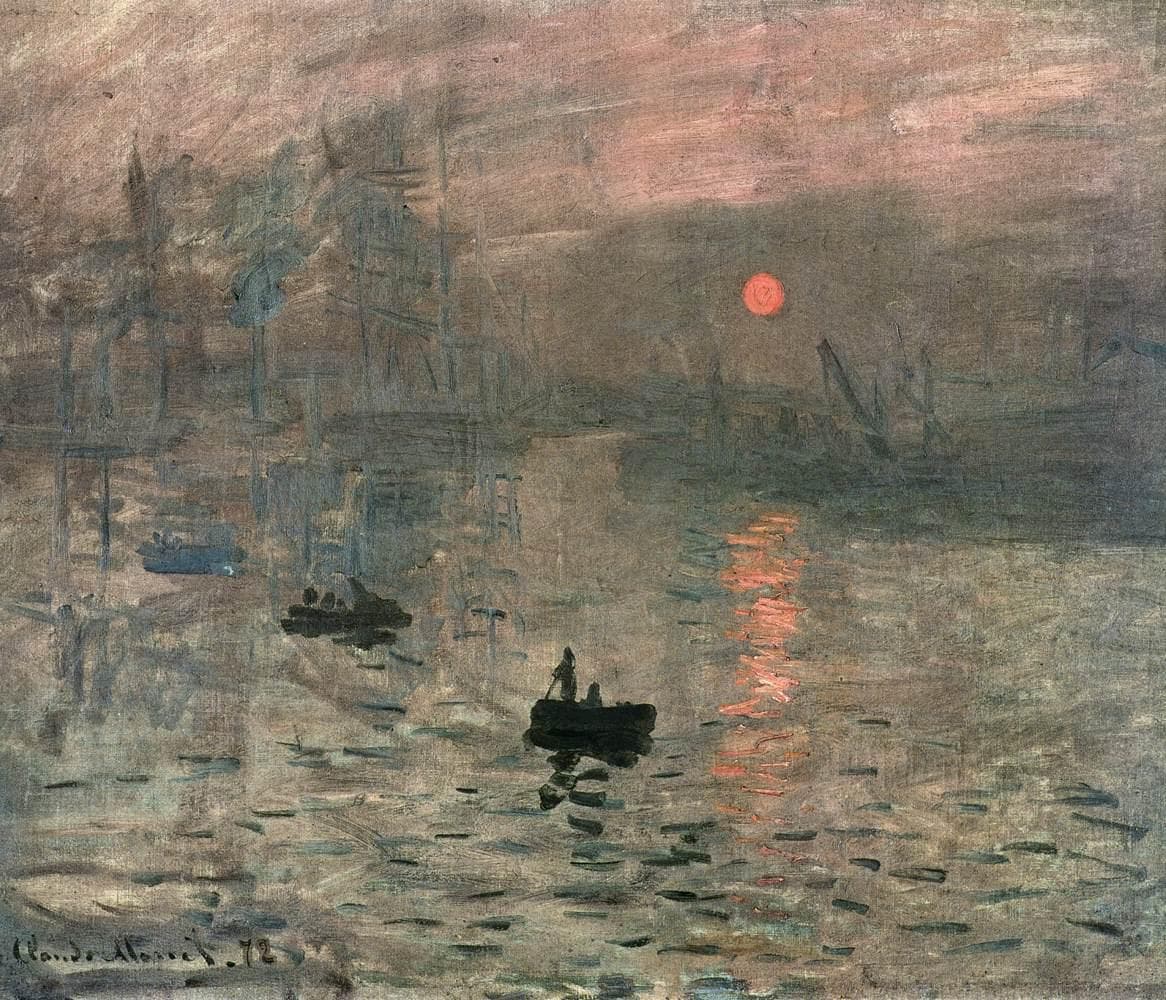
Impression, Sunrise
Claude Monet · 1872
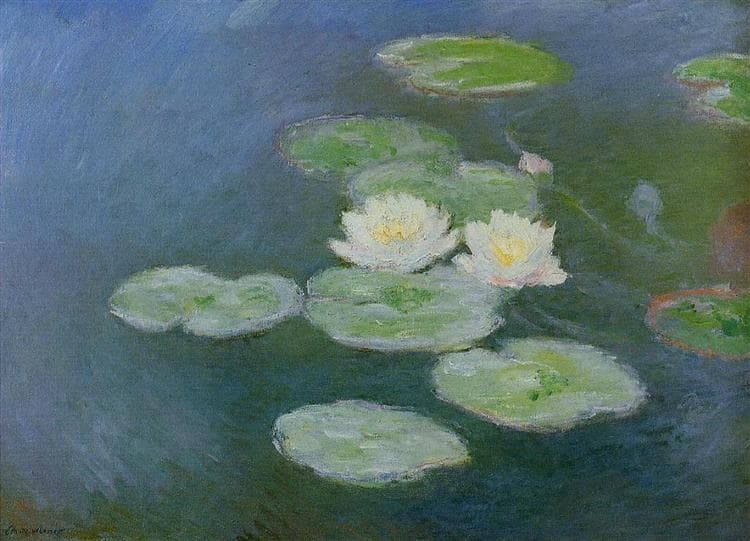
Water Lilies, Evening Effect
Claude Monet · 1897
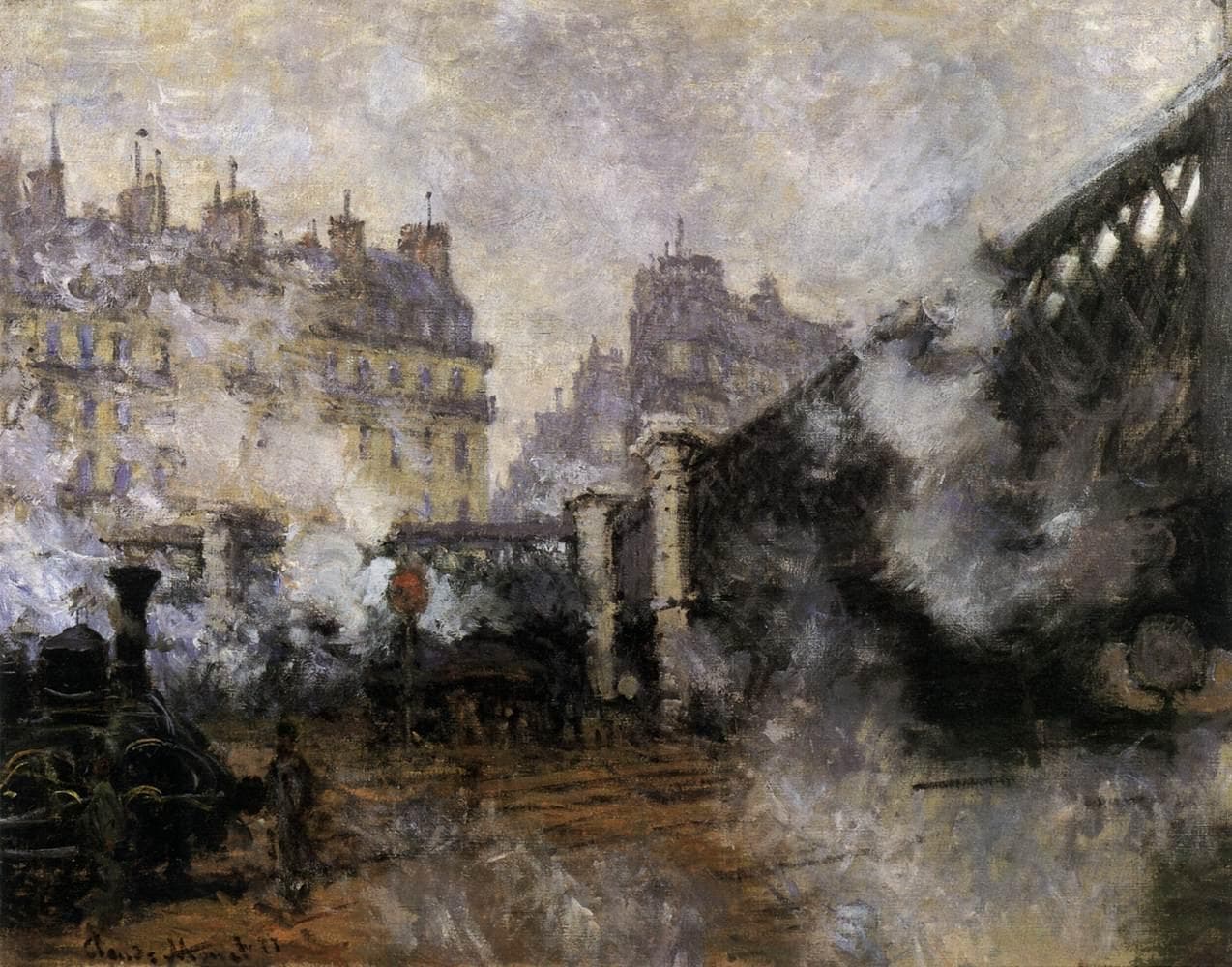
Pont de l'Europe, Gare Saint-Lazare
Claude Monet · 1877
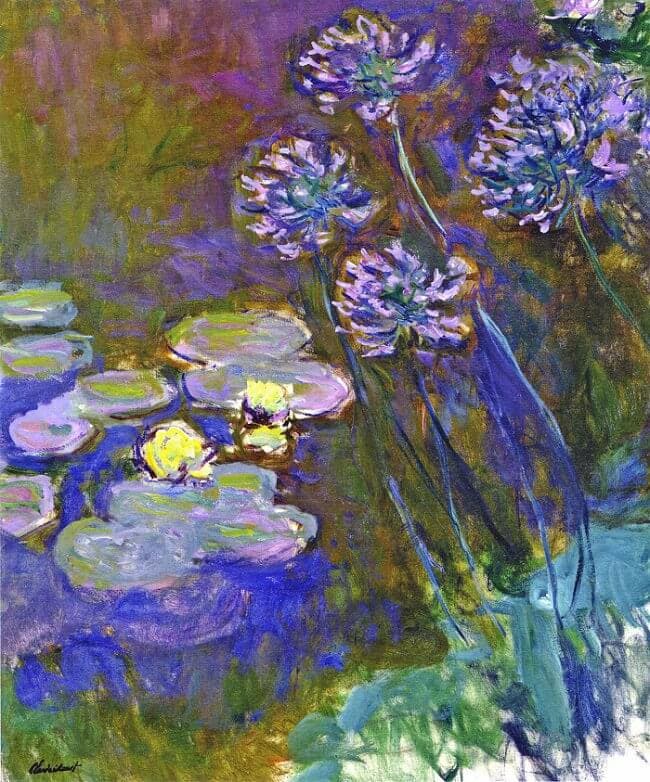
Water Lilies and Agapanthus
Claude Monet · 1914–17
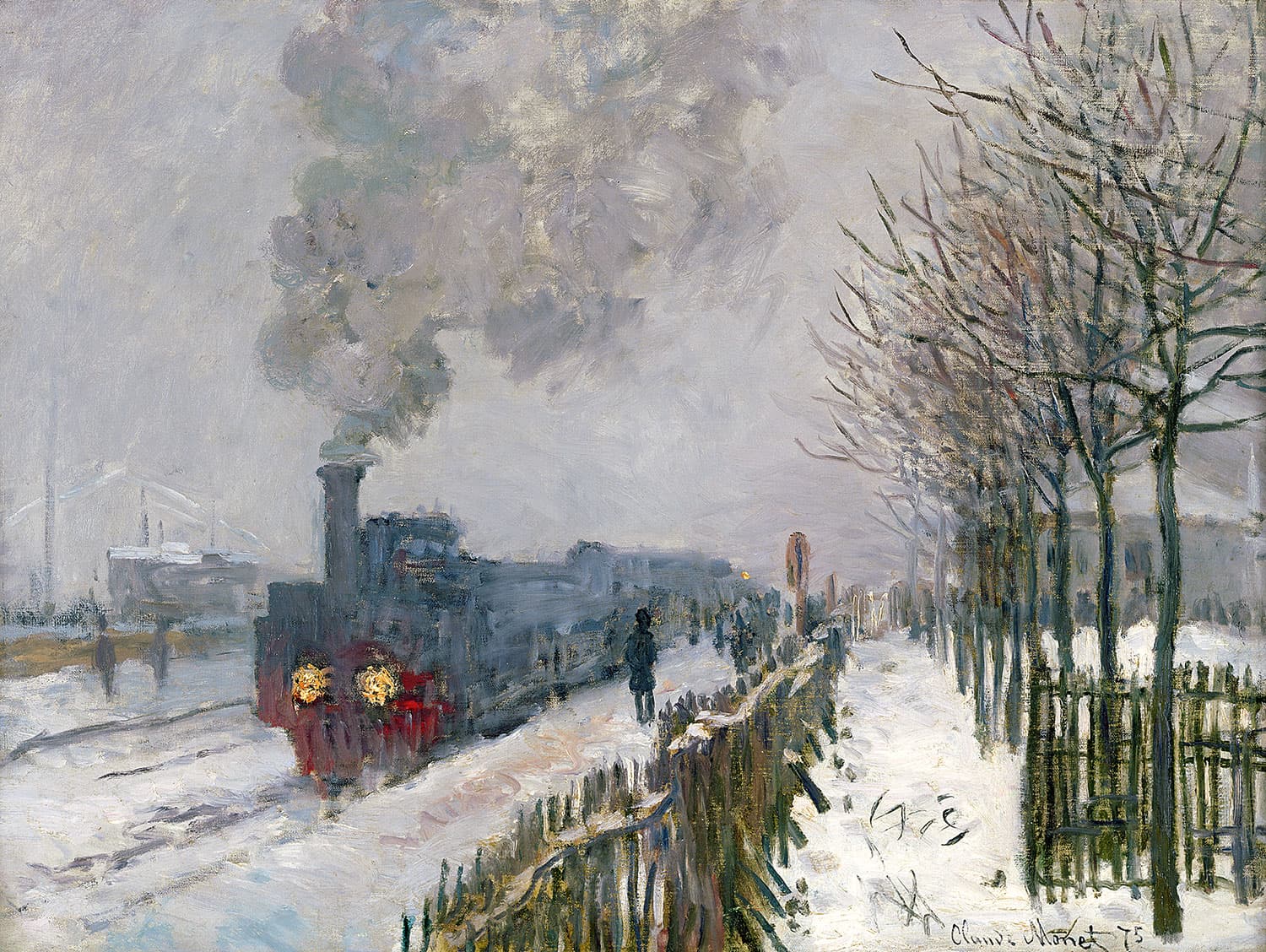
Train in the Snow (The Locomotive)
Claude Monet · 1875
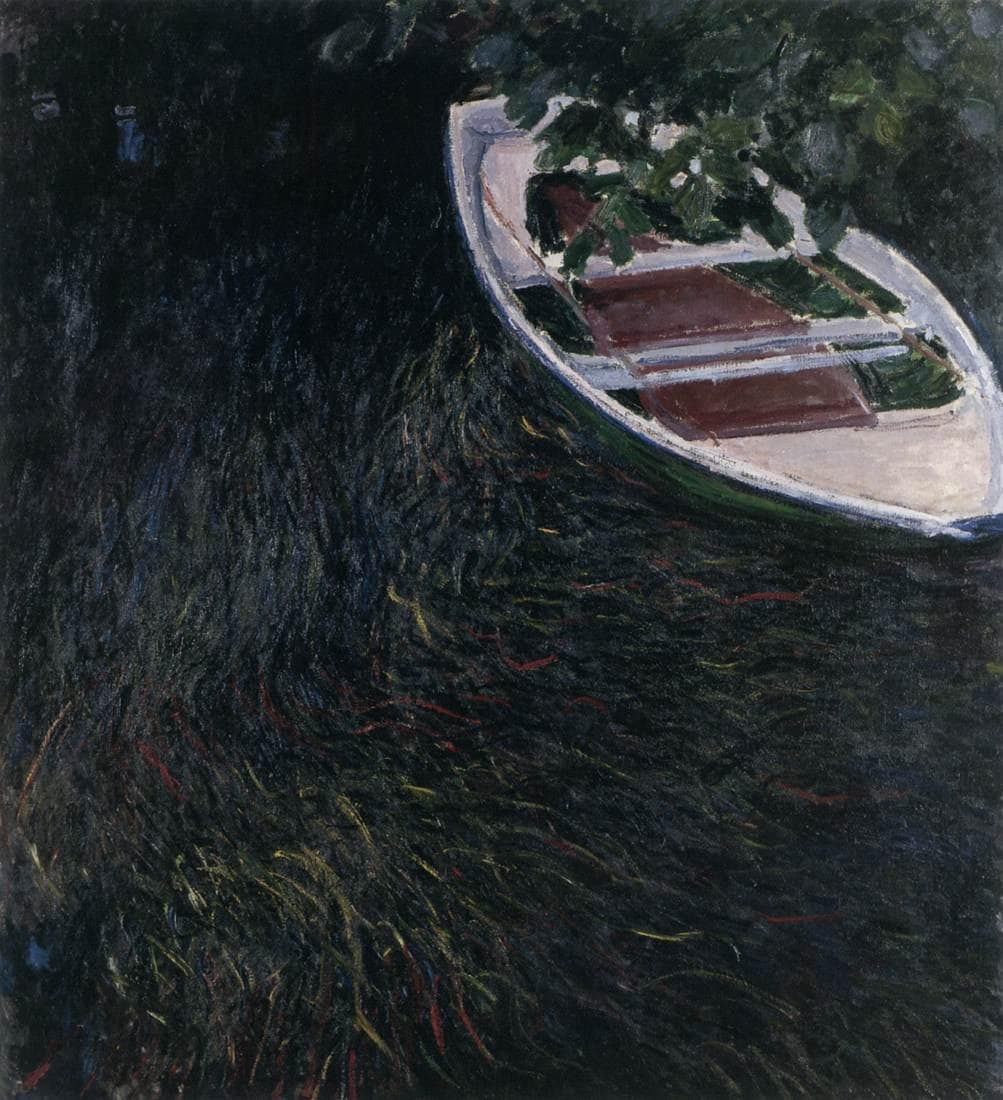
The Barque
Claude Monet · 1887
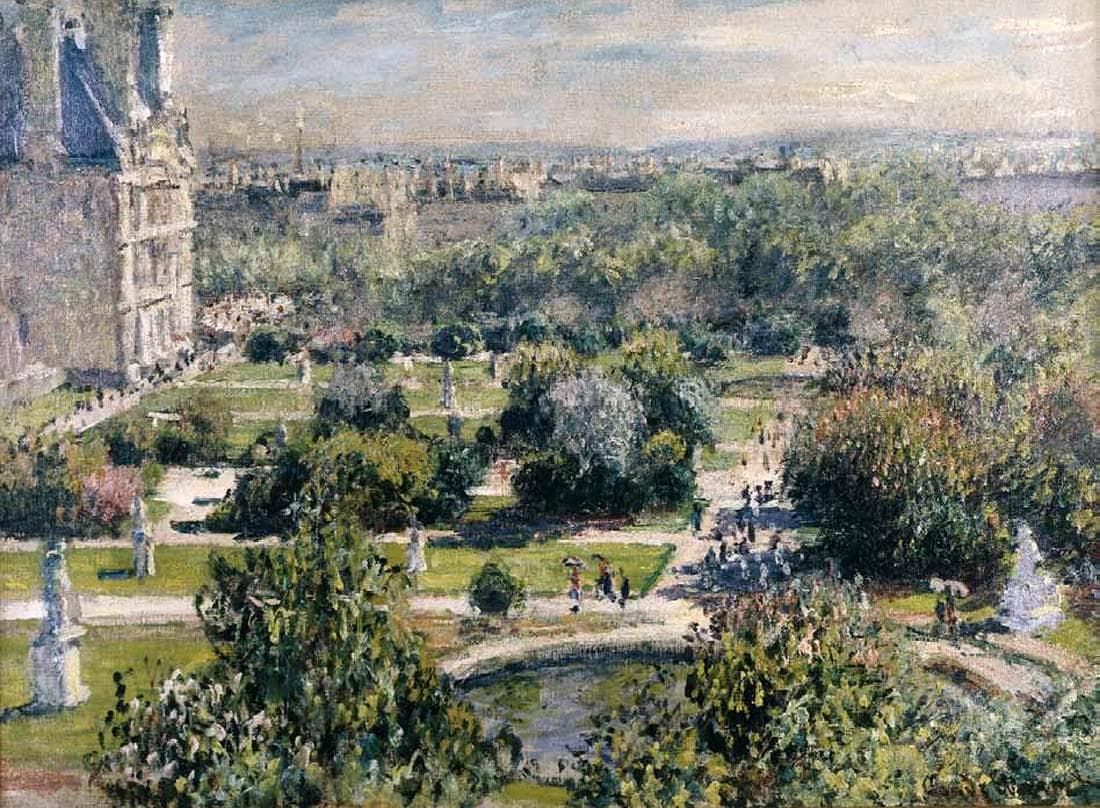
The Tuileries
Claude Monet · 1876
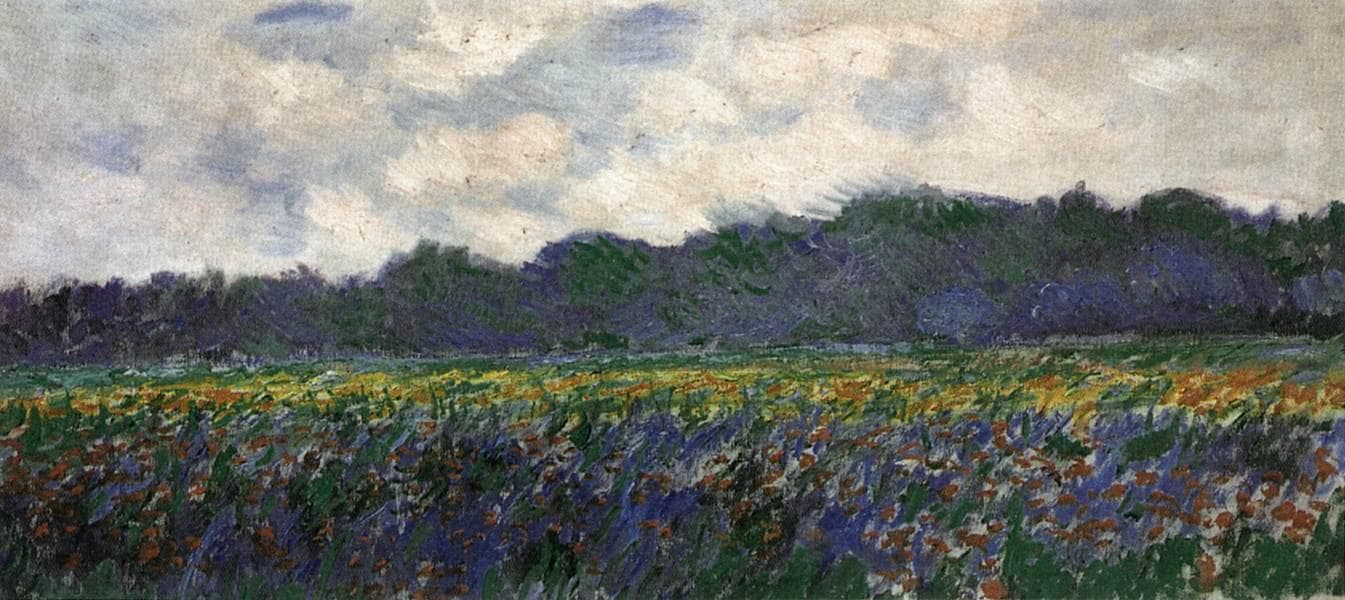
Field of Yellow Irises at Giverny
Claude Monet · 1887
Sailboat, Evening Effect
Claude Monet · 1885
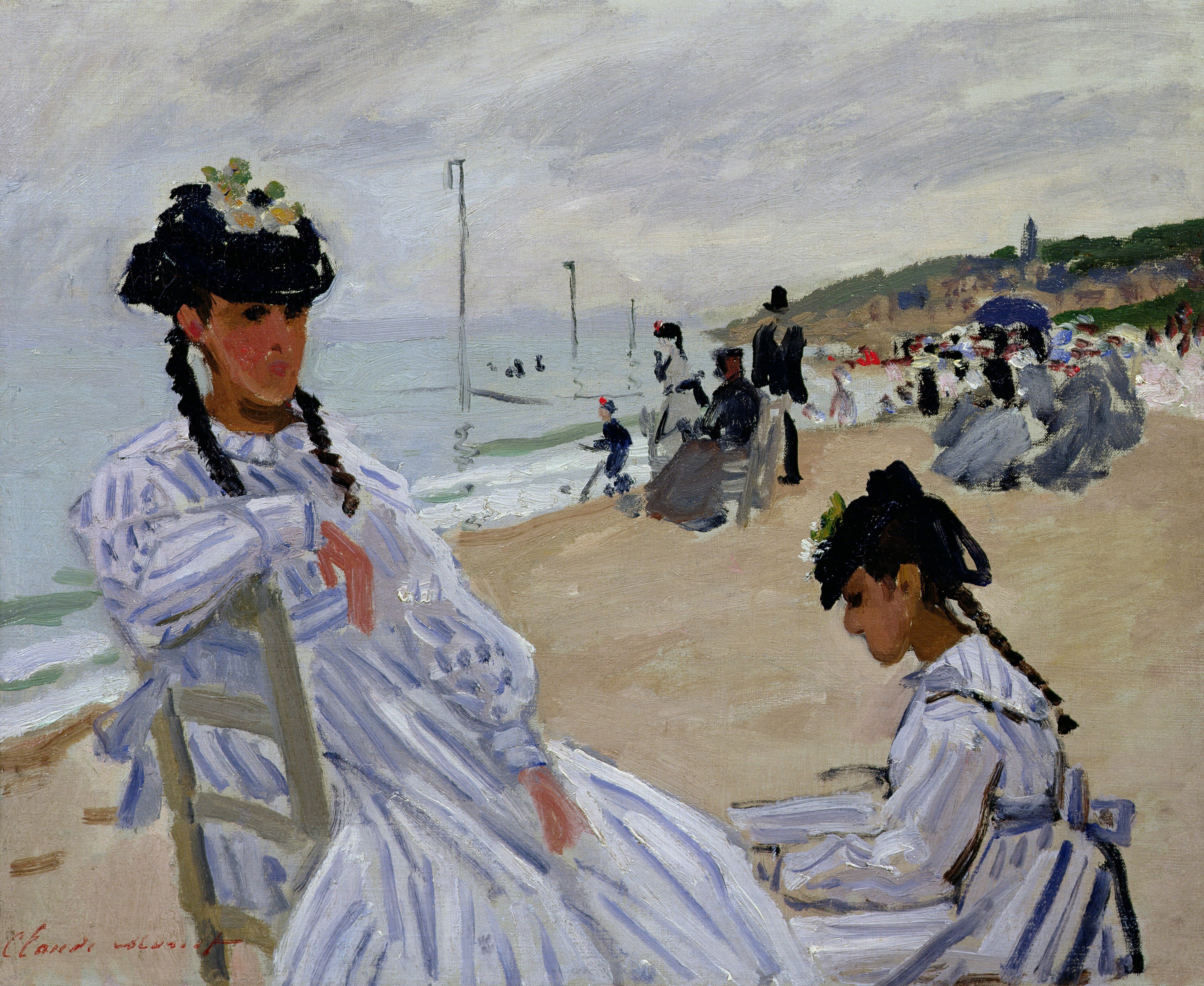
On the Beach at Trouville
Claude Monet · 1870
The collection
All 92 works in the collection
From the catalogue raisonné. Works with a full close reading are marked ✦.
Tête de femme
1862
✦Sur la plage à Trouville
1870
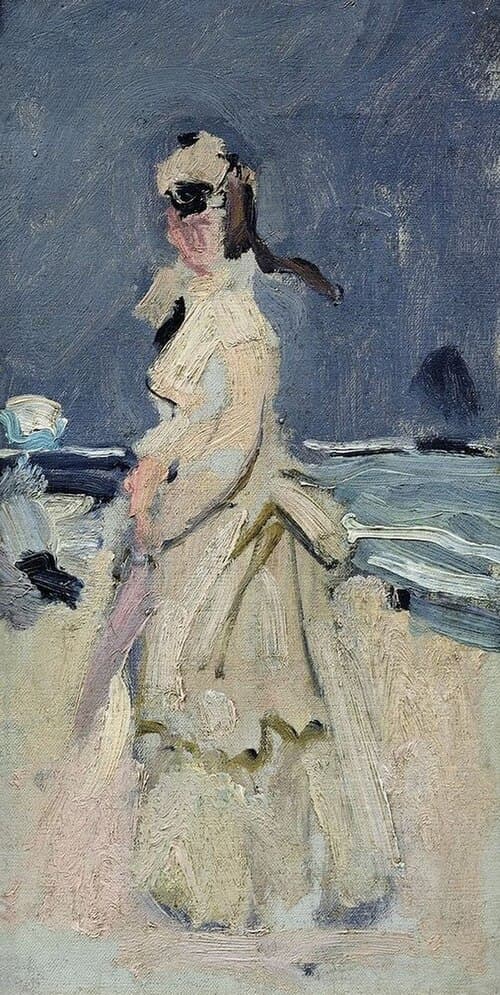
Camille sur la plage
1870
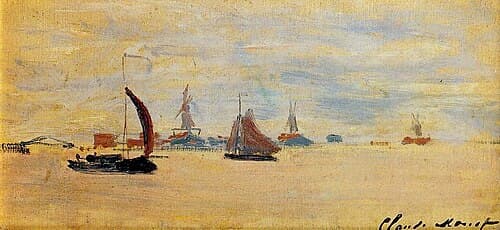
Vue de la Voorzaan
1871
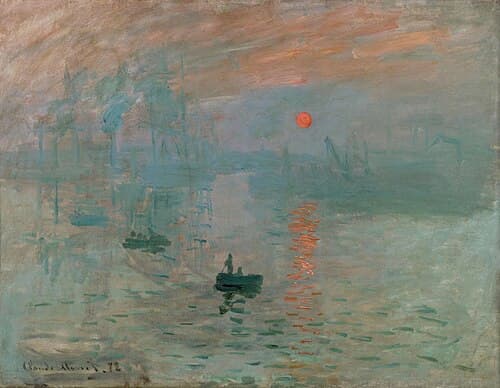
✦Impression, Sunrise
1872
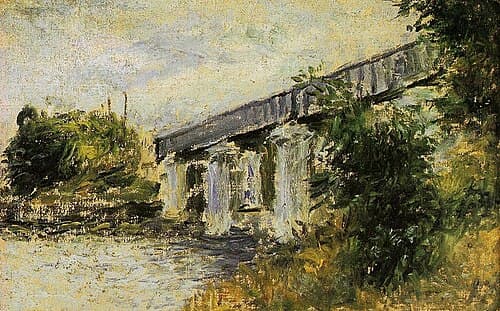
The Railway Bridge at Argenteuil
1874
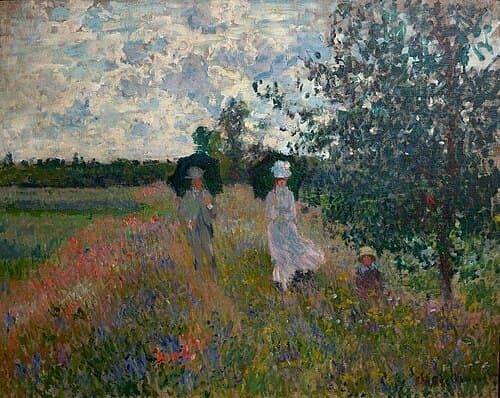
Walk near Argenteuil
1875
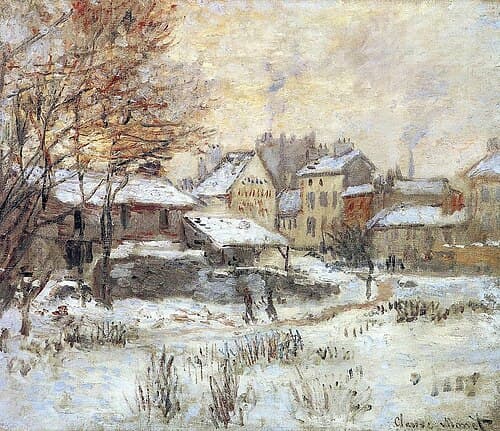
Effet de neige, soleil couchant
1875
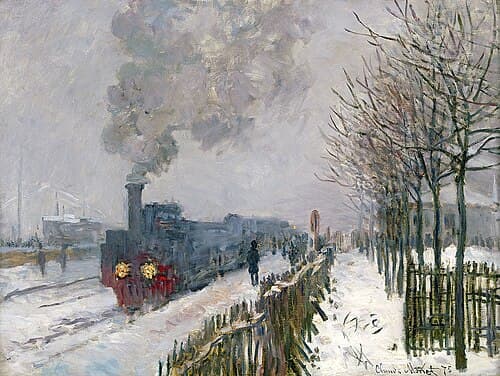
✦Train in the Snow
1875
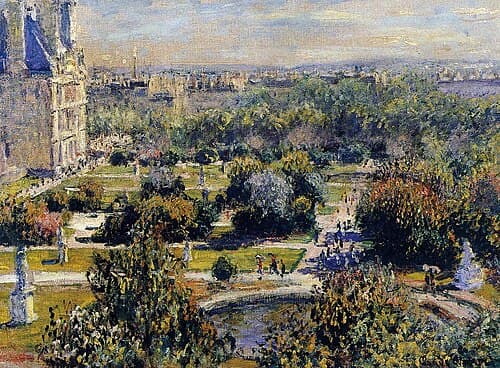
✦The Tuileries (Study)
1876
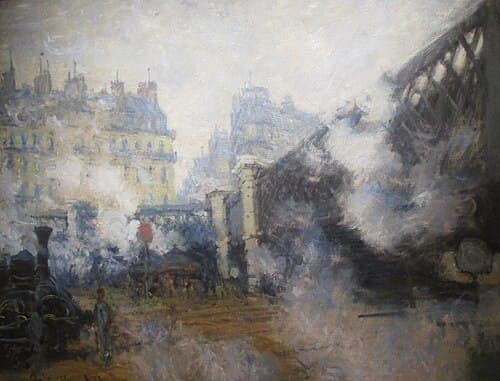
✦Pont de l'Europe, gare Saint-Lazare
1877
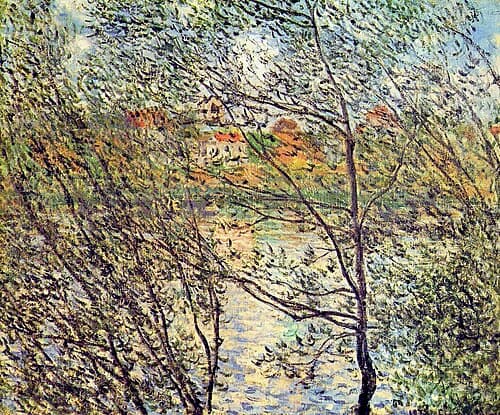
Le printemps à travers les branches
1878
Vetheuil in the Fog
1879
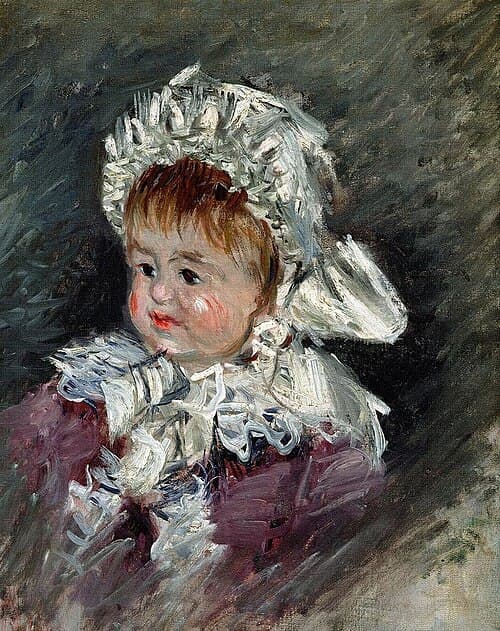
Portrait de Michel Monet bébé
1879
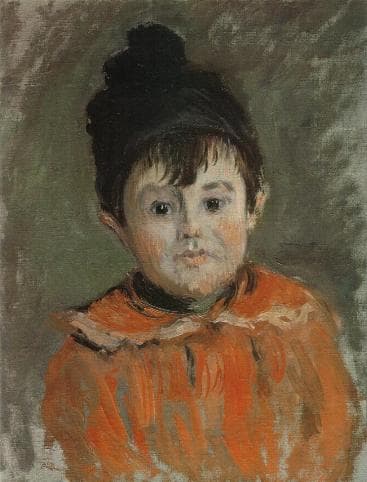
Michel Monet with a Pompon
1880
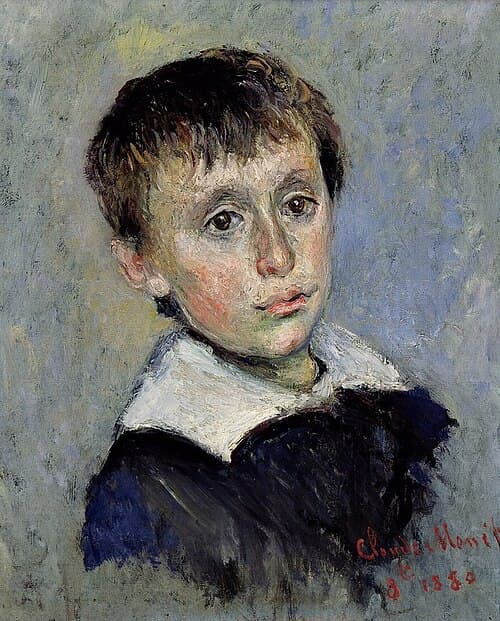
Portrait de Jean Monet
1880
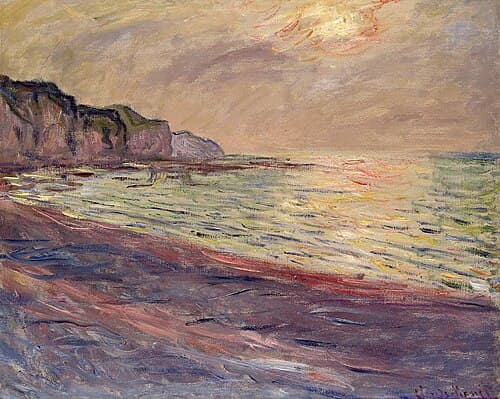
Beach in Pourville, setting sun.
1882
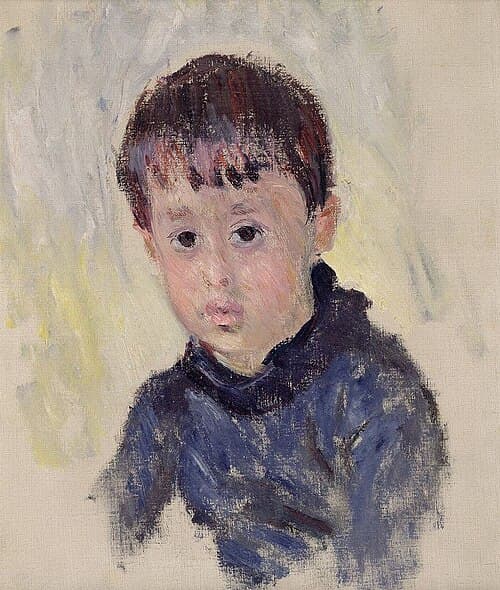
Michel Monet au chandail bleu
1883
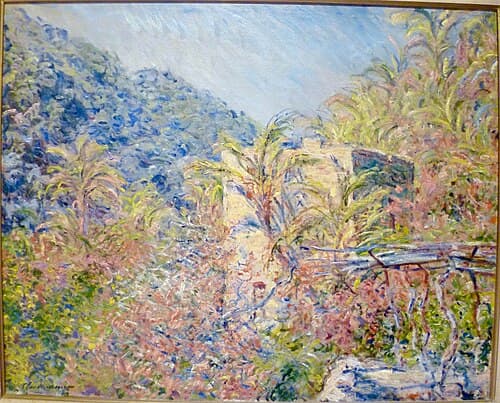
Valley of Sasso. Sunlight effect
1884
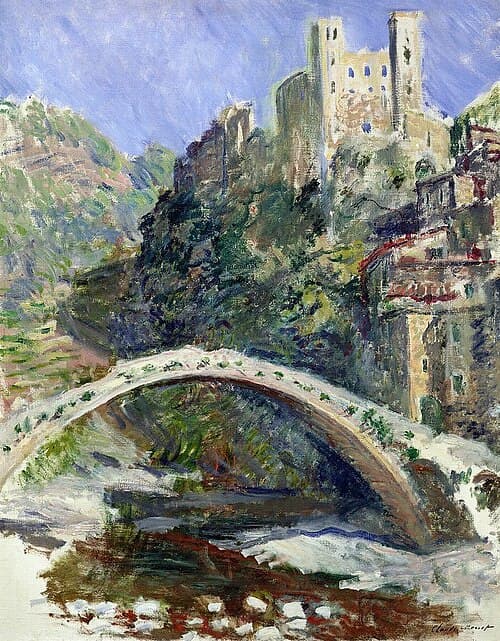
Castle of Dolceacqua
1884
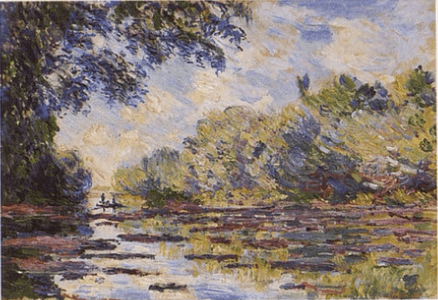
Bras de Seine à Giverny
1885
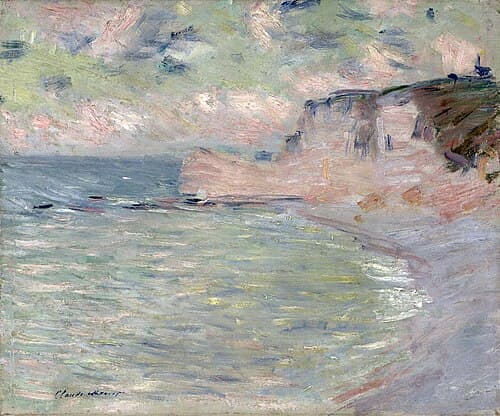
Falaise et Porte d'Amont, effet du matin
1885
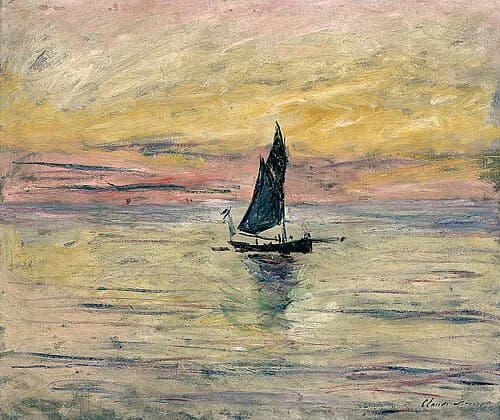
✦Sailboat in the evening
1885
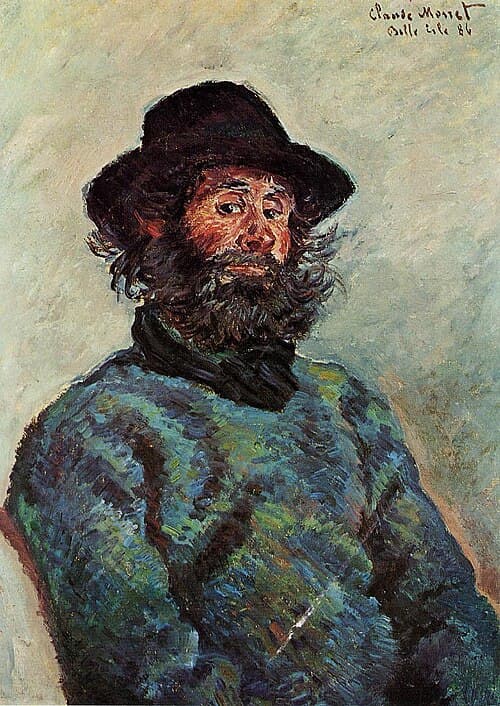
Portrait de Poly
1886
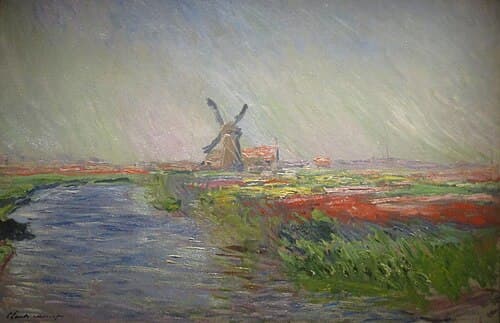
Tulips in Holland
1886
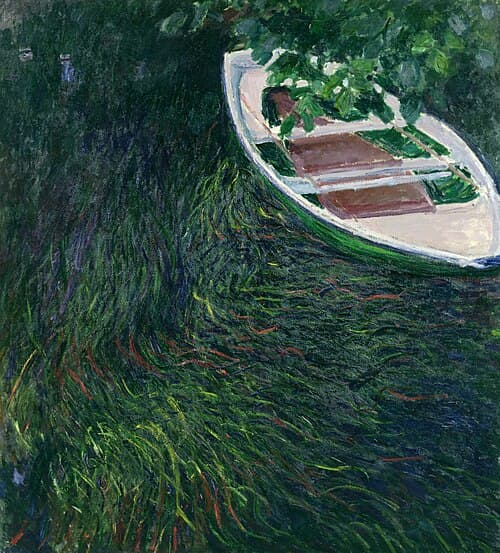
✦The row boat
1887
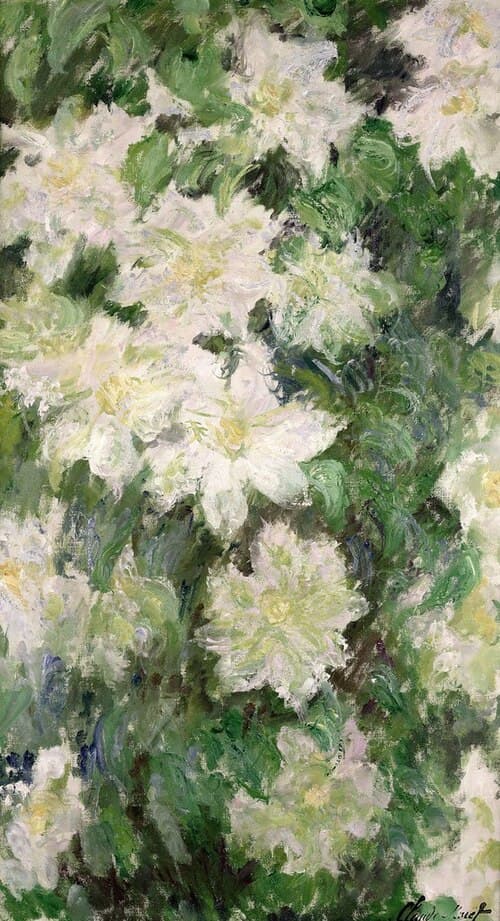
White Clematis
1887
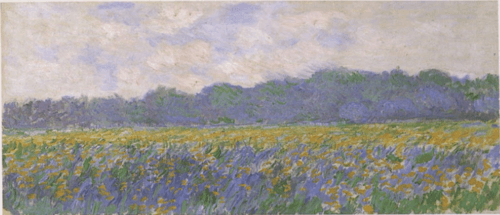
✦Field of Yellow Irises at Giverny
1887
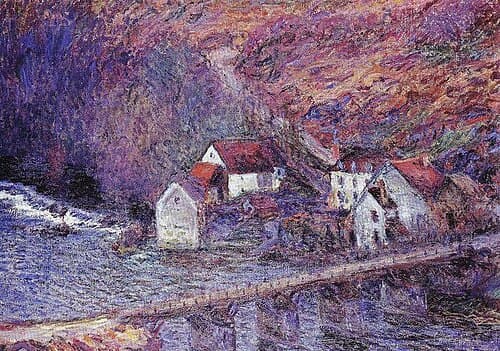
The bridge of Vervy
1889
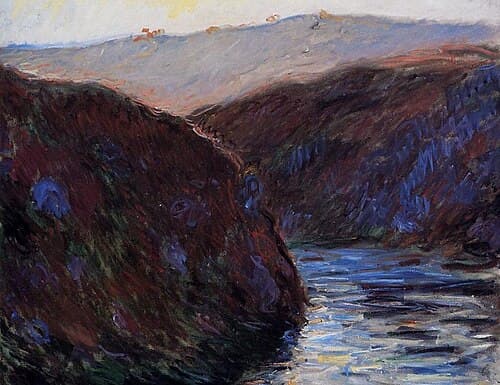
Vallée de la Creuse, effet du soir
1889
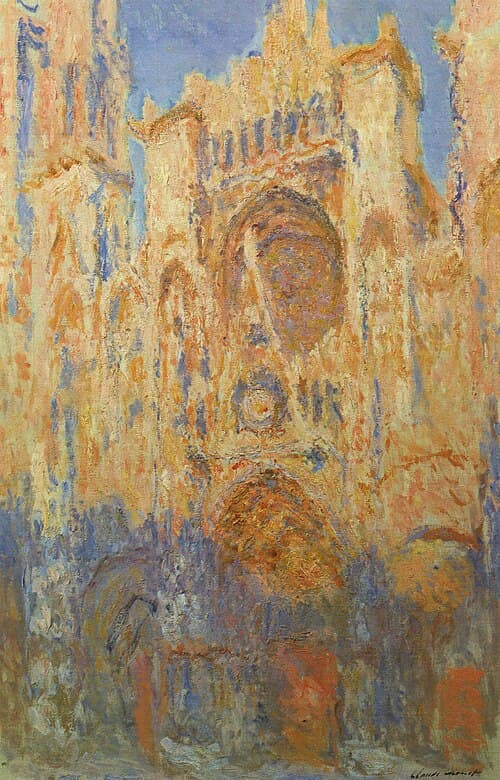
Rouen Cathedral, Portal, Sunlight, End of the Day
1892
La Seine à Port-Villez, effet rose
1894
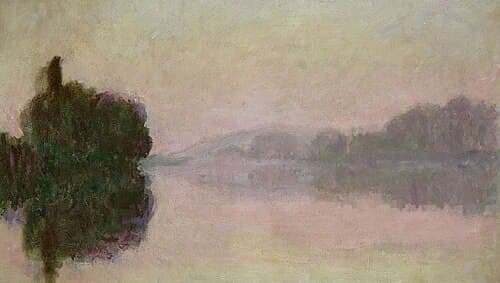
La Seine à Port-Villez, effet du soir
1894
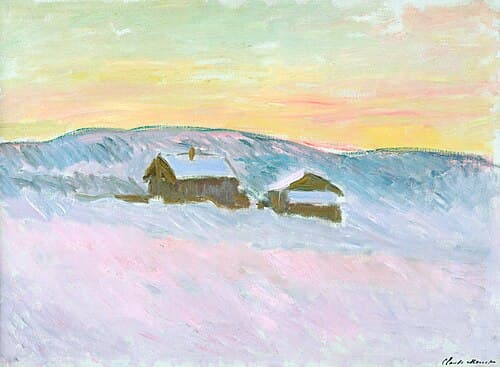
Paysage de Norvège. Les maisons bleues
1895
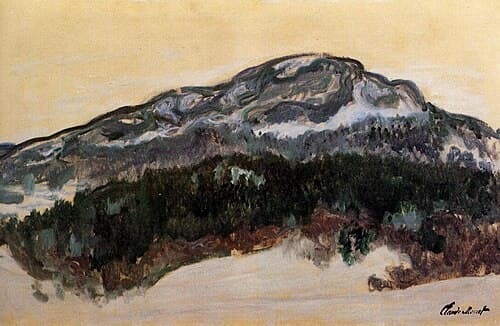
Mount Kolsaas in Norway
1895
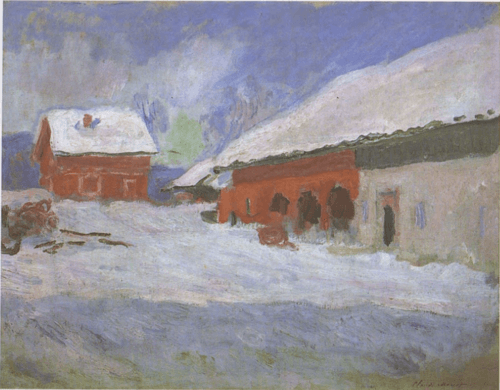
Norvège, les maisons rouges à Björnegaard
1895
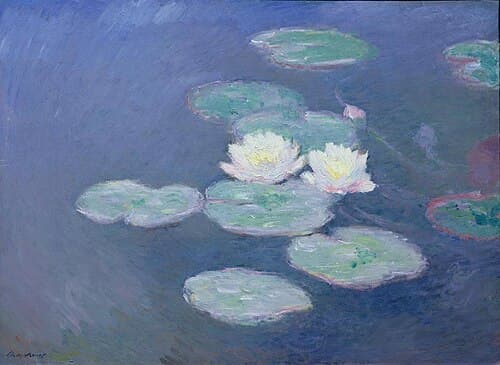
✦Nympheas, effect in the evening
1897
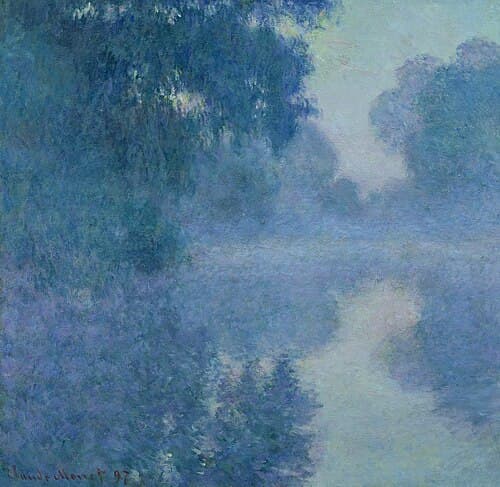
Bras de Seine près de Giverny, soleil levant
1897
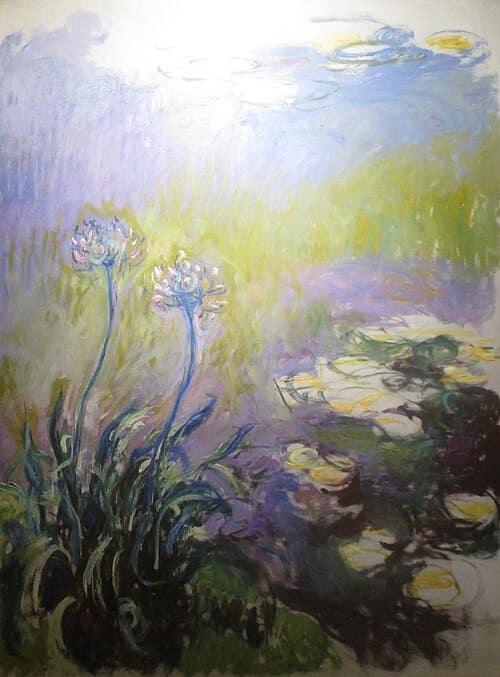
Agapanthes
1900
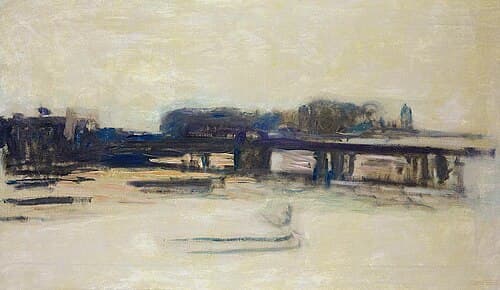
Charing Cross Bridge
1900
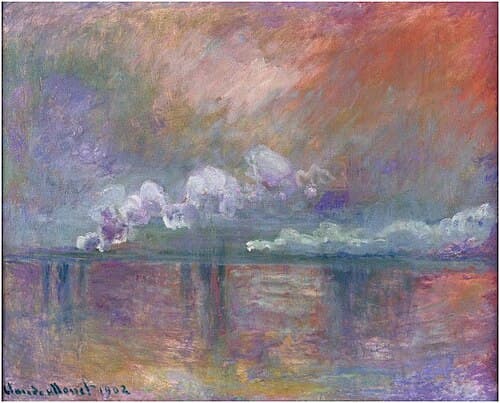
Charing Cross bridge, fumées dans le brouillard, impression
1902
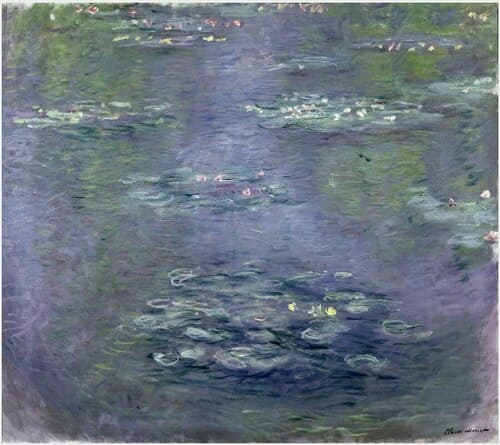
Water Lilies
1903
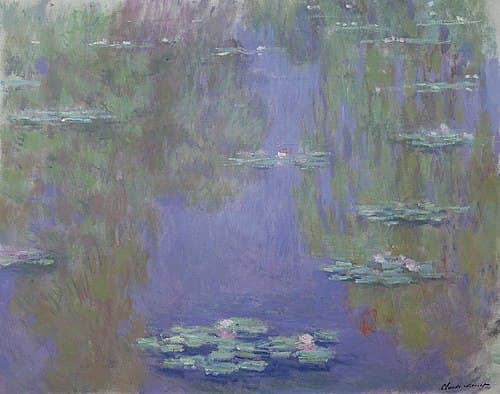
Nymphéas
1903
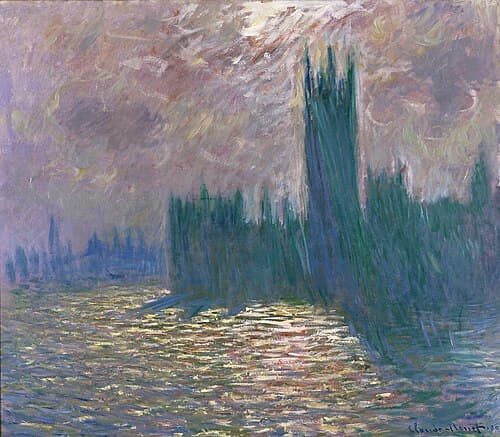
London. Parliament. Reflections on the Thames
1905
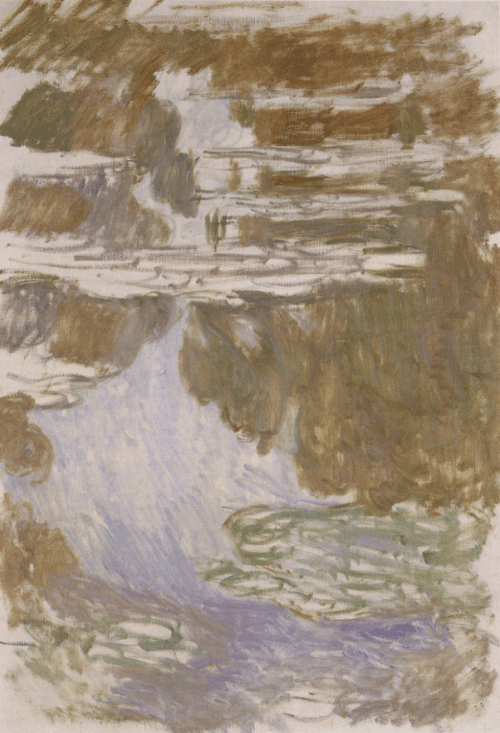
Water Lilies. Study
1907
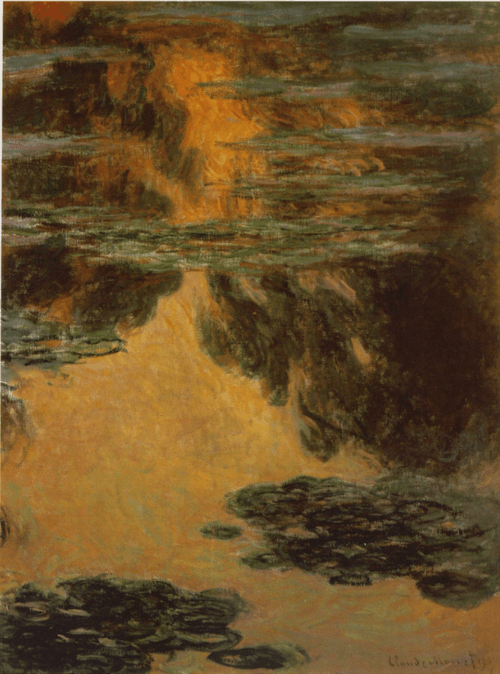
Waterlilies
1907
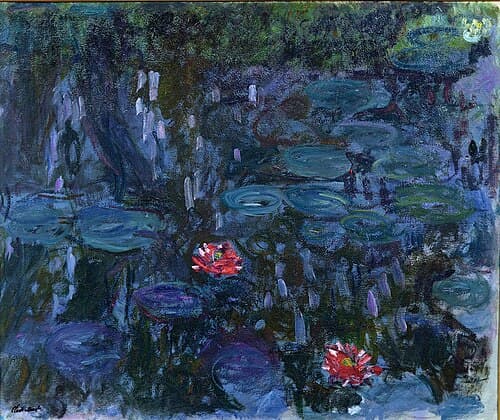
Nymphéas, reflets de saule
1910
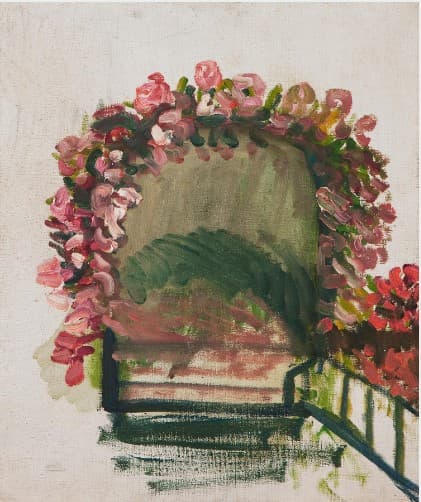
Les arceaux de roses, Giverny
1912
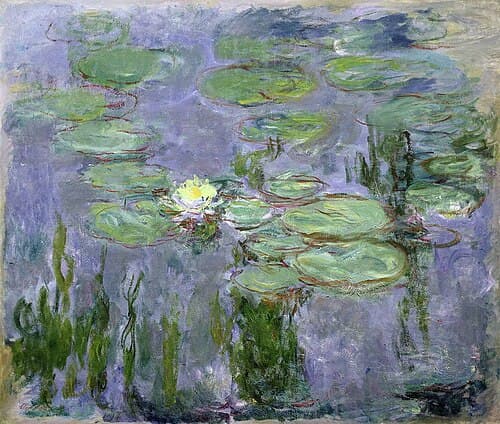
Water Lilies
1915
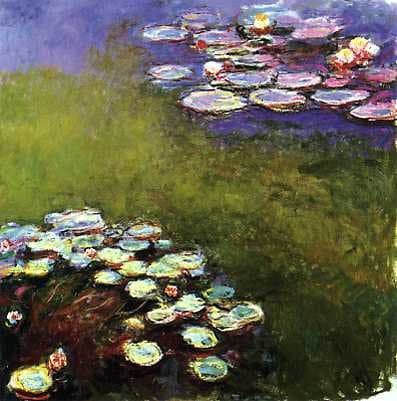
Water Lilies
1915
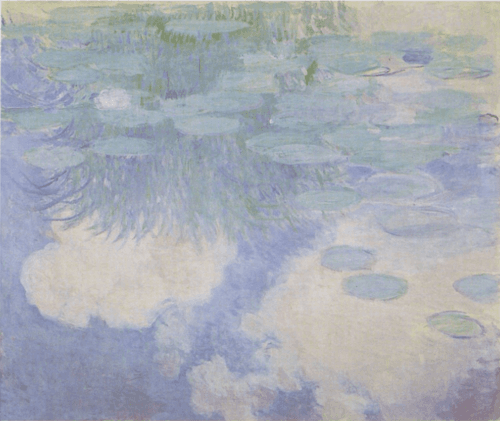
Nymphéas
1915
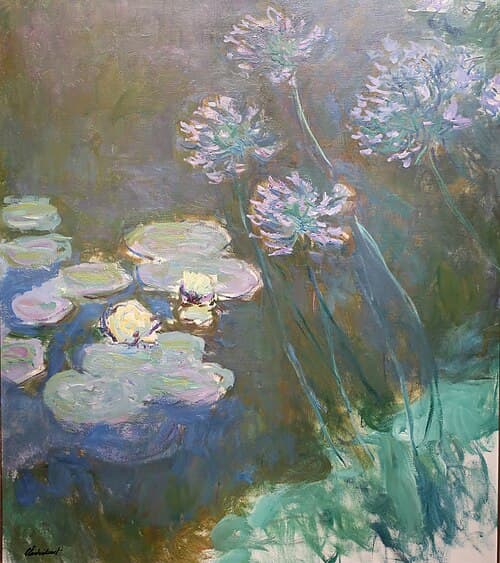
✦Nymphéas et Agapanthes
1915
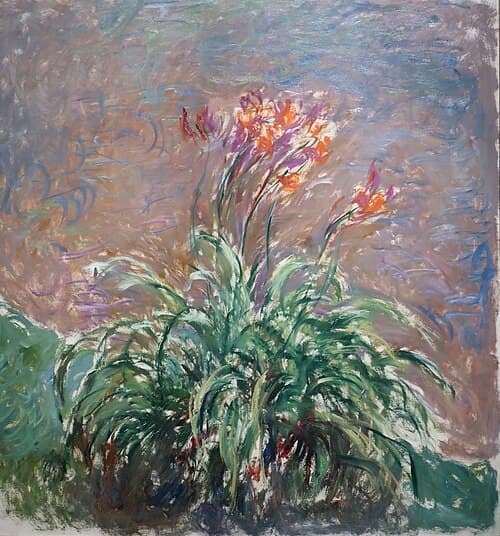
Les hémérocalles
1916
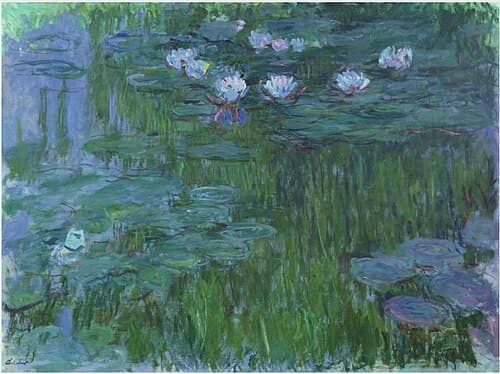
Nymphéas
1916
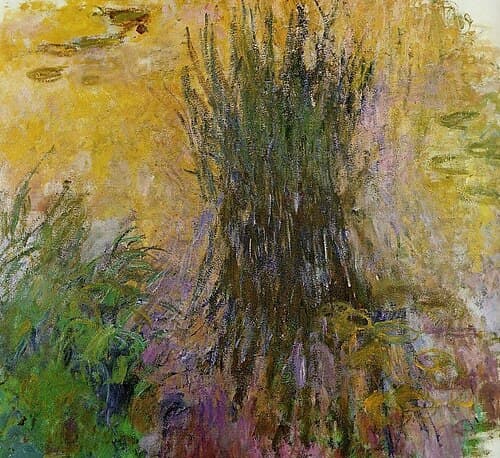
Nymphéas
1916
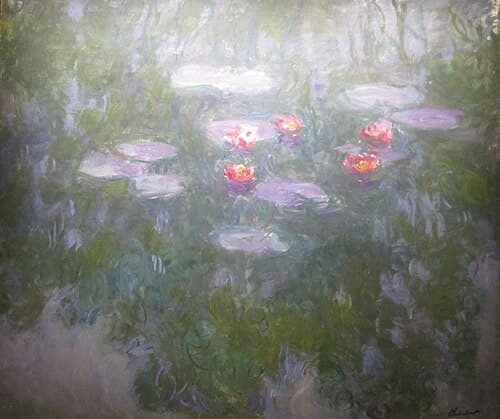
Nympheas
1917
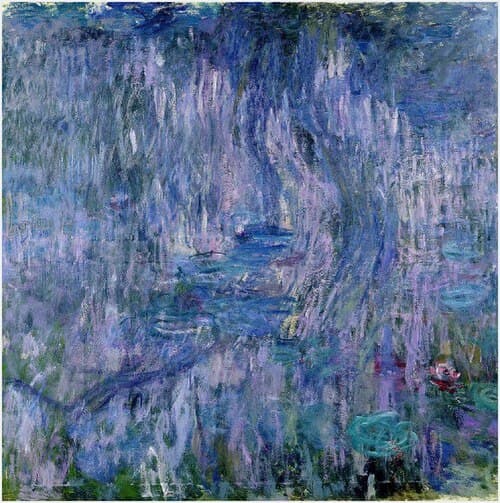
Water-Lilies, Reflection of a Weeping Willow
1917
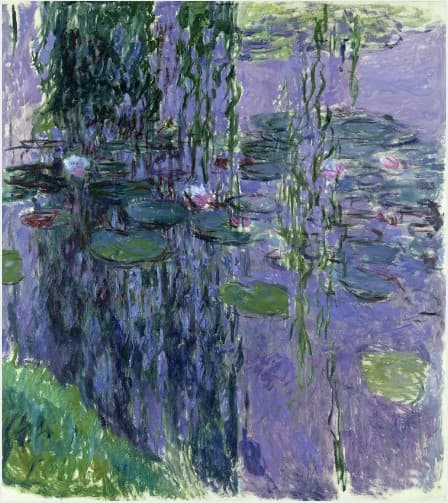
Water-Lilies
1917
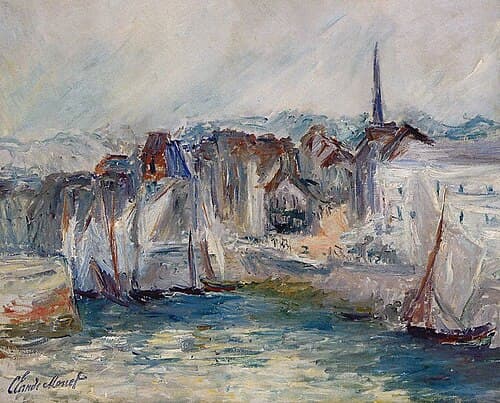
Boats in the Port of Honfleur
1917
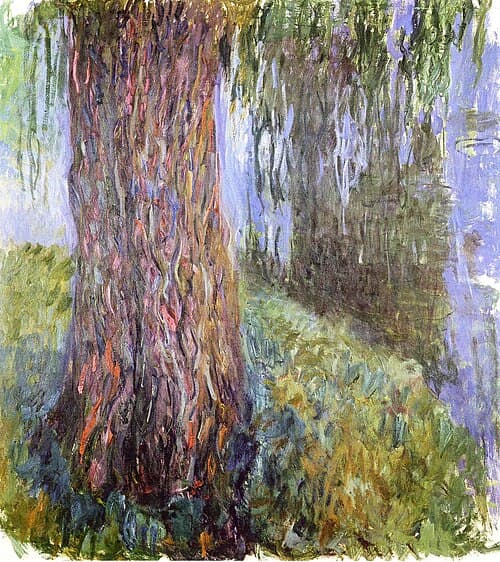
Saule pleureur et bassin aux nymphéas
1917
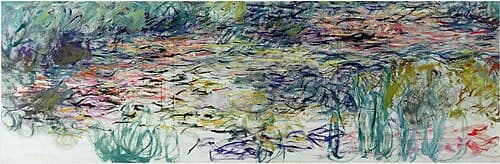
Nymphéas
1918
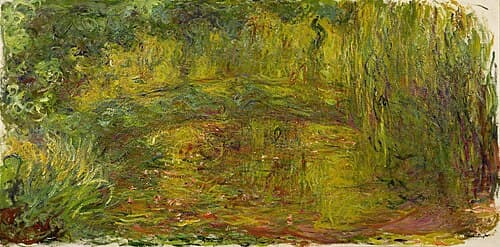
Le Pont japonais
1918
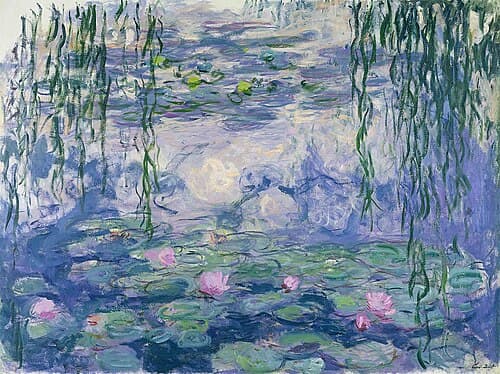
Water Lilies
1918
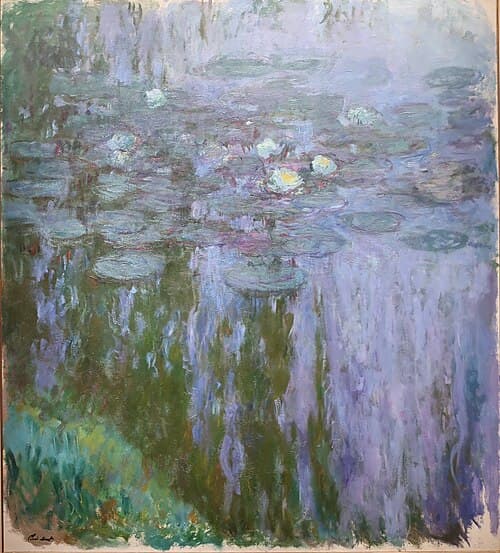
Nympheas
1918
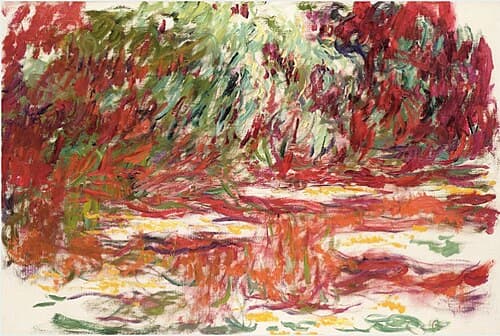
Bassin aux nymphéas
1918
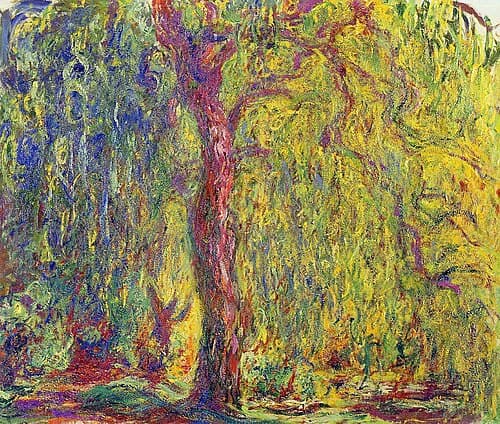
Weeping Willow
1918
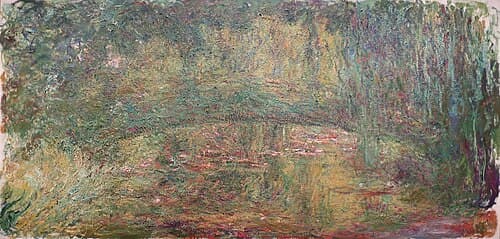
The Japanese Bridge
1918
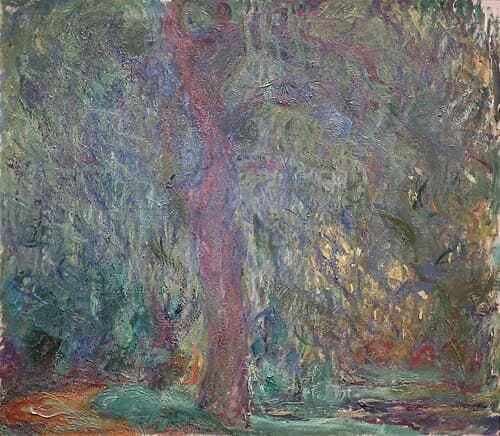
Weeping Willow
1918
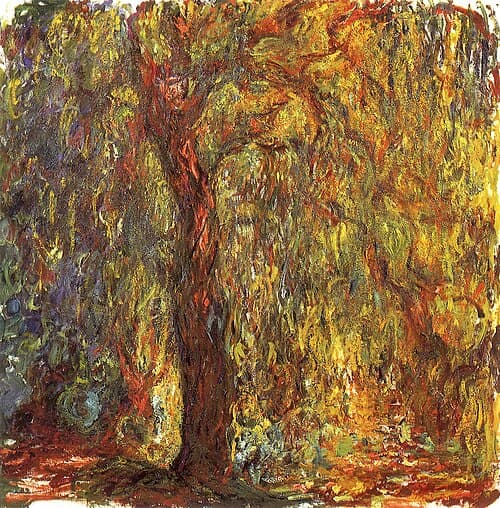
Weeping Willow
1918
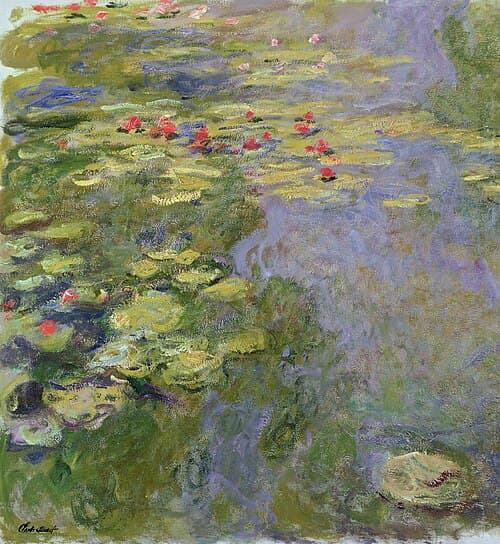
The Water-Lily Pond
1918
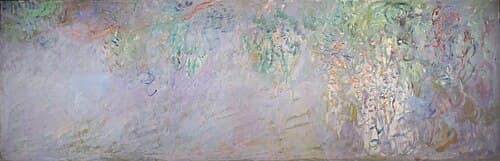
Glycines
1919
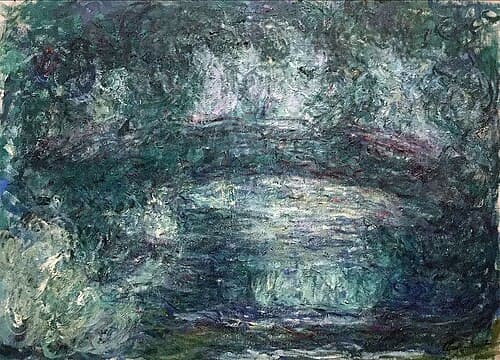
Japanese Bridge
1919
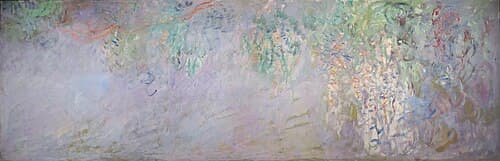
Glycines
1919
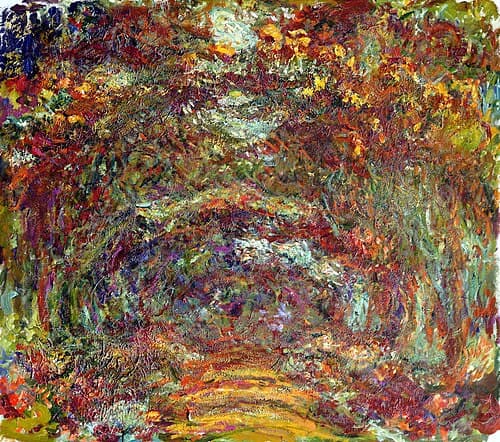
The rose-way in Giverny
1920
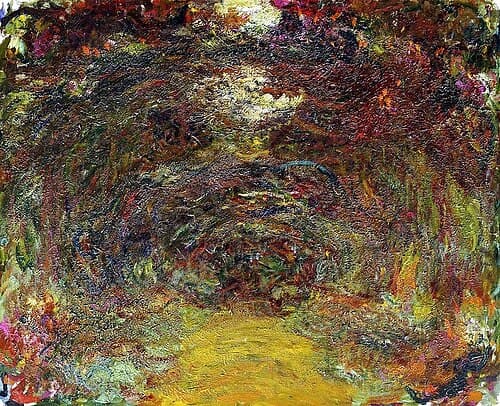
L'allée des rosiers
1921
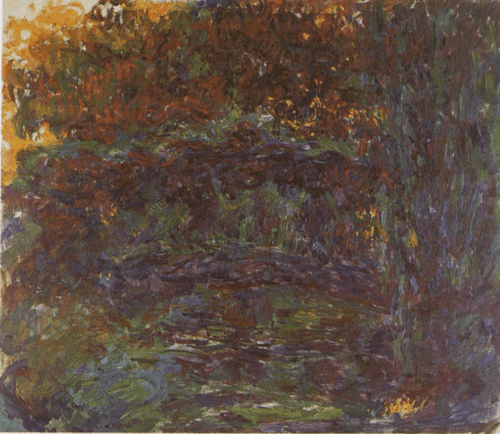
The Japanese Bridge
1921
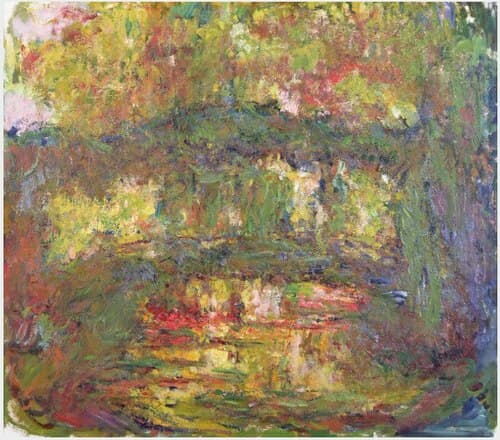
Le pont japonais
1921
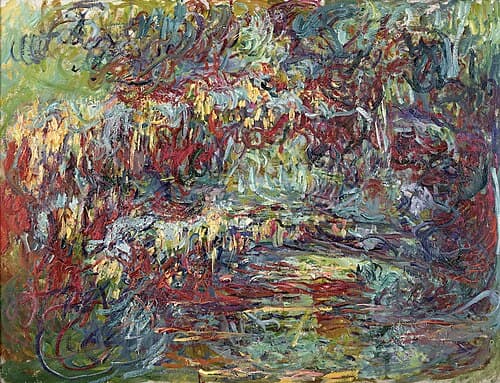
Le Pont japonais
1921
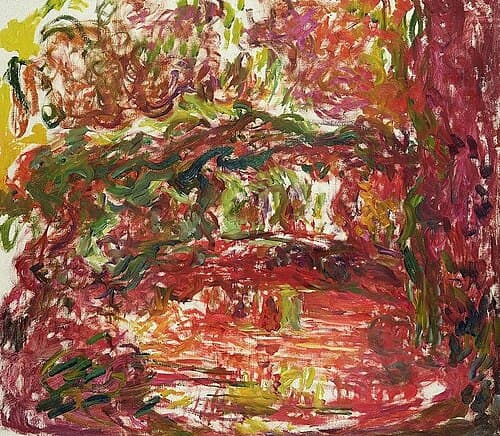
The Japanese Bridge
1921
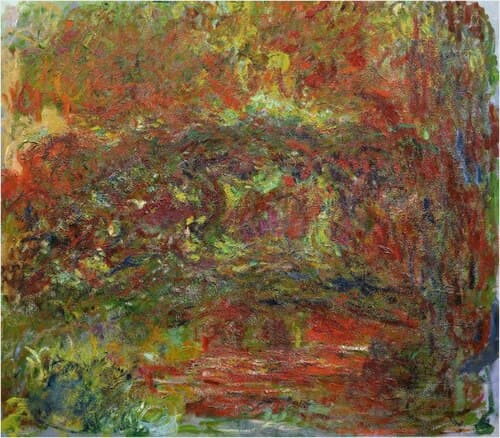
Le pont japonais
1921
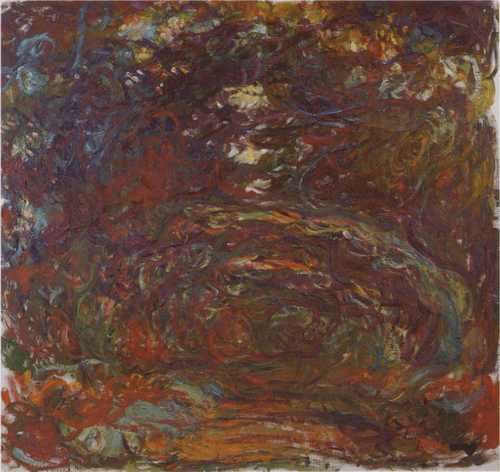
The Path under the Rose Trees
1921
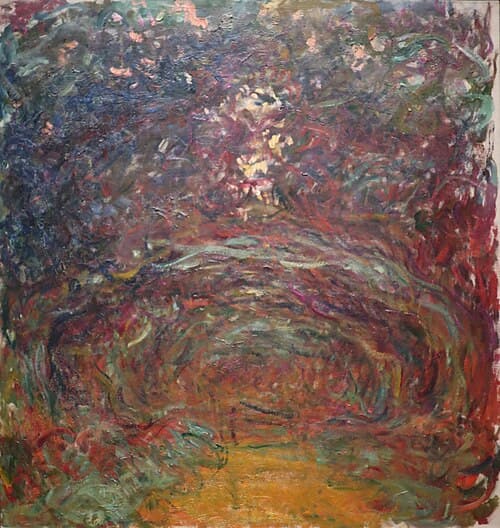
The alley of roses
1921
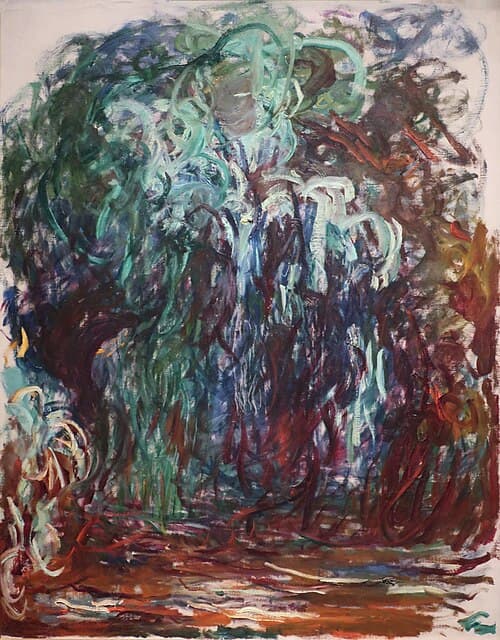
weeping willow
1921
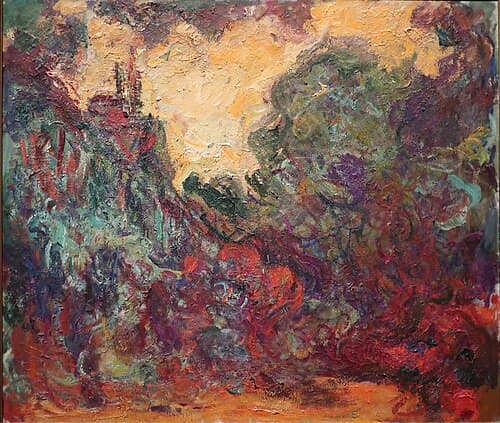
The Artist's House Seen from the Rose Garden
1923
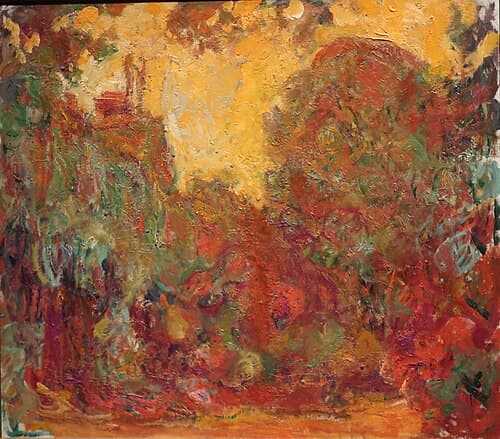
The house seen from the rose garden
1923
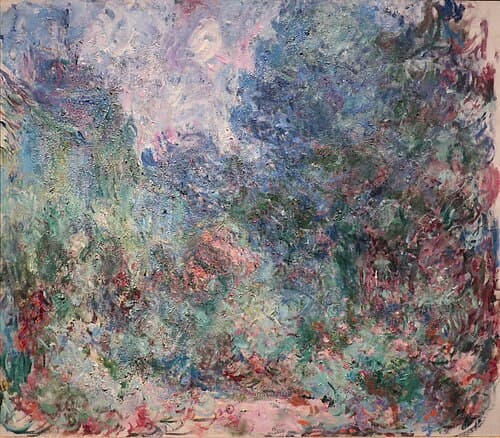
The house from the rose garden
1923
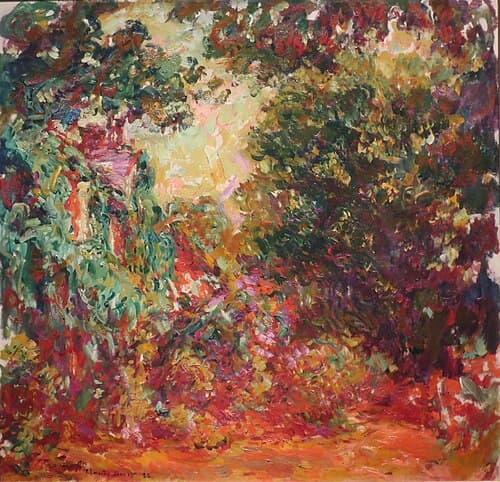
The artist's house seen from the rose garden
1923
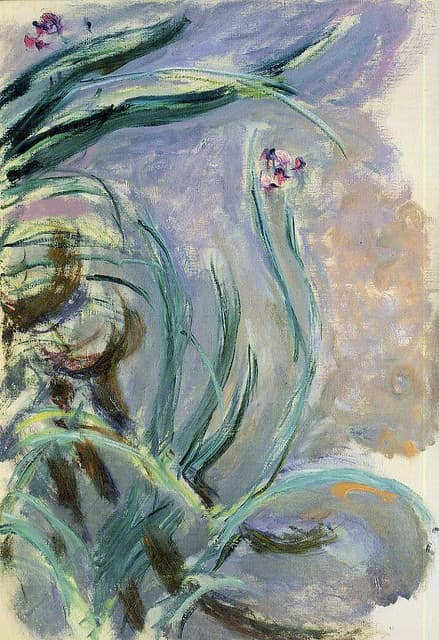
Iris
1924
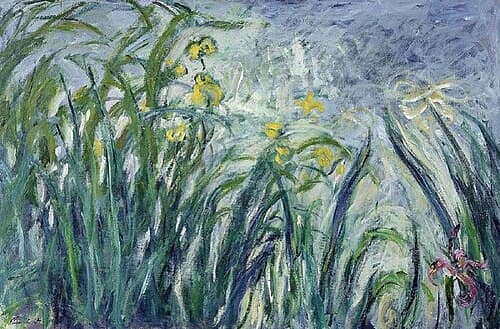
Iris jaunes et mauves
1924
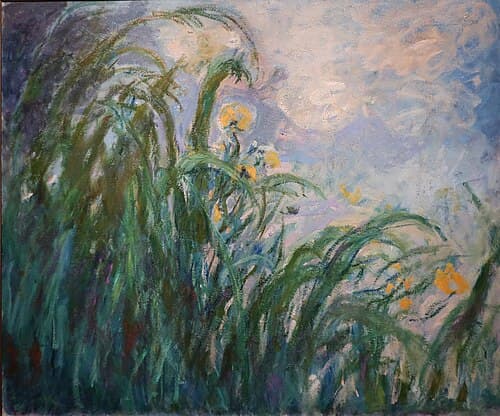
Yellow irises
1924
Le jardin à Giverny
1924
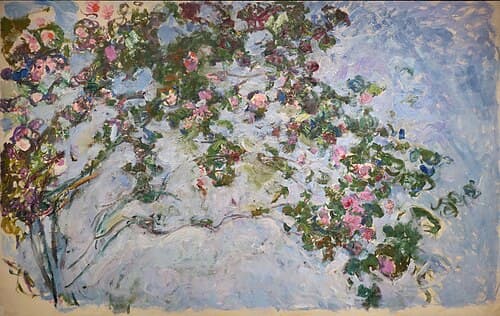
The roses
1926
From a Napoleonic mansion to a Monet museum
The museum occupies a nineteenth-century mansion on the edge of the Ranelagh gardens, near the Bois de Boulogne in Paris's 16th arrondissement. It was the home of the art historian and collector Paul Marmottan, who filled it with furniture and paintings of the Napoleonic era. At his death in 1932 he left the house and collection to the Académie des Beaux-Arts, which opened it as a museum in 1934.
Monet arrived by gift, in two waves.
- 1940: Impression, Sunrise. Victorine Donop de Monchy, daughter of the doctor and collector Georges de Bellio, gave the museum her father's Impressionist paintings. De Bellio, a Romanian-born physician who treated and supported Monet, Renoir and Pissarro in the lean years, had bought Impression, Sunrise in 1878. The gift turned a museum of the First Empire into a place of pilgrimage for Impressionism.
- 1966: the studio at Giverny. Michel Monet, the painter's younger son, died in a car accident in 1966 and left his entire inheritance to the Académie: the paintings his father had never sold, many of them large late canvases from the Giverny studio, along with works Monet had owned by friends such as Renoir, Boudin and Jongkind. The museum added Monet's name to its own and built a dedicated gallery to show the collection.
Later gifts brought works by Berthe Morisot and a celebrated group of illuminated manuscripts, so the Marmottan is far from a one-painter museum. But Monet is why most visitors come.
What to see first
Impression, Sunrise (1872). Start here, and give it time: it is smaller than most people expect, about 48 by 63 centimeters, and the orange sun, barely thicker than a smear of paint, seems to float off the surface. The small canvas of Le Havre harbor at dawn, an orange sun and its broken reflection above gray-blue water and dark boats, is the museum's emblem. It was shown at the first Impressionist exhibition in 1874, where the critic Louis Leroy's mocking review used its title to name the whole group. Stolen from the museum in 1985, it was recovered in Corsica in 1990.
The Paris and Argenteuil pictures. Pont de l'Europe, Gare Saint-Lazare (1877) shows the iron bridge over the railway tracks half lost in locomotive steam, part of the Gare Saint-Lazare series. Train in the Snow (1875) catches a locomotive at Argenteuil station, its headlights glowing through the winter murk. The Tuileries (1876) looks down on the gardens from an apartment on the rue de Rivoli.
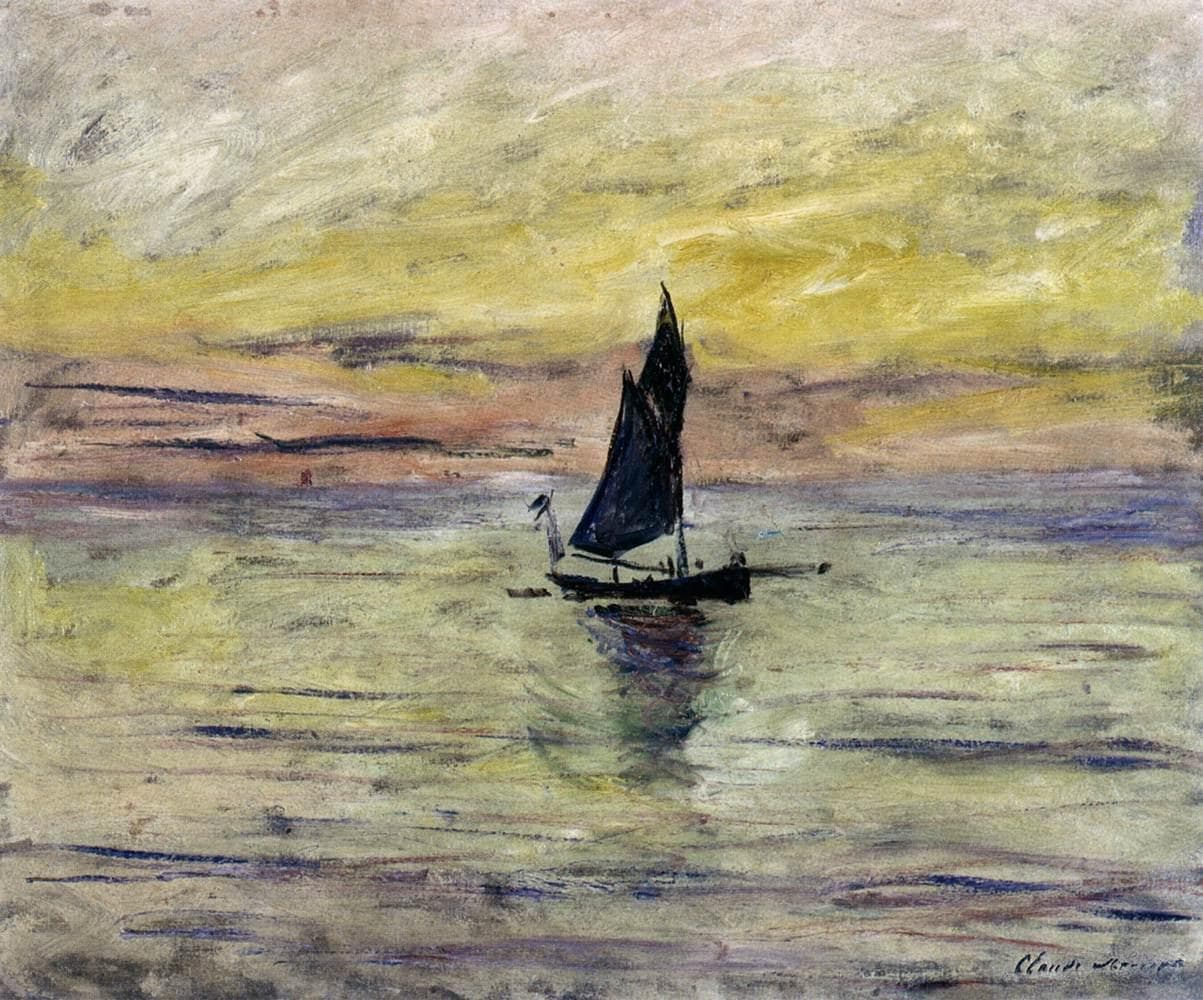
The 1880s. Sailboat, Evening Effect (1885) silhouettes a single boat on a yellow-green sea; The Barque (1887) looks down on an empty rowing boat among reflections and water plants on the Epte, a startling, almost abstract composition. Field of Yellow Irises at Giverny (1887) is one of the first pictures of the new home.
The late work. This is the heart of the collection. The Marmottan holds the largest group anywhere of the paintings Monet made at Giverny in his last two decades: water lilies large and small, from the early Water Lilies, Evening Effect (1897) to the vast late canvases such as Water Lilies and Agapanthus (1914–17); weeping willows; wisteria; several versions of the Japanese footbridge painted around 1918–24, in which the bridge almost disappears in a blaze of red, orange and green; and the house and rose arches seen from the garden. Many were never exhibited in Monet's lifetime. They are often unfinished, painted fast and thick, and they are the best place to understand what the cataracts of his last years did, and did not do, to his color.
The museum also has London pictures (a Houses of Parliament with reflections on the Thames, and Charing Cross Bridge in smoke and fog), a Rouen Cathedral façade, views of Norway from 1895 and a rare group of family portraits, including his sons Jean and Michel as children.
How to visit
- Address: 2 rue Louis-Boilly, 75016 Paris.
- Opening times (from the museum's website): Tuesday to Sunday, 10 am to 6 pm, last admission 5 pm; late opening on Thursdays until 9 pm, last entry 8 pm. Closed on Mondays. Check the website before you travel, as the museum can close at short notice and holiday hours vary.
- Where the Monets are: the Monet collection is shown in its own gallery, apart from the period rooms of the Marmottan mansion. Impression, Sunrise is the one picture everyone looks for; the late Giverny canvases fill the main Monet room.
- Combine it with: the Water Lilies rooms at the Orangerie and the Musée d'Orsay, both in central Paris. Seeing the Marmottan's late studies before or after the Orangerie panels makes each more legible.
Current exhibitions (verified on the museum's website): Histories of Landscape: From Monet to Hockney, from 24 September 2026 to 31 January 2027, part of the centenary of Monet's death, links Monet to later landscape painters before traveling to the Musée de Grenoble (5 March to 4 July 2027). Running alongside it, Monet / Soriano: Mapping Mont Kolsås, also until 31 January 2027, sets a large wall drawing by Peter Soriano against Monet's Norwegian pictures of 1895.
Why the Marmottan matters
The Orsay shows Monet's career as the public saw it: the Salon pictures, the Impressionist exhibitions, the great series sold through dealers. The Marmottan shows what stayed in the studio. It is the closest thing to walking into Giverny after Monet's death, and it is where the line from the Water Lilies to modern abstraction is easiest to see. For a guide to other collections, see where to see Monet's paintings.
Questions & answers
How many Monet paintings are in the Musée Marmottan Monet?
The Marmottan holds the world's largest Monet collection: about ninety paintings by our count, and about a hundred works by the museum's own description, most bequeathed by his son Michel in 1966. They range from Impression, Sunrise (1872) to dozens of late Giverny canvases of water lilies, willows and the Japanese bridge.
Is Impression, Sunrise at the Marmottan?
Yes. Impression, Sunrise (1872), the painting that gave Impressionism its name, is in the Musée Marmottan Monet in Paris. It was given in 1940 by Victorine Donop de Monchy, daughter of the collector Georges de Bellio. It was stolen in 1985 and recovered in 1990.
When is the Musée Marmottan Monet open?
According to the museum's website, it is open Tuesday to Sunday from 10 am to 6 pm, with last admission at 5 pm, and until 9 pm on Thursdays. It is closed on Mondays. Hours can change, so check the official site before visiting.
What is the difference between the Marmottan and the Orangerie?
The Orangerie shows the eight huge Water Lilies Monet designed for its two oval rooms, plus one other Monet. The Marmottan has about ninety Monets across his whole career, including Impression, Sunrise and many late studio works. Most visitors who love Monet see both.
How do I get to the Musée Marmottan Monet?
The museum is at 2 rue Louis-Boilly in the 16th arrondissement of Paris, beside the Ranelagh gardens on the edge of the Bois de Boulogne. It is a short walk from the La Muette metro station and is quieter and further west than most central Paris museums.