Image: Tate, London (on loan to the National Gallery); via Wikimedia Commons · Public domain · via Wikimedia Commons
Impressionism
Woman Seated on a Bench
Claude Monet, c. 1874
Woman Seated on a Bench is a sketchy outdoor figure painting by Claude Monet, made about 1874 at Argenteuil. It belongs to Tate and is on loan to the National Gallery, London.
- Artist
- Claude Monet
- Date
- c. 1874
- Medium
- Oil on canvas
- Dimensions
- 73.7 × 55.9 cm
- Collection
- National Gallery (on loan from Tate), London, United Kingdom
- Movement
- Impressionism
- Catalogue
- Wildenstein 343
What you are looking at
A young woman sits on a garden bench, turned three-quarters toward us, her hands folded in her lap. She wears a long, pale summer dress, white touched with pink and lilac, with a ribbon bow at the throat, and a dark straw hat trimmed with blue and a spot of red. A closed white parasol leans against the bench at the left, its green handle catching the light. Her dress spreads out across the lower half of the picture in long, loose strokes.
Behind her there is no real background, only light and leaves. Bands of blue-green and dark teal run horizontally behind the bench, which may be shadow on a lawn or the surface of water. Above them, yellow and green strokes stream down vertically like willow fronds or sunlit foliage. The face is the most finished part: pink cheeks, dark eyes, red lips, a fringe of red-gold hair.
Where and when it was painted
Monet painted this around 1874 at Argenteuil, the Seine town west of Paris where he lived from 1871 to 1878. These were the years of the first Impressionist exhibition, held in April 1874, and of the garden and river pictures that defined the movement. Camille Monet often posed for him in the garden of their rented house, and this sitter has sometimes been taken for her, but the identification is not certain.
The picture belongs with Monet's open-air figure studies of the period: Camille Monet on a Garden Bench (1873), in which Camille sits on a similar bench, and Woman with a Parasol (1875), with its windblown white dress against the sky. See the Monet at Argenteuil guide for the wider group.
How it was painted
This is a sketch, painted quickly and left with much of the canvas showing through. The dress is built from long, broken strokes of white, pink, blue and violet laid side by side, with no attempt to model the folds in shadow. Monet lets color stand in for shade: the parts of the dress turned away from the light are lilac and blue, not gray. The parasol, a handful of white and green strokes, has a dark point at its tip that anchors the bottom left corner.
The background is even freer. Vertical yellows and greens above, horizontal blues below: the two directions of stroke set up a rhythm behind the figure and flatten the space so that the woman seems to sit in front of a curtain of light. It is the opposite of a studio portrait. The point is not her character but how a white dress looks outdoors on a bright day.
White was a central problem for the Impressionists. A white dress in sunlight is never simply white: it picks up blue from the sky, green from the grass, warm yellow where the sun strikes it directly. Monet's answer here is to break the dress into colored strokes and trust the eye to read them as white fabric. The result is lighter and more luminous than any amount of careful shading would have produced.
A modern subject
The picture also belongs to a fashion world. The flat-topped hat with its trailing ribbon, the bow at the neck, the parasol: these were the accessories of a middle-class woman of the 1870s spending a summer day outside Paris. Monet's Argenteuil figure paintings record that new suburban leisure as much as they record light. The sitter is relaxed and self-contained, not posed as an allegory or a model, and the bench and parasol place her in an ordinary afternoon.
Ownership
The painting was bought for the Tate in 1926 with help from the Art Fund (then the National Art Collections Fund). Like many of Tate's French nineteenth-century pictures, it has been on long-term loan to the National Gallery, where it hangs with the Gallery's own Monets, including The Beach at Trouville and Snow at Argenteuil.
Where to see it
The work is in the National Gallery, London, on loan from Tate (Tate N04184). Check the Gallery's website for current display. For other collections, see where to see Monet's paintings.
Questions & answers
Where is Monet's Woman Seated on a Bench?
It belongs to Tate, which acquired it in 1926 with help from the Art Fund, and is on long-term loan to the National Gallery in London. Its Tate number is N04184.
When and where was Woman Seated on a Bench painted?
Monet painted it around 1874 at Argenteuil, the town on the Seine near Paris where he lived from 1871 to 1878 and painted many of his best-known early Impressionist pictures.
Who is the woman on the bench?
The sitter is not securely identified. Camille Monet posed for many of her husband's garden pictures at Argenteuil, and she has been suggested, but the sketchy face makes it impossible to be sure.
Is Woman Seated on a Bench finished?
It is a sketch. Monet left the background as loose bands of color and much of the dress as single strokes. Such open-air studies were part of his practice in the 1870s, and he signed this one, so he considered it presentable.
More by the artist
Claude Monet

Bridge over a Pond of Water Lilies
Claude Monet · 1899

Woman with a Parasol – Madame Monet and Her Son
Claude Monet · 1875

Sunset in Venice
Claude Monet · 1908–12

La Grenouillère
Claude Monet · 1869

Beach in Pourville
Claude Monet · 1882

Springtime
Claude Monet · 1872

Boating on the River Epte
Claude Monet · 1890

The Seine at Asnières (Hermitage)
Claude Monet · 1873
Also painted in 1874
The same year
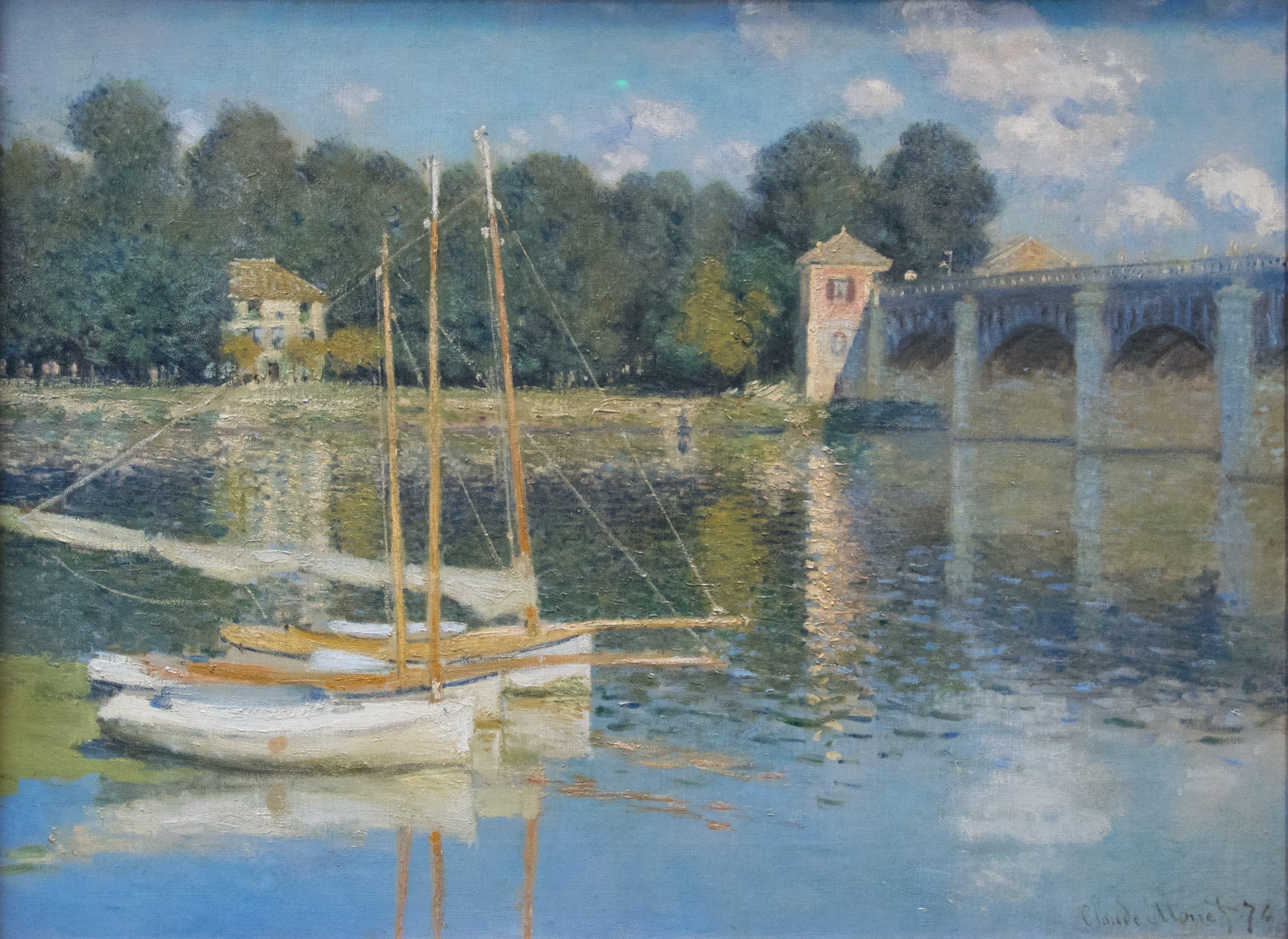
The Argenteuil Bridge
Claude Monet · 1874
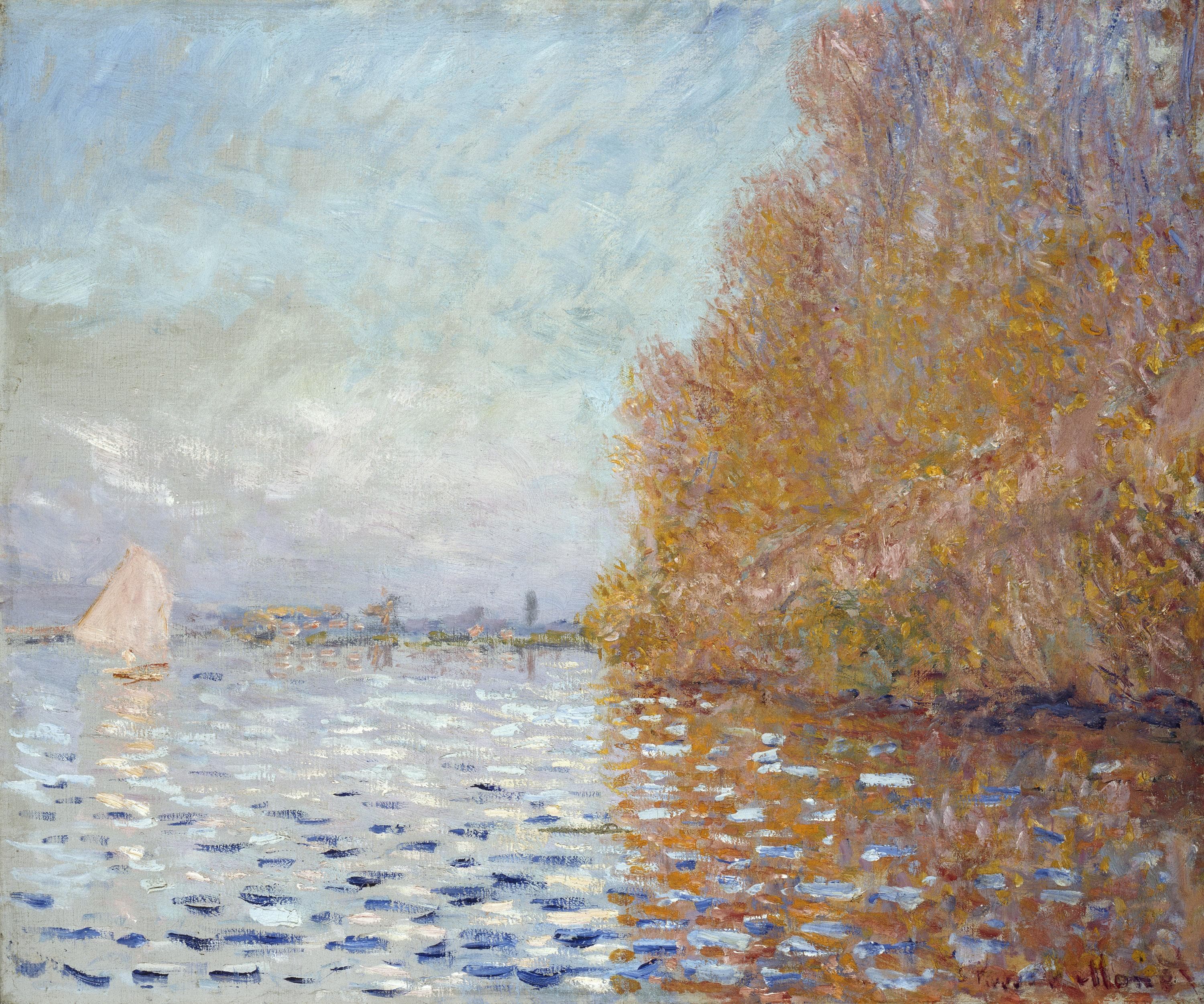
Argenteuil Basin with a Single Sailboat
Claude Monet · 1874
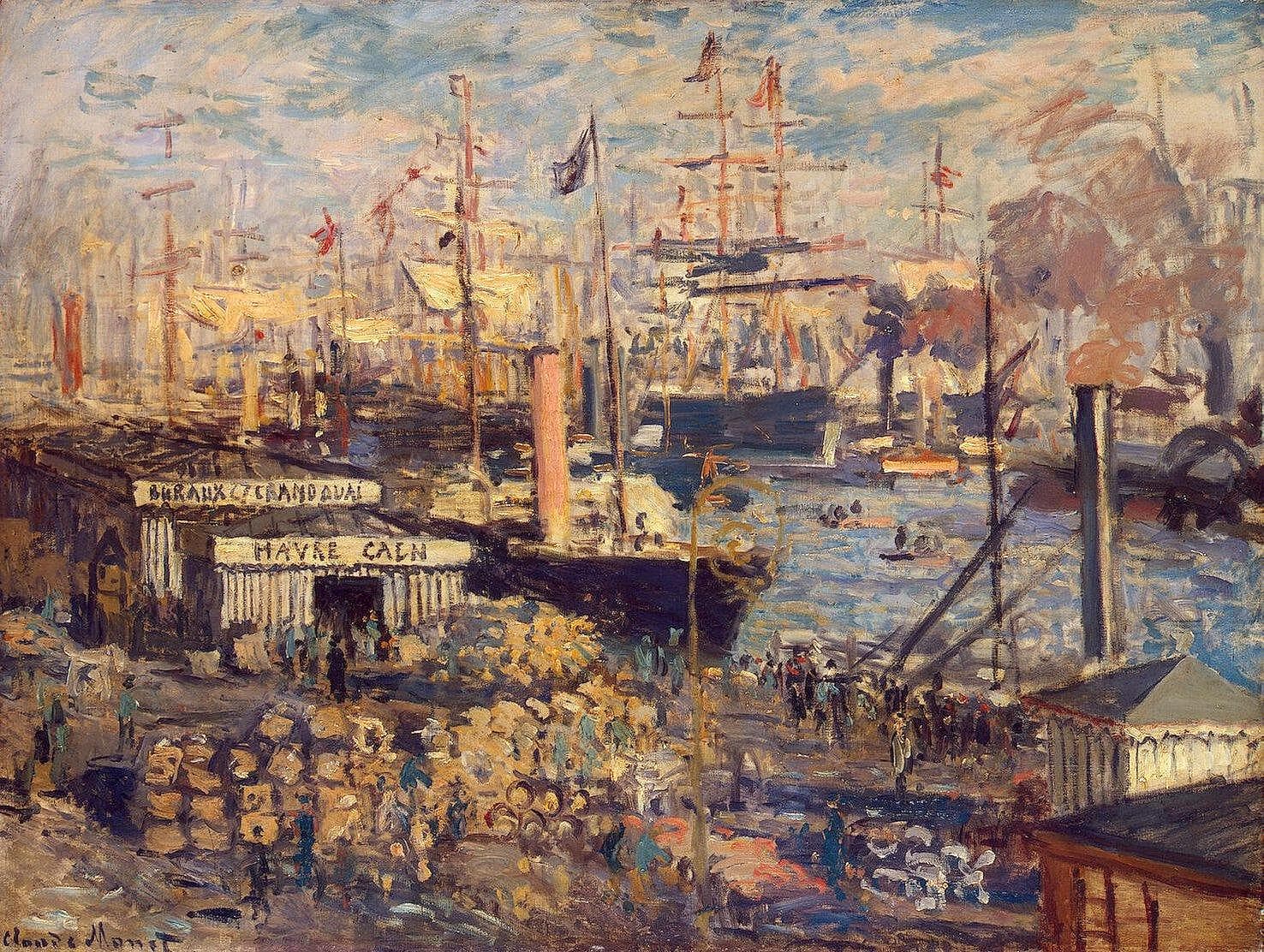
The Grand Quai at Le Havre
Claude Monet · 1874
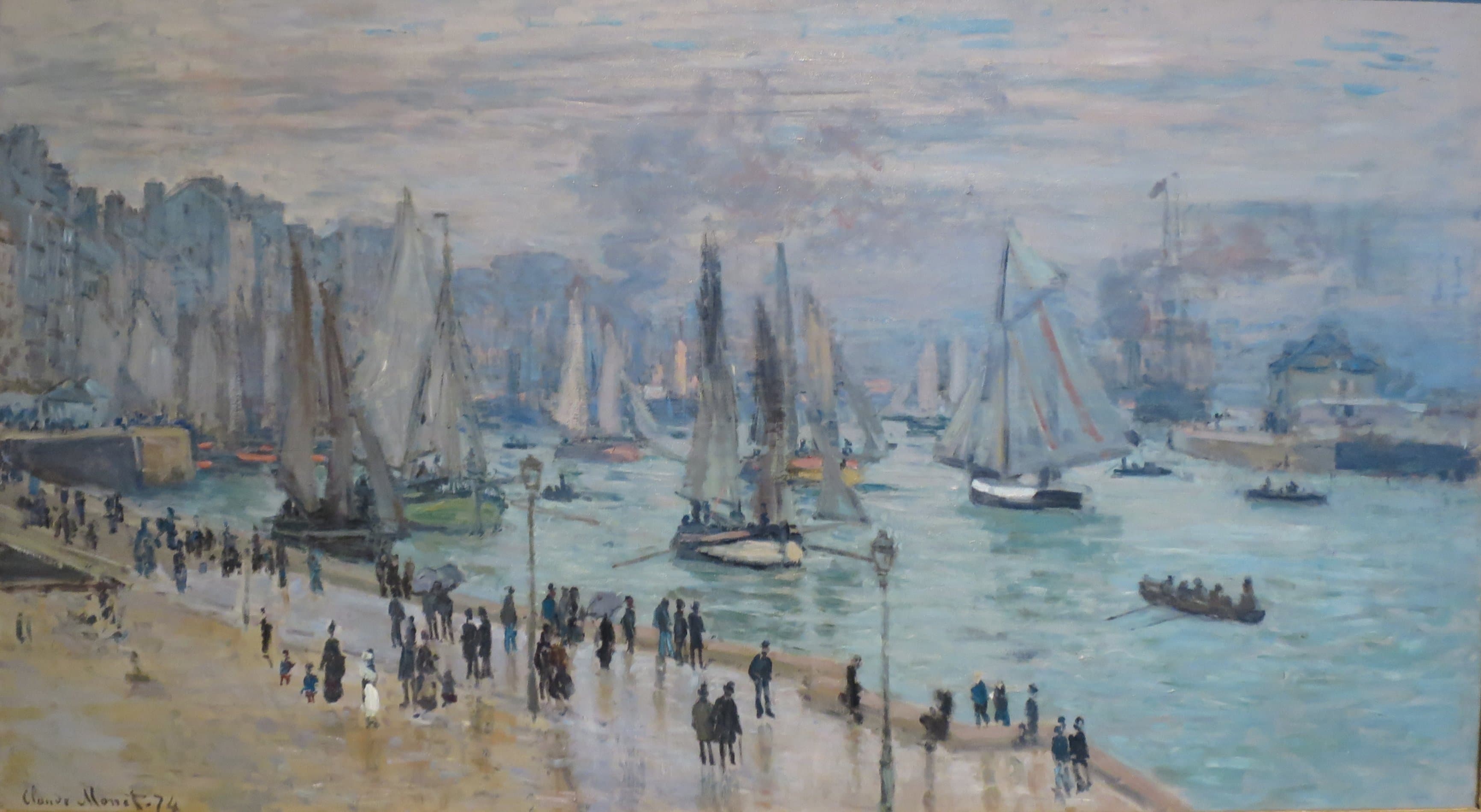
Fishing Boats Leaving the Harbor, Le Havre
Claude Monet · 1874
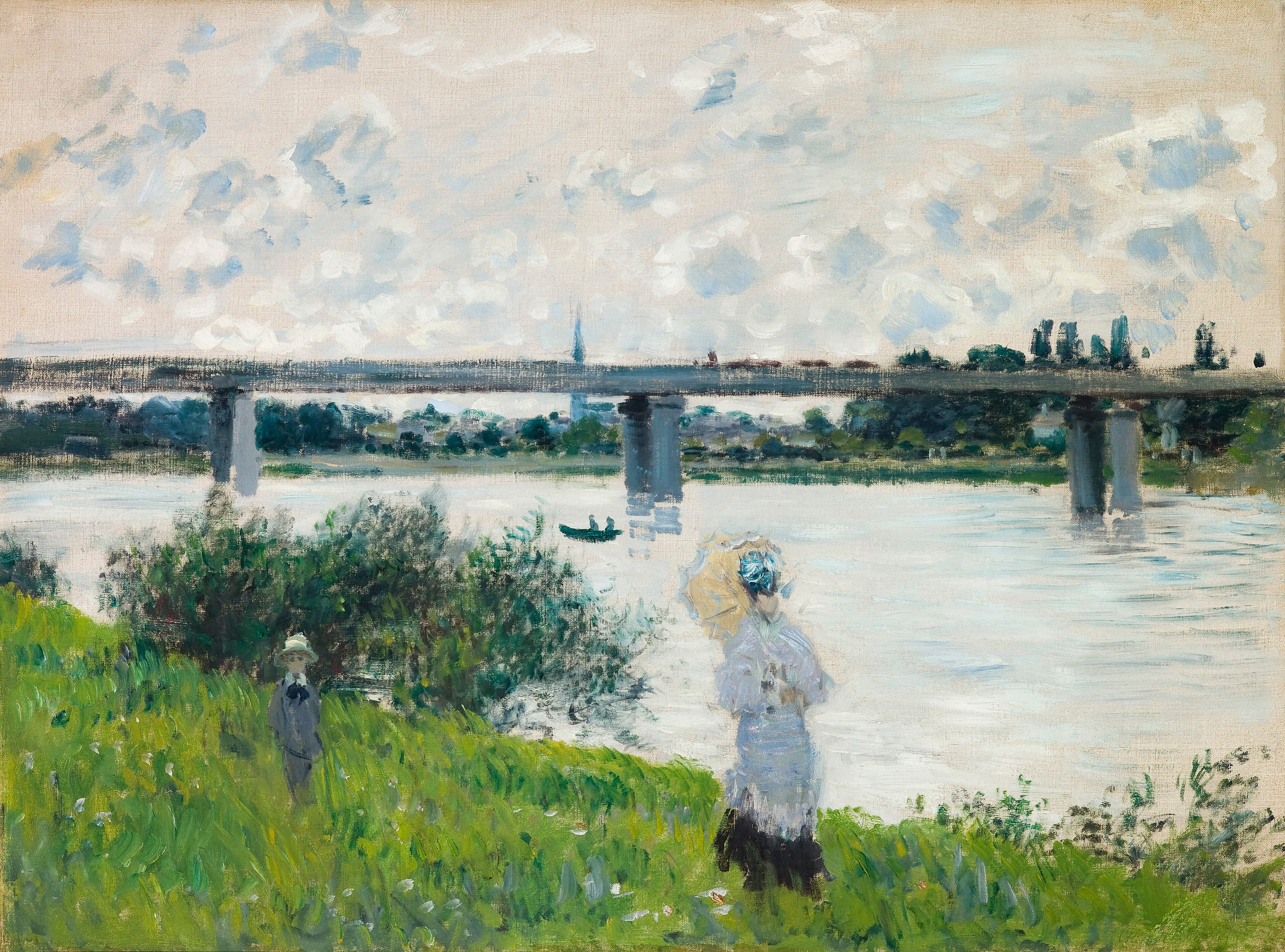
The Promenade with the Railroad Bridge, Argenteuil
Claude Monet · 1874
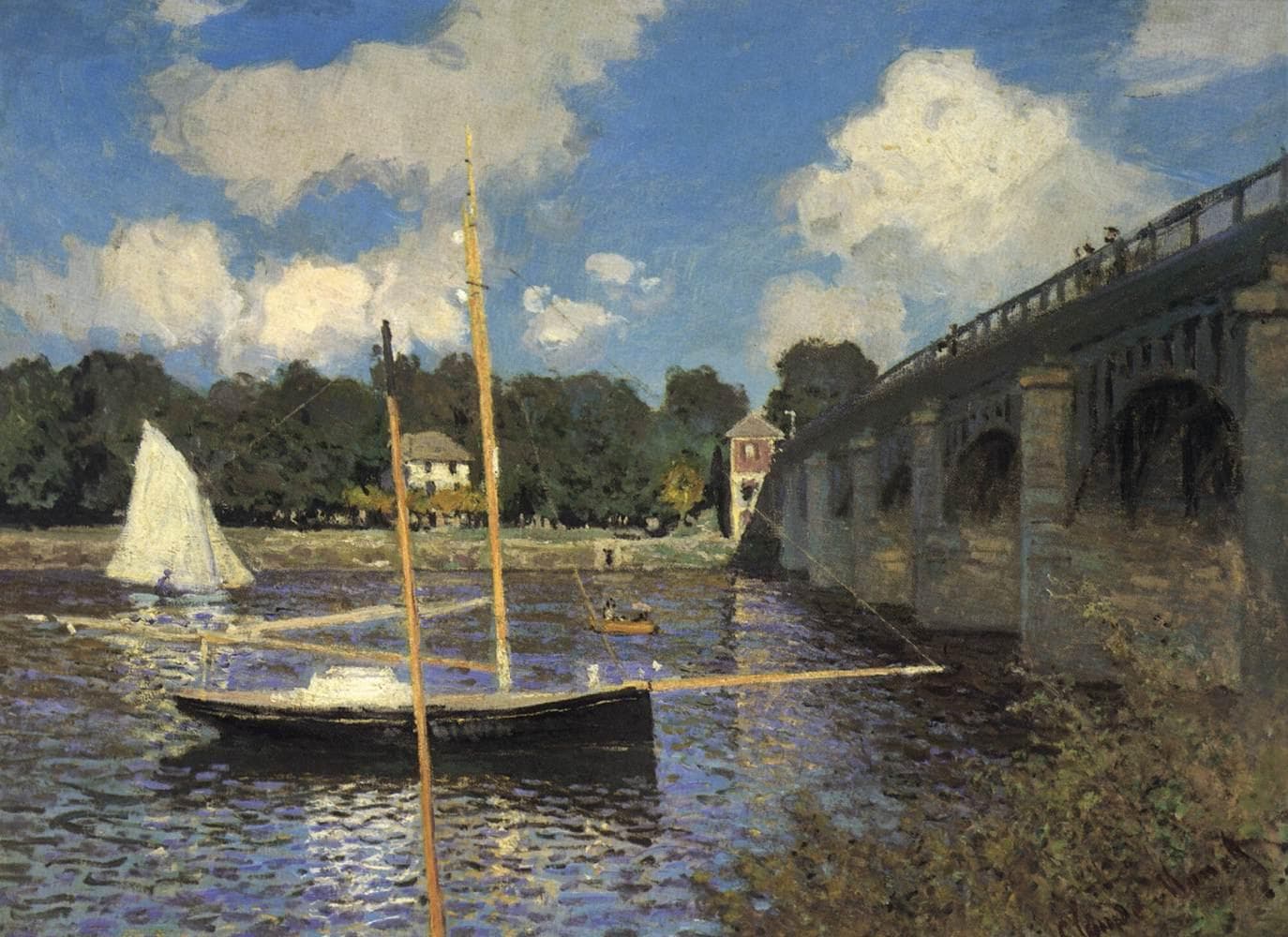
The Bridge at Argenteuil
Claude Monet · 1874
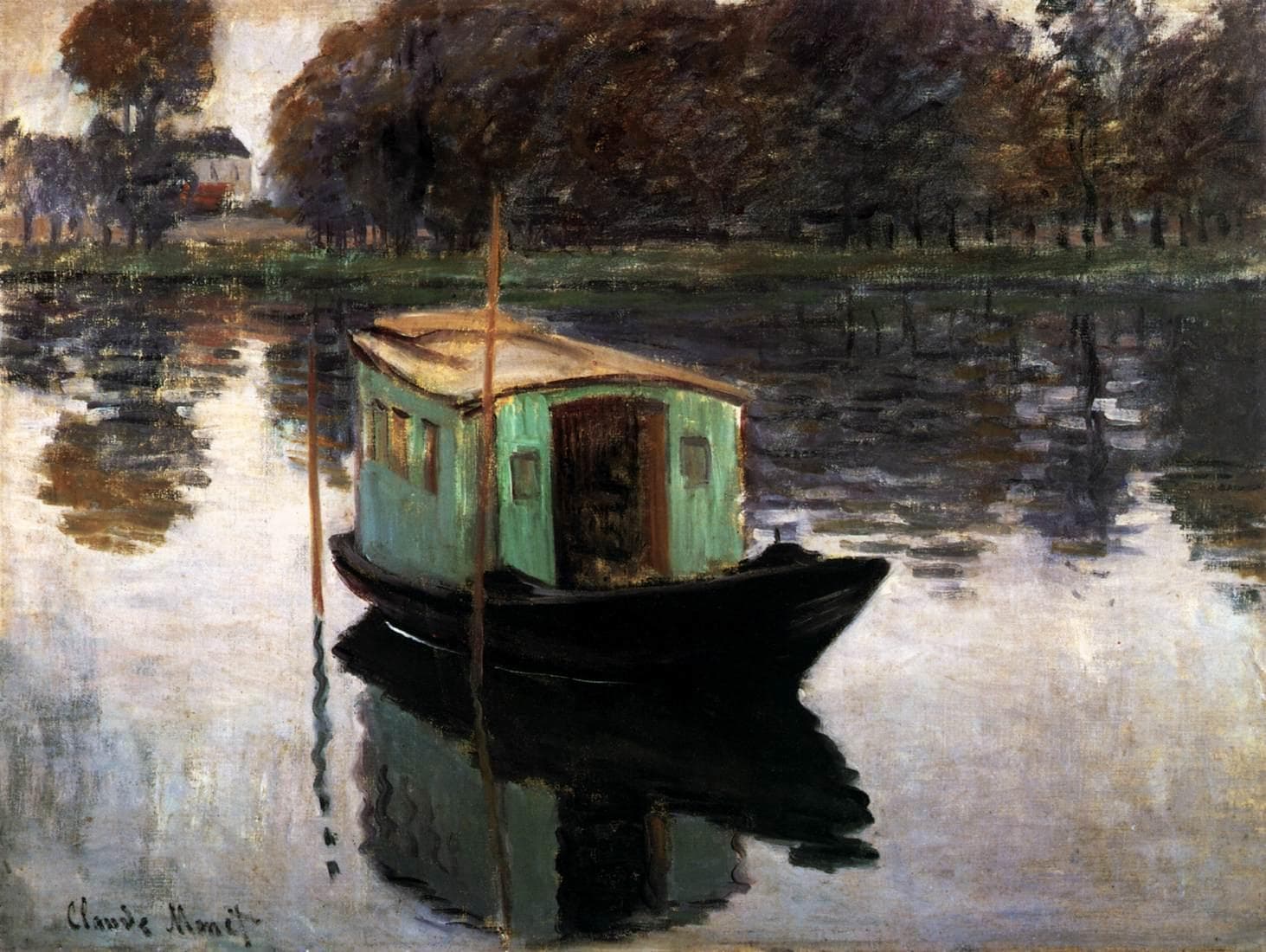
The Studio Boat
Claude Monet · 1874
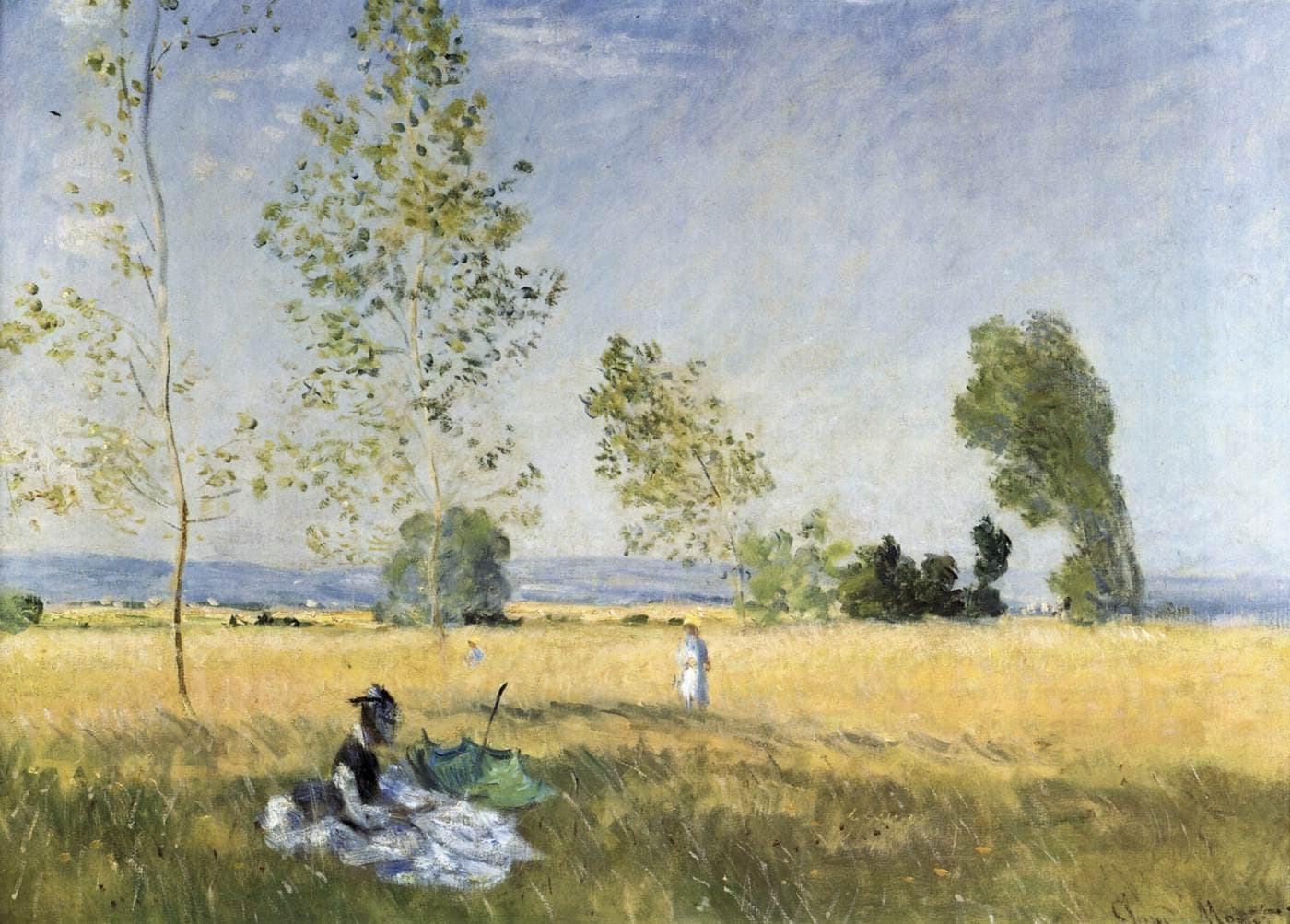
Summer (Meadow at Bezons)
Claude Monet · 1874
Kindred works
You may also study
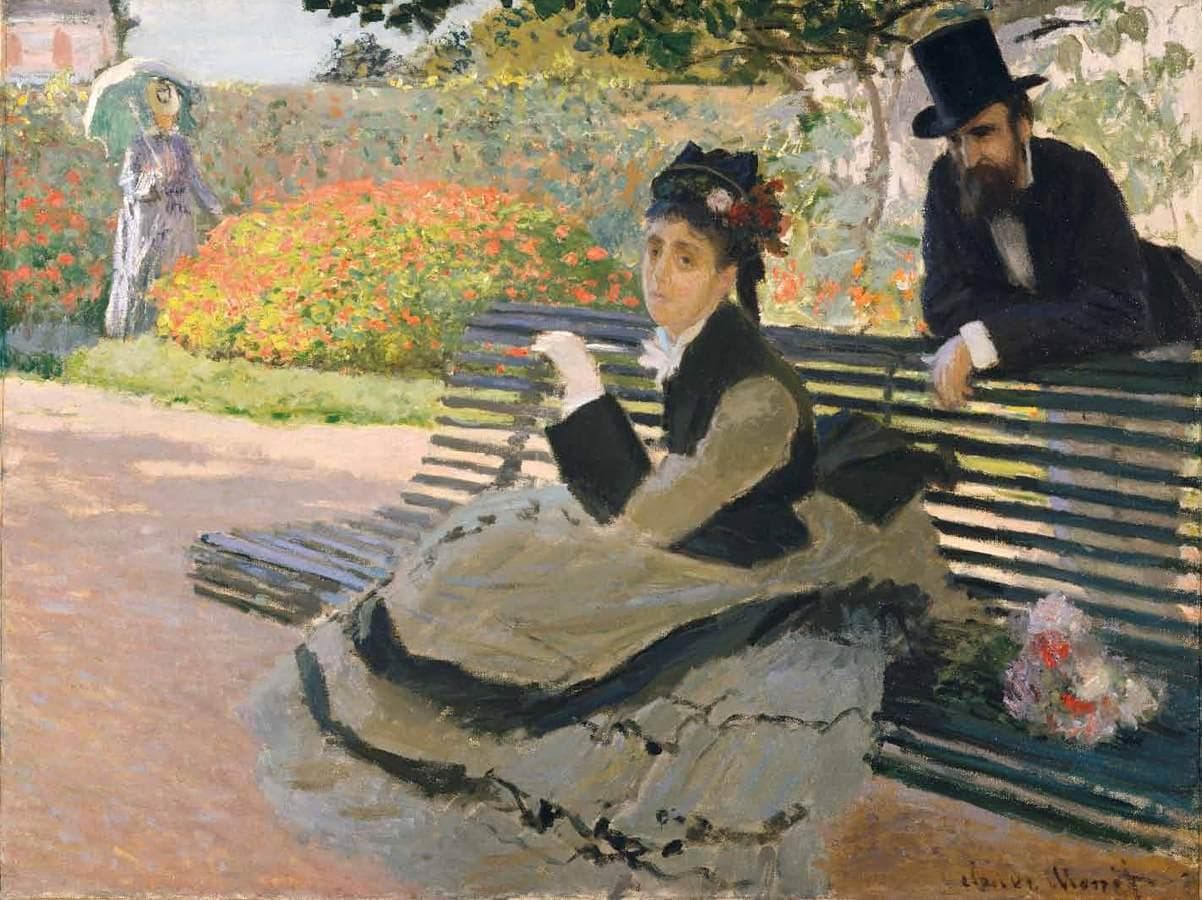
Camille Monet on a Garden Bench
Claude Monet · 1873
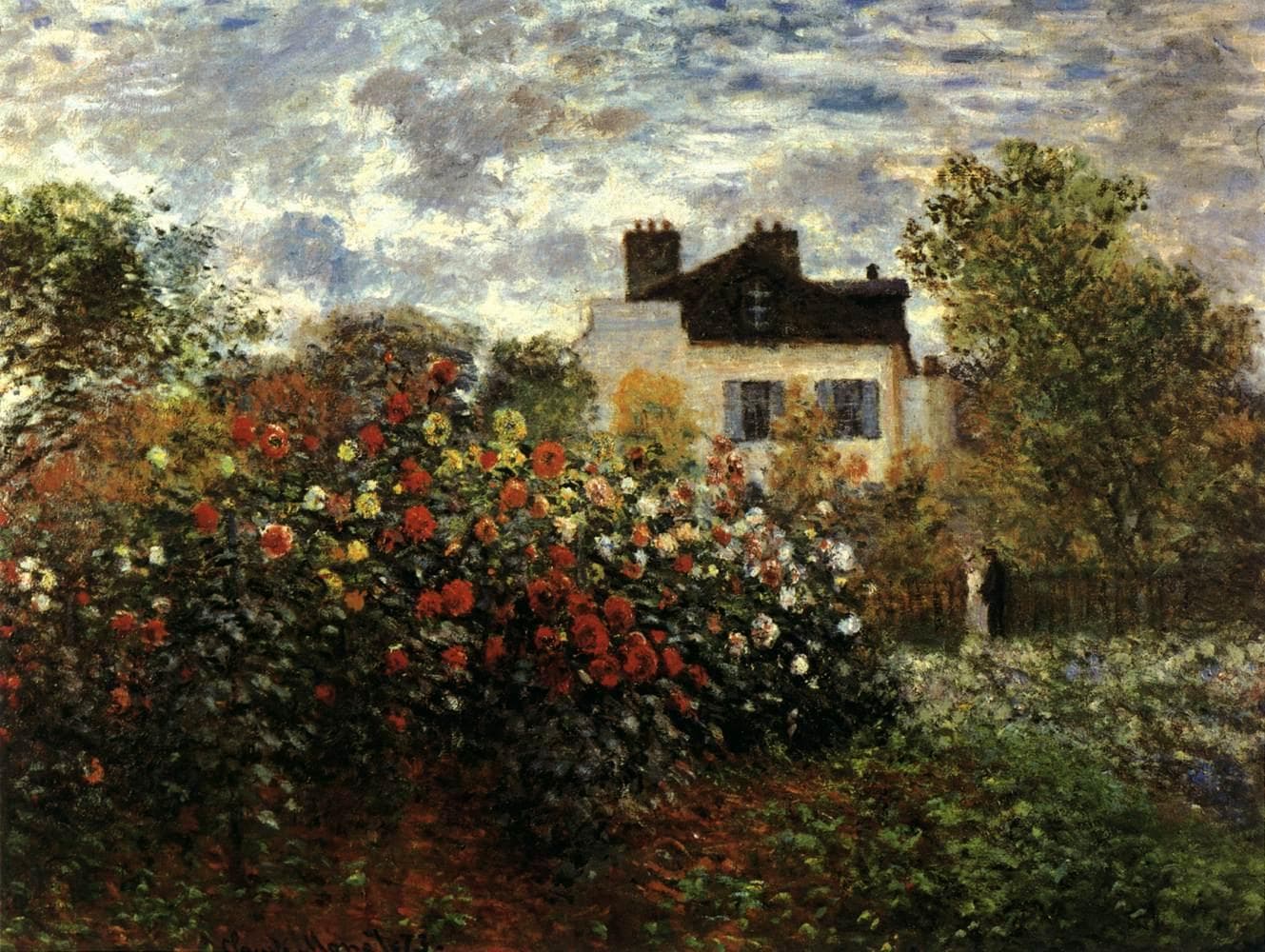
The Artist's Garden in Argenteuil (A Corner of the Garden with Dahlias)
Claude Monet · 1873
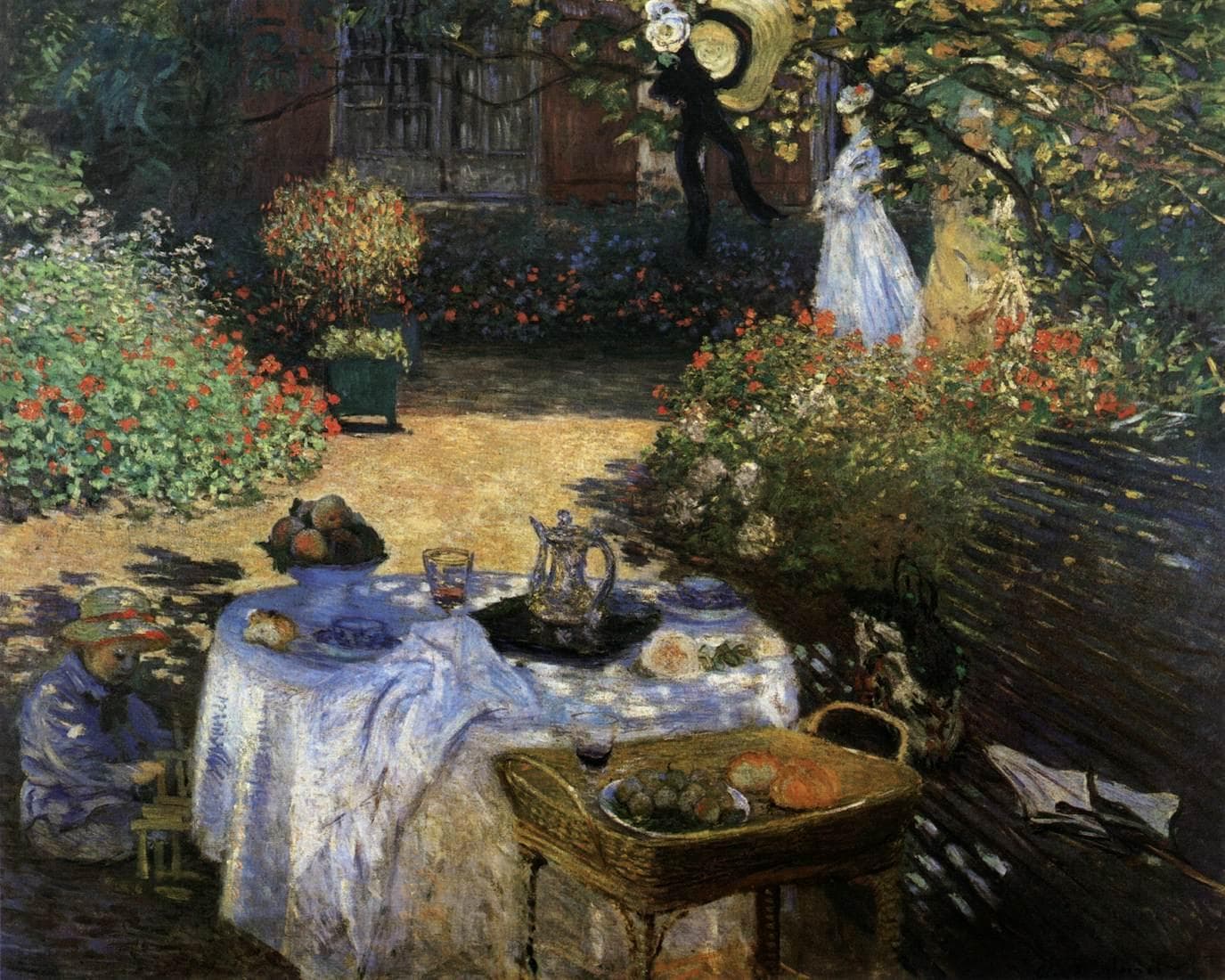
The Luncheon (Monet's Garden at Argenteuil)
Claude Monet · c. 1873

Venus de Milo
Alexandros of Antioch · c. 150–125 BC

The Scream
Edvard Munch · 1893

Ophelia
John Everett Millais · 1851–52

The Great Wave off Kanagawa
Katsushika Hokusai · c. 1830–32
Las Meninas
Diego Velázquez · 1656