Image: The Courtauld, London (Samuel Courtauld Trust) · Public domain · via Wikimedia Commons
Impressionism
Autumn Effect at Argenteuil
Claude Monet, 1873
Autumn Effect at Argenteuil is an 1873 painting by Claude Monet of the Seine at Argenteuil framed by blazing orange autumn trees, with the town's white houses and spire glowing in the distance. It is in the Courtauld Gallery, London.
- Artist
- Claude Monet
- Date
- 1873
- Medium
- Oil on canvas
- Dimensions
- 55 × 74.5 cm
- Collection
- The Courtauld Gallery, London, United Kingdom
- Movement
- Impressionism
- Catalogue
- Wildenstein 290
Painted at Monet at Argenteuil
Autumn Effect at Argenteuil (Effet d'automne à Argenteuil) is one of the most colorful pictures Claude Monet painted in his years at Argenteuil, the river town northwest of Paris. Dated 1873, it shows a channel of the Seine between two masses of orange autumn foliage, with the town catching the light in the distance. It is in the Courtauld Gallery in London, part of the collection given by Samuel Courtauld in 1932.
What you are looking at
The composition is a kind of open gateway. On the left a huge bank of trees in full autumn color, orange, copper, rust and red, fills almost half the canvas from top to bottom, and its reflection pours down into the water below in the same hot colors. On the right a smaller, taller group of trees, also orange and gold, rises against the sky, with its own reflection beneath.
Between them the river runs straight back toward the town. The water is pale blue and white, broken into short horizontal strokes that glitter like light on ripples. In the distance, across the water, the white and cream houses of Argenteuil line the bank in a thin strip, with a church spire and a tall, slender chimney rising above them, all dissolved in a warm, hazy light. The sky is a bright blue scattered with small white clouds, painted in thick, loose touches. There are no figures and no boats. The signature is at lower right.
The symmetry is deliberate but not rigid. The left bank of trees is heavier and closer, the right group lighter and taller, so the river opening is pushed slightly off center and the eye is drawn toward the town at an angle. The reflections almost double the mass of color, and in the lower half of the picture it can be hard to tell where the trees end and the water begins. That ambiguity between solid and reflected forms is something Monet would pursue for the rest of his life, all the way to the water lilies at Giverny.
Where and when it was painted
Monet moved to Argenteuil at the end of 1871, after his return from London and Holland, and lived there until 1878. These were the years in which his style and the Impressionist group took shape, and the river, the boats, the bridges and his own garden gave him dozens of motifs. This view looks along the Petit Bras, the narrow arm of the Seine between the town and an island, a spot he had painted the year before in The Petit Bras of the Seine at Argenteuil. The town and its pictures are gathered on our Argenteuil hub.
How it was painted
This is a painting about color, and it is unusually bold even for Monet in 1873. He set the two warmest masses, the orange trees, against the coolest, the blue water and sky, so that each makes the other more intense. The foliage is painted in thick, dabbed strokes of orange, red and yellow over darker brown, without any attempt to describe single leaves. The reflections repeat the same strokes but break them up horizontally, so the water reads as moving. The distant town is kept pale and simple to push it far back. The picture was probably painted largely outdoors and quickly, to catch a particular autumn light before the leaves fell.
Argenteuil in four seasons
Monet painted Argenteuil in every season. Set this canvas beside his summer river views, such as The Seine at Argenteuil, or his snow scenes, such as Snow at Argenteuil, and you can see how he used the same few places to explore completely different color harmonies. In the same year he painted the town's railway bridge in Railroad Bridge, Argenteuil and his own house in The Artist's House at Argenteuil.
Where to see it
The painting is in the Courtauld Gallery at Somerset House in London (P.1932.SC.274), part of the Samuel Courtauld collection, which also includes Monet's Antibes and Vase of Flowers. For other collections, see where to see Monet's paintings.
Questions & answers
Where is Monet's Autumn Effect at Argenteuil?
It is in the Courtauld Gallery at Somerset House in London. It was part of the collection of the industrialist Samuel Courtauld, who gave it in 1932 to the newly founded Courtauld Institute of Art.
When and where was it painted?
In 1873, at Argenteuil on the Seine northwest of Paris, where Monet lived from late 1871 to 1878. The view looks along the Petit Bras, a narrow arm of the river, toward the town.
What does Autumn Effect at Argenteuil show?
A channel of the Seine framed by two masses of blazing orange and red autumn trees, their reflections pouring into the blue water, with the white houses, church spire and a tall chimney of Argenteuil glowing in the distance under a bright blue sky.
Why is it called an 'effect'?
Monet often titled pictures by the light or weather they recorded, an 'effect' of snow, fog, sunset or season. Here the effect is autumn: the brief moment when the trees turn orange and the low sun warms the whole scene.
More by the artist
Claude Monet

Bridge over a Pond of Water Lilies
Claude Monet · 1899

Woman with a Parasol – Madame Monet and Her Son
Claude Monet · 1875

Sunset in Venice
Claude Monet · 1908–12

La Grenouillère
Claude Monet · 1869

Beach in Pourville
Claude Monet · 1882

Springtime
Claude Monet · 1872

Boating on the River Epte
Claude Monet · 1890

The Seine at Asnières (Hermitage)
Claude Monet · 1873
Also painted in 1873
The same year
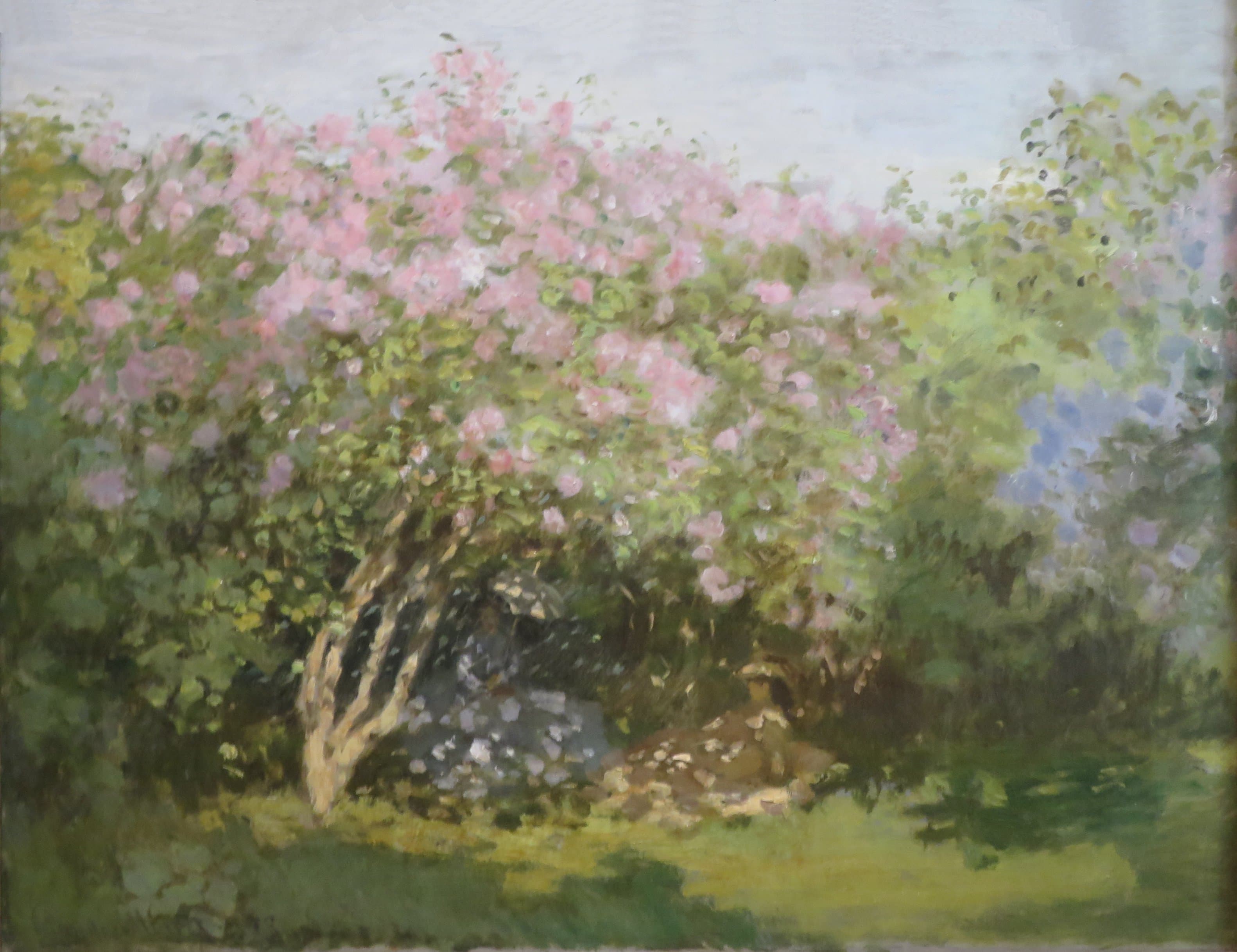
Lilac in the Sun
Claude Monet · 1873
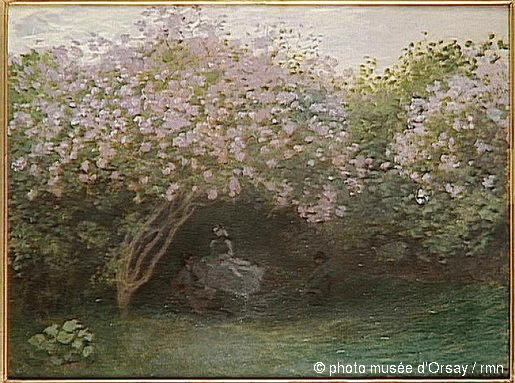
Lilacs, Gray Weather
Claude Monet · 1872–73
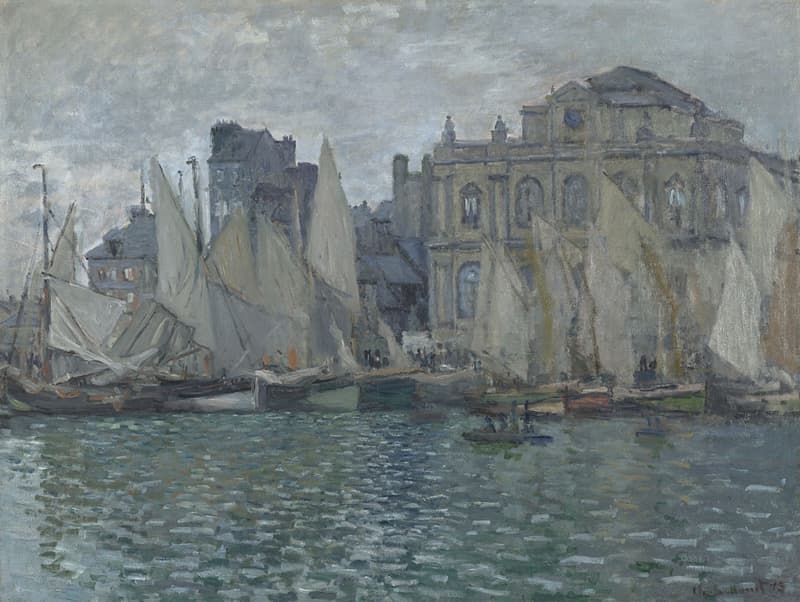
The Museum at Le Havre
Claude Monet · 1873
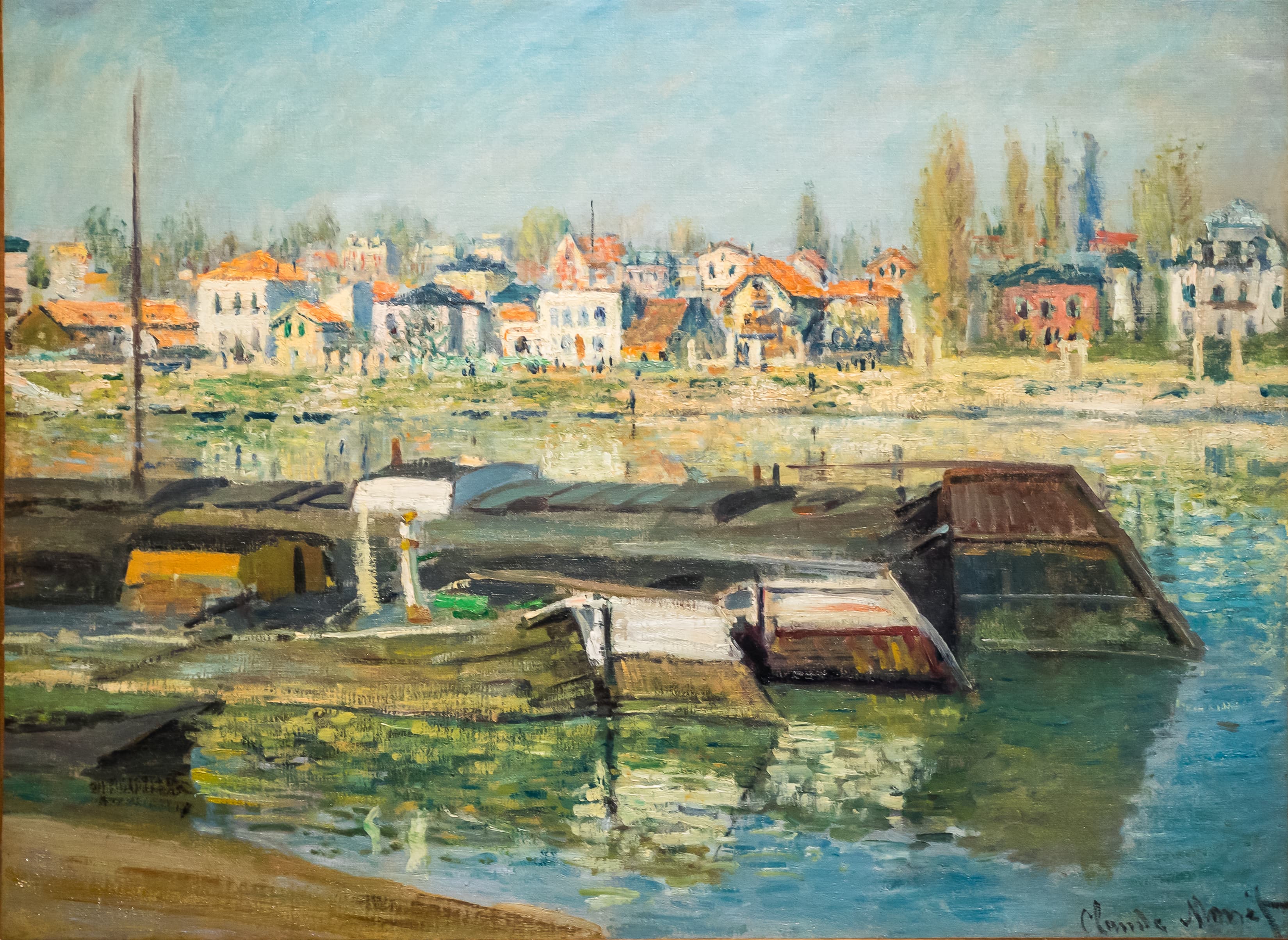
The Seine at Asnières
Claude Monet · 1873
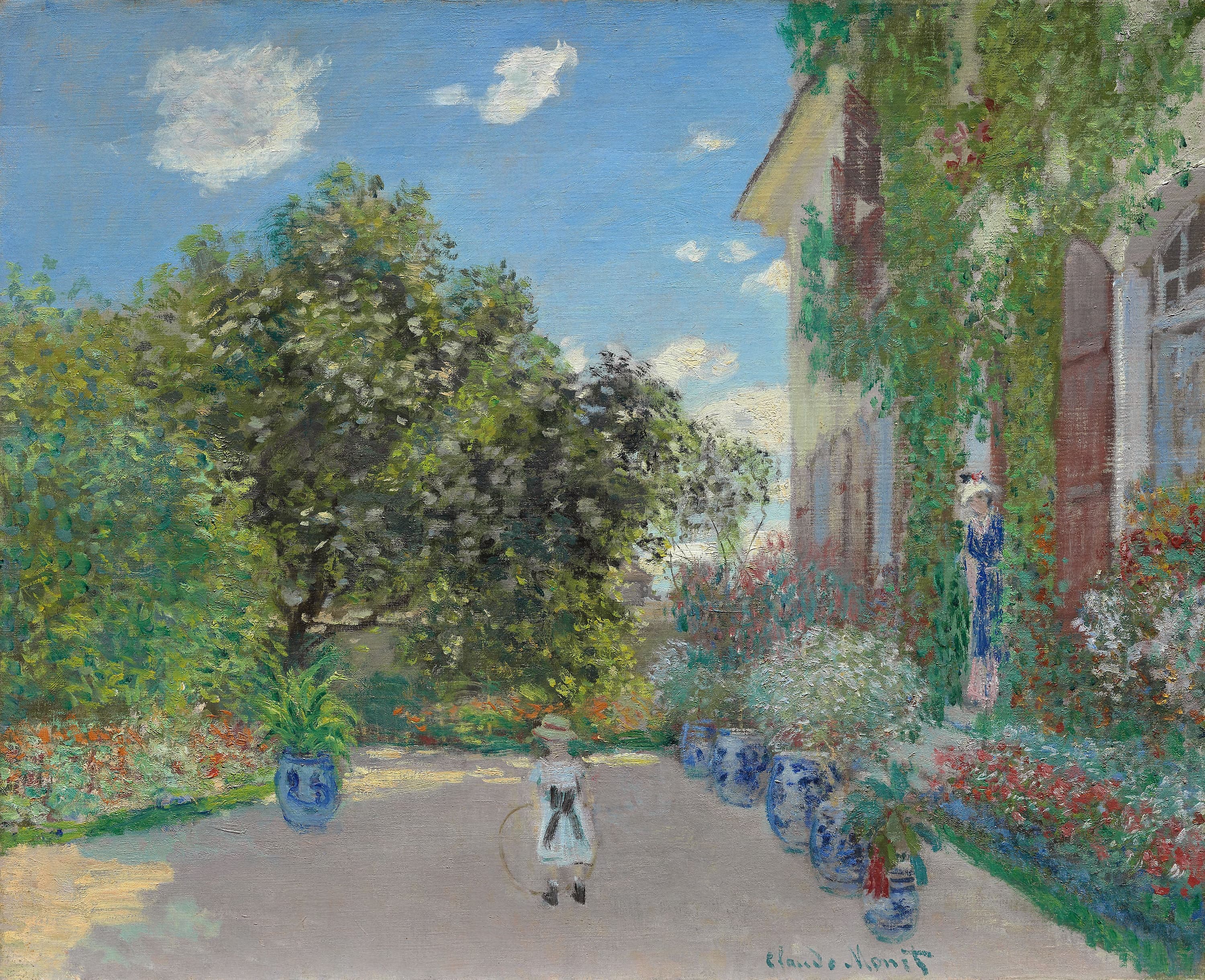
The Artist's House at Argenteuil
Claude Monet · 1873
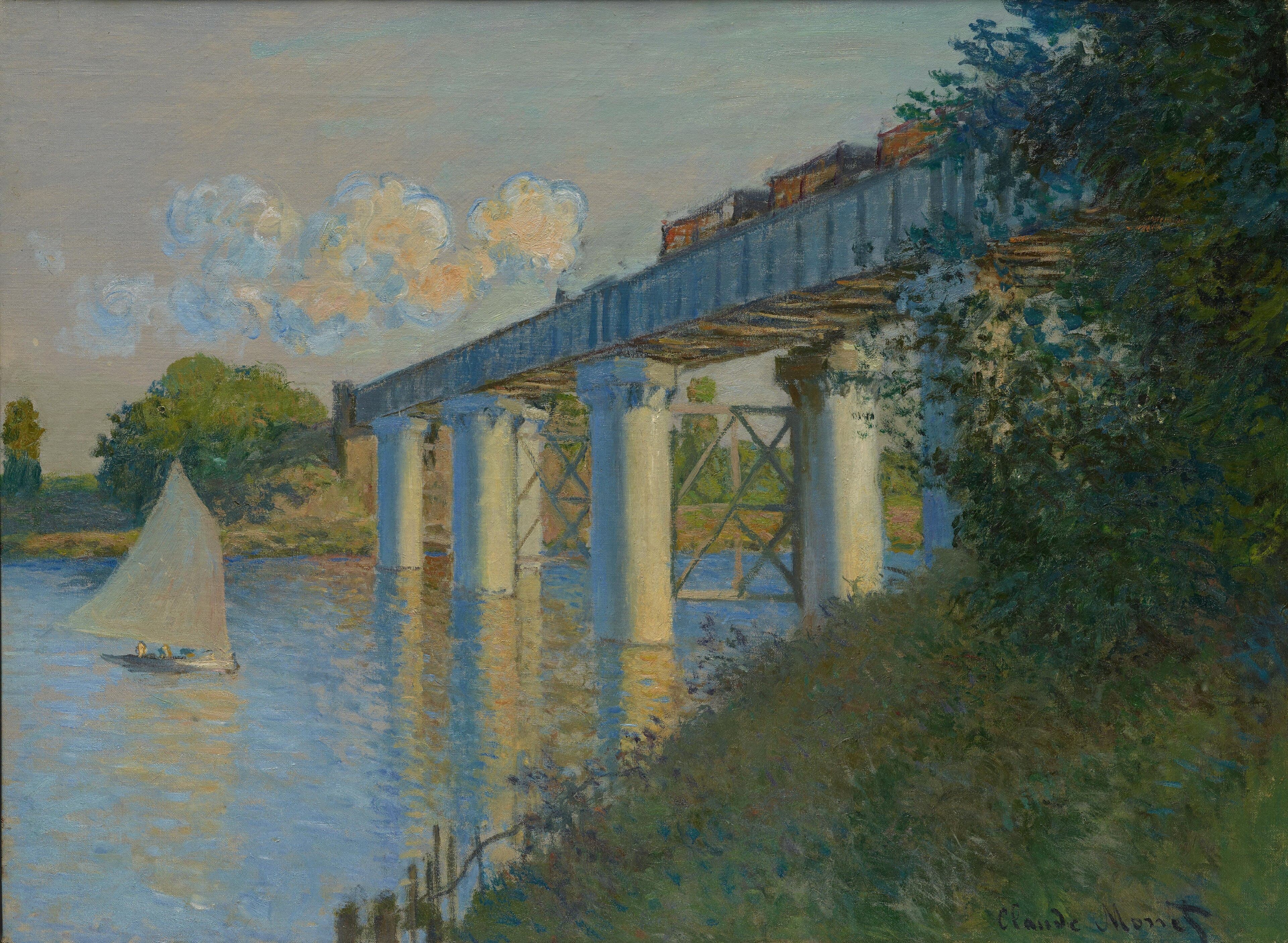
Railroad Bridge, Argenteuil
Claude Monet · 1873
The Luncheon (Monet's Garden at Argenteuil)
Claude Monet · c. 1873
Boulevard des Capucines
Claude Monet · 1873–74
Kindred works
You may also study
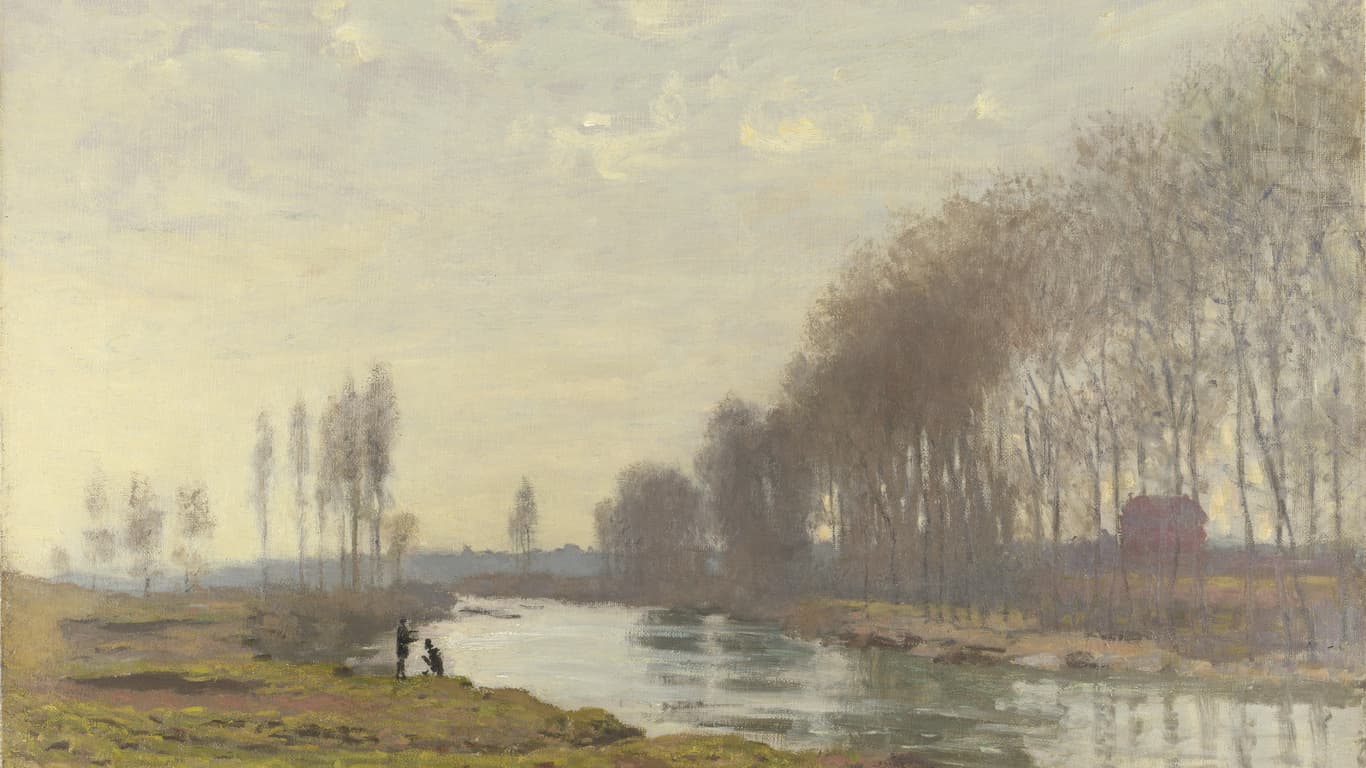
The Petit Bras of the Seine at Argenteuil
Claude Monet · 1872
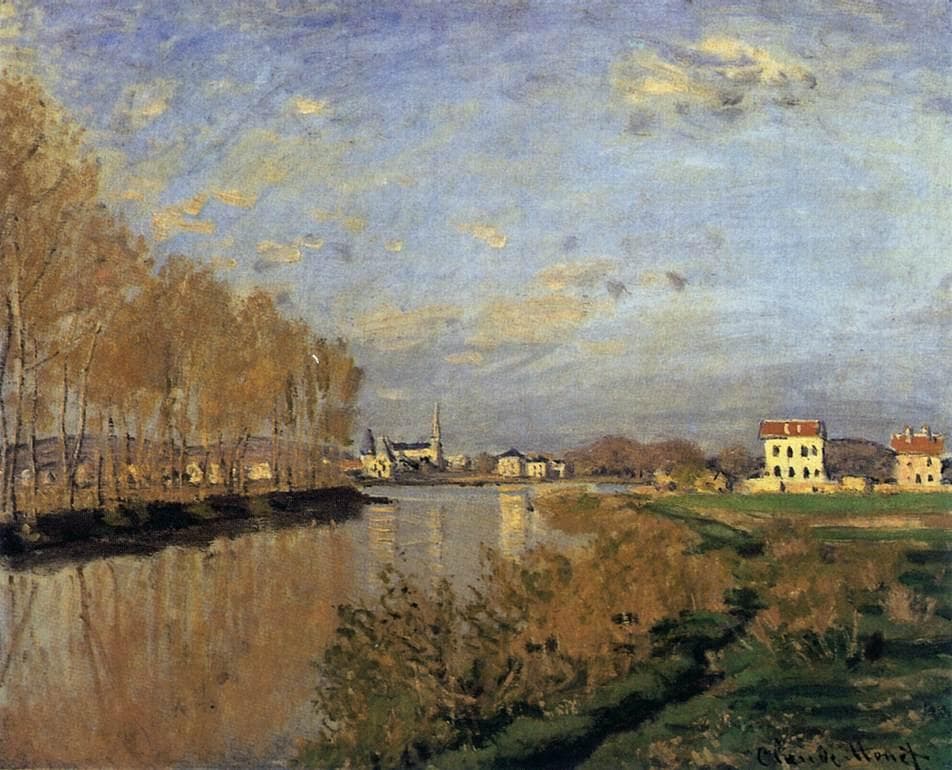
The Seine at Argenteuil
Claude Monet · 1873
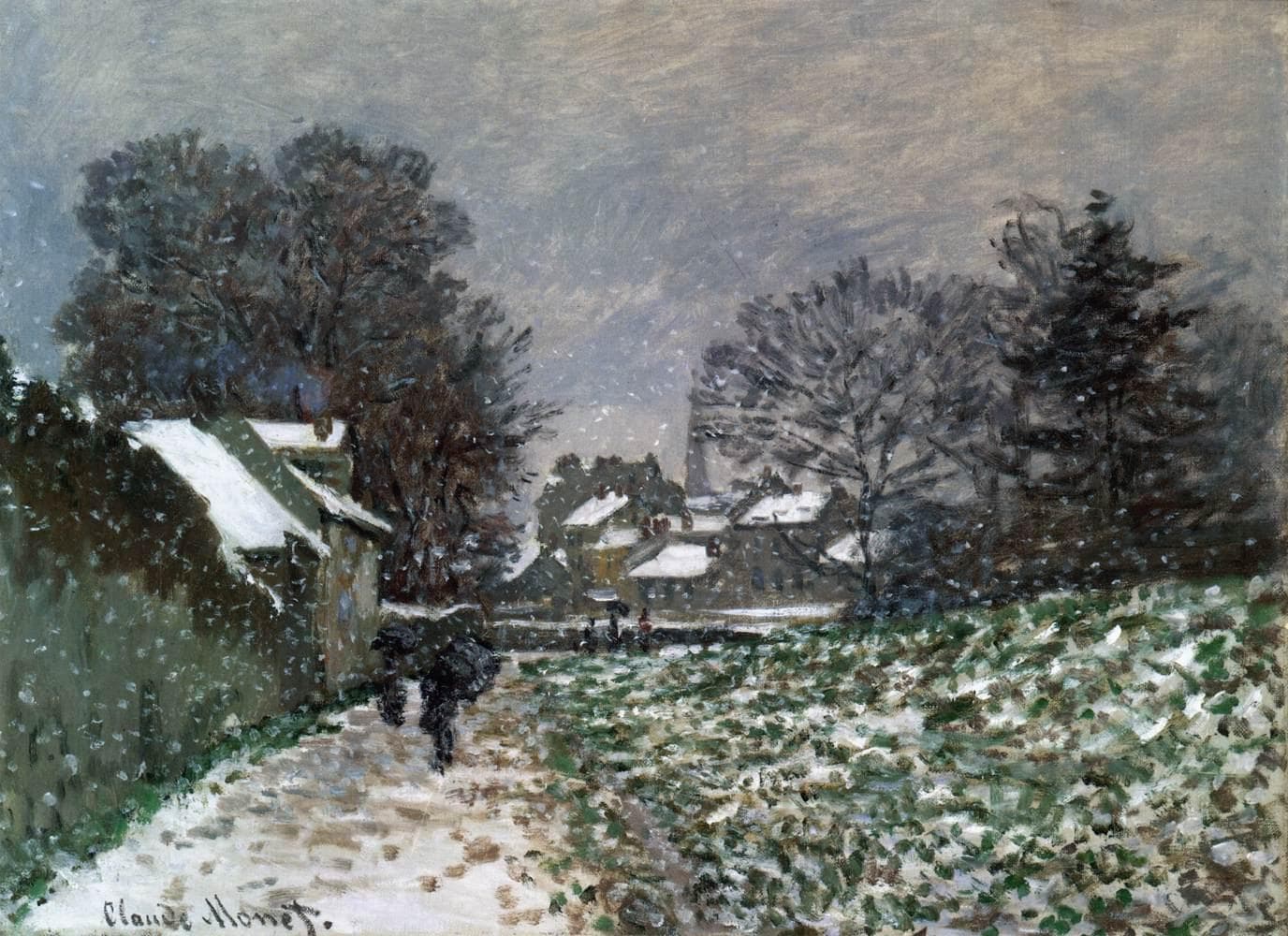
Snow at Argenteuil
Claude Monet · c. 1874
The Artist's House at Argenteuil
Claude Monet · 1873
Railroad Bridge, Argenteuil
Claude Monet · 1873

The Scream
Edvard Munch · 1893

Ophelia
John Everett Millais · 1851–52

The Great Wave off Kanagawa
Katsushika Hokusai · c. 1830–32