Impressionism
The Gladioli
Claude Monet, c. 1876
The Gladioli, now titled Rounded Flower Bed (Corbeille de fleurs) by its museum, is a painting of about 1876 by Claude Monet of a flower bed in his garden at Argenteuil with Camille under a parasol. It is in the Detroit Institute of Arts.
- Artist
- Claude Monet
- Date
- c. 1876
- Medium
- Oil on canvas
- Dimensions
- 59.3 × 81.3 cm
- Collection
- Detroit Institute of Arts, Detroit, United States
- Movement
- Impressionism
- Catalogue
- Wildenstein 414
Painted at Monet at Argenteuil
What you are looking at
A curving flower bed swells up from the lower left, thick with bloom: coral and red geraniums low down, pale blue and white flowers at its edge, and above them a stand of tall gladioli spikes in scarlet, salmon and white, rising almost the full height of the canvas. Behind the bed, on a sandy path at the upper left, a woman in a long blue-violet dress stands beneath a dark green parasol, her face in its shade. Behind her is a diagonal trellis, a dark hedge, and a scatter of white flecks, butterflies or blossoms, among the leaves at upper right.
The path at lower left is warm cream striped with shadow, and the bed cuts across the picture in a strong curve, so we seem to stand at its rim. There is no sky.
Claude Monet painted the scene around 1876 in the garden of his rented house at Argenteuil. The canvas measures about 59 by 81 centimeters, is number 414 in Wildenstein's catalogue, and belongs to the Detroit Institute of Arts, which bought it in 1921. Long known as Gladioli, it has been retitled by the museum Rounded Flower Bed (Corbeille de fleurs) following research for its 2017–18 exhibition Monet: Framing Life. The woman is generally identified as Camille Monet, the painter's wife.
Where and when
Gardens were central to Monet's life long before Giverny. At Argenteuil, northwest of Paris, where he lived from 1871 to 1878, he planted flower beds around each of his two rented houses and painted them repeatedly, often with Camille or their son Jean among the flowers. In 1874 the family moved to a house on the Boulevard Saint-Denis, and the garden pictures of 1875–76 belong to that house. See Monet at Argenteuil.
The mid-1870s were difficult. Money was short, sales were poor after the 1874 exhibition, and Camille's health was beginning to fail; she died in 1879. Pictures like this show a private world of color and calm that Monet kept painting through those years. That summer of 1876 he also worked at Montgeron for the collector Ernest Hoschedé.
How it was painted
Look at the scale. Camille is small and set far back, and the flowers are huge and close. The gladioli stand taller than she does, so the garden is the real subject and she becomes part of it, her blue dress a cool note against the hot reds. Nothing is drawn: the bed is built out of dabs, red and coral for blooms, many different greens for leaves, with no outline anywhere.
The gladioli are made with upward flicks of the brush, each spike a column of separate red and orange touches on a green stem, so the strokes themselves seem to grow. The geraniums below are rounder, thicker blobs of paint. Notice how Monet uses the parasol: its dark green disc is the heaviest shape in the picture and balances the mass of red on the right. The shadows on Camille's skirt are blue and violet, not grey.
The motif and its siblings
Monet painted several similar compositions at Argenteuil: Monet's Garden at Argenteuil in Washington with its dahlias, The Artist's House at Argenteuil in Chicago, Camille Monet on a Garden Bench in New York and the luncheon table of The Luncheon. At Montgeron the same year he painted Woman in the Garden. These pictures anticipate the garden he built at Giverny from 1883, which became his life's work: see Giverny: Monet's House and Garden.
Where to see it
The painting is in the Detroit Institute of Arts, bought in 1921 with city funds, as its credit line, City of Detroit Purchase, records. Before that it passed through the hands of Paris dealers and collectors; the museum's provenance names the publisher Georges Charpentier, a friend of the Impressionists, as an early owner. For other museums, see where to see Monet's paintings, and for the artist, Claude Monet.
Questions & answers
Where is Monet's The Gladioli?
The painting is in the Detroit Institute of Arts, which bought it in 1921 and now titles it Rounded Flower Bed (Corbeille de fleurs). Painted about 1876, it measures about 59 by 81 centimeters and is catalogued by Wildenstein as number 414.
When and where did Monet paint The Gladioli?
Around 1876, in the garden of his rented house at Argenteuil, the town on the Seine northwest of Paris where he lived from 1871 to 1878 and grew flowers to paint.
Who is the woman in Monet's The Gladioli?
She is generally identified as Camille Monet, the painter's wife and frequent model, shown in a blue dress under a green parasol behind the flower bed. She died in 1879, three years after this picture was painted.
Why was The Gladioli renamed?
For its 2017–18 exhibition Monet: Framing Life, the Detroit Institute of Arts researched the painting's history and adopted the title Rounded Flower Bed (Corbeille de fleurs), describing the curved bed that dominates the picture. Gladioli remains the familiar name.
More by the artist
Claude Monet

Bridge over a Pond of Water Lilies
Claude Monet · 1899

Woman with a Parasol – Madame Monet and Her Son
Claude Monet · 1875

Sunset in Venice
Claude Monet · 1908–12

La Grenouillère
Claude Monet · 1869

Beach in Pourville
Claude Monet · 1882

Springtime
Claude Monet · 1872

Boating on the River Epte
Claude Monet · 1890

The Seine at Asnières (Hermitage)
Claude Monet · 1873
Also painted in 1876
The same year


Kindred works
You may also study
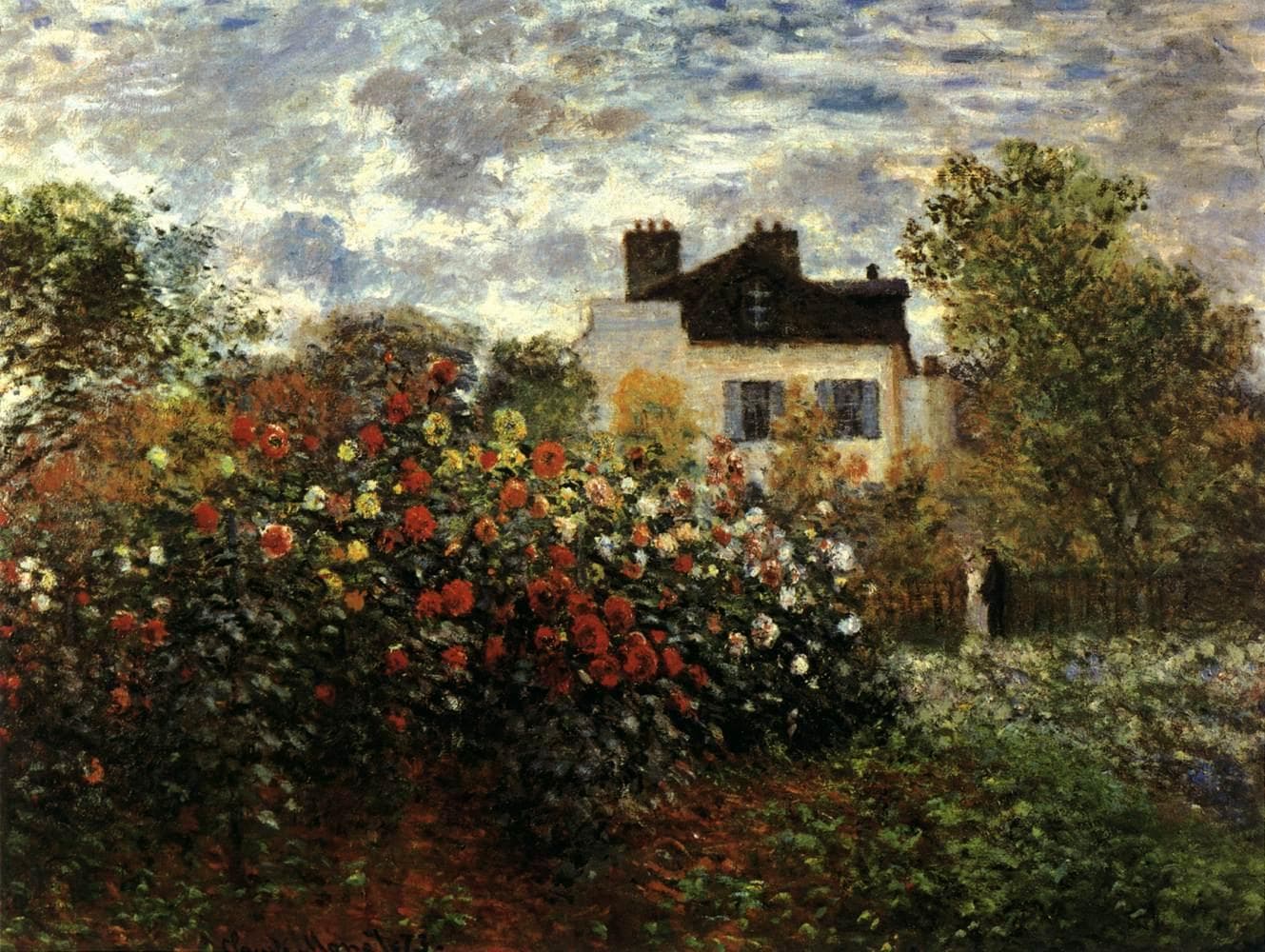
The Artist's Garden in Argenteuil (A Corner of the Garden with Dahlias)
Claude Monet · 1873
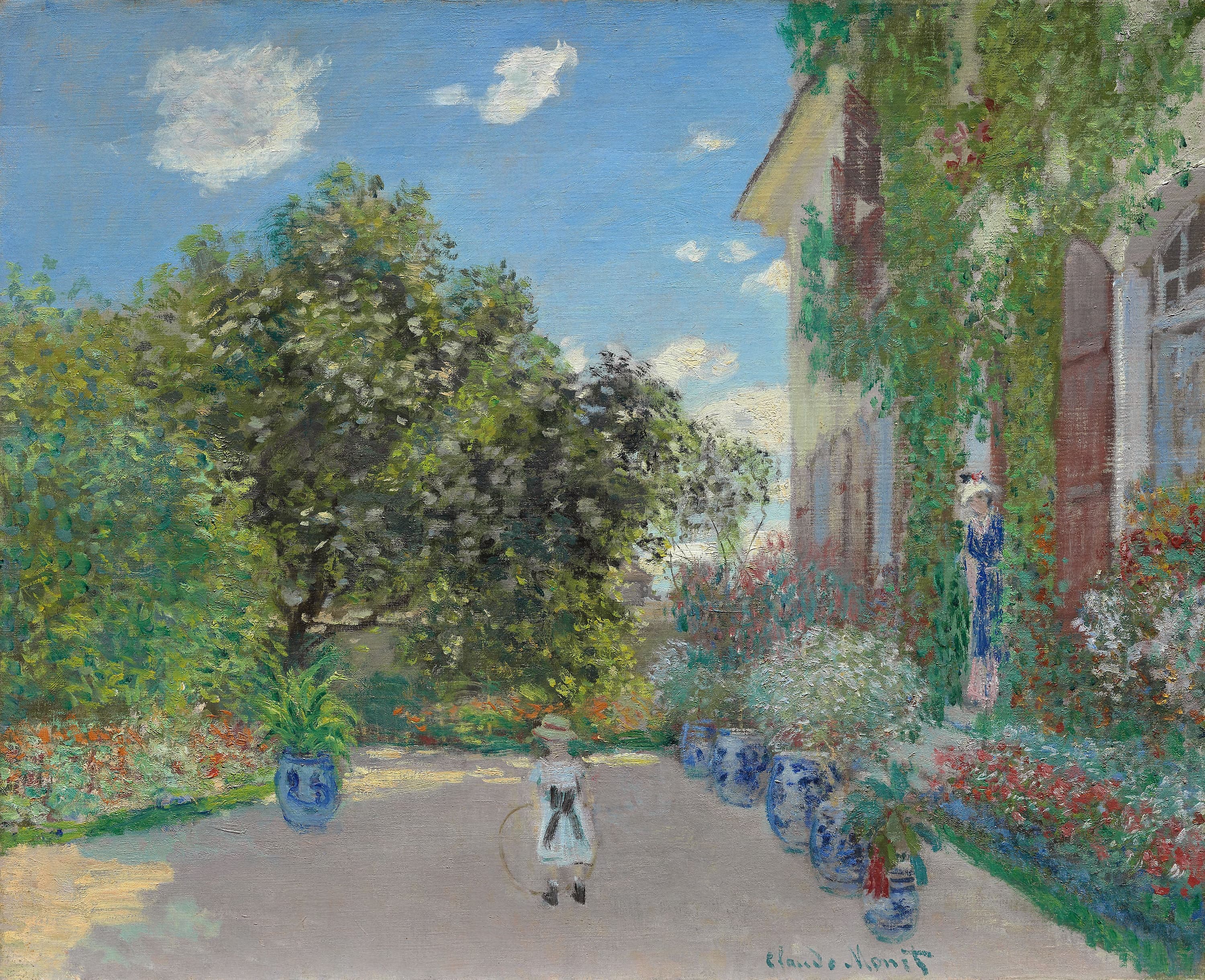
The Artist's House at Argenteuil
Claude Monet · 1873
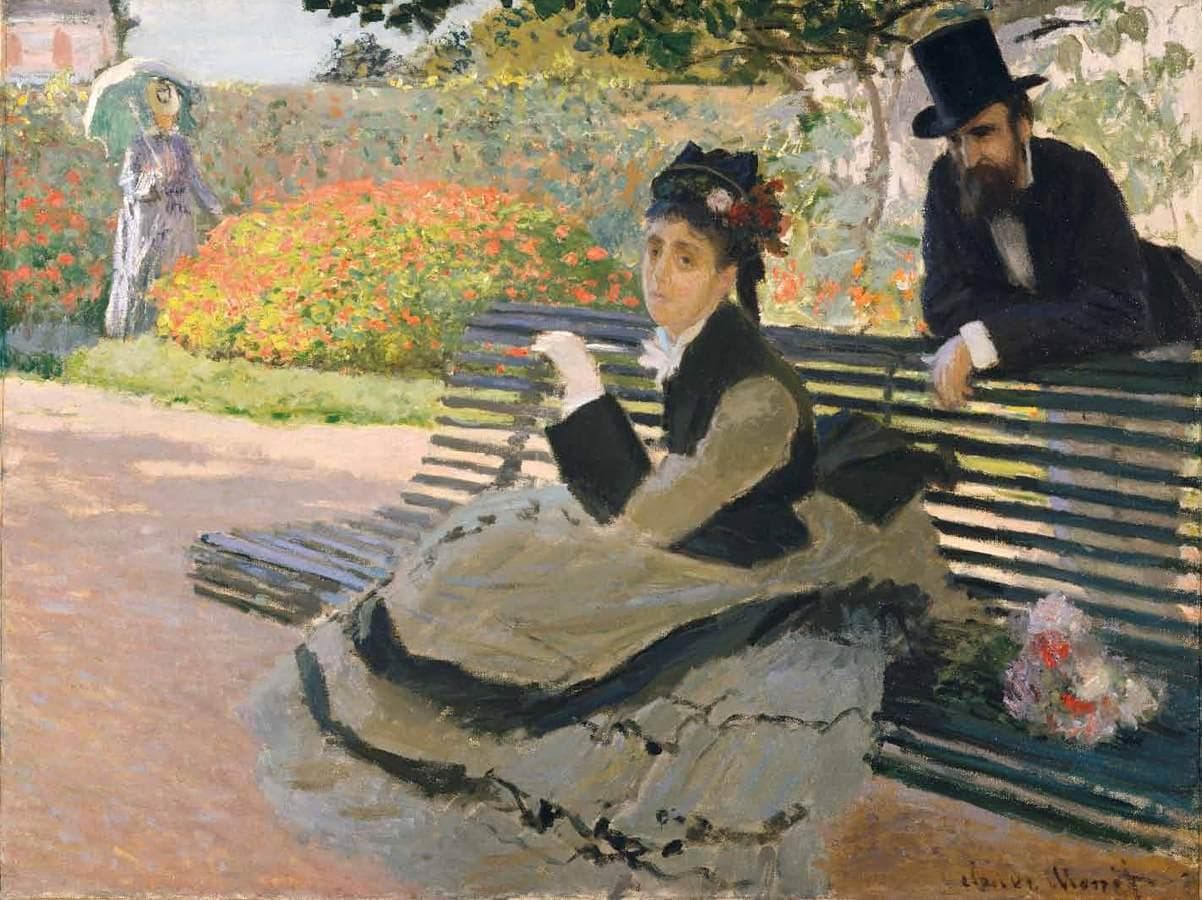
Camille Monet on a Garden Bench
Claude Monet · 1873
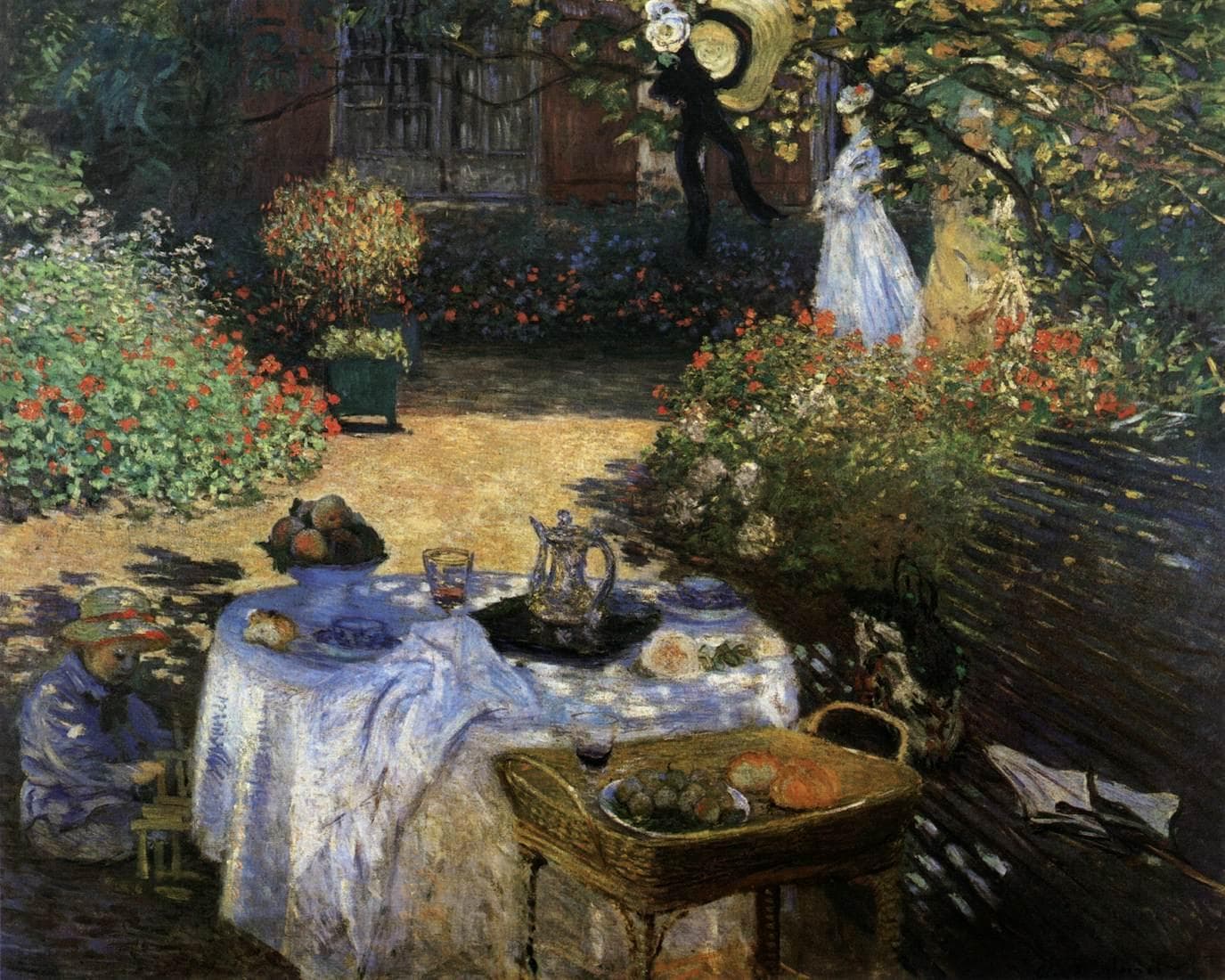
The Luncheon (Monet's Garden at Argenteuil)
Claude Monet · c. 1873
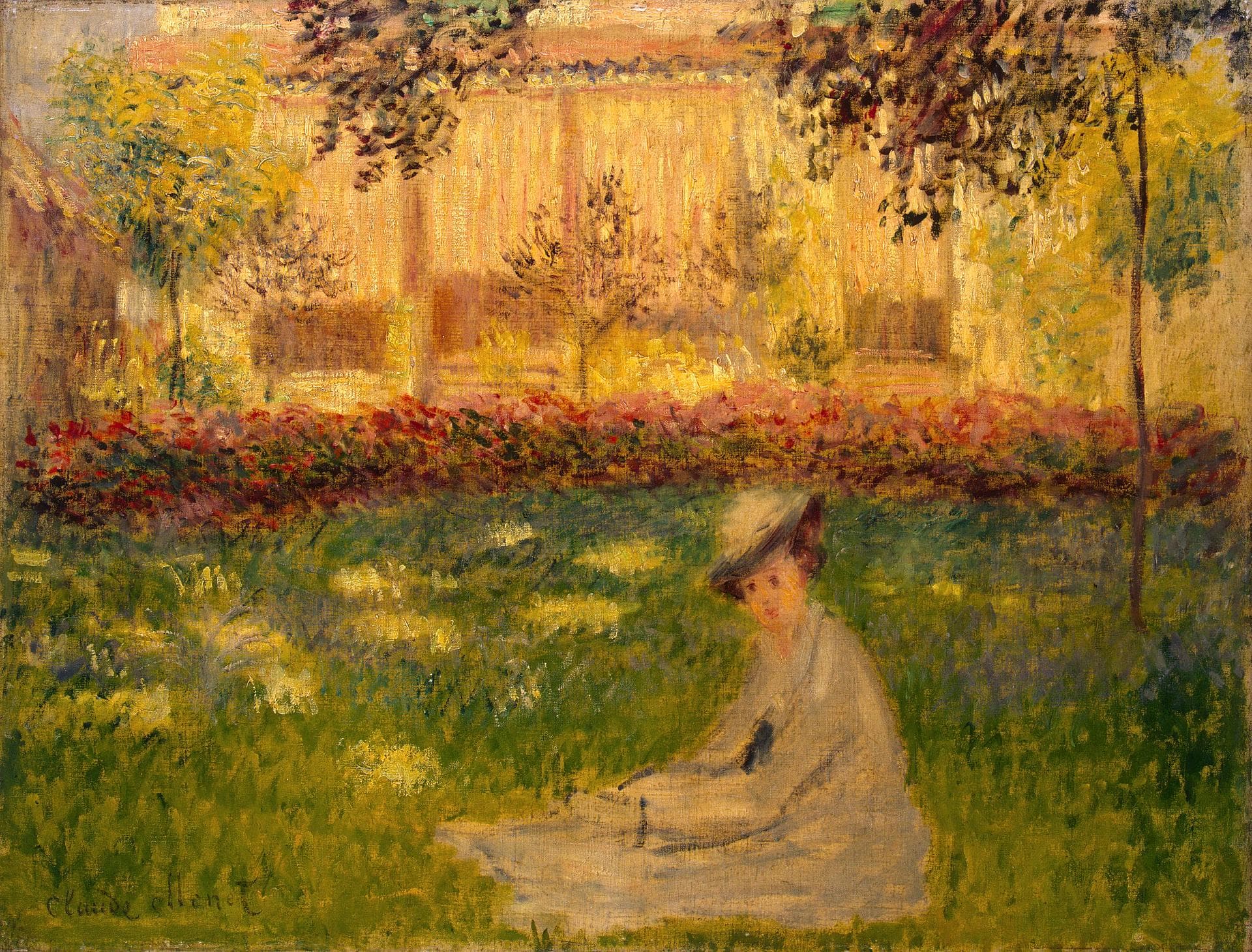
Woman in the Garden
Claude Monet · 1876

Venus de Milo
Alexandros of Antioch · c. 150–125 BC

The Scream
Edvard Munch · 1893

Ophelia
John Everett Millais · 1851–52