Image: State Hermitage Museum, Saint Petersburg (photograph by Wmpearl) · Public domain · via Wikimedia Commons
Impressionism
The Seine at Rouen
Claude Monet, 1872
The Seine at Rouen is an 1872 painting by Claude Monet of sailing ships moored at the quays of Rouen, seen through the overhanging branches of a tree-lined riverbank on a sunny day. It is in the State Hermitage Museum, Saint Petersburg.
- Artist
- Claude Monet
- Date
- 1872
- Medium
- Oil on canvas
- Dimensions
- 54 × 65.5 cm
- Collection
- State Hermitage Museum, Saint Petersburg, Russia
- Movement
- Impressionism
- Catalogue
- Wildenstein 211
The Seine at Rouen is a bright river scene Claude Monet painted in 1872, during visits to his brother Léon, who lived near Rouen. Sailing ships and barges are tied up along the quays of the Norman city, and Monet frames them through a screen of leaves from a shady towpath. The canvas, 54 by 65.5 centimeters, was part of the Otto Krebs collection, taken to the Soviet Union after the Second World War. It has been on public view at the State Hermitage Museum since 1995.
What you're looking at
The picture is split between shade and sun. The right side is a shaded bank: a row of slim tree trunks marching back along the river, a grassy path in dappled light, and above, a canopy of leaves that spreads right across the top of the canvas. Its branches hang down in front of the scene like a curtain, painted as separate dark-green leaf shapes against the sky. Through and under them we see the river, glittering in sunshine.
On the far side, the quay is lined with pale houses and warehouses with red and white walls. Two dark-hulled ships with tall masts lie moored at the left, and in midstream a black barge with a rust-red sail and a yellow stripe sits at an angle. The water is painted in broken strokes of blue, cream and ocher, with zigzag reflections of red from the hulls dancing down toward the foreground. At lower left, two small rowing boats float in the shadow of the bank, and a long band of shadow from the trees falls across the water in violet. Monet's signature is at lower right.
Rouen and Léon Monet
After returning from London and Holland in late 1871, Monet settled at Argenteuil, but in 1872 he made several trips to Normandy. His elder brother Léon, a chemist in the dye industry, lived in the Rouen area and collected his work, and he encouraged Claude to exhibit at the local Rouen exhibition of 1872. Monet painted a handful of views of the Seine at Rouen that year, including riverside scenes with masts and barges, and in the same months the harbor at Le Havre that produced Impression, Sunrise and The Port of Le Havre, Night Effect.
Twenty years later he would return to Rouen for a very different subject, painting the façade of its cathedral more than thirty times; see the Rouen Cathedral series.
How it was painted
The composition, with branches hanging in front of the view, is unusual for Monet in 1872. It turns the riverbank into a kind of frame, close to the way Japanese woodblock prints set foreground branches against a distant scene, an influence that becomes more explicit in his work later in the decade. The leaves are painted almost one by one, as dark, flat, slightly calligraphic marks. The water and far bank, by contrast, are done in quick, broken strokes of pure color.
Critics have noted the strong vertical and horizontal structure: tree trunks and masts on the one hand, quays and the river on the other. The play of light and reflection on the water anticipates the boating pictures he would paint at Argenteuil over the next six years; see Monet at Argenteuil and The Basin at Argenteuil.
From Otto Krebs to the Hermitage
The painting belonged to Otto Krebs, a German industrialist who built a large collection of French Impressionist and Post-Impressionist art at his estate near Weimar. After the Second World War his collection was removed by the Red Army as reparations and kept secret in Leningrad for fifty years. It was revealed in the 1995 Hermitage exhibition of French paintings from German private collections, and The Seine at Rouen has been on display since. The Hermitage also holds The Grand Quai at Le Havre and Garden at Bordighera from the same source. For other places to see Monet, see where to see Monet's paintings.
Questions & answers
Where is Monet's The Seine at Rouen?
It is in the State Hermitage Museum in Saint Petersburg. It came from the Otto Krebs collection, taken to the Soviet Union after the Second World War, and has been on public view since 1995.
When and where was The Seine at Rouen painted?
Monet painted it in 1872 at Rouen, in Normandy, during visits to his brother Léon, who lived in the area and encouraged him to exhibit there.
What does The Seine at Rouen show?
It shows sailing ships and a barge moored at the sunlit quays of Rouen, framed by the overhanging branches and tree trunks of a shady riverbank path in the foreground.
Did Monet paint Rouen more than once?
Yes. He painted several views of the Seine at Rouen in 1872, and in 1892–94 he returned to paint more than thirty canvases of the façade of Rouen Cathedral.
More by the artist
Claude Monet

Bridge over a Pond of Water Lilies
Claude Monet · 1899

Woman with a Parasol – Madame Monet and Her Son
Claude Monet · 1875

Sunset in Venice
Claude Monet · 1908–12

La Grenouillère
Claude Monet · 1869

Beach in Pourville
Claude Monet · 1882

Springtime
Claude Monet · 1872

Boating on the River Epte
Claude Monet · 1890

The Seine at Asnières (Hermitage)
Claude Monet · 1873
Also painted in 1872
The same year
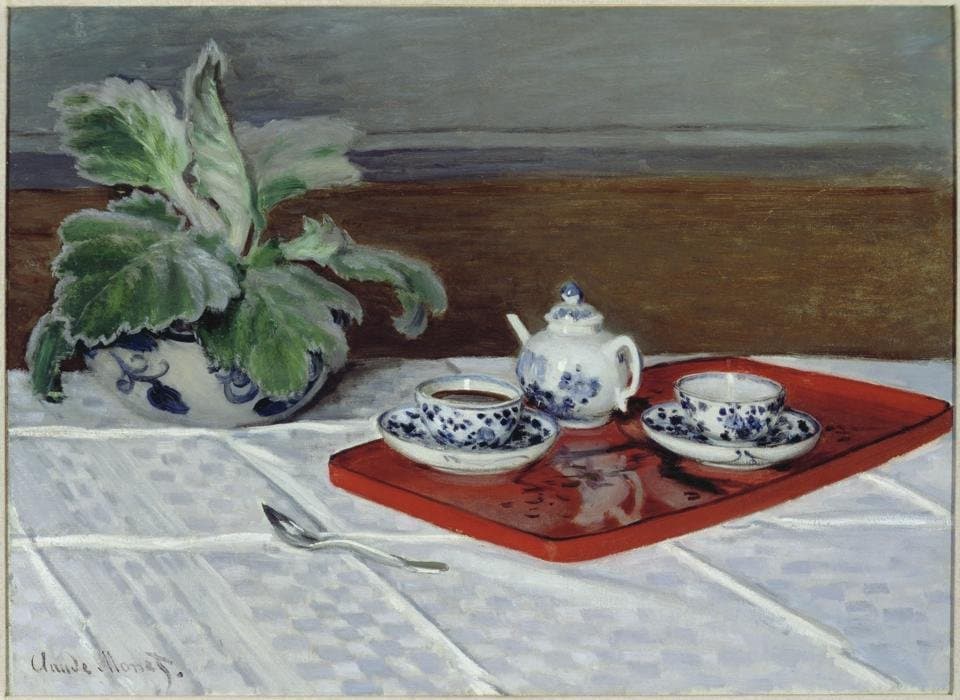
The Tea Service
Claude Monet · 1872
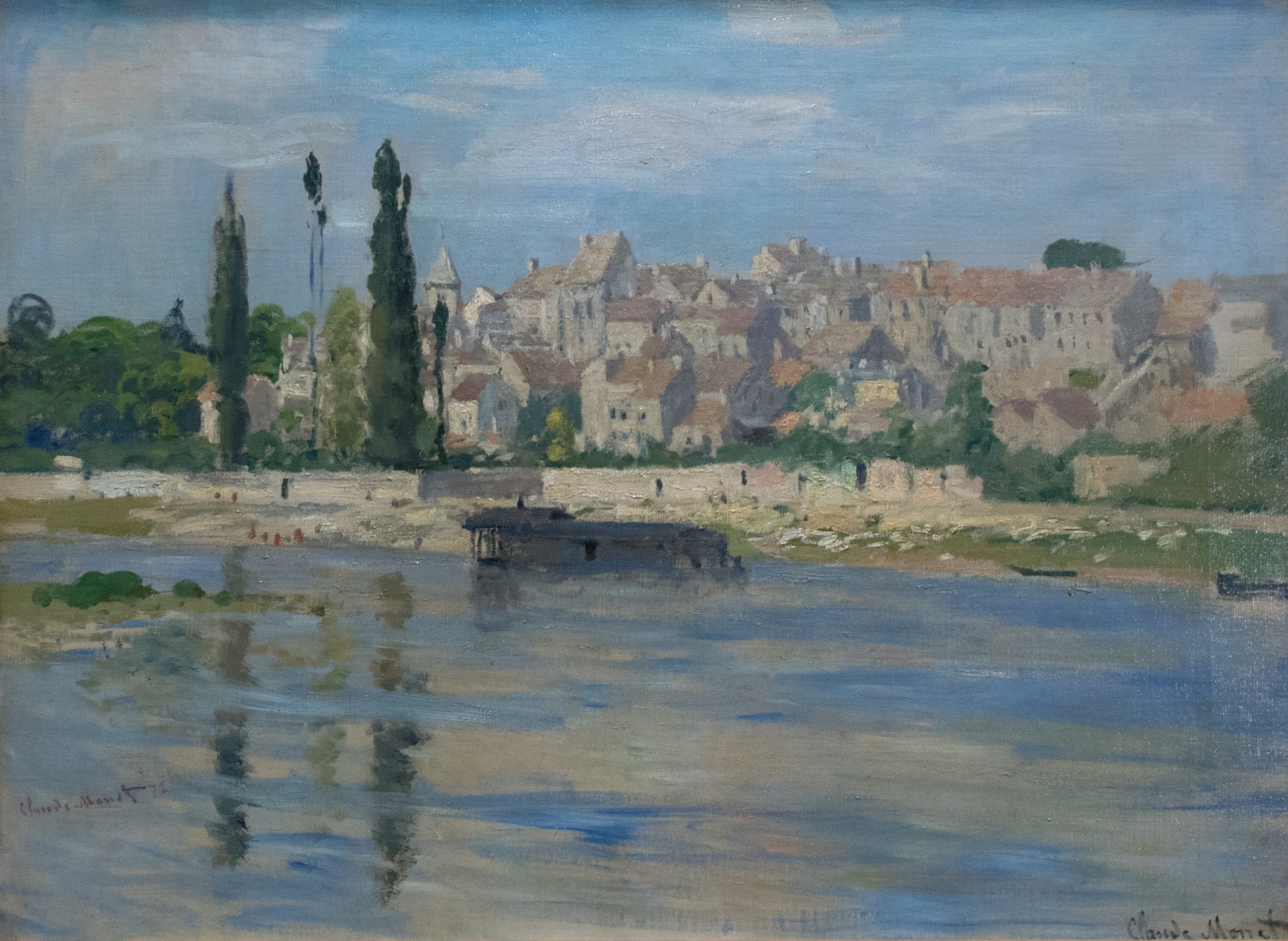
Carrières-Saint-Denis
Claude Monet · 1872
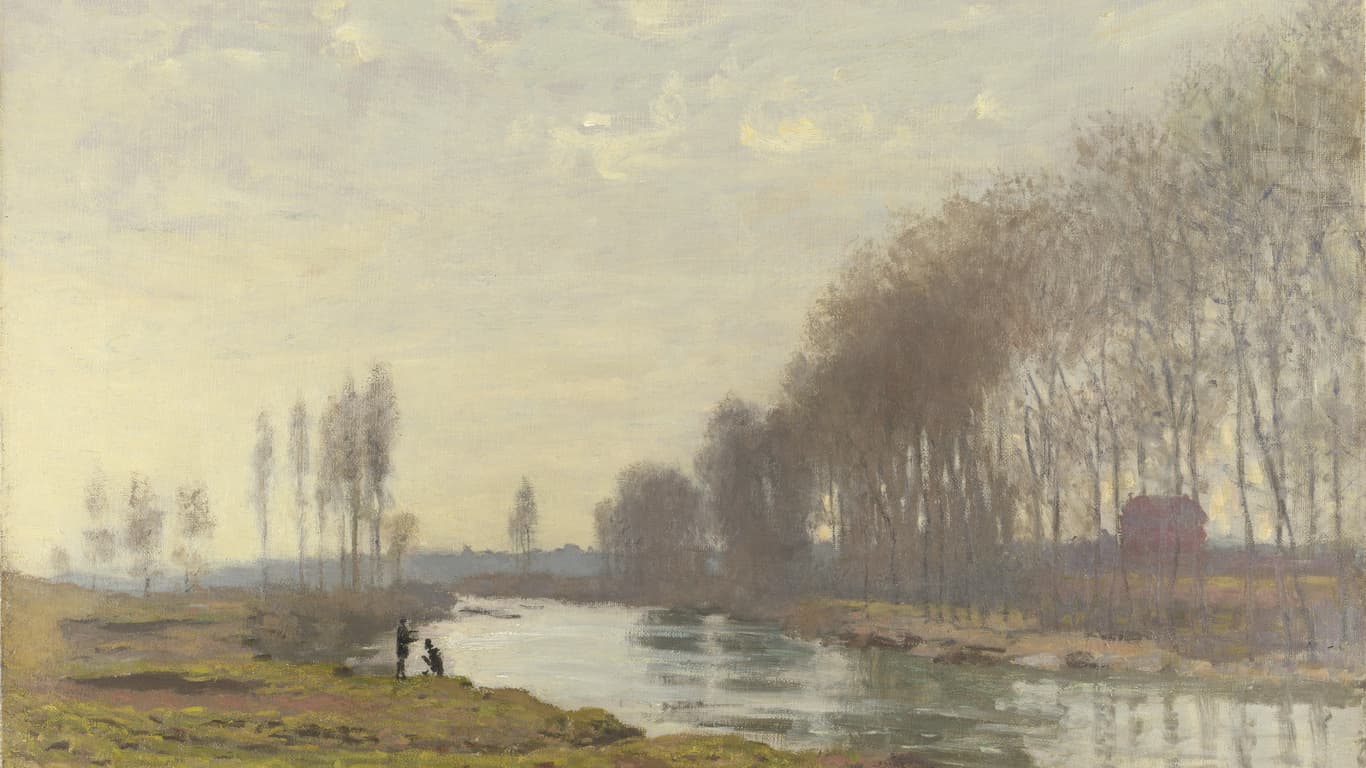
The Petit Bras of the Seine at Argenteuil
Claude Monet · 1872
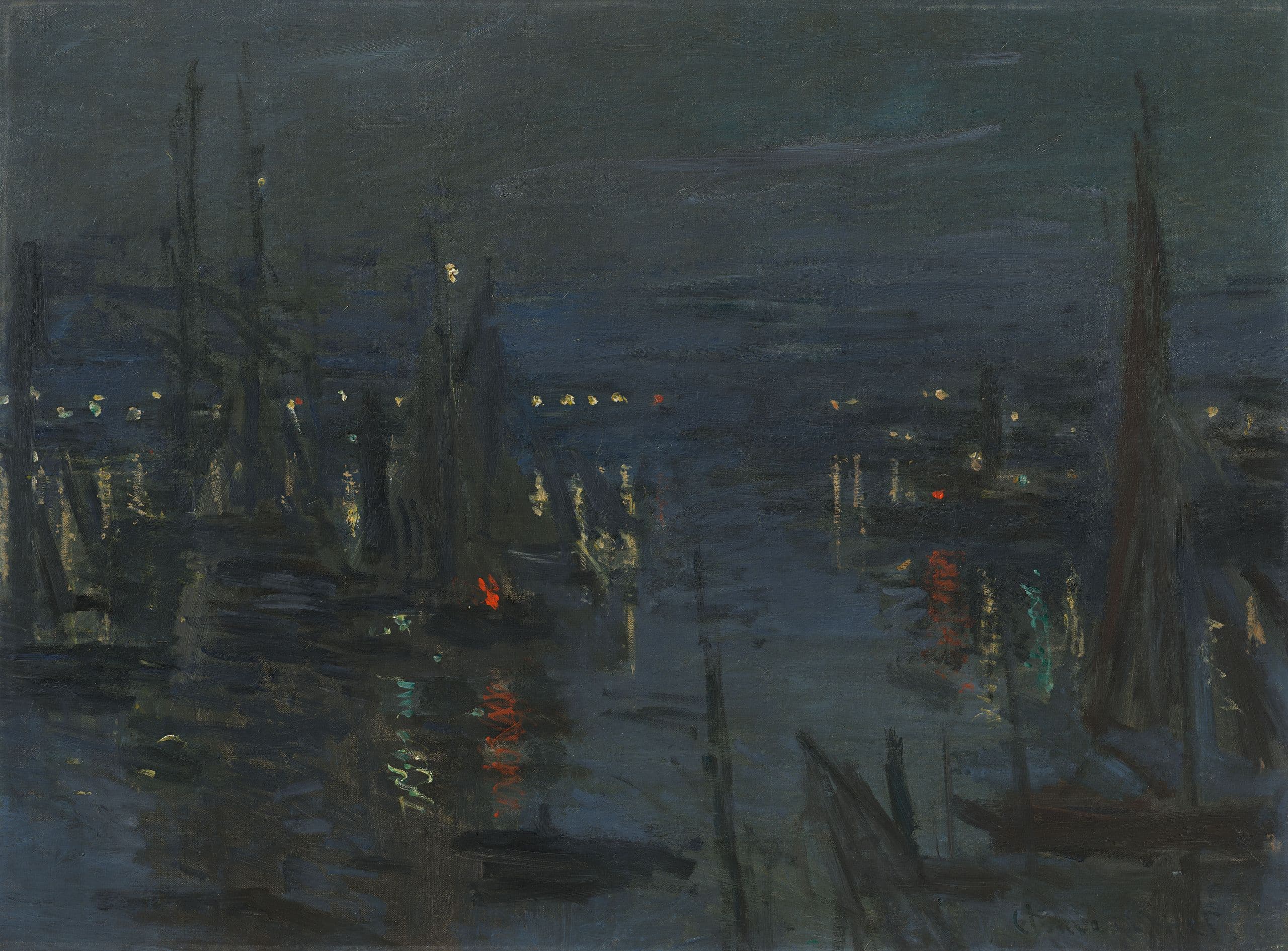
The Port of Le Havre, Night Effect
Claude Monet · 1872
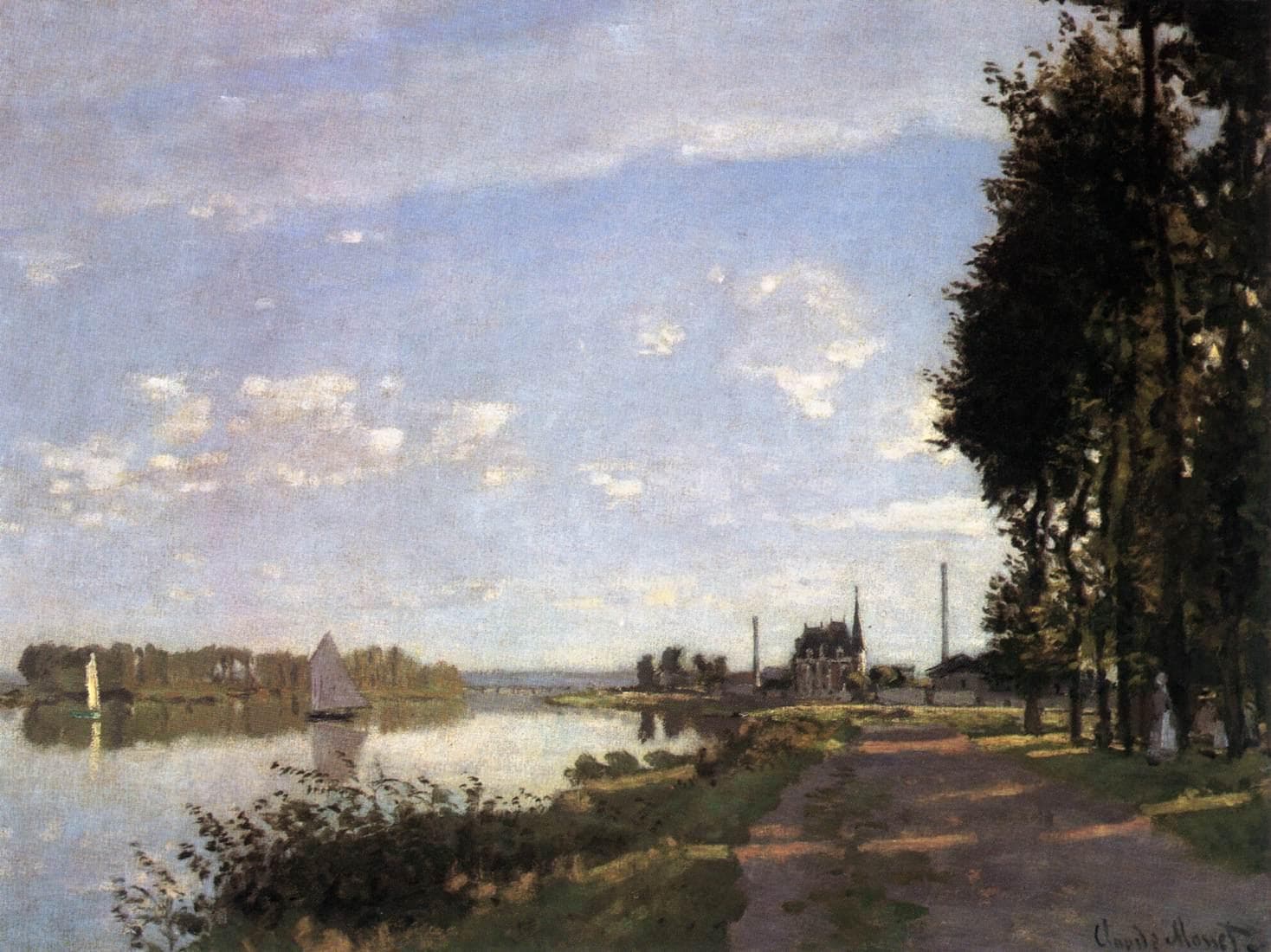
Riverside Path at Argenteuil
Claude Monet · c. 1872
The Basin at Argenteuil
Claude Monet · 1872
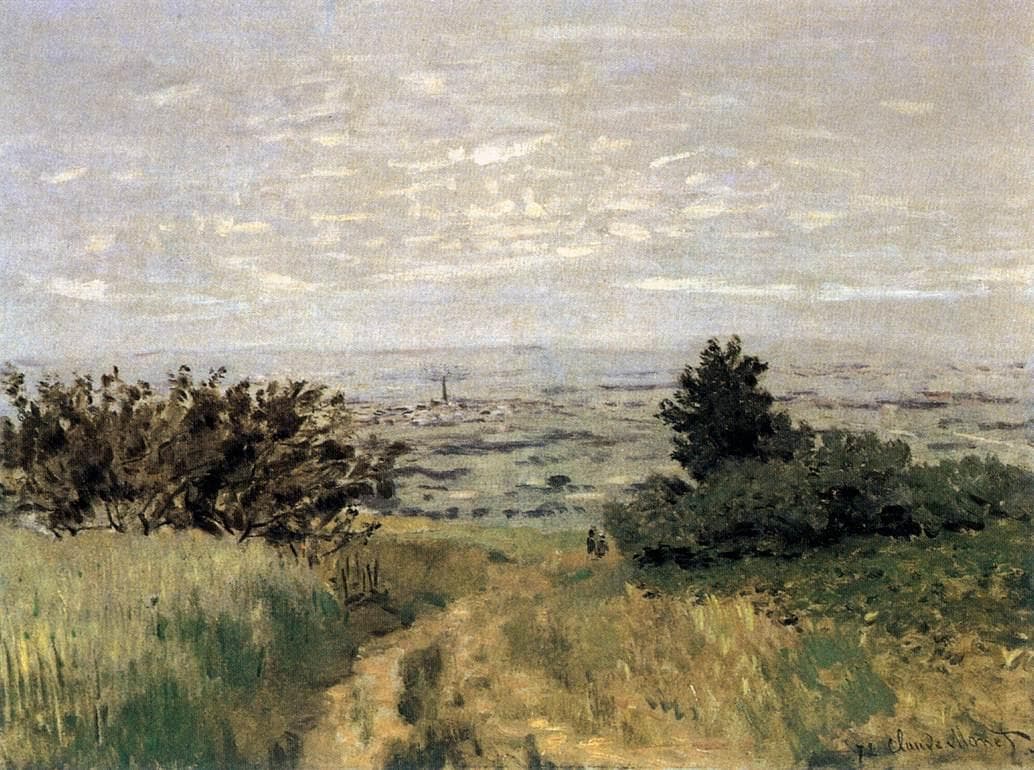
The Plain of Sannois at Argenteuil
Claude Monet · 1872
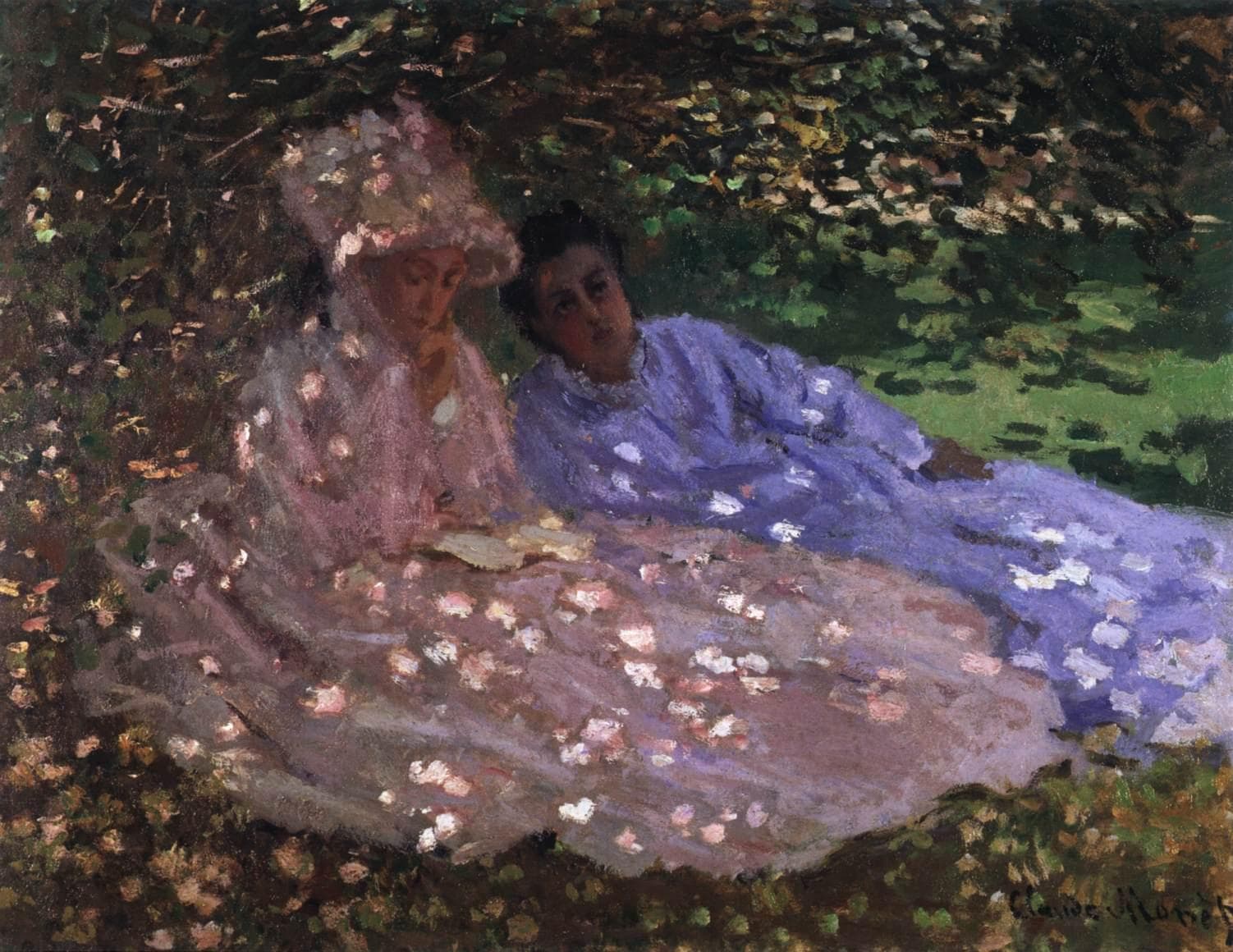
Madame Monet and a Friend in the Garden
Claude Monet · c. 1872
Kindred works
You may also study
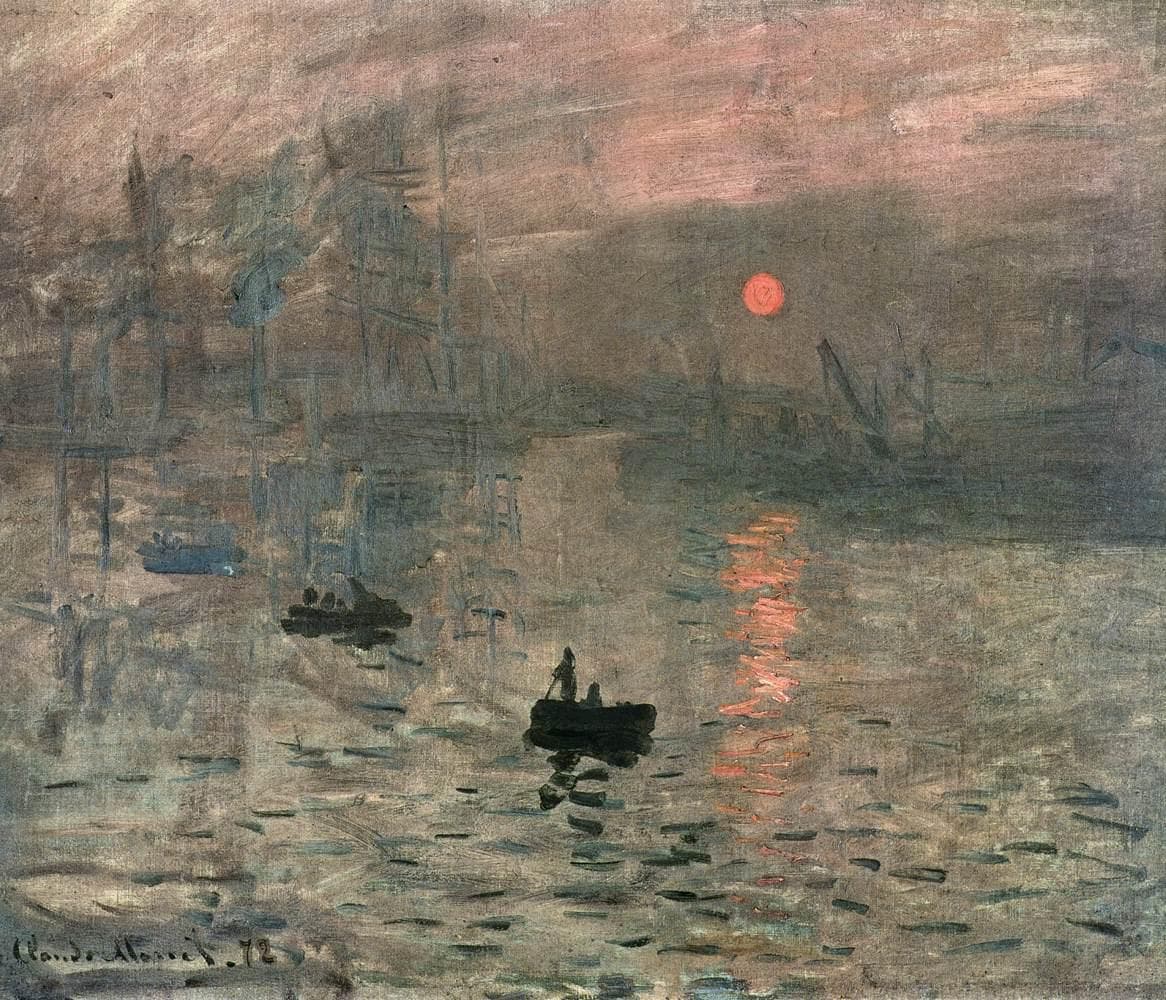
Impression, Sunrise
Claude Monet · 1872
The Port of Le Havre, Night Effect
Claude Monet · 1872
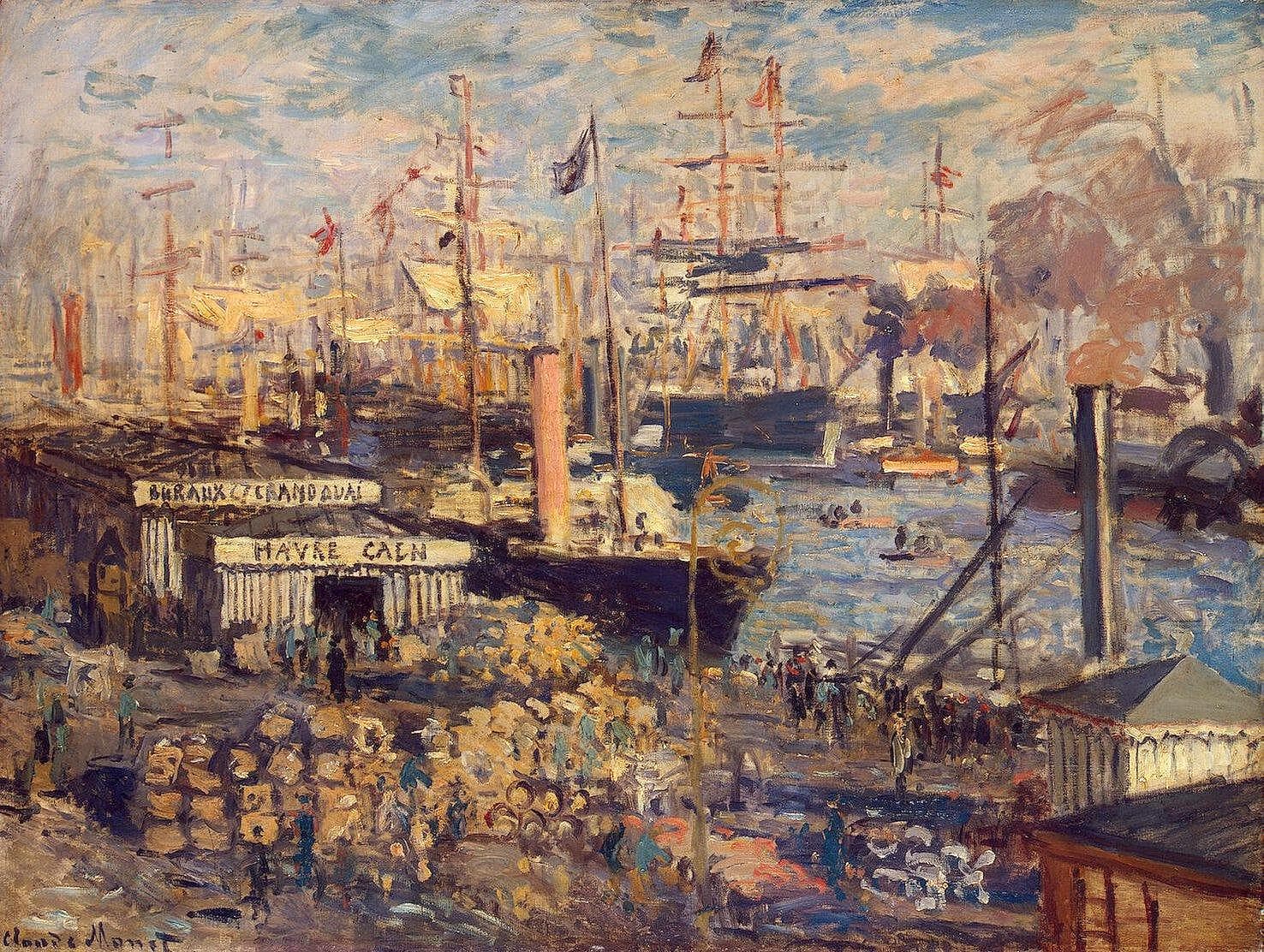
The Grand Quai at Le Havre
Claude Monet · 1874
The Basin at Argenteuil
Claude Monet · 1872

The Scream
Edvard Munch · 1893

Ophelia
John Everett Millais · 1851–52

The Great Wave off Kanagawa
Katsushika Hokusai · c. 1830–32
The Birth of Venus
Sandro Botticelli · c. 1484–1486