Impressionism
Willows at Giverny
Claude Monet, 1886
Willows at Giverny is an 1886 painting by Claude Monet of a row of pollarded willows in hazy light, their long blue shadows falling across a meadow near his home. It is in the Gothenburg Museum of Art.
- Artist
- Claude Monet
- Date
- 1886
- Medium
- Oil on canvas
- Dimensions
- 73.5 × 92.3 cm
- Collection
- Gothenburg Museum of Art, Gothenburg, Sweden
- Movement
- Impressionism
- Catalogue
- Wildenstein 1059
Painted at Giverny: Monet's House and Garden
What you are looking at
A row of pollarded willows stands across the canvas, their thick, knobbly trunks cut back to stumps from which thin, straight branches shoot upward. The branches thin out at the top into a haze of gold, cream and pale yellow leaves that fills the upper half of the picture. Between the trunks, a deeper band of blue and violet suggests more trees, or the river, in the distance. On the ground, long blue-violet shadows stretch across a meadow flecked with orange, green and gold. Everything is soft and slightly veiled, as if seen through mist or against a low sun.
The signature, "Claude Monet," appears in dark red at the lower right. The season is hard to fix: the yellow foliage and orange ground suggest autumn, the thin new shoots spring, and Monet seems content to leave it open.
Giverny, 1886
Claude Monet moved to Giverny, a village where the Epte meets the Seine in Normandy, in April 1883. The meadows near his house were lined with willows and poplars along the streams, and in the early years he painted them often, before the water garden absorbed him. This canvas, catalogued by Wildenstein as W.1059 and also known in English as Willows in Haze, Giverny, dates from 1886, the year he also went to Holland and to Belle-Île. The village and its surroundings are covered on Giverny.
Pollarding, cutting a tree back to the trunk so it sends up a crown of new shoots, was a common practice along rivers in northern France, producing willow rods for baskets and fencing. The trees' strange shapes, with swollen heads and bristling branches, appealed to painters from Monet to Van Gogh.
How it was painted
This is a painting about light against the eye. The low sun appears to be behind the trees, so the foliage glows and the trunks and shadows go blue. Monet makes the shadows as important as the trees: look at how they fall toward us in long diagonal bands of ultramarine and violet, laid over a warm orange ground.
The trunks are painted with dark, twisting strokes of gray, brown and blue; the branches are single thin lines of purple and brown that rise and then disappear into the haze. Notice that he leaves no clear sky anywhere. The upper half is a field of short, dabbed strokes in yellow, cream and blue, which can be read as leaves, sky and mist all at once.
The paint is dry and dragged, so the weave of the canvas catches the color and breaks it into specks. That broken surface is part of the effect: up close it is almost grainy, but from a few steps away it shimmers like light seen through moisture in the air. The hazy, unified tonality looks ahead to the misty mornings Monet would paint on the Seine near Giverny a decade later.
The willows are spaced almost evenly, like columns, and cut off at the top by the frame. That rhythm of verticals across a horizontal field is the same device Monet would use, five years later, in the Poplars series on the Epte, for instance Poplars on the Banks of the River Epte.
Giverny's trees and how this picture differs
In the late 1880s Monet painted the meadows around Giverny in many effects: the open grass of Meadow at Giverny, the stacks of Haystack at Giverny, the poppy fields. This canvas is the most atmospheric of that group. The forms are barely there, and the subject is the colored haze in which they stand.
It looks ahead, too, to the weeping willows of his last years, such as Weeping Willow of 1920–22, where a single tree again becomes a vehicle for color.
Where to see it
The painting is in the Gothenburg Museum of Art in Sweden (GKM 1509), one of the strongest collections of French painting in Scandinavia. For other museums with Monet's Giverny landscapes, see Where to See Monet's Paintings.
Questions & answers
Where is Monet's Willows at Giverny?
It is in the Gothenburg Museum of Art (Göteborgs konstmuseum) in Sweden, inventory GKM 1509. The canvas measures 73.5 by 92.3 centimeters and is listed in the Wildenstein catalogue raisonné as W.1059, dated 1886.
When and where was it painted?
In 1886 in the meadows near Monet's home at Giverny, in Normandy, where the Epte joins the Seine. He had moved there in 1883 and in the early years painted the willows, poplars and fields around the village before turning to his water garden.
Why do the willows look so strange?
They are pollarded willows, cut back regularly to the trunk so they produce a crown of straight new shoots used for baskets and fencing. The result is a thick, knobbly trunk with thin branches bristling from the top, a common sight along rivers in Normandy.
What is the painting about?
Light seen against the eye. With a low sun behind the trees, the foliage glows gold and cream while trunks and long shadows turn blue and violet. Its alternative English title, Willows in Haze, points to the real subject: the colored mist in which the trees stand.
More by the artist
Claude Monet

Bridge over a Pond of Water Lilies
Claude Monet · 1899

Woman with a Parasol – Madame Monet and Her Son
Claude Monet · 1875

Sunset in Venice
Claude Monet · 1908–12

La Grenouillère
Claude Monet · 1869

Beach in Pourville
Claude Monet · 1882

Springtime
Claude Monet · 1872

Boating on the River Epte
Claude Monet · 1890

The Seine at Asnières (Hermitage)
Claude Monet · 1873
Also painted in 1886
The same year
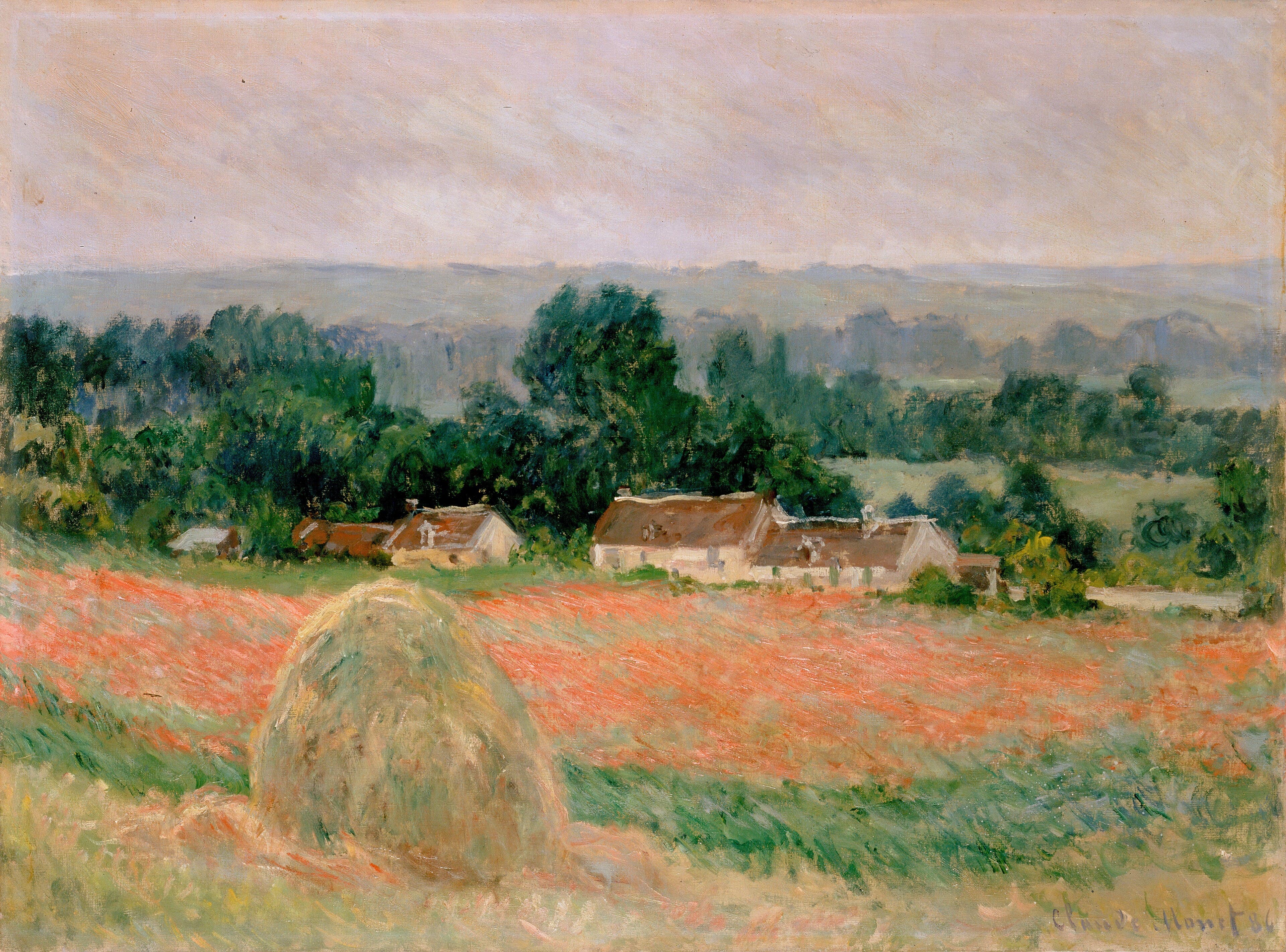
Haystack at Giverny
Claude Monet · 1886
The Cliffs at Étretat
Claude Monet · 1886
The Pyramides at Port-Coton, Rough Sea
Claude Monet · 1886
The Manneporte near Étretat
Claude Monet · 1886
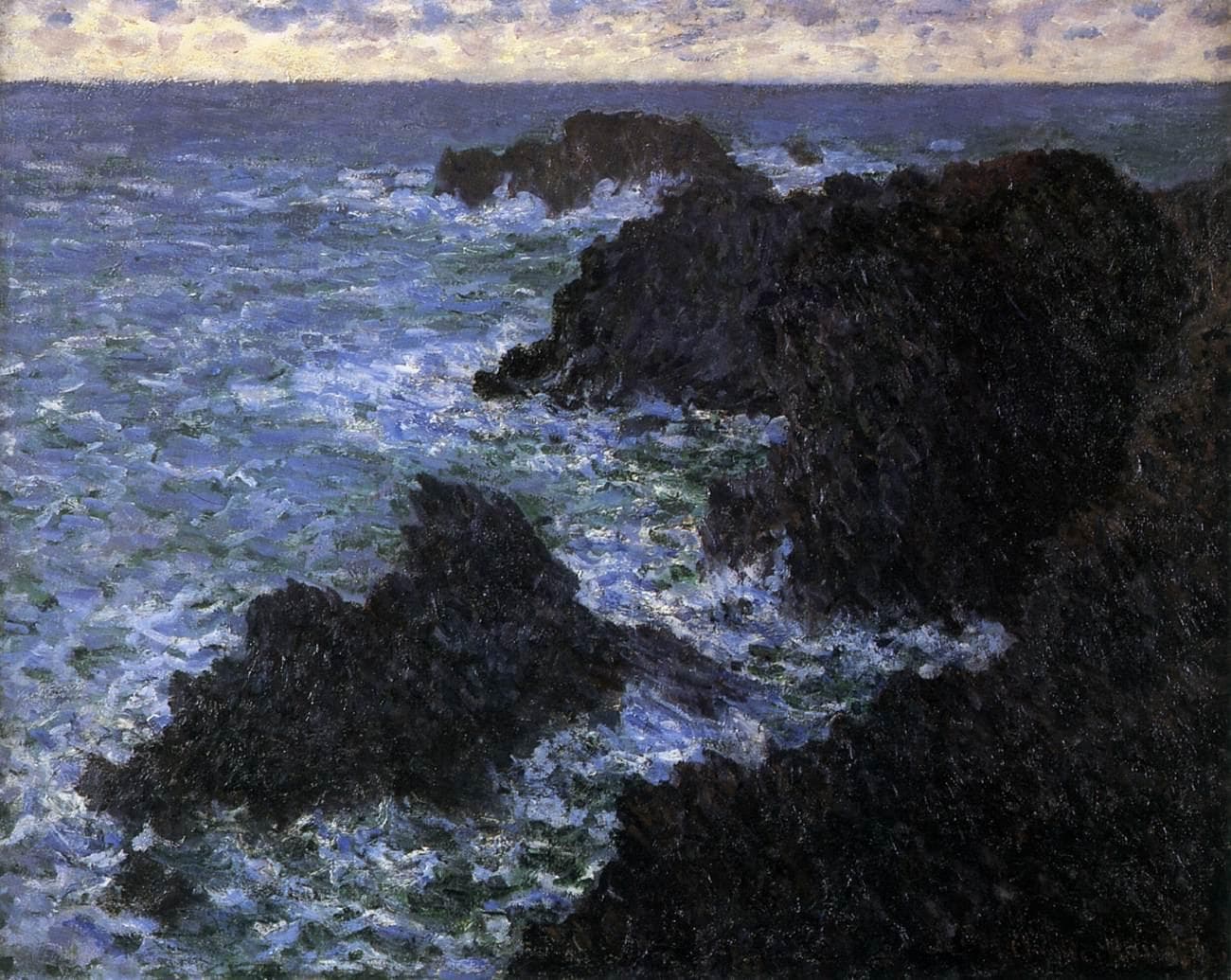
The Rocks of Belle-Île, the Wild Coast
Claude Monet · 1886
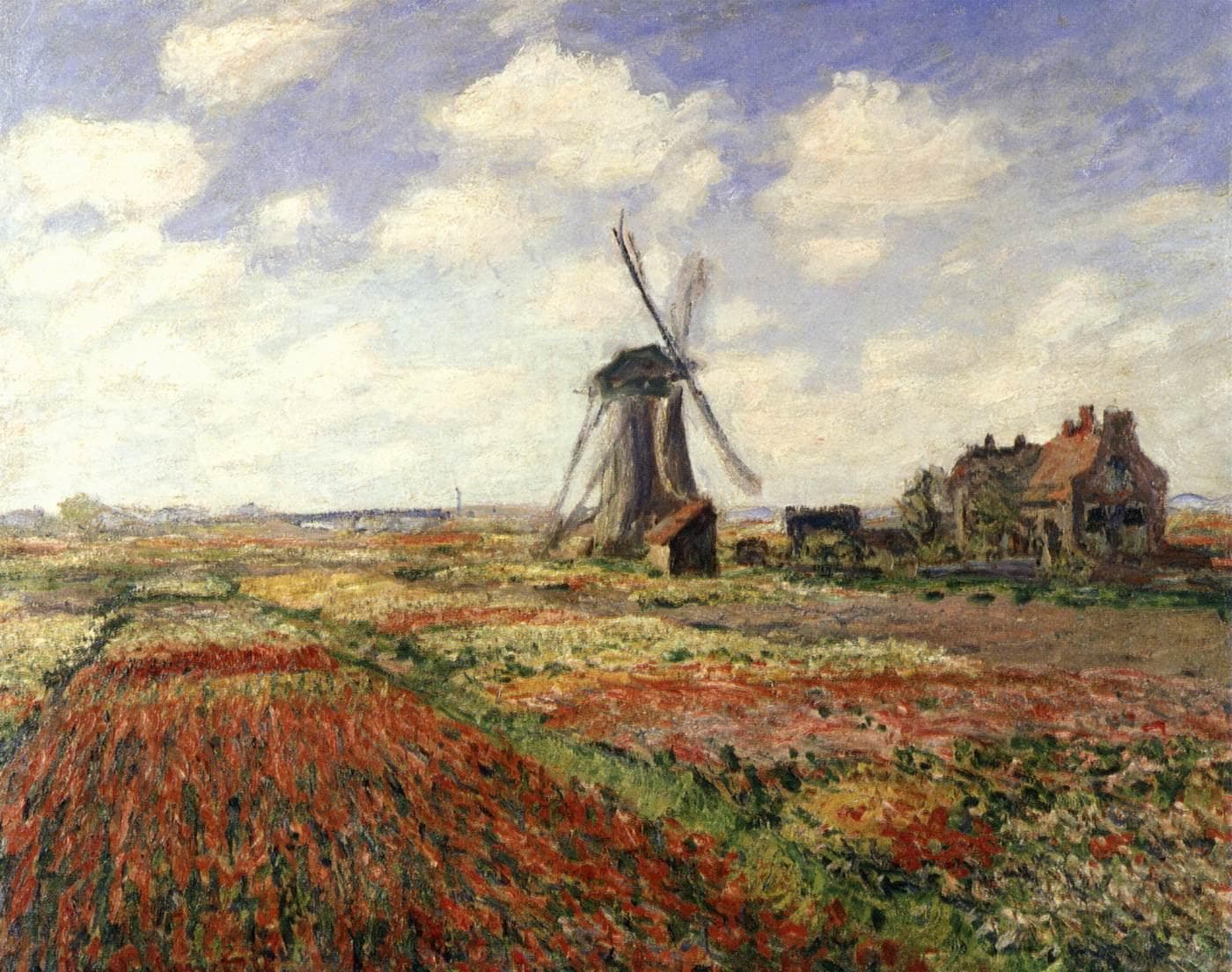
Tulip Fields in Holland
Claude Monet · 1886
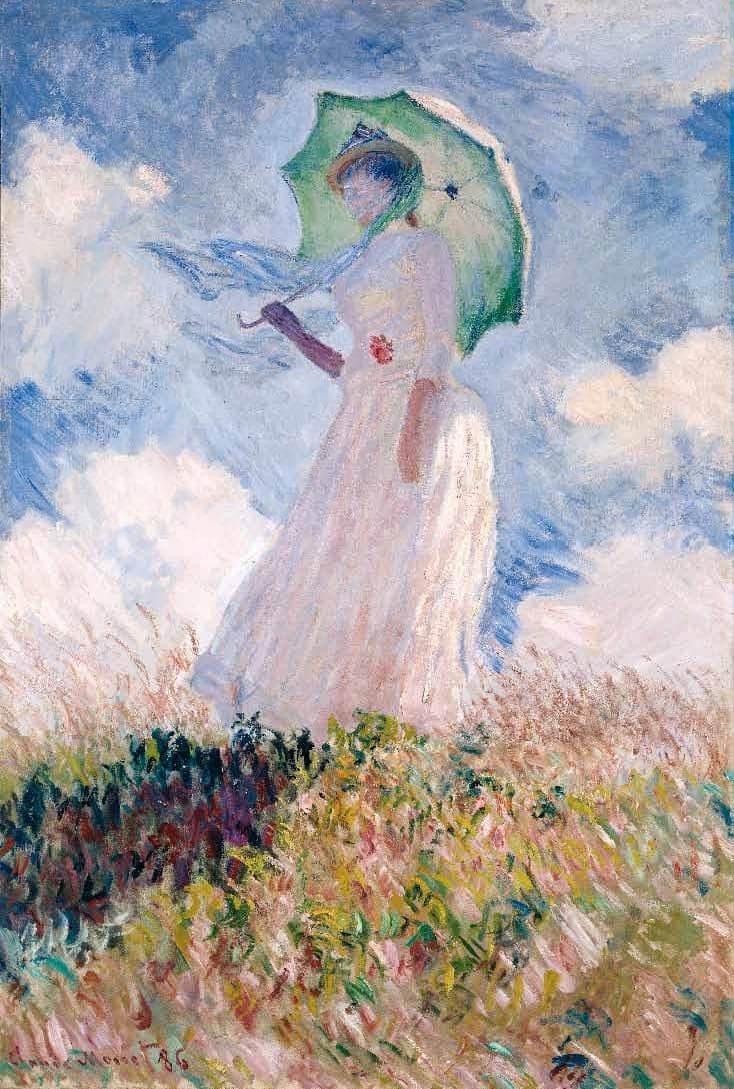
Woman with a Parasol, Facing Left
Claude Monet · 1886
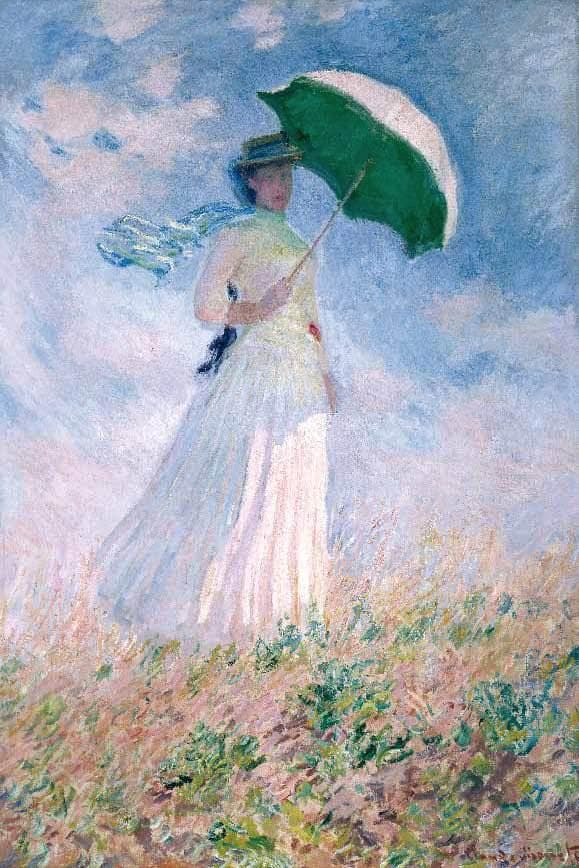
Woman with a Parasol, Facing Right
Claude Monet · 1886
Kindred works
You may also study
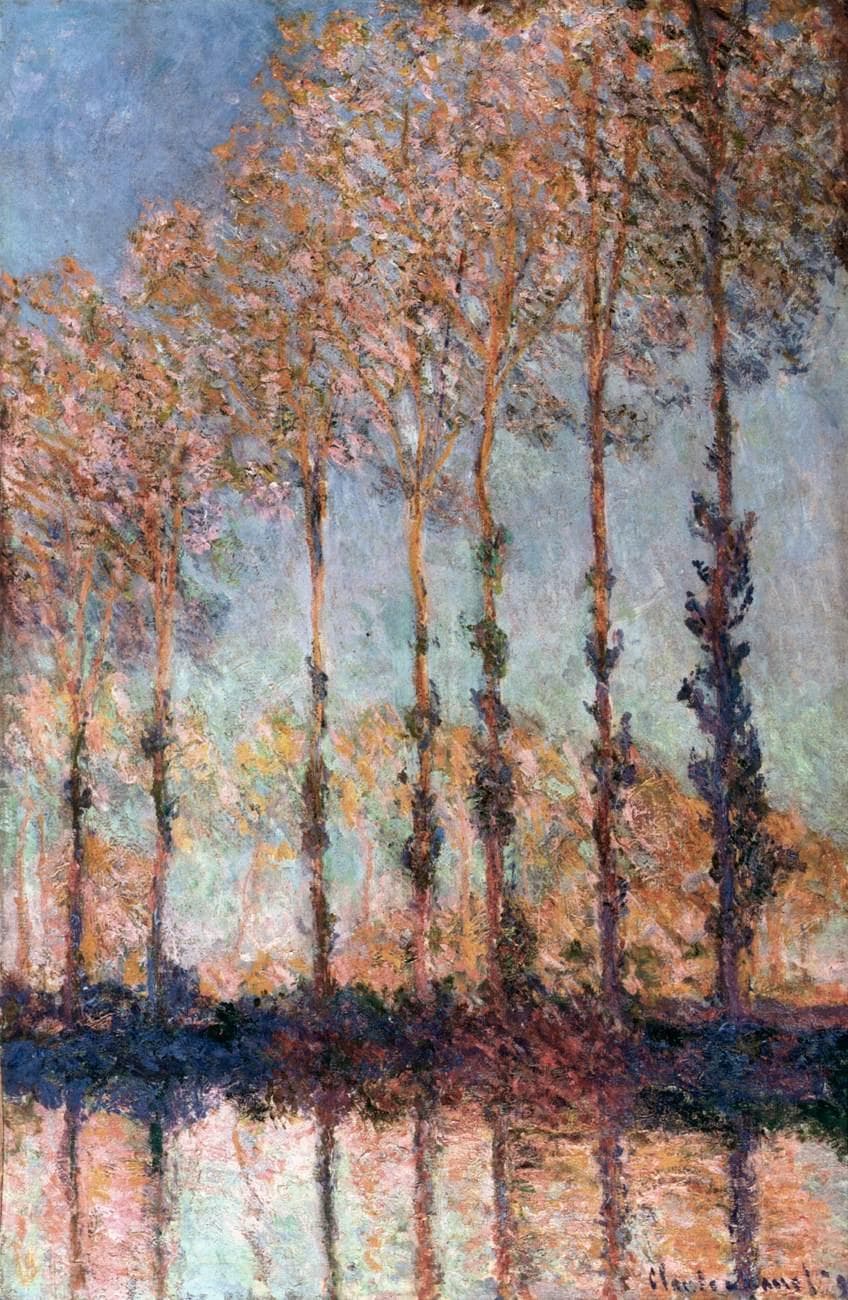
Poplars on the Banks of the River Epte
Claude Monet · 1891
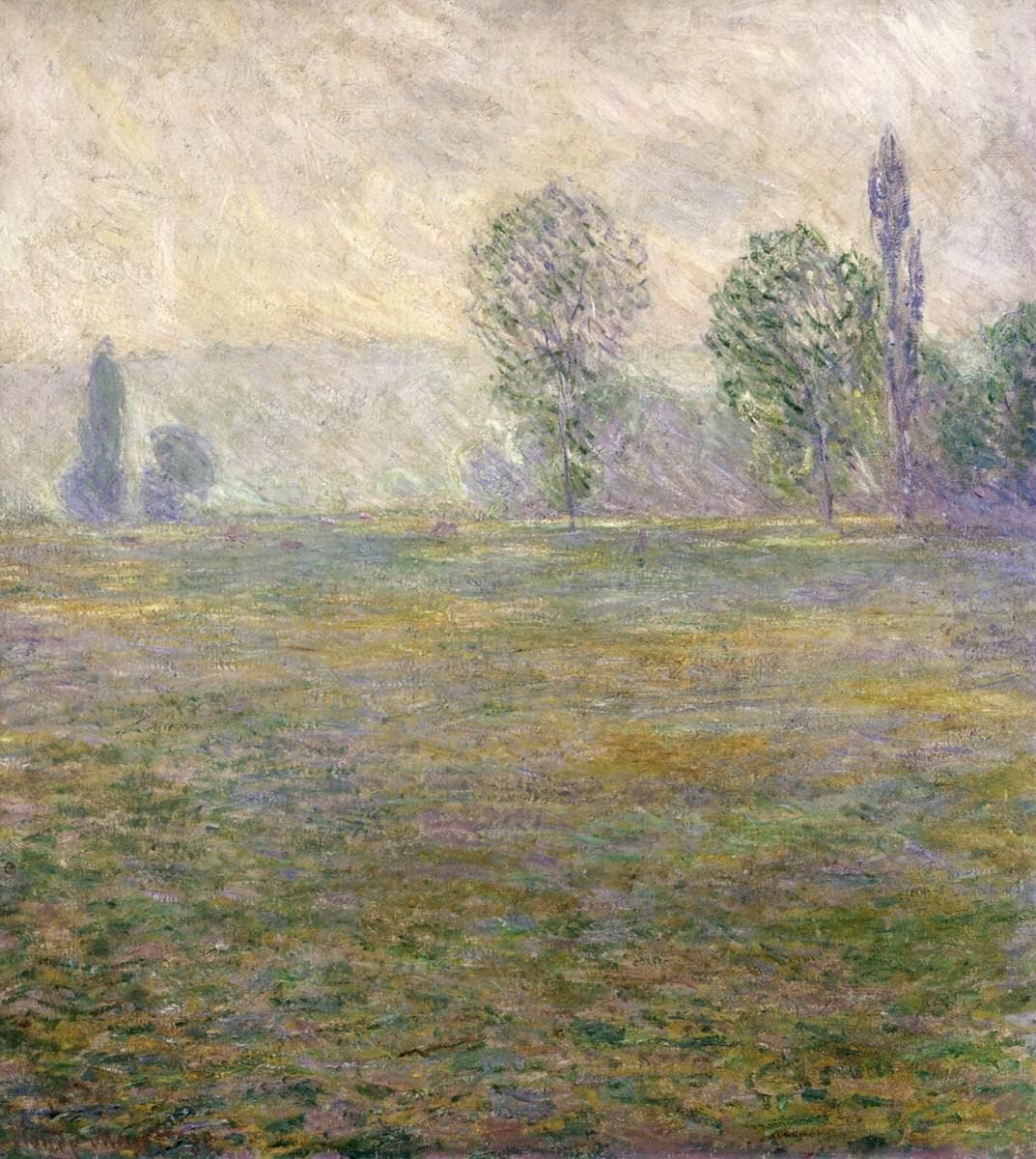
Meadow at Giverny
Claude Monet · 1888
Haystack at Giverny
Claude Monet · 1886
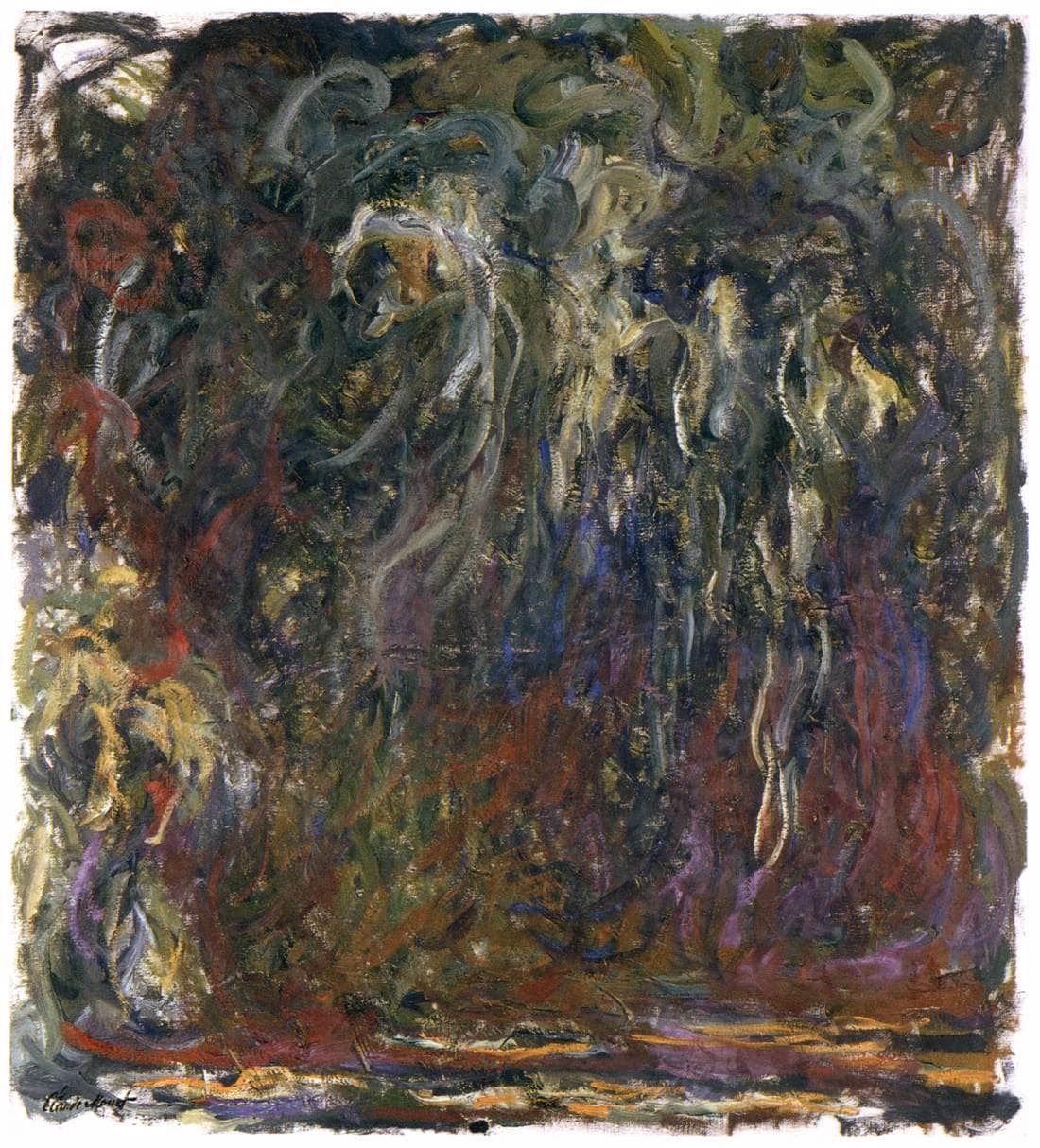
Weeping Willow
Claude Monet · 1920–22
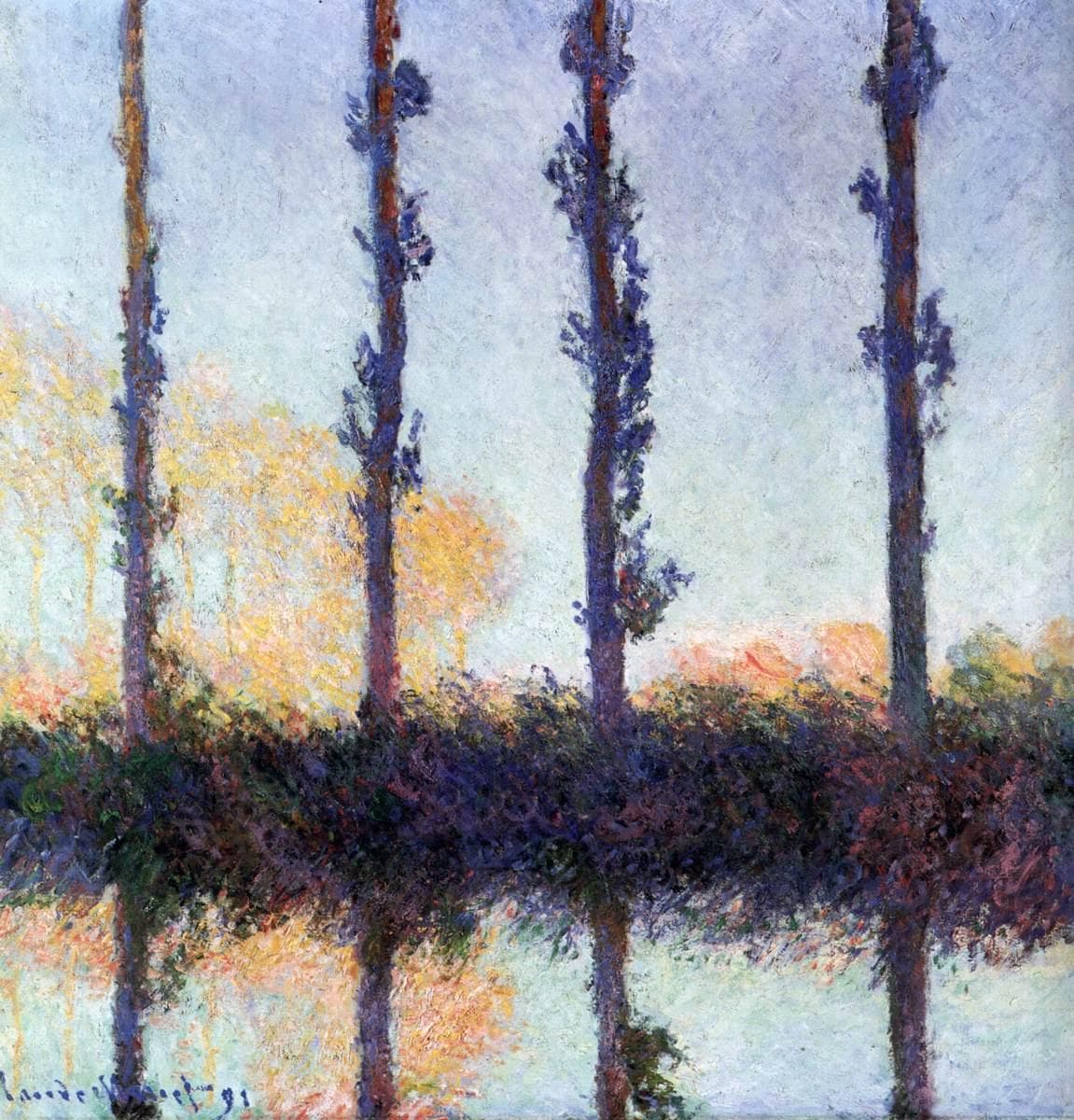
The Four Trees
Claude Monet · 1891

The Scream
Edvard Munch · 1893

Ophelia
John Everett Millais · 1851–52

The Great Wave off Kanagawa
Katsushika Hokusai · c. 1830–32