Impressionism
Poppy Field (Poppies at Argenteuil)
Claude Monet, 1873
Poppy Field, also called Poppies at Argenteuil, is an 1873 painting by Claude Monet showing Camille and Jean Monet walking through a field of red poppies near Argenteuil. It is in the Musée d'Orsay, Paris.
- Artist
- Claude Monet
- Date
- 1873
- Medium
- Oil on canvas
- Dimensions
- 50 × 65 cm
- Collection
- Musée d'Orsay, Paris, France
- Movement
- Impressionism
- Catalogue
- Wildenstein 274
Painted at Monet at ArgenteuilMore at Monet at the Musée d'Orsay
Claude Monet's Poppies (Les Coquelicots), often called Poppy Field or Poppies at Argenteuil, was painted in the summer of 1873 in the countryside around Argenteuil, the town on the Seine where he then lived. The small canvas, 50 by 65 centimeters (Wildenstein 274), is in the Musée d'Orsay in Paris, and it was among the works Monet showed at the first Impressionist exhibition in 1874.
What you are looking at
A grassy hillside slopes down from left to right. Its upper left half is scattered with poppies, painted not as flowers but as blots of vermilion, some of them bigger than the heads of the people walking past. In the lower right a woman with a blue-green parasol and a small boy in a straw hat wade through the grass, cut off at the knees by the stalks. They are usually identified as Monet's wife Camille and their son Jean, then about six.
Look up the slope and the same pair seems to appear again: a second woman with a parasol and a child, small and half hidden, on the crest at the top left. The two couples are linked by a faint path trodden diagonally through the field, so the picture quietly suggests an afternoon walk, from the top of the hill down to the foreground. A row of round trees and a red-roofed house close the horizon, and a big sky of drifting white cloud and patches of blue takes up nearly half the canvas.
How it was painted
The poppies are the most radical thing here. Monet lays them on as separate, slightly raised dabs, without stems or outlines, and lets the eye do the work of turning them into flowers. They are densest at the left edge and thin out across the slope, so the red seems to drift downhill like the walkers. Against this the figures are painted with more definition, but their faces are only a few strokes. The bright red and the cool green sit side by side as complementary colors, which makes both look more intense.
The picture is also divided in two by color. The left half is warm, red on yellow-green; the right half is cooler, a silvery green meadow under gray-blue haze. The diagonal between them, from the poppy-covered crest to the lower edge, is the line of the walk. Monet signed the canvas at lower left.
The size matters too. At 50 by 65 centimeters this is a canvas Monet could carry into a field and work on in an afternoon, and the speed of the execution is part of its charm: the sky is brushed in with a few sweeps, and the grass at the lower right is little more than a scrubbed green-gray tone. Nothing is labored, and nothing is described more than it needs to be.
Context and reception
In April 1874 the picture hung in the photographer Nadar's former studio on the boulevard des Capucines, in the exhibition that gave the Impressionists their name (see Impression, Sunrise and Boulevard des Capucines). Critics who found the show unfinished had this kind of handling in mind: flowers as blots, faces as smudges. Today it is one of the most reproduced paintings in the Orsay, a compact summary of everything the group stood for: open air, ordinary leisure and color handled as light.
The same summers at Argenteuil produced The Luncheon and the open meadow of Summer (Meadow at Bezons), where Camille again appears as a small figure in a field. Monet's later poppy fields at Giverny, such as Poppy Field in a Hollow near Giverny, are wider and emptier, with no family walking through them. Our hub on Monet at Argenteuil gathers the pictures from these years.
Where to see it
The painting is in the Impressionist galleries of the Musée d'Orsay in Paris. It entered the French national collections in 1906 with the gift of the painter and collector Étienne Moreau-Nélaton, which also brought Manet's Luncheon on the Grass to the state. More on Claude Monet.
Questions & answers
Where is Monet's Poppy Field painting?
Monet's 1873 Poppies, also called Poppy Field or Poppies at Argenteuil, is in the Musée d'Orsay in Paris. It came into the French national collections in 1906 as part of the gift of the collector Étienne Moreau-Nélaton, and it is usually on view in the museum's Impressionist galleries.
When and where was Poppy Field painted?
Monet painted it in the summer of 1873 in the fields around Argenteuil, the town on the Seine northwest of Paris where he lived from 1871 to 1878. He showed it the following spring at the first Impressionist exhibition in Paris.
Who are the people in Monet's Poppies?
The woman with the parasol and the boy in the foreground are generally identified as Monet's wife Camille and their son Jean, born in 1867. A second woman and child appear at the top of the slope, and many viewers read them as the same pair seen earlier on their walk.
What does Monet's Poppy Field mean?
It has no hidden symbolism. The picture records a summer walk near Argenteuil and is really about sensation: red against green, sunlight and moving clouds. Its meaning lies in the method, painting modern leisure outdoors with loose touches of pure color, which was new and controversial in 1873.
More by the artist
Claude Monet

Bridge over a Pond of Water Lilies
Claude Monet · 1899

Woman with a Parasol – Madame Monet and Her Son
Claude Monet · 1875

Sunset in Venice
Claude Monet · 1908–12

La Grenouillère
Claude Monet · 1869

Beach in Pourville
Claude Monet · 1882

Springtime
Claude Monet · 1872

Boating on the River Epte
Claude Monet · 1890

The Seine at Asnières (Hermitage)
Claude Monet · 1873
Also painted in 1873
The same year
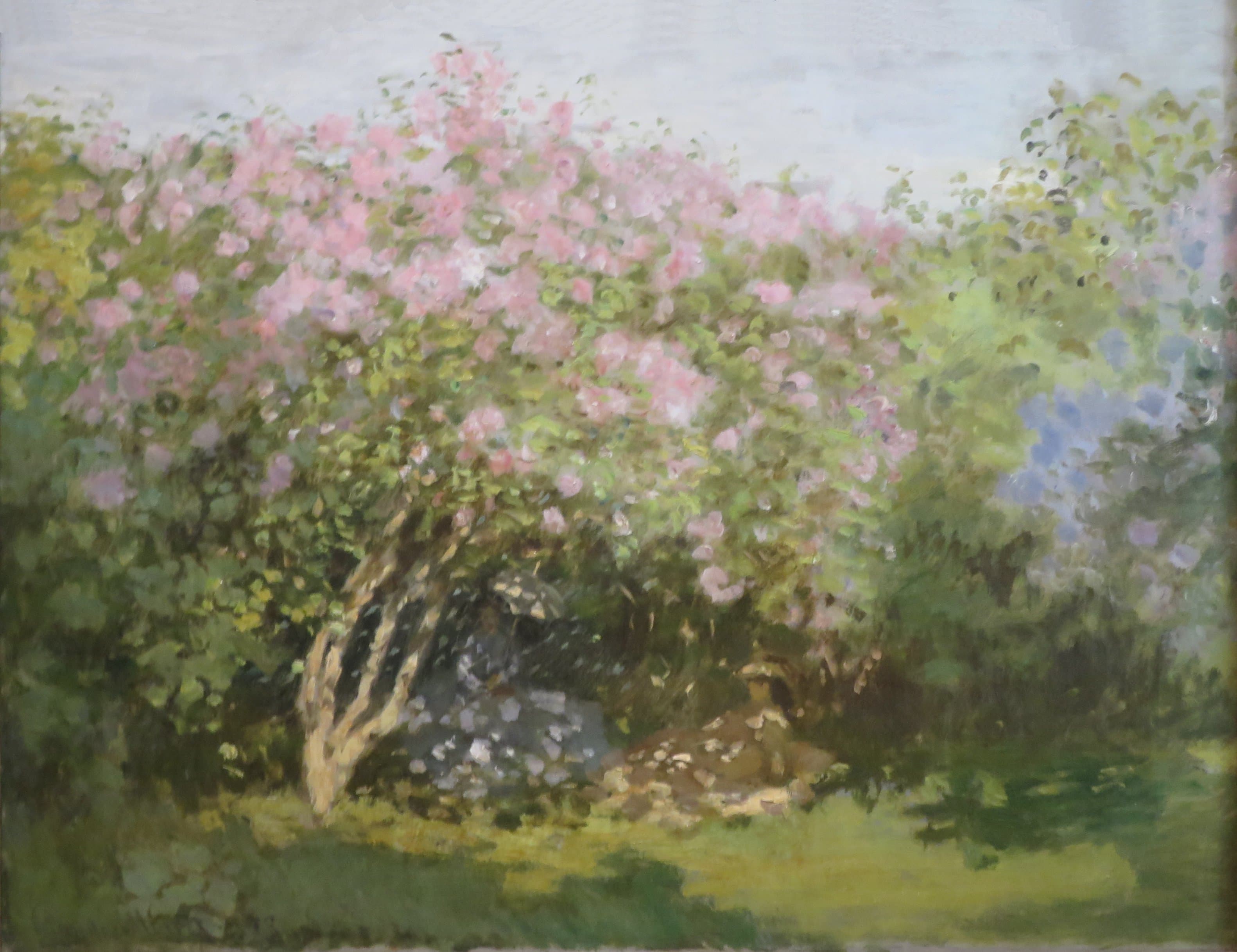
Lilac in the Sun
Claude Monet · 1873
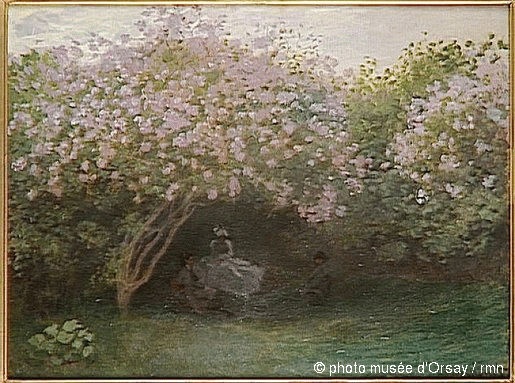
Lilacs, Gray Weather
Claude Monet · 1872–73
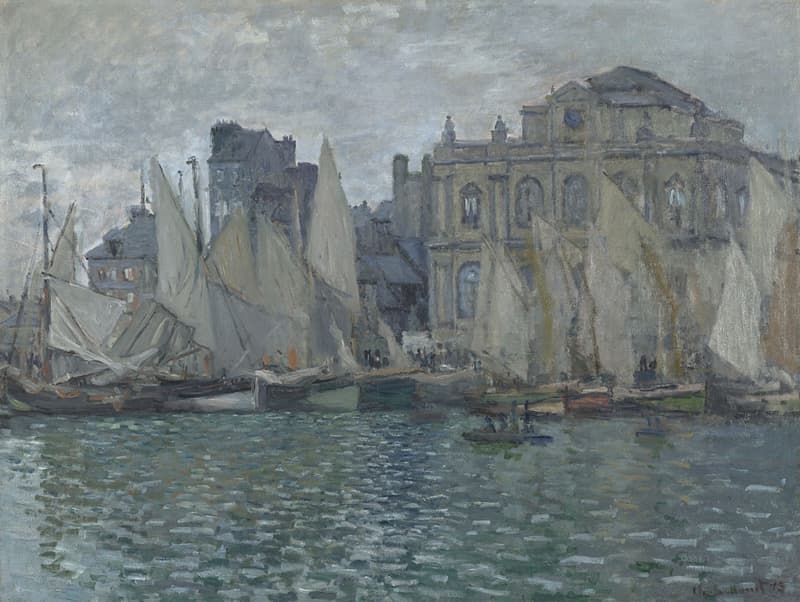
The Museum at Le Havre
Claude Monet · 1873
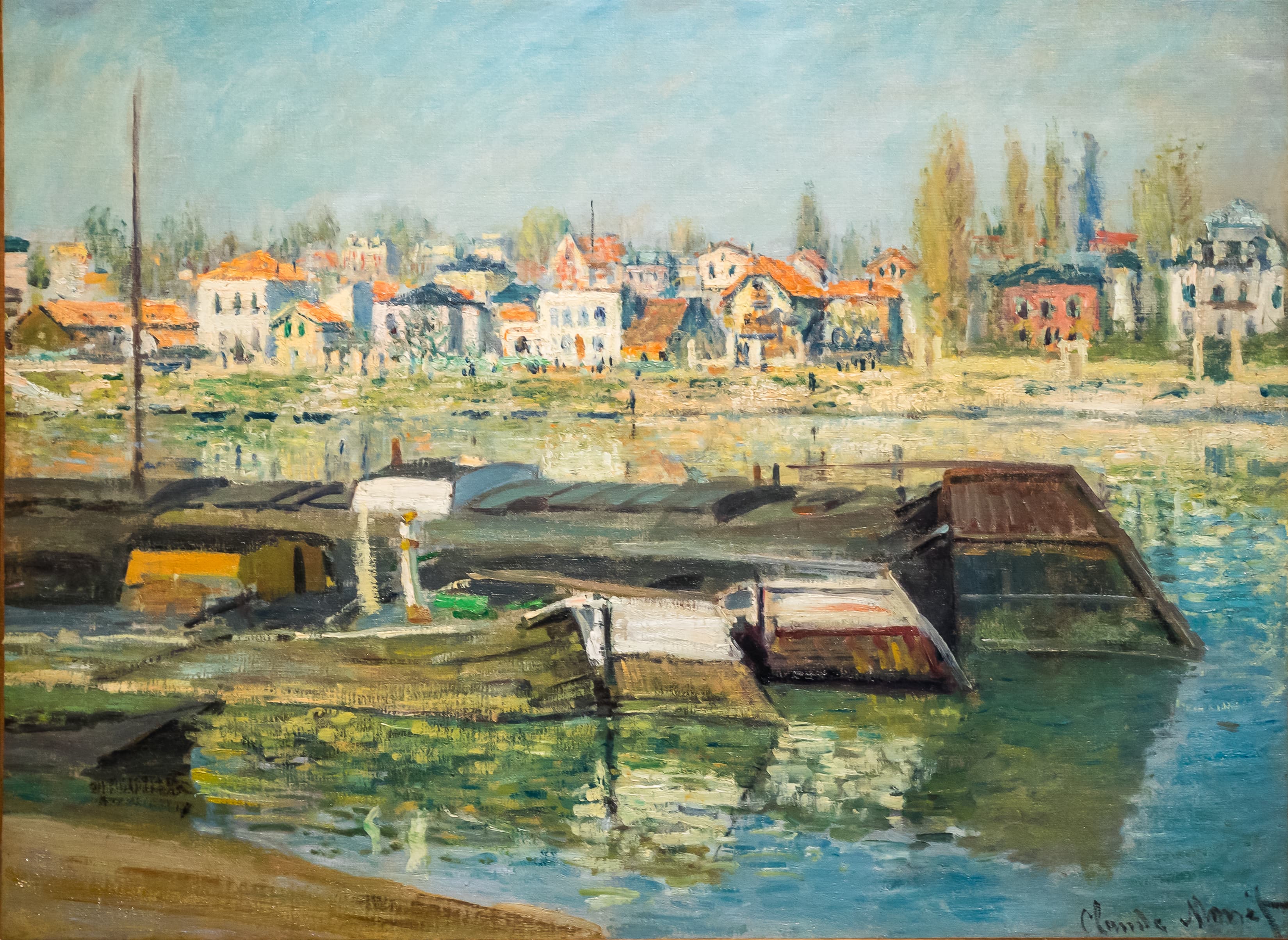
The Seine at Asnières
Claude Monet · 1873
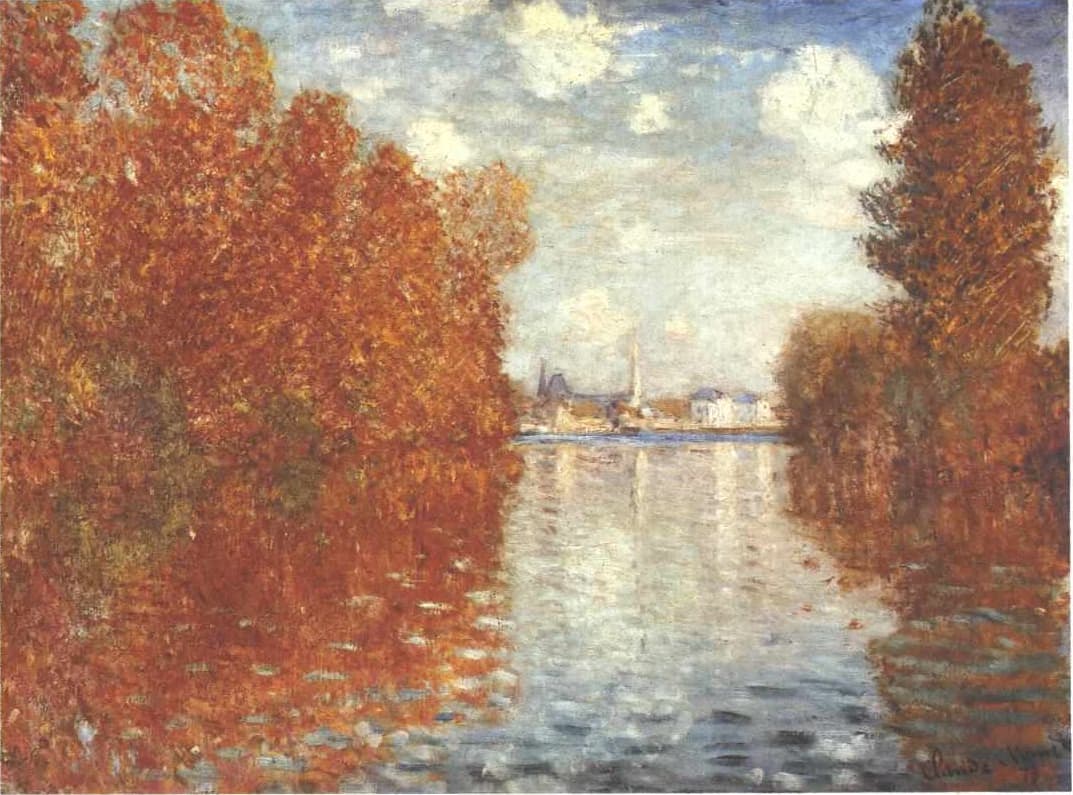
Autumn Effect at Argenteuil
Claude Monet · 1873
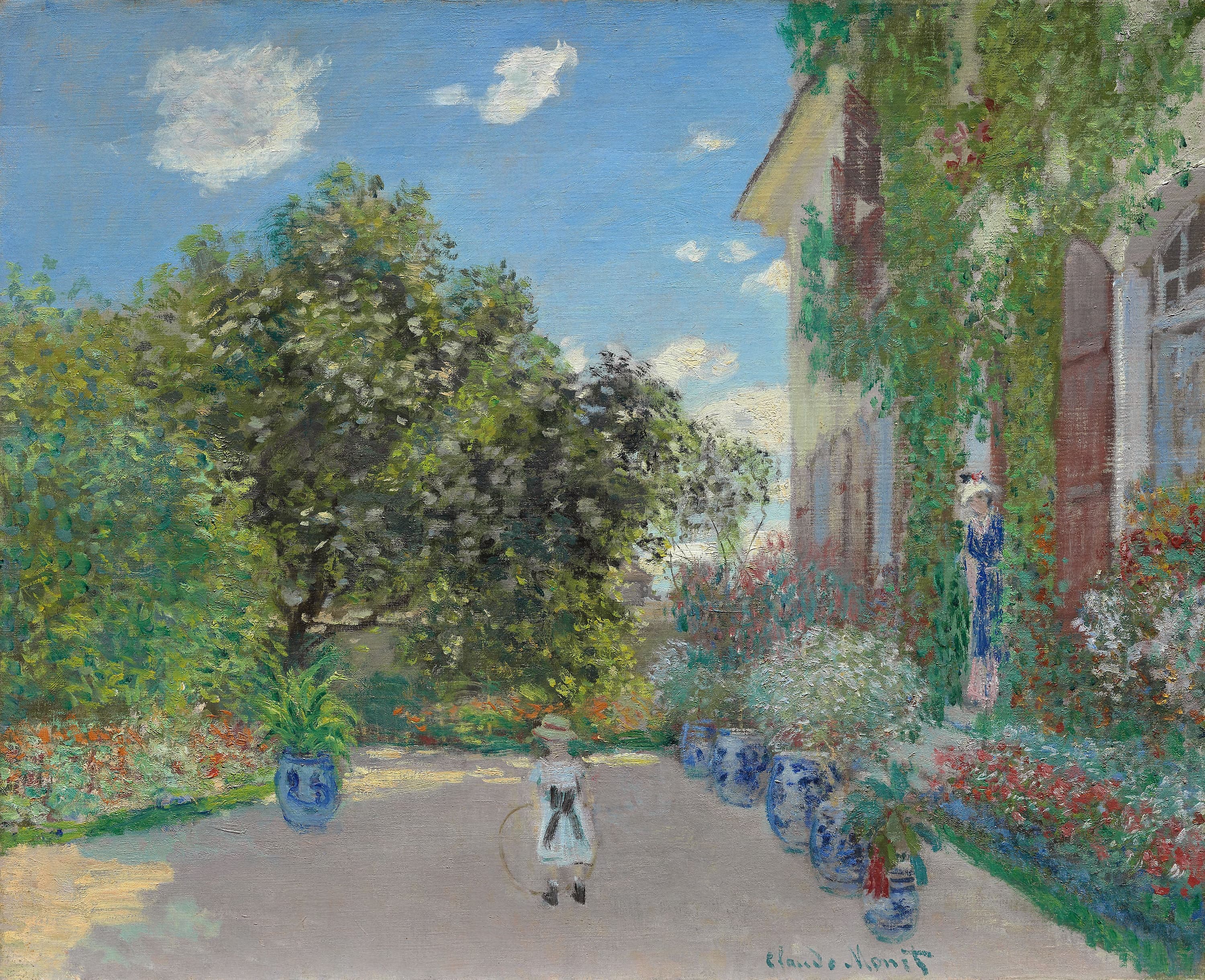
The Artist's House at Argenteuil
Claude Monet · 1873
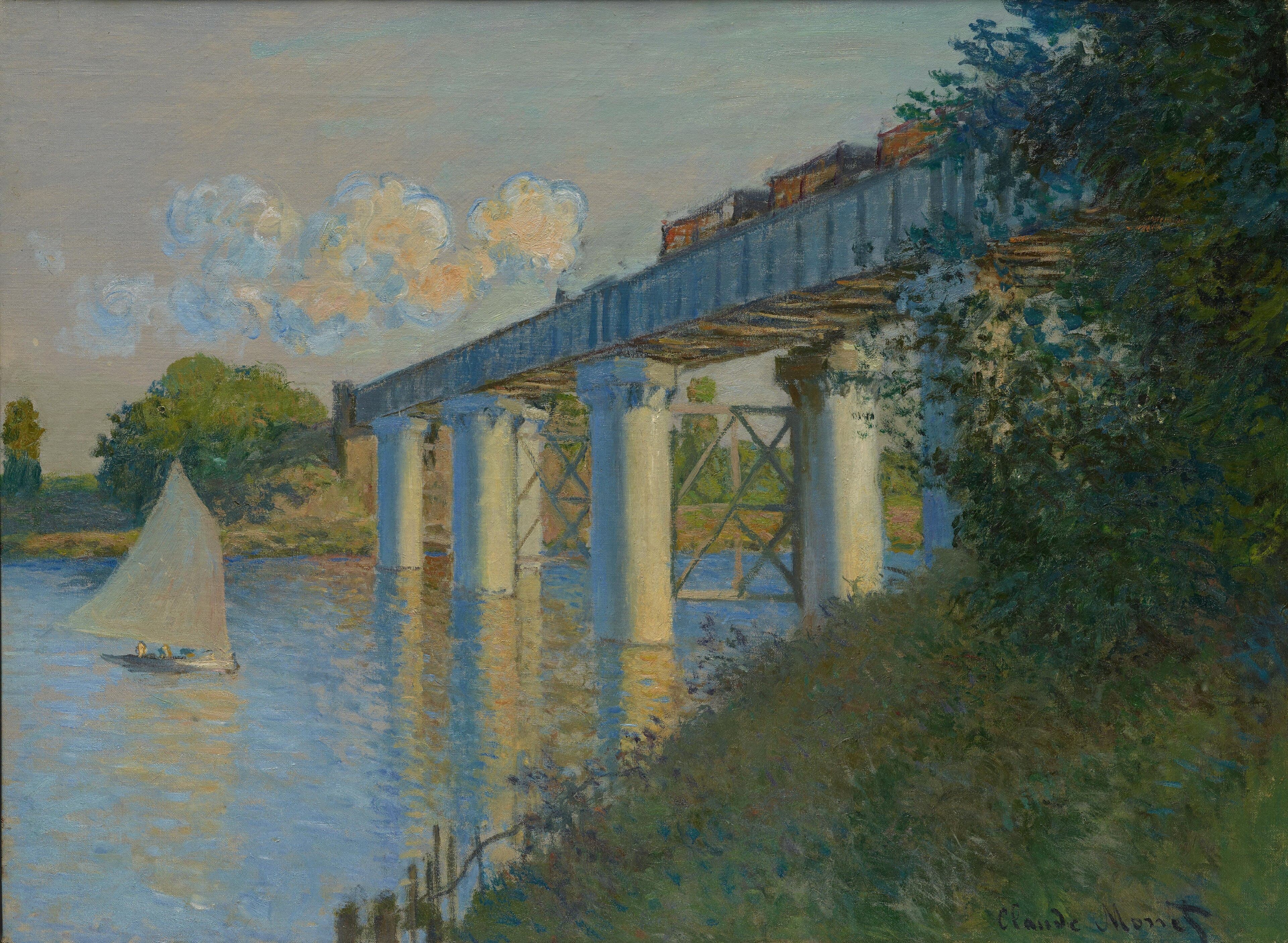
Railroad Bridge, Argenteuil
Claude Monet · 1873
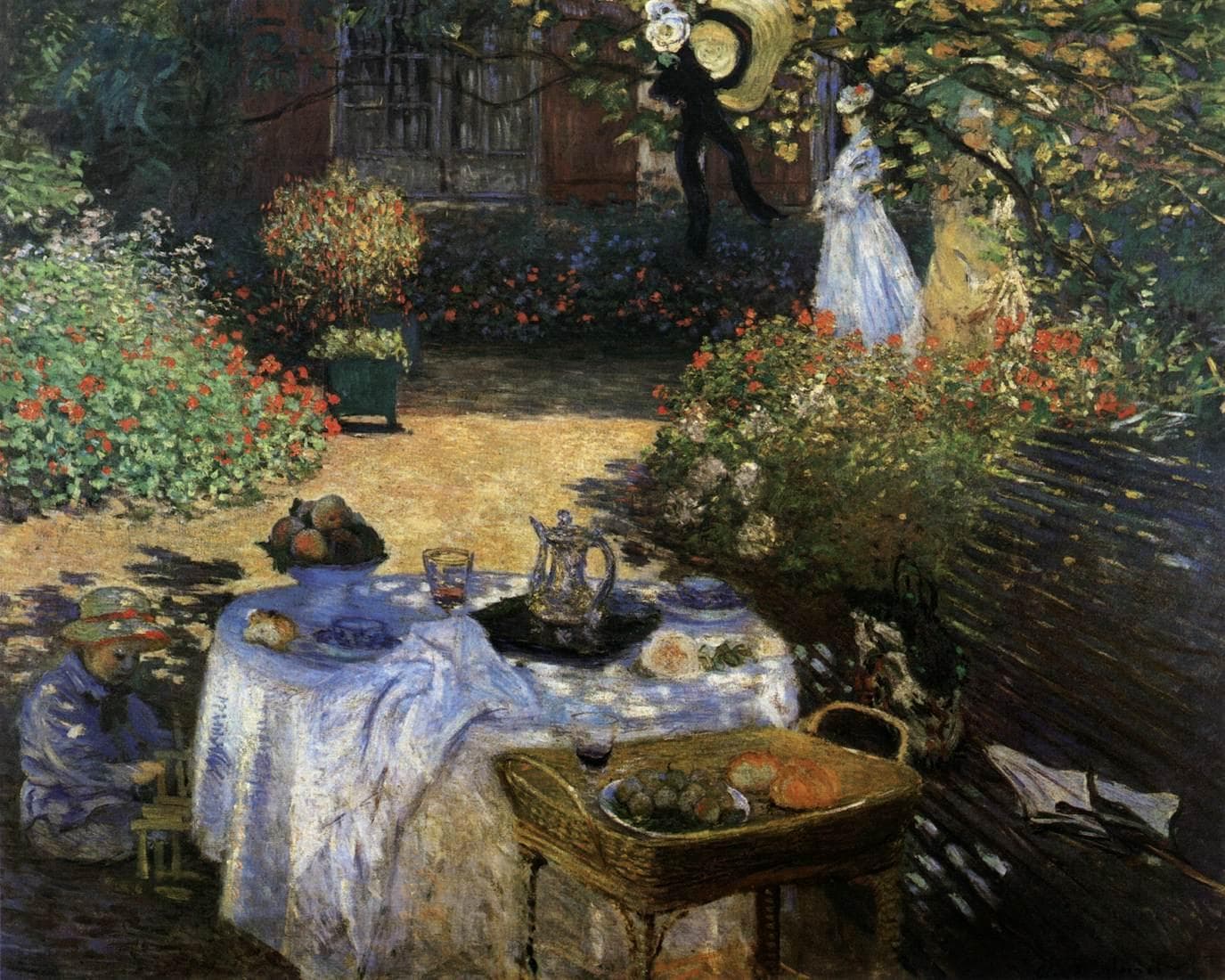
The Luncheon (Monet's Garden at Argenteuil)
Claude Monet · c. 1873
Kindred works
You may also study
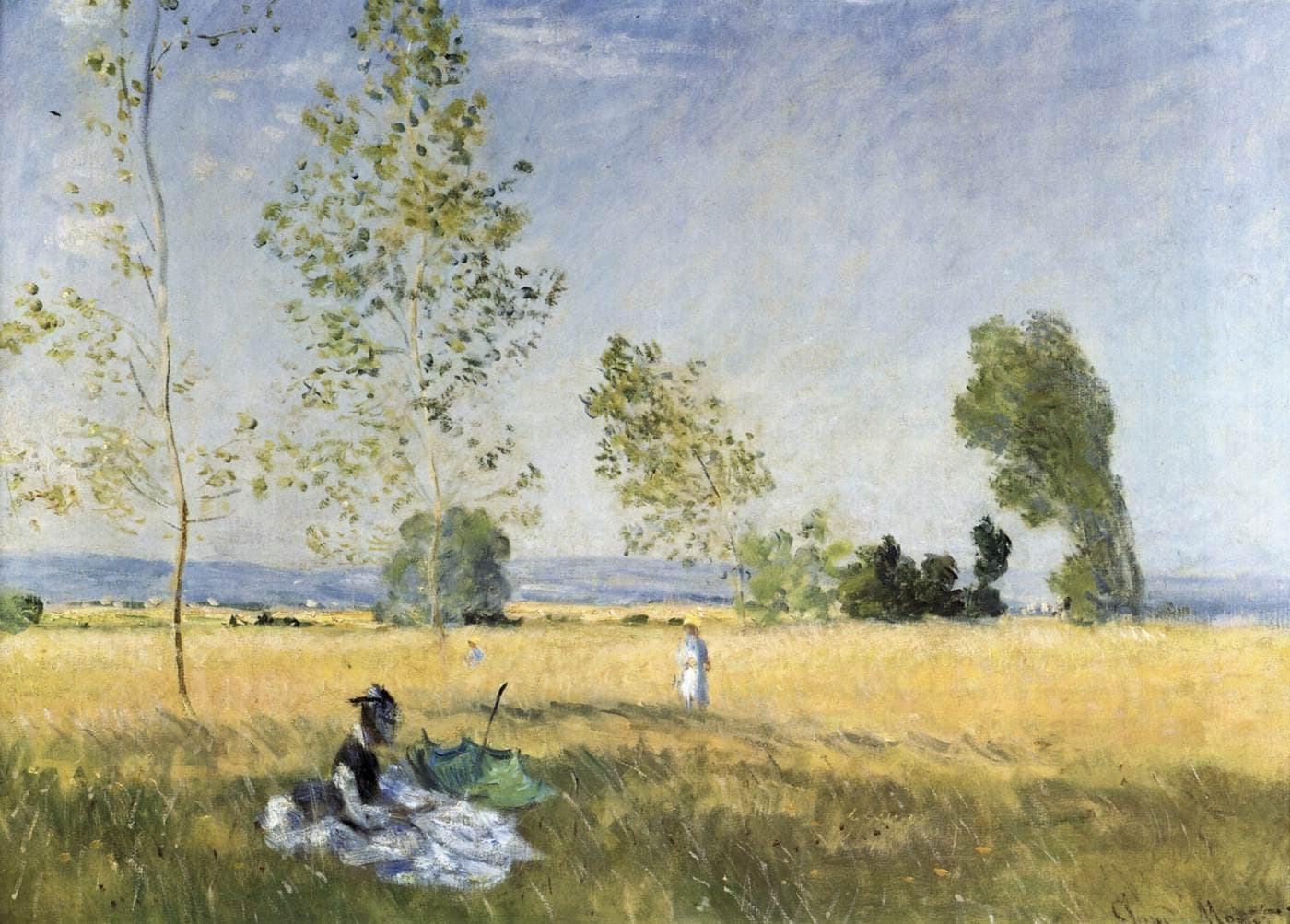
Summer (Meadow at Bezons)
Claude Monet · 1874
The Luncheon (Monet's Garden at Argenteuil)
Claude Monet · c. 1873
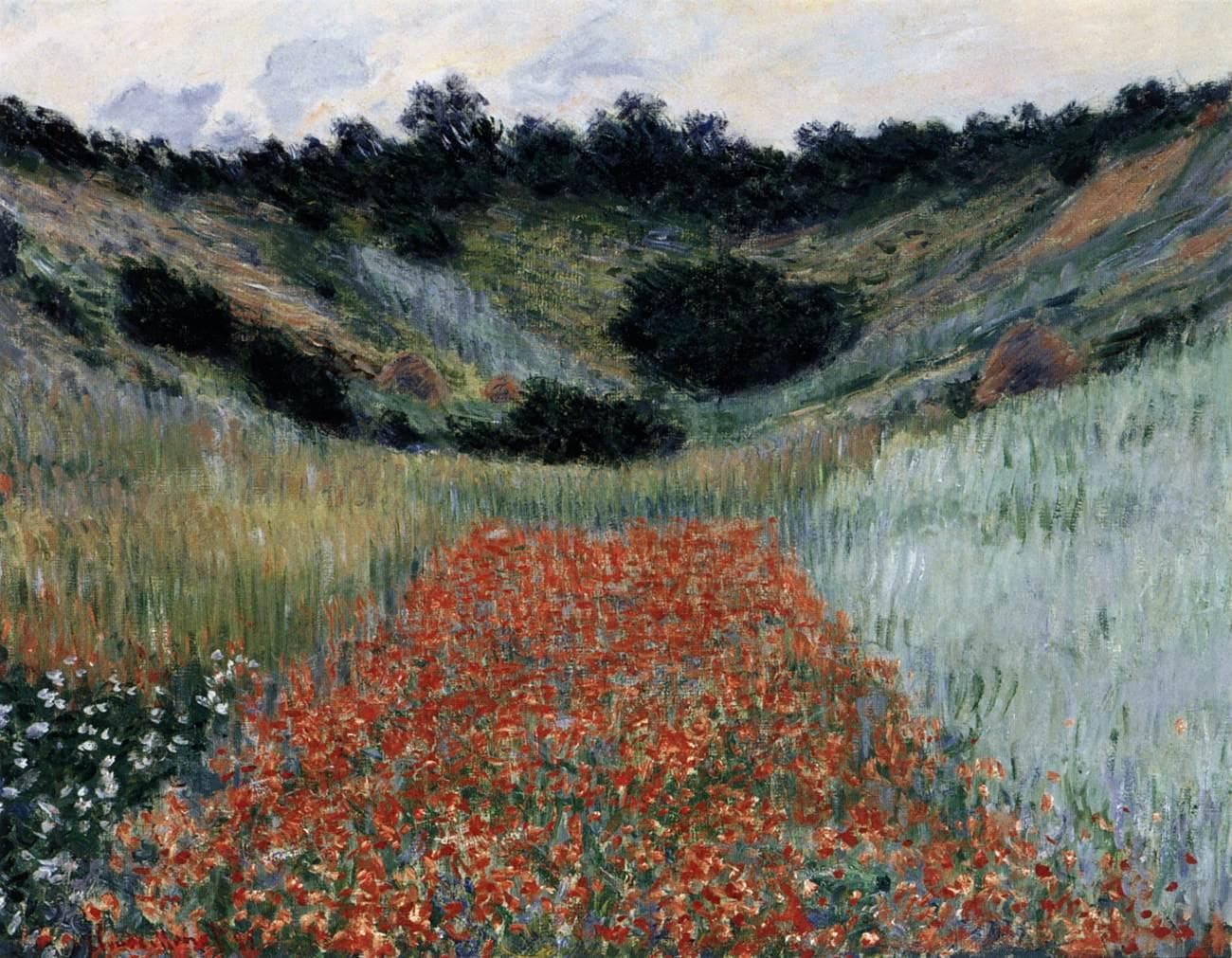
Poppy Field in a Hollow near Giverny
Claude Monet · 1885
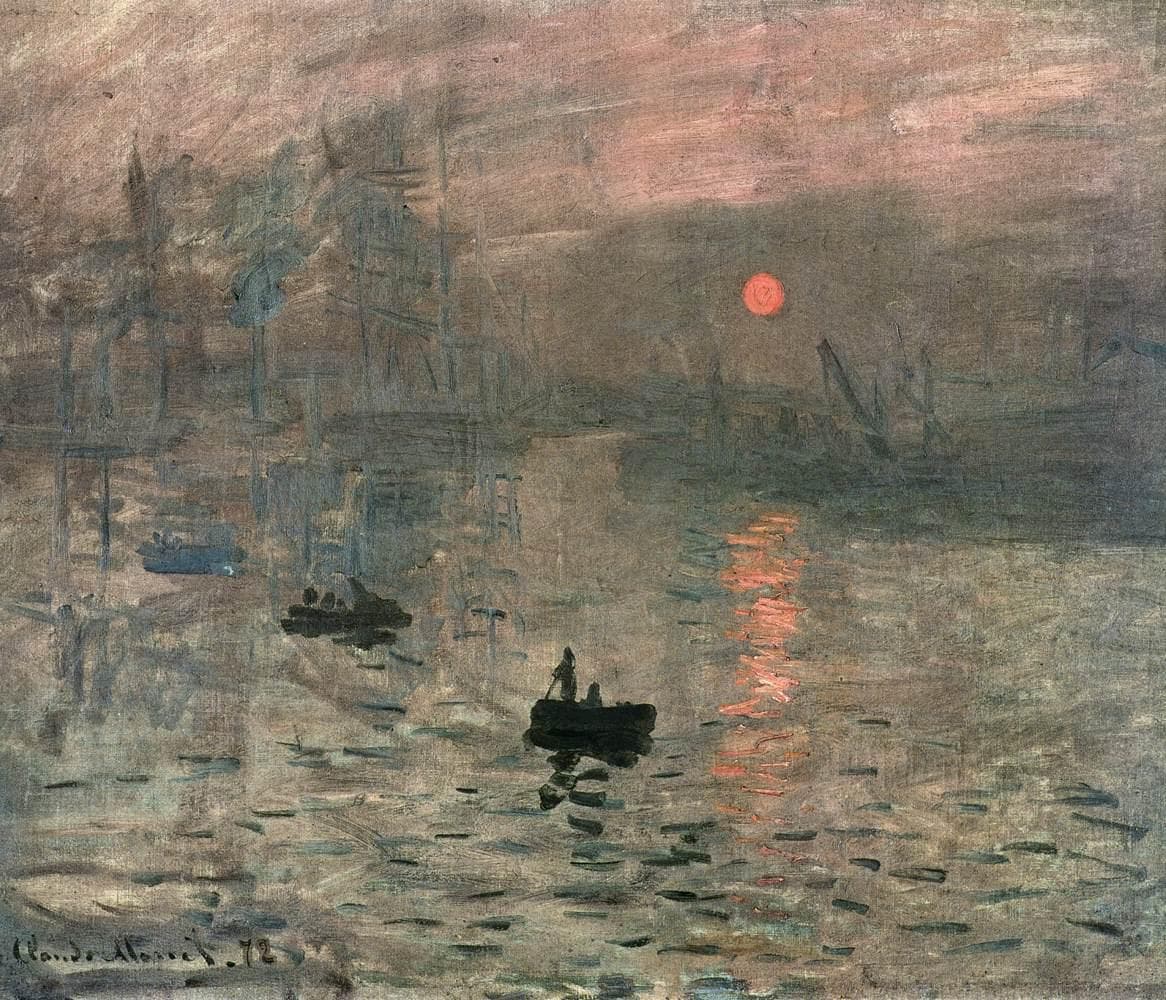
Impression, Sunrise
Claude Monet · 1872
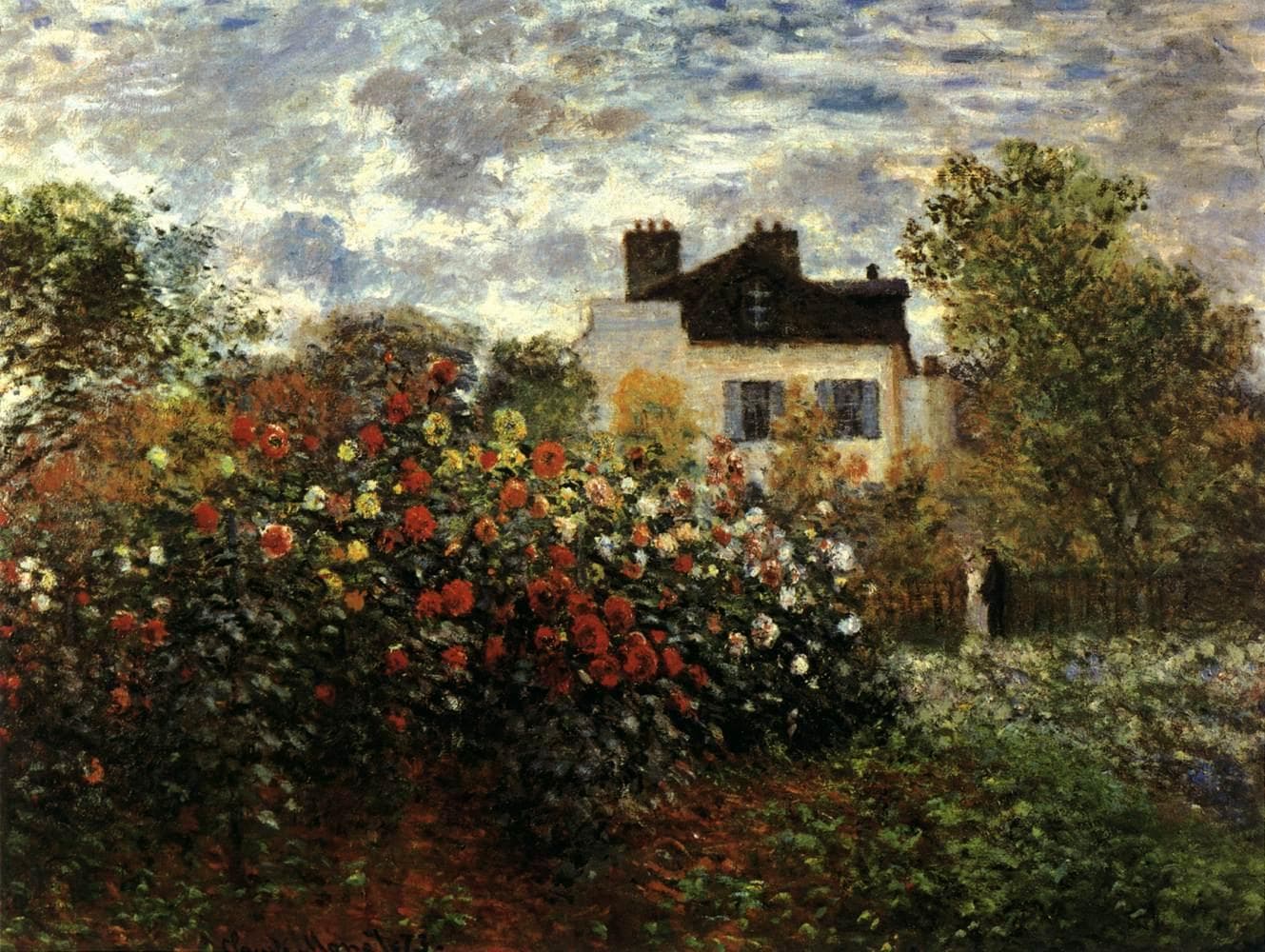
The Artist's Garden in Argenteuil (A Corner of the Garden with Dahlias)
Claude Monet · 1873

Venus de Milo
Alexandros of Antioch · c. 150–125 BC

The Scream
Edvard Munch · 1893

Ophelia
John Everett Millais · 1851–52