Impressionism
Étretat, the Porte d'Aval: Fishing Boats Leaving the Harbor
Claude Monet, 1885
Étretat, the Porte d'Aval: Fishing Boats Leaving the Harbor is an 1885 painting by Claude Monet of a fleet of sailing boats heading out past the great rock arch at Étretat. It is in the Musée des Beaux-Arts de Dijon.
- Artist
- Claude Monet
- Date
- 1885
- Medium
- Oil on canvas
- Dimensions
- 60 × 81 cm
- Collection
- Musée des Beaux-Arts de Dijon, Dijon, France
- Movement
- Impressionism
- Catalogue
- Wildenstein 1047
Painted at Étretat and the Normandy Coast
Claude Monet painted Étretat, the Porte d'Aval: Fishing Boats Leaving the Harbor in 1885, during his longest stay at the Normandy fishing village and resort of Étretat. The canvas, 60 by 81 centimeters and number 1047 in Wildenstein's catalogue, is in the Musée des Beaux-Arts de Dijon in Burgundy (inventory E 2961), which received it in 1930 with the bequest of Dr Albert Robin.
What you are looking at
Monet looks west along the curve of the beach toward the Porte d'Aval, the famous arch of chalk at the western end of the bay, with the needle-shaped stack of the Aiguille standing just beyond it. The cliff runs in from the left as a long, dark mass of gray, slate and violet, with a cave at its foot, and ends in the arch, which opens onto a pale strip of sea.
The action is on the water. A fleet of small fishing boats with red-brown and black sails is setting out across the bay, strung in a loose diagonal from the beach toward the open sea, and their sails are mirrored in the calm surface as wavering red and dark streaks. One boat at the center has a blue hull. Further out, more boats are only dark specks near the horizon, heading away to the right. A curve of sand and foam frames the lower left corner, where the tide laps the beach in a thin white line. The sky is a soft, overcast gray with a hint of pink. Monet's signature is at lower left.
How it was painted
The calm water is laid in with long horizontal strokes of blue-green, gray and lilac, smooth enough to take the reflections of the sails. The boats themselves are small, sharp touches of red and black, placed with care so that their rhythm leads the eye from the beach to the arch and then out to sea. The cliff is painted more heavily, with thick, dragged strokes that suggest its rough, layered surface, and the arch and needle are drawn with a few confident dark contours.
Compared with Monet's storm pictures of the same autumn, such as Rough Sea at Étretat, the mood is peaceful and the palette cool. The picture is also a little smaller than many of his Étretat canvases, and it has the freshness of something painted quickly while the fleet was actually on the move. The sails would have been in a different position every few minutes, so Monet had to fix the pattern of the boats early and then work around it, keeping the rest of the picture broad and simple.
Monet at Étretat
Étretat was both a fishing village and a fashionable resort, and Monet painted both sides of it. In the autumn of 1885 he stayed first in a house lent by the singer and collector Jean-Baptiste Faure and then at the Hôtel Blanquet, working on dozens of canvases: the arches, the beach, the boats drawn up on the shingle in Boats on the Beach at Étretat and the fishing fleet going out, as here and in The Departure of the Boats, Étretat, both in Chicago. In a letter of November 1885 he described trying to paint the boats departing from his hotel window.
The departure of the fleet was a daily event, timed by tide and weather, and the boats were the reason Étretat existed as a village before it became a resort. The Porte d'Aval had been painted before Monet by Gustave Courbet and Eugène Delacroix, and he returned to it from many angles, as in The Cliffs at Étretat and the larger Fishing Boats and the Porte d'Aval in Cologne. Our hub on Étretat and the Normandy coast gathers the campaign.
Where to see it
The painting is in the Musée des Beaux-Arts de Dijon, housed in the former palace of the Dukes of Burgundy in the center of the city. For other collections with Étretat pictures, see where to see Monet's paintings, and for the arch seen from the sea, The Manneporte, Reflections on the Water. More on Claude Monet.
Questions & answers
Where is Monet's Étretat, the Porte d'Aval: Fishing Boats Leaving the Harbor?
The painting is in the Musée des Beaux-Arts de Dijon, housed in the former ducal palace in Dijon, Burgundy. It entered the museum in 1930 with the bequest of Dr Albert Robin. Monet's many other views of the Porte d'Aval are in museums including the Musée d'Orsay and the Clark Art Institute.
When and where was it painted?
Monet painted it in 1885 at Étretat on the Normandy coast, during his long autumn stay from October to December, when he lodged in a house lent by Jean-Baptiste Faure and later at the Hôtel Blanquet, painting the cliffs, beach and fishing fleet.
What is the Porte d'Aval?
The Porte d'Aval is a natural arch in the chalk cliffs at the western end of the beach at Étretat, Normandy. Beside it stands the Aiguille, a pointed stack of rock about 50 meters high. The arch has been painted by Courbet, Delacroix and Monet, among others.
What does the painting show?
A fleet of small fishing boats with red-brown and black sails sets out across a calm, gray-green bay toward the dark cliff and arch of the Porte d'Aval, their sails reflected in the water. A curve of beach frames the lower left, and more boats are specks on the horizon.
More by the artist
Claude Monet

Bridge over a Pond of Water Lilies
Claude Monet · 1899

Woman with a Parasol – Madame Monet and Her Son
Claude Monet · 1875

Sunset in Venice
Claude Monet · 1908–12

La Grenouillère
Claude Monet · 1869

Beach in Pourville
Claude Monet · 1882

Springtime
Claude Monet · 1872

Boating on the River Epte
Claude Monet · 1890

The Seine at Asnières (Hermitage)
Claude Monet · 1873
Also painted in 1885
The same year
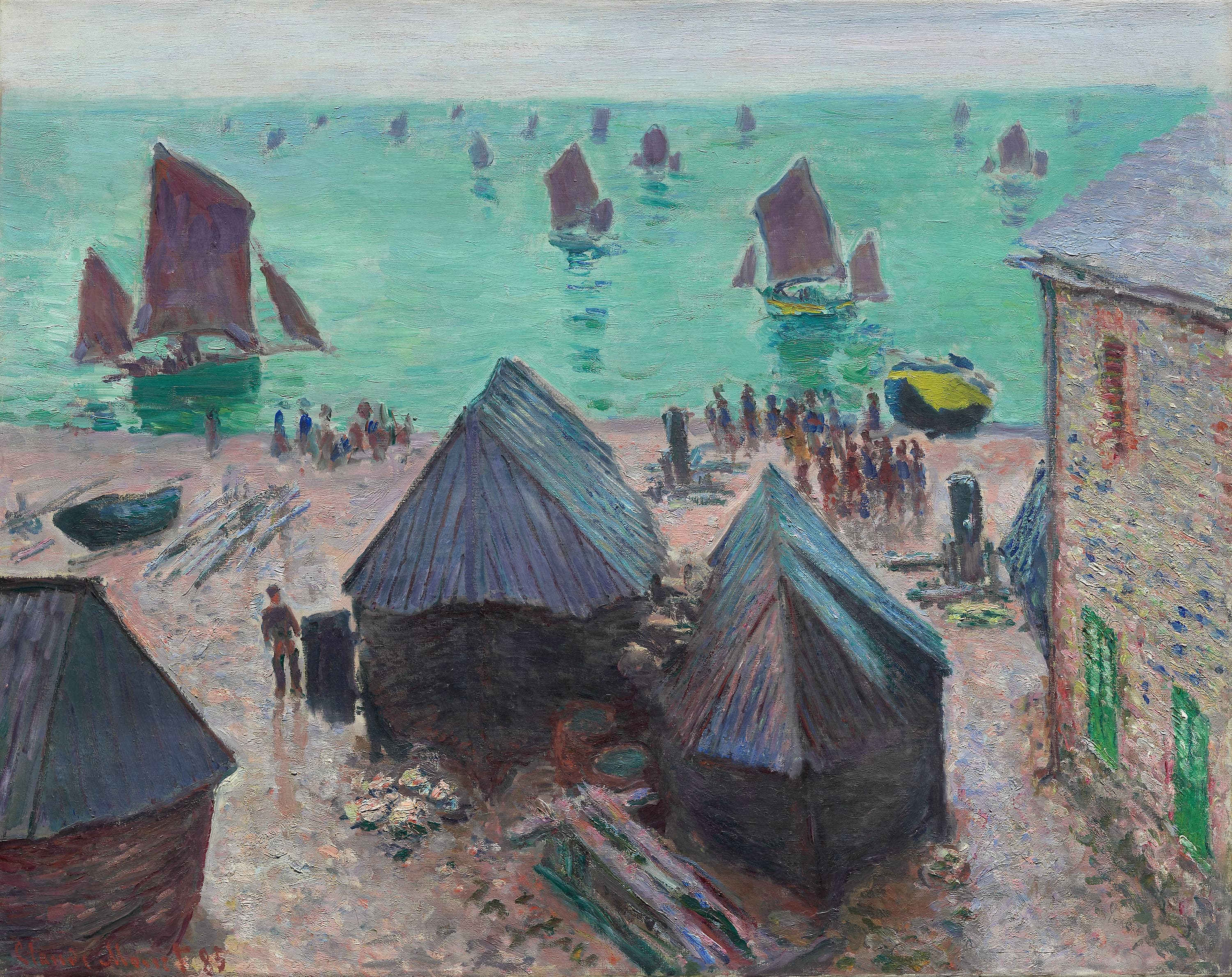
The Departure of the Boats, Étretat
Claude Monet · 1885
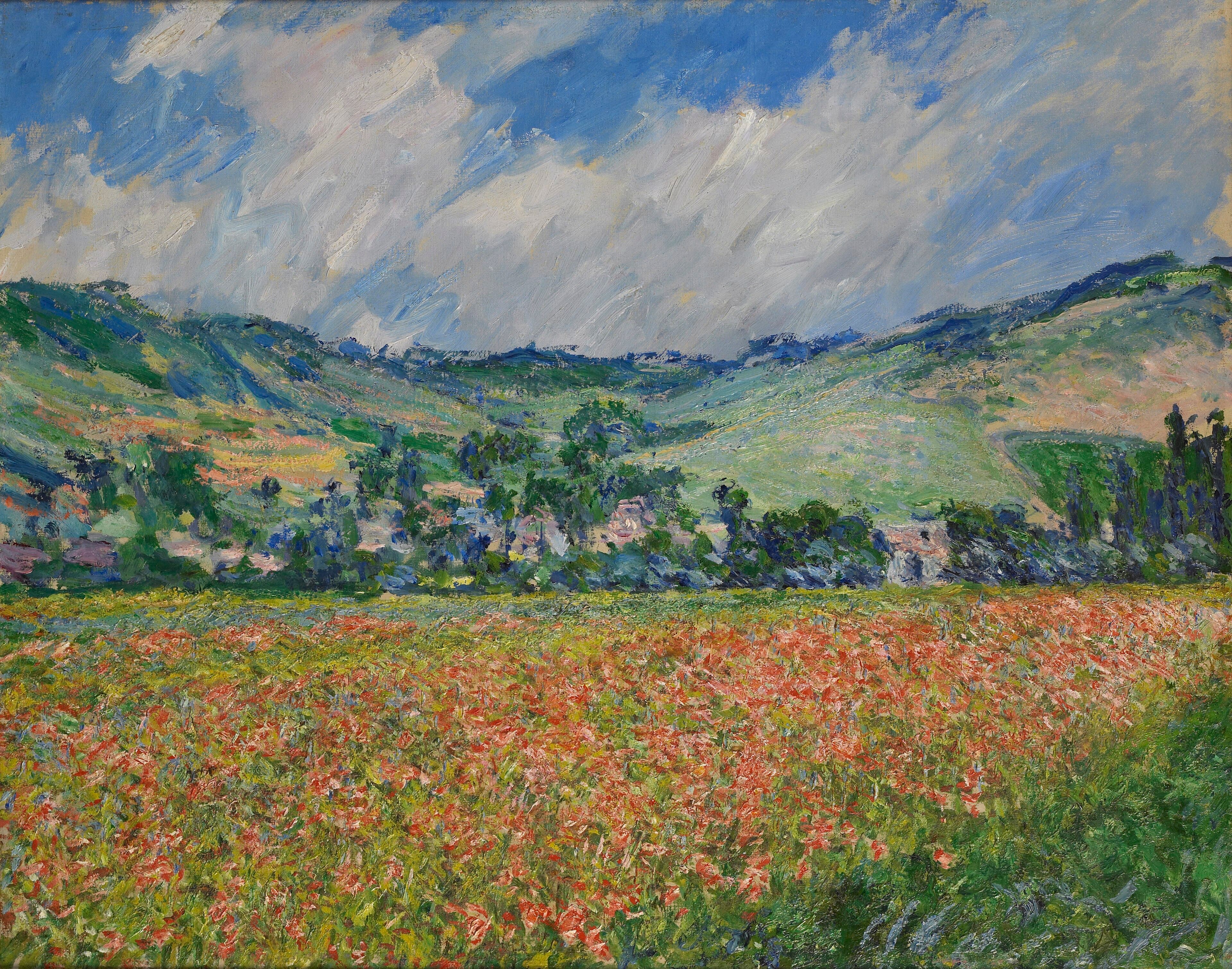
Poppy Field, Around Giverny
Claude Monet · 1885
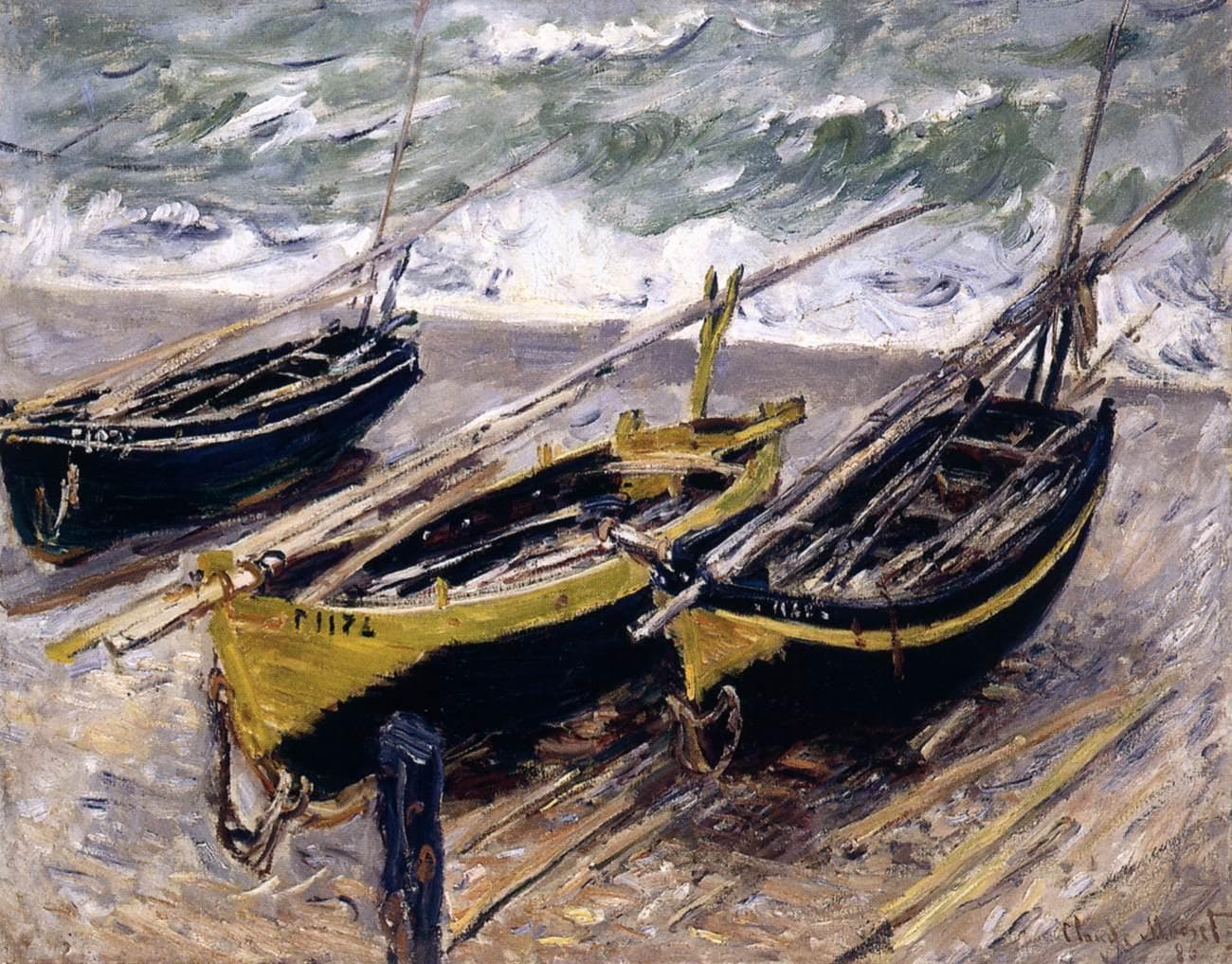
Three Fishing Boats
Claude Monet · 1885
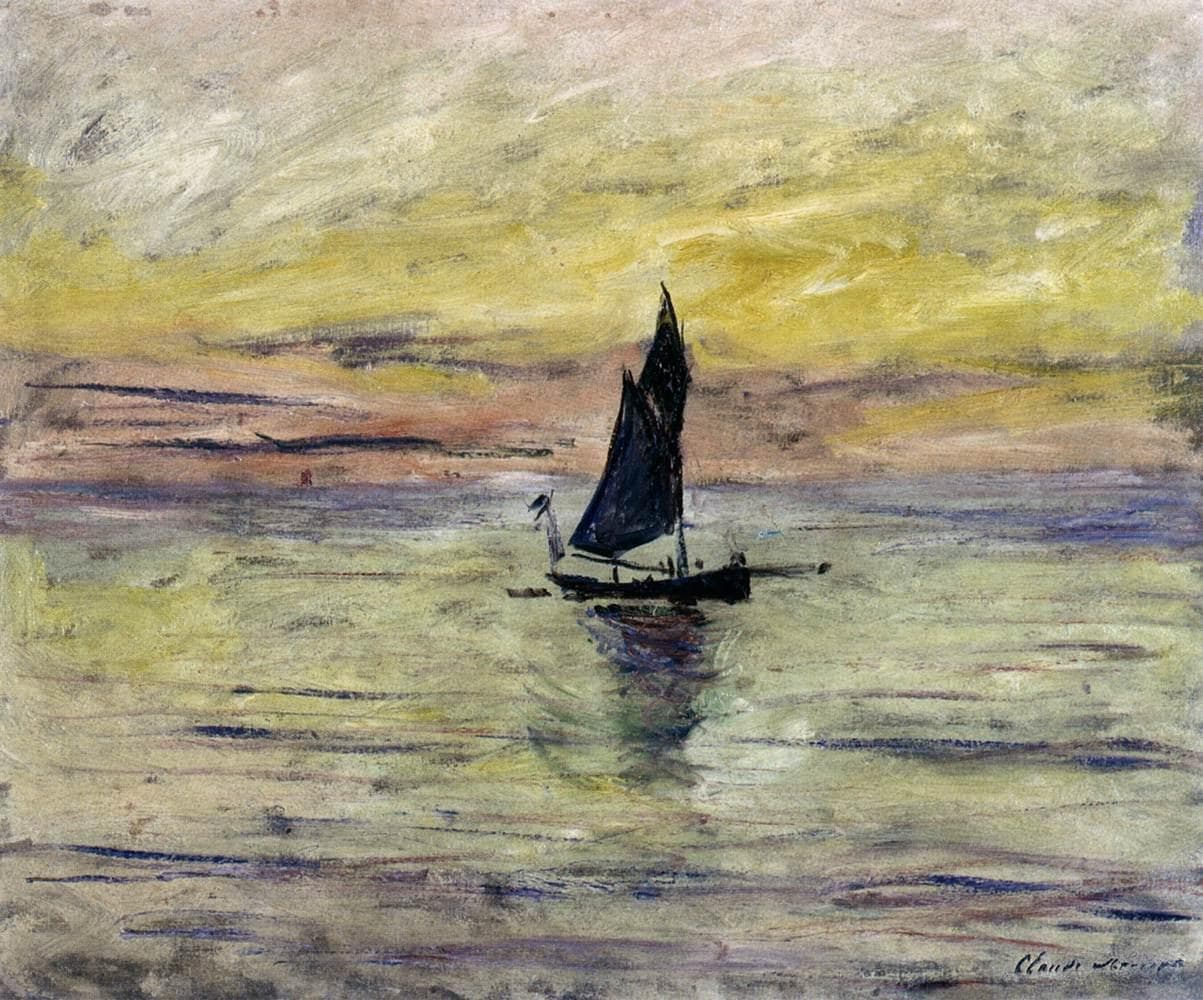
Sailboat, Evening Effect
Claude Monet · 1885
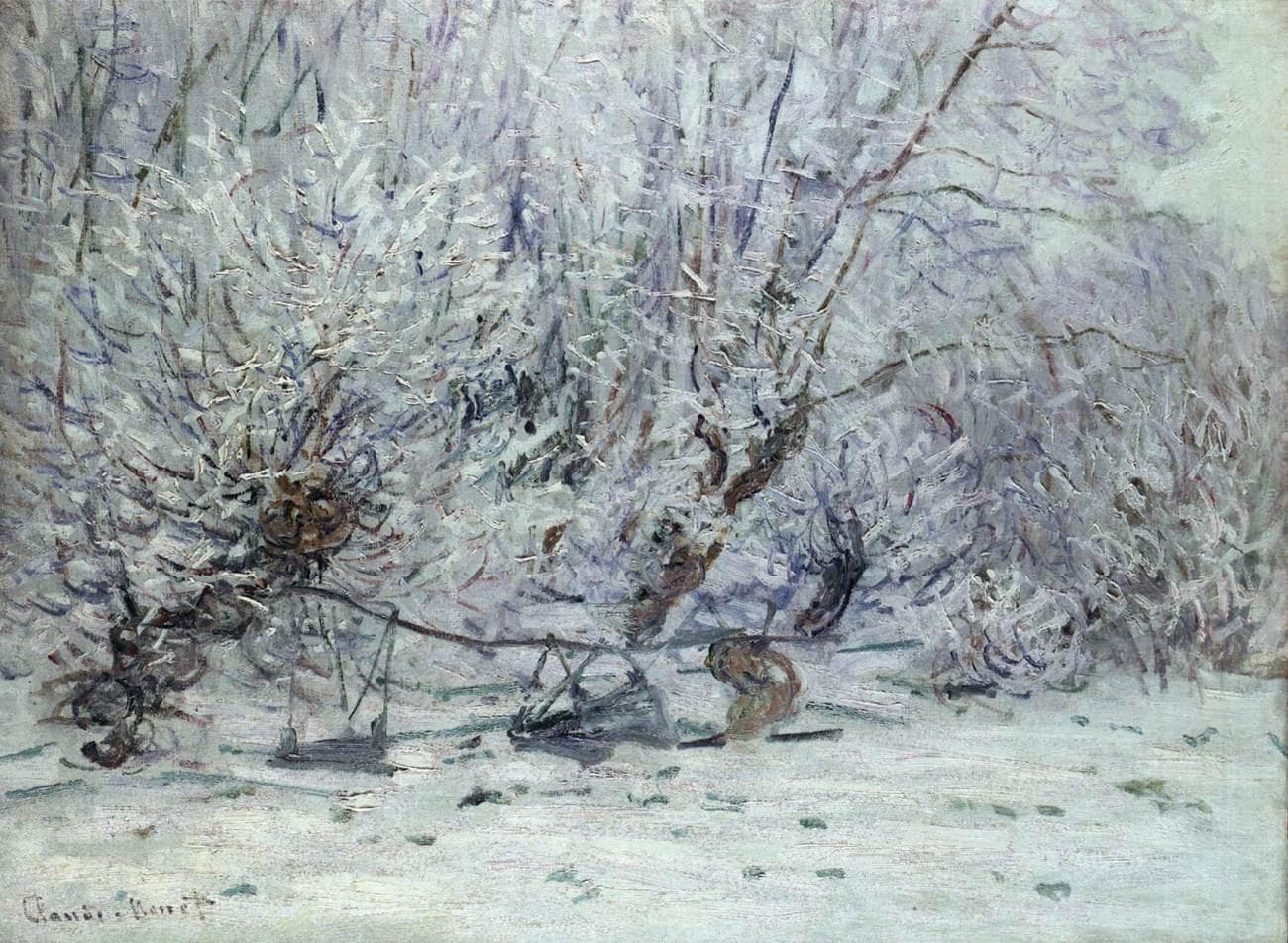
Frost
Claude Monet · 1885
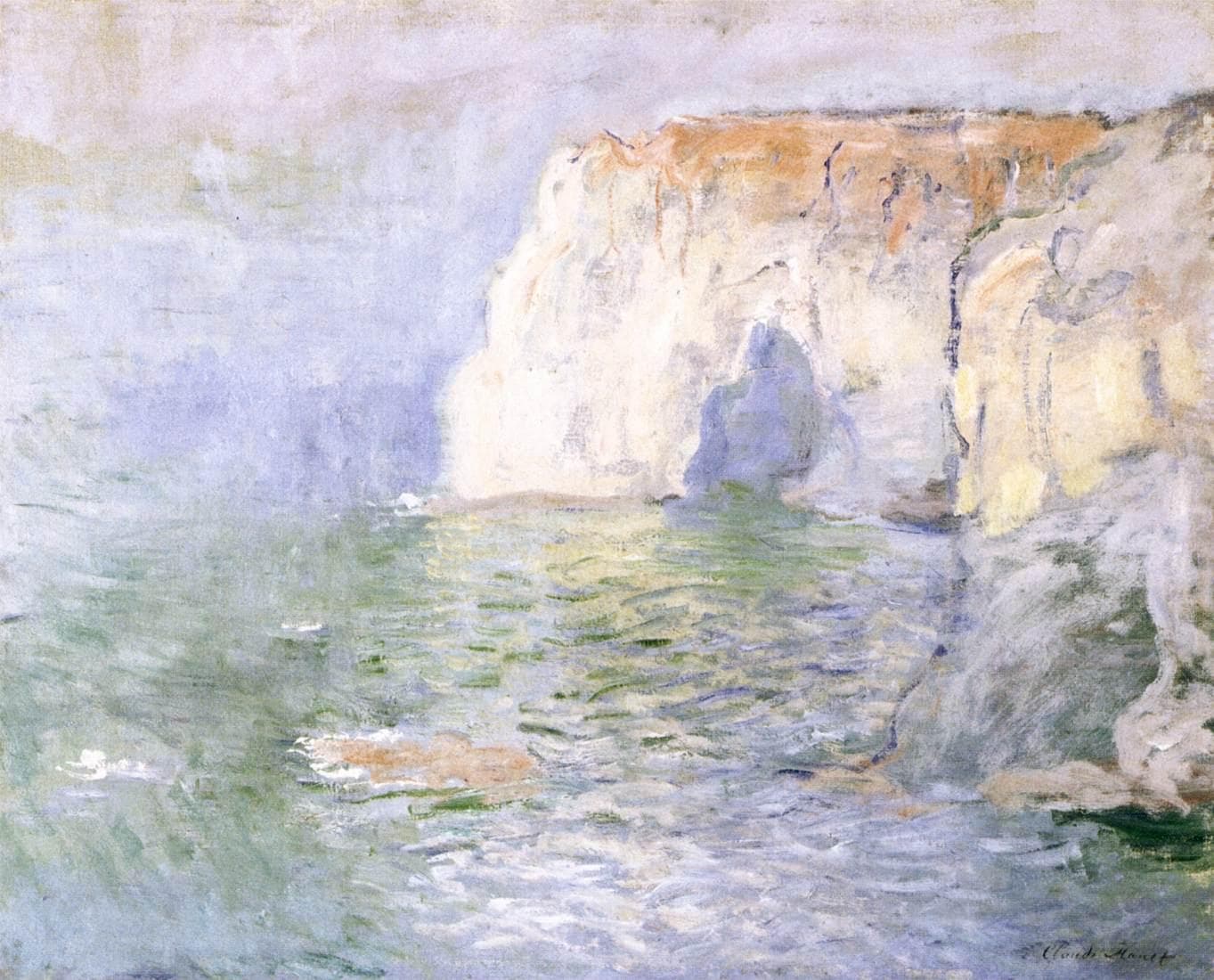
Étretat, the Manneporte, Reflections on the Water
Claude Monet · c. 1885
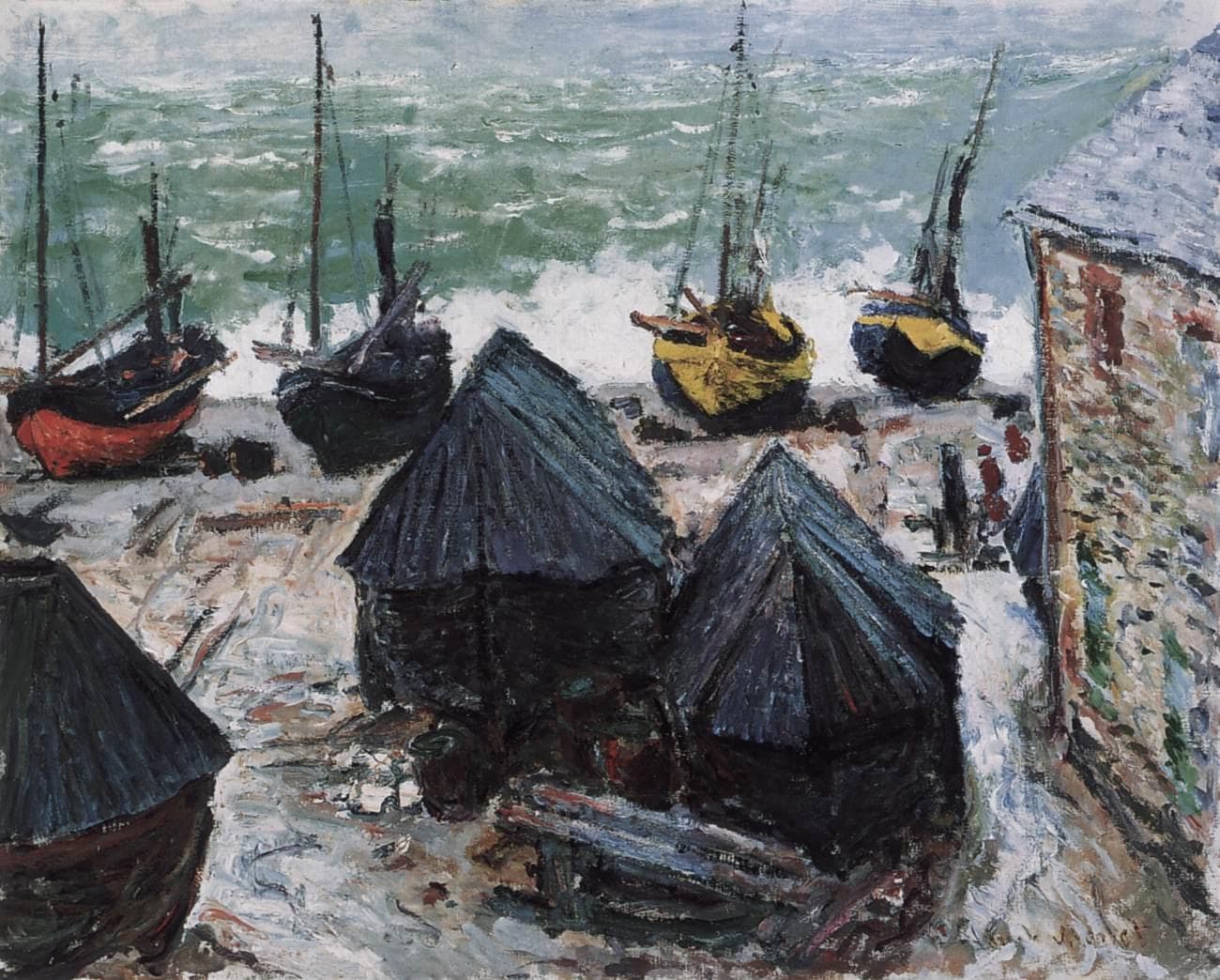
Boats on the Beach at Étretat
Claude Monet · 1885
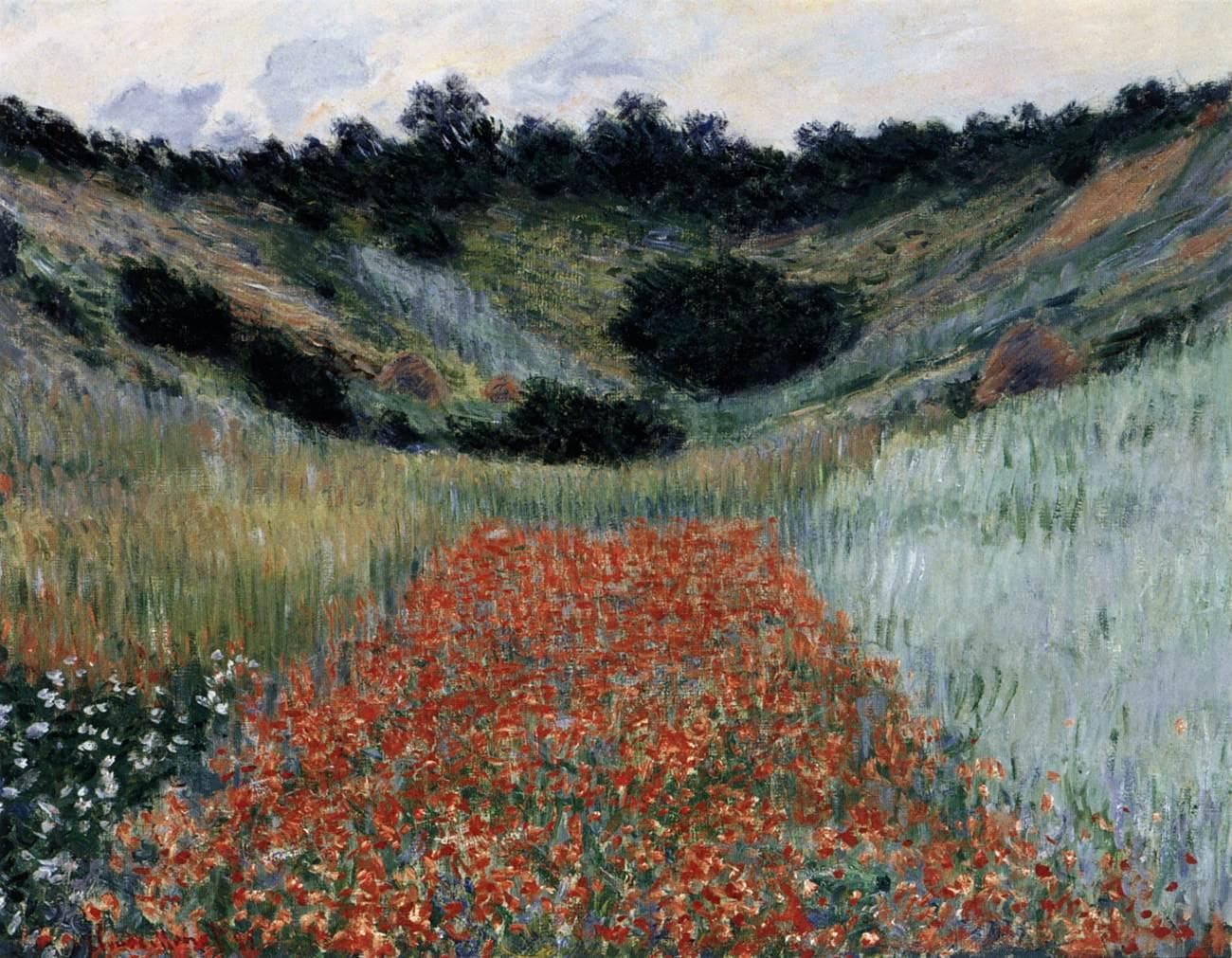
Poppy Field in a Hollow near Giverny
Claude Monet · 1885
Kindred works
You may also study
Boats on the Beach at Étretat
Claude Monet · 1885
The Departure of the Boats, Étretat
Claude Monet · 1885
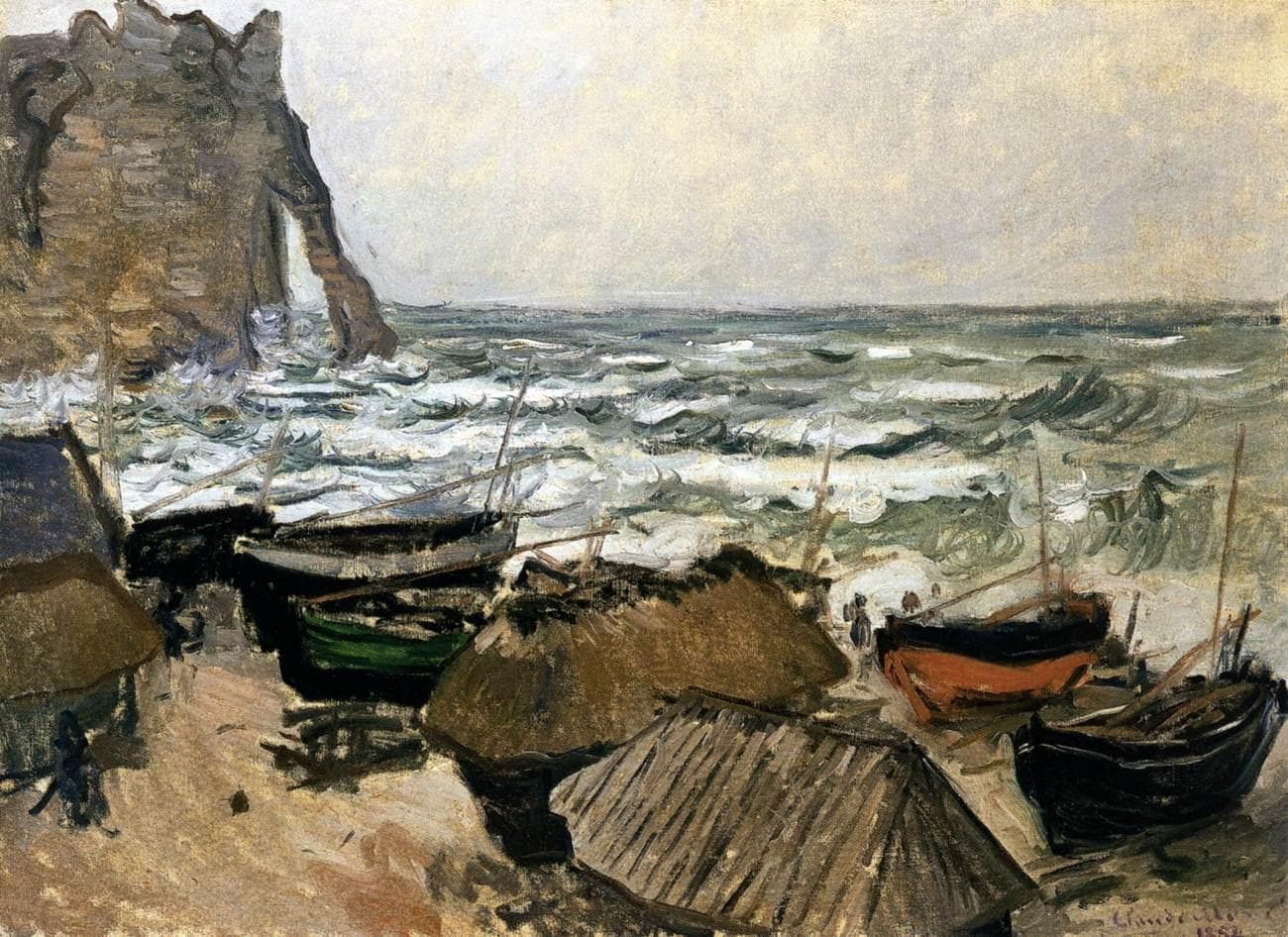
Fishing Boats and the Porte d'Aval
Claude Monet · 1884
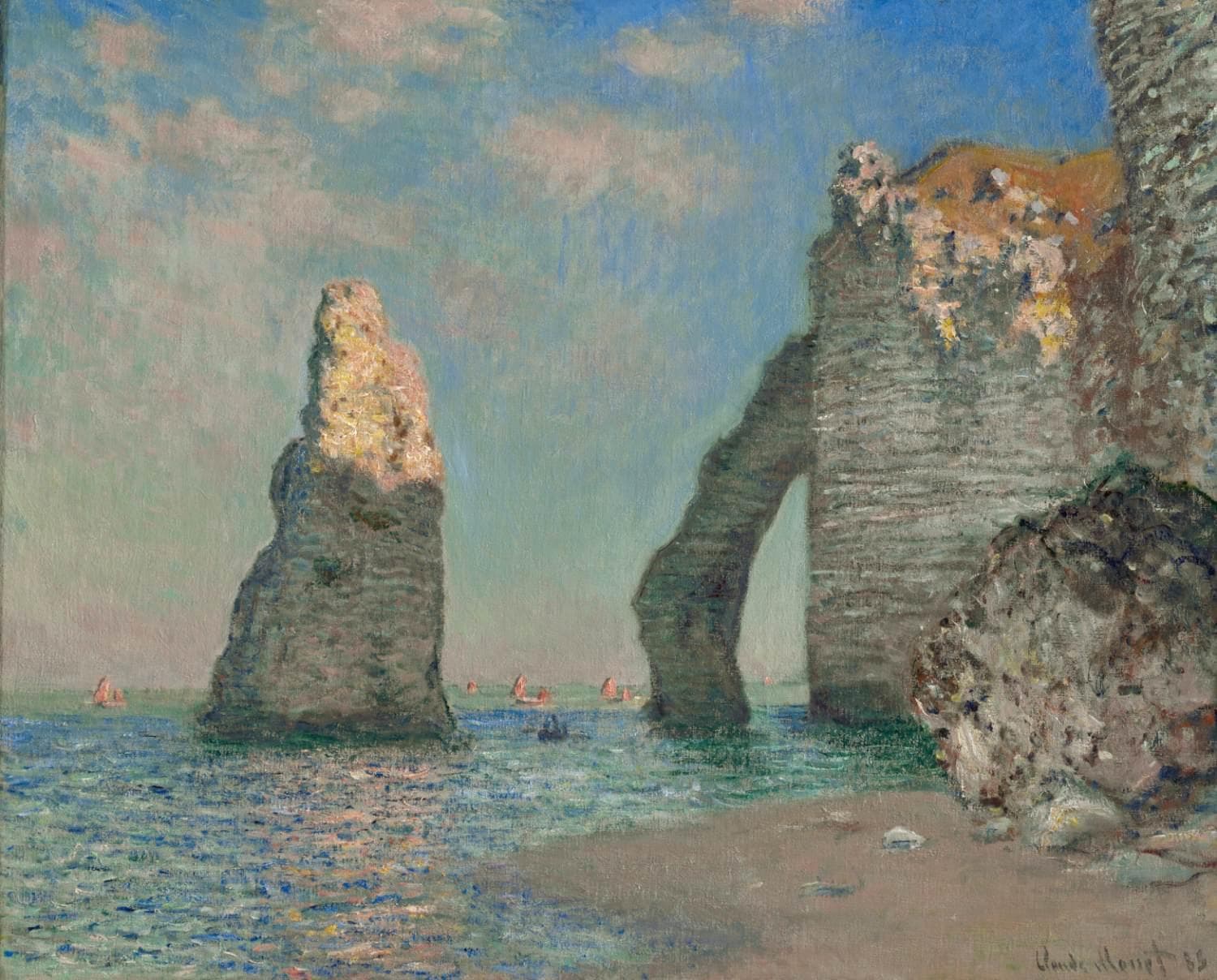
The Cliffs at Étretat
Claude Monet · 1885
Étretat, the Manneporte, Reflections on the Water
Claude Monet · c. 1885
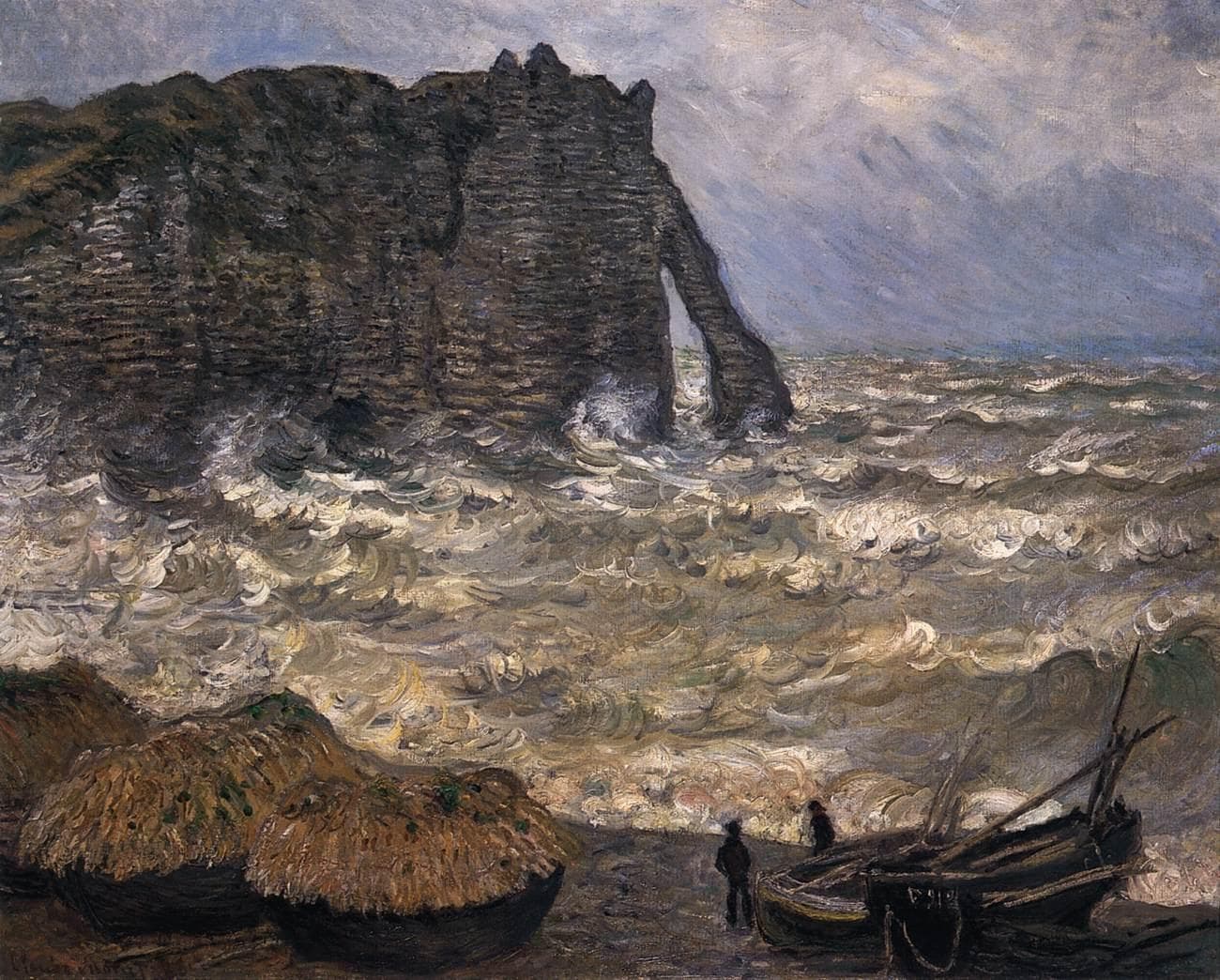
Rough Sea at Étretat
Claude Monet · 1883

Ophelia
John Everett Millais · 1851–52

The Great Wave off Kanagawa
Katsushika Hokusai · c. 1830–32