Impressionism
Valley of the Creuse (Sunlight Effect)
Claude Monet, 1889
Valley of the Creuse (Sunlight Effect) is an 1889 painting by Claude Monet of the rocky gorge where the Petite and Grande Creuse rivers meet at Fresselines, in central France. It is in the Museum of Fine Arts, Boston.
- Artist
- Claude Monet
- Date
- 1889
- Medium
- Oil on canvas
- Dimensions
- 65.1 × 92.4 cm
- Collection
- Museum of Fine Arts, Boston, Boston, United States
- Movement
- Impressionism
- Catalogue
- Wildenstein 1219
More at Monet at the MFA Boston
What you are looking at
A steep, rocky ravine fills almost the whole canvas. On the left a dark spur of rock, mottled with heather and scrub, plunges toward the water. On the right the far slope rises in folds of violet, ochre and grey-green, studded with boulders. Between them a river, deep blue and broken by flecks of white where the current runs over stones, curves out of the gorge toward the lower right corner. Only a thin strip of pale, cloudy sky is visible along the top edge, with a few small trees on the skyline.
Claude Monet painted this view in 1889 at Fresselines, a village in the Creuse department of central France, where two rivers, the Petite Creuse and the Grande Creuse, meet at the bottom of a deep valley. The Museum of Fine Arts, Boston, which owns it, notes that it shows the confluence under the midday sun. It measures 65.1 by 92.4 centimeters.
Looking closely
This is one of the least "pretty" landscapes Monet ever made, and that is the source of its power. There is no human figure, no building, no path. The rock walls press in from both sides, and the high horizon removes almost all sense of open air. The eye has nowhere to rest except the river.
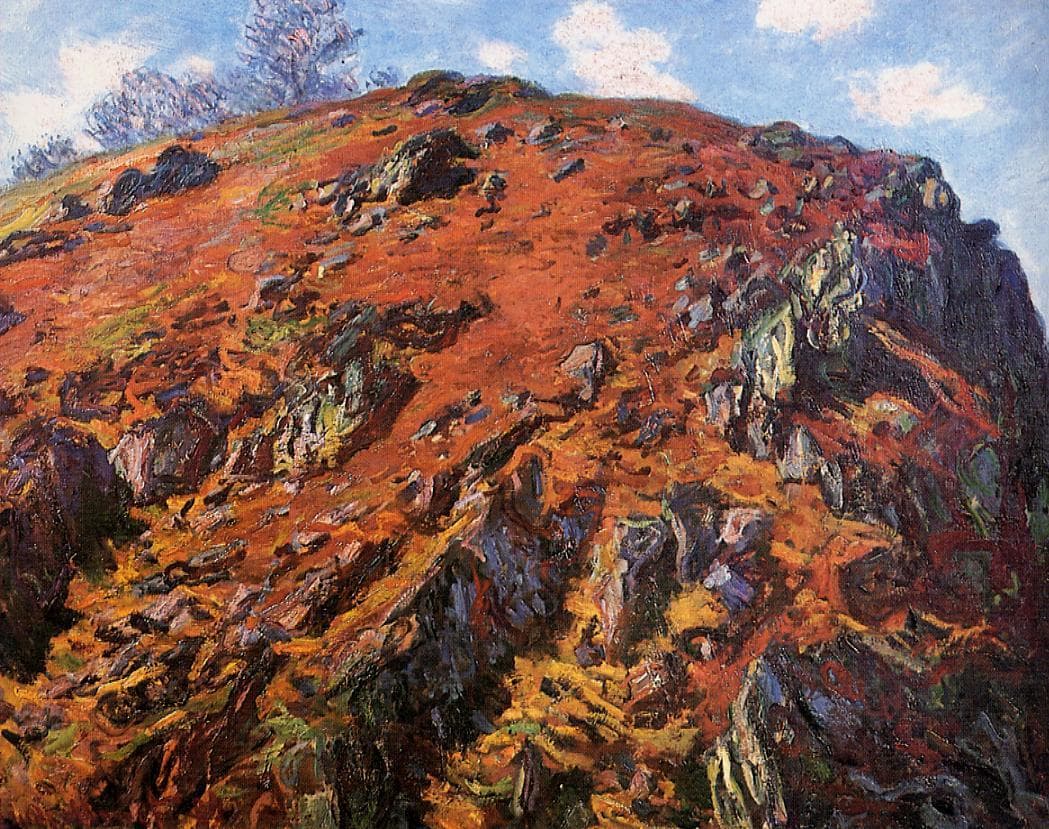
Look at how color does the work of drawing. The rocks on the left are modeled not with brown and black but with plum, violet, rust and dark blue, laid in heavy, separate strokes. Where the sun hits the slope, Monet switches to pale lilac, yellow and soft green. The shadows are colored, never grey, and the transitions between sunlit and shaded areas are made by shifts of hue rather than by darkening.
The water is painted in short horizontal dashes of ultramarine, white and pale blue, which make it glitter. Against the heavy, vertical slopes, those small horizontal strokes are the only quick, restless marks in the picture: you can almost hear the river.
The surface is dense and worked. Monet often returned to these canvases in the studio, and the Creuse pictures are built up in layers, with thick paint ridged on the rocks. Up close, the slope on the right becomes an all-over weave of strokes, closer to the textures of his later work than to the airy sketches of the 1870s.
Monet at Fresselines
Monet first visited the Creuse in early 1889 with the critic Gustave Geffroy, at the invitation of the poet Maurice Rollinat, who lived at Fresselines. Struck by the wild landscape, so different from the soft valleys of Normandy, he returned in March and stayed into May, working outdoors in difficult weather. He produced more than twenty canvases of the valley, many of them showing the confluence from the same or nearby viewpoints under different conditions.
That repetition is important. The Creuse canvases are one of the first groups in which Monet painted the same motif systematically under changing light: sun, overcast, morning, evening. The titles record the effect: Sunlight Effect, Gray Day, Sunset. Boston owns several from the group, including a grey-day version, and the comparison shows how completely the color changes from one canvas to the next. See also Creuse, Sunset.
One famous story belongs to this campaign. Monet was painting an old oak tree on the riverbank when spring arrived and the tree began to leaf out. To keep his motif unchanged, he paid the owner to have the new leaves stripped from the branches. Geffroy recounted the episode, and it has become a byword for Monet's obsession with fixed conditions.
From the Creuse to the series
Monet showed a selection of Creuse paintings in June 1889 at the Galerie Georges Petit in Paris, in a joint exhibition with the sculptor Auguste Rodin that was one of the great successes of his career. Within a year he had begun the Grainstacks, and then the Poplars and the Rouen Cathedral facades, including Rouen Cathedral in Full Sunlight. The Creuse group is the bridge: the first sustained attempt to make a series of canvases about one place and its changing light.
Meaning
The Creuse valley offered Monet something rare in his work: a landscape of rock rather than water and foliage, harsh and enclosed rather than open. Some writers have connected these pictures to Rollinat's dark, nature-haunted poetry, and to a melancholy period in Monet's own life. Monet's letters home from Fresselines are full of complaints about rain, wind and the changing light, and the strain of the campaign shows in how heavily he reworked these surfaces. The result is one of the most solemn chapters of Impressionism.
Where to see it
The painting is in the Museum of Fine Arts, Boston, part of the Juliana Cheney Edwards Collection, accession 25.107. The MFA owns one of the largest Monet holdings in the United States; this work is not always on display, so check the museum's website. For more of the series paintings, see our guide to famous Monet paintings.
Questions & answers
Where is Monet's Valley of the Creuse (Sunlight Effect)?
It is in the Museum of Fine Arts, Boston, in the Juliana Cheney Edwards Collection (accession 25.107). The canvas measures 65.1 by 92.4 centimeters. It is not always on view, so check the museum's website before visiting.
Where is the Creuse valley that Monet painted?
Monet painted at Fresselines, a village in the Creuse department of central France, where the Petite Creuse and the Grande Creuse rivers meet at the bottom of a steep, rocky gorge. He worked there in the spring of 1889.
How many Creuse paintings did Monet make?
He produced more than twenty canvases of the Creuse valley in 1889, many showing the confluence from similar viewpoints in different light and weather, such as sunlight, grey days and sunset. The group anticipates the Grainstacks and Poplars series that followed.
What is the story of Monet and the oak tree at Fresselines?
While Monet was painting an old oak on the riverbank, spring arrived and the tree began to sprout leaves. According to Gustave Geffroy, he paid the owner to have the new leaves removed so that his motif would stay the same.
More by the artist
Claude Monet

Bridge over a Pond of Water Lilies
Claude Monet · 1899

Woman with a Parasol – Madame Monet and Her Son
Claude Monet · 1875

Sunset in Venice
Claude Monet · 1908–12

La Grenouillère
Claude Monet · 1869

Beach in Pourville
Claude Monet · 1882

Springtime
Claude Monet · 1872

Boating on the River Epte
Claude Monet · 1890

The Seine at Asnières (Hermitage)
Claude Monet · 1873
Also painted in 1889
The same year
Kindred works
You may also study
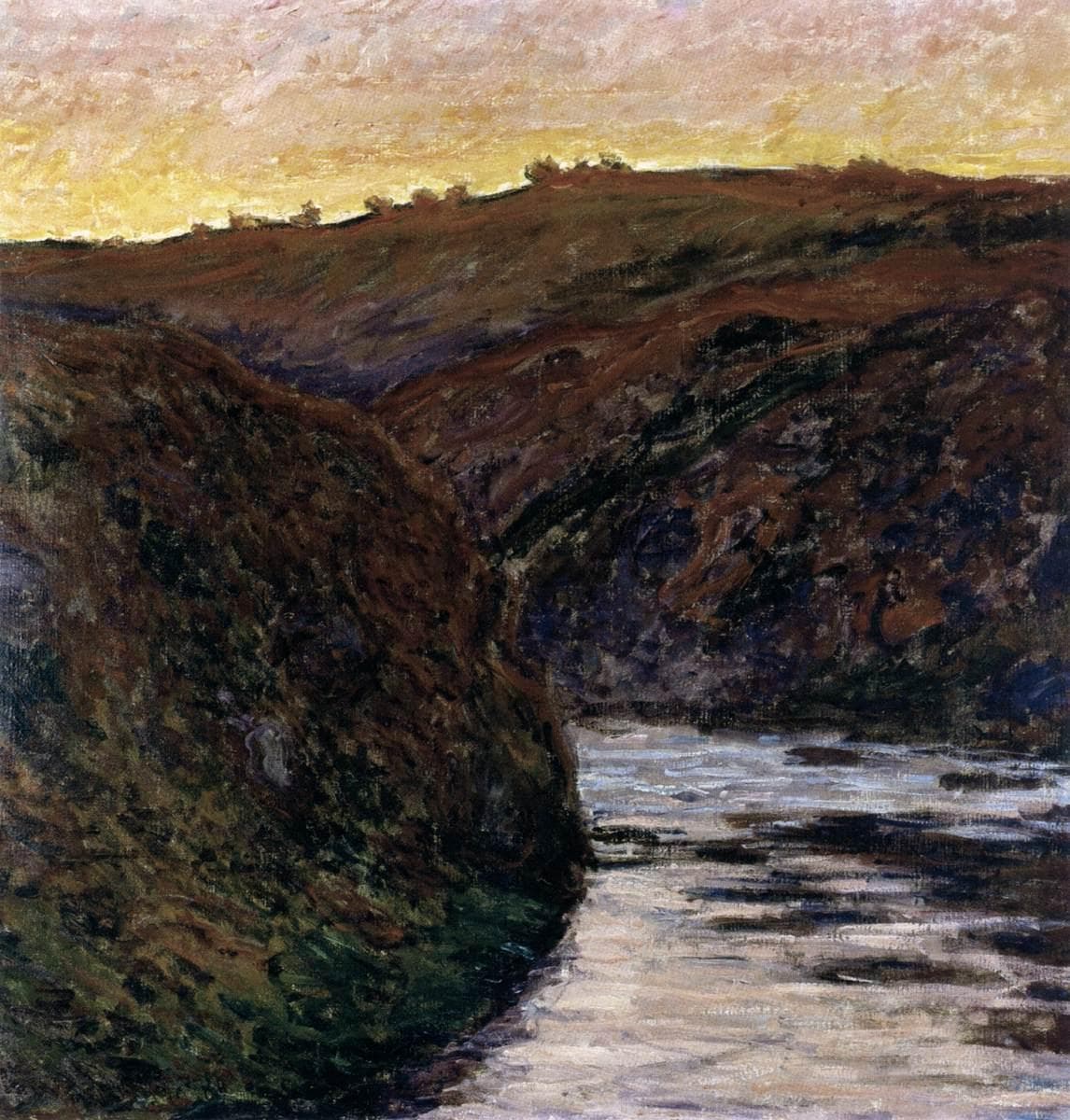
The Creuse, Sunset
Claude Monet · 1889
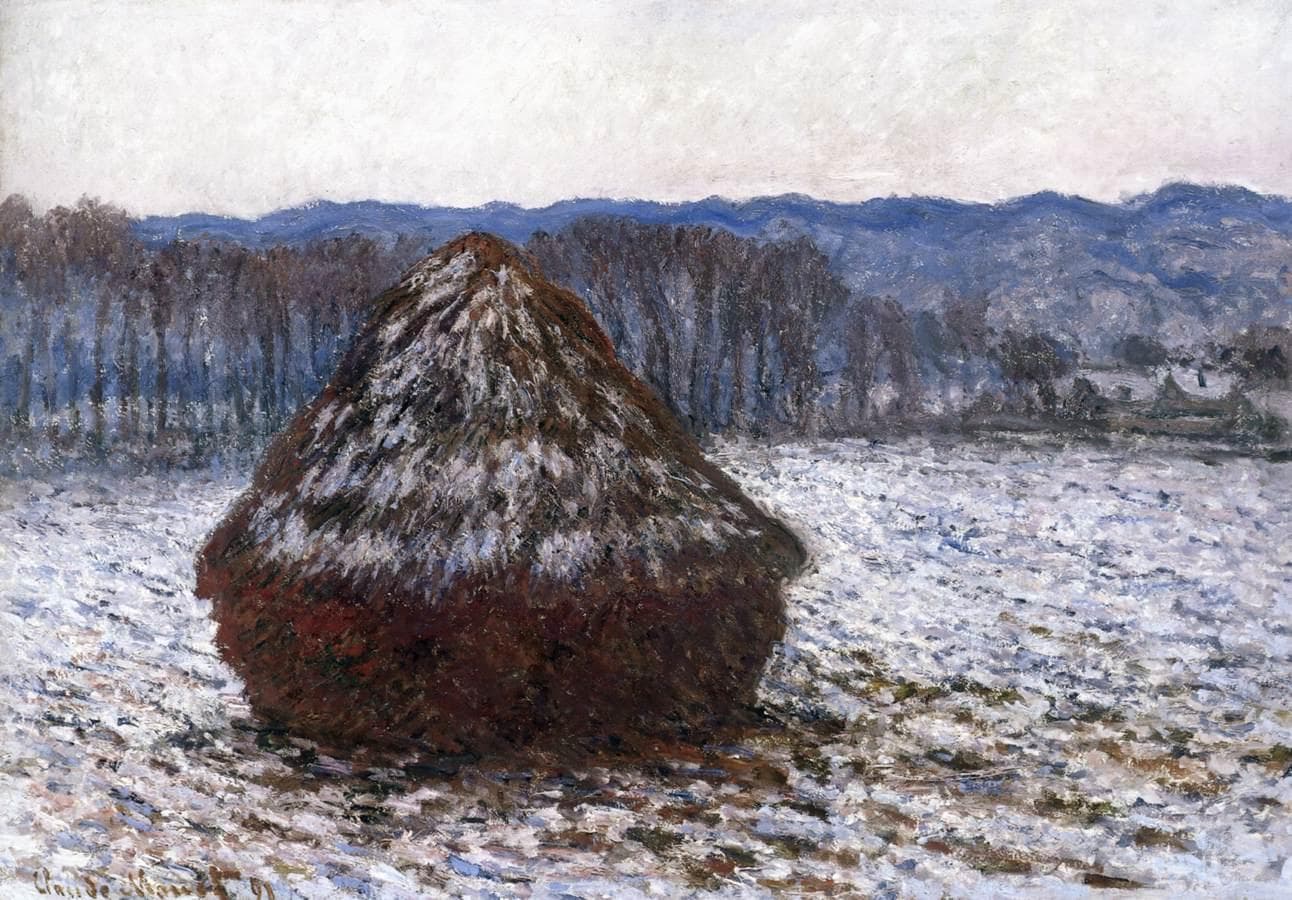
Stack of Wheat
Claude Monet · 1890–91
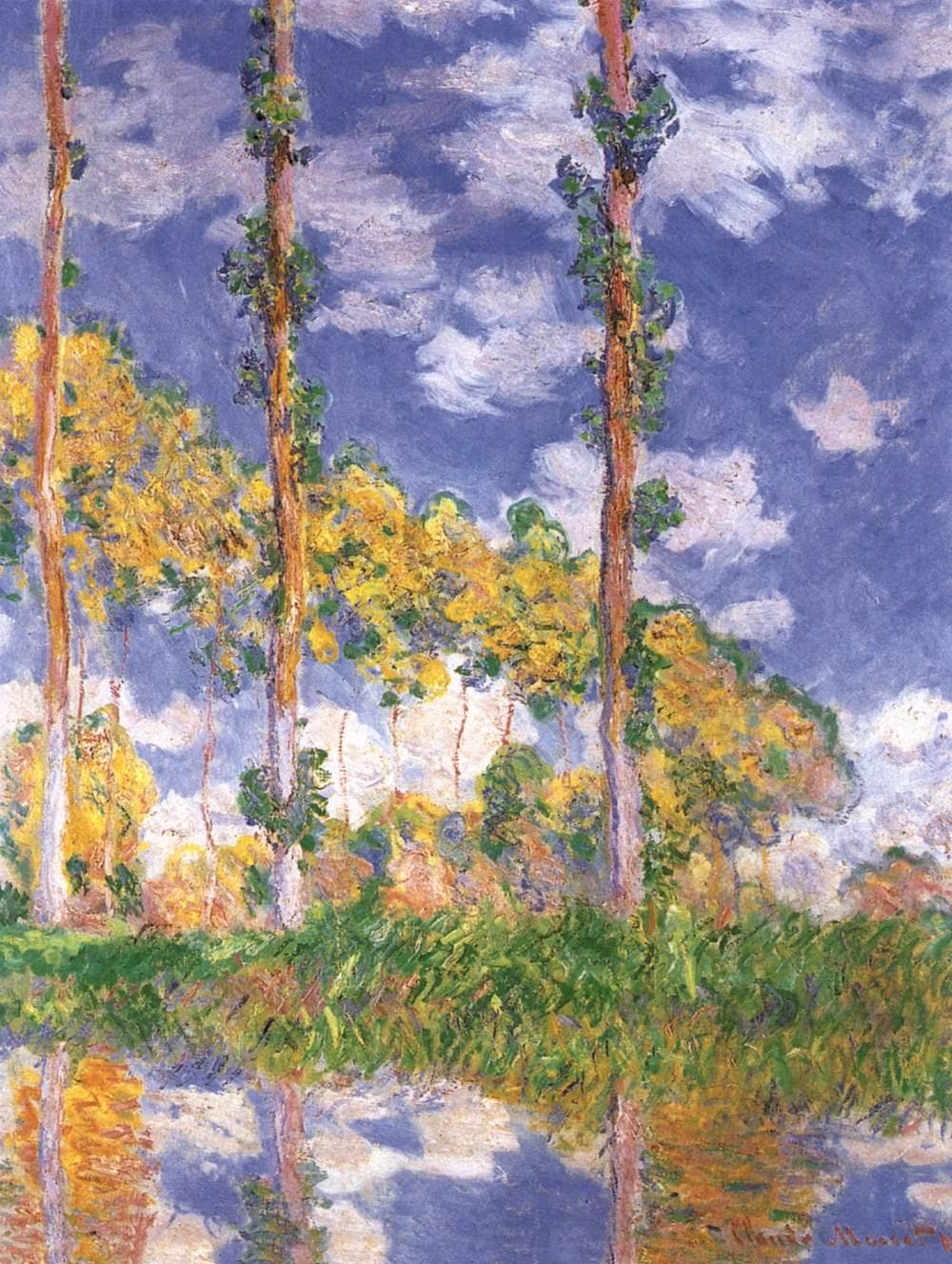
Three Poplars, Summer
Claude Monet · 1891
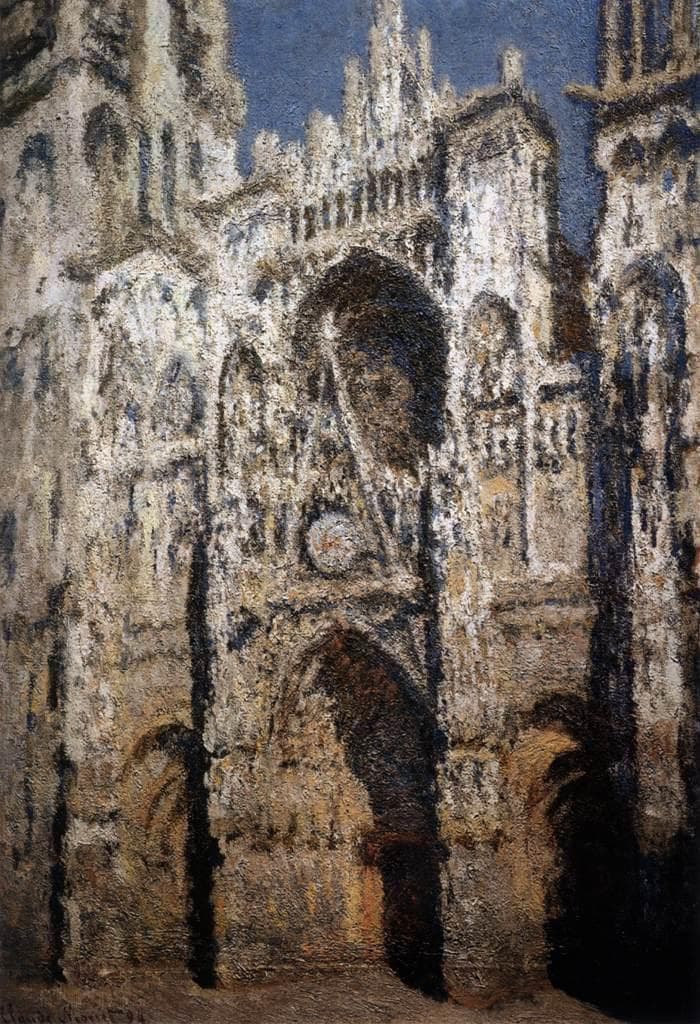
Rouen Cathedral in Full Sunlight
Claude Monet · 1893
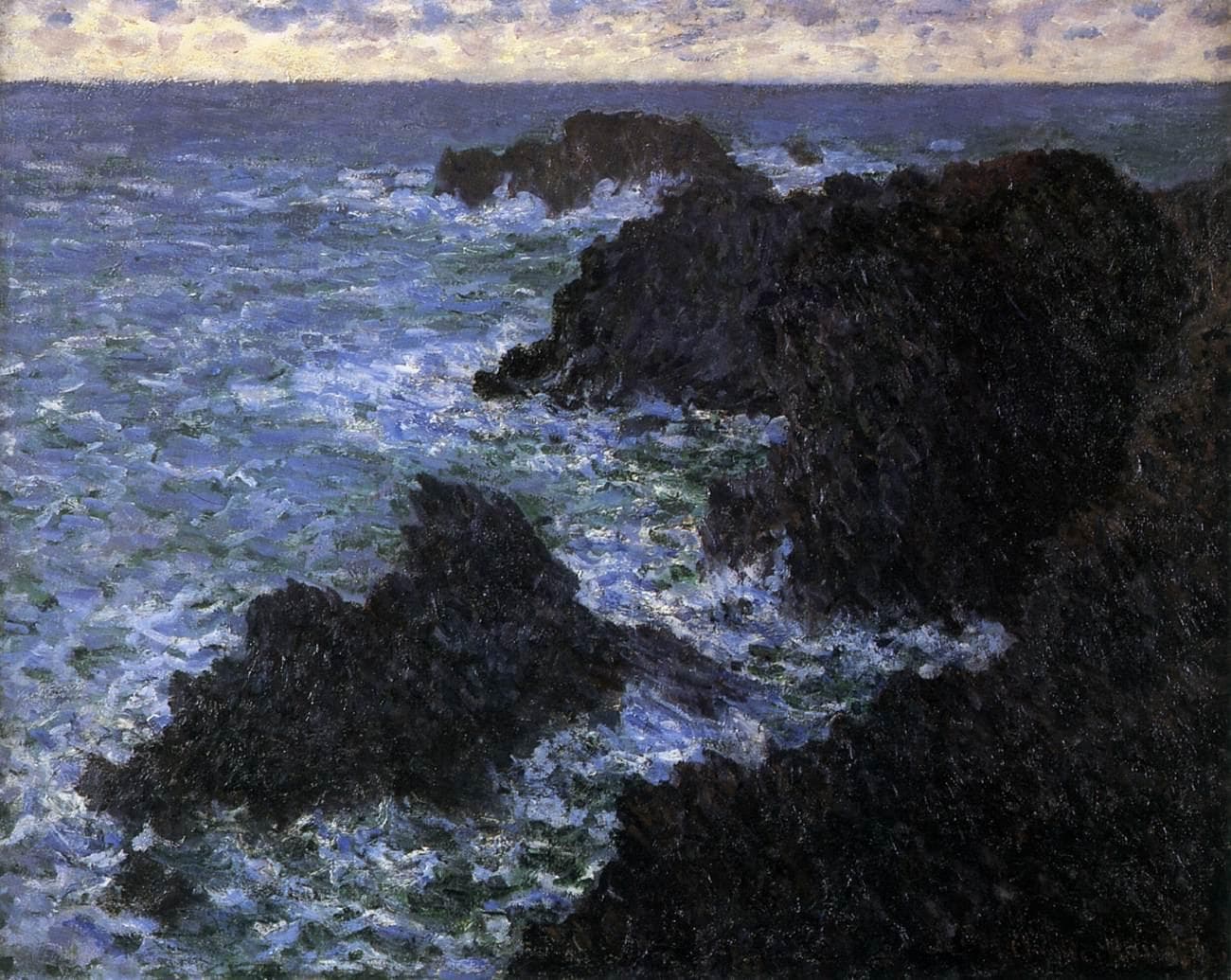
The Rocks of Belle-Île, the Wild Coast
Claude Monet · 1886

The Scream
Edvard Munch · 1893

Ophelia
John Everett Millais · 1851–52

The Great Wave off Kanagawa
Katsushika Hokusai · c. 1830–32