Impressionism
The Coal Workers
Claude Monet, c. 1875
The Coal Workers (Les Déchargeurs de charbon) is a painting of about 1875 by Claude Monet showing men carrying baskets of coal from Seine barges under the bridge at Asnières. It is in the Musée d'Orsay, Paris.
- Artist
- Claude Monet
- Date
- c. 1875
- Medium
- Oil on canvas
- Dimensions
- 54 × 66 cm
- Collection
- Musée d'Orsay, Paris, France
- Movement
- Impressionism
- Catalogue
- Wildenstein 364
More at Monet at the Musée d'Orsay
What you are looking at
The arch of an iron road bridge spans the top of the picture, its girders blue-grey against a hazy, pinkish-white sky, its deck lined with tiny figures and a railing. Below it, coal barges are moored along the riverbank, low and heavy in the water, two tall masts rising from them. From the barges, narrow planks slope up to the quay, and along the planks walks a procession of men, each bent under a big basket of coal balanced on his head and shoulders, each a dark, faceless silhouette. They move in both directions, loaded going up, empty coming back, in a rhythm that repeats across the whole canvas.
Through the arch, the river continues into a pale haze, with more barges, a far bridge, the shapes of buildings and a row of factory chimneys. The foreground is darkest: heaps of black coal in the barges at lower left, with the green water glinting between the hulls. Monet signed the canvas at lower right.
Claude Monet painted the scene around 1875 on the Seine at Asnières, just outside Paris. The canvas measures 54 by 66 centimeters, is number 364 in Wildenstein's catalogue, and is in the Musée d'Orsay, Paris.
Where and when
According to the Musée d'Orsay, the bridge that frames the view is the road bridge at Asnières, with the bridge at Clichy faint in the distance. Coal for the factories and gasworks of the industrial suburbs was unloaded here by hand, the porters known as déchargeurs or charbonniers carrying it up from the barges basket by basket.
Monet was then living at Argenteuil, a few stops down the line, and took the train into Paris across the railway bridge at Asnières, so he passed scenes like this regularly. The picture was sold at auction at the Hôtel Drouot in Paris on 24 March 1875 under the title Les Charbonniers, which suggests it was painted in the winter of 1874–75 or shortly before. See Monet at Argenteuil for those years.
An unusual subject for Monet
Monet almost never painted labor. His river pictures of the same years are full of sailing, strolling and gardens, the leisure of the middle class. The Coal Workers is a rare exception. It shows the other side of the same river, the work that powered the city, and the museum calls it atypical in his output.
The painting does not preach. Unlike the social realism of Gustave Courbet or Jean-François Millet, it does not dwell on the men's faces or their suffering. They are anonymous shapes, part of the machinery of the scene, and the picture's interest lies as much in their pattern as in their plight.
How it was painted
The composition is built on repetition. The planks run in parallel diagonals from lower left to right; the men are spaced along them almost evenly; the barges echo one another; the bridge's ribs repeat overhead. That rhythm, and the silhouetted figures, owe something to the Japanese woodblock prints Monet collected, which often show rows of laborers or travelers against a pale ground, a link the Orsay also draws.
Look at the color. The palette is unusually dark for Monet in the mid-1870s: black, brown and grey-green in the barges and figures, set against a pale, smoky sky and a bright green strip of water. The figures are painted thinly and quickly, a few flat strokes each, while the baskets get thicker touches of dark paint. The haze beyond the arch is laid in soft cream and lilac, the factory chimneys only a few vertical marks.
The motif and its siblings
Asnières and the industrial Seine appear elsewhere in Monet's work of 1873–75: compare The Seine at Asnières in Cologne and Landscape: The Seine at Asnières in Saint Petersburg. The bridge-and-train pictures of The Railway Bridge at Argenteuil and, two years later, Gare Saint-Lazare show the same interest in the modern machinery around Paris.
Where to see it
The painting came to the Musée d'Orsay in 1993, accepted by the French state in lieu of inheritance tax. See Monet at the Musée d'Orsay, and for the artist, Claude Monet.
Questions & answers
Where is Monet's The Coal Workers?
Les Déchargeurs de charbon is in the Musée d'Orsay in Paris, which received it in 1993 when it was accepted in lieu of inheritance tax. It measures 54 by 66 centimeters and is catalogued by Wildenstein as number 364.
Where and when was The Coal Workers painted?
Around 1875 on the Seine at Asnières, northwest of Paris. The Orsay identifies the bridge as the road bridge at Asnières. The picture was sold at the Hôtel Drouot in March 1875, so it was painted by early that year.
What does The Coal Workers show?
Men in silhouette carrying baskets of coal up planks from barges moored on the Seine, beneath the iron arch of a bridge, with factory chimneys in the haze beyond. It is one of Monet's very few pictures of manual labor.
Why is The Coal Workers unusual for Monet?
Most of Monet's river paintings of the 1870s show leisure: sailing, walking and gardens. This one shows industrial work, in a dark palette and a rhythmic, almost decorative composition influenced by Japanese prints.
More by the artist
Claude Monet

Bridge over a Pond of Water Lilies
Claude Monet · 1899

Woman with a Parasol – Madame Monet and Her Son
Claude Monet · 1875

Sunset in Venice
Claude Monet · 1908–12

La Grenouillère
Claude Monet · 1869

Beach in Pourville
Claude Monet · 1882

Springtime
Claude Monet · 1872

Boating on the River Epte
Claude Monet · 1890

The Seine at Asnières (Hermitage)
Claude Monet · 1873
Also painted in 1875
The same year
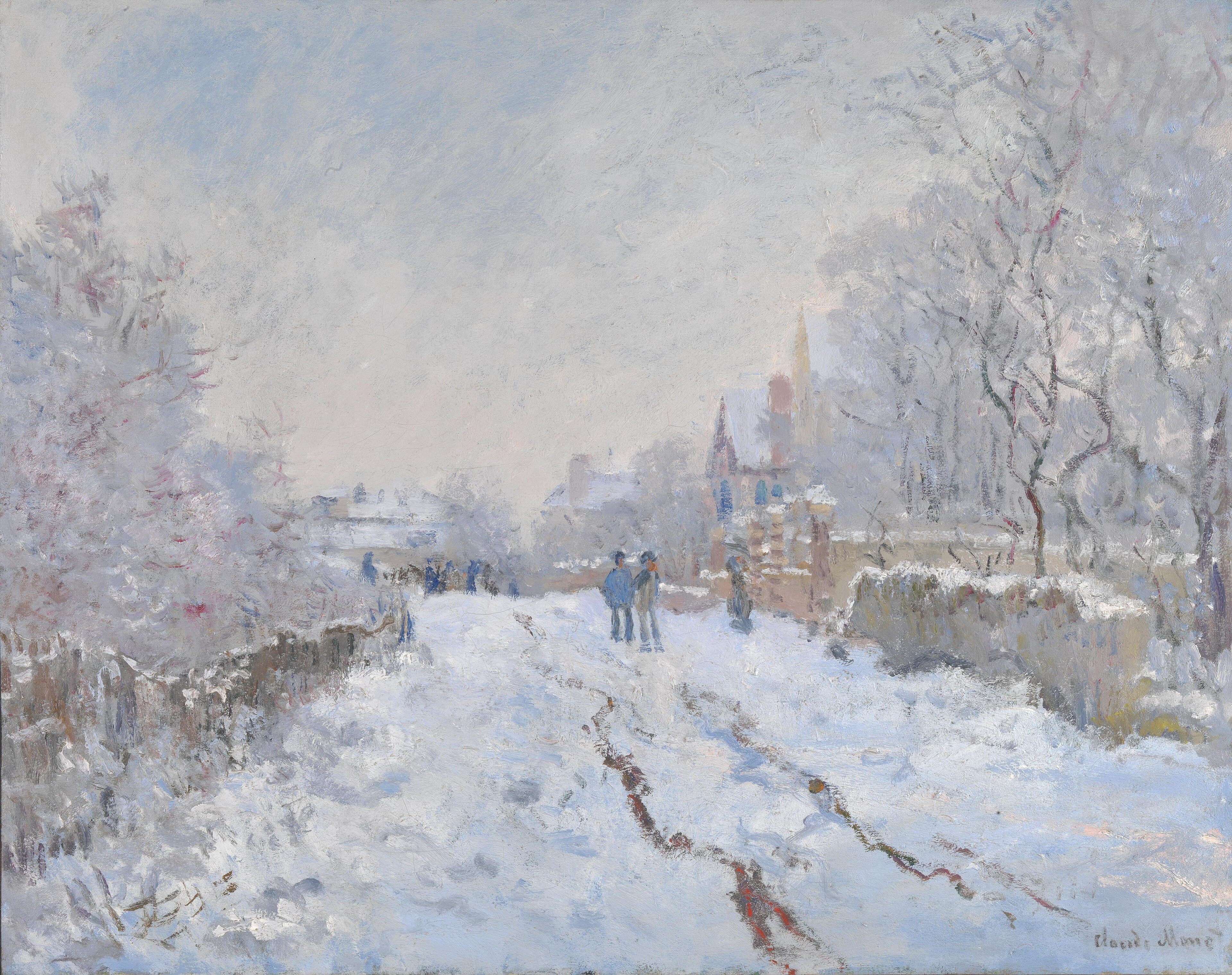
Snow Scene at Argenteuil
Claude Monet · 1875
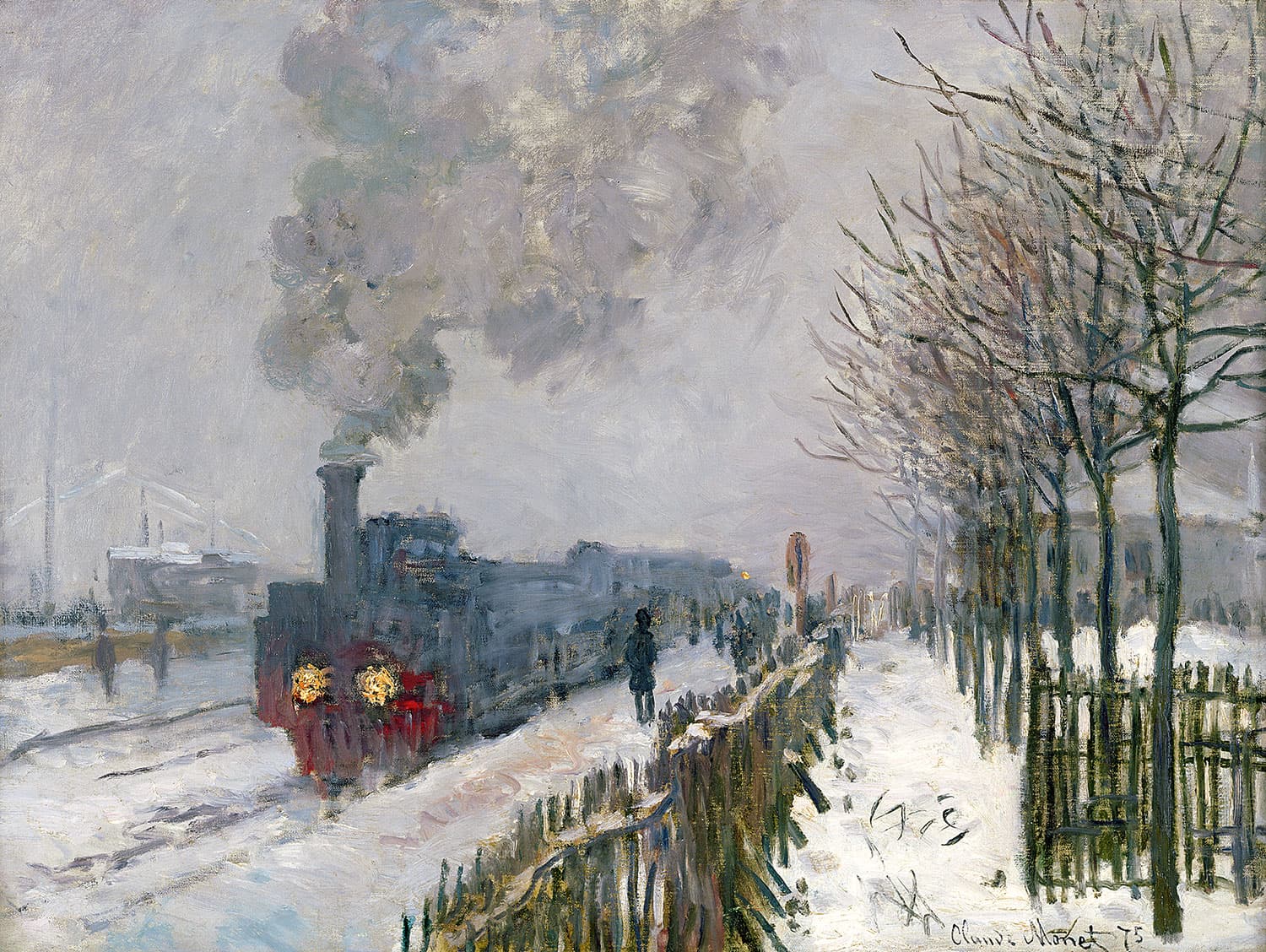
Train in the Snow (The Locomotive)
Claude Monet · 1875
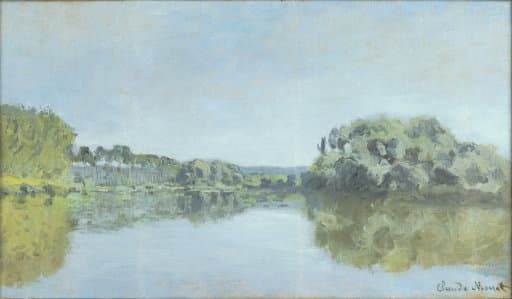
Bords de la Seine à Argenteuil
Claude Monet · 1870s (inscribed 1875 on the frame)
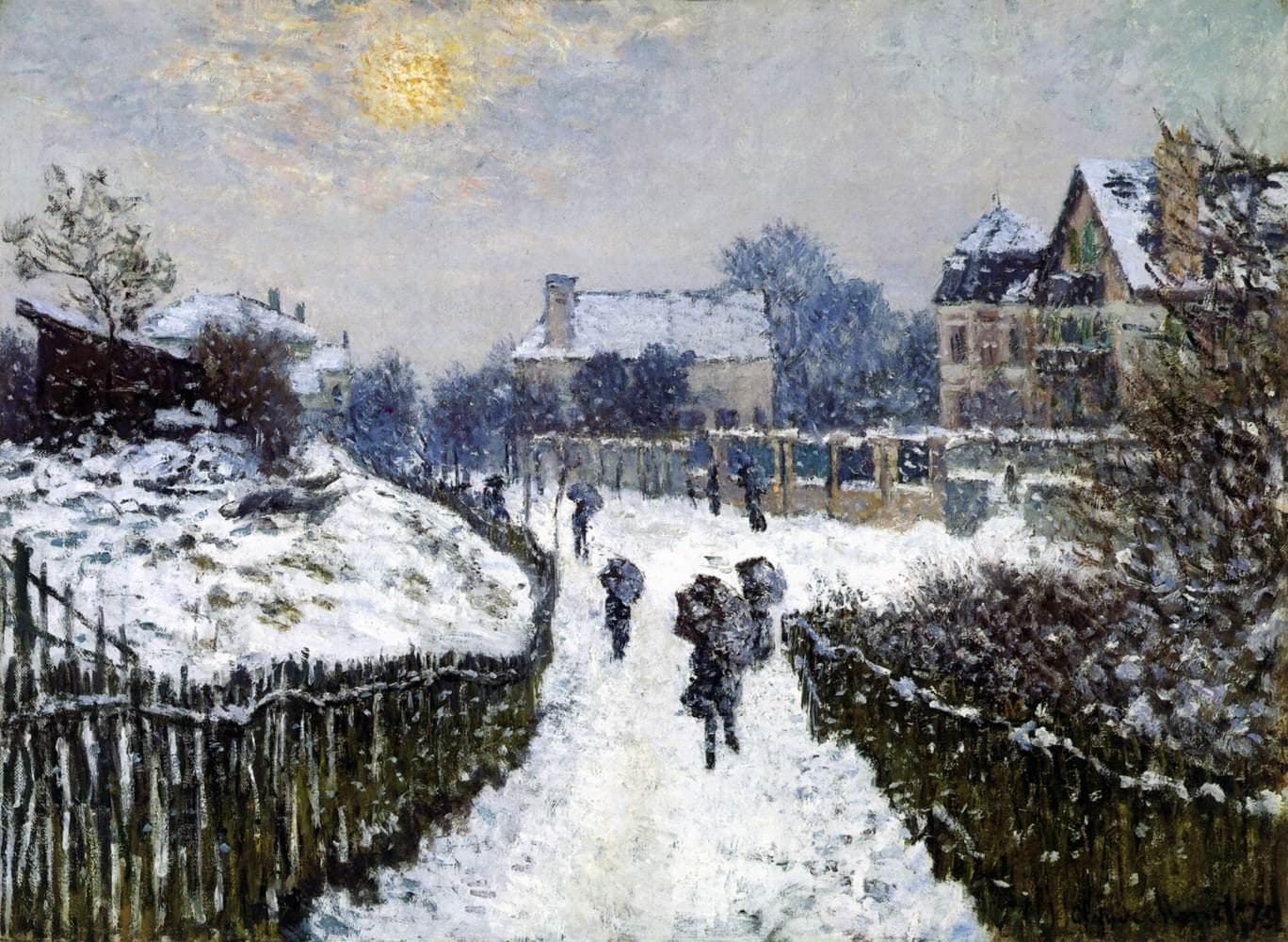
Boulevard Saint-Denis, Argenteuil, in Winter
Claude Monet · 1875
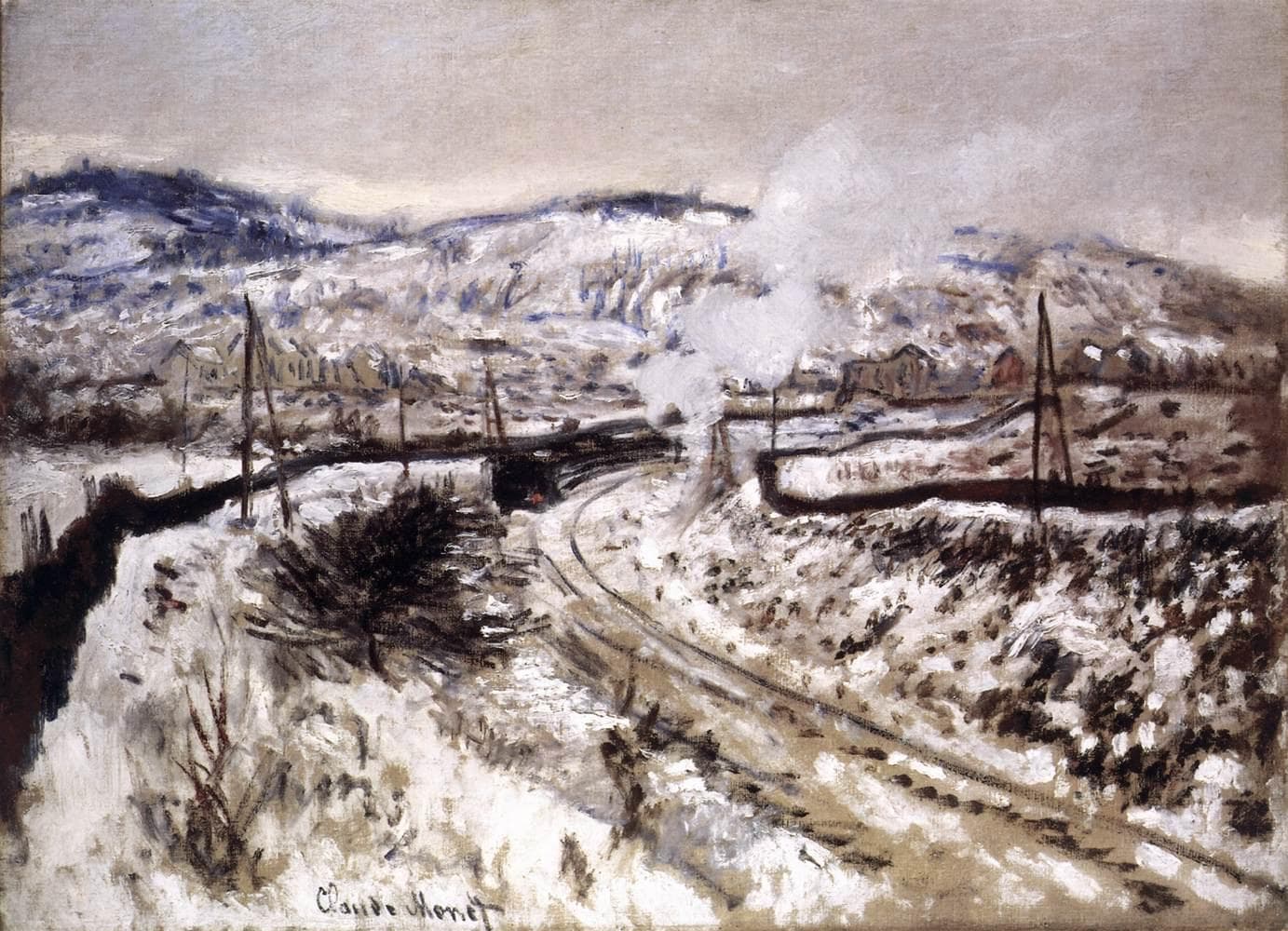
Train in the Snow at Argenteuil
Claude Monet · 1875
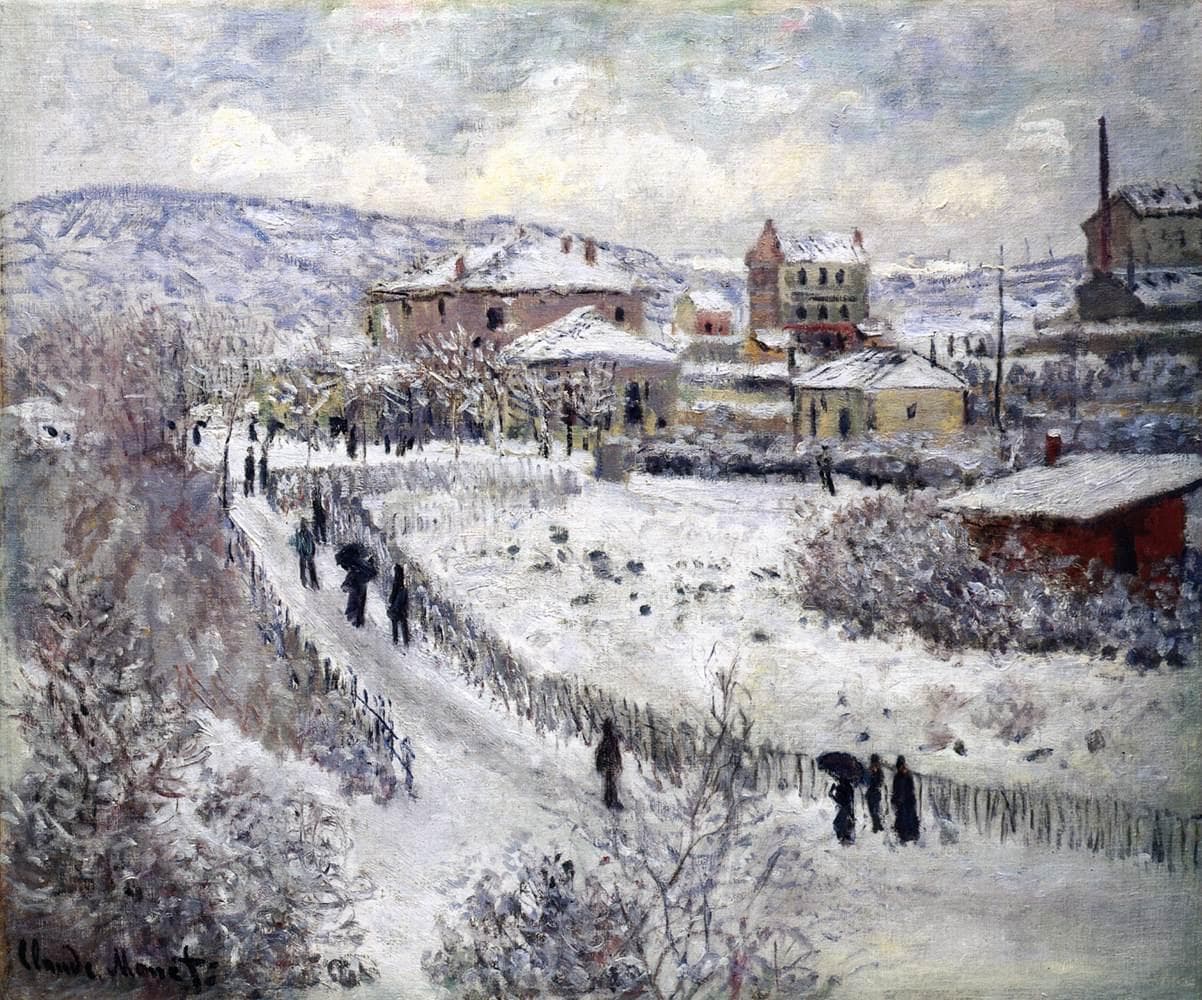
View of Argenteuil in the Snow
Claude Monet · 1874–75
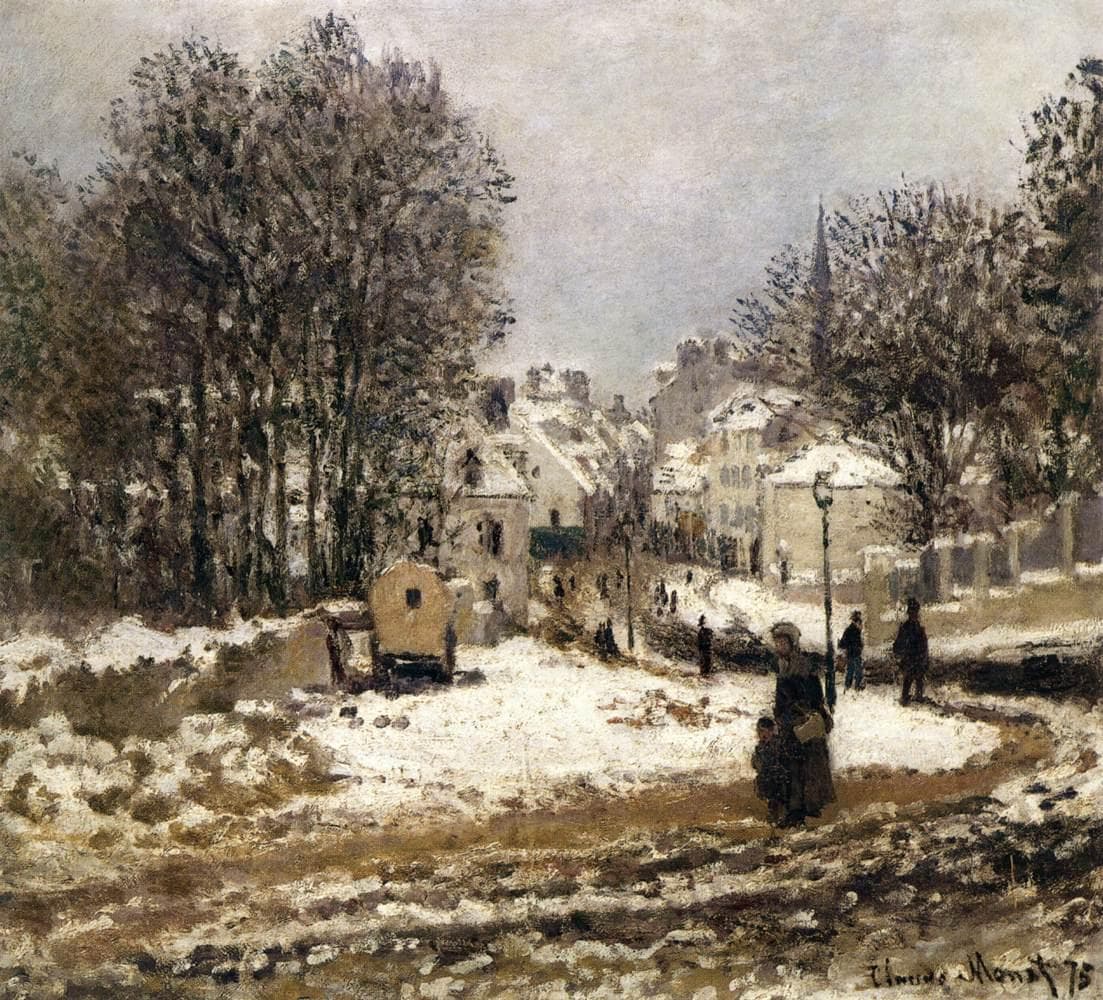
Entrance to the Grande Rue at Argenteuil, Winter
Claude Monet · 1875
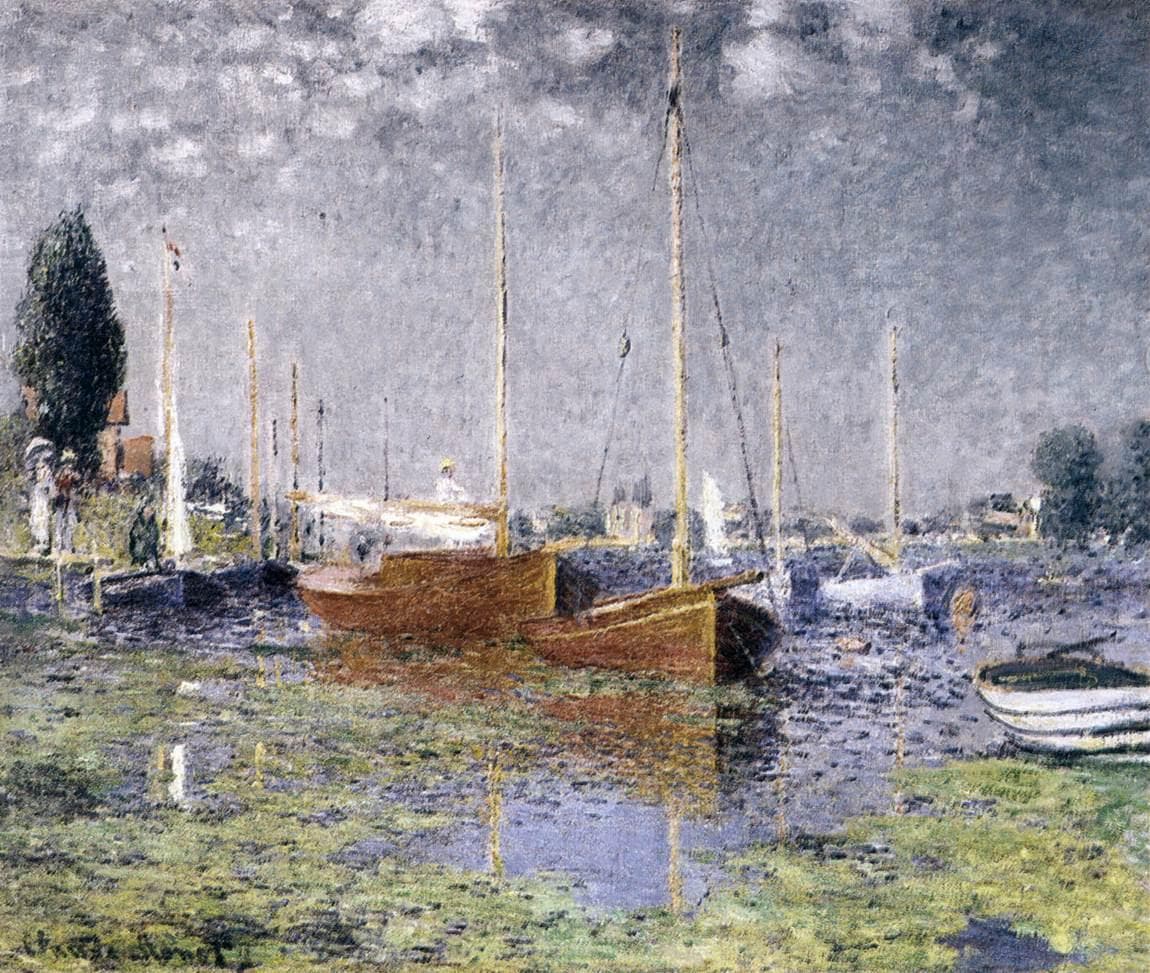
Red Boats at Argenteuil
Claude Monet · 1875
Kindred works
You may also study
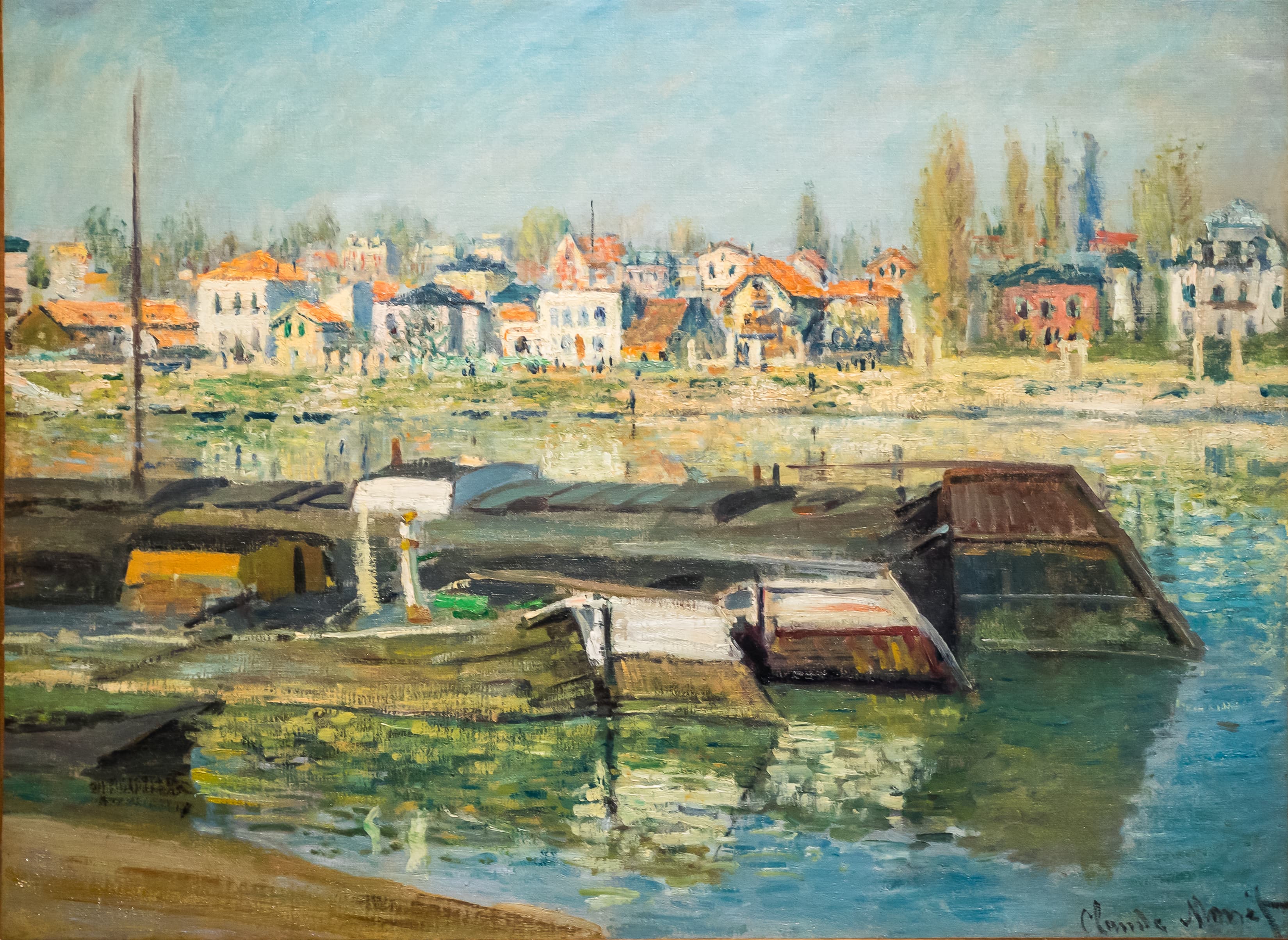
The Seine at Asnières
Claude Monet · 1873
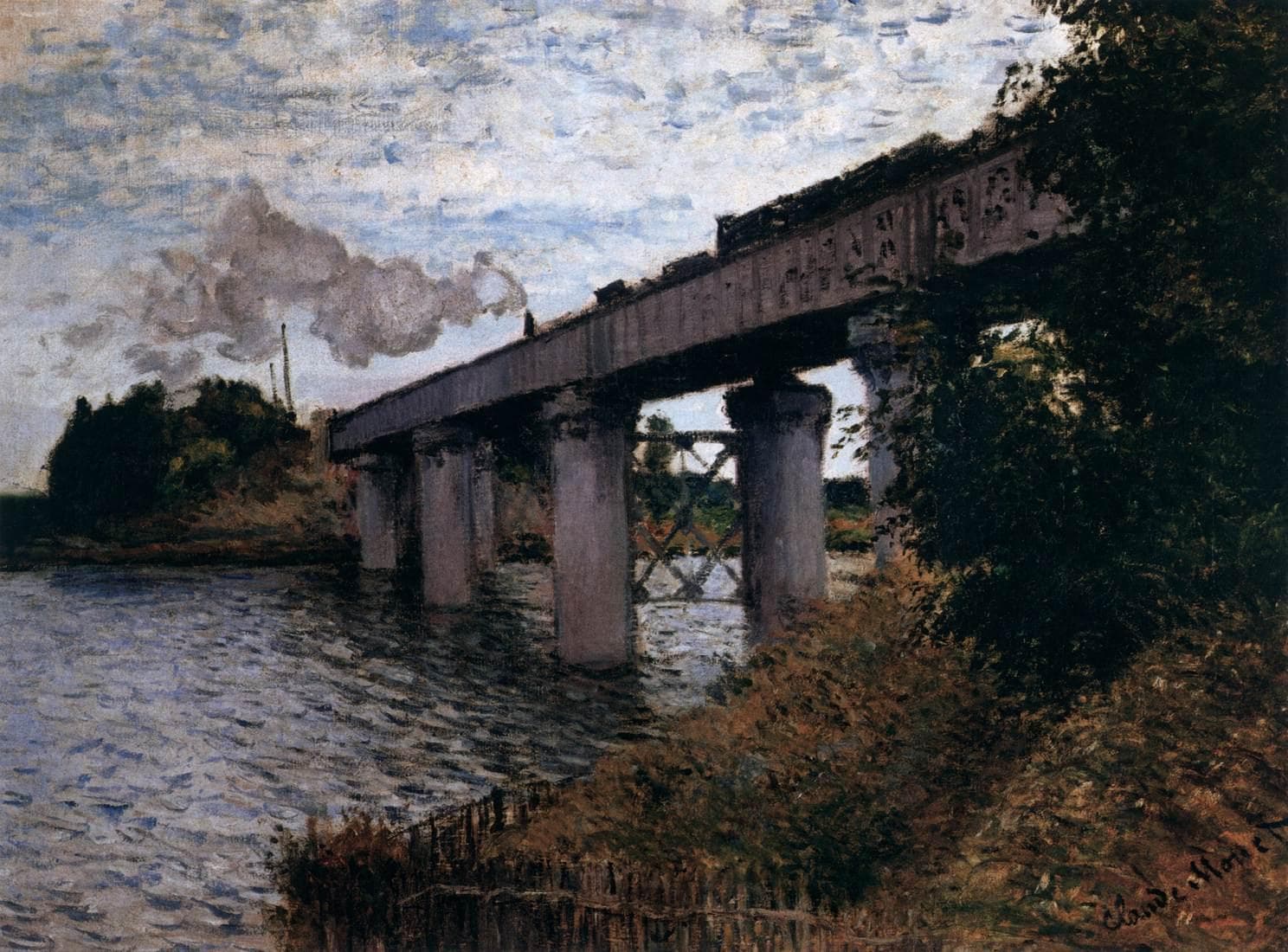
The Railway Bridge at Argenteuil
Claude Monet · c. 1873–74
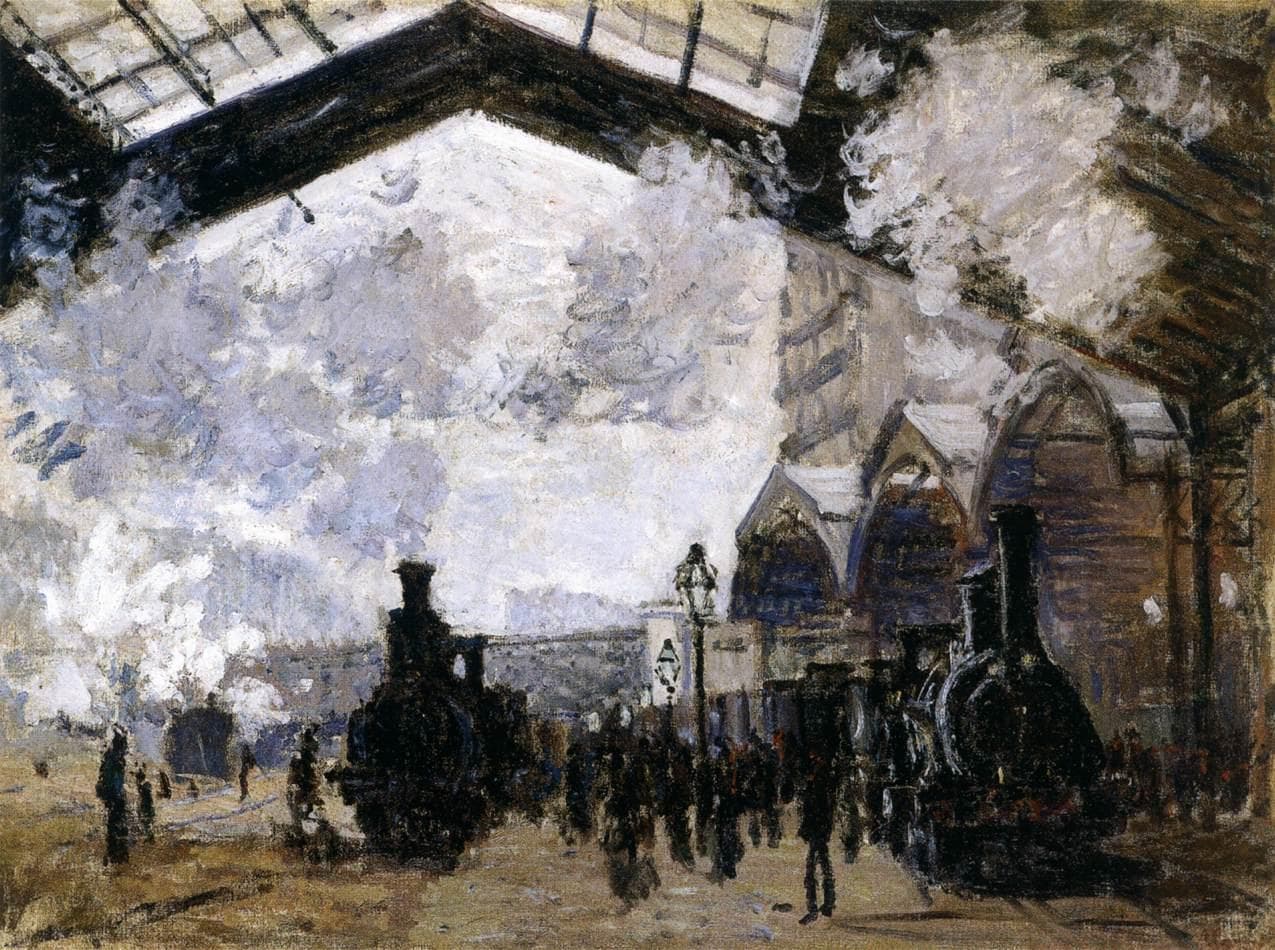
The Gare Saint-Lazare
Claude Monet · 1877
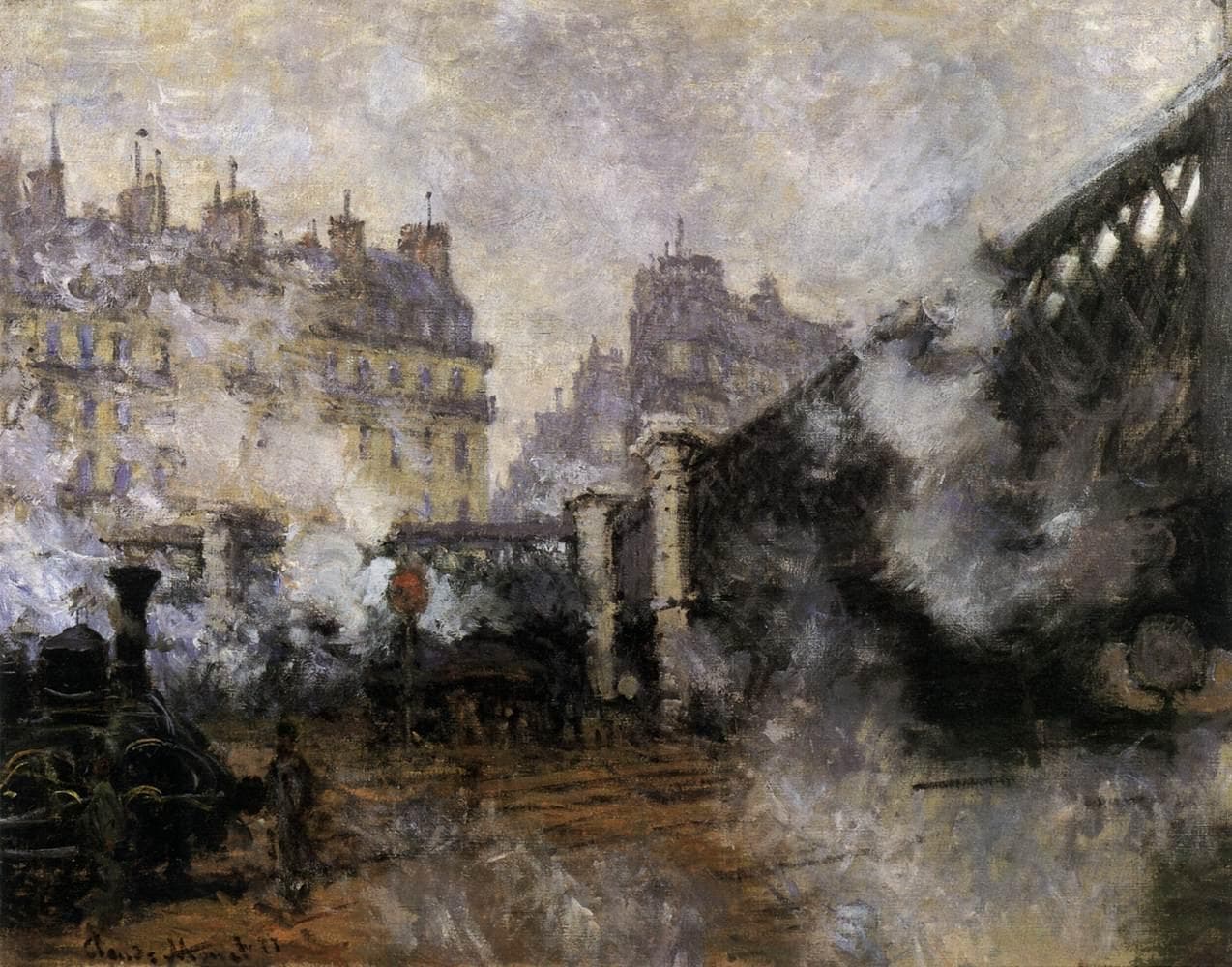
Pont de l'Europe, Gare Saint-Lazare
Claude Monet · 1877

Ophelia
John Everett Millais · 1851–52

The Great Wave off Kanagawa
Katsushika Hokusai · c. 1830–32
The Birth of Venus
Sandro Botticelli · c. 1484–1486
Liberty Leading the People
Eugène Delacroix · 1830