Impressionism
Sunset in Venice
Claude Monet, 1908–12
Sunset in Venice, also called San Giorgio Maggiore at Dusk, is a painting by Claude Monet begun on his only trip to Venice in 1908 and finished in France by 1912. It shows the island church silhouetted against an orange sky and is in National Museum Cardiff.
- Artist
- Claude Monet
- Date
- 1908–12
- Medium
- Oil on canvas
- Dimensions
- 65.2 × 92.4 cm
- Collection
- National Museum Cardiff, Cardiff, United Kingdom
- Movement
- Impressionism
- Catalogue
- Wildenstein 1768
Painted at Monet in Venice
Sunset in Venice, better known in museum catalogues as San Giorgio Maggiore at Dusk or San Giorgio Maggiore, Twilight, is one of the paintings Claude Monet began during his only visit to Venice, in the autumn of 1908, and completed at Giverny over the following years. It shows the island church of San Giorgio Maggiore, with its tall campanile, as a dark silhouette against a blazing sky, its reflection running down into the lagoon. The canvas (65.2 × 92.4 cm) belongs to Amgueddfa Cymru – Museum Wales and hangs in National Museum Cardiff.
What you're looking at
The composition is almost absurdly simple. A low, dark mass of buildings sits on the left, crowned by the needle of the bell tower and the dome of Palladio's church. Everything else is sky and water, divided by a horizon that dissolves into haze at the right, where the domes of Santa Maria della Salute and the mouth of the Grand Canal are only faintly suggested.
The sky is a gradient of color laid down in short, woven strokes: deep blue at the top, then green, then a broad band of orange and gold around the sun, which itself is never shown. The water repeats the sky in a slightly duller key, so the picture is nearly symmetrical about the horizon. The single strong vertical, the campanile, is doubled by its reflection, a dark, broken column of blue and violet that wobbles down to the bottom edge.
Look closely at the silhouette. It is not black. Monet builds it from purples, deep reds and blue-greens, which is why the island seems to glow faintly from within rather than being cut out of the sky. The architecture is barely drawn; the forms are true enough to be recognized, but they read as color first and buildings second.
Monet in Venice
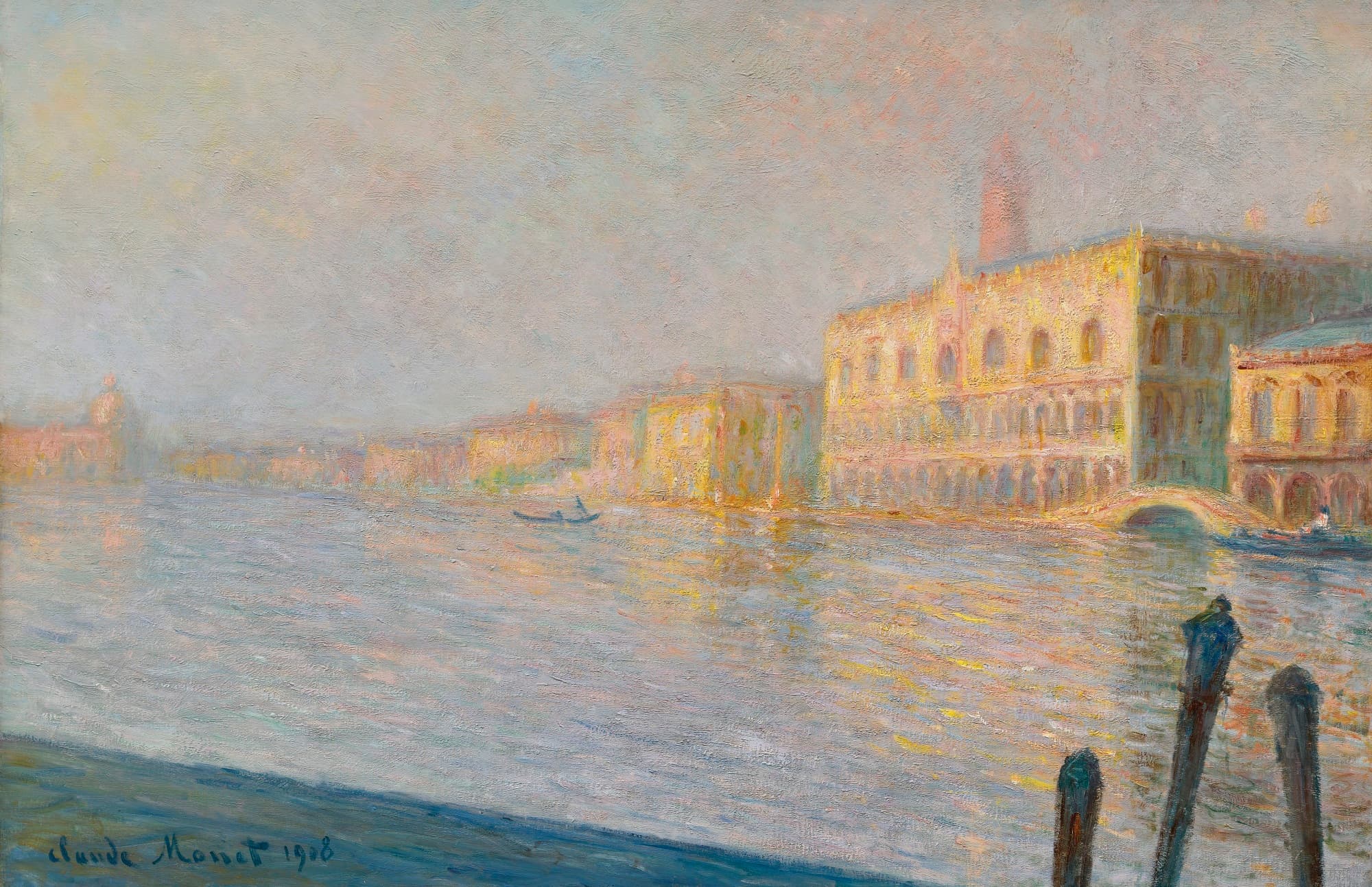
Monet arrived in Venice with his second wife, Alice, at the beginning of October 1908. They stayed first at the Palazzo Barbaro on the Grand Canal at the invitation of an English acquaintance, then moved to the Hotel Britannia, remaining until early December. Monet, then 68, had resisted the city for years, partly because so many painters, from Canaletto and Turner to his own contemporaries, had already painted it. Once there, he worked steadily, choosing a handful of motifs and painting them at fixed times of day: the Doge's Palace, the Palazzo Contarini and Palazzo Dario, the Grand Canal and San Giorgio Maggiore.
The dusk view of San Giorgio appears to have been painted from the waterfront near the Riva degli Schiavoni, looking across the basin toward the island. Monet painted the church under several different conditions; this is the most dramatic of them.
Completing the series in France
Monet left Venice with many canvases unfinished and worked on them at Giverny for several years. The death of Alice in May 1911 interrupted, then seems to have spurred, their completion. Twenty-nine Venetian paintings were exhibited at the Galerie Bernheim-Jeune in Paris in 1912 under the title Claude Monet: Venise, and the show was a commercial success.
The Welsh collector Gwendoline Davies bought this canvas in 1912, directly from that exhibition. She and her sister Margaret assembled one of Britain's great collections of Impressionism, and Gwendoline bequeathed this painting to the National Museum of Wales in 1952. A second, closely related version is in the Artizon Museum (formerly the Bridgestone Museum of Art) in Tokyo.
Meaning
Monet's Venice paintings carry on the project of his series of the 1890s, the haystacks, poplars and Rouen Cathedral, in which a single motif is studied under changing light. In Venice, though, the weight shifts from analysis to mood. Monet called the Venetian sunsets "unique in the world," and this picture is close to pure atmosphere: architecture held in suspension between a burning sky and its reflection.
It also looks back. A low silhouette against a flaming sky over water recalls Monet's own Impression, Sunrise of 1872, and the subject inevitably invites comparison with J. M. W. Turner, whose luminous paintings of Venice and of the Thames Monet knew well.
In popular culture
The painting reached a wide audience in 1999, when a version of it appeared in the heist film The Thomas Crown Affair, stolen from a fictionalized Metropolitan Museum of Art. The Met does not own it, though it does have a related Venetian Monet, The Doge's Palace Seen from San Giorgio Maggiore.
Related works
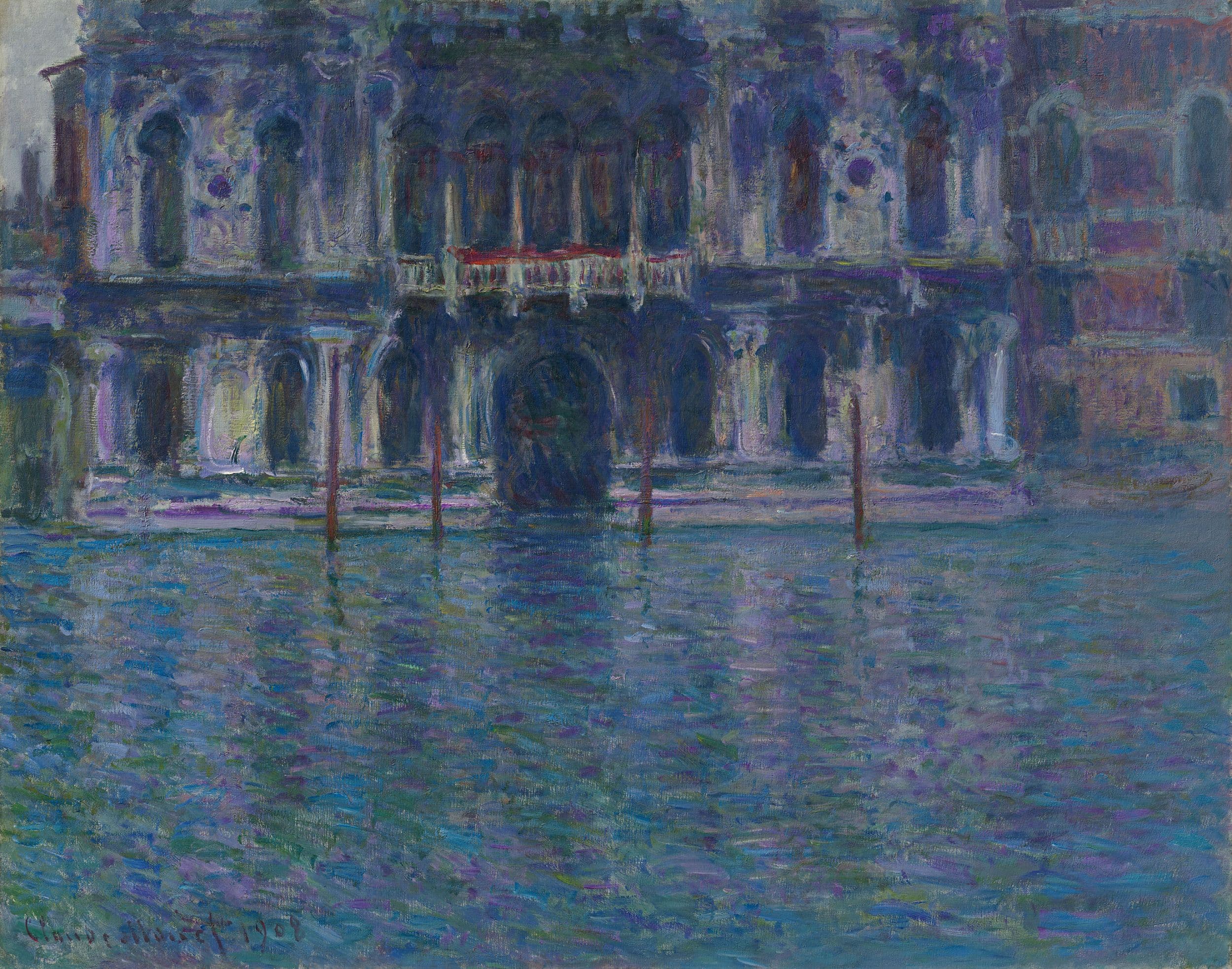
See also The Palazzo Ducale Seen from San Giorgio Maggiore, The Grand Canal in Venice, Palazzo Contarini and Gondola in Venice, and the wider survey in Famous Monet Paintings.
Where to see it
National Museum Cardiff, Cathays Park, Cardiff, Wales (NMW A 2485), where it is normally on display in the Impressionist galleries alongside other works from the Davies sisters' collection. Admission is free. The painting is in the public domain.
Questions & answers
Where is Monet's Sunset in Venice?
This version, catalogued as San Giorgio Maggiore at Dusk or San Giorgio Maggiore, Twilight, is in National Museum Cardiff in Wales. Gwendoline Davies bought it at the 1912 Paris exhibition of Monet's Venice paintings and bequeathed it to the museum in 1952. A related version is in the Artizon Museum, Tokyo.
When did Monet paint Sunset in Venice?
Monet began it during his only visit to Venice, between October and December 1908, and finished it at Giverny. The Venice canvases were completed by 1912, when twenty-nine of them were shown at the Galerie Bernheim-Jeune in Paris, so the painting is usually dated 1908–12.
What building is in Monet's Sunset in Venice?
It is the church and monastery of San Giorgio Maggiore, designed by Andrea Palladio, on its own small island across the basin from St. Mark's. Its tall campanile forms the strongest vertical in the picture. The domes of Santa Maria della Salute are faintly visible at the right.
Is Sunset in Venice the painting from The Thomas Crown Affair?
Yes, a version of San Giorgio Maggiore at Dusk is the Monet stolen in the 1999 film The Thomas Crown Affair, where it is shown hanging in the Metropolitan Museum of Art. In reality the Met does not own the painting; the Cardiff and Tokyo museums hold the known versions.
More by the artist
Claude Monet

Bridge over a Pond of Water Lilies
Claude Monet · 1899

Woman with a Parasol – Madame Monet and Her Son
Claude Monet · 1875

La Grenouillère
Claude Monet · 1869

Beach in Pourville
Claude Monet · 1882

Springtime
Claude Monet · 1872

Boating on the River Epte
Claude Monet · 1890

The Seine at Asnières (Hermitage)
Claude Monet · 1873
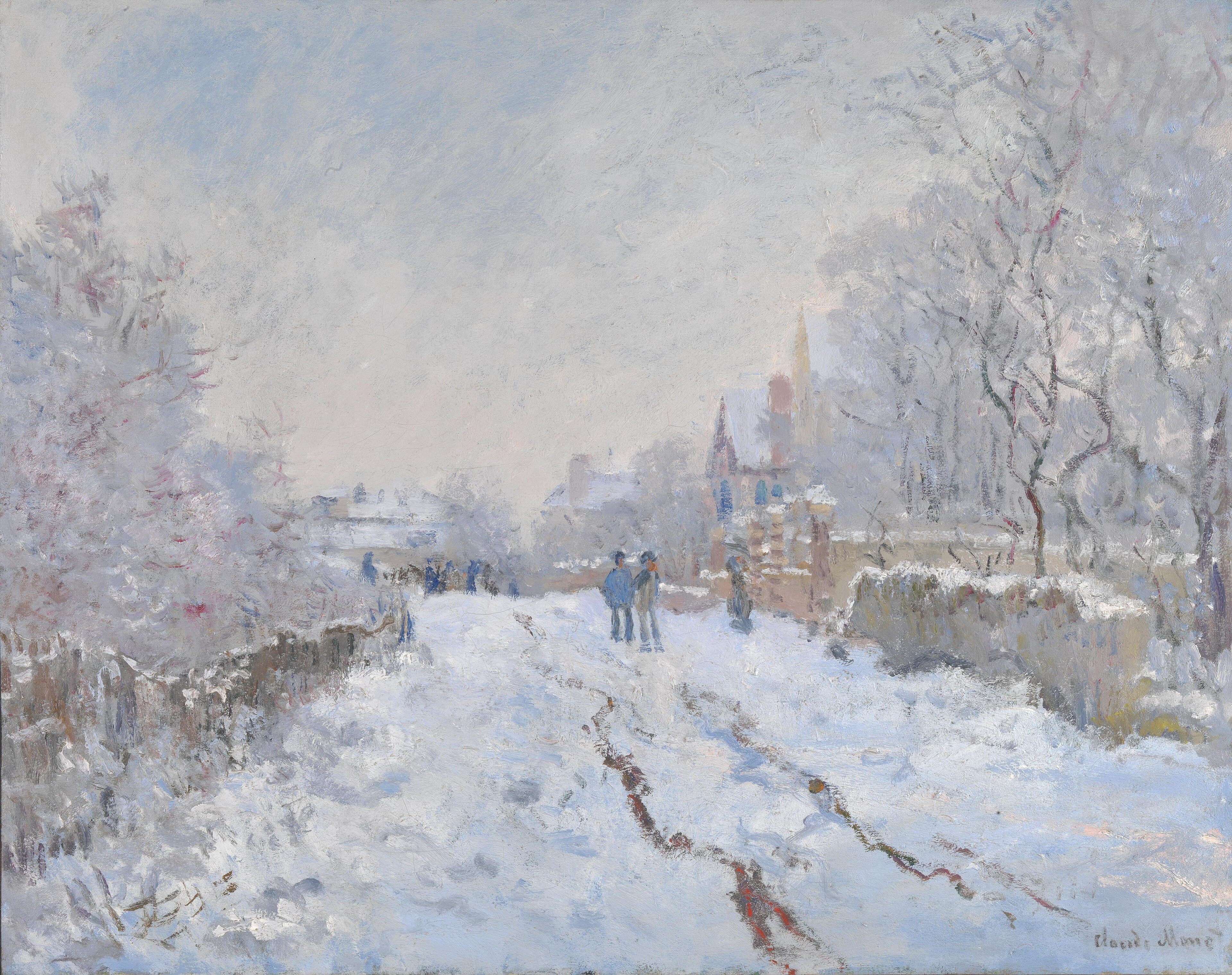
Snow Scene at Argenteuil
Claude Monet · 1875
Also painted in 1908
The same year
Kindred works
You may also study
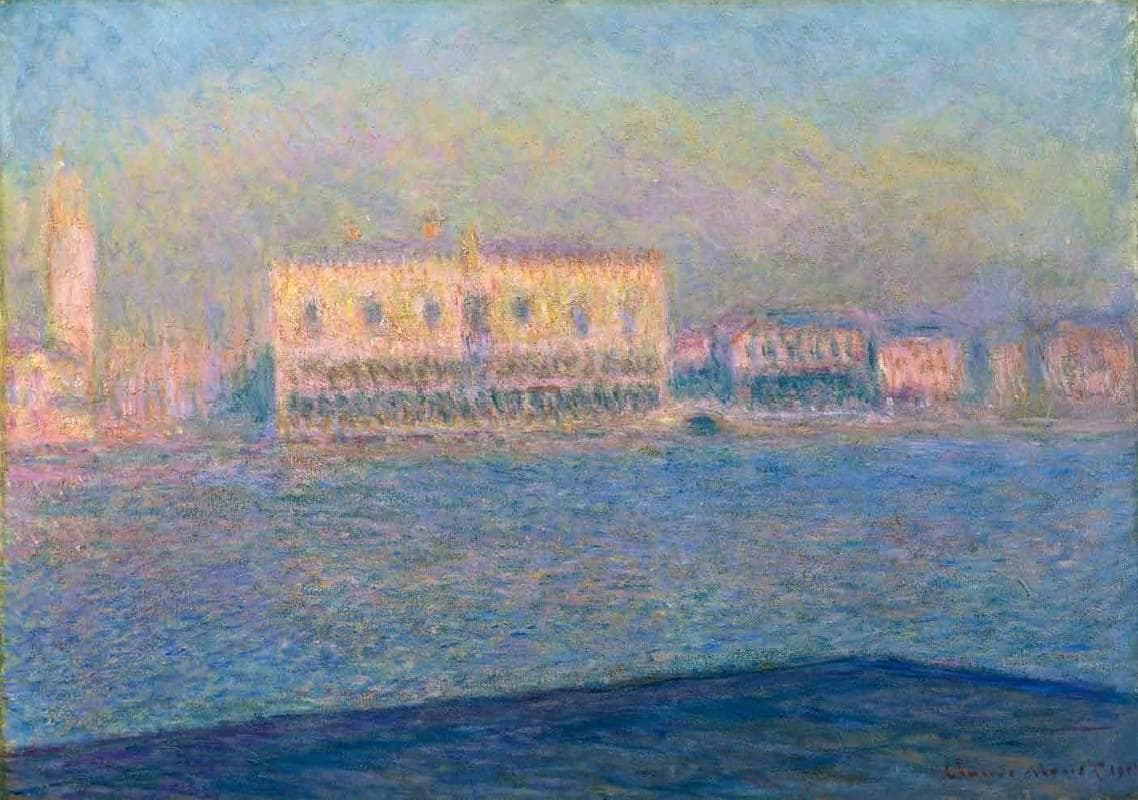
The Palazzo Ducale Seen from San Giorgio Maggiore
Claude Monet · 1908
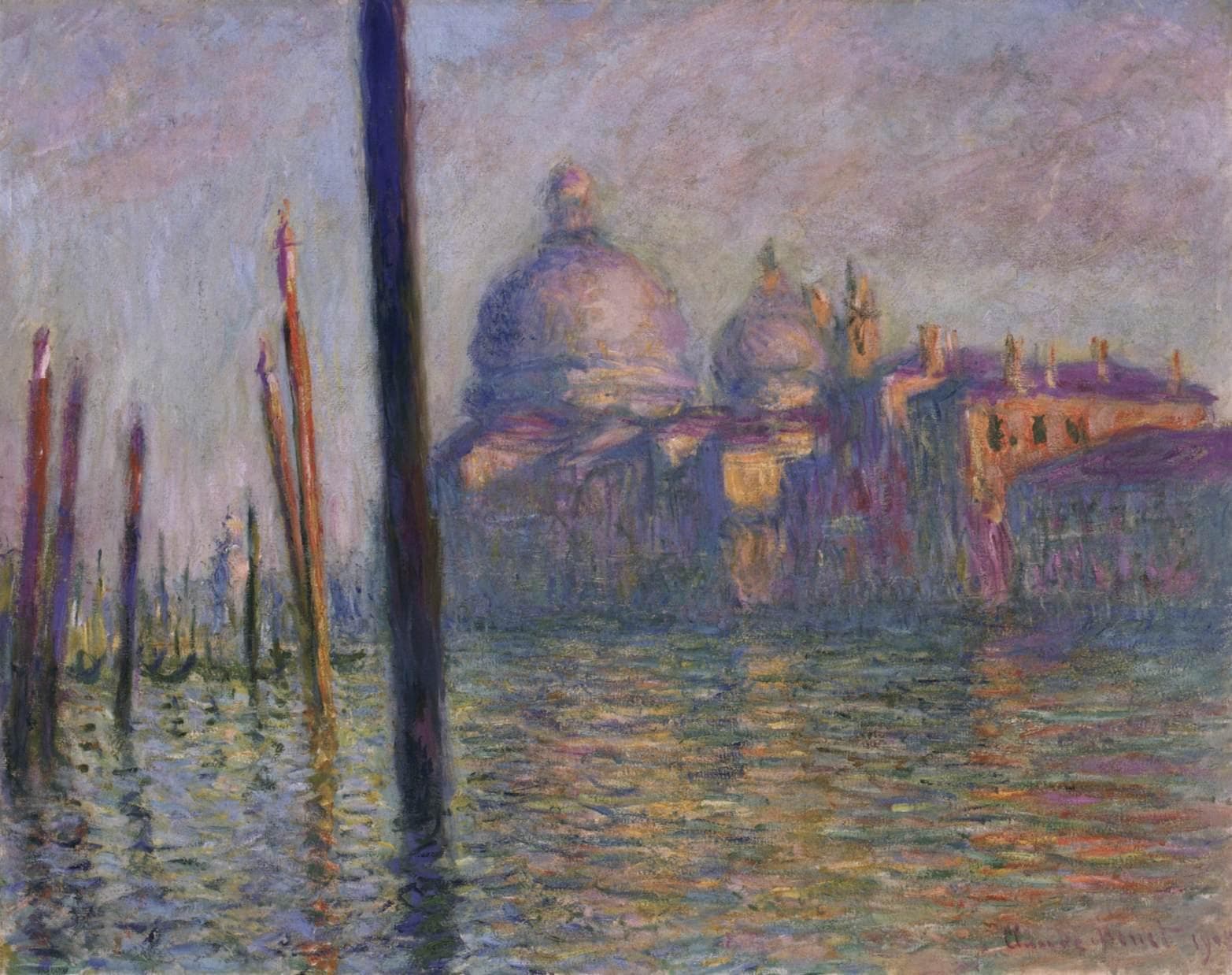
The Grand Canal in Venice
Claude Monet · 1908
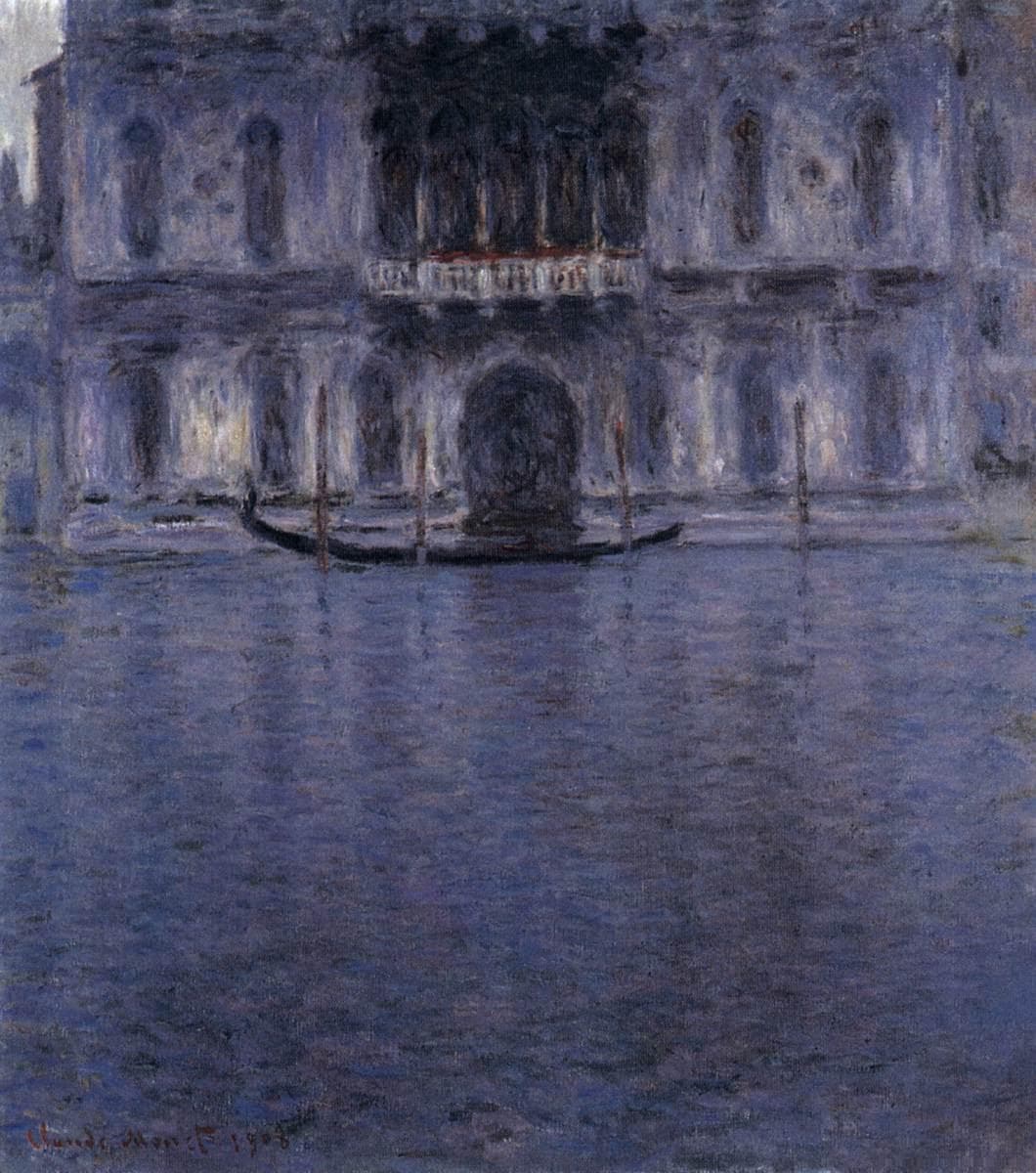
Palazzo Contarini
Claude Monet · 1908
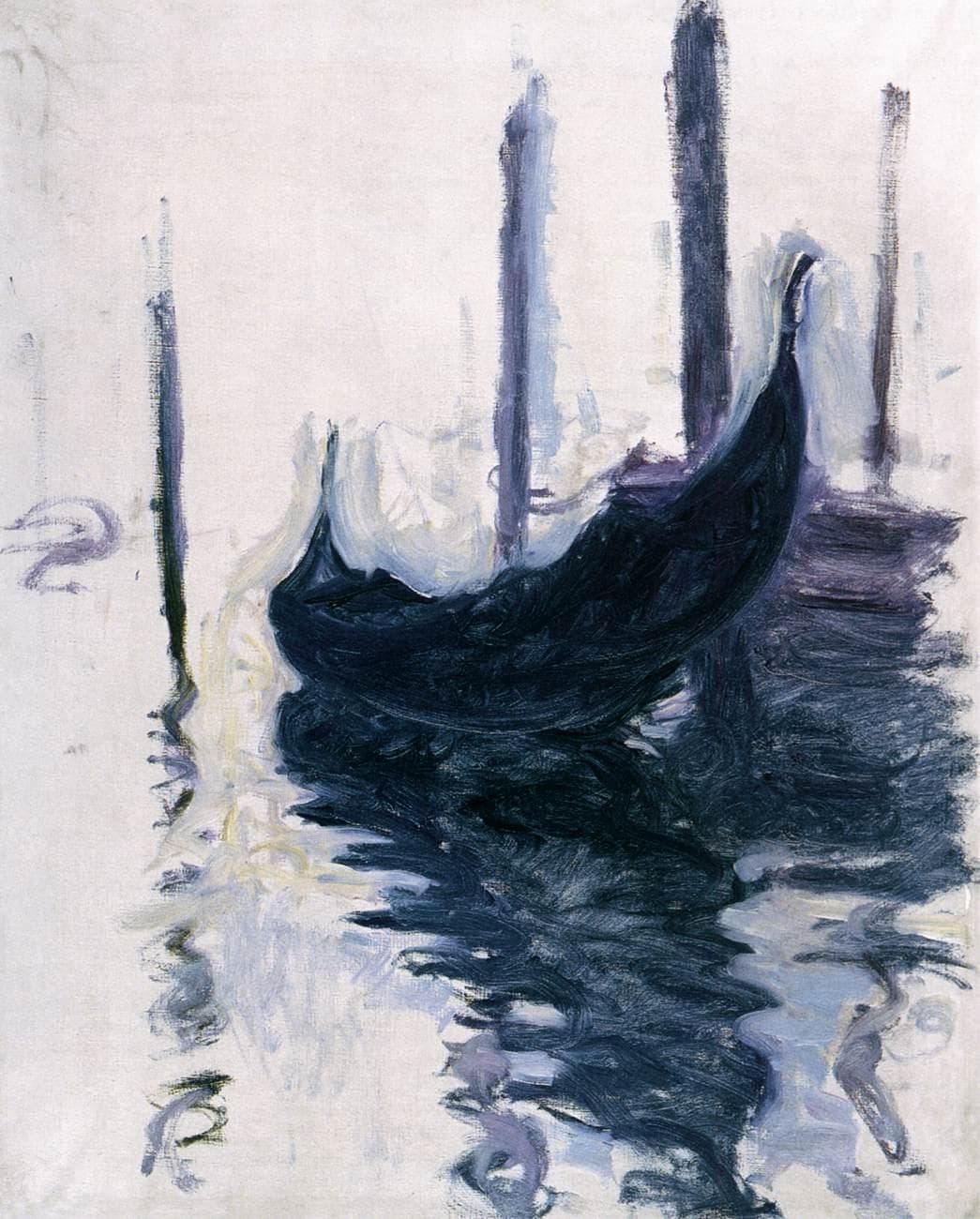
Gondola in Venice
Claude Monet · 1908
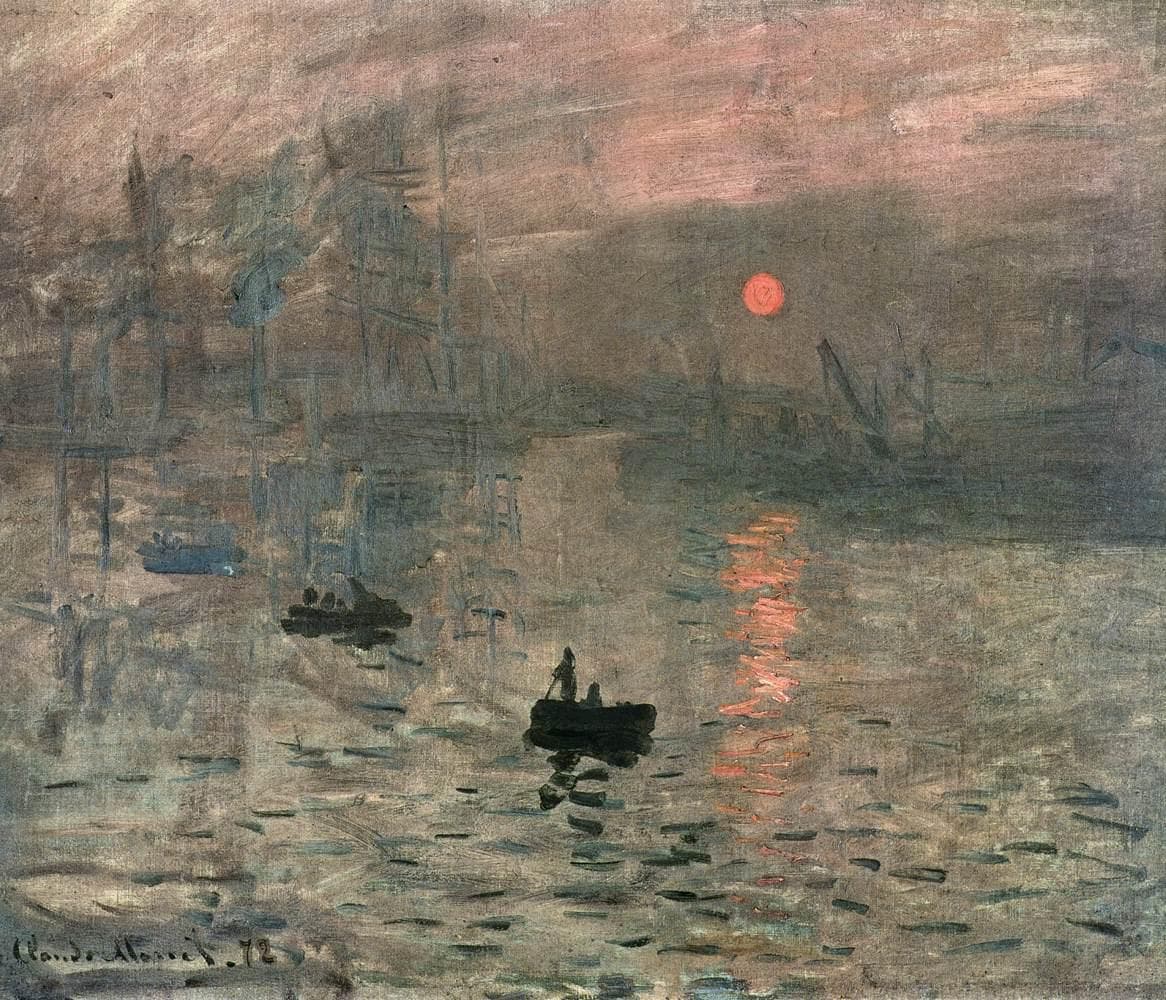
Impression, Sunrise
Claude Monet · 1872
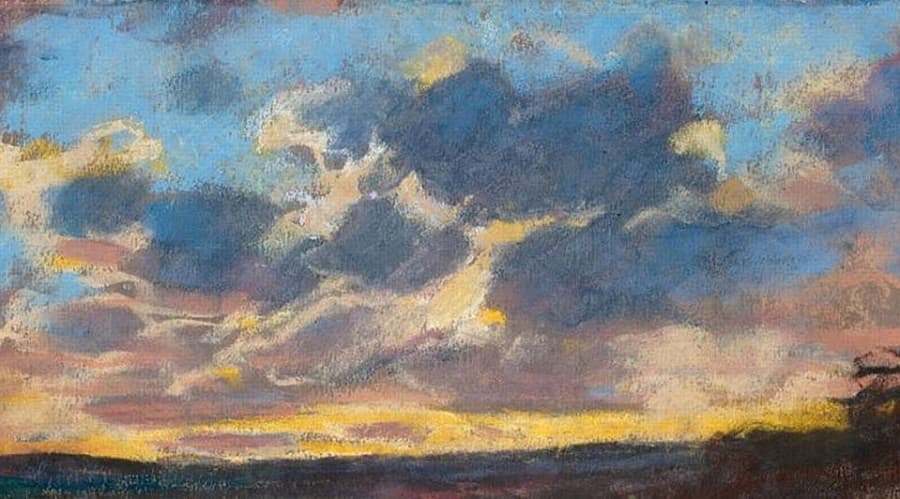
Setting Sun (Nightfall)
Claude Monet · c. 1865
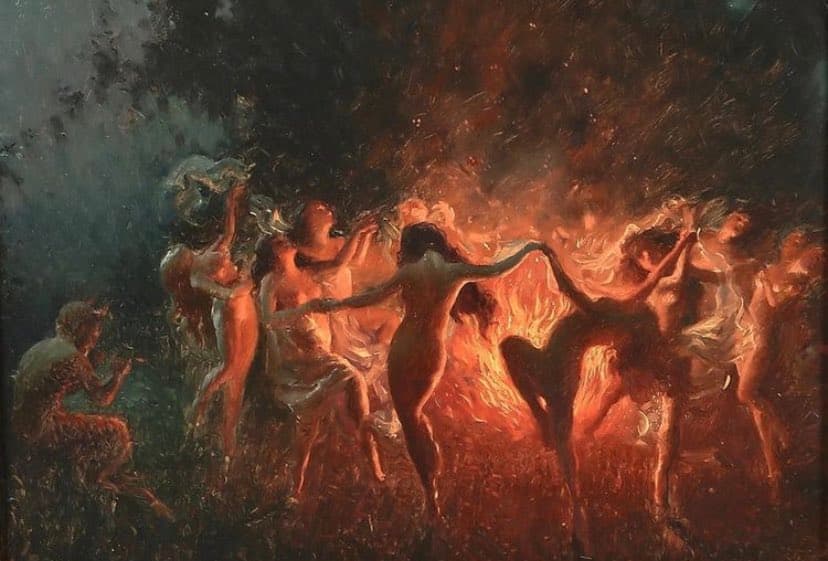
Nymphs Dancing to Pan's Flute
Joseph Tomanek

The Scream
Edvard Munch · 1893