Image: National Gallery of Art, Washington; via Wikimedia Commons · Public domain · via Wikimedia Commons
Impressionism
Interior, after Dinner
Claude Monet, 1868–69
Interior, after Dinner is a lamplit evening scene painted by Claude Monet in the winter of 1868–69 at Étretat, with Camille Doncieux sewing at the table. It is in the National Gallery of Art, Washington.
- Artist
- Claude Monet
- Date
- 1868–69
- Medium
- Oil on canvas
- Dimensions
- 50.2 × 65.4 cm
- Collection
- National Gallery of Art, Washington, D.C., United States
- Movement
- Impressionism
- Catalogue
- Wildenstein 130
What you are looking at
A round dining table sits in a dark room, lit from above by a brass oil lamp with a white shade. The lamp hangs from three thin chains, and its light makes a bright oval on the tabletop, where a few cups and saucers and a small pot are left from the meal. Around the table the room falls into brown and green shadow.
Two women sit at the far side. The one in black on the left bends over her sewing, a white cloth in her lap. The woman in gray on the right has her back half turned to us, her hair pinned up. Behind her a bearded man in a dark suit leans against the mantelpiece, his elbow on the shelf, looking down. On the right, a coal fire glows red in the grate, and two blue-and-white vases stand on the mantel. Two empty rush-seated chairs are pulled back from the table in the foreground, as if the diners have just left.
Where and when it was painted
Monet painted this in the winter of 1868–69 at Étretat on the Normandy coast, where he spent the season with Camille Doncieux and their infant son Jean, supported by his patron Louis-Joachim Gaudibert. It was a productive winter: he painted seascapes, the great snow scene The Magpie, and the large family scene The Luncheon, now in Frankfurt.
Interior, after Dinner has a companion, The Dinner (Bührle Collection, Zurich), which shows the same lamplit table earlier in the evening with the meal still in progress. The two are Monet's only known nocturnal interiors. Camille is usually identified as the woman in gray. The other figures are uncertain: suggestions have included Alfred Sisley and his partner Marie Lescouezec, and Frédéric Bazille as the man by the fireplace, but none of these identifications is secure.
How it was painted
The subject is light, as so often with Monet, but here it is artificial light. He handles it in a few strokes: the lamp shade is a cone of thick white and yellow paint, the glass reservoir below it a glint of gold, and the tabletop a flat, warm ochre that reads as light because everything around it is dark. The walls are painted thinly in browns and dull greens, with the flowered wallpaper suggested in dabs of red.
There are two light sources, and Monet keeps them distinct. The lamp gives a pale, diffuse yellow that falls on the women's heads and hands; the fire gives a deep red-orange that touches only the lower right. The art historian Hollis Clayson has described the picture as an exemplary naturalist night interior for its quiet study of diffuse lamplight and firelight. The cups on the table, each just a few touches of white and black, show how economical Monet had become.
Look closely at the lamp's reflection. Below the shade, a soft circle of light is laid on the table's surface, and the edges of the tabletop fade into the dark rather than ending in a line. The chairs in the foreground are drawn with a few dark strokes for their legs and backs, almost silhouettes, which pushes the lit table further into the room. The faces are barely described. Nobody looks at anyone else: the women are absorbed in sewing or reading, the man is lost in thought. The mood is the quiet of a family evening after the work of the day.
The picture in Monet's work
Monet is the painter of outdoor daylight, and that is what makes this canvas unusual. It belongs with the domestic pictures of the late 1860s and early 1870s, where Camille and Jean appear at home, such as The Luncheon and the later Camille Monet on the Couch. The sense of a family evening, with the table not yet cleared, links it to the Realist interiors of the 1860s, but the treatment of light points toward what he would do outdoors at Étretat and along the Normandy coast over the next two decades.
Where to see it
Interior, after Dinner is in the National Gallery of Art in Washington, D.C. (accession 1983.1.26). The NGA has one of the strongest Monet holdings in the United States; for other museums, see where to see Monet's paintings.
Questions & answers
Where is Monet's Interior, after Dinner?
It is in the National Gallery of Art in Washington, D.C., accession number 1983.1.26. The small canvas, 50.2 × 65.4 cm, shows a lamplit dining room with two women and a man after a meal.
When and where was Interior, after Dinner painted?
Monet painted it in the winter of 1868–69 at Étretat in Normandy, where he was staying with Camille Doncieux and their baby son Jean. The same winter produced The Magpie and The Luncheon.
Who are the people in Interior, after Dinner?
The woman in gray is usually identified as Camille Doncieux, Monet's future wife. The other woman and the standing man are not securely identified; Alfred Sisley, his partner and Frédéric Bazille have all been suggested.
Is there a companion painting?
Yes. The Dinner, in the Bührle Collection in Zurich, shows the same lamplit table earlier in the evening while the meal is under way. The two are Monet's only known night interiors.
More by the artist
Claude Monet

Bridge over a Pond of Water Lilies
Claude Monet · 1899

Woman with a Parasol – Madame Monet and Her Son
Claude Monet · 1875

Sunset in Venice
Claude Monet · 1908–12

La Grenouillère
Claude Monet · 1869

Beach in Pourville
Claude Monet · 1882

Springtime
Claude Monet · 1872

Boating on the River Epte
Claude Monet · 1890

The Seine at Asnières (Hermitage)
Claude Monet · 1873
Also painted in 1868
The same year
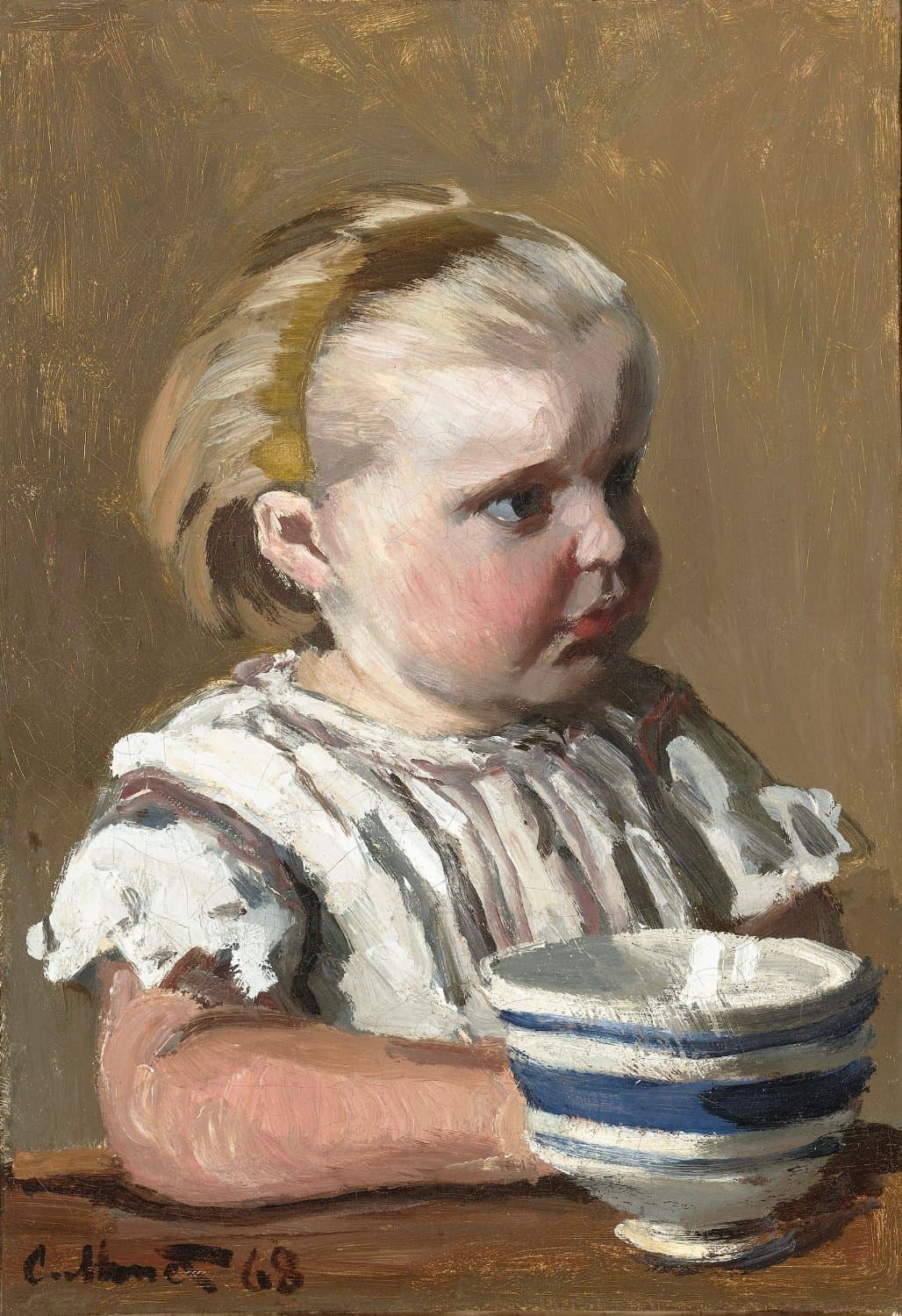
L'Enfant à la tasse (Portrait of Jean Monet)
Claude Monet · 1868
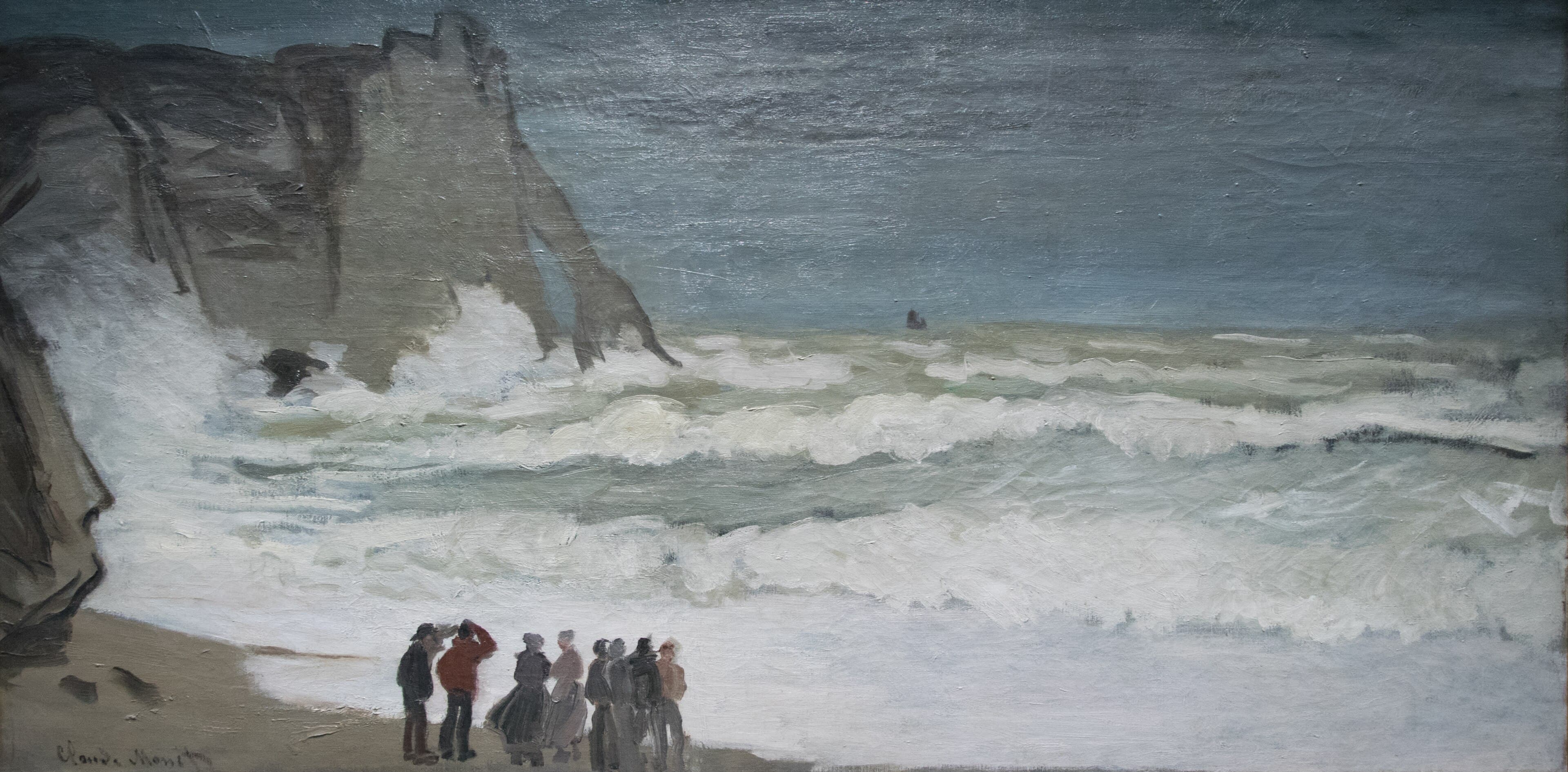
Heavy Sea at Étretat
Claude Monet · c. 1868–69
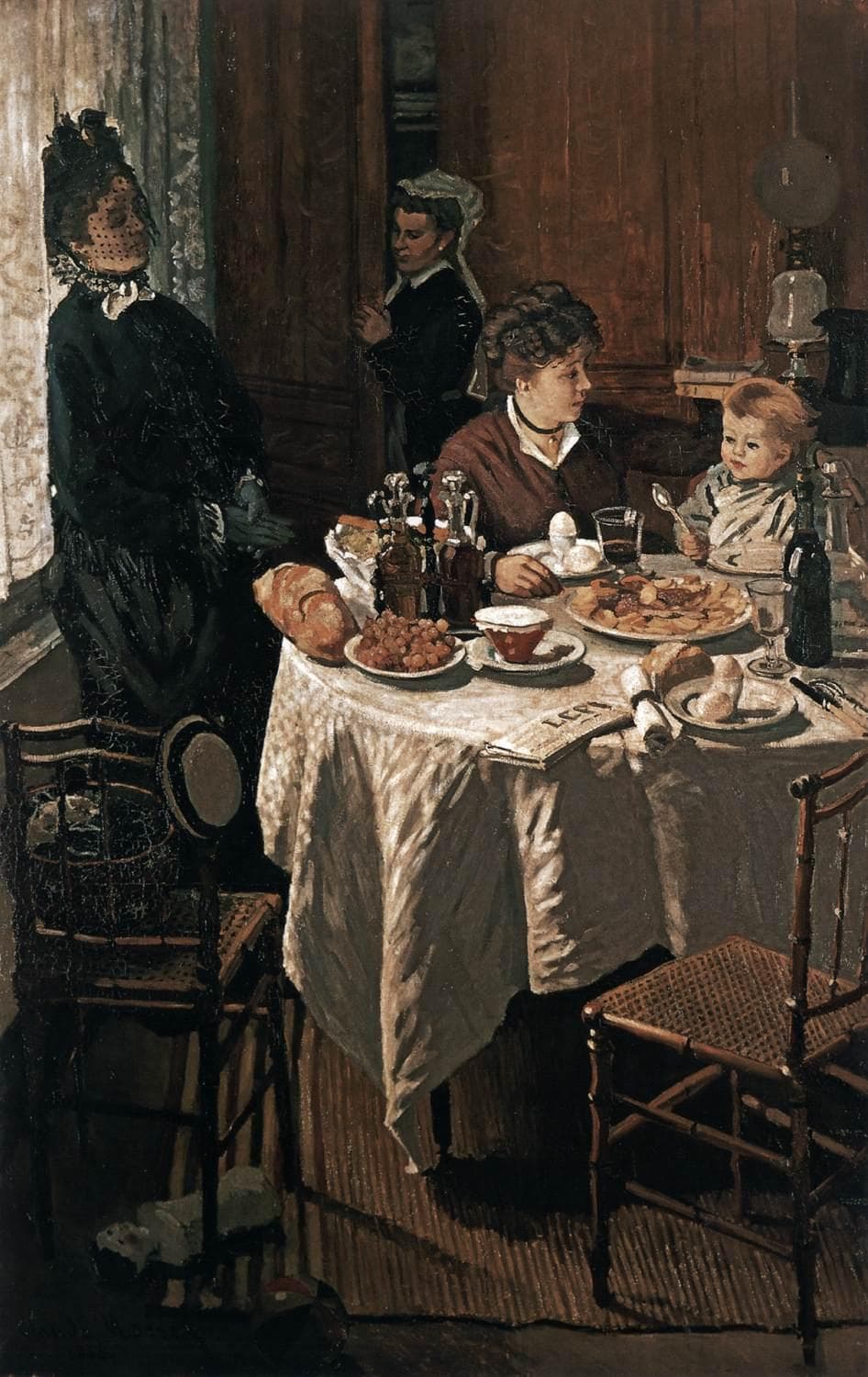
The Lunch
Claude Monet · 1868
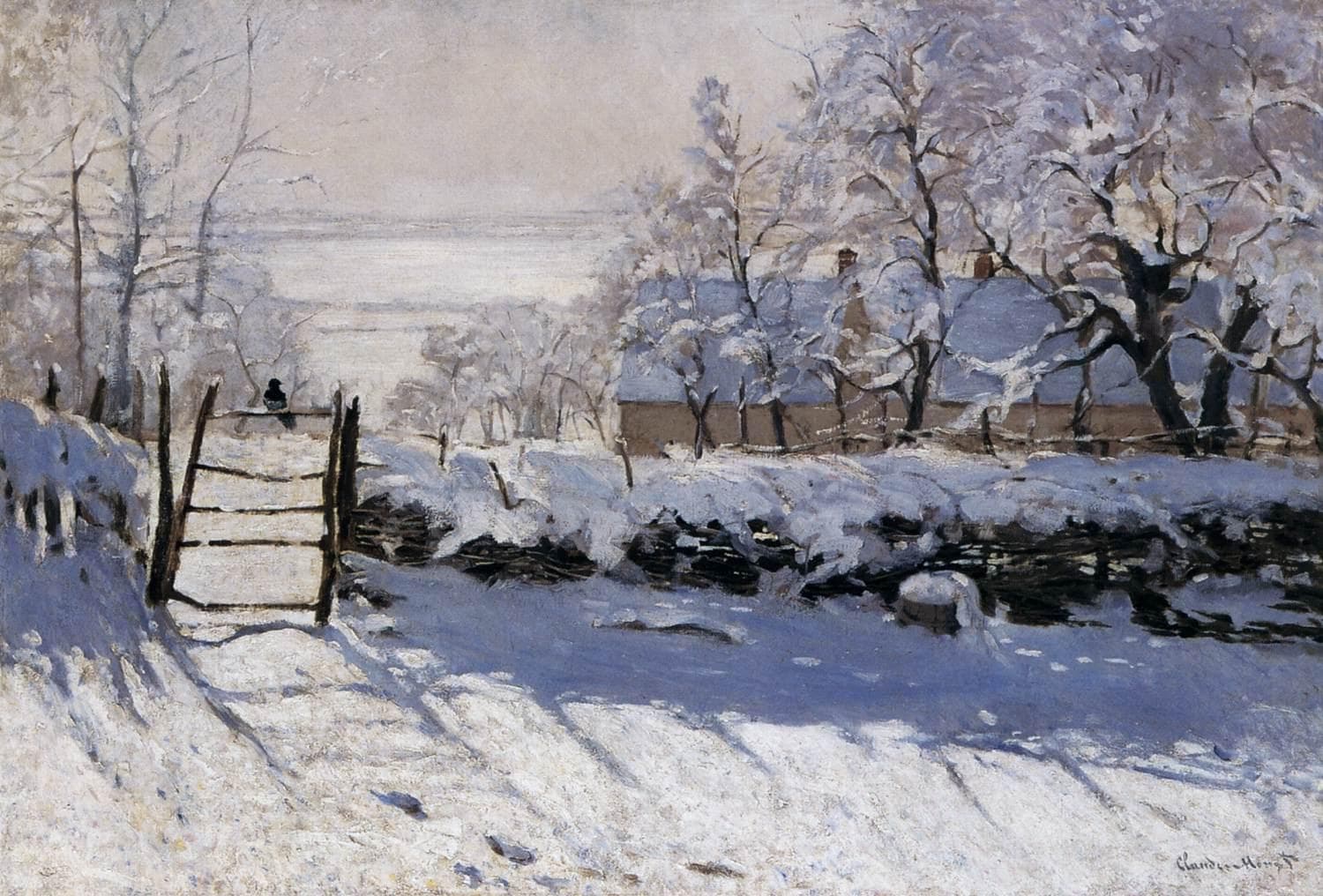
The Magpie
Claude Monet · 1868–69
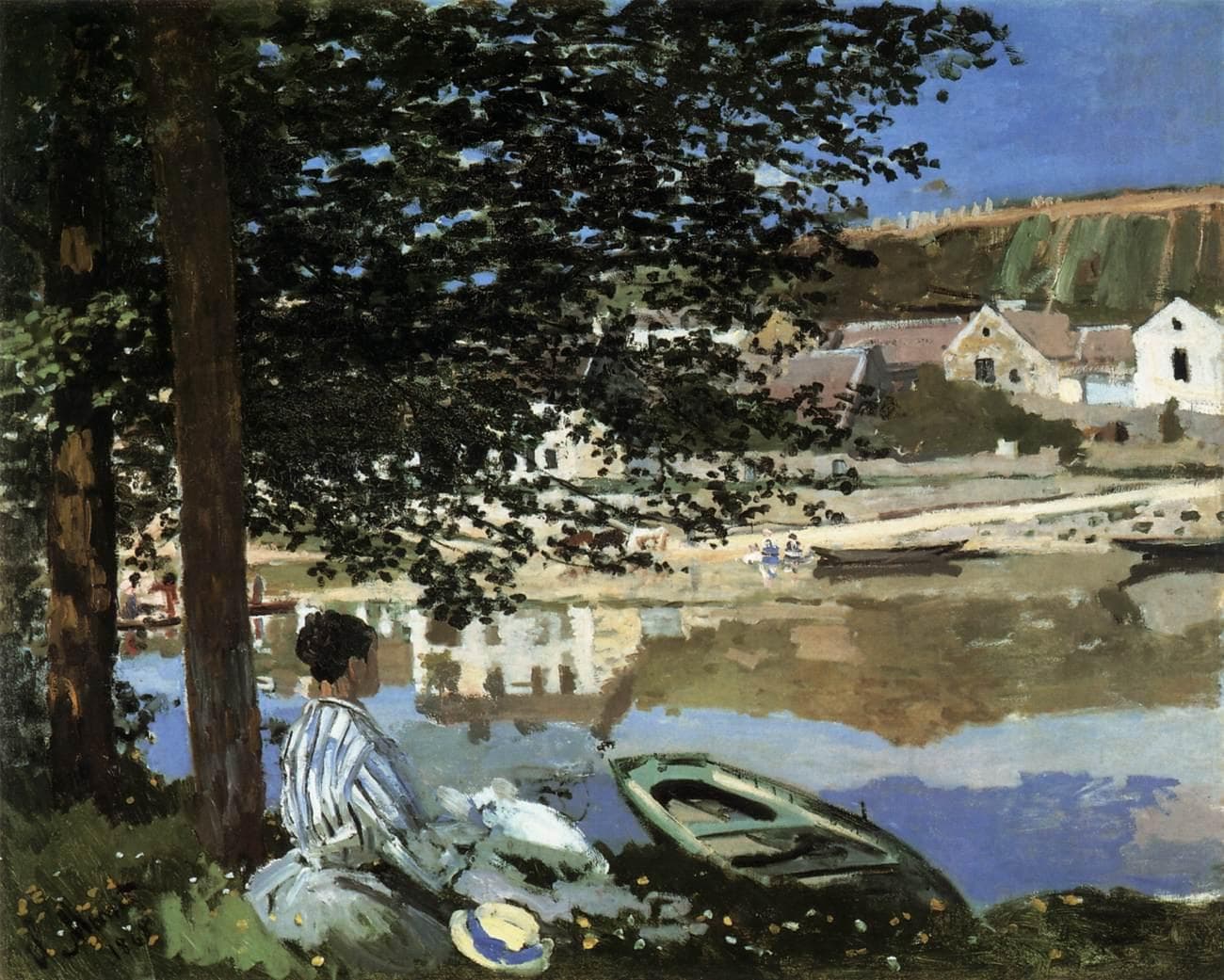
On the Bank of the Seine, Bennecourt
Claude Monet · 1868
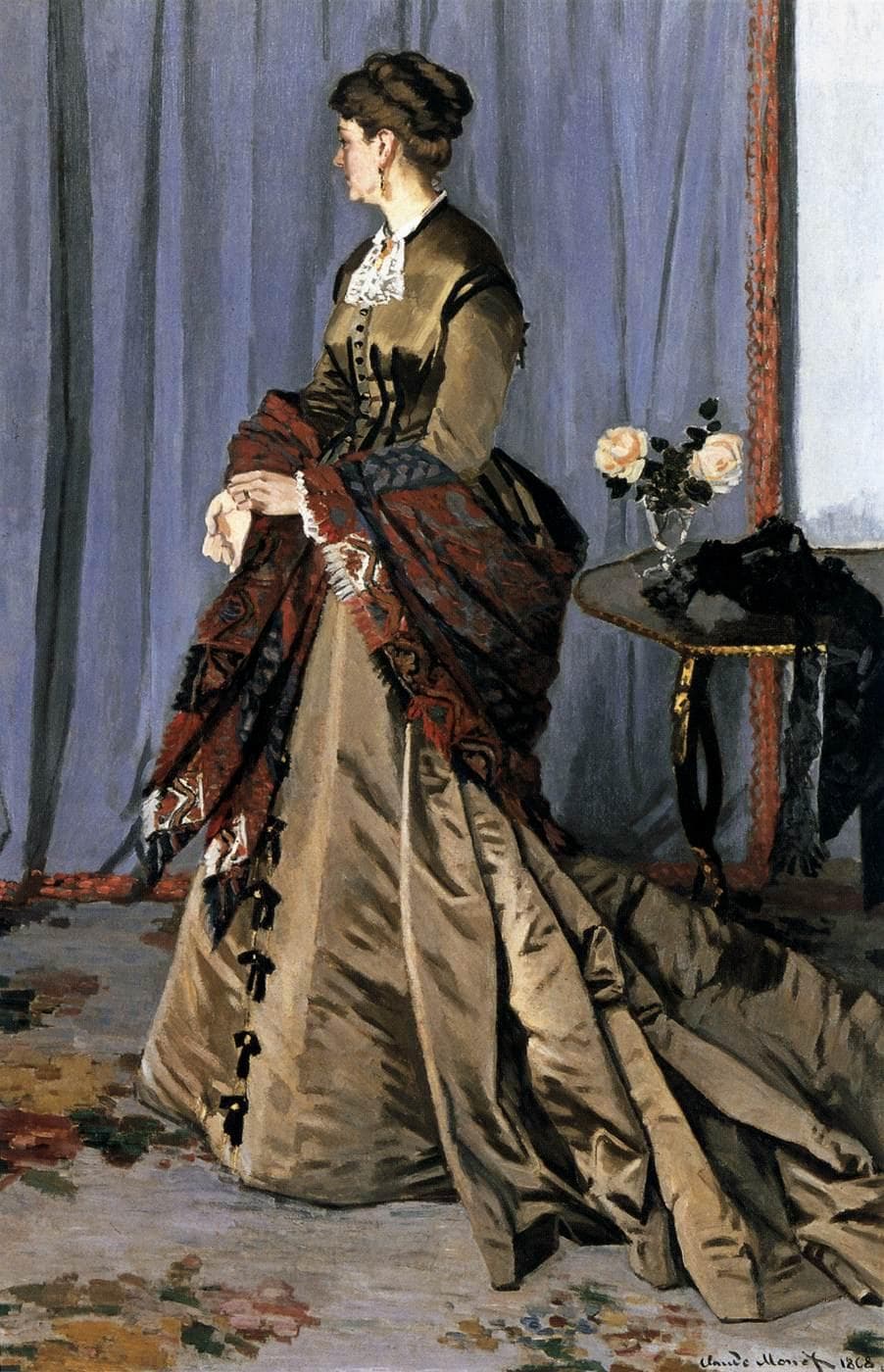
Madame Louis Joachim Gaudibert
Claude Monet · 1868
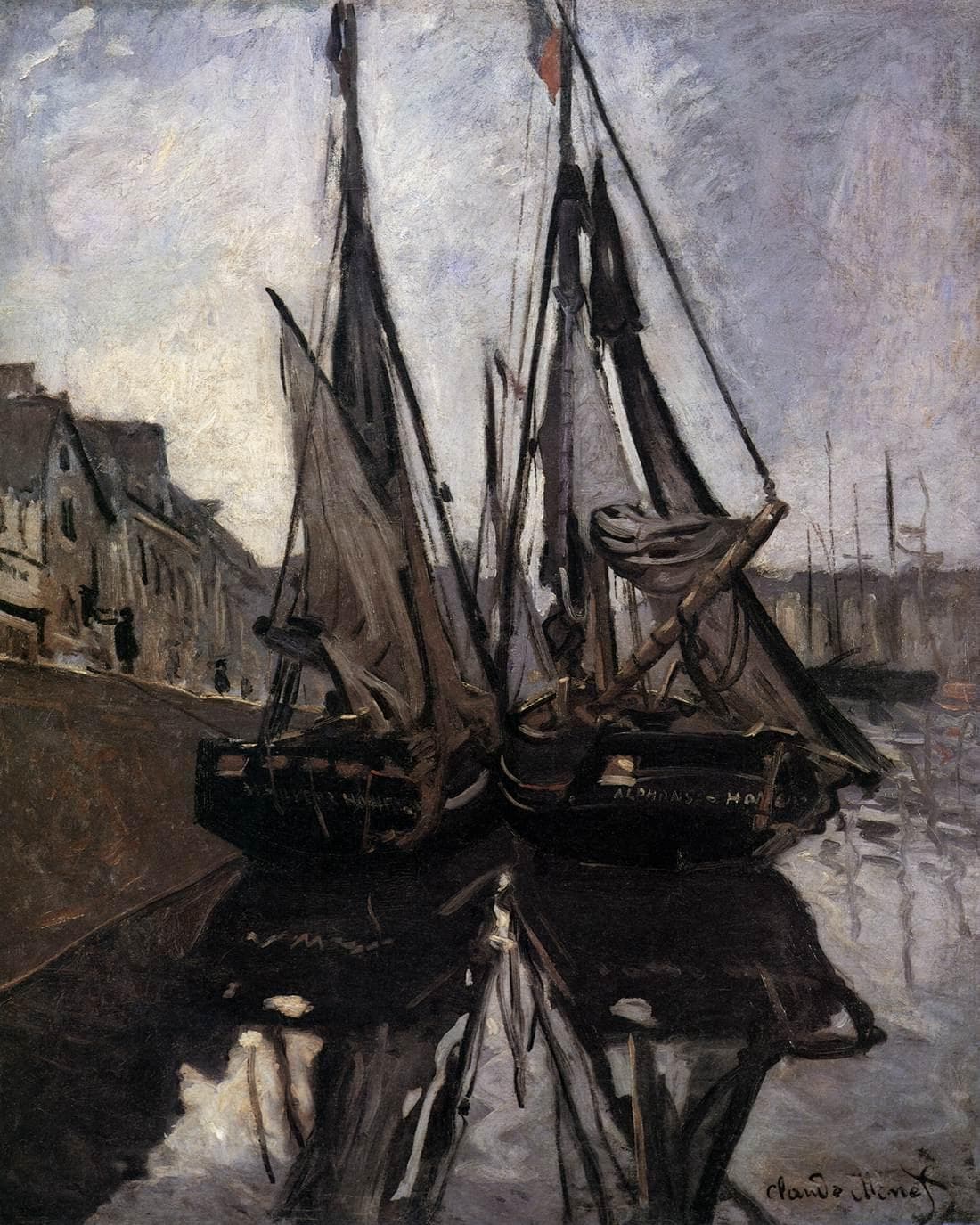
Fishing Boats at Honfleur
Claude Monet · c. 1868
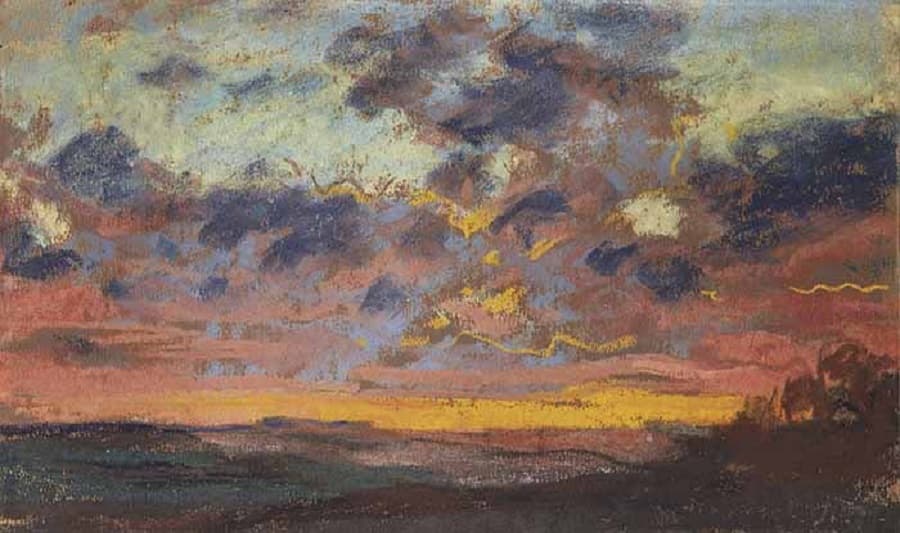
Sunset (Coucher de soleil)
Claude Monet · c. 1868
Kindred works
You may also study
The Lunch
Claude Monet · 1868
The Magpie
Claude Monet · 1868–69
Meditation (Madame Monet on the Sofa)
Claude Monet · c. 1871
Madame Louis Joachim Gaudibert
Claude Monet · 1868
Heavy Sea at Étretat
Claude Monet · c. 1868–69

Venus de Milo
Alexandros of Antioch · c. 150–125 BC

Nymphs Dancing to Pan's Flute
Joseph Tomanek

The Scream
Edvard Munch · 1893