Impressionism
Lavacourt in Winter
Claude Monet, 1879
Lavacourt in Winter (Lavacourt, l'hiver) is an 1879 snow scene by Claude Monet, Wildenstein 514: a thawing riverside road through Lavacourt, opposite Vétheuil, under a heavy gray sky. It is in a private collection.
- Artist
- Claude Monet
- Date
- 1879
- Medium
- Oil on canvas
- Dimensions
- 50.6 × 66 cm
- Collection
- Private collection
- Movement
- Impressionism
- Catalogue
- Wildenstein 514
Painted at Monet at Vétheuil
Lavacourt in Winter (Lavacourt, l'hiver) is a snow scene Claude Monet painted in 1879 at Lavacourt, the hamlet on the left bank of the Seine directly across the river from Vétheuil, where he lived from 1878 to 1881. The canvas, 50.6 by 66 centimeters, is number 514 in Daniel Wildenstein's catalogue raisonné and is in a private collection.
What you are looking at
Monet stands on the riverside road at the edge of the hamlet and looks along it. On the left rises the end wall of an old stone house with a steep, dark, mossy roof, and beyond it a row of low buildings in brown, rust and gray. A line of bare, pollarded trees runs along the road beside them, their branches a lilac scribble against the sky.
The road is covered in trodden, half-melted snow. Two or three small dark figures walk away from us along it, toward a point where the road narrows and disappears. On the right the bank falls to the river, where a dark boat lies drawn up along the shore and the far bank dissolves into a gray mist of poplars and roofs. The sky takes up more than half the picture and is almost colorless: a heavy, brushed gray-white, scored with diagonal strokes as if snow were still in the air. Monet signed the canvas at lower left.
How it was painted
The snow in the foreground is broken by patches of brown earth and puddles, laid in with quick, scumbled strokes, so the whole surface feels wet and cold rather than crisp. Notice how the brightest whites are not in the sky but on the road, where a band of fresher snow leads the eye in from the lower edge. The river is reduced to a pale strip of gray-violet, and the far bank is barely more than a smudge. A few figures for scale, bare branches drawn with a dry brush, and a narrow range of grays, browns and dull whites are all Monet needs to make you feel the weather.
Context: the Vétheuil winters
The Vétheuil years were among the hardest of Monet's life. He was short of money, sharing a house with the family of his bankrupt patron Ernest Hoschedé, and his wife Camille was gravely ill. She died there in September 1879 (see Camille Monet on Her Deathbed). The winter that followed was one of the coldest on record in France. The Seine froze, and when the ice broke up in early January 1880 Monet painted the drifting floes in a burst of pictures, among them The Breakup of the Ice at Lavacourt and Sunset on the Seine at Lavacourt, Winter Effect.
The present canvas is dated 1879 in the catalogue raisonné, which may place it in the earlier, milder snows of that year or at the very start of the great cold. Snow scenes of Lavacourt are hard to date precisely, since Monet often finished or signed them later. The best-known example, Lavacourt under Snow in the National Gallery, London, is dated 1881 but probably belongs to the same period. From his own side of the river he also painted The Church at Vétheuil in Winter and Road into Vétheuil in Winter.
Why Monet painted snow
Monet had been drawn to snow since the 1860s, when he painted The Magpie and the winter roads of Honfleur. Snow suited the Impressionist argument that shadows are colored and that white surfaces take on the hue of the sky. At Vétheuil the motif also carried personal weight. The bleak, emptied landscapes of these years are often read as reflecting his grief and isolation, though Monet himself never described them that way. Our hub on Monet at Vétheuil follows the whole period.
Where to see it
This painting is in a private collection and is not on public view. For comparable winter views from the same years in public collections, see the National Gallery's Lavacourt under Snow or the Musée d'Orsay's Church at Vétheuil, and our guide to where to see Monet's paintings. More on Claude Monet.
Questions & answers
Where is Lavacourt in Winter today?
The painting is in a private collection and is not on public display. A related and better-known snow scene, Lavacourt under Snow, can be seen at the National Gallery in London, and the Musée d'Orsay holds The Church at Vétheuil, a winter view from the same years.
When and where was Lavacourt in Winter painted?
Wildenstein dates it 1879. Monet painted it at Lavacourt, a hamlet on the left bank of the Seine opposite Vétheuil, about 60 kilometers northwest of Paris, where he lived from 1878 to 1881. That year his wife Camille died, and the winter of 1879–80 was one of the coldest on record.
What does Lavacourt in Winter show?
A riverside road through Lavacourt in half-melted snow, with an old stone house and bare pollarded trees on the left, a few small figures walking away, a boat on the bank at right and the far shore lost in gray mist. The heavy sky fills more than half the canvas.
Did Monet paint other views of Lavacourt in winter?
Yes. He painted Lavacourt under snow several times and, after the ice broke up in January 1880, a group of pictures of floes on the Seine there, including The Breakup of the Ice at Lavacourt and Sunset on the Seine at Lavacourt, Winter Effect, now in the Petit Palais in Paris.
More by the artist
Claude Monet

Bridge over a Pond of Water Lilies
Claude Monet · 1899

Woman with a Parasol – Madame Monet and Her Son
Claude Monet · 1875

Sunset in Venice
Claude Monet · 1908–12

La Grenouillère
Claude Monet · 1869

Beach in Pourville
Claude Monet · 1882

Springtime
Claude Monet · 1872

Boating on the River Epte
Claude Monet · 1890

The Seine at Asnières (Hermitage)
Claude Monet · 1873
Also painted in 1879
The same year
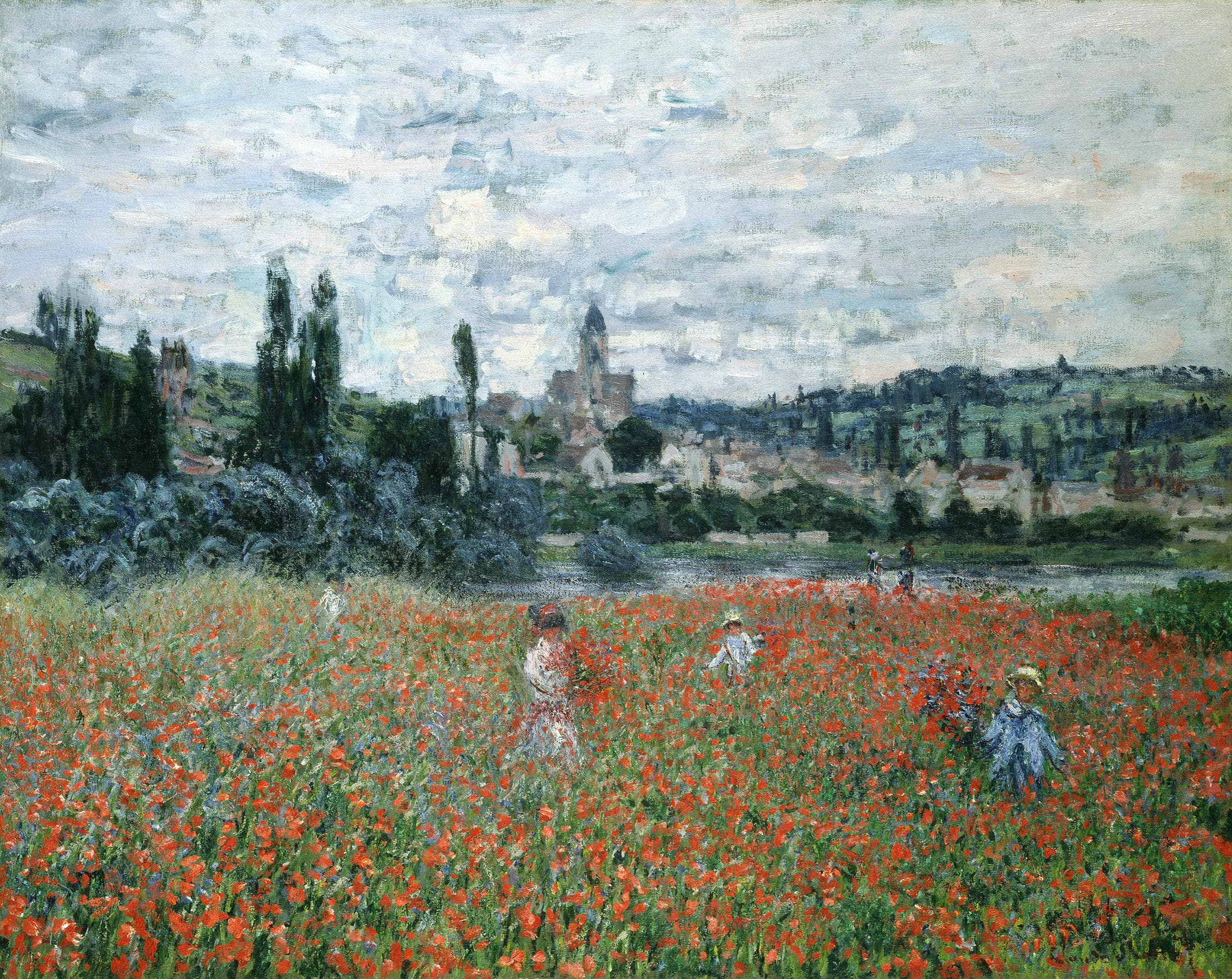
Poppy Field near Vétheuil
Claude Monet · c. 1879
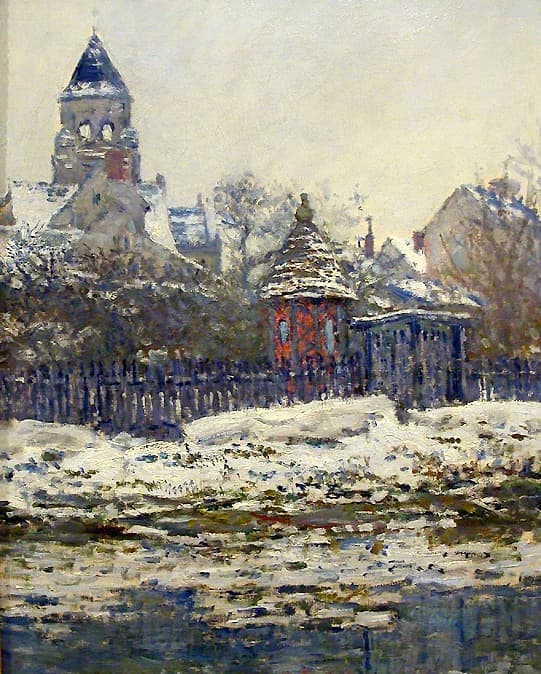
Vétheuil Church
Claude Monet · 1879
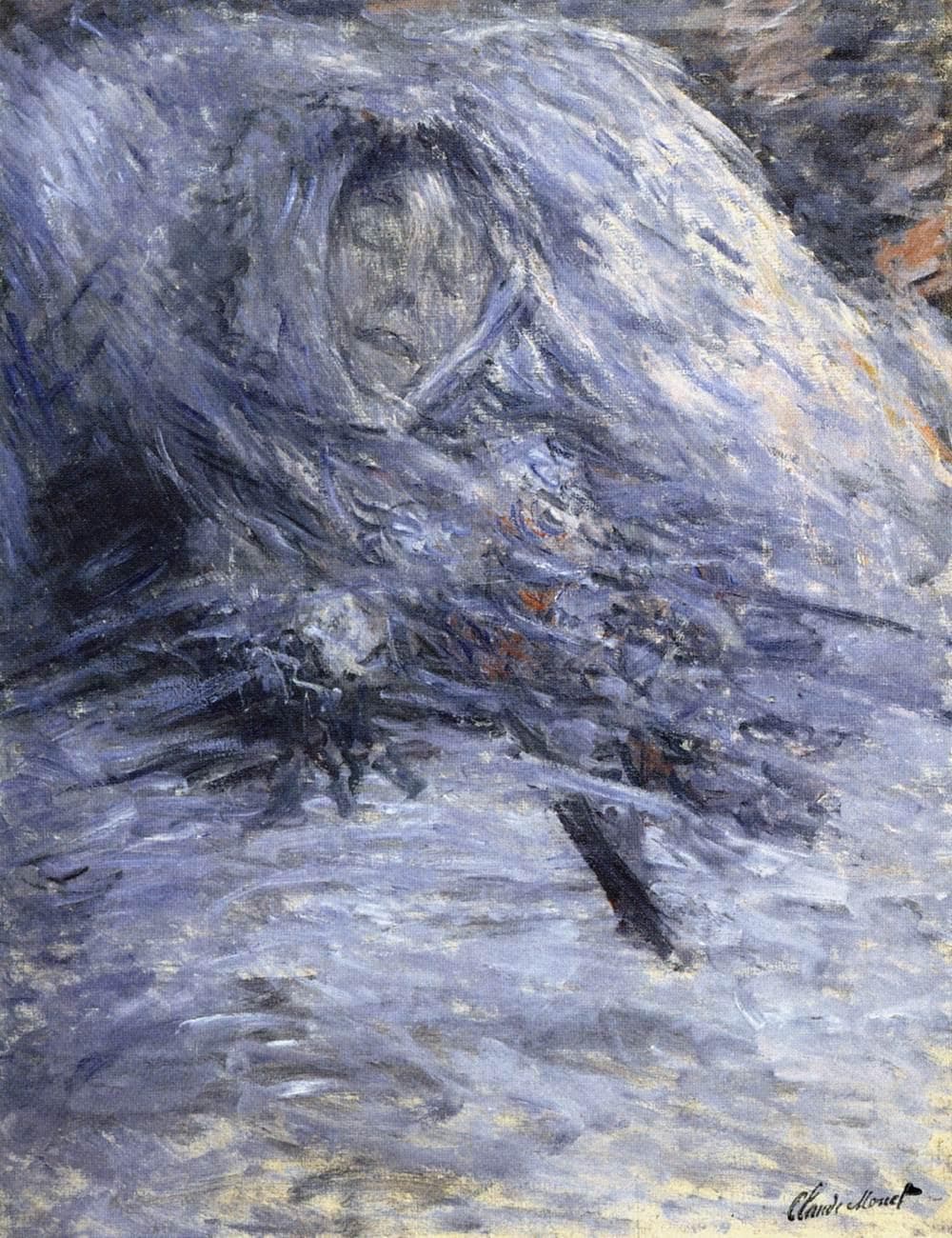
Camille Monet on Her Deathbed
Claude Monet · 1879
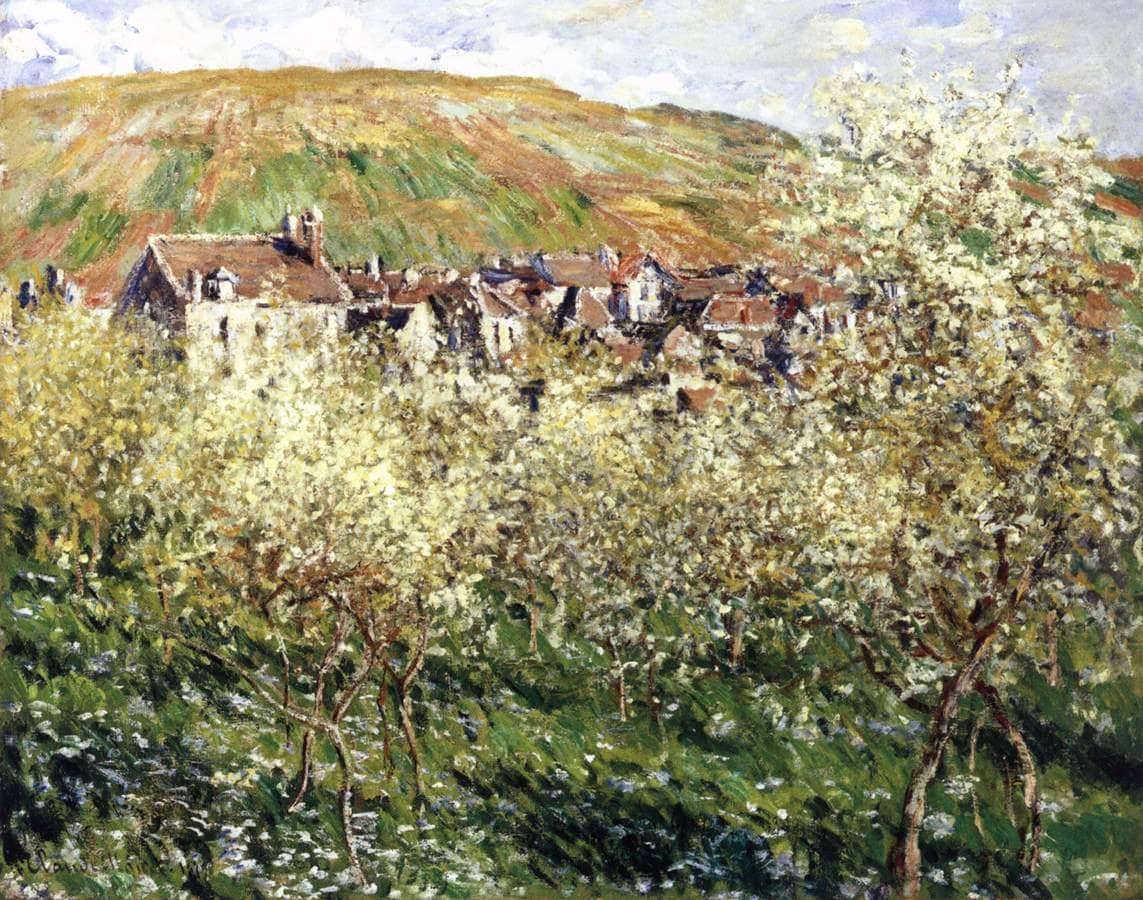
Plum Trees in Bloom
Claude Monet · 1879
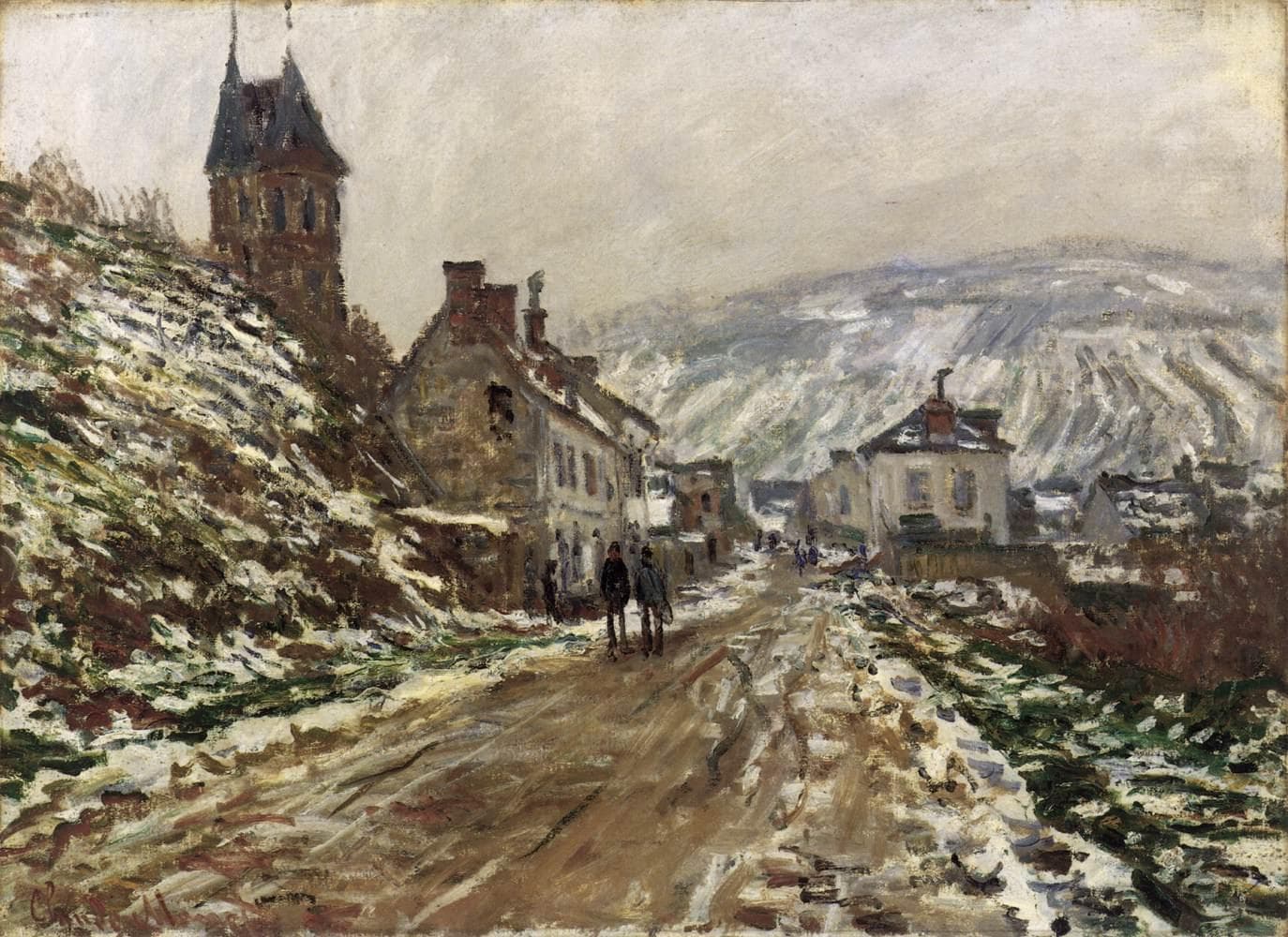
Road into Vétheuil in Winter
Claude Monet · 1879
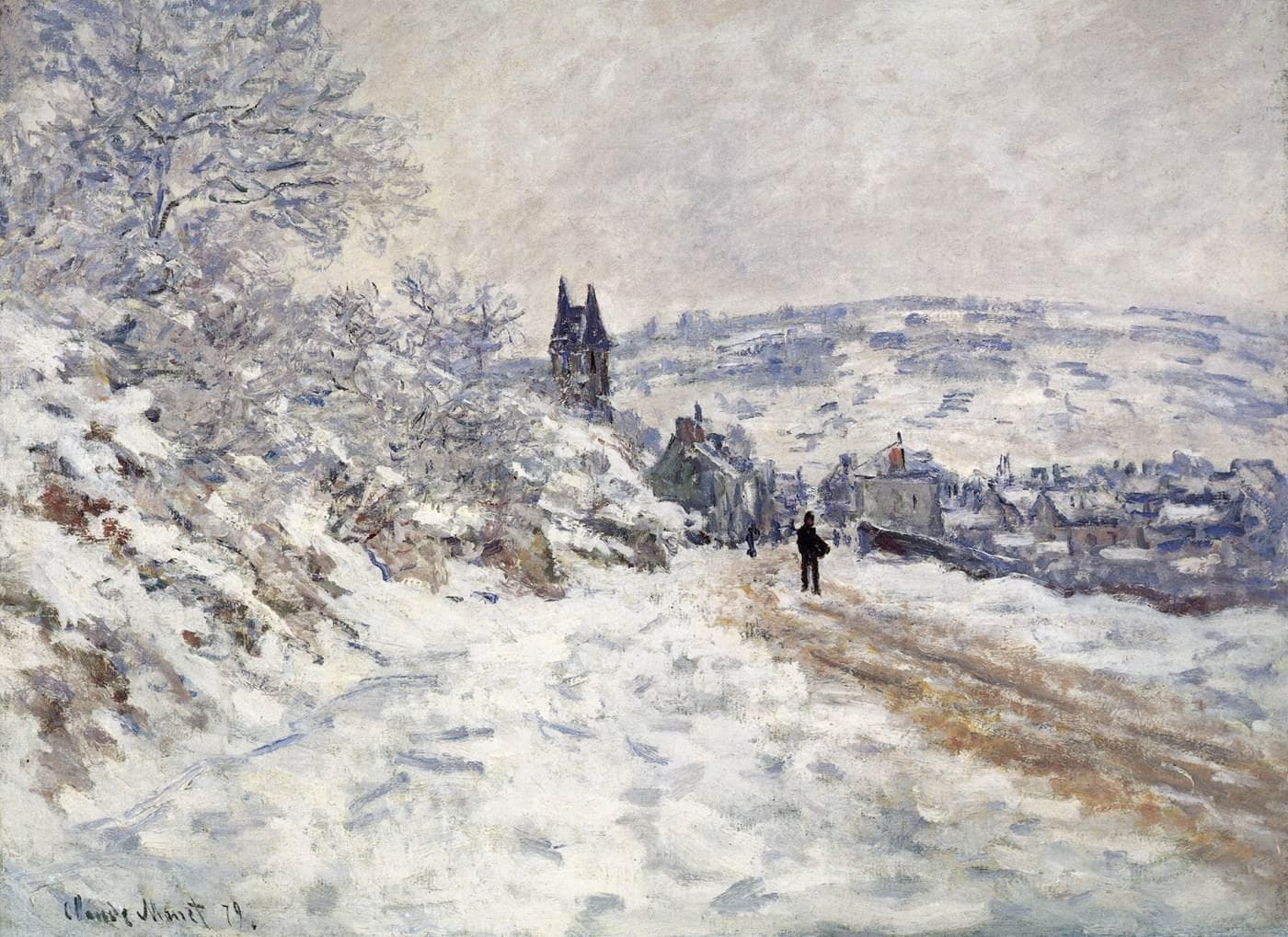
Road to Vétheuil, Snow Effect
Claude Monet · 1879
Still-Life with Apples and Grapes
Claude Monet · 1879–80
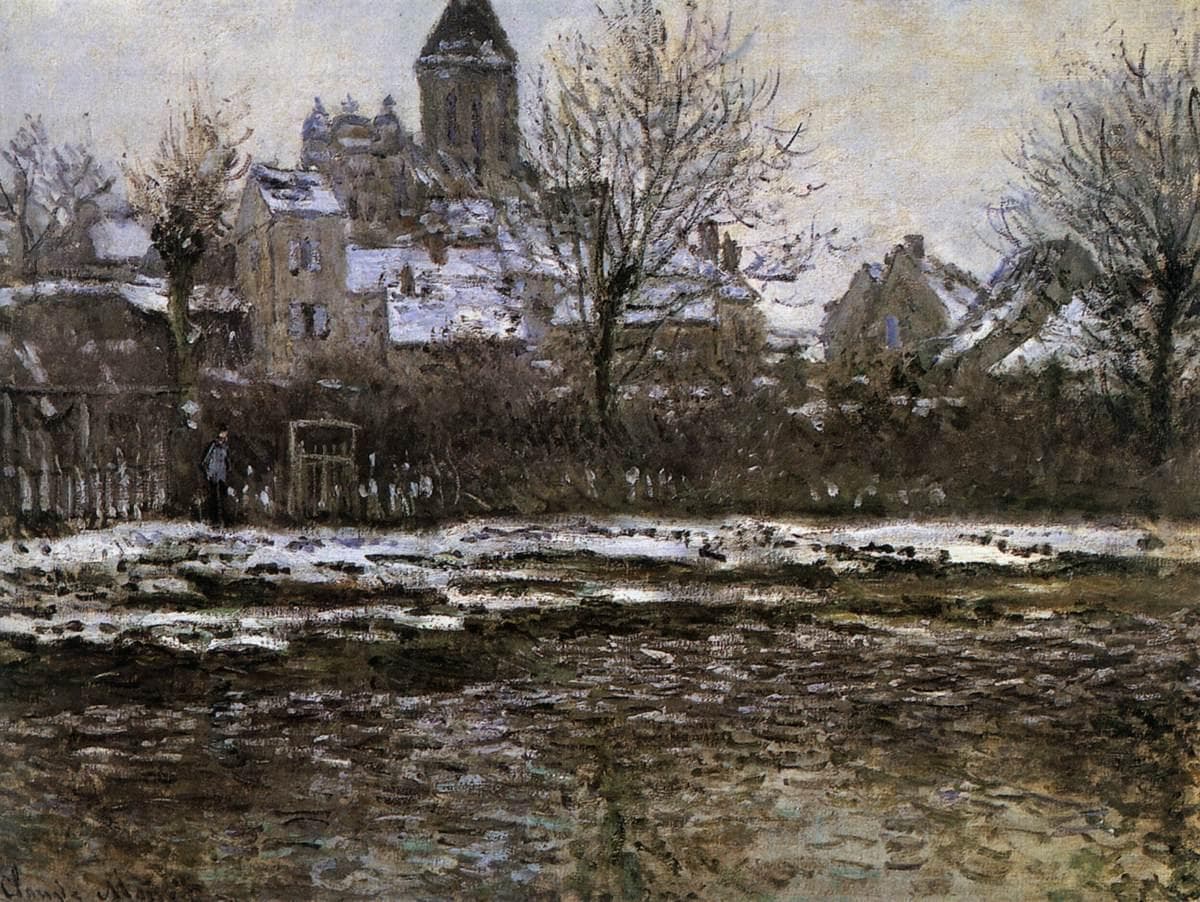
The Church in Vétheuil in Winter
Claude Monet · 1878–79
Kindred works
You may also study
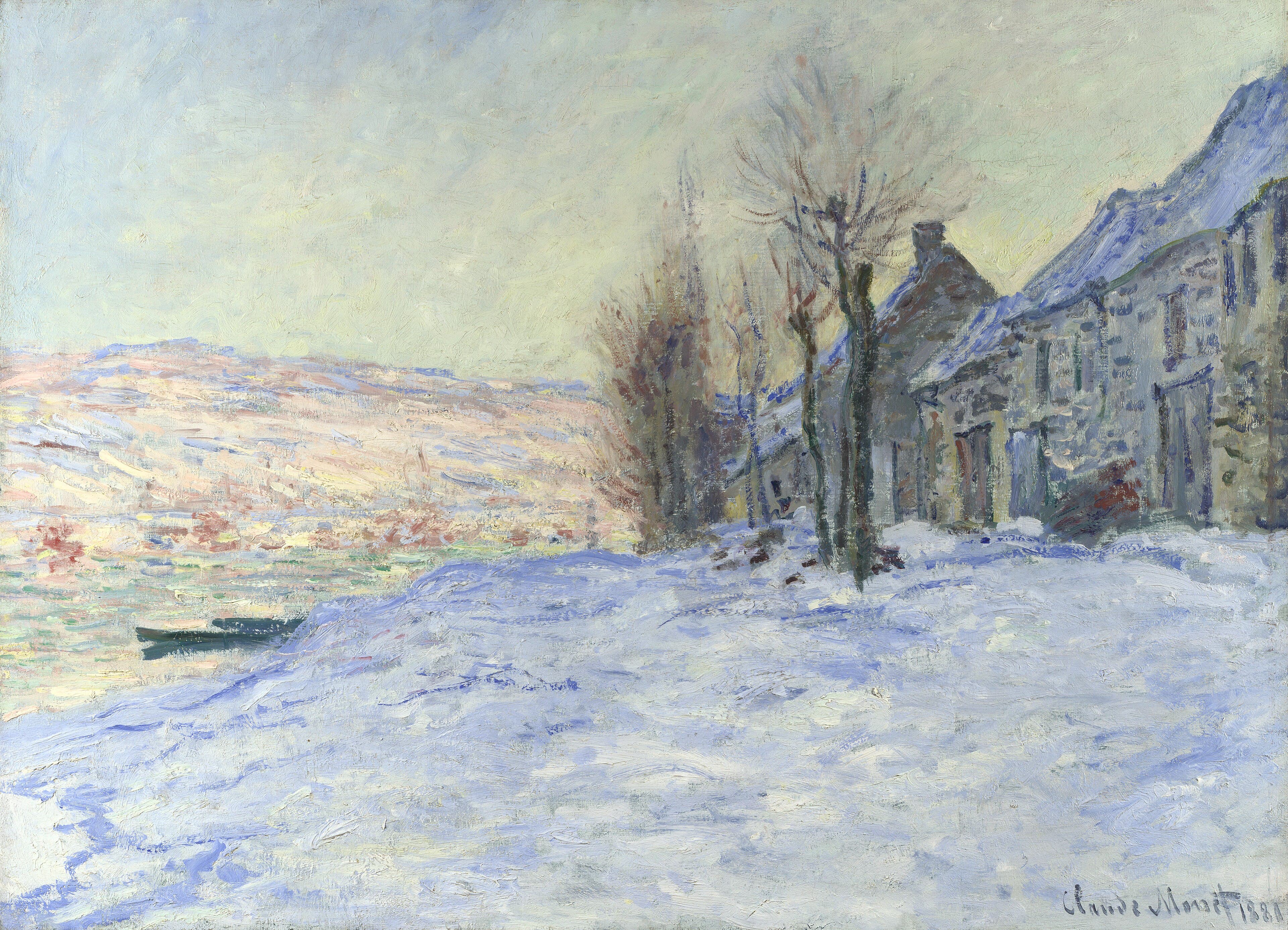
Lavacourt under Snow
Claude Monet · c. 1878–81
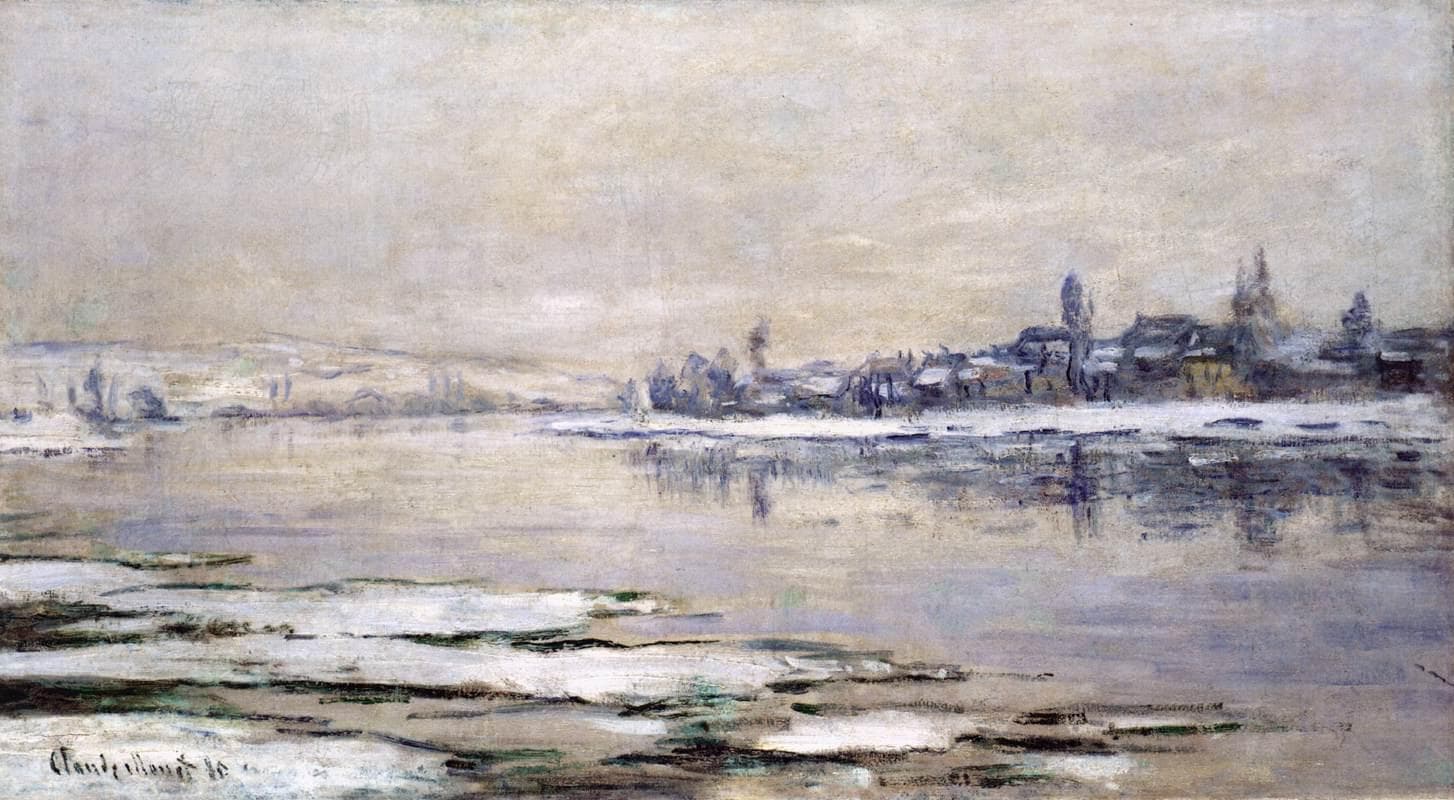
The Breakup of the Ice at Lavacourt
Claude Monet · 1880
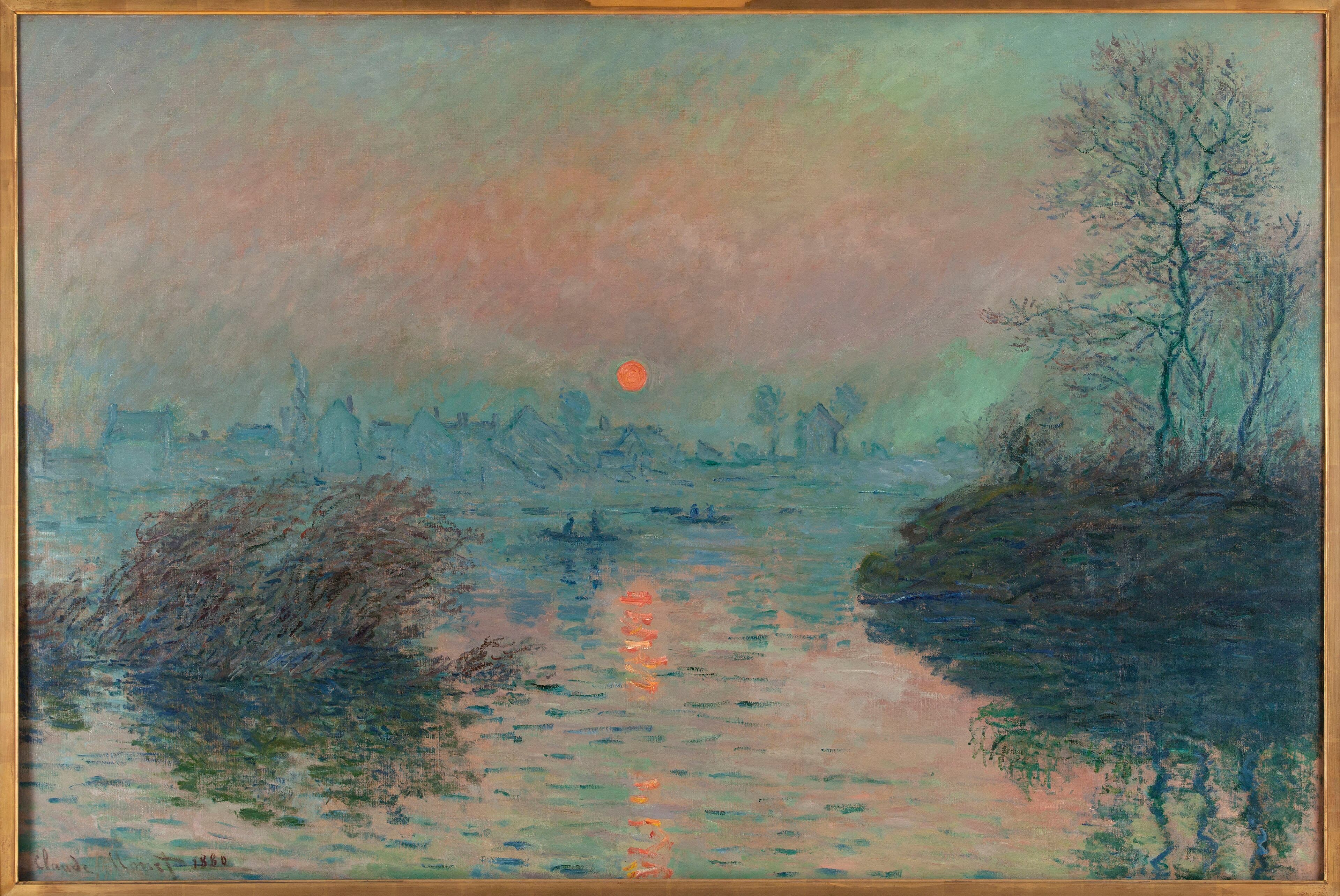
Sunset on the Seine at Lavacourt, Winter Effect
Claude Monet · 1880
The Church in Vétheuil in Winter
Claude Monet · 1878–79
Road into Vétheuil in Winter
Claude Monet · 1879

The Scream
Edvard Munch · 1893

Ophelia
John Everett Millais · 1851–52

The Great Wave off Kanagawa
Katsushika Hokusai · c. 1830–32