Impressionism
The Seine at Argenteuil
Claude Monet, 1873
The Seine at Argenteuil is an 1873 painting by Claude Monet of the river in autumn, a row of golden poplars on one bank and red-roofed villas on the other. It belongs to the Musée d'Orsay and is on deposit at the Musée de Grenoble.
- Artist
- Claude Monet
- Date
- 1873
- Medium
- Oil on canvas
- Dimensions
- 50.5 × 61.5 cm
- Collection
- Musée de Grenoble (on deposit from the Musée d'Orsay), Grenoble, France
- Movement
- Impressionism
- Catalogue
- Wildenstein 198
Painted at Monet at Argenteuil
What you are looking at
The Seine runs away from us into the distance, flat and glassy, between two banks. On the left, a line of tall, thin poplars in full autumn color, ocher and orange, marches toward the horizon and doubles itself in the water. On the right, a green bank scrubbed with russet bushes leads to a pair of pale villas with red roofs. Far off, near the center, the spire of Argenteuil's church and a cluster of houses sit right on the horizon. Above everything is a high, pale sky streaked with small clouds tipped in yellow.
The light is low and slanting, the light of a late autumn afternoon. Claude Monet signed the canvas in the lower right corner, in dark paint over the green of the bank.
Argenteuil, 1873
This canvas (Wildenstein W.198) dates from 1873, Monet's second year at Argenteuil, the boating town on the Seine where he lived from late 1871 to 1878. It is a quiet, almost classical picture compared with the regattas and bridges he painted nearby. The view looks along the river with the promenade of trees on the left, a motif he returned to in pictures such as Riverside Path at Argenteuil and The Basin at Argenteuil.
1873 was a good year for Monet. The dealer Paul Durand-Ruel was buying his work, the family lived comfortably in a rented house with a garden, and Monet was painting at full stretch. The calm of this picture reflects that settled moment, a few months before the first Impressionist exhibition of April 1874. The town and its river are surveyed on our Monet at Argenteuil page.
How it was painted
The reflections carry the picture. The poplars are painted in vertical strokes of gold and brown, and their reflections are the same strokes pulled down into the water and slightly broken, with blue sky showing between them. Monet does not draw the waterline; the bank simply turns into its own mirror image. Look closely at the near end of the row and you will see a dark band of shadow at the foot of the trees, the only firm horizontal on the left.
The sky is worth a long look. It is not a flat blue but a mixture of lilac, gray-blue and white, brushed in different directions, with the small clouds touched in yellow where the low sun catches them. The same yellow returns in the trees and the bushes, so the whole picture is held together by one warm note against one cool one.
On the right, the foreground is the busiest area: scrubby strokes of rust, olive and green for bushes, a lighter strip of grass, and a worn path. The tiny houses and the church against the vast sky show how flat and open the landscape around Argenteuil was. Monet keeps the horizon low, about a third of the way up, and gives the weather most of the space.
The Argenteuil riverbank and how this view differs
Monet painted the promenade along the Petit Bras of the Seine many times, in summer with strollers and sailboats, in winter under snow. Most of those pictures are busy with people and boats. This one is nearly empty, and it is one of the few in which autumn color is the subject. Compare Argenteuil in the Orsay, with its sailing boats under the same trees, or Autumn Effect at Argenteuil in the Courtauld, painted the same autumn, in which a wall of orange foliage blazes against blue.
Where to see it
The painting belongs to the national collections of the Musée d'Orsay (RF 1951 13) and is recorded on long-term deposit at the Musée de Grenoble (DG 2011-1-1), so check before traveling to Paris to see it. Grenoble's museum has one of the strongest collections of modern painting in a French regional city. The Orsay's other Monets are gathered on Monet at the Musée d'Orsay.
Questions & answers
Where is Monet's The Seine at Argenteuil?
This 1873 canvas belongs to the Musée d'Orsay in Paris (RF 1951 13), but collection records list it on long-term deposit at the Musée de Grenoble. Deposits can change, so check both museums' online catalogues before planning a visit.
When and where was it painted?
In 1873 at Argenteuil, the town on the Seine northwest of Paris where Monet lived from December 1871 to early 1878. It shows the river near the town in autumn, with the church spire on the horizon. Wildenstein catalogues it as W.198.
What season does The Seine at Argenteuil show?
Autumn. The poplars along the left bank have turned gold and orange, the bushes on the right are russet, and the low sun touches the small clouds with yellow. Monet repeats that warm yellow against the cool blue of sky and water to hold the picture together.
How is this different from Monet's other Argenteuil river scenes?
Most of his Argenteuil riverbank pictures are full of sailboats, strollers and bridges. This one is almost empty, a quiet view along the water in which autumn color and reflections are the whole subject, closer in mood to a classical landscape than to his regatta scenes.
More by the artist
Claude Monet

Bridge over a Pond of Water Lilies
Claude Monet · 1899

Woman with a Parasol – Madame Monet and Her Son
Claude Monet · 1875

Sunset in Venice
Claude Monet · 1908–12

La Grenouillère
Claude Monet · 1869

Beach in Pourville
Claude Monet · 1882

Springtime
Claude Monet · 1872

Boating on the River Epte
Claude Monet · 1890

The Seine at Asnières (Hermitage)
Claude Monet · 1873
Also painted in 1873
The same year
Lilac in the Sun
Claude Monet · 1873
Lilacs, Gray Weather
Claude Monet · 1872–73
The Museum at Le Havre
Claude Monet · 1873
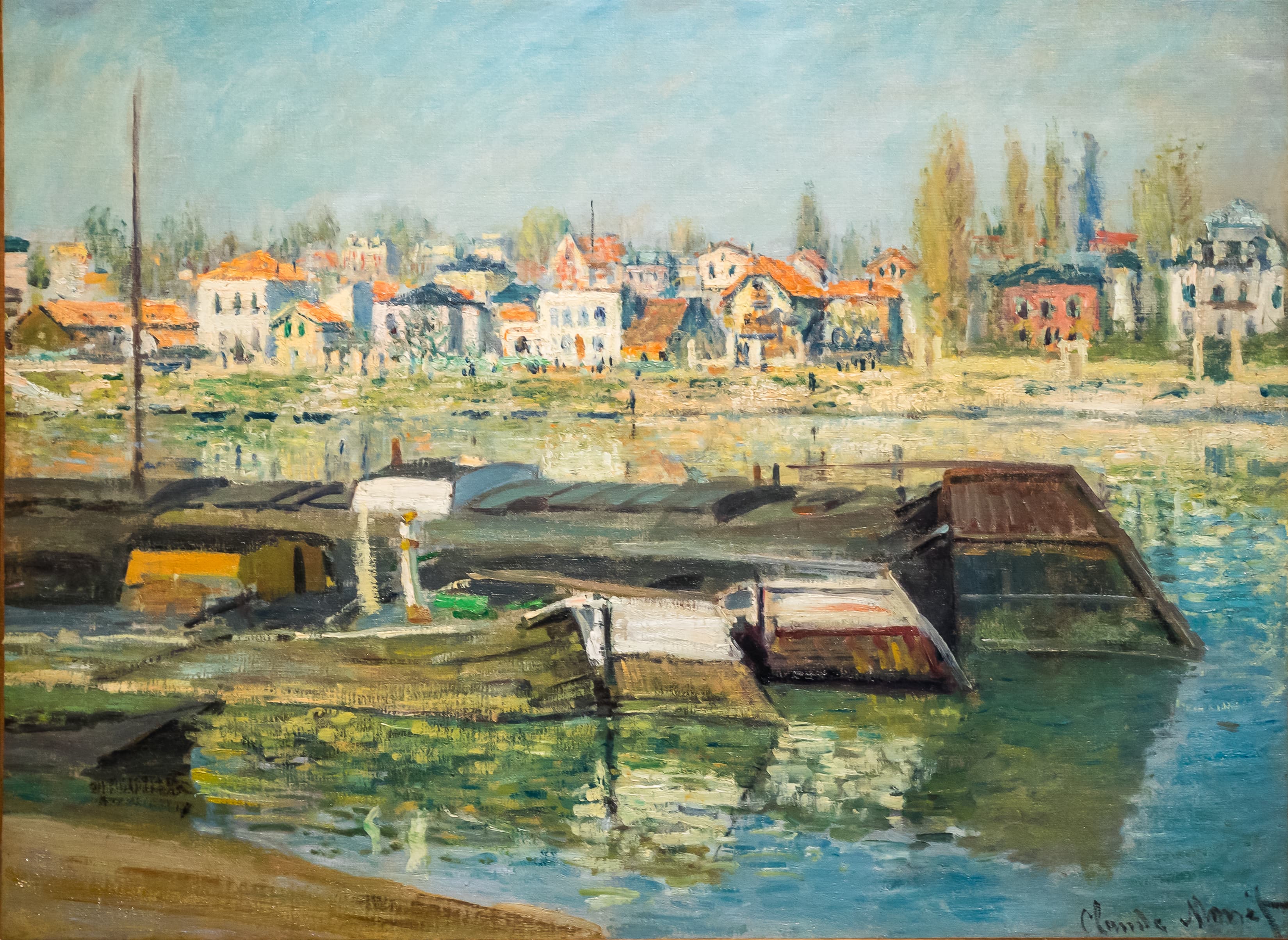
The Seine at Asnières
Claude Monet · 1873
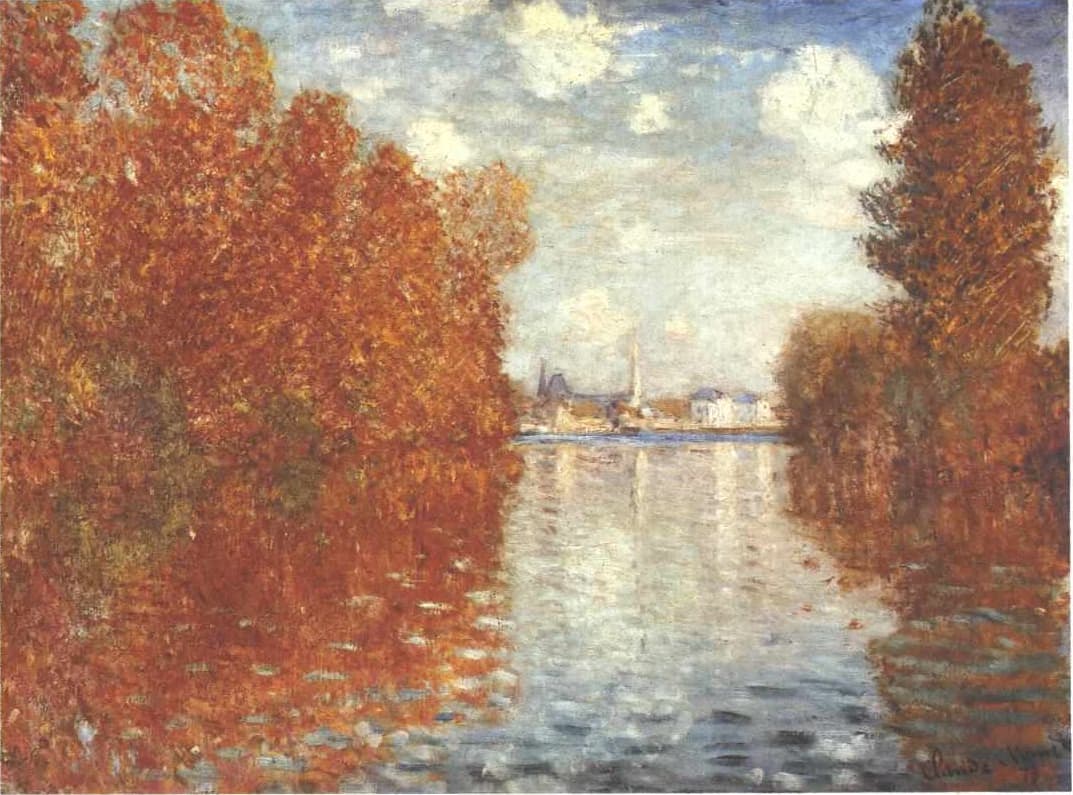
Autumn Effect at Argenteuil
Claude Monet · 1873
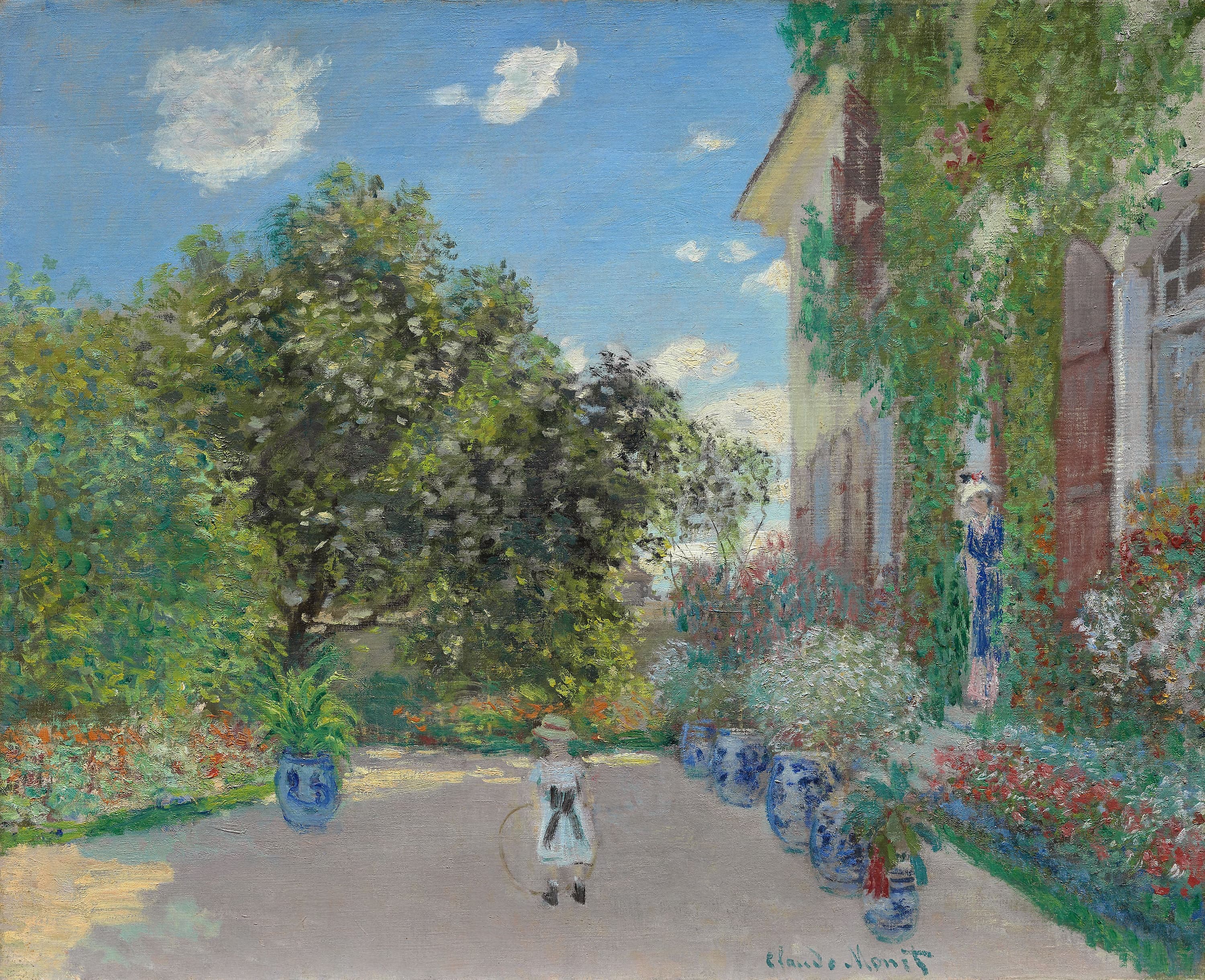
The Artist's House at Argenteuil
Claude Monet · 1873
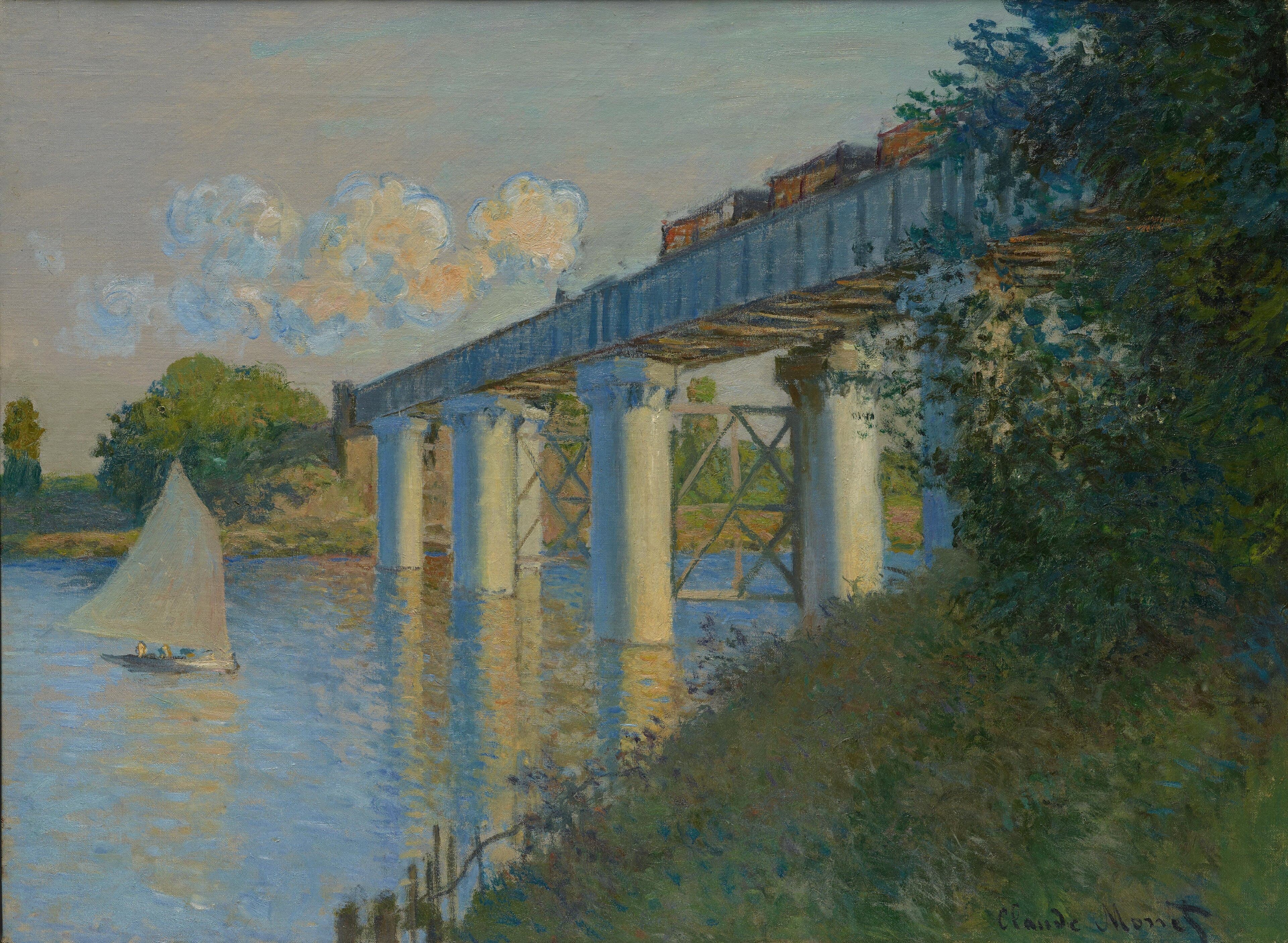
Railroad Bridge, Argenteuil
Claude Monet · 1873
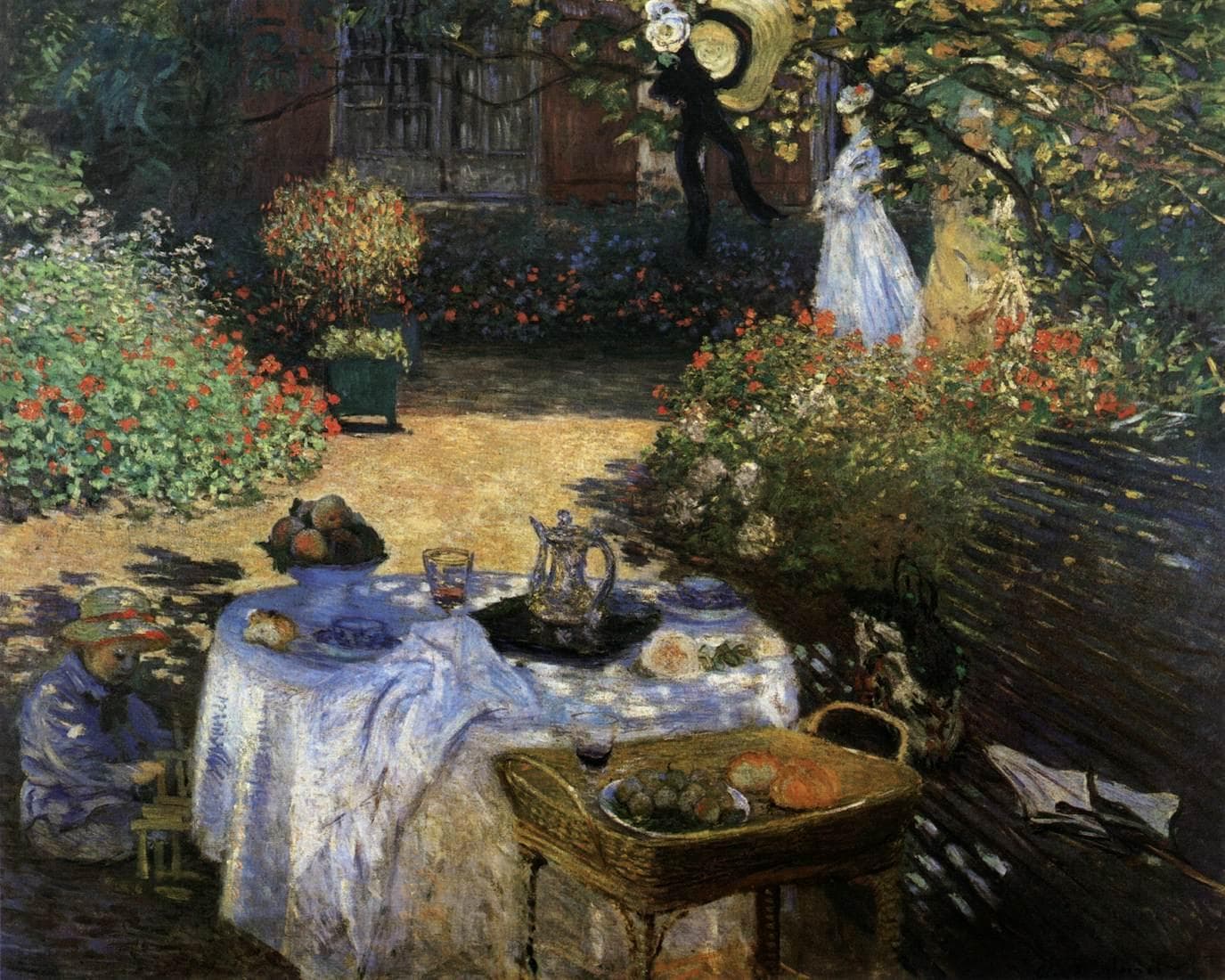
The Luncheon (Monet's Garden at Argenteuil)
Claude Monet · c. 1873
Kindred works
You may also study
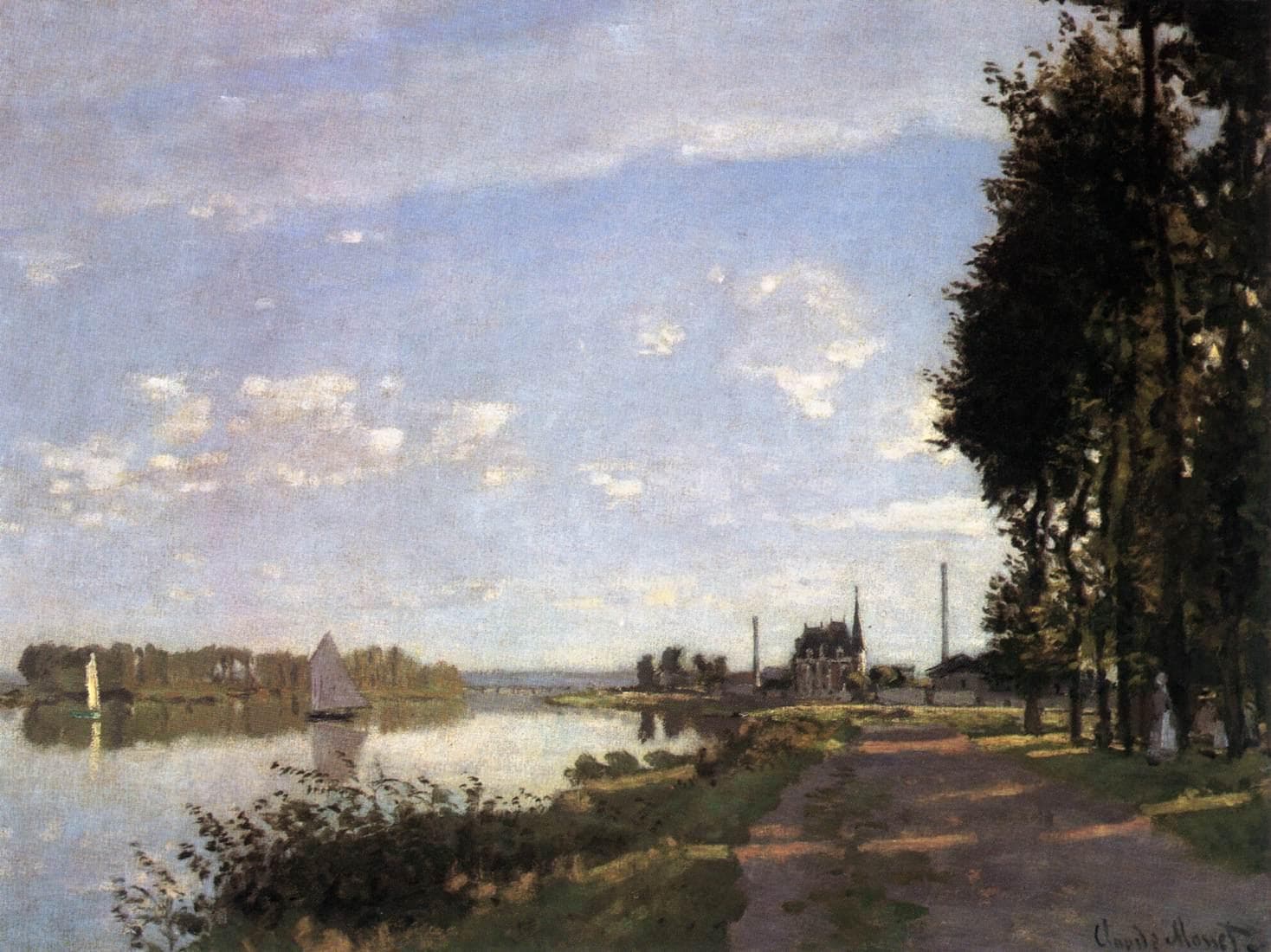
Riverside Path at Argenteuil
Claude Monet · c. 1872
The Basin at Argenteuil
Claude Monet · 1872
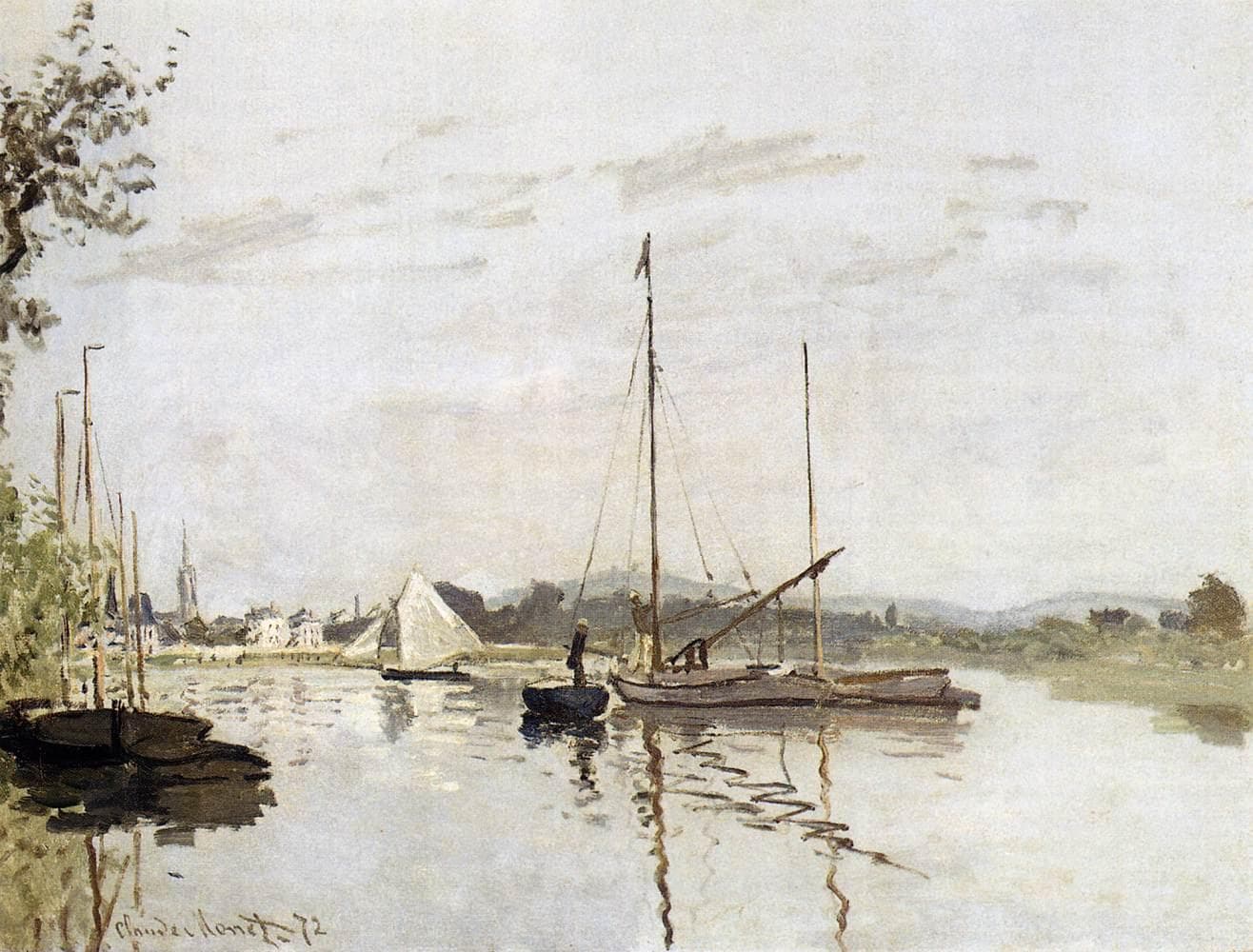
Argenteuil
Claude Monet · c. 1872
Autumn Effect at Argenteuil
Claude Monet · 1873
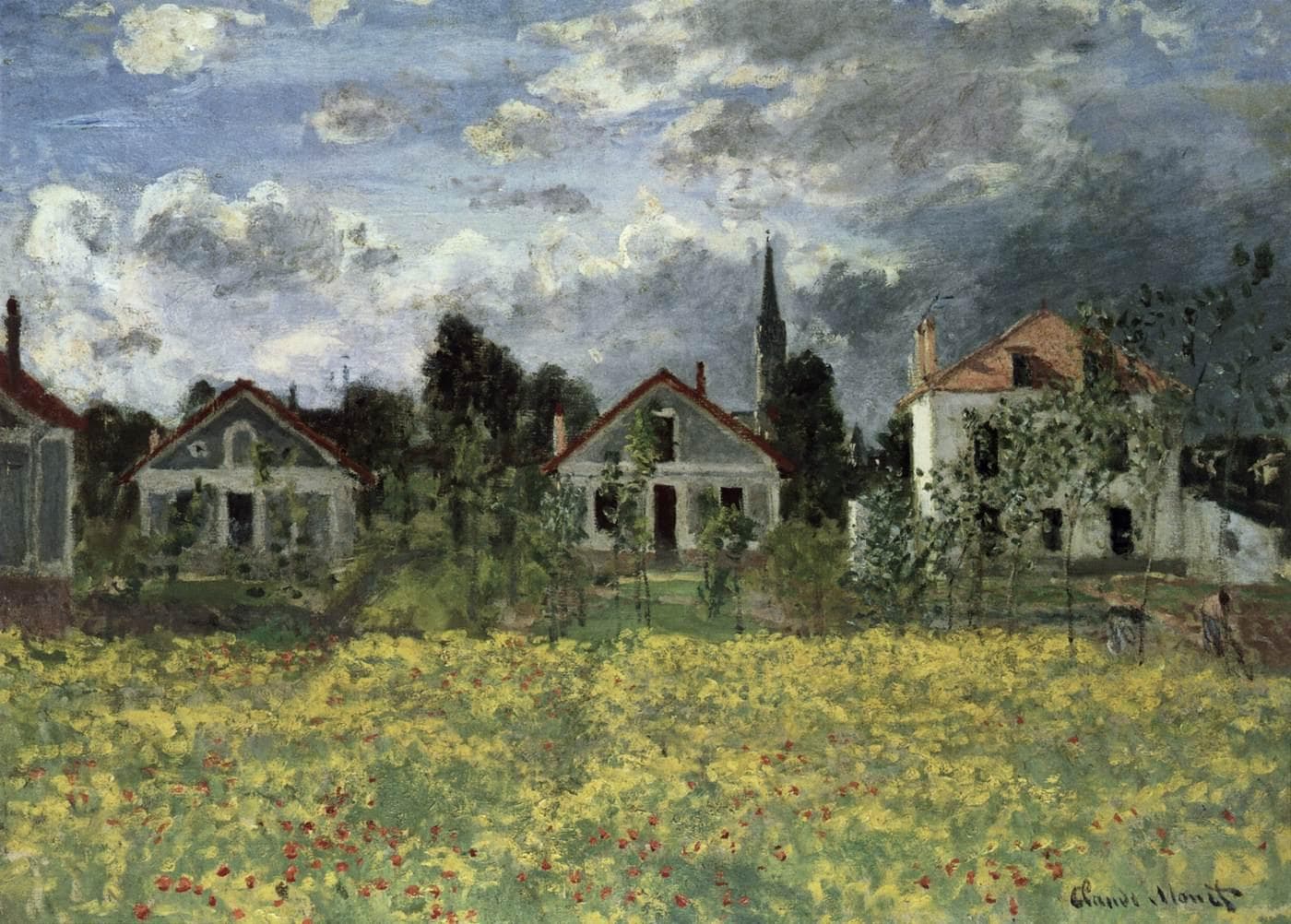
Houses at Argenteuil
Claude Monet · 1873

The Scream
Edvard Munch · 1893

Ophelia
John Everett Millais · 1851–52

The Great Wave off Kanagawa
Katsushika Hokusai · c. 1830–32