Impressionism
On the Bank of the Seine, Bennecourt
Claude Monet, 1868
On the Bank of the Seine, Bennecourt is Claude Monet's 1868 painting of Camille Doncieux seated under a tree by the Seine beside a green boat, the hamlet of Gloton mirrored in the water. It is in the Art Institute of Chicago.
- Artist
- Claude Monet
- Date
- 1868
- Medium
- Oil on canvas
- Dimensions
- 81.5 × 100.7 cm
- Collection
- Art Institute of Chicago, Chicago, United States
- Movement
- Impressionism
- Catalogue
- Wildenstein W 110
On the Bank of the Seine, Bennecourt is Claude Monet's 1868 painting of his companion Camille Doncieux seated in the shade beside the Seine, looking across the water to the hamlet of Gloton near Bennecourt. The canvas, 81.5 × 100.7 cm, inscribed Cl. Monet / 1868 at lower left, is in the Art Institute of Chicago (Potter Palmer Collection, 1922.427). It is number 110 in Wildenstein's catalogue.
What you are looking at
Camille sits on the grass at lower left, almost with her back to us, her face turned in profile toward the far bank. Her white dress is striped in blue and painted in a few broad, wet strokes; her dark hair is pinned up. Beside her lies a straw hat with a blue band, an oval of yellow and white that catches the light. According to the Art Institute, she sits on an island in the river, from which she and Monet had presumably rowed.
The green rowing boat moored beside her is drawn in long, sure strokes, its interior a darker green and its prow pointing out into the stream. Behind Camille, two tree trunks rise at the left edge, and the foliage spreads across the whole top of the canvas as a dark, ragged canopy, cut out against bright sky. Through the leaves, the scene opens like a stage.
Across the river lies Gloton: pale houses with red and brown roofs, a bright white gable at right, and above them a hillside striped with vineyards or fields. A sandy shore runs along the far bank, with moored boats and tiny figures. In the middle distance, two horses or cattle stand at the water's edge.
The reflections
The passage people remember is the water. The houses reappear upside down in the river as flat, blocky patches of cream, white and ocher, set into a broad sheet of sky-blue. Monet does not blur or ripple them; he paints them as clear, separate shapes, almost as bright as the buildings themselves. Leaves from the overhanging branches are mirrored as dark blots across the reflection, and the eye shuttles between the real village, the painted reflection and the canopy above.
This flat, patchwork treatment of reflections is the seed of what Monet would develop at La Grenouillère in 1869 and at Argenteuil in the 1870s, where reflections become broken strokes of pure color.
Was something painted over?
Yes. The Art Institute notes pentimenti, visible traces of earlier painting under the surface, which suggest that at an early stage Camille held a bonneted child, presumably the couple's baby son Jean, born in August 1867. Monet later painted the child out, leaving the figure alone and more anonymous. The reworking helps explain the deliberately simplified look of parts of the picture, particularly the figure and the reflections.
Gloton and the summer of 1868
The novelist Émile Zola, who knew the area, recommended Gloton to Monet as a cheap country retreat easily reached from Paris. Monet, Camille and Jean stayed at an inn there in the spring and summer of 1868. The Art Institute describes this as the only painting to survive from that stay. It was a desperate period: in a letter to Frédéric Bazille Monet wrote that he had been thrown out of the inn for unpaid bills and had thrown himself into the water, a phrase scholars read either as a suicide attempt or as dramatic exaggeration.
Nothing of that shows. The picture is a calm afternoon of leisure on the river, the kind of subject he would paint again in The Lunch (1868) and Bathers at La Grenouillère (1869). Camille had already posed for Camille (The Woman in the Green Dress) and for figures in Women in the Garden; here she becomes part of a landscape rather than its subject.
Painted on the spot?
Much of it appears to have been painted outdoors, given the direct, unblended strokes and the light, but the reworking shows Monet came back to it, probably more than once. Twenty-five years later, he returned to the same stretch of river in winter and painted Ice Floes on the Seine near Bennecourt and Floating Ice at Bennecourt, when he was living a few miles away at Giverny.
Where to see it
The canvas belongs to the Art Institute of Chicago, part of the Potter Palmer Collection given in 1922; Bertha and Potter Palmer were among the earliest American collectors of Claude Monet. It is usually on view in the Impressionist galleries. For the museum's other Monets, from the Gare Saint-Lazare to the Stacks of Wheat, see Monet at the Art Institute of Chicago.
Questions & answers
Where is Monet's On the Bank of the Seine, Bennecourt?
It is in the Art Institute of Chicago, part of the Potter Palmer Collection given in 1922 (accession 1922.427). The canvas measures 81.5 × 100.7 cm and is usually on view in the museum's Impressionist galleries. Bertha and Potter Palmer were among the first major American collectors of Monet.
When and where was On the Bank of the Seine, Bennecourt painted?
Monet painted it in 1868 at Gloton, a hamlet next to Bennecourt on the Seine downstream from Paris, where he stayed at an inn with Camille and their baby son Jean. The novelist Émile Zola had recommended the spot. The canvas is inscribed 'Cl. Monet / 1868' at lower left.
Who is the woman in On the Bank of the Seine, Bennecourt?
She is Camille Doncieux, Monet's companion, whom he married in 1870. She sits on an island in the river in a blue-and-white striped dress, her straw hat beside her, looking toward the houses of Gloton. Traces of earlier paint suggest she originally held a child, presumably their son Jean.
Did Monet paint other pictures at Bennecourt?
According to the Art Institute, this is the only painting to survive from his 1868 stay at Gloton. Monet returned to the same stretch of river in the winter of 1893, while living at nearby Giverny, and painted a group of views of ice floes on the Seine near Bennecourt.
More by the artist
Claude Monet

Bridge over a Pond of Water Lilies
Claude Monet · 1899

Woman with a Parasol – Madame Monet and Her Son
Claude Monet · 1875

Sunset in Venice
Claude Monet · 1908–12

La Grenouillère
Claude Monet · 1869

Beach in Pourville
Claude Monet · 1882

Springtime
Claude Monet · 1872

Boating on the River Epte
Claude Monet · 1890

The Seine at Asnières (Hermitage)
Claude Monet · 1873
Also painted in 1868
The same year
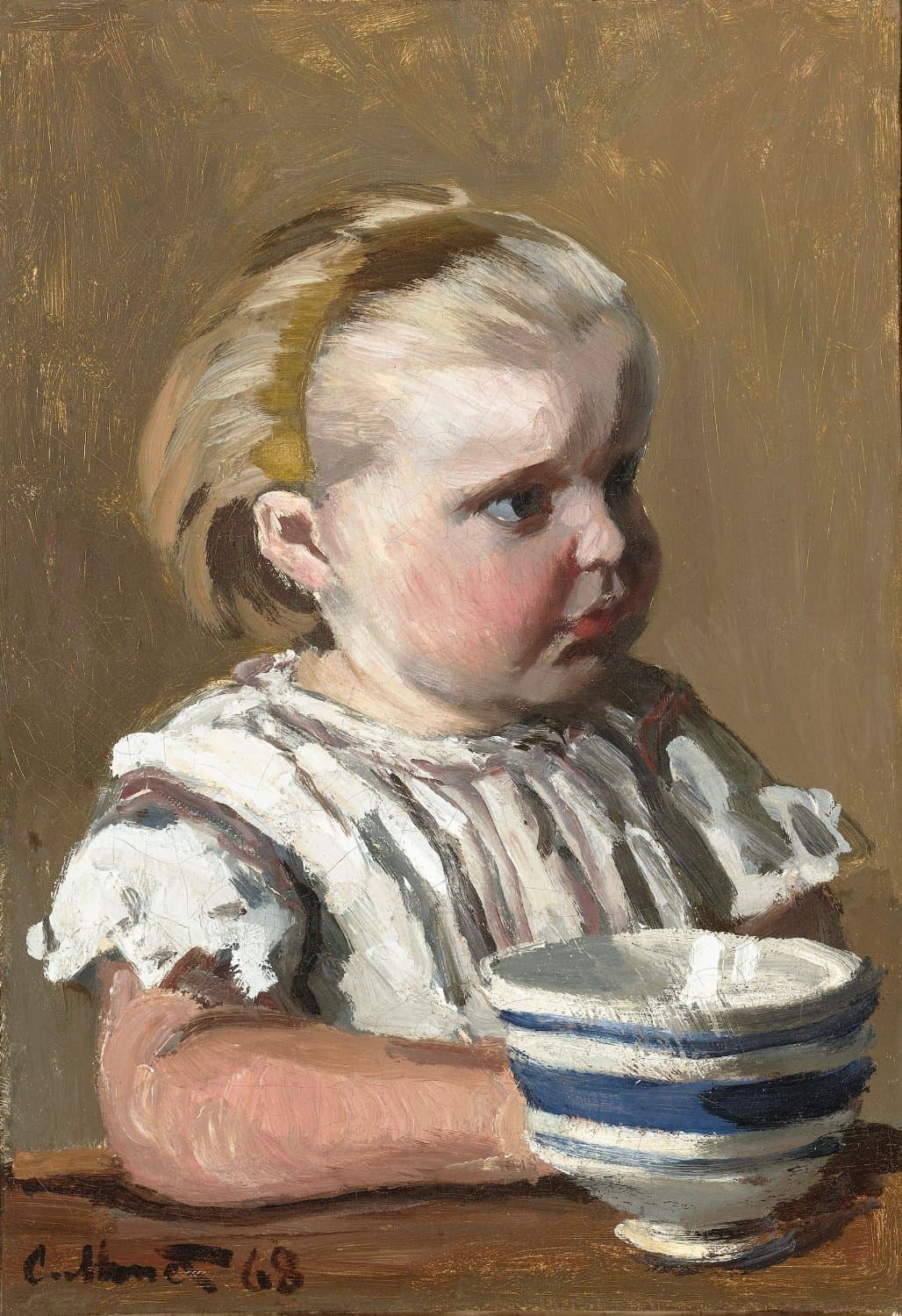
L'Enfant à la tasse (Portrait of Jean Monet)
Claude Monet · 1868
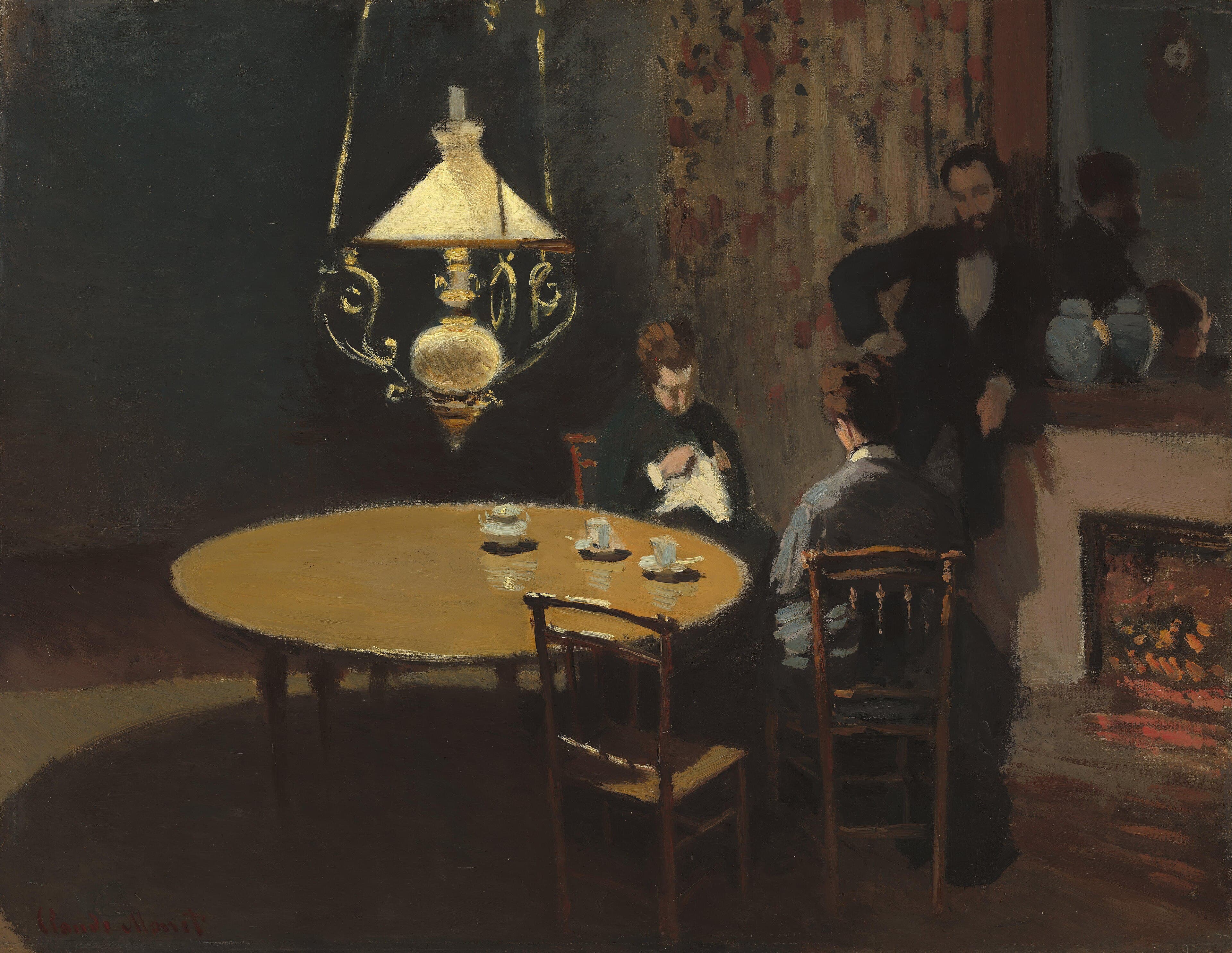
Interior, after Dinner
Claude Monet · 1868–69
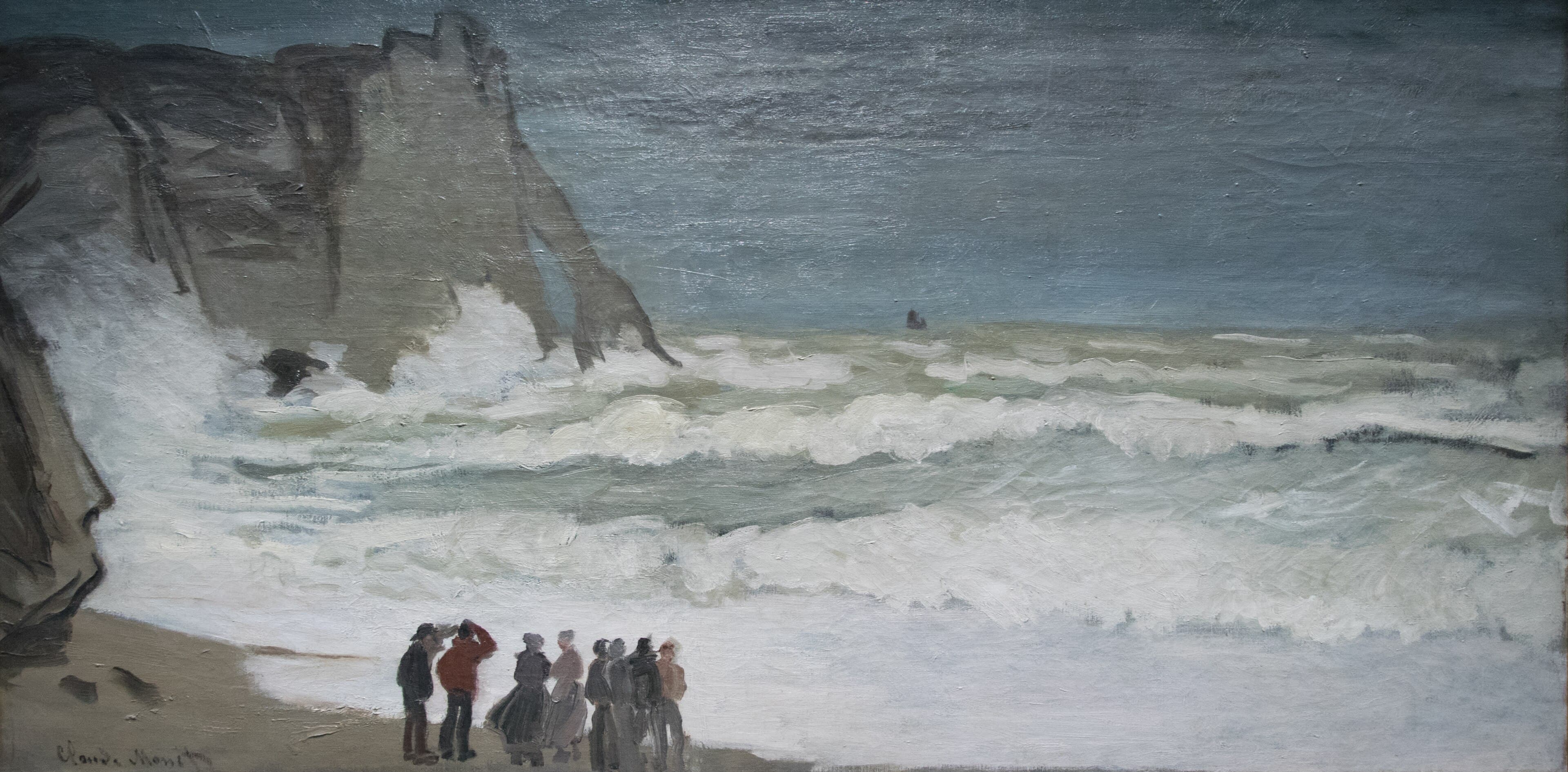
Heavy Sea at Étretat
Claude Monet · c. 1868–69
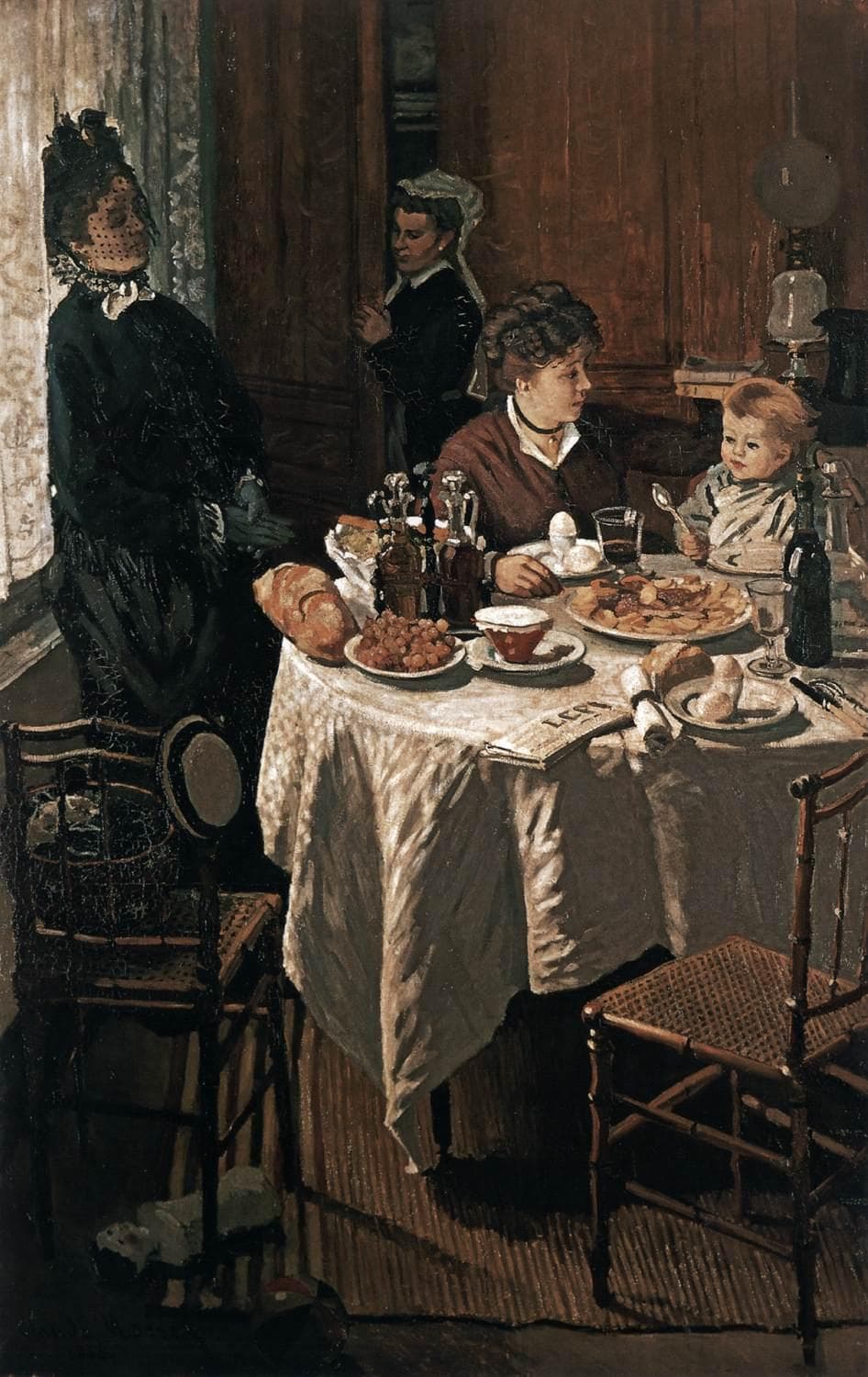
The Lunch
Claude Monet · 1868
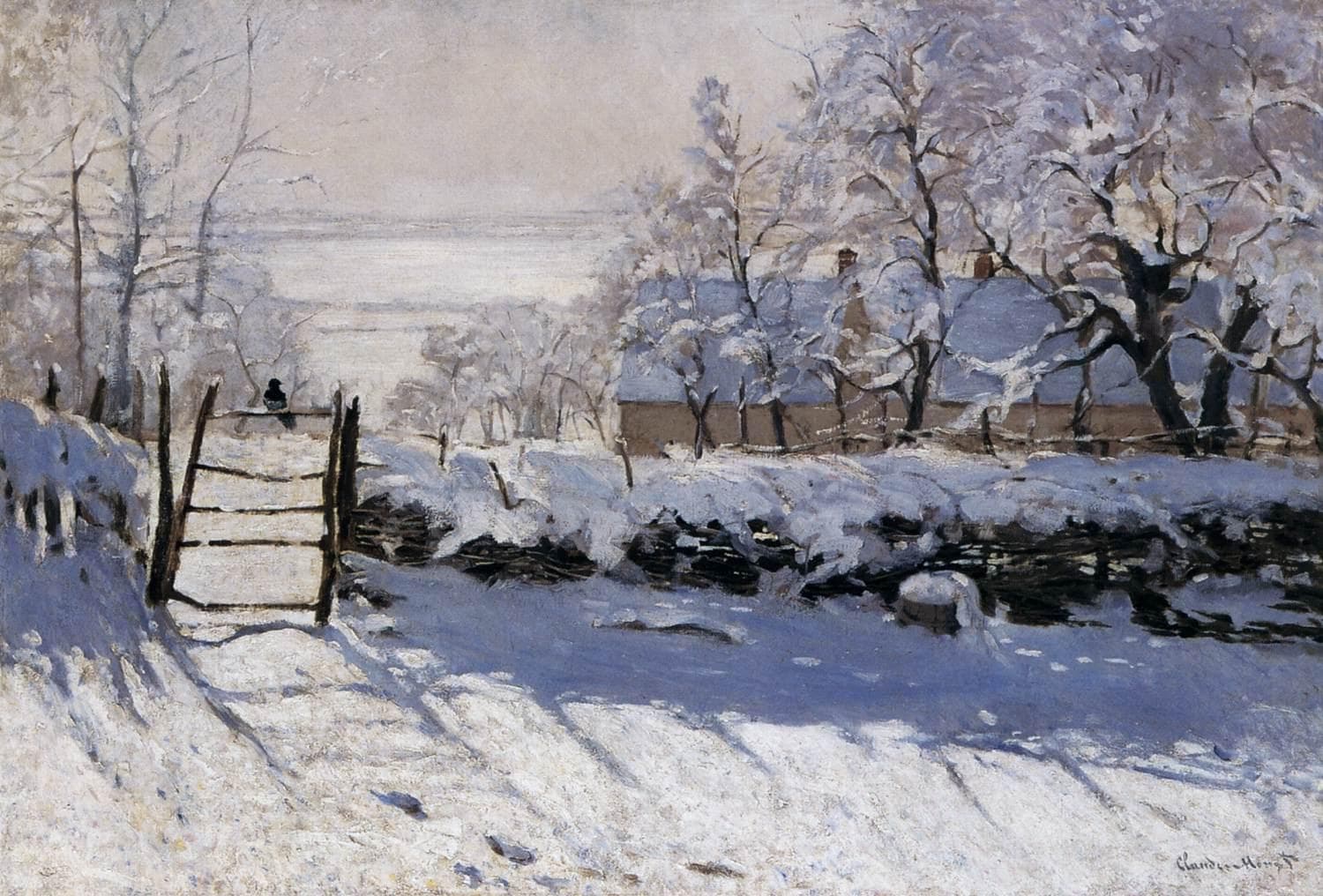
The Magpie
Claude Monet · 1868–69
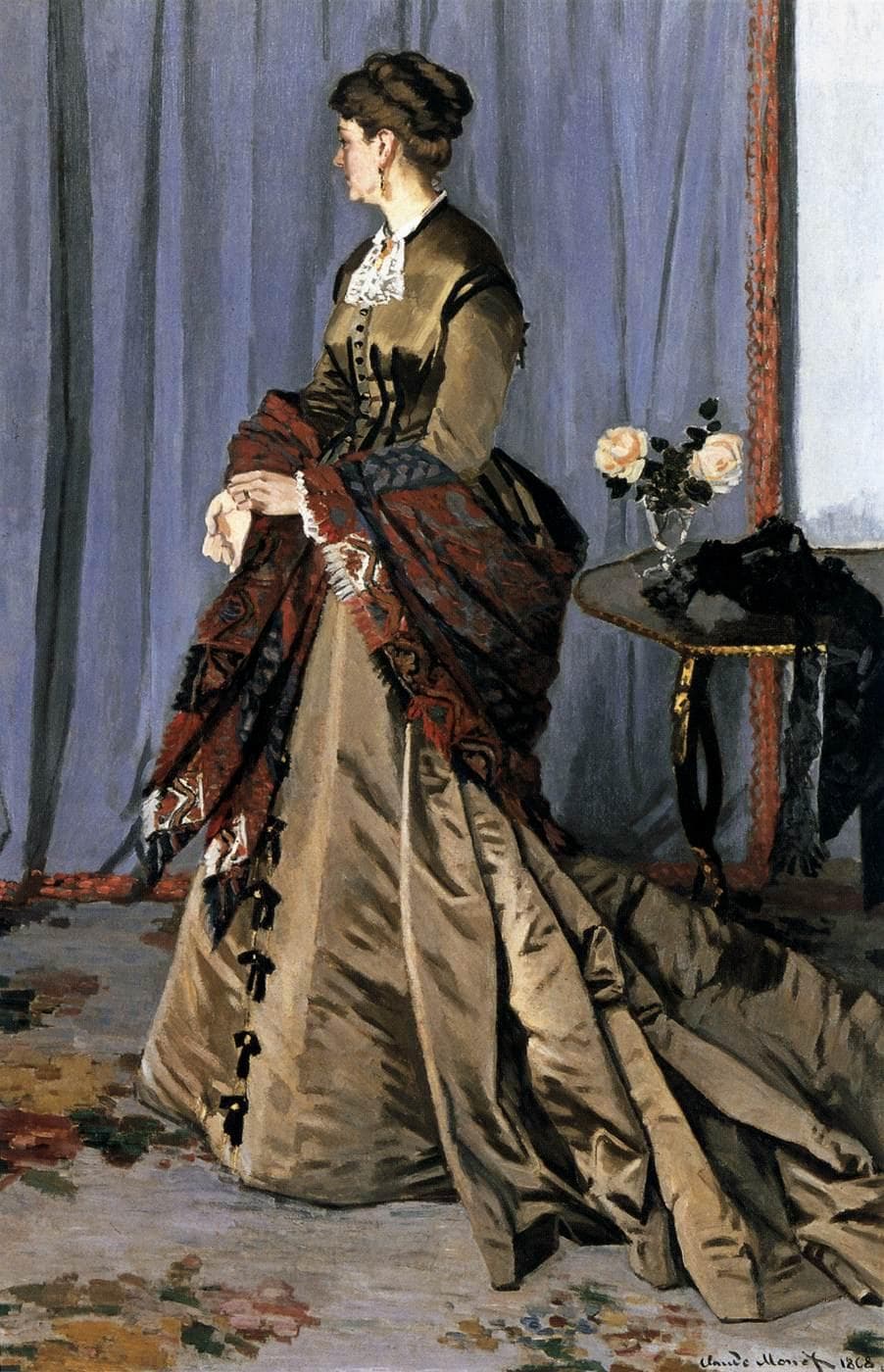
Madame Louis Joachim Gaudibert
Claude Monet · 1868
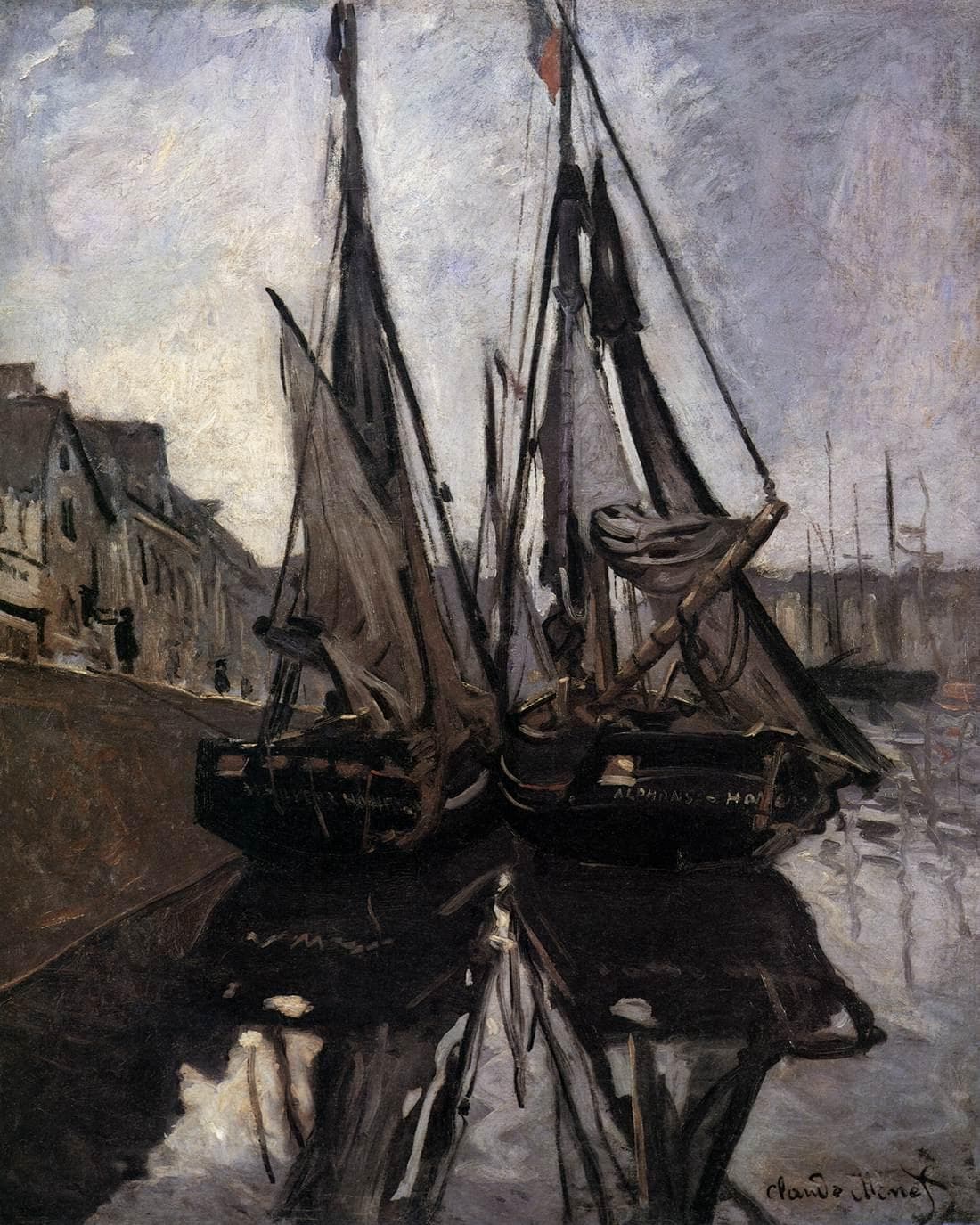
Fishing Boats at Honfleur
Claude Monet · c. 1868
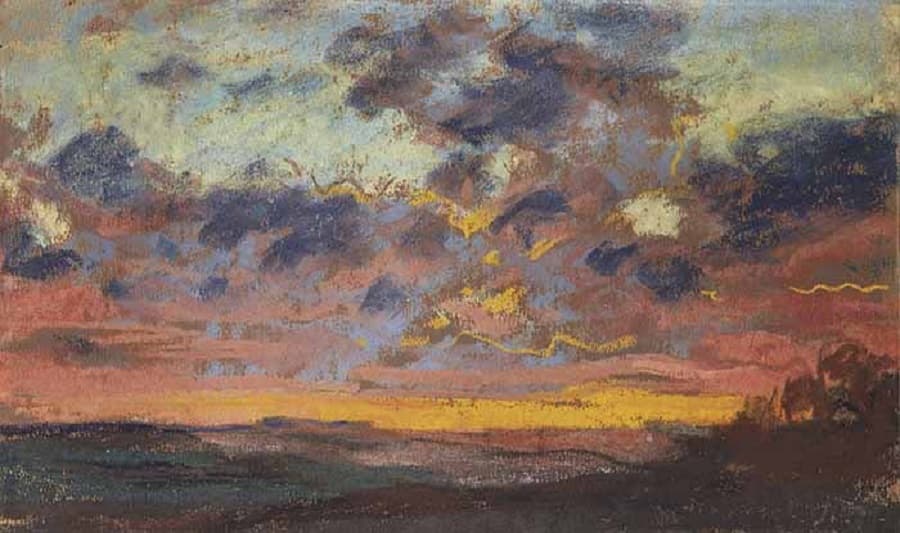
Sunset (Coucher de soleil)
Claude Monet · c. 1868
Kindred works
You may also study
The Lunch
Claude Monet · 1868
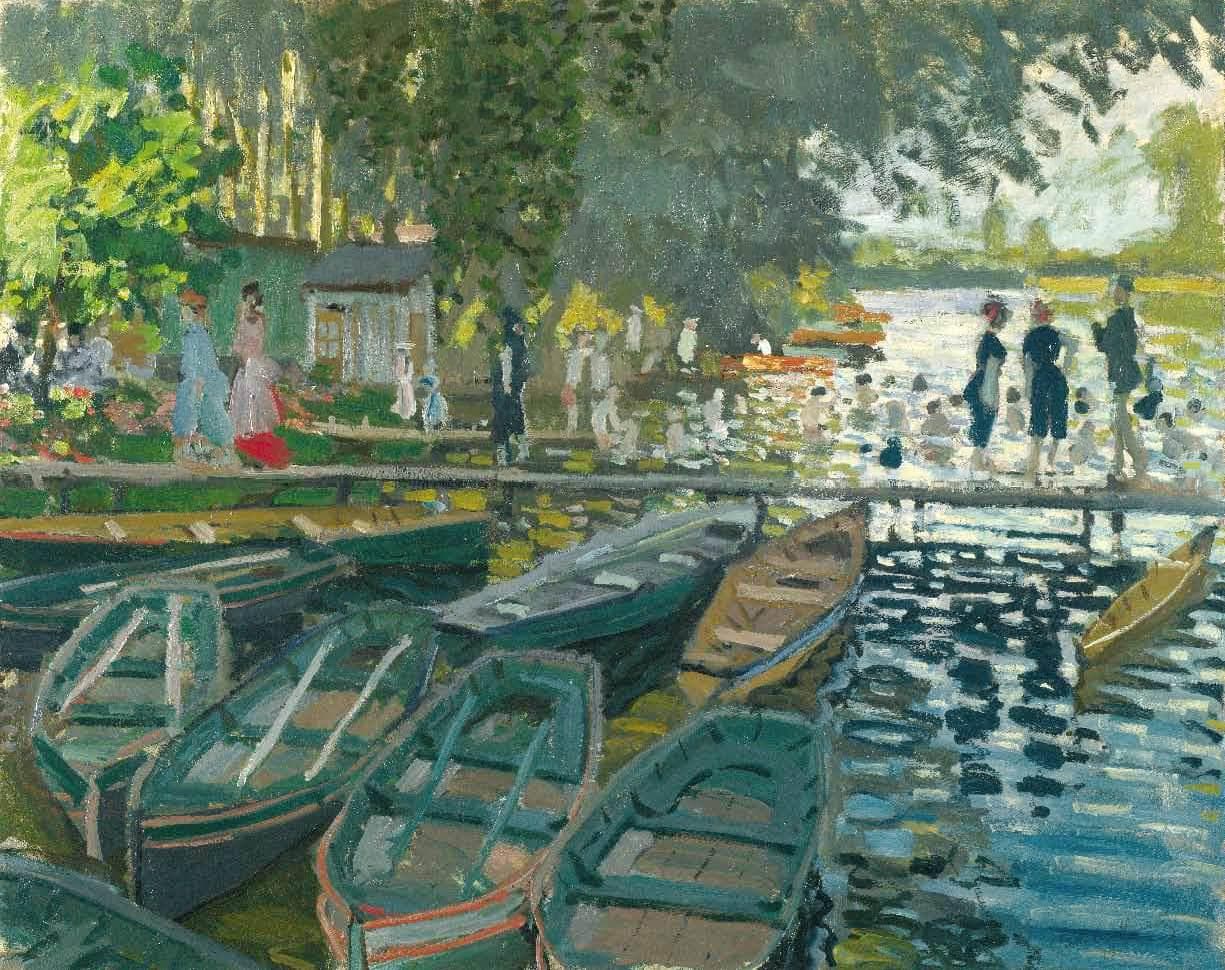
Bathers at La Grenouillère
Claude Monet · 1869
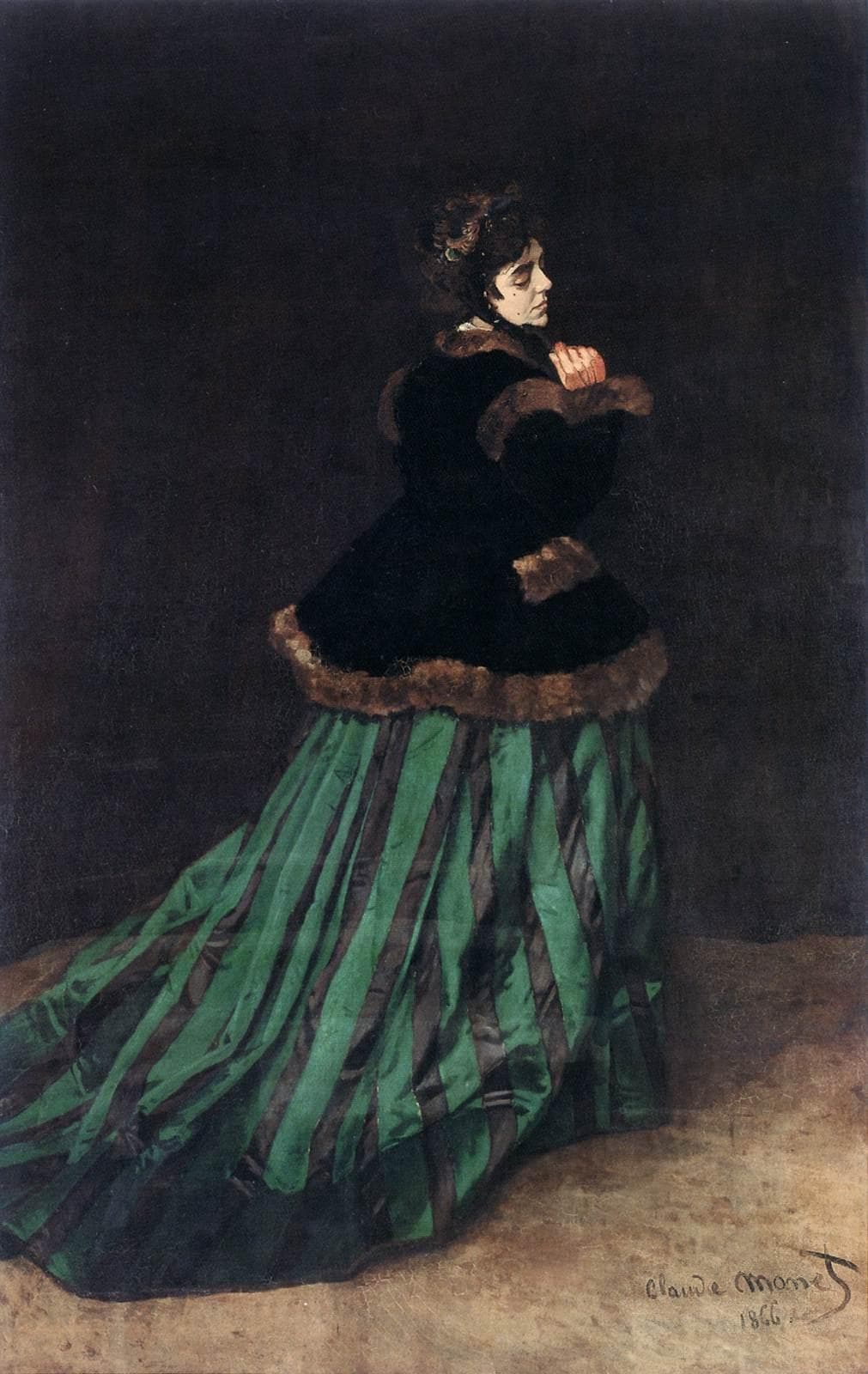
Camille (The Woman in the Green Dress)
Claude Monet · 1866
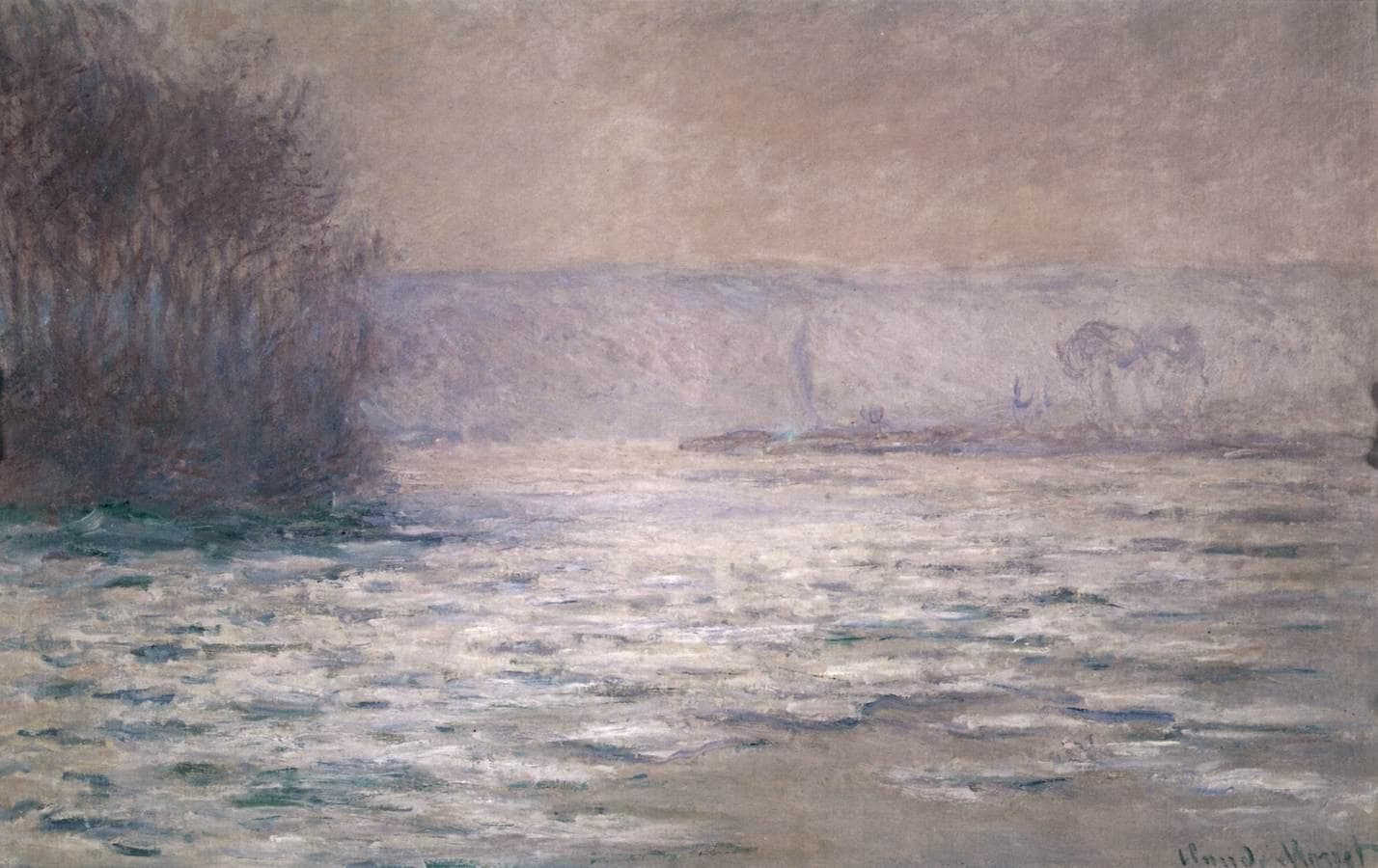
Ice Floes on the Seine near Bennecourt
Claude Monet · 1893
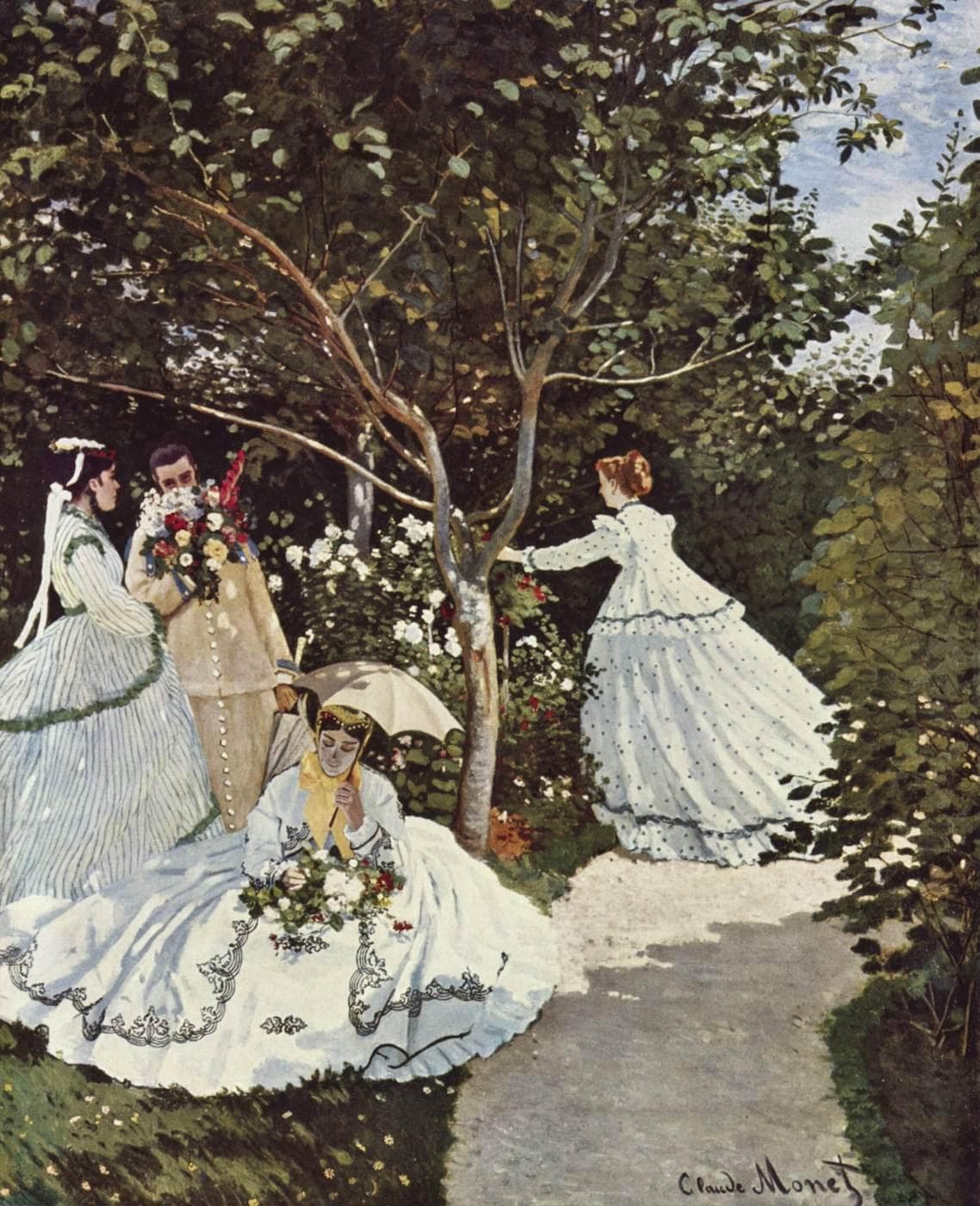
Women in the Garden
Claude Monet · 1866–67
The Beach at Sainte-Adresse
Claude Monet · 1867

Venus de Milo
Alexandros of Antioch · c. 150–125 BC

The Scream
Edvard Munch · 1893