Impressionism
Étretat, the Manneporte, Reflections on the Water
Claude Monet, c. 1885
Étretat, the Manneporte, Reflections on the Water is a painting by Claude Monet of about 1885 showing the great rock arch at Étretat in Normandy glowing above a shimmering green sea. It belongs to the Musée d'Orsay.
- Artist
- Claude Monet
- Date
- c. 1885
- Medium
- Oil on canvas
- Dimensions
- 65.5 × 81.5 cm
- Collection
- Musée d'Orsay, Paris, France
- Movement
- Impressionism
- Catalogue
- Wildenstein 1038
Painted at Étretat and the Normandy CoastMore at Monet at the Musée d'Orsay
Étretat, the Manneporte, Reflections on the Water (Étretat, la Manneporte, reflets sur l'eau) was painted by Claude Monet around 1885 on the Normandy coast. The canvas, 65.5 by 81.5 centimeters and number 1038 in Wildenstein's catalogue, belongs to the Musée d'Orsay, which received it in 1994 as a gift from Pierre Larock and his children in memory of the dealer Katia Granoff. It is not shown in Paris: since 1999 it has been on long-term deposit at the Musée des Beaux-Arts in Caen.
What you are looking at
The Manneporte is the largest of the three natural arches in the chalk cliffs at Étretat, a huge doorway of rock opening onto the sea. Here Monet sees it from the water's level, slightly to the side, so the arch appears as a shadowy blue-violet opening in a wall of pale cliff that runs across the upper right of the picture. The crest of the rock is lit a warm apricot and orange, the face below is cream and white, and the shadows inside the arch are lilac and blue.
Most of the canvas is water. The sea in the foreground is a flickering mass of short strokes in jade, turquoise, lilac and white, in which the cliff and arch break into wavering reflections. At the lower left a flat pinkish rock breaks the surface, and along the base of the cliff small dark ledges catch the swell. A pale, hazy sky, almost the same tone as the cliff, fills the upper left, so the rock seems to float in light. Monet signed the canvas at lower right.
How it was painted
The picture is about atmosphere rather than geology. Monet keeps the contrasts low and the colors pale, painting the cliff in soft, dragged strokes and the water in rapid broken touches that follow the movement of the swell. Notice how little separates sky from rock at the upper left: the edge of the cliff dissolves into a milky haze of lilac and white, and only the warm band along the top tells you where stone ends and air begins.
The reflections are the subject named in the title. Monet paints them as vertical streaks of cream and violet broken by horizontal ripples of green, so the cliff seems to continue down into the sea and then shatter. According to the Orsay, the picture can be dated to 1885 by comparison with a canvas of identical size in the Philadelphia Museum of Art, signed and dated that year.
Monet and the Manneporte
Monet painted at Étretat in several campaigns between 1883 and 1886, often from narrow beaches and ledges that he could reach only at low tide. In November 1885 a wave caught him painting at the foot of the cliffs and swept him and his easel into the water; he escaped soaked, with his palette lost. The Manneporte appears in some of his most dramatic canvases, such as The Manneporte (Étretat) of 1883 and The Manneporte near Étretat of 1886, both in the Metropolitan Museum. In those the arch is a massive, sunlit block. This version is the quietest of them, the arch reduced almost to a ghost in the haze.
The Porte d'Aval and the Aiguille, at the other end of the bay, are the subject of The Cliffs at Étretat and Étretat, the Porte d'Aval: Fishing Boats Leaving the Harbor, and the stormy weather of these visits fills Rough Sea at Étretat. Our hub on Étretat and the Normandy coast follows the whole campaign.
Where to see it
The painting belongs to the Musée d'Orsay, but it is on deposit at the Musée des Beaux-Arts in Caen, Normandy, inside the walls of the château, so that is where to look for it; check that it is on display before visiting. Étretat itself is about an hour and a half north-east of Caen, and the cliff path above the Manneporte is open to walkers. More on Claude Monet.
Questions & answers
Where is Monet's Manneporte, Reflections on the Water?
The painting belongs to the Musée d'Orsay in Paris, which received it in 1994, but it is not displayed in Paris. Since 1999 it has been on long-term deposit at the Musée des Beaux-Arts in Caen, Normandy, so it is best to check with Caen before visiting.
When and where was it painted?
Monet painted it at Étretat on the Normandy coast, probably in 1885, during the long autumn stay when he worked on dozens of canvases of the cliffs and arches. The Orsay dates it by comparison with an identical-size canvas in Philadelphia, signed and dated 1885.
What is the Manneporte?
The Manneporte is the largest of three natural rock arches in the chalk cliffs at Étretat on the Normandy coast, west of the village beyond the Porte d'Aval. Its name is often explained as meaning great gate. Monet painted it several times between 1883 and 1886, sometimes from below at low tide.
How many paintings of the Manneporte did Monet make?
Monet made several canvases of the Manneporte during his Étretat campaigns of 1883–86. Well-known examples are in the Metropolitan Museum of Art in New York and the Philadelphia Museum of Art, and this version, owned by the Musée d'Orsay, focuses on reflections in the water.
More by the artist
Claude Monet

Bridge over a Pond of Water Lilies
Claude Monet · 1899

Woman with a Parasol – Madame Monet and Her Son
Claude Monet · 1875

Sunset in Venice
Claude Monet · 1908–12

La Grenouillère
Claude Monet · 1869

Beach in Pourville
Claude Monet · 1882

Springtime
Claude Monet · 1872

Boating on the River Epte
Claude Monet · 1890

The Seine at Asnières (Hermitage)
Claude Monet · 1873
Also painted in 1885
The same year
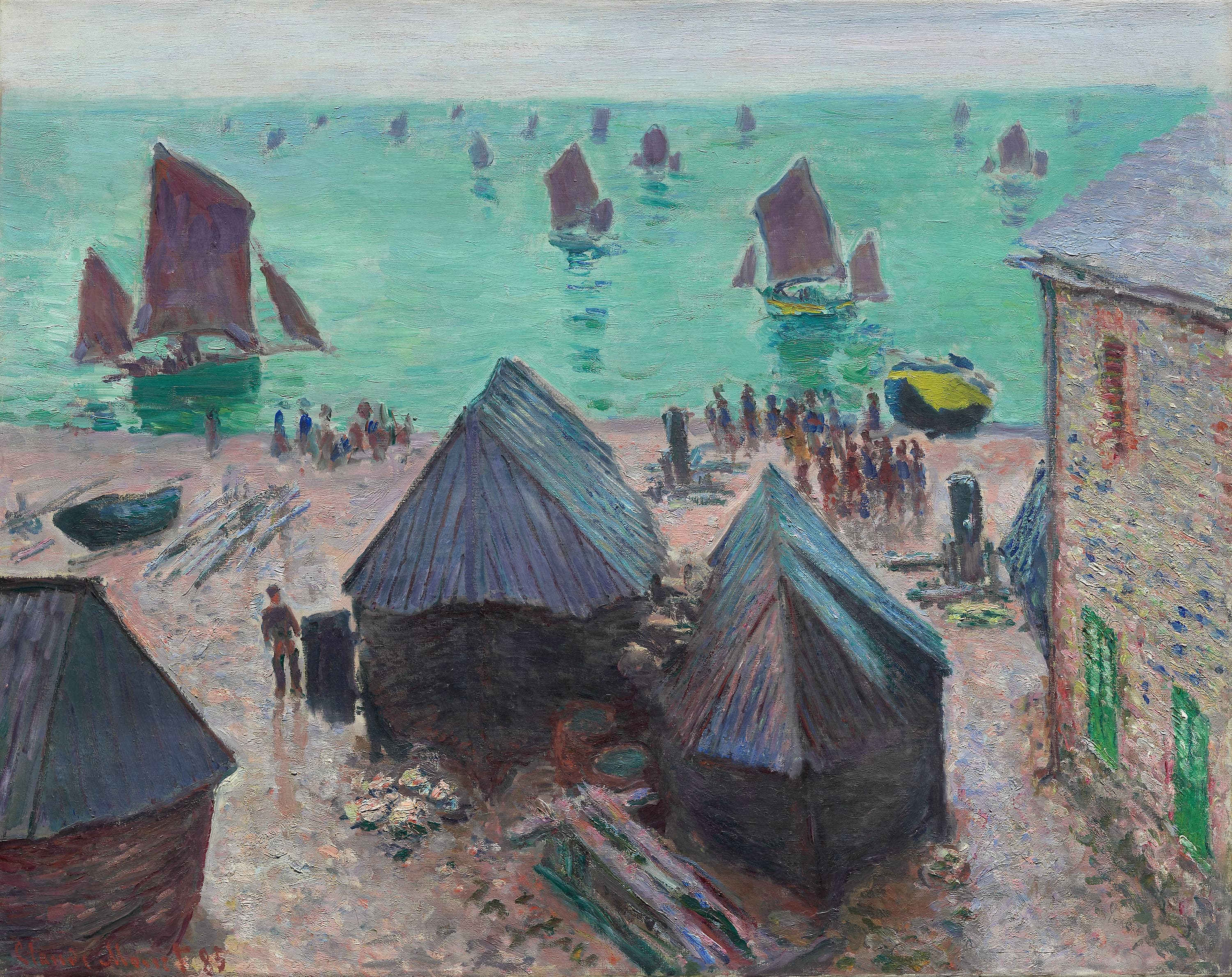
The Departure of the Boats, Étretat
Claude Monet · 1885
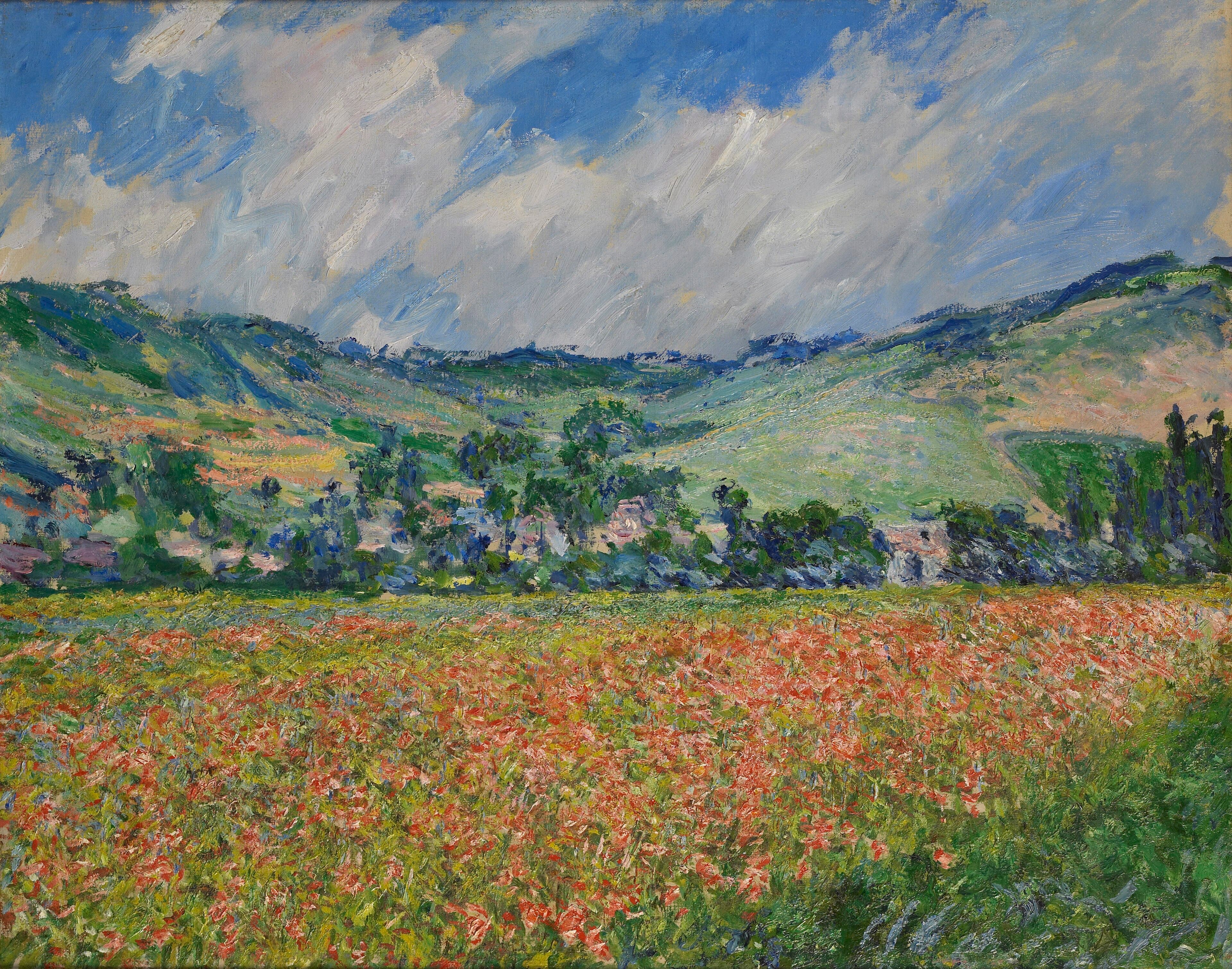
Poppy Field, Around Giverny
Claude Monet · 1885
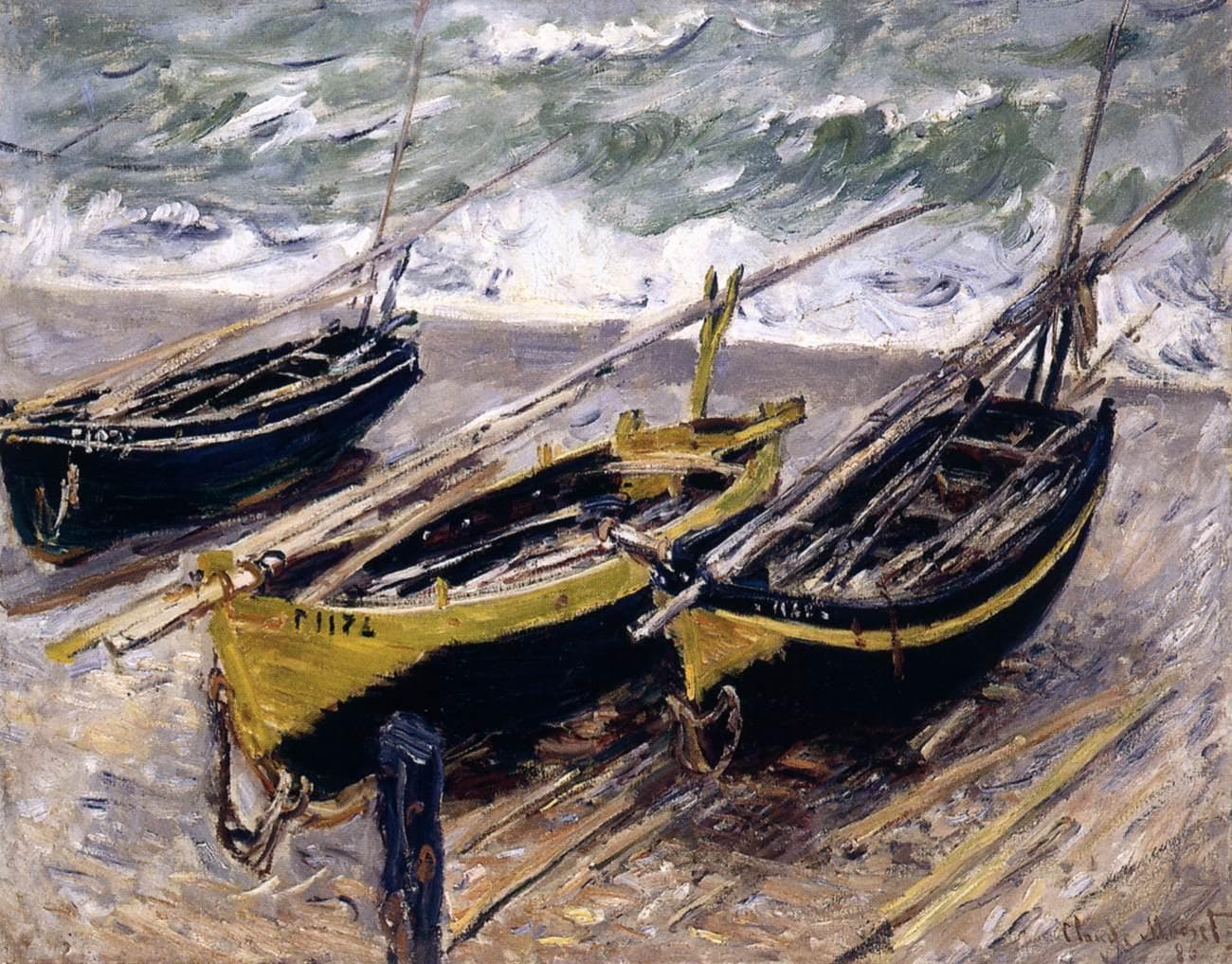
Three Fishing Boats
Claude Monet · 1885
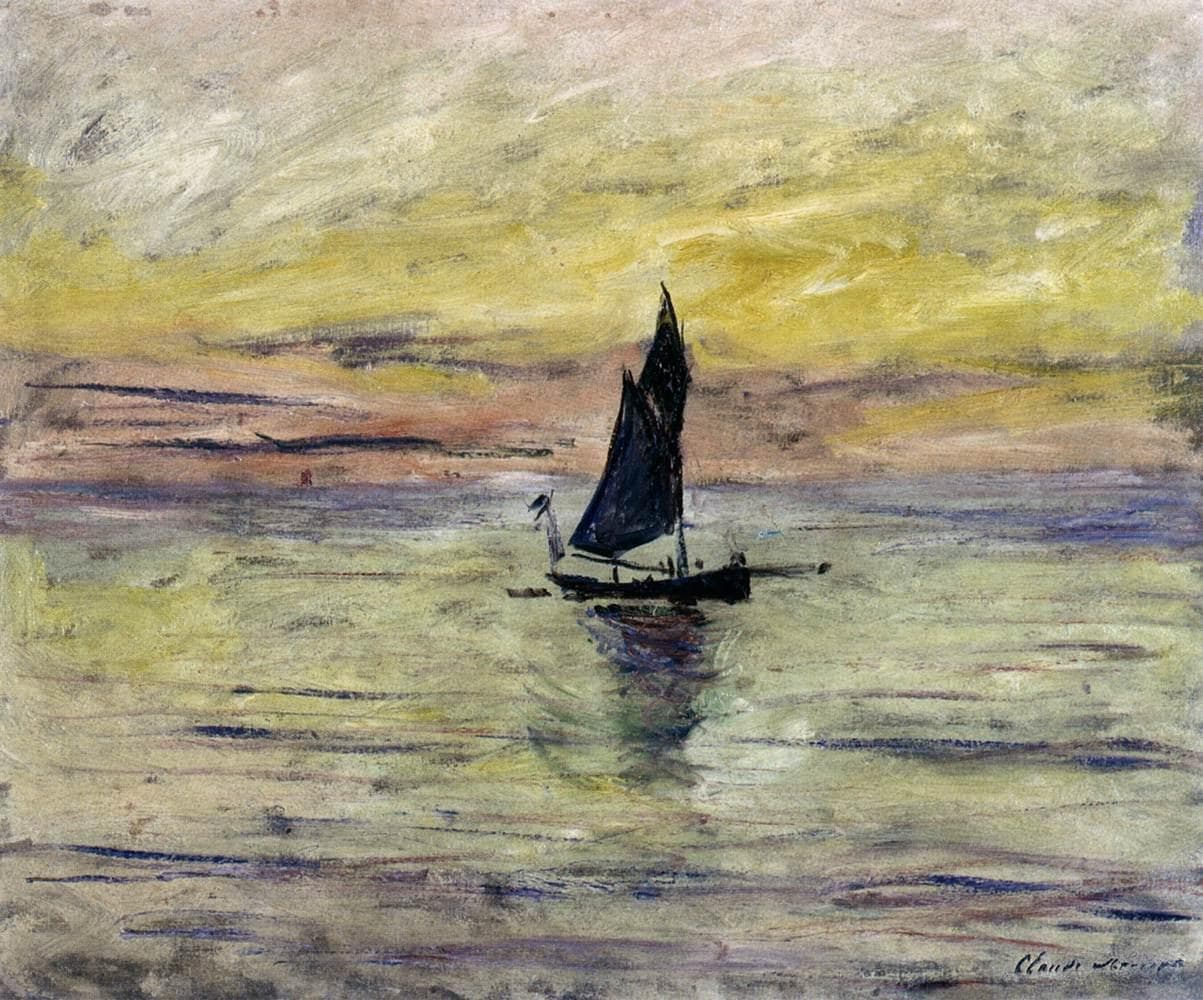
Sailboat, Evening Effect
Claude Monet · 1885
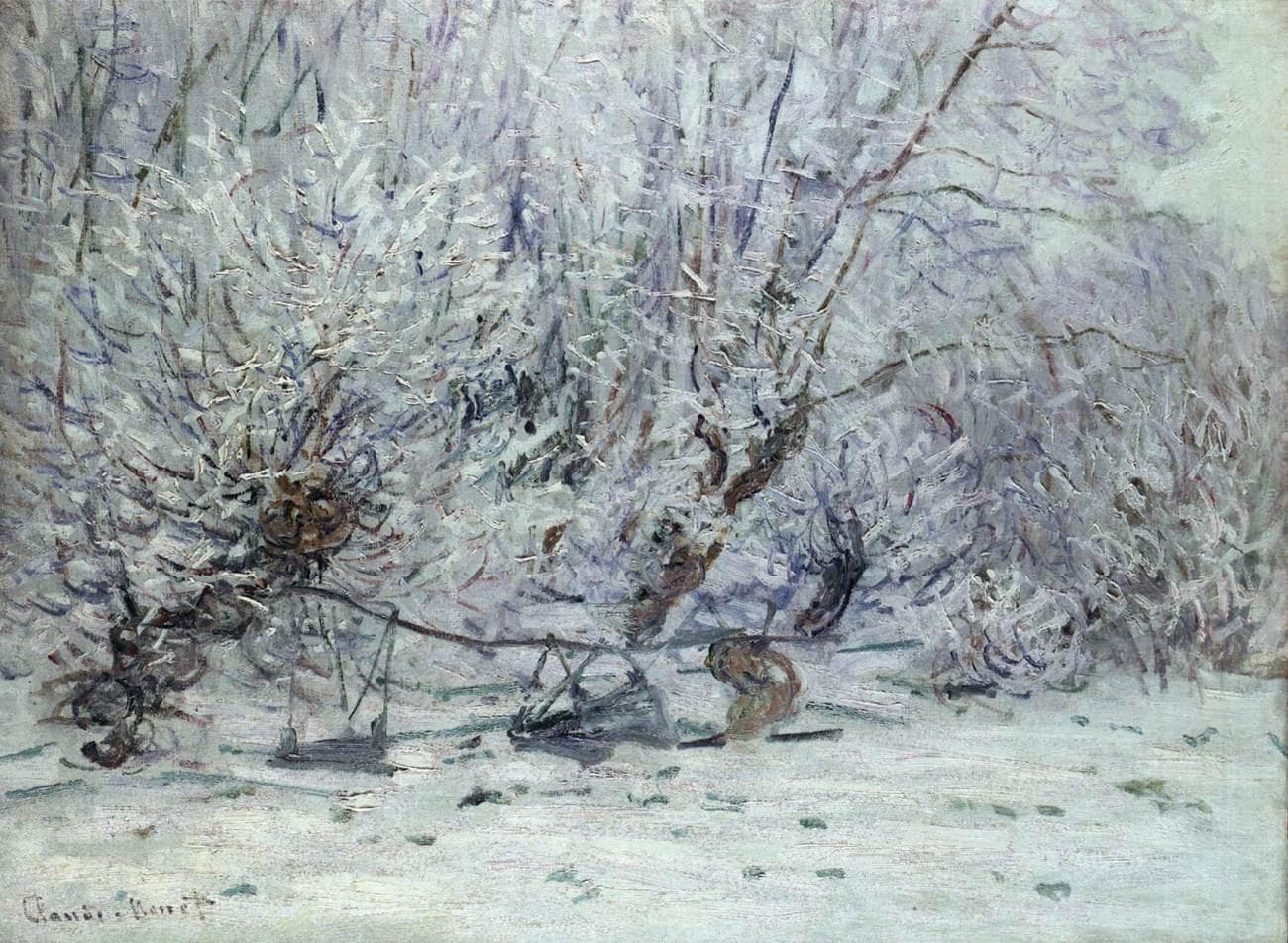
Frost
Claude Monet · 1885
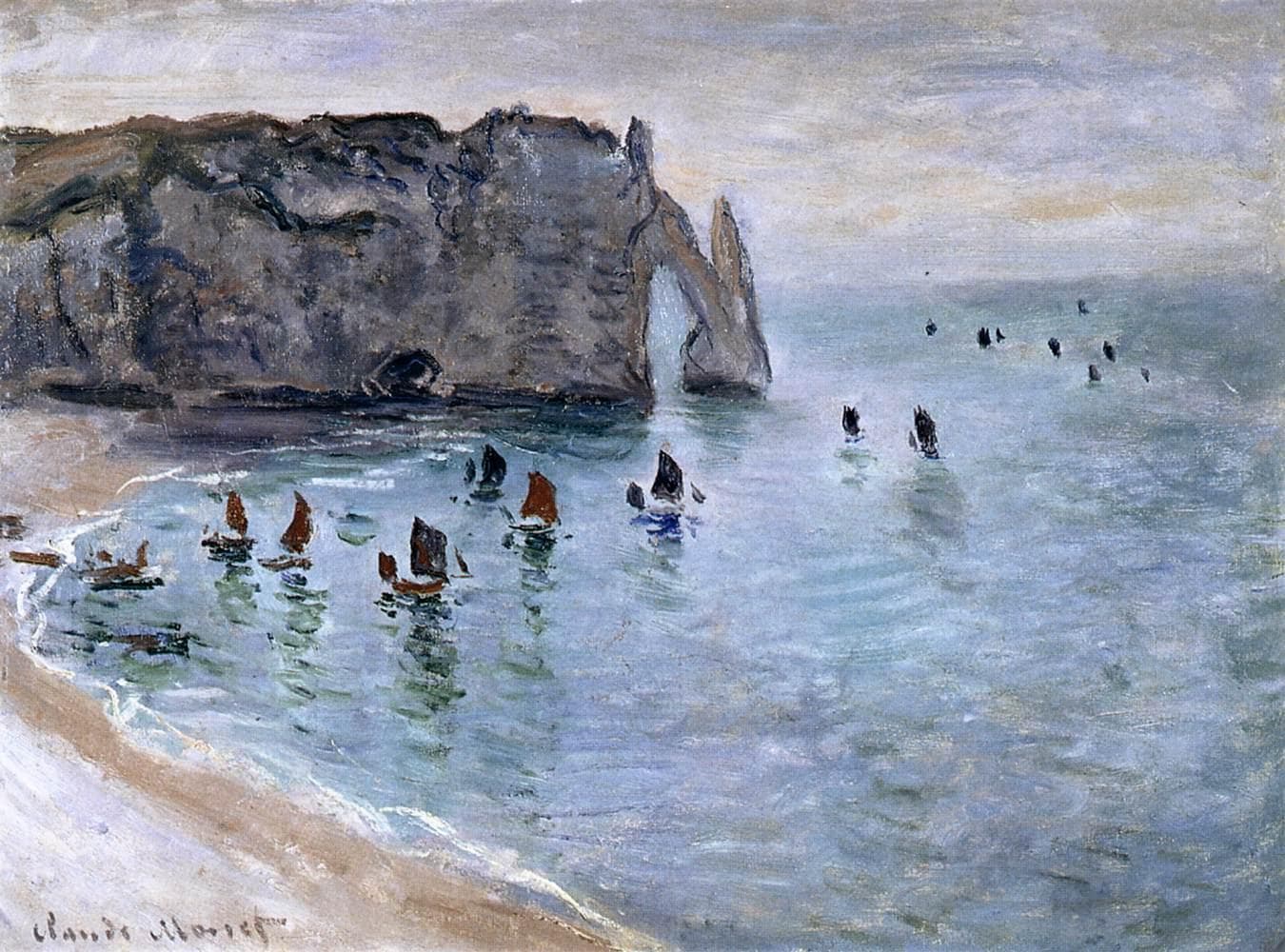
Étretat, the Porte d'Aval: Fishing Boats Leaving the Harbor
Claude Monet · 1885
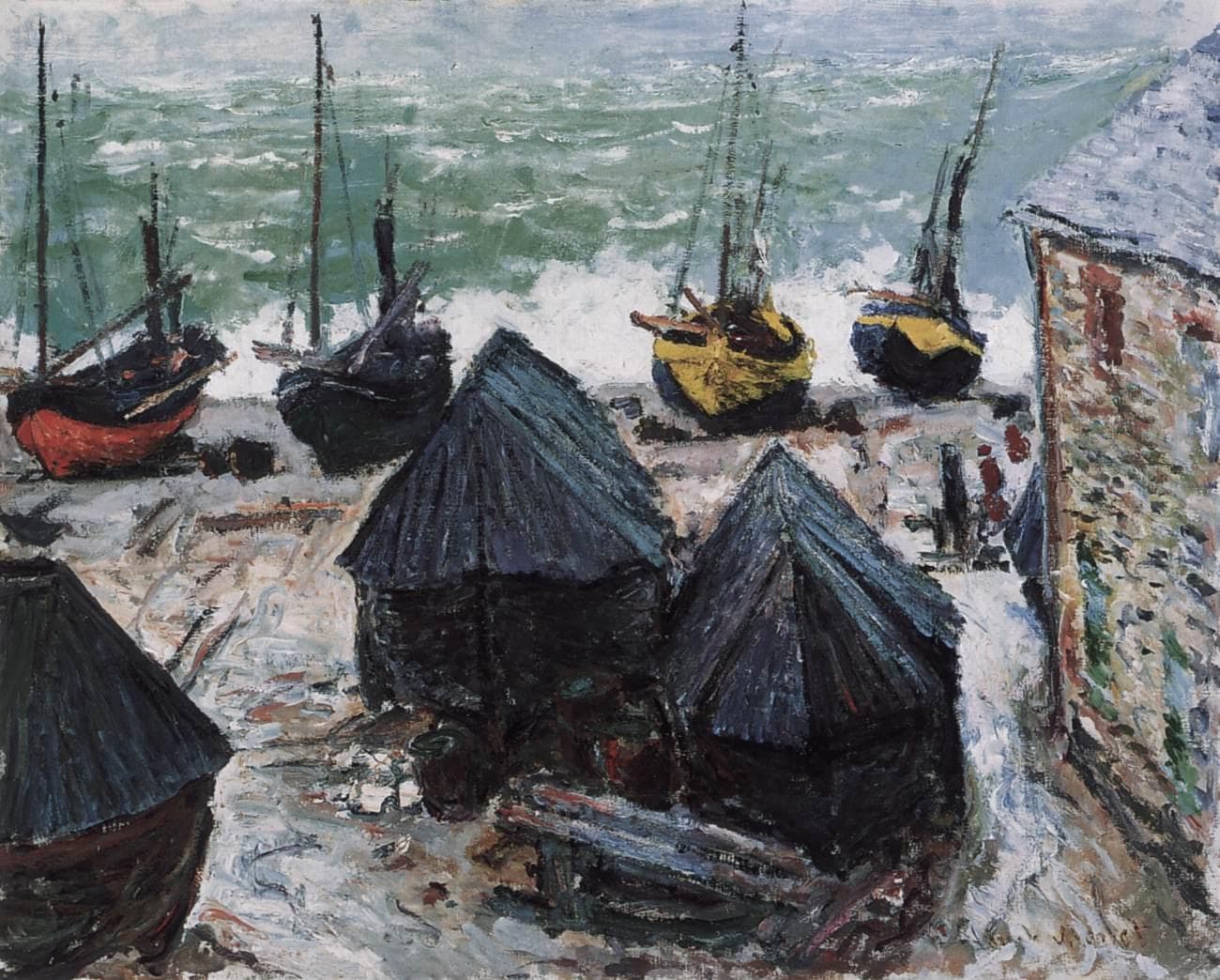
Boats on the Beach at Étretat
Claude Monet · 1885
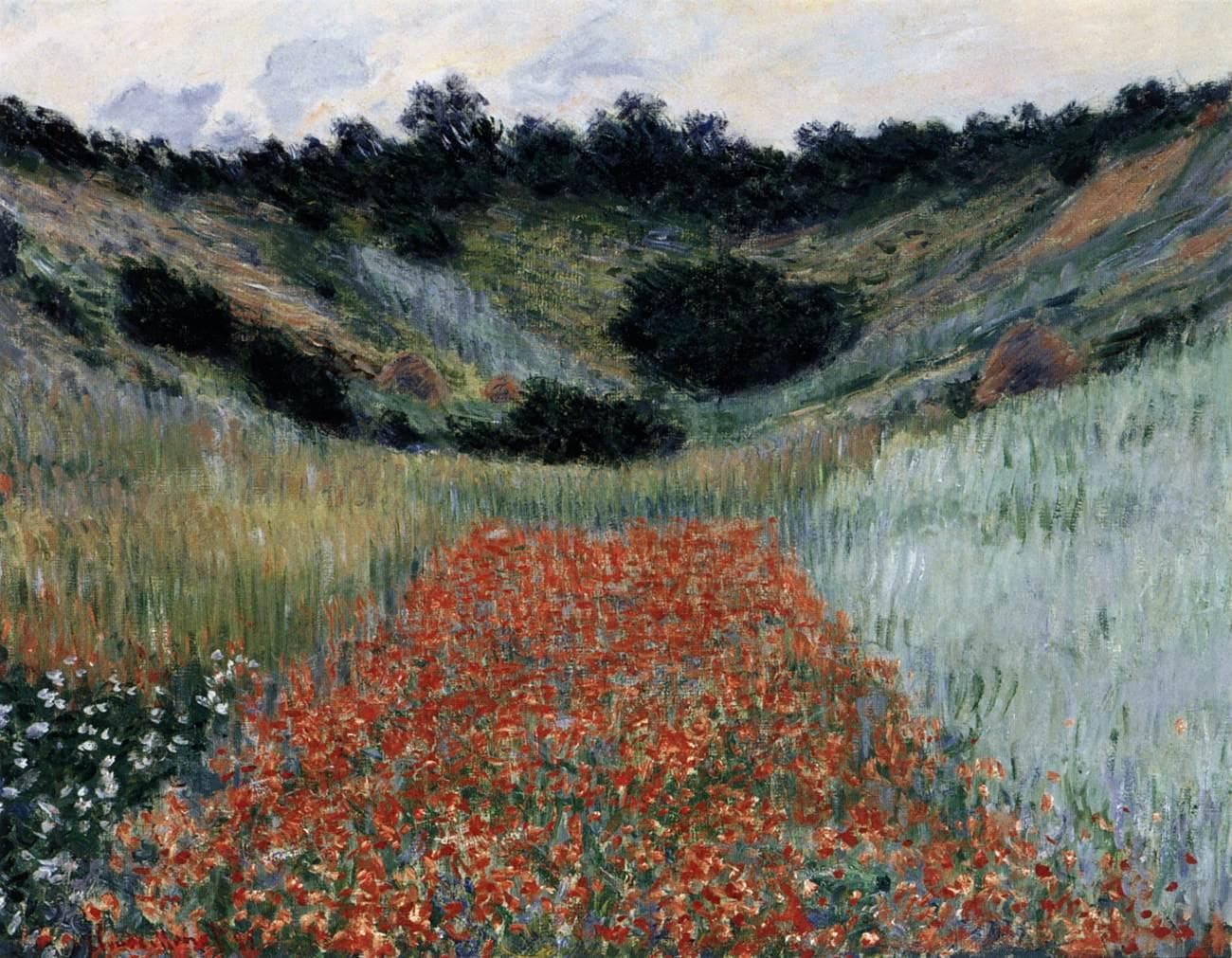
Poppy Field in a Hollow near Giverny
Claude Monet · 1885
Kindred works
You may also study
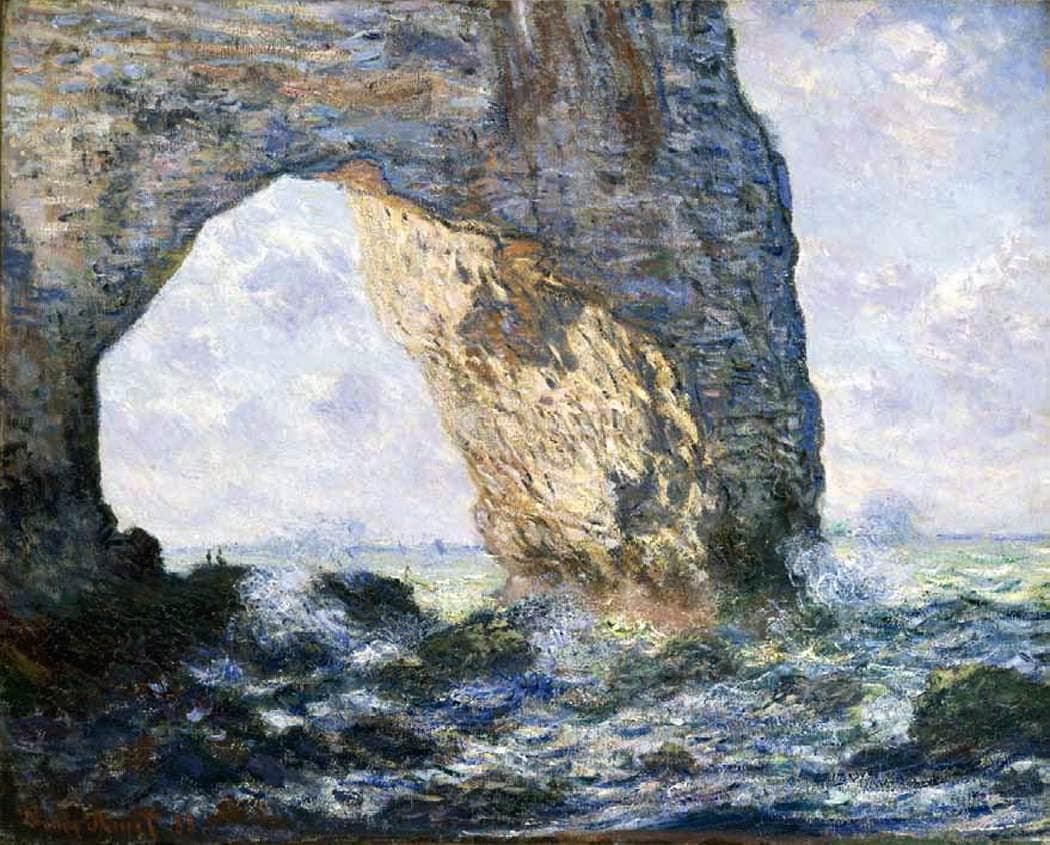
The Manneporte (Étretat)
Claude Monet · 1883
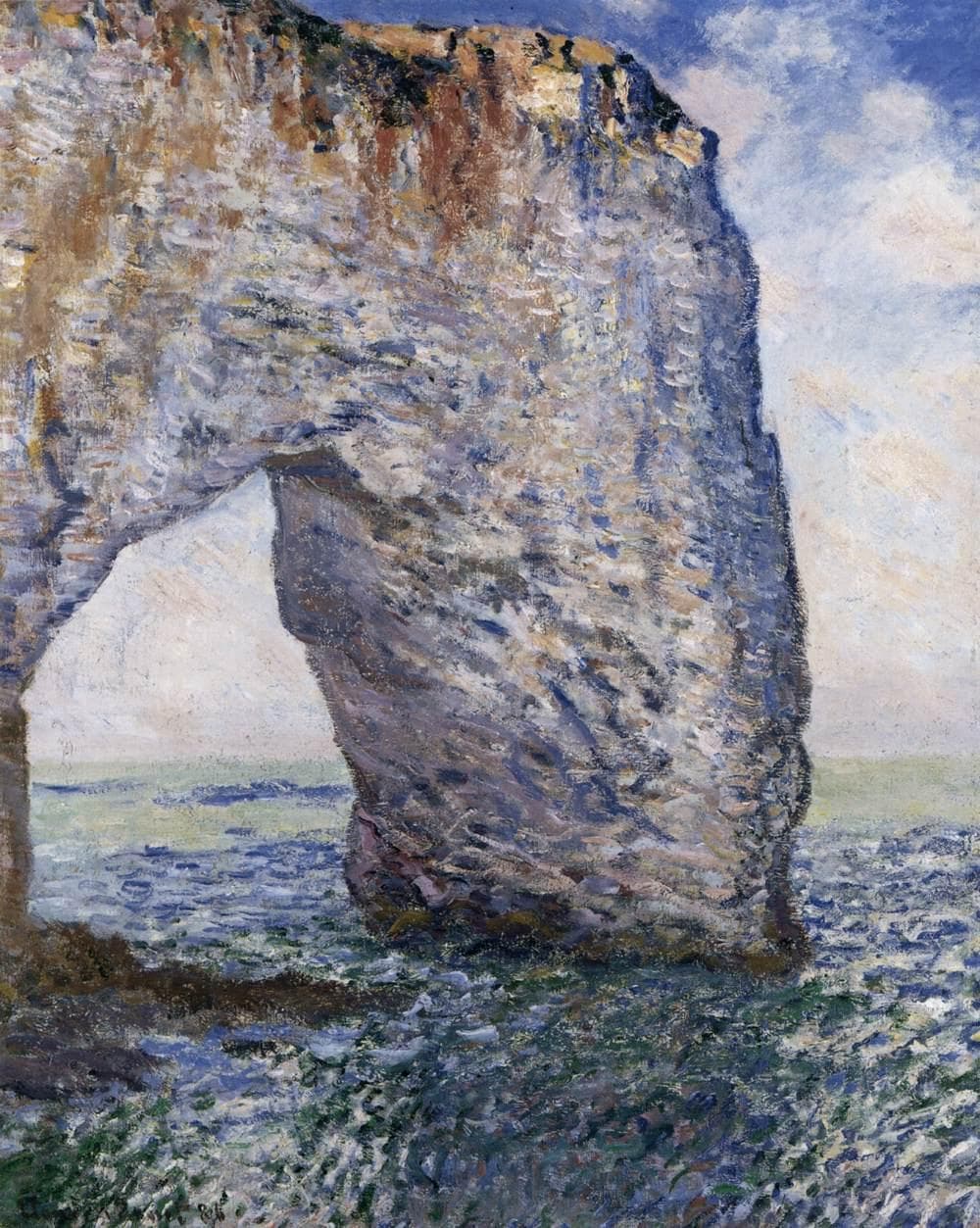
The Manneporte near Étretat
Claude Monet · 1886
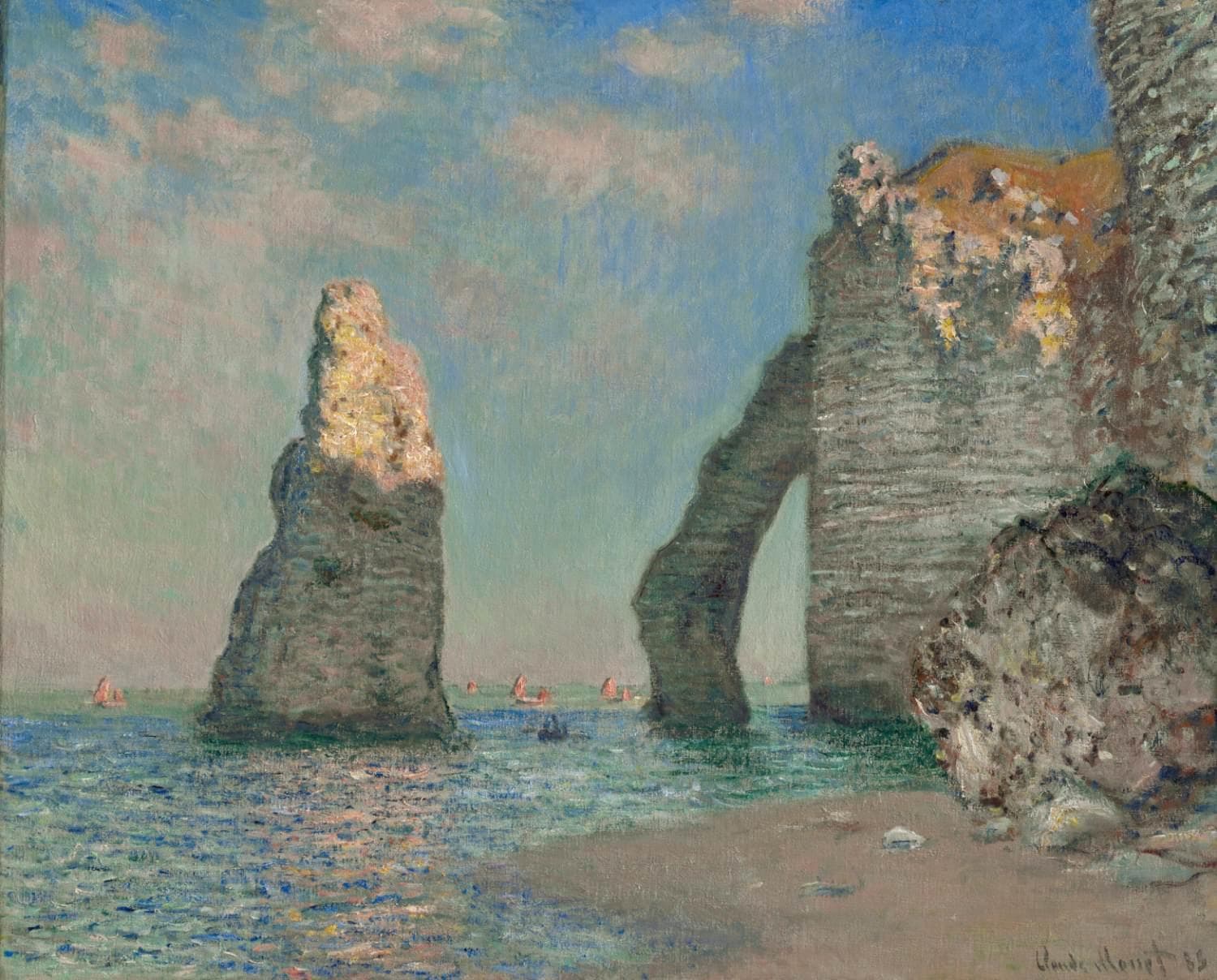
The Cliffs at Étretat
Claude Monet · 1885
Étretat, the Porte d'Aval: Fishing Boats Leaving the Harbor
Claude Monet · 1885
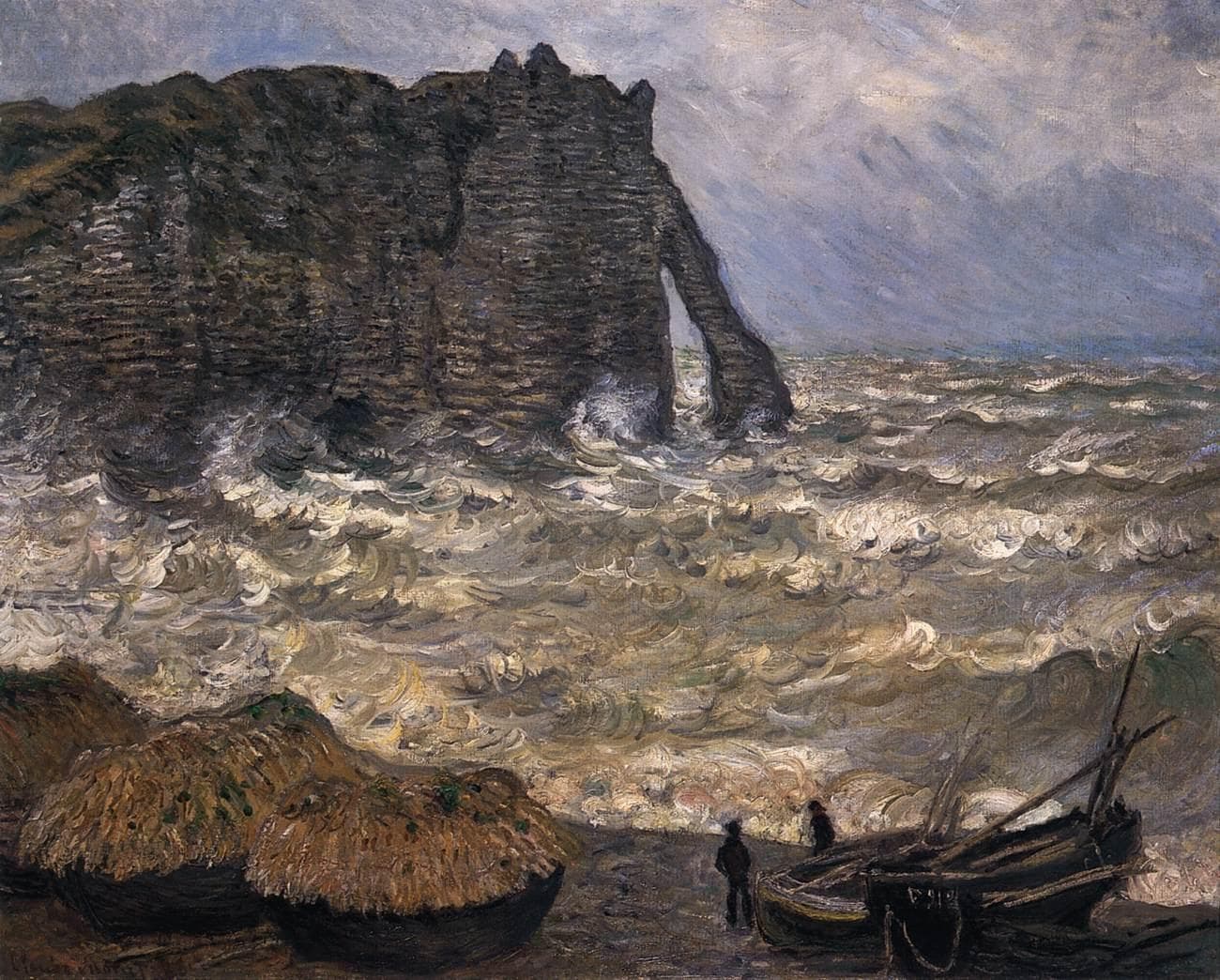
Rough Sea at Étretat
Claude Monet · 1883

The Scream
Edvard Munch · 1893

Ophelia
John Everett Millais · 1851–52

The Great Wave off Kanagawa
Katsushika Hokusai · c. 1830–32