Impressionism
Boulevard des Capucines
Claude Monet, 1873–74
Boulevard des Capucines is a winter street scene of Paris painted by Claude Monet in 1873–74 from a high window on the boulevard. This version is in the Nelson-Atkins Museum of Art, Kansas City; a second is in Moscow.
- Artist
- Claude Monet
- Date
- 1873–74
- Medium
- Oil on canvas
- Dimensions
- 80.3 × 60.3 cm
- Collection
- Nelson-Atkins Museum of Art, Kansas City, United States
- Movement
- Impressionism
- Catalogue
- Wildenstein 293
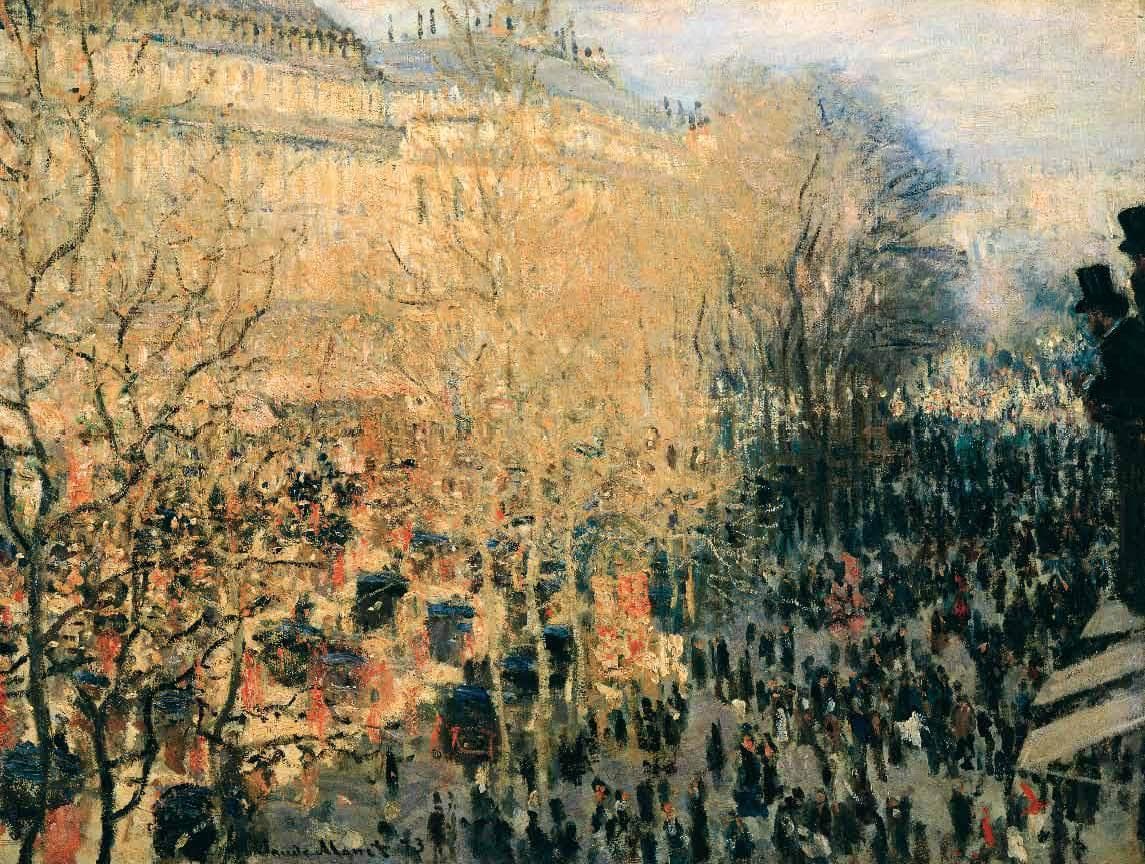
Claude Monet's Boulevard des Capucines looks down onto one of the busiest streets in Paris on a cold, bright day. Painted in 1873–74, the canvas (80.3 by 60.3 centimeters) is in the Nelson-Atkins Museum of Art in Kansas City, Missouri. Monet painted a second, horizontal-format view of the same boulevard, now in the Pushkin State Museum of Fine Arts in Moscow, and the catalogue has a separate page for it: The Boulevard des Capucines in Paris.
What you are looking at
The view runs diagonally from upper left to lower right, along the boulevard toward the Opéra district. Bare winter trees line the street, their branches painted as a pinkish-violet mist. Below them, the pavement and roadway are filled with crowds and carriages rendered as nothing more than dark dabs and flicks of paint, some no larger than a fingertip.
Snow or frost lightens the ground and the rooftops, and the sun comes from the left, throwing the far side of the street into a cool lavender shadow while the near façades glow a warm cream. The bare trees fill the center of the picture, and the street runs out from under them toward a pale, misty horizon. At the right edge, just above the crowd, floats a cluster of pink balloons, the only warm, saturated color in the whole scene and a small accent most viewers notice only on a second look. Monet's signature sits in the lower right corner.
How it was made
Monet painted from the upper floor of 35 boulevard des Capucines, the former studio of the photographer Nadar. The high viewpoint, cropped figures and unbalanced composition owe something to photography and to Japanese woodblock prints, both of which interested the young Impressionists.
His brushwork here is fast and summary. Monet does not draw individual people; he suggests the movement of a crowd through short, vertical strokes of black and brown, set against the paler ground. The trees are built from scumbled layers of pink and violet over a lighter underlayer. Nothing is finished in the academic sense, and that was the point.
The first Impressionist exhibition
In April 1874, Nadar's former studio at 35 boulevard des Capucines hosted the exhibition of the Société Anonyme of painters, sculptors and engravers, the show later known as the first Impressionist exhibition. Monet showed a Boulevard des Capucines there, so visitors could compare the painting with the actual street below the windows. Scholars still debate whether the Kansas City or the Moscow version was the one exhibited.
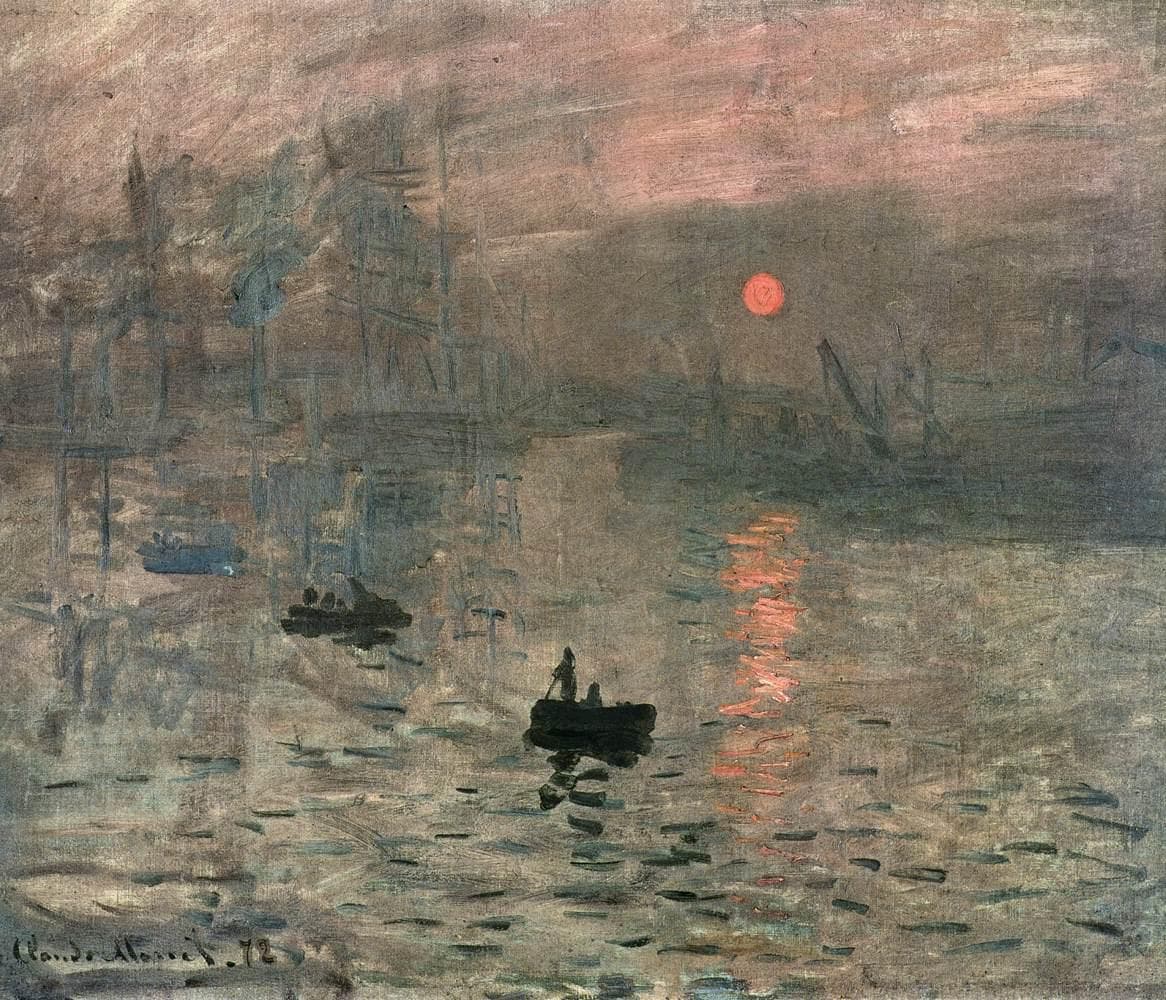
The critic Louis Leroy, in his famous satirical review in Le Charivari, singled out the painting's crowd and mocked the little black marks standing in for people. The same review gave the movement its name, by poking fun at Monet's Impression, Sunrise.
Meaning and reading
For the Impressionists, the newly rebuilt boulevards of Baron Haussmann's Paris stood for modern life: speed, anonymity, leisure and crowds. Monet's painting does not judge that life. It records how a busy street actually looks from above on a winter afternoon, where no single person can be made out and the crowd becomes a pattern. In the Moscow version, Monet included two top-hatted men watching from a balcony at the right edge; here he leaves them out, so that we alone occupy the watcher's position high above the street.
Two versions, two moods
The Moscow version is horizontal and seen from a slightly different angle, with fewer trees and a broader stretch of street. It reads as more panoramic and documentary. The Kansas City canvas, with its tall format, pulls the eye down the boulevard into depth and gives more weight to the bare winter branches and the vertical mass of buildings at left. The pink haze of the trees and the cool lavender shadows make it the more atmospheric of the two.
Neither version is a study for the other. Monet seems to have painted them as alternatives, testing how framing and format change the experience of the same street. That habit of painting a motif more than once would later become his signature method.
What critics saw, and missed
To most visitors in 1874, a painting like this looked unfinished, even careless. The academic tradition expected a city view to describe architecture accurately and give each figure a legible pose and face. Monet does neither. He paints what the eye registers in a passing glance from a height: a blur of movement, a play of warm and cool light, the sense of a crowd rather than its individuals.
Not every critic was hostile. Ernest Chesneau, writing in 1874, praised the way the painting caught the movement of the street, and later writers came to see it as one of the first truly modern images of the city. It anticipates the crowded urban views painted by Pissarro in the 1890s and the snapshot aesthetics of street photography.
Where to see Boulevard des Capucines
The painting is in the Nelson-Atkins Museum of Art in Kansas City, Missouri, part of its strong holdings of French Impressionism. Its companion is in the Pushkin Museum in Moscow. For more of Monet's Paris, see The Tuileries, Gare Saint-Lazare and our selection of famous Monet paintings.
Questions & answers
Where is Monet's Boulevard des Capucines?
There are two versions. This vertical canvas, painted in 1873–74, is in the Nelson-Atkins Museum of Art in Kansas City, Missouri. A horizontal version of the same view is in the Pushkin State Museum of Fine Arts in Moscow. The two canvases differ in format and mood.
Was Boulevard des Capucines in the first Impressionist exhibition?
Yes, Monet showed a Boulevard des Capucines at the 1874 exhibition held in Nadar's former studio on that very boulevard. Scholars have not agreed whether the Kansas City or the Moscow version was the one exhibited, and the question remains open.
Where did Monet paint Boulevard des Capucines from?
He painted it from an upper window of 35 boulevard des Capucines, the former studio of the photographer Nadar. That same building hosted the first Impressionist exhibition in April 1874. Monet could look straight down onto the passing crowds and carriages.
What did critics say about Boulevard des Capucines?
In his satirical 1874 review in Le Charivari, Louis Leroy mocked the painting's crowd, which Monet had suggested with small black strokes instead of drawn figures. The same review also ridiculed Impression, Sunrise and helped give Impressionism its name. The name began as an insult.
More by the artist
Claude Monet

Bridge over a Pond of Water Lilies
Claude Monet · 1899

Woman with a Parasol – Madame Monet and Her Son
Claude Monet · 1875

Sunset in Venice
Claude Monet · 1908–12

La Grenouillère
Claude Monet · 1869

Beach in Pourville
Claude Monet · 1882

Springtime
Claude Monet · 1872

Boating on the River Epte
Claude Monet · 1890

The Seine at Asnières (Hermitage)
Claude Monet · 1873
Also painted in 1873
The same year
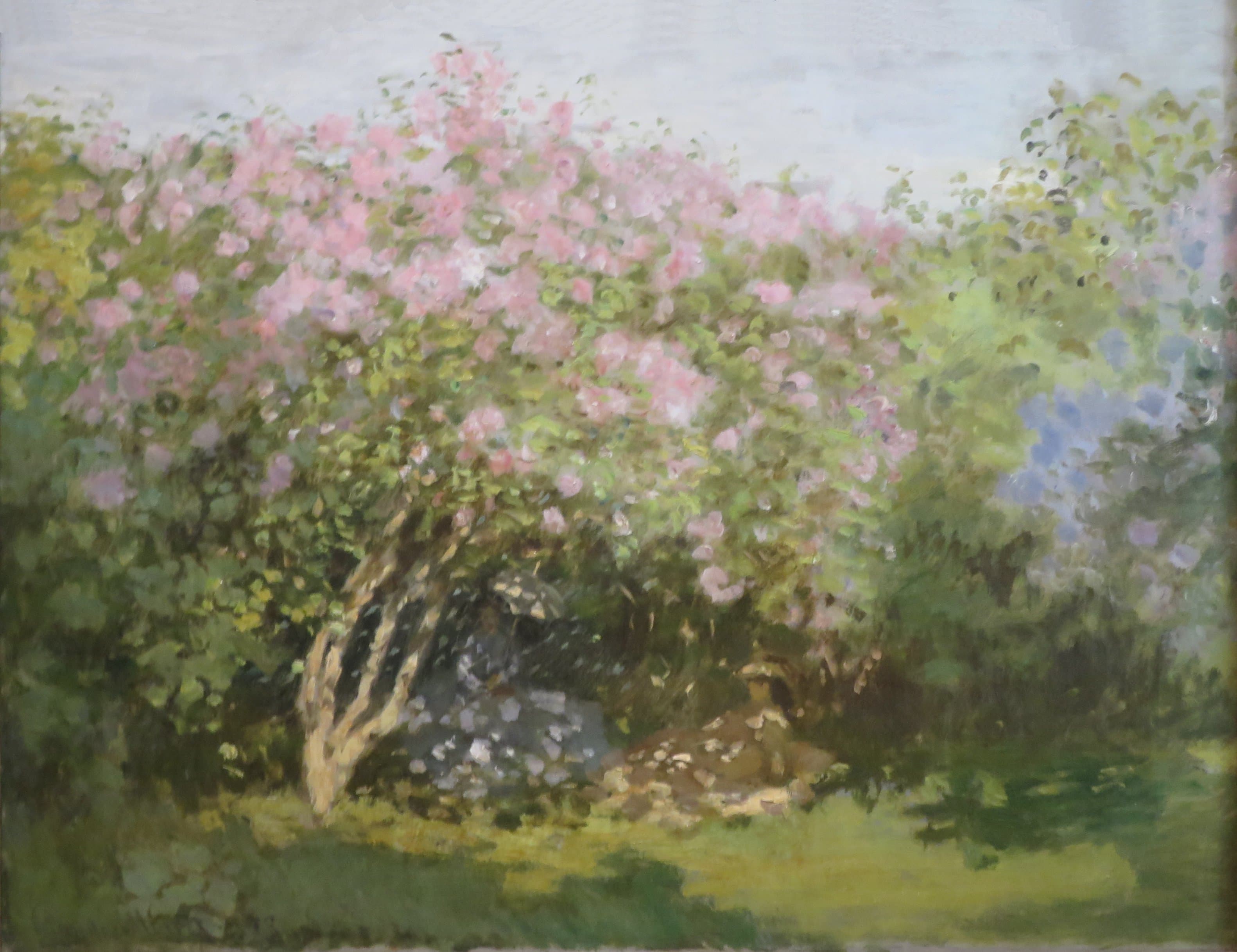
Lilac in the Sun
Claude Monet · 1873
Lilacs, Gray Weather
Claude Monet · 1872–73
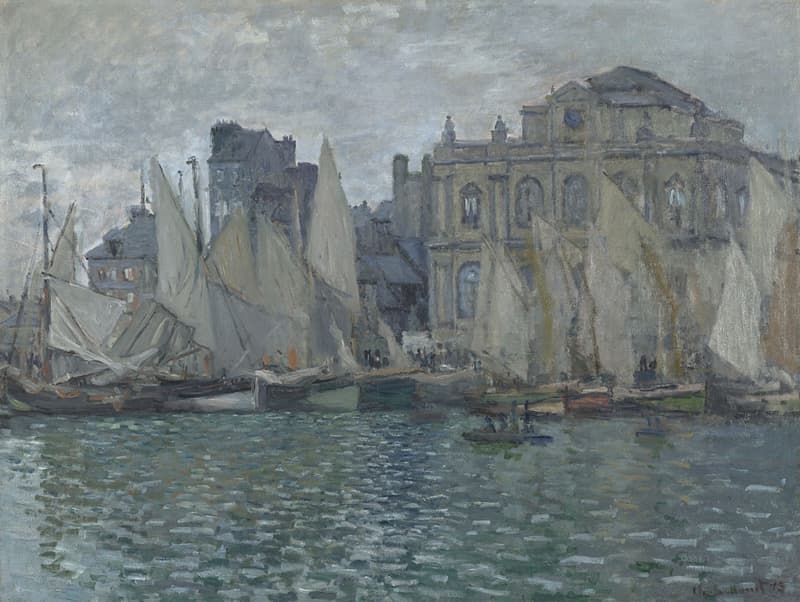
The Museum at Le Havre
Claude Monet · 1873
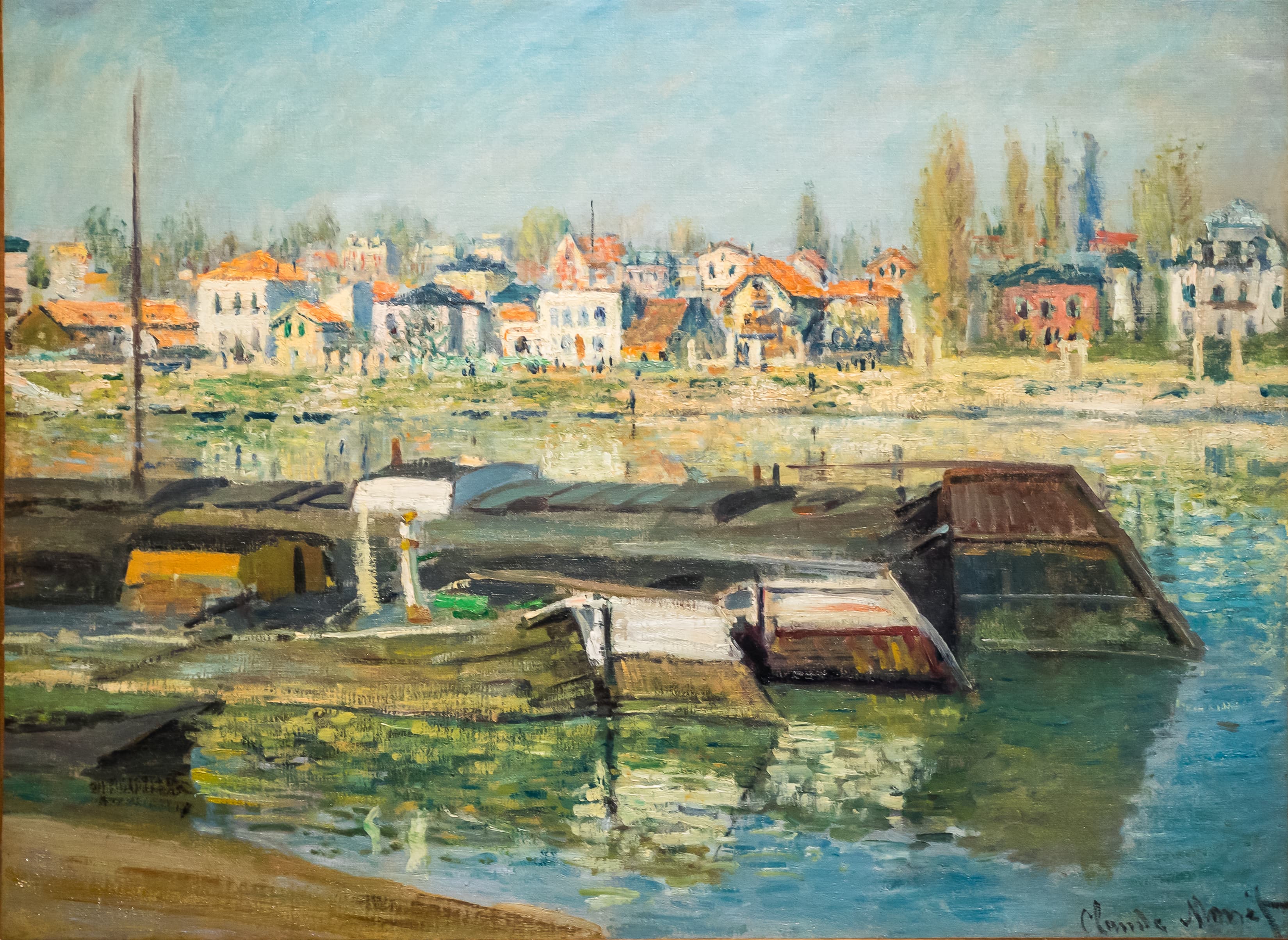
The Seine at Asnières
Claude Monet · 1873
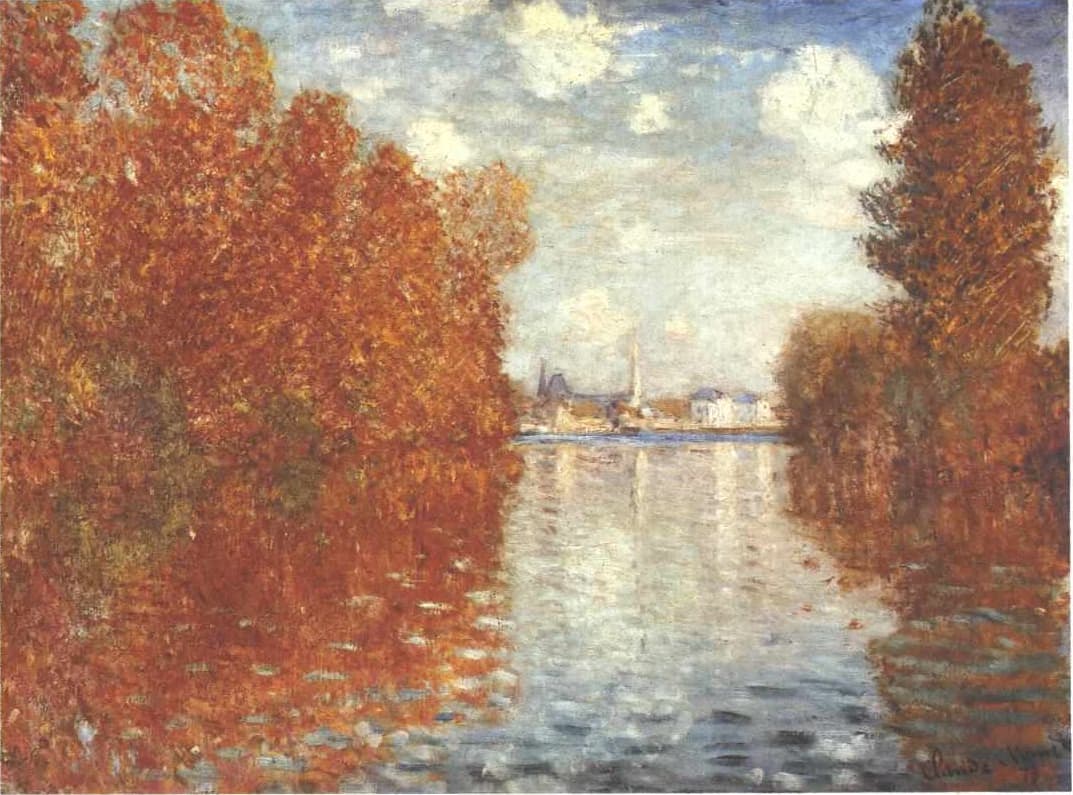
Autumn Effect at Argenteuil
Claude Monet · 1873
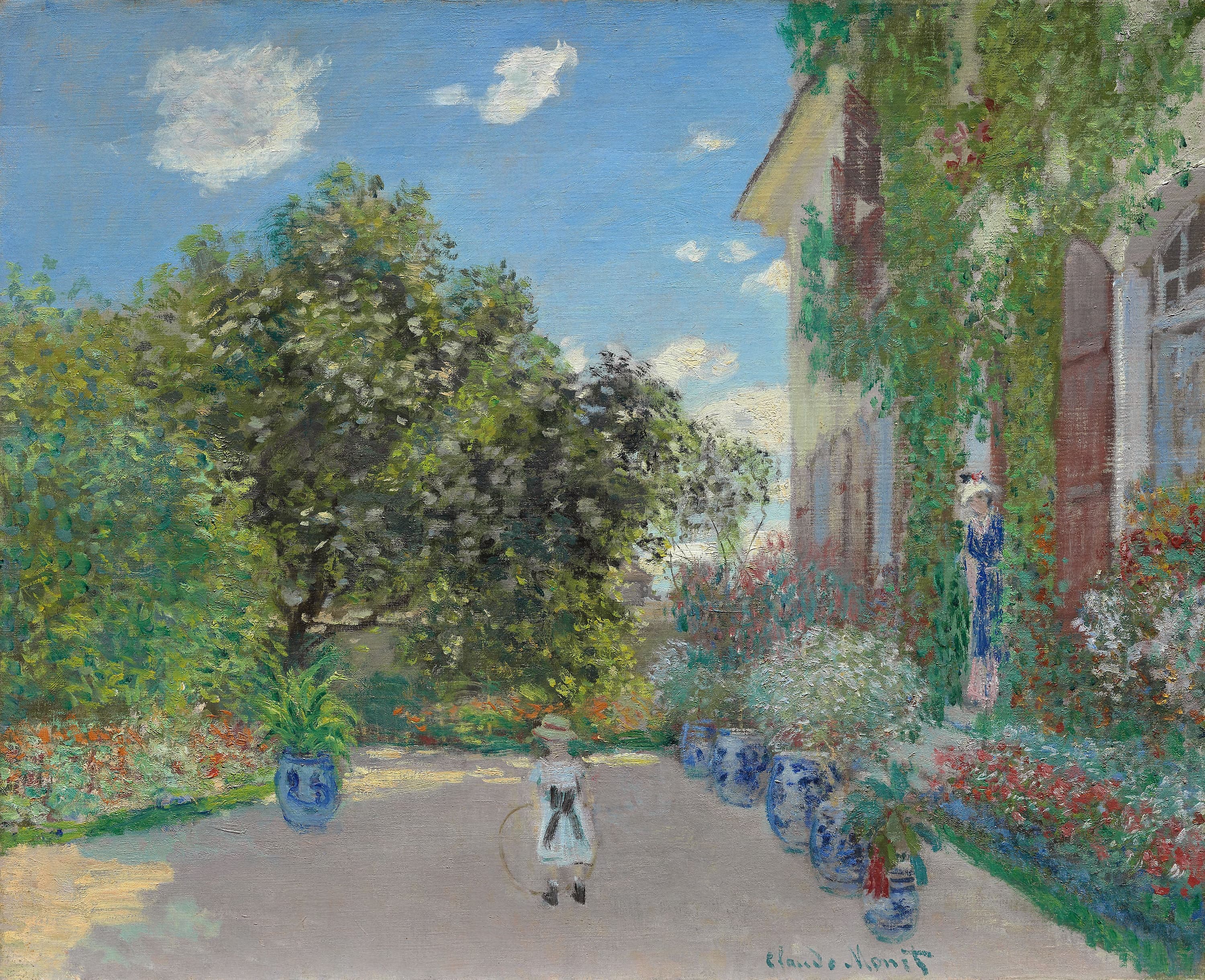
The Artist's House at Argenteuil
Claude Monet · 1873
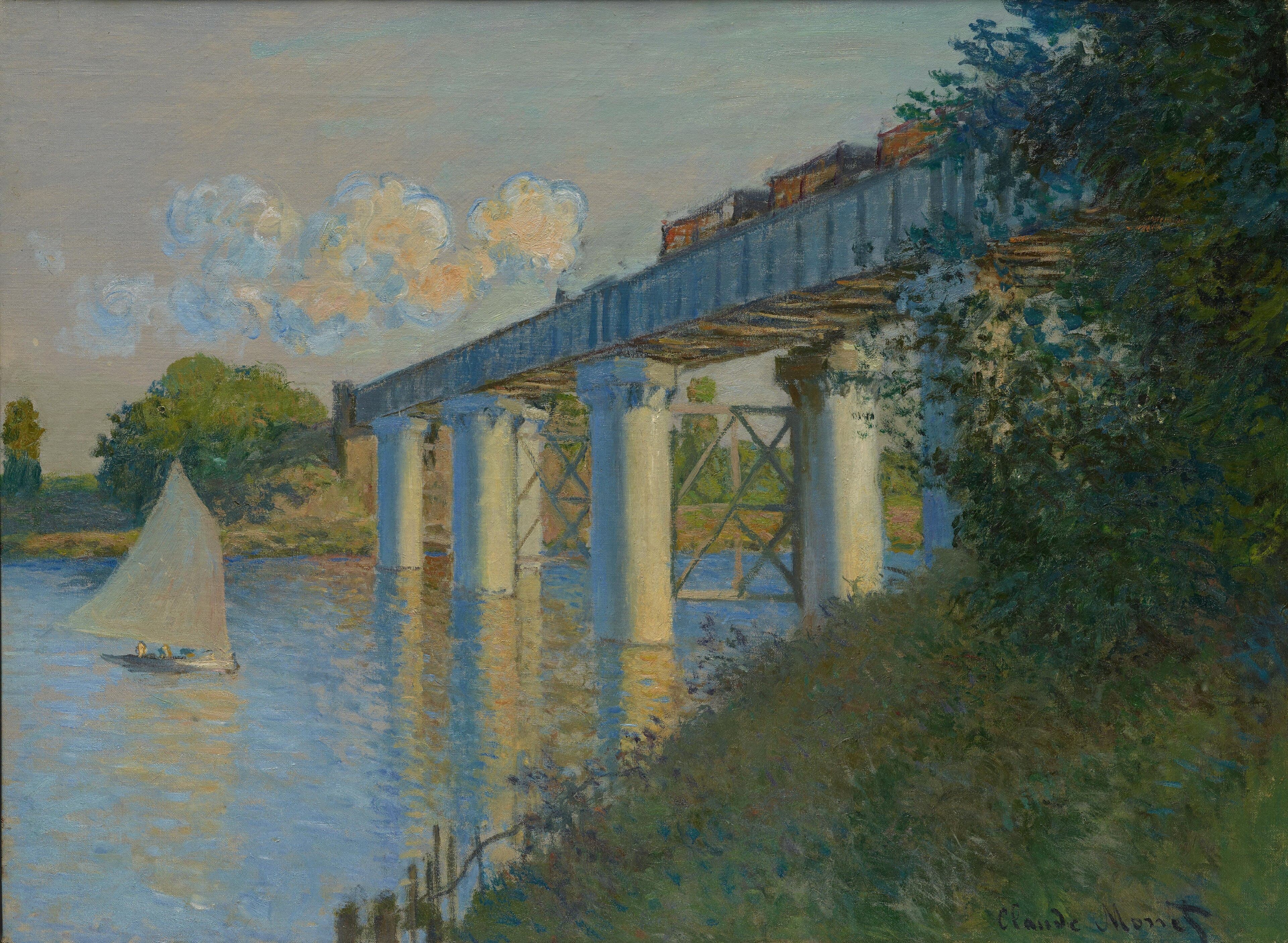
Railroad Bridge, Argenteuil
Claude Monet · 1873
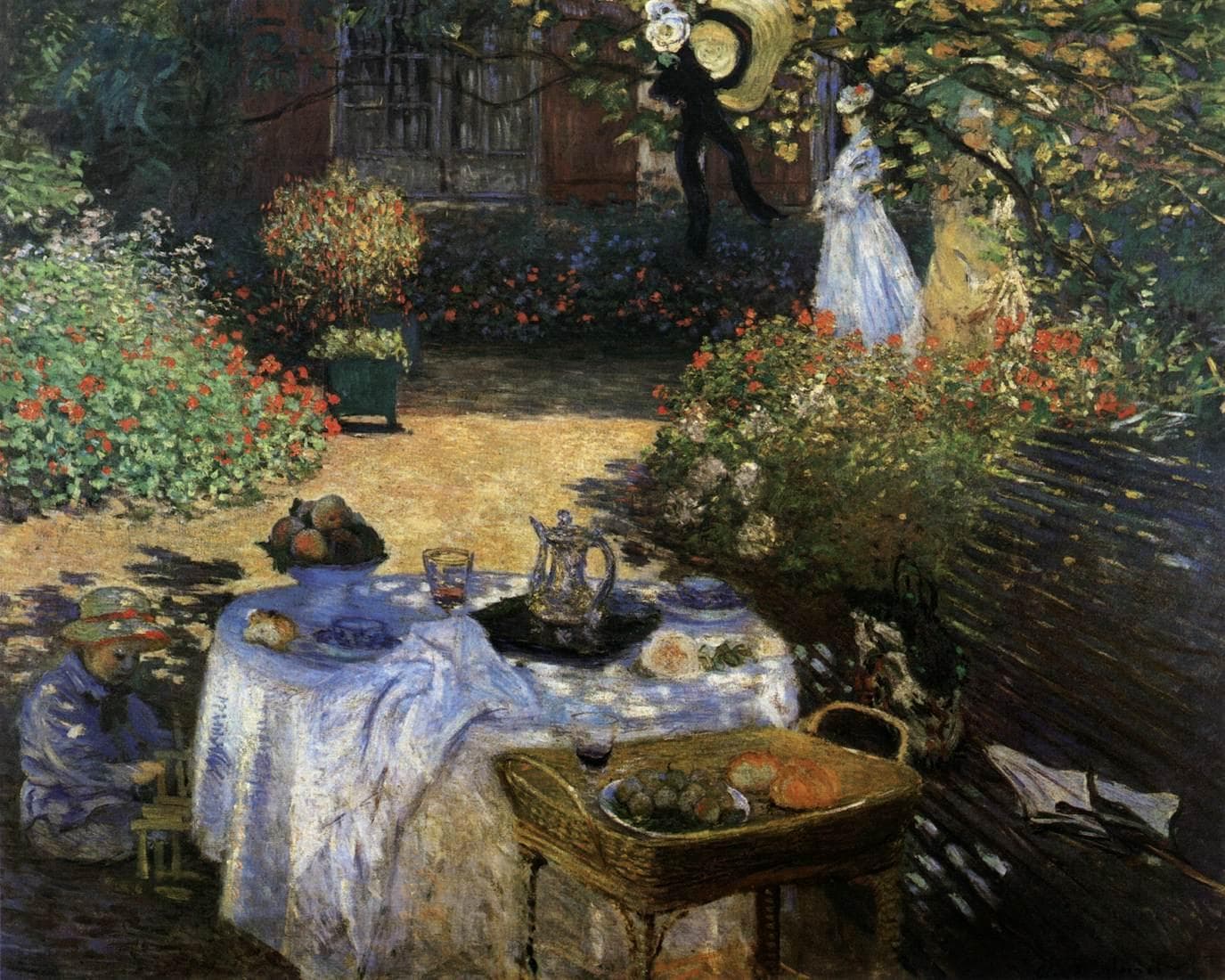
The Luncheon (Monet's Garden at Argenteuil)
Claude Monet · c. 1873
Kindred works
You may also study
The Boulevard des Capucines in Paris
Claude Monet · 1873
Impression, Sunrise
Claude Monet · 1872
The Tuileries
Claude Monet · 1876
The Gare Saint-Lazare
Claude Monet · 1877
Rue Montorgueil in Paris, Celebration of 30 June 1878
Claude Monet · 1878
Liberty Leading the People
Eugène Delacroix · 1830
The Night Watch
Rembrandt · 1642
Café Terrace at Night
Vincent van Gogh · September 1888