Aesthetic
Light Academia: The Aesthetic Through Art
White marble, linen, poetry in the garden: the sunlit paintings and sculptures behind light academia, and how to bring their warmth into your own rooms.
Light academia is the sunlit side of the love of learning: an aesthetic of cream linen and white marble, poetry read outdoors, Italian piazzas, Greek statues and long afternoons with friends and books. It shares dark academia's devotion to the humanities and the classical past, but trades candlelit dread for daylight, curiosity and joy.
Like its darker twin, light academia lives on images borrowed from art history. Here the reference points are Raphael's airy philosophers, Botticelli's goddess on her shell, Canova's polished lovers, Rococo pastels and the Impressionists' wind and sun. This guide explains what light academia is, the visual codes that define it, the paintings and sculptures that capture it best, the books and films it grew from, and practical ways to build the look with real works of art. The collection below gathers our favorite examples.
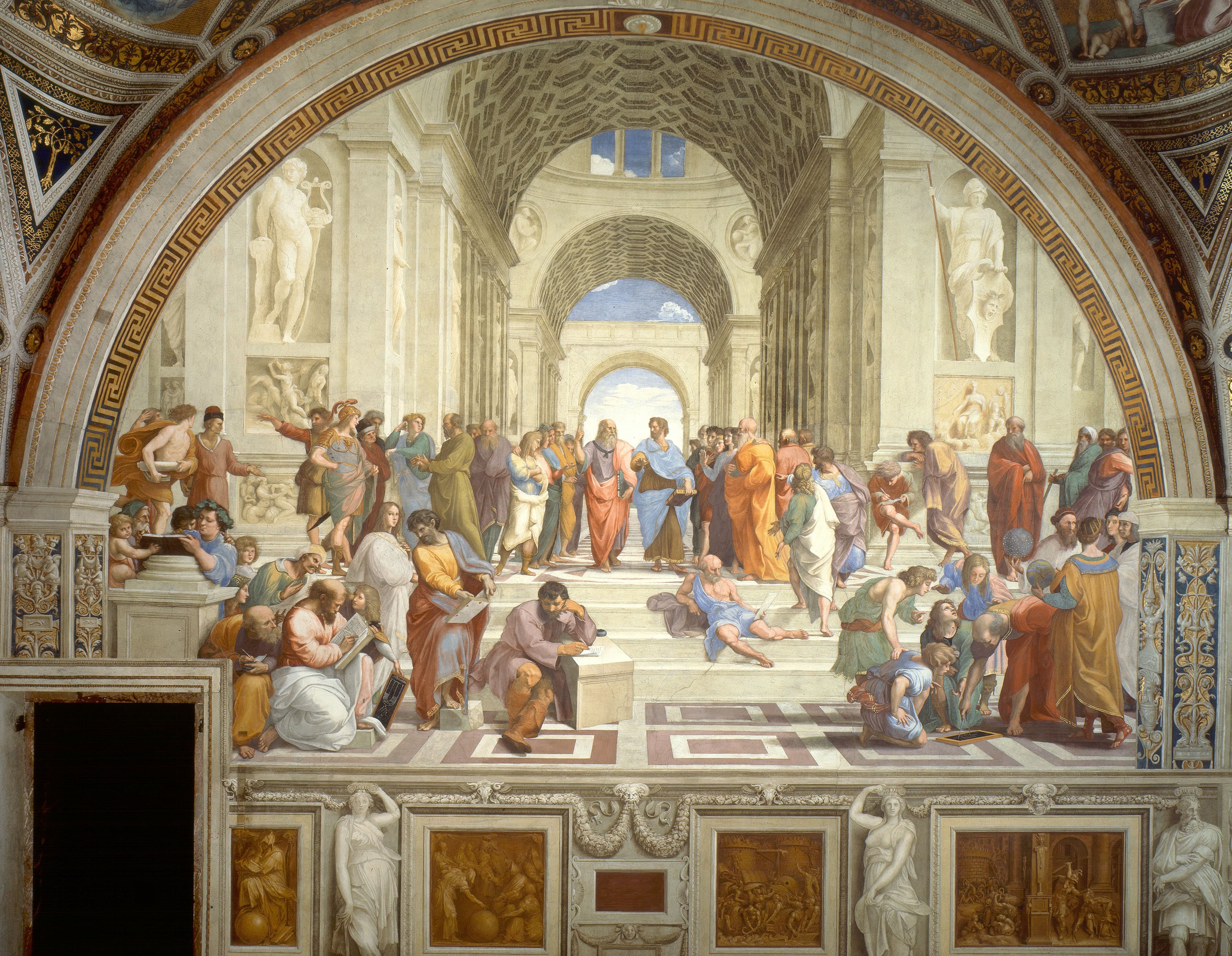
The School of Athens
Raphael · 1509–1511
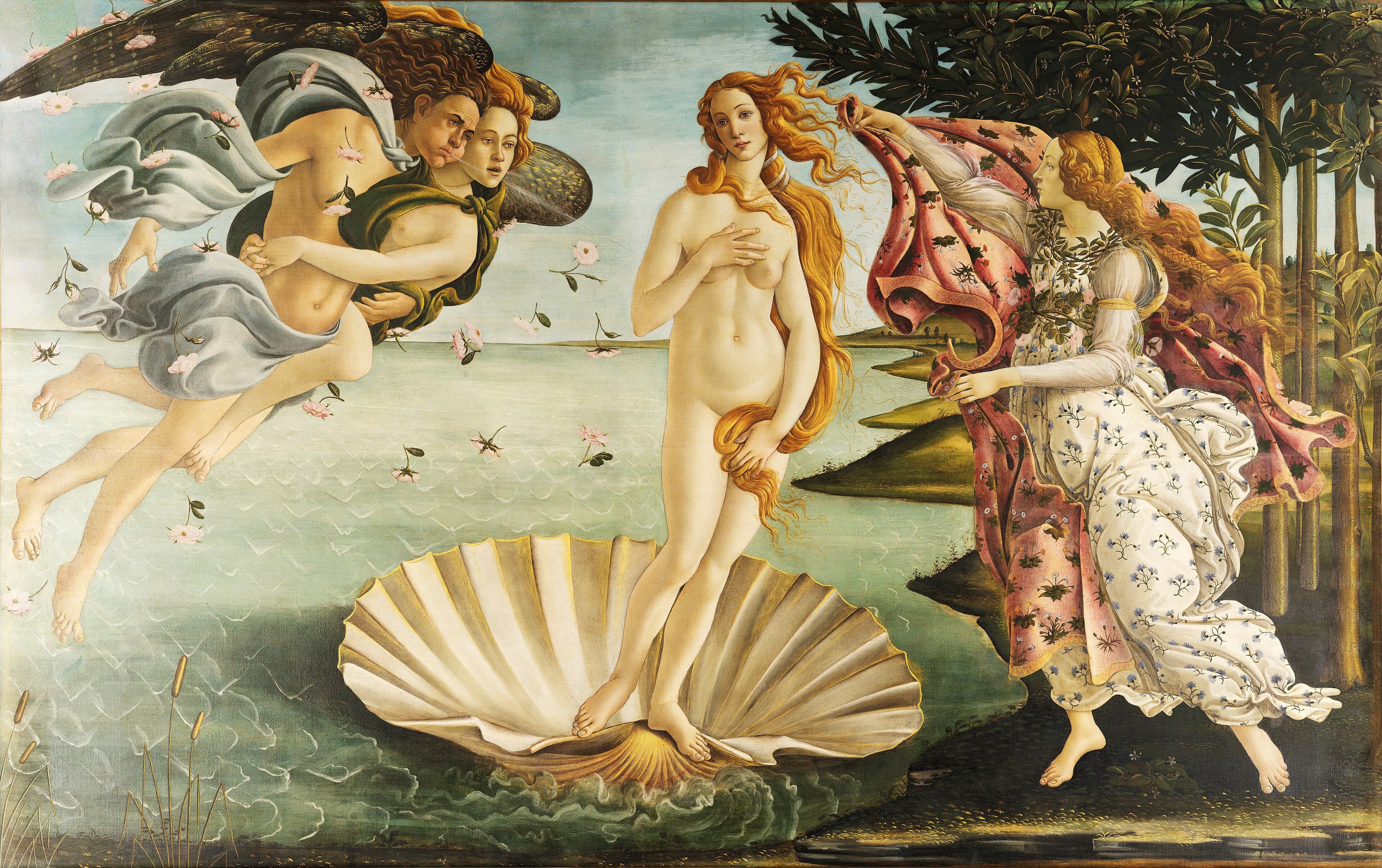
The Birth of Venus
Sandro Botticelli · c. 1484–1486
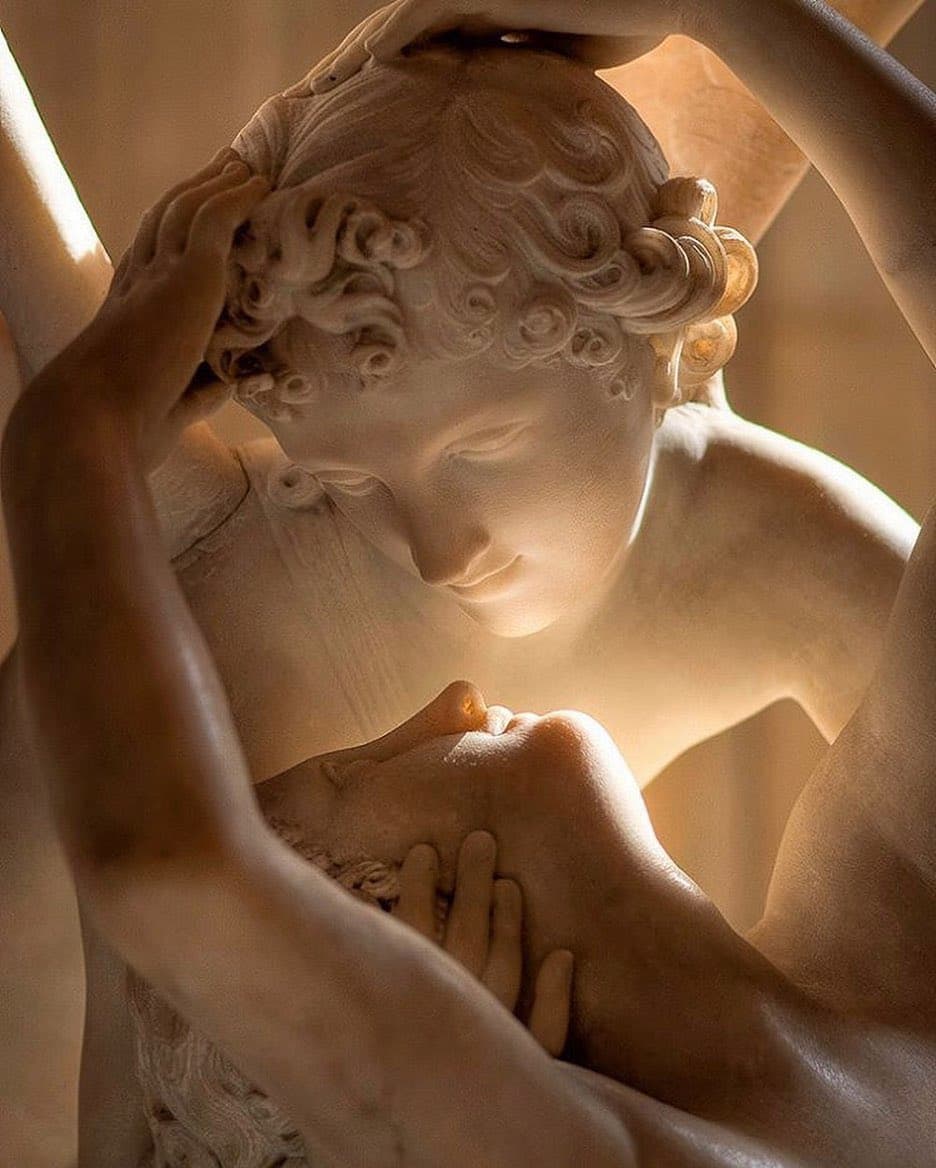
Psyche Revived by Cupid's Kiss
Antonio Canova · 1787–1793
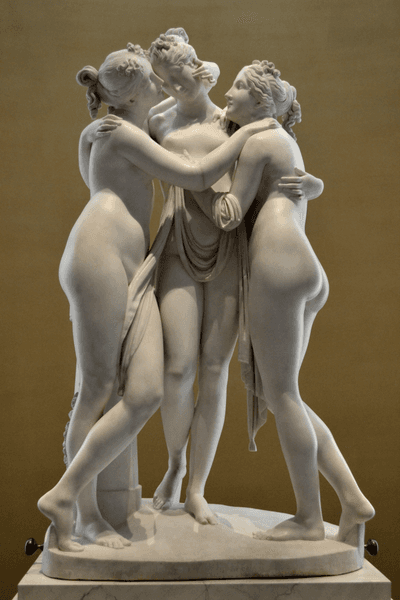
The Three Graces
Antonio Canova · 1814–17

Venus de Milo
Alexandros of Antioch · c. 150–125 BC
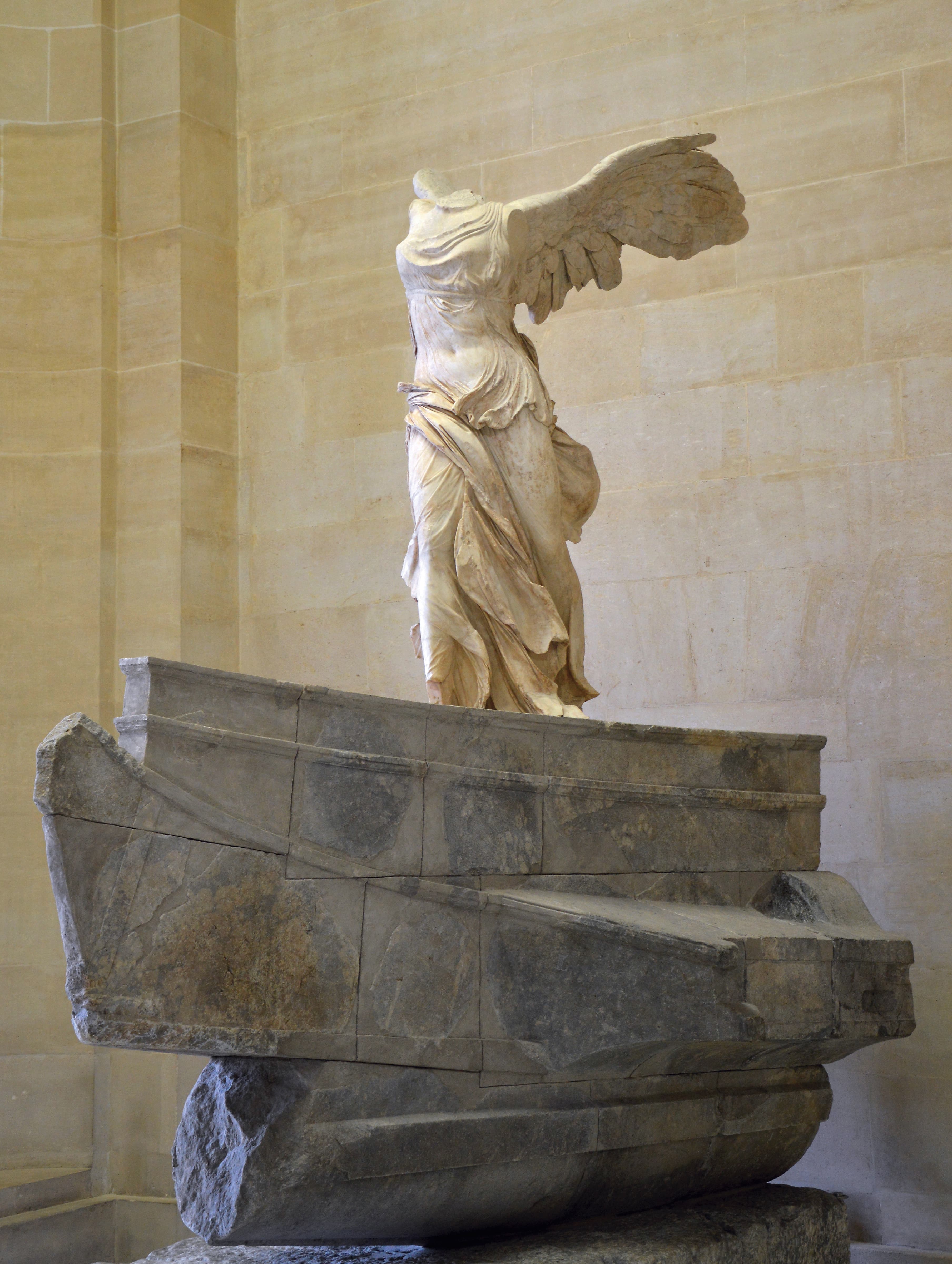
Winged Victory of Samothrace
Artist Unknown · c. 200–190 BC

Woman with a Parasol – Madame Monet and Her Son
Claude Monet · 1875
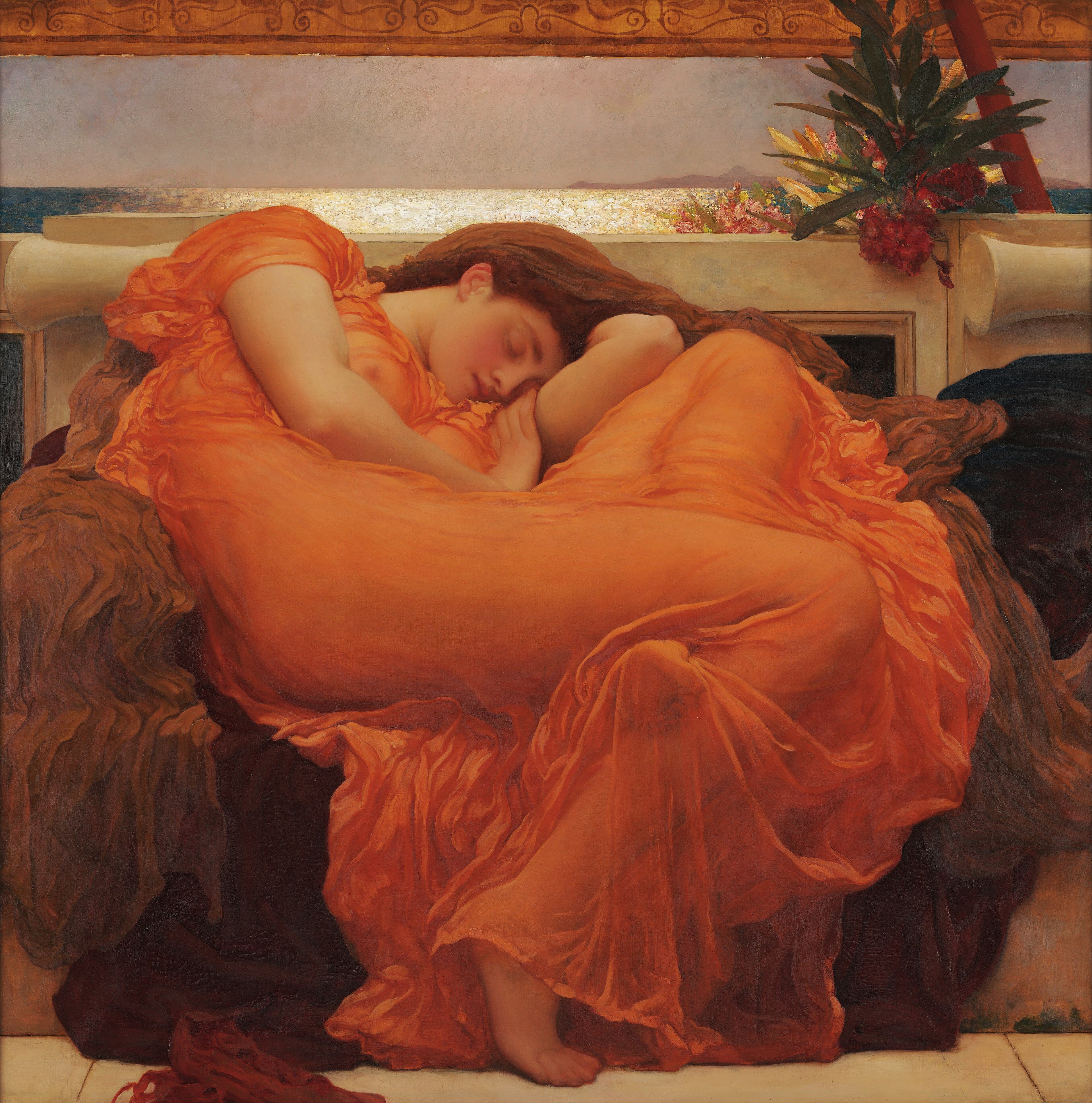
Flaming June
Frederic Leighton · 1895
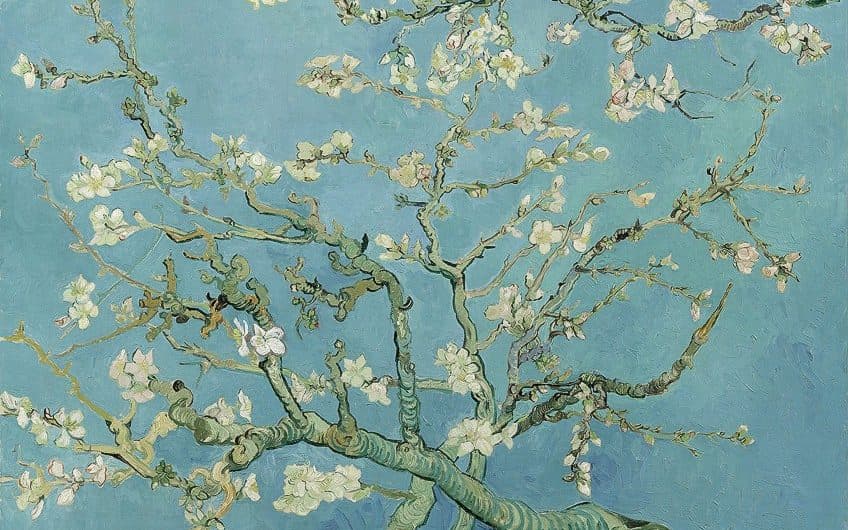
Almond Blossom
Vincent van Gogh · 1890
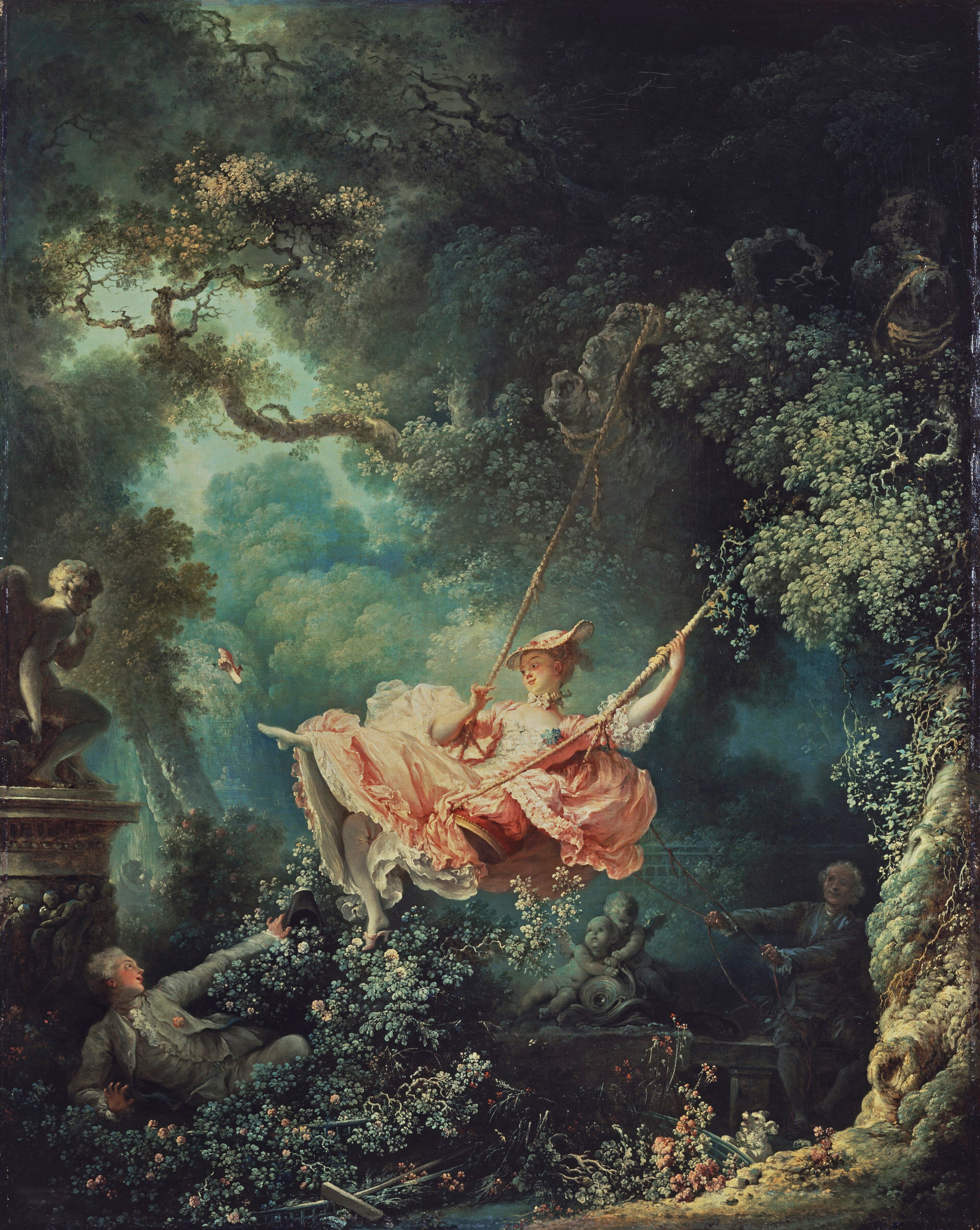
The Swing
Jean-Honoré Fragonard · c. 1767
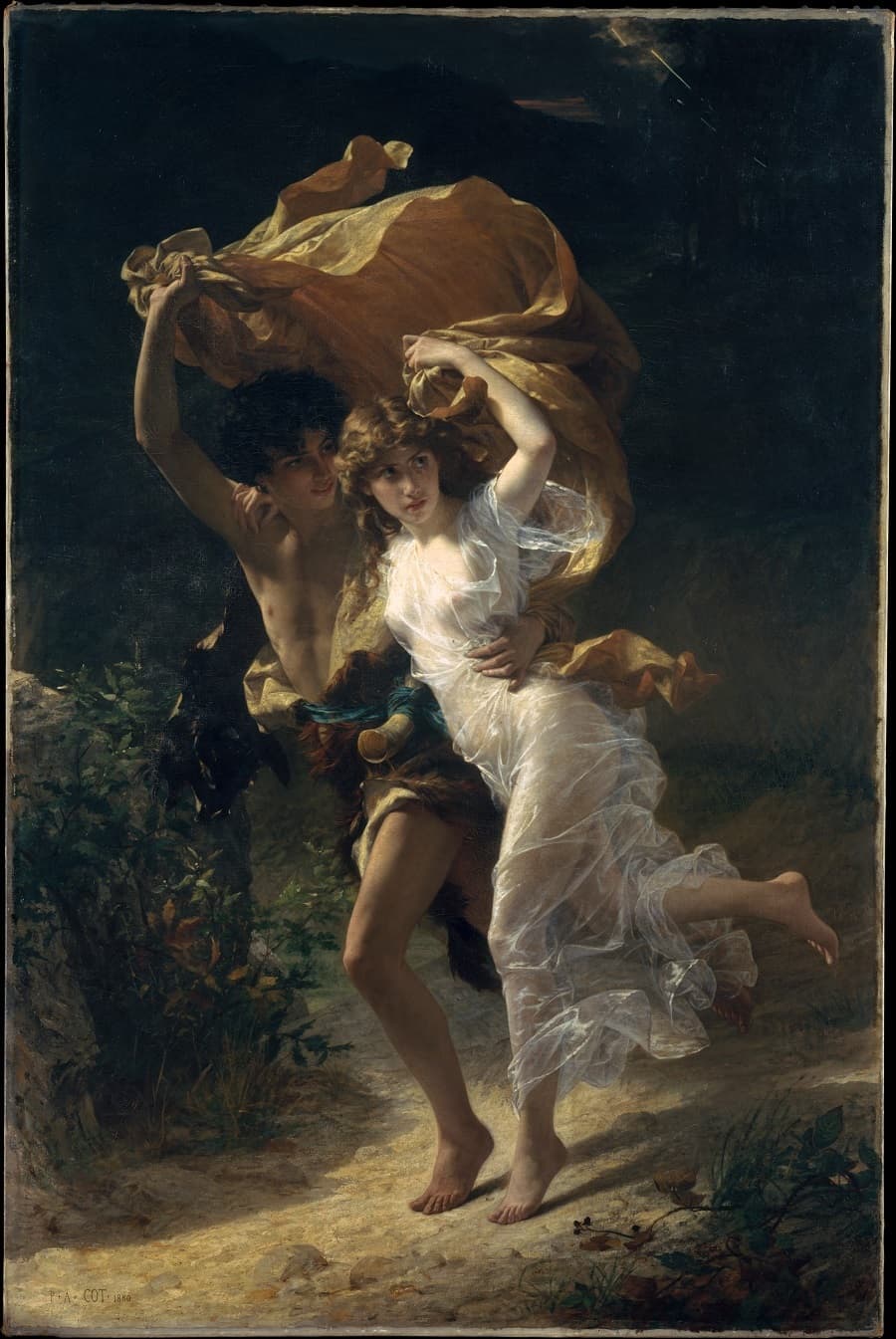
The Storm
Pierre Auguste Cot · 1880
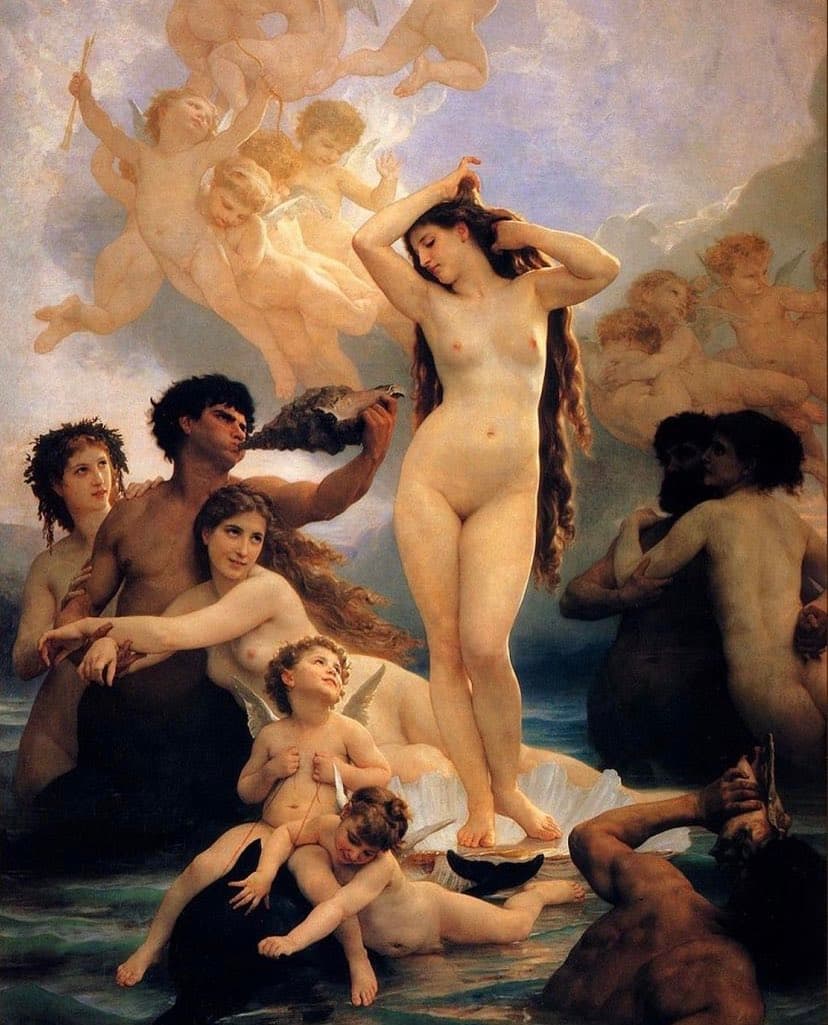
The Birth of Venus
William-Adolphe Bouguereau · 1879
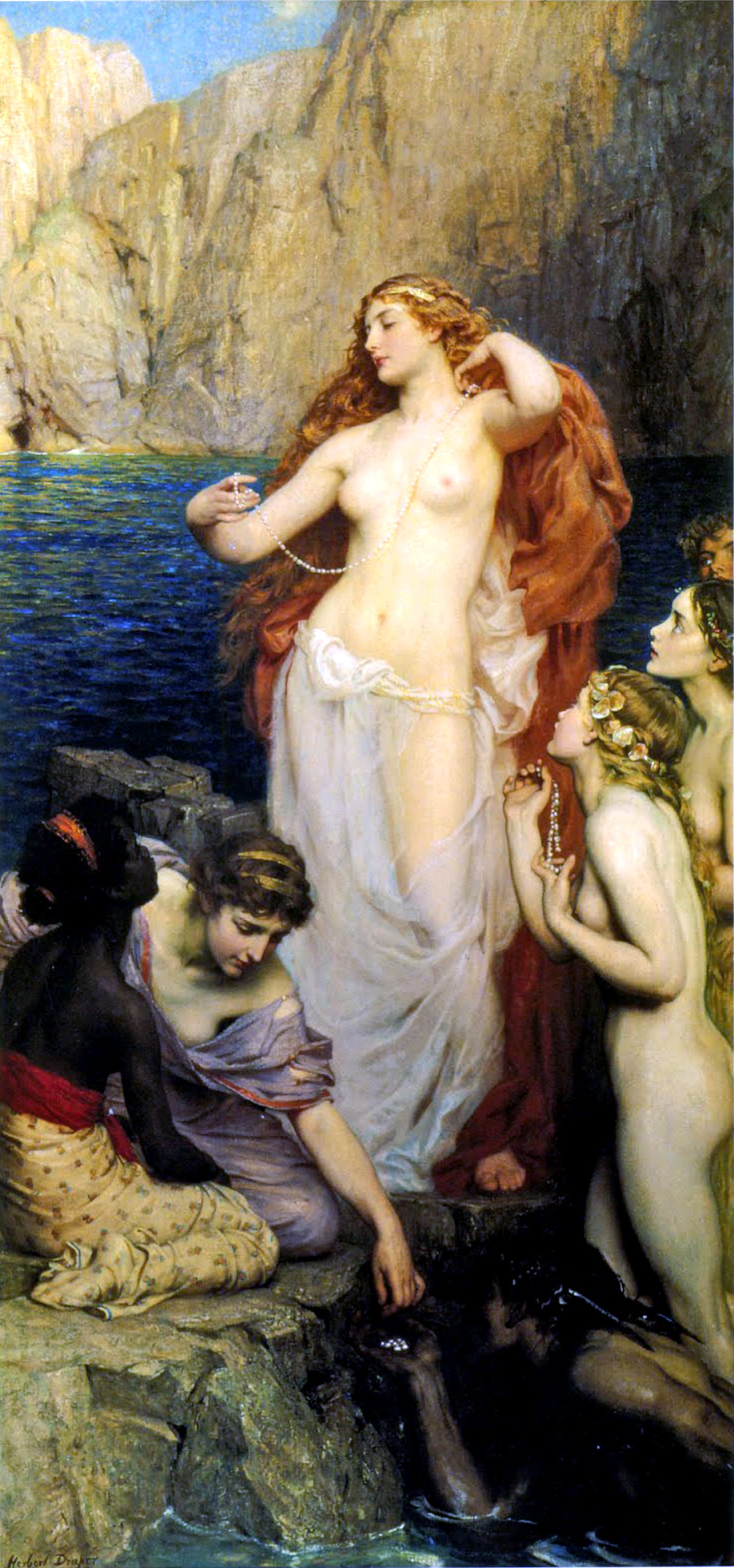
The Pearls of Aphrodite
Herbert James Draper · 1907
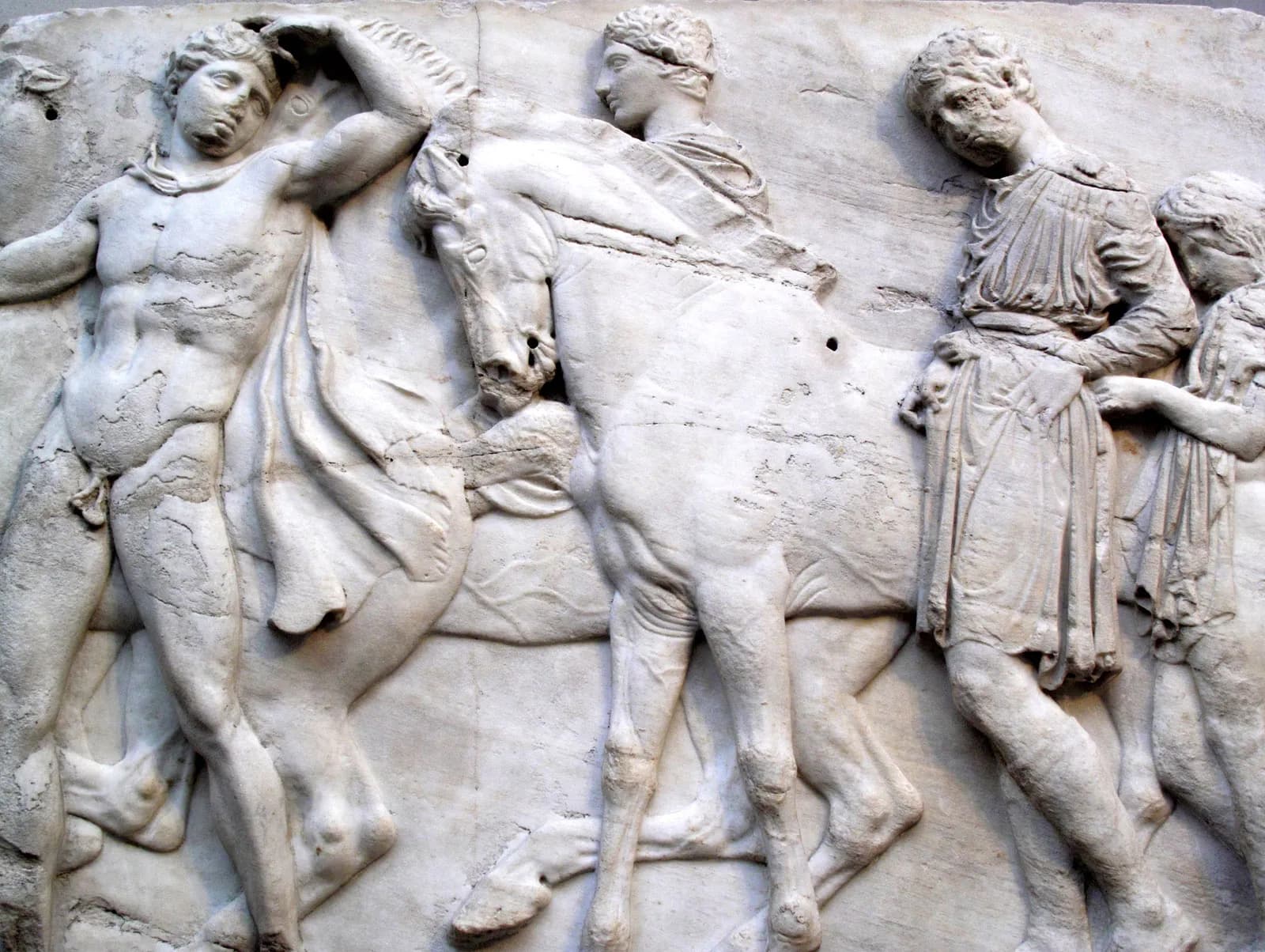
Parthenon Frieze
Phidias · c. 443–437 BC
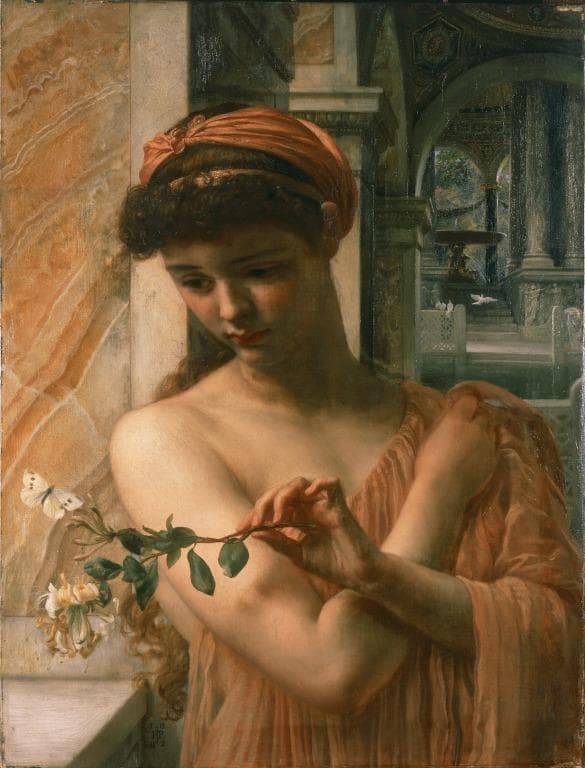
Psyche in the Temple of Love
Edward John Poynter · 1882
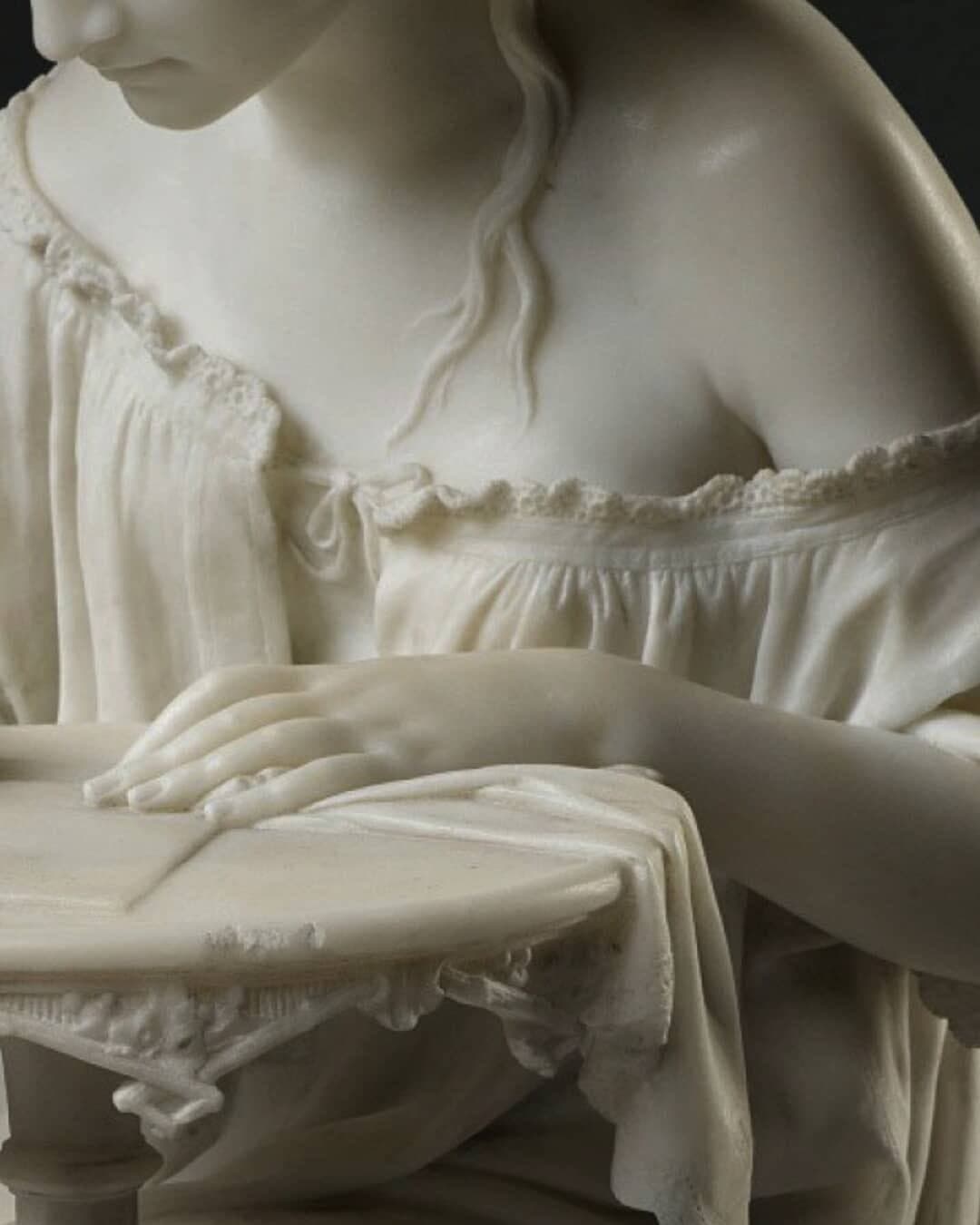
Girl Writing (La scrittrice)
Giovanni Spertini · 1866
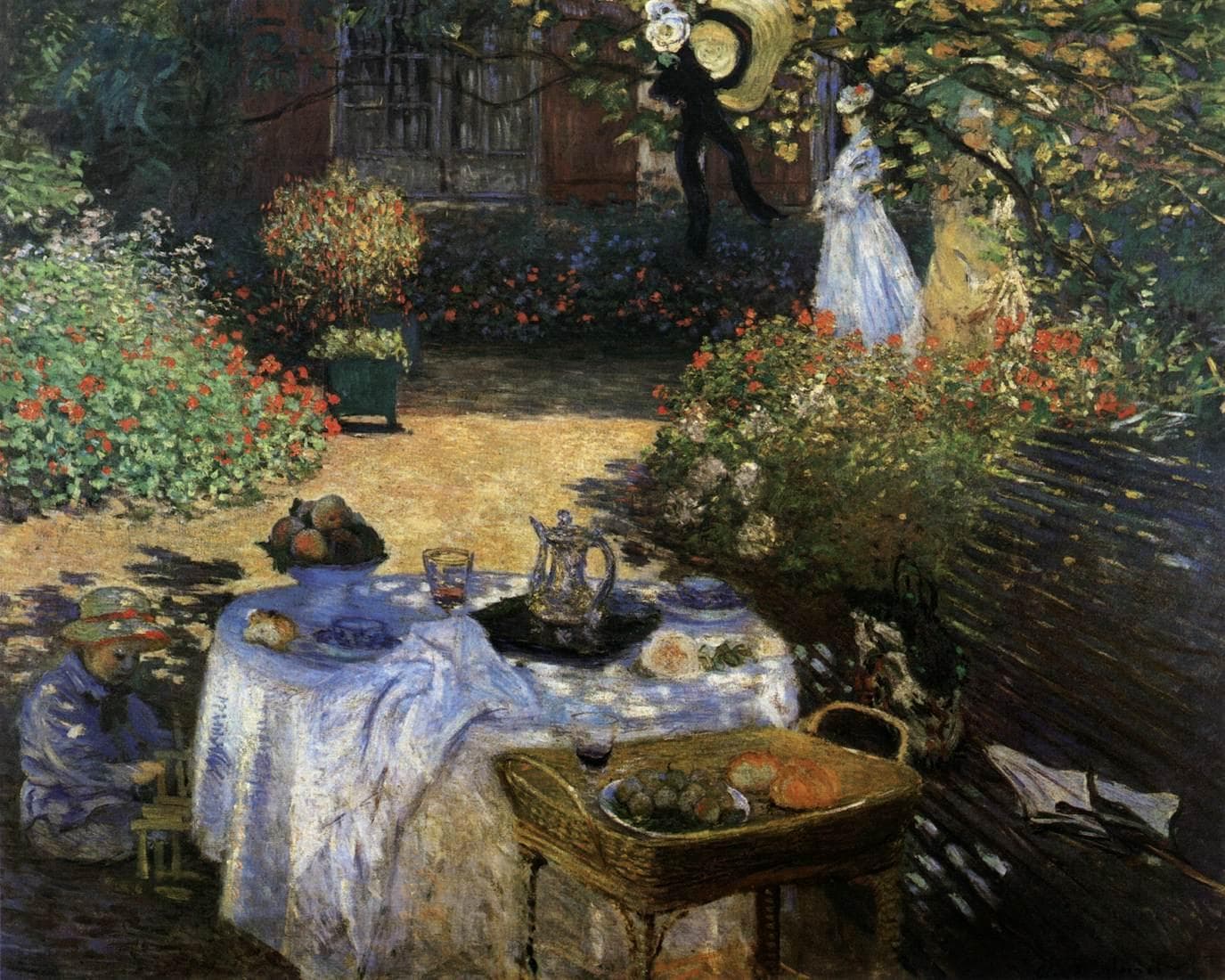
The Luncheon (Monet's Garden at Argenteuil)
Claude Monet · c. 1873
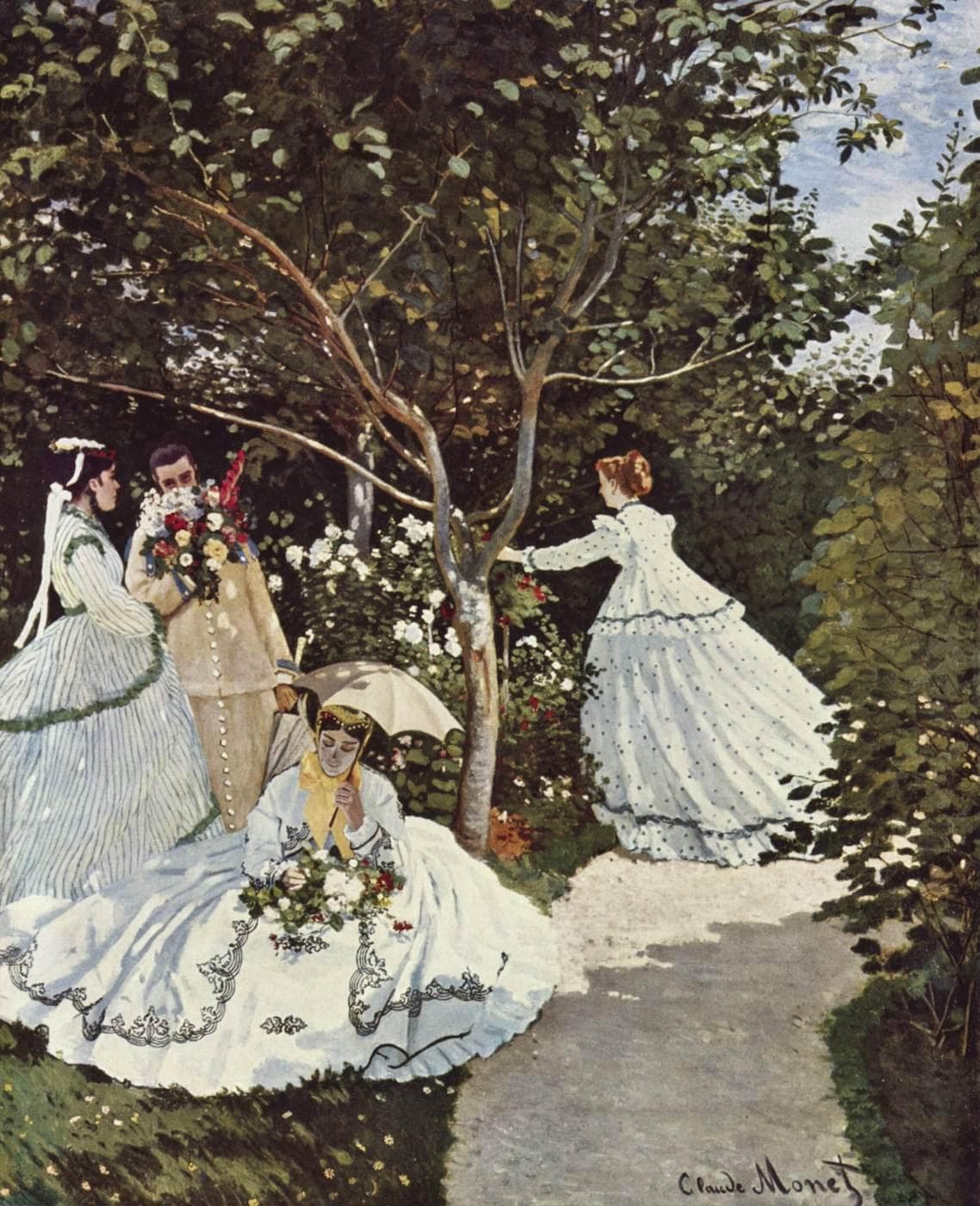
Women in the Garden
Claude Monet · 1866–67
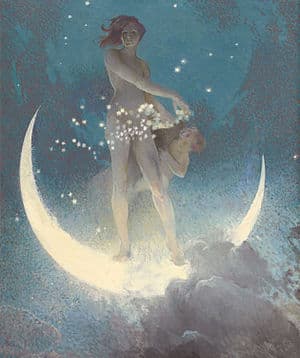
Spring Scattering Stars
Edwin Howland Blashfield · 1927
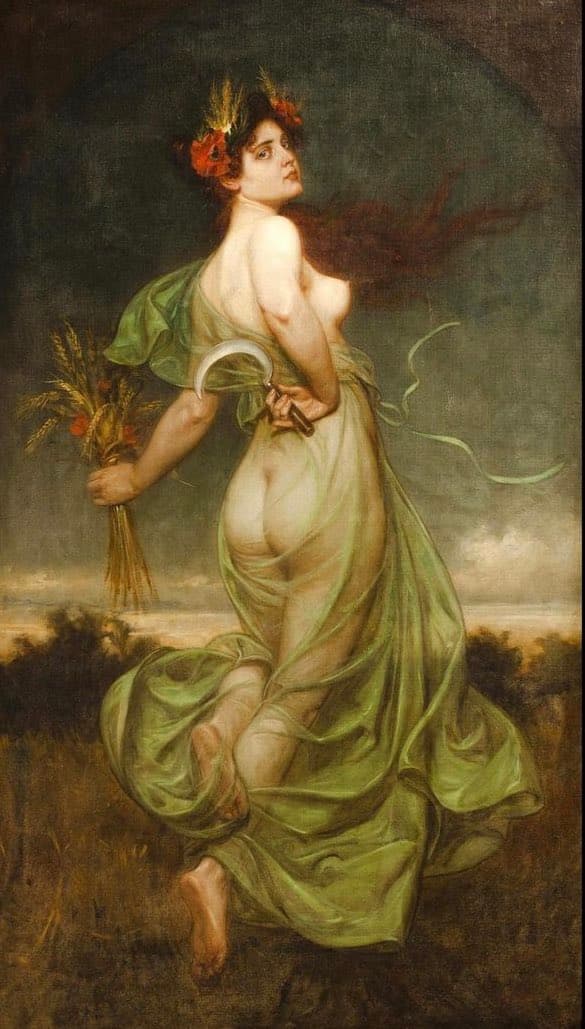
Allegory of Summer
František Bohumil Doubek · c. 1905
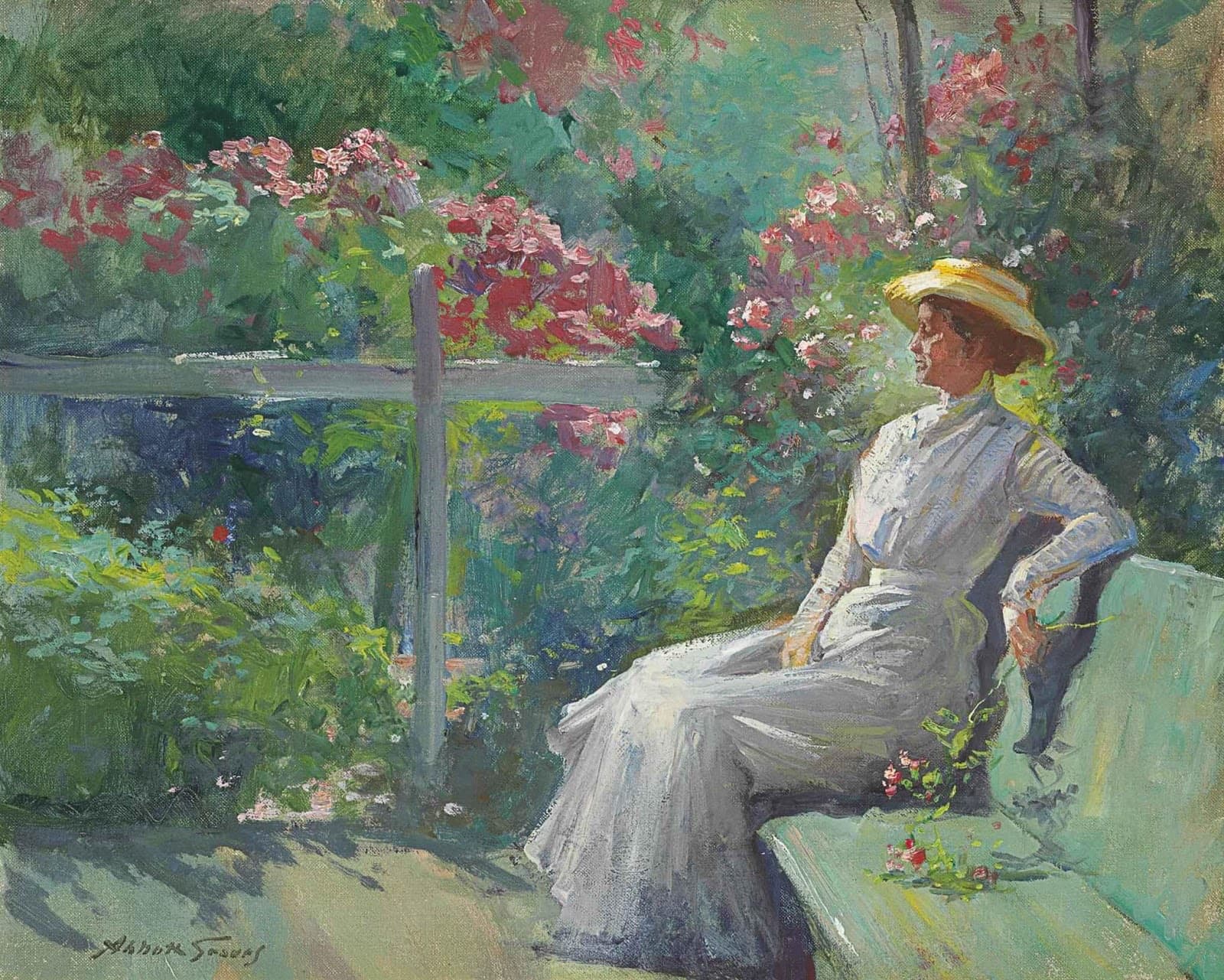
Lady in the Garden
Abbott Fuller Graves
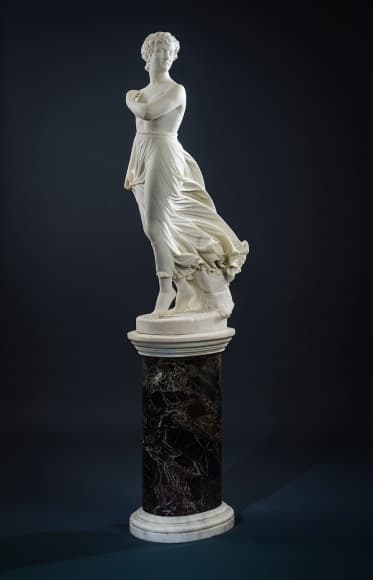
The West Wind
Thomas Ridgeway Gould · Modeled 1870
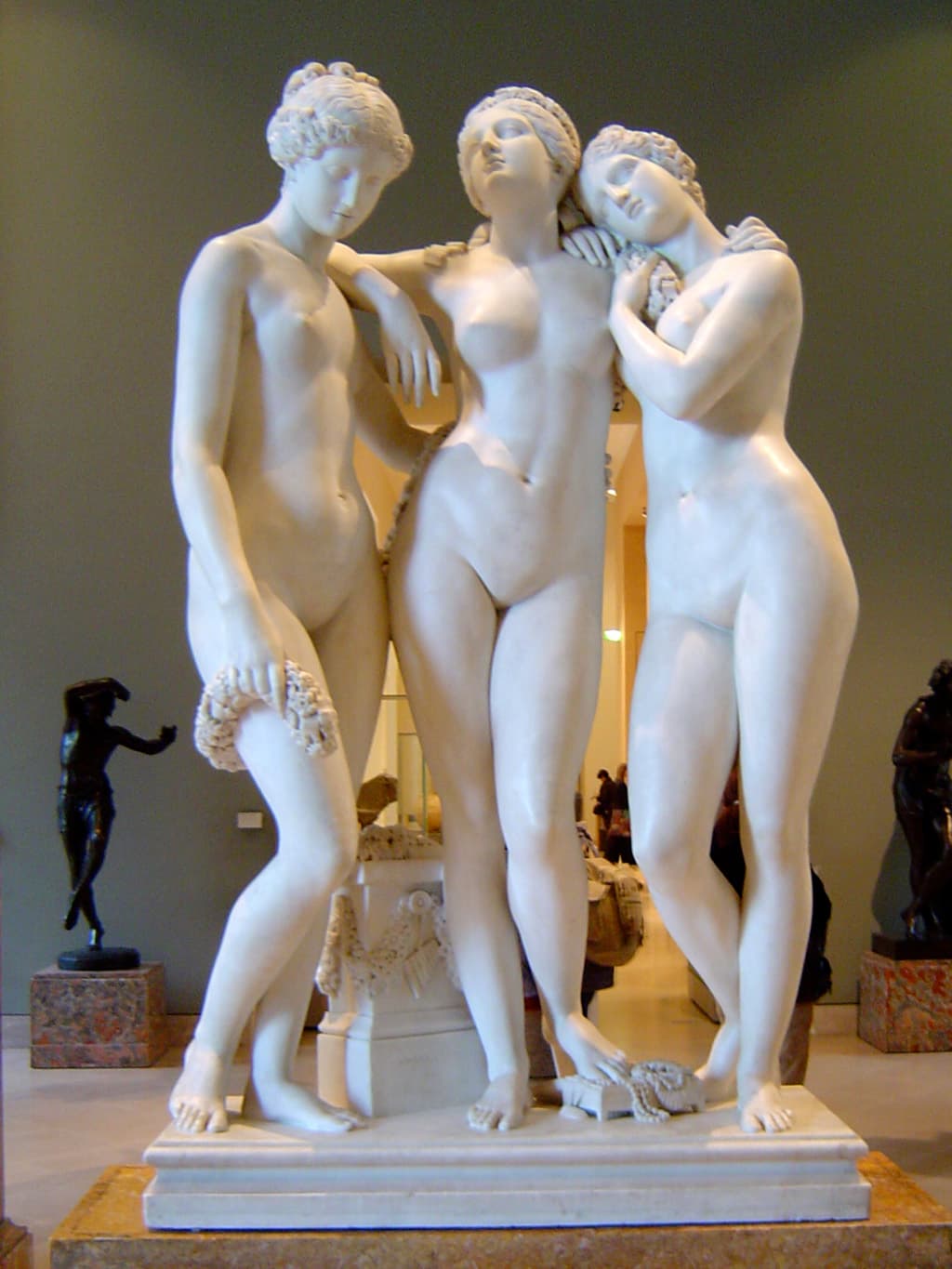
The Three Graces
James Pradier · 1831
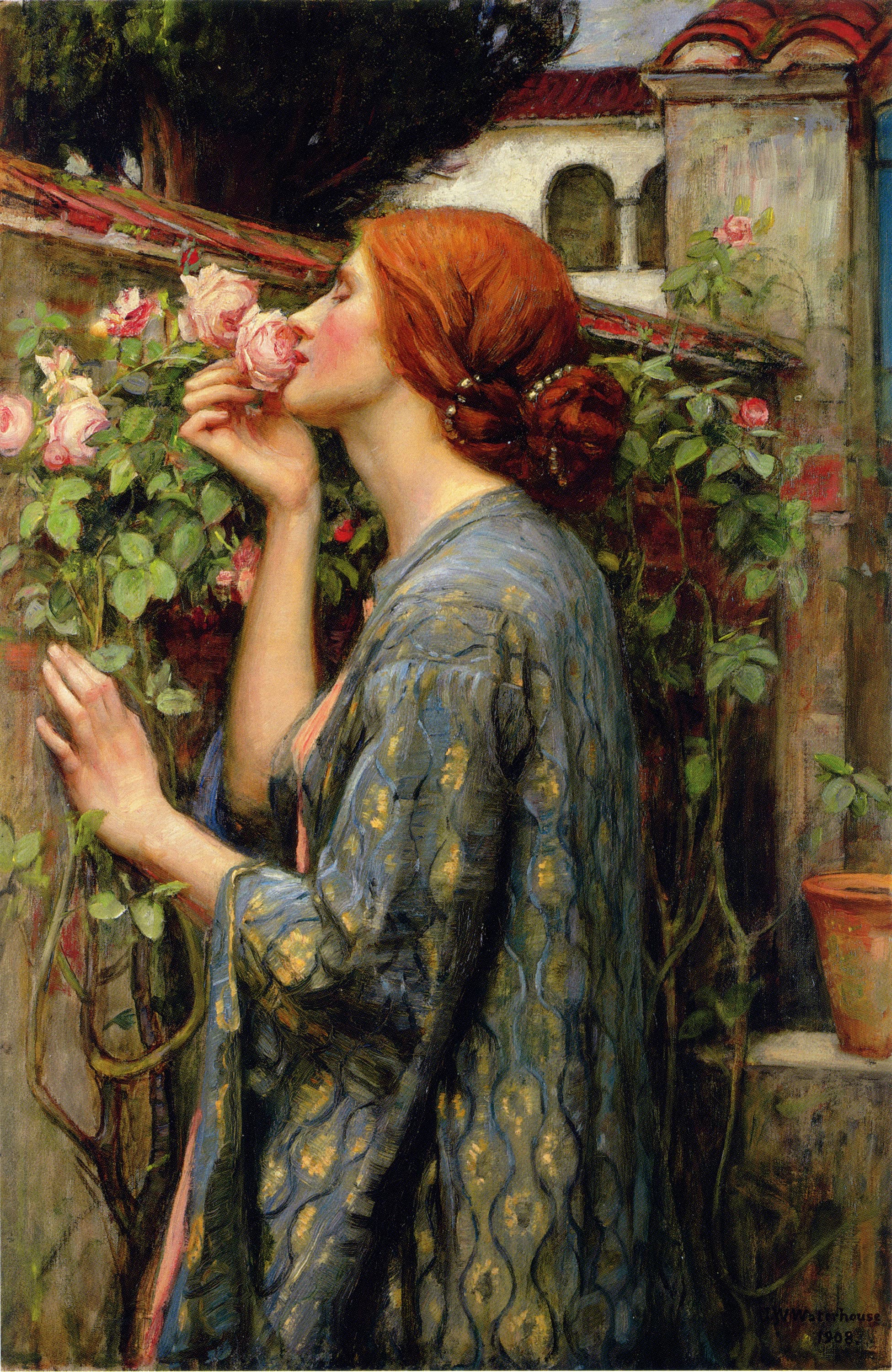
The Soul of the Rose
John William Waterhouse · 1908
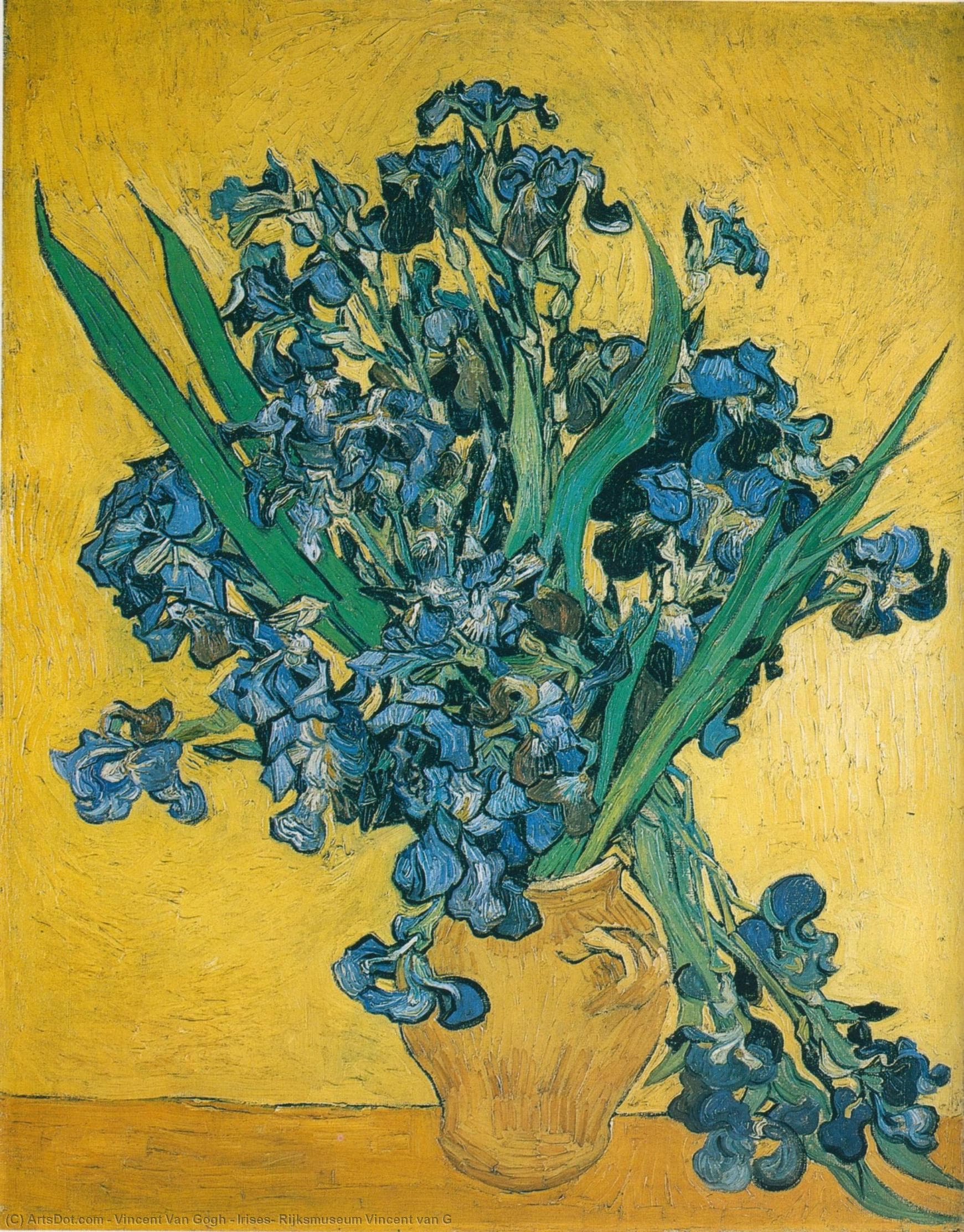
Irises (Vase with Irises Against a Yellow Background)
Vincent van Gogh · 1890

Bridge over a Pond of Water Lilies
Claude Monet · 1899
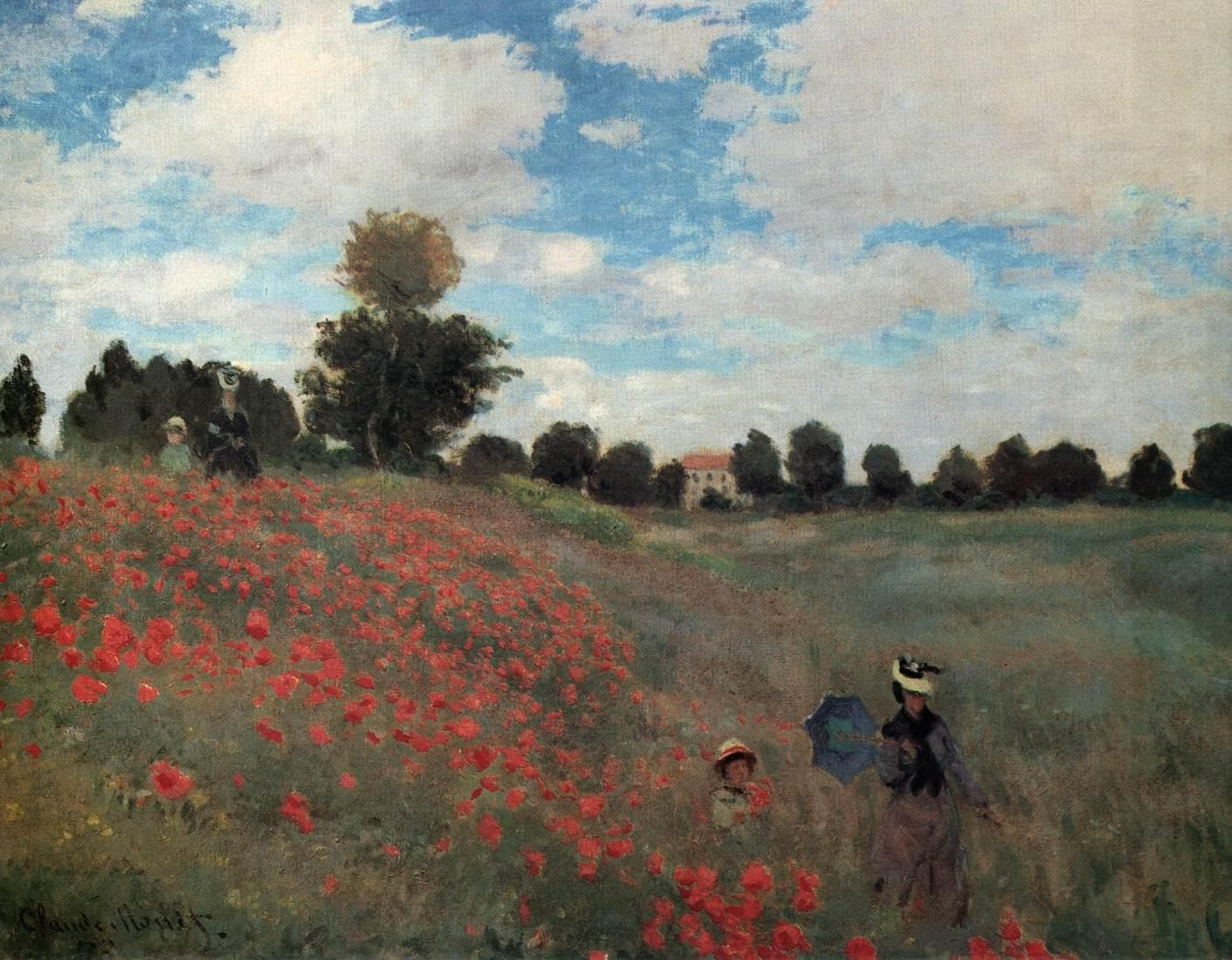
Poppy Field (Poppies at Argenteuil)
Claude Monet · 1873
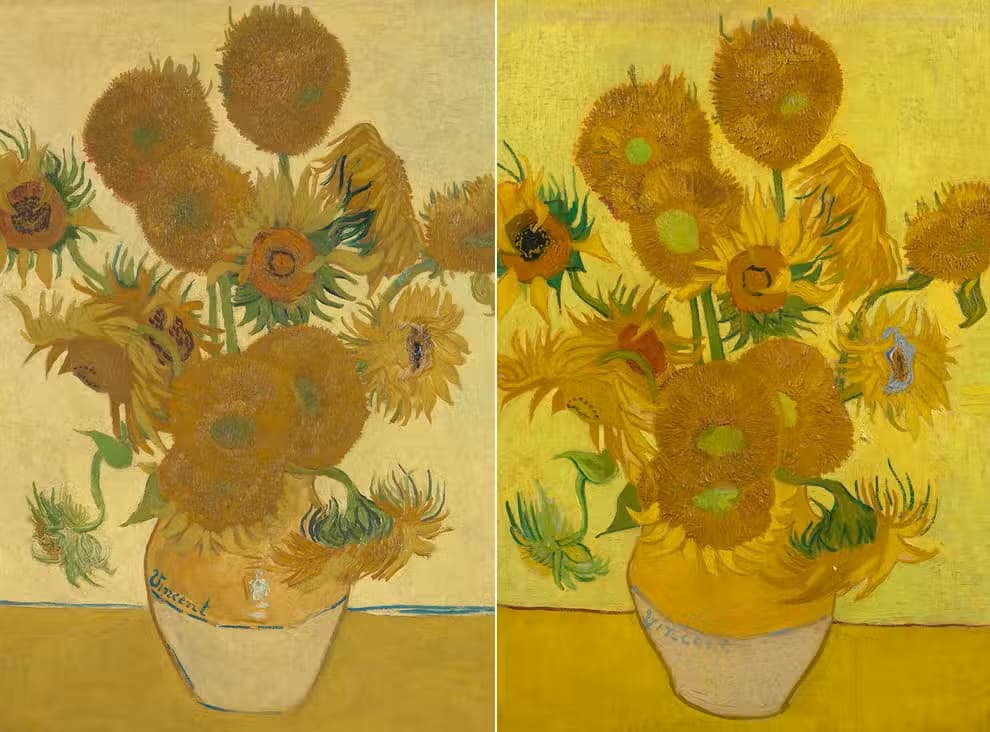
Sunflowers
Vincent van Gogh · 1888–89
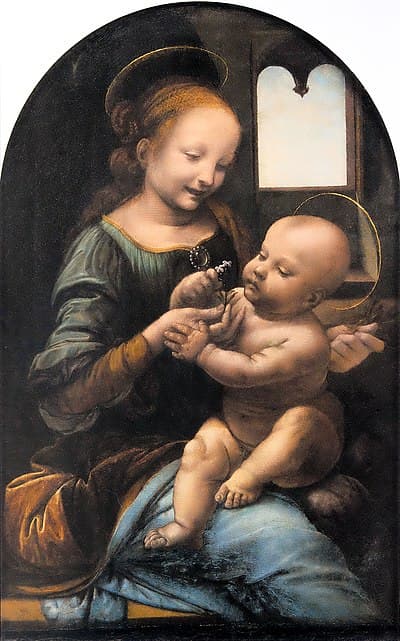
Benois Madonna
Leonardo da Vinci · c. 1478–80
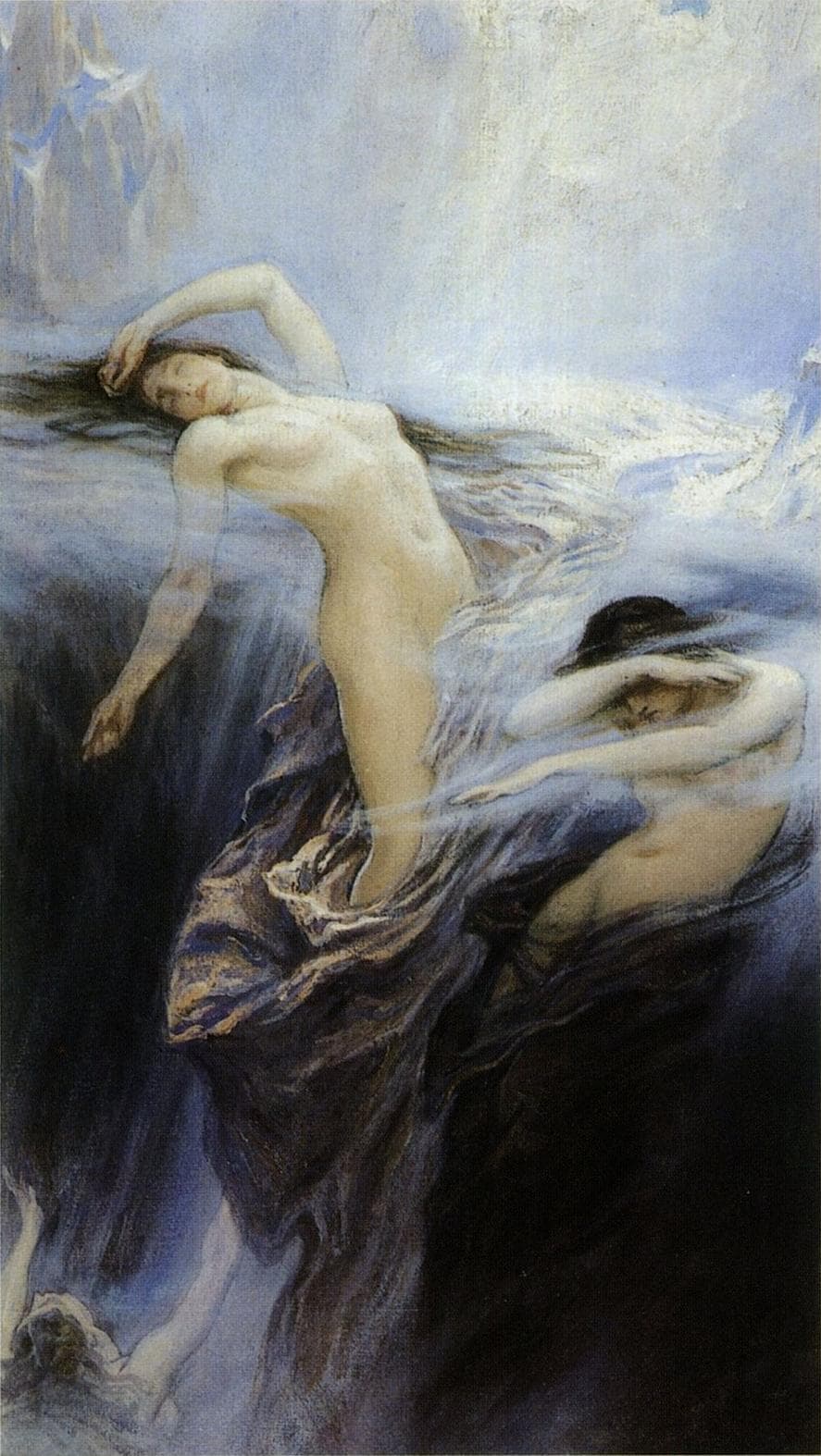
Clyties of the Mist
Herbert James Draper · 1912
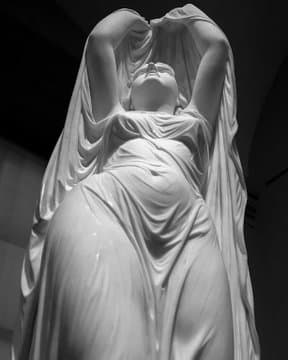
Undine Rising from the Waters
Chauncey Bradley Ives · 1880
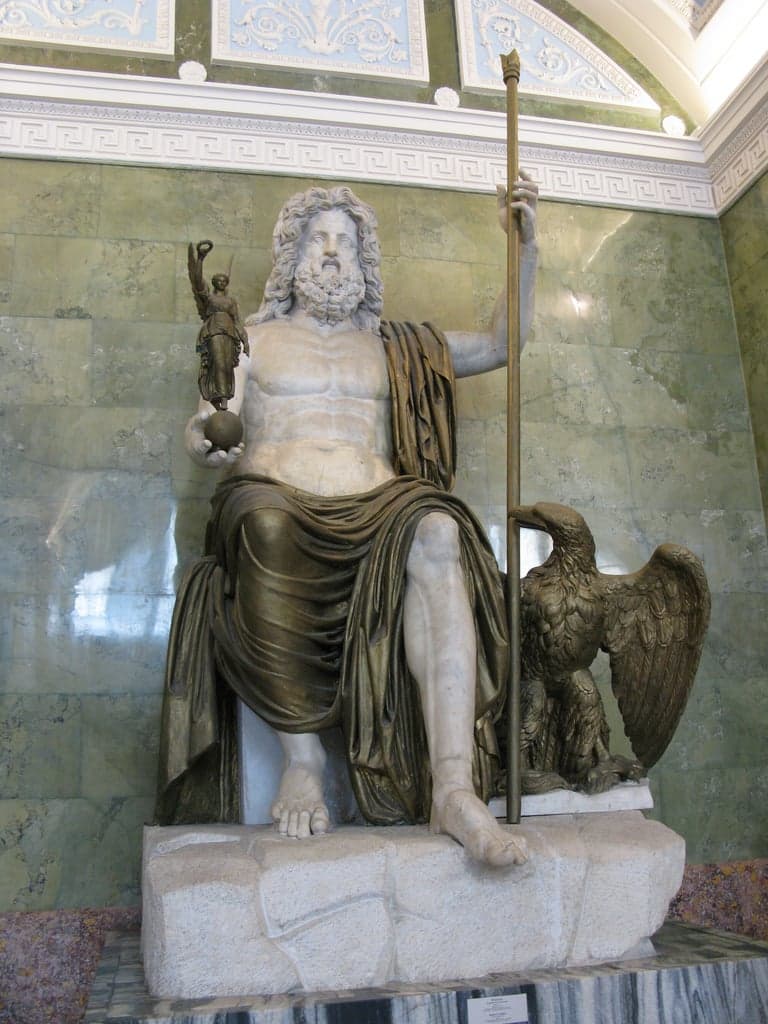
Seated Zeus (Statue of Jupiter, Hermitage)
Artist Unknown & Phidias · Late 1st century AD (after Phidias's Zeus, c. 435 BC)
What is light academia?
Light academia is an online aesthetic that grew up in the late 2010s as a deliberate counterweight to dark academia. Both romanticize studying the humanities: literature, philosophy, languages, art history, music. Both love old universities and the classical world.
The difference is temperament. Dark academia is drawn to the library at midnight, to secrets and tragedy. Light academia is drawn to the open window, to friendship, travel and the pleasure of understanding something for the first time.
Its ideal day is easy to picture. A walk to class through a college garden, a seminar on Keats, lunch on the grass with bread, fruit and a dog-eared paperback, an afternoon sketching statues in a museum. Its emotional center is optimism: the belief that beauty and knowledge make a life better, not more dangerous.
The visual codes of light academia
Daylight everywhere. Sun through gauze curtains, soft shadows, glowing skin. Where dark academia uses one candle, light academia uses the whole sky.
A palette of cream and warmth. Ivory, oatmeal, linen white, butter yellow, pale gold, sage, dusty rose, terracotta, sky blue. Colors are soft but never cold.
White marble and plaster. Greek and Roman busts, columns, fragments of statues, the cast of a hand on a windowsill. Marble is the aesthetic's signature material.
Natural textures. Linen shirts, cotton dresses, wicker baskets, pale wood, paper, pressed flowers, dried lavender.
Things that mean learning, in the sun. Open notebooks, letters, fountain pens, sketchbooks, sheet music, botanical studies, a stack of poetry on a garden bench.
The Mediterranean. Italy and Greece above all: Florence, Rome, Athens, cypress hills, lemon trees, whitewashed walls, the Grand Tour that sent eighteenth-century students south to see the ancient world for themselves.
The paintings and sculptures that define light academia
Raphael's academy of light
The single most light academia painting ever made is Raphael's The School of Athens (1509–11), painted in fresco in the Vatican's Stanza della Segnatura. Under a soaring coffered vault, the philosophers of antiquity talk, argue, write and teach in brilliant daylight. At the center Plato points upward toward the ideal, a copy of his Timaeus under his arm, while Aristotle holds his Ethics and stretches his hand flat toward the earth. Raphael gave Plato the features traditionally identified as Leonardo's, and slipped in a portrait of himself at the far right edge, looking straight out at us. Here, learning is a crowd of friends in a sunlit hall.
Botticelli's springtime
Sandro Botticelli's The Birth of Venus (c. 1484–86, Uffizi, Florence) gives light academia its pastel palette. The goddess of love arrives on a scallop shell, blown to shore by the wind god Zephyr and a companion, while a nymph of the seasons, her dress embroidered with cornflowers, runs to wrap her in a flower-strewn cloak. Pink roses tumble through the air.
Botticelli painted it in tempera on canvas, not oil, which is partly why its colors still feel chalky and fresh, like a fresco or a sun-faded garden wall. Its intellectual world was Neoplatonism, the Florentine belief that earthly beauty leads the soul toward the divine. That idea sits at the heart of the aesthetic.
Marble gods and the myth of white
Greek sculpture is light academia's furniture. The Venus de Milo (c. 150–125 BC, Louvre), found on the island of Melos in 1820, and the Winged Victory of Samothrace (c. 190 BC), which stands on a ship's prow at the top of the Louvre's Daru staircase, are its patron saints. The Parthenon frieze, carved in Athens in the 440s and 430s BC, offers a procession of horsemen and young women moving in calm low relief.
There is a twist worth knowing. These sculptures were originally painted in bright colors and sometimes gilded; traces of pigment survive on many of them. The ideal of pure white marble was largely invented by eighteenth-century scholars such as Johann Joachim Winckelmann, who saw the statues after the paint had worn away. Light academia's marble is therefore a dream of antiquity more than antiquity itself, which is fitting for an aesthetic built on longing.
Canova and the Neoclassical touch
Antonio Canova gave that dream its most tender form. In Psyche Revived by Cupid's Kiss (1787–93, Louvre), Cupid swoops down to wake Psyche from a deathlike sleep, and their arms form an open circle around two faces that almost, but do not quite, touch. Canova finished his marbles with pumice and wax so the surface seems to hold light like skin. His Three Graces (1814–17), shared by the Victoria and Albert Museum and the National Galleries of Scotland, is the aesthetic's emblem of friendship: three sisters leaning into one embrace.
Rococo pastels
The eighteenth century added frivolity and pink. Jean-Honoré Fragonard's The Swing (1767, Wallace Collection, London) is all froth: a young woman in a rose silk dress kicks off a slipper at the top of her arc, while foliage, statues and a hidden admirer crowd the garden around her. It belongs to light academia's playful, romantic edge rather than its studious center. So does Antoine Watteau's Pilgrimage to Cythera (1717, Louvre), with its couples drifting toward the island of love in a golden haze.
Victorian classicism and the endless summer
Late nineteenth-century Britain was full of painters who imagined antiquity as a permanent August. Frederic Leighton's Flaming June (1895, Museo de Arte de Ponce, Puerto Rico) shows a sleeping woman curled on a marble bench, wrapped in translucent orange, the sea glittering behind her. A sprig of poisonous oleander at upper right hints that sleep and death are cousins, but the overwhelming effect is warmth. Lawrence Alma-Tadema painted marble terraces above blue water so polished you can almost feel the stone, and Herbert James Draper's sea nymphs in The Pearls of Aphrodite glow like shell.
In France, Pierre Auguste Cot's The Storm (1880, Metropolitan Museum of Art) shows two young lovers running barefoot from a downpour under a billowing veil. Scholars disagree on its source: it may be Longus's ancient romance Daphnis and Chloe or Bernardin de Saint-Pierre's novel Paul et Virginie. Either way, it reads like a page from the aesthetic's favorite novel.
The Impressionist open air
Impressionism gave light academia its weather. Claude Monet's Woman with a Parasol (1875, National Gallery of Art, Washington) catches his wife Camille and their son Jean on a hilltop near Argenteuil, seen from below against a sky of racing clouds. Her veil blows across her face, the grass bends in the wind, and the whole picture was painted fast, outdoors, to keep a single moment of a summer afternoon. Monet's gardens and picnics, from The Luncheon to the late water lilies, have the same appeal: art as a record of a good day.
Vincent van Gogh's Almond Blossoms (1890, Van Gogh Museum) belongs here too. He painted the white flowers against a turquoise sky in Saint-Rémy to celebrate the birth of his nephew, named Vincent after him, as a gift for the baby's parents, his brother Theo and sister-in-law Jo. It is the rare image of hope in an often desperate life, and one of the most reproduced paintings in the world.
The literary roots of light academia
Light academia reads the same classics as dark academia but chooses the sunny passages. Keats's odes, Sappho's fragments, Shakespeare's comedies, Jane Austen. Goethe's Italian Journey (1816–17) is a founding document of the Grand Tour longing for the south. E. M. Forster's A Room with a View (1908), and the 1985 Merchant Ivory film made from it, may be the aesthetic's purest story: a young Englishwoman in Florence learns to choose life and love over propriety.
Elizabeth von Arnim's The Enchanted April (1922) sends four Englishwomen to a castle on the Italian Riviera. Louisa May Alcott's Little Women and L. M. Montgomery's Anne of Green Gables supply its bookish, warmhearted heroines. André Aciman's Call Me by Your Name (2007), and its 2017 film, added Italian summers, archaeology and bronze statues pulled from a lake.
How to build the light academia look with art
- Start with a pastel masterpiece. Pull a palette from The Birth of Venus or Woman with a Parasol: cream, pale blue, sea green, rose. Let it set the colors of a room or a wardrobe.
- Bring in a plaster cast. A bust, a hand or an architectural fragment on a bookshelf does more than any print. Museum shops often sell casts made from originals.
- Hang daylight pictures. Landscapes, gardens, classical myths with happy endings, Impressionist picnics, Renaissance frescoes. Avoid heavy chiaroscuro; that belongs to the other aesthetic.
- Frame light. Pale oak, white, or soft champagne gilt, with generous ivory mats. Oval and arched frames suit portraits and Rococo scenes.
- Let the window do the work. Sheer linen curtains, a desk facing the light, fresh or dried flowers. Photograph books and sketches in natural morning or late-afternoon sun.
- Keep a sketchbook. The Grand Tour students drew what they saw. Take one to a sculpture gallery or a cast court, such as the Victoria and Albert Museum's in London, and copy a statue. Nothing is more light academia than that.
Light academia vs dark academia
The two aesthetics share a bookshelf and argue about the lamp. Dark academia loves Rembrandt, Goya and the Romantics, skulls, Gothic stone and November rain. Light academia loves Raphael, Botticelli, Canova and Monet, marble, olive trees and June. Many people move between them with the seasons, and the art in both collections hangs in the same museums, often in neighboring rooms.
Questions & answers
What is light academia?
Light academia is an online aesthetic that romanticizes learning, literature and the classical world in a bright, optimistic key. It favors daylight, cream and pastel colors, white marble, linen, poetry, travel to Italy and Greece, and friendship. It emerged in the late 2010s as the sunny counterpart to dark academia.
What art is light academia?
Classic light academia art includes Raphael's The School of Athens, Botticelli's The Birth of Venus, Canova's Psyche Revived by Cupid's Kiss and Three Graces, the Venus de Milo, Fragonard's The Swing, Leighton's Flaming June, Monet's Woman with a Parasol and Van Gogh's Almond Blossoms.
What colors are light academia?
Light academia uses warm, soft, sunlit colors: cream, ivory, beige, oatmeal, linen white, butter yellow, pale gold, sage green, dusty rose, terracotta and soft sky blue. Black and very dark tones are rare; brown appears mostly as light wood, leather or the spine of a book.
What is the difference between light academia and dark academia?
Both celebrate books, the humanities and the classical past. Dark academia is moody and tragic, built on candlelight, Gothic stone, Old Master shadow and memento mori. Light academia is bright and hopeful, built on daylight, white marble, gardens, the Mediterranean and paintings full of sun.
What books and films are light academia?
Favorites include E. M. Forster's A Room with a View and its 1985 film, Goethe's Italian Journey, The Enchanted April, Little Women, Anne of Green Gables, Jane Austen's novels, and Call Me by Your Name. Poetry is central, especially Keats, Sappho and Shakespeare's comedies.