Impressionism
Poppy Field in a Hollow near Giverny
Claude Monet, 1885
Poppy Field in a Hollow near Giverny is an 1885 painting by Claude Monet of a band of red poppies running up a small valley in the countryside around his new home. The 65.1 × 81.3 cm canvas (Wildenstein 1000) is in the Museum of Fine Arts, Boston.
- Artist
- Claude Monet
- Date
- 1885
- Medium
- Oil on canvas
- Dimensions
- 65.1 × 81.3 cm
- Collection
- Museum of Fine Arts, Boston, Boston, United States
- Movement
- Impressionism
- Catalogue
- Wildenstein 1000
Painted at Giverny: Monet's House and GardenMore at Monet at the MFA Boston
What you are looking at
A broad stripe of red poppies starts at the bottom edge of the canvas and narrows as it runs uphill into a fold between two grassy slopes. On either side the field is planted with something taller, grass or young grain, painted in long upright strokes of silvery green, blue-grey and straw. At lower left a patch of white flowers, perhaps daisies or chamomile, breaks into the green. Higher up, the slopes rise in bands of ocher, sage and pink to a ridge of dark, rounded trees. On the hillside sit a few dense bushes and two small, rust-colored mounds that look like stacks of hay or grain. A grey-white sky with a few patches of pale blue and violet cloud sits low over the ridge.
The poppies are not drawn as flowers at all. They are hundreds of separate touches of vermilion and orange-red, some with a dark dot of stem or shadow, laid over a darker green so that the red seems to flicker. Because the band narrows so sharply, it works like a path, pulling the eye straight up into the hollow.
Look at the right side of the field: the grain there is painted in a cooler blue-green and laid in long, wind-combed diagonals, quite different from the warm, short touches of the poppies. The contrast of two textures, as much as two colors, gives the picture its energy.
Giverny, 1885
Monet had moved to Giverny, on the Seine in Normandy, in the spring of 1883 with Alice Hoschedé and their combined children. In these first years, long before the water garden existed, he painted the surrounding countryside again and again: meadows, river banks, stacks in the fields and the chalky hills of the Seine valley. The hollow here is one of the small side valleys that cut into those hills.
Poppy fields were an old favorite, going back to A Field of Poppies at Argenteuil of 1873, but the Giverny poppies of 1885 are different in mood. There are no strolling figures and no parasols, just the land and its colors. The same summer produced Poppy Field around Giverny, now in the Musée d'Orsay, a flatter view across open fields.
How it was painted
This is a standard landscape canvas of about 65 by 81 centimeters, the size Monet carried into the fields in these years. The surface is built up in layers: a ground of greens and earth tones first, then the long vertical strokes of the grain, then the poppies dabbed over the top, often wet into wet so that a little green mixes into the red. The sky is the thinnest part, brushed in broadly. The viewpoint, low in the field and facing the slope, gives the composition its steep, funnel-like shape and hides the horizon behind the ridge.
Poppies and the series to come
The rust-colored mounds on the hillside are a reminder of what came next. Within a few years Monet would make the stacks in the fields near his house the subject of a full series, in our Haystacks hub, and in 1890 he painted a small group of poppy fields, among them Poppy Field in the Hermitage. Here the idea of filling most of a canvas with a single field of color is already present.
Meaning and style
Red against green is the most basic of complementary contrasts, and Monet uses it here at full strength. For Claude Monet the subject was the effect, not the place: the tag "near Giverny" is a location, not a story. The picture is also a record of farmland as it was, poppies thriving among the crops before modern herbicides cleared them.
Where to see it
The painting is in the Museum of Fine Arts, Boston, which holds one of the largest groups of Monet paintings outside France; see our guide to Monet at the MFA Boston. For other early Giverny landscapes, see Meadow at Giverny and Haystacks at Giverny.
Questions & answers
Where is Poppy Field in a Hollow near Giverny?
The painting is in the Museum of Fine Arts, Boston. Monet painted it in 1885, two years after moving to Giverny; it measures 65.1 by 81.3 centimeters and is catalogued as Wildenstein 1000. Boston's museum has one of the largest Monet collections outside France.
When and where did Monet paint it?
In the summer of 1885, in the countryside around Giverny in Normandy, where he had settled in 1883. The hollow is one of the small valleys cutting into the hills of the Seine valley near the village.
How many poppy field paintings did Monet make?
Many. The best known is the 1873 field at Argenteuil in the Musée d'Orsay, with Camille and Jean among the flowers. He returned to poppies near Vétheuil in 1879, around Giverny in 1885, and again in 1890, when he painted a small group of poppy fields.
How did Monet paint the poppies?
He did not draw individual flowers. He laid down hundreds of separate dabs of vermilion and orange over darker green, so the red flickers against its complementary color. From a distance the touches merge into a band of bloom running up the hollow.
More by the artist
Claude Monet

Bridge over a Pond of Water Lilies
Claude Monet · 1899

Woman with a Parasol – Madame Monet and Her Son
Claude Monet · 1875

Sunset in Venice
Claude Monet · 1908–12

La Grenouillère
Claude Monet · 1869

Beach in Pourville
Claude Monet · 1882

Springtime
Claude Monet · 1872

Boating on the River Epte
Claude Monet · 1890

The Seine at Asnières (Hermitage)
Claude Monet · 1873
Also painted in 1885
The same year
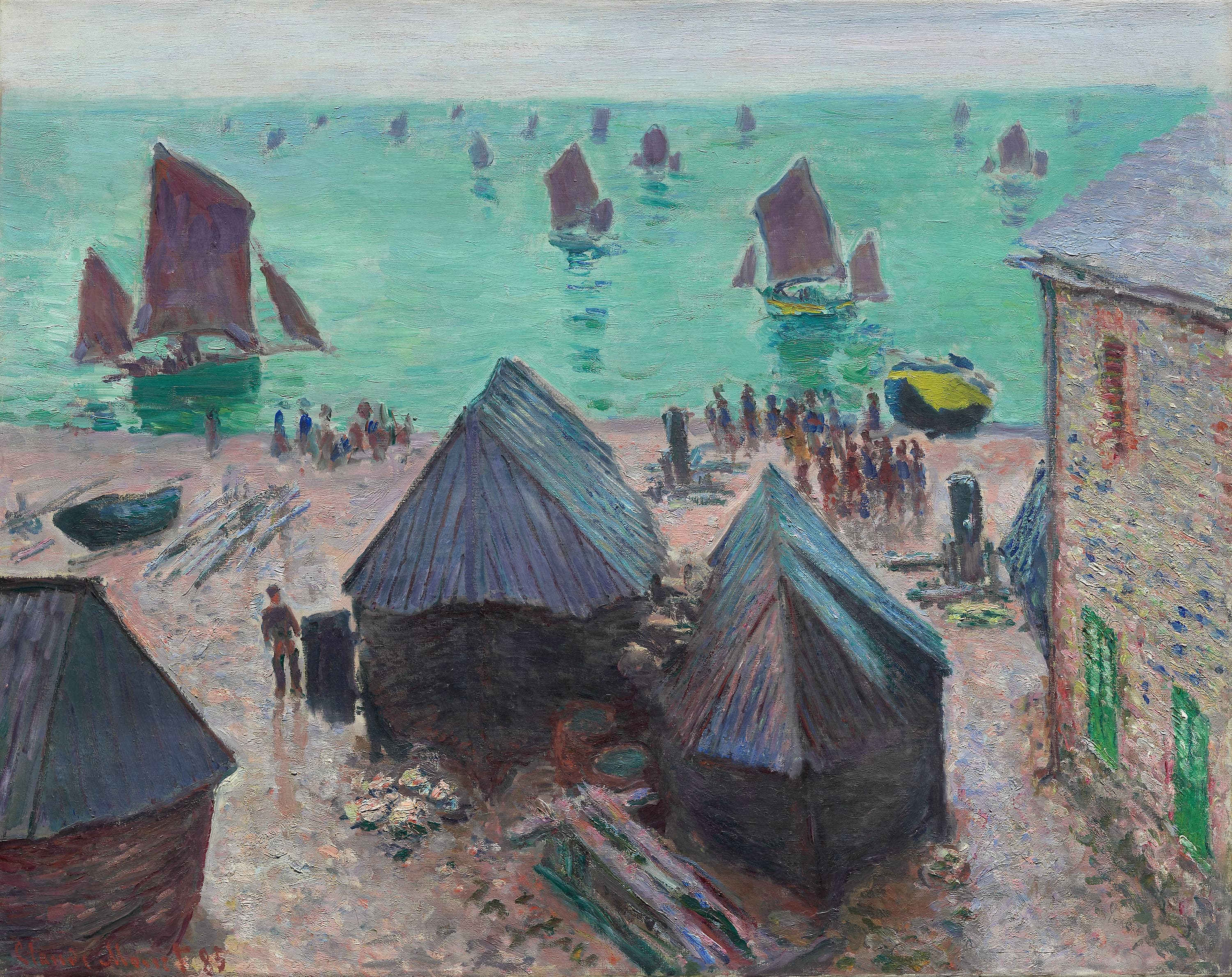
The Departure of the Boats, Étretat
Claude Monet · 1885
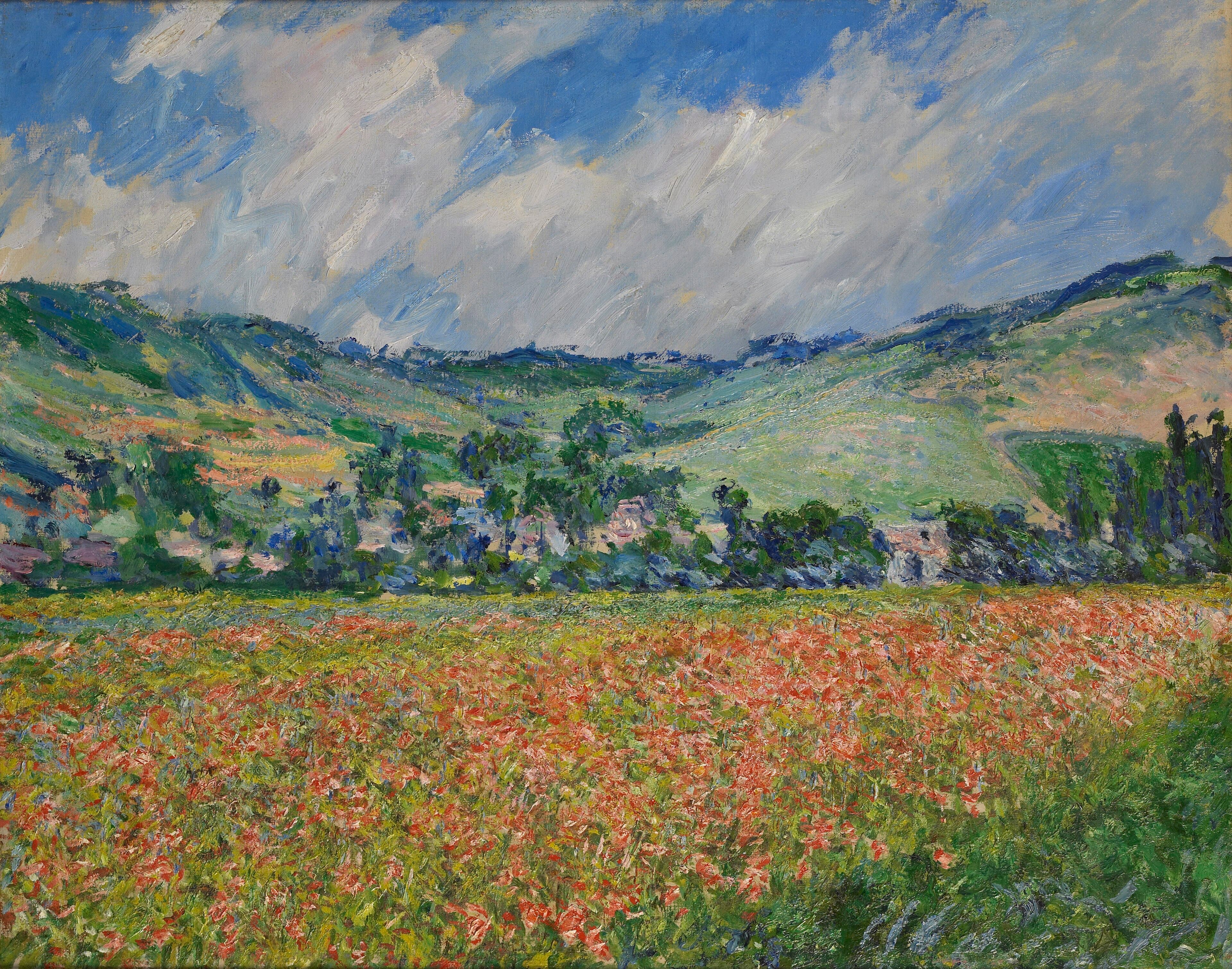
Poppy Field, Around Giverny
Claude Monet · 1885
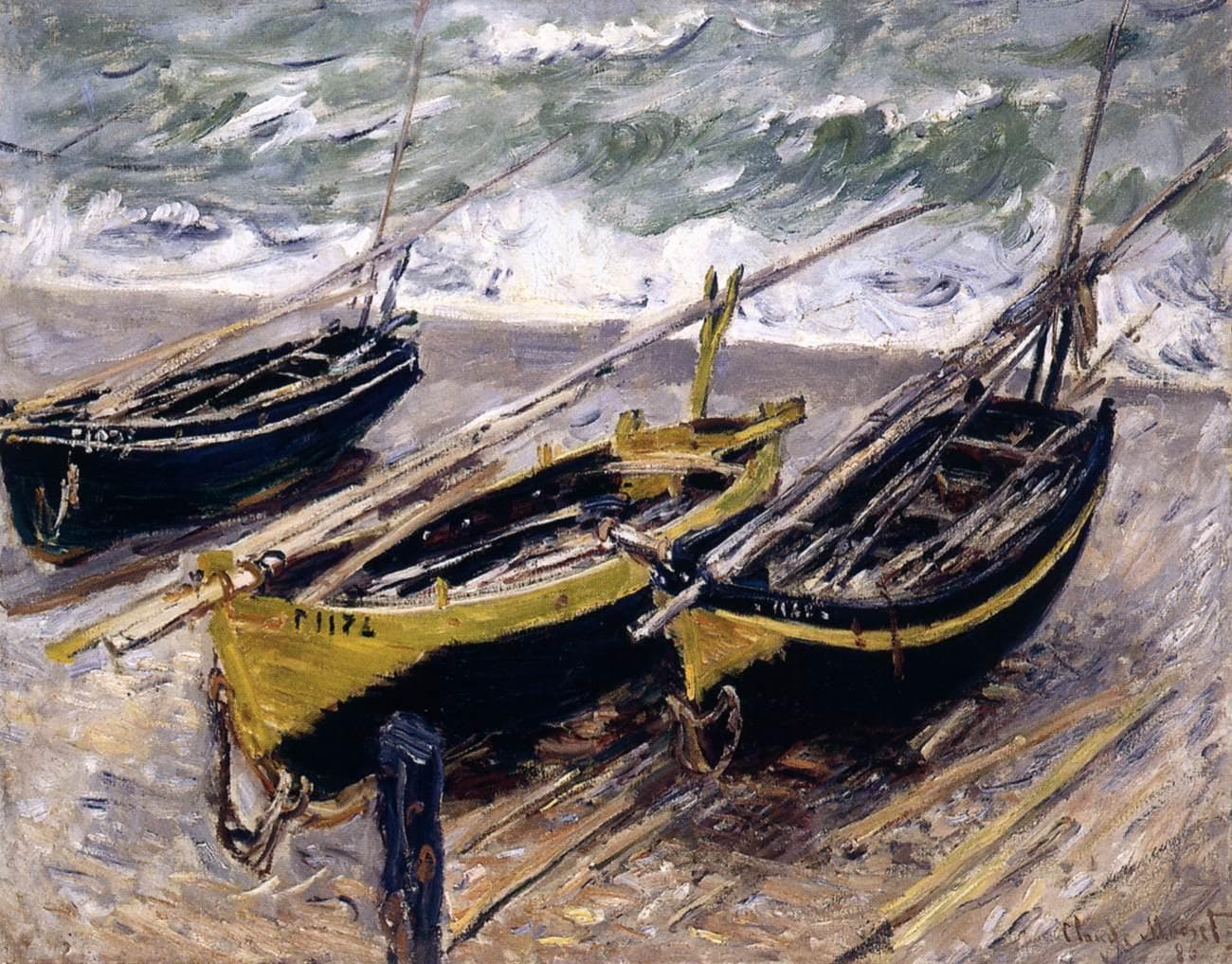
Three Fishing Boats
Claude Monet · 1885
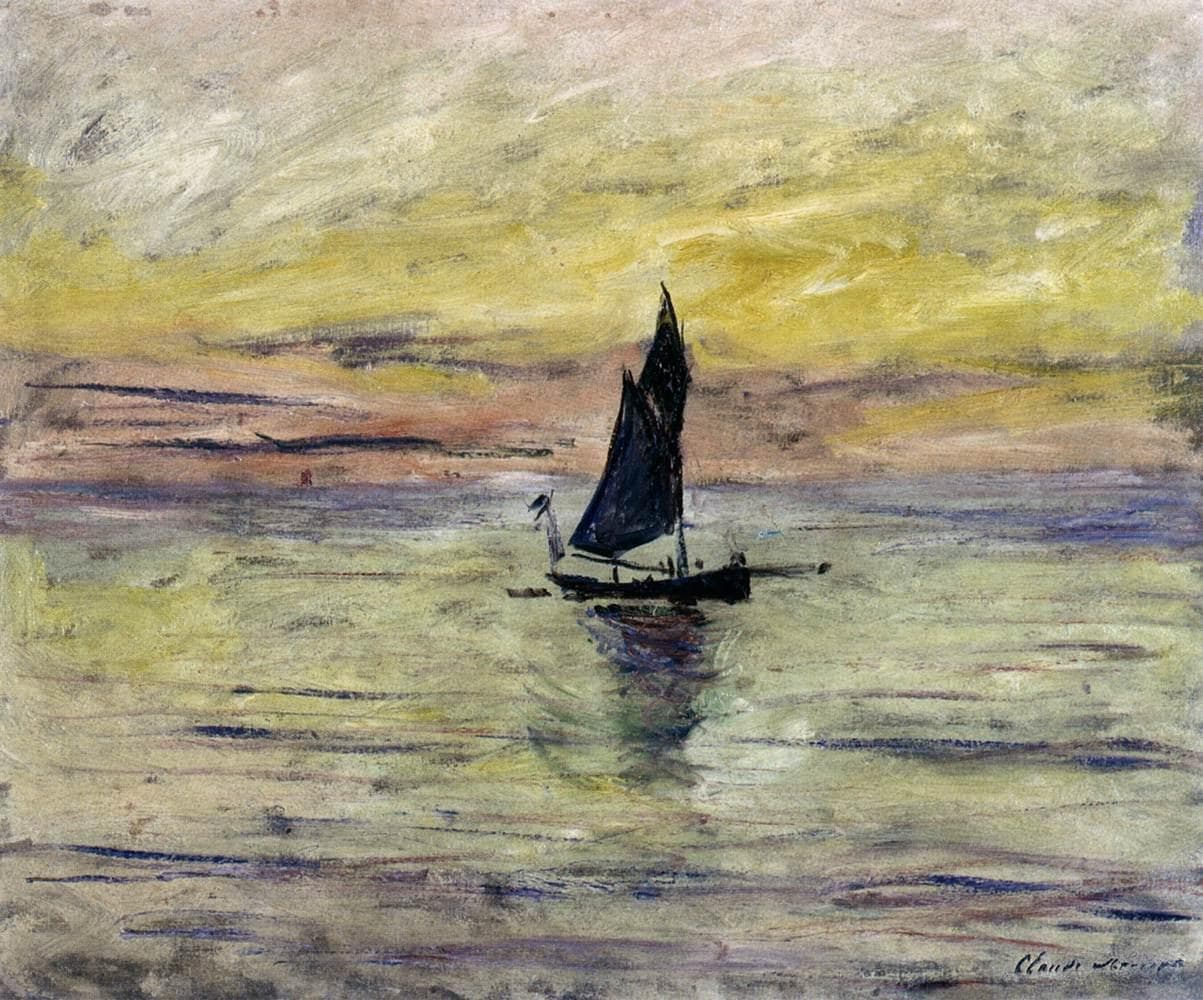
Sailboat, Evening Effect
Claude Monet · 1885
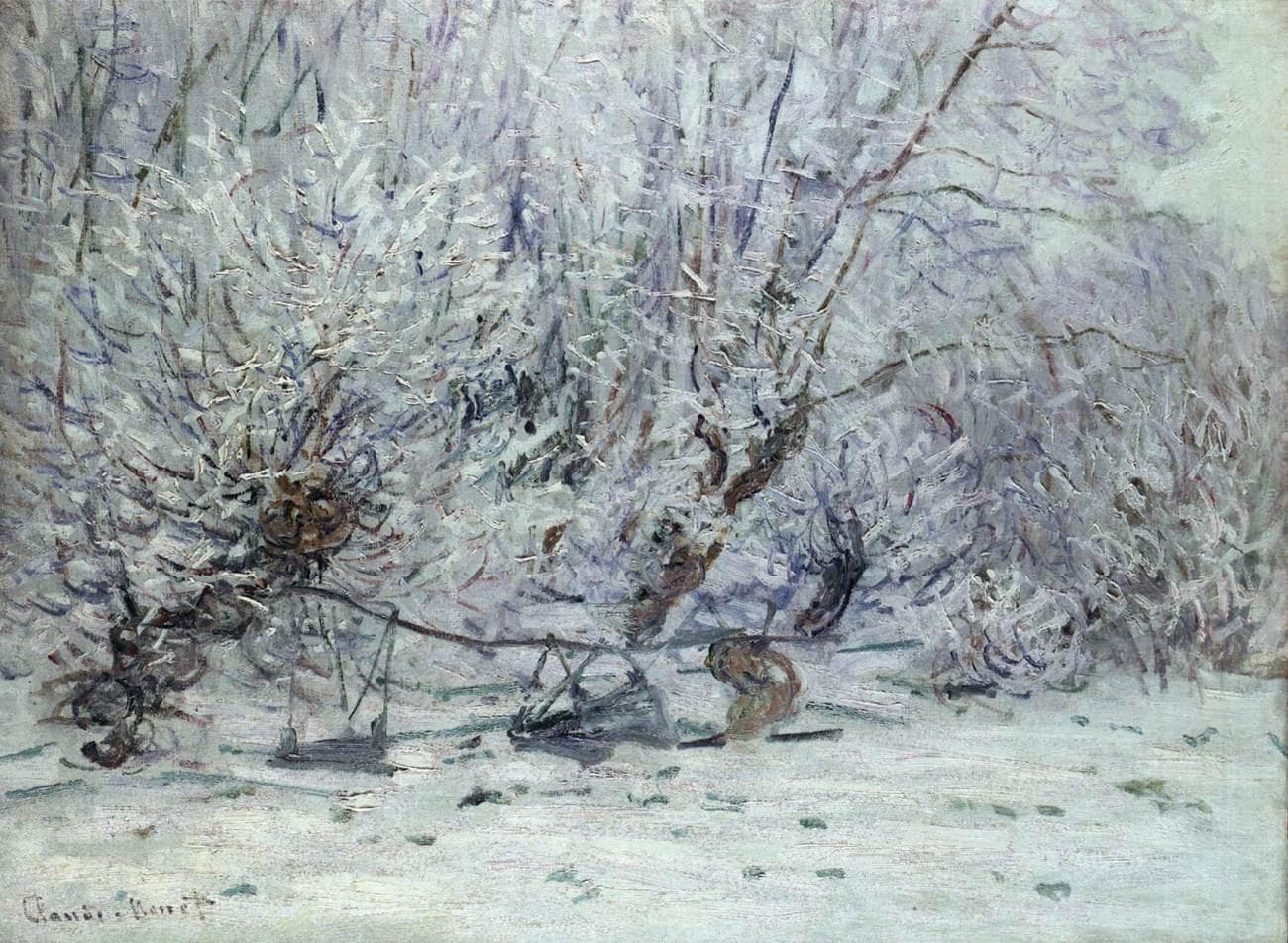
Frost
Claude Monet · 1885
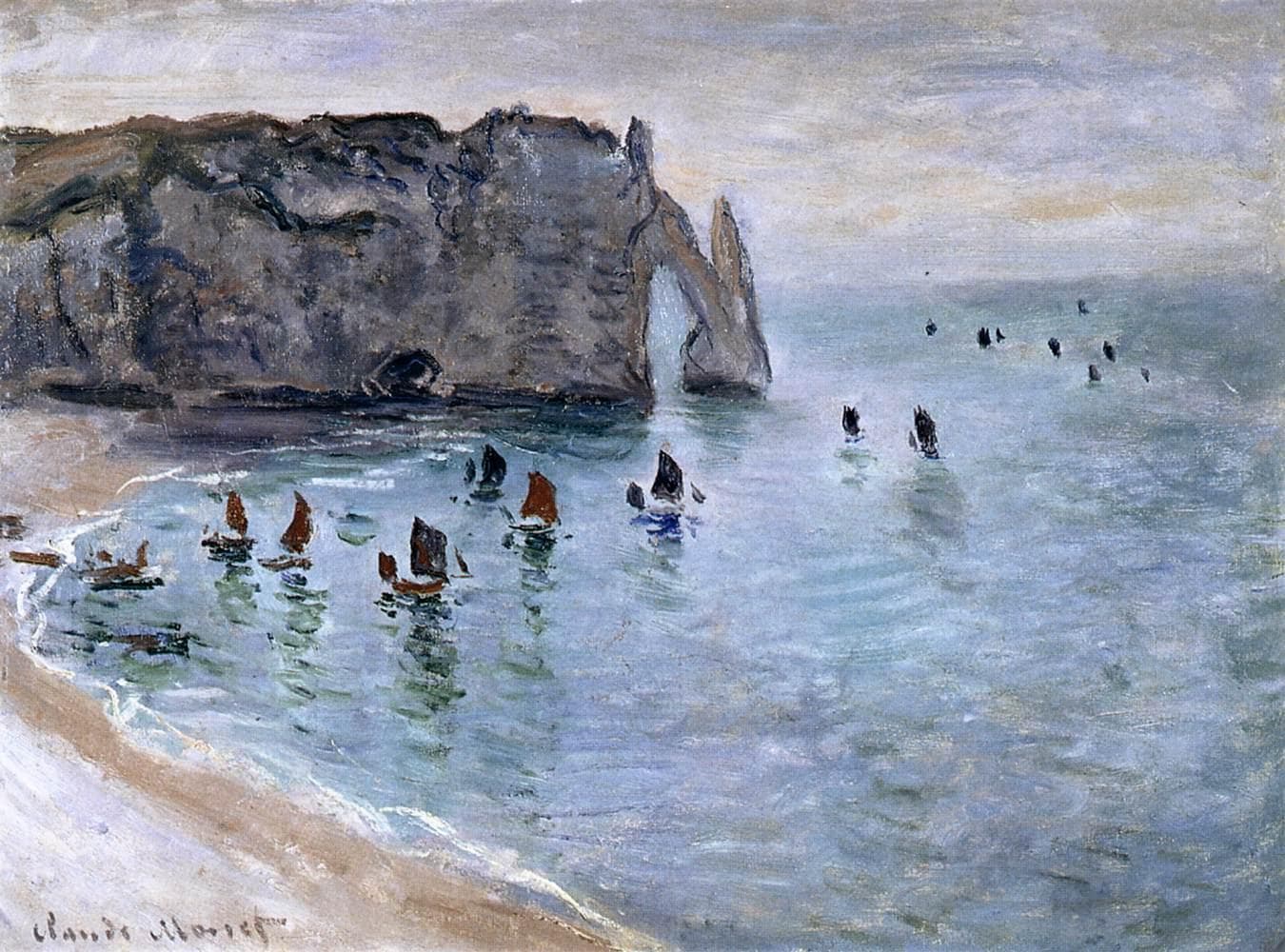
Étretat, the Porte d'Aval: Fishing Boats Leaving the Harbor
Claude Monet · 1885
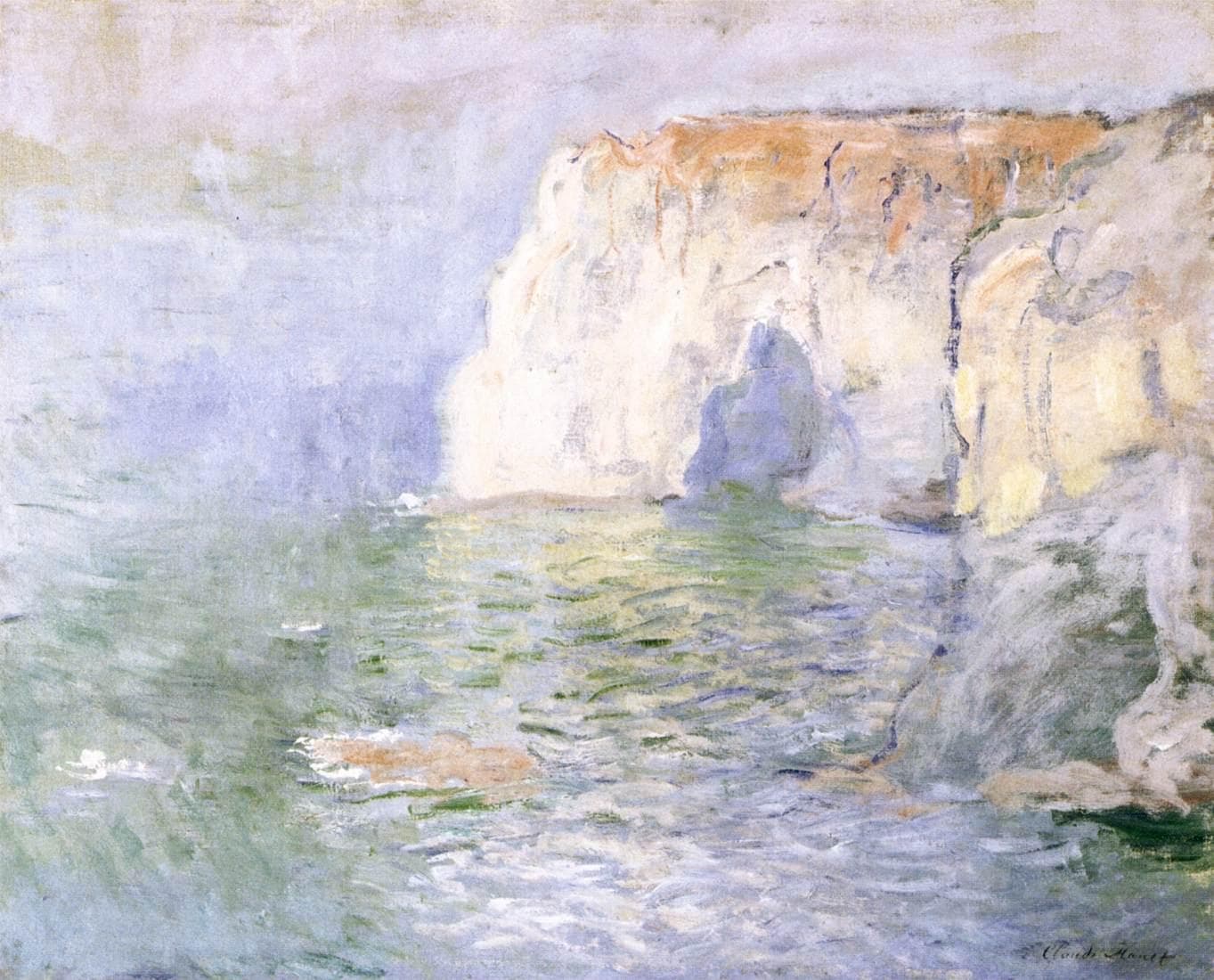
Étretat, the Manneporte, Reflections on the Water
Claude Monet · c. 1885
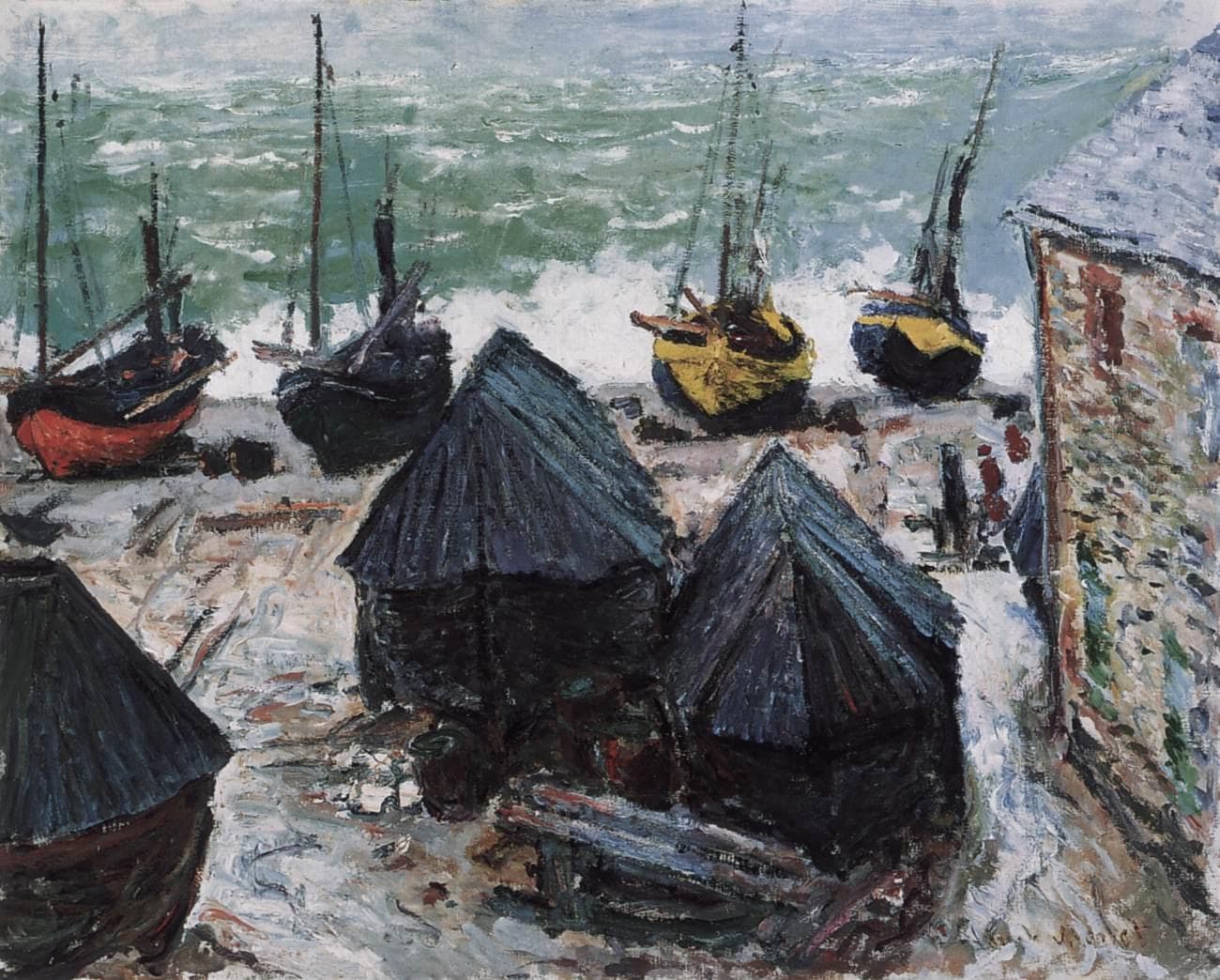
Boats on the Beach at Étretat
Claude Monet · 1885
Kindred works
You may also study
Poppy Field, Around Giverny
Claude Monet · 1885
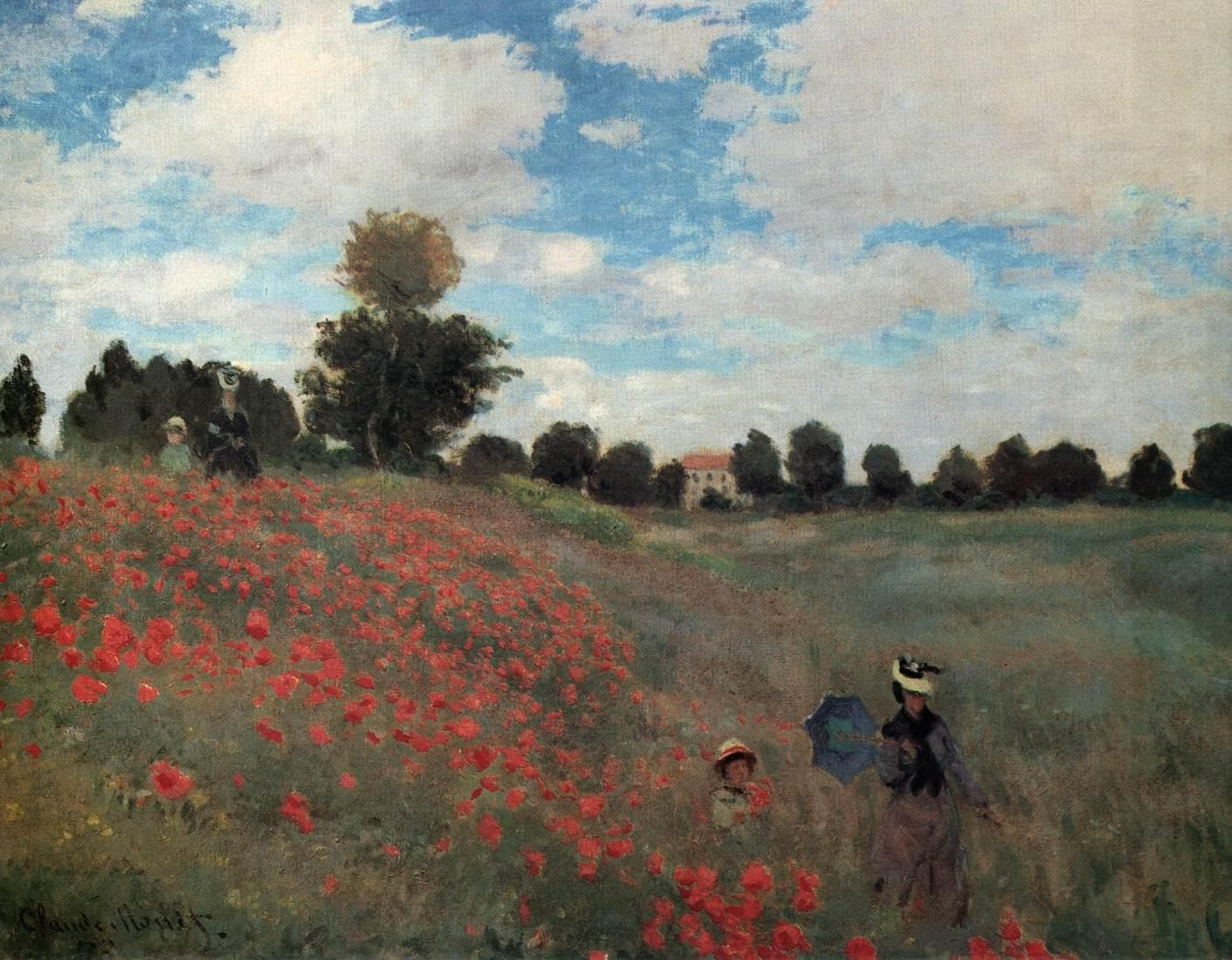
Poppy Field (Poppies at Argenteuil)
Claude Monet · 1873
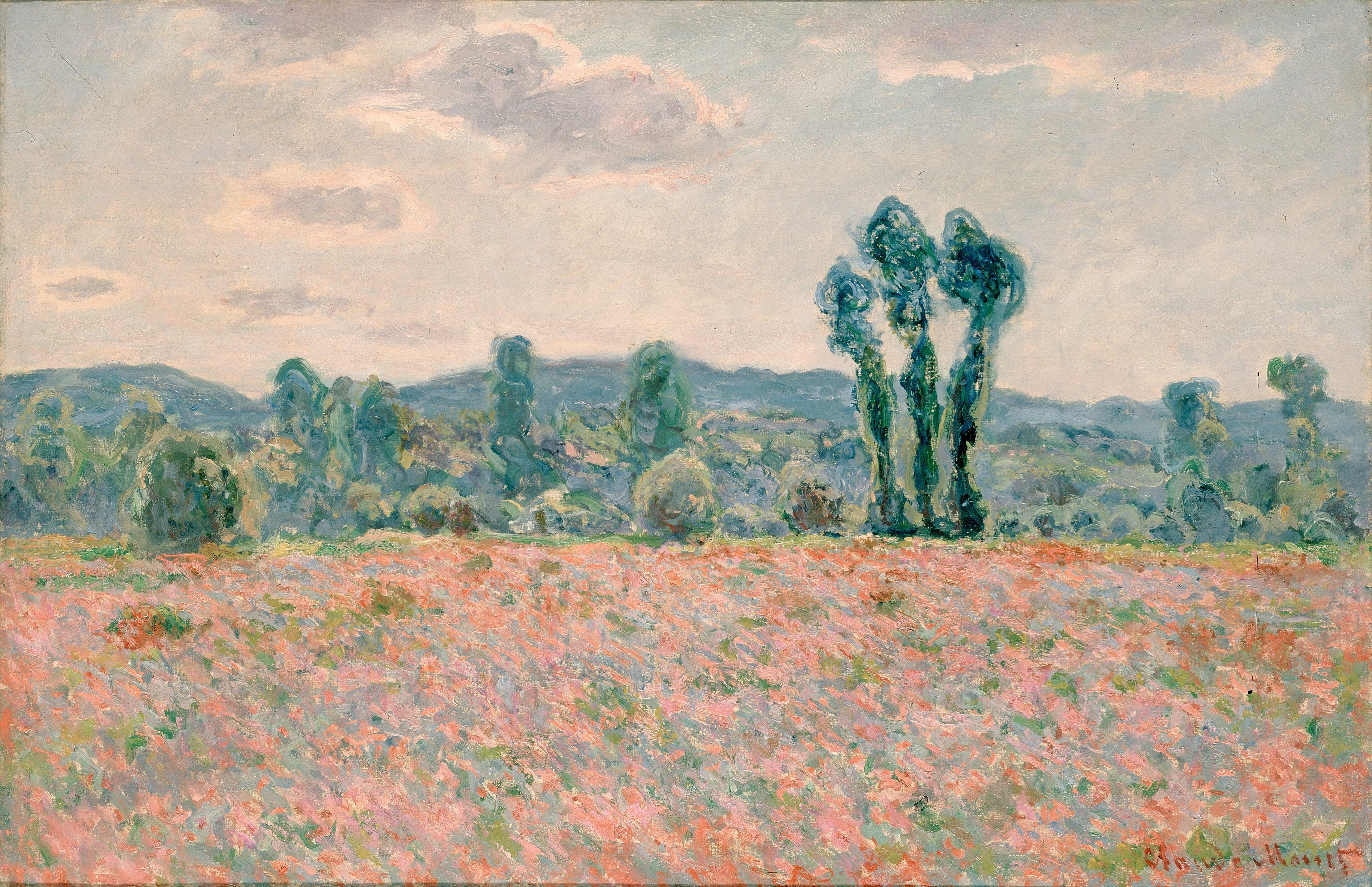
Poppy Field
Claude Monet · c. 1890
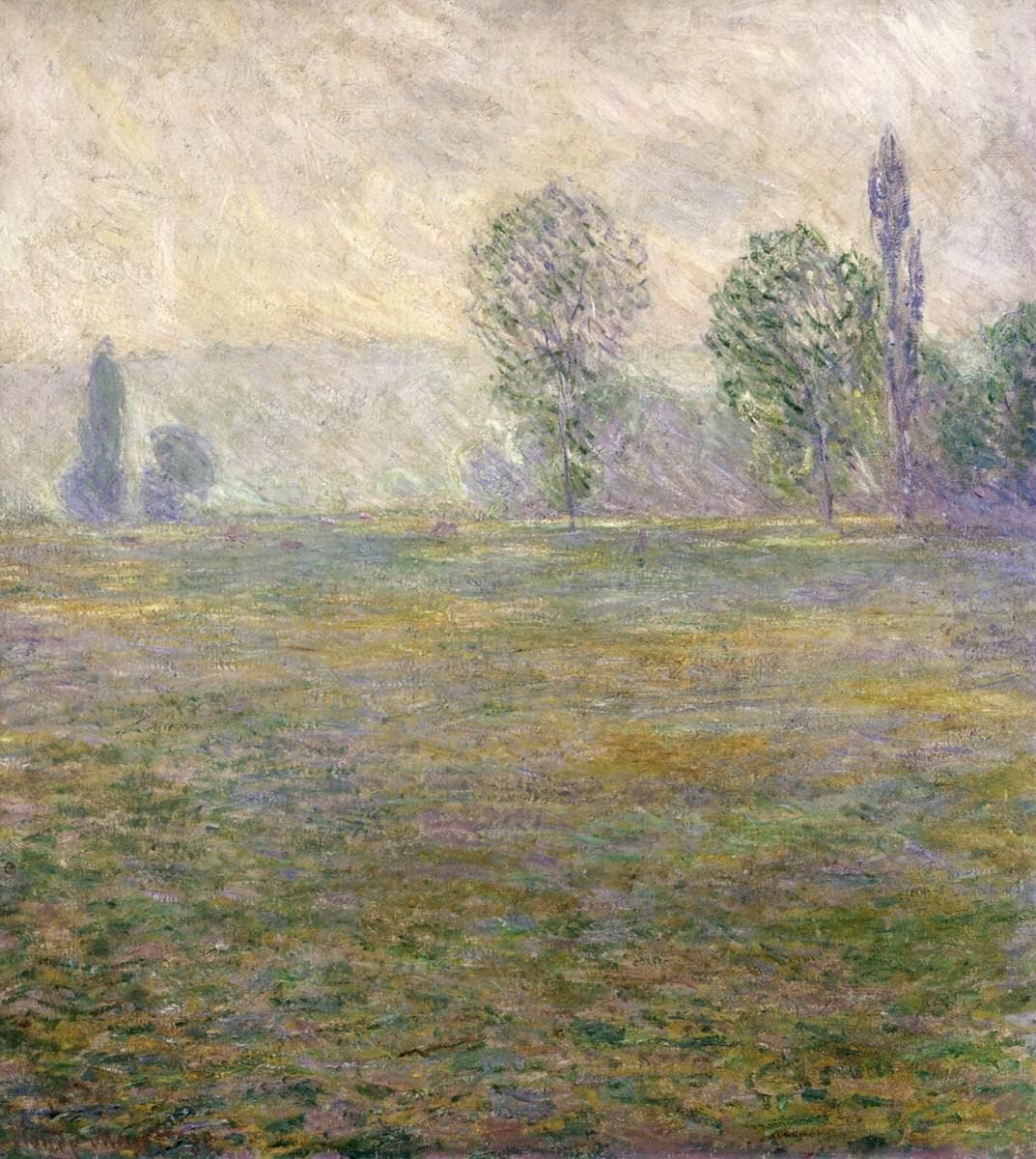
Meadow at Giverny
Claude Monet · 1888
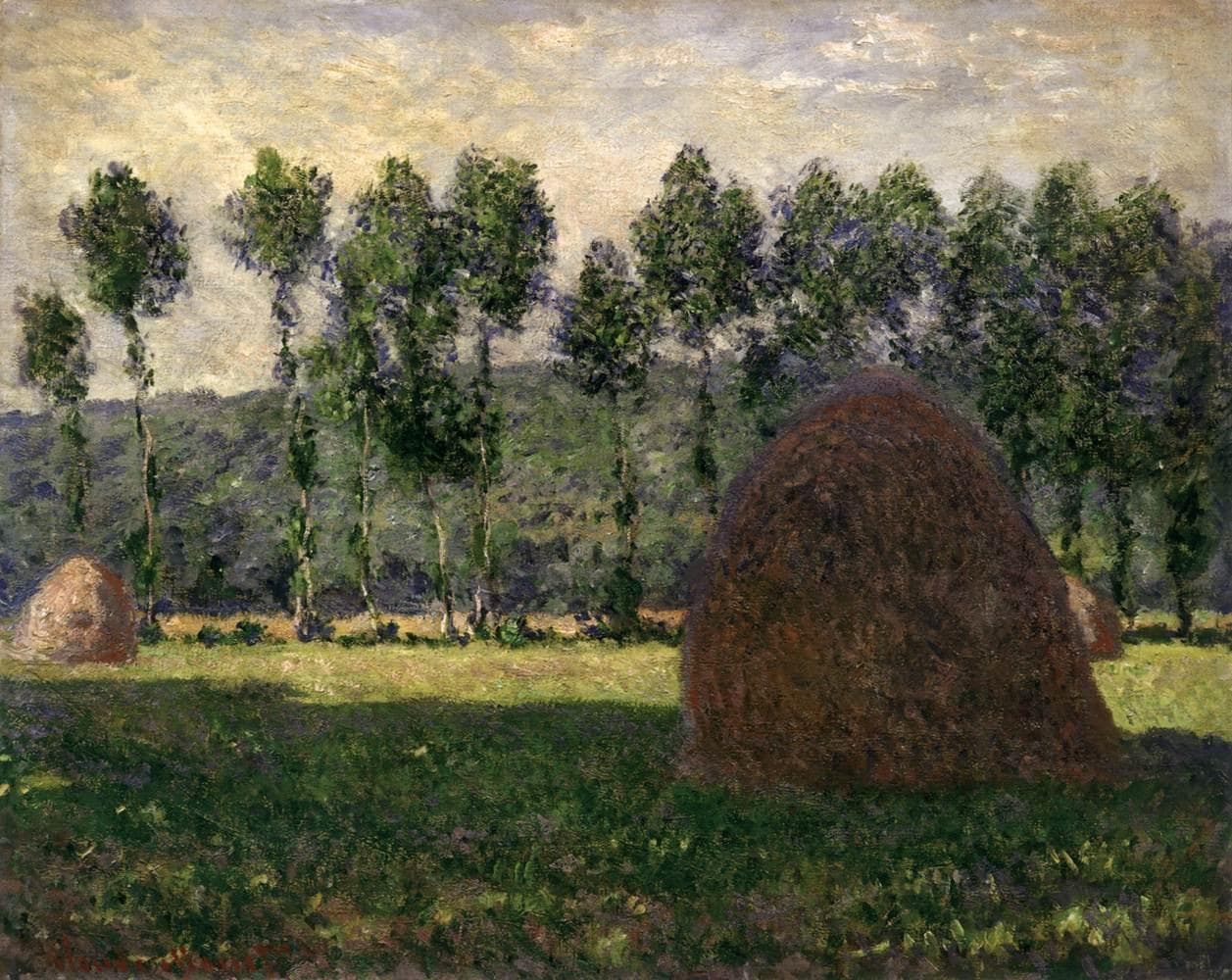
Haystack near Giverny
Claude Monet · 1884–89

The Scream
Edvard Munch · 1893

Ophelia
John Everett Millais · 1851–52

The Great Wave off Kanagawa
Katsushika Hokusai · c. 1830–32