Image: Pushkin State Museum of Fine Arts, Moscow (photograph by a Wikimedia Commons user) · Public domain · via Wikimedia Commons
Impressionism
Lilac in the Sun
Claude Monet, 1873
Lilac in the Sun is a painting by Claude Monet of about 1873 showing two figures resting in the shade of a flowering lilac bush in his garden at Argenteuil, in bright spring light. It is in the Pushkin Museum of Fine Arts, Moscow.
- Artist
- Claude Monet
- Date
- 1873
- Medium
- Oil on canvas
- Dimensions
- 50 × 65 cm
- Collection
- Pushkin State Museum of Fine Arts, Moscow, Russia
- Movement
- Impressionism
- Catalogue
- Wildenstein 204
Painted at Monet at Argenteuil
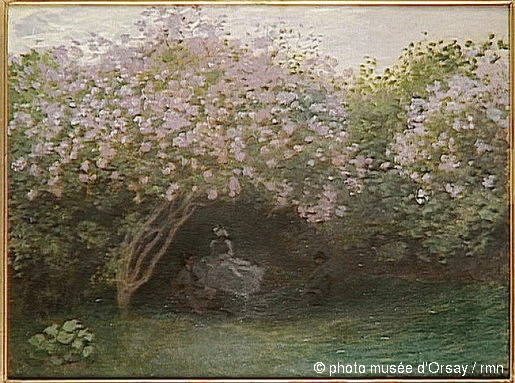
Lilac in the Sun is a garden picture Claude Monet painted at Argenteuil, near Paris, in the spring of 1873 (some sources give 1872). A huge lilac bush in full pink-mauve bloom fills the canvas, and in the shade beneath it two figures sit on the grass, almost dissolved into the dappled light. It is the sunny companion to Lilacs, Gray Weather in the Musée d'Orsay, which shows the same corner under an overcast sky. The painting belongs to the Pushkin State Museum of Fine Arts in Moscow.
What you're looking at
The lilac takes up most of the picture, a great rounded mass from the left edge to past the center. Its blossom is painted in hundreds of small strokes of pink, rose and mauve set against yellow-green and deep green leaves. To the right, other shrubs continue the wall of foliage, with a patch of blue-violet flowers at the far right. A narrow band of pale, silvery sky shows above.
Under the lilac, a cave of shade opens up. Pale twisting trunks lead into it. Inside, almost hidden, sit two women. One, at left, wears a dark dress spattered with light and holds a parasol; the other, to the right, wears a hat and a pale dress covered in yellow and pink sunspots. Their faces are barely more than a dab of color. In front of them a strip of bright lawn runs across the bottom of the canvas, sunlit at center and falling into blue-green shadow at the corners. At first glance the figures are easy to miss, and that is part of the point.
One detail rewards close looking: the woman at left holds a parasol even though she sits in shade, and its top is touched with the same pale light as the blossoms above.
Monet's garden at Argenteuil
Monet moved to Argenteuil with Camille and their son Jean at the end of 1871. The house he rented had a garden that became one of his main motifs over the next two years. He painted it in every season and often put Camille or visiting friends into it. The two women here are often thought to be Camille and a friend, but they are not identified.
The pairing with Lilacs, Gray Weather is deliberate. In the gray version, the same bush, a little cooler and flatter in color, shelters three resting figures in even, diffuse light. Seen together, the two canvases show Monet beginning to paint one motif under different conditions, the idea that would become his series method in the 1890s. Related garden pictures include Springtime, in which a woman reads in the shade, and Madame Monet and a Friend in the Garden. The town and its river are covered on Monet at Argenteuil.
How it was painted
The canvas is a standard 50 by 65 centimeters. Monet paints the lilac in small, separate, upright touches, each a single flower cluster or leaf, laid wet on wet. The shadow beneath is built from deep greens and blues rather than black, and the spots of sun on the women's dresses are thick, warm dabs added at the end. The lawn is painted more broadly, in long horizontal strokes.
The treatment of the figures, with no more detail than the leaves around them, was what conservative critics found hardest to accept. Here the human presence is just one more patch of color in the garden.
From Paris to Moscow
The painting was handled by the dealer Paul Durand-Ruel in the 1870s and again around 1891. It was bought for the Shchukin family collection in Moscow at the end of the century. After the Russian Revolution the Shchukin collections were nationalized, and the canvas was eventually transferred to the Pushkin Museum, where it hangs today among the museum's Monet paintings, which also include The Boulevard des Capucines and Rouen Cathedral, Evening. For other collections, see where to see Monet's paintings.
Questions & answers
Where is Monet's Lilac in the Sun?
It is in the Pushkin State Museum of Fine Arts in Moscow, which received it from the nationalized Shchukin collection after the Russian Revolution.
When and where was Lilac in the Sun painted?
Monet painted it in spring 1873, or possibly 1872, in the garden of his rented house at Argenteuil, northwest of Paris.
What is the companion painting to Lilac in the Sun?
Its pendant is Lilacs, Gray Weather (Lilas, temps gris) in the Musée d'Orsay, Paris, which shows the same lilac bush and resting figures under an overcast sky.
Who are the women under the lilac?
They are not identified. They are often thought to be Camille Monet and a friend, but Monet paints them with so little detail that they read as patches of light and shade.
More by the artist
Claude Monet

Bridge over a Pond of Water Lilies
Claude Monet · 1899

Woman with a Parasol – Madame Monet and Her Son
Claude Monet · 1875

Sunset in Venice
Claude Monet · 1908–12

La Grenouillère
Claude Monet · 1869

Beach in Pourville
Claude Monet · 1882

Springtime
Claude Monet · 1872

Boating on the River Epte
Claude Monet · 1890

The Seine at Asnières (Hermitage)
Claude Monet · 1873
Also painted in 1873
The same year
Lilacs, Gray Weather
Claude Monet · 1872–73
The Museum at Le Havre
Claude Monet · 1873
The Seine at Asnières
Claude Monet · 1873
Autumn Effect at Argenteuil
Claude Monet · 1873
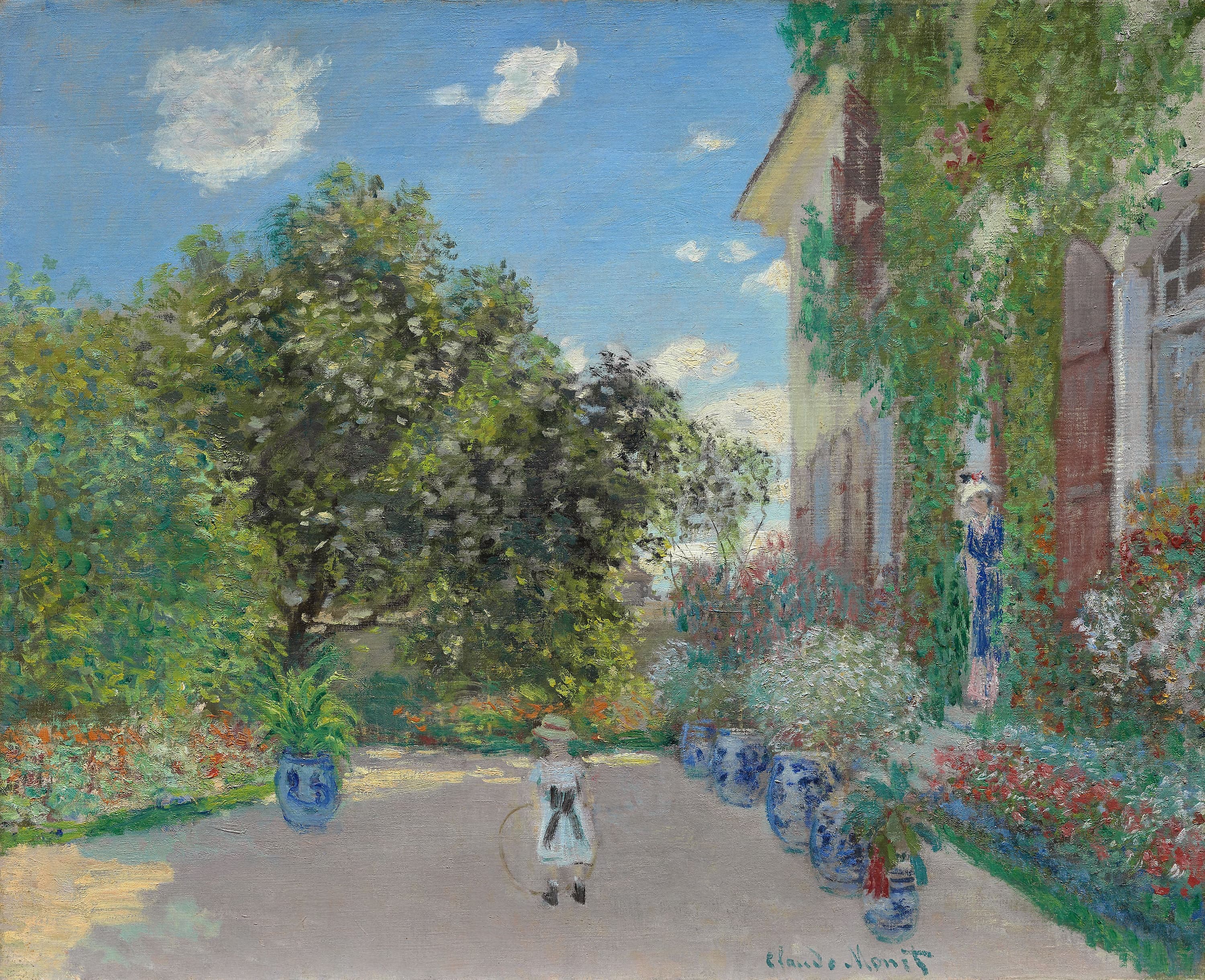
The Artist's House at Argenteuil
Claude Monet · 1873
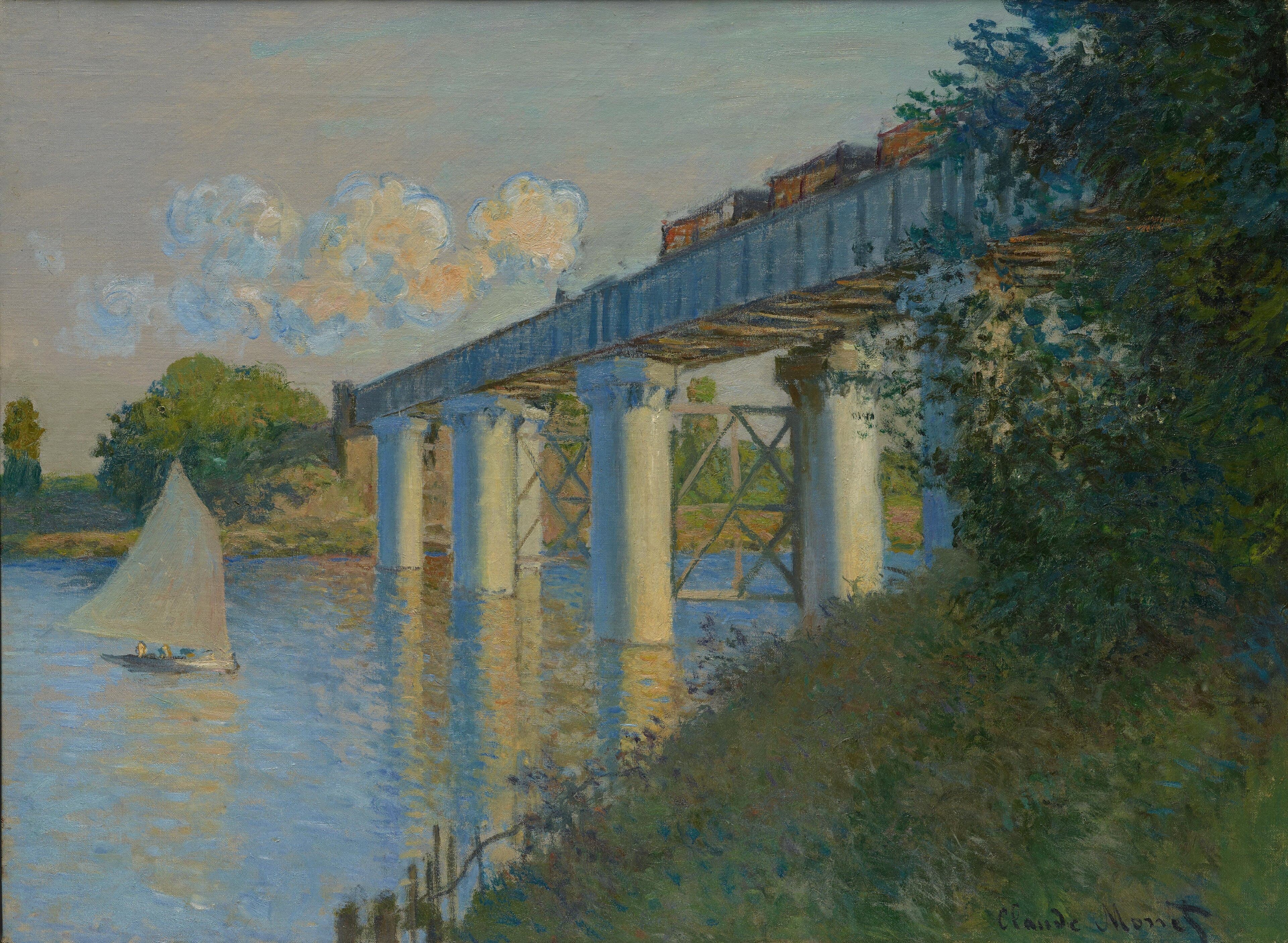
Railroad Bridge, Argenteuil
Claude Monet · 1873
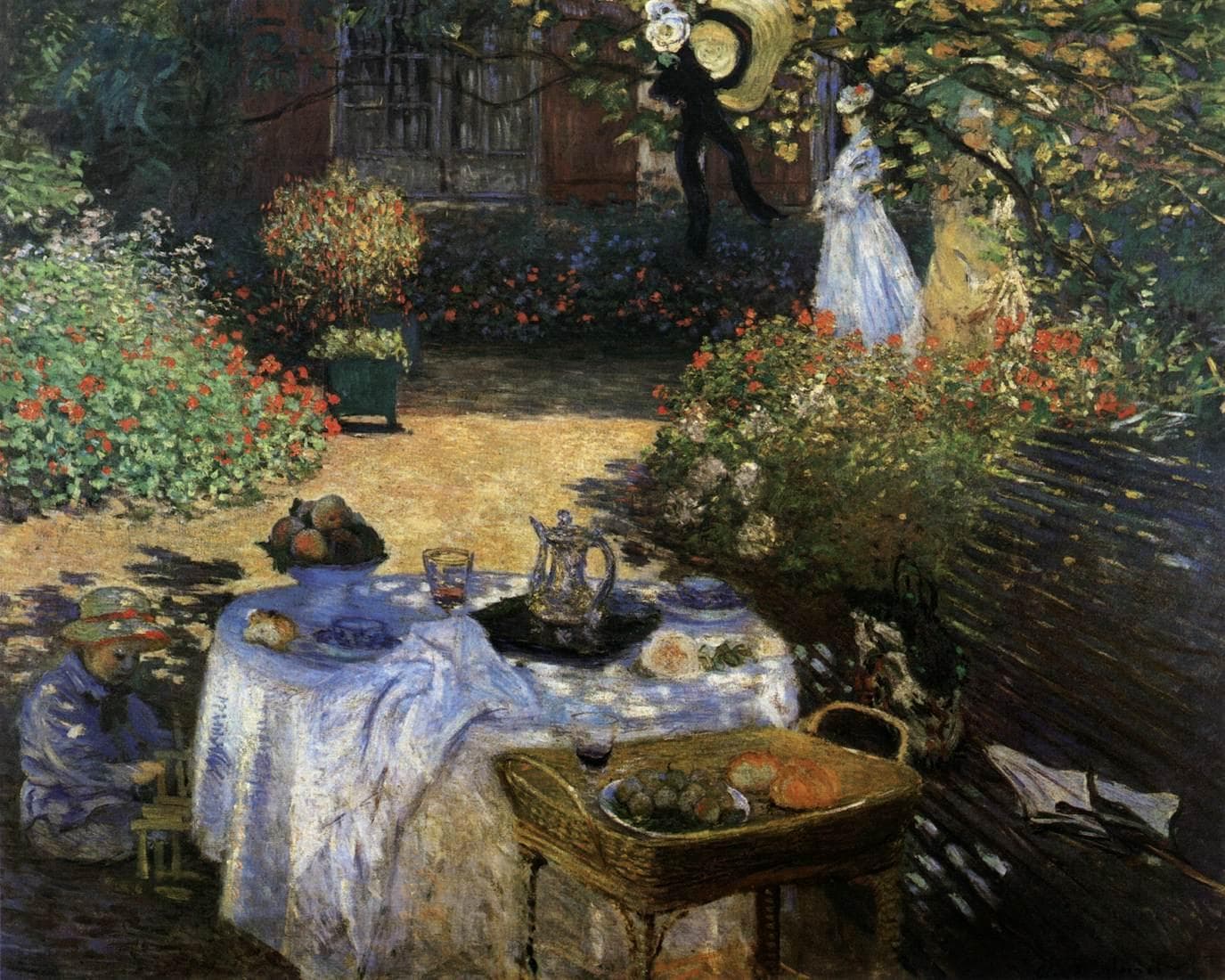
The Luncheon (Monet's Garden at Argenteuil)
Claude Monet · c. 1873
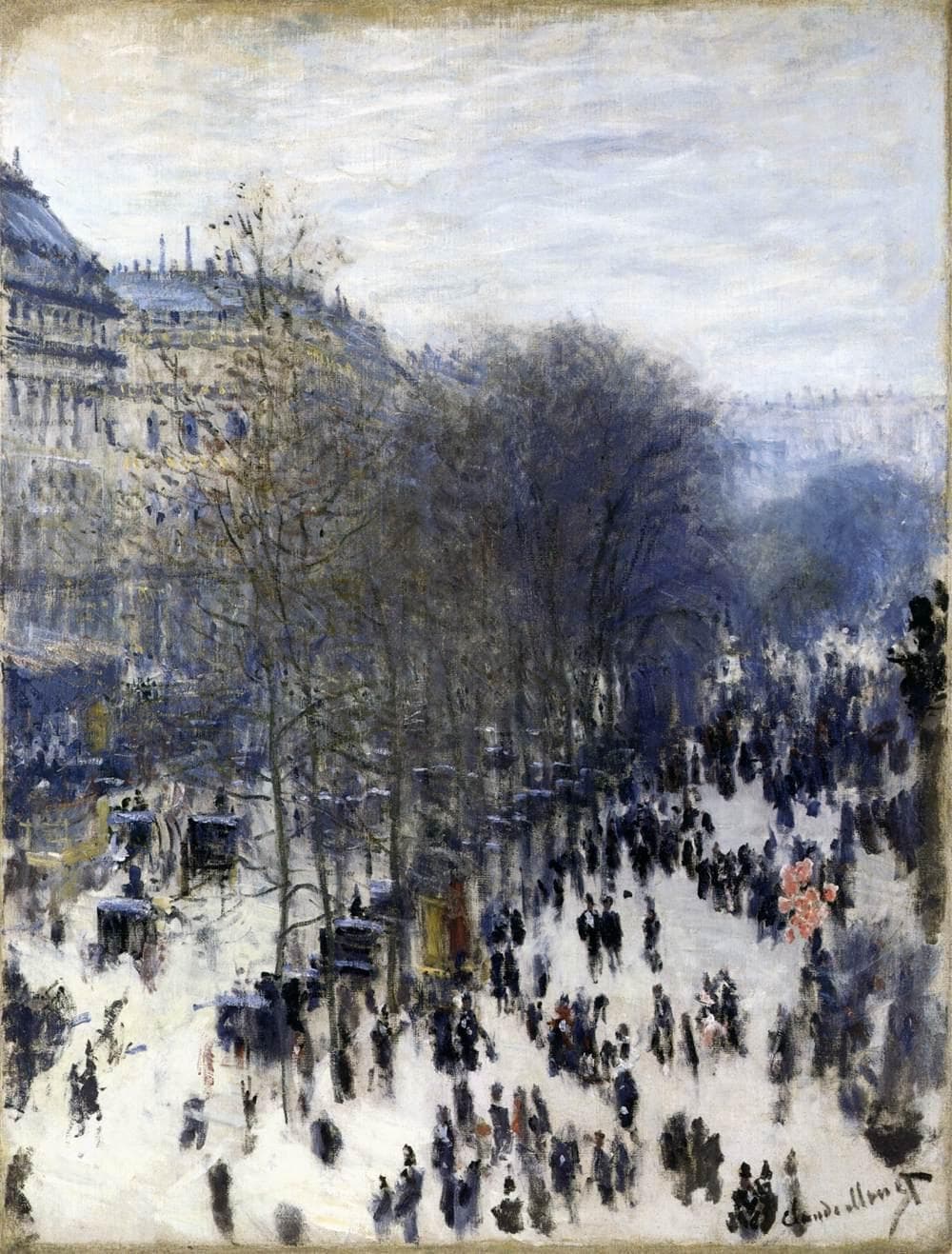
Boulevard des Capucines
Claude Monet · 1873–74
Kindred works
You may also study
Lilacs, Gray Weather
Claude Monet · 1872–73
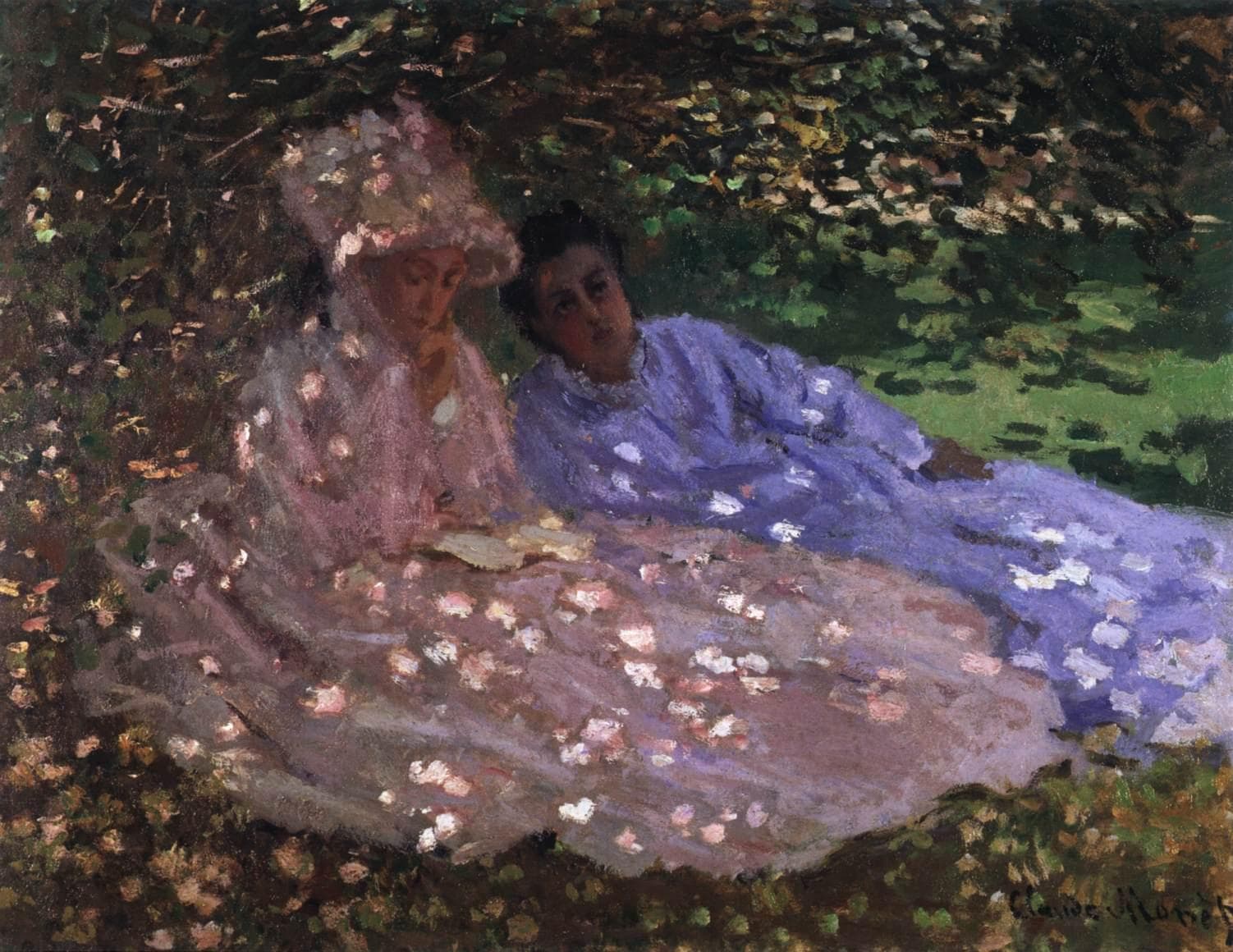
Madame Monet and a Friend in the Garden
Claude Monet · c. 1872
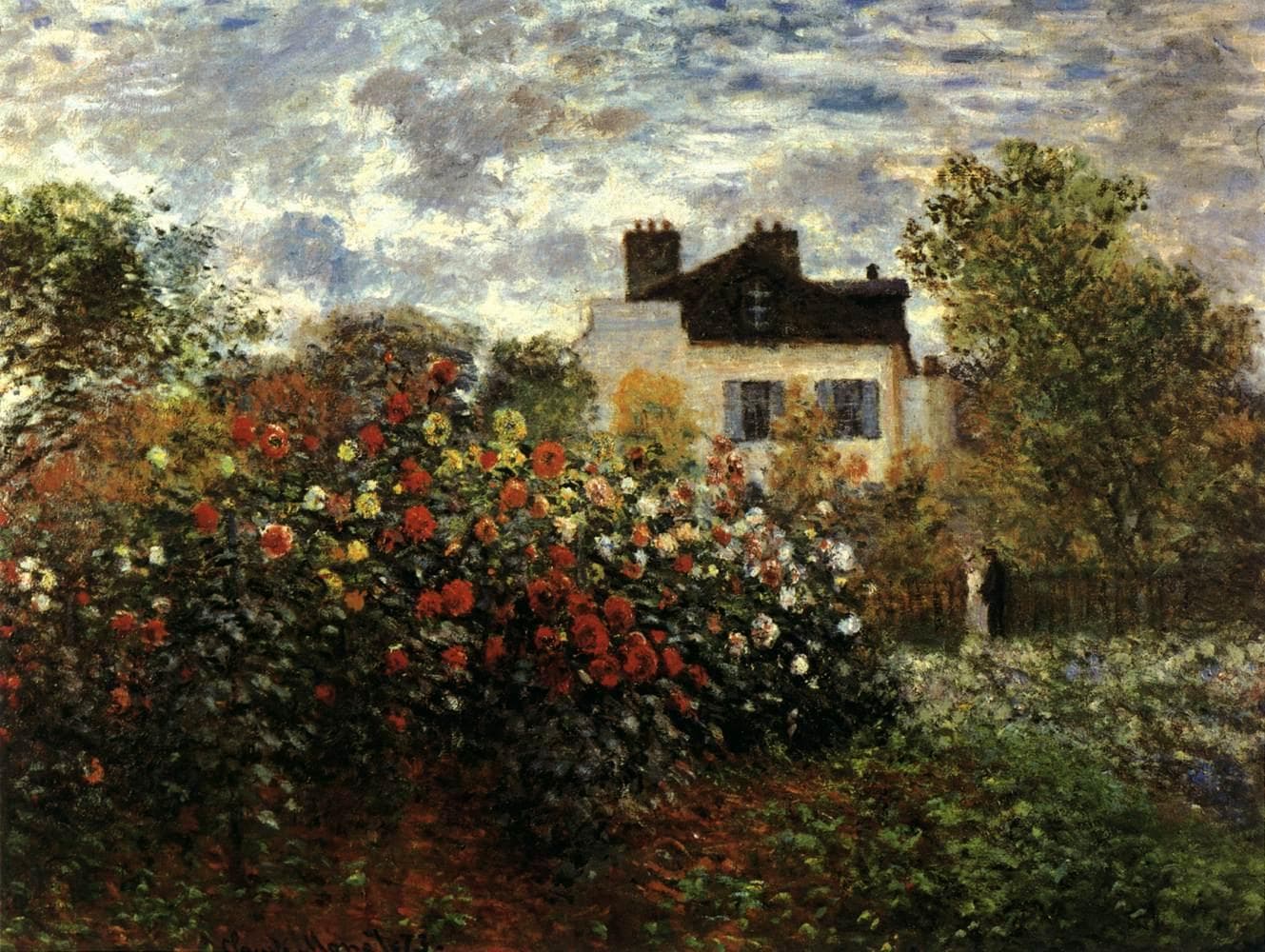
The Artist's Garden in Argenteuil (A Corner of the Garden with Dahlias)
Claude Monet · 1873
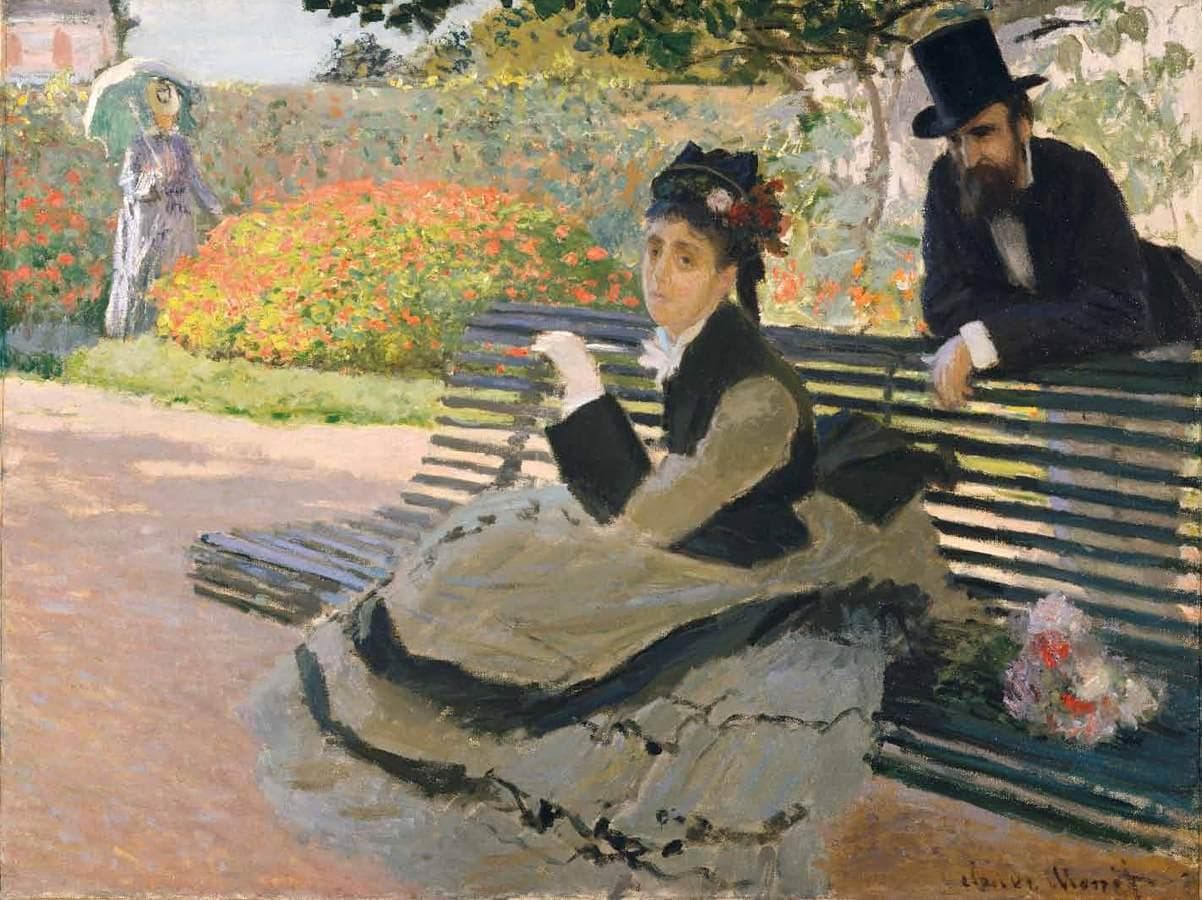
Camille Monet on a Garden Bench
Claude Monet · 1873

Venus de Milo
Alexandros of Antioch · c. 150–125 BC

The Scream
Edvard Munch · 1893

Ophelia
John Everett Millais · 1851–52

The Great Wave off Kanagawa
Katsushika Hokusai · c. 1830–32