Theme
Danse Macabre: The Dance of Death in Art
Popes, kings, merchants and children led hand in hand to the grave by grinning dead: the medieval image that still sets the pace for how we picture mortality.
The danse macabre, or Dance of Death, is a late medieval allegory in which skeletons or decaying corpses lead people from every rank of society, from pope and emperor to laborer and child, in a procession or dance to the grave. Its message is simple and merciless: death comes for everyone, without warning, and no wealth, power or virtue can buy a reprieve.
The theme first appeared in France in the early fifteenth century, in the shadow of the Black Death and the Hundred Years' War, and spread across Europe in church murals, cemetery walls, printed books and, most famously, Hans Holbein the Younger's woodcuts. It later inspired music by Franz Liszt and Camille Saint-Saëns, films, and generations of artists, down to the present. This page explains where the danse macabre came from, how to read it, the great surviving examples and the works in our collection that carry its spirit forward.
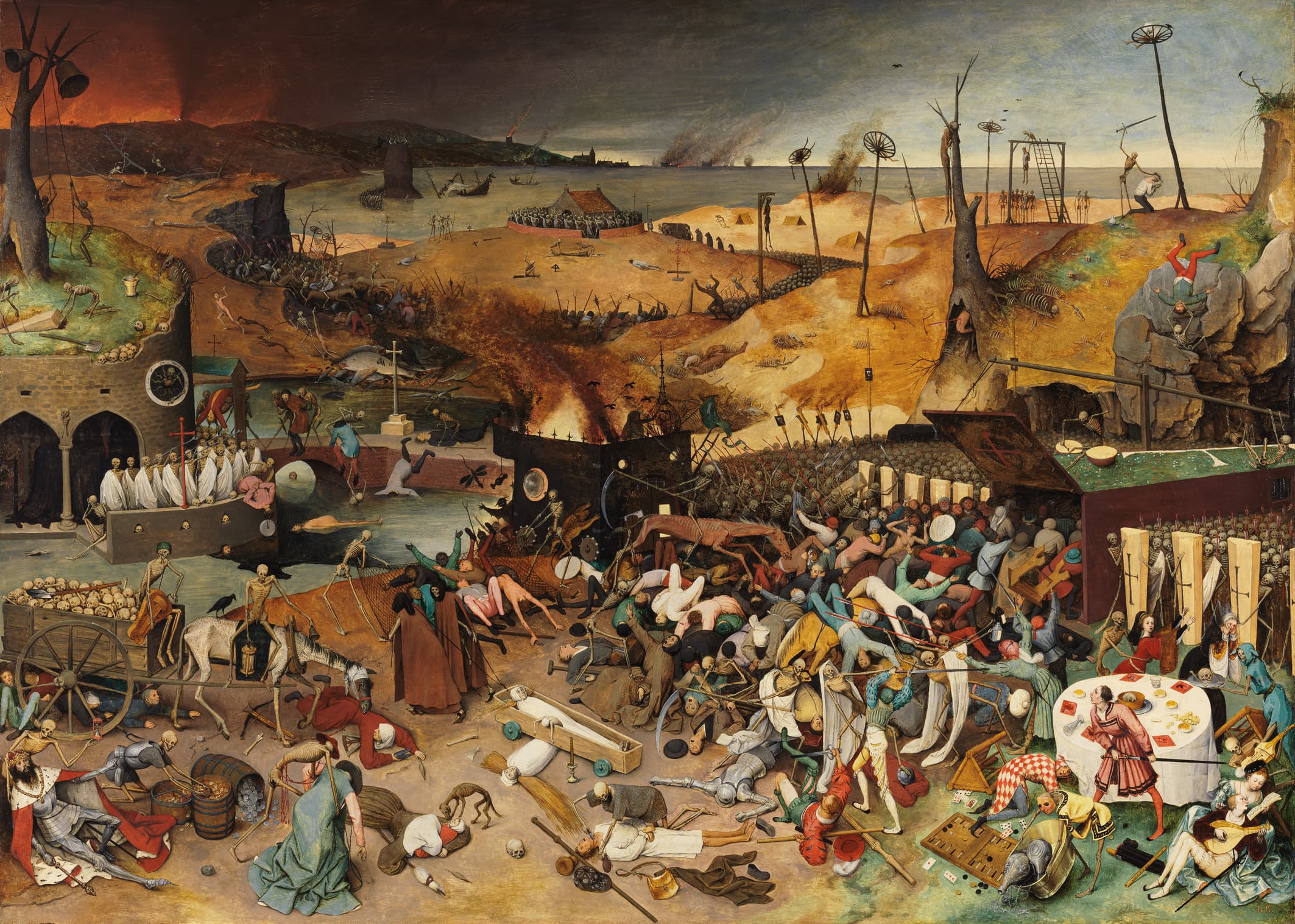
The Triumph of Death
Pieter Bruegel the Elder · c. 1562
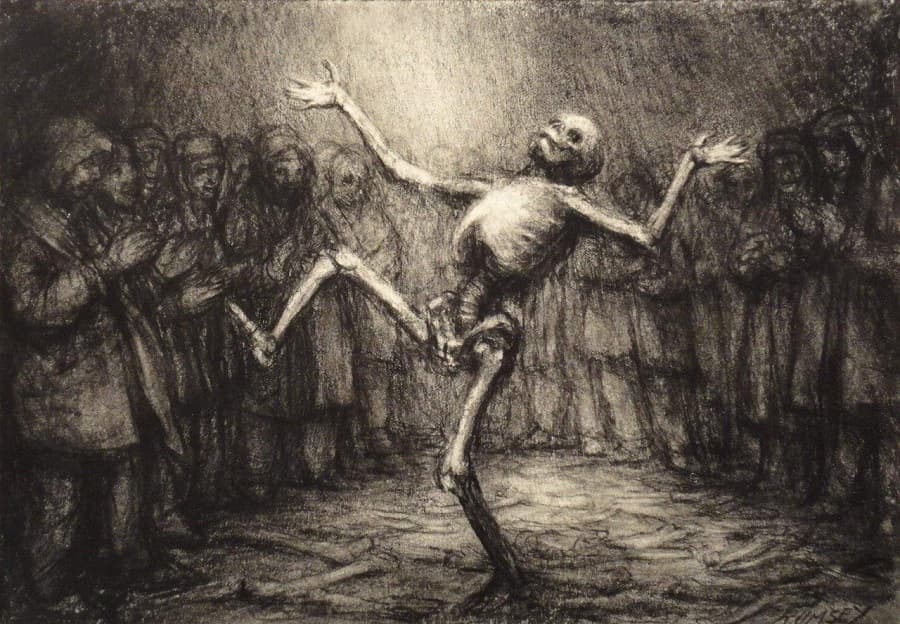
The Danse Macabre Series
Paul Rumsey
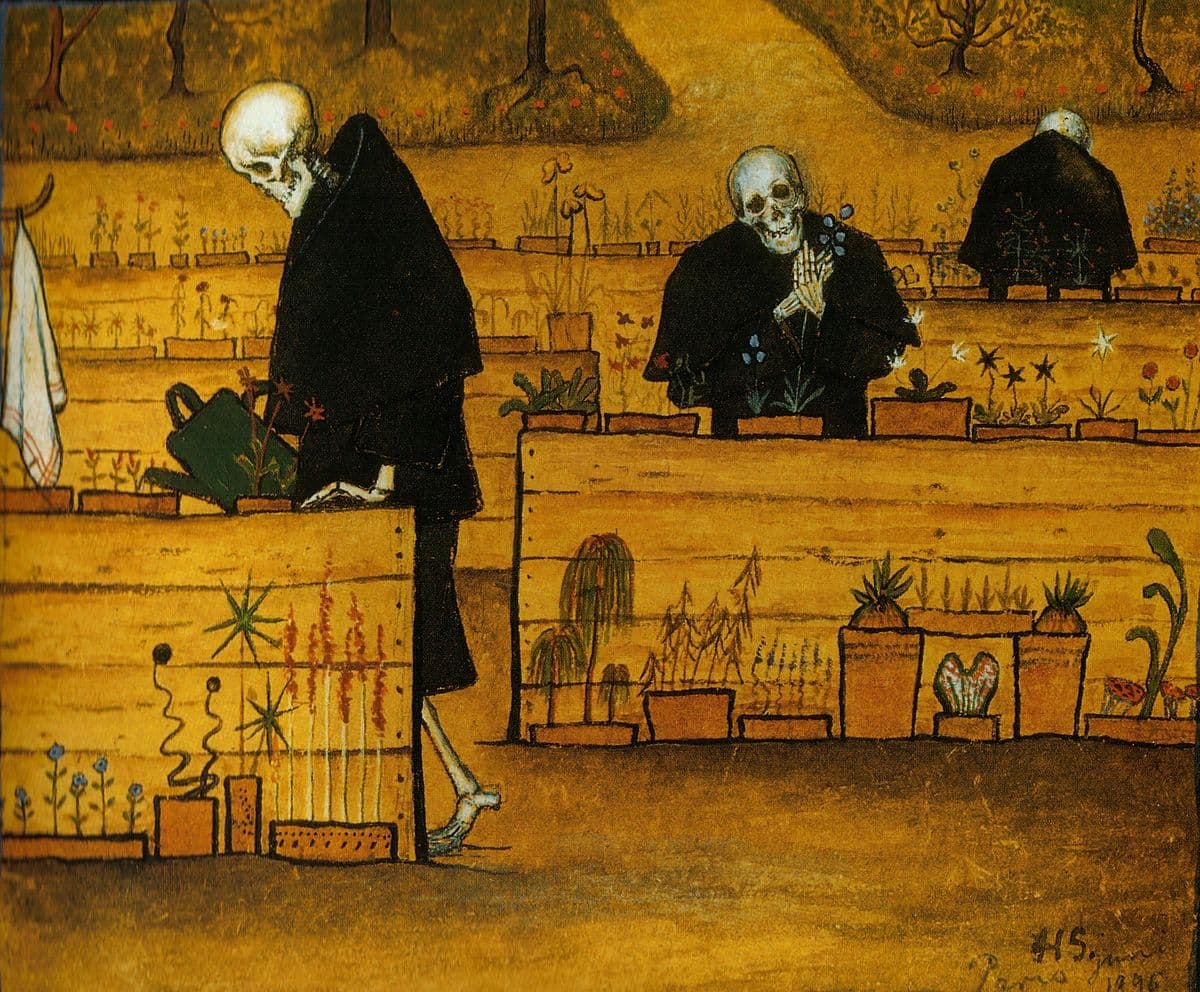
The Garden of Death
Hugo Simberg · 1896
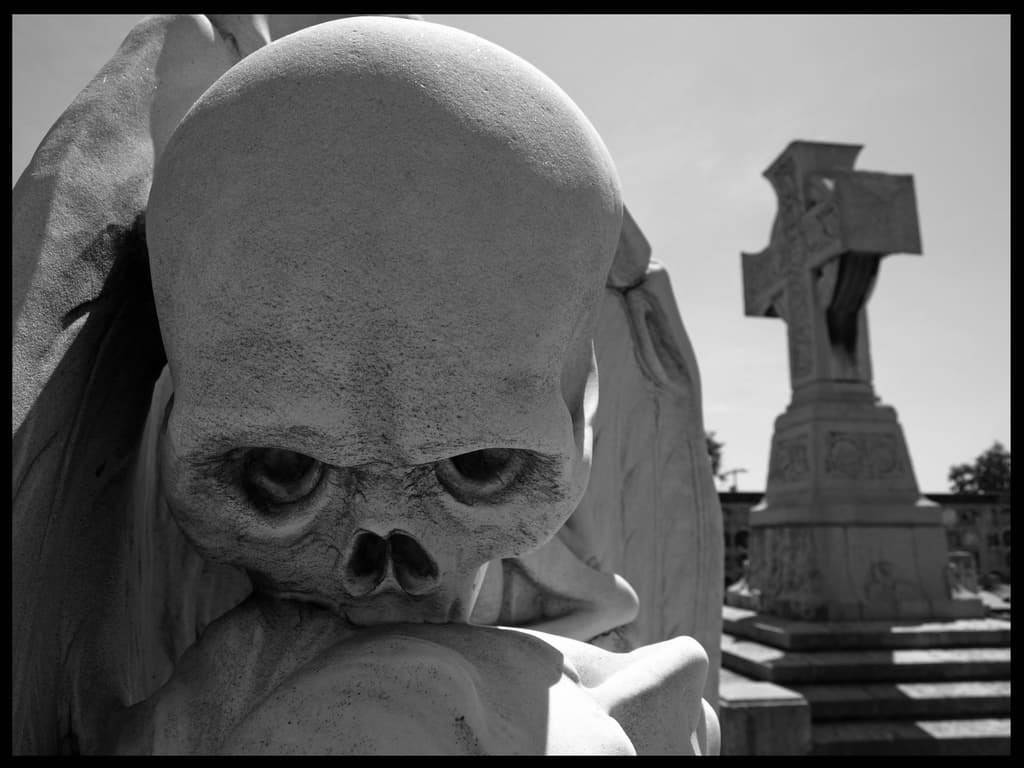
The Kiss of Death (El Petó de la Mort)
Jaume Barba & Joan Fontbernat · 1930
Head of a Skeleton with a Burning Cigarette
Vincent van Gogh · 1886
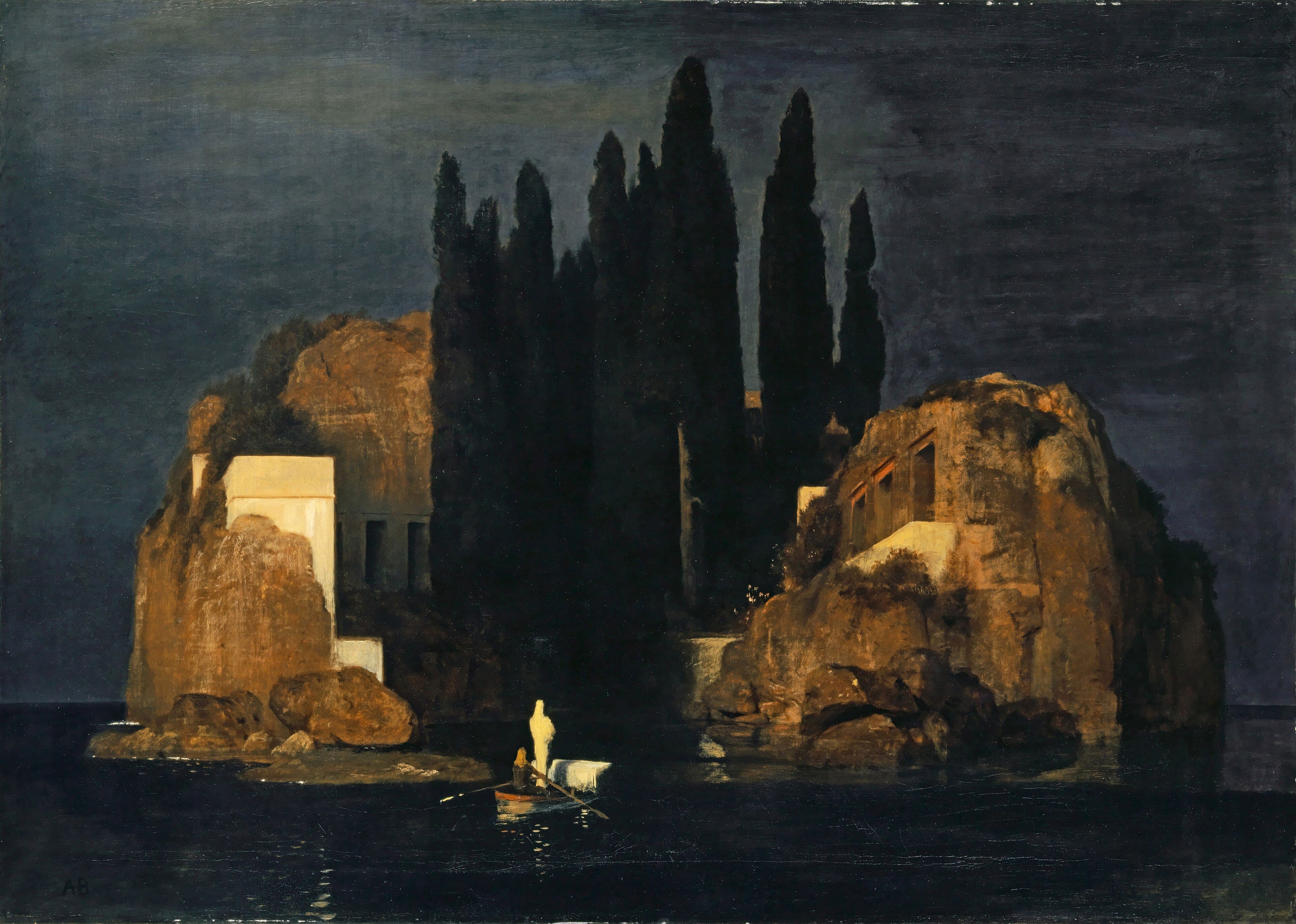
Isle of the Dead
Arnold Böcklin · 1880 (first version); five versions 1880–86
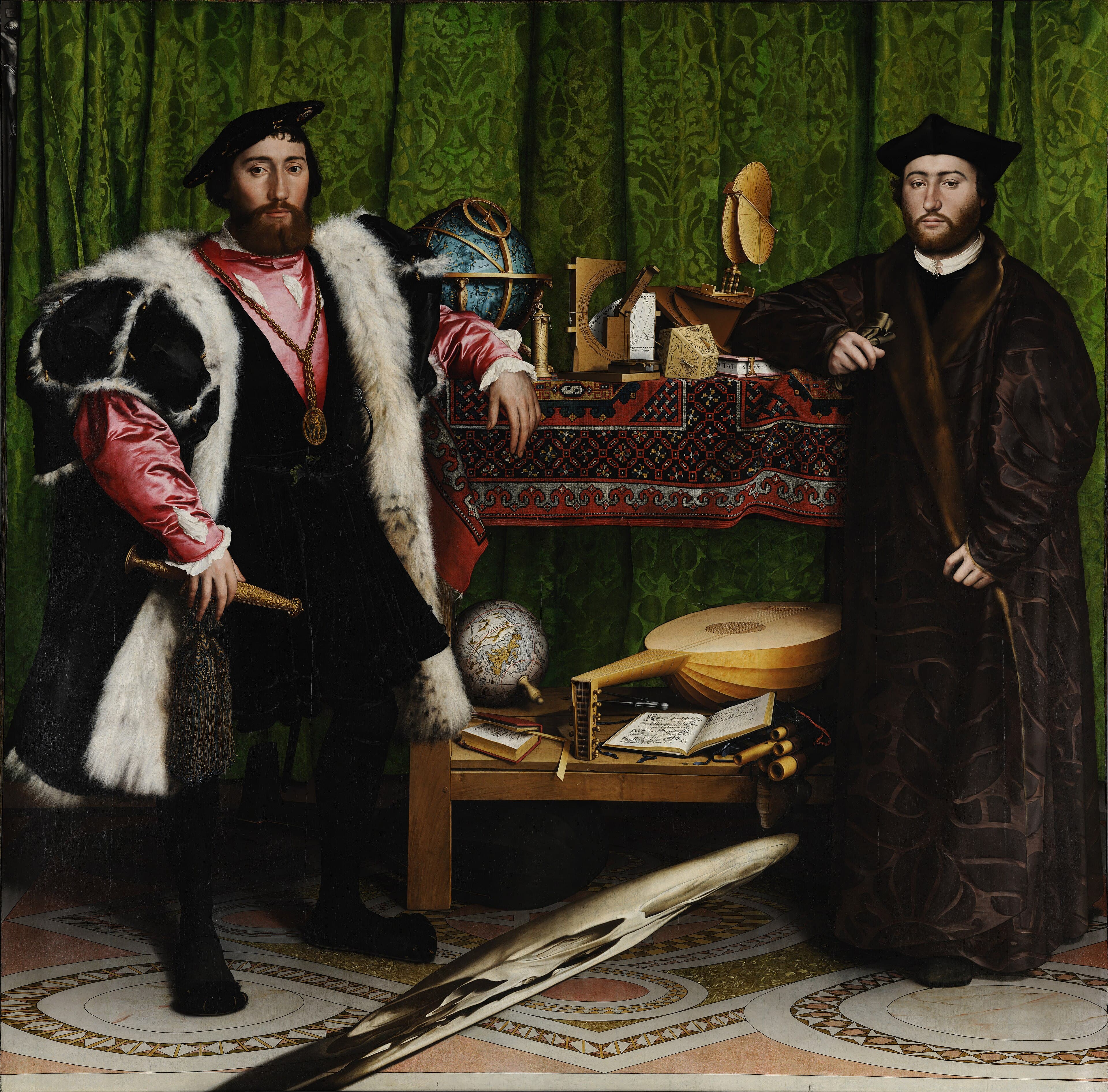
The Ambassadors
Hans Holbein the Younger · 1533
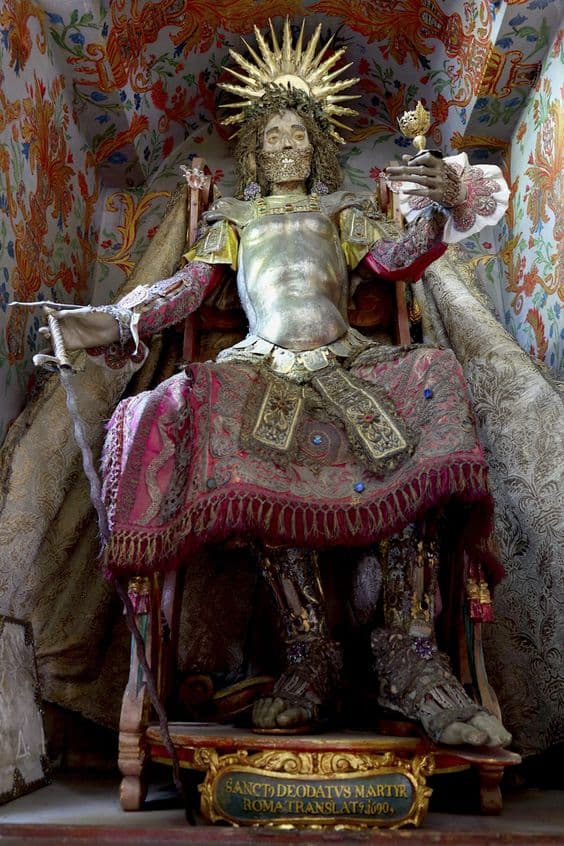
Bejeweled Skeleton of Saint Deodatus
Artist Unknown & Paul Koudounaris · Translated from Rome 1690
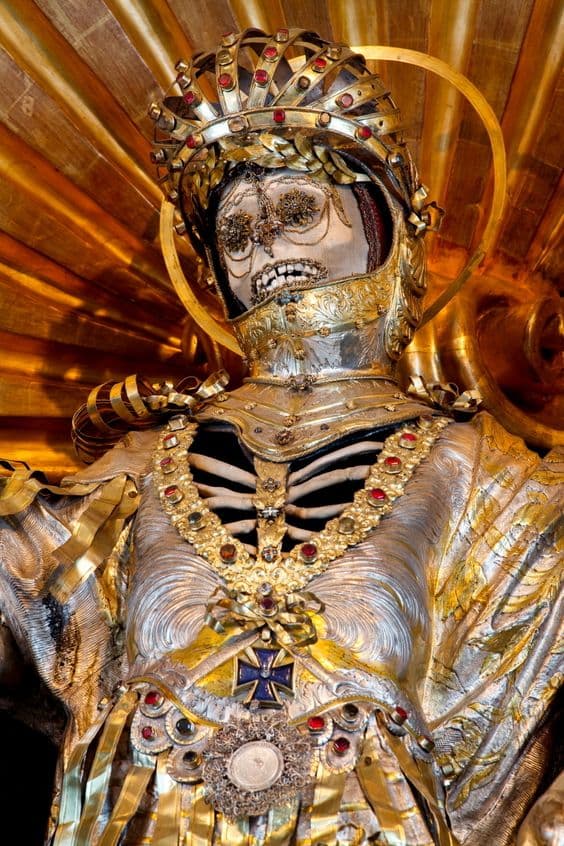
Bejeweled Skeleton of Saint Maximus
Paul Koudounaris · Late 17th century (relics acquired 1677)
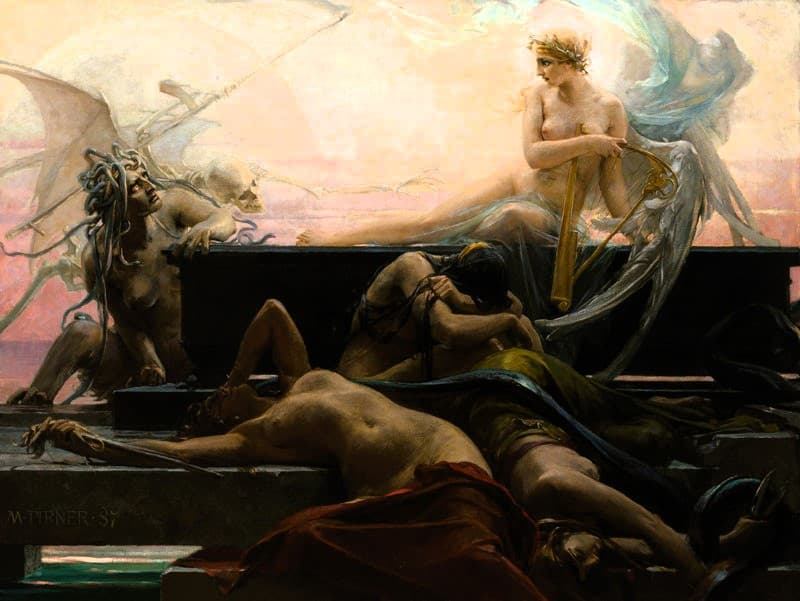
Finis (The End of All Things)
Maximilian Pirner · 1887
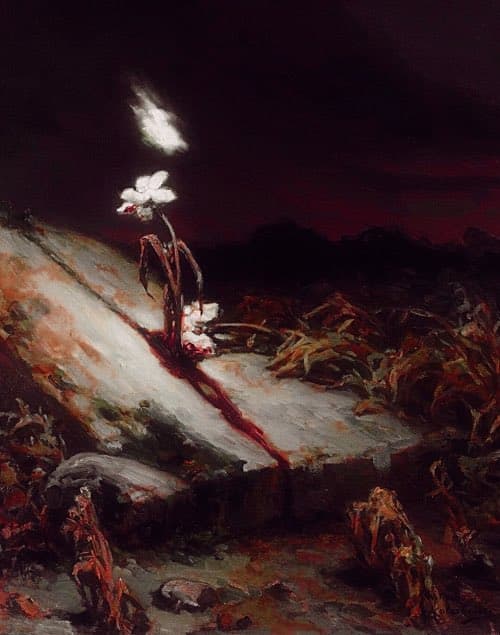
Grave of a Suicide Victim
Wilhelm Kotarbiński · c. 1900
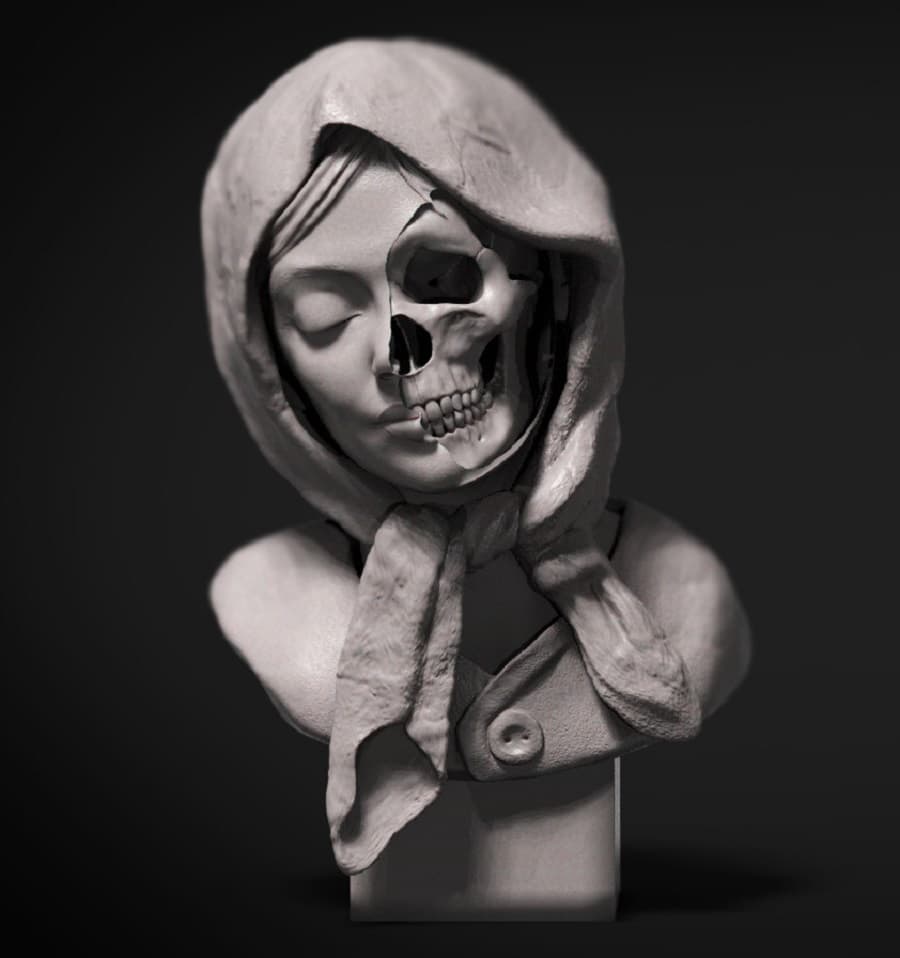
Vanitas Sculpture (Hooded Bust with Skull)
Various Artists or Collaborations
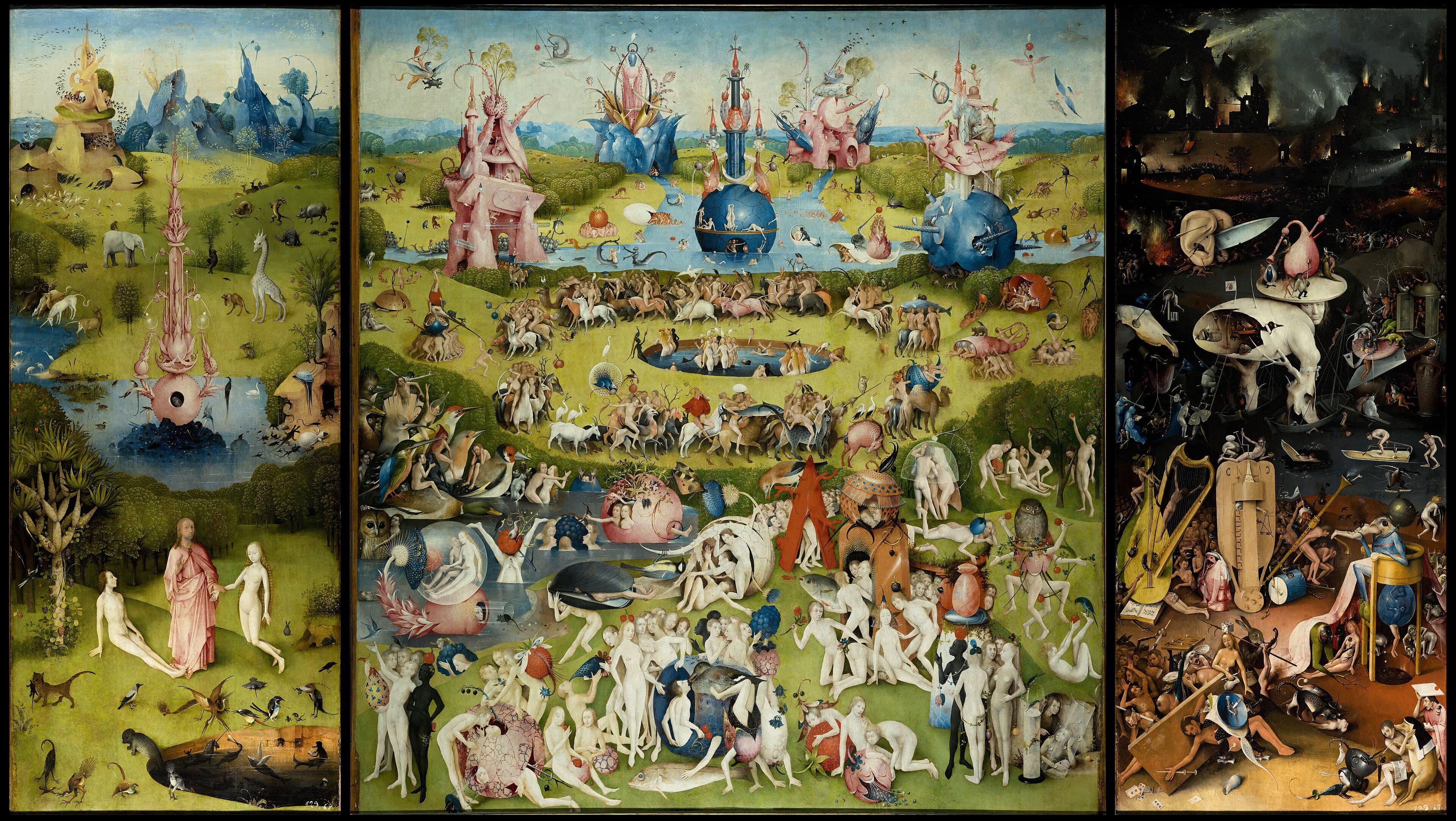
The Garden of Earthly Delights
Hieronymus Bosch · c. 1490–1510
What does danse macabre mean?
Danse macabre is French for "macabre dance." The origin of the word macabre is uncertain. Its earliest known appearance is in a poem of 1376 by Jean Le Fèvre, who wrote that he had "made the dance of Macabré," which suggests it may once have been a name.
Some scholars link it to the Maccabees, the Jewish martyrs of the Old Testament associated with prayers for the dead; others propose roots in Arabic or Hebrew words for the grave. Whatever its source, the adjective took its modern meaning, gruesome and preoccupied with death, from the dance itself. In German the theme is called the Totentanz, in Italian danza macabra, in Catalan dansa de la mort.
The Black Death and the birth of the dance
The danse macabre grew from a world saturated with death. The Black Death of 1347–51 killed perhaps a third or more of Europe's population, and plague returned again and again for centuries. War, famine and high infant mortality meant that every family knew sudden loss. At the same time, preachers urged the faithful to prepare constantly for death, and a popular literature on the art of dying well, the Ars moriendi, circulated widely.
The earliest recorded danse macabre was painted in 1424–25 on the walls of a charnel house arcade at the Cemetery of the Holy Innocents in Paris, where the bones of the dead were stacked above the cloisters. The mural was destroyed when the wall was demolished in 1669, but we know its form through a book printed in 1485 by the Parisian publisher Guy Marchant, whose woodcuts appear to copy it. Each living figure, arranged in strict order of rank, is paired with a dead partner, with short verses in which Death summons them and they reply in dismay.
How to read a danse macabre
The procession of ranks. The living appear in a hierarchy, usually starting with the pope and emperor and descending through cardinals, kings, bishops, knights, merchants, monks, lawyers, peasants and finally children. The point is equality: the dance includes everyone.
The dead partners. The figures of Death are not a single Grim Reaper but many individual corpses, often shown half-decayed, with skin hanging from their ribs, grinning, capering and mocking. They are often understood as the dead doubles of the living, mirrors of what each person will become.
Gesture and music. Death pulls, beckons, links arms or plays an instrument, often a pipe, drum or fiddle, while the living hang back.
The verses. In murals and books the images were accompanied by rhymed dialogues, making the danse macabre a form of public sermon that anyone could understand.
The great surviving examples
Many of the most famous danse macabre murals are lost. Bernt Notke's painted Totentanz in St. Mary's Church in Lübeck (1463) was destroyed by bombing in 1942; a surviving fragment of a related work by Notke, about seven and a half meters long, can still be seen in St. Nicholas' Church in Tallinn, Estonia. The great Basel Totentanz, painted around 1440 on a cemetery wall, was demolished in 1805; fragments survive in the city's Historical Museum.
Others have survived against the odds. In Istria, on the borders of Slovenia and Croatia, two small churches preserve remarkably complete cycles: the church of St. Mary at Beram, painted by Vincent of Kastav in 1474, and the Holy Trinity at Hrastovlje, painted by John of Kastav in 1490. In the latter, skeletons lead a pope, king, queen, cardinal, bishop, merchant, cripple and child toward an open grave. The abbey church of La Chaise-Dieu in the Auvergne, in central France, keeps its fifteenth-century mural, and the chapel of Kermaria an Iskuit in Brittany has another. In Lucerne, the covered Spreuer Bridge over the river Reuss still carries a series of painted panels of the Dance of Death made by Kaspar Meglinger and his workshop in the 1620s and 1630s.
Holbein's Dance of Death
The most influential version was not a mural at all. Around 1523–26, in Basel, Hans Holbein the Younger designed a series of small woodcuts of the Dance of Death, cut with astonishing delicacy by the block-cutter Hans Lützelburger. Published in book form in Lyon in 1538, they broke the procession into separate scenes, each showing Death invading the daily life of one person: tugging the plow with a peasant, emptying the purse of a rich man, taking a child from its mother's hearth, stealing the abbot's crozier. The images are wry, specific and often funny, and they were copied across Europe for centuries.
The Triumph of Death
A related but different theme is the Triumph of Death, in which Death appears as a conqueror leading an army. Its greatest painting is Pieter Bruegel the Elder's The Triumph of Death (c. 1562, Prado, Madrid). Under a sky darkened by smoke, armies of skeletons overrun a burned landscape.
A skeleton on a starving horse swings a scythe through the crowd; a cart loaded with skulls rolls forward; a dying king in his armor is shown an hourglass by a skeleton; a skeleton army herds the living into an enormous coffin-like trap. In the bottom right corner, a pair of lovers is absorbed in their music, unaware that a skeleton is playing along behind them. Where the danse macabre is a stately, almost ceremonial reminder, Bruegel's picture is a catastrophe.
The dance in music and film
The theme crossed into music in the Romantic era. Franz Liszt's Totentanz (1849) for piano and orchestra is a set of variations on the Dies irae chant, reportedly inspired by the Triumph of Death fresco in the Camposanto at Pisa. Camille Saint-Saëns's tone poem Danse macabre (1874), based on a poem by Henri Cazalis, imagines Death tuning his fiddle at midnight and summoning skeletons to dance in a graveyard until the cock crows; the solo violin's top string is tuned down from E to E-flat to give it a jarring sound. In film, the closing scene of Ingmar Bergman's The Seventh Seal (1957), in which Death leads a line of figures hand in hand along a hilltop against the sky, is the danse macabre's most famous modern image.
Death dances on: modern and contemporary works
Modern artists kept returning to the dance. In Finland, Hugo Simberg turned Death into a gentle, almost endearing figure: in The Garden of Death (1896), black-robed skeletons tend the flowers of souls with care. Vincent van Gogh's little Head of a Skeleton with a Burning Cigarette (1885–86, Van Gogh Museum), painted as a joke during his student days in Antwerp, belongs to the same tradition of laughing at death. The contemporary British artist Paul Rumsey's Danse Macabre series revisits the medieval allegory in dense, surreal compositions, and cemetery sculpture such as The Kiss of Death in Barcelona's Poblenou Cemetery, where a winged skeleton kisses the forehead of a young man, keeps the meeting between the living and the dead at the center of the image.
Danse macabre, memento mori and vanitas
The danse macabre belongs to a family of images about mortality. Memento mori, Latin for "remember that you must die," is the broad idea behind them all. Vanitas still lifes, popular in the seventeenth-century Netherlands, express it through objects: skulls, guttering candles, hourglasses and wilting flowers. The danse macabre expresses it through a crowd, insisting above all on equality before death. See our collections on memento mori and vanitas and death in art for the wider tradition.
Why the danse macabre still matters
The dance has outlived the plague that produced it because its central joke is permanent: everyone dances eventually. Its mixture of terror and humor, its delight in grinning skeletons and its sharp social satire, in which the rich and powerful are dragged off as surely as the poor, make it one of the most democratic images in the history of art.
Questions & answers
What is the danse macabre?
The danse macabre, or Dance of Death, is a late medieval allegory showing skeletons or corpses leading people of every social rank, from pope and emperor to peasant and child, in a dance to the grave. It reminds viewers that death is universal and unpredictable and that earthly status means nothing in the end.
What is the meaning of danse macabre?
Danse macabre is French for macabre dance. Its meaning is that death comes to everyone equally, regardless of wealth, power or age, so one should live prepared for it. The images also served as social satire, showing the rich and powerful dragged away as surely as the poor.
Where did the danse macabre originate?
The earliest recorded danse macabre was a mural painted in 1424–25 at the Cemetery of the Holy Innocents in Paris. It was destroyed in 1669, but it is known through woodcuts published by Guy Marchant in 1485. The theme then spread across France, Germany, Switzerland, Italy and the Baltic.
What is the most famous danse macabre artwork?
Hans Holbein the Younger's Dance of Death woodcuts, designed in the 1520s and published in 1538, are the most influential version. The best-preserved murals are at Hrastovlje in Slovenia and Beram in Croatia, and the fragment of Bernt Notke's Danse Macabre in Tallinn is also famous.
What is the difference between the danse macabre and the Triumph of Death?
The danse macabre pairs each living person with a dead partner in an orderly procession, stressing equality before death. The Triumph of Death shows Death as a conquering force, often with an army, sweeping all before it, as in Pieter Bruegel the Elder's painting in the Prado.