Image: Belvedere, Vienna · Public domain · via Wikimedia Commons
Impressionism
Portrait of Père Paul
Claude Monet, 1882
Portrait of Père Paul is Claude Monet's 1882 portrait of Paul Antoine Graff, the bearded chef and innkeeper who lodged him at Pourville on the Normandy coast, in white cap and jacket. It is in the Belvedere, Vienna.
- Artist
- Claude Monet
- Date
- 1882
- Medium
- Oil on canvas
- Dimensions
- 64.5 × 52.1 cm
- Collection
- Belvedere (Österreichische Galerie Belvedere), Vienna, Austria
- Movement
- Impressionism
- Catalogue
- Wildenstein 744
Portrait of Père Paul is one of the rare portraits Claude Monet painted in the 1880s. The sitter is Paul Antoine Graff, known as Père Paul, the cook and owner of the small hotel-restaurant where Monet stayed at Pourville, near Dieppe, in the spring of 1882. He is shown in his white chef's cap and jacket, with a thick, untidy beard and a look of shrewd good humor. Signed and dated 82 at upper right, the canvas is in the Belvedere in Vienna.
What you're looking at
The chef is seen half-length, almost frontally, against a plain background of soft green and pale blue brushed in loose swirls. His tall, puffed cap leans to one side and is painted in fat, curling strokes of white tinged with pink and blue. His face is the most worked part of the picture. The skin is built up in warm reds and oranges, the brow is creased, and his small blue eyes look off to our left, not at the painter. The beard is a mass of dark blue, gray and brown strokes, dragged and twisted, that almost hides his mouth and spills down over a dark neckerchief knotted at the throat.
Below the beard, the jacket is barely more than a sketch. Long, flowing strokes of white, cream and light blue suggest the folds and the crossed front, and toward the bottom the paint thins out until the bare canvas shows through. The figure seems to fade into the background, which gives the portrait a rough oval shape. The colors are carefully paired: the ruddy face against the cool green ground, the dark beard against the white clothes.
Pourville and the Graffs
In February 1882 Monet left Poissy, where he was living with Alice Hoschedé and their combined children, to look for motifs on the Channel coast. Dieppe disappointed him, and he moved a few kilometers west to Pourville, where he took a room at the Hôtel-Restaurant À la Renommée des Galettes. It was run by Paul Antoine Graff (1823–1893) and his wife, Alsatians who had come to Normandy after the war of 1870. Graff's specialty was galettes, flat puff-pastry cakes, which Monet also painted in a still life.
Monet wrote to Alice that he could not be nearer the sea, with the waves reaching the foot of the house, and he praised Père Paul's cooking. He painted around forty canvases during that first stay, mostly cliffs and beaches such as Beach in Pourville, Cliff Walk at Pourville and The Rocks at Pourville, Low Tide. He also painted the Graffs: this portrait, and La Mère Paul, a portrait of Madame Graff with her terrier, now in the Harvard Art Museums. The pair were probably a thank-you for their hospitality. The Normandy coast pictures are gathered on Étretat and the Normandy Coast.
How it was painted
Monet called the picture a curious sketch, and it has the speed of one. The face is modeled with firm, separate strokes of color rather than smooth transitions, and the nose is picked out with a stronger version of the same tones. Several writers have noticed a hint of caricature in the bristling beard and tilted cap. Monet had begun his career as a teenage caricaturist in Le Havre, and the exaggerated features recall those drawings. Compare his portrait of the fisherman Poly at Belle-Île, painted four years later, and his own Self-Portrait in Beret of 1886.
After the death of Camille in 1879 Monet painted very few portraits outside his family, which makes this one unusual. It is direct and affectionate, a picture of a particular man rather than a type.
Ownership and where to see it
Monet gave the painting to Graff. After Graff's death it passed through the dealers Knoedler and Paul Durand-Ruel. It was shown in Vienna in 1903 at the Secession's exhibition on the development of Impressionism, alongside La Mère Paul. That year it was bought for the Moderne Galerie, the forerunner of today's Belvedere, where it still hangs. It is one of two Monet canvases from 1882 in the museum, with Anglers on the Seine at Poissy. For other collections, see where to see Monet's paintings.
Questions & answers
Where is Monet's Portrait of Père Paul?
It is in the Belvedere (Österreichische Galerie Belvedere) in Vienna. It was bought in 1903 for the Moderne Galerie, the predecessor of today's Belvedere, after being shown at the Vienna Secession.
Who was Père Paul?
Père Paul was Paul Antoine Graff (1823–1893), an Alsatian cook who ran the hotel-restaurant À la Renommée des Galettes at Pourville, near Dieppe, where Monet lodged in 1882. Monet also painted his wife, known as La Mère Paul.
When and where was Portrait of Père Paul painted?
Monet painted it at Pourville on the Normandy coast in early 1882, during his first stay there. It is signed and dated '82 at the upper right.
Did Monet paint many portraits?
Relatively few, especially after 1879. Portrait of Père Paul and La Mère Paul are among the handful of portraits he painted of people outside his family in the 1880s.
More by the artist
Claude Monet

Bridge over a Pond of Water Lilies
Claude Monet · 1899

Woman with a Parasol – Madame Monet and Her Son
Claude Monet · 1875

Sunset in Venice
Claude Monet · 1908–12

La Grenouillère
Claude Monet · 1869

Beach in Pourville
Claude Monet · 1882

Springtime
Claude Monet · 1872

Boating on the River Epte
Claude Monet · 1890

The Seine at Asnières (Hermitage)
Claude Monet · 1873
Also painted in 1882
The same year
Kindred works
You may also study
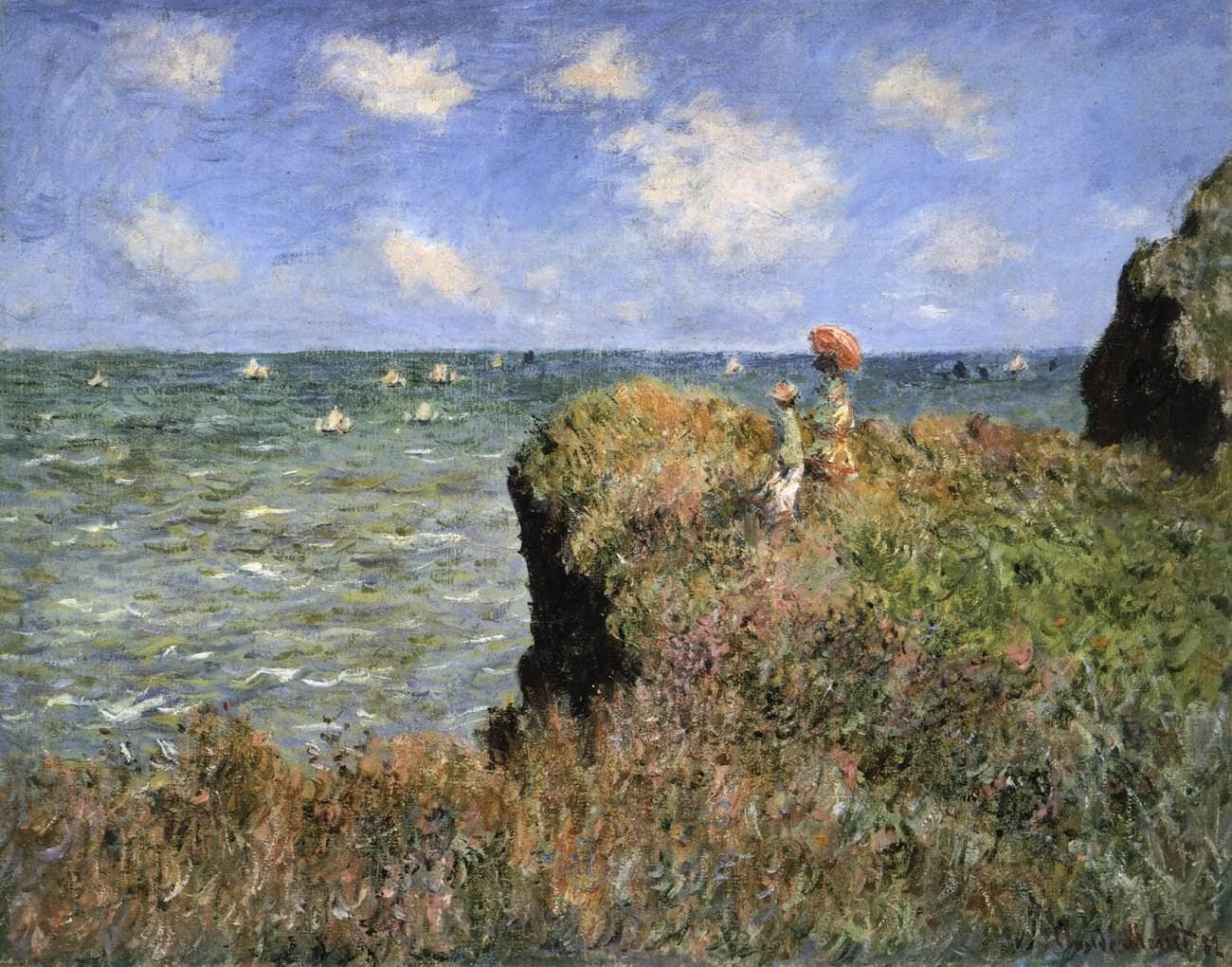
Cliff Walk at Pourville
Claude Monet · 1882
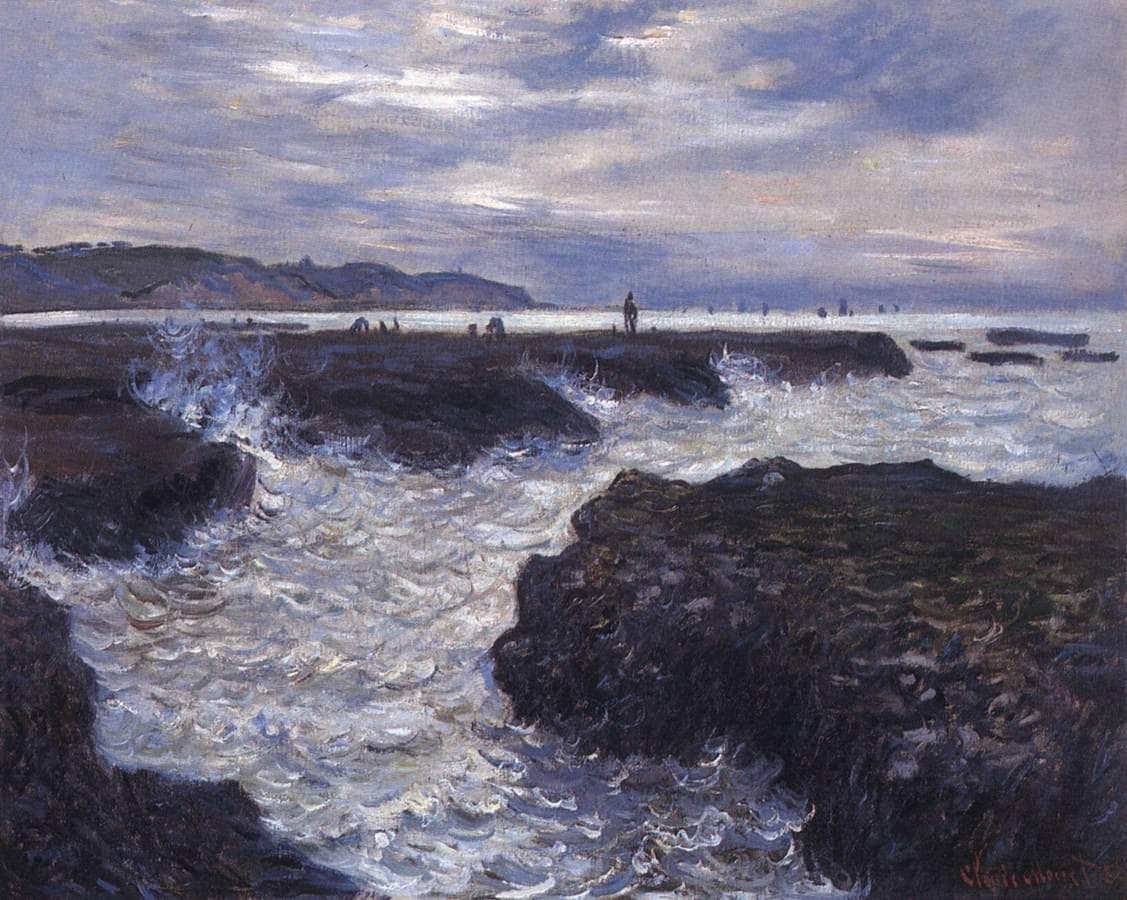
The Rocks at Pourville, Low Tide
Claude Monet · 1882
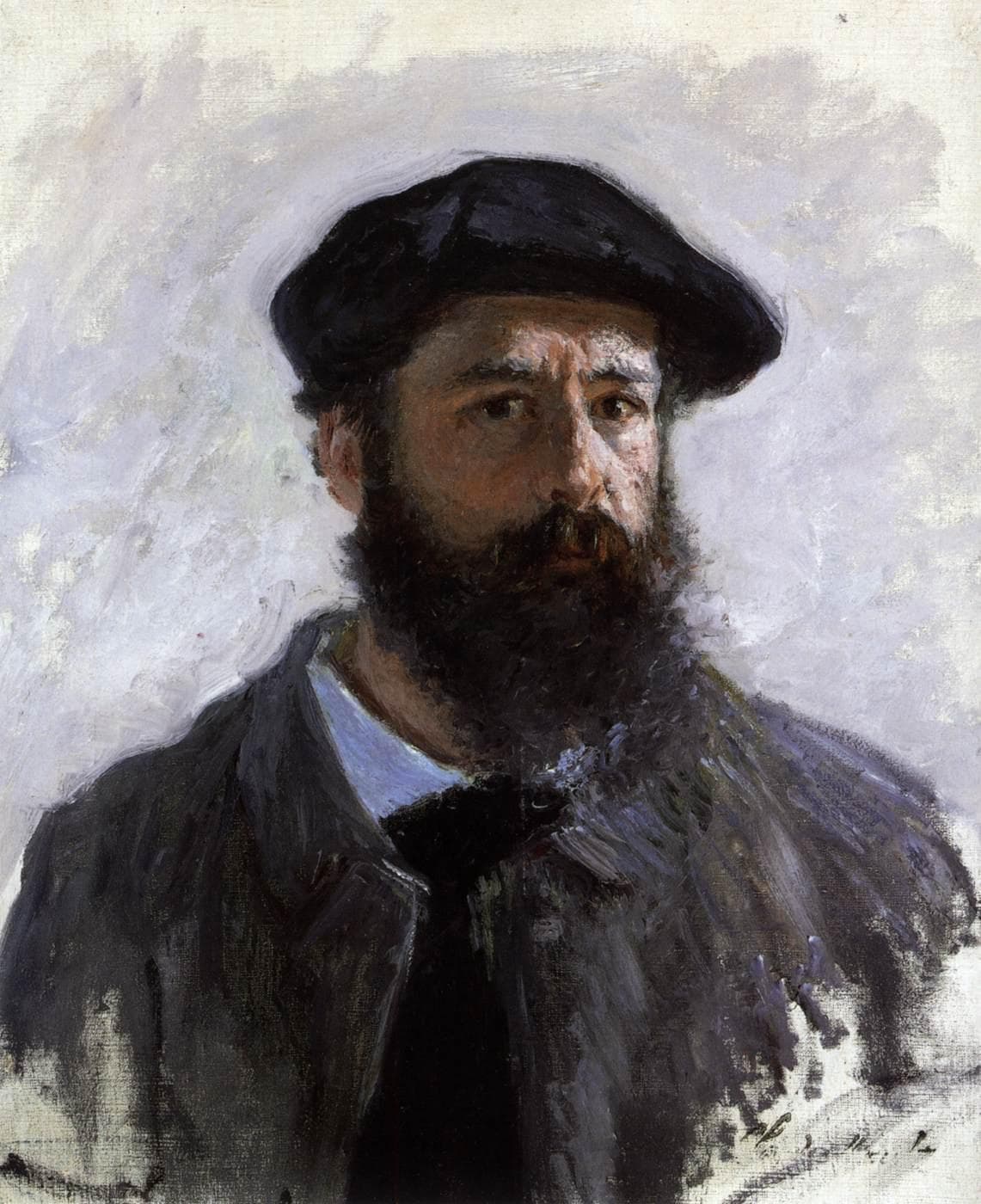
Self-Portrait in Beret
Claude Monet · 1886
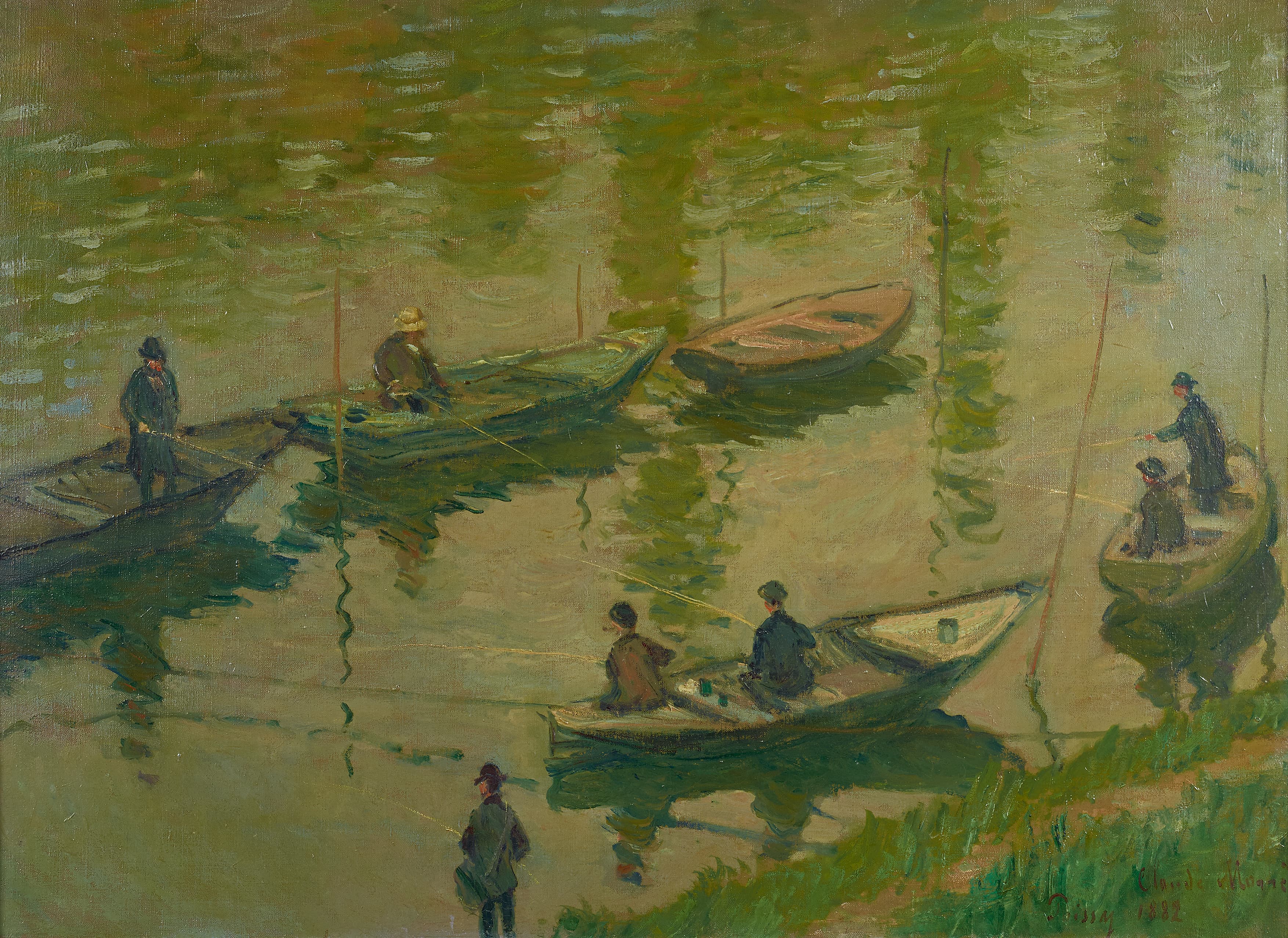
Anglers on the Seine at Poissy
Claude Monet · 1882
Las Meninas
Diego Velázquez · 1656
The School of Athens
Raphael · 1509–1511
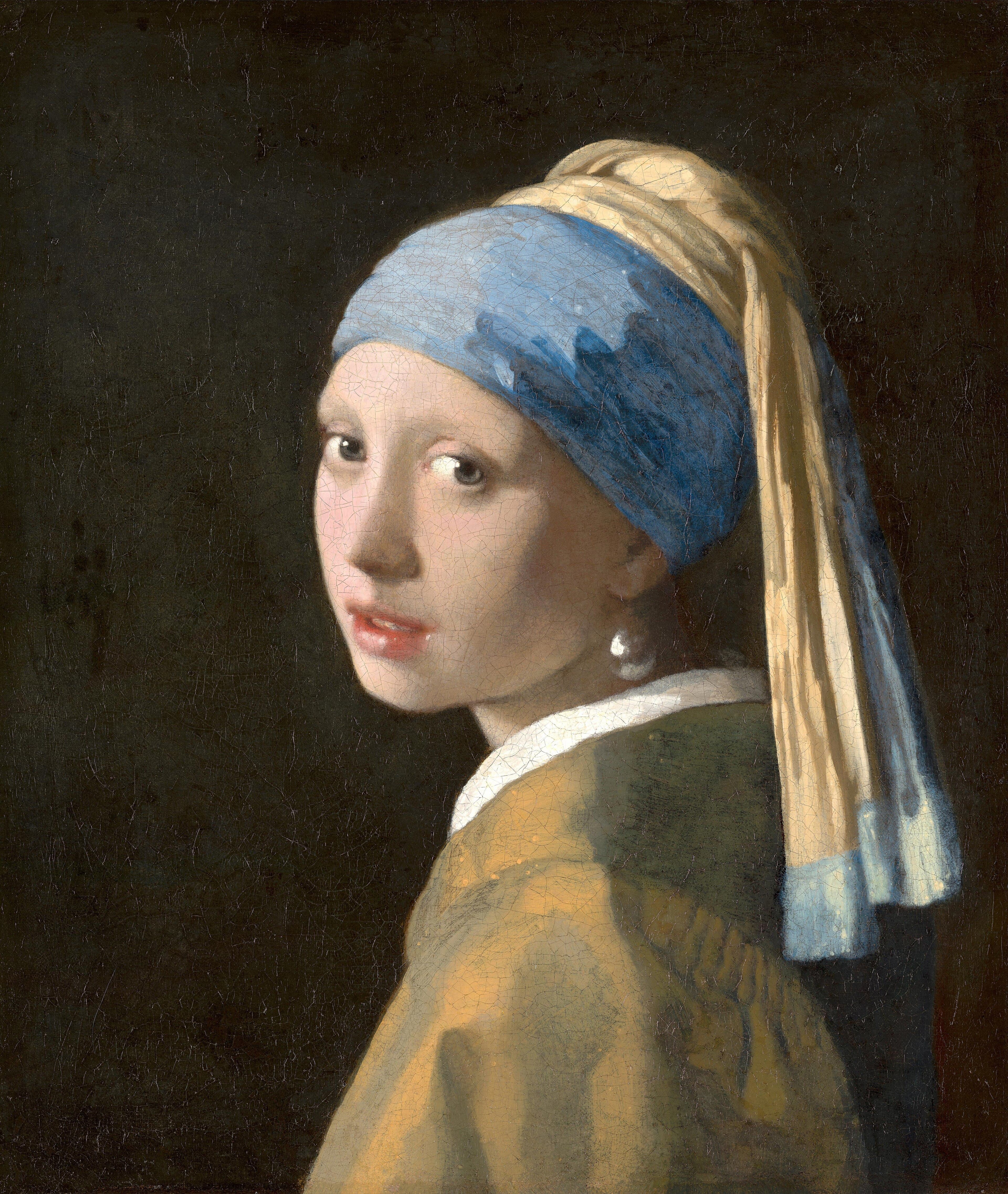
Girl with a Pearl Earring
Johannes Vermeer · c. 1665
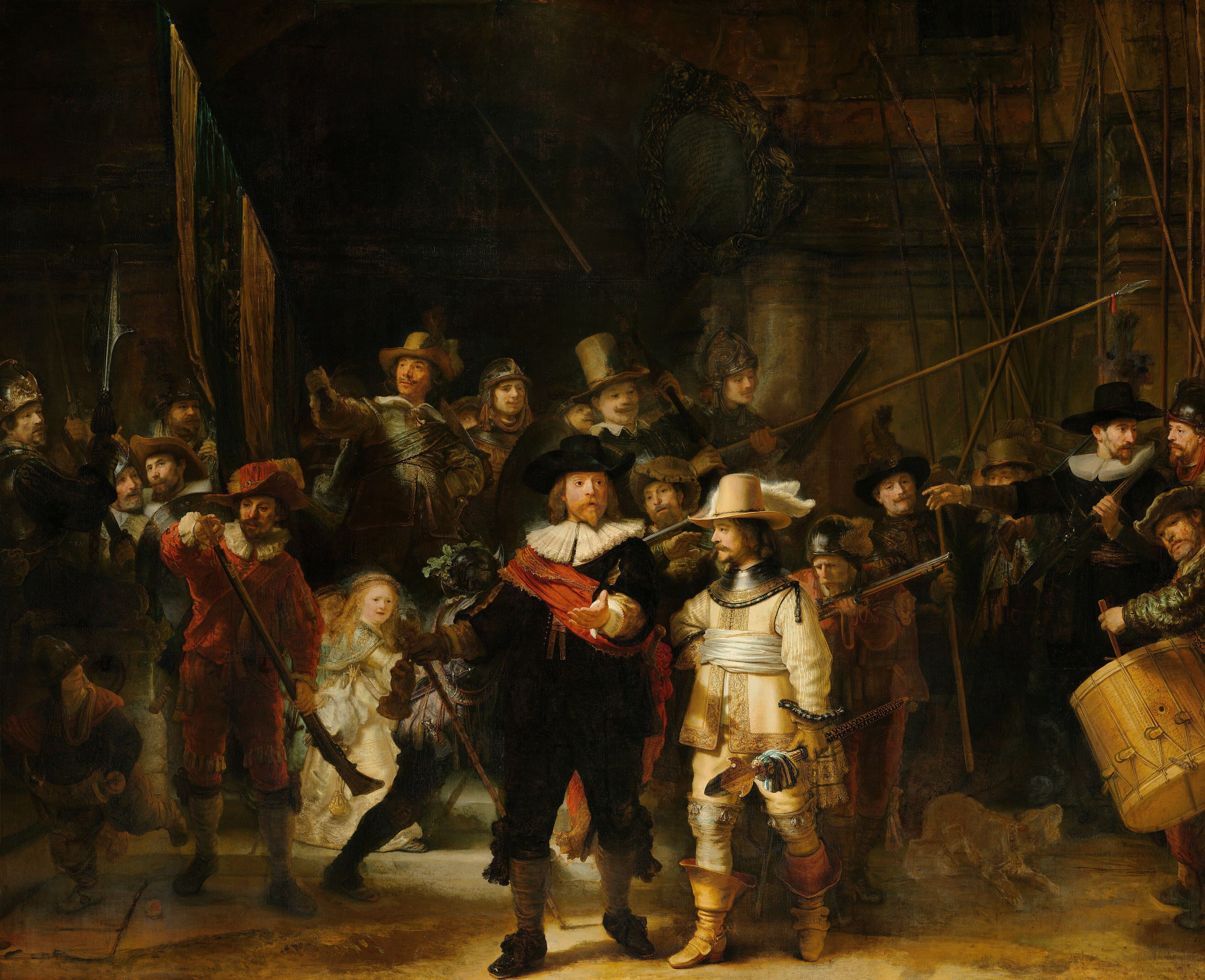
The Night Watch
Rembrandt · 1642