Guide
Where to See Monet Paintings: Museums and Exhibitions
Paris has the deepest collections, the United States the widest, and Monet's canvases are scattered from Moscow to Naoshima. A guide to the museums, and to the Monet exhibitions on view in late 2026.
Where to see Monet paintings? Start in Paris, where the Musée Marmottan Monet (about ninety Monets, including Impression, Sunrise), the Musée d'Orsay (about ninety) and the Musée de l'Orangerie (the eight great Water Lilies) together hold the largest share of his work. Outside France, the Metropolitan Museum of Art, the Museum of Fine Arts in Boston and the Art Institute of Chicago each have thirty to forty canvases, and the National Gallery in London, the National Gallery of Art in Washington and museums in Germany, Switzerland, Russia and Japan hold major pictures.
Claude Monet painted about two thousand pictures over sixty years, and they are spread more widely than almost any other painter's. This guide goes city by city, with the key Monet works in each collection, links to our detailed museum guides, and the Monet exhibitions we could verify for autumn 2026 and early 2027.
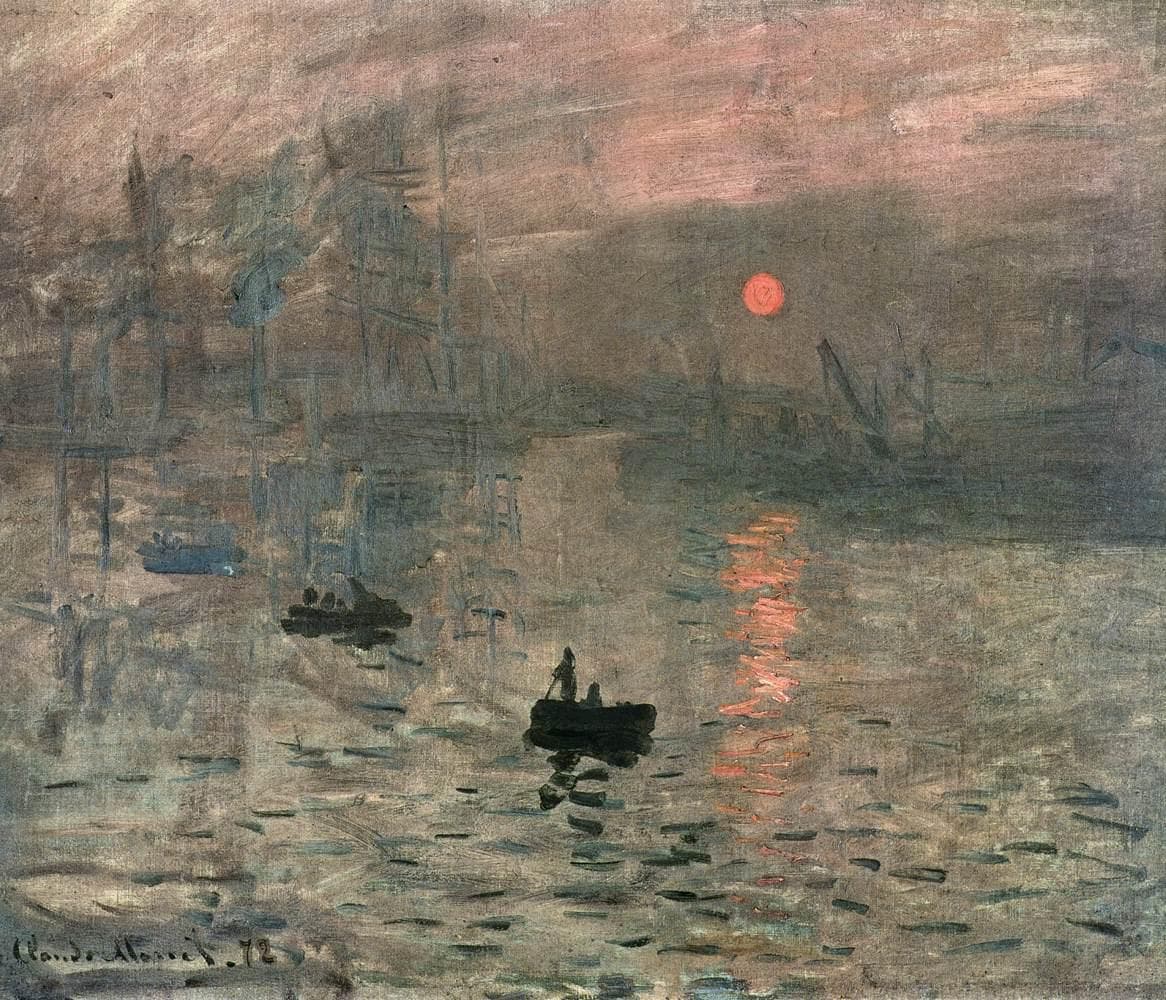
Impression, Sunrise
Claude Monet · 1872
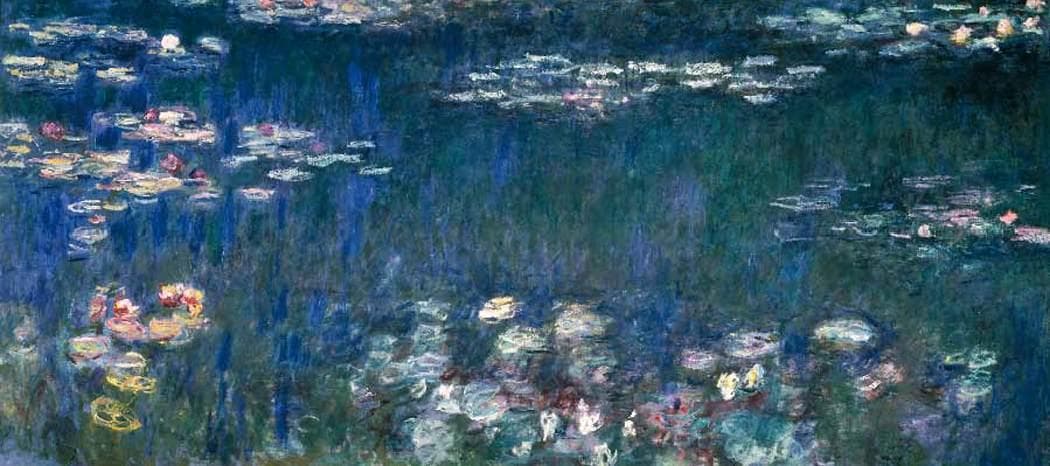
Water Lilies: Green Reflections
Claude Monet · 1914–26
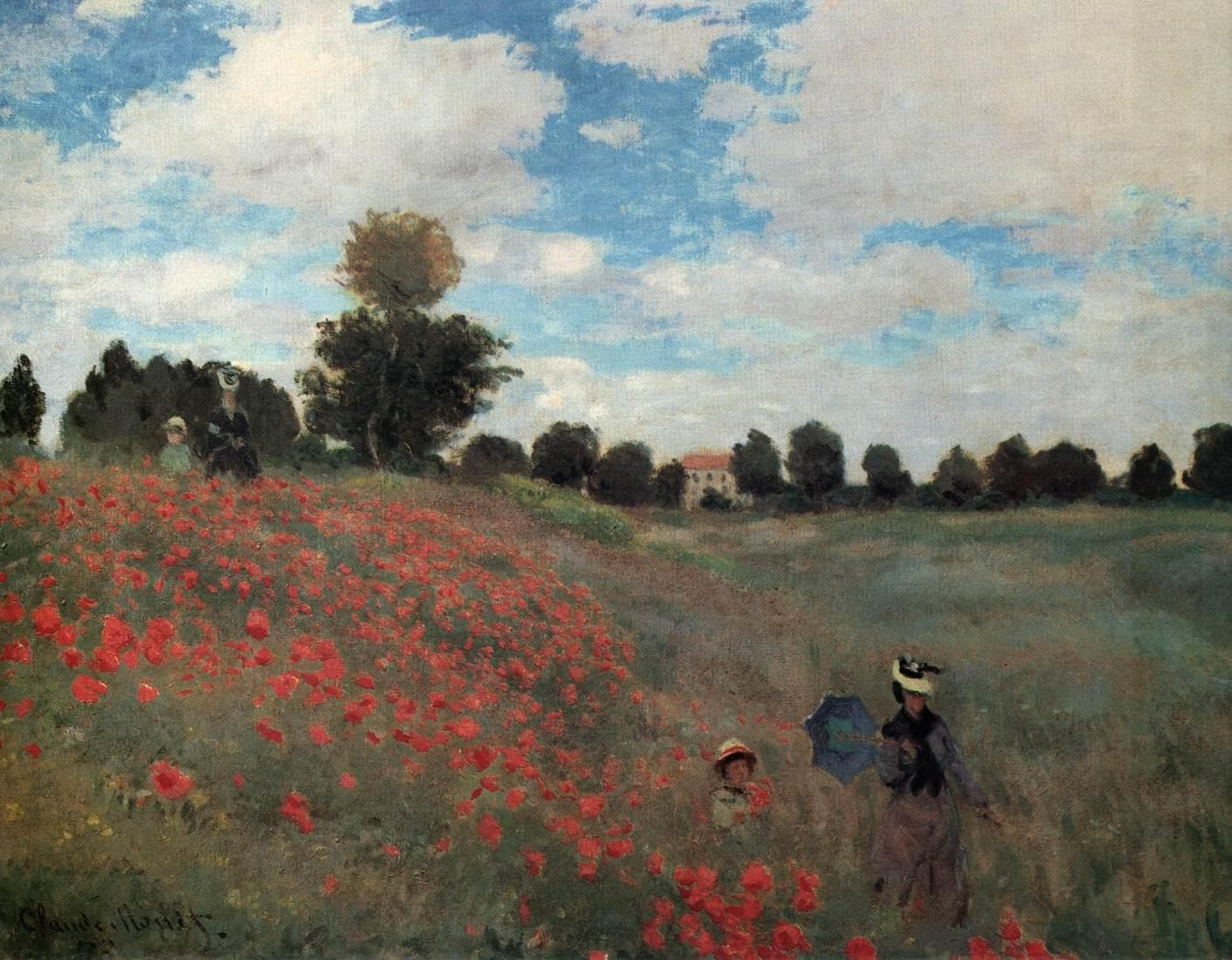
Poppy Field (Poppies at Argenteuil)
Claude Monet · 1873
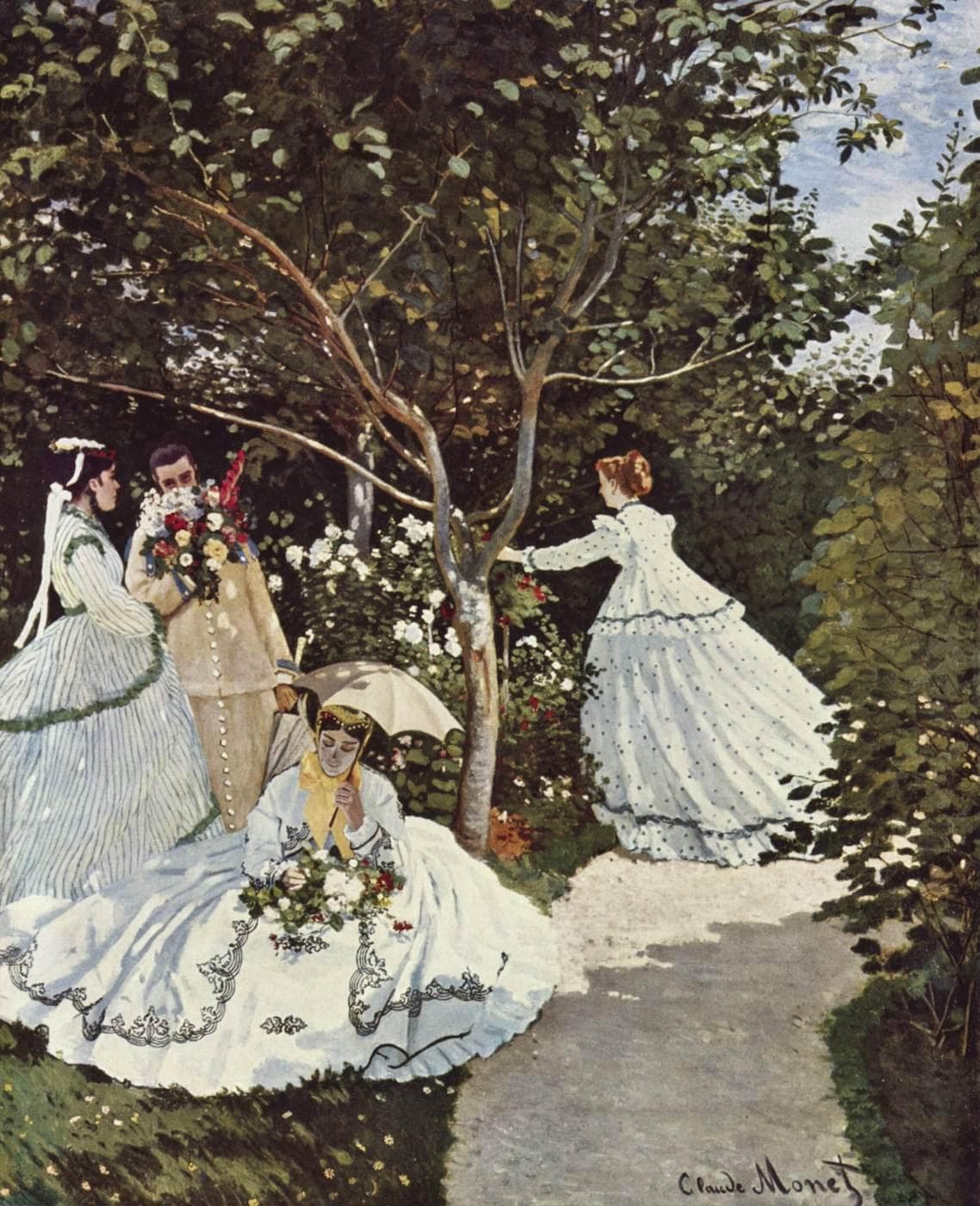
Women in the Garden
Claude Monet · 1866–67
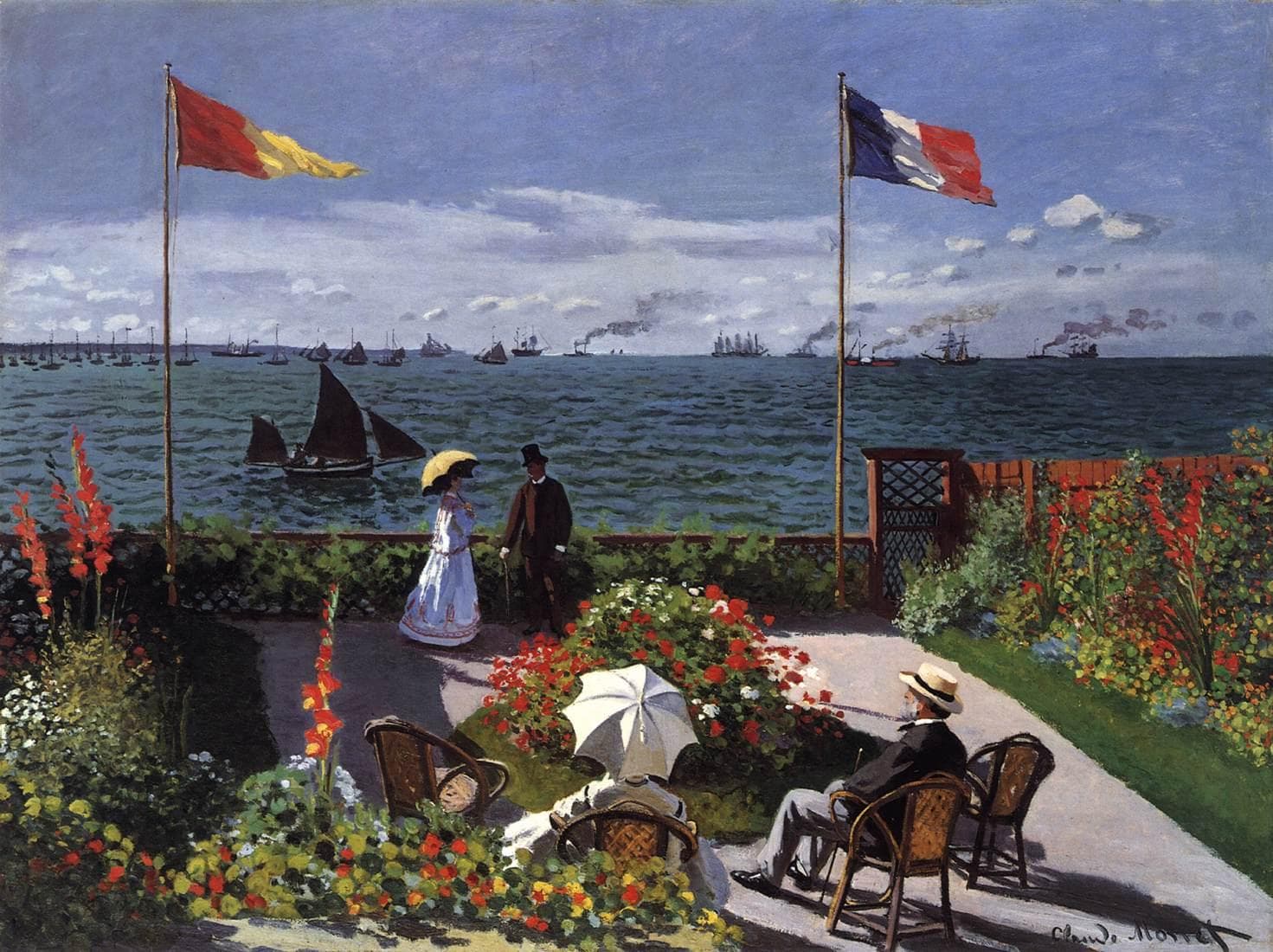
Garden at Sainte-Adresse
Claude Monet · 1867

Woman with a Parasol – Madame Monet and Her Son
Claude Monet · 1875
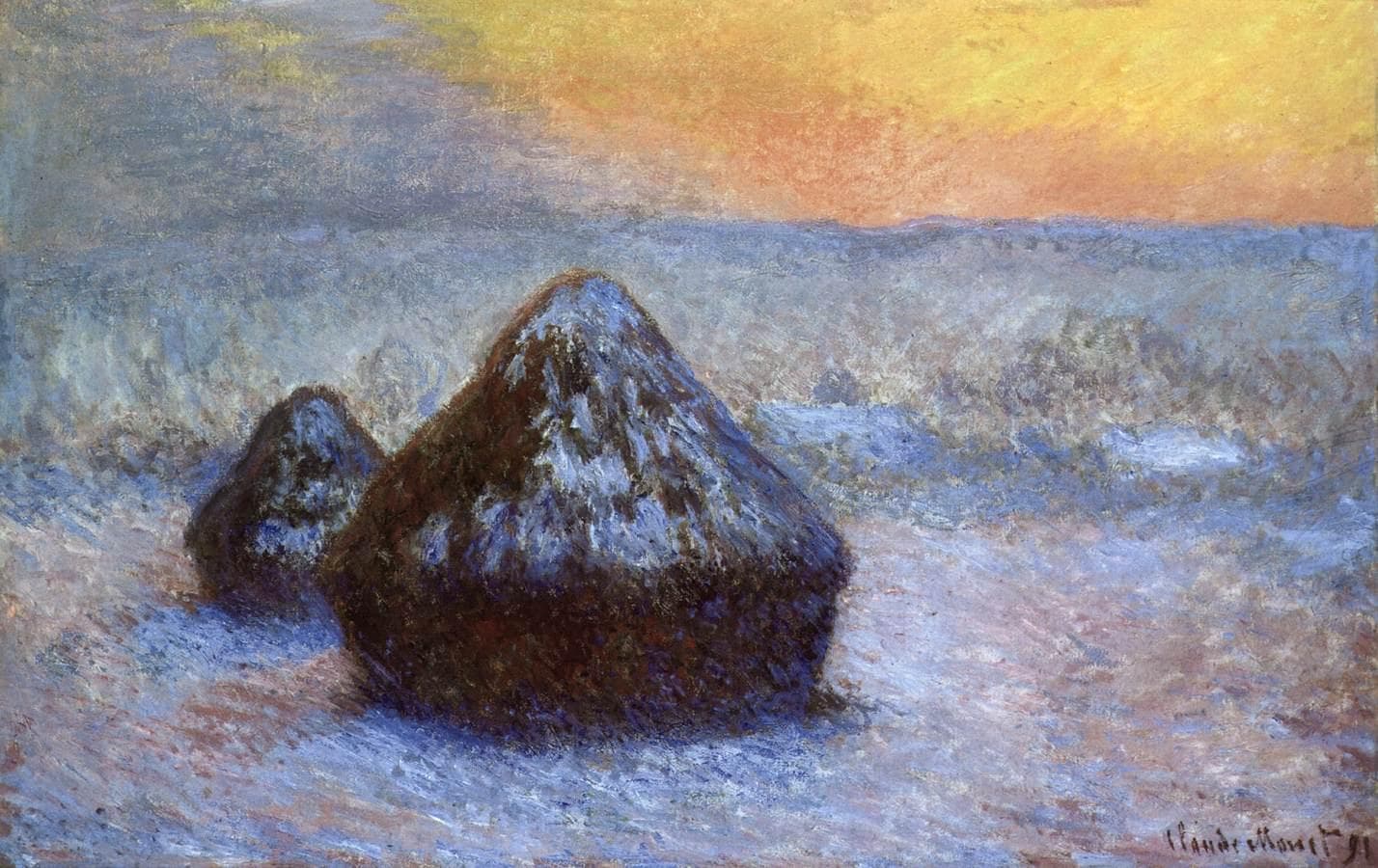
Stacks of Wheat, Sunset, Snow Effect
Claude Monet · 1890–91
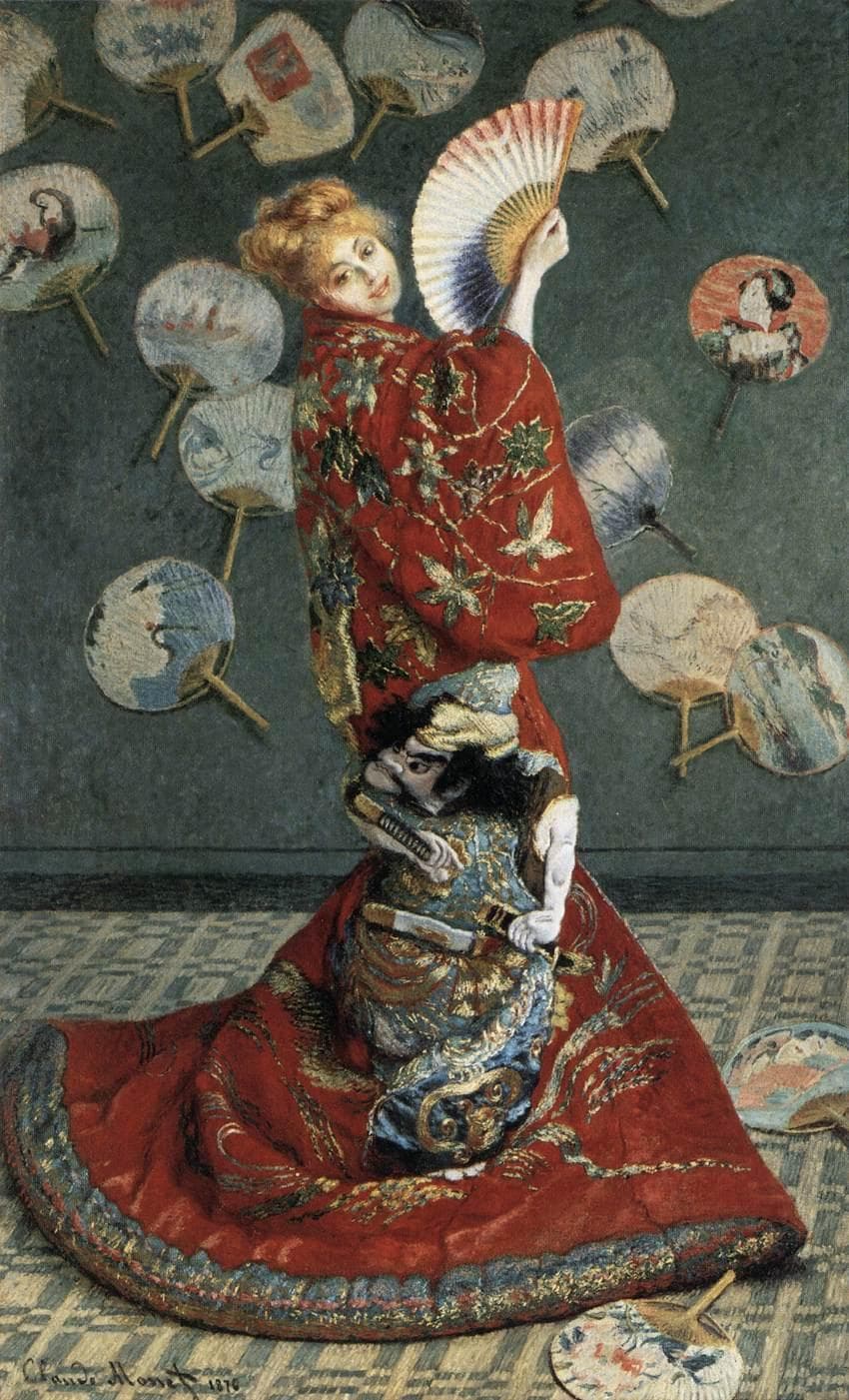
La Japonaise (Camille Monet in Japanese Costume)
Claude Monet · 1876
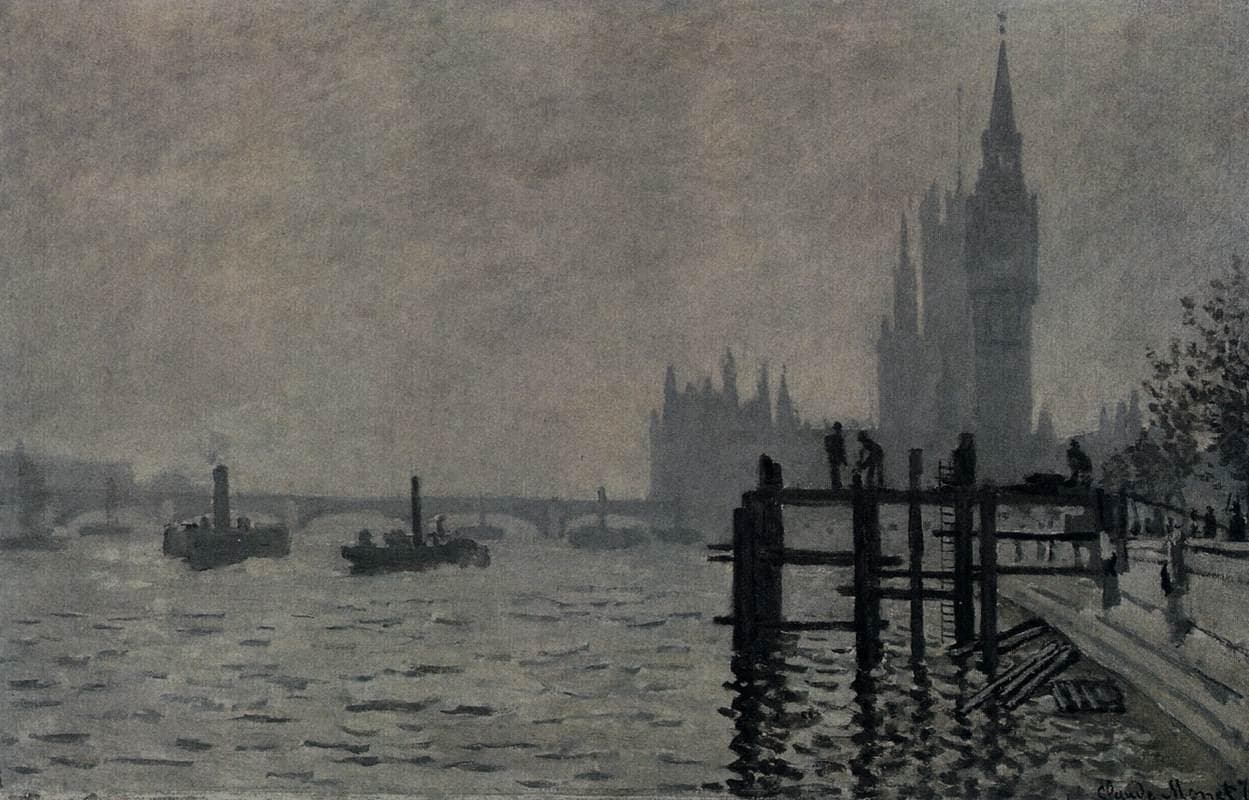
The Thames below Westminster
Claude Monet · c. 1871
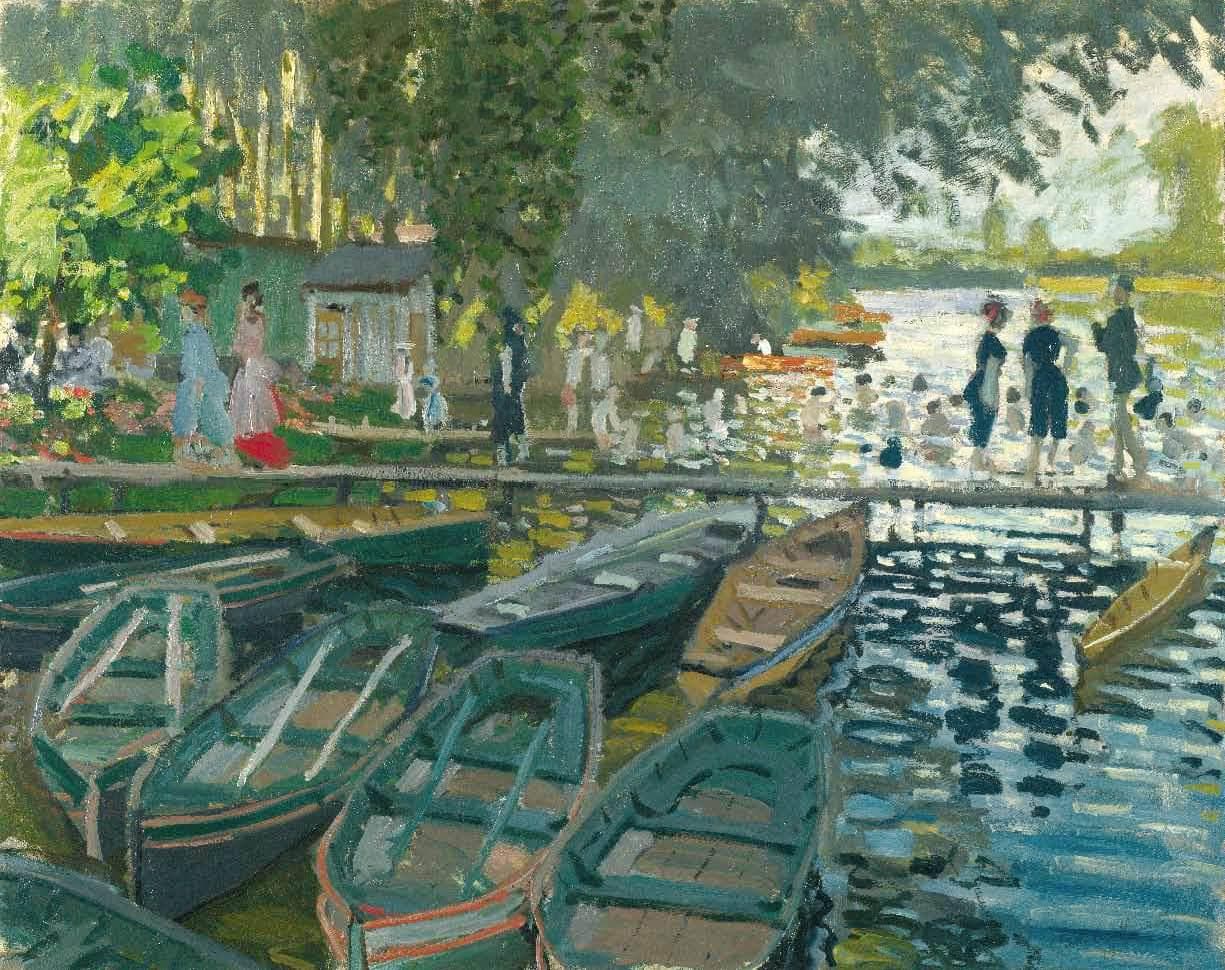
Bathers at La Grenouillère
Claude Monet · 1869
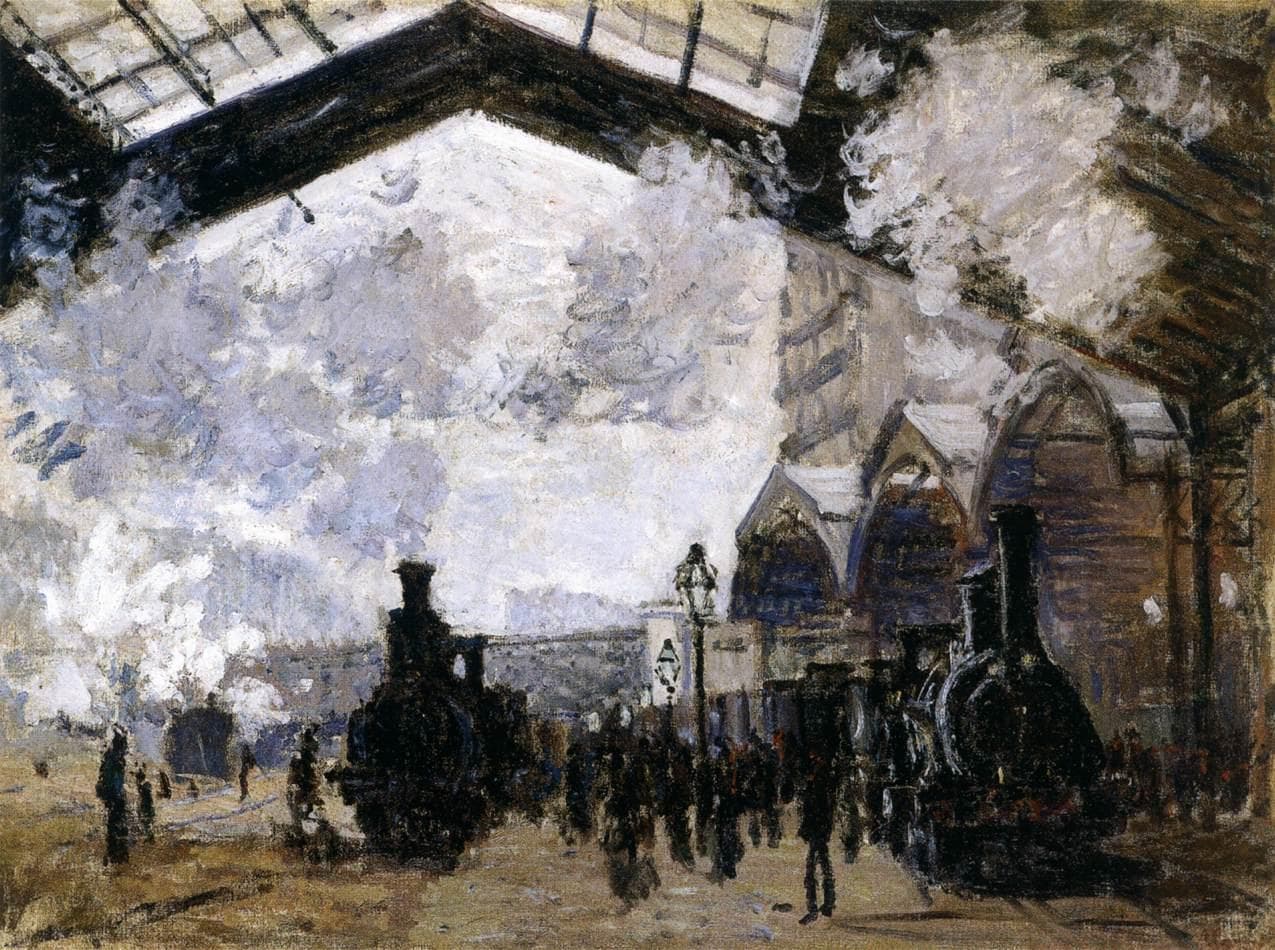
The Gare Saint-Lazare
Claude Monet · 1877

Sunset in Venice
Claude Monet · 1908–12
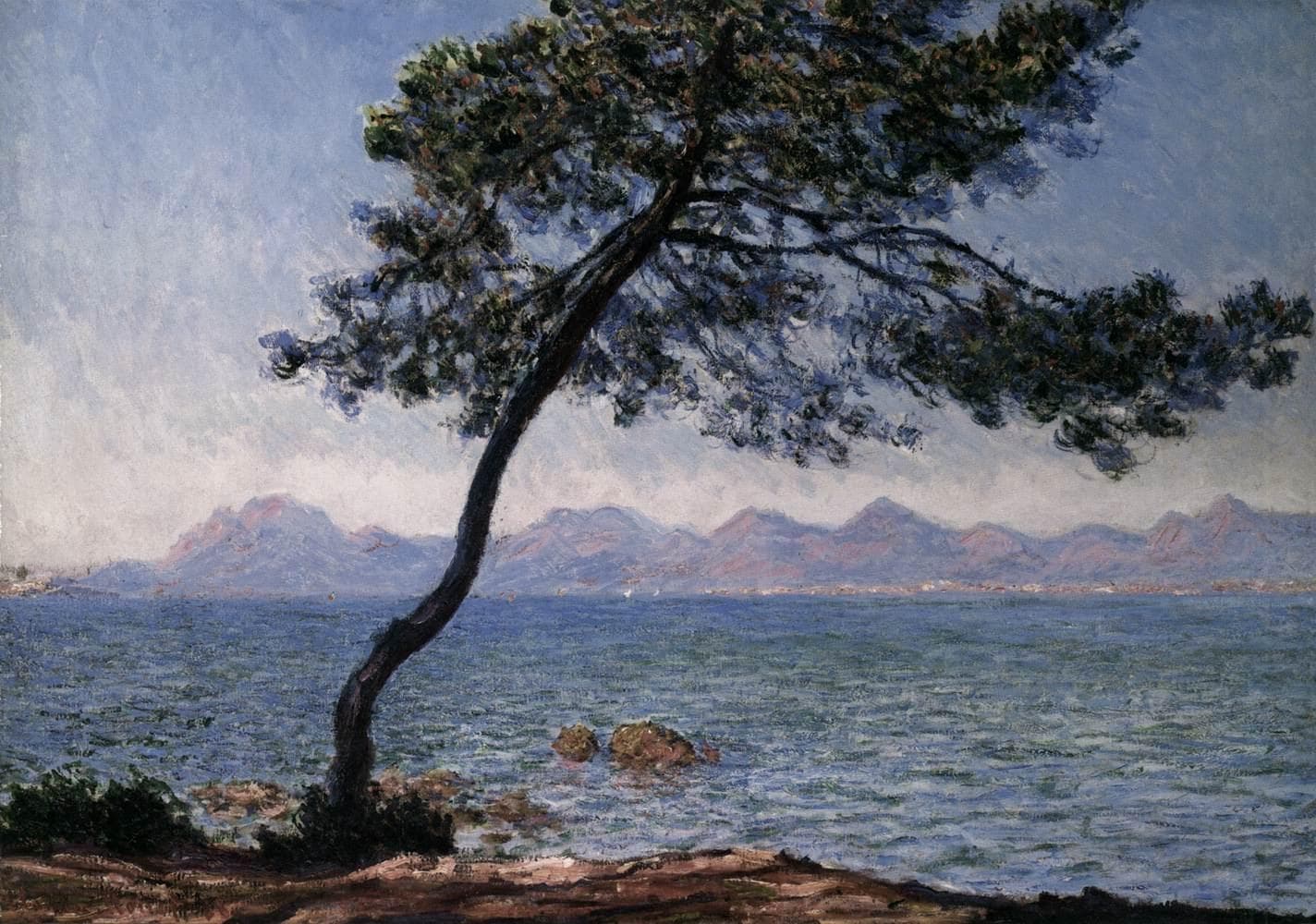
Antibes
Claude Monet · 1888
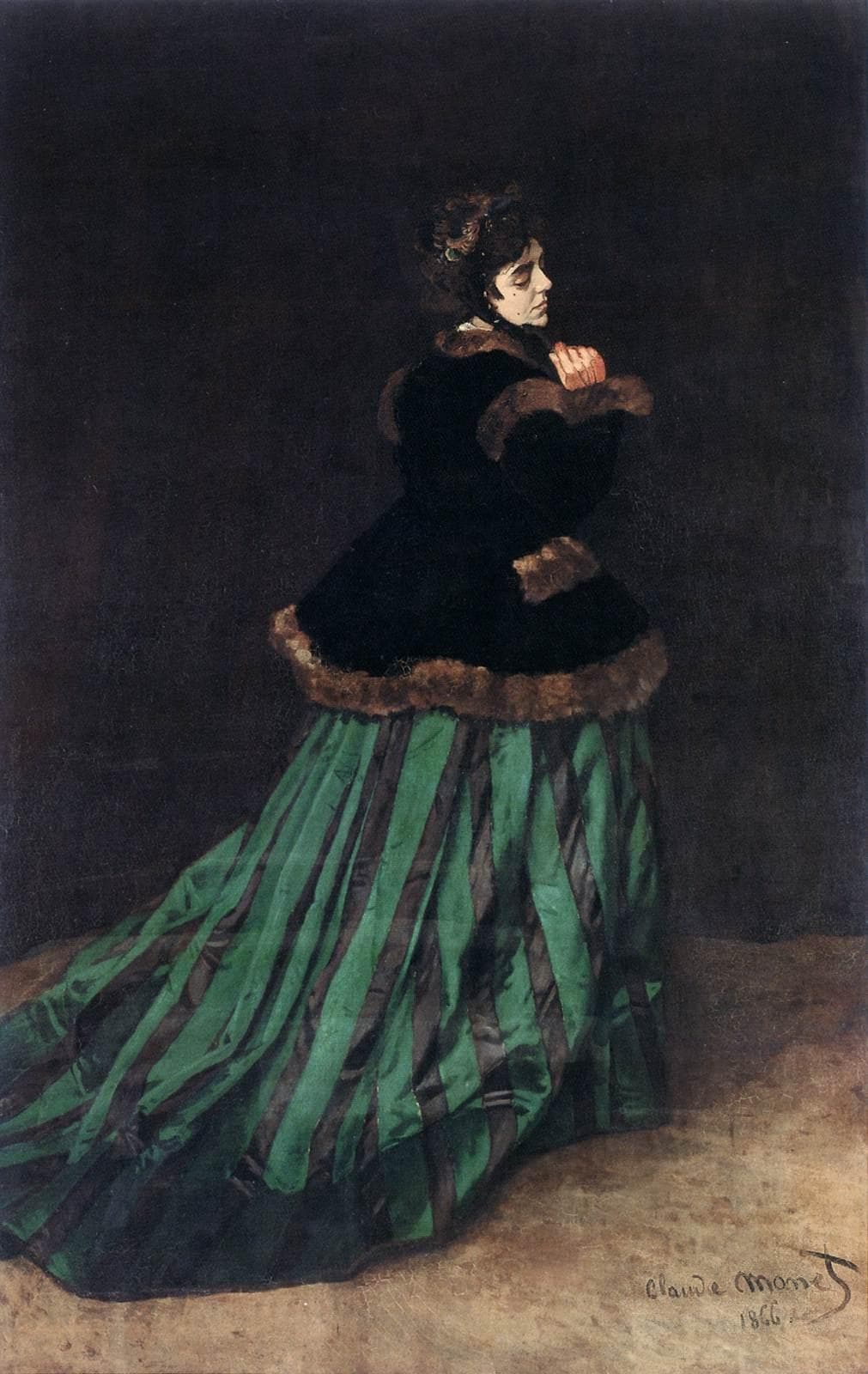
Camille (The Woman in the Green Dress)
Claude Monet · 1866
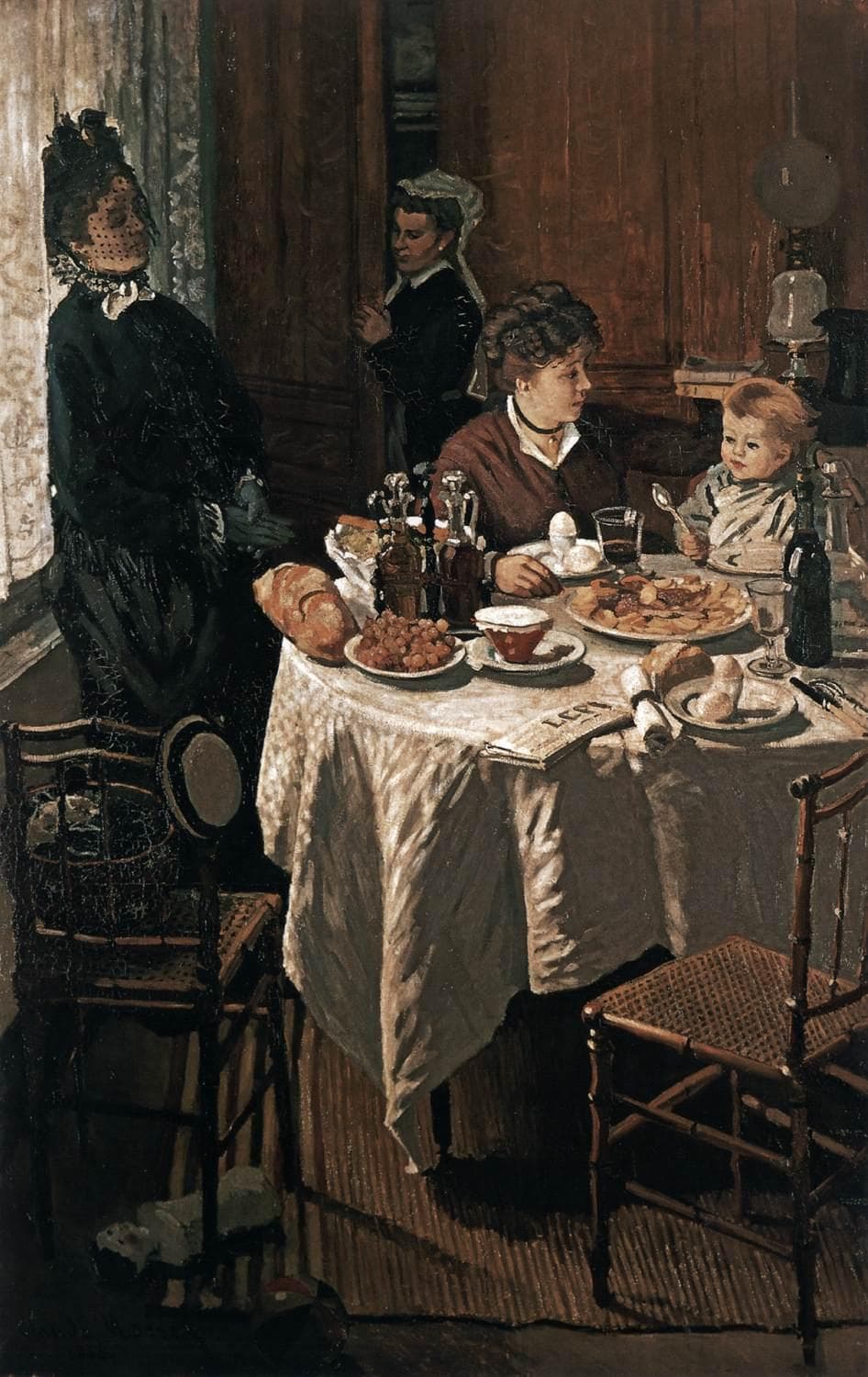
The Lunch
Claude Monet · 1868
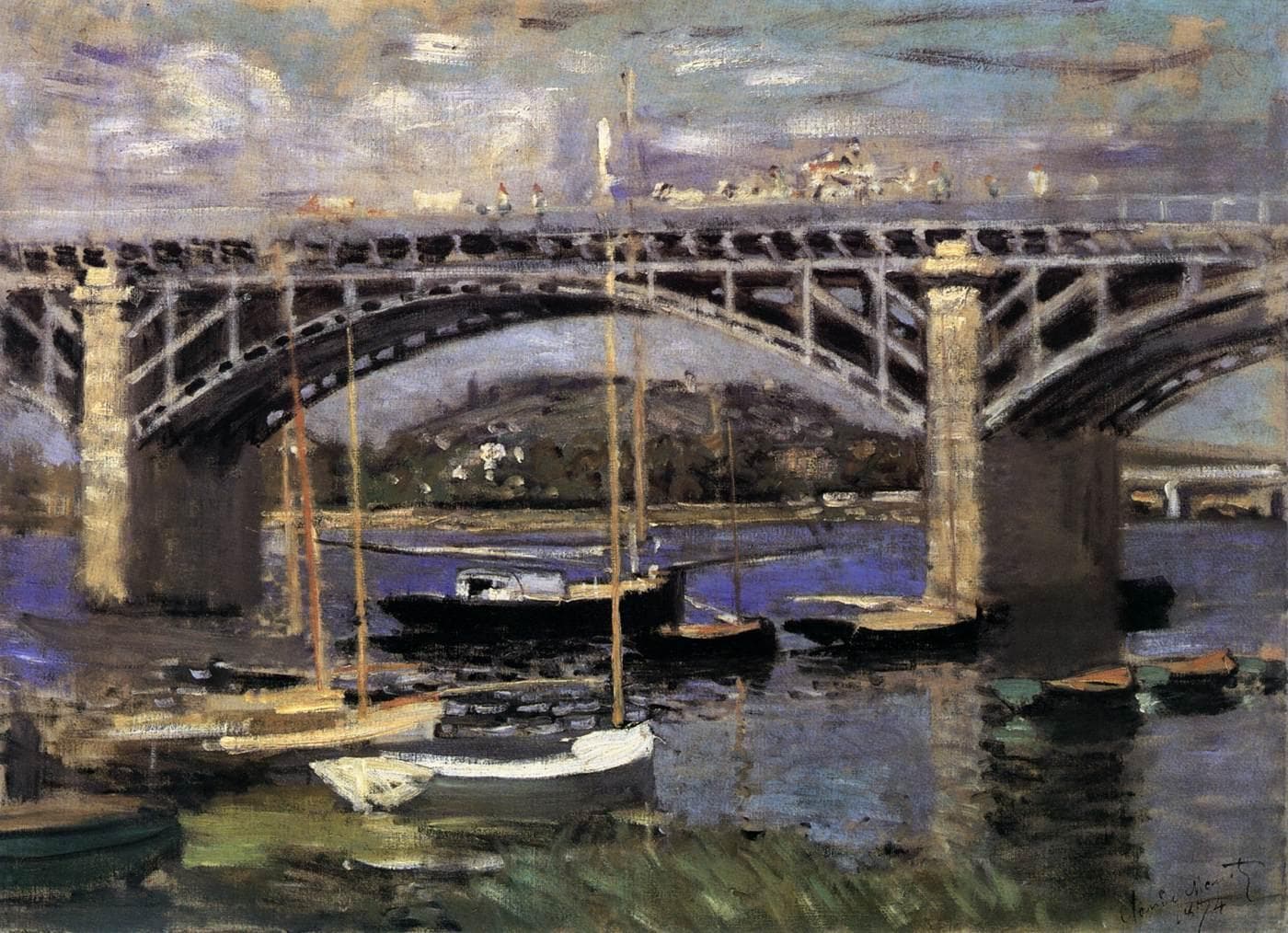
The Bridge at Argenteuil
Claude Monet · 1874
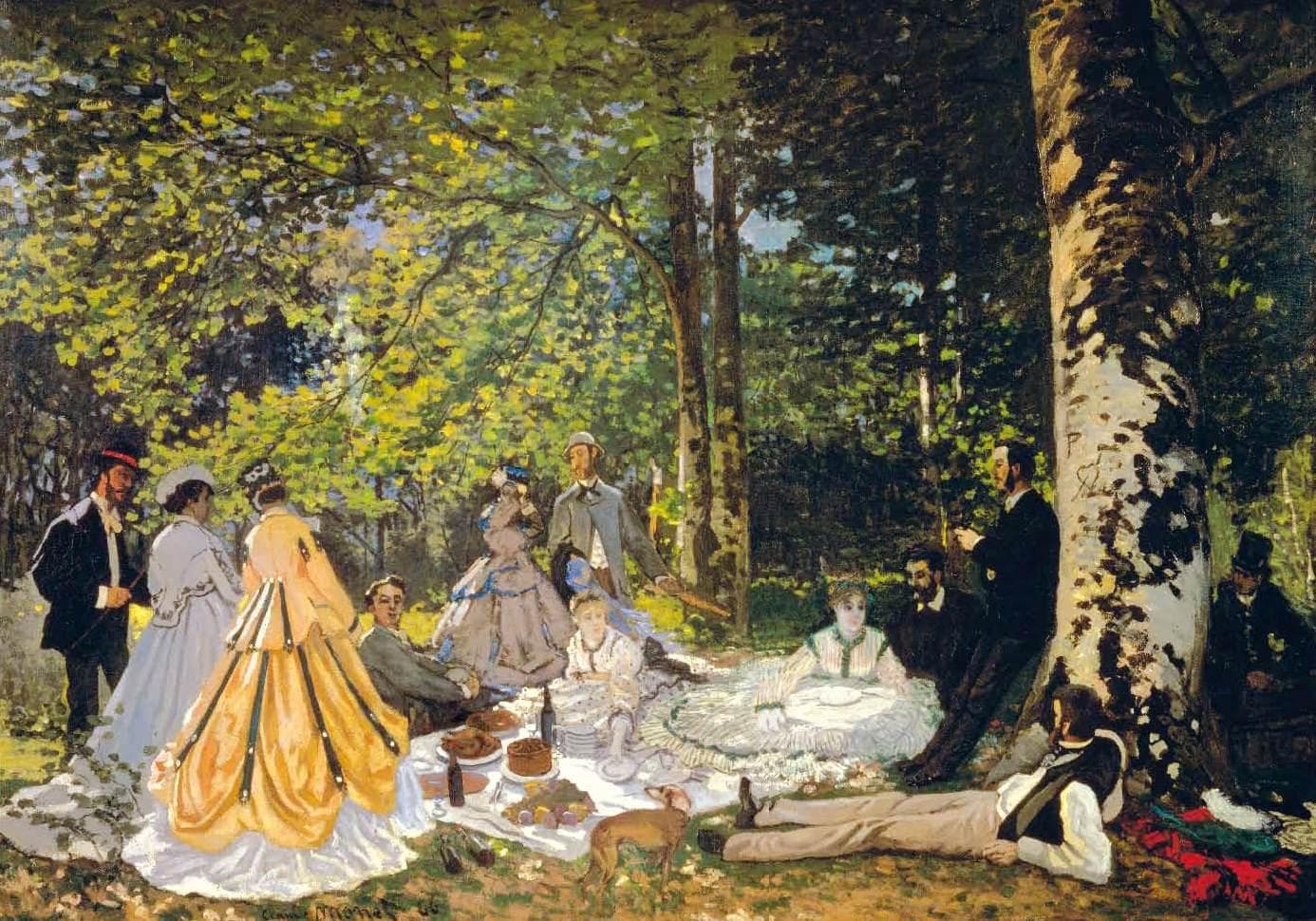
The Picnic
Claude Monet · 1865–66
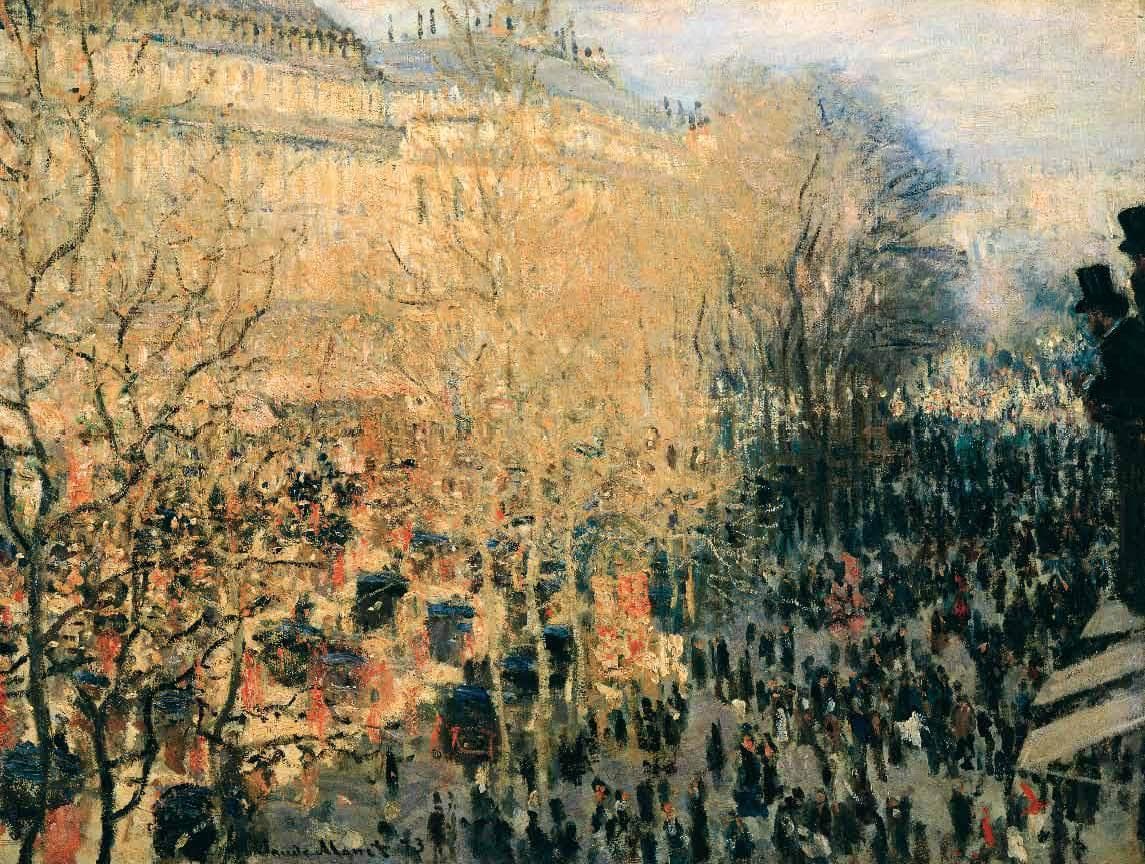
The Boulevard des Capucines in Paris
Claude Monet · 1873
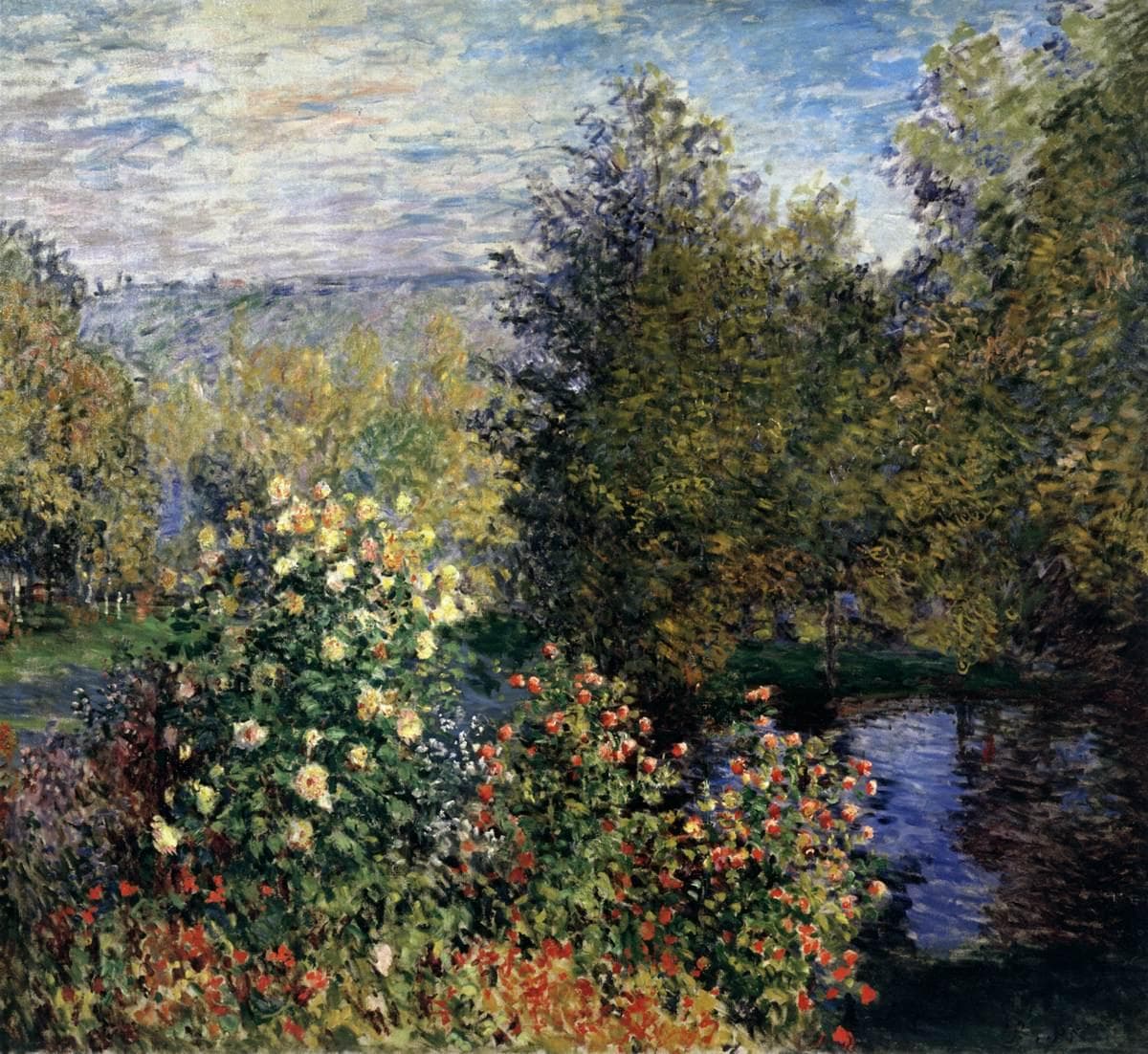
Corner of the Garden at Montgeron
Claude Monet · 1876–77
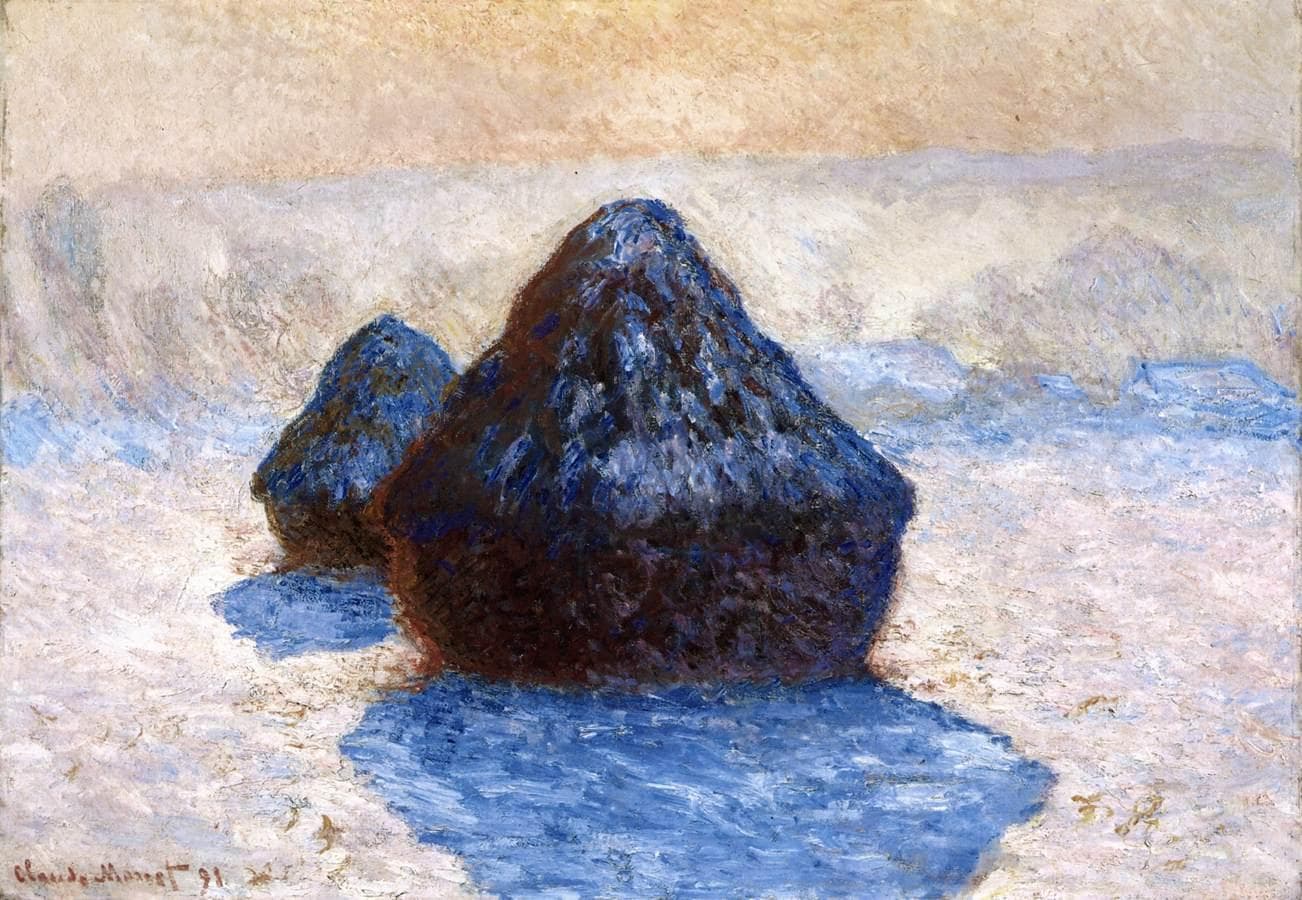
Haystacks, Snow Effect
Claude Monet · 1891
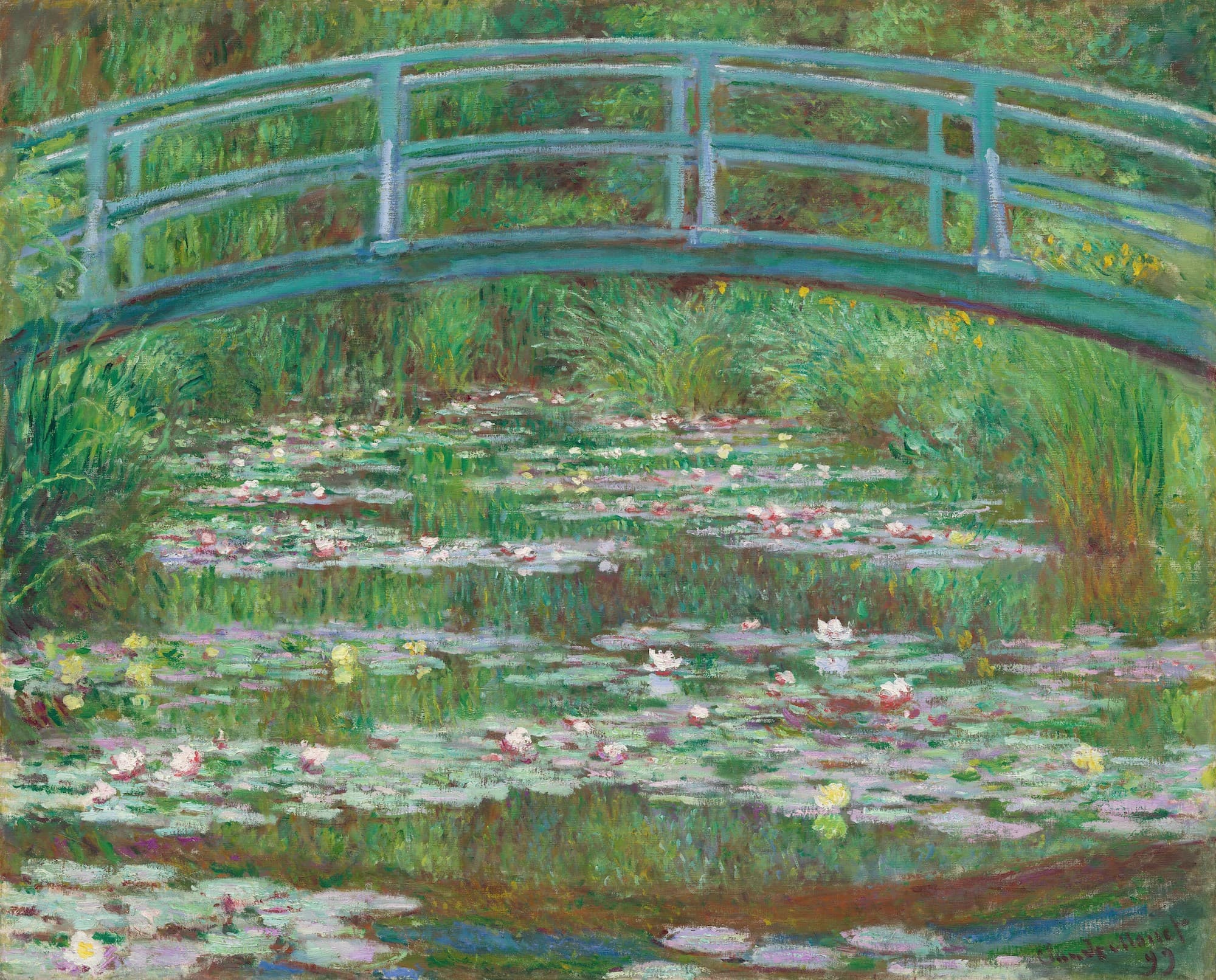
The Japanese Footbridge
Claude Monet · 1899
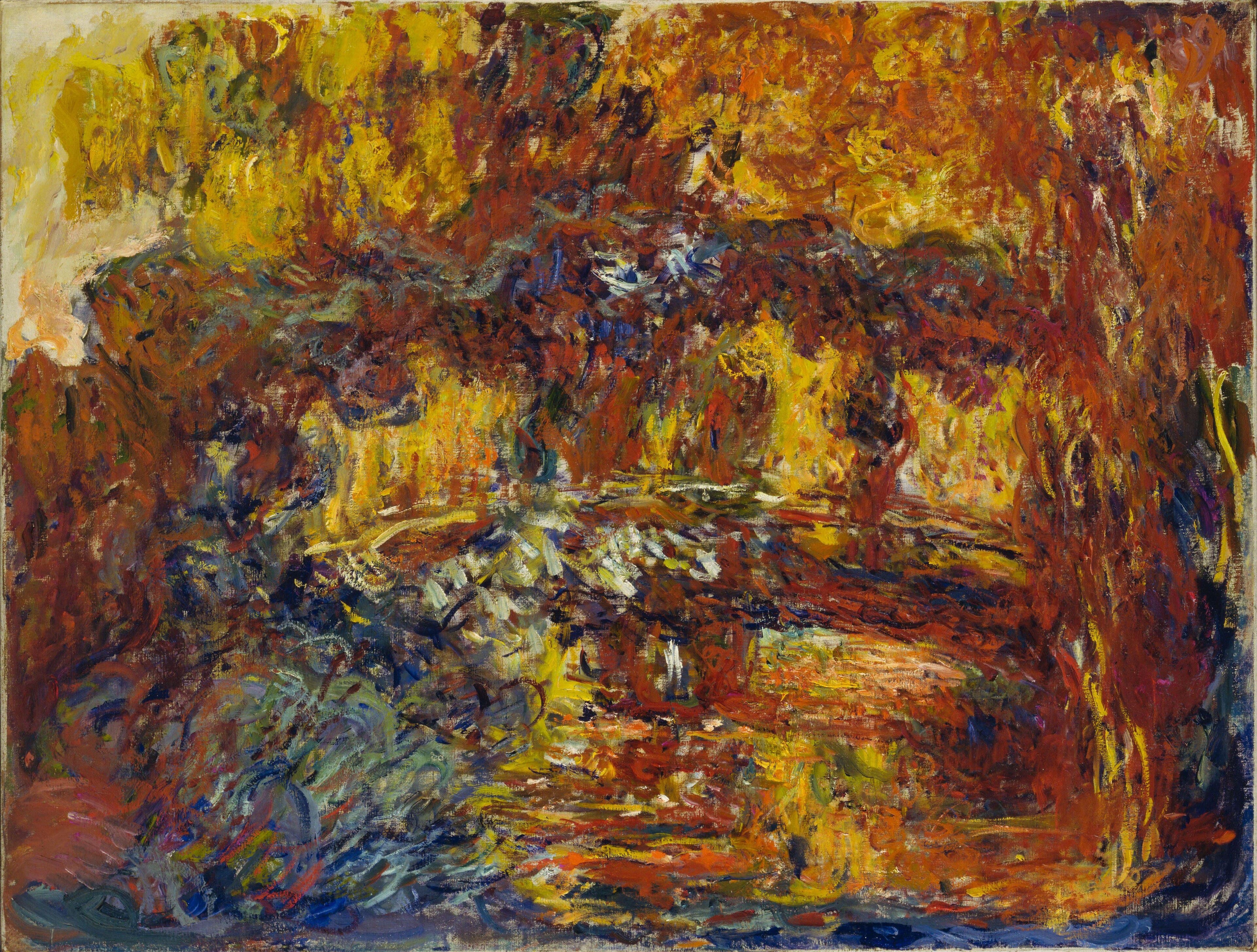
The Japanese Footbridge (MoMA)
Claude Monet · c. 1920–22

Water Lilies (MoMA triptych)
Claude Monet · 1914–26
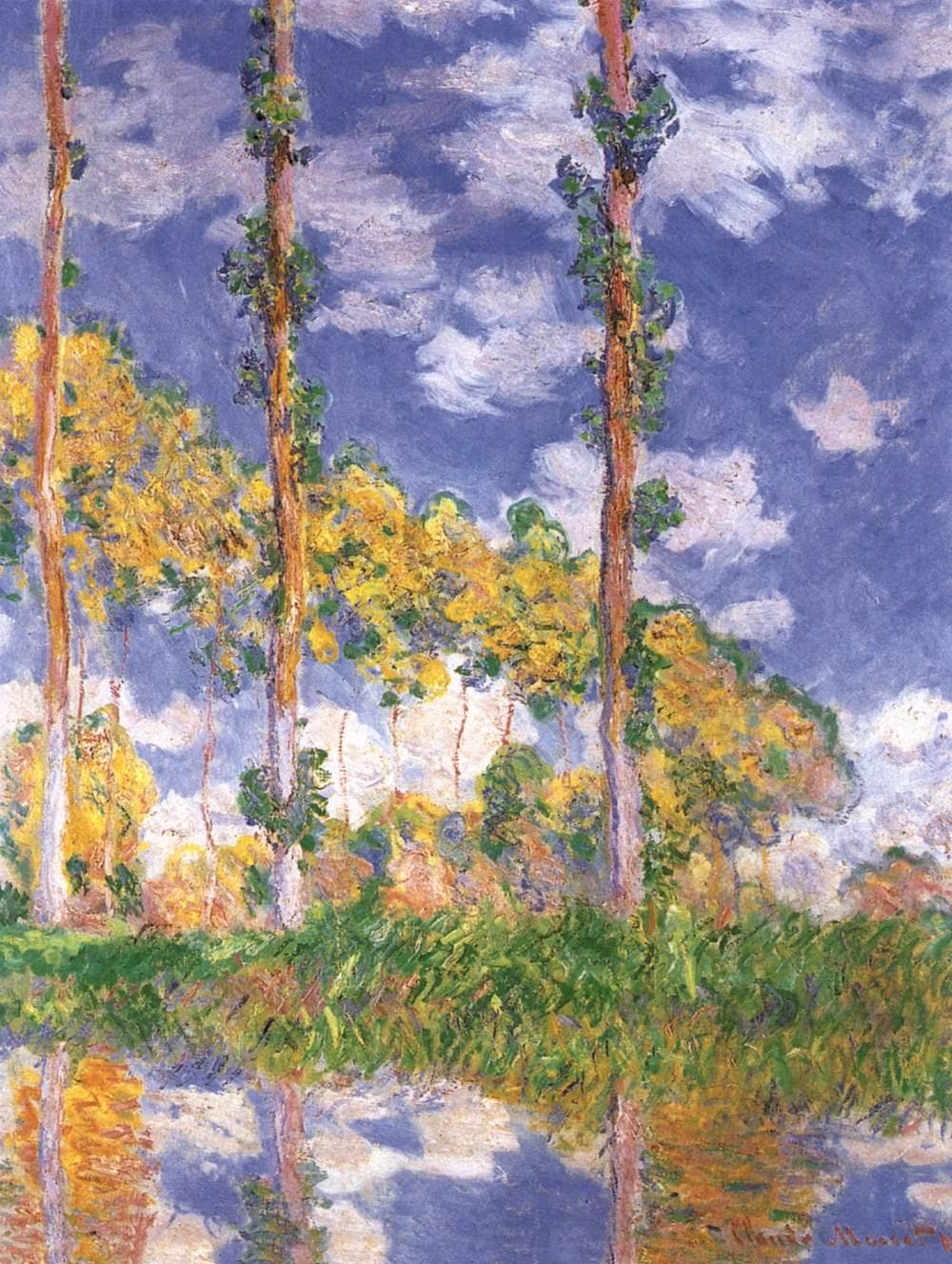
Three Poplars, Summer
Claude Monet · 1891
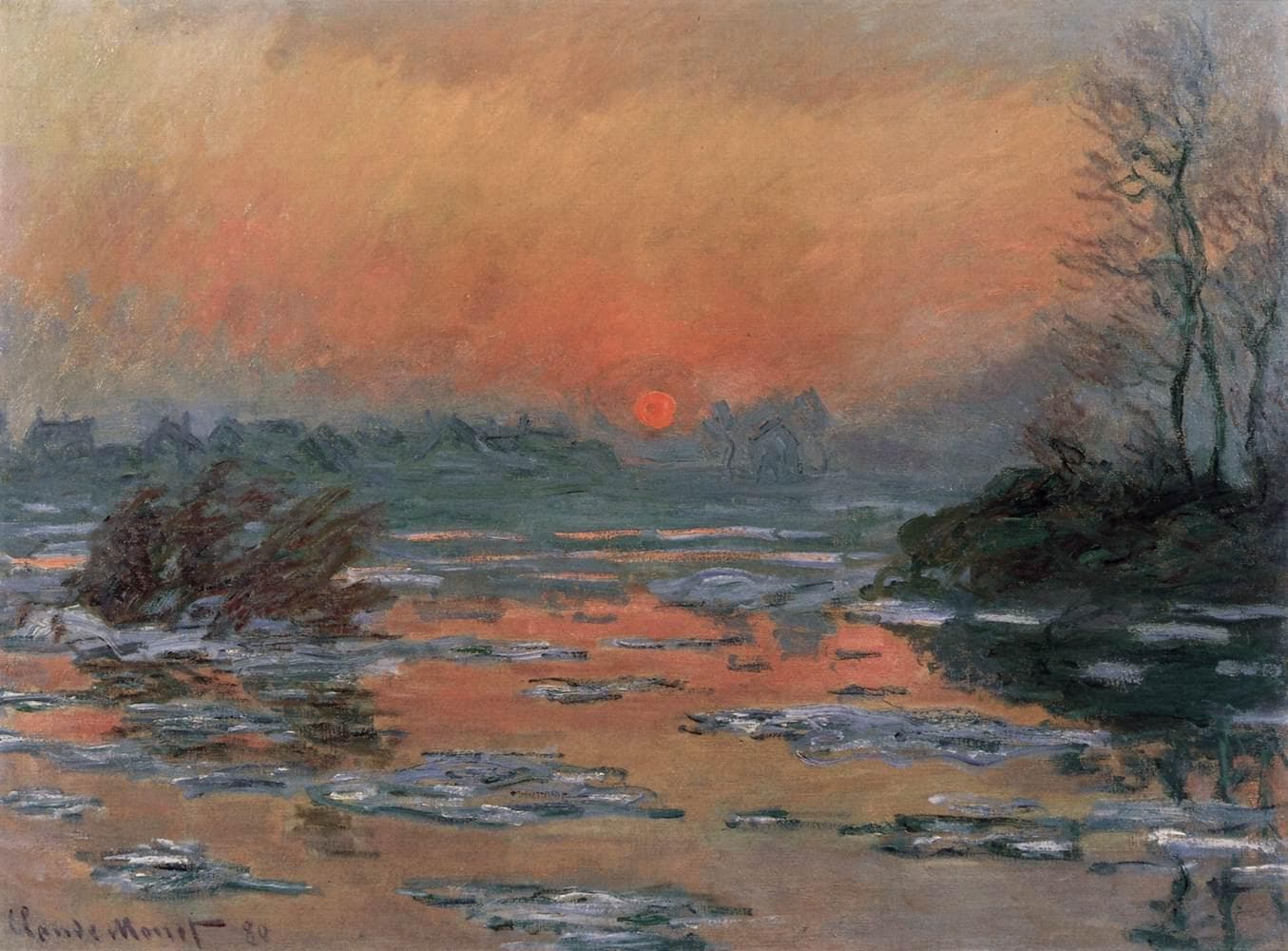
Sunset on the Seine in Winter
Claude Monet · 1880
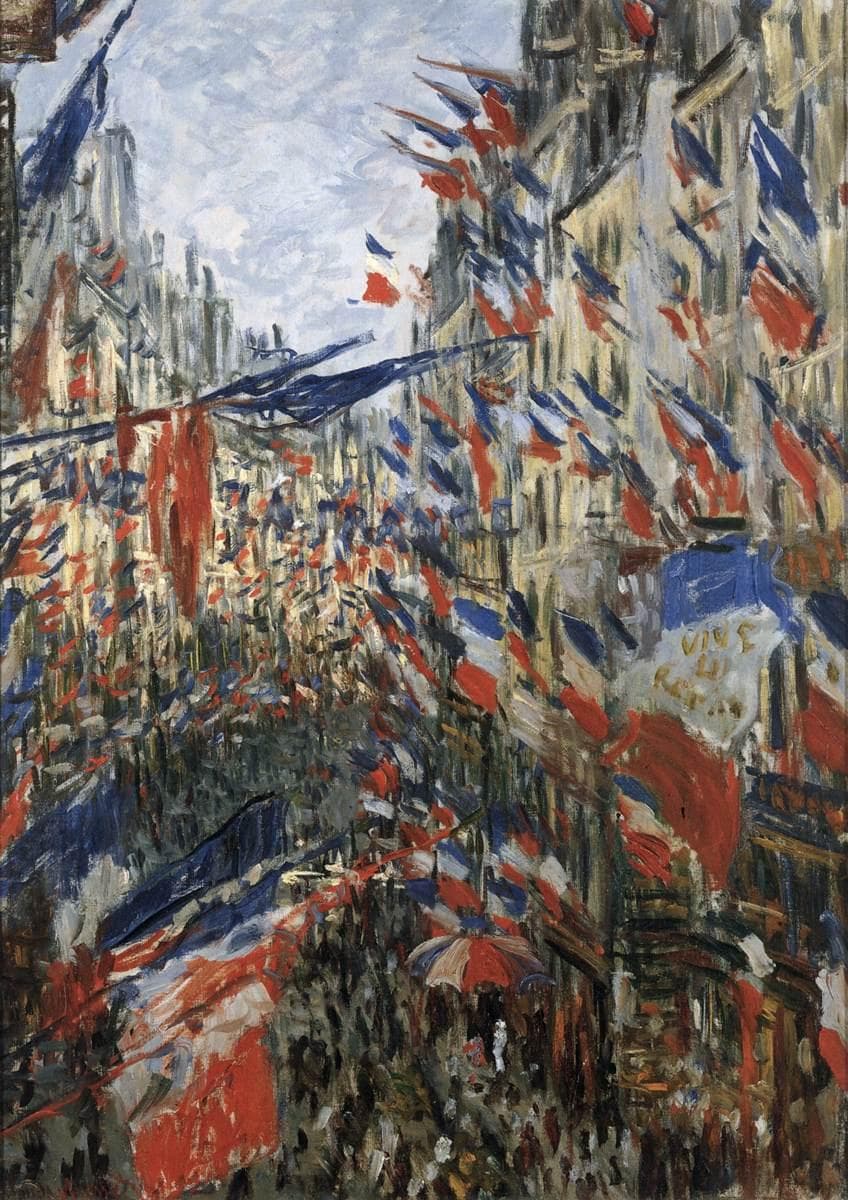
Rue Saint-Denis in Paris, Celebration of 30 June 1878
Claude Monet · 1878
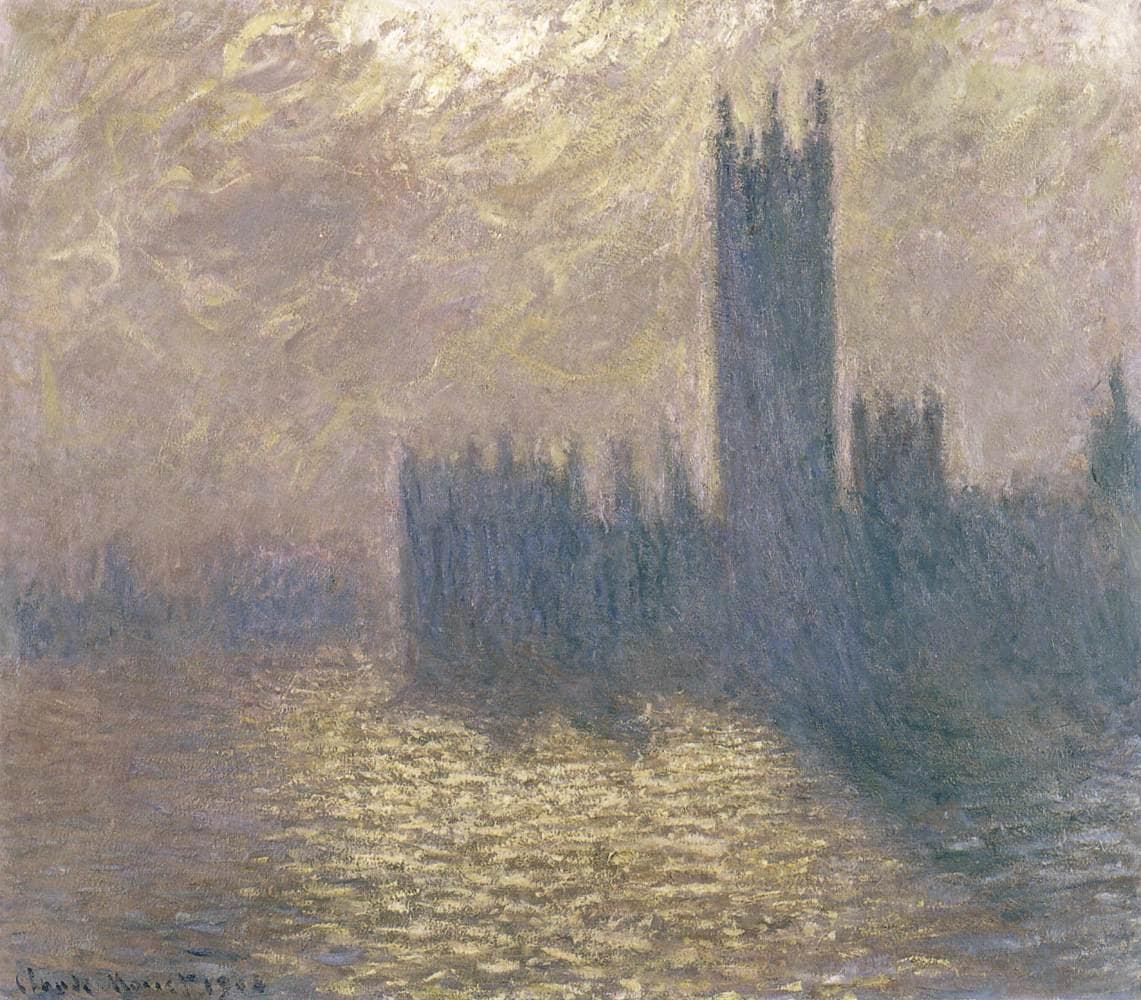
The Houses of Parliament, London
Claude Monet · 1904
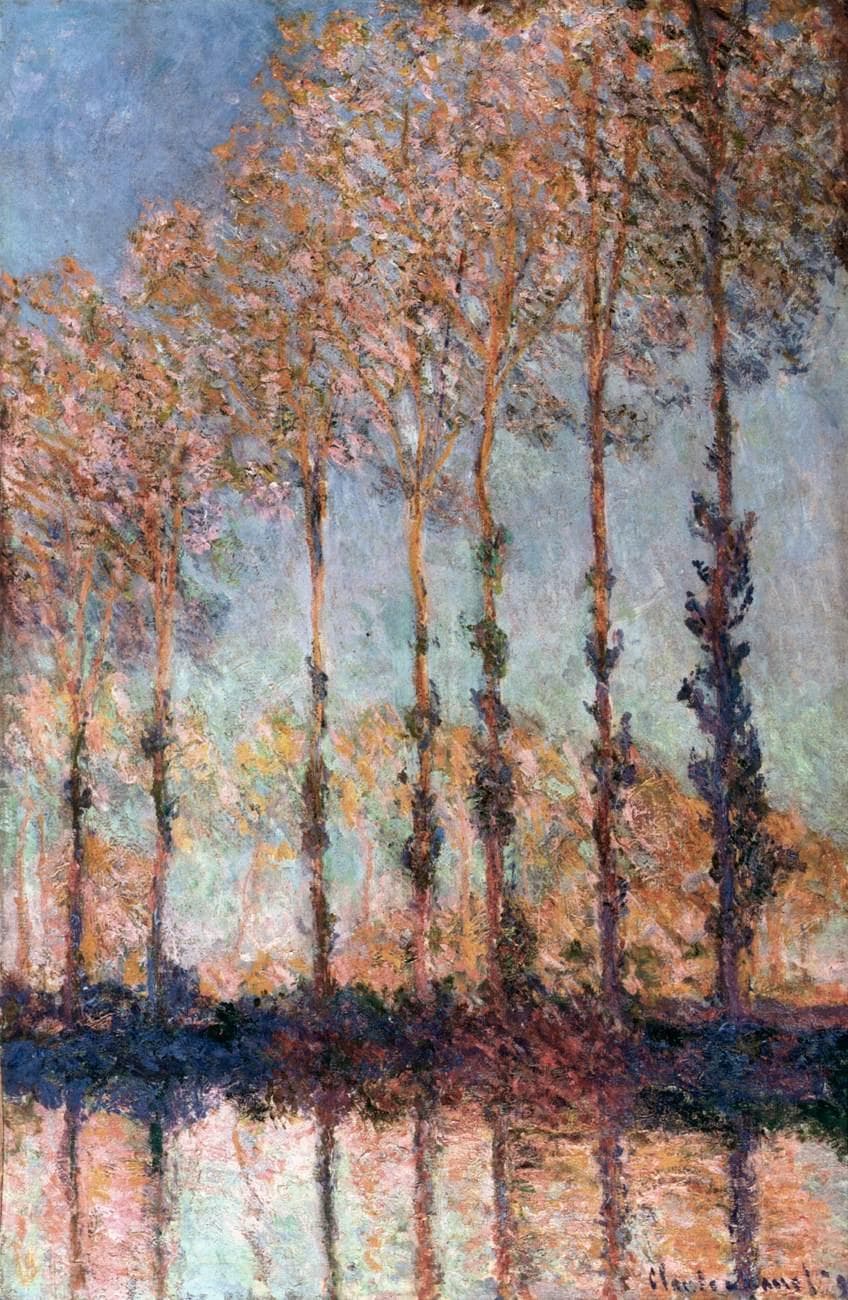
Poplars on the Banks of the River Epte
Claude Monet · 1891
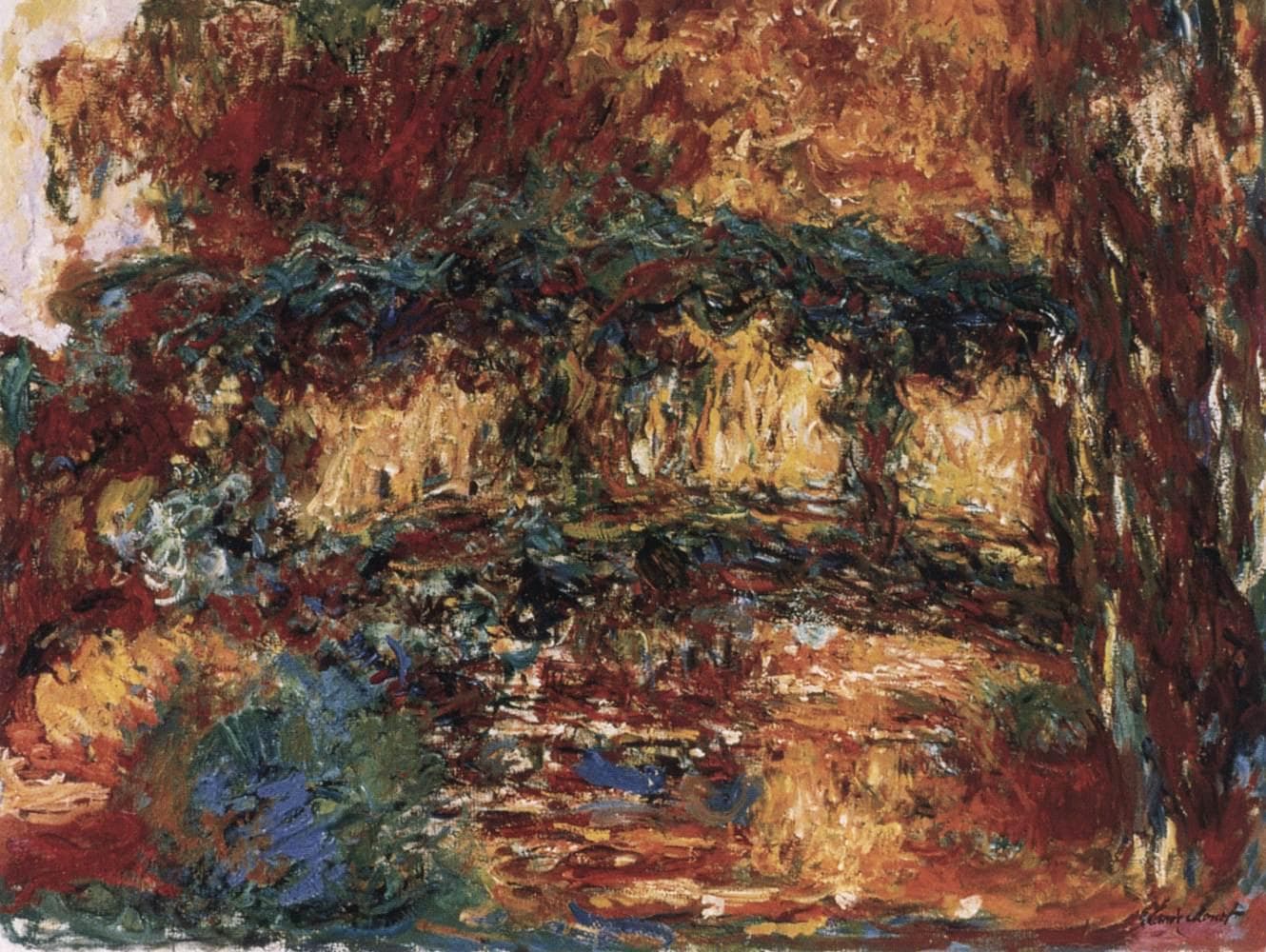
The Japanese Bridge
Claude Monet · c. 1923–25
Monet exhibitions in 2026–27
The year 2026 marks the centenary of Monet's death, at Giverny on 5 December 1926, and the major museums have marked it. These are the exhibitions we verified on the museums' own websites; dates can change, so confirm before you travel.
- Musée de l'Orangerie, Paris: Monet, painting time (Monet, peindre le temps), 30 September 2026 to 25 January 2027. Almost forty paintings, mostly from the Musée d'Orsay and the Musée Marmottan Monet, on Monet's treatment of time, from the Impressionist years through the series to the last Water Lilies. It then travels to Tate Modern, London, from 25 February to 27 June 2027.
- Musée Marmottan Monet, Paris: Histories of Landscape: From Monet to Hockney, 24 September 2026 to 31 January 2027, a centenary exhibition linking Monet to later landscape painters, then at the Musée de Grenoble from 5 March to 4 July 2027. Alongside it, Monet / Soriano: Mapping Mont Kolsås (also to 31 January 2027) answers Monet's Norwegian paintings of 1895 with a wall drawing by Peter Soriano.
The Brooklyn Museum Monet exhibition has closed. Monet and Venice, organized by the Brooklyn Museum with the Fine Arts Museums of San Francisco, ran in Brooklyn from 11 October 2025 to 1 February 2026 and in San Francisco from 21 March to 26 July 2026. It reunited nineteen of Monet's 1908 Venice paintings; see Monet in Venice. The Brooklyn Museum's own Venice canvas, The Doge's Palace, belongs to its permanent collection.
Paris: the three essential museums
Musée Marmottan Monet. The largest Monet collection in the world: about ninety paintings by our count, and about a hundred works by the museum's own description, most bequeathed by his son Michel in 1966. See Impression, Sunrise (1872), the picture that named Impressionism, then the late Giverny canvases of water lilies, willows and the Japanese bridge, many never exhibited in his lifetime. In the 16th arrondissement, near the Bois de Boulogne; closed on Mondays.
Musée d'Orsay. About ninety paintings, the public record of his career: Women in the Garden, fragments of Luncheon on the Grass, The Magpie, Poppy Field (1873), La Gare Saint-Lazare, the two Women with a Parasol, five Rouen Cathedrals and the lily pond. Most Impressionist Monets hang on the top floor (level 5). Closed on Mondays.
Musée de l'Orangerie. The eight panoramic Water Lilies, among them Green Reflections, installed in two oval rooms in the Tuileries in 1927, as Monet designed them, plus one Argenteuil canvas downstairs. Closed on Tuesdays.
The three can be seen in one long day, but two is better: the Orangerie and Orsay face each other across the Seine; the Marmottan is a metro ride west.
Giverny and Normandy
Monet's house and gardens at Giverny, about an hour from Paris, are run by the Fondation Claude Monet and open for part of the year only; check its website for the season. There are no original Monet paintings in the house, which is hung with reproductions and with his collection of Japanese prints, but the garden and lily pond are the subject of the last thirty years of his work; see Giverny.
In Normandy, the Musée des Beaux-Arts de Rouen has about ten Monets, including Rue Saint-Denis, Celebration of 30 June 1878, and the MuMa (Musée d'art moderne André Malraux) in Le Havre, the city of his childhood, has a group of coastal pictures. Elsewhere in France, look for Monets in Lille (a Houses of Parliament), Lyon, Caen, Nantes (a Venice gondola) and Grenoble.
The United States
- The Metropolitan Museum of Art, New York: about forty paintings, led by Garden at Sainte-Adresse (1867), La Grenouillère (1869), Bridge over a Pond of Water Lilies and the Havemeyer series pictures. Closed on Wednesdays.
- Museum of Fine Arts, Boston: nearly forty, including La Japonaise (1876), Grainstacks and The Grand Canal, with a gallery dedicated to Monet. Closed on Tuesdays.
- Art Institute of Chicago: more than thirty, with six Stacks of Wheat, the Gare Saint-Lazare and Étretat. Closed on Tuesdays.
- National Gallery of Art, Washington: more than twenty, including Woman with a Parasol – Madame Monet and Her Son (1875), The Japanese Footbridge (1899) and The Houses of Parliament, Sunset.
- Philadelphia Museum of Art: about twenty, including poplars and Japanese footbridge pictures.
- Museum of Modern Art, New York: a vast late Water Lilies triptych, nearly thirteen meters long, and a late Japanese Footbridge. A second late triptych is divided among the Cleveland Museum of Art, the Saint Louis Art Museum and the Nelson-Atkins Museum of Art, Kansas City.
- Also worth the trip: the Clark Art Institute (Williamstown), Harvard Art Museums (Cambridge), the Brooklyn Museum, the Minneapolis Institute of Art, the Dallas Museum of Art, the Denver Art Museum and the Los Angeles County Museum of Art.
The United Kingdom and Ireland
The National Gallery, London shows The Thames below Westminster (1871), Bathers at La Grenouillère, The Gare Saint-Lazare and a lily pond, some of them lent by Tate. The Courtauld Gallery has Antibes and Vase of Flowers. National Museum Cardiff holds the Davies sisters' Monets, including Sunset in Venice and a Rouen Cathedral. The Scottish National Gallery in Edinburgh has a Haystack in frost and a Poplars, and the Fitzwilliam Museum in Cambridge and the National Gallery of Ireland in Dublin smaller groups.
Germany, Switzerland and the rest of Europe
Germany has major Monets in several cities: Camille (The Woman in the Green Dress) at the Kunsthalle Bremen, The Lunch at the Städel in Frankfurt, The Bridge at Argenteuil in Munich's Neue Pinakothek, and pictures at the Alte Nationalgalerie, Berlin, and the Wallraf-Richartz-Museum, Cologne. The Museum Barberini in Potsdam shows the Hasso Plattner Collection, with more than thirty Monets, one of the largest groups anywhere.
In Switzerland, the Kunsthaus Zürich (with the Bührle Collection) and the Fondation Beyeler near Basel have late water lilies of great size. Further east, the Pushkin Museum in Moscow and the State Hermitage Museum in Saint Petersburg hold the Shchukin and Morozov Monets, among them The Picnic, Boulevard des Capucines and the Montgeron decorations. There are also fine Monets in Vienna (Belvedere), Copenhagen (Ny Carlsberg Glyptotek and Ordrupgaard), Otterlo (Kröller-Müller), Madrid (Thyssen-Bornemisza), Lisbon (Gulbenkian) and Budapest.
Japan and elsewhere
Japanese collectors were among the earliest to buy Monet, and Japan now has several of the world's important collections. The National Museum of Western Art in Tokyo, built on the Matsukata Collection, has Three Poplars, Summer and water lilies; the Pola Museum of Art in Hakone has about twenty; the Artizon Museum, Tokyo, and the Chichu Art Museum on Naoshima island, where five late water lilies hang in a room lit by daylight designed by Tadao Ando, are both remarkable. Outside Europe, the US and Japan, look for Monets in São Paulo (MASP), Ottawa (National Gallery of Canada), Tel Aviv and Cairo.
Planning tips
Major Monets travel often, especially in a centenary year, so check a painting's page on the museum's website before making a special trip. Most of the museums above let you search their online collections for "Monet" and show whether a work is on view and in which gallery.
Questions & answers
Where can I see the most Monet paintings?
Paris. The Musée Marmottan Monet has the world's largest Monet collection, about ninety paintings including Impression, Sunrise; the Musée d'Orsay has about ninety more; and the Musée de l'Orangerie shows the eight great Water Lilies. Outside France, the Met, the MFA Boston and the Art Institute of Chicago each hold thirty to forty.
Is there a Monet exhibition in 2026?
Yes. For the centenary of his death, the Musée de l'Orangerie in Paris shows Monet, painting time from 30 September 2026 to 25 January 2027, and the Musée Marmottan Monet shows Histories of Landscape: From Monet to Hockney from 24 September 2026 to 31 January 2027. The Orangerie show moves to Tate Modern in February 2027.
Is the Brooklyn Museum Monet exhibition still open?
No. Monet and Venice was at the Brooklyn Museum from 11 October 2025 to 1 February 2026, then at the Fine Arts Museums of San Francisco until 26 July 2026. The Brooklyn Museum still owns and shows Monet's Venice painting The Doge's Palace in its permanent collection.
Can you see real Monet paintings at Giverny?
Not in his house. Monet's house and gardens at Giverny, run by the Fondation Claude Monet, show reproductions and his Japanese prints, but no original Monet paintings. The real attraction is the garden and lily pond he painted. For originals, go to the Marmottan, Orsay and Orangerie in Paris.
Where are Monet's Water Lilies?
The most famous are the eight panels at the Musée de l'Orangerie, Paris. Many more are at the Musée Marmottan Monet, and others are in New York (MoMA and the Met), Cleveland, Saint Louis, Kansas City, Zurich, Basel, London, Tokyo and Naoshima, as well as in private collections.