Impressionism
Camille Monet on a Garden Bench
Claude Monet, 1873
Camille Monet on a Garden Bench is an 1873 painting by Claude Monet of his wife Camille seated in their garden at Argenteuil, a note in her gloved hand, as a top-hatted man leans on the bench behind her. It is in the Metropolitan Museum of Art, New York.
- Artist
- Claude Monet
- Date
- 1873
- Medium
- Oil on canvas
- Dimensions
- 60.6 × 80.3 cm
- Collection
- The Metropolitan Museum of Art, New York, United States
- Movement
- Impressionism
- Catalogue
- Wildenstein 281
Painted at Monet at ArgenteuilMore at Monet at the Met
What you are looking at
A woman sits sideways on a green-slatted garden bench, her full grey-green skirt spread across the seat and onto the path. She wears a black jacket over it and a dark hat trimmed with red and pink flowers. Her face is turned toward us, pale and unsmiling, her eyes heavy. In her right hand, in a white glove, she holds a small slip of paper, a note or letter.
Behind the bench a bearded man in a black top hat and dark coat leans his arms on the backrest and looks at her. On the seat beside her lies a bouquet of pink and red flowers. Beyond them, a bright bed of red and orange geraniums blazes in the sun, and in the far left distance a woman in lavender walks with a green parasol.
The woman is Camille Doncieux, Monet's wife since 1870 and his most frequent model. The garden is the one behind the house the Monets rented in Argenteuil, on the Seine near Paris.
An enigmatic scene
The Metropolitan Museum of Art, which owns the painting, describes it as enigmatic. Most of Monet's garden pictures of these years show family leisure: Camille and their son Jean among flowers, guests at lunch. Here the mood is different.
Camille looks sad, almost wary, and the man behind her is not her husband. The Met notes that the painting was made in the year Camille's father died, in September 1873, and suggests that the top-hatted gentleman, later identified as a neighbor, may have come to offer condolences and the bouquet. If so, the paper in her hand may be a letter of sympathy.
That is an interpretation, not a documented fact; Monet left no explanation. What is clear is that he set an emotionally ambiguous moment in the middle of a sunlit garden, and that the contrast is deliberate.
Close looking
Start with the light. The path in the foreground is a warm, pinkish sand color with violet shadows. The geraniums behind are painted with quick, thick dabs of vermilion and orange that almost vibrate against the green. All this brightness sits behind Camille, who is dressed in dark, subdued tones; she is the one shaded, quiet zone in a picture full of color.
Then look at the bench. Its green slats run in long diagonals across the canvas from left to right, leading the eye from the empty end of the bench to Camille, then to the man and the flowers. The bouquet is painted in a few loose strokes of pink, white and red, set off from Camille by a deliberate gap. Monet uses that space to separate the two people as much as to join them.
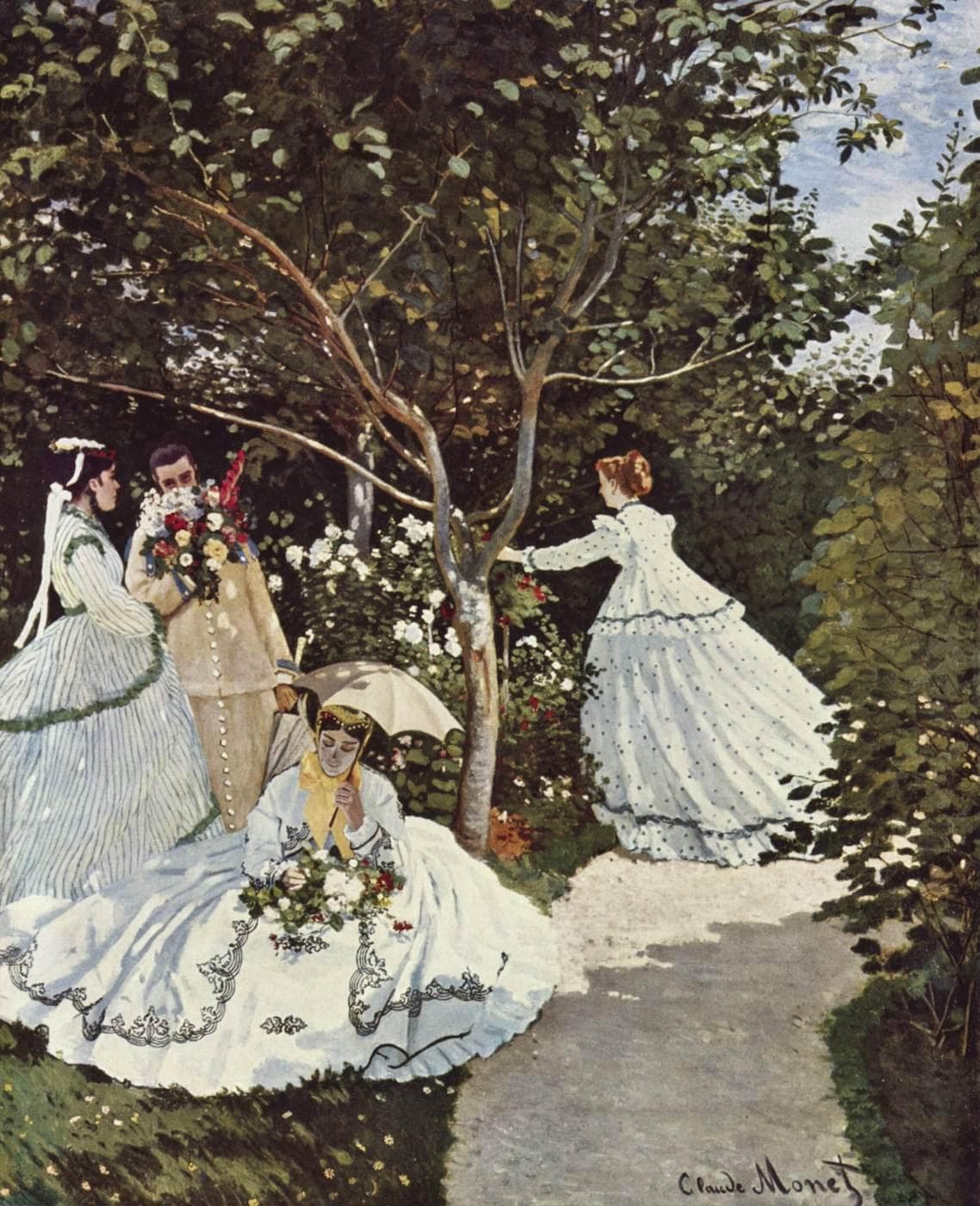
Finally, the distant woman with the parasol. She is tiny, a few strokes of lavender and green, but she repeats the motif of a woman in the garden and reminds us that this is a social space. Some viewers have identified her too as Camille, painted twice, a device Monet had used before in Women in the Garden.
Argenteuil and Impressionism
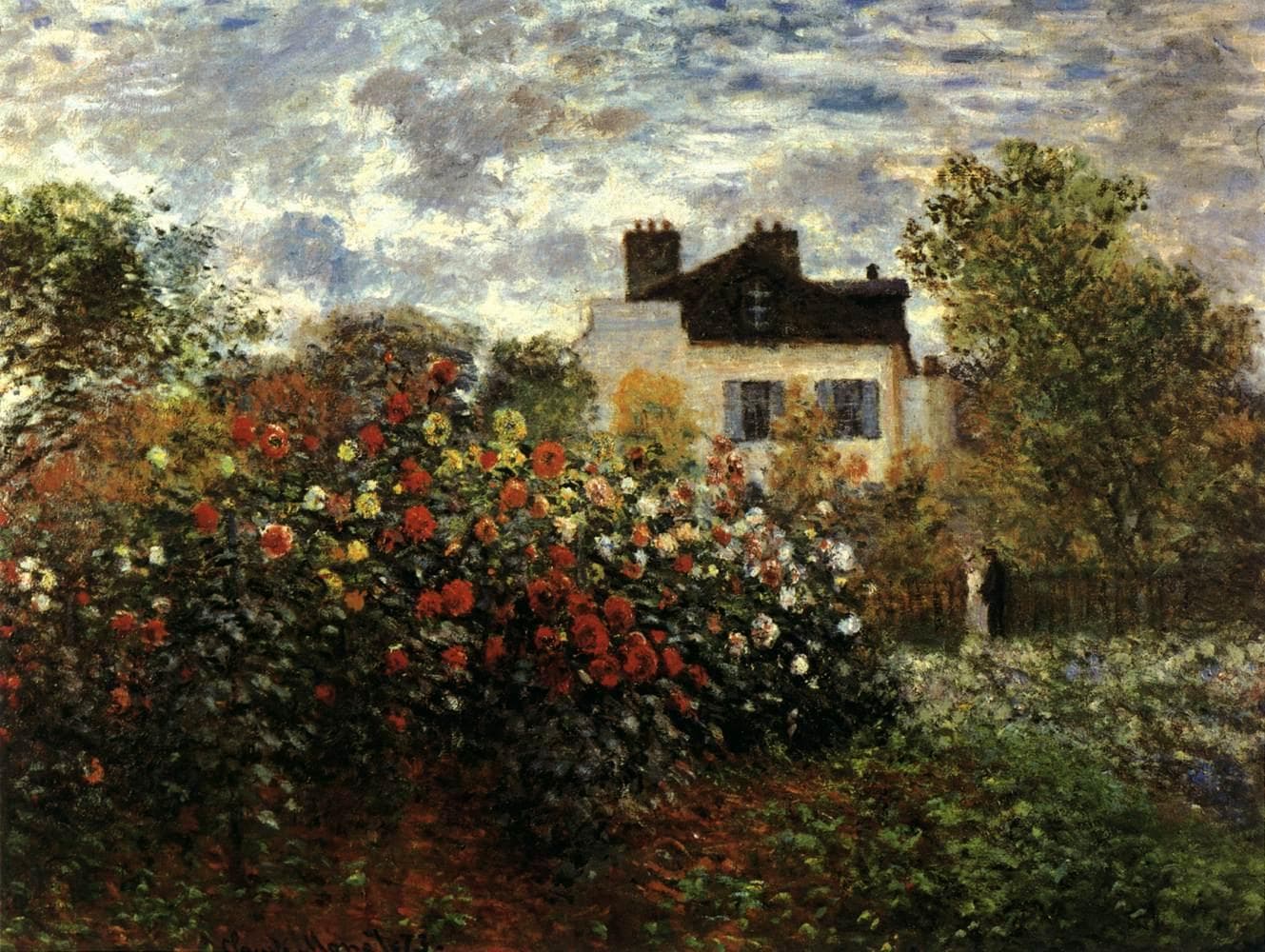
Monet lived in Argenteuil from late 1871 to 1878, and these were the years in which the Impressionist style crystallized. In 1873 he and his friends were planning the independent exhibition that would open in April 1874 and give the movement its name. His Argenteuil garden appears in many paintings of the period, including The Luncheon (Monet's Garden at Argenteuil) and Monet's Garden at Argenteuil. The garden was rented, not owned, and Monet filled it with flowers in pots and beds specifically to paint them.
Camille
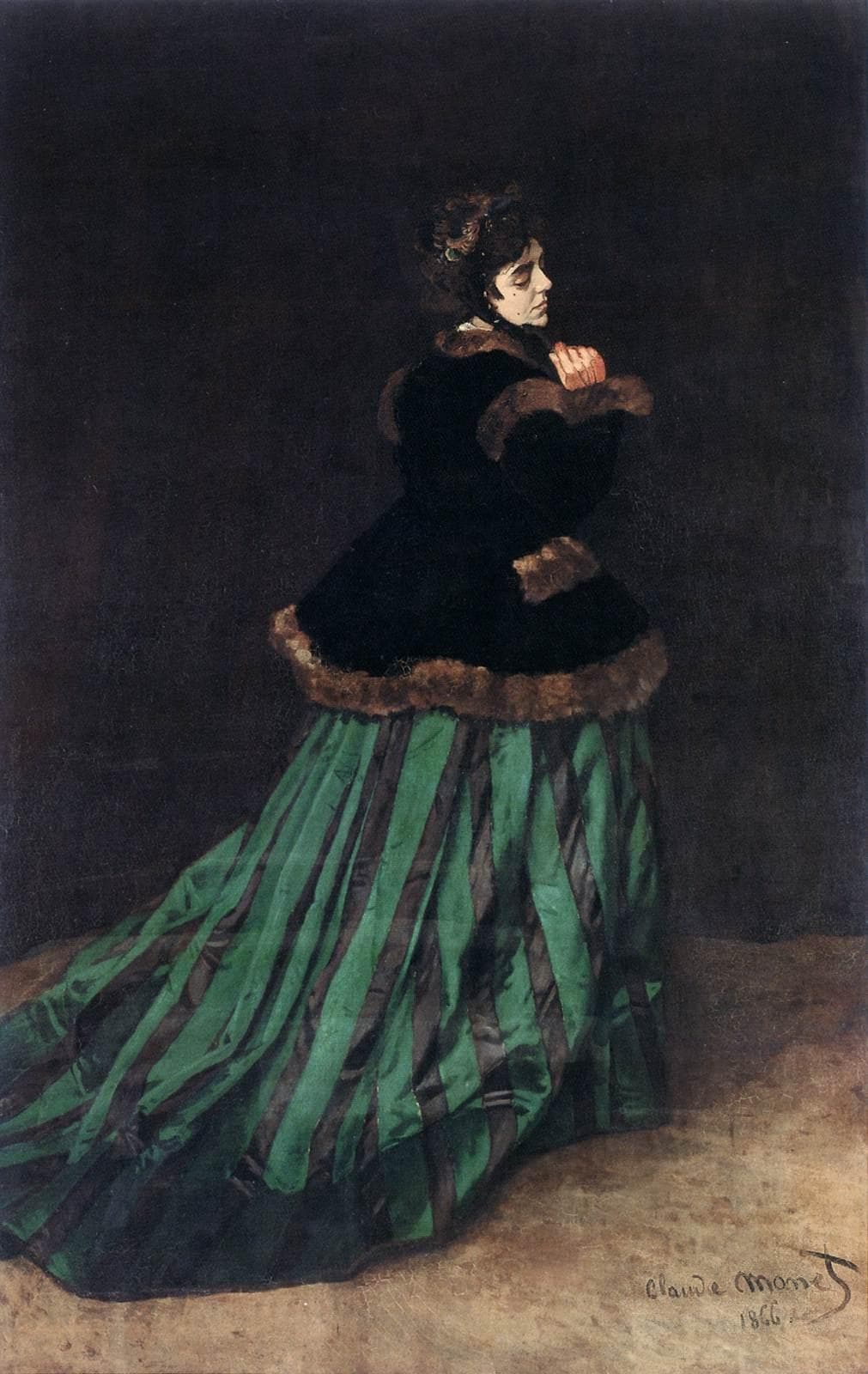
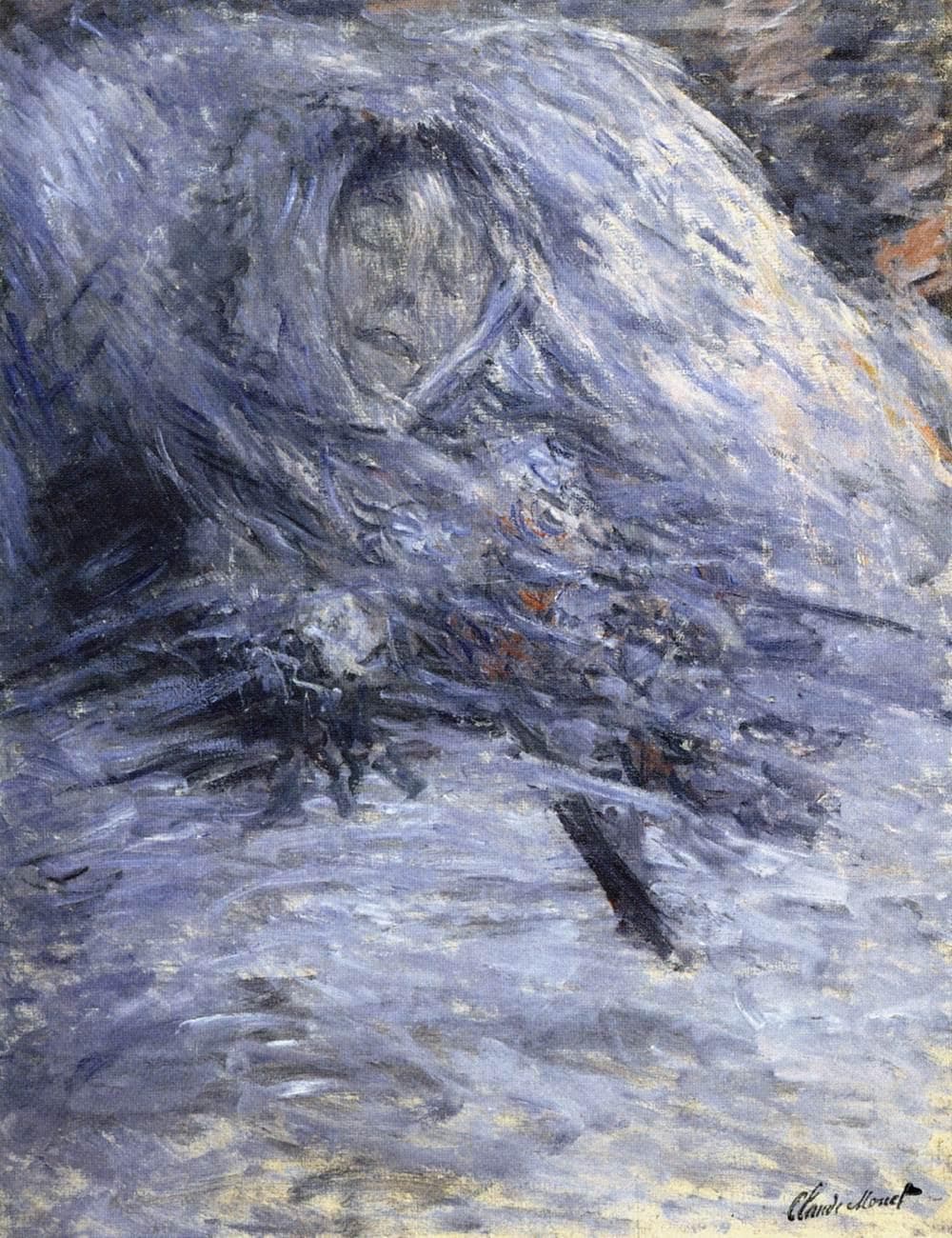
Camille Doncieux (1847–1879) posed for Monet from 1865, most famously in Camille (Woman in the Green Dress) and Woman with a Parasol. She died in 1879 at Vétheuil, aged thirty-two, and Monet painted her on her deathbed (Camille Monet on Her Deathbed). Seen against that history, the melancholy of this picture can look prophetic, though it was painted six years earlier.
A painting of modern life
The Impressionists' friend, the writer Edmond Duranty, called in 1876 for a painting that would show people in their real settings, their gestures revealing their circumstances. Camille Monet on a Garden Bench answers that call in a small way. Nothing here is posed in the academic sense: the man leans casually, the flowers have been put down rather than arranged, Camille seems to have just turned to look at us. The painting's meaning comes from these small signs, the glove, the note, the top hat, the bouquet, which is why viewers still try to read it like a scene from a novel.
Provenance
The painting was part of the collection of Walter H. and Leonore Annenberg, which was promised to the Met and entered it in 2002 (accession 2002.62.1).
Where to see it
Camille Monet on a Garden Bench is in the Metropolitan Museum of Art, New York, among the nineteenth-century European paintings (listed in Gallery 821). Gallery assignments change, so check the Met's website before visiting.
Questions & answers
Where is Camille Monet on a Garden Bench?
The painting is in the Metropolitan Museum of Art in New York, part of the Walter H. and Leonore Annenberg Collection that entered the museum in 2002. It is an oil on canvas measuring 60.6 × 80.3 cm and has been displayed in Gallery 821.
Who is the man behind Camille on the bench?
He is not Monet. The Met describes him as a top-hatted gentleman later identified as a neighbor. Because the painting dates from the year Camille's father died, the museum suggests he may have come to offer condolences and the bouquet lying on the bench.
Why does Camille look sad in the painting?
Monet left no explanation, but the painting was made in 1873, the year Camille's father died. She holds a note in her gloved hand and wears dark clothes, so many viewers read the scene as a moment of mourning set in a bright summer garden.
Where was Camille Monet on a Garden Bench painted?
It was painted in the garden of the house the Monets rented in Argenteuil, a town on the Seine near Paris, where they lived from 1871 to 1878. The same garden appears in The Luncheon and Monet's Garden at Argenteuil.
Is this the same as Monet's Women in the Garden?
No. Women in the Garden is a much larger painting of 1866, now in the Musée d'Orsay, showing four women in white dresses, with Camille posing for several of them. Camille Monet on a Garden Bench dates from 1873 and is in New York.
More by the artist
Claude Monet

Bridge over a Pond of Water Lilies
Claude Monet · 1899

Woman with a Parasol – Madame Monet and Her Son
Claude Monet · 1875

Sunset in Venice
Claude Monet · 1908–12

La Grenouillère
Claude Monet · 1869

Beach in Pourville
Claude Monet · 1882

Springtime
Claude Monet · 1872

Boating on the River Epte
Claude Monet · 1890

The Seine at Asnières (Hermitage)
Claude Monet · 1873
Also painted in 1873
The same year
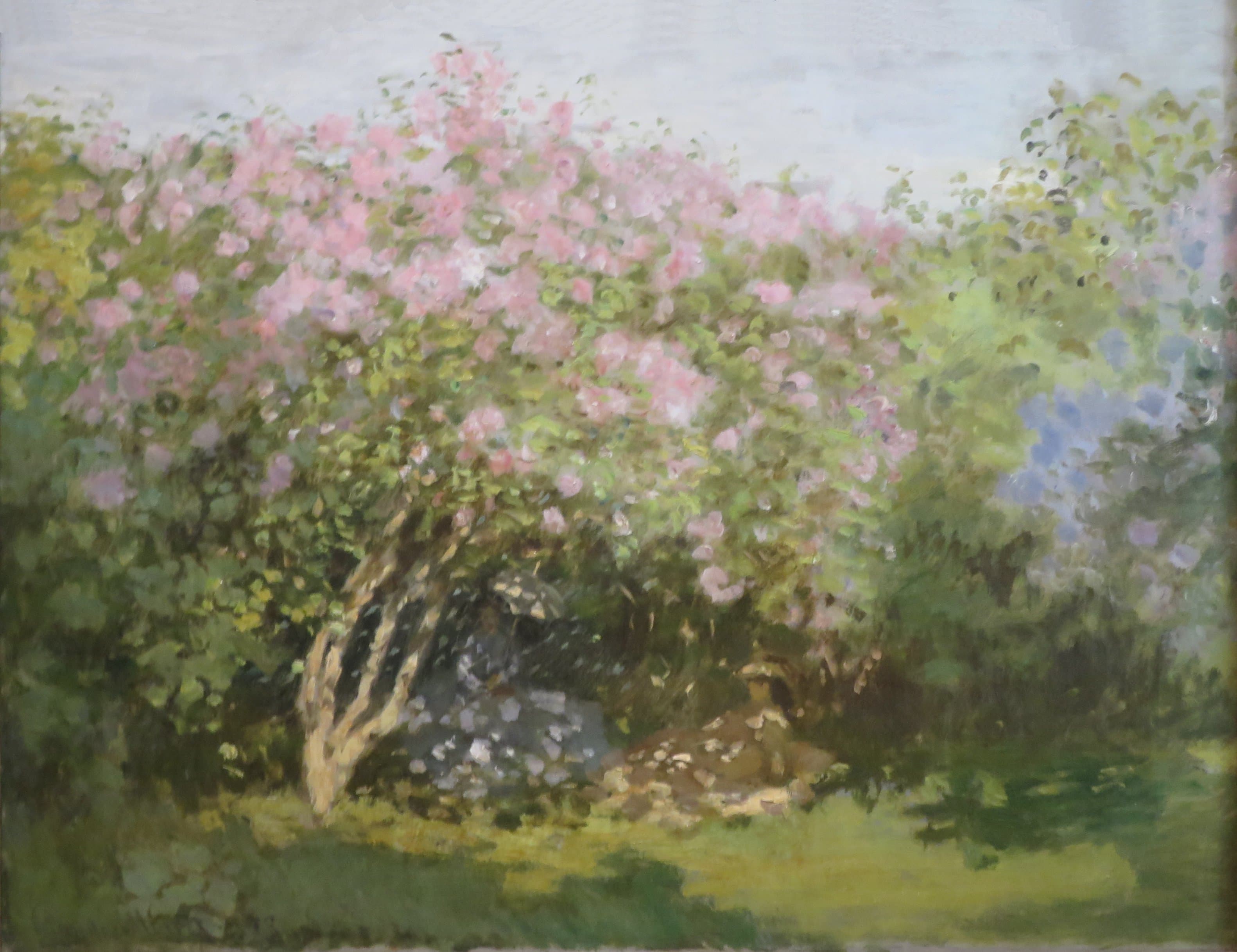
Lilac in the Sun
Claude Monet · 1873
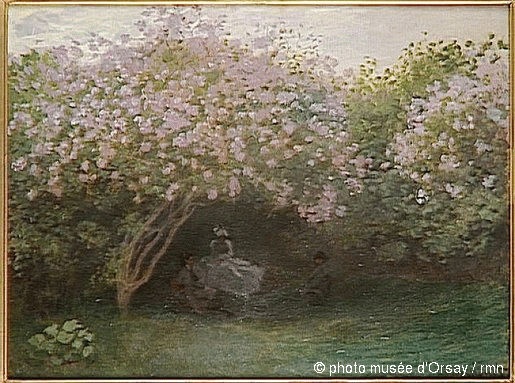
Lilacs, Gray Weather
Claude Monet · 1872–73
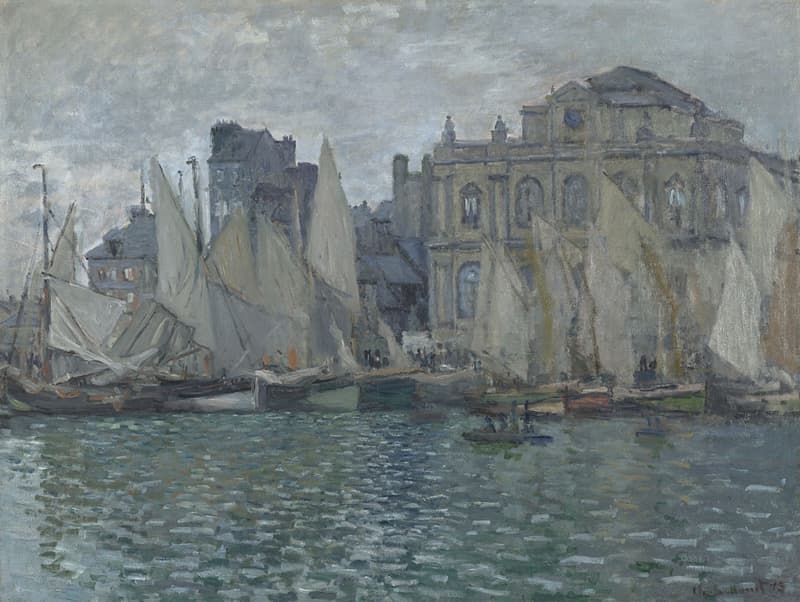
The Museum at Le Havre
Claude Monet · 1873
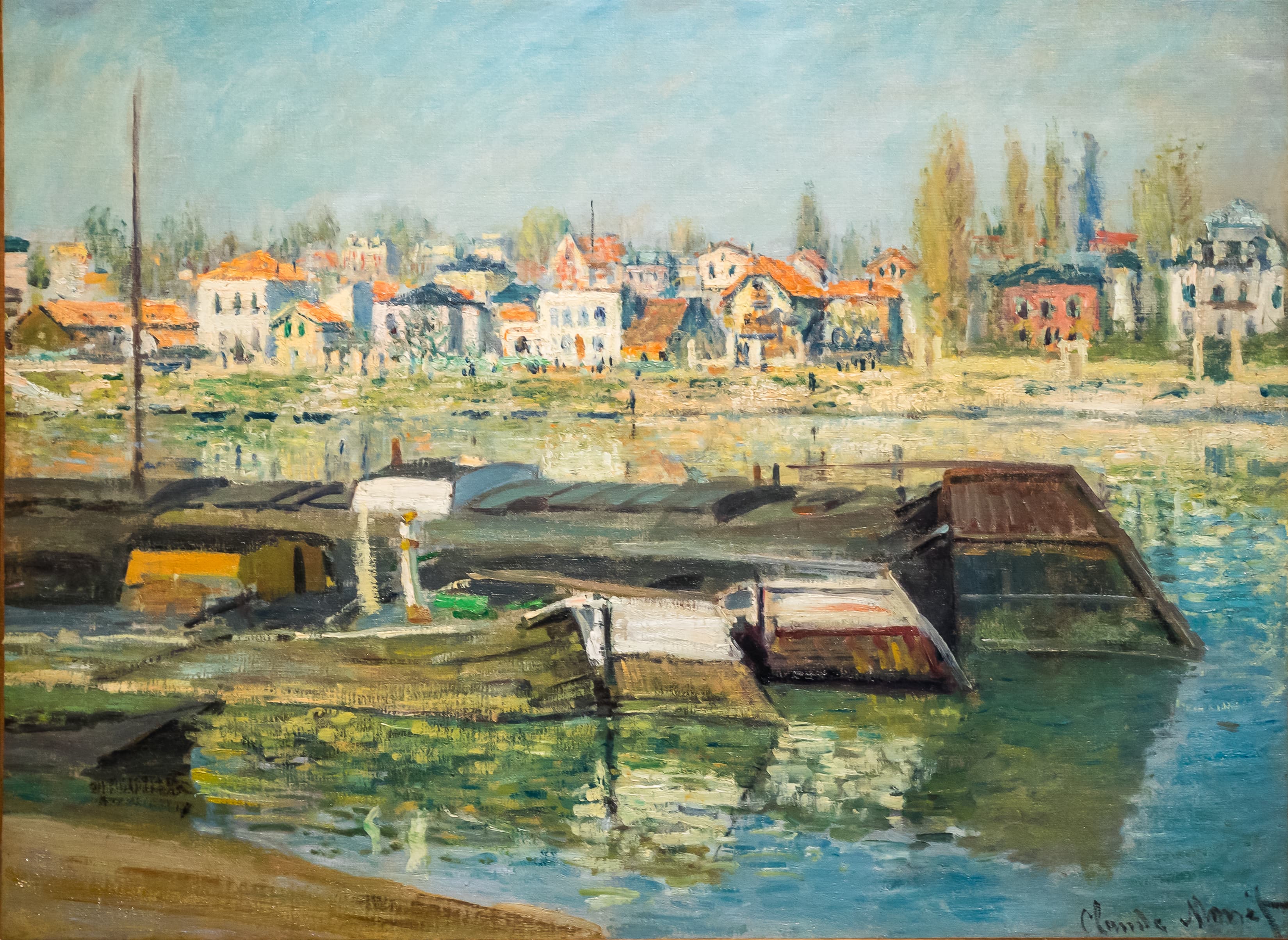
The Seine at Asnières
Claude Monet · 1873
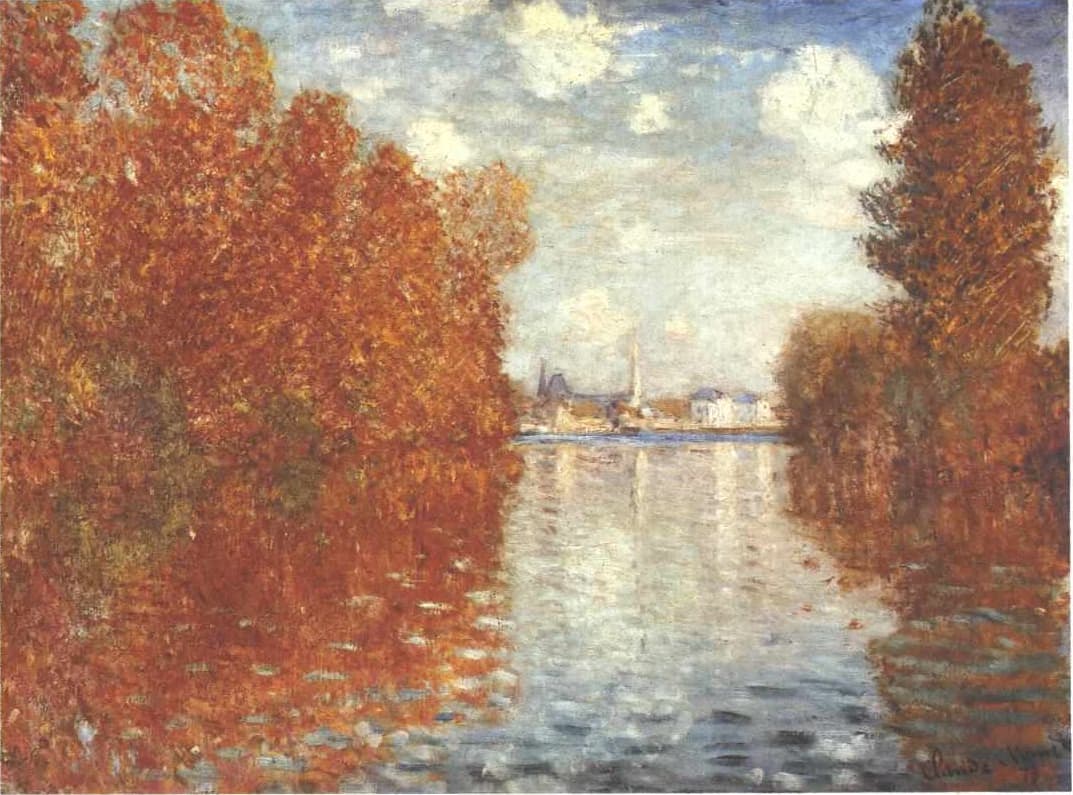
Autumn Effect at Argenteuil
Claude Monet · 1873
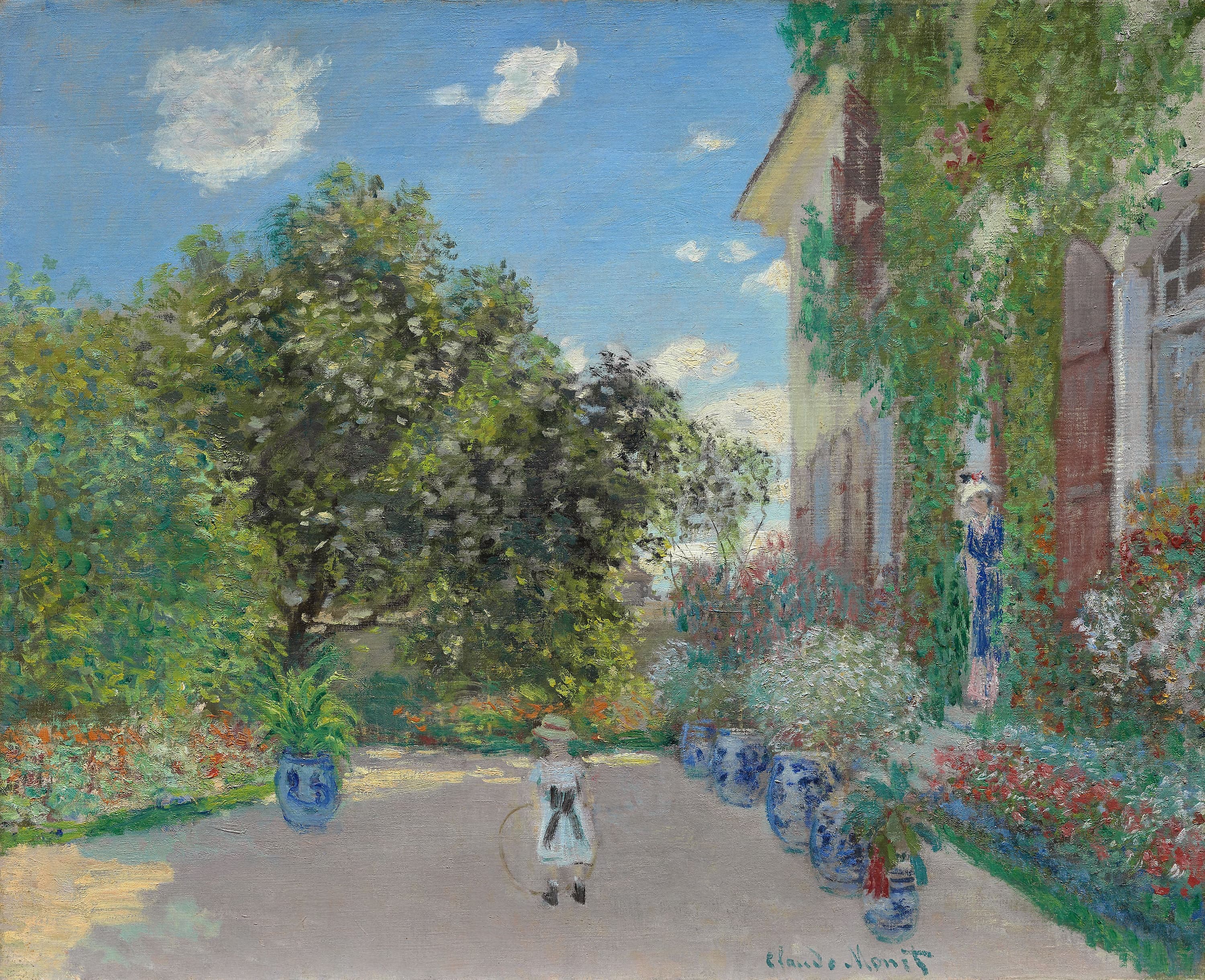
The Artist's House at Argenteuil
Claude Monet · 1873
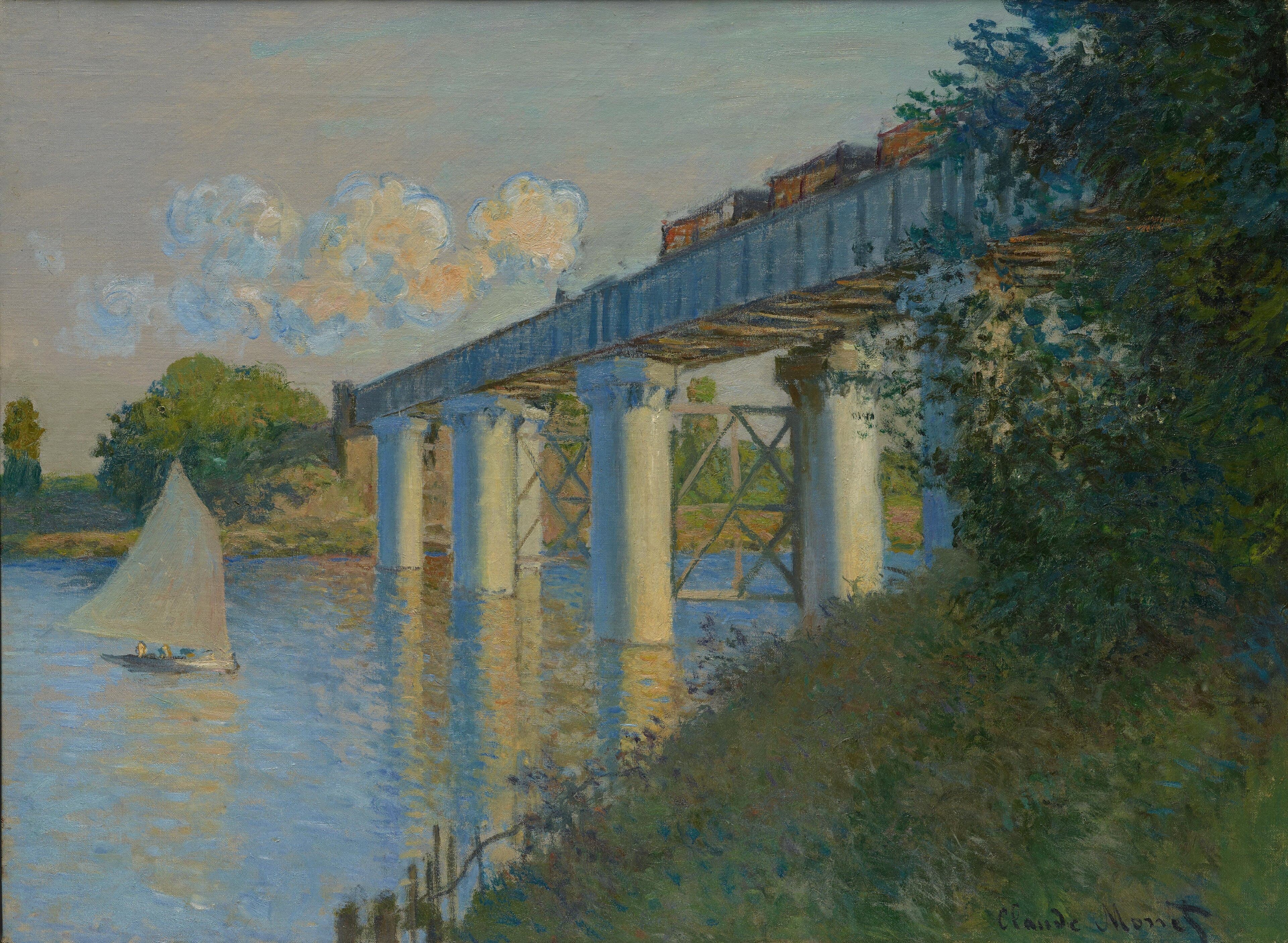
Railroad Bridge, Argenteuil
Claude Monet · 1873
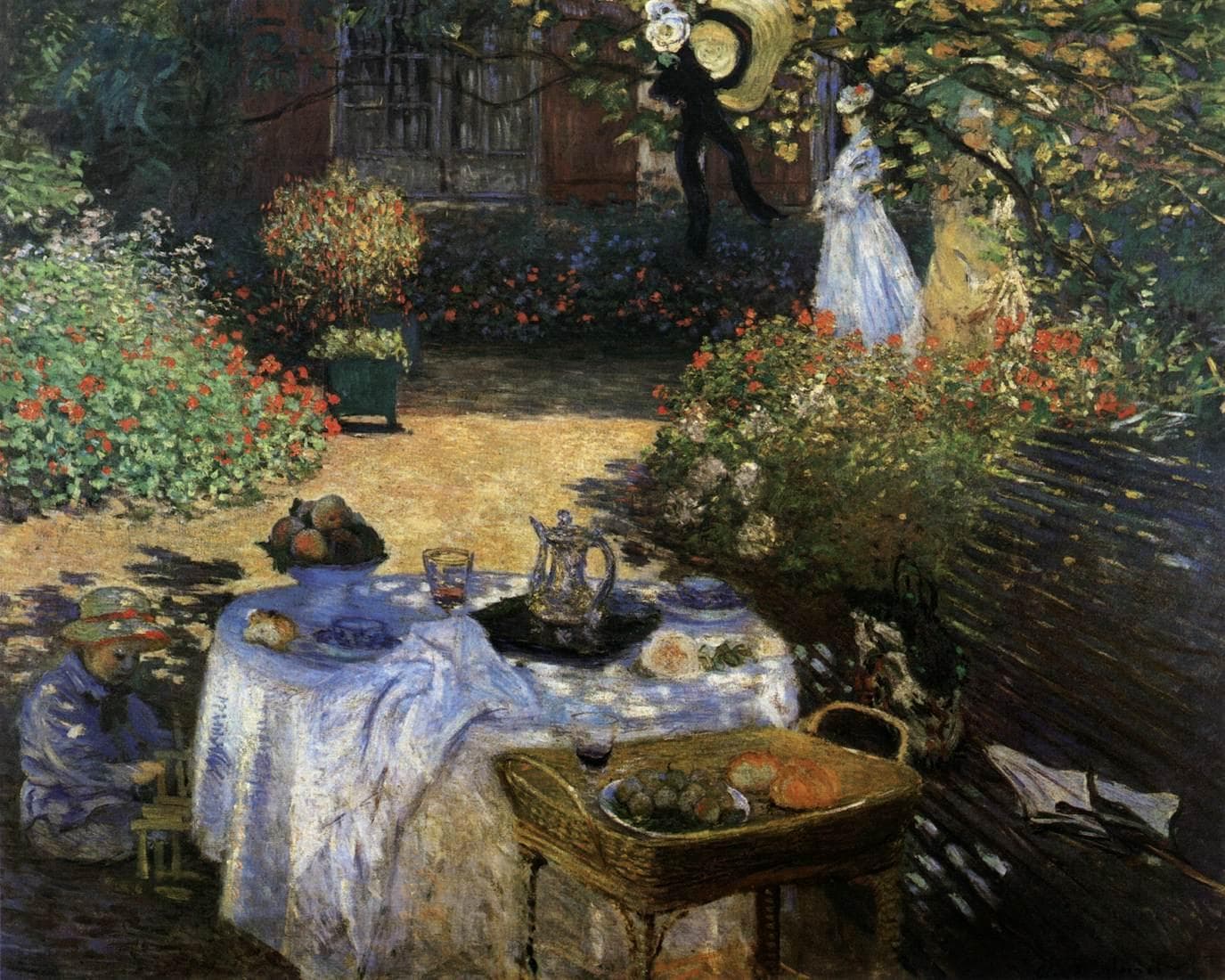
The Luncheon (Monet's Garden at Argenteuil)
Claude Monet · c. 1873
Kindred works
You may also study
The Luncheon (Monet's Garden at Argenteuil)
Claude Monet · c. 1873
Women in the Garden
Claude Monet · 1866–67
The Artist's Garden in Argenteuil (A Corner of the Garden with Dahlias)
Claude Monet · 1873
Camille (The Woman in the Green Dress)
Claude Monet · 1866
Camille Monet on Her Deathbed
Claude Monet · 1879
Madame Monet and a Friend in the Garden
Claude Monet · c. 1872

Venus de Milo
Alexandros of Antioch · c. 150–125 BC

The Scream
Edvard Munch · 1893