Museum
Monet at the MFA Boston: La Japonaise, Grainstacks and Water Lilies
Nearly forty paintings, gathered by Boston families who discovered Monet early, and a gallery devoted to him: how to see the Museum of Fine Arts' Monets.
Monet at the MFA Boston means one of the largest Monet collections outside France: the Museum of Fine Arts, Boston holds nearly forty paintings by Claude Monet by our catalogue's count, from Rue de la Bavole, Honfleur (1864) and La Japonaise (1876) to the Grainstacks, Rouen Cathedral, The Grand Canal in Venice (1908) and the water lilies. A selection hangs in Gallery 252, the Lorna and Robert Rosenberg Gallery, which the museum dedicates to Monet.
The collection grew from Boston's early enthusiasm for Monet: local painters who had visited Giverny, and families who bought his pictures in the 1890s and later gave them to the museum. This guide picks out what to see first and gives practical notes for a visit.
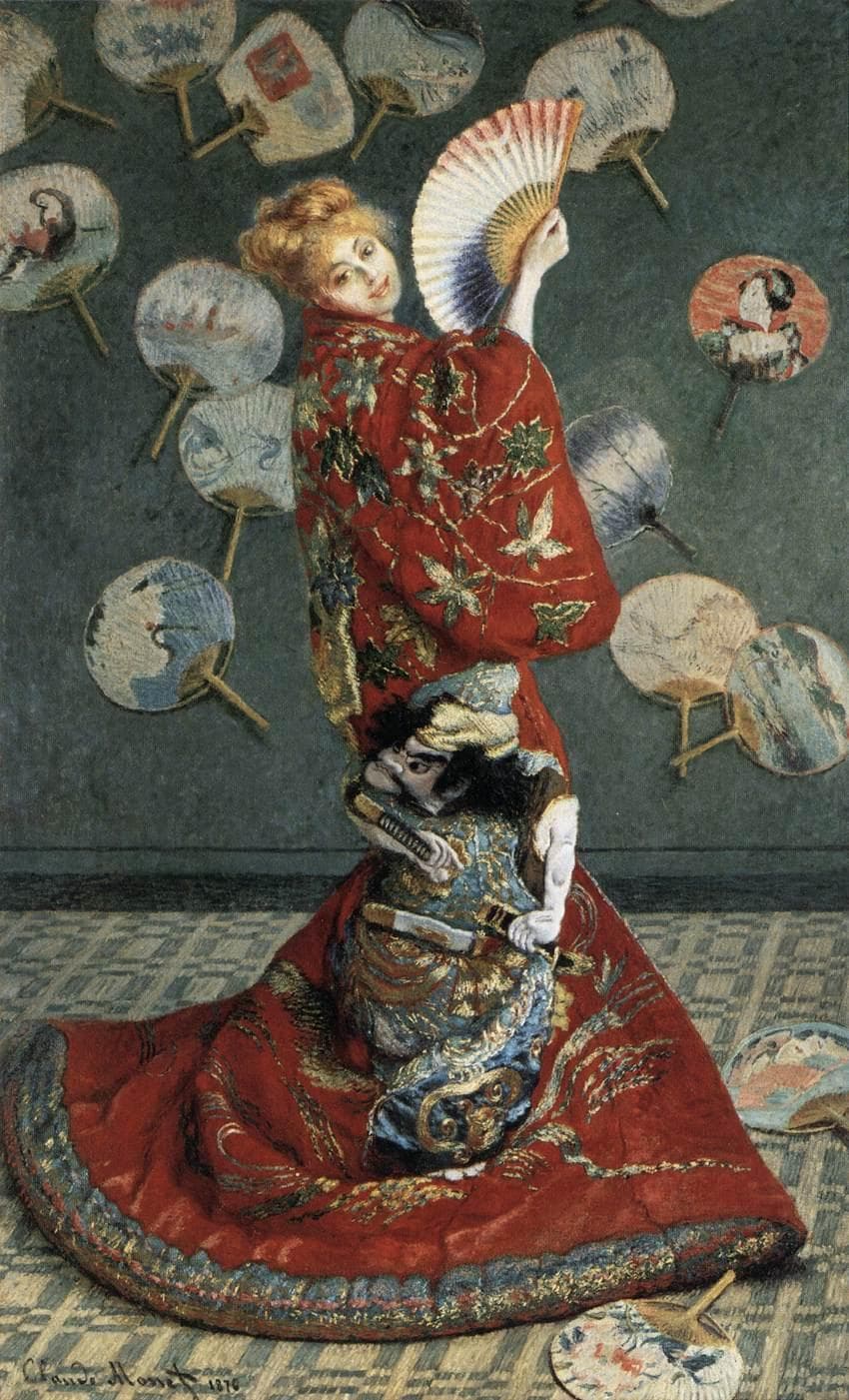
La Japonaise (Camille Monet in Japanese Costume)
Claude Monet · 1876
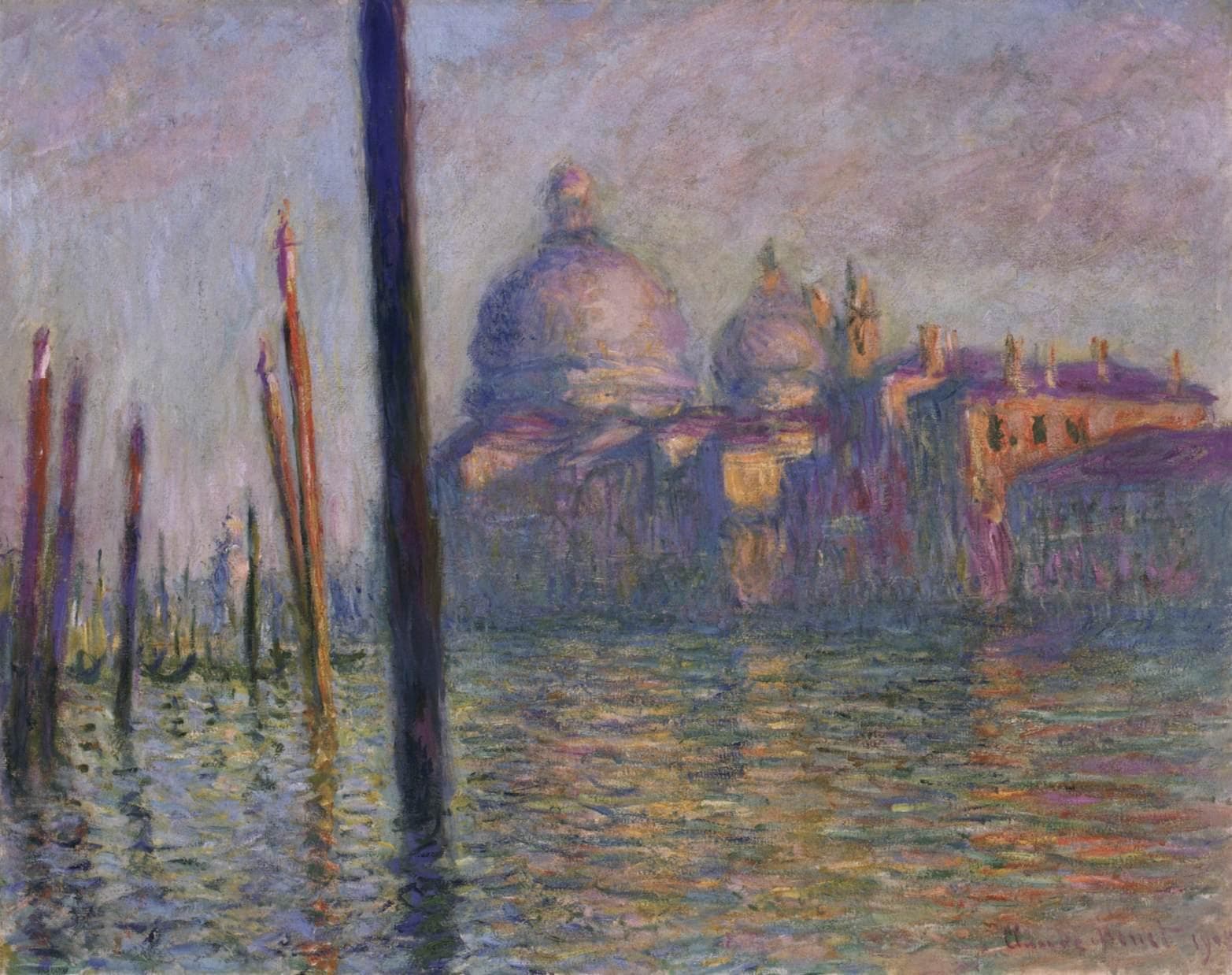
The Grand Canal in Venice
Claude Monet · 1908
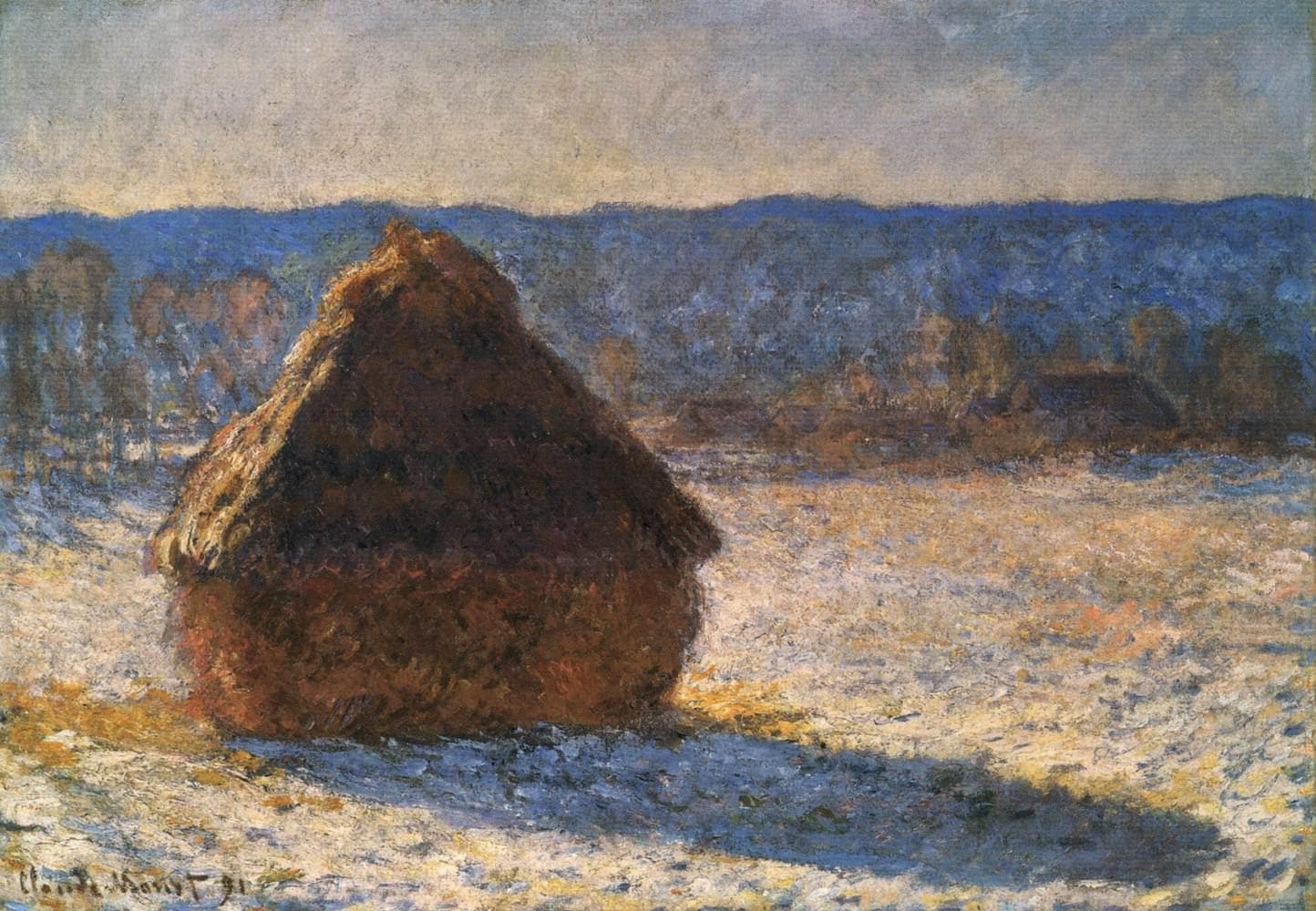
Grainstack (Snow Effect)
Claude Monet · 1891
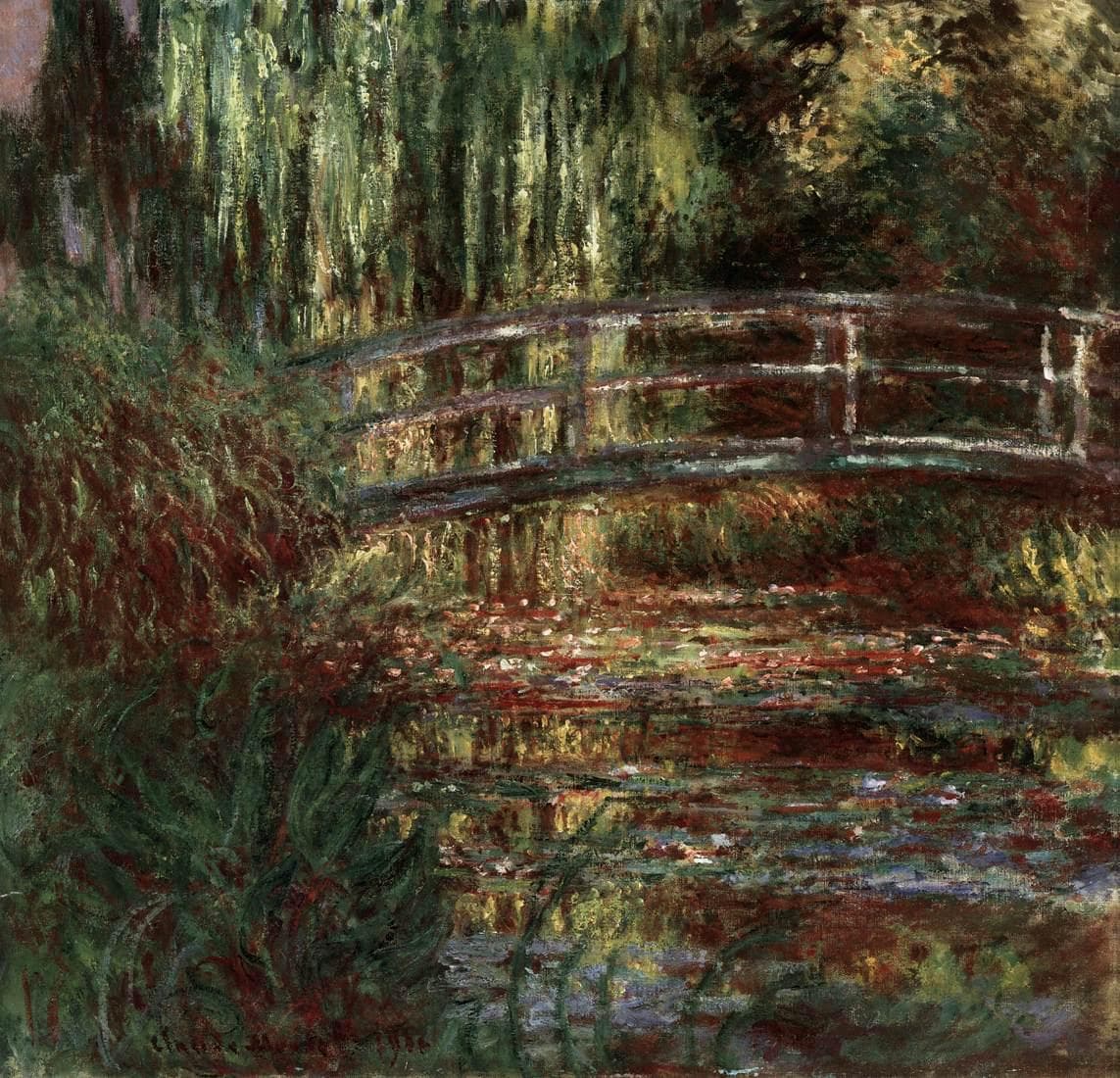
The Water Lily Pond
Claude Monet · 1900
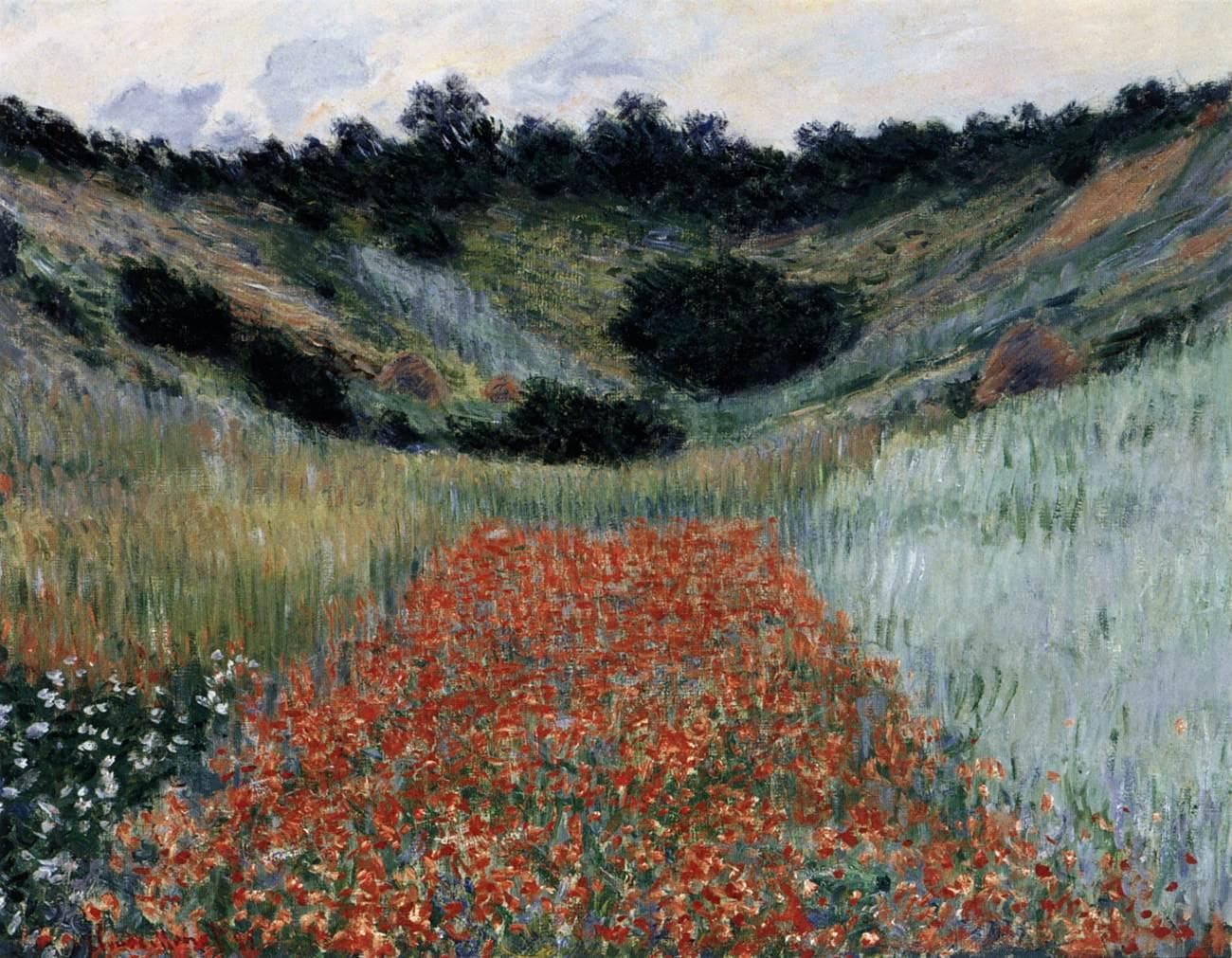
Poppy Field in a Hollow near Giverny
Claude Monet · 1885
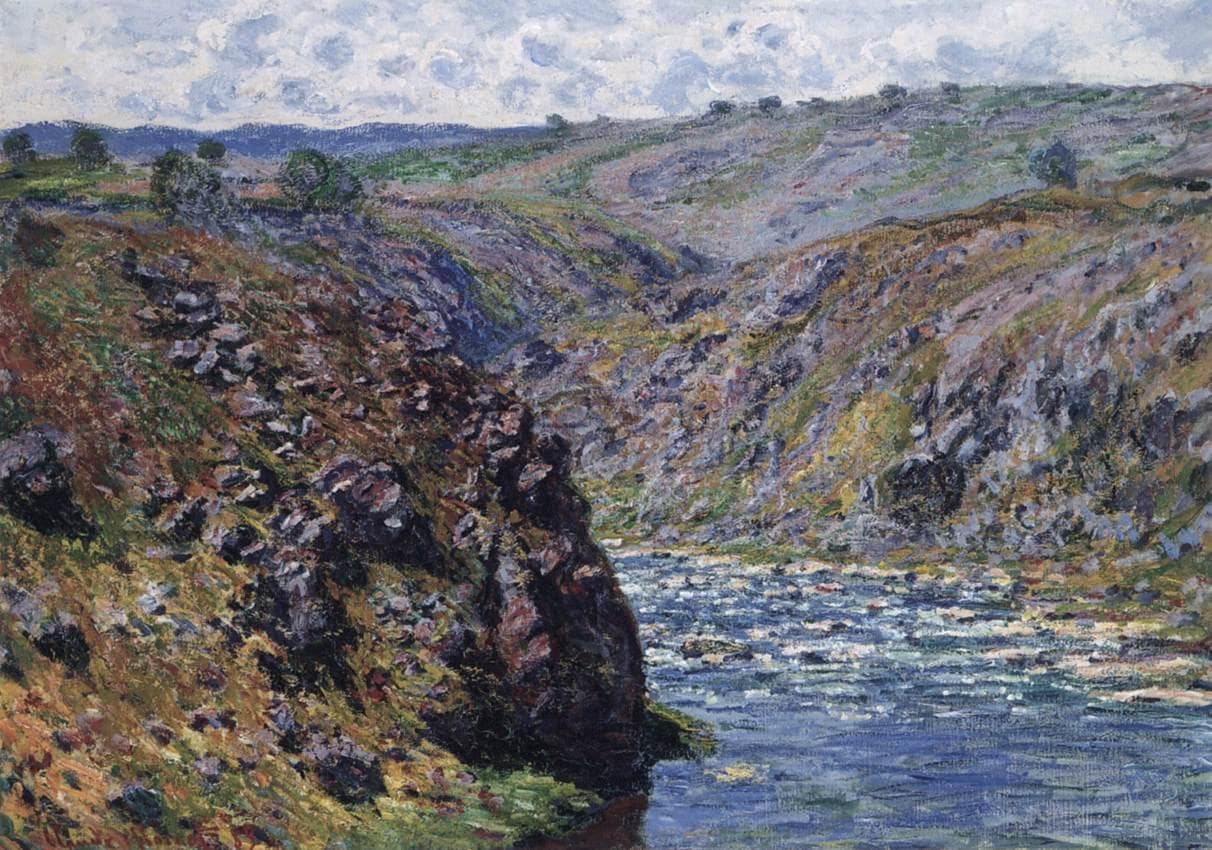
Valley of the Creuse (Sunlight Effect)
Claude Monet · 1889
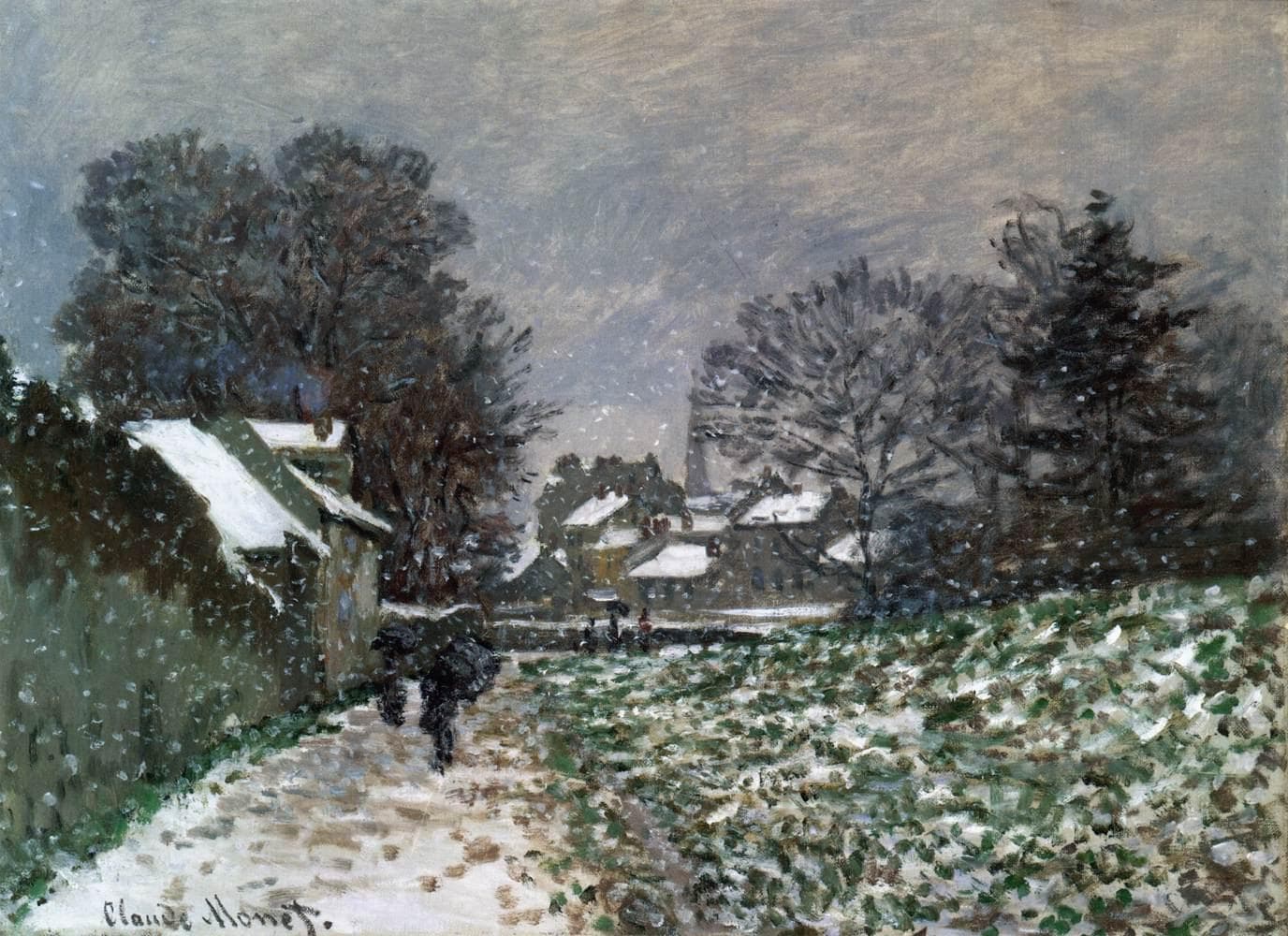
Snow at Argenteuil
Claude Monet · c. 1874
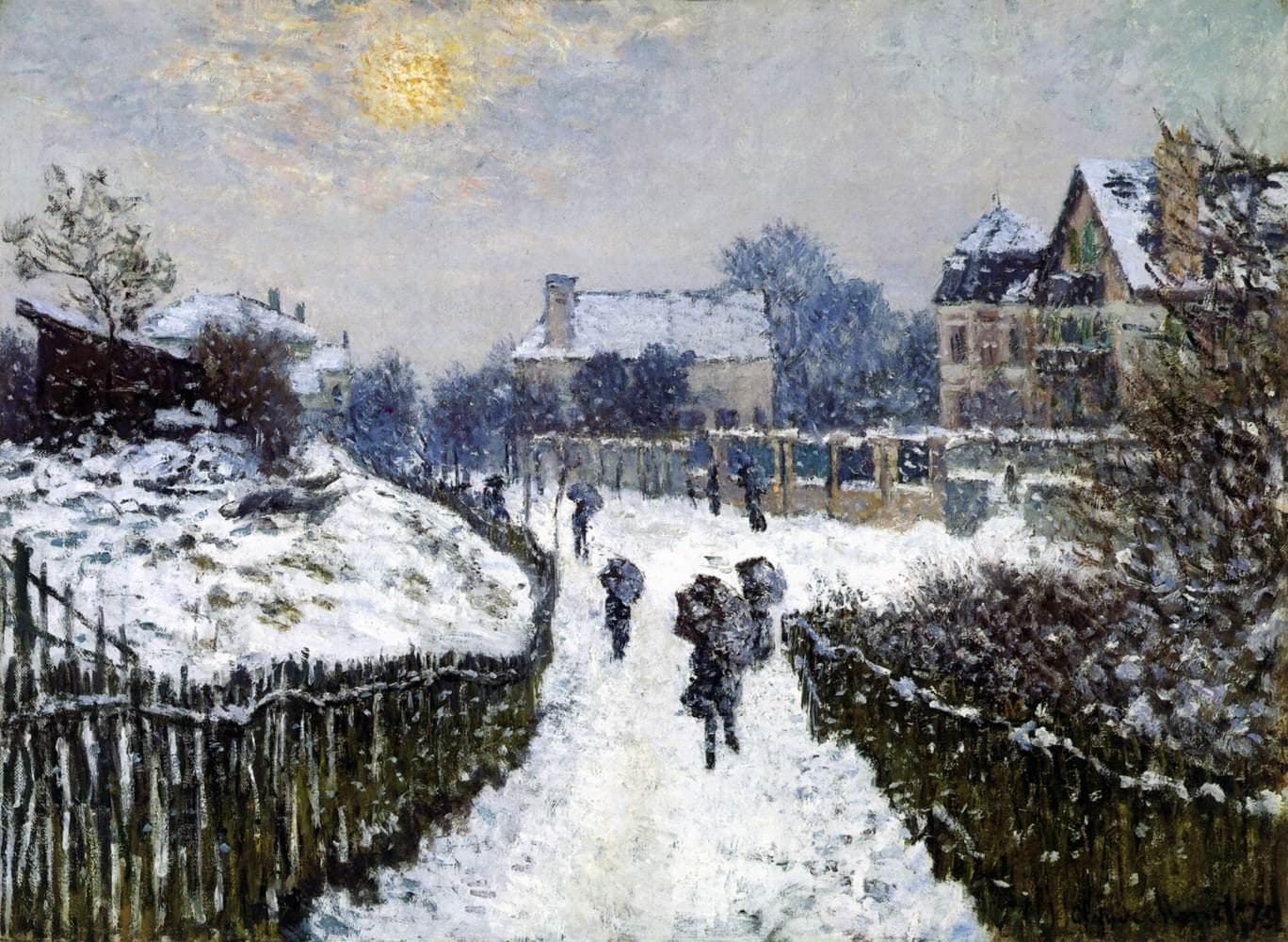
Boulevard Saint-Denis, Argenteuil, in Winter
Claude Monet · 1875
The collection
All 38 works in the collection
From the catalogue raisonné. Works with a full close reading are marked ✦.
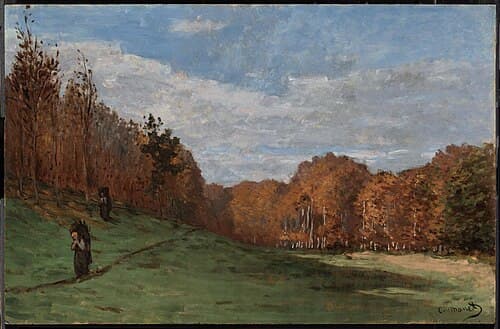
Woodgatherers at the Edge of the Forest
1863
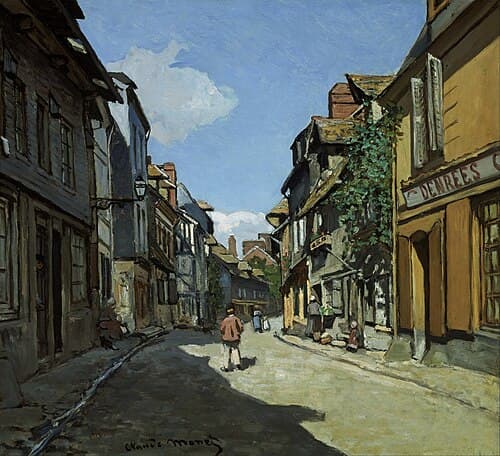
Rue de la Bavole, Honfleur
1864
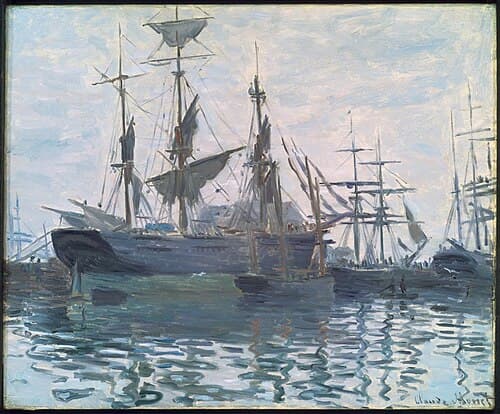
Ships in a Harbor
1873
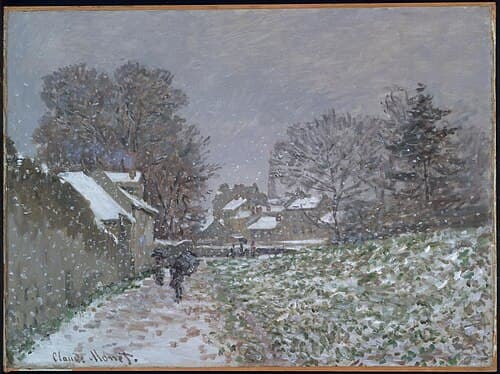
✦Snow at Argenteuil
1874
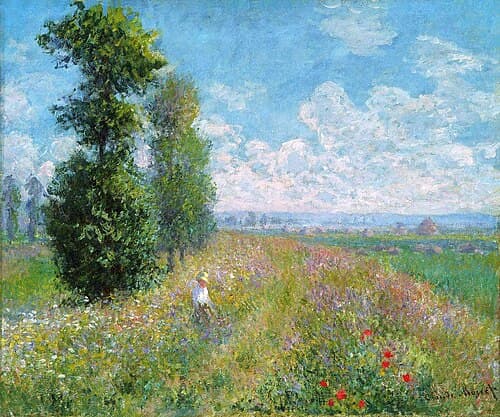
Meadow with Poplars
1875
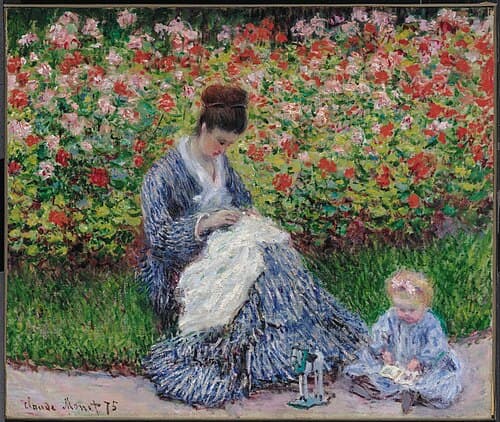
Camille Monet and a Child in the Artist's Garden in Argenteuil
1875
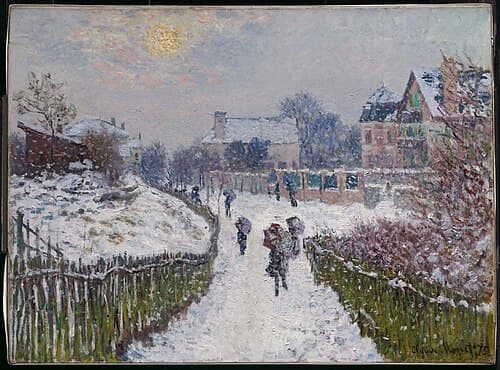
✦Boulevard Saint-Denis, Argenteuil, in Winter
1875
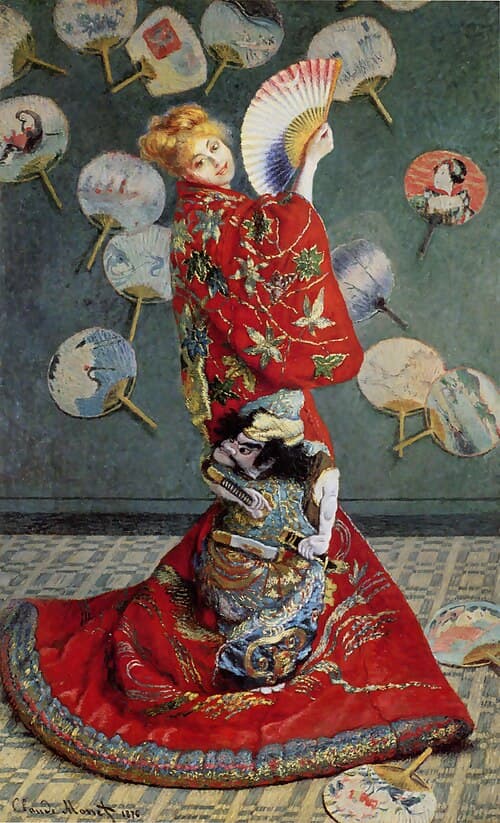
✦Madame Monet wearing a kimono
1876
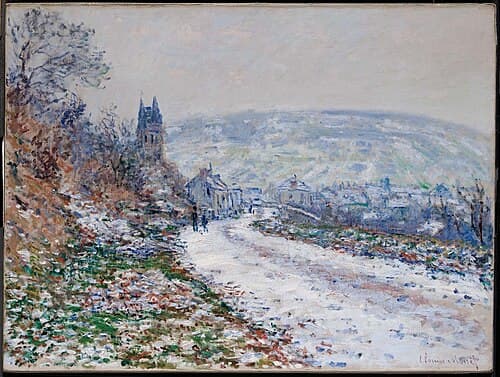
Entrance to the Village of Vétheuil in Winter
1879
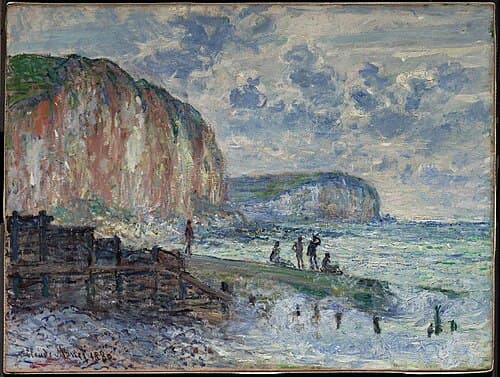
Cliffs of the Petites Dalles
1880
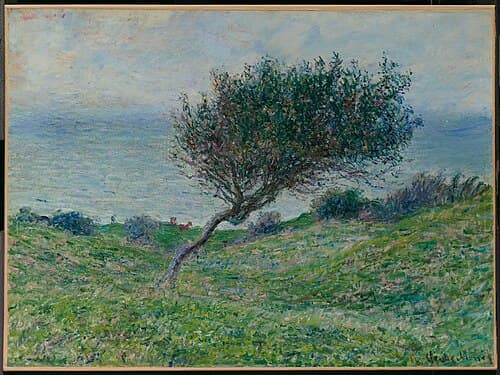
Seacoast at Trouville
1881
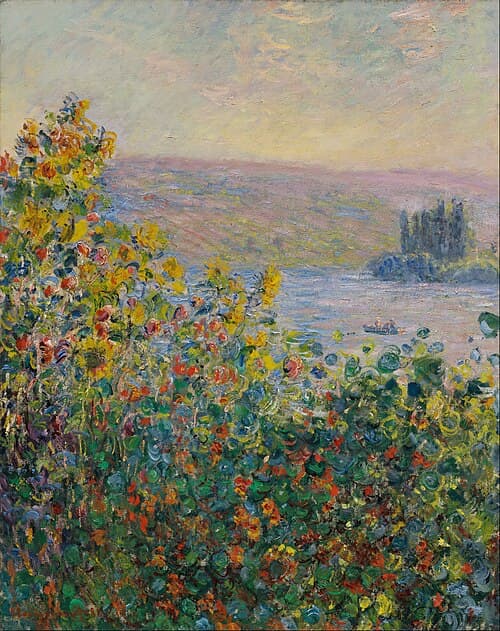
Flower Beds at Vétheuil
1881
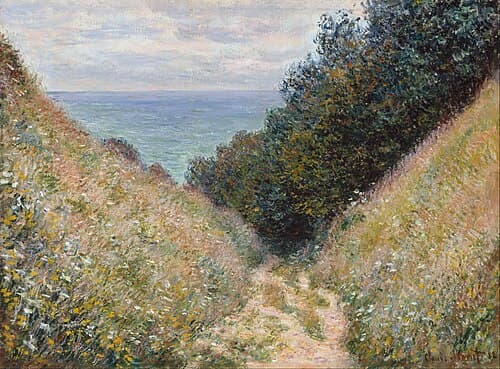
Road at La Cavée, Pourville
1882
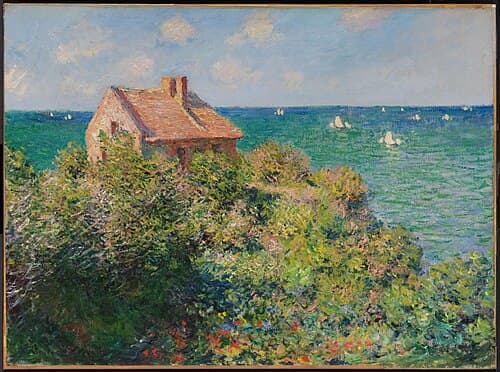
Fisherman's Cottage on the Cliffs at Varengeville
1882
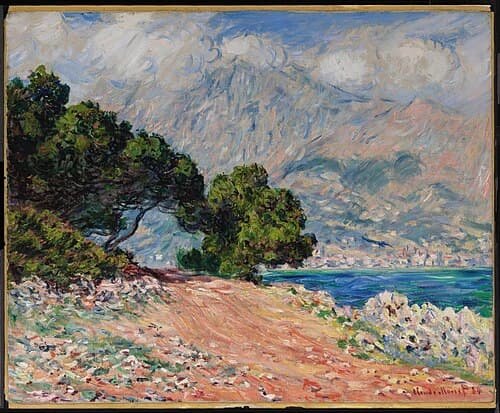
Cap Martin, near Menton
1884
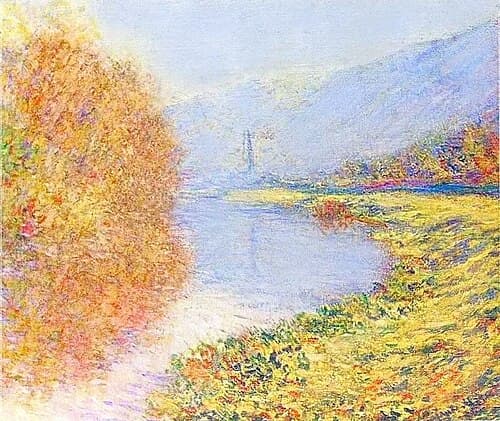
Automne à Jeufosse
1884
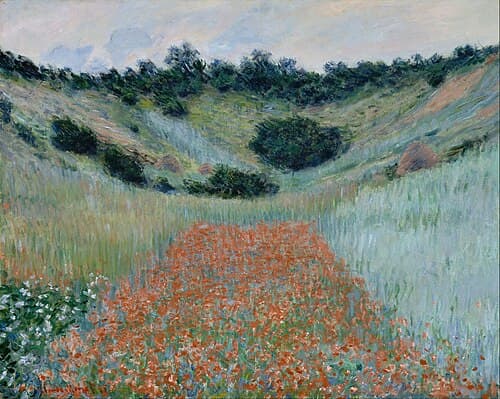
✦Poppy Field in a Hollow near Giverny
1885
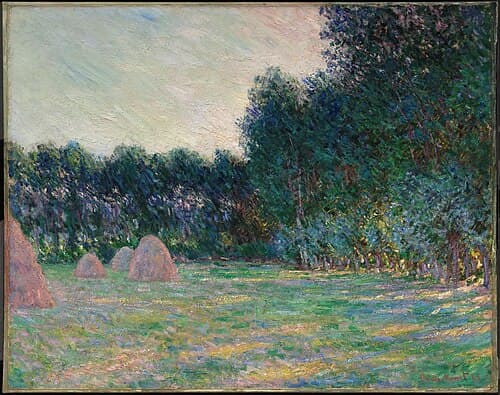
Meadow with Haystacks near Giverny
1885
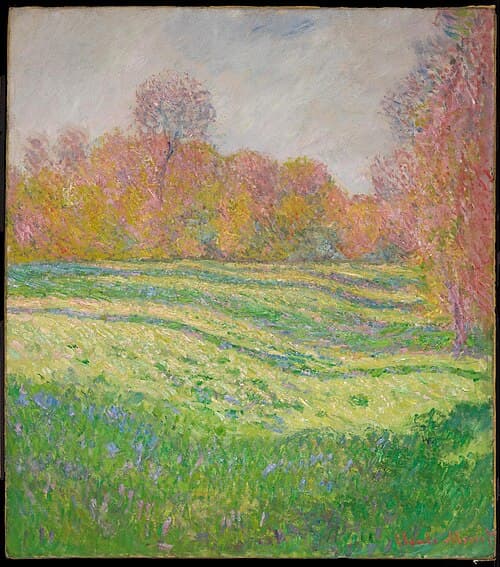
Meadow at Giverny
1886
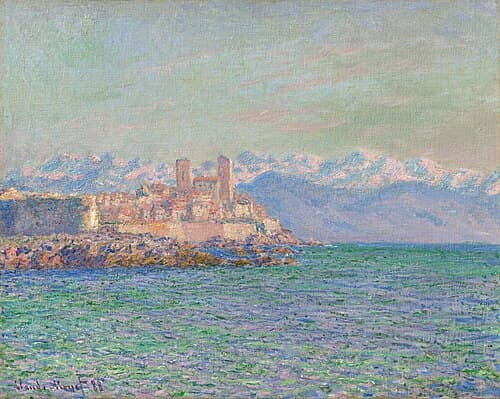
The Fort of Antibes
1888
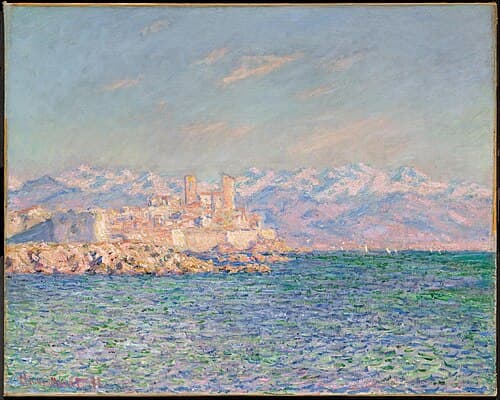
Antibes, Afternoon Effect
1888
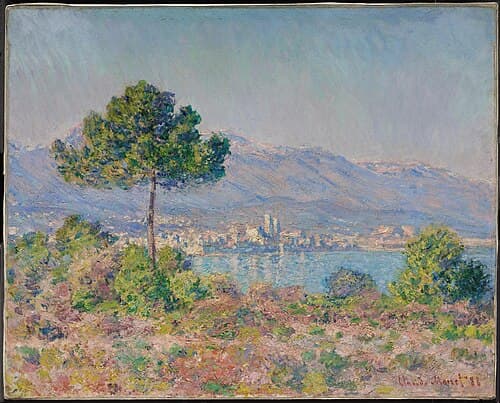
Antibes Seen from the Plateau Notre-Dame
1888
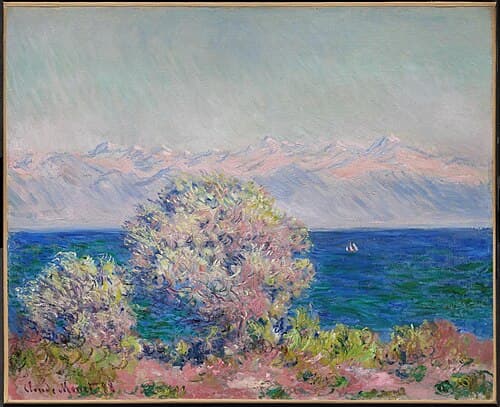
At Cap d'Antibes, Mistral wind
1888
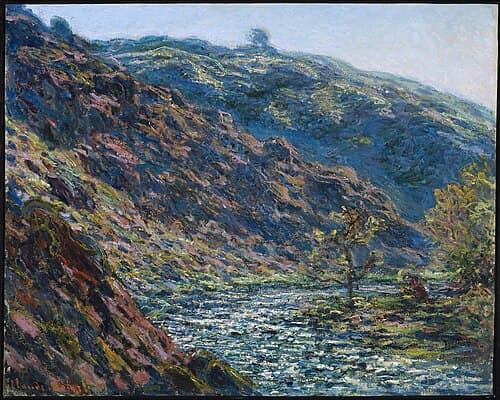
Valley of the Petite Creuse
1889
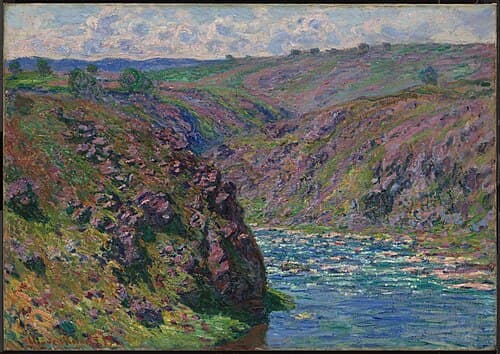
✦Valley of the Creuse (Sunlight Effect)
1889
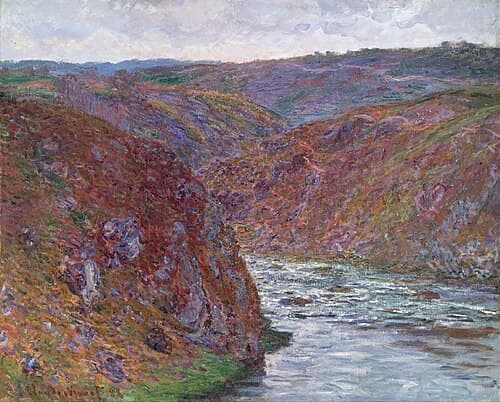
Valley of the Creuse (Gray Day)
1889
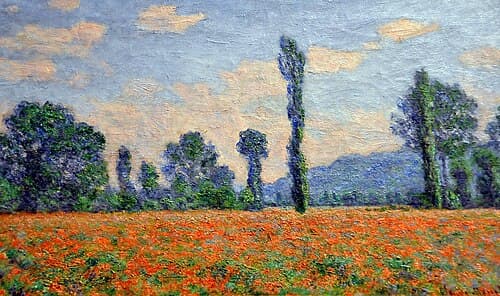
Field of Poppies near Giverny
1890
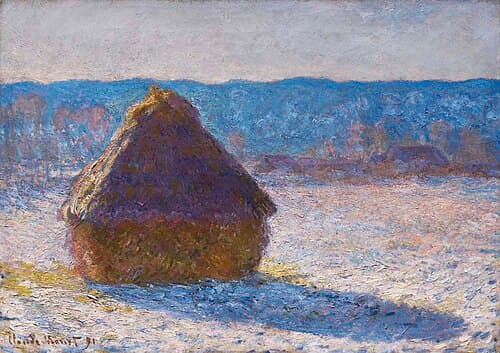
✦Grainstack (Snow Effect)
1891
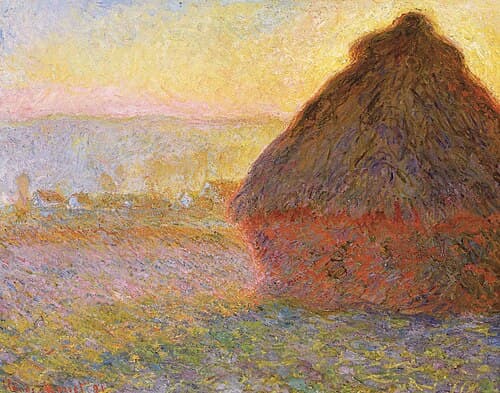
Grainstack (Sunset)
1891
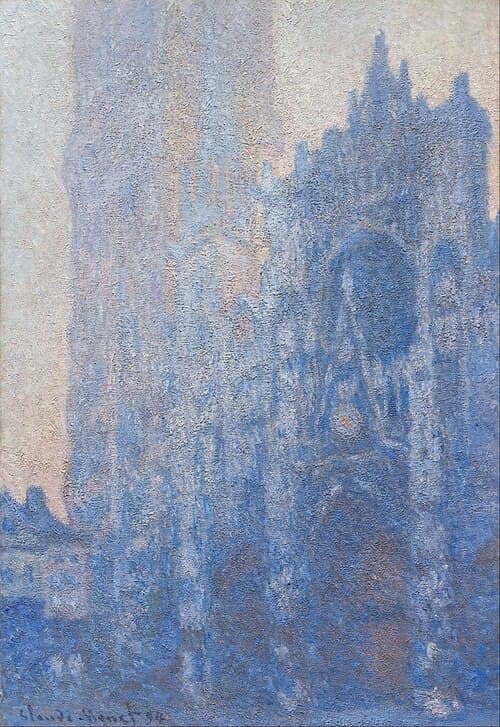
Rouen Cathedral, Portal and Tower d'Albane, Dawn
1893
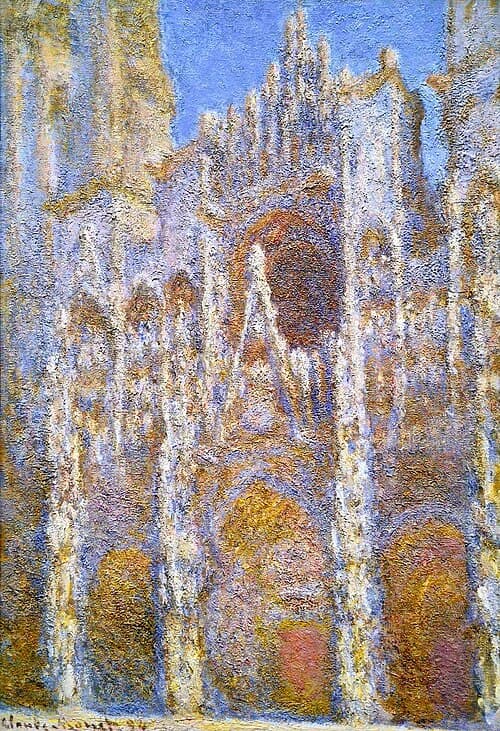
Rouen Cathedral, Façade
1893
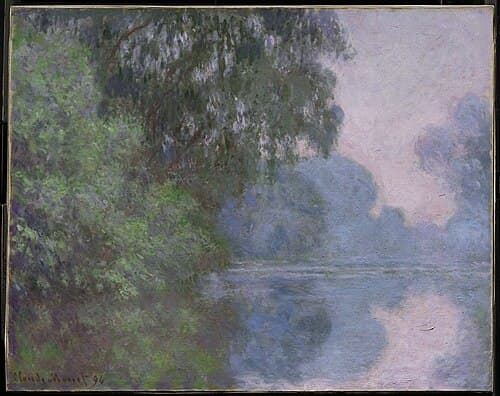
Morning on the Seine, near Giverny
1896
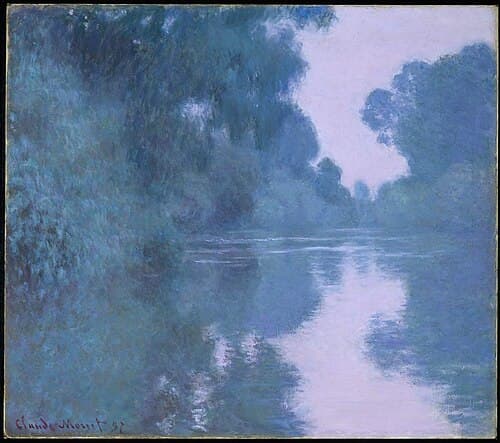
Morning on the Seine, near Giverny
1897
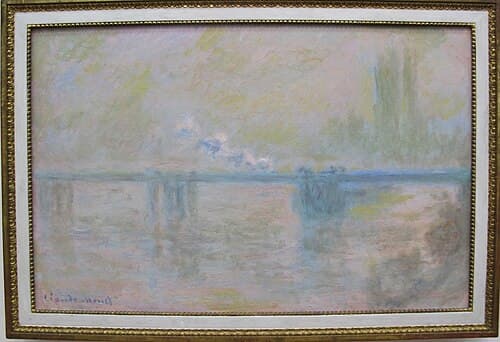
Charing Cross Bridge (overcast day), 1900
1900
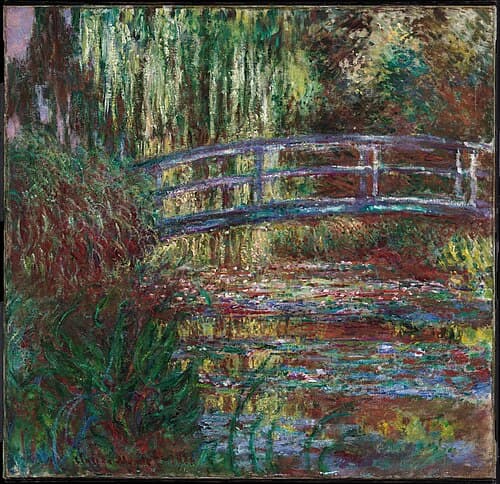
✦The Water Lily Pond
1900
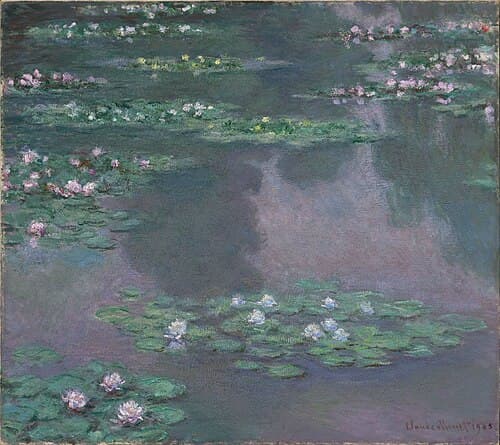
Water Lilies
1905
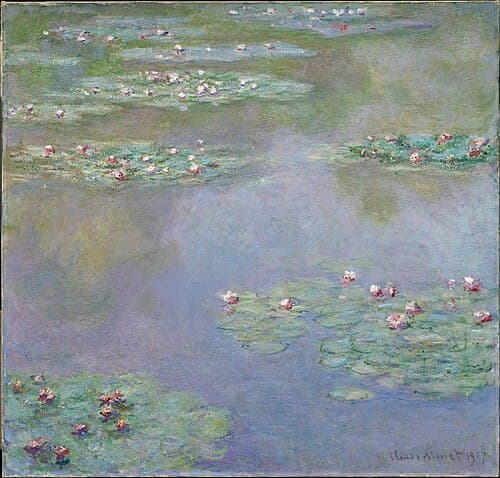
Water Lilies
1907
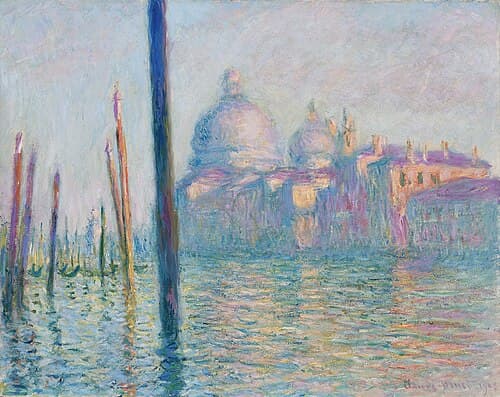
✦The Grand Canal
1908
Boston and Giverny
No American city took to Monet earlier than Boston. In the late 1880s young American painters began arriving at Giverny, and among the first to know Monet well was the Boston painter Lilla Cabot Perry, who spent many summers there from 1889 and became one of his most energetic advocates at home. Her memoir of him, published in 1927, preserves the best-known account of his advice to young painters: forget the objects in front of you, a tree, a house, a field, and think only that here is a little square of blue, here an oblong of pink, here a streak of yellow, and paint it exactly as it looks to you.
Boston collectors learned to see his pictures through that lens. Her friends and their families bought his landscapes, and Boston dealers showed them. The museum itself was quick to show the results: it put Monet on its walls while he was still painting the water lilies.
The collection came mostly by gift and bequest. A large share arrived with the Juliana Cheney Edwards Collection in the 1920s and 1930s, and other Boston families added landscapes from every decade. Today the museum describes its holdings as one of the largest collections of Monet's work outside France.
What to see first
La Japonaise (Camille Monet in Japanese Costume) (1876). The MFA's most famous Monet, a life-size figure more than two meters tall. Camille, wearing a blond wig, turns in a heavily embroidered red kimono, a fan raised beside her face, against a wall scattered with Japanese paper fans. The kimono's embroidered samurai, drawing his sword, seems almost alive. Monet showed it at the second Impressionist exhibition in 1876, where it sold well, but later spoke of it dismissively as a picture made to please. It is now read as both a celebration of and a gentle joke about the Paris craze for Japan.
The Grand Canal (1908). The domes of Santa Maria della Salute rising through violet haze, seen past the dark mooring poles of the canal. One of Monet's best Venice pictures; see Monet in Venice.
Grainstack (Snow Effect) (1891). Painted in a field beside his house at Giverny in the winter of 1890–91, it shows a single stack in a field of snow under pale morning light, its shadow a long violet shape. The MFA also has Grainstack (Sunset), the same motif in fiery orange and red, and the two are a compact lesson in what Monet's series were about. See the Haystacks series.
The Water Lily Pond (1900) and the later water lilies. The Japanese footbridge over the pond in high summer, followed by close-up Water Lilies of 1905 and 1907. In Gallery 252 these are now joined by a loan, Water Lilies, Reflections of Weeping Willows (about 1916–19), which the museum notes was painted about a decade later than any Monet in its own collection.
The rest of the collection
The MFA's group is unusually even across Monet's career.
- Normandy and the 1860s: Rue de la Bavole, Honfleur (1864) and Woodgatherers at the Edge of the Forest.
- Argenteuil: Snow at Argenteuil (c. 1874), Boulevard Saint-Denis, Argenteuil, in Winter (1875), Meadow with Poplars and Camille Monet and a Child in the Artist's Garden in Argenteuil (1875).
- Vétheuil and the coast: Entrance to the Village of Vétheuil in Winter (1879), Flower Beds at Vétheuil (1881), Seacoast at Trouville (1881), Fisherman's Cottage on the Cliffs at Varengeville and Road at La Cavée, Pourville (both 1882).
- The Riviera: Cap Martin, near Menton (1884) and a group from Antibes (1888), including Antibes, Afternoon Effect and Antibes Seen from the Plateau Notre-Dame; see Monet on the Mediterranean.
- Giverny and the Creuse: Poppy Field in a Hollow near Giverny (1885), Meadow with Haystacks near Giverny, and three views of the Valley of the Creuse from 1889, including Valley of the Creuse (Sunlight Effect).
- The 1890s series and London: two Rouen Cathedrals (the façade, and the portal at dawn), two Mornings on the Seine, near Giverny, and Charing Cross Bridge (Overcast Day).
Not all of these are on view at once. The Monet gallery mixes the museum's own pictures with loans, and the display changes.
Visiting: practical notes
- Where: 465 Huntington Avenue, Boston, on the Avenue of the Arts in the Fenway.
- Opening times (from the museum's website): Sunday, Monday, Wednesday and Saturday, 10 am to 5 pm; Thursday and Friday, 10 am to 10 pm. Closed on Tuesdays, and on New Year's Day, Patriots' Day, the Fourth of July, Thanksgiving and Christmas. Last entry is thirty minutes before closing. Check the website for gallery closures, which can happen without notice.
- Where the Monets are: the museum's European paintings are in the Art of Europe wing; Monet has his own room, Gallery 252, the Lorna and Robert Rosenberg Gallery, described by the museum as an immersive display of his work from its holdings and select loans. La Japonaise and other Monets may hang in neighboring Impressionist galleries.
- Time: an hour for Gallery 252 and the surrounding Impressionist rooms, with Renoir's Dance at Bougival and Van Gogh's Postman Joseph Roulin nearby.
Monet beyond Boston
Within easy reach, the Harvard Art Museums in Cambridge hold a version of The Gare Saint-Lazare: Arrival of a Train (1877), and the Clark Art Institute in Williamstown, western Massachusetts, has a Rouen Cathedral and Étretat cliffs. For the other great American collections, see Monet at the Met and Monet at the Art Institute of Chicago, and for the full list where to see Monet's paintings.
Questions & answers
How many Monet paintings does the MFA Boston have?
The Museum of Fine Arts, Boston holds nearly forty paintings by Claude Monet by our count, and describes its holdings as one of the largest Monet collections outside France. They range from Honfleur in 1864 to water lilies of 1907, with Grainstacks, Rouen Cathedral, Antibes and Venice in between.
Where are the Monets at the Museum of Fine Arts, Boston?
Monet has his own room, Gallery 252, the Lorna and Robert Rosenberg Gallery, in the Art of Europe wing, which mixes the museum's paintings with loans from private collectors. Some Monets hang in neighboring Impressionist galleries, and displays change.
What is the most famous Monet at the MFA Boston?
La Japonaise (Camille Monet in Japanese Costume), painted in 1876, is the MFA's best-known Monet. More than two meters tall, it shows Camille in a red embroidered kimono against a wall of Japanese fans. Monet showed it at the second Impressionist exhibition in 1876.
Is the MFA Boston open on Tuesdays?
No. According to the museum's website, the MFA is closed on Tuesdays. It opens 10 am to 5 pm on Sunday, Monday, Wednesday and Saturday, and 10 am to 10 pm on Thursday and Friday. Check the website for holiday closures before visiting.
Does the MFA Boston have Monet's water lilies?
Yes. The MFA owns The Water Lily Pond (1900), with the Japanese footbridge, and Water Lilies paintings of 1905 and 1907. Gallery 252 also shows a later loan, Water Lilies, Reflections of Weeping Willows (about 1916–19), from a private collection.