Museum
Monet at the Art Institute of Chicago: Stacks of Wheat and More
Six Stacks of Wheat, the Gare Saint-Lazare, Étretat and the water lilies: the Monets Chicago's collectors bought while Paris hesitated, and where to find them.
Monet at the Art Institute of Chicago is one of the richest encounters with the painter in America: the museum holds more than thirty paintings by Claude Monet, about thirty-four by our catalogue's count, including six canvases from the Stacks of Wheat series, the largest group of them in any museum according to the Art Institute, along with The Beach at Sainte-Adresse (1867), Arrival of the Normandy Train, Gare Saint-Lazare (1877), Étretat, Bordighera, London and Venice views, and late water lilies. Most hang together in the Impressionist galleries, where the main Monet room is Gallery 243.
The collection reflects the taste of Chicago collectors, led by Bertha Honoré Palmer, who bought Monet in quantity from the 1890s. This guide picks out what to see and gives practical notes for a visit.
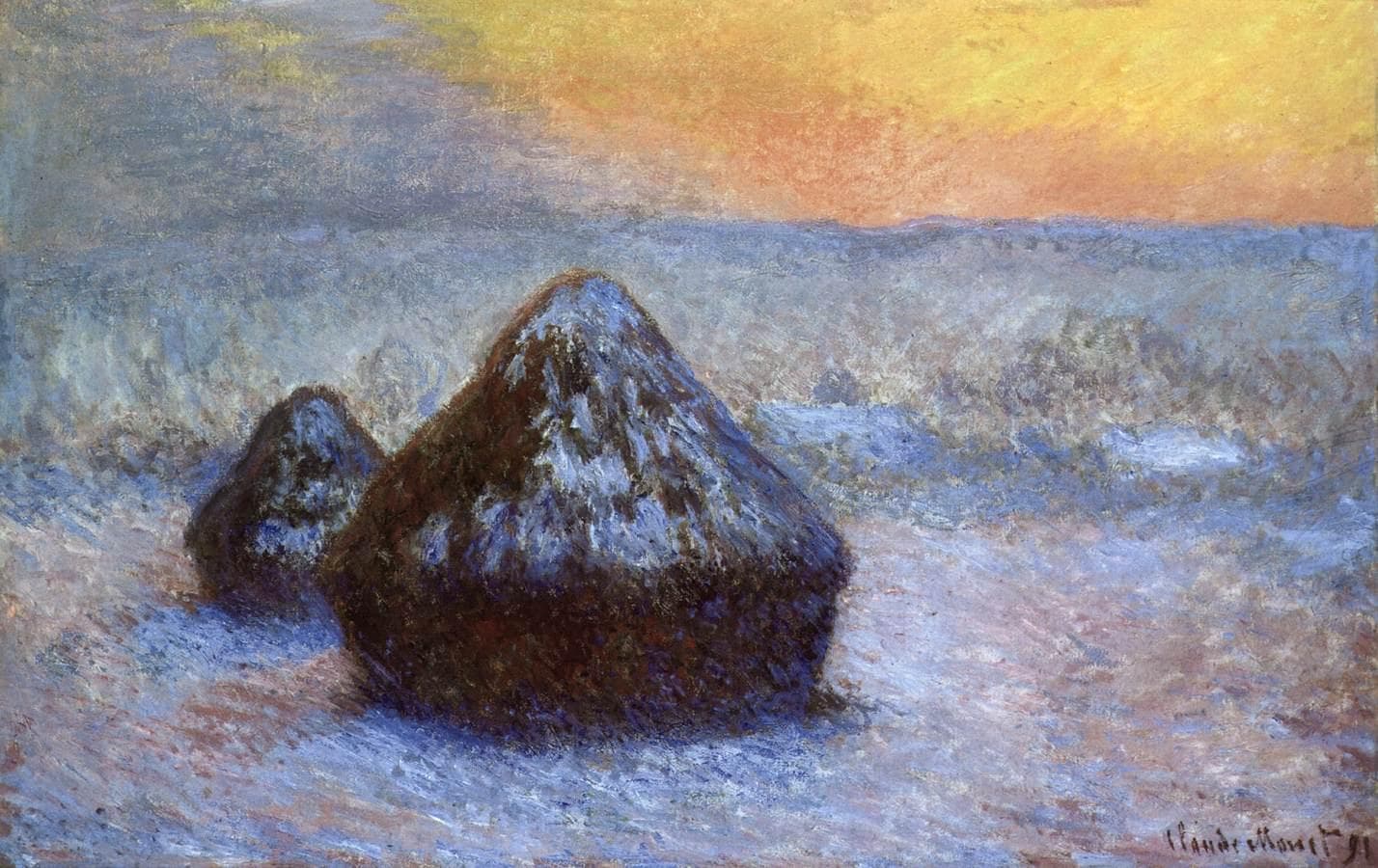
Stacks of Wheat, Sunset, Snow Effect
Claude Monet · 1890–91
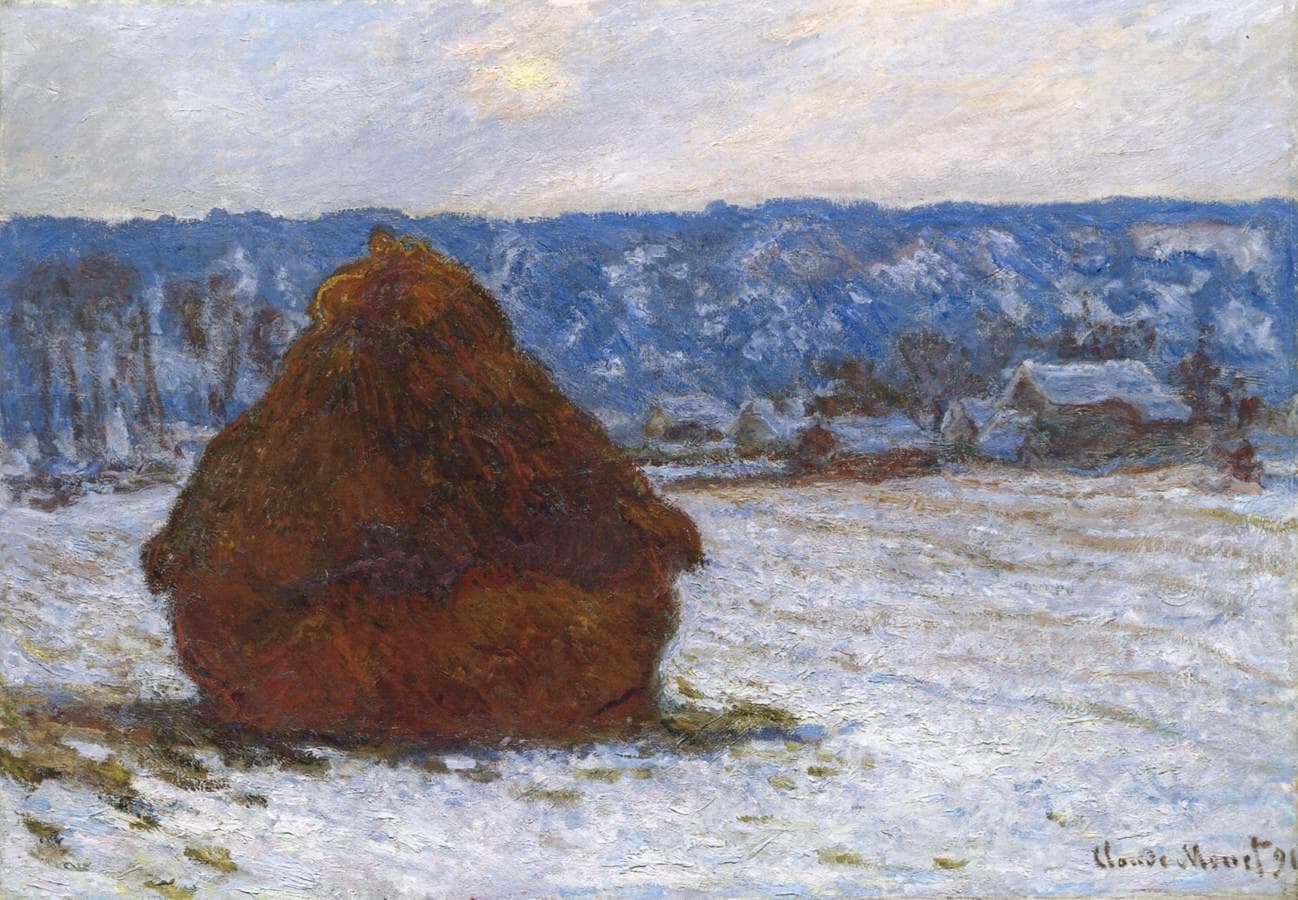
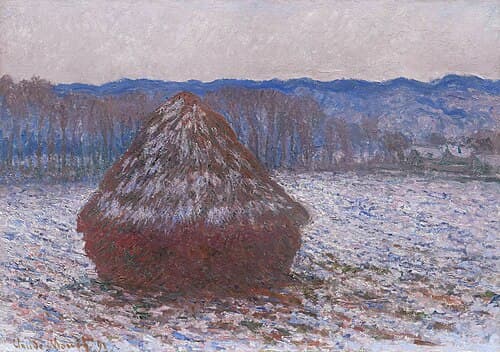
Stack of Wheat, Snow Effect, Overcast Day
Claude Monet · 1890–91
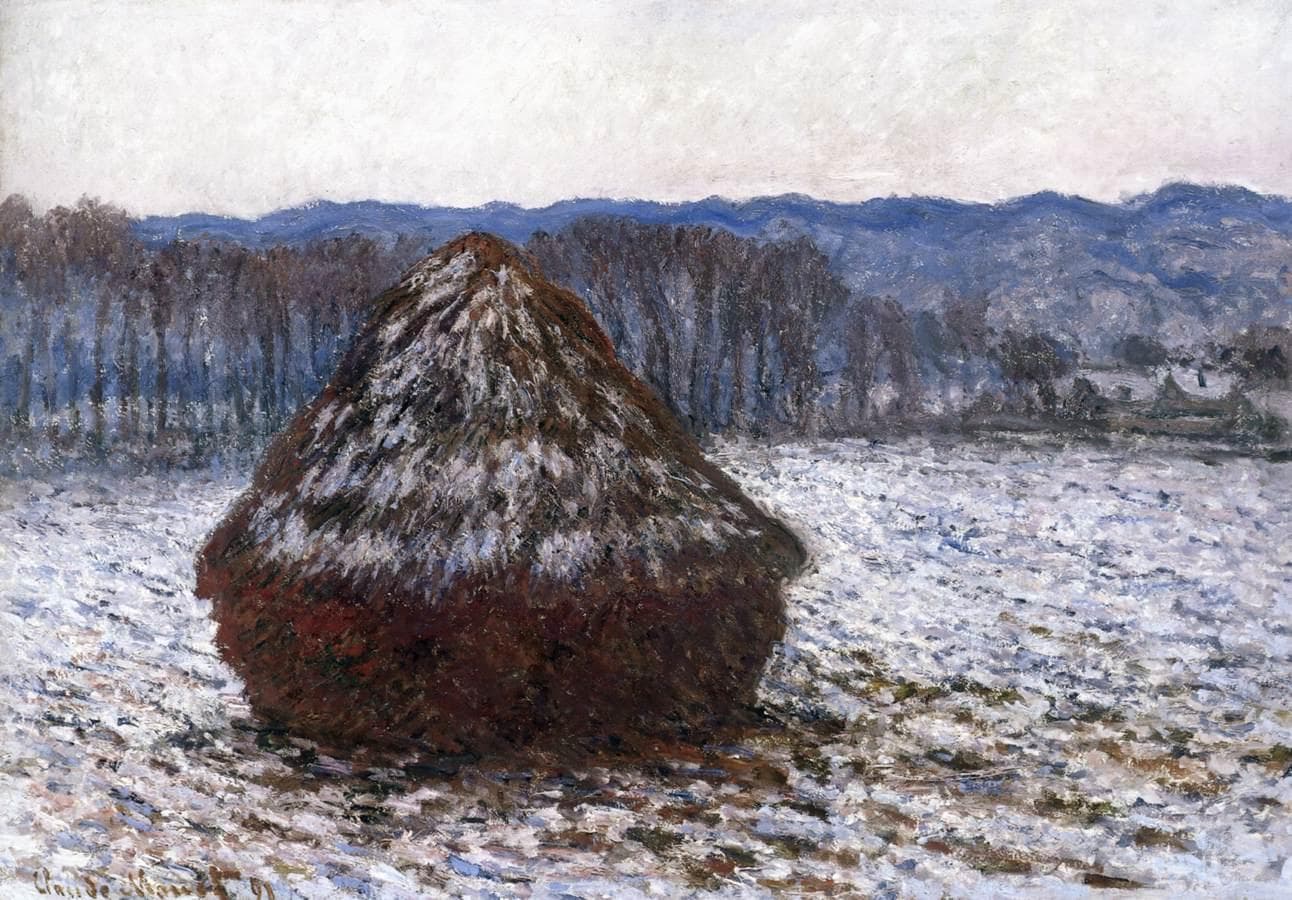
Stack of Wheat
Claude Monet · 1890–91
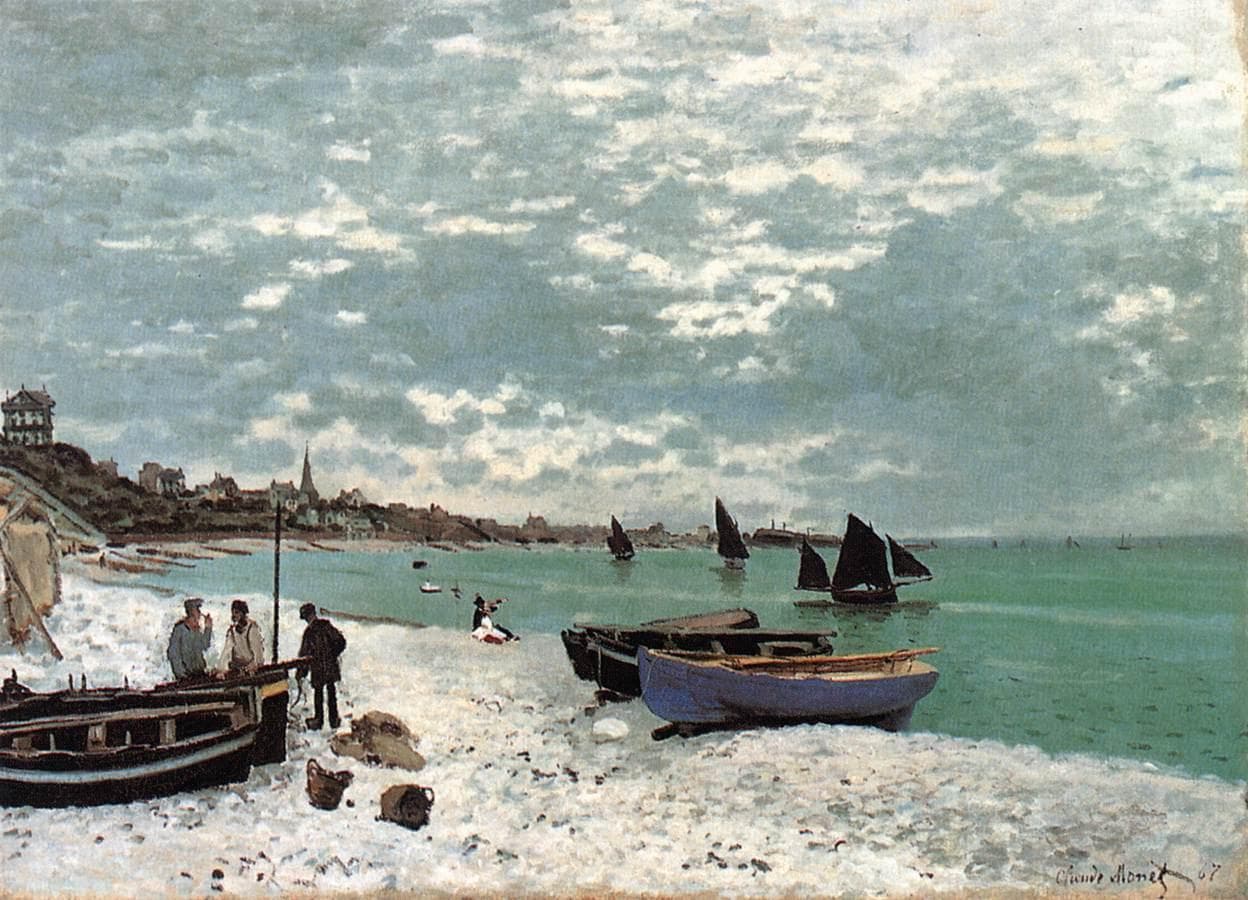
The Beach at Sainte-Adresse
Claude Monet · 1867
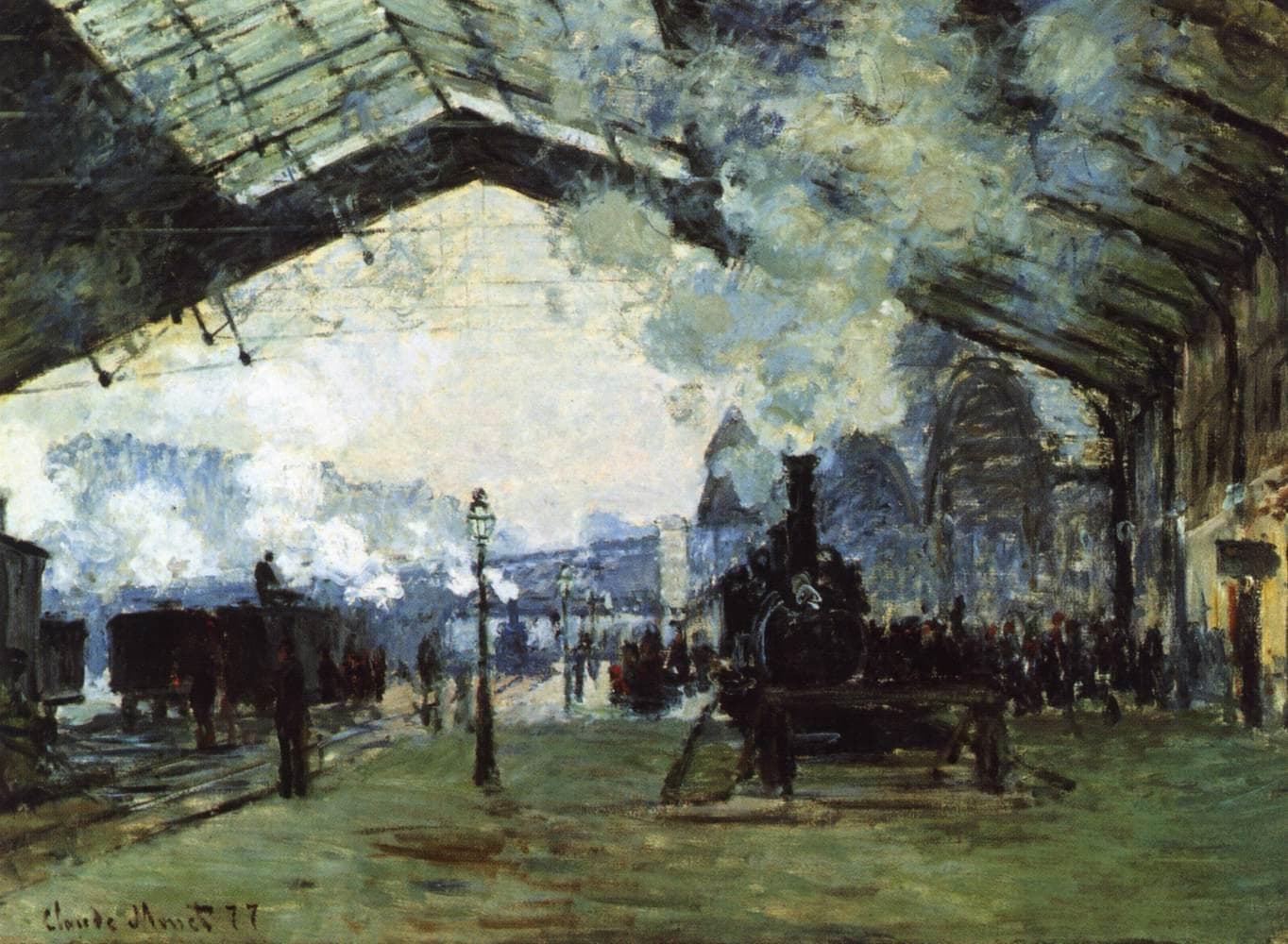
Gare Saint-Lazare: the Train from Normandy
Claude Monet · 1877
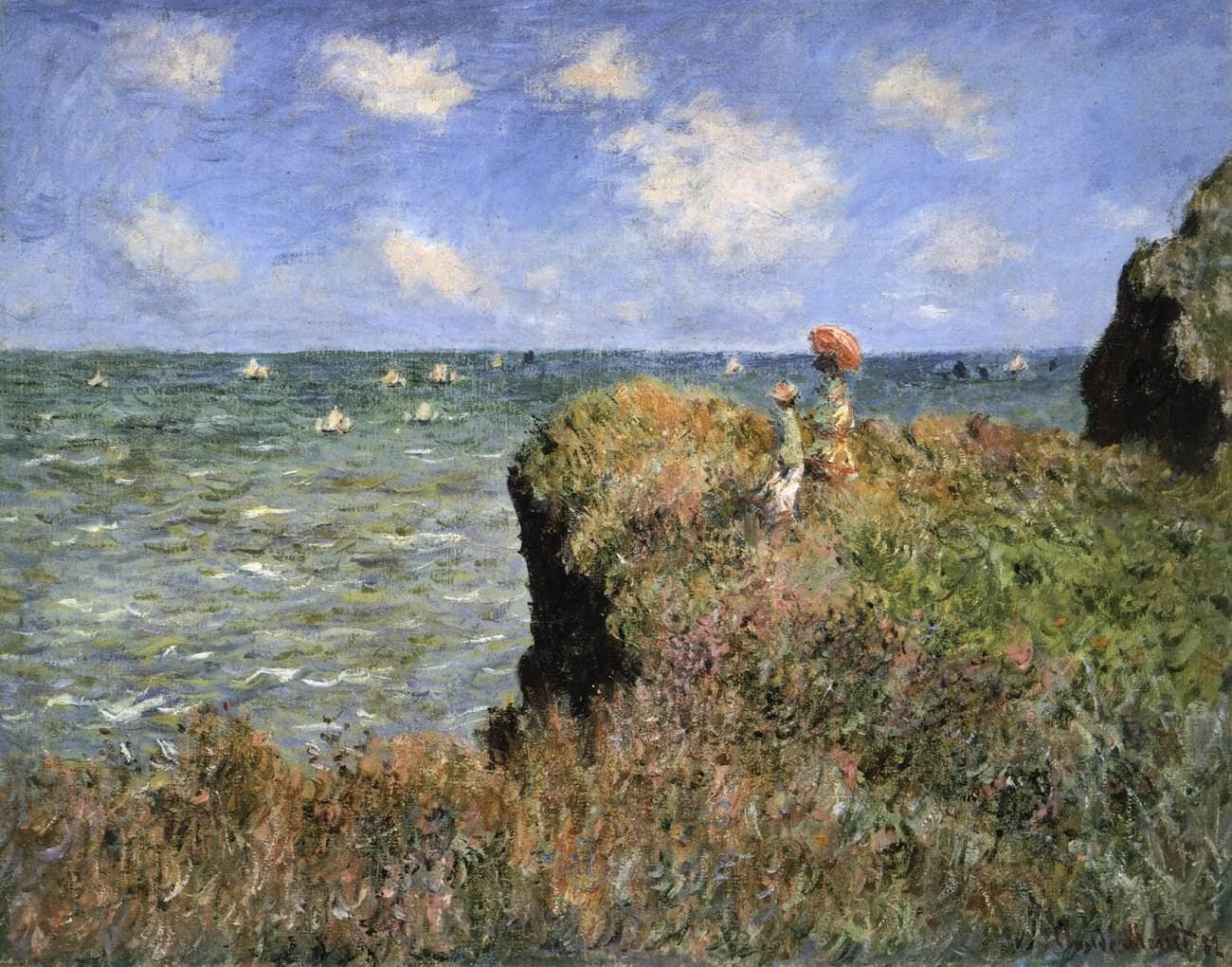
Cliff Walk at Pourville
Claude Monet · 1882
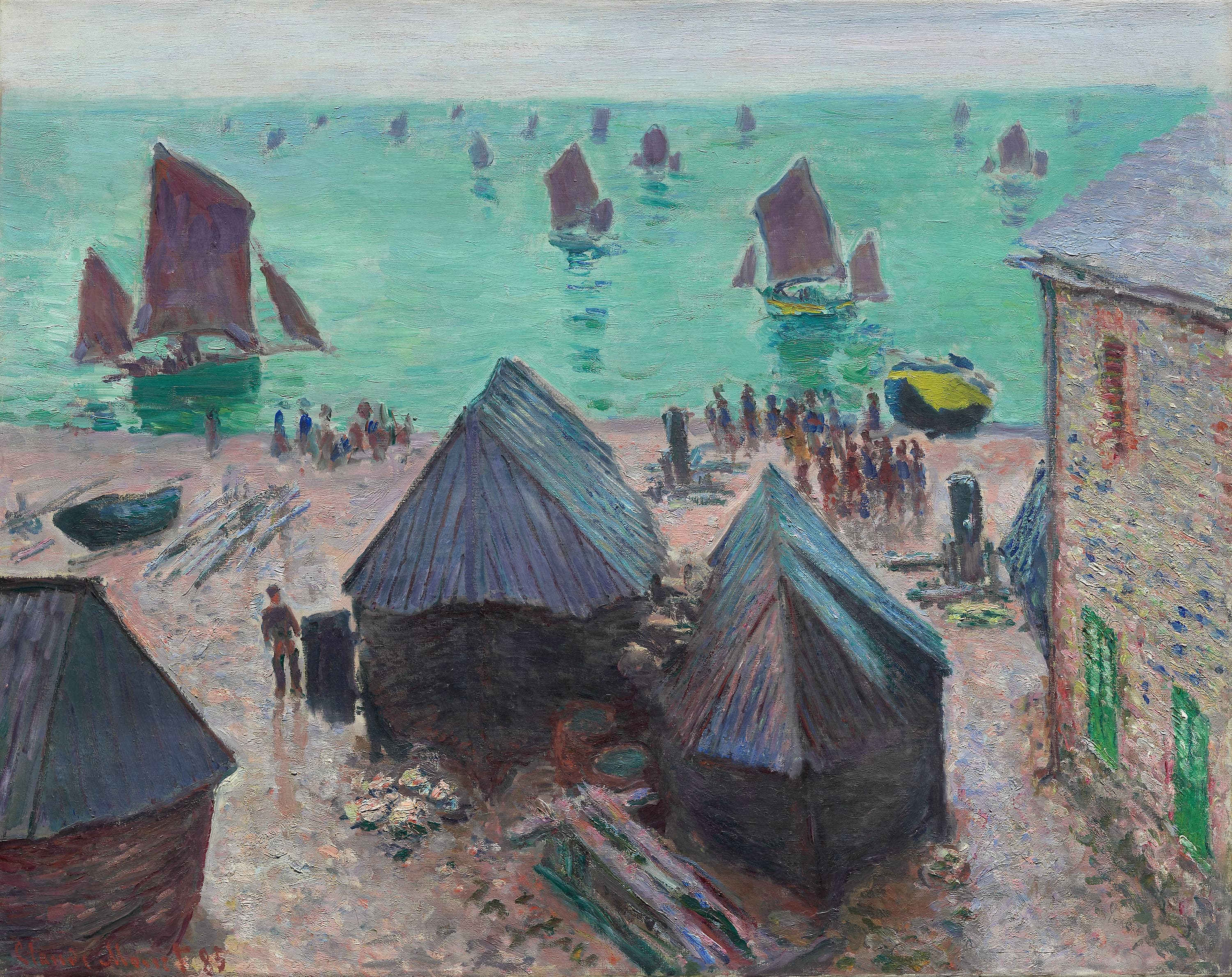
The Departure of the Boats, Étretat
Claude Monet · 1885
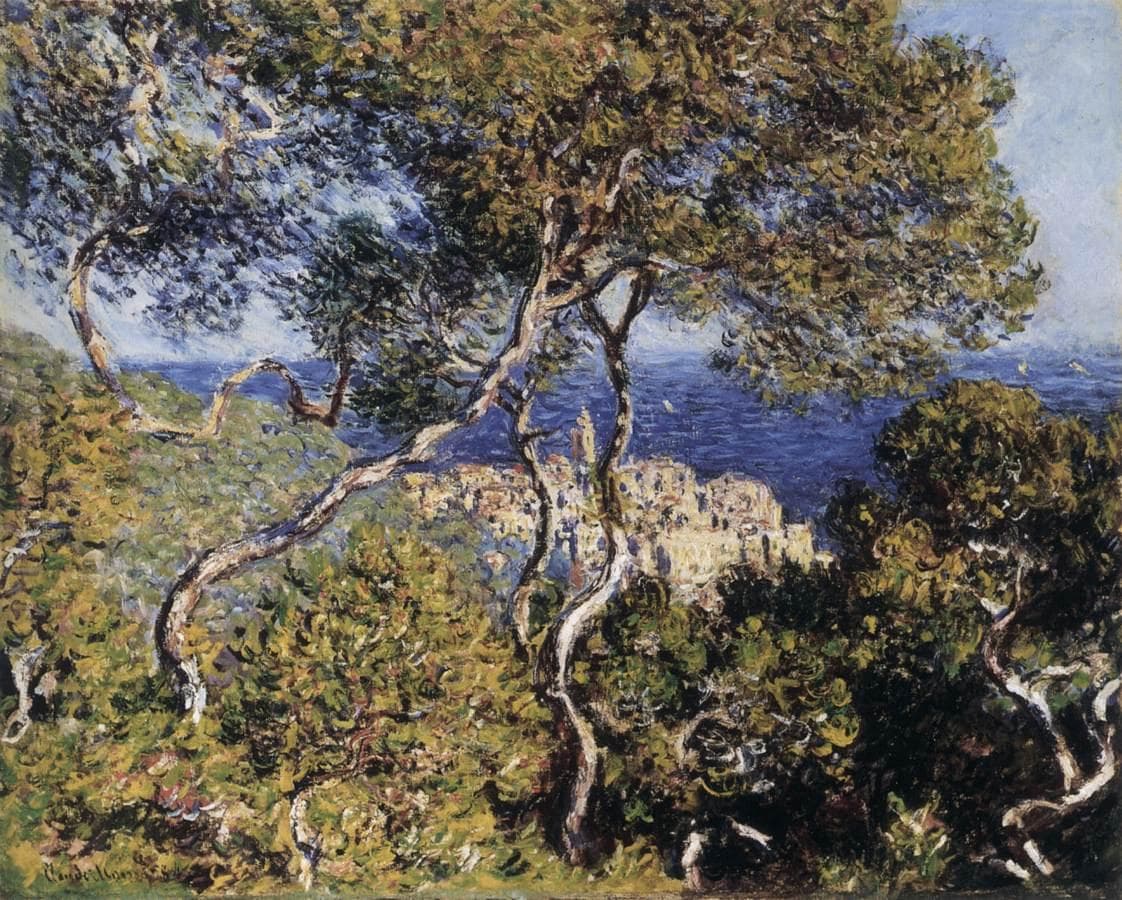
Bordighera
Claude Monet · 1884
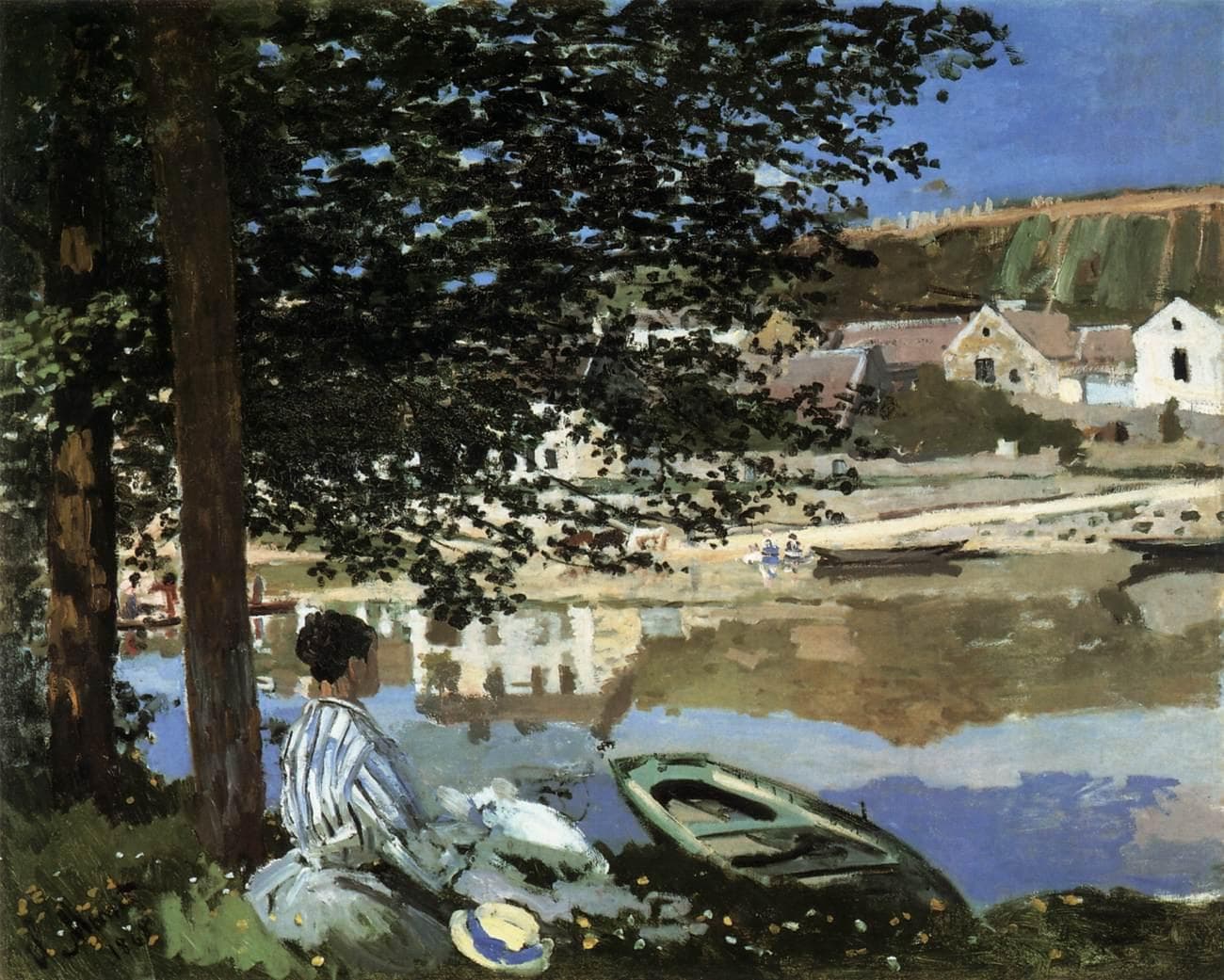
On the Bank of the Seine, Bennecourt
Claude Monet · 1868
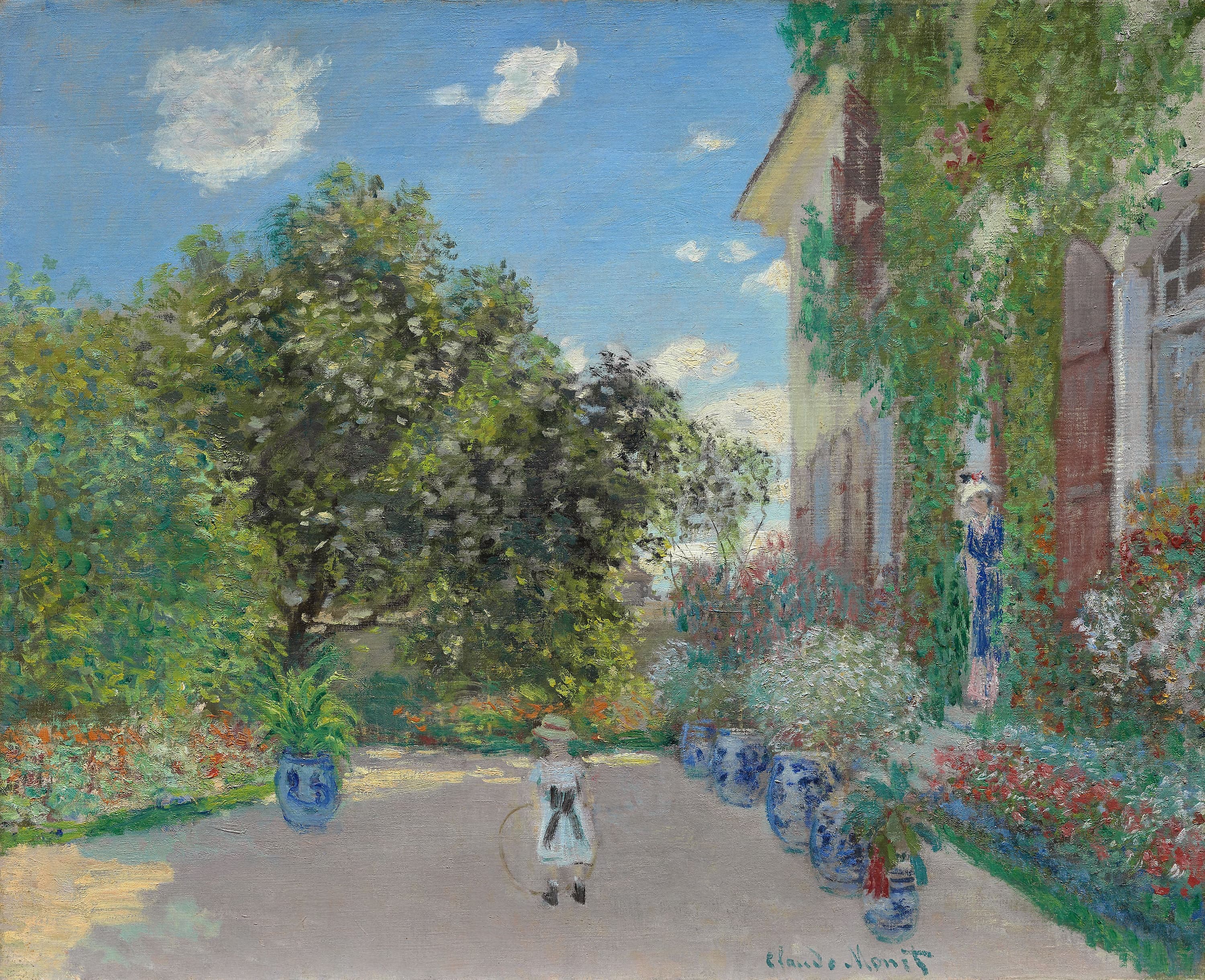
The Artist's House at Argenteuil
Claude Monet · 1873
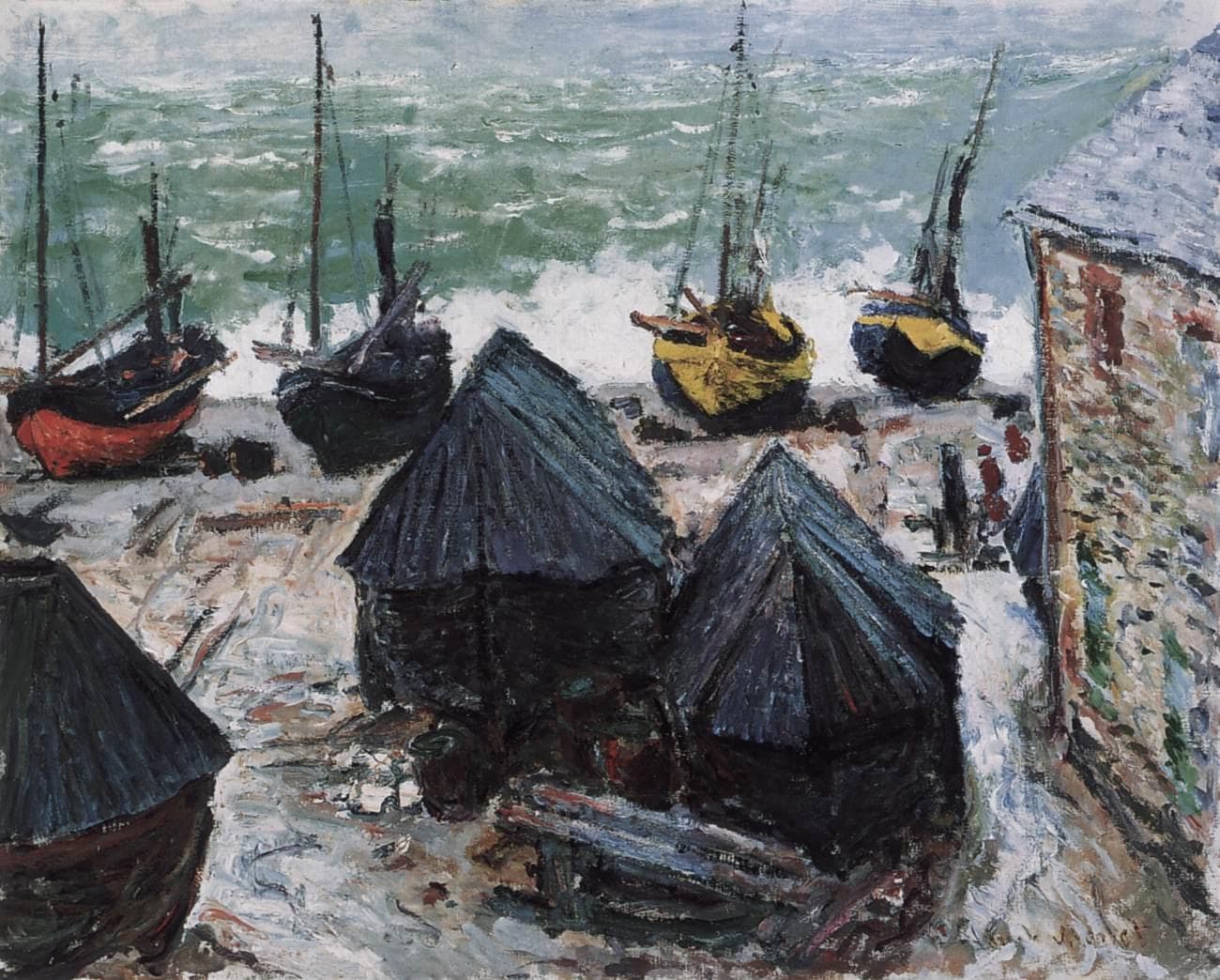
Boats on the Beach at Étretat
Claude Monet · 1885
The collection
All 33 works in the collection
From the catalogue raisonné. Works with a full close reading are marked ✦.
✦The Beach at Sainte-Adresse
1867
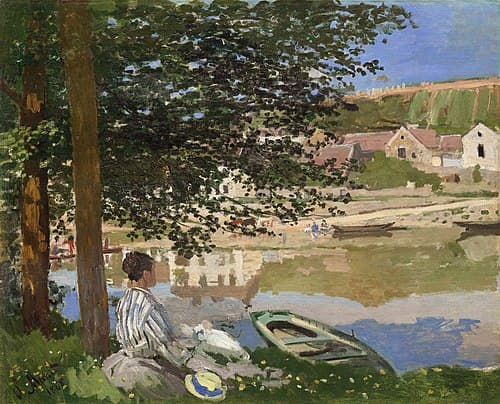
✦On the Banks of the Seine, Bennecourt
1868
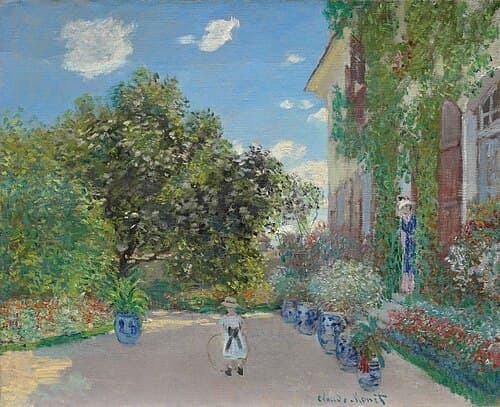
✦The Artist's House at Argenteuil
1873
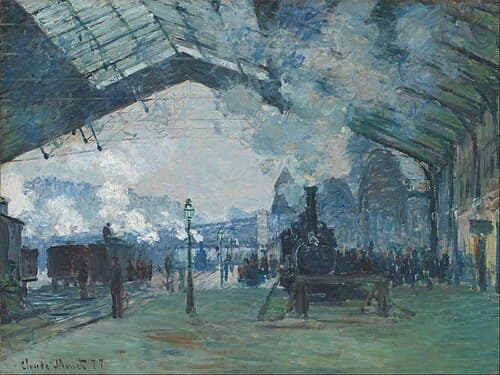
✦Arrival of the Normandy Train, Gare Saint-Lazare
1877
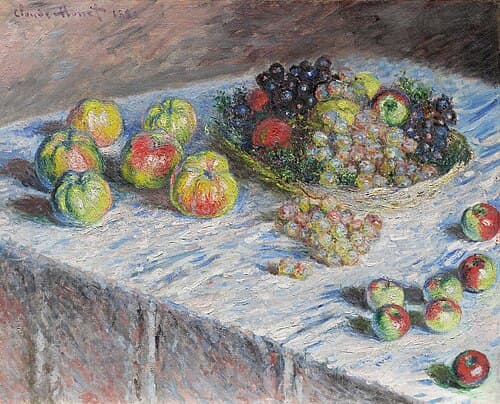
Apples and Grapes
1880
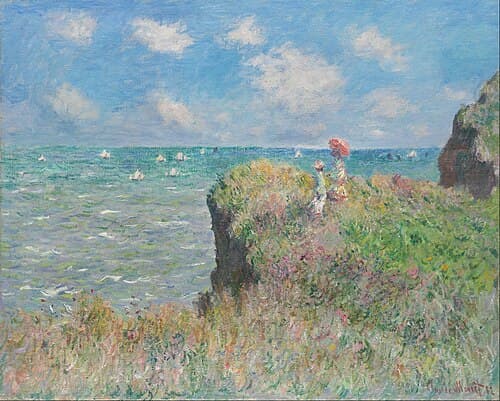
✦The Cliff Walk at Pourville
1882
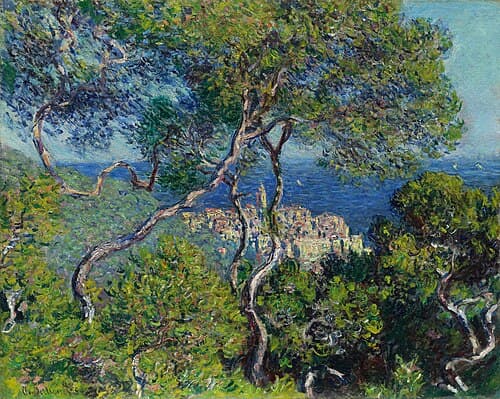
✦Bordighera
1884
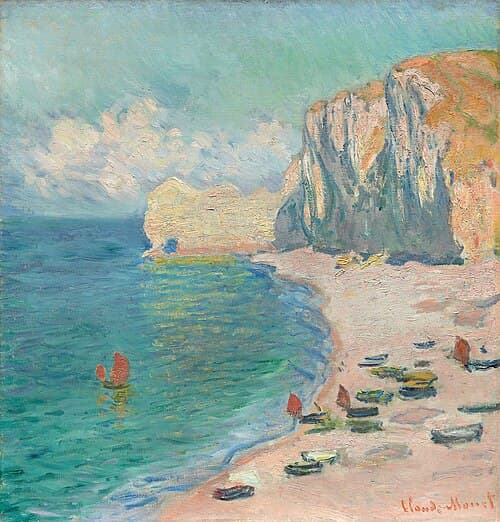
Étretat: The Beach and the Falaise d'Amont
1885
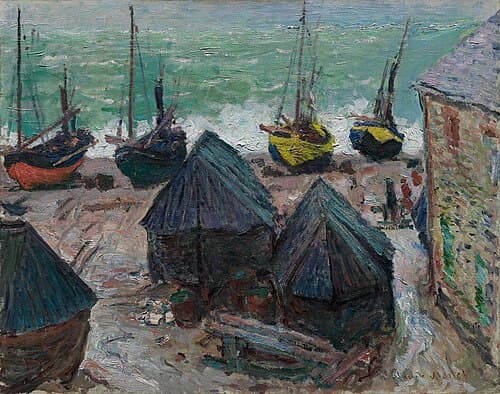
✦Boats on the Beach at Étretat
1885
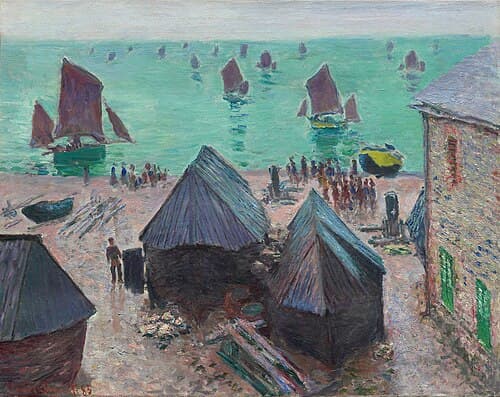
✦The Departure of the Boats, Étretat
1885
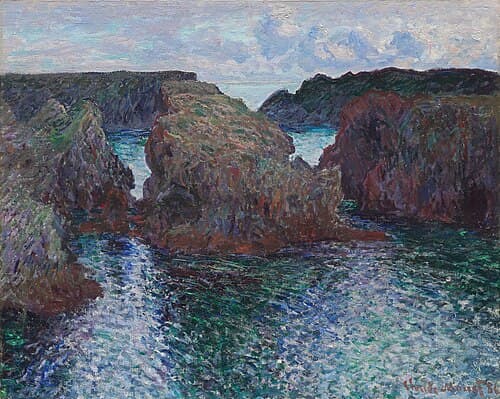
Rocks at Port-Goulphar, Belle-Île
1886
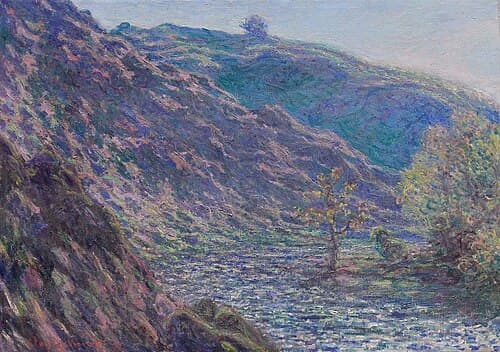
The Petite Creuse River
1889
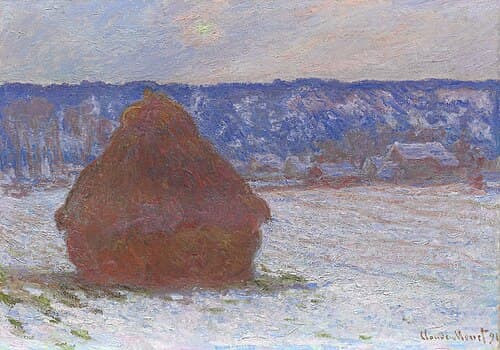
✦Stack of Wheat (Snow Effect, Overcast Day)
1890
✦Stack of Wheat
1890
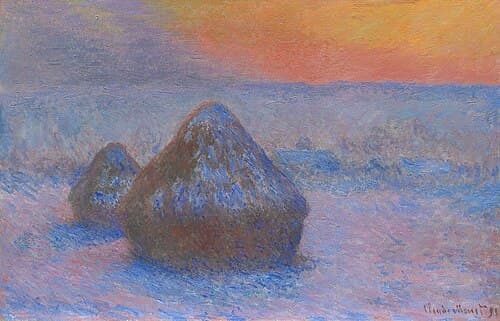
✦Stacks of Wheat (Sunset, Snow Effect)
1890
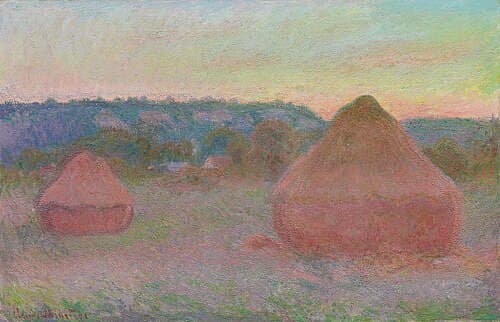
Stacks of Wheat (End of Day, Autumn)
1890
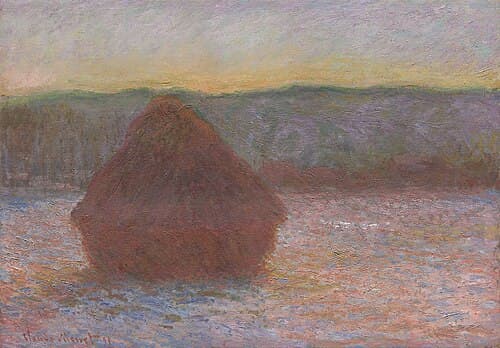
Stack of Wheat (Thaw, Sunset)
1890
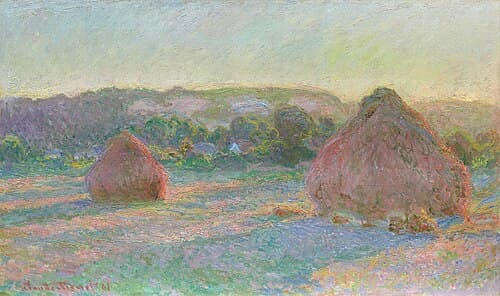
Stacks of Wheat (End of Summer)
1891
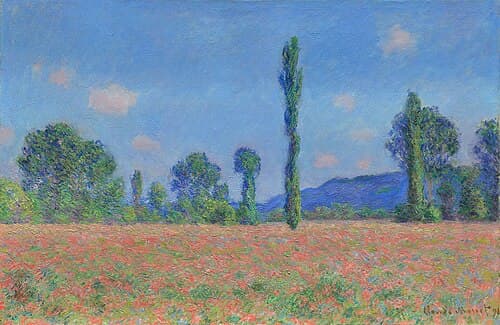
Poppy Field (Giverny)
1891
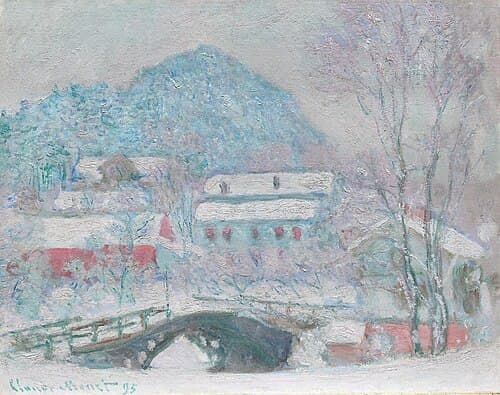
Sandvika, Norway
1895
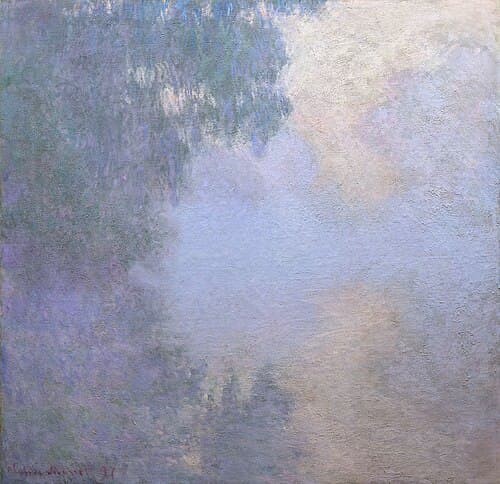
Branch of the Seine near Giverny (Mist), from the series "Mornings on the Seine"
1897
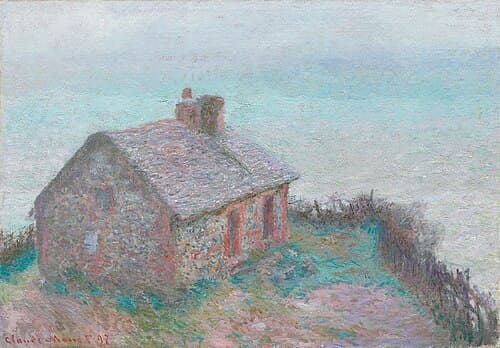
The Customs House at Varengeville
1897
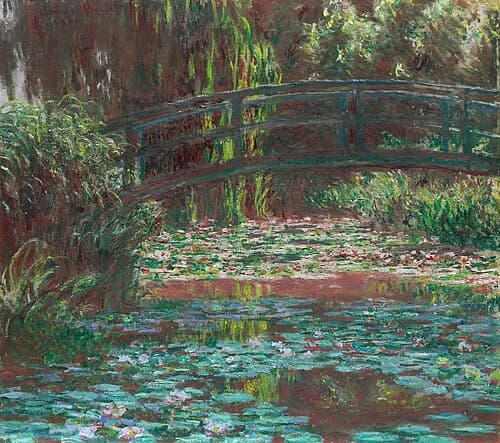
Water Lily Pond
1900
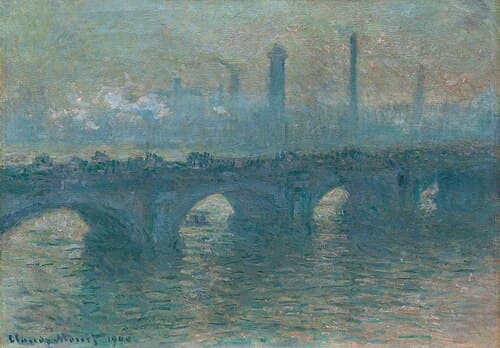
Waterloo Bridge, Gray Weather
1900
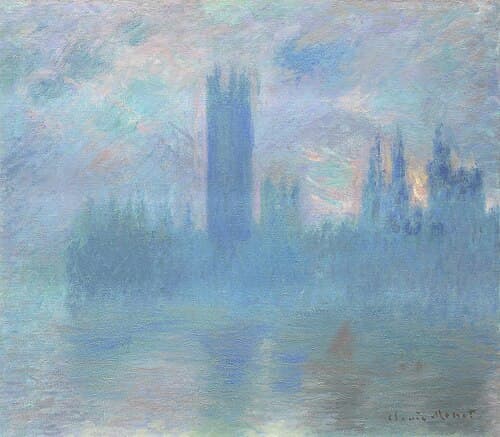
Houses of Parliament, London
1900
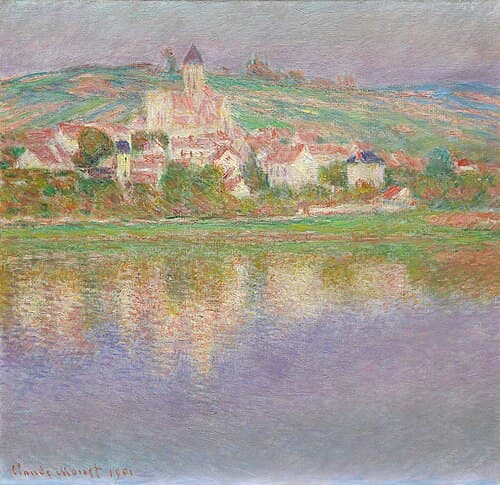
Vétheuil
1901
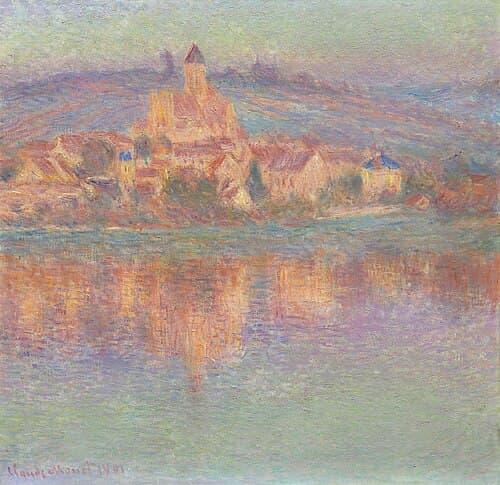
Vétheuil
1901
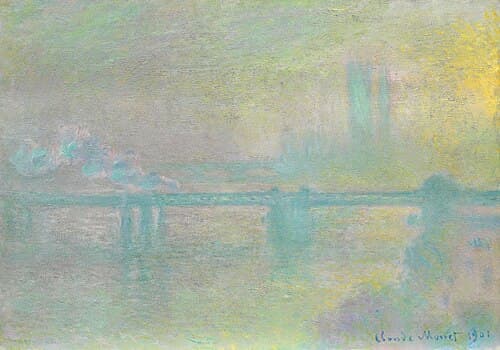
Charing Cross Bridge, London
1901
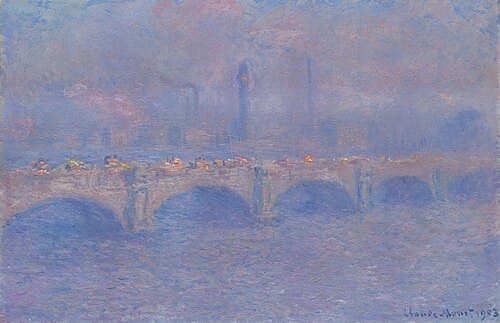
Waterloo Bridge, Sunlight Effect
1903
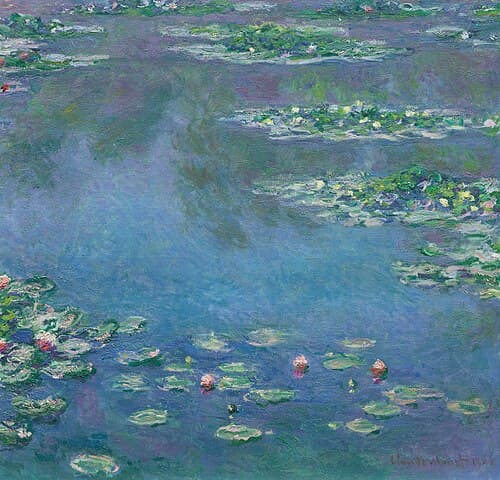
Water Lilies
1906
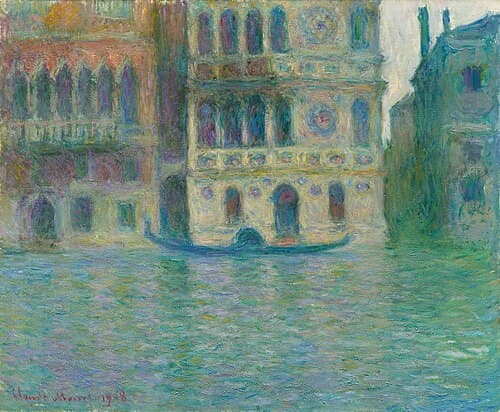
Venice, Palazzo Dario
1908
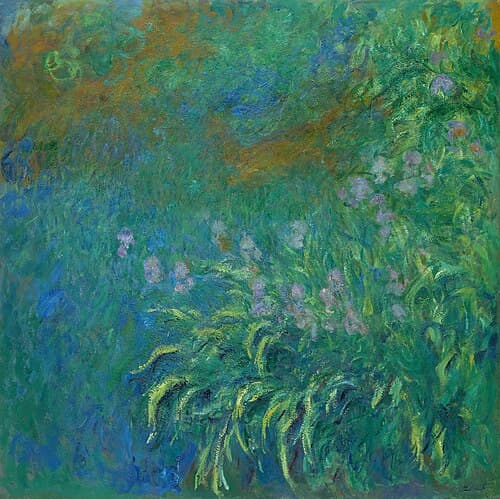
Irises
1920
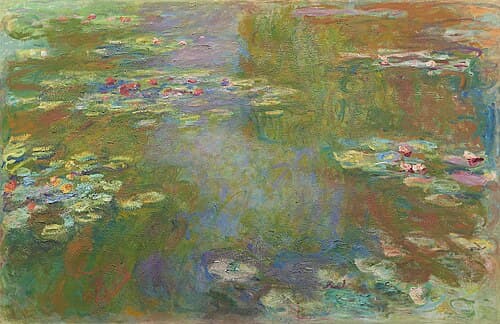
Water Lily Pond
1921
How Chicago came to love Monet
Chicago discovered Monet early and bought him enthusiastically. The key figure was Bertha Honoré Palmer, wife of the hotelier and real-estate magnate Potter Palmer, who visited Paris in the 1890s and bought his paintings by the dozen, often from Durand-Ruel soon after they were finished. She bought Stacks of Wheat after the series exhibition at Durand-Ruel's Paris gallery in 1891, when many French collectors still found them strange. The Potter Palmer Collection came to the Art Institute in 1922.
Other Chicago collectors followed her lead, among them Martin A. Ryerson and Mr. and Mrs. Lewis Larned Coburn, whose bequests filled out the collection. The result is a group that covers almost every stage of Monet's career, with an unusual concentration on the series pictures of the 1890s. The museum's 1995 Monet retrospective was one of the most visited exhibitions in its history, and Monet remains one of the main reasons people visit.
What to see first: the Stacks of Wheat
The Art Institute owns six canvases from the series Monet painted in a field next to his house at Giverny in 1890–91. (The museum calls them Stacks of Wheat; they are also known in English as Haystacks or Grainstacks.) Seen together, they demonstrate exactly what the series was for: the same conical stacks, the same line of trees and hills, transformed by season, weather and time of day.
- Stacks of Wheat (Sunset, Snow Effect) sets two stacks against a low sun, their shadows long and blue across the snow, the sky flaring orange and pink.
- Stack of Wheat (Snow Effect, Overcast Day) is cold and still: a single stack under heavy gray light, every color muted toward lilac and gray.
- Stack of Wheat is one of the best demonstrations of colored shadow: the stack's flank is not brown but blue, violet and rose.
- Stacks of Wheat (End of Summer), Stacks of Wheat (End of Day, Autumn) and Stack of Wheat (Thaw, Sunset) complete the group.
For the story of the whole series, see Monet's Haystacks.
Other highlights
The Beach at Sainte-Adresse (1867). A gray summer day on the Normandy coast near Le Havre: fishing boats drawn up on the shingle, a few figures, a sky of moving cloud. It is a companion to the more famous terrace scene in the Metropolitan Museum of Art.
Arrival of the Normandy Train, Gare Saint-Lazare (1877). Probably one of the station pictures Monet showed at the third Impressionist exhibition of 1877, with a locomotive pulling in under the glass roof in clouds of steam. At the time of writing the museum's website listed it as not on view, so check before going specially for it.
The Cliff Walk at Pourville (1882). Two young women, probably Alice Hoschedé's daughters, stand on a windy clifftop above a turquoise sea dotted with sails. Monet paints the grass as a mass of short, flickering strokes that seem to move in the wind.
Étretat. The Departure of the Boats, Étretat and Boats on the Beach at Étretat (both 1885) show the fishing fleet of the Normandy village below its famous cliffs; see Étretat and the Normandy coast.
Bordighera (1884). Twisted pines frame the old town on its hill and a blue Mediterranean, a picture from Monet's first southern campaign.
Argenteuil and the Seine. On the Bank of the Seine, Bennecourt (1868), a woman, probably Camille, seated in the shade by the river, with a village reflected in the water, is one of the first pictures in which Monet broke the reflections into separate patches of color. The Artist's House at Argenteuil (1873) shows his son Jean with a hoop in the garden of the family home.
The later series. The museum also has Water Lilies of 1906 and later water-lily ponds, Irises (1914–17), a Houses of Parliament, a Charing Cross Bridge and two Waterloo Bridges from London, two views of Vétheuil from 1901, Venice, Palazzo Dario (1908), a Poppy Field from Giverny and a picture from his 1895 trip to Norway.
Where the Monets hang
At the time of writing, the Art Institute's online collection lists most of its Monet paintings as on view in Gallery 243, which holds the Stacks of Wheat, the London, Vétheuil and Venice pictures and the water lilies. Earlier works hang nearby: the Étretat, Pourville, Belle-Île and Bordighera pictures in Gallery 240, On the Bank of the Seine, Bennecourt and The Artist's House at Argenteuil in Gallery 201, and The Beach at Sainte-Adresse in Gallery 225. Gallery numbers and displays change, so check each painting's page on artic.edu before your visit.
Practical notes
- Where: 111 South Michigan Avenue, Chicago, beside Millennium Park; the Modern Wing has a second entrance on Monroe Street.
- Opening times (from the museum's website): Monday, Wednesday and Friday to Sunday, 11 am to 5 pm; Thursday, 11 am to 8 pm; closed on Tuesdays. The first hour of each open day, 10 to 11 am, is reserved for members. Check the website for holiday hours.
- Route: the Impressionist galleries are on the second floor of the museum's main building, reached by the Grand Staircase from the Michigan Avenue entrance.
- Time: an hour covers the Monets and their neighbors, including Caillebotte's Paris Street; Rainy Day and Seurat's A Sunday on La Grande Jatte, which are among the museum's most visited works.
Beyond Chicago
For more Monets in the United States, the Metropolitan Museum of Art and the Museum of Fine Arts, Boston have collections of comparable size. For the full list, see where to see Monet's paintings.
Questions & answers
How many Monet paintings does the Art Institute of Chicago have?
The Art Institute of Chicago holds more than thirty paintings by Claude Monet, about thirty-four by our count, making it one of the largest Monet collections in the United States. They include six Stacks of Wheat, Étretat and Bordighera views, London and Venice pictures and late water lilies.
Where are the Monets in the Art Institute of Chicago?
At the time of writing, most were listed in Gallery 243 in the Impressionist galleries on the second floor, with earlier works in Galleries 240, 201 and 225. Displays change, so check the painting pages on artic.edu before visiting.
How many Stacks of Wheat does the Art Institute own?
The Art Institute owns six canvases from Monet's Stacks of Wheat (Haystacks) series of 1890–91, more than any other museum. Most came from the collection of Bertha and Potter Palmer, who bought them soon after Monet exhibited the series in Paris in 1891.
Is the Art Institute of Chicago open on Tuesdays?
No. According to the museum's website, the Art Institute is closed on Tuesdays. It opens 11 am to 5 pm on other days, with late opening until 8 pm on Thursdays; the first hour, 10 to 11 am, is for members only.
Who gave the Monets to the Art Institute of Chicago?
The core came from Bertha Honoré Palmer, who bought many Monets in the 1890s; the Potter Palmer Collection entered the museum in 1922. Later bequests from Chicago collectors including Martin A. Ryerson and Mr. and Mrs. Lewis Larned Coburn added much of the rest.