Image: Kröller-Müller Museum, Otterlo · Public domain · via Wikimedia Commons
Impressionism
Portrait of Guurtje van de Stadt
Claude Monet, 1871
Portrait of Guurtje van de Stadt is an 1871 painting by Claude Monet of a 17-year-old girl from a Zaandam timber family, standing in a black mourning dress. It is his only portrait from his Dutch stay and is in the Kröller-Müller Museum, Otterlo.
- Artist
- Claude Monet
- Date
- 1871
- Medium
- Oil on canvas
- Dimensions
- 73 × 40 cm
- Collection
- Kröller-Müller Museum, Otterlo, Netherlands
- Movement
- Impressionism
- Catalogue
- Wildenstein 192
Portrait of Guurtje van de Stadt is the only portrait Claude Monet painted during the four months he spent at Zaandam, near Amsterdam, in 1871. It shows a 17-year-old girl from a prominent local family, standing in profile in a black dress. Signed and dated C. Monet 1871 at lower left, it belongs to the Kröller-Müller Museum in Otterlo.
What you are looking at
The canvas is tall and narrow, almost twice as high as it is wide, and the girl stands in it at three-quarter length, turned to the left with her eyes lowered. Her hands are folded loosely in front of her waist. She wears a black dress of fashionable cut, with a high collar, wide, bell-shaped sleeves edged with pleats, and a bustled skirt gathered behind; the black is painted in many tones, gray-blue where light catches the folds and almost pure black in the shadows.
Her face is pale and soft, with pink lips and a flush on the cheek. Her reddish-blond hair is swept back and falls in thick curls down her back, tied with a black ribbon, and she wears long black drop earrings. The background is a plain, warm gray-beige, brushed in loose vertical strokes, with no furniture or setting. The only color in the picture is in her hair and skin, which glow against the black and gray.
The pose is reserved and inward. She does not meet our eyes or engage with the painter; her lowered gaze and folded hands give her the stillness of someone holding herself together in public. The narrow format adds to that effect, isolating her in a tall column of gray with nothing to lean on. Monet keeps the composition spare, and lets the silhouette of the dress, with its bell sleeves and bustle, do most of the work. Seen from a distance, the figure reads almost as a dark shape cut out of the background, lit only by the face and hair.
Who was Guurtje van de Stadt?
According to the Kröller-Müller Museum, Guurtje van de Stadt belonged to one of Zaandam's wealthier families, who were in the timber trade, a major industry in the town of windmills and sawmills. Her father, Jan van de Stadt, had died not long before the portrait was painted. Her black dress, earrings and ribbon suggest she was still in mourning, which explains the somber palette of what is otherwise a picture of a young girl.
Where and when it was painted
Monet arrived in Zaandam in early June 1871, after spending the winter in London to escape the Franco-Prussian War, and stayed until the autumn with Camille and their son Jean. The museum counts 24 cityscapes and landscapes he made there, among them Zaandam, Houses on the Achterzaan and Windmill and Boats near Zaandam. This portrait is the single exception, and it may have been a commission or a gesture of thanks to a local family. For the London months before, see our Monet in London hub.
How it was painted
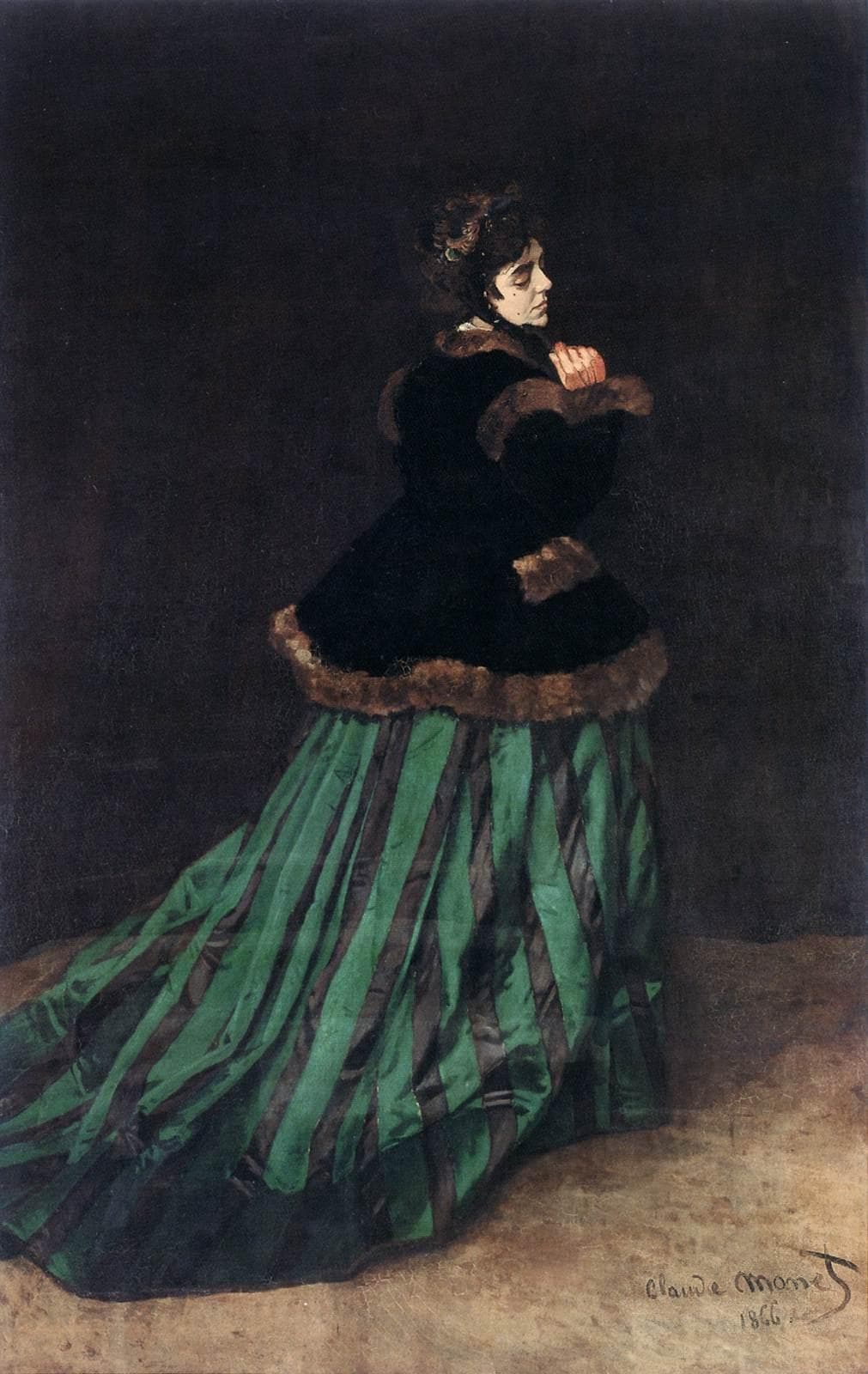
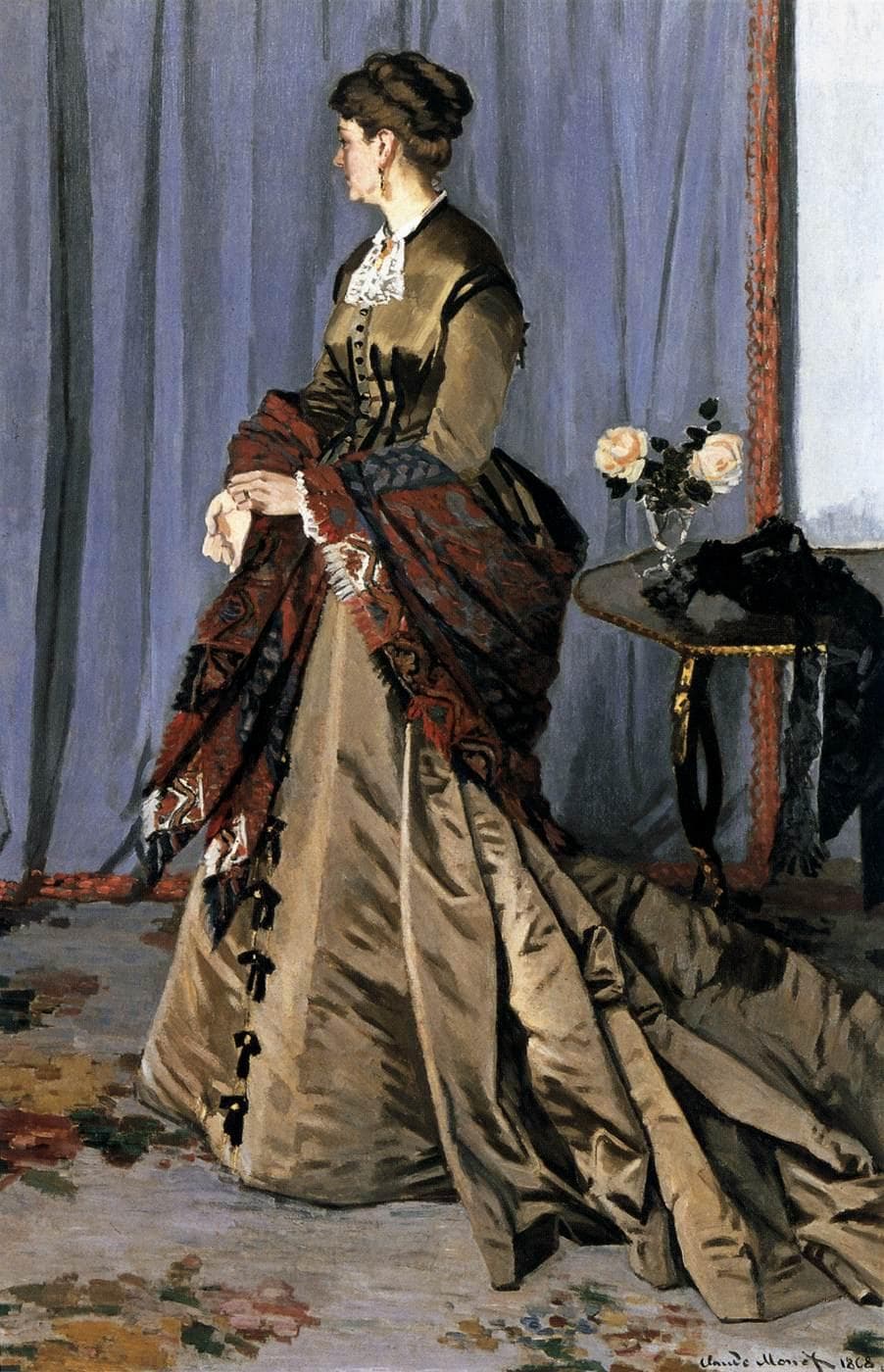
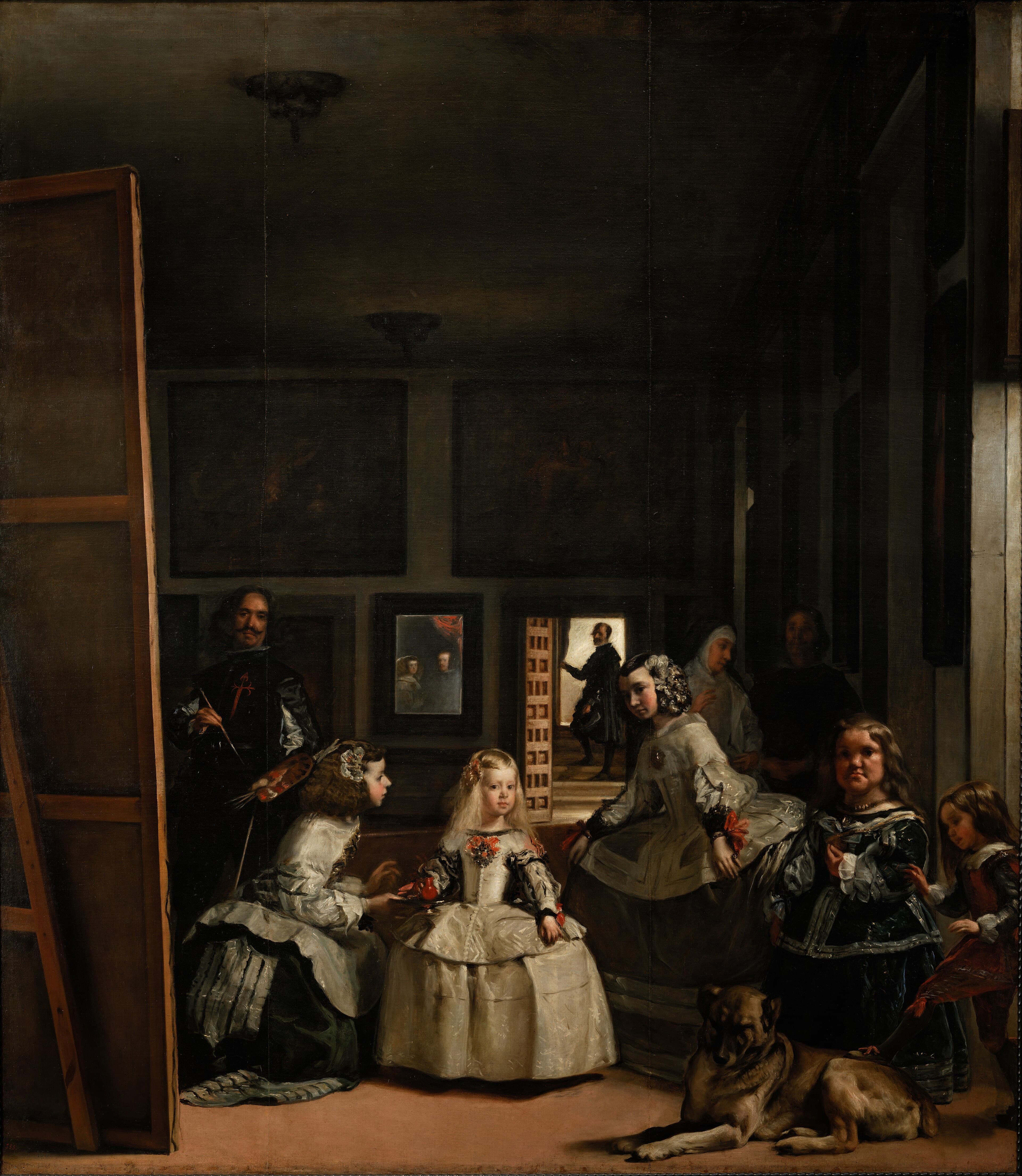
The portrait recalls the full-length figures Monet had painted in the 1860s, especially Camille (The Woman in the Green Dress) and the formal Madame Louis Joachim Gaudibert of 1868, with their plain backgrounds and figures seen in profile. Behind that lies Manet, who painted black against gray in the same way, after Velázquez. The dress is painted broadly, with long fluid strokes that describe the weight of the fabric; the face and hair are handled more delicately. The museum's image shows the picture after conservation, with its colors cleaned and clear.
Where to see it
The painting is in the Kröller-Müller Museum (KM 107.247), in the Hoge Veluwe National Park near Otterlo, better known for its Van Goghs, and is one of very few Monet portraits in a Dutch public collection. For other collections, see where to see Monet's paintings.
Questions & answers
Where is Monet's Portrait of Guurtje van de Stadt?
It is in the Kröller-Müller Museum in Otterlo, the Netherlands (KM 107.247), inside the Hoge Veluwe National Park. The museum is famous for its Van Gogh collection but holds this rare Monet portrait as well.
Who was Guurtje van de Stadt?
She was a 17-year-old girl from a wealthy Zaandam family in the timber trade. Her father, Jan van de Stadt, had recently died, and the museum suggests her black dress, earrings and ribbon show she was in mourning when Monet painted her in 1871.
When and where did Monet paint this portrait?
In 1871, at Zaandam near Amsterdam, where Monet stayed from June to the autumn after leaving London. It is signed and dated C. Monet 1871 at lower left and is the only portrait among the roughly two dozen paintings he made there.
Did Monet paint many portraits?
Relatively few. Most are of family and friends, such as Camille, his son Jean or patrons like Madame Gaudibert. Commissioned or outside portraits are rare, which makes this picture of a Dutch girl in mourning unusual in his work.
More by the artist
Claude Monet

Bridge over a Pond of Water Lilies
Claude Monet · 1899

Woman with a Parasol – Madame Monet and Her Son
Claude Monet · 1875

Sunset in Venice
Claude Monet · 1908–12

La Grenouillère
Claude Monet · 1869

Beach in Pourville
Claude Monet · 1882

Springtime
Claude Monet · 1872

Boating on the River Epte
Claude Monet · 1890

The Seine at Asnières (Hermitage)
Claude Monet · 1873
Also painted in 1871
The same year
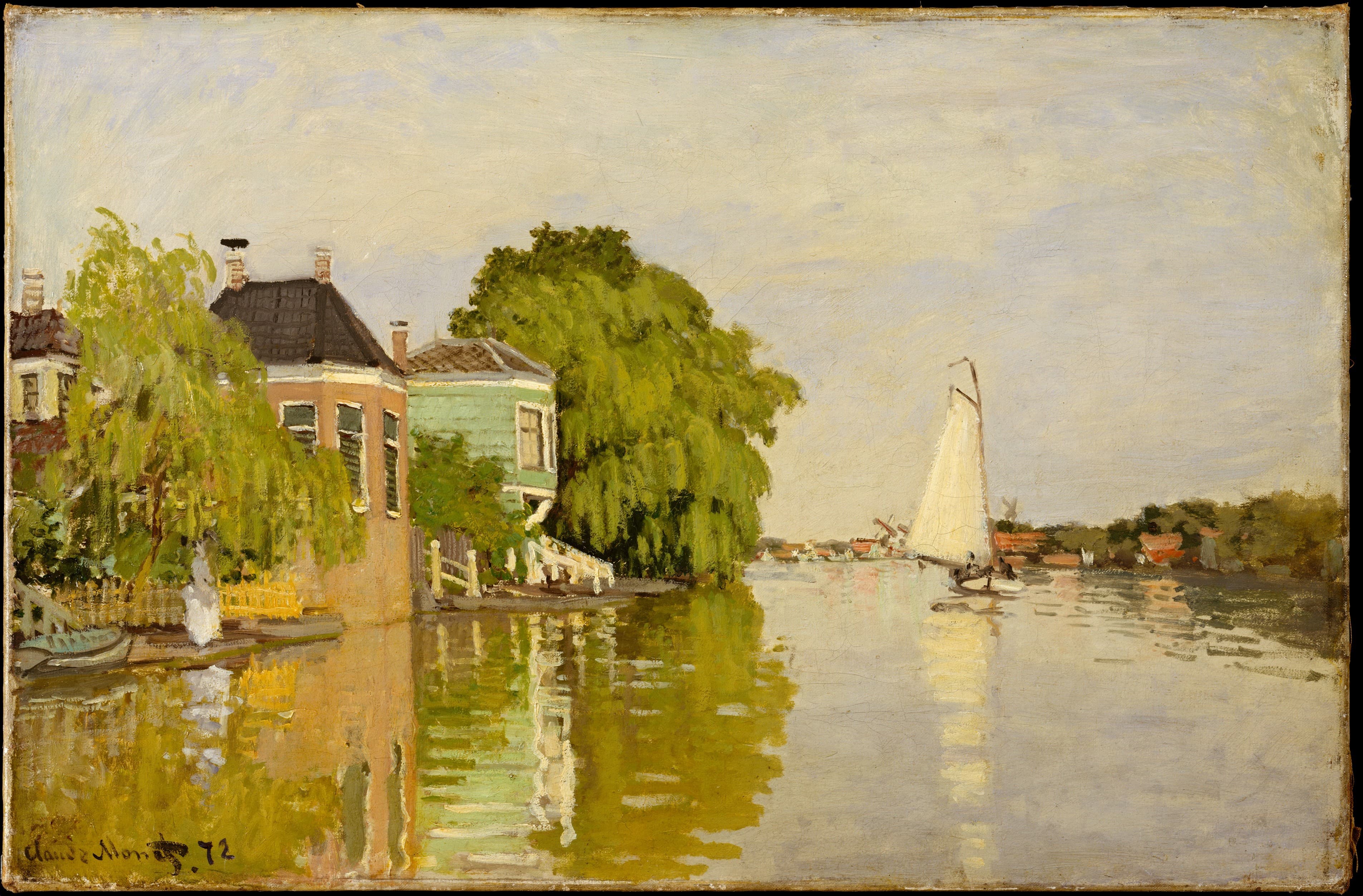
Houses on the Achterzaan
Claude Monet · 1871
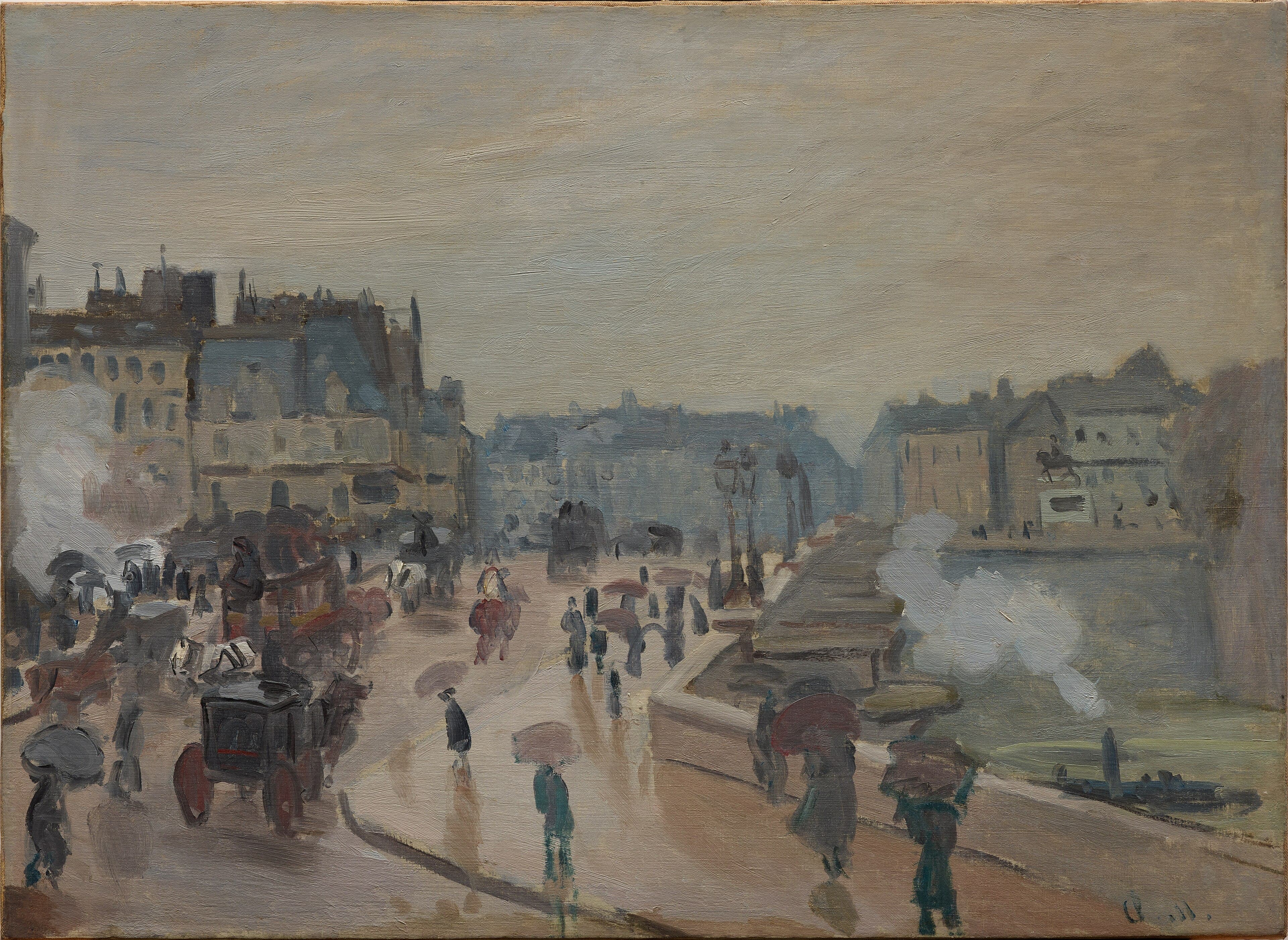
The Pont Neuf
Claude Monet · 1871
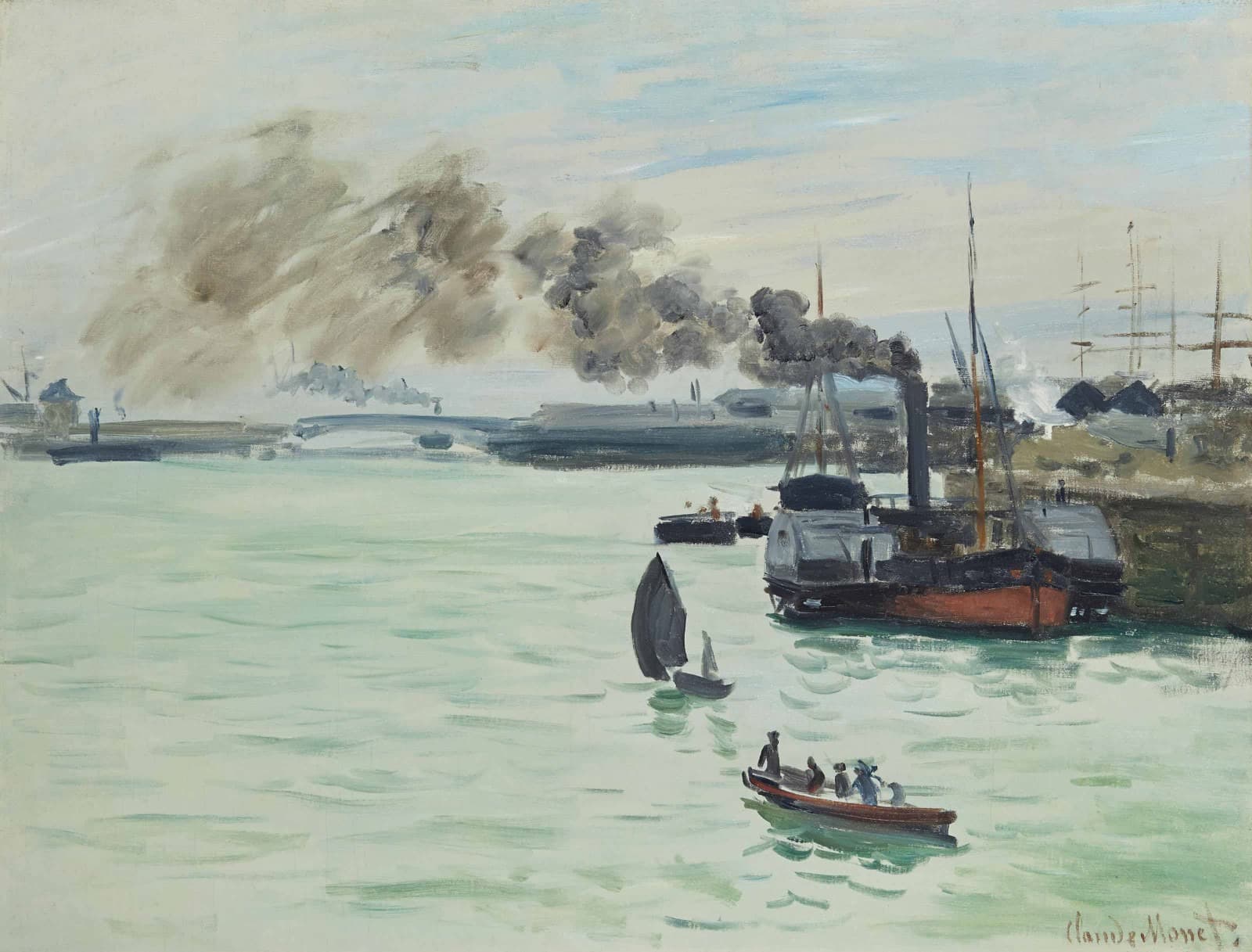
View of a Port
Claude Monet · 1871
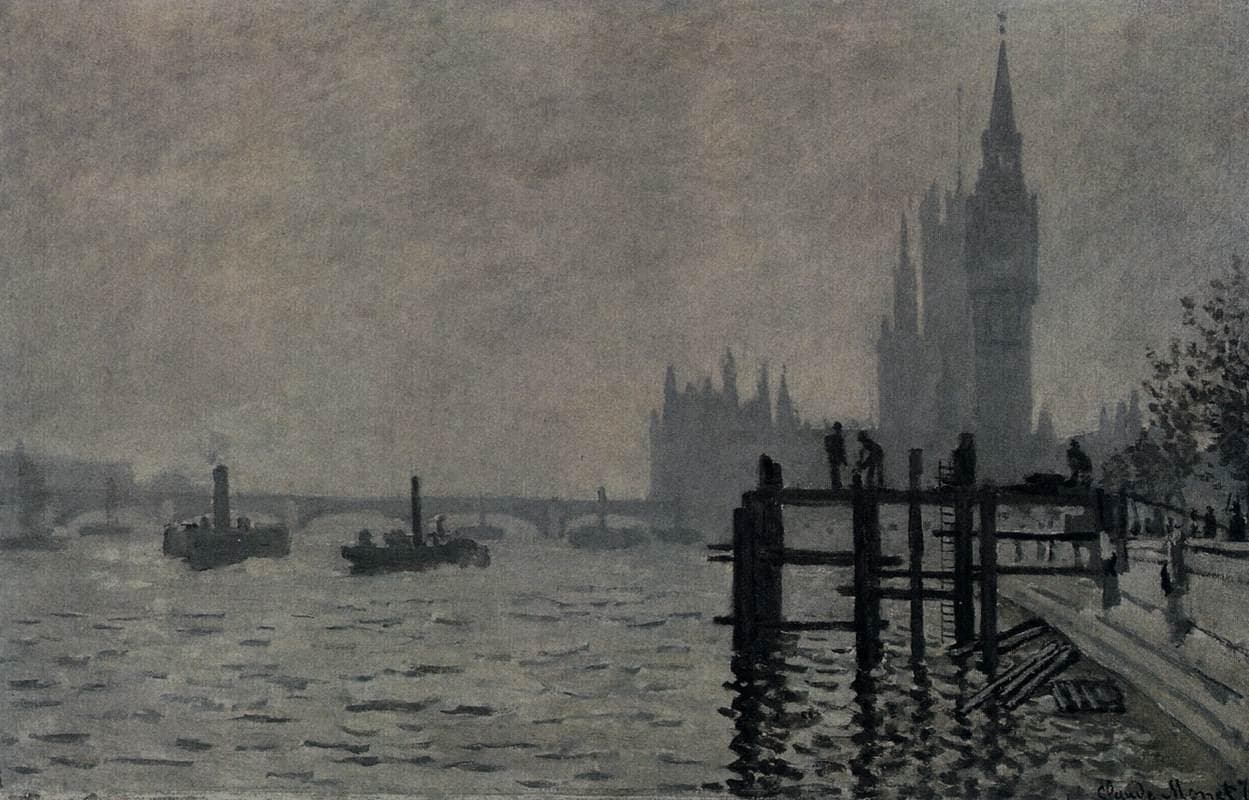
The Thames below Westminster
Claude Monet · c. 1871
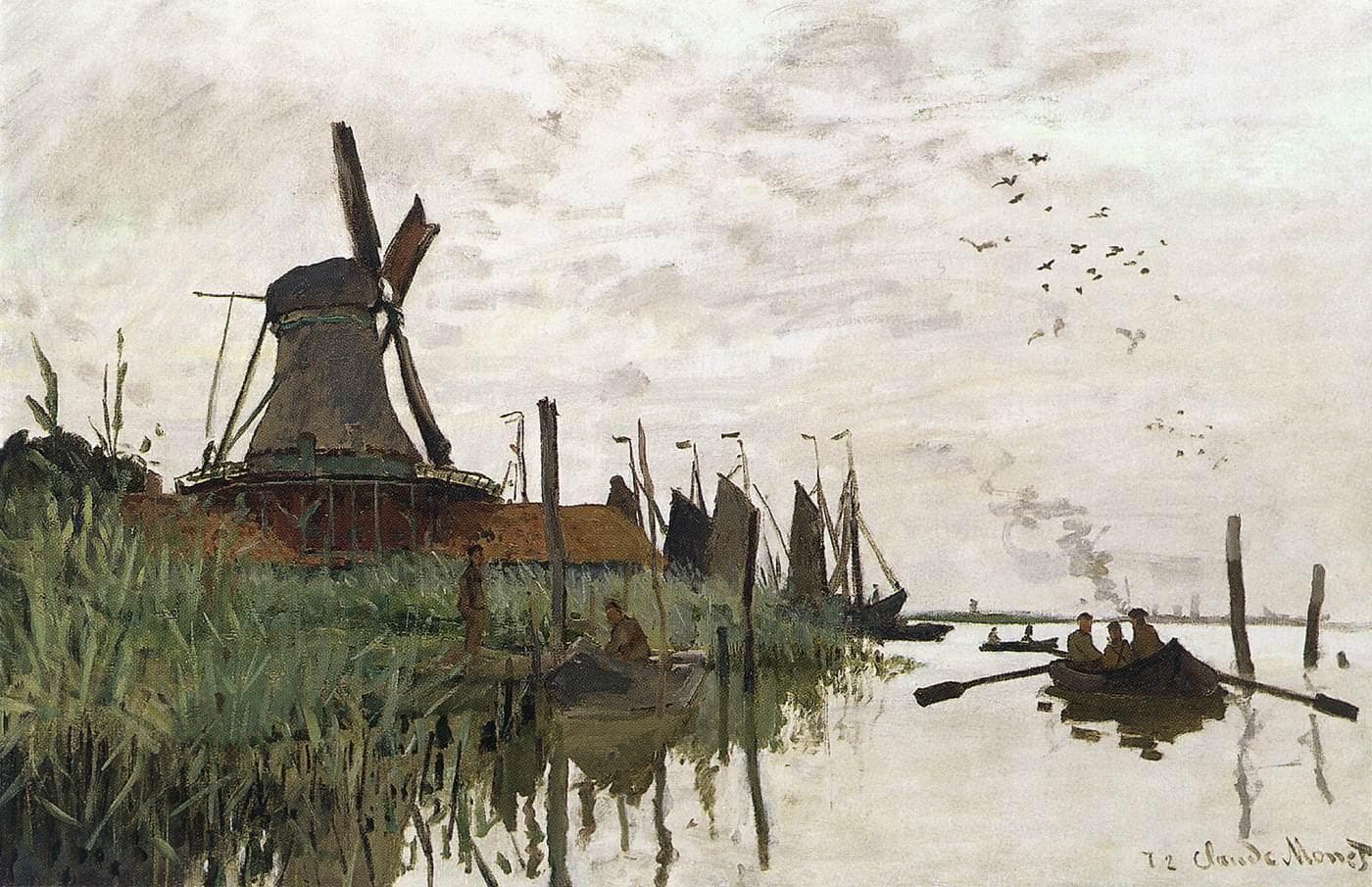
Windmill and Boats near Zaandam
Claude Monet · 1871
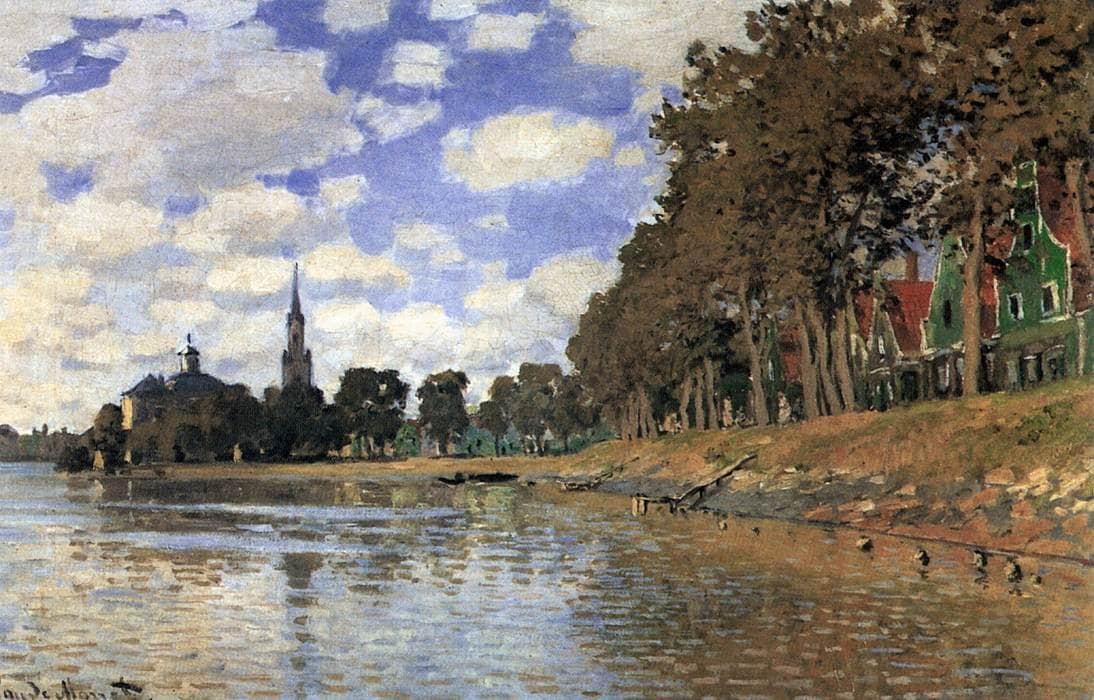
Zaandam
Claude Monet · 1871
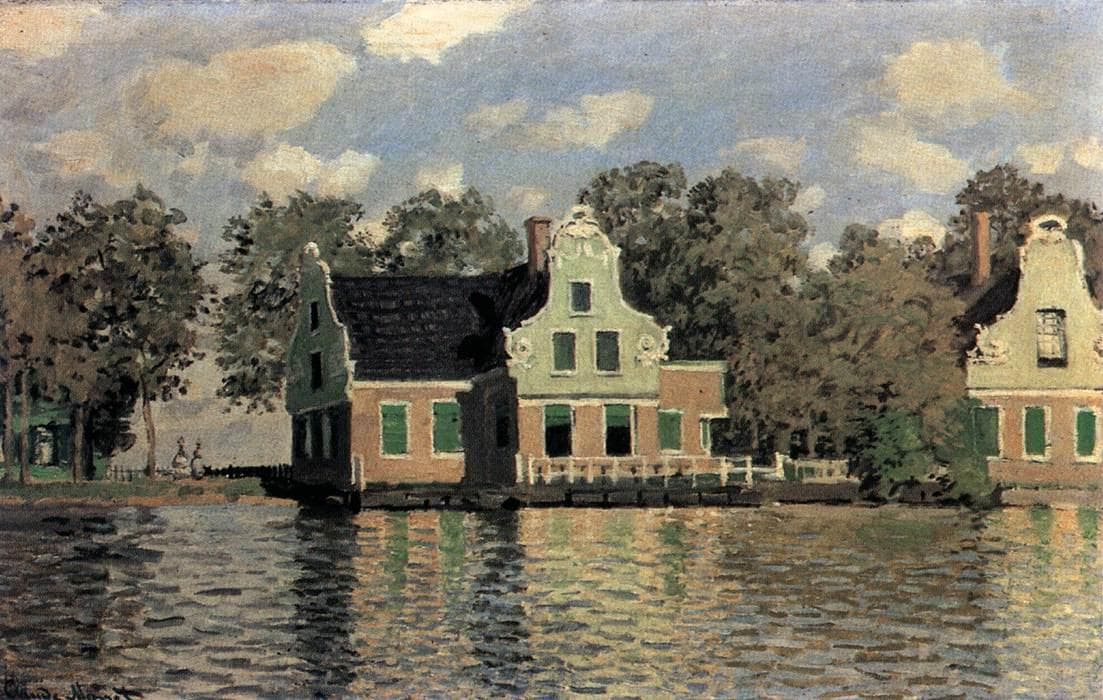
Houses on the Zaan River at Zaandam
Claude Monet · 1871–72
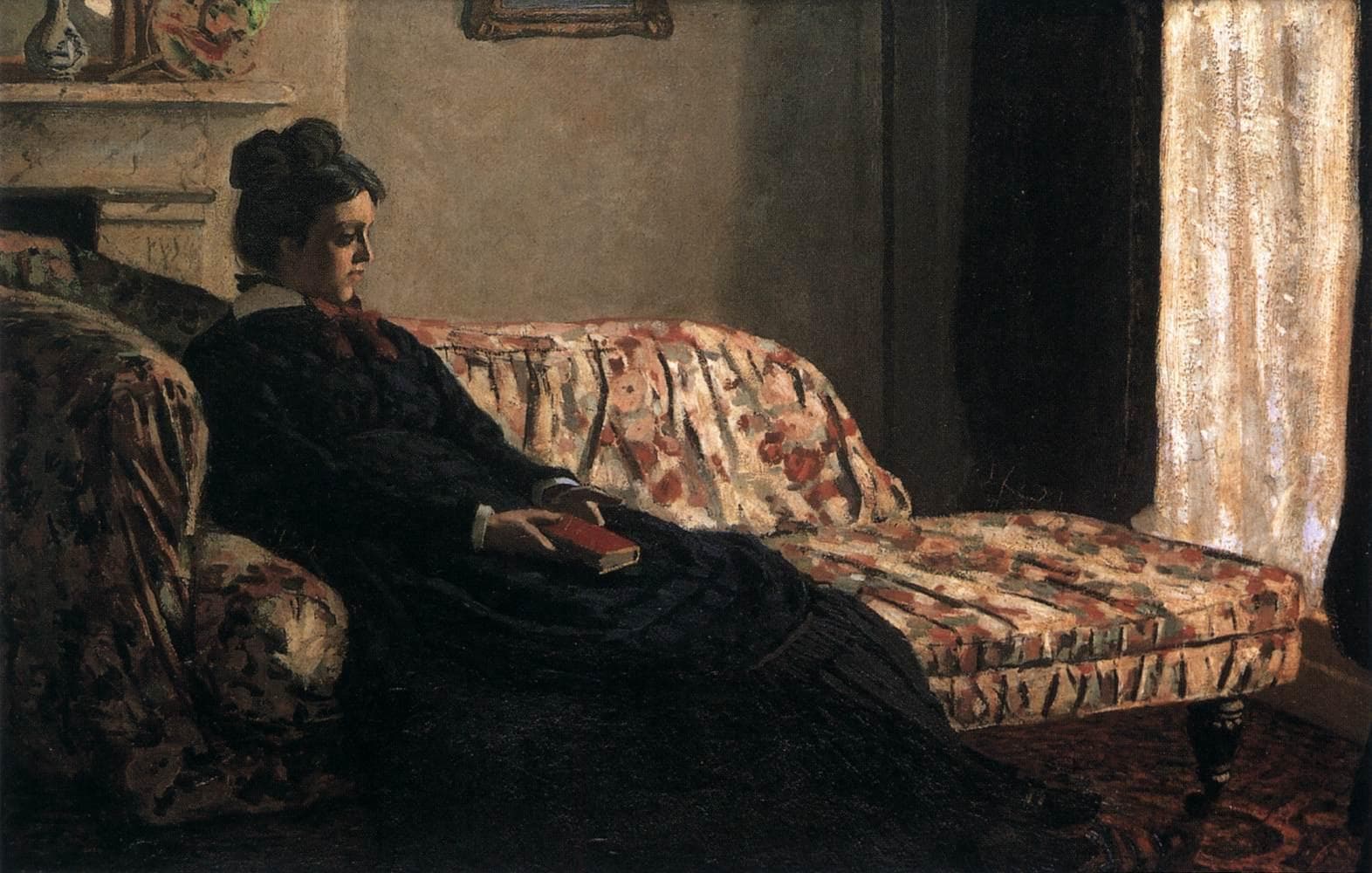
Meditation (Madame Monet on the Sofa)
Claude Monet · c. 1871
Kindred works
You may also study
Zaandam
Claude Monet · 1871
Houses on the Achterzaan
Claude Monet · 1871
Windmill and Boats near Zaandam
Claude Monet · 1871
Camille (The Woman in the Green Dress)
Claude Monet · 1866
Madame Louis Joachim Gaudibert
Claude Monet · 1868

Venus de Milo
Alexandros of Antioch · c. 150–125 BC

Ophelia
John Everett Millais · 1851–52
Las Meninas
Diego Velázquez · 1656