Image: Musée d'Orsay, Paris (photograph by a Wikimedia Commons user) · Public domain · via Wikimedia Commons
Impressionism
The Argenteuil Bridge
Claude Monet, 1874
The Argenteuil Bridge (Le Pont d'Argenteuil) is Claude Monet's 1874 painting of moored sailboats and the arched road bridge over the Seine at Argenteuil, reflected in calm blue water. It is in the Musée d'Orsay, Paris.
- Artist
- Claude Monet
- Date
- 1874
- Medium
- Oil on canvas
- Dimensions
- 60 × 80 cm
- Collection
- Musée d'Orsay, Paris, France
- Movement
- Impressionism
- Catalogue
- Wildenstein 311
Painted at Monet at ArgenteuilMore at Monet at the Musée d'Orsay
The Argenteuil Bridge is one of Claude Monet's sunniest pictures of the Seine at Argenteuil, the boating town outside Paris where he lived through most of the 1870s. Two pleasure boats with bare masts float in the foreground. Behind them the stone and iron road bridge strides across the river on tall piers, and everything is doubled in the still water. Painted in 1874 and signed and dated at lower right, it is in the Musée d'Orsay. (It is sometimes listed as The Railway Bridge at Argenteuil, but the bridge shown is the road bridge; Monet's view of the railway bridge is a different canvas, also at the Orsay.)
What you're looking at
The boats sit low in the left half of the canvas, white hulls with varnished, honey-colored masts and booms, their sails furled. The tall masts and a fan of fine rigging lines cut up through the trees and sky behind. Their reflections drop straight down to the bottom edge as wavering orange stripes. To the right, the bridge comes in from the edge on massive pale piers, its deck a long dark band with a lighter railing. At the near end stands a small square building with a pyramid roof, the bridge's tollhouse, warm pink against the green.
The far bank is a dense wall of trees in deep and middle greens, with a cream-colored house half hidden at left. Above them, white clouds move across a clear blue sky. The water carries all of it: blue sky, green trees, the pale verticals of the piers, the orange masts. Monet paints the surface in short horizontal strokes that become larger and more broken toward the bottom, where small ripples catch the light.
The bridge and the town
Argenteuil's road bridge had been destroyed during the Franco-Prussian War of 1870–71 and rebuilt, and the railway bridge just upstream had also been damaged and replaced. By 1874 both were new, and Monet painted them repeatedly as signs of a town recovering and modernizing. For Parisians, Argenteuil meant Sunday sailing, regattas and riverside cafés, and its basin was one of the main yachting centers near the capital.
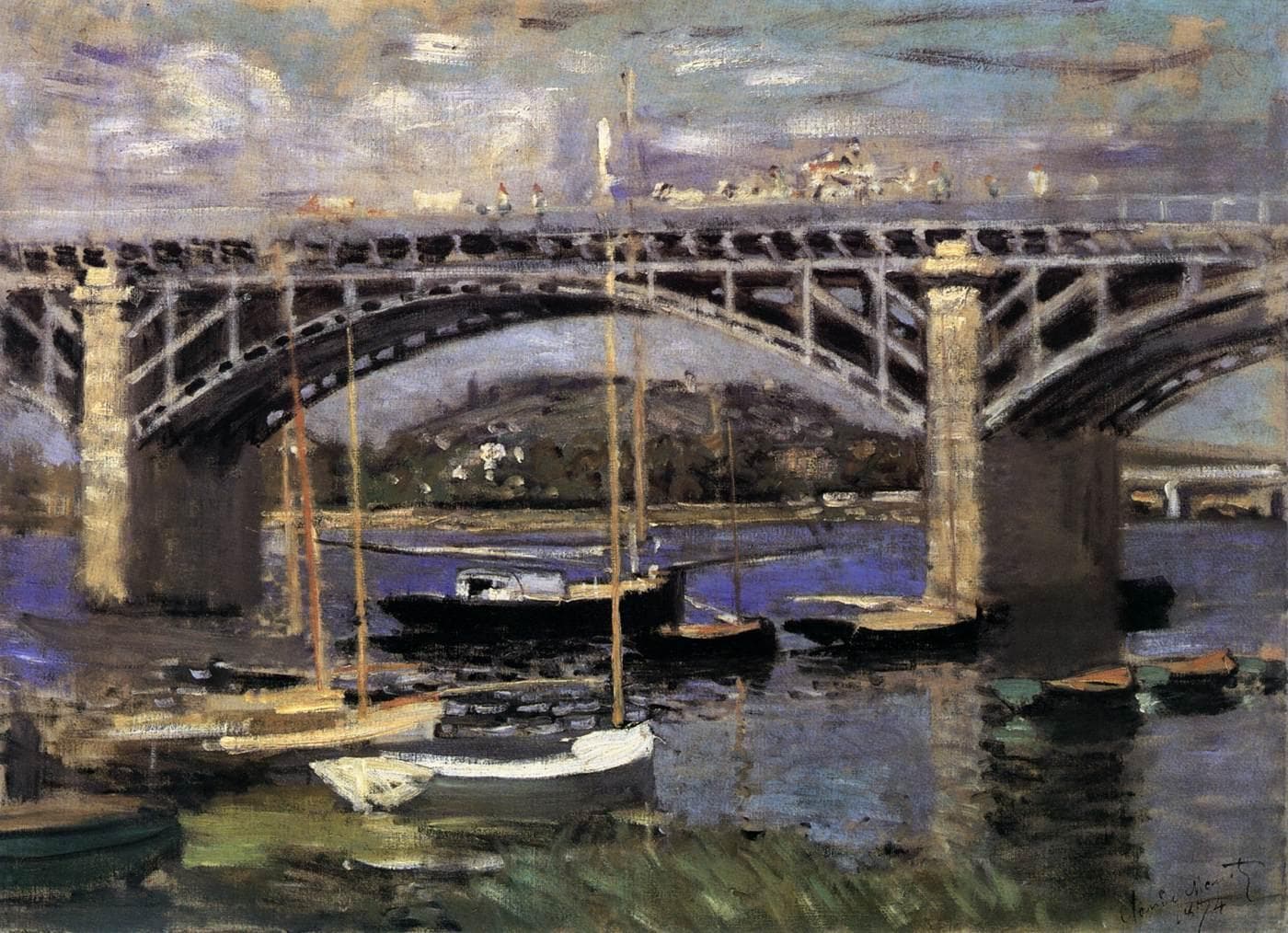
In 1874 Monet painted the road bridge from several angles, often from his floating studio. Compare The Bridge at Argenteuil in Munich and The Bridge at Argenteuil in Washington, which show the same structure in different light, and The Railway Bridge at Argenteuil for the iron railway crossing. Argenteuil as a whole is covered on Monet at Argenteuil.
Look closely at the water below the boats: the reflections of the masts are not straight but bend and break into short orange zigzags, while the reflection of the bridge's piers stays almost unbroken. Monet registers that the water near the boats is moving and the water by the far bank is calm.
How it was painted
The canvas, 60 by 80 centimeters, was painted outdoors, almost certainly from a boat or the bank close to water level. The composition is carefully balanced. The vertical masts on the left answer the vertical piers on the right, and the long horizontal of the bridge deck is echoed by the bank and the water line. Monet uses fairly thick paint in the clouds and the sunlit stone, and thinner, faster strokes in the water. The bright, almost unmixed blues and oranges of the reflections show how far he had pushed his palette since the darker river scenes of the late 1860s.
The picture is a good example of the Argenteuil style at its most confident, painted in the same year as the first Impressionist exhibition, where Impression, Sunrise gave the movement its name.
Ownership and where to see it
The painting belonged to Antonin Personnaz, a collector from Bayonne who assembled a large group of Impressionist pictures. He bequeathed his collection to the French national museums in 1937. It is now in the Musée d'Orsay in Paris, which holds one of the largest groups of Monet paintings anywhere; see Monet at the Musée d'Orsay.
Questions & answers
Where is Monet's The Argenteuil Bridge?
It is in the Musée d'Orsay in Paris. It came to the French national collections in 1937 with the bequest of the collector Antonin Personnaz.
Is this the railway bridge or the road bridge at Argenteuil?
It is the road bridge, with its tall stone piers and the small tollhouse at the near end. The painting is sometimes mislabeled as the railway bridge. Monet's picture of the iron railway bridge with a passing train is a separate canvas, also in the Musée d'Orsay.
When and where was The Argenteuil Bridge painted?
Monet painted it in 1874 at Argenteuil, a town on the Seine northwest of Paris where he lived from 1871 to 1878. The canvas is signed and dated '74 at lower right.
Did Monet paint the Argenteuil bridge more than once?
Yes. In 1874 alone he painted the road bridge several times, including versions now in Munich's Neue Pinakothek and the National Gallery of Art in Washington, each under different light and from a different viewpoint.
More by the artist
Claude Monet

Bridge over a Pond of Water Lilies
Claude Monet · 1899

Woman with a Parasol – Madame Monet and Her Son
Claude Monet · 1875

Sunset in Venice
Claude Monet · 1908–12

La Grenouillère
Claude Monet · 1869

Beach in Pourville
Claude Monet · 1882

Springtime
Claude Monet · 1872

Boating on the River Epte
Claude Monet · 1890

The Seine at Asnières (Hermitage)
Claude Monet · 1873
Also painted in 1874
The same year
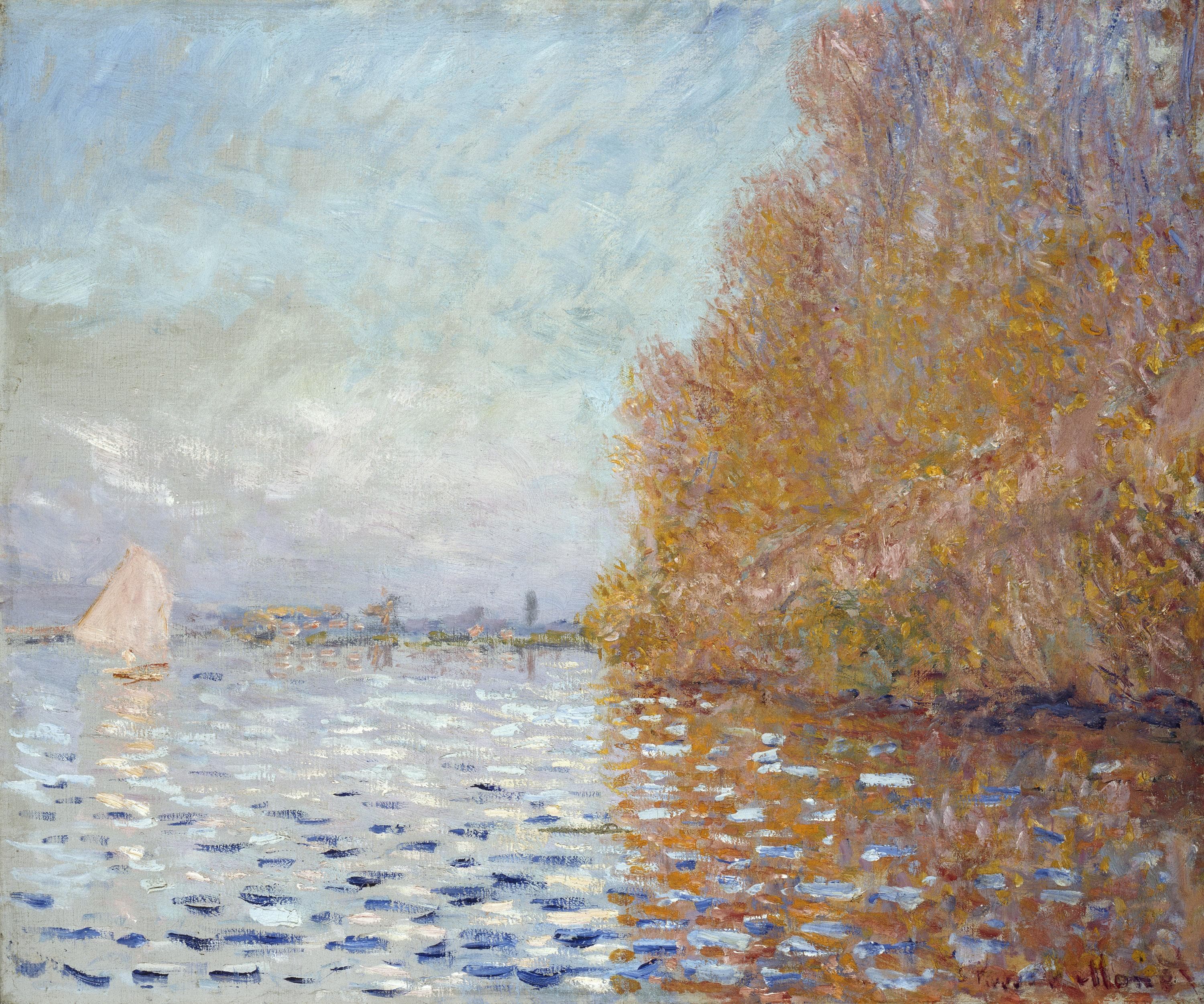
Argenteuil Basin with a Single Sailboat
Claude Monet · 1874
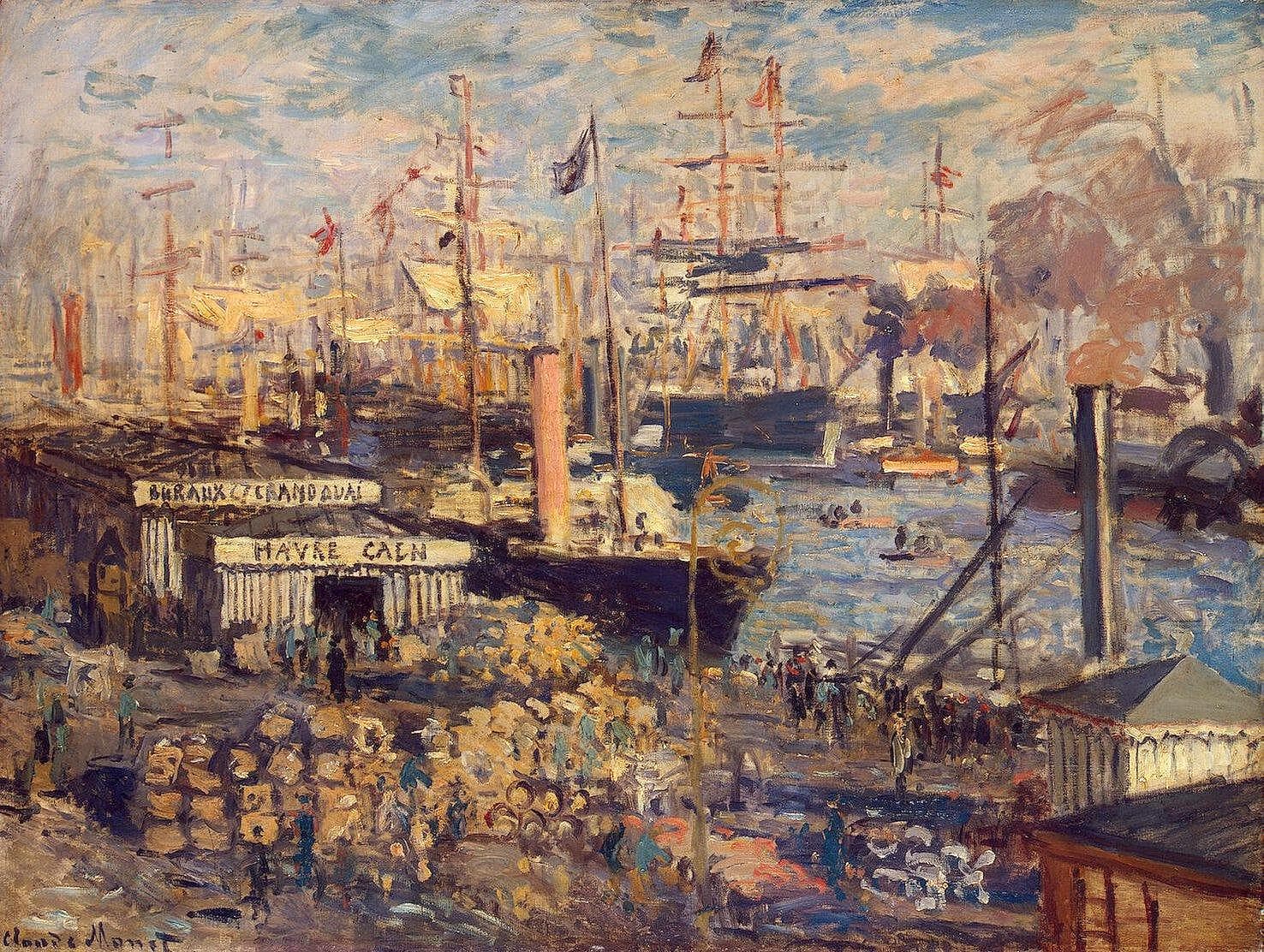
The Grand Quai at Le Havre
Claude Monet · 1874
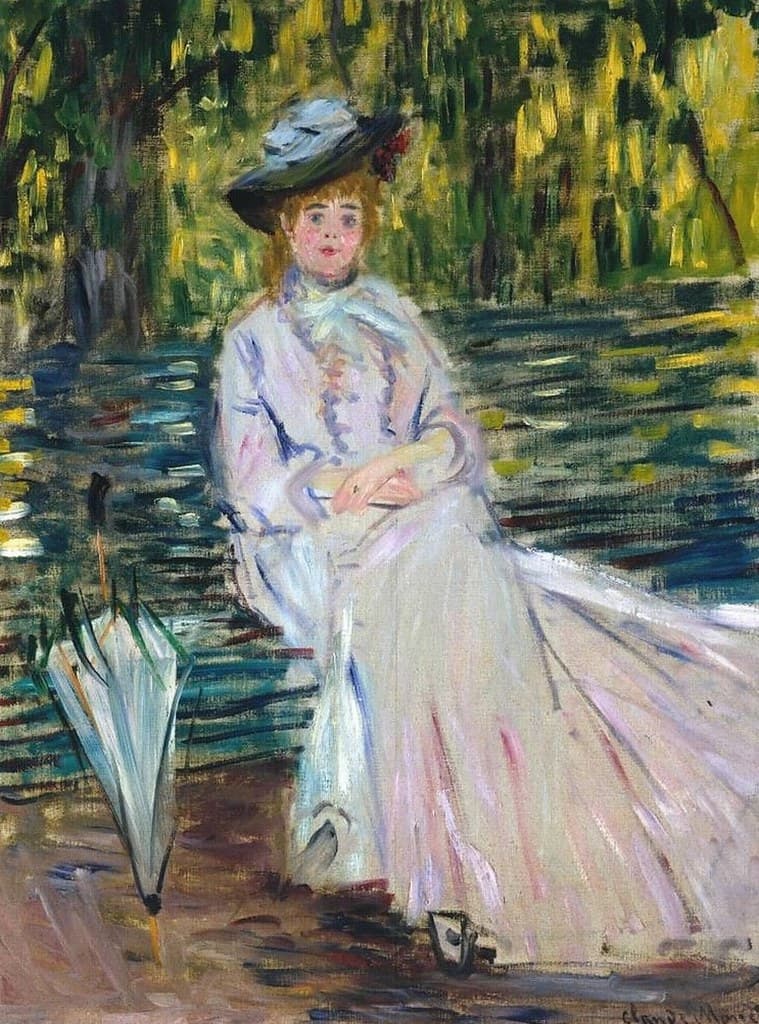
Woman Seated on a Bench
Claude Monet · c. 1874
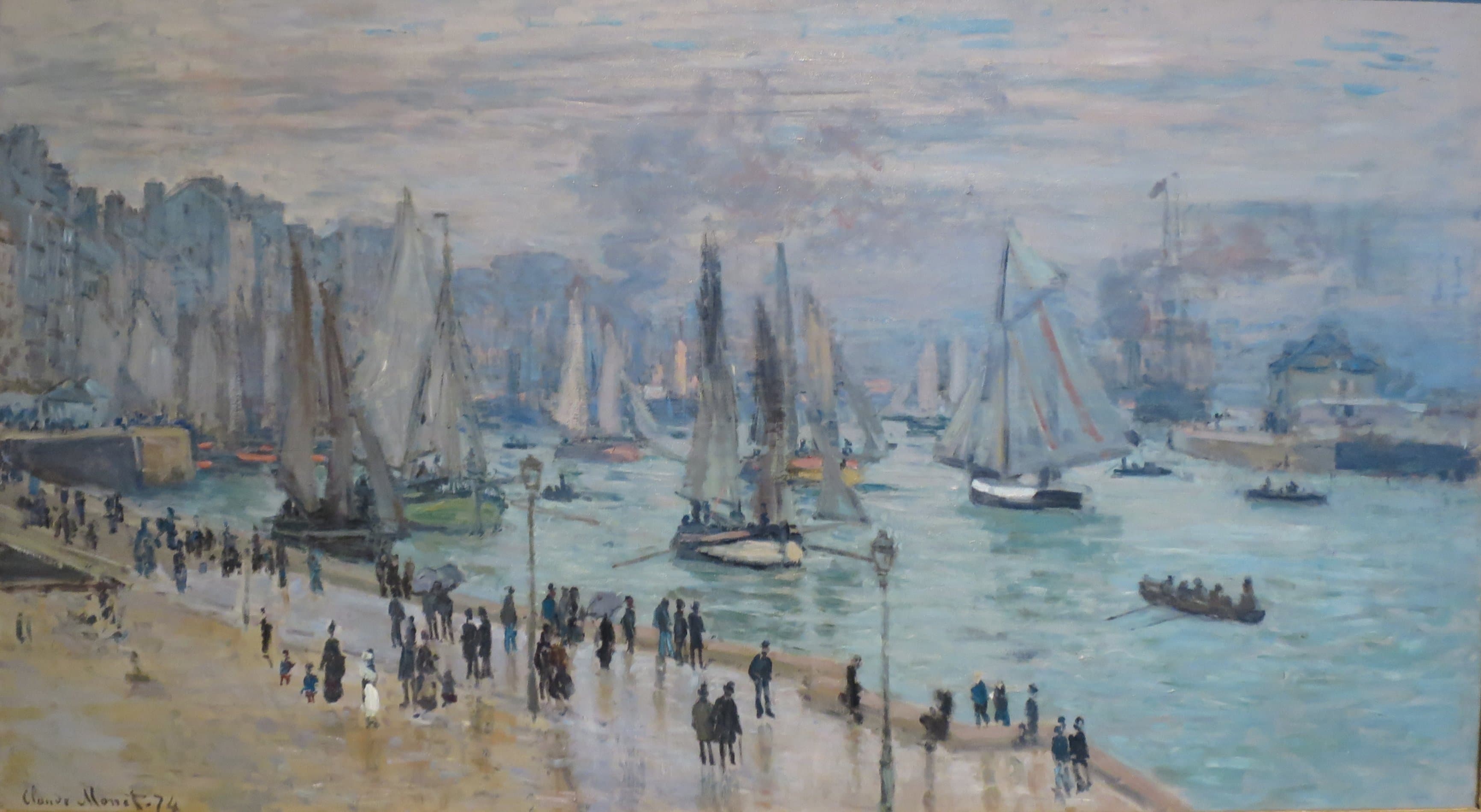
Fishing Boats Leaving the Harbor, Le Havre
Claude Monet · 1874
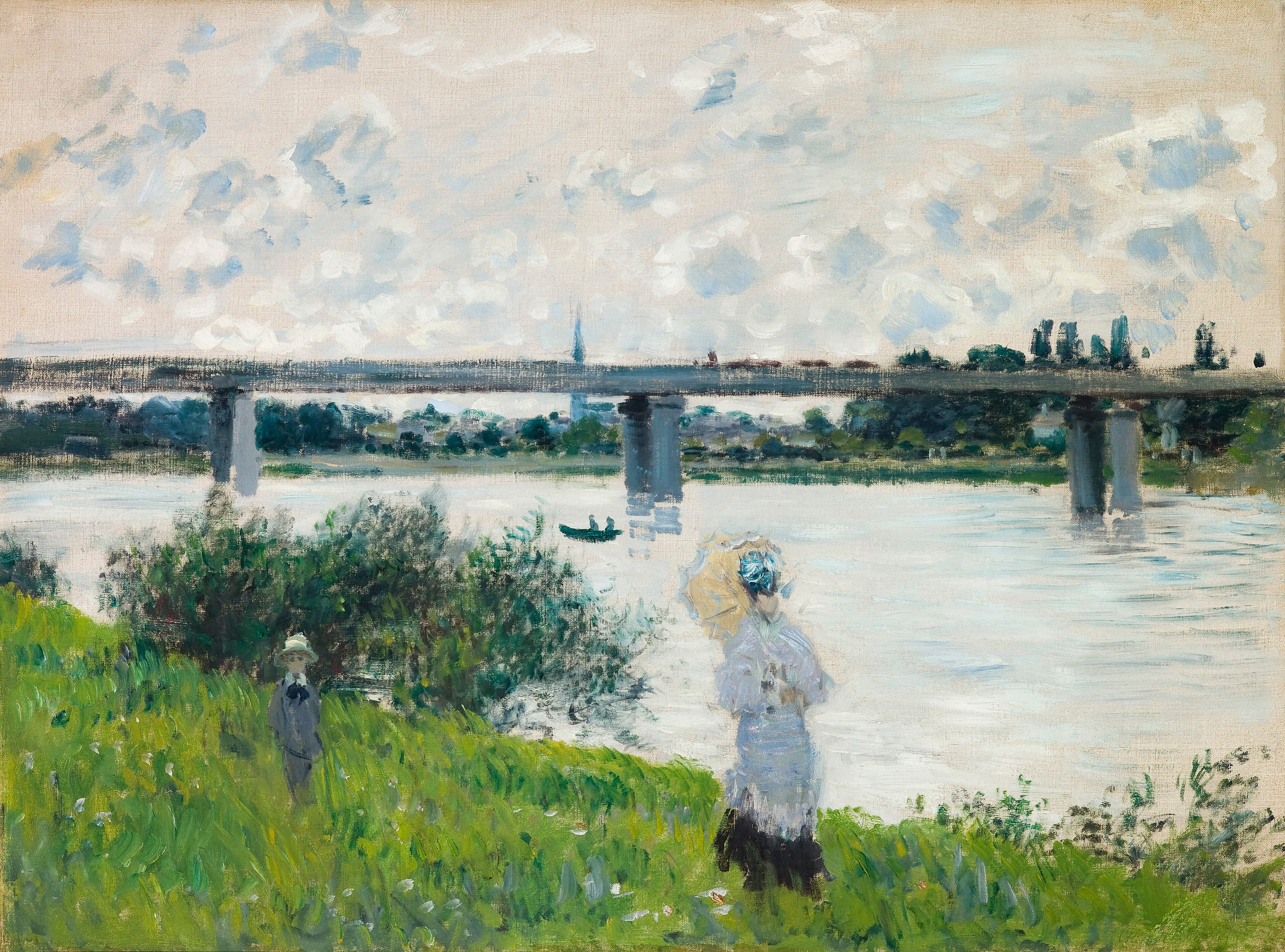
The Promenade with the Railroad Bridge, Argenteuil
Claude Monet · 1874
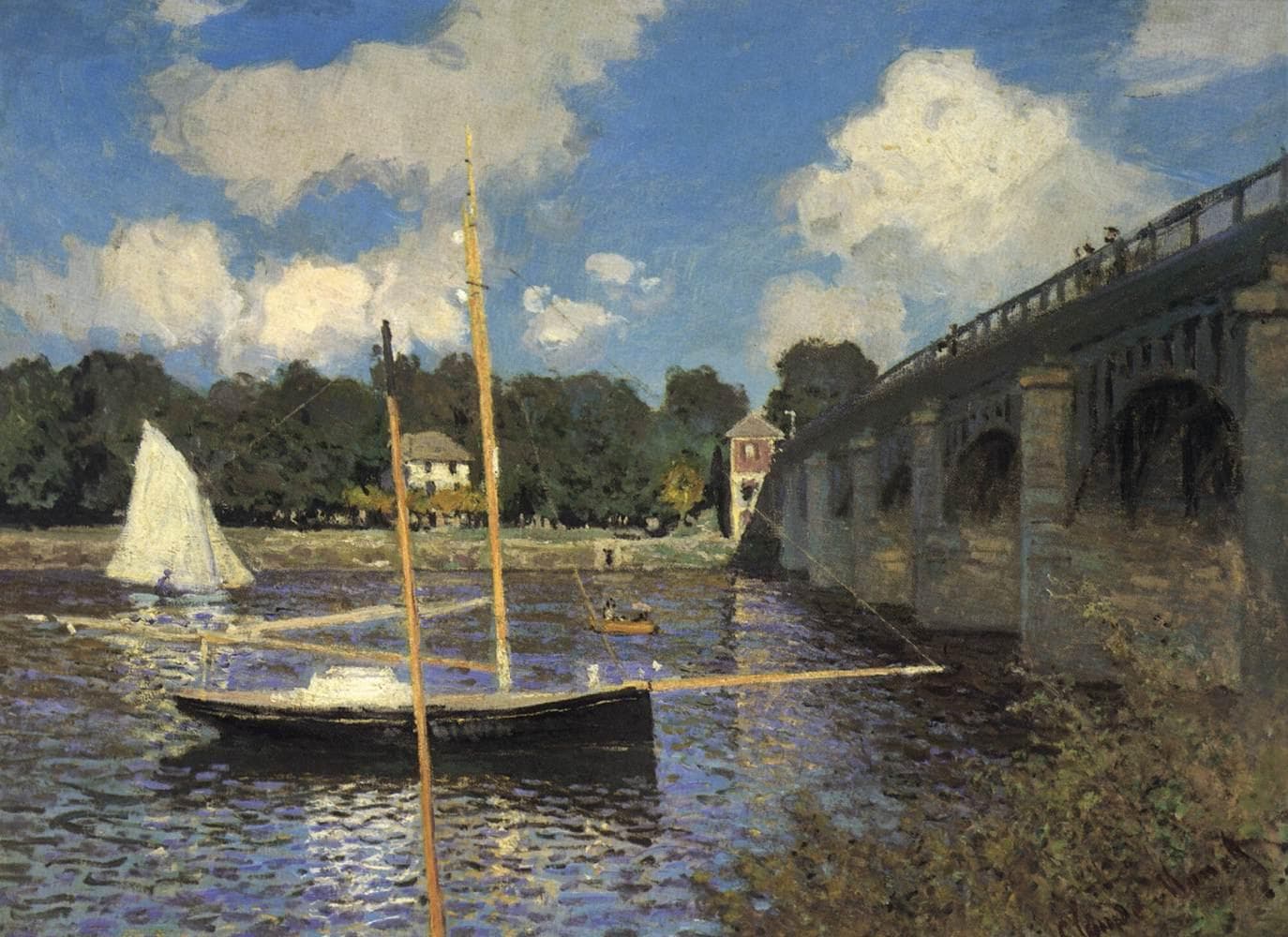
The Bridge at Argenteuil
Claude Monet · 1874
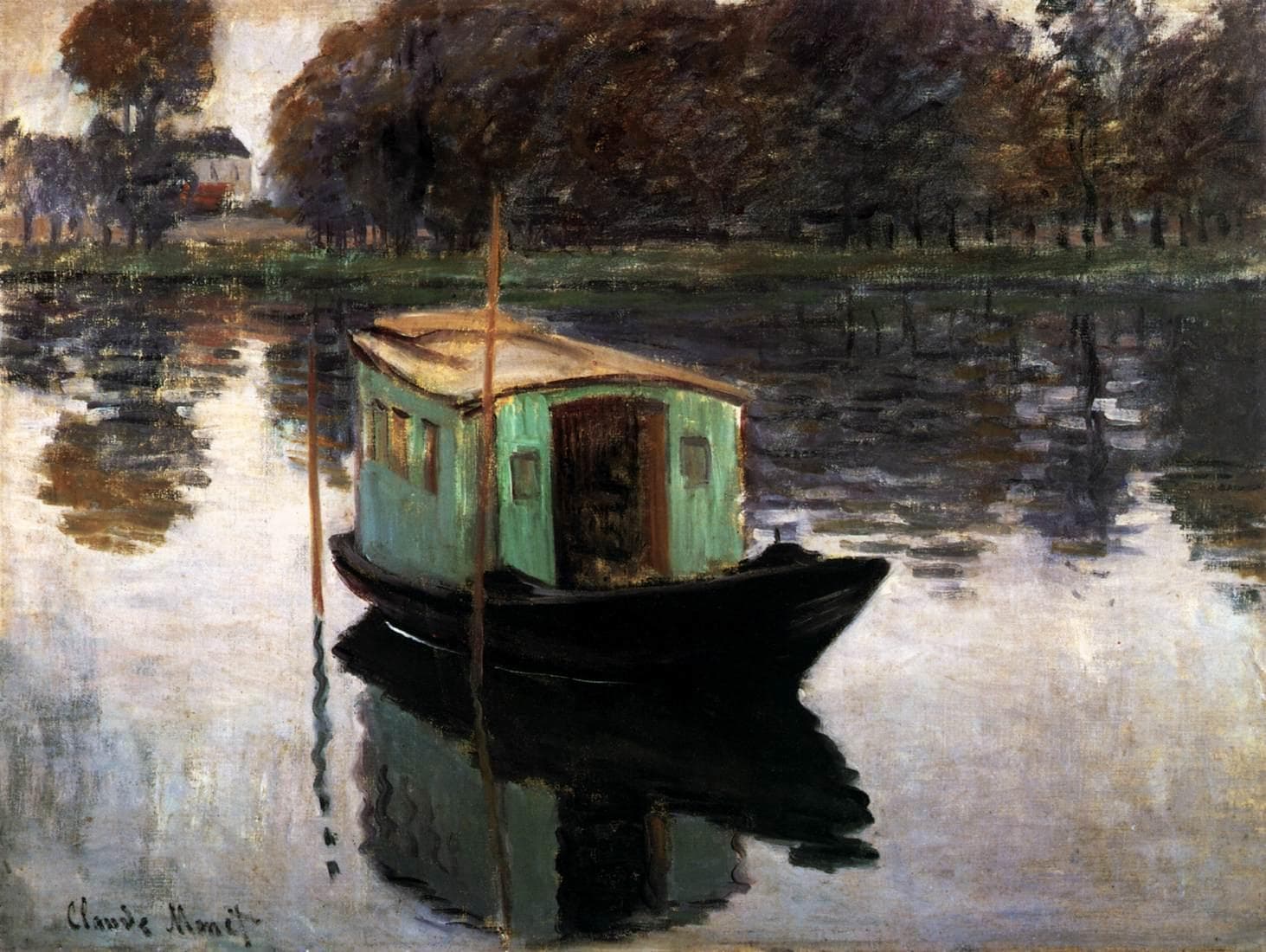
The Studio Boat
Claude Monet · 1874
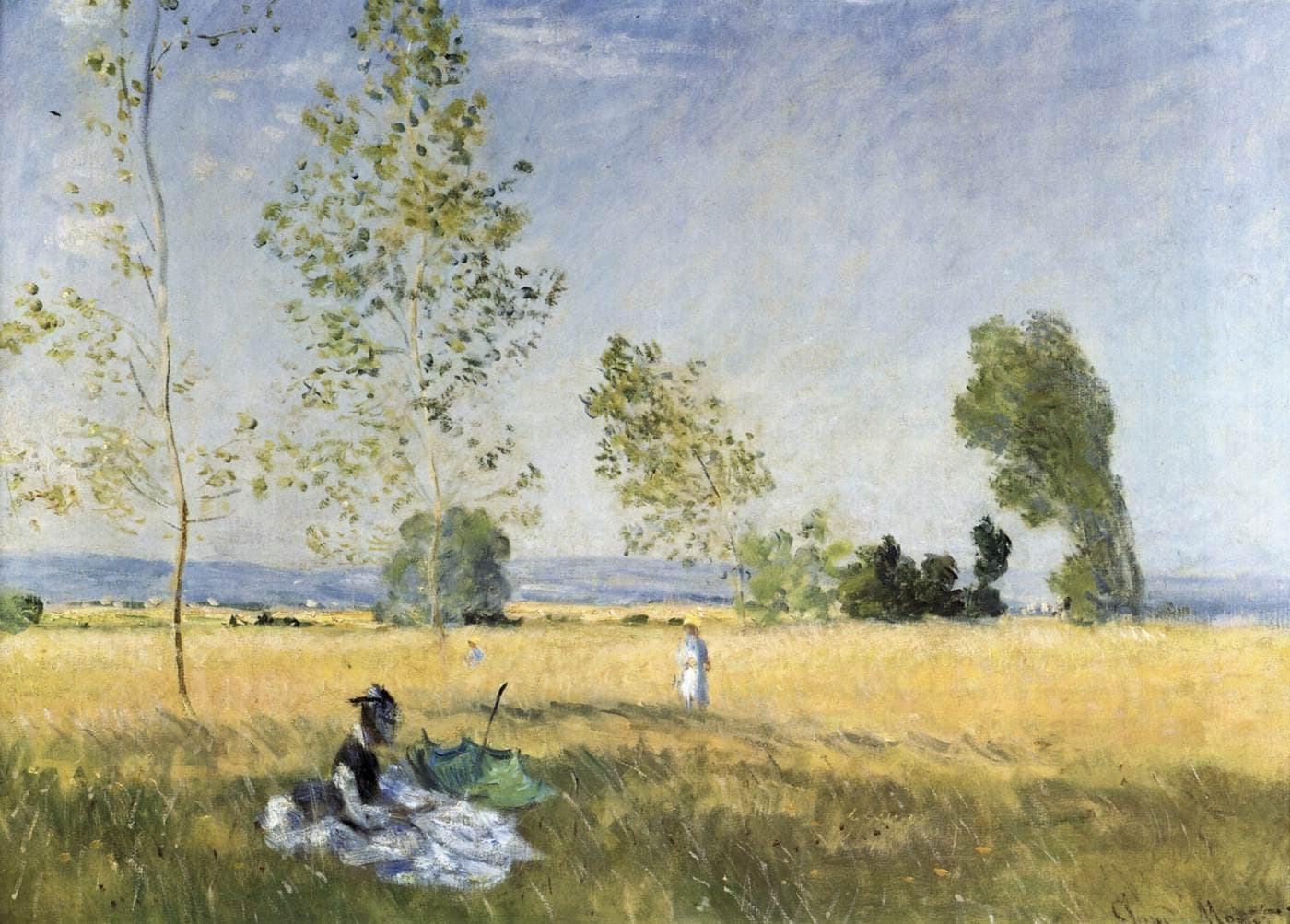
Summer (Meadow at Bezons)
Claude Monet · 1874
Kindred works
You may also study
The Bridge at Argenteuil
Claude Monet · 1874
The Bridge at Argenteuil
Claude Monet · 1874
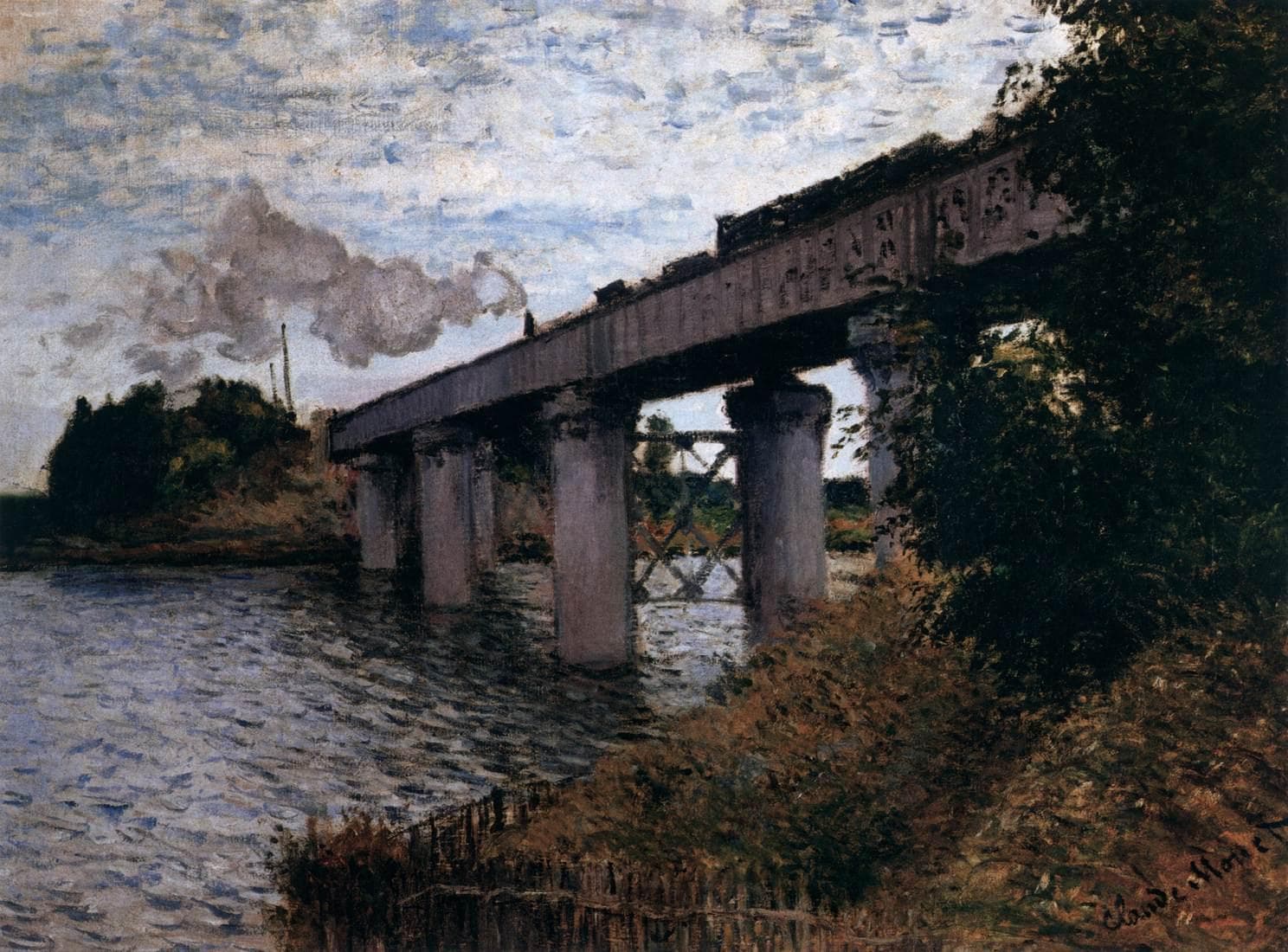
The Railway Bridge at Argenteuil
Claude Monet · c. 1873–74
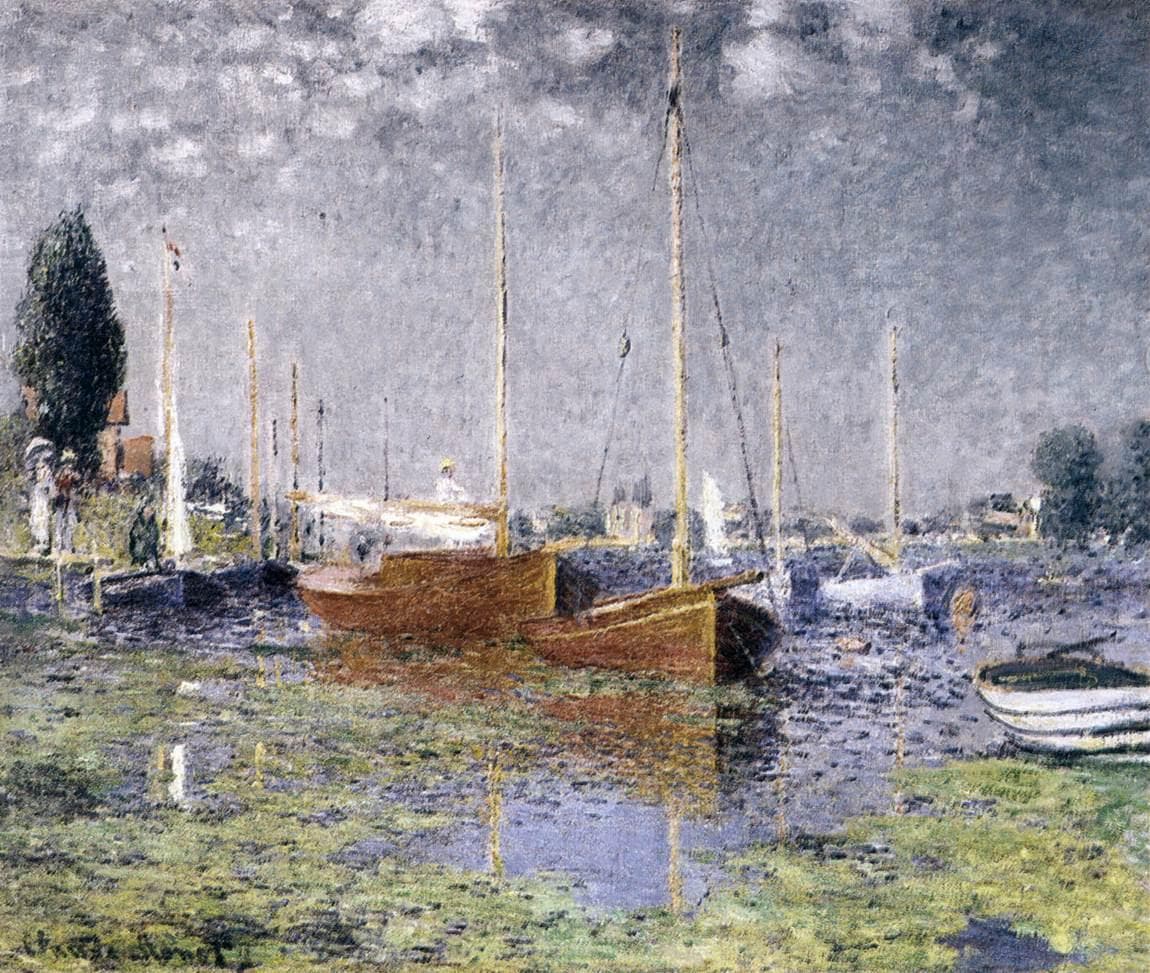
Red Boats at Argenteuil
Claude Monet · 1875
The Studio Boat
Claude Monet · 1874

The Scream
Edvard Munch · 1893

Ophelia
John Everett Millais · 1851–52

The Great Wave off Kanagawa
Katsushika Hokusai · c. 1830–32