Impressionism
Self-Portrait in Beret
Claude Monet, 1886
Self-Portrait in Beret is an 1886 oil sketch by Claude Monet, one of only a handful of self-portraits by a painter who rarely turned to his own face. It measures 56 × 46 cm (Wildenstein 1078) and is in a private collection.
- Artist
- Claude Monet
- Date
- 1886
- Medium
- Oil on canvas
- Dimensions
- 56 × 46 cm
- Collection
- Private collection
- Movement
- Impressionism
- Catalogue
- Wildenstein 1078
What you are looking at
Monet shows himself head and shoulders, turned slightly to the left, against a loosely brushed ground of pale grey, lilac and white. A soft black beret sits low over his forehead, its brim catching a little blue light. His beard is full and dark, painted in long, wiry strokes of brown and black with touches of grey and rust, and it spreads down over the collar of a dark jacket. Beneath it a glimpse of pale blue shirt collar is the only cool color in the figure. His eyes, under heavy brows, look out at the viewer with a level, appraising expression, the left one slightly in shadow.
The face is built up more carefully than anything else, with warm pinks, ochers and reds around the nose and cheeks and a cooler grey on the forehead under the beret. Everything below the beard dissolves into broad, quick strokes, and the jacket's lapels are no more than a few dark scrawls with flecks of blue and white. The background is scrubbed in around the head almost like a halo of pale light. The picture has the speed of a study made in a single sitting, and the bare canvas shows through at the lower right. A signature and date are scratched in at the lower right edge.
Look at how the dark of the beard and jacket merges into one mass. Monet does not separate them with a drawn line; the face simply emerges, lit, from a column of dark paint.
Monet at 45
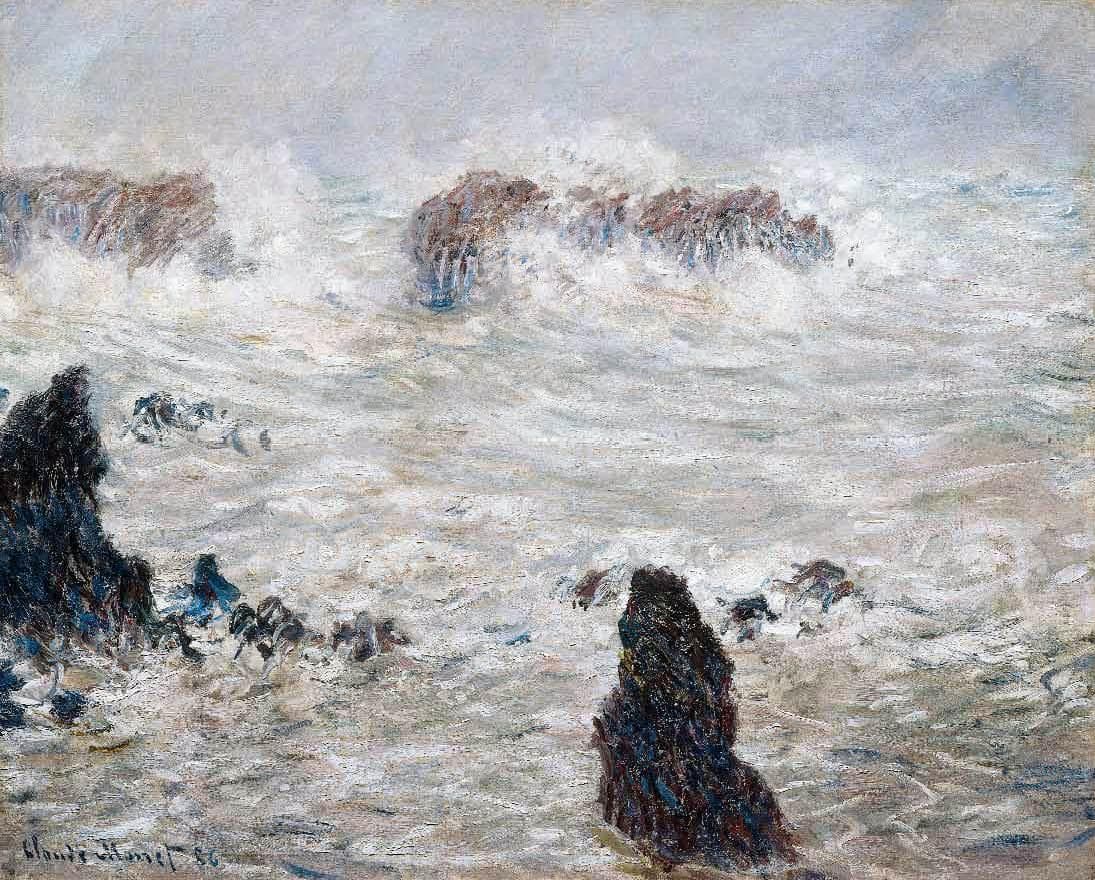
In 1886 Monet was 45 and finally on firmer ground. He had settled at Giverny three years earlier, his dealer Paul Durand-Ruel had begun showing his work in New York, and that year was one of his busiest: he painted tulip fields in Holland in the spring, figures in the meadows at Giverny, including Woman with a Parasol, Turned to the Left, and in the autumn he spent weeks on the wild coast of Belle-Île in Brittany, where he painted Storm off Belle-Île.
The beret, a working painter's cap, and the untrimmed beard present him as he was: a landscape painter who lived and worked outdoors, not a gentleman posing in a studio.
How it was painted
This is a modest canvas, 56 by 46 centimeters, the size of a standard portrait. The handling is the same loose, direct touch Monet used outdoors, applied to a face: no dark underpainting, no glazes, just opaque color laid wet into wet. The background was brushed in around the head after the head was established, which is why the pale paint crowds right up to the edge of the beret.
The light comes from the left and slightly above, the direction of a window, and Monet uses it simply: the lit side of the face is warm, the shadowed side cooler and greyer, and the beret throws a soft shadow across the brow. There is no attempt at flattery. The nose is broad, the skin weathered, the gaze tired but alert.
Monet's self-portraits
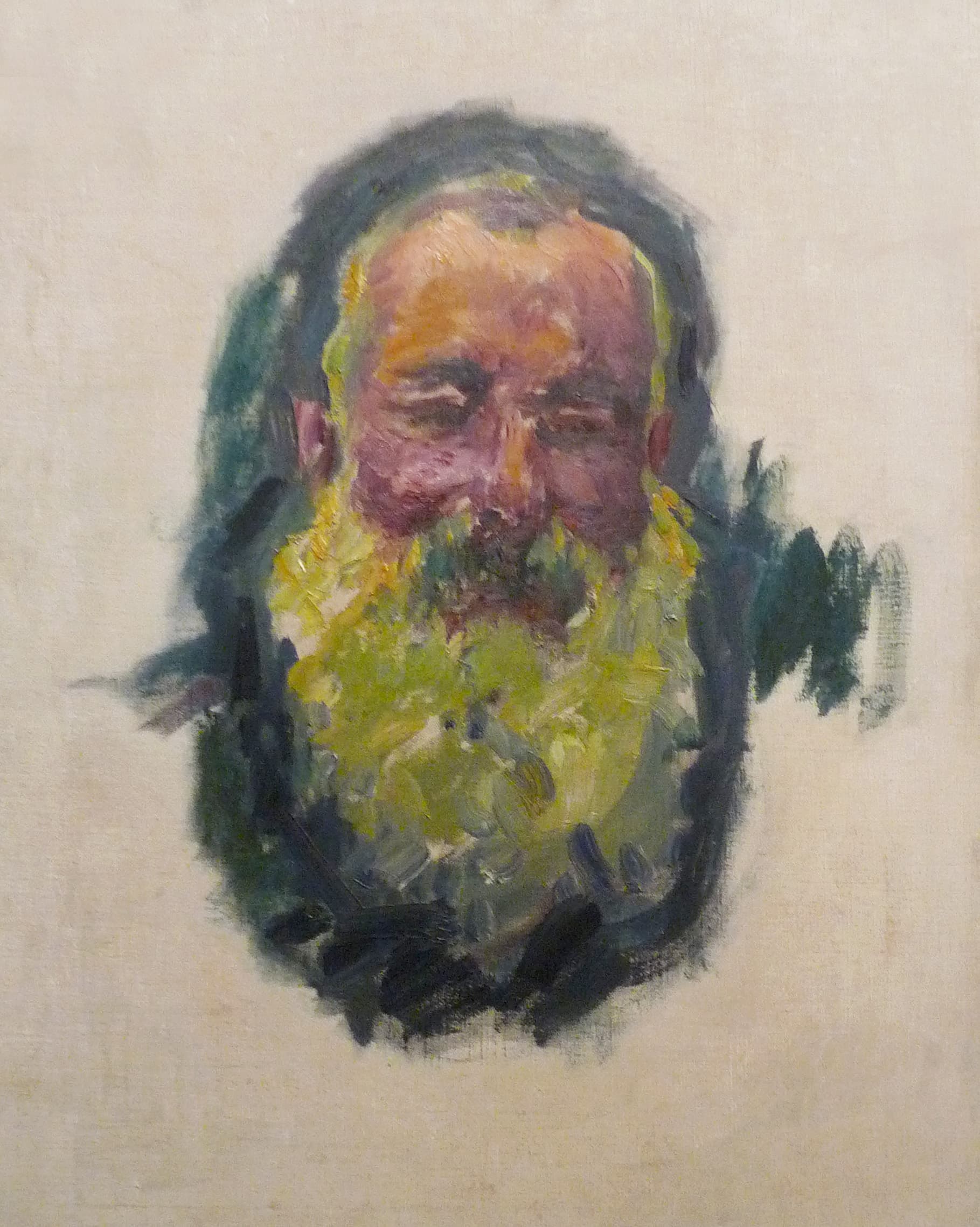
Claude Monet painted very few self-portraits; the best known besides this one is the late image of 1917 in the Musée d'Orsay, Self-Portrait, painted when he was 76 and losing his sight. Unlike Rembrandt or Van Gogh, he did not use his own face to explore his inner life. When he looked in the mirror it seems to have been, as here, to record his appearance quickly and get back to the landscape. For the life around these years, see our Monet life and timeline.
Meaning
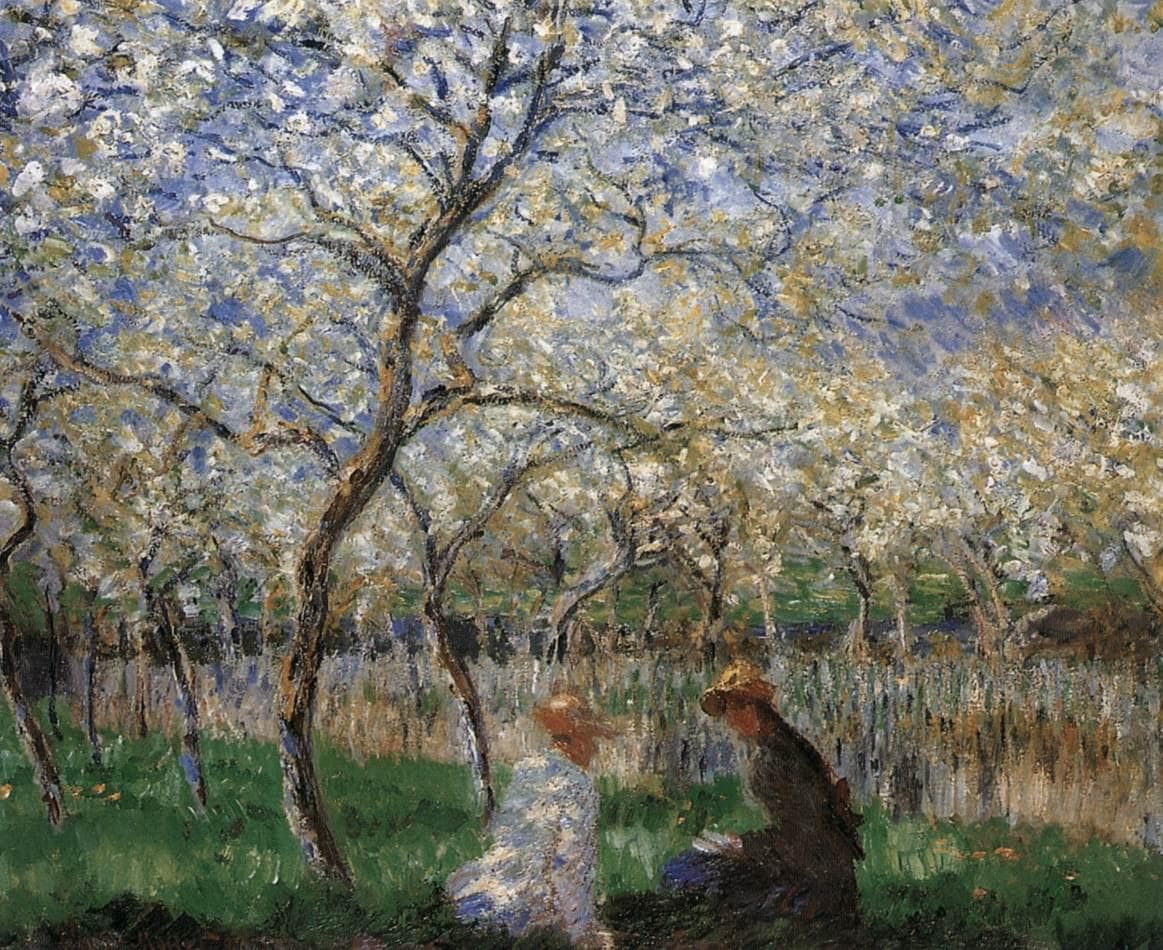
The portrait's interest lies in its directness. There are no props, no palette, no setting, only the man and the light on his face. Its sketchy finish is the same handling Monet brought to his landscapes of the same year, such as Spring, applied to a human subject.
Where is it now?
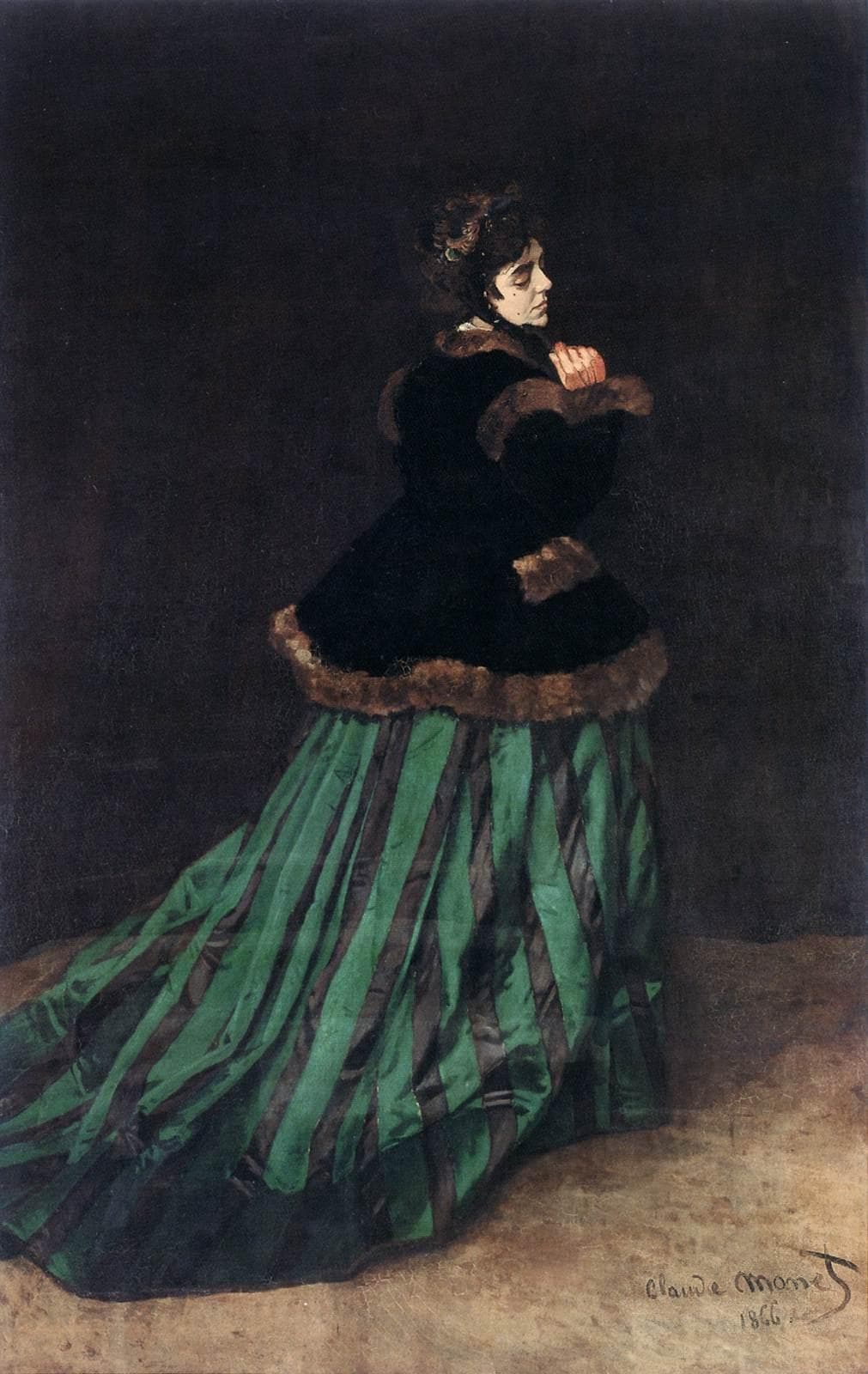
The painting is in a private collection and is rarely shown. For Monet's portraits of others in public museums, see Camille (Woman in Green Dress) in Bremen, and for museums worldwide, where to see Monet's paintings.
Questions & answers
Where is Monet's Self-Portrait in Beret?
The 1886 self-portrait is in a private collection and is only occasionally lent to exhibitions. It measures 56 by 46 centimeters and is catalogued as Wildenstein 1078. Monet's other best-known self-portrait, painted in 1917, is in the Musée d'Orsay in Paris.
When did Monet paint Self-Portrait in Beret?
In 1886, three years after he settled at Giverny. It was a busy year: he painted tulip fields in Holland, the Woman with a Parasol pictures at Giverny, and seascapes on Belle-Île in Brittany in the autumn.
How old was Monet in Self-Portrait in Beret?
He was 45 or 46, depending on the month; he was born in November 1840. By 1886 he had lived at Giverny for three years, and his work had begun to sell more widely through his dealer Paul Durand-Ruel, including in the United States.
How many self-portraits did Monet paint?
Very few, only a handful over his whole career, compared with well over two thousand paintings in all. The 1886 beret portrait and the 1917 self-portrait in the Musée d'Orsay are the best known. Monet preferred to paint other people and, above all, places.
More by the artist
Claude Monet

Bridge over a Pond of Water Lilies
Claude Monet · 1899

Woman with a Parasol – Madame Monet and Her Son
Claude Monet · 1875

Sunset in Venice
Claude Monet · 1908–12

La Grenouillère
Claude Monet · 1869

Beach in Pourville
Claude Monet · 1882

Springtime
Claude Monet · 1872

Boating on the River Epte
Claude Monet · 1890

The Seine at Asnières (Hermitage)
Claude Monet · 1873
Also painted in 1886
The same year
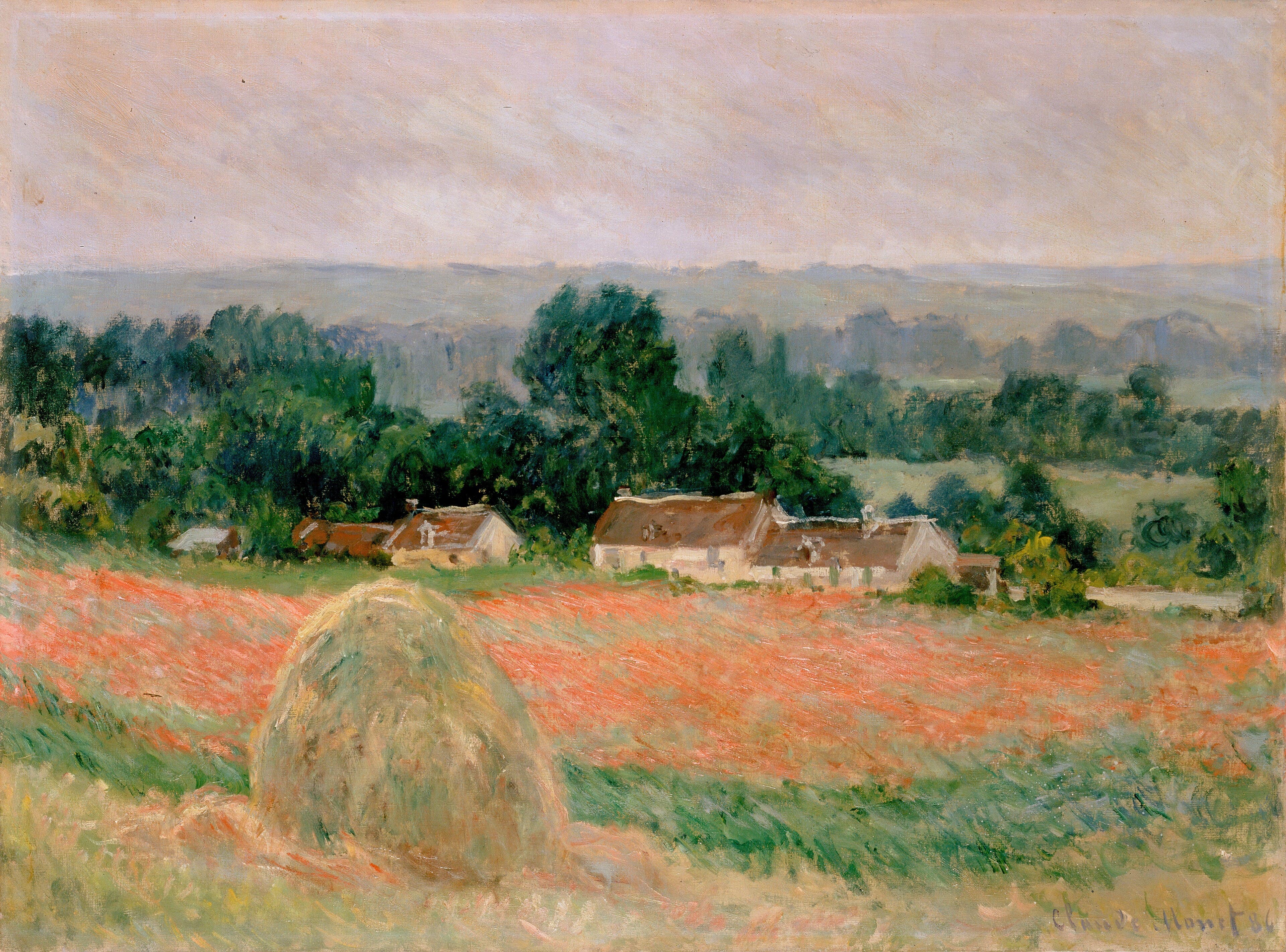
Haystack at Giverny
Claude Monet · 1886
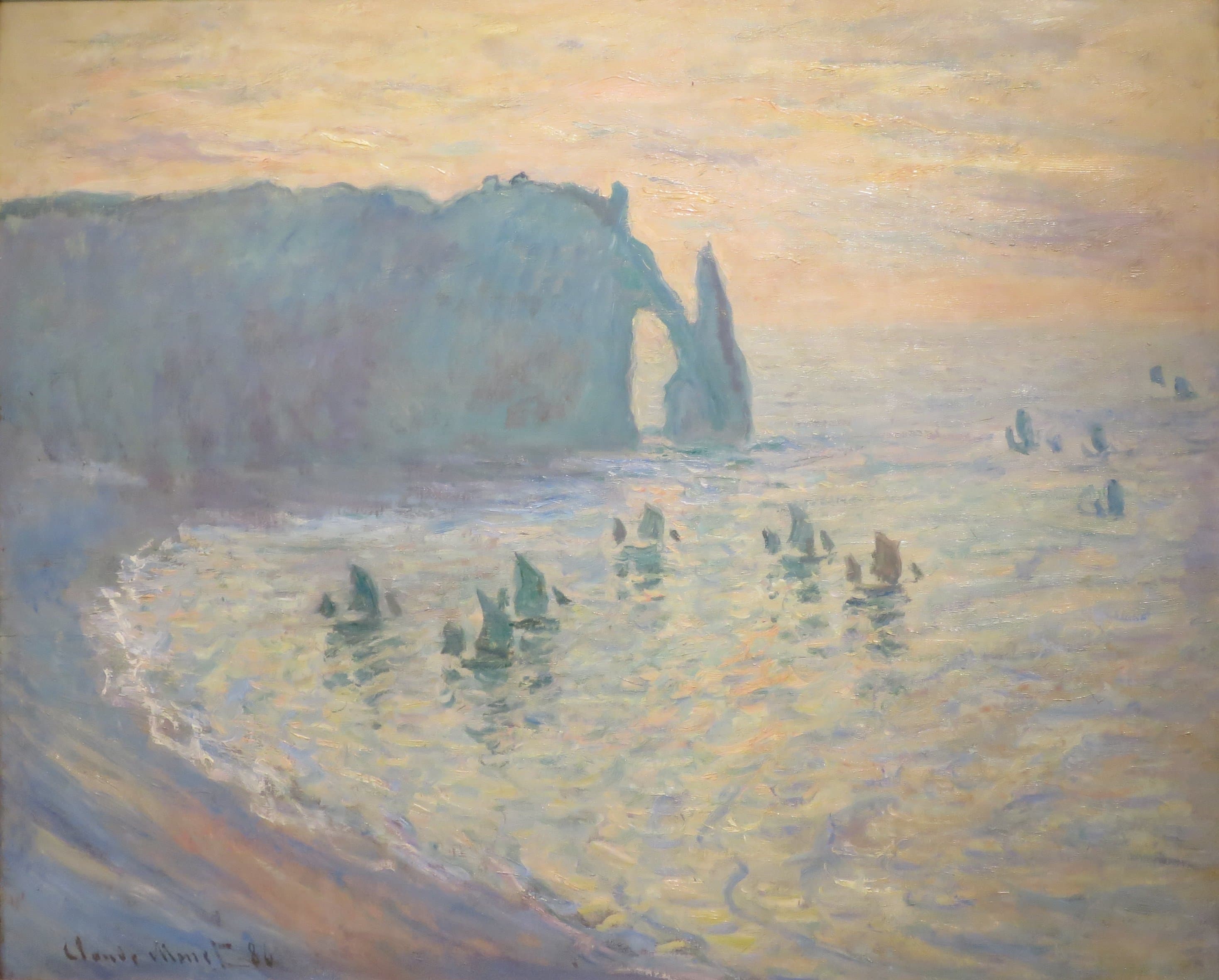
The Cliffs at Étretat
Claude Monet · 1886
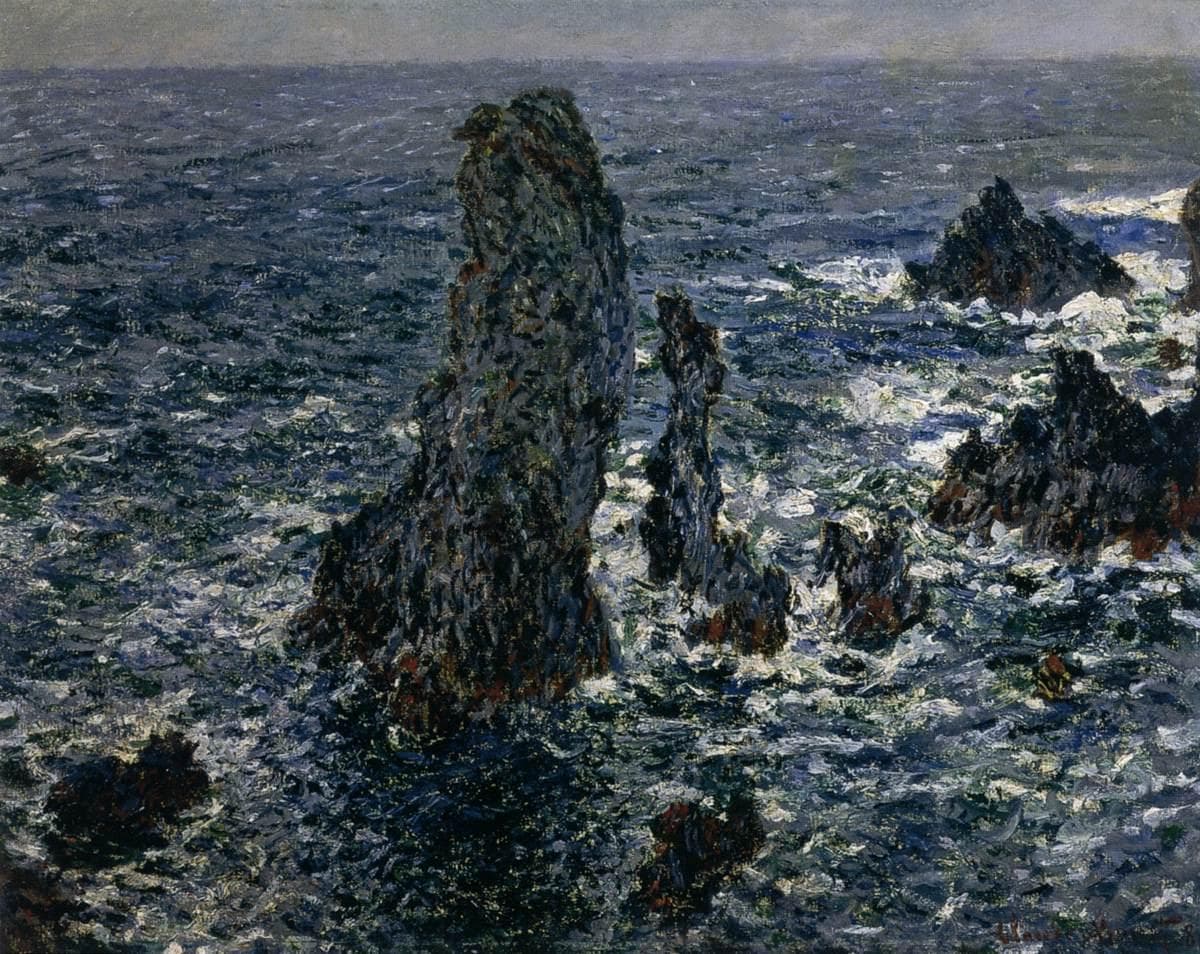
The Pyramides at Port-Coton, Rough Sea
Claude Monet · 1886
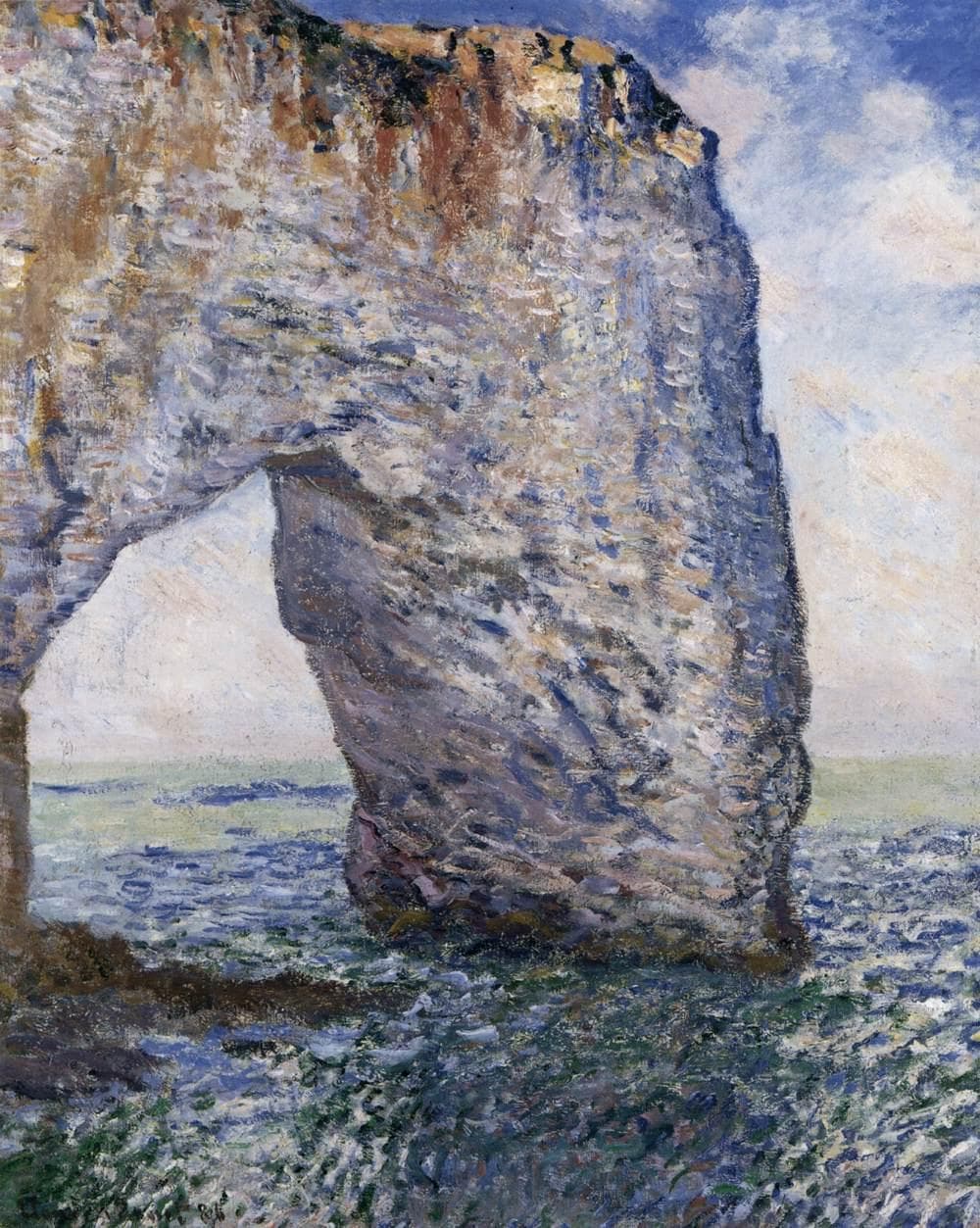
The Manneporte near Étretat
Claude Monet · 1886
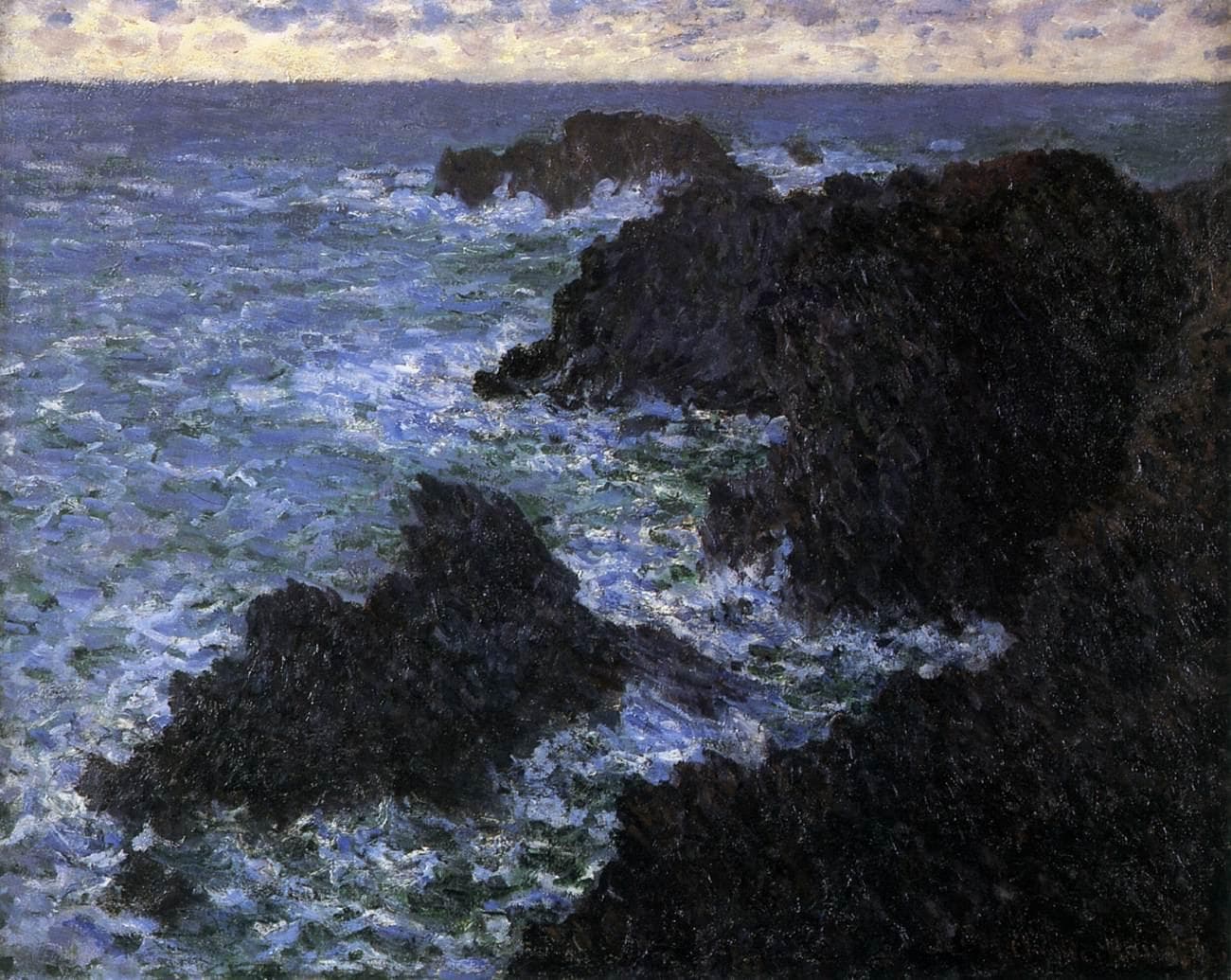
The Rocks of Belle-Île, the Wild Coast
Claude Monet · 1886
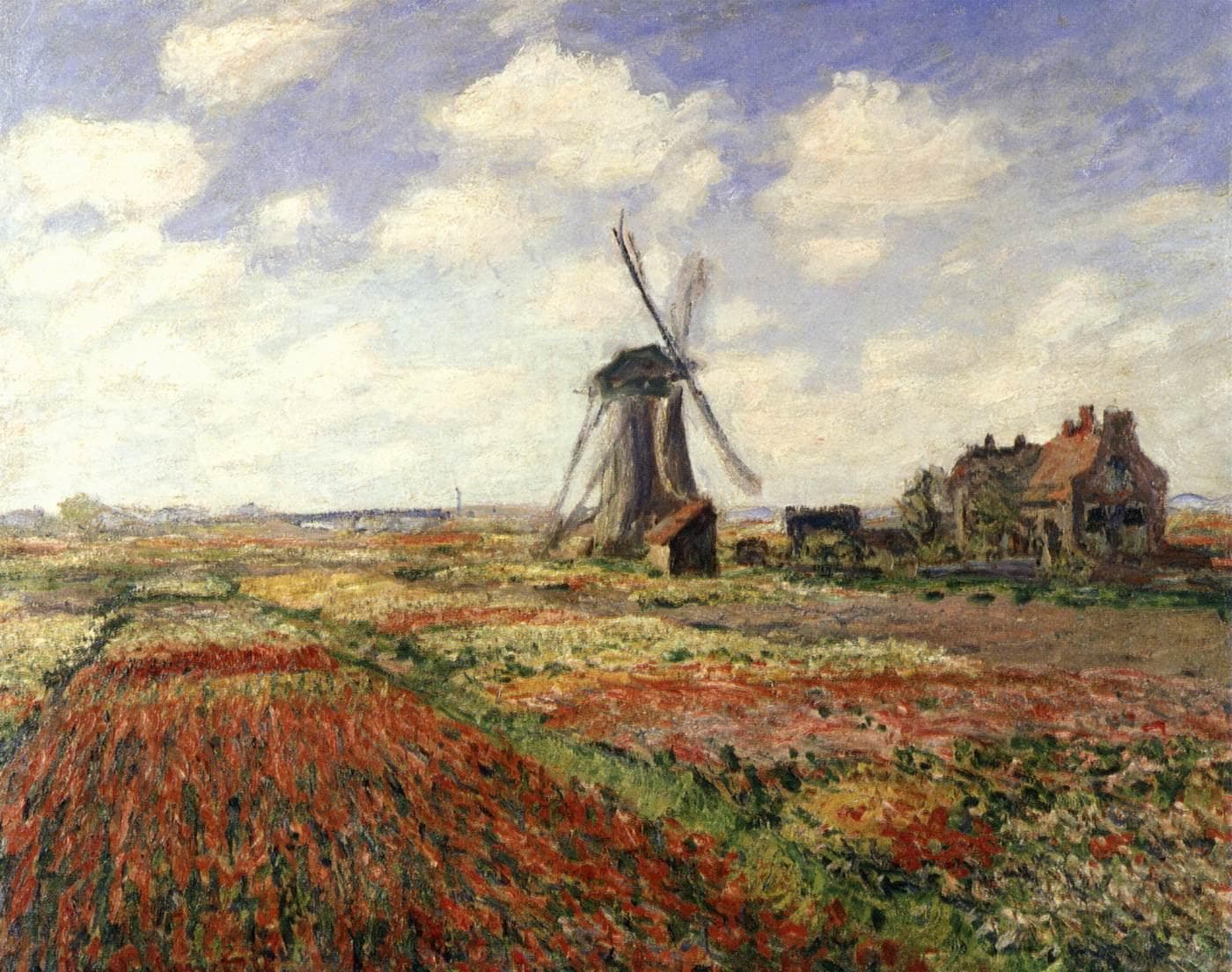
Tulip Fields in Holland
Claude Monet · 1886
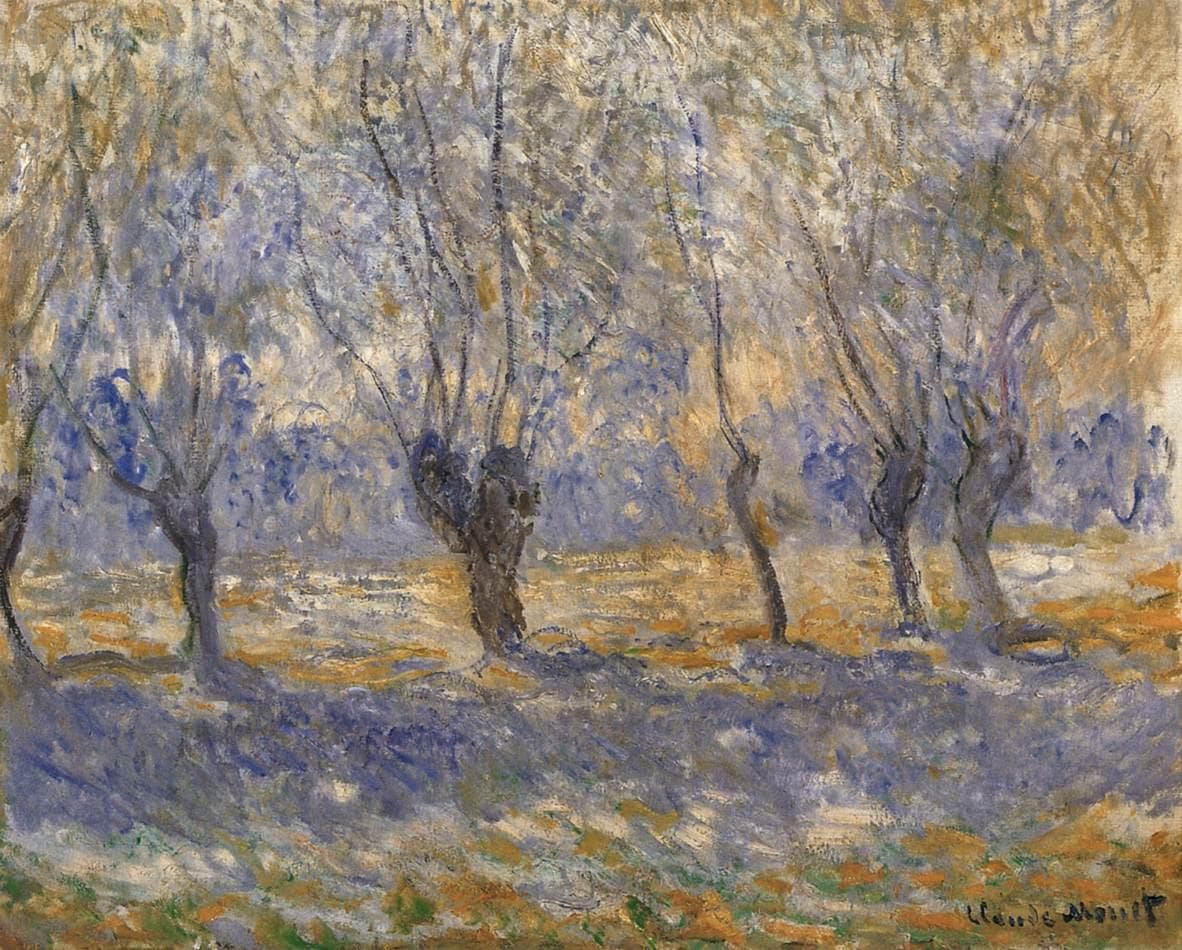
Willows at Giverny
Claude Monet · 1886
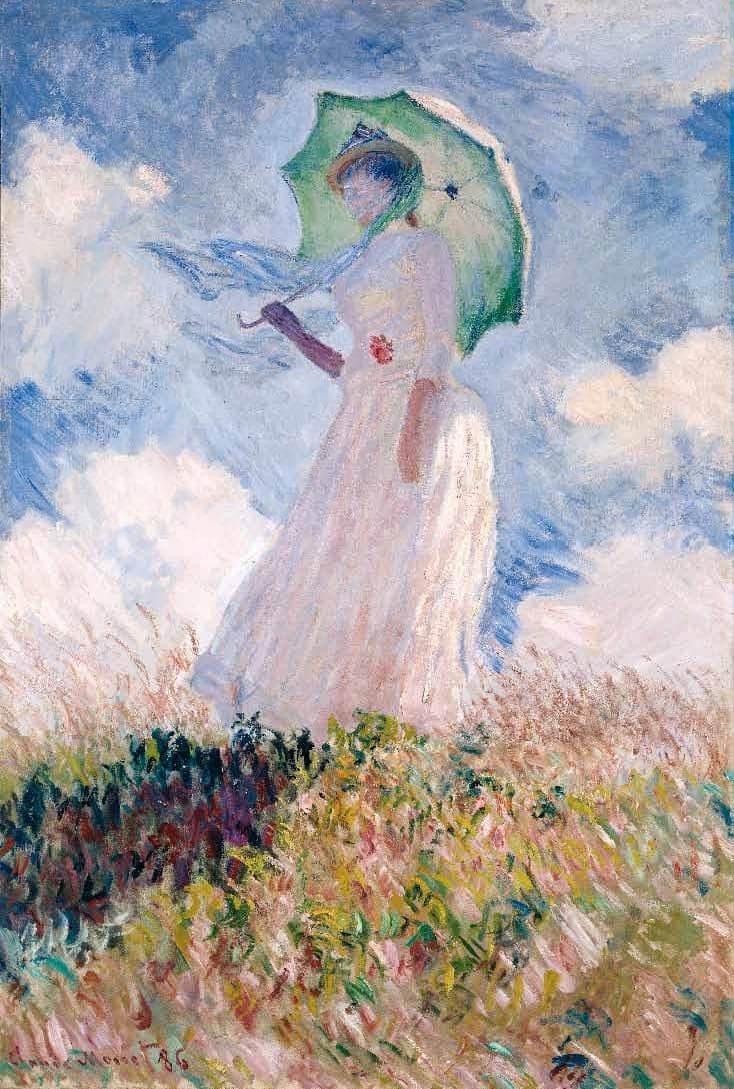
Woman with a Parasol, Facing Left
Claude Monet · 1886
Kindred works
You may also study
Self-Portrait (1917)
Claude Monet · 1917
Woman with a Parasol, Facing Left
Claude Monet · 1886
Spring
Claude Monet · 1886
Storm off Belle-Île
Claude Monet · 1886
Camille (The Woman in the Green Dress)
Claude Monet · 1866
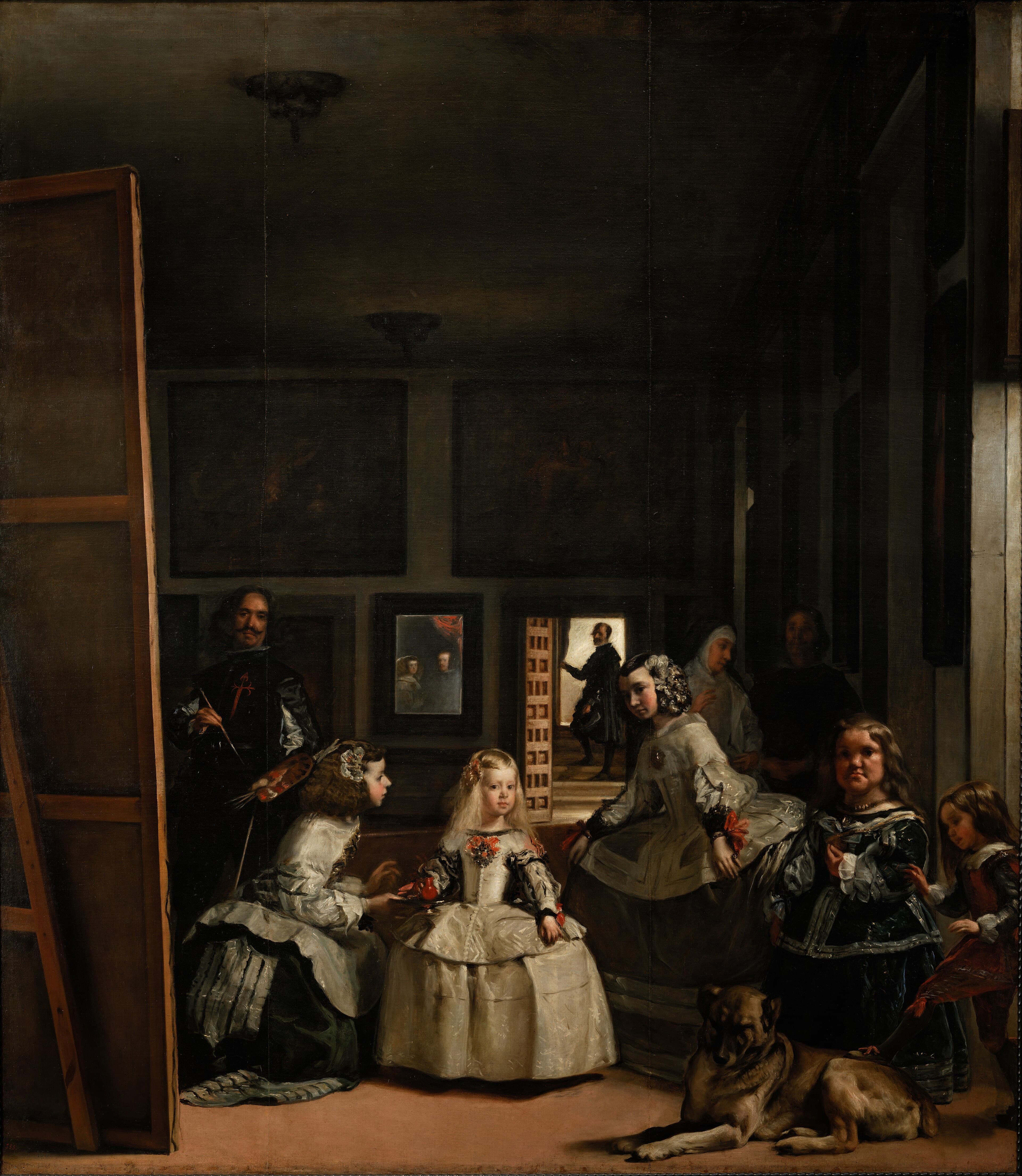
Las Meninas
Diego Velázquez · 1656
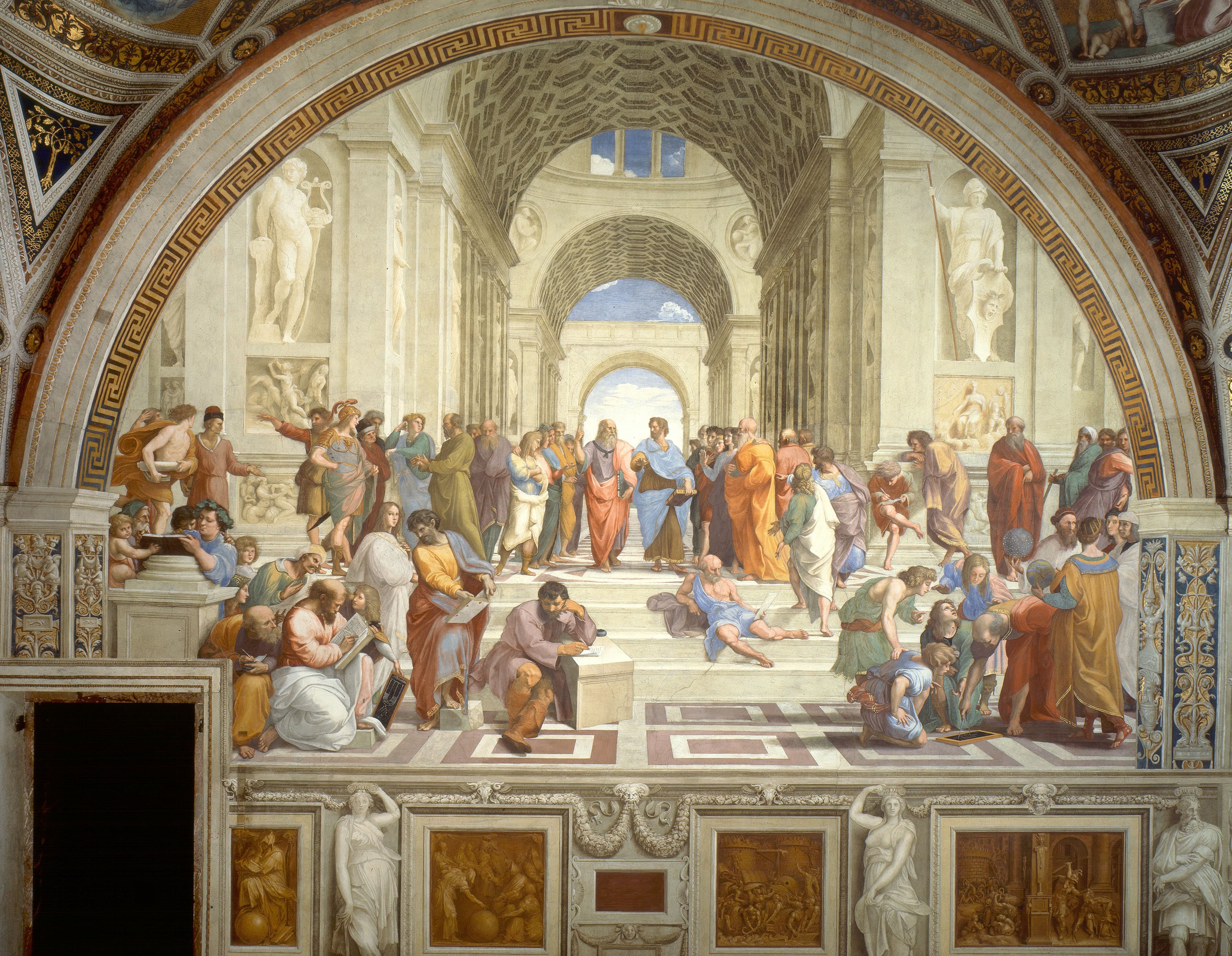
The School of Athens
Raphael · 1509–1511
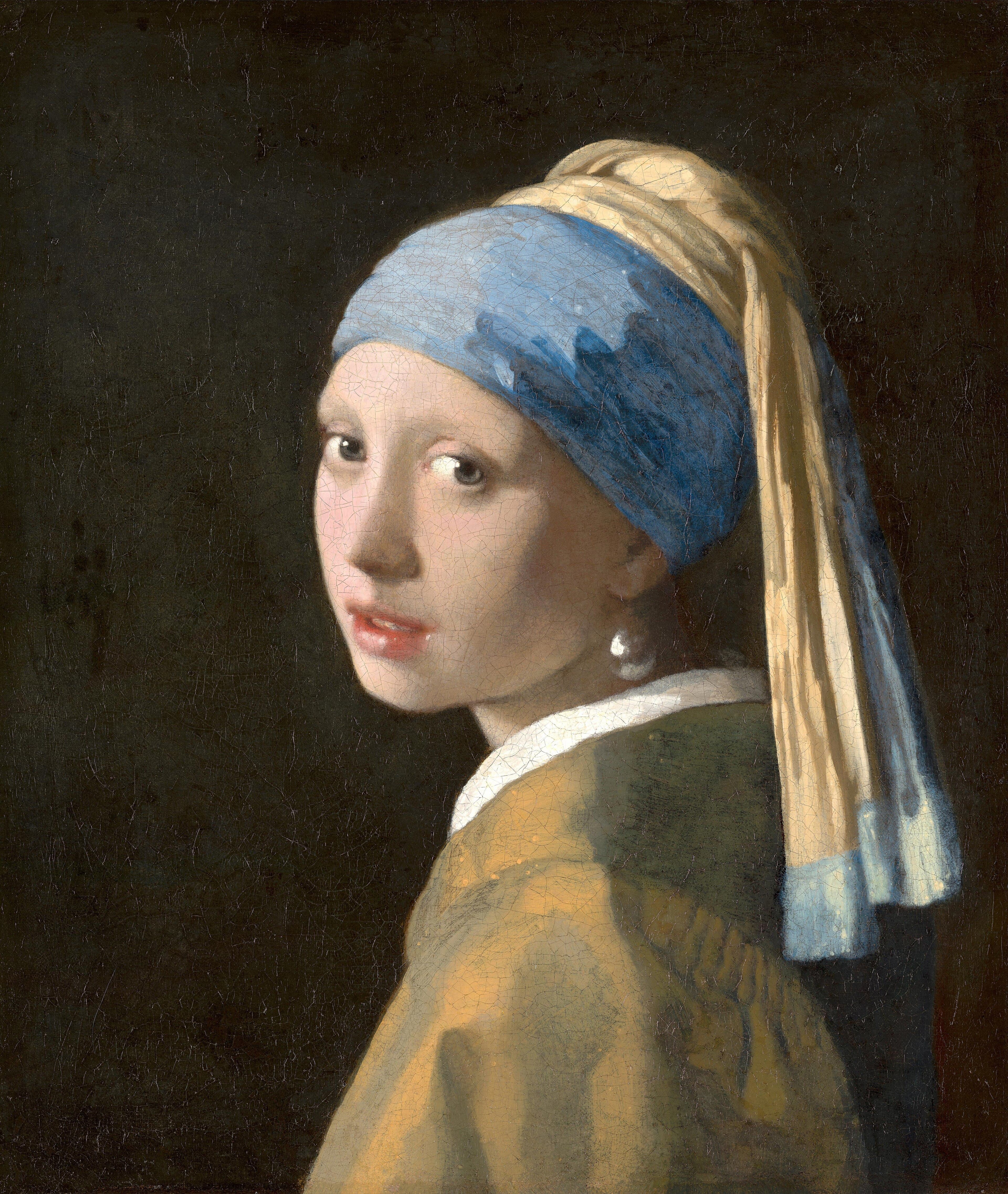
Girl with a Pearl Earring
Johannes Vermeer · c. 1665