Image: State Hermitage Museum, Saint Petersburg; via Wikimedia Commons · Public domain · via Wikimedia Commons
Impressionism
Haystack at Giverny
Claude Monet, 1886
Haystack at Giverny is an 1886 painting by Claude Monet of a single haystack at the edge of a poppy-red field below a row of farmhouses, years before his famous Haystacks series. It is in the Hermitage, Saint Petersburg.
- Artist
- Claude Monet
- Date
- 1886
- Medium
- Oil on canvas
- Dimensions
- 60.5 × 81.5 cm
- Collection
- State Hermitage Museum, Saint Petersburg, Russia
- Movement
- Impressionism
- Catalogue
- Wildenstein 1073
Painted at Giverny: Monet's House and Garden
What you are looking at
A single haystack sits in the lower left of the picture, a rounded mound of straw painted in yellows, ochres and soft greens, with a small shadow pooling at its base. Behind it a field runs across the canvas, its surface flecked with red and pink: poppies, or the warm color of a summer meadow seen in raking light. Beyond the field a line of farm buildings with pale walls and red-brown roofs sits among dark green trees, and further back the land falls away into a wide, hazy valley, layered in blue-green, before rising to a long line of low hills.
The sky takes up nearly a third of the canvas. It is pale and streaky, washed with pink and gray, and a few darker clouds gather along the horizon. The feeling is of a summer afternoon when the weather is about to change: wind moving through the grass, light still on the field, clouds coming up behind.
Where and when it was painted
Monet painted this in 1886, three years after settling at Giverny, in the fields around the village. The farmhouses are those of the hamlet just outside his garden, and the view looks out across the Seine valley. He had painted almost the same view a year earlier as a poppy field without a haystack; here he revisits it with the stack added in the foreground.
Haystacks were a common sight in the meadows around Giverny, and Monet painted about twenty canvases with stacks in the 1880s, including Haystacks at Giverny in the Pushkin Museum. In all of these the stack is one element in a landscape. Only from 1890 did he make the stacks themselves the subject, in the famous Haystacks (Grainstacks) series, where a single motif is repeated under different light and seasons.
How it was painted
The composition is simple and slightly off balance. The haystack sits low and to the left, the buildings run in a horizontal band across the middle, and there is nothing to hold the right side except the field and the distance. That emptiness gives the picture its sense of open country.
The field is painted with short, horizontal dabs of red, pink, orange and green laid over one another, so the color shimmers rather than sitting flat. The haystack is built from curved strokes that follow its form, the light side yellow and the shadow side green and lilac rather than brown. Monet uses the same pinks in the sky and in the field, which ties the top and bottom of the canvas together. The far valley is a soft blue haze, painted thinly, so the eye travels quickly from the textured foreground into the distance.
Toward the series
Compare this with Grainstack in Sunlight or Haystack in the Snow, Morning of 1890–91 and the change is clear. In the series, the stacks are large and close, the background shrinks to a strip, and the subject becomes the light itself. In 1886 the haystack is still a farm object in a landscape, painted with the same loose attention as the trees and houses. Monet's interest in a single motif repeated in changing conditions was already growing, as his work at Étretat in these years shows, but he had not yet applied it to the fields at his door.
There is also a practical difference. The 1886 canvas was painted in a single summer campaign on the spot, probably in a few sessions. The series pictures were begun outdoors, often on several canvases at once as the light changed, and then reworked at length in the studio so that they would hang together as a group. Haystack at Giverny shows the earlier, more direct way of working.
Where to see it
The painting is in the State Hermitage Museum in Saint Petersburg (ГЭ-6563), which it entered in 1931 from the Moscow collections of modern French art formed before the Revolution. The Hermitage displays its Impressionist holdings in the General Staff Building. For other museums, see where to see Monet's paintings.
Questions & answers
Where is Monet's Haystack at Giverny?
It is in the State Hermitage Museum in Saint Petersburg, inventory ГЭ-6563. It entered the museum in 1931 and is usually shown with the Hermitage's other Impressionist paintings in the General Staff Building.
When and where was Haystack at Giverny painted?
Monet painted it in 1886 in the fields near his home at Giverny in Normandy, three years after he moved there. The farm buildings are those of the village, and the view looks over the Seine valley.
Is Haystack at Giverny part of the Haystacks series?
No. It predates the Haystacks series of 1890–91 by four years. Here the stack is one element in a summer landscape; in the series Monet made the stacks the subject and repeated them under changing light and seasons.
What does Haystack at Giverny show?
A single haystack at the edge of a red-flecked summer field, with a row of farmhouses among trees behind it, a hazy valley beyond and a pale, changing sky.
More by the artist
Claude Monet

Bridge over a Pond of Water Lilies
Claude Monet · 1899

Woman with a Parasol – Madame Monet and Her Son
Claude Monet · 1875

Sunset in Venice
Claude Monet · 1908–12

La Grenouillère
Claude Monet · 1869

Beach in Pourville
Claude Monet · 1882

Springtime
Claude Monet · 1872

Boating on the River Epte
Claude Monet · 1890

The Seine at Asnières (Hermitage)
Claude Monet · 1873
Also painted in 1886
The same year
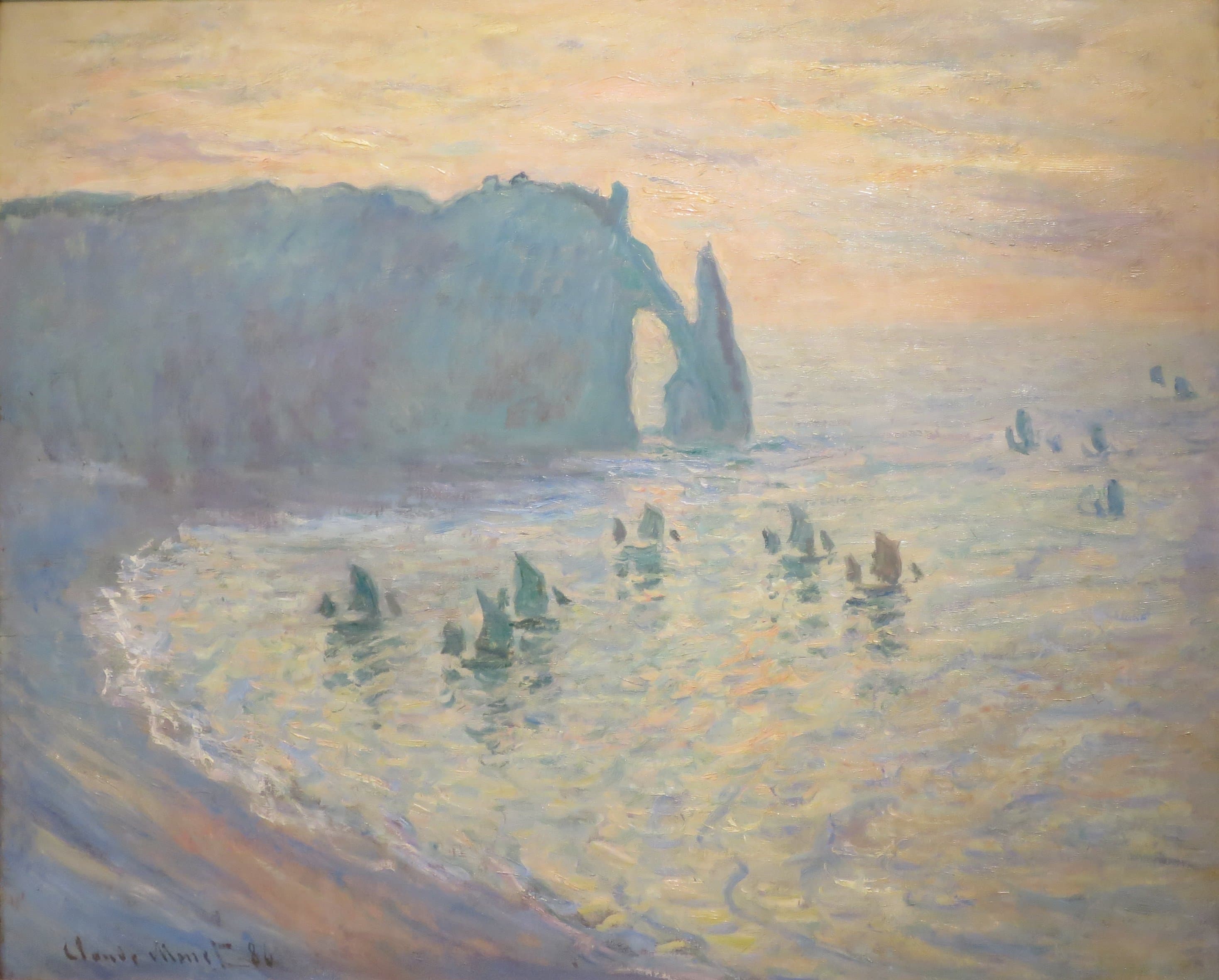
The Cliffs at Étretat
Claude Monet · 1886
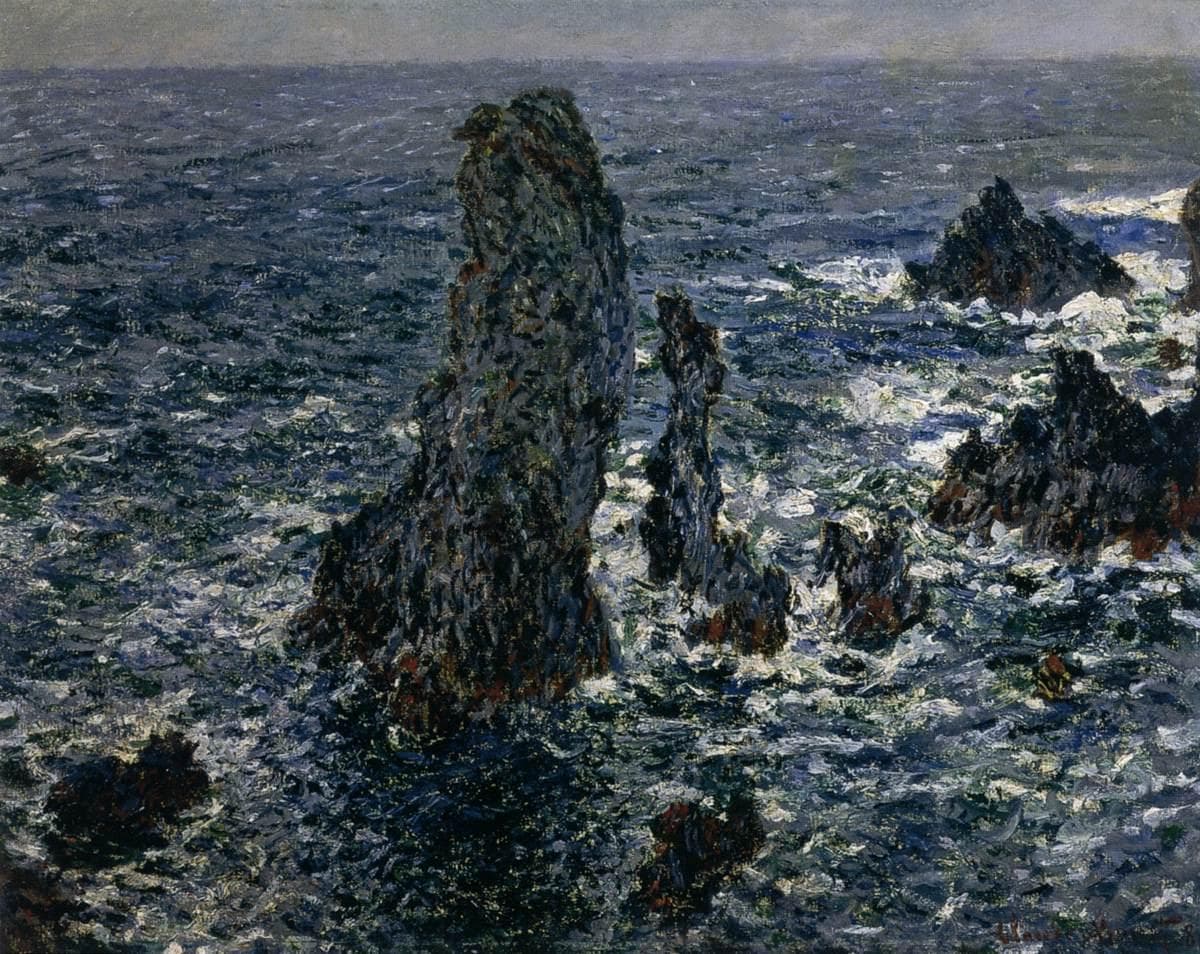
The Pyramides at Port-Coton, Rough Sea
Claude Monet · 1886
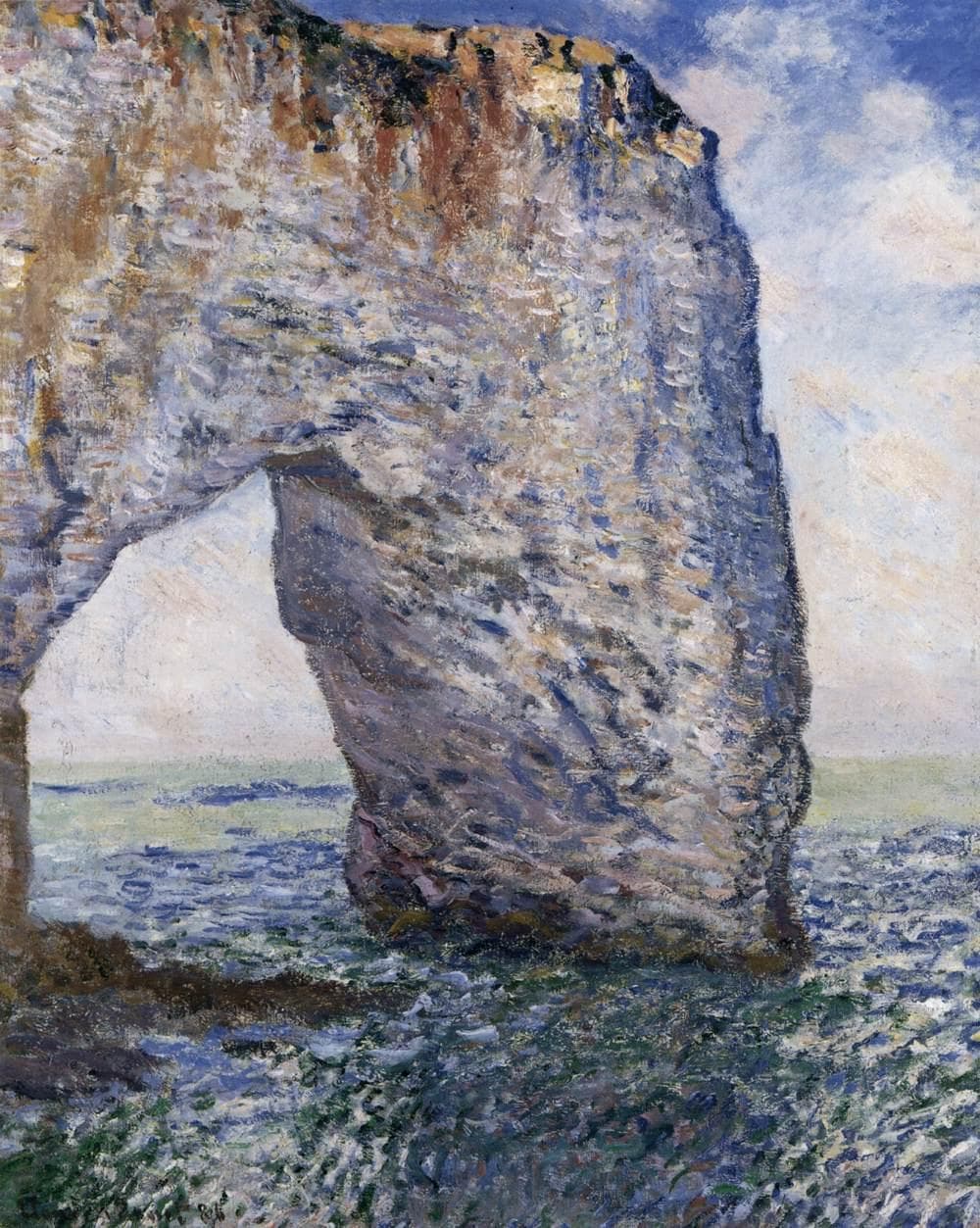
The Manneporte near Étretat
Claude Monet · 1886
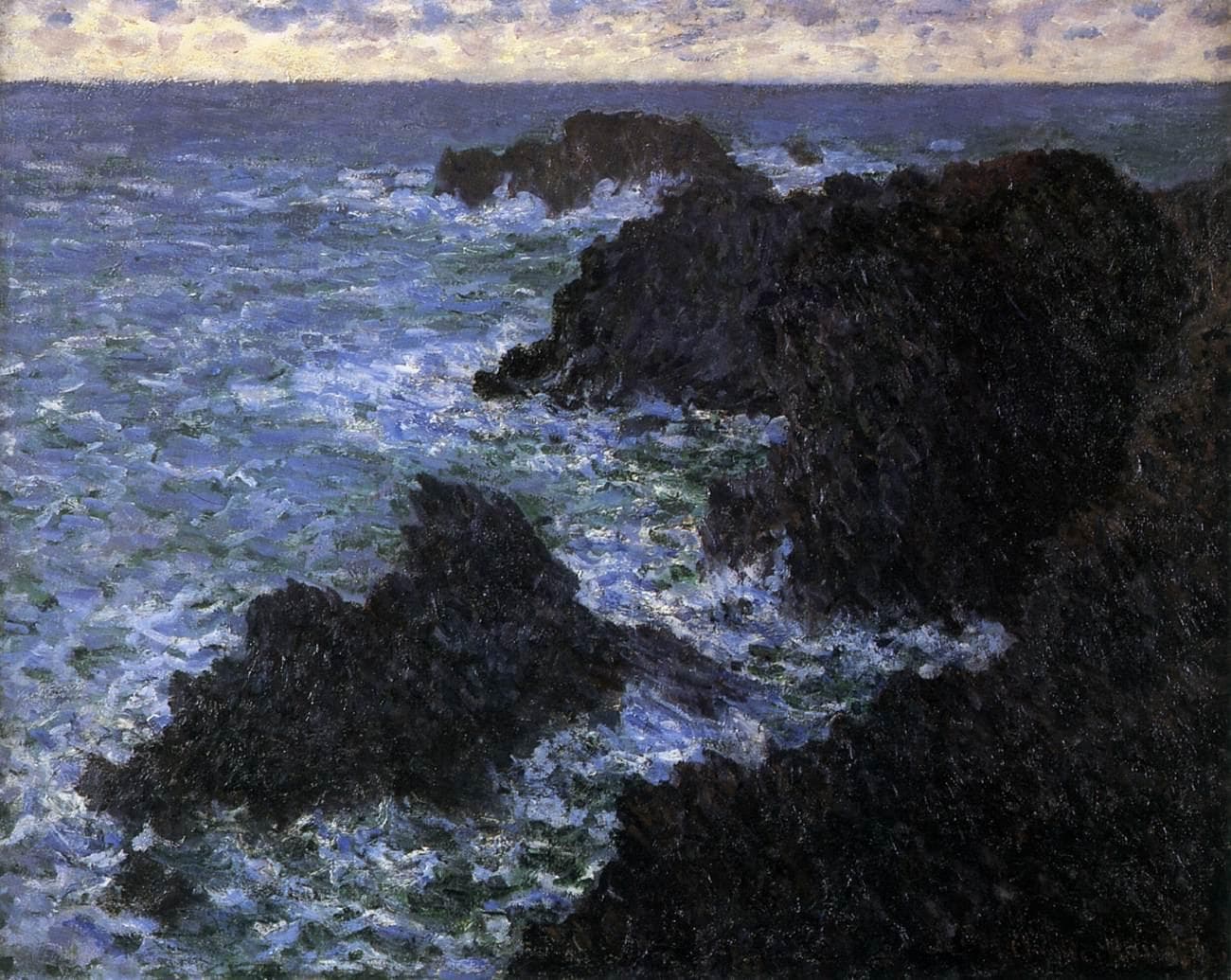
The Rocks of Belle-Île, the Wild Coast
Claude Monet · 1886
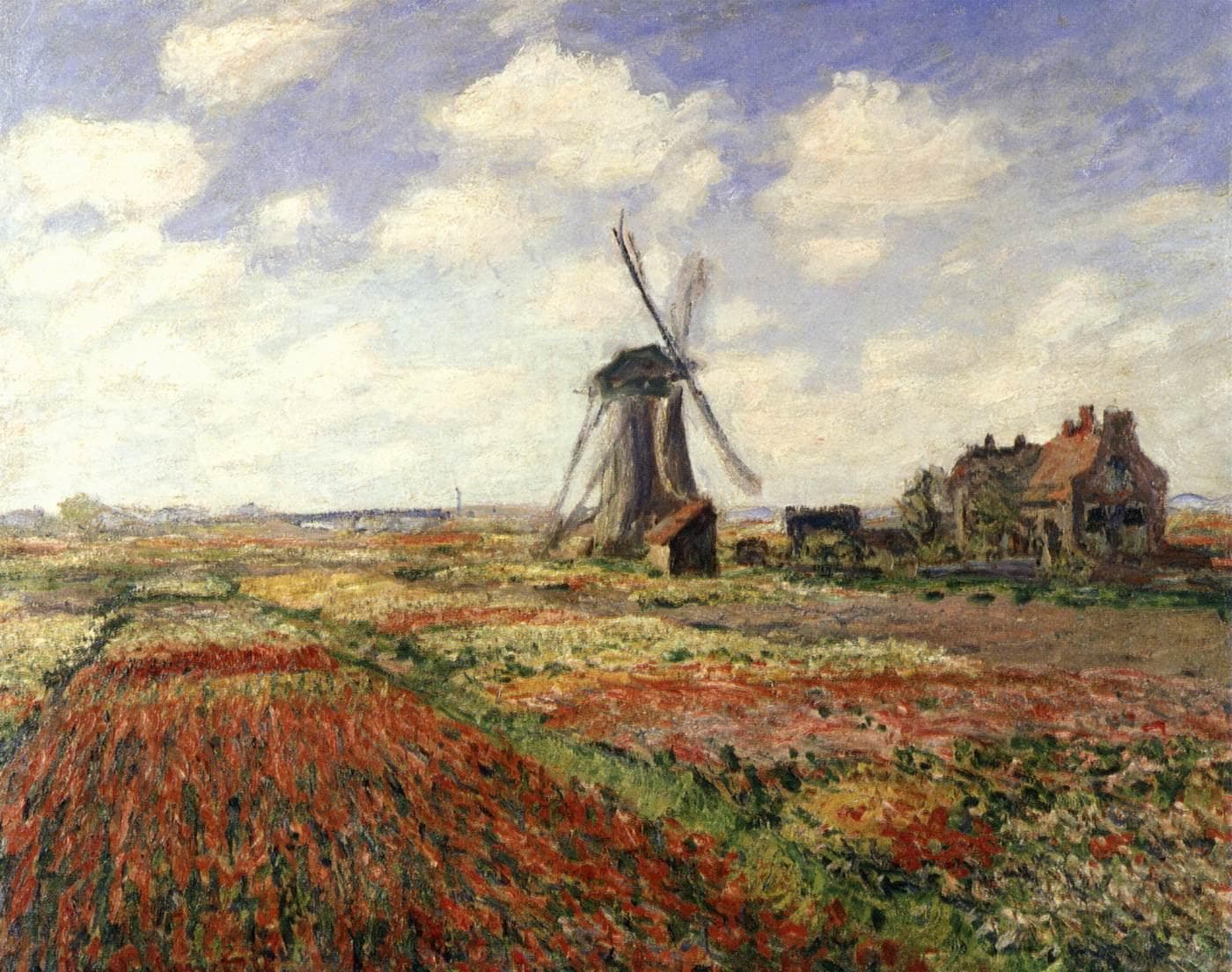
Tulip Fields in Holland
Claude Monet · 1886
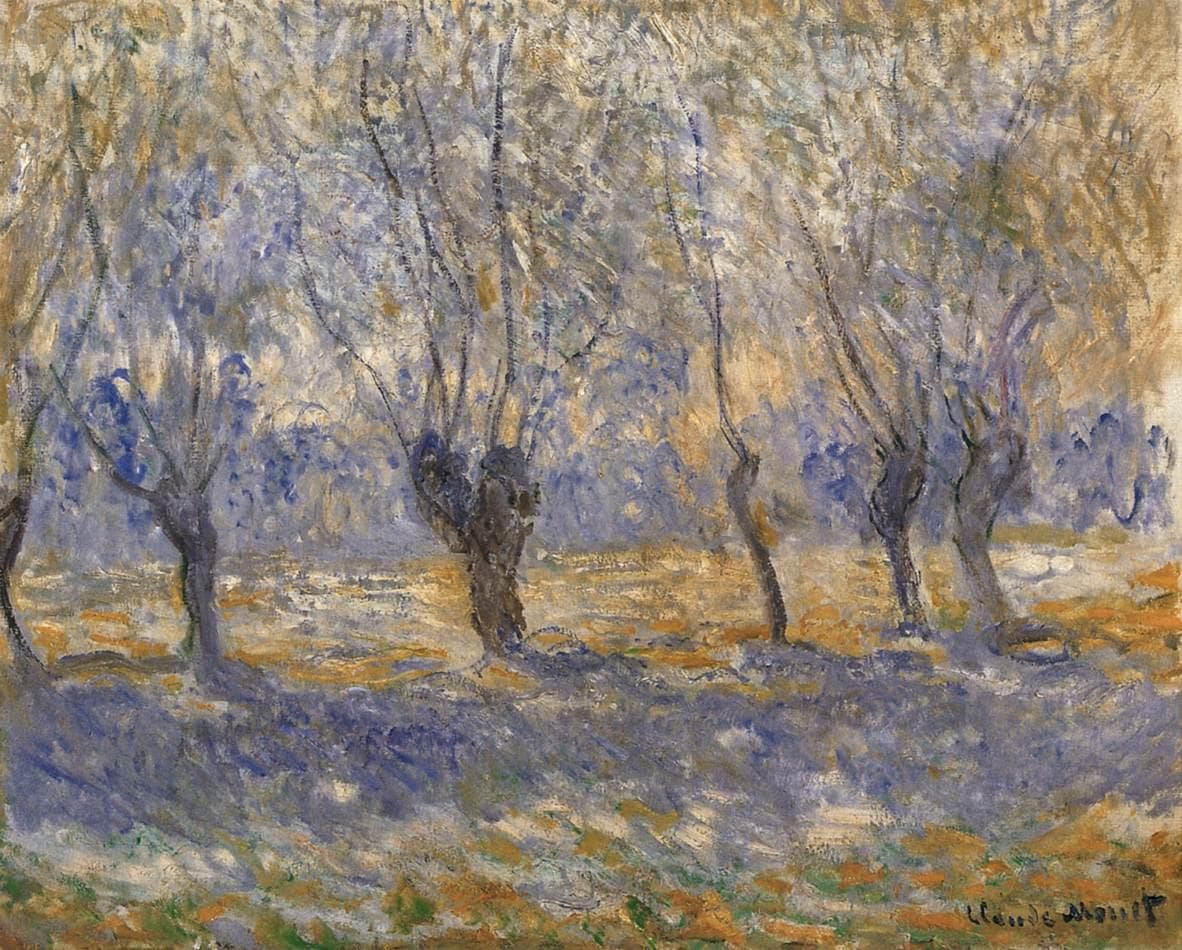
Willows at Giverny
Claude Monet · 1886
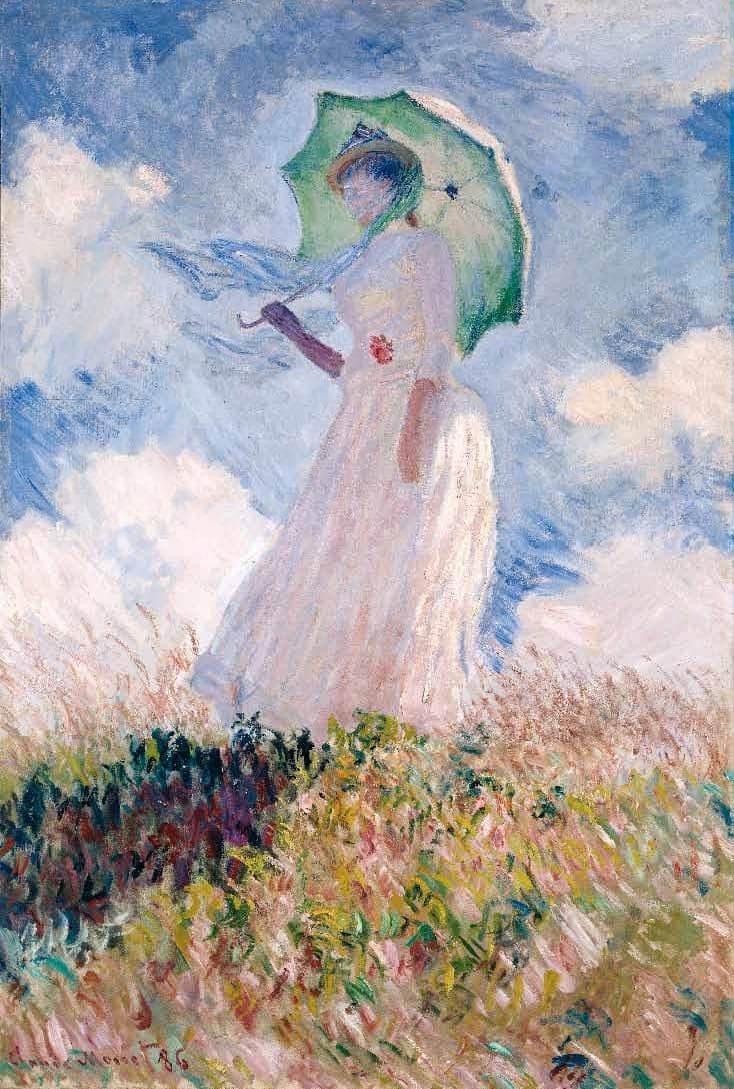
Woman with a Parasol, Facing Left
Claude Monet · 1886
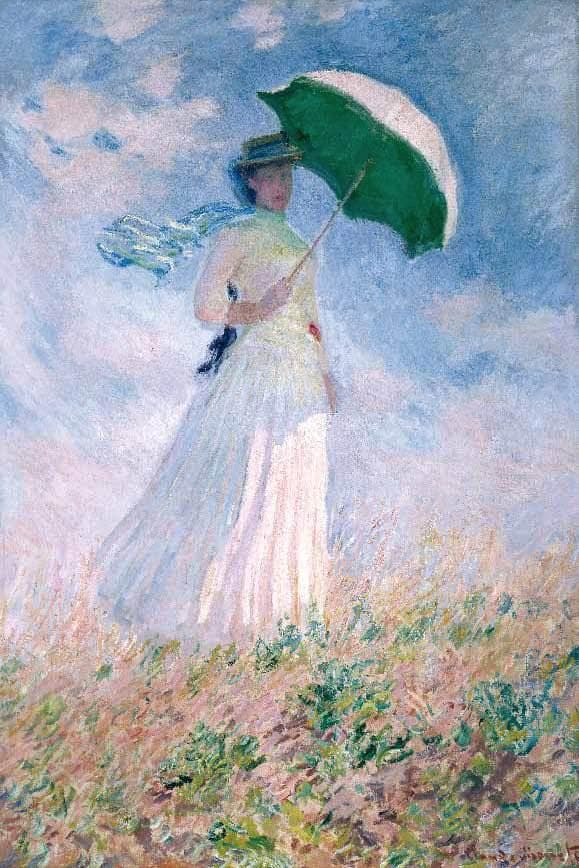
Woman with a Parasol, Facing Right
Claude Monet · 1886
Kindred works
You may also study
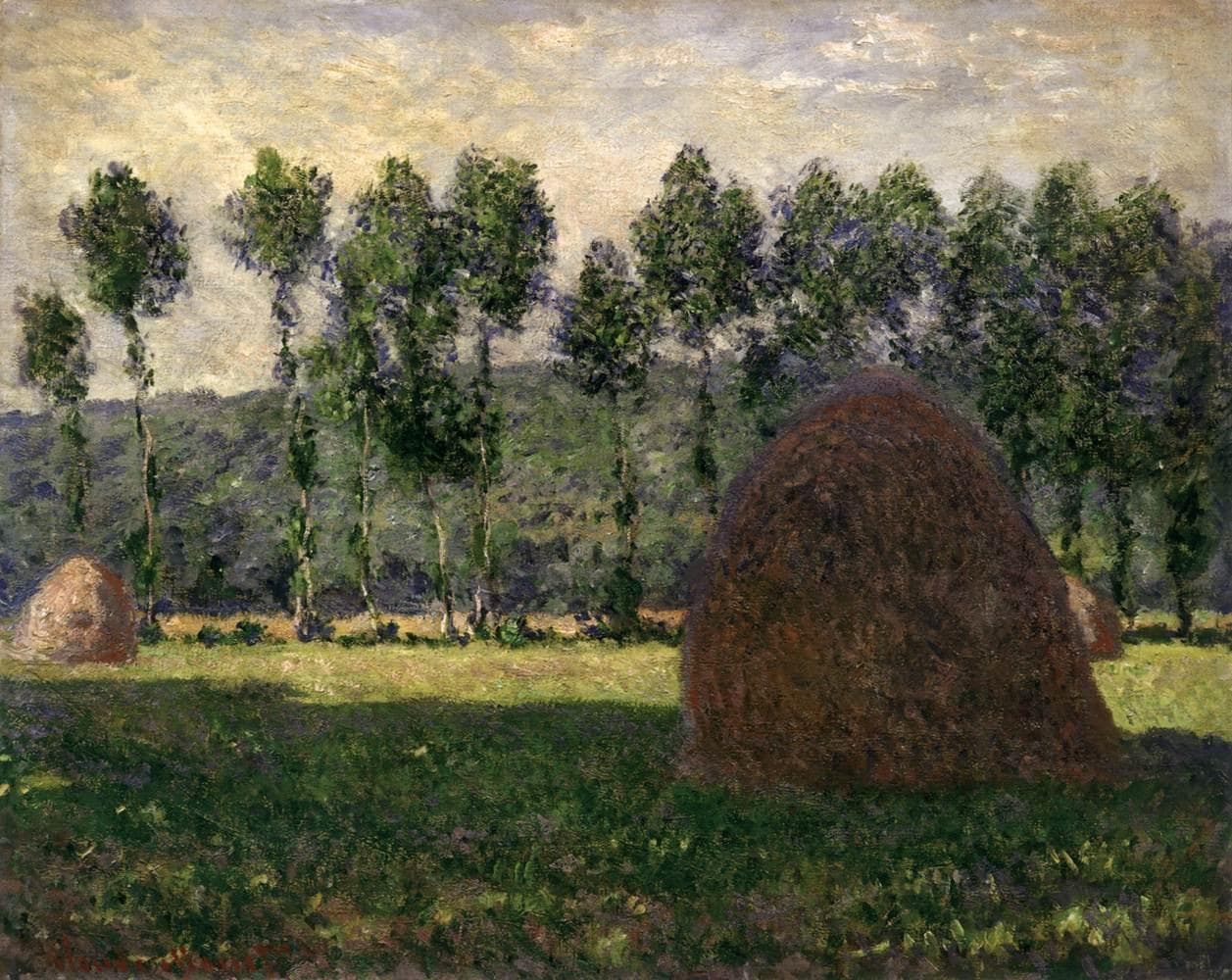
Haystack near Giverny
Claude Monet · 1884–89
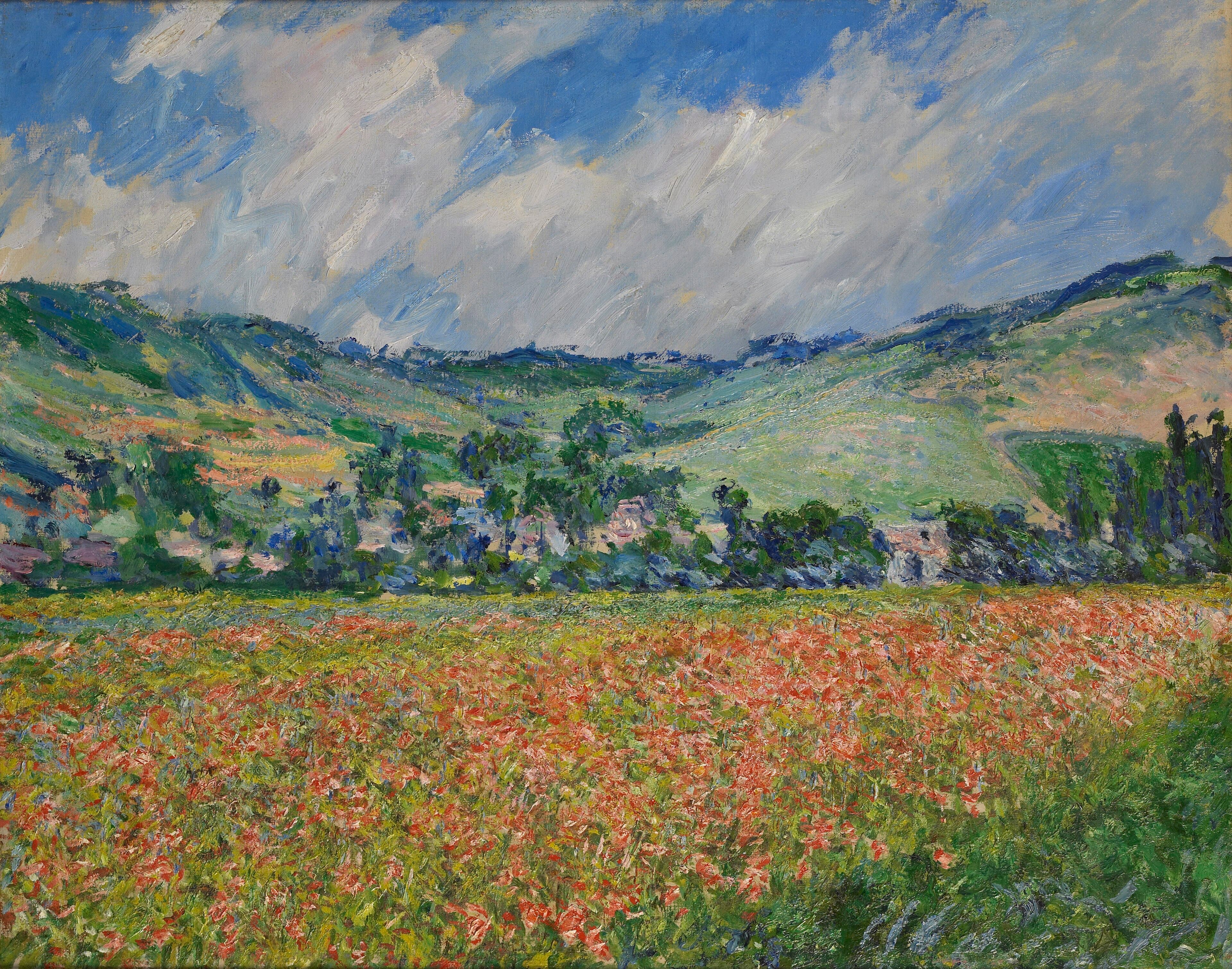
Poppy Field, Around Giverny
Claude Monet · 1885
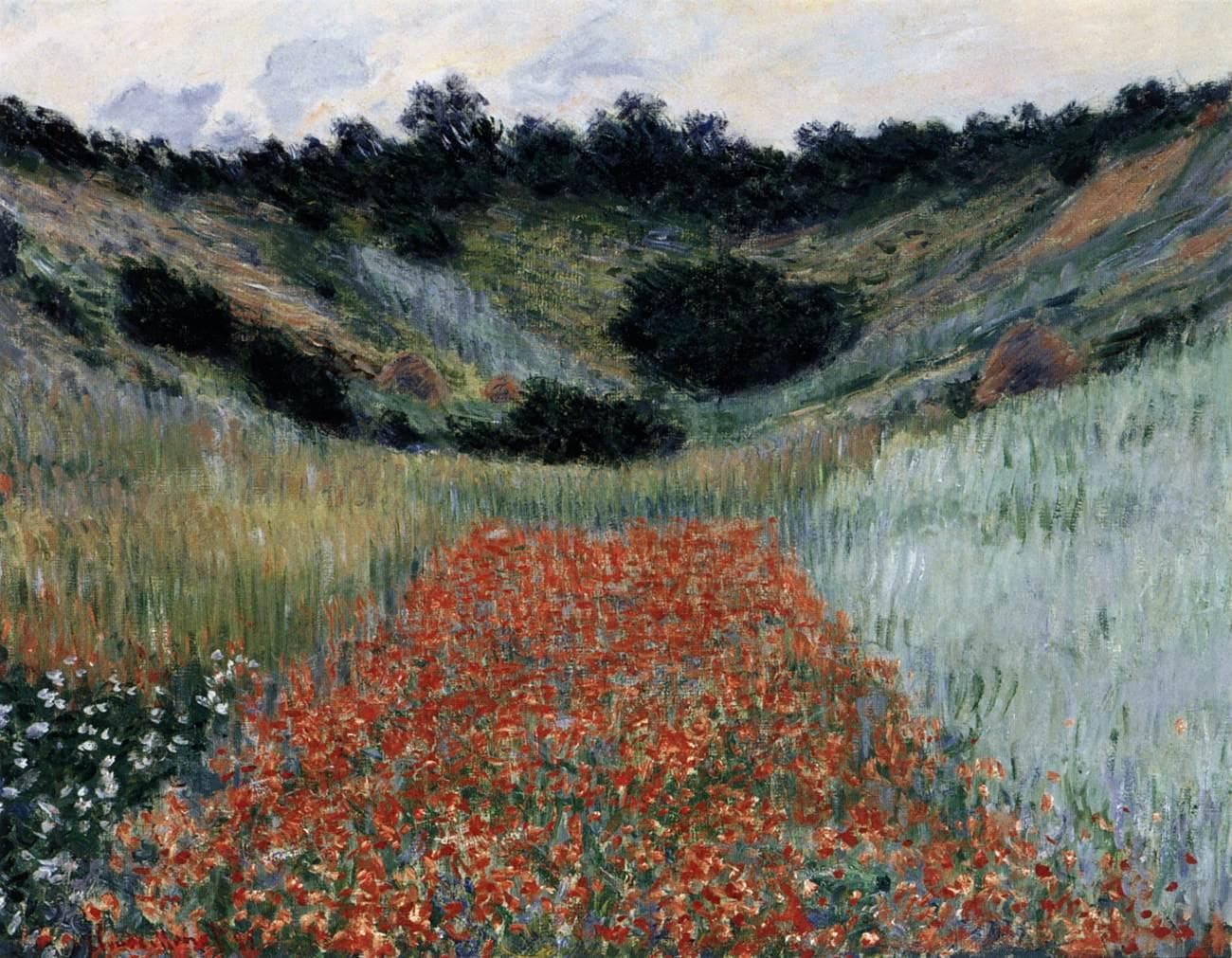
Poppy Field in a Hollow near Giverny
Claude Monet · 1885
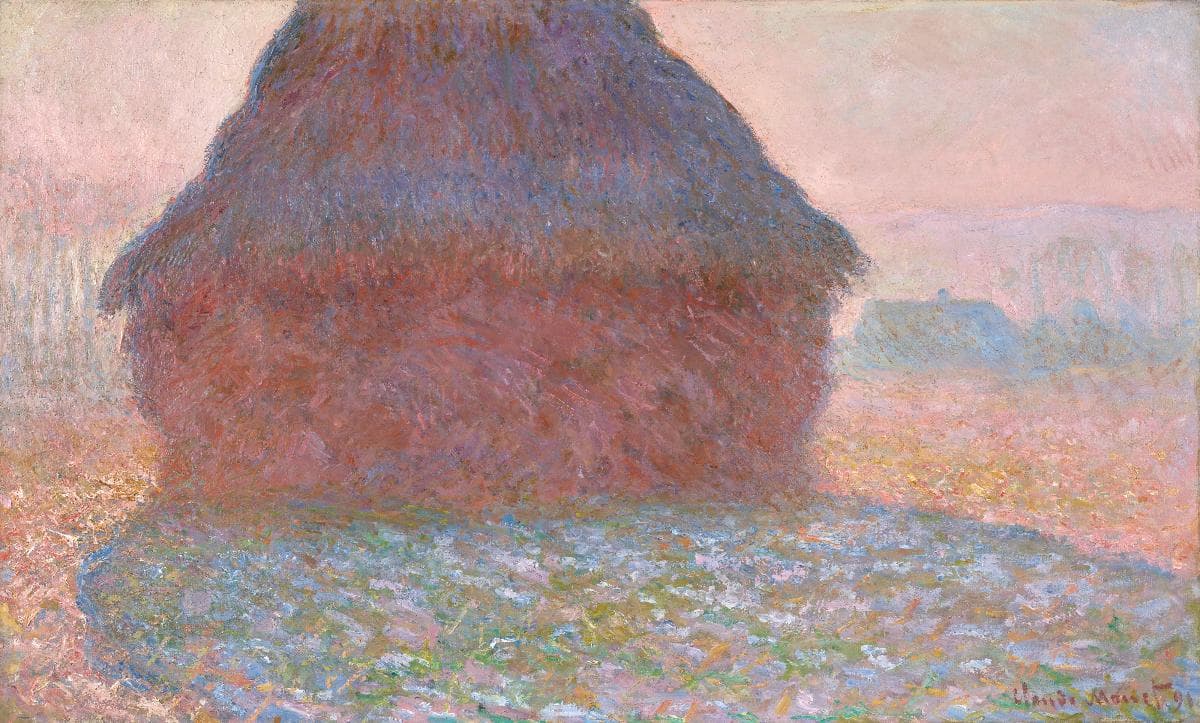
Grainstack in Sunlight
Claude Monet · 1891
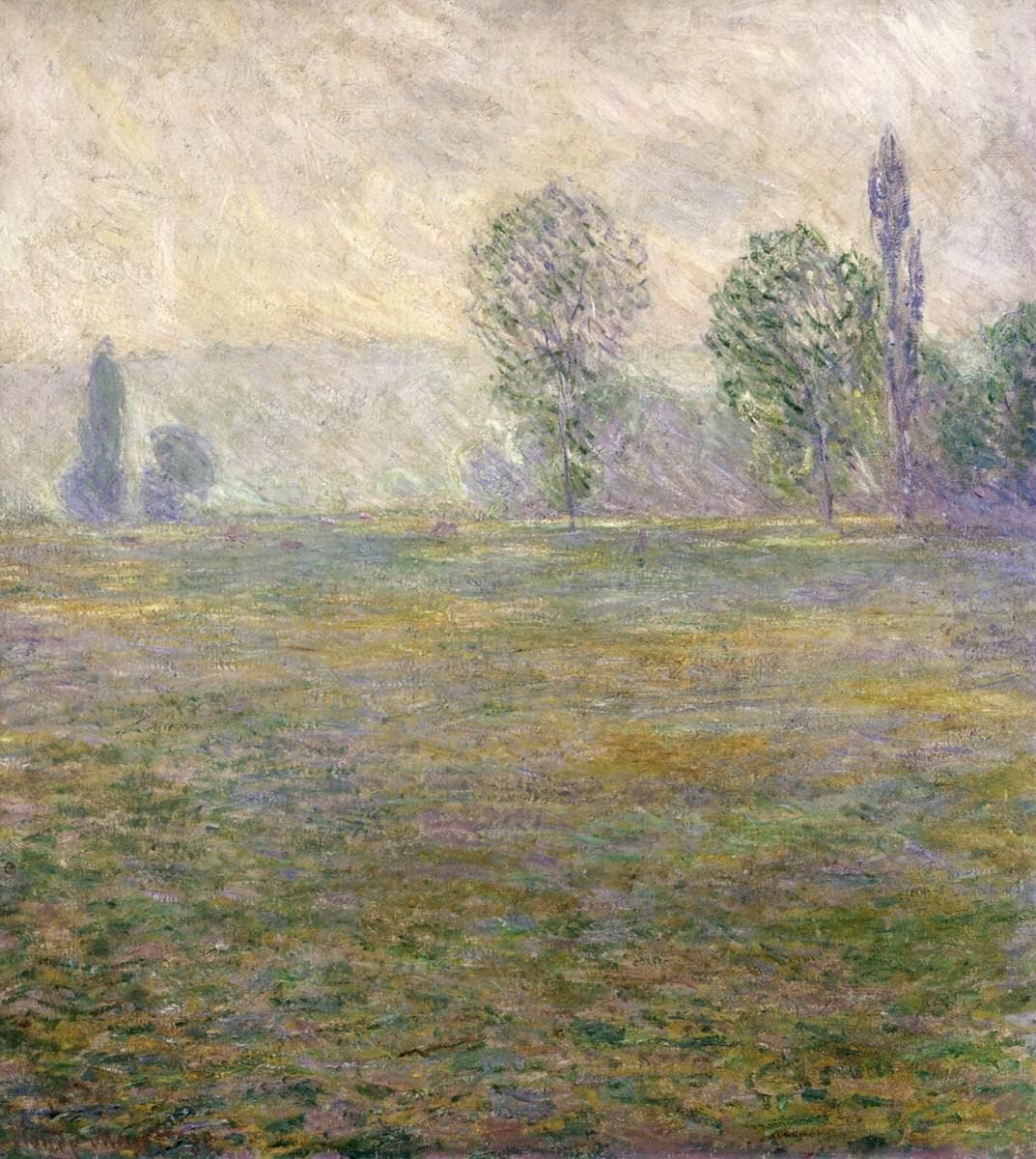
Meadow at Giverny
Claude Monet · 1888

The Scream
Edvard Munch · 1893

Ophelia
John Everett Millais · 1851–52

The Great Wave off Kanagawa
Katsushika Hokusai · c. 1830–32