Image: Dallas Museum of Art, Wendy and Emery Reves Collection; via Wikimedia Commons · Public domain · via Wikimedia Commons
Impressionism
The Pont Neuf
Claude Monet, 1871
The Pont Neuf is a rainy Paris street scene painted by Claude Monet in 1871, showing umbrellas, carriages and steam on the oldest bridge across the Seine. It is in the Dallas Museum of Art.
- Artist
- Claude Monet
- Date
- 1871
- Medium
- Oil on canvas
- Dimensions
- 51.6 × 72.4 cm
- Collection
- Dallas Museum of Art, Dallas, United States
- Movement
- Impressionism
- Catalogue
- Wildenstein 193
What you are looking at
It is raining in Paris. The roadway of the Pont Neuf runs diagonally from the lower left toward the center of the picture, its wet paving shining in pale gray and brown. Carriages and horse-drawn cabs crowd along the left side, painted as dark lumps with a few touches of red and white. Pedestrians hurry across, nearly all under black umbrellas, their reflections smearing beneath them on the wet stones. Two tall lamp posts stand at the center.
On the left, tall apartment buildings with mansard roofs line the quay, their facades blurred by the rain. In the distance, more buildings fade into the gray. On the right, below the parapet of the bridge, puffs of white steam rise from a tug or steamboat on the river, and a few figures stand at the water's edge. The sky is a flat, heavy gray that fills the upper half of the canvas.
Where and when it was painted
Monet spent the Franco-Prussian War and the Commune abroad, first in London and then in Zaandam in the Netherlands. He returned to Paris in late 1871 and painted this view from a high vantage point before settling at Argenteuil at the end of the year. The Dallas Museum of Art dates it to 1871; other sources give 1872 or 1873.
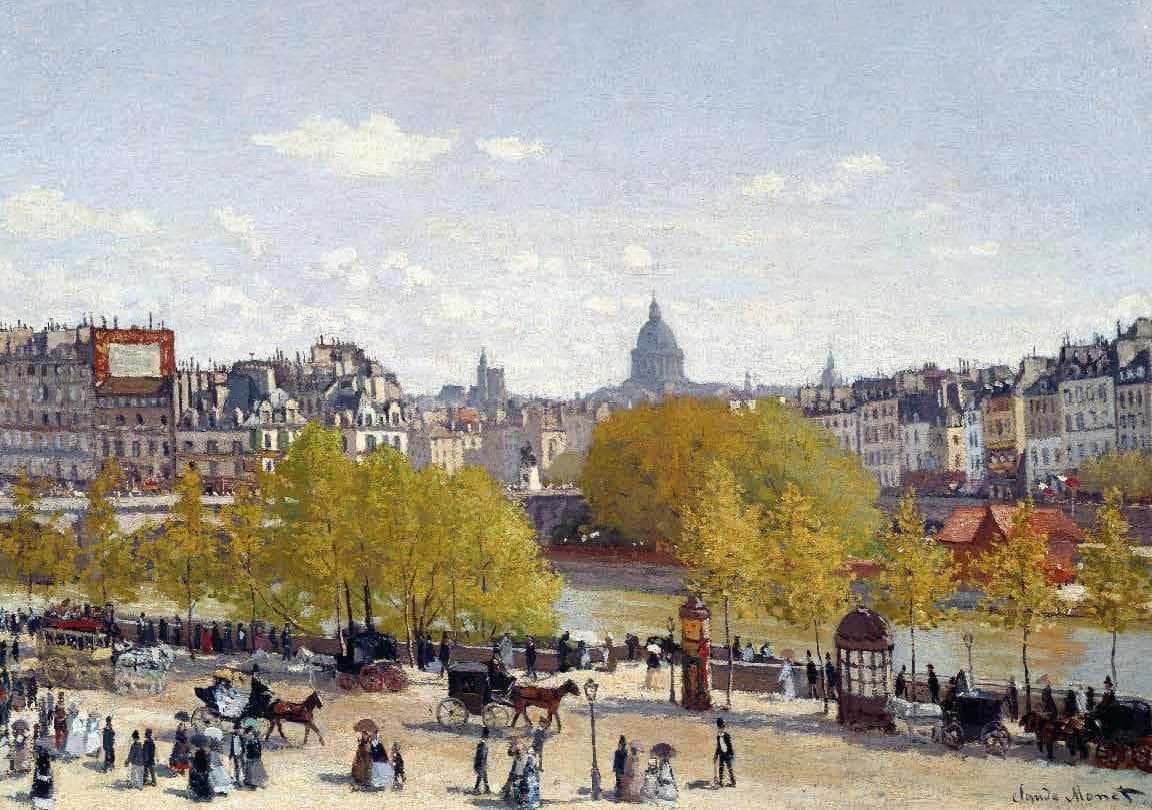
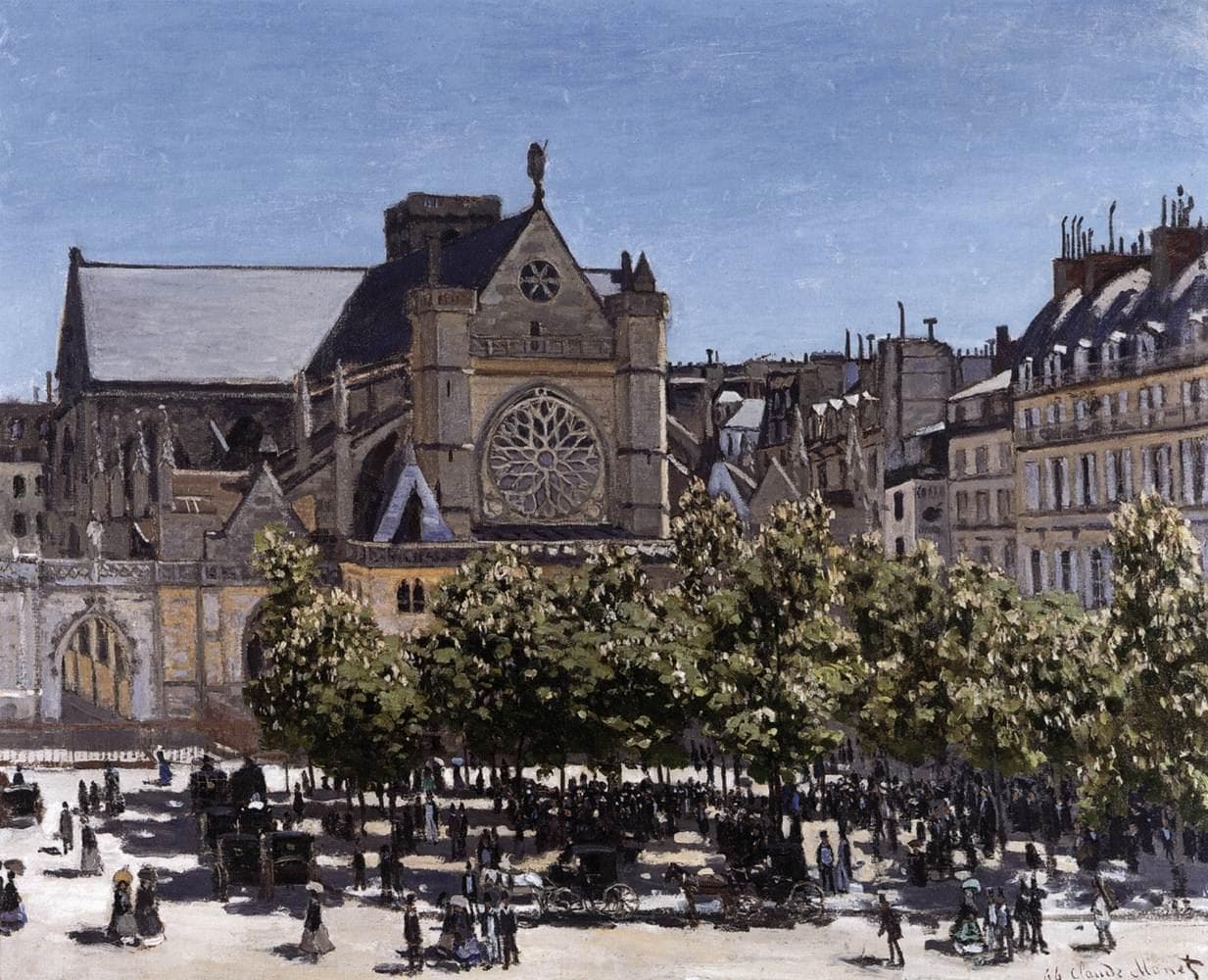
The Pont Neuf, despite its name, is the oldest standing bridge across the Seine in Paris, completed in 1607. It crosses the western tip of the Île de la Cité. Monet had already painted Paris from a high window in 1867, in Quai du Louvre, The Garden of the Infanta and Saint-Germain l'Auxerrois, all painted from the Louvre itself. The Pont Neuf continues that series of city views, but with weather as the main subject.
How it was painted
The palette is almost monochrome: grays, browns, dull ochres and black, with a few accents of red and blue in the crowd. Monet uses this narrow range to convey rain. The paving is painted in long, thin strokes of pale gray, with dark vertical strokes beneath each figure for the reflections, so that the street reads as wet without any rain being shown. The steam on the right is a few thick, curling touches of white, the brightest part of the picture.
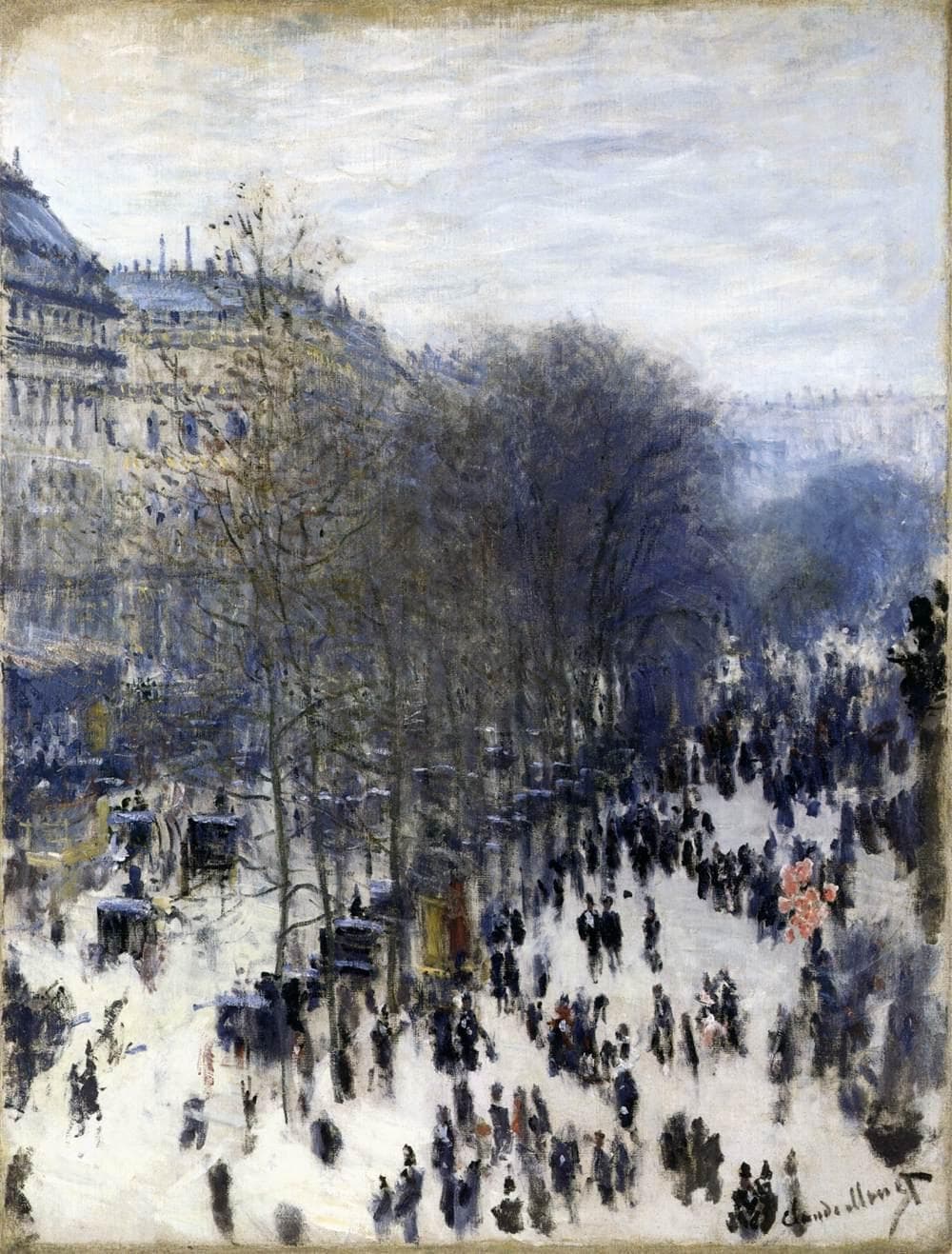
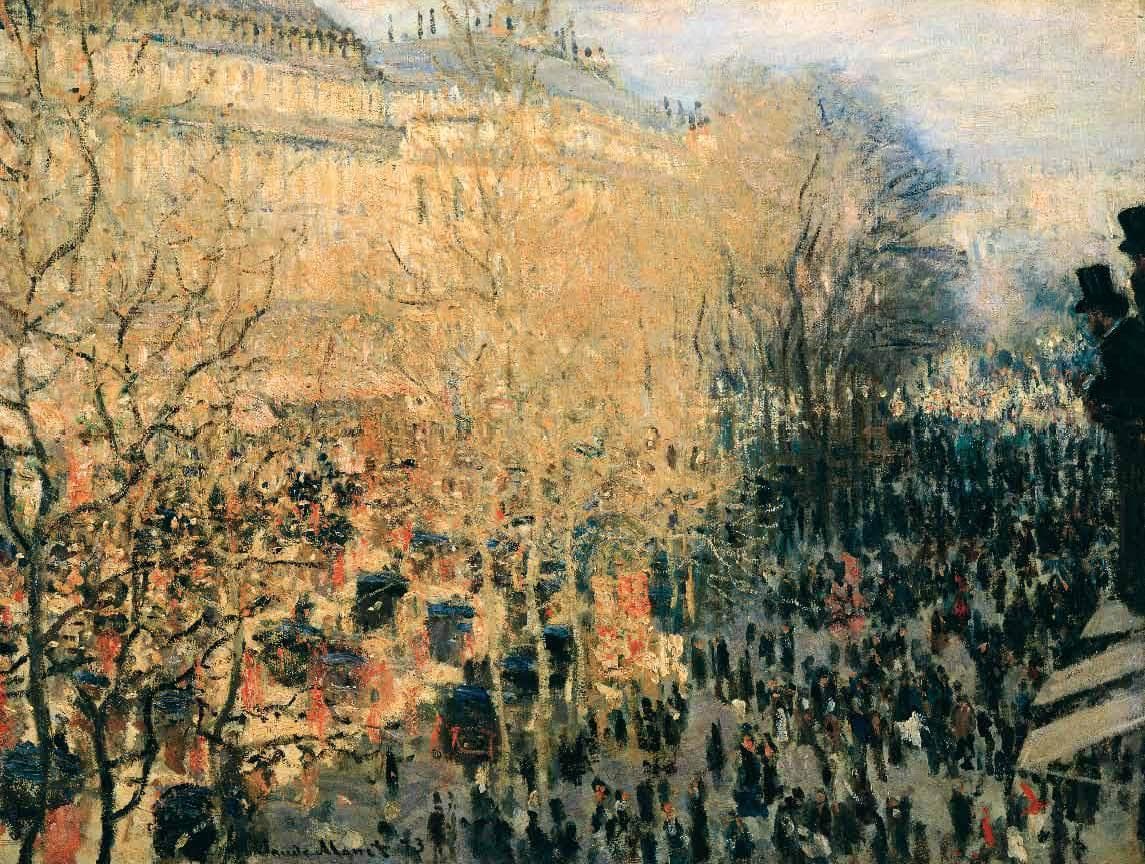
The figures are reduced to quick marks: a dark oval for an umbrella, a stroke or two for a body, a dab for a face. This shorthand for a crowd would become a hallmark of Impressionist city painting and reaches its high point two years later in Boulevard des Capucines, where critics complained that the pedestrians were mere "black tongue-lickings."
A detail most viewers miss: the steam on the right shows the river is busy even on a wet day. Steam, from boats and later from trains, would become one of Monet's favorite ways of painting the modern city, culminating in the station pictures of 1877.
Monet and Renoir
In 1872 Pierre-Auguste Renoir painted the same bridge on a bright, sunny day, crowded with strolling Parisians, from a café window on the Quai du Louvre; that picture is in the National Gallery of Art in Washington. Monet's rainy version is the opposite in mood, and the two make a revealing pair for understanding how early Impressionism treated the same motif under different conditions.
Weather as a subject would stay with Monet all his life. Fog in London, snow at Argenteuil and Vétheuil, rain at Belle-Île: the gray day on the Pont Neuf is an early instance of his interest in how weather changes the look of a place.
Ownership
The painting came to the Dallas Museum of Art in 1985 with the Wendy and Emery Reves Collection (1985.R.38), a gift of more than a thousand objects that includes paintings by Monet, Renoir, Cézanne and Van Gogh, displayed in rooms recreating the Reves villa on the French Riviera.
Where to see it
The Pont Neuf is in the Dallas Museum of Art, which also holds Monet's still life The Tea Service. For other museums, see where to see Monet's paintings.
Questions & answers
Where is Monet's The Pont Neuf?
It is in the Dallas Museum of Art, part of the Wendy and Emery Reves Collection given in 1985 (accession 1985.R.38). The Reves works are shown in rooms recreating the couple's villa in the south of France.
When was The Pont Neuf painted?
The Dallas Museum of Art dates it to 1871, when Monet returned to Paris from the Netherlands after the Franco-Prussian War. Some sources date it 1872 or 1873.
What does The Pont Neuf show?
The Pont Neuf in Paris on a rainy day, with carriages and pedestrians under umbrellas crossing the wet roadway, tall buildings on the left and steam rising from a boat on the Seine to the right.
Did Renoir also paint the Pont Neuf?
Yes. Renoir painted it in 1872 on a sunny day from a café window on the Quai du Louvre. That painting is in the National Gallery of Art, Washington; Monet's rainy view makes an instructive contrast.
More by the artist
Claude Monet

Bridge over a Pond of Water Lilies
Claude Monet · 1899

Woman with a Parasol – Madame Monet and Her Son
Claude Monet · 1875

Sunset in Venice
Claude Monet · 1908–12

La Grenouillère
Claude Monet · 1869

Beach in Pourville
Claude Monet · 1882

Springtime
Claude Monet · 1872

Boating on the River Epte
Claude Monet · 1890

The Seine at Asnières (Hermitage)
Claude Monet · 1873
Also painted in 1871
The same year
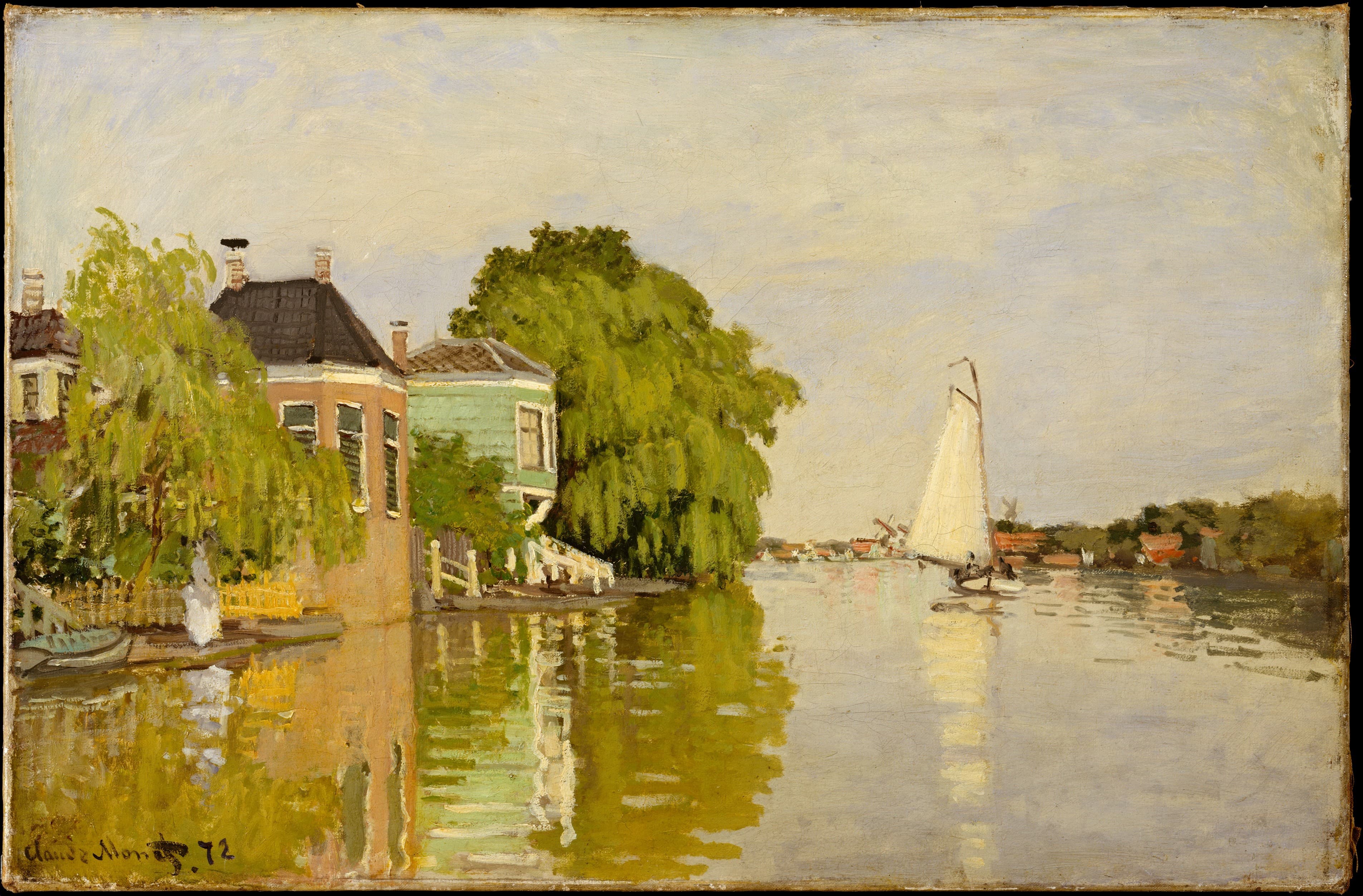
Houses on the Achterzaan
Claude Monet · 1871
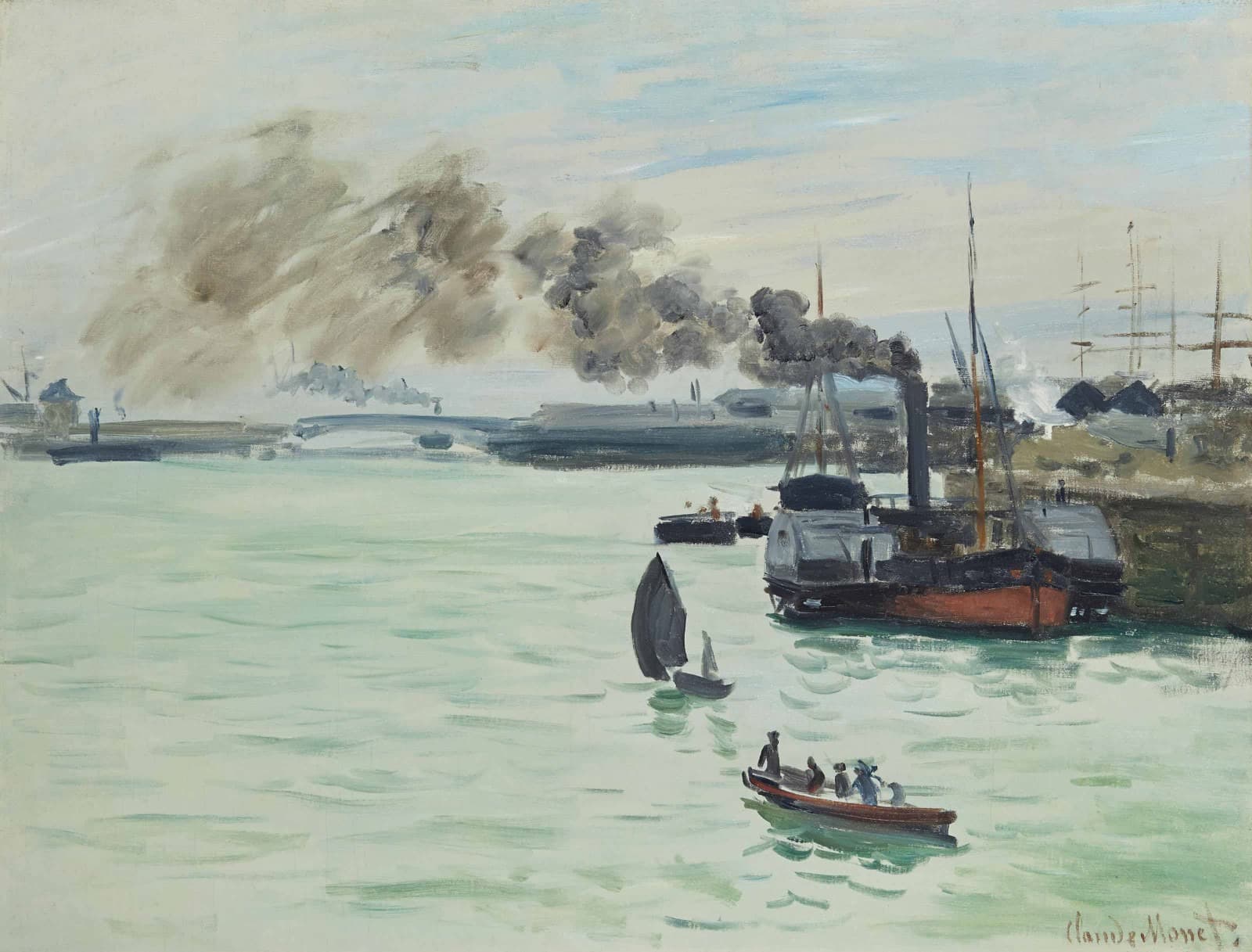
View of a Port
Claude Monet · 1871
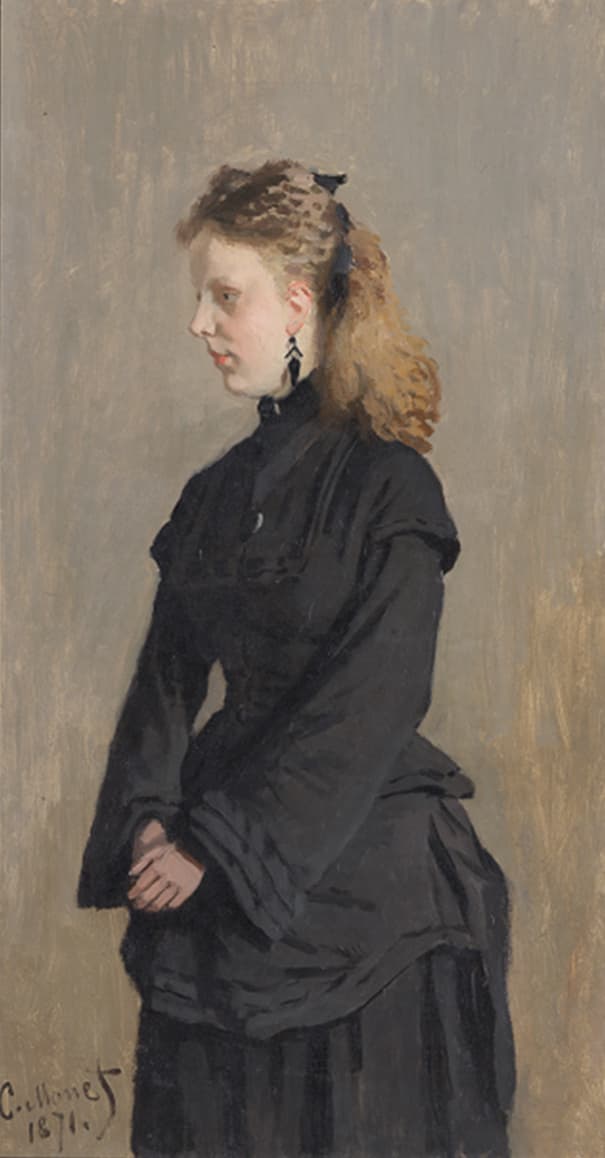
Portrait of Guurtje van de Stadt
Claude Monet · 1871
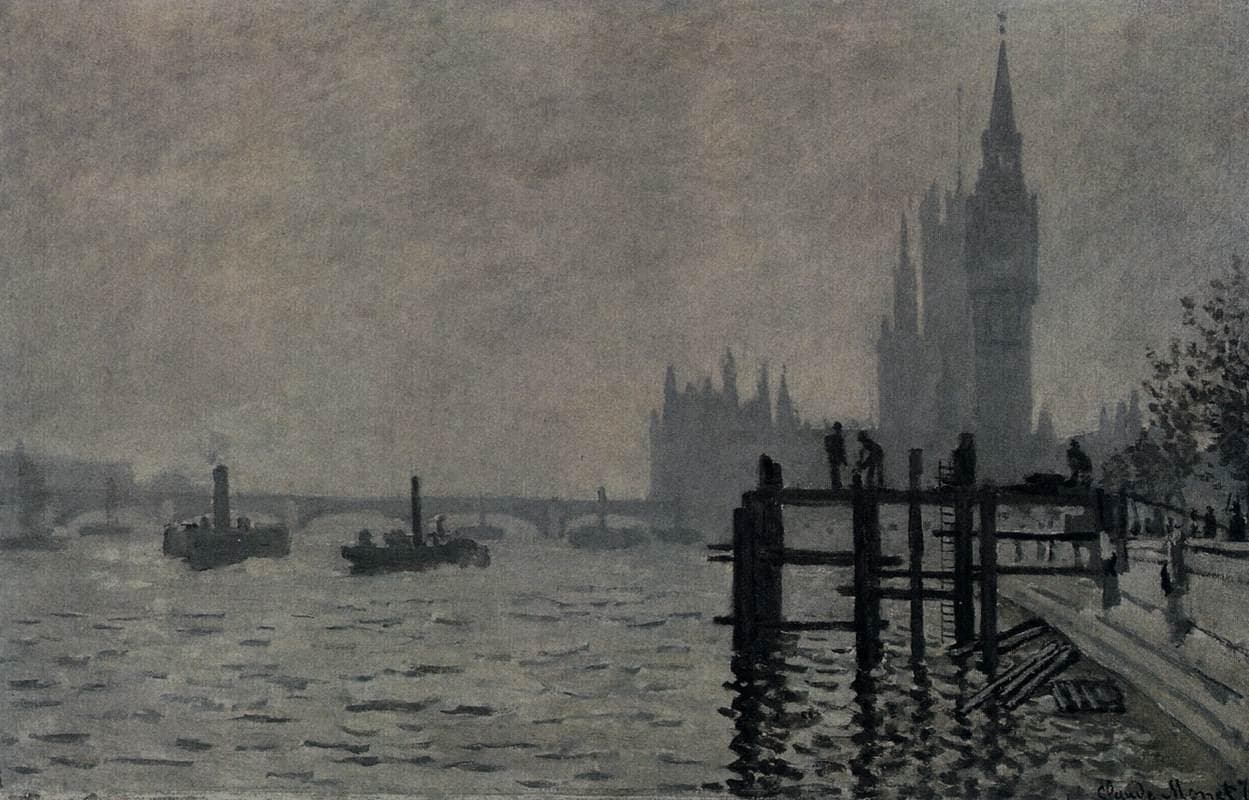
The Thames below Westminster
Claude Monet · c. 1871
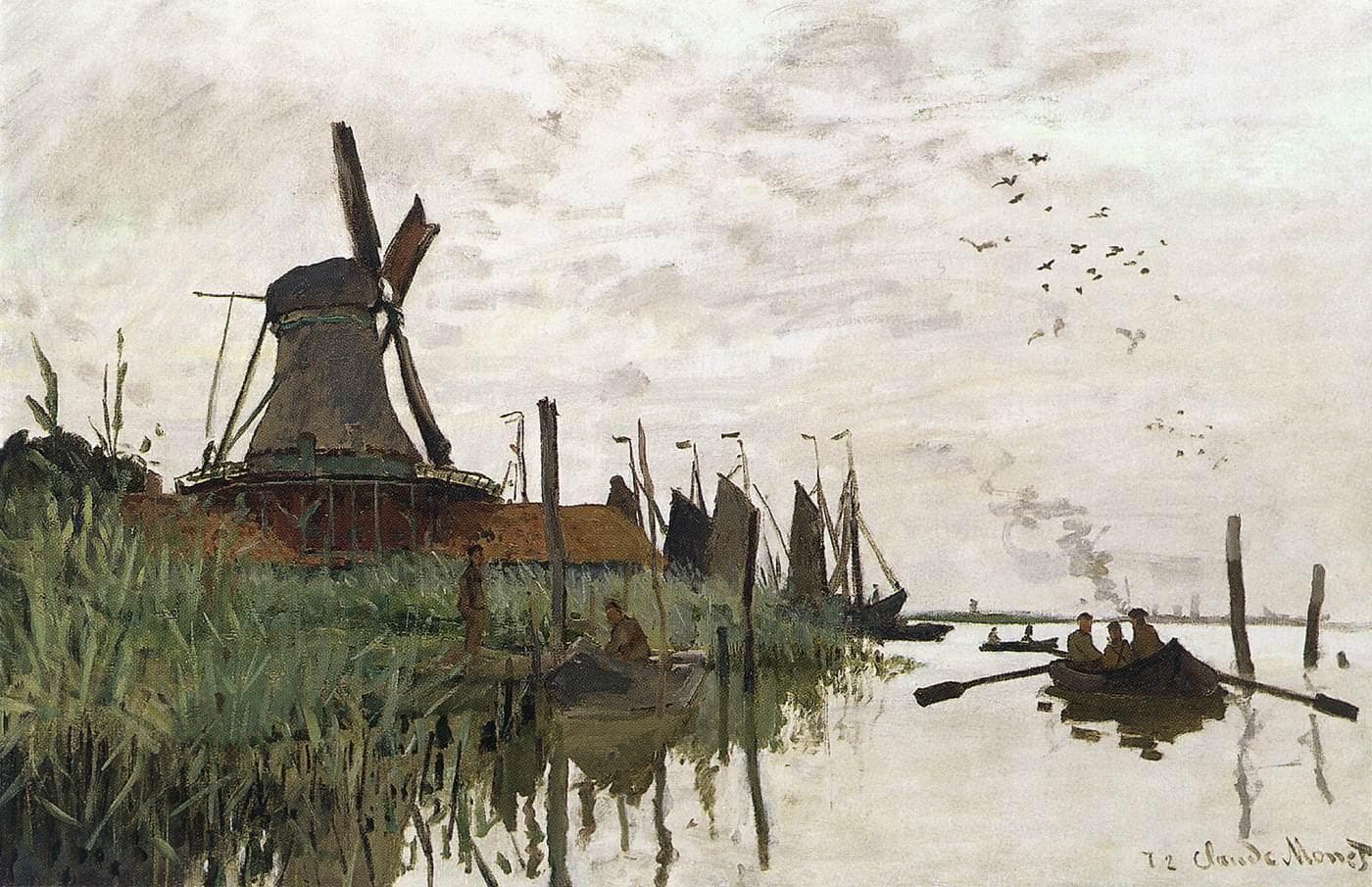
Windmill and Boats near Zaandam
Claude Monet · 1871
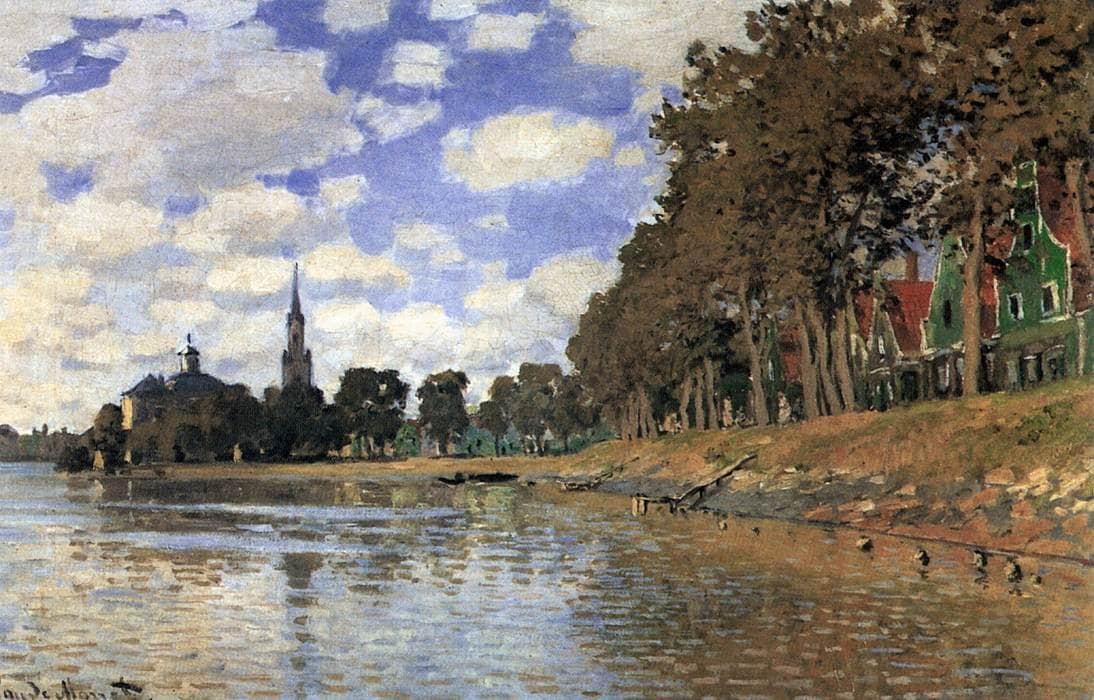
Zaandam
Claude Monet · 1871
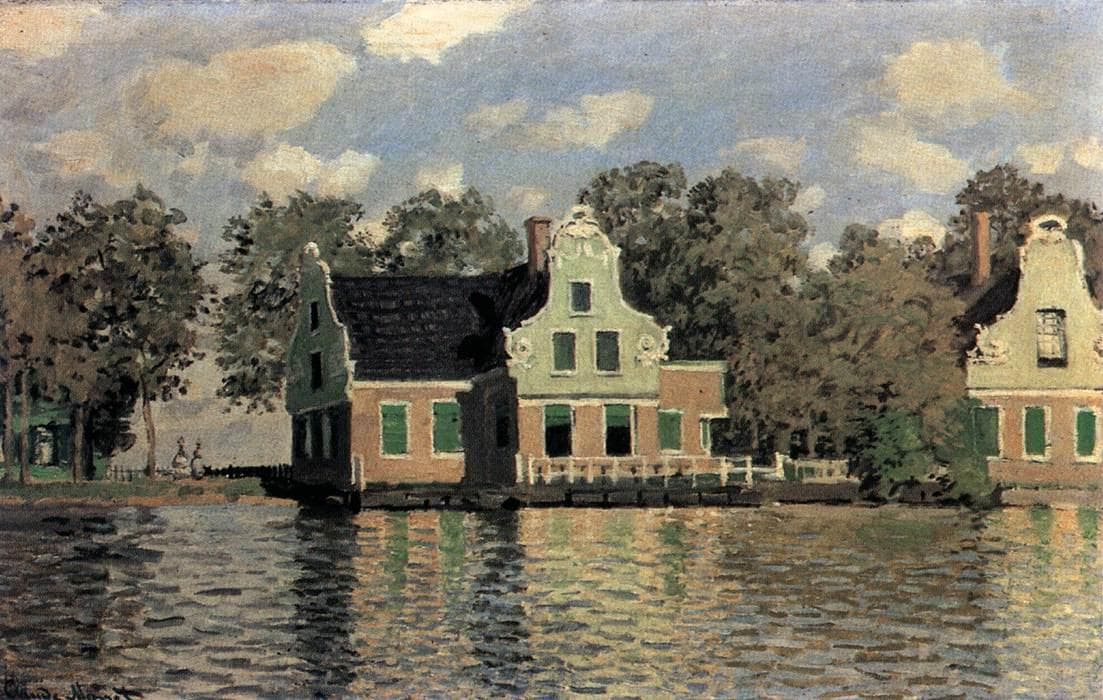
Houses on the Zaan River at Zaandam
Claude Monet · 1871–72
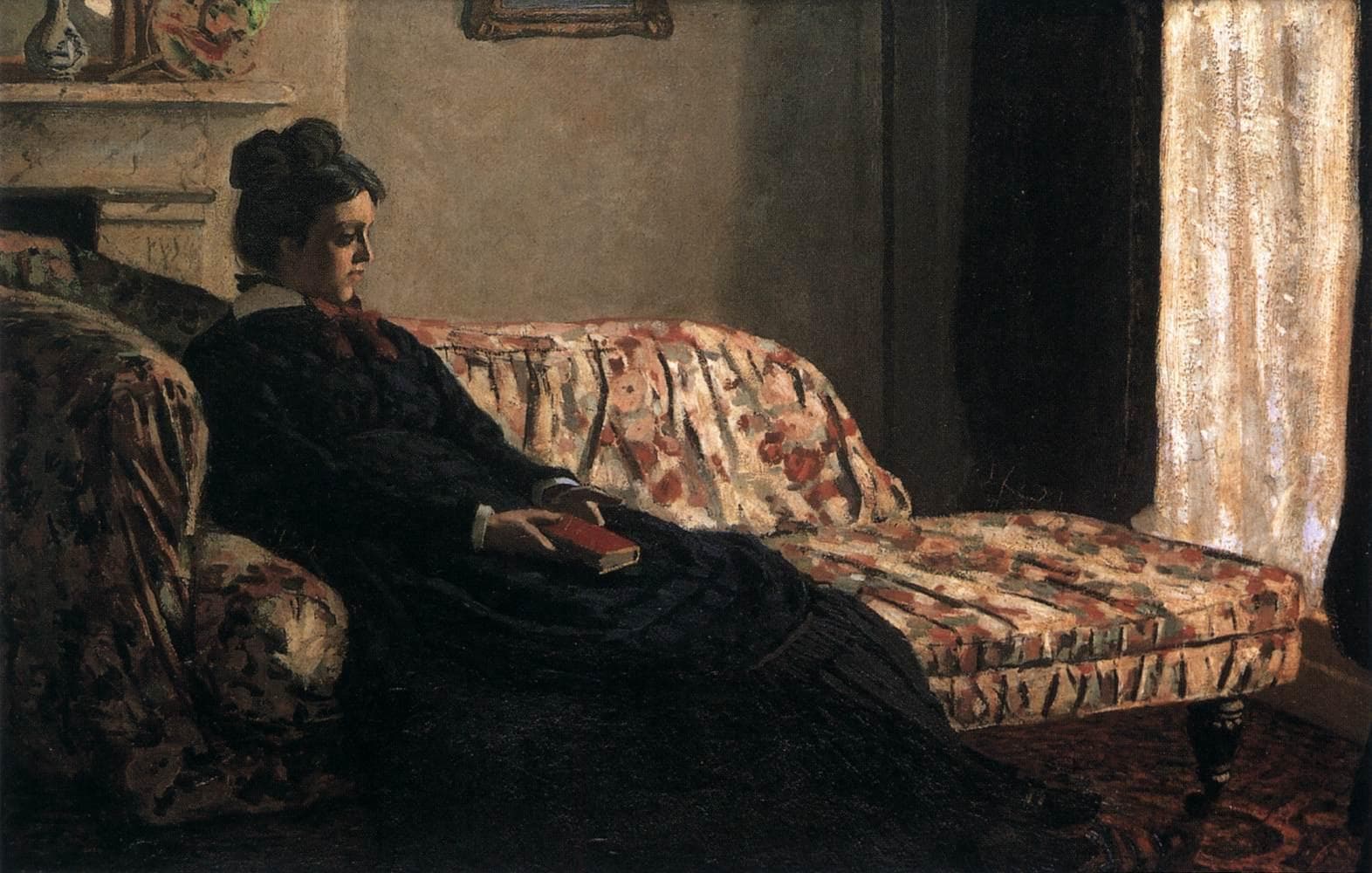
Meditation (Madame Monet on the Sofa)
Claude Monet · c. 1871
Kindred works
You may also study
Quai du Louvre, Paris
Claude Monet · 1867
The Church of Saint-Germain-l'Auxerrois
Claude Monet · 1867
Boulevard des Capucines
Claude Monet · 1873–74
The Boulevard des Capucines in Paris
Claude Monet · 1873
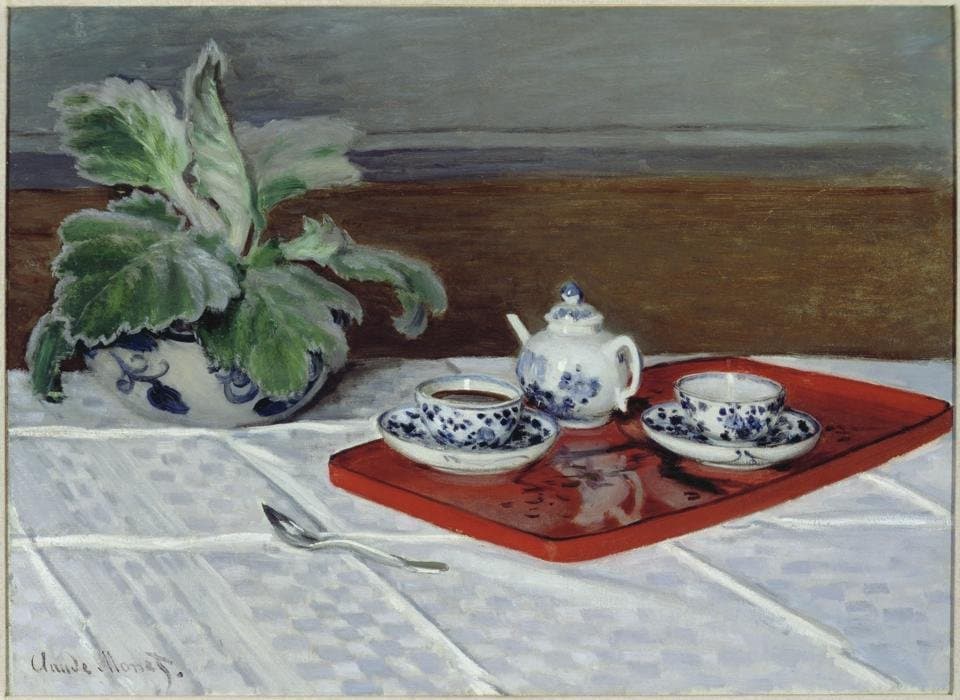
The Tea Service
Claude Monet · 1872
Liberty Leading the People
Eugène Delacroix · 1830
The Night Watch
Rembrandt · 1642
Café Terrace at Night
Vincent van Gogh · September 1888