Impressionism
Vétheuil in Summer
Claude Monet, 1880
Vétheuil in Summer is an 1880 painting by Claude Monet of the village of Vétheuil seen across the Seine, its church tower and houses reflected in the shimmering river. It is in the Metropolitan Museum of Art, New York.
- Artist
- Claude Monet
- Date
- 1880
- Medium
- Oil on canvas
- Dimensions
- 60 × 99.7 cm
- Collection
- Metropolitan Museum of Art, New York, United States
- Movement
- Impressionism
- Catalogue
- Wildenstein 605
Painted at Monet at VétheuilMore at Monet at the Met
What you are looking at
A long, low canvas, almost twice as wide as it is high. Across the river, the village of Vétheuil climbs a gentle slope: a jumble of white walls and red-brown roofs, with the tall church tower rising near the center. Poplars stand on the left bank, dark and upright. A strip of green along the water's edge separates the village from its reflection.
The river fills the lower half, and in it everything is repeated and broken into shivering strokes of white, blue, lilac and green. A small rowboat with two figures floats just right of center. The sky is pale blue, streaked with white and gray cloud.
It is a bright, slightly hazy summer day, the light coming from high on the left. The water is still enough to hold a reflection, but just disturbed enough to break it.
Vétheuil, 1878–81
Claude Monet moved to Vétheuil, a village on the Seine northwest of Paris, in 1878, in a shared household with his own family and that of Alice Hoschedé. His wife Camille died there in September 1879. In 1880 he painted the village repeatedly from across the river, from the opposite bank near Lavacourt or from the islands, in different seasons and light. Those years are surveyed on our Monet at Vétheuil page.
This canvas is catalogued by Wildenstein as W.605. Its wide format and low, centered viewpoint recur in several 1880 views of the village, which allowed Monet to compare effects of light on the same motif, an early step toward the series of the 1890s.
How it was painted
The reflection is the subject. Look at the band of water directly beneath the village: the white houses become vertical streaks of white and cream, broken by horizontal strokes of blue that stand for ripples. The church tower is repeated as a faint pale smudge. Monet does not paint a mirror image; he paints what moving water does to it.
The brushwork changes from zone to zone. In the sky it is long and diagonal; in the village it is short and blocky; in the water it is horizontal and choppy, the strokes getting larger as they come toward us. The rowboat, a single dark dab with two tiny figures, gives the scale of the river.
On the left, the poplars and a rounded tree are the darkest notes in the picture, and their reflections drop straight down as columns of green. On the right, the bank is low and grassy, and the village thins out into a few houses before the hills. The overall key is high and light, almost chalky, which gives a sense of summer haze. Even the shadows are pale, mixed with white, so nothing in the picture is truly dark except the poplars. It is the opposite of the somber, low-toned river scenes Monet had painted around Vétheuil only months earlier, in the cold winter after Camille's death.
The Vétheuil river views and how this one differs
Monet painted the village and its river in every season: in winter, after the great freeze of 1879–80, when ice floes choked the Seine, and at sunset; compare The Church at Vétheuil in Winter and another 1880 View of Vétheuil, now in Berlin. The Met's own The Seine at Vétheuil, also of 1880 and almost the same size, shows the village from a similar distance under a different sky. Comparing them is the best way to see Monet testing a motif against changing conditions, a decade before the Haystacks.
This canvas is the most luminous of the group, painted in a near-white key. Its upright companion at the Met, View of Vétheuil, takes the opposite approach, turning from the river to a poppy meadow.
Where to see it
The painting came to the Metropolitan Museum of Art in 1951 as a bequest of William Church Osborn (51.30.3). The museum's other Monets, including several from Vétheuil, are described on Monet at the Met.
Questions & answers
Where is Vétheuil in Summer by Monet?
It is in the Metropolitan Museum of Art in New York (51.30.3), which received it in 1951 as a bequest of William Church Osborn. The canvas measures 60 by 99.7 centimeters, a wide format Monet used for several river views of the village.
When and where was it painted?
In the summer of 1880, looking across the Seine at the village of Vétheuil, northwest of Paris, where Monet lived from 1878 to 1881. He painted the village from the opposite bank and the islands in every season. Wildenstein catalogues the canvas as W.605.
What is Vétheuil in Summer about?
It shows the village across the river on a bright summer day, with its church tower near the center and its houses reflected in the water. The real subject is the way moving water breaks a reflection into strokes of light and color.
Did Monet paint other versions of this view?
Yes. He painted Vétheuil from across the river many times in 1879–80, in summer, in winter with ice and at sunset. The Met also owns The Seine at Vétheuil of 1880, a similar wide view, and there are related canvases in Berlin and elsewhere.
More by the artist
Claude Monet

Bridge over a Pond of Water Lilies
Claude Monet · 1899

Woman with a Parasol – Madame Monet and Her Son
Claude Monet · 1875

Sunset in Venice
Claude Monet · 1908–12

La Grenouillère
Claude Monet · 1869

Beach in Pourville
Claude Monet · 1882

Springtime
Claude Monet · 1872

Boating on the River Epte
Claude Monet · 1890

The Seine at Asnières (Hermitage)
Claude Monet · 1873
Also painted in 1880
The same year
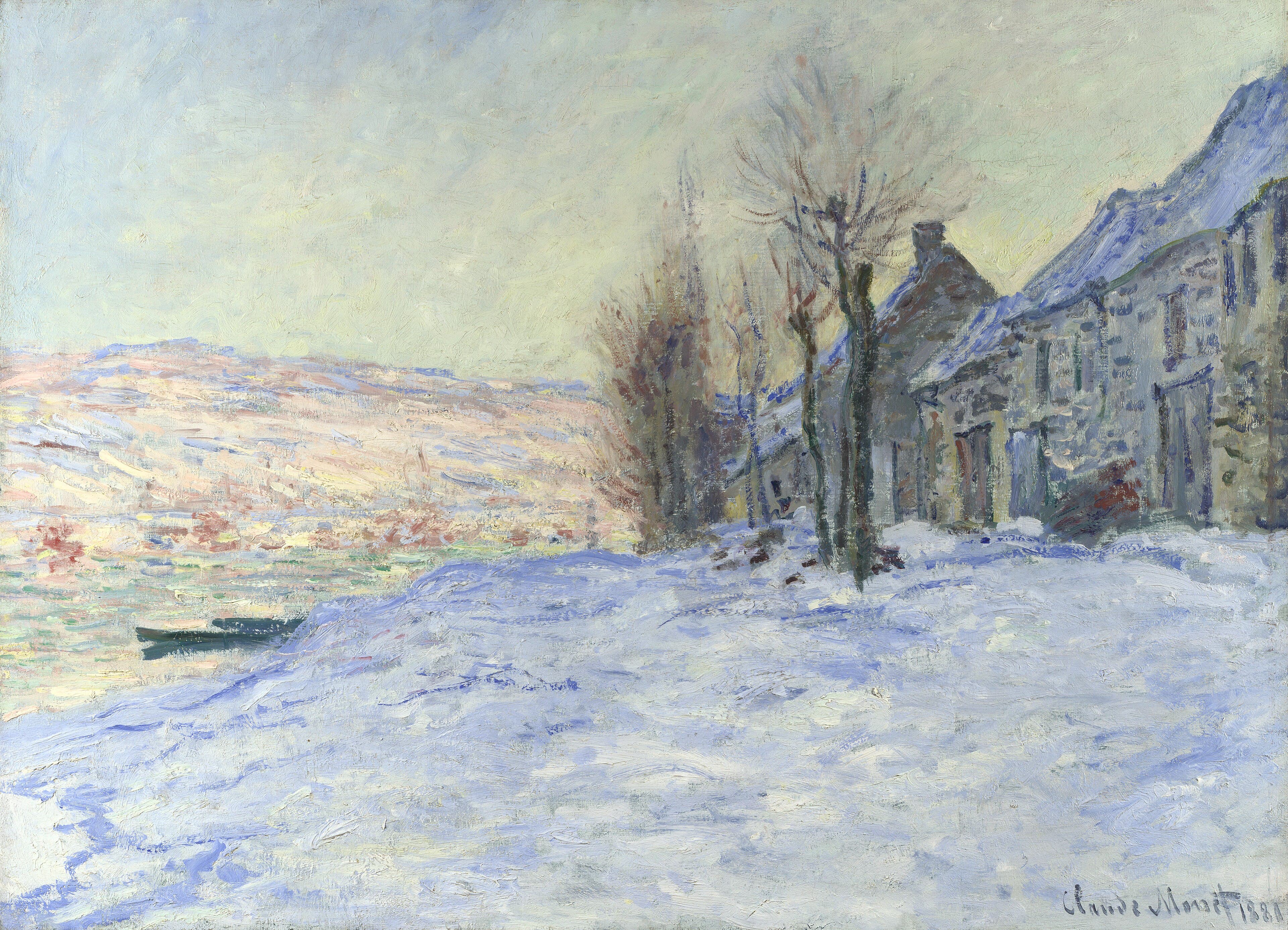
Lavacourt under Snow
Claude Monet · c. 1878–81
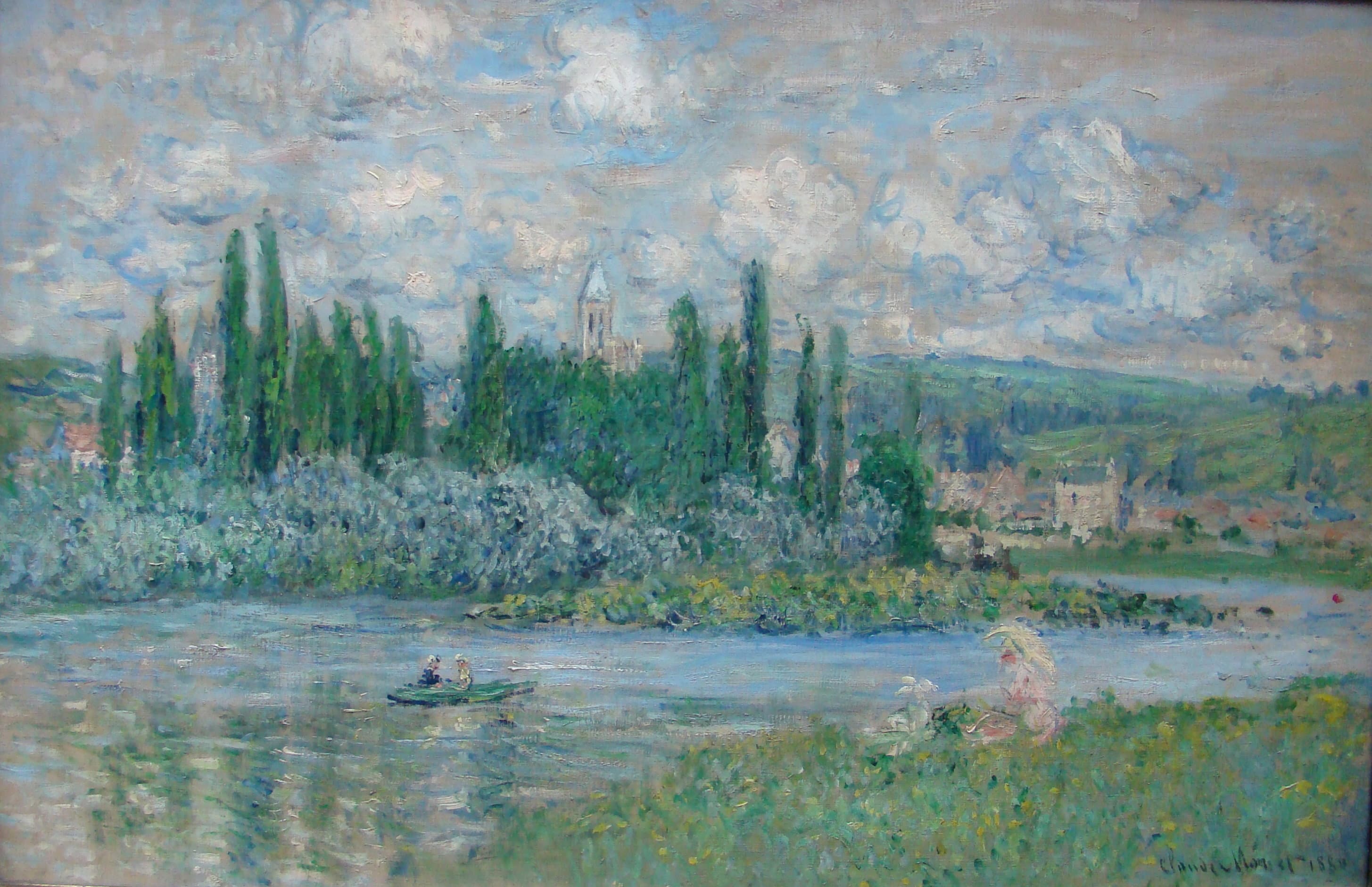
View of Vétheuil
Claude Monet · 1880
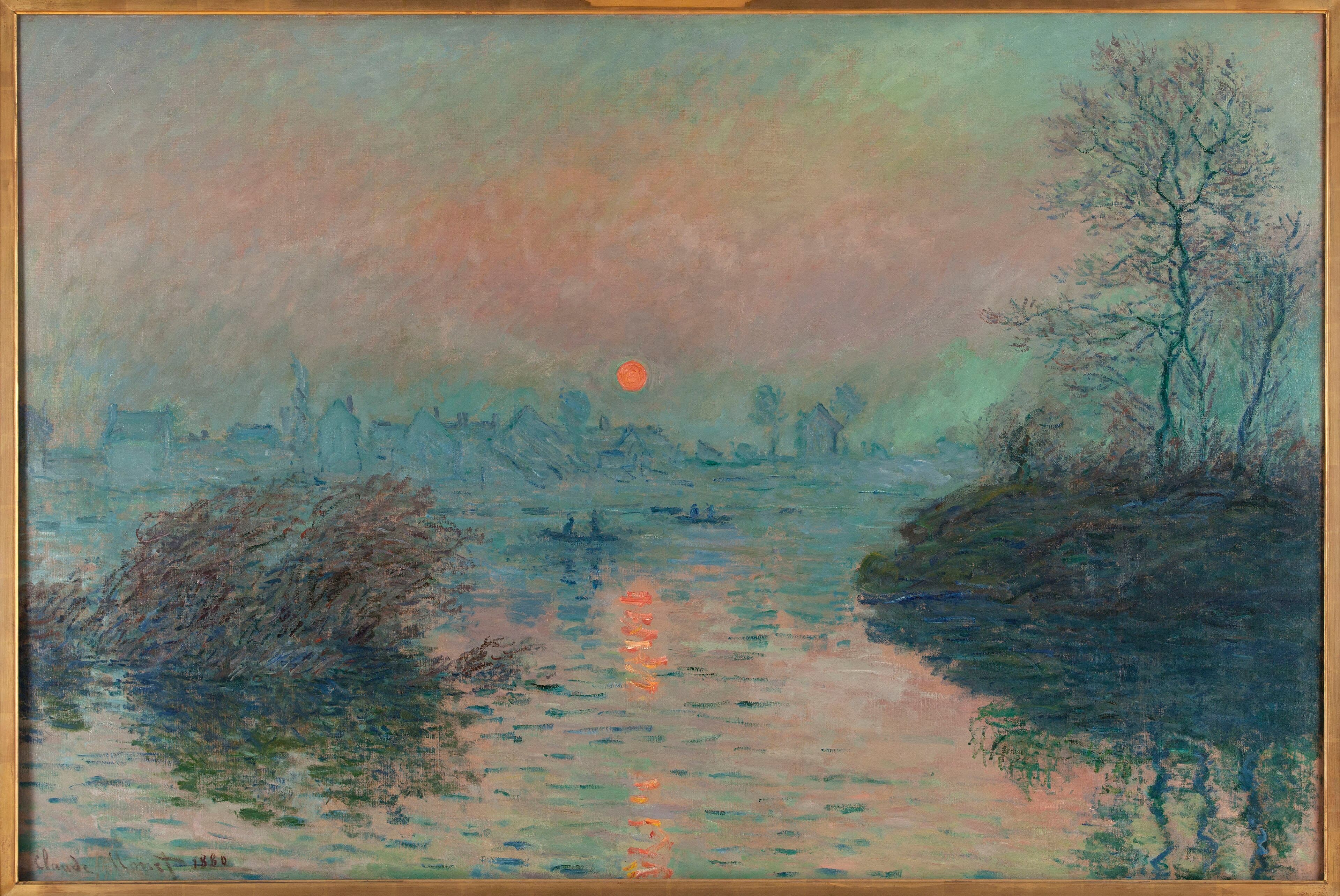
Sunset on the Seine at Lavacourt, Winter Effect
Claude Monet · 1880
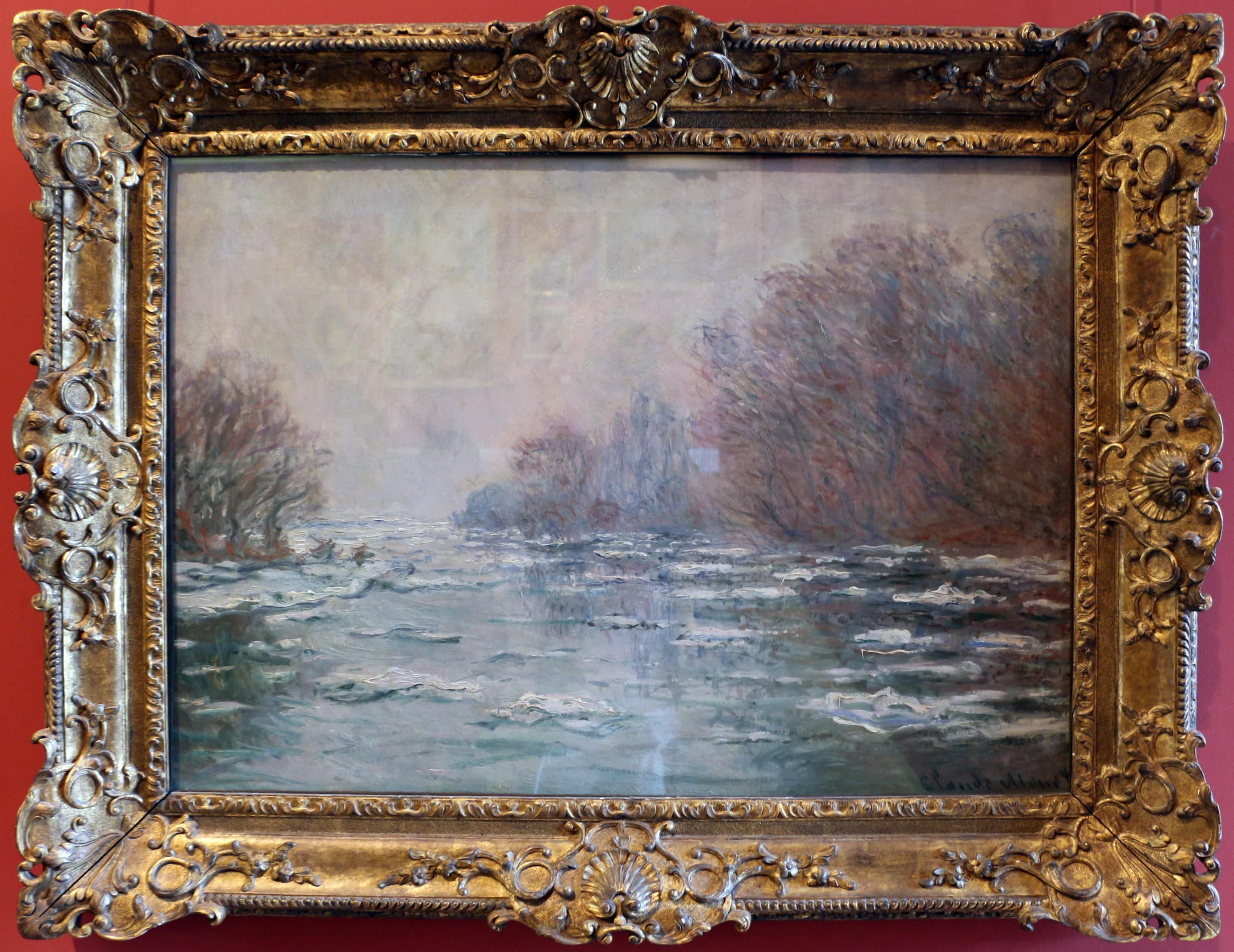
The Breaking Up of the Ice near Vétheuil
Claude Monet · c. 1880
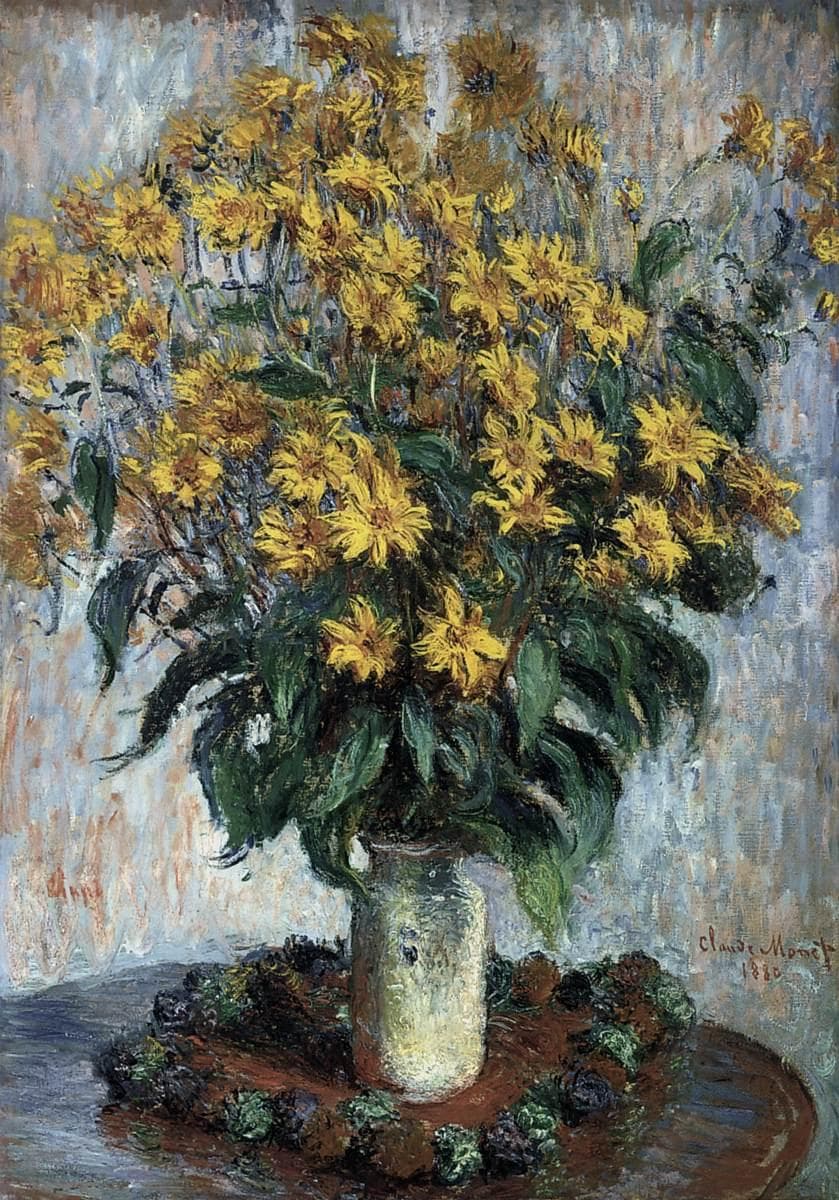
Jerusalem Artichoke Flowers
Claude Monet · 1880
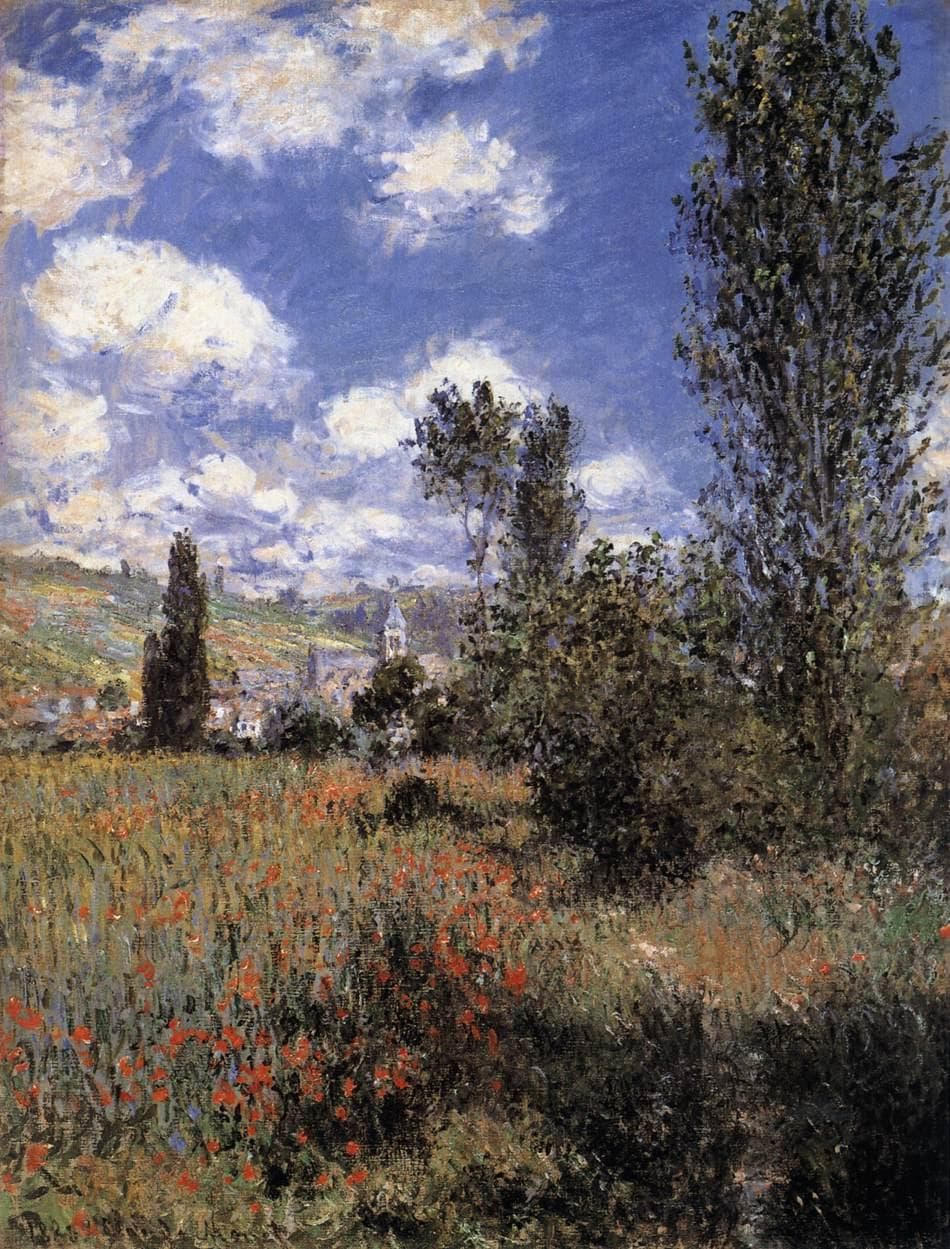
View of Vétheuil
Claude Monet · 1880
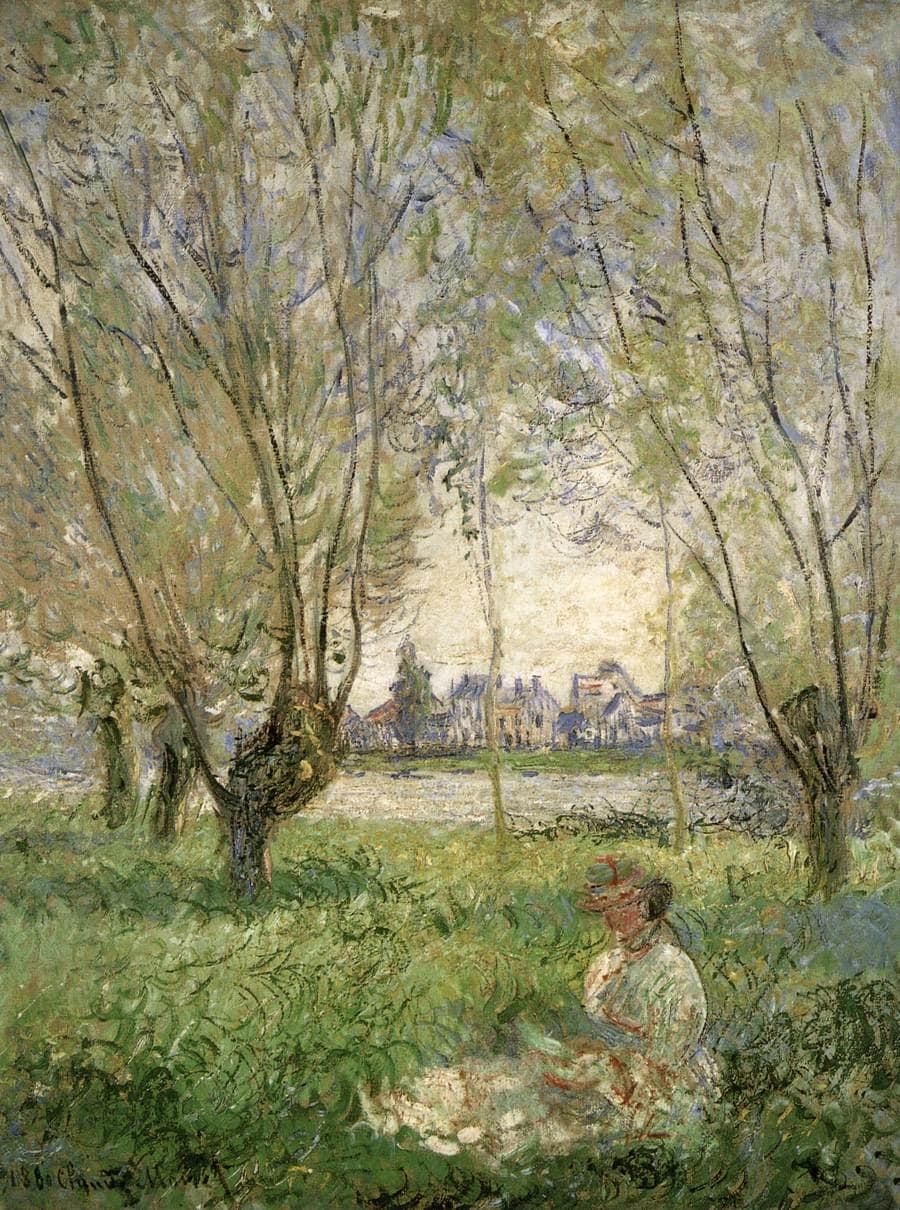
Woman Seated under the Willows
Claude Monet · 1880
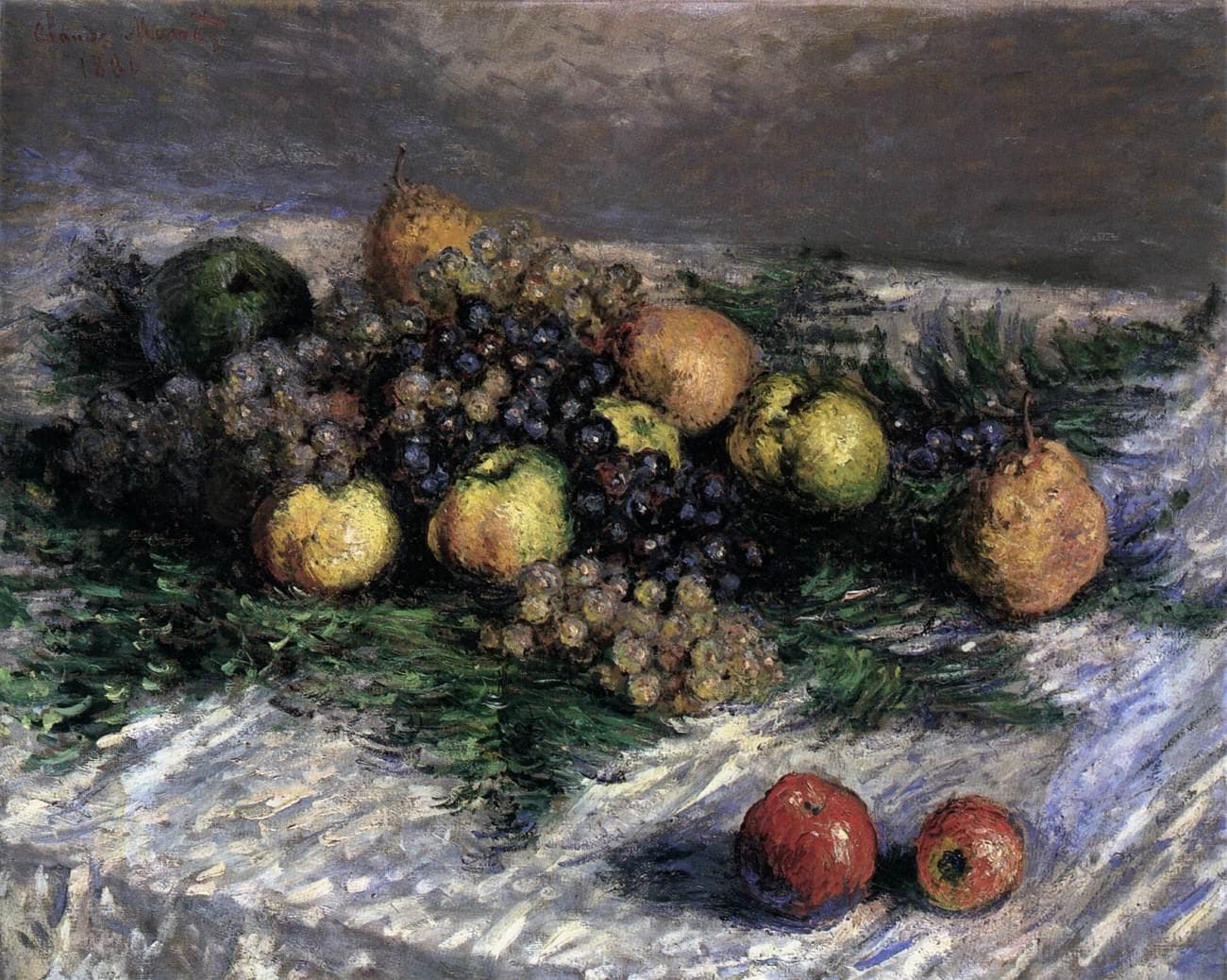
Still-Life with Pears and Grapes
Claude Monet · 1880
Kindred works
You may also study
View of Vétheuil
Claude Monet · 1880
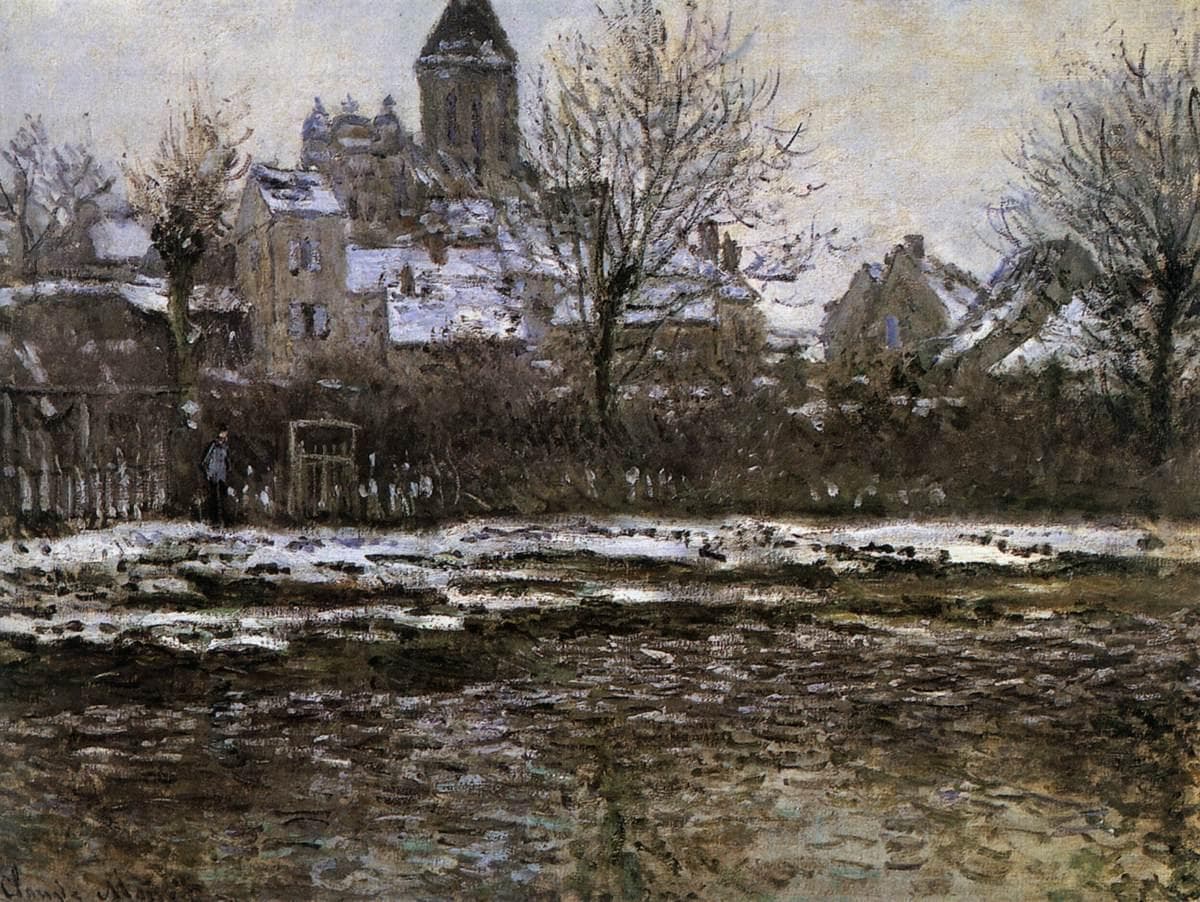
The Church in Vétheuil in Winter
Claude Monet · 1878–79
View of Vétheuil
Claude Monet · 1880
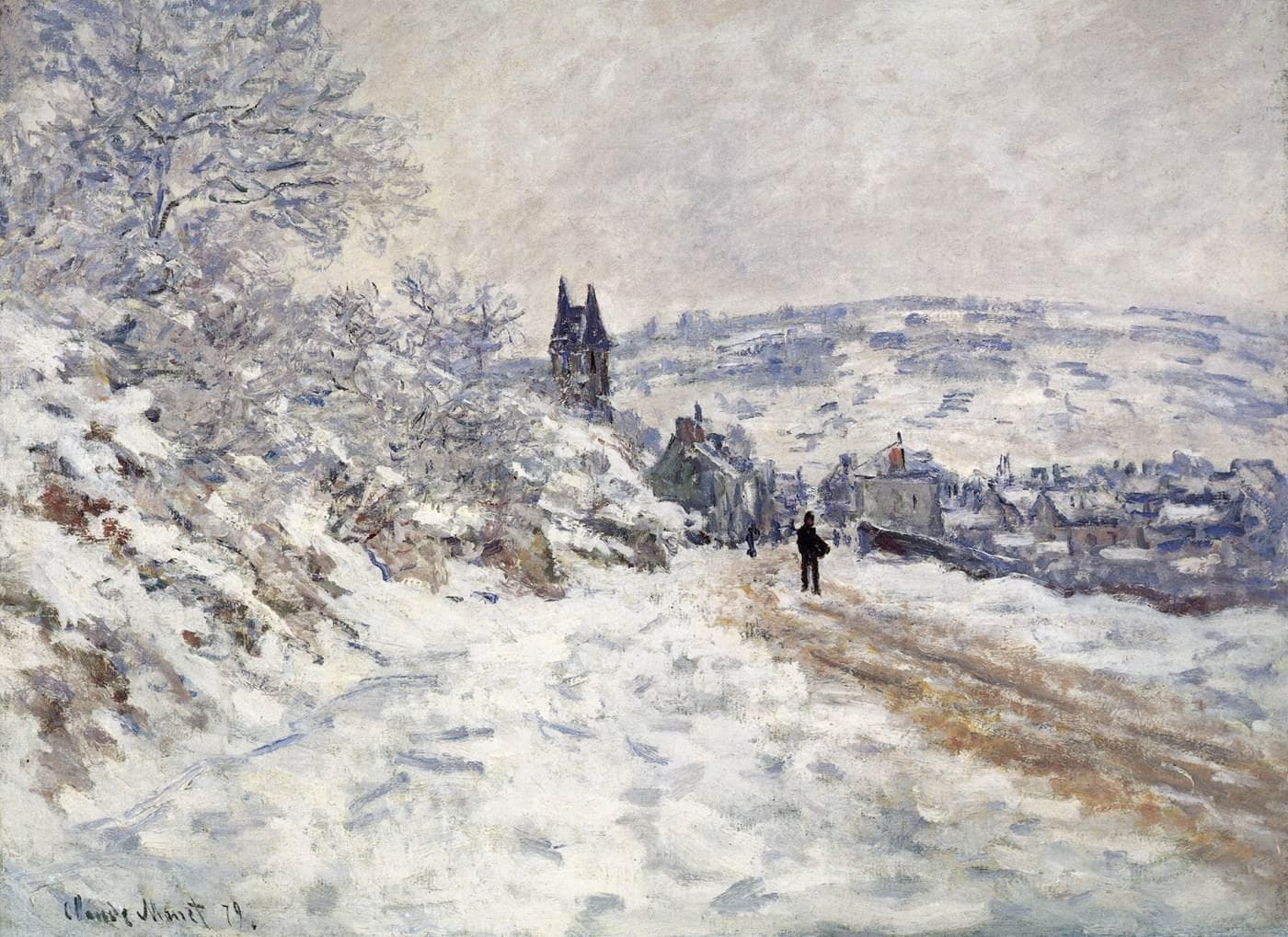
Road to Vétheuil, Snow Effect
Claude Monet · 1879
Woman Seated under the Willows
Claude Monet · 1880
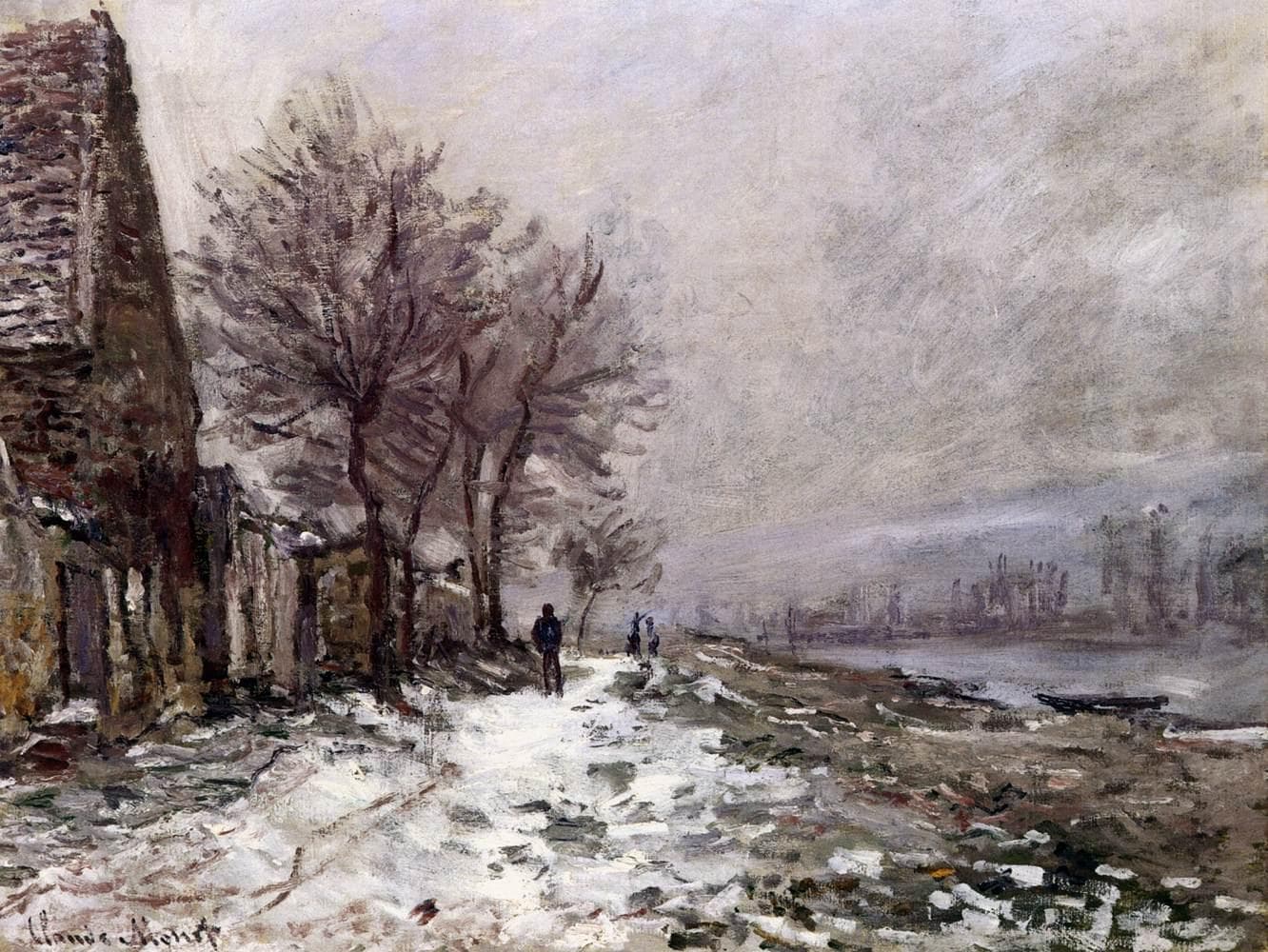
Lavacourt in Winter
Claude Monet · 1879

The Scream
Edvard Munch · 1893

Ophelia
John Everett Millais · 1851–52