Aesthetic
The Dark Academia Aesthetic: A Guide Through Art
Candlelight, Greek tragedy, a skull on the bookshelf: the paintings and sculptures behind the internet's most literary aesthetic, and how to bring them home.
The dark academia aesthetic is a romance with classical learning seen by candlelight: old libraries, Greek and Latin, tweed and ink, and the sense that knowledge comes at a price. It grew up online in the mid-2010s around novels like Donna Tartt's The Secret History, then spread widely on TikTok in 2020, when millions of students locked out of their campuses started building the university of their imagination.
Its imagery comes almost entirely from art history. Dark academia art means Old Master chiaroscuro, Romantic solitude, Pre-Raphaelite heroines drowning in reeds, vanitas skulls and marble gods in dim galleries. This guide explains what the aesthetic is, the visual codes that make an image read as dark academia, the paintings and sculptures that define it, the books it grew from, and how to use real works of art to build the look yourself. The collection below gathers the works we think capture it best.
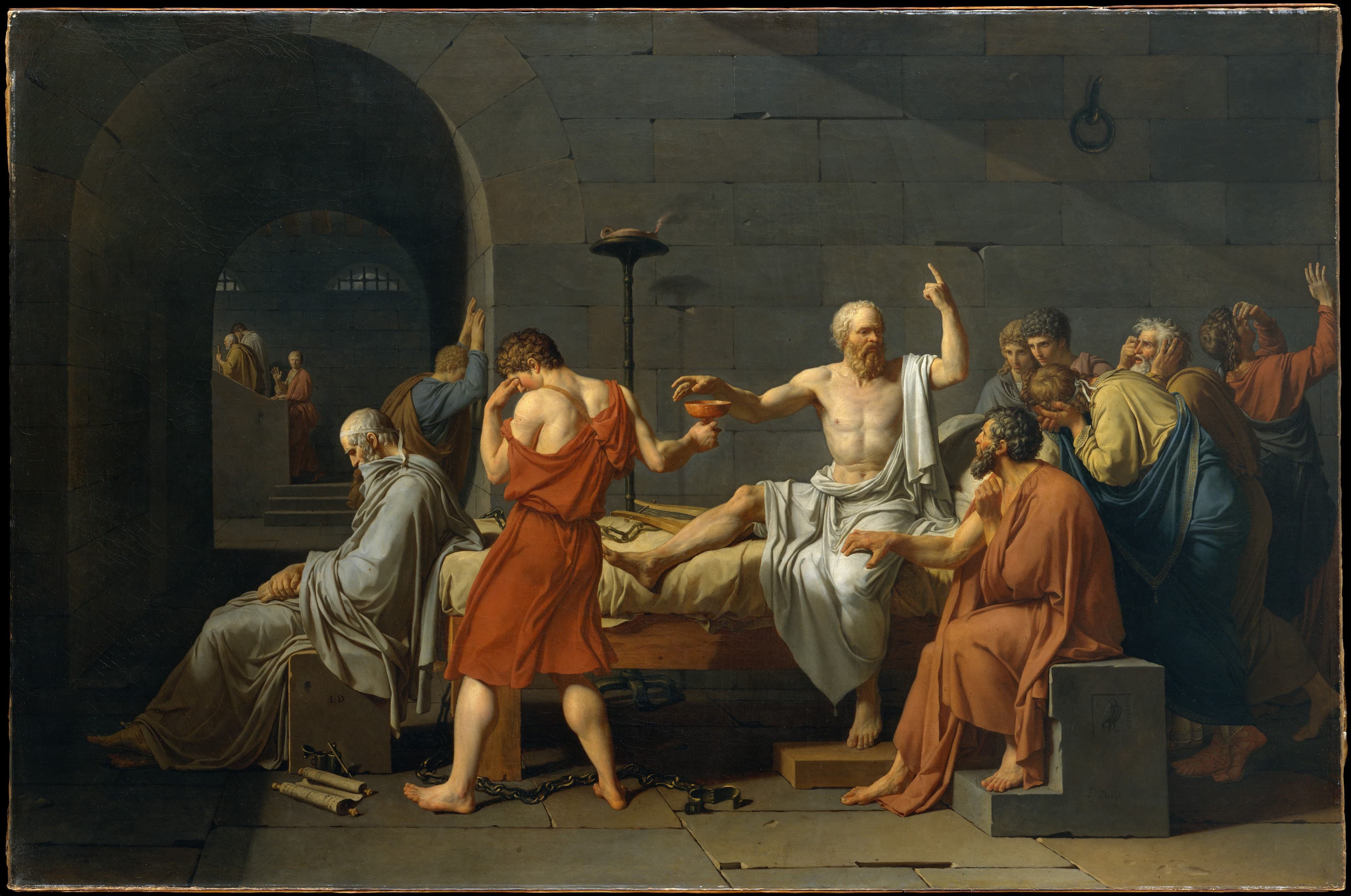
The Death of Socrates
Jacques-Louis David · 1787
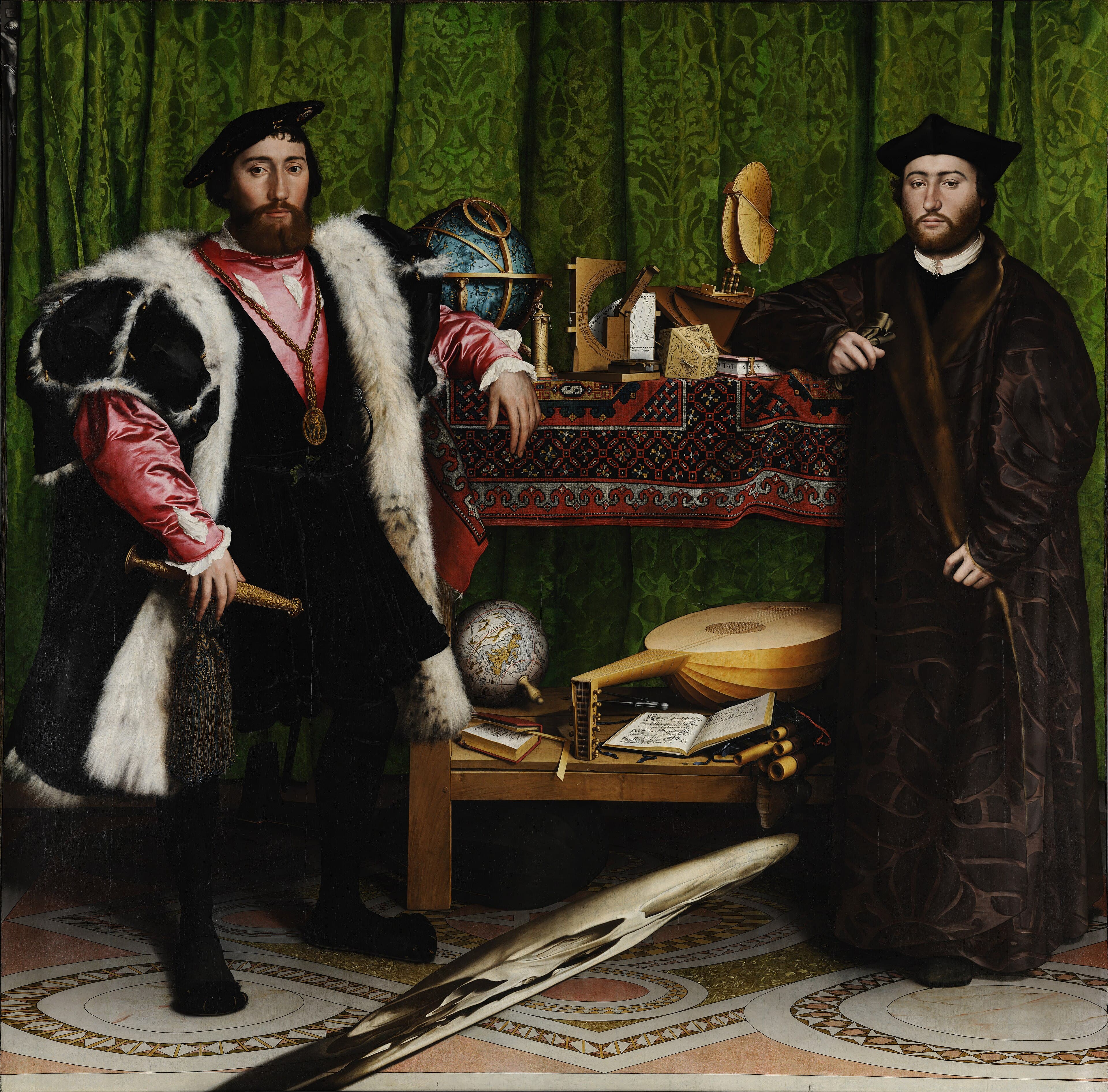
The Ambassadors
Hans Holbein the Younger · 1533
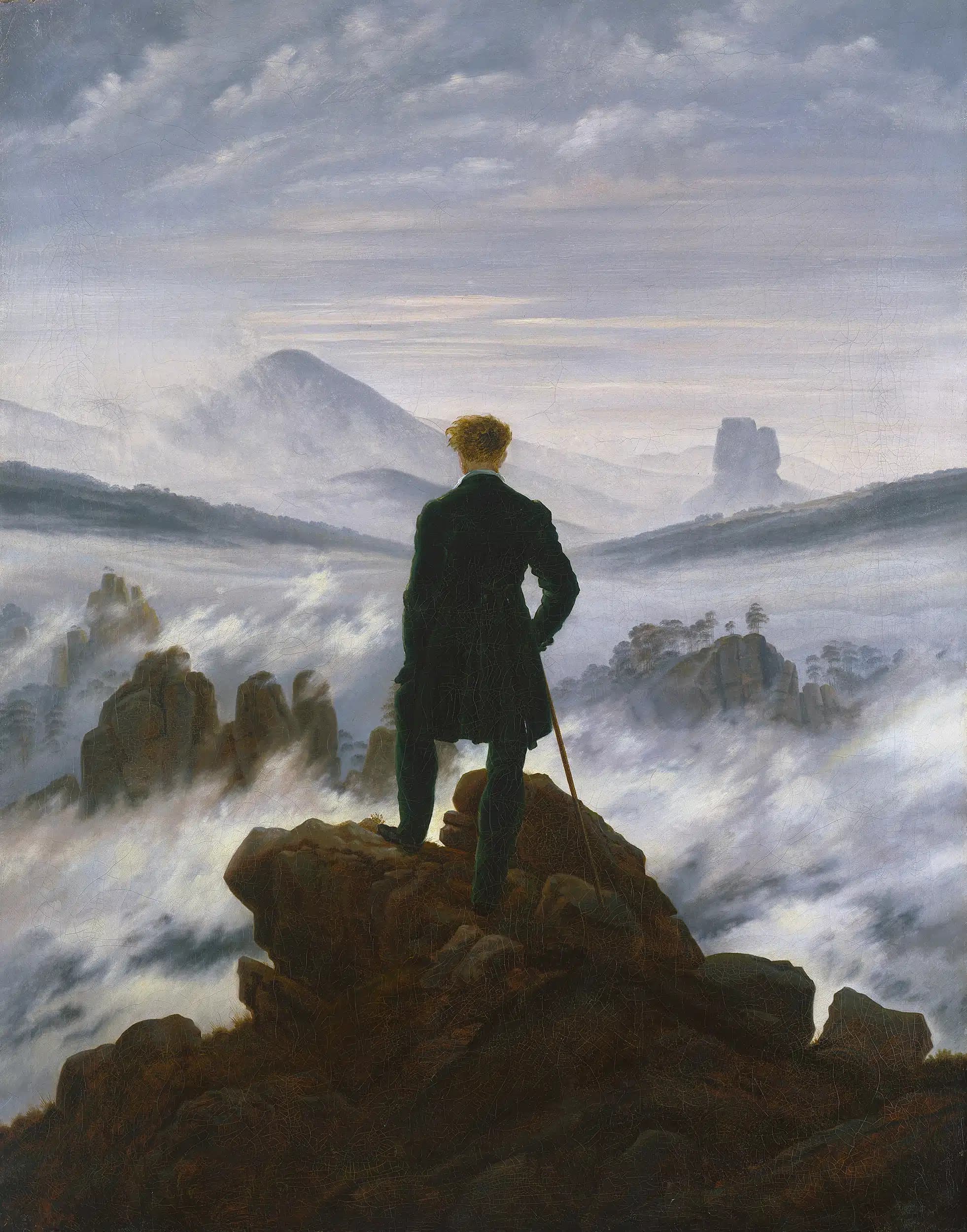
Wanderer above the Sea of Fog
Caspar David Friedrich · c. 1817
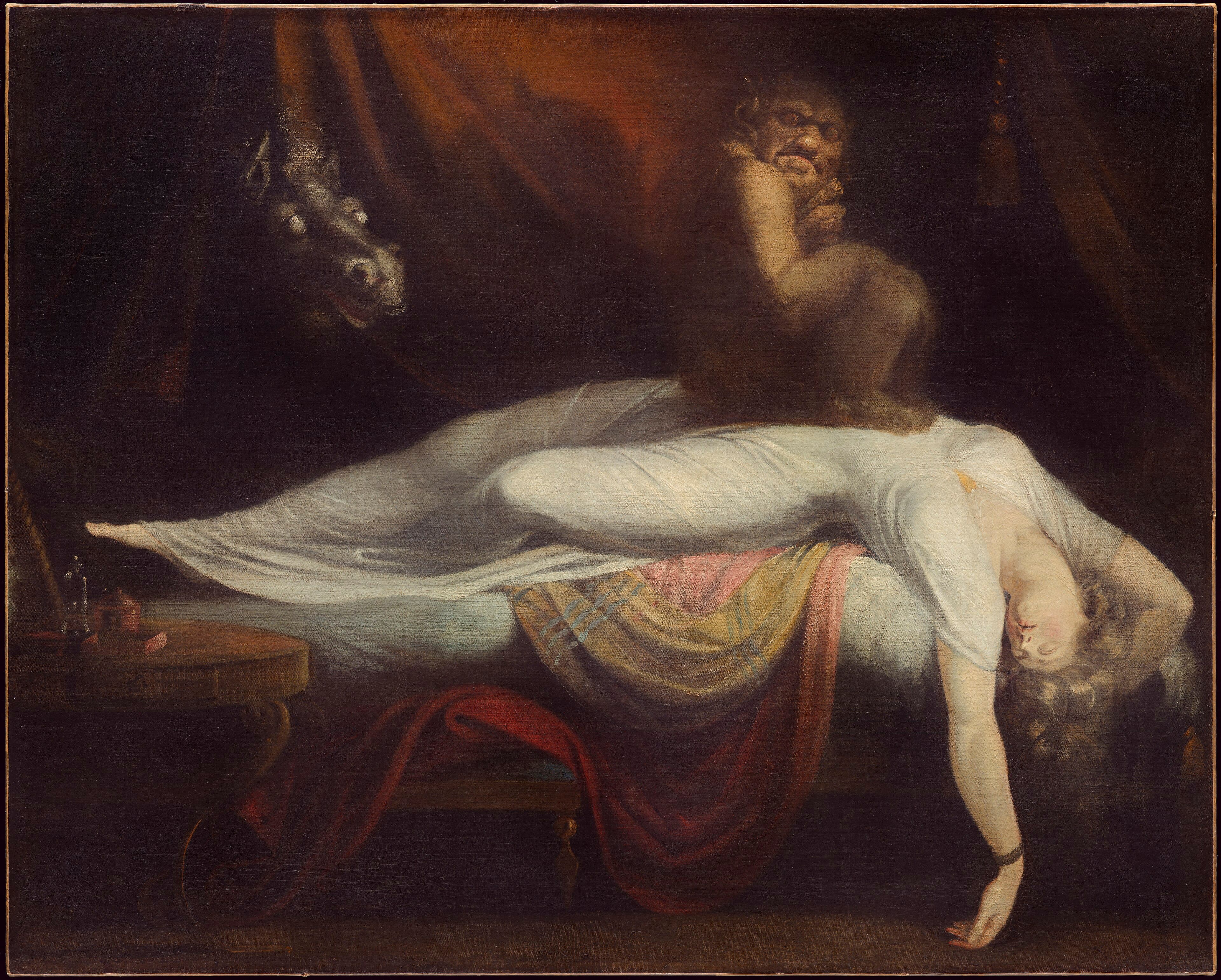
The Nightmare
Henry Fuseli · 1781

Ophelia
John Everett Millais · 1851–52
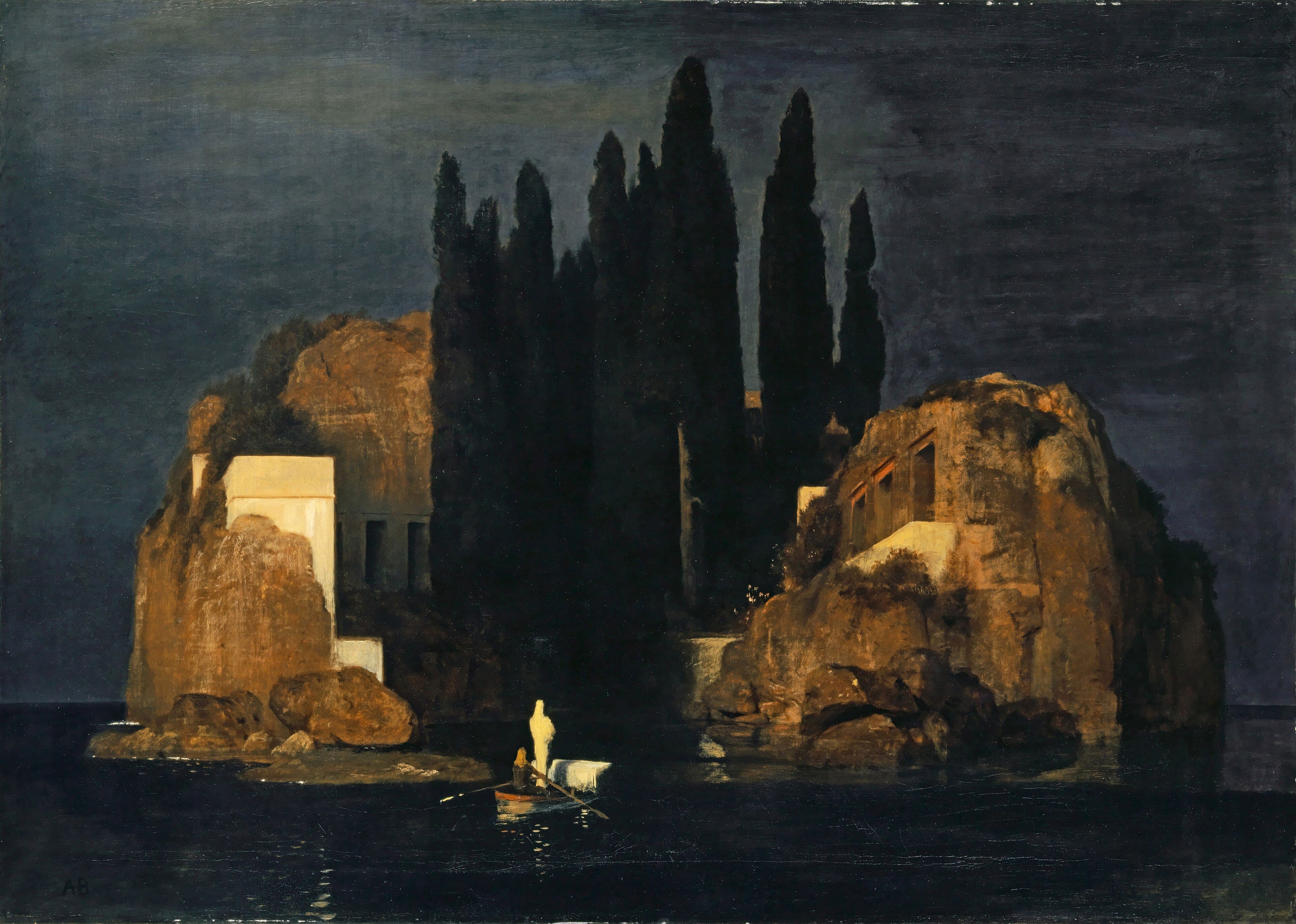
Isle of the Dead
Arnold Böcklin · 1880 (first version); five versions 1880–86
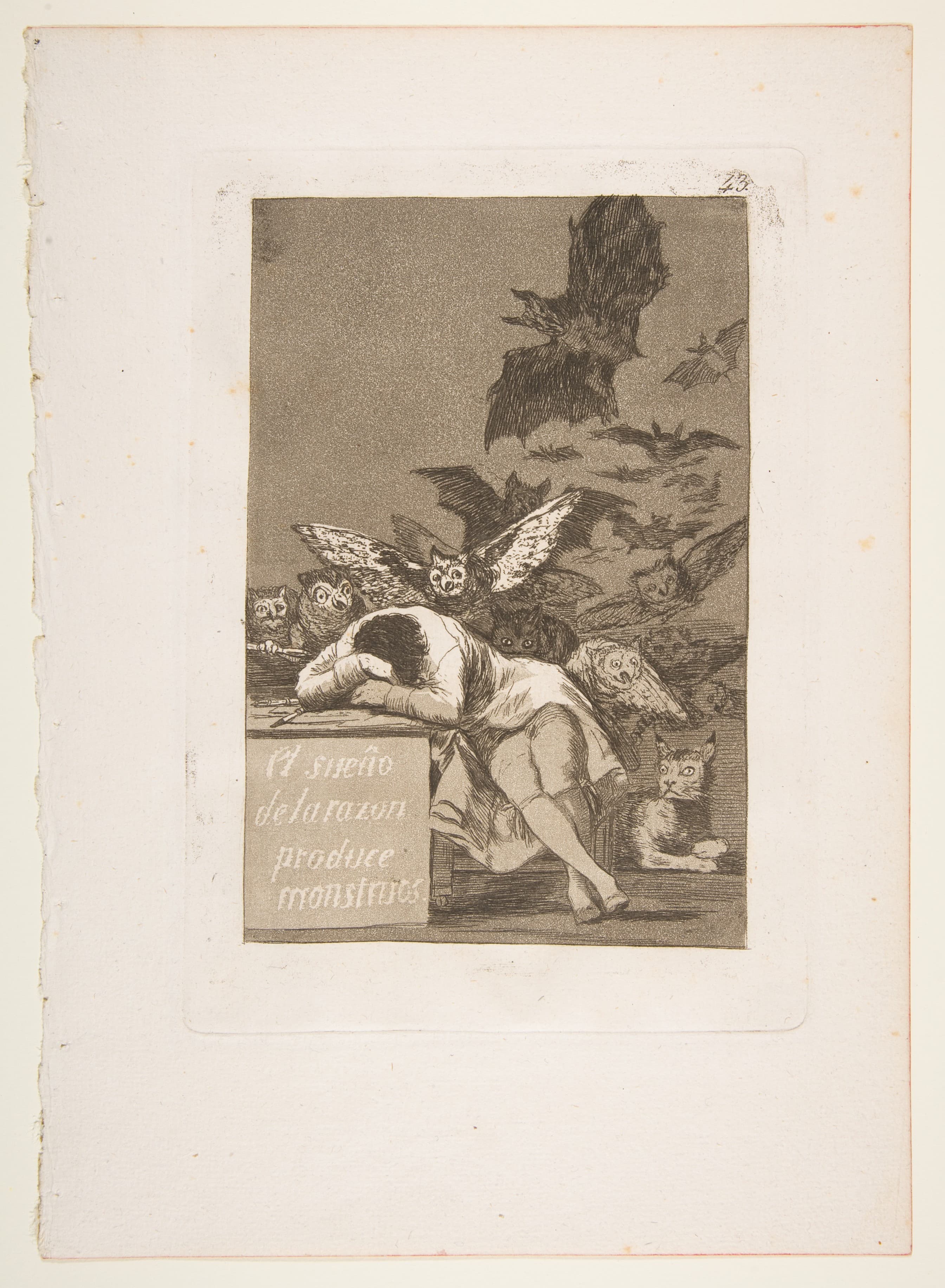
The Sleep of Reason Produces Monsters
Francisco Goya · 1797–99 (published 1799)

Saturn Devouring His Son
Francisco Goya · c. 1819–1823
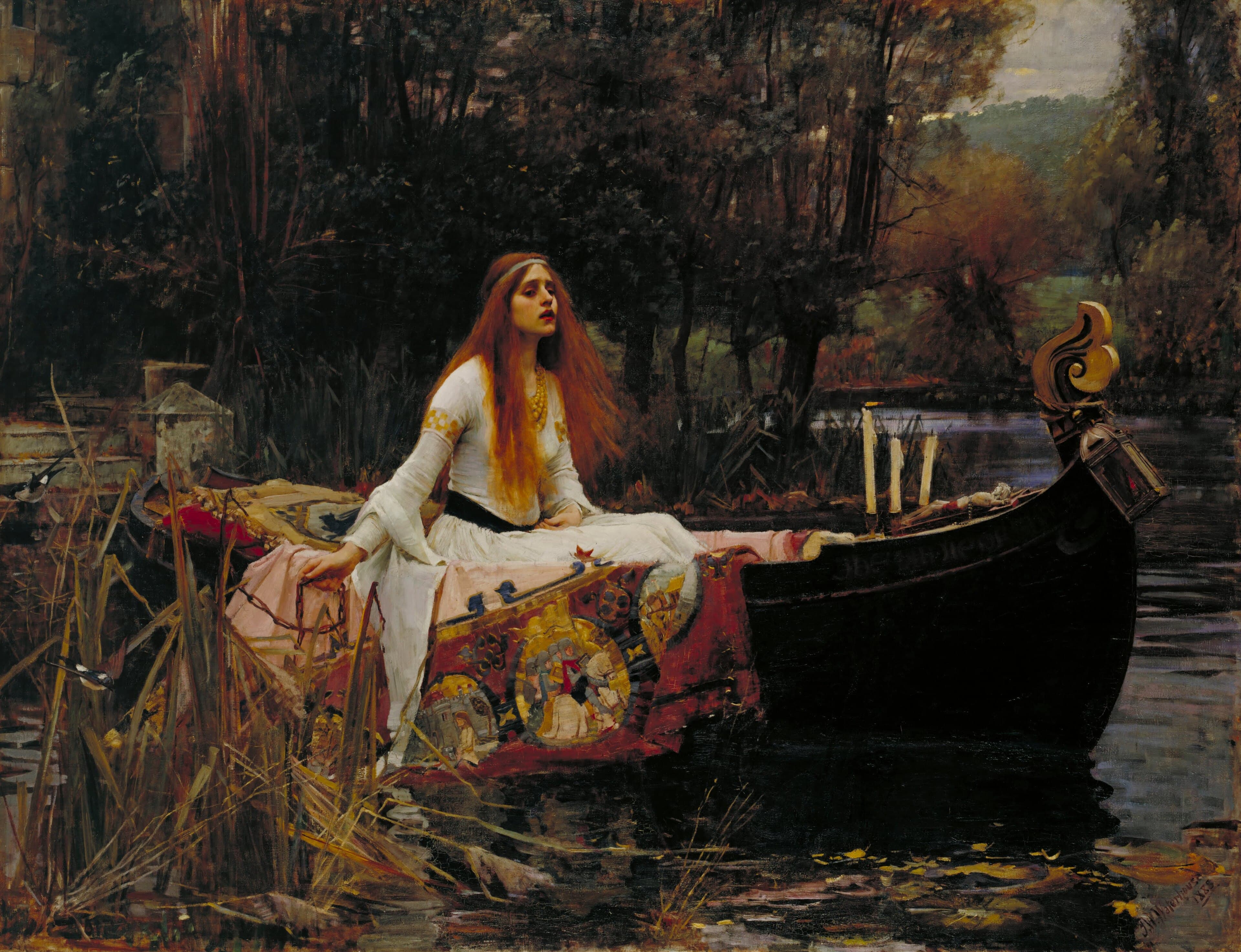
The Lady of Shalott
John William Waterhouse · 1888
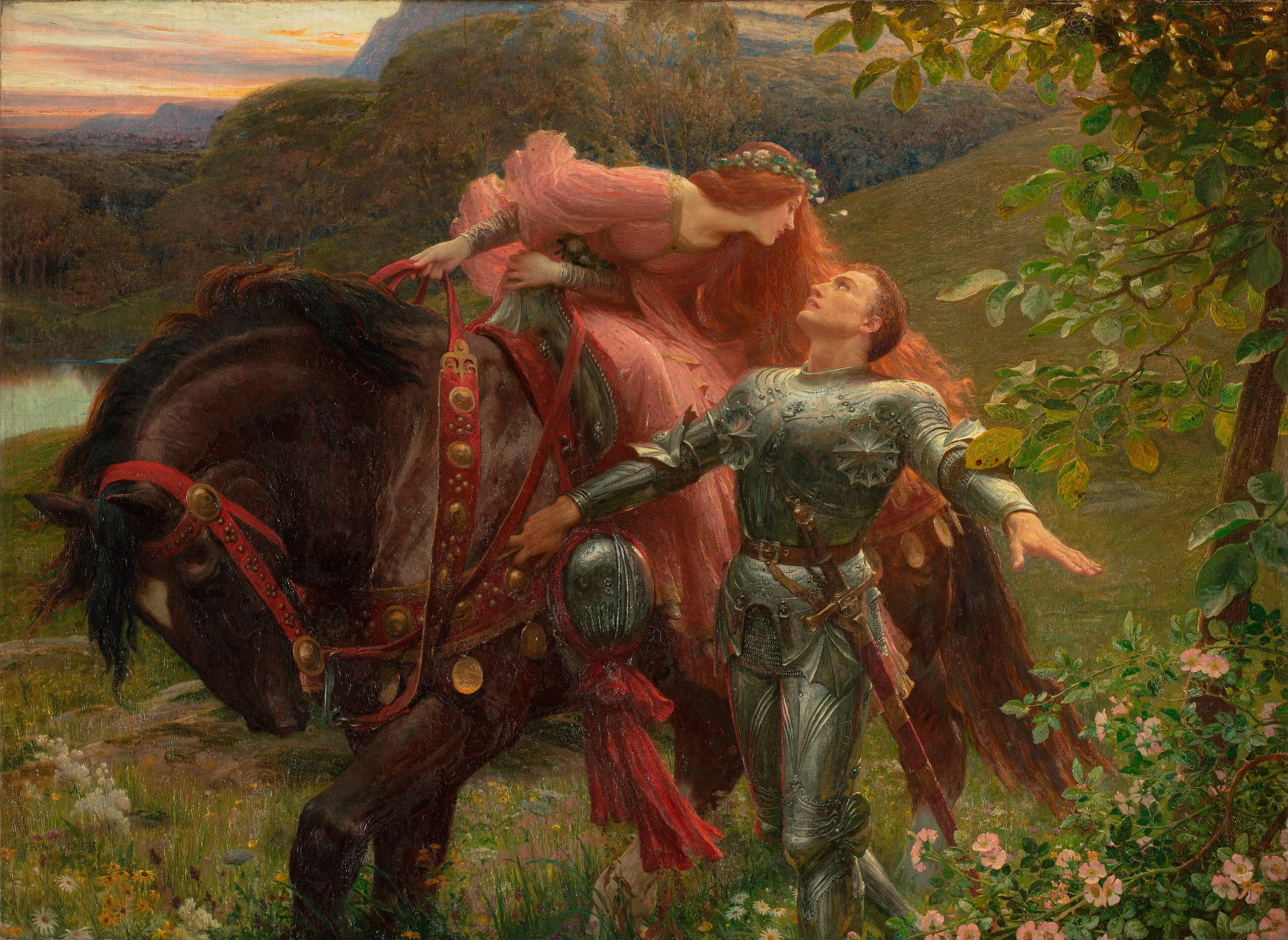
La Belle Dame sans Merci
Sir Frank Dicksee · 1901
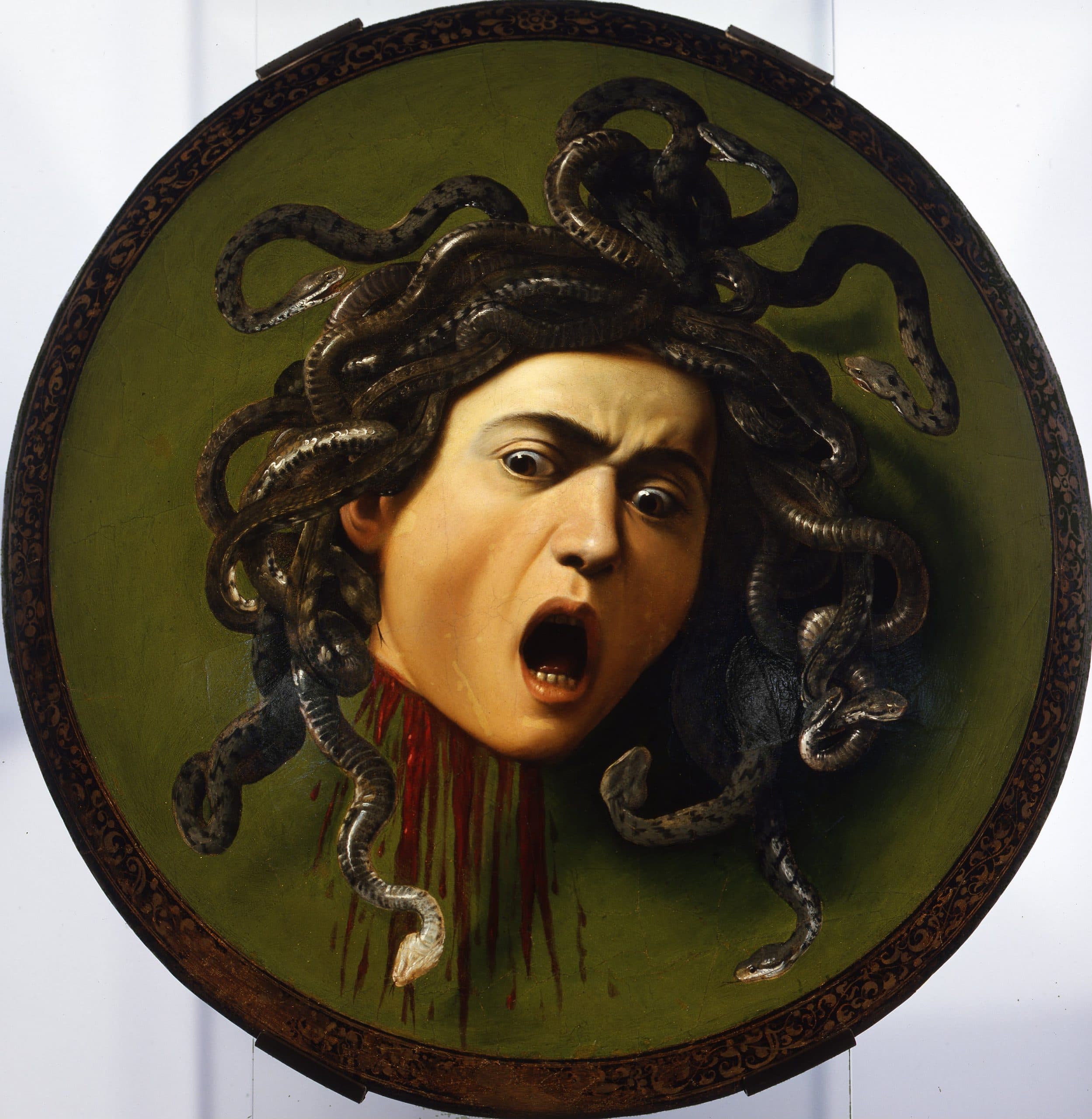
Medusa
Caravaggio · c. 1597–98
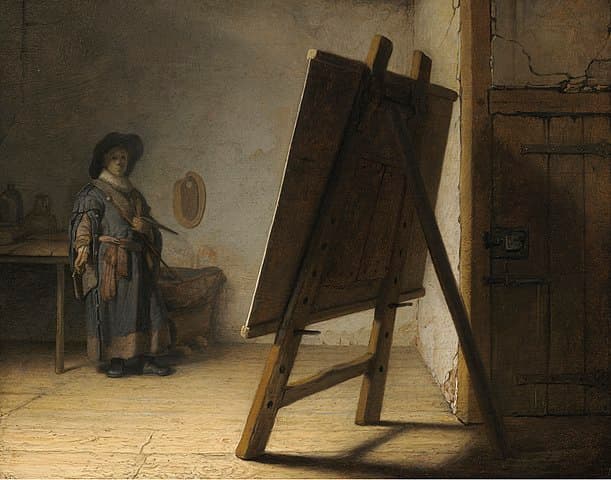
The Artist in His Studio
Rembrandt · c. 1628
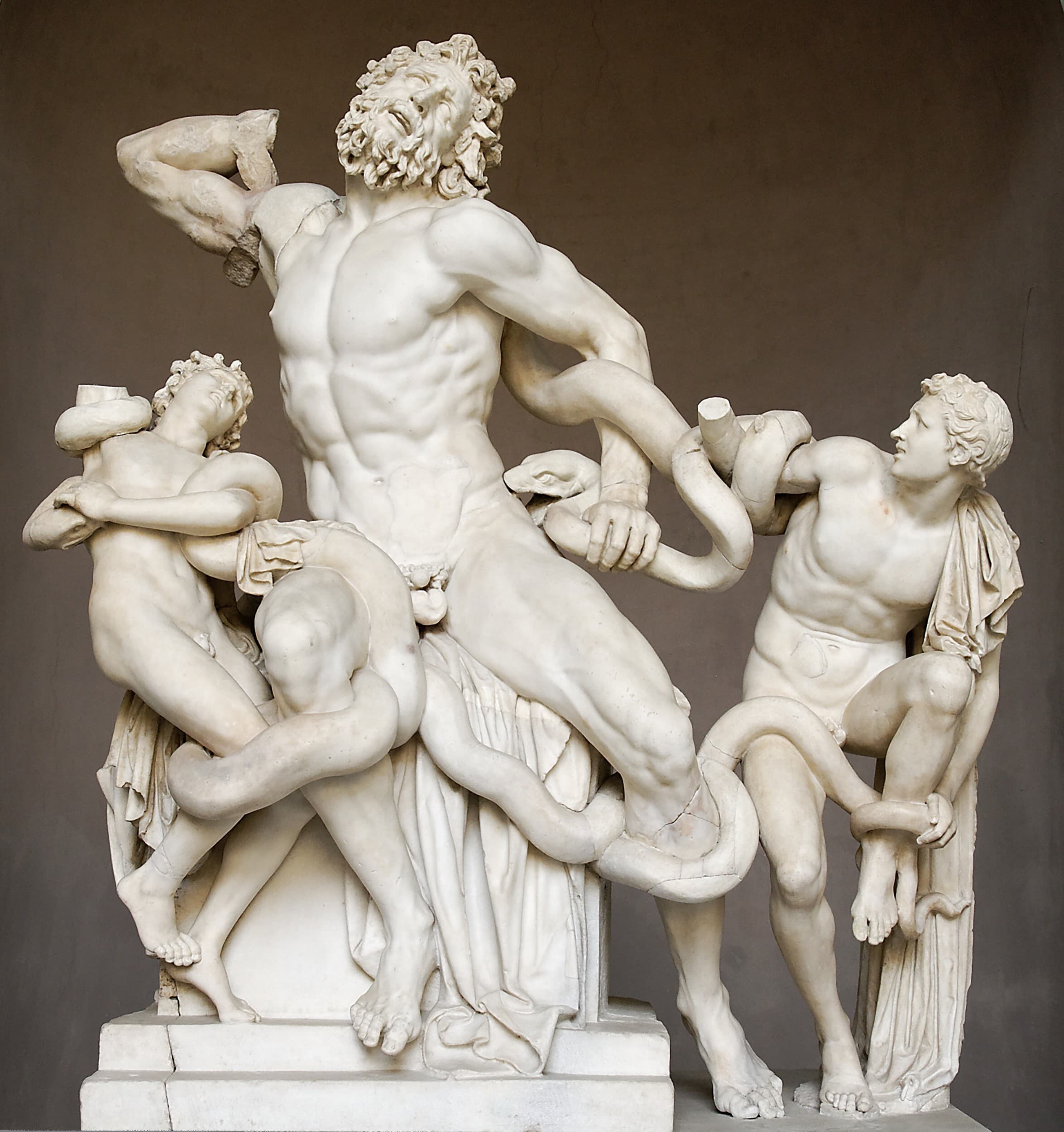
Laocoön and His Sons
Agesander of Rhodes & Athenodoros of Rhodes & Polydorus of Rhodes · c. 200 BC – AD 70 (date debated); excavated 1506
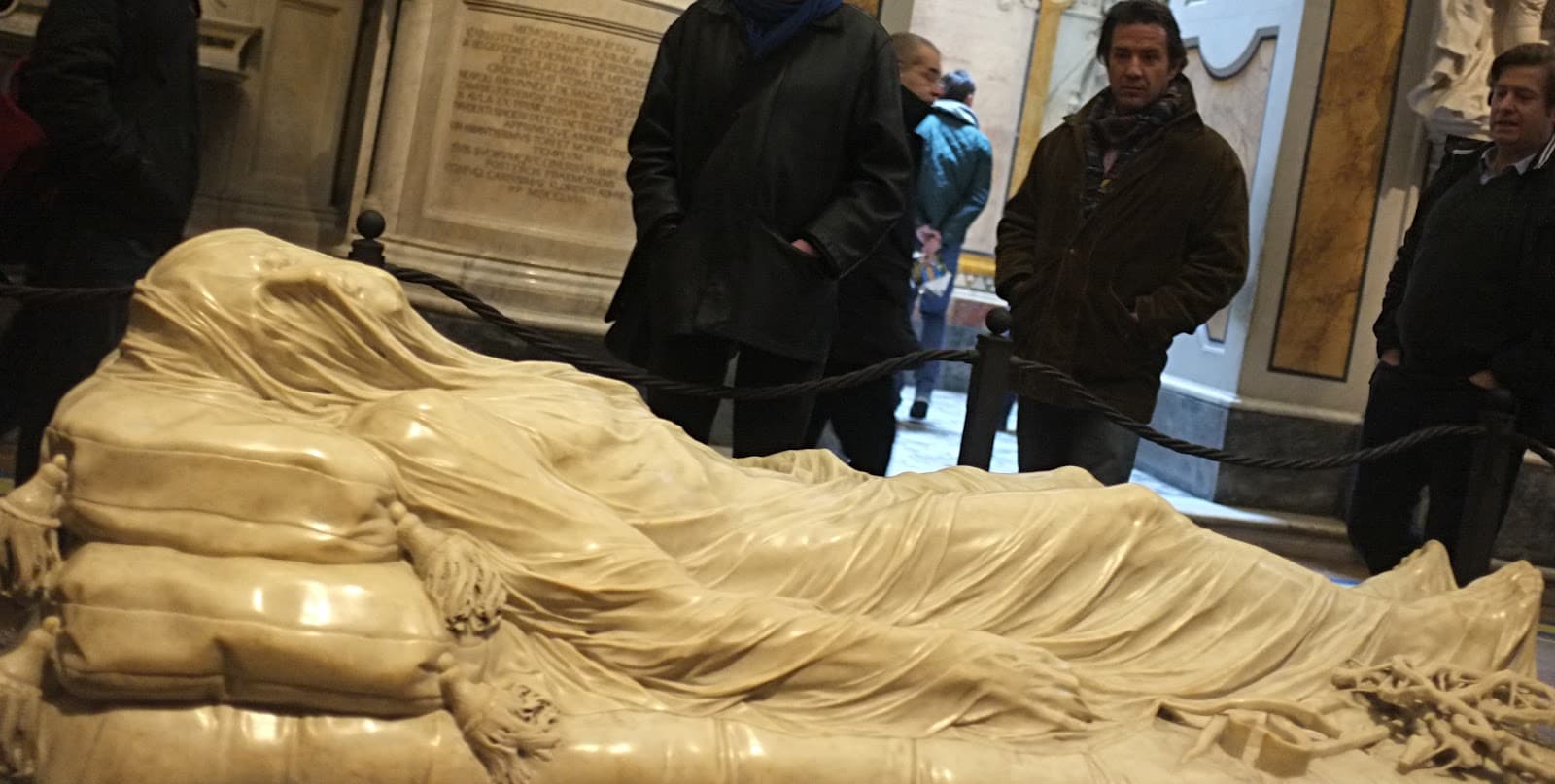
Veiled Christ
Giuseppe Sanmartino · 1753
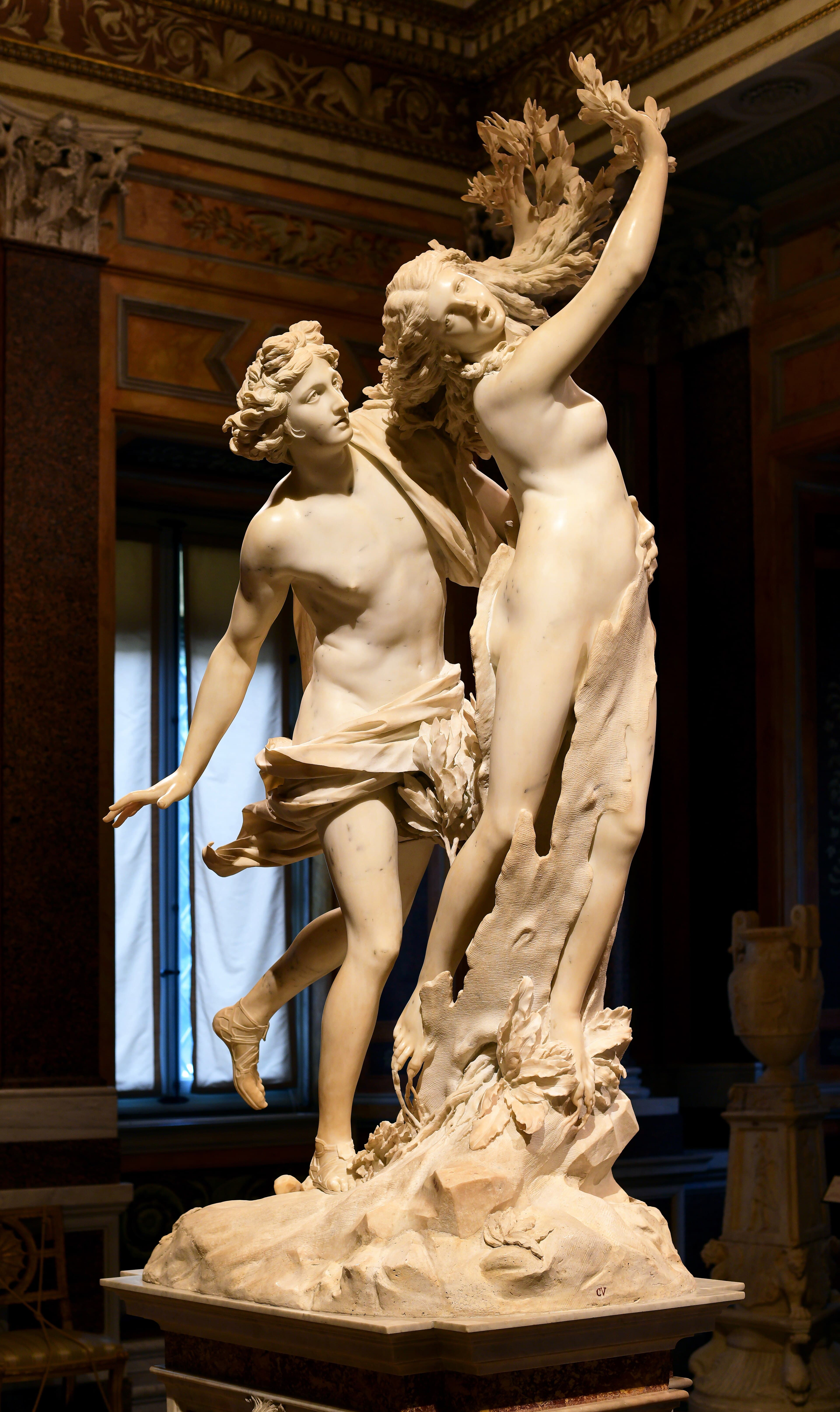
Apollo and Daphne
Gian Lorenzo Bernini · 1622–1625
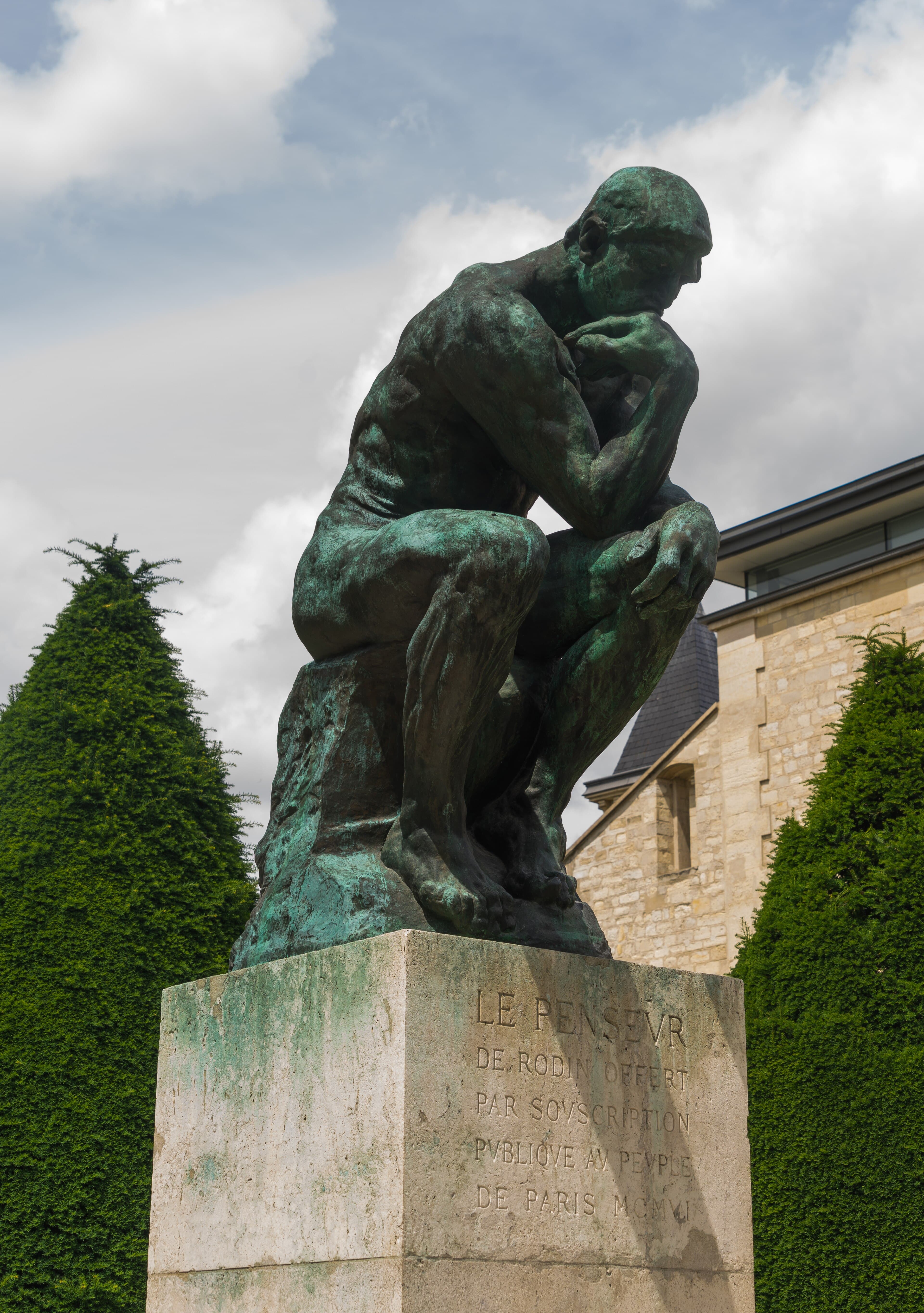
The Thinker
Auguste Rodin · Modeled 1880–82; enlarged 1902–03; this cast 1904
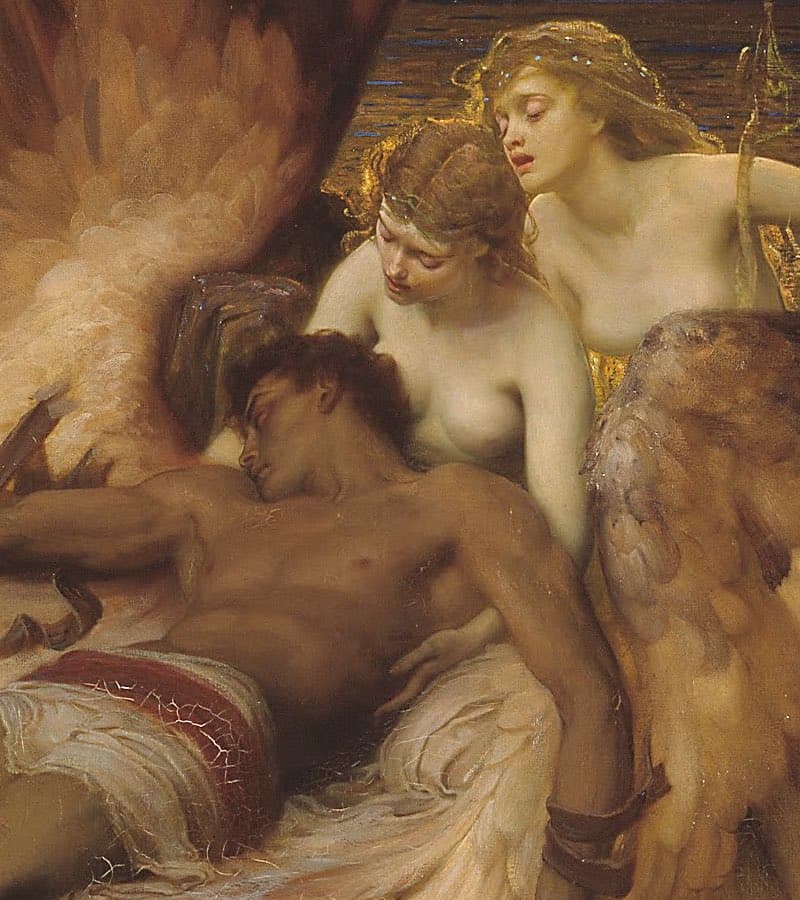
The Lament for Icarus
Herbert James Draper · 1898
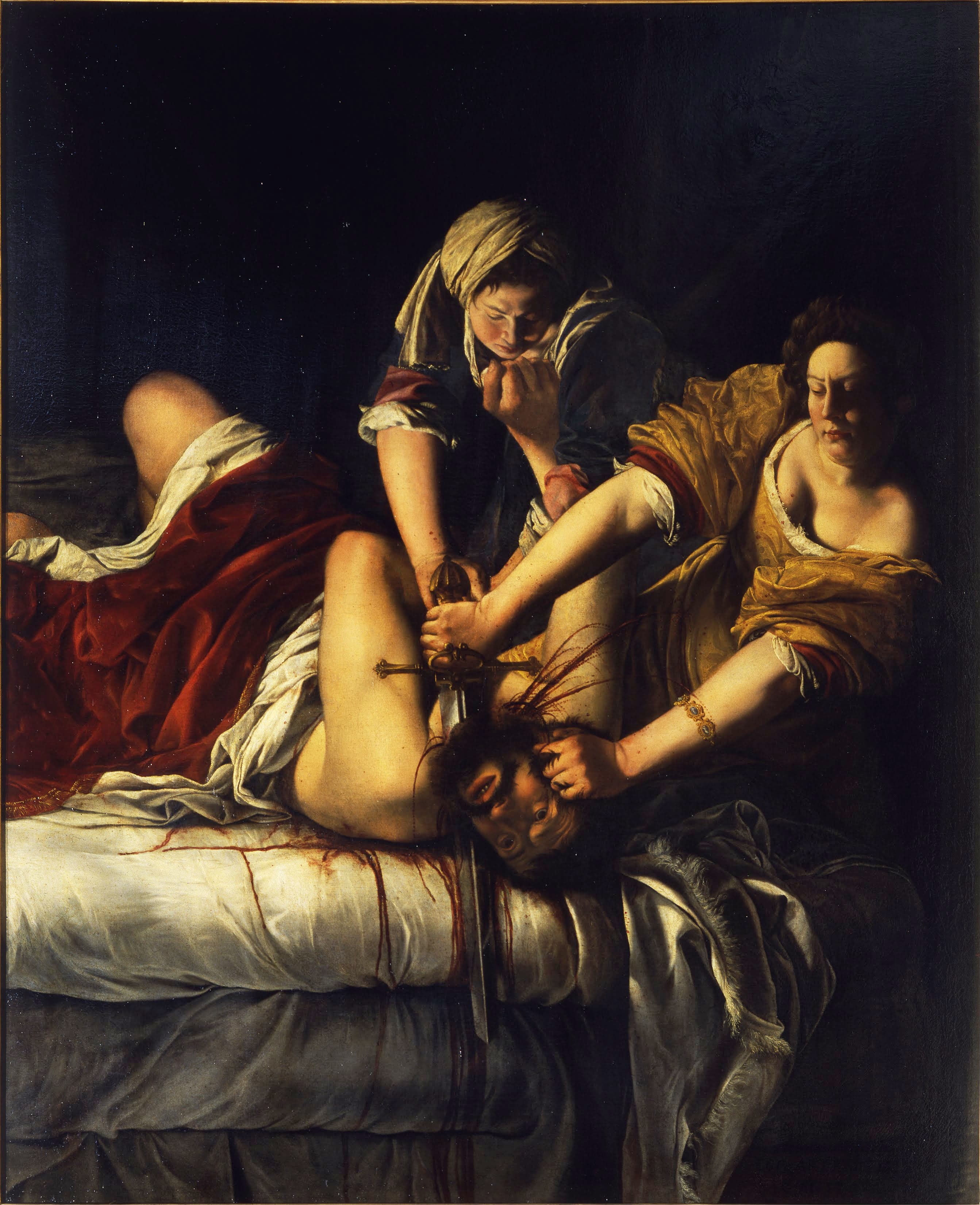
Judith Slaying Holofernes
Artemisia Gentileschi · c. 1620
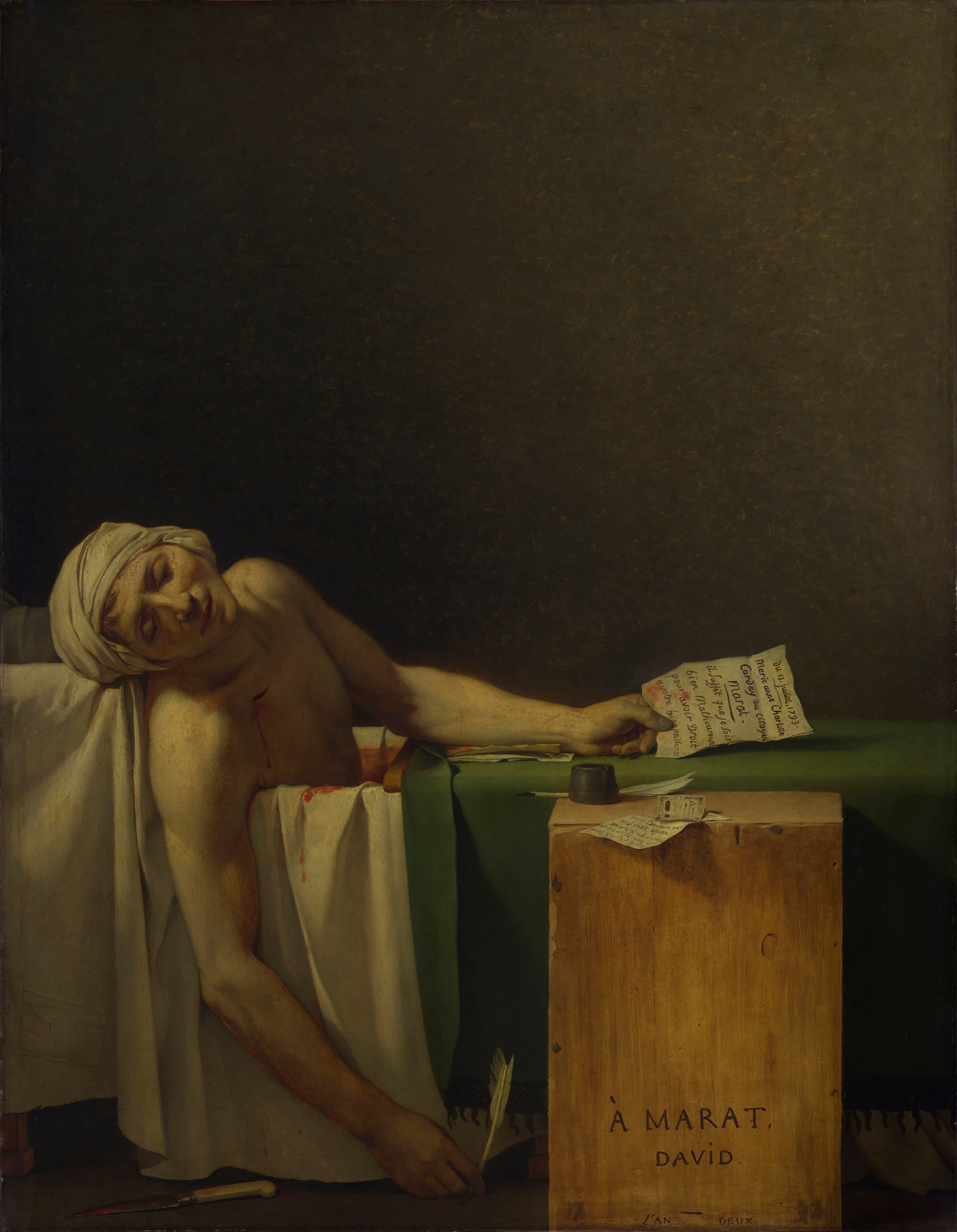
The Death of Marat
Jacques-Louis David · 1793
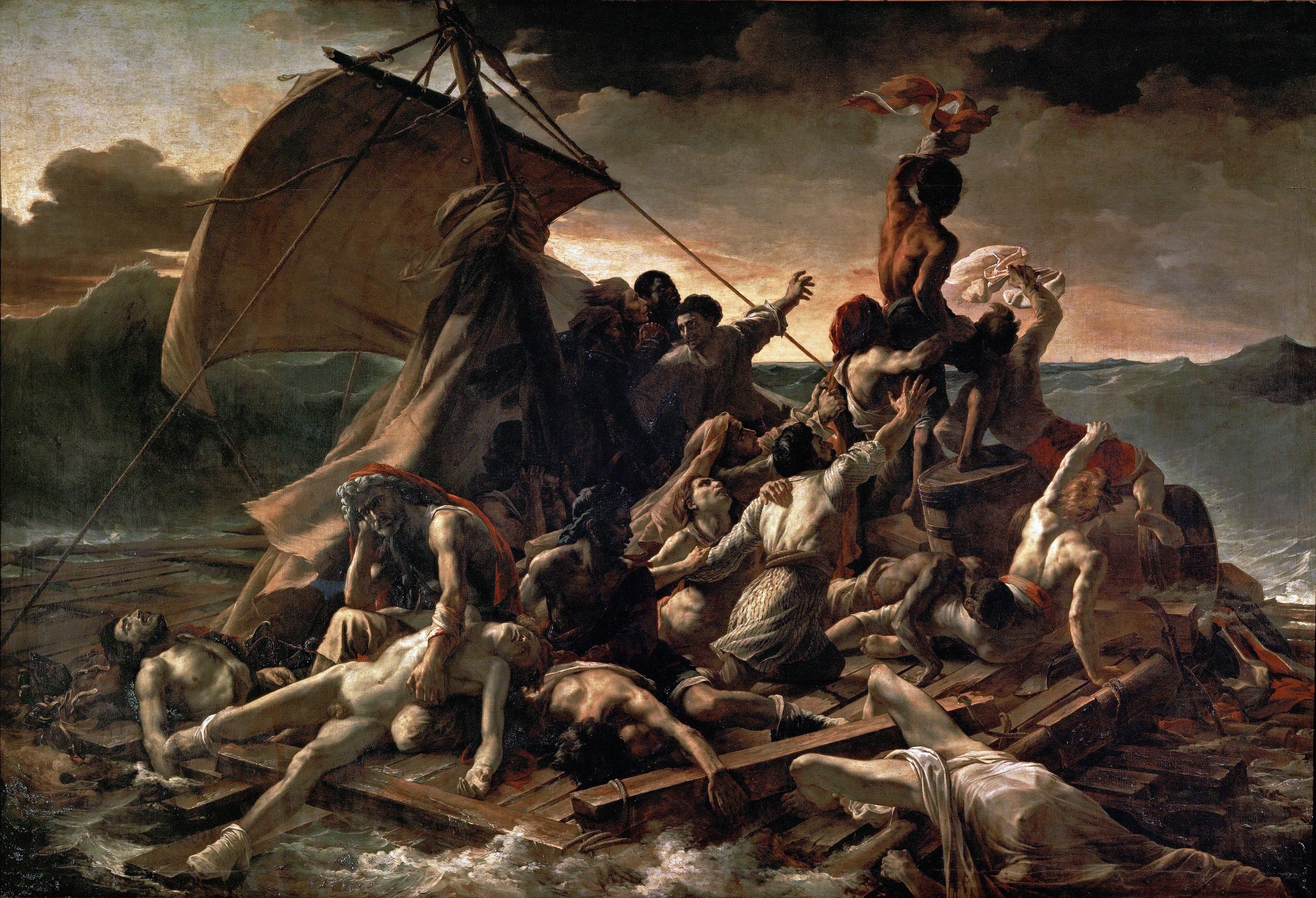
The Raft of the Medusa
Théodore Géricault · 1818–1819
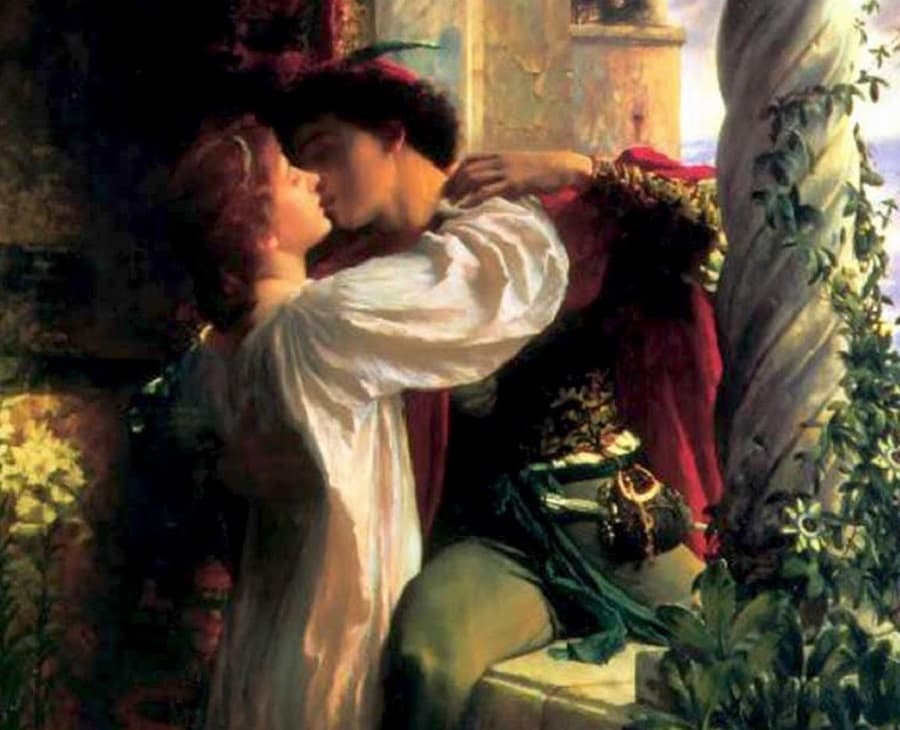
Romeo and Juliet
Sir Frank Dicksee · 1884
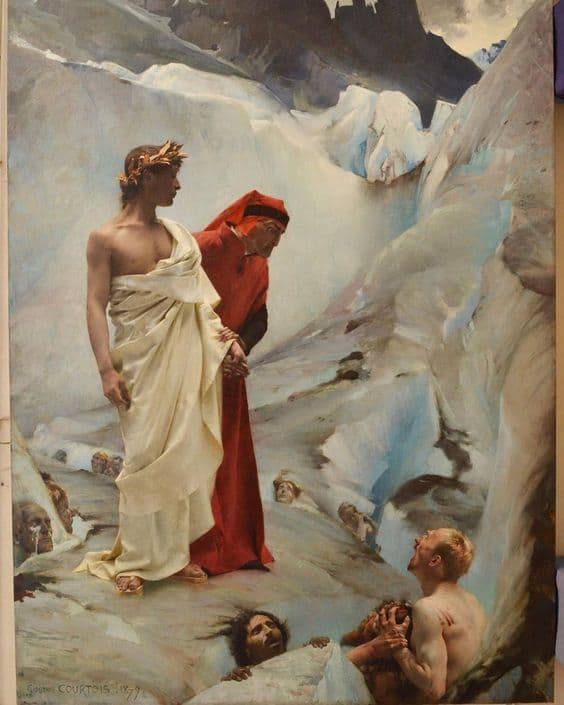
Dante and Virgil in Hell
Gustave Courtois · 1879
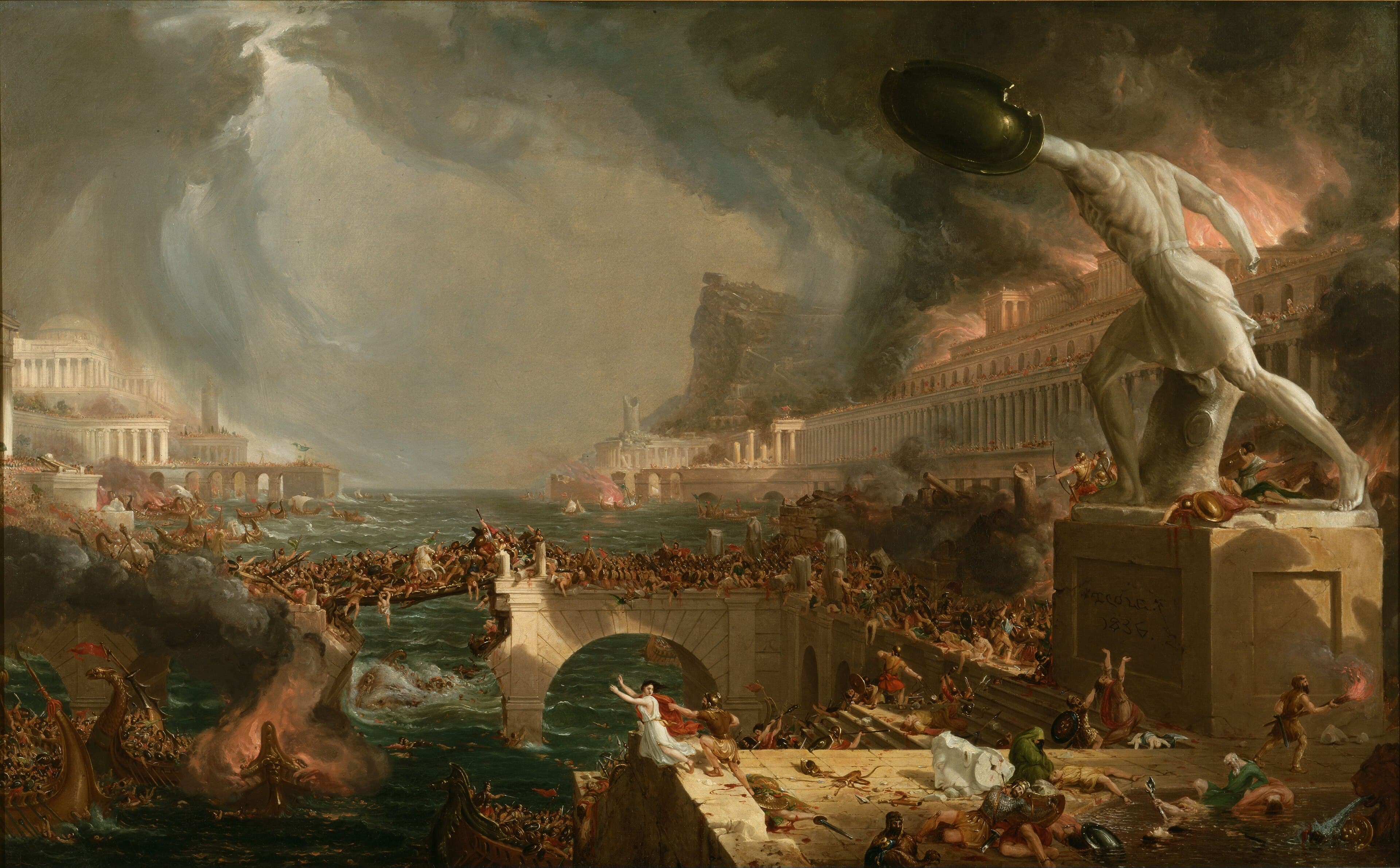
The Course of Empire: Destruction
Thomas Cole · 1836
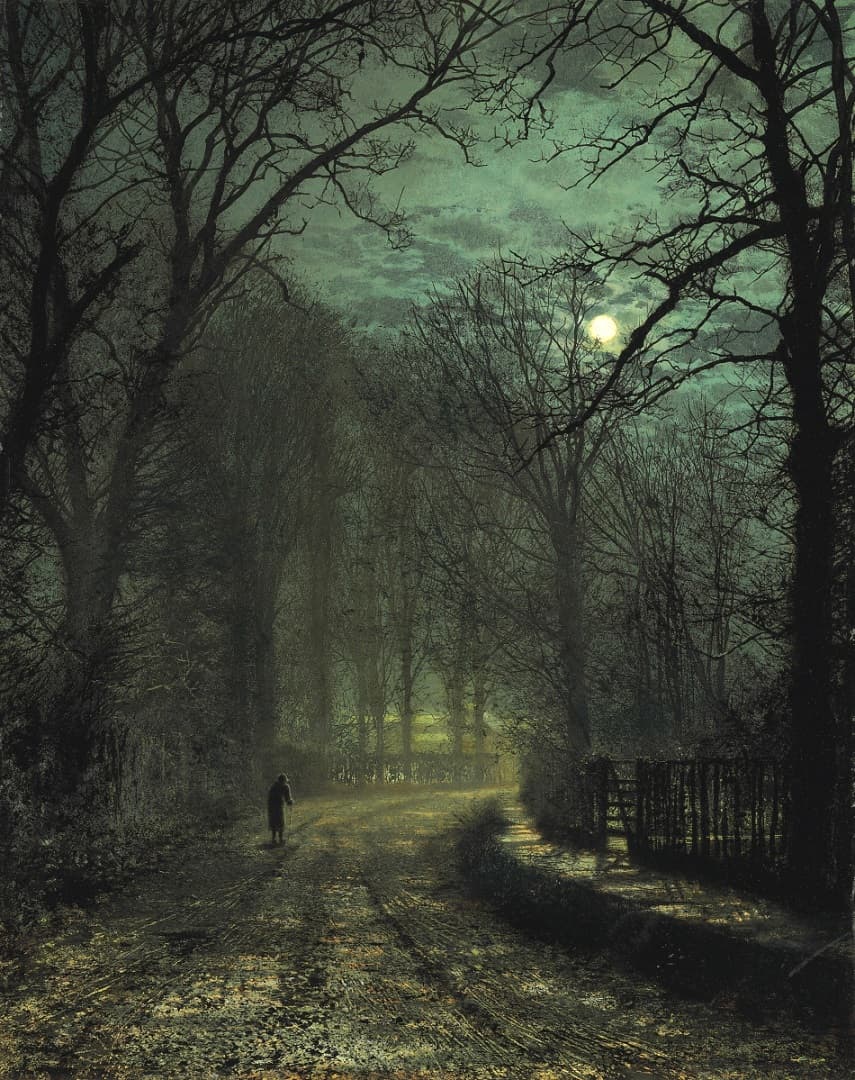
A Yorkshire Lane in November
John Atkinson Grimshaw
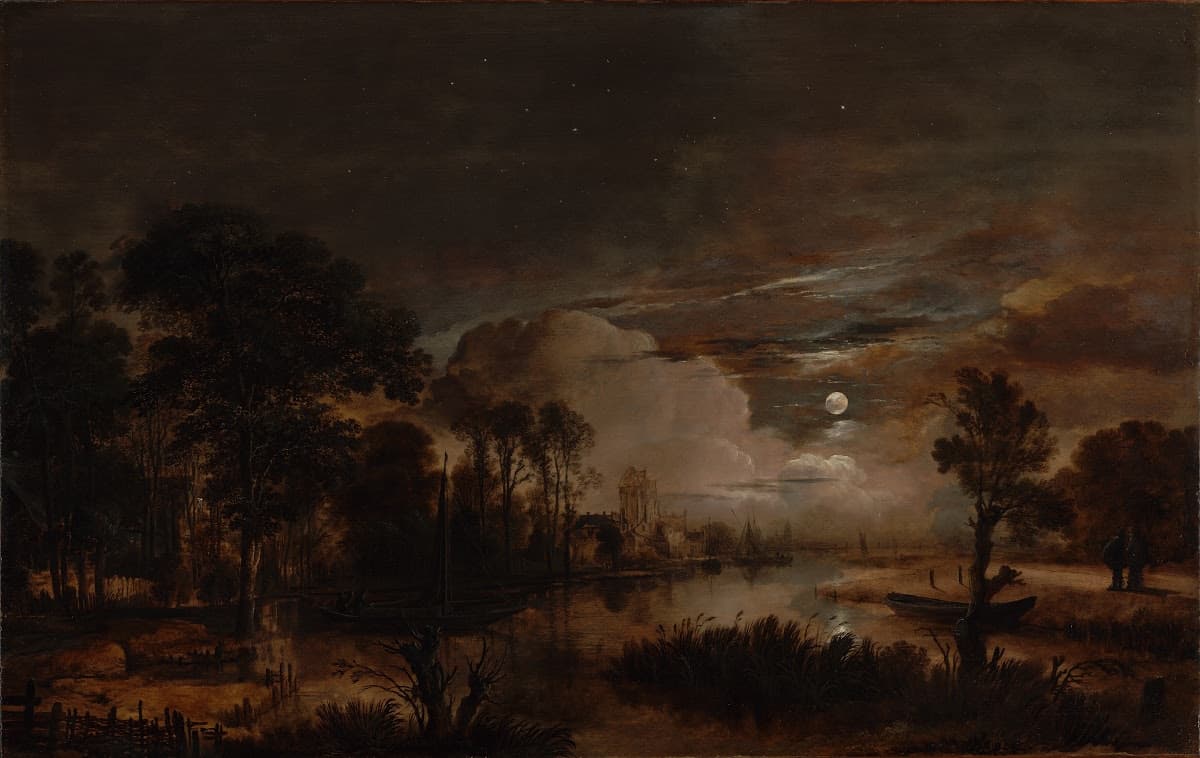
Moonlit Landscape with a View of the New Amstel River and Castle Kostverloren
Aert van der Neer · c. 1647
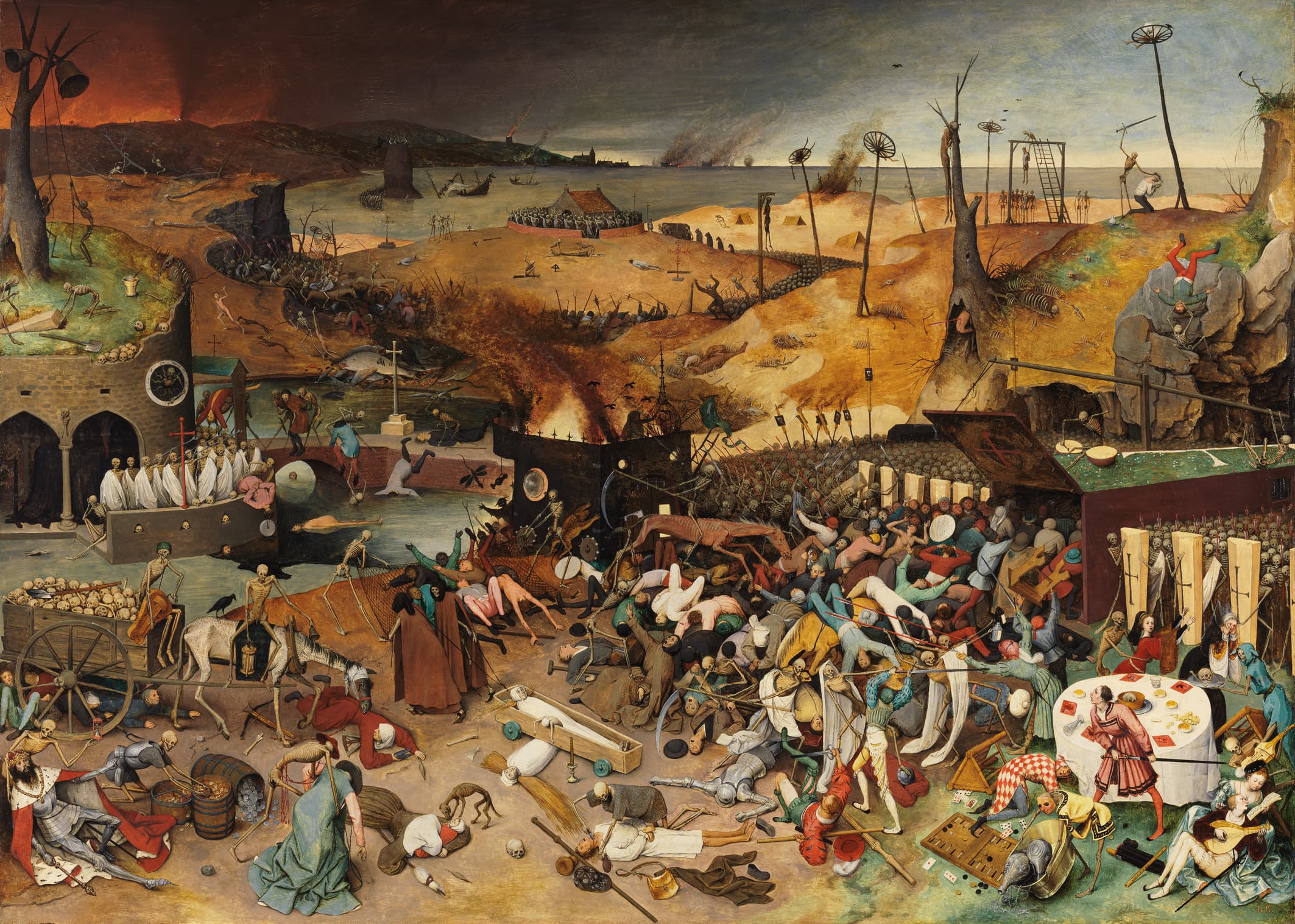
The Triumph of Death
Pieter Bruegel the Elder · c. 1562
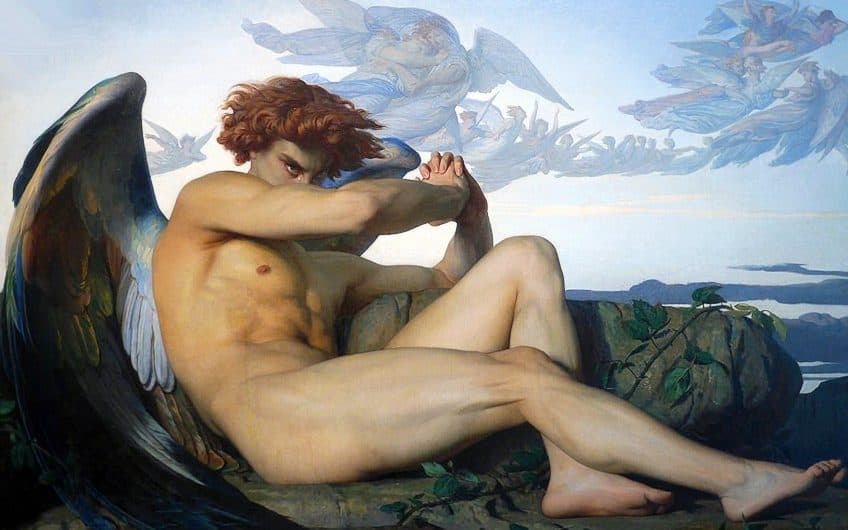
Fallen Angel
Alexandre Cabanel · 1847
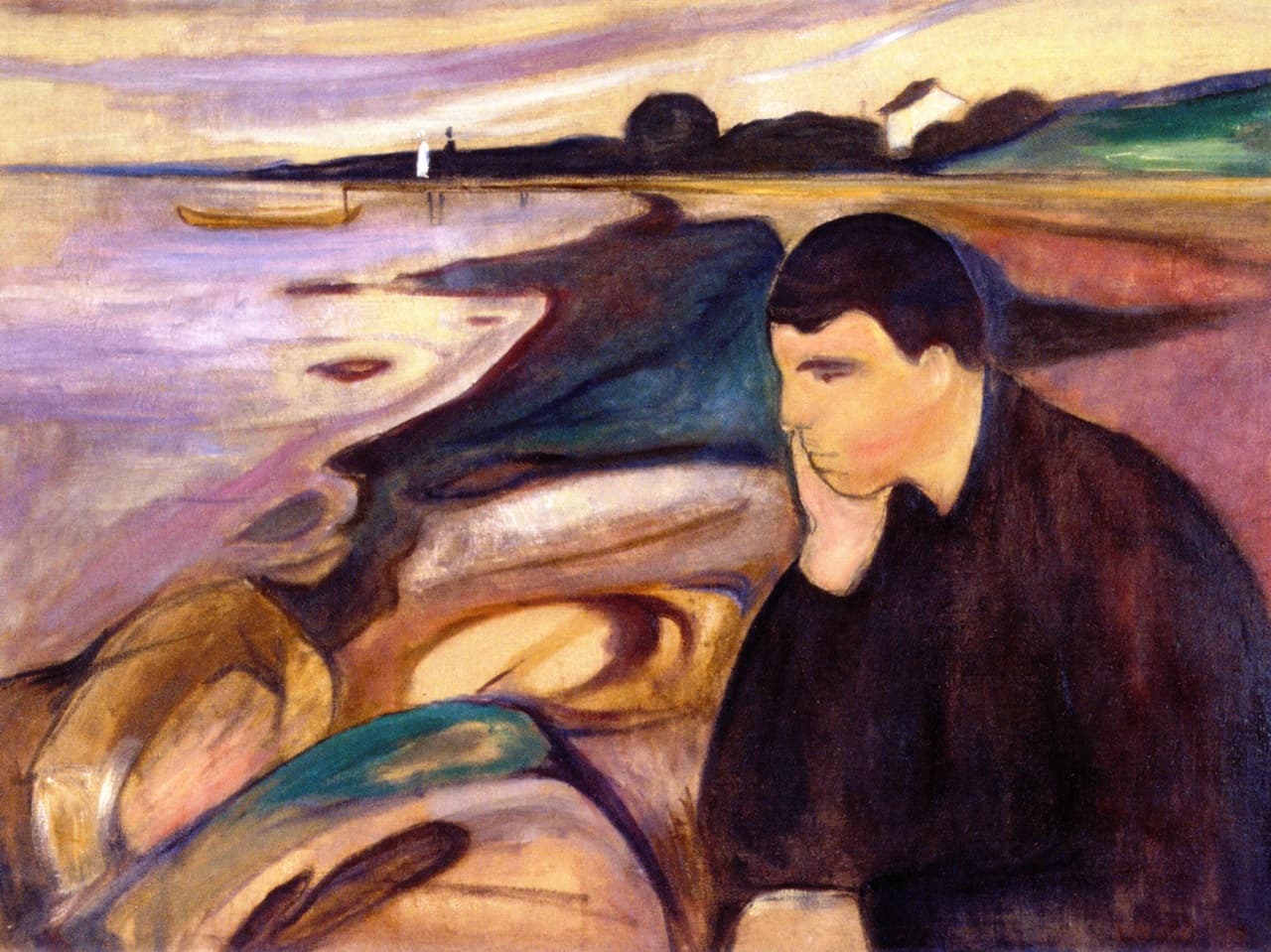
Melancholy
Edvard Munch · 1894–96
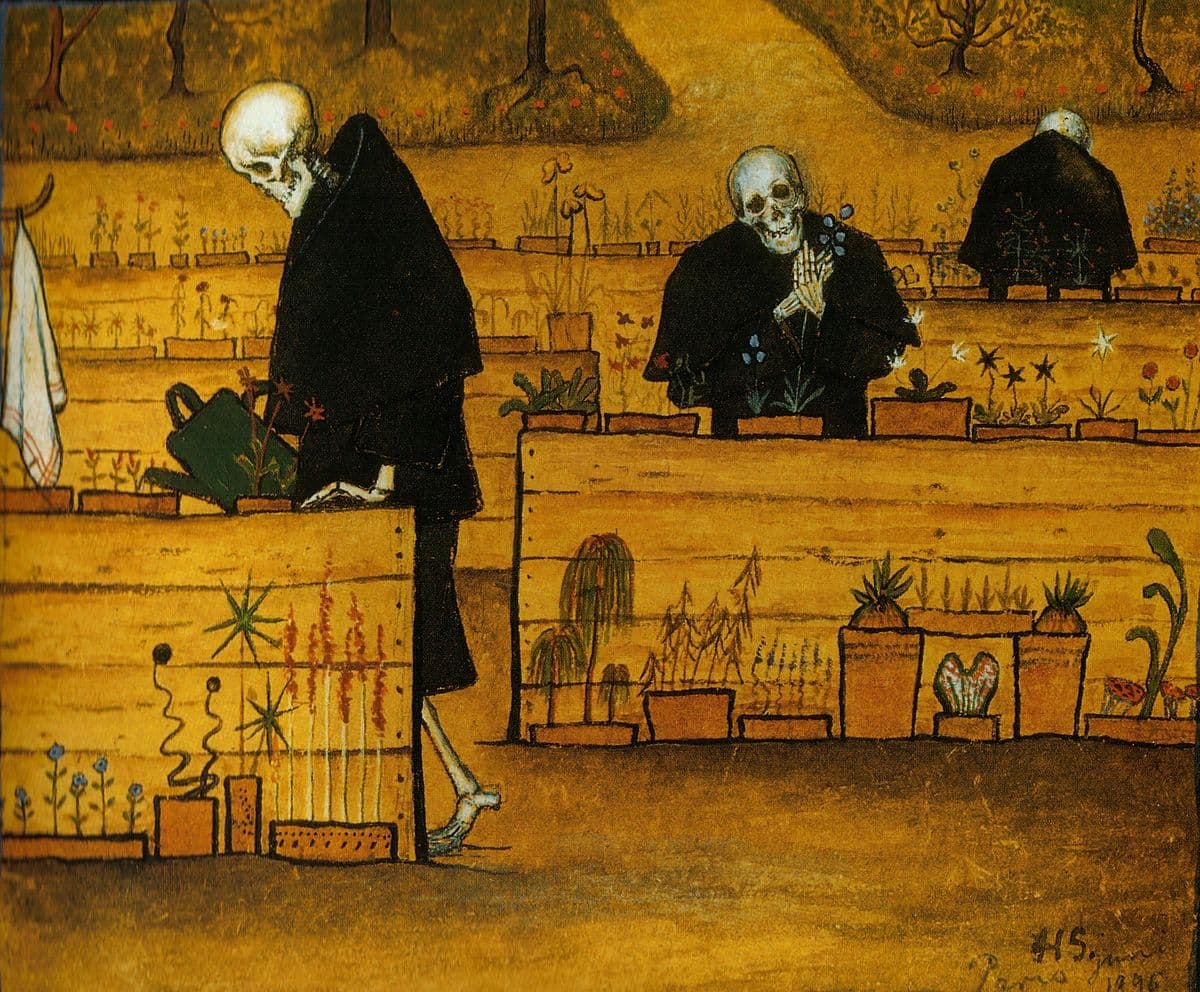
The Garden of Death
Hugo Simberg · 1896
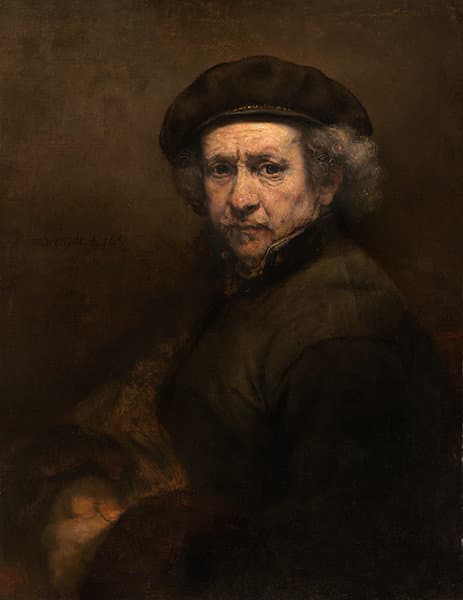
Self-portrait with Beret
Rembrandt · 1659
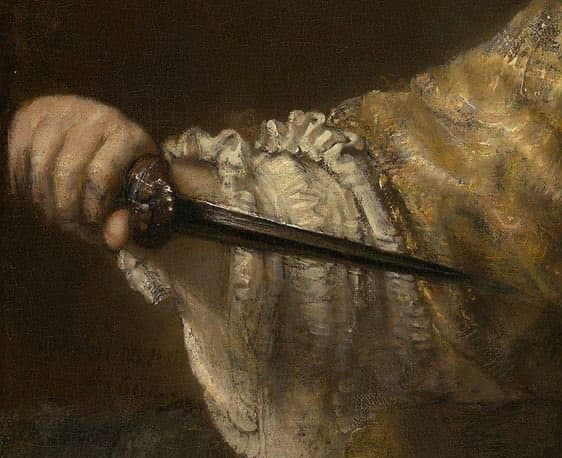
Lucretia
Rembrandt · 1664

The Storm on the Sea of Galilee
Rembrandt · 1633
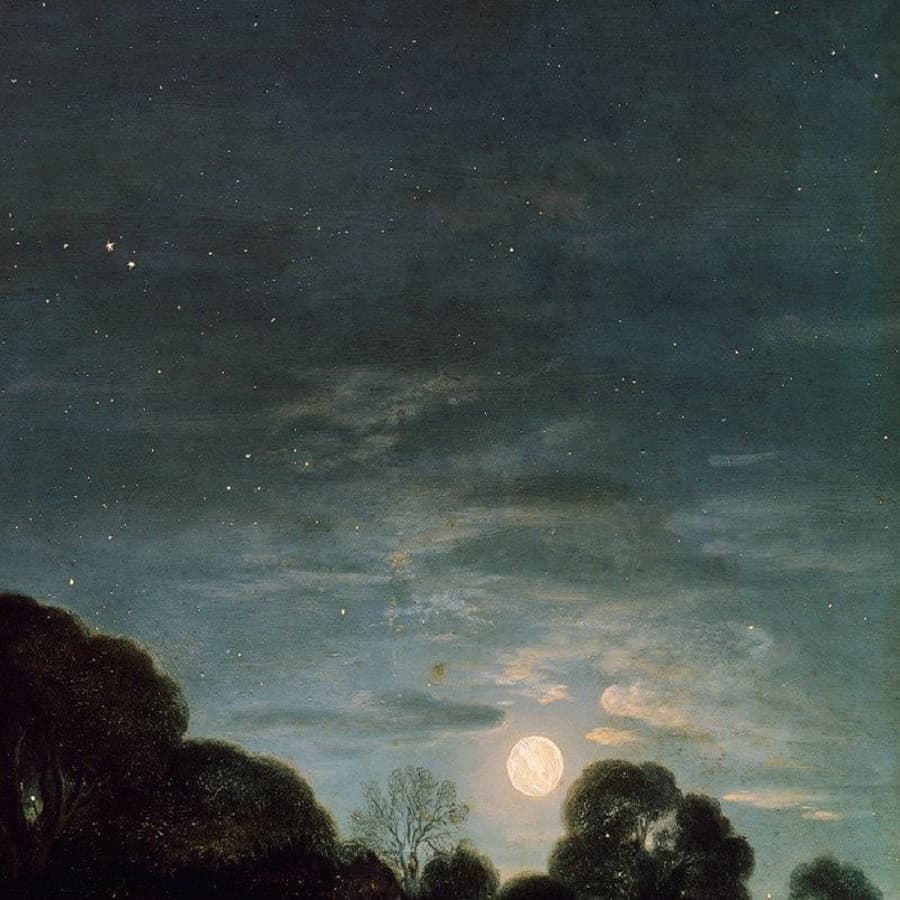
The Flight into Egypt
Adam Elsheimer · 1609
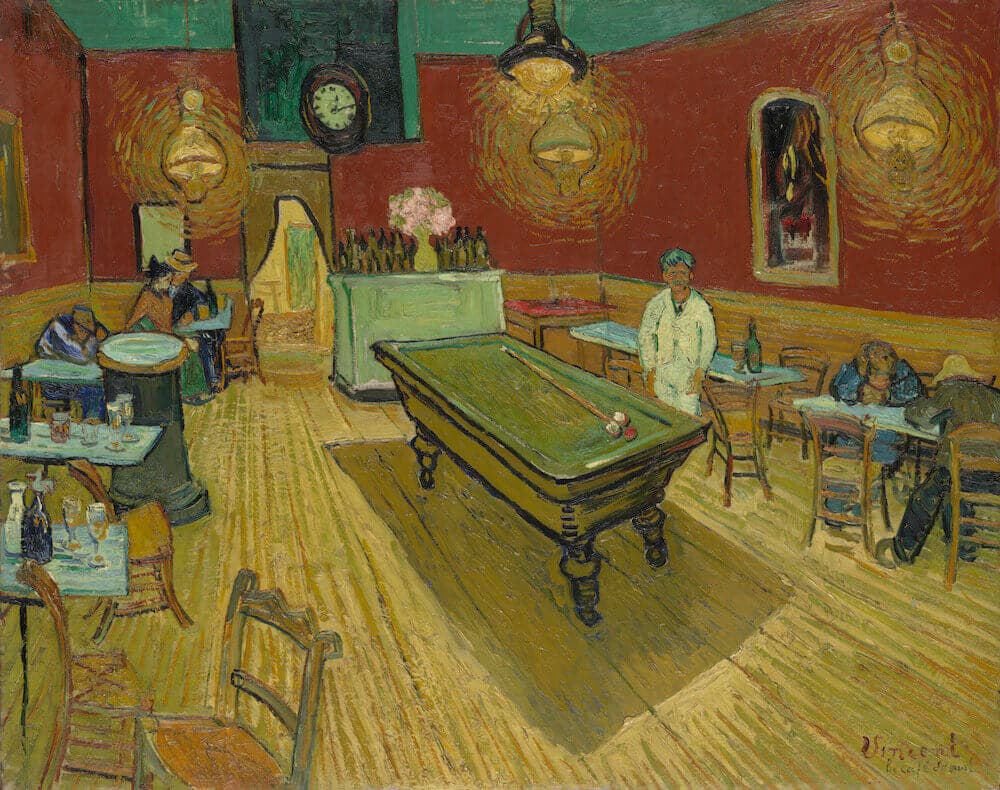
The Night Café
Vincent van Gogh · 1888
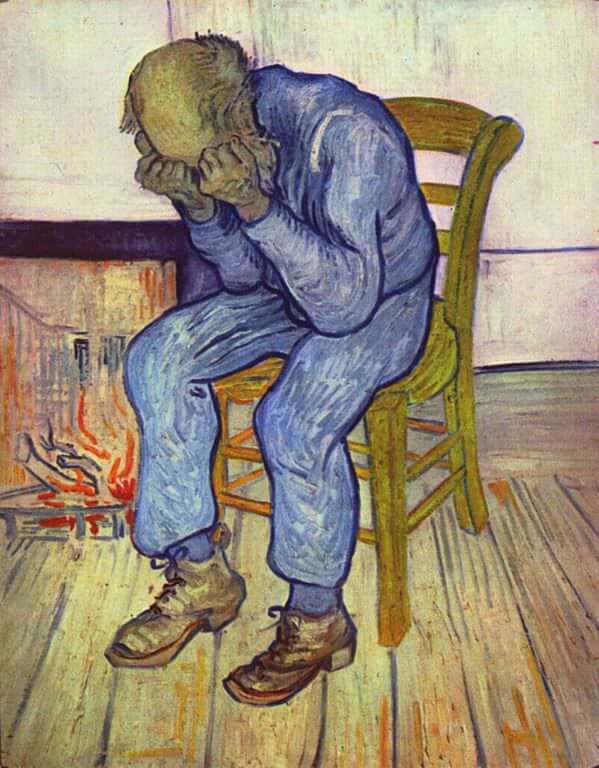
At Eternity's Gate
Vincent van Gogh · 1890
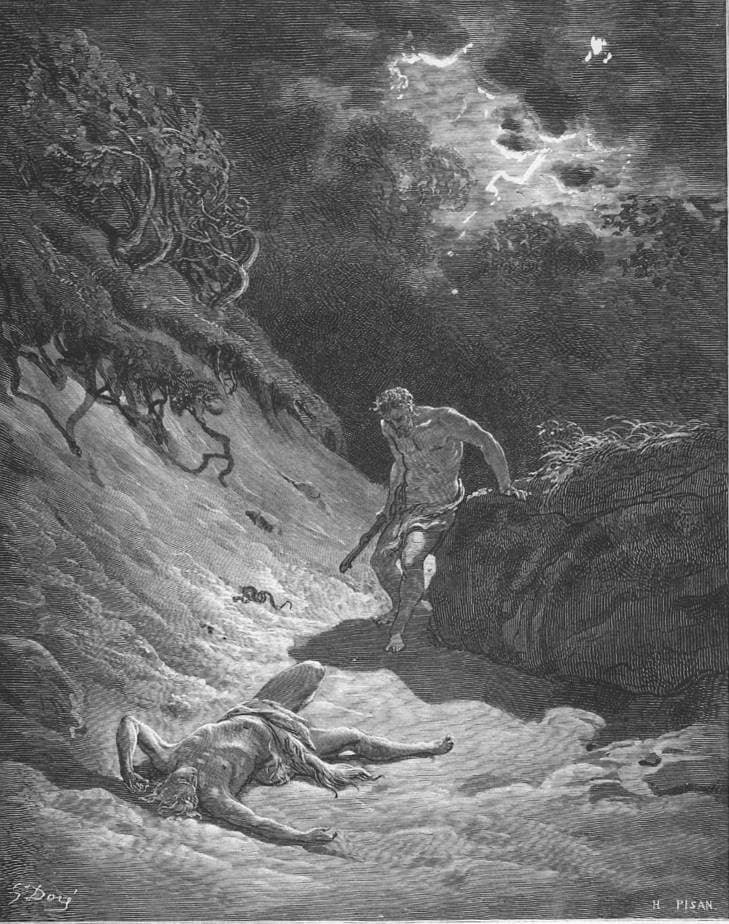
The Death of Abel
Gustave Doré · 1866
What is dark academia?
Dark academia is an aesthetic and a subculture rather than an art movement. Nobody painted "dark academia" in 1650. What its followers share is a set of attachments: to the humanities, to beautiful old buildings where people once studied them, to the idea that reading Homer or Keats at two in the morning is a serious way to spend a life. The "dark" half matters as much as the "academia." The stories it loves are about obsession, secrets, guilt and early death, about what happens when a small circle of clever people takes ideas too far.
The name began circulating on Tumblr around 2015, attached to mood boards of stone staircases, fountain pens and black coats. The Secret History (1992), in which a group of classics students at a Vermont college drift from Greek lessons to a Bacchic ritual to murder, became its founding text. The film Dead Poets Society (1989) supplied the other half: the inspiring teacher, the secret society, the tragedy at the end of term. By 2020 the hashtag had hundreds of millions of views, and the aesthetic had spread to fashion, interiors, reading lists and, inevitably, to the walls.
The visual codes of dark academia
What makes an image look dark academia? Look at enough of them and the grammar becomes clear.
Light from one source. A candle, a lamp, a high window. Most of the frame sinks into shadow, and the lit face or page seems to glow out of it. This is chiaroscuro, the strong contrast of light and dark that Caravaggio and Rembrandt made famous.
A brown-and-gold palette. Umber, sepia, oxblood, bottle green, tarnished gold, the yellow of old varnish. Pure white is rare; even the marble looks like it has spent a century in a library.
Things that mean study. Books stacked open, loose manuscript pages, quills and inkwells, globes, compasses, plaster busts, a magnifying glass. In the old paintings these were the tools of scholars; in the aesthetic they are badges of a life of the mind.
Things that mean death. A skull, a guttered candle, an hourglass, wilted flowers, a raven. Dark academia borrowed the whole vocabulary of memento mori, the reminder that you will die, and treats it as a reason to read harder.
Autumn, rain and stone. Gothic arches, cloisters, cemeteries, wet cobbles, fog, bare trees. The seasons of the aesthetic are October and November.
A mood of beautiful melancholy. Not horror, and not quite sadness: a longing for a past you never had, which the Romantics would have recognized at once.
Why dark academia looks like an Old Master painting
The aesthetic is, in a sense, a museum turned into a lifestyle. Many of the most-shared dark academia images are not photographs at all but public-domain paintings, cropped and filtered. That is no coincidence. The painters of the seventeenth to nineteenth centuries were themselves obsessed with scholarship and mortality, and they had the technical means to make a candlelit room feel sacred. When a student today photographs a desk lamp over an open copy of the Iliad, they are repeating, often without knowing it, a composition Rembrandt was painting in Leiden around 1630.
The paintings that define dark academia
The death of the scholar
If dark academia has one painting, it is Jacques-Louis David's The Death of Socrates (1787, Metropolitan Museum of Art). Condemned by Athens for corrupting the young, the philosopher reaches for the cup of hemlock without looking at it, one finger raised as he keeps talking about the immortality of the soul. His students collapse around him in grief. At the foot of the bed sits Plato, turned away, eyes lowered; David painted him as an old man, though Plato was in his twenties when Socrates died. The whole aesthetic is in this picture: the teacher, the circle of devoted students, and the belief that ideas are worth dying for.
Candlelight and the study
The Dutch Golden Age gave the aesthetic its rooms. Rembrandt's Philosopher in Meditation (1632, Louvre) shows a tiny old man seated by a window, while a spiral staircase beside him winds up into darkness. In The Artist in His Studio (c. 1628, Museum of Fine Arts, Boston), the young painter stands far back from an enormous panel, as if gathering his nerve. Joseph Wright of Derby carried the same candlelit drama into the Enlightenment: in A Philosopher Lecturing on the Orrery (c. 1766, Derby Museum), the faces of children and adults are lit by a lamp hidden at the center of a model of the solar system.
The skull on the shelf
Hans Holbein's The Ambassadors (1533, National Gallery, London) is the great dark academia still life disguised as a double portrait. Two young Frenchmen stand beside a two-tier table of instruments: celestial globe, sundials, a lute, a hymnbook, a terrestrial globe. Look closely and the lute has a broken string. At their feet floats a long gray smear that resolves, when you stand to the right of the canvas and look along its surface, into a skull.
In the top left corner a crucifix peeks out from behind the green curtain. All the learning in the world, the painting says, and death is still in the room. For the whole tradition, see our memento mori and vanitas collection.
Romantic solitude and the sublime
The Romantics supplied the aesthetic's landscapes. Caspar David Friedrich's Wanderer above the Sea of Fog (c. 1818, Hamburger Kunsthalle) shows a man in a dark green coat from behind, standing on a crag as fog fills the valleys below. We never see his face, so we take his place.
Arnold Böcklin's Isle of the Dead (first version 1880) is its funeral twin: a white-shrouded figure is rowed toward a rocky island of cypresses and tombs. Böcklin painted five versions, and the image haunted the early twentieth century; Rachmaninoff wrote a symphonic poem after seeing a black-and-white reproduction. In Britain, John Atkinson Grimshaw painted moonlit lanes and docks in Leeds and Liverpool, wet stone gleaming under gas lamps, which feel made for the aesthetic a century early.
Nightmares and the limits of reason
Dark academia loves reason, but it is fascinated by what reason cannot control. Henry Fuseli's The Nightmare (1781, Detroit Institute of Arts) caused a sensation at the Royal Academy in 1782: a woman lies flung across a bed, an incubus squats on her chest, and a horse with blank white eyes pushes its head through the curtain. Goya's etching The Sleep of Reason Produces Monsters (published 1799) shows a man slumped over his desk, his pens abandoned, as owls and bats rise behind him. It is the perfect image of the student who has read too long into the night. Goya's later Saturn Devouring His Son takes the classical myth to its most terrible conclusion.
Literary heroines and doomed love
The Pre-Raphaelites and their followers painted the poems the aesthetic reads. John Everett Millais's Ophelia (1851–52, Tate Britain) shows Hamlet's drowned beloved floating among flowers painted with botanical precision: poppies for death, a necklace of violets, a robin perched on the willow branch above. John William Waterhouse's The Lady of Shalott (1888) sets Tennyson's cursed weaver adrift in her boat, three candles on the prow, two already blown out. Frank Dicksee's La Belle Dame sans Merci illustrates Keats's ballad of the knight enchanted and abandoned. These pictures matter to the aesthetic because they are literally made of literature.
Myth as tragedy
Classical myth in dark academia is always the dark version. Caravaggio painted his Medusa (c. 1597, Uffizi) on a real convex ceremonial shield, catching the gorgon in the instant after her beheading, mouth open, blood spurting. Herbert James Draper's Lament for Icarus (1898, Tate) mourns the boy who flew too close to the sun, his huge brown wings spread across the rocks. The lesson is the one every dark academia novel repeats: brilliance and overreach are the same thing seen from two sides.
Sculpture and architecture
Marble is the other half of the look. The Laocoön in the Vatican, a priest and his sons crushed by sea serpents, has been the textbook of tragic expression since it was dug up in Rome in 1506. Bernini's Apollo and Daphne (1622–25, Galleria Borghese) carries on its base a Latin couplet by Cardinal Maffeo Barberini warning that whoever chases fleeting pleasure ends with bitter berries in his hand. Giuseppe Sanmartino's Veiled Christ (1753, Cappella Sansevero, Naples) is so convincing a shroud of stone that a legend grew up that the veil was turned to marble by alchemy. Rodin's Thinker began life around 1880 as Dante, brooding over the Gates of Hell.
The buildings are Gothic and Georgian: college quadrangles, cloisters, chained libraries, the long galleries of Trinity College Dublin or the Bodleian in Oxford. Our Gothic art collection covers the arches and tracery the aesthetic keeps returning to.
The literary roots of dark academia
The art and the books feed each other. Oscar Wilde's The Picture of Dorian Gray (1890) is a novel about a painting that records its sitter's sins. Mary Shelley's Frankenstein (1818) is a student who learns too much. Evelyn Waugh's Brideshead Revisited (1945) gave the aesthetic its Oxford, all teddy bears, plovers' eggs and long golden afternoons turning to loss. Then came The Secret History, and a new wave of novels written for the community it created, among them M. L. Rio's If We Were Villains (2017), set among Shakespearean actors, and R. F. Kuang's Babel (2022), which turns an Oxford translation institute into a story about empire.
That last book points to a debate inside the aesthetic itself. Dark academia's canon is overwhelmingly white, European and wealthy, and its critics have asked whether romanticizing elite institutions also romanticizes who they kept out. Many in the community now widen the reading list and the gallery wall, which is in the spirit of the thing: the scholars it admires were always arguing.
How to build the dark academia look with art
You do not need an Oxford college to live inside the aesthetic. You need a few pictures and a lamp.
- Choose one painting as your palette. Take the browns, gold and shadow of a Rembrandt, or the moss greens of Ophelia, and let it set the colors for a room, a desk or an outfit.
- Light like an Old Master. One warm source, placed to the side at about 45 degrees, throws a small triangle of light onto the shadowed cheek. Photographers still call this Rembrandt lighting.
- Hang works that tell stories. History paintings, literary scenes and portraits of readers suit the aesthetic better than abstract art. Most of the works in this collection are in the public domain, so good reproductions are easy to find.
- Make a vanitas shelf. A stack of old books, a skull or a plaster bust, a candle burned halfway down, dried roses, a pocket watch. You are composing a seventeenth-century still life.
- Frame dark. Black, walnut or dull gilt frames with a cream mat read as collection pieces. Group pictures closely, salon style, the way nineteenth-century academies hung their exhibitions.
- Go to the source. Nothing builds the eye like an hour in a museum's Dutch or Romantic galleries, sketchbook in hand.
Dark academia vs light academia
Dark academia's sunlit sister is light academia: the same love of books and the classical world, minus the dread. Where dark academia lives in the library at midnight, light academia reads Sappho in a Tuscan garden at noon. In art terms, swap Rembrandt for Raphael, Goya for Fragonard, and skulls for laurel wreaths.
Questions & answers
What is the dark academia aesthetic?
Dark academia is an online aesthetic that romanticizes classical education and old universities: libraries, Greek and Latin, literature, tweed and candlelight, shadowed by themes of obsession, secrecy and death. It emerged on Tumblr in the mid-2010s around novels like The Secret History and became widely popular on TikTok in 2020.
What paintings are considered dark academia art?
The core works include David's The Death of Socrates, Holbein's The Ambassadors, Friedrich's Wanderer above the Sea of Fog, Fuseli's The Nightmare, Millais's Ophelia, Böcklin's Isle of the Dead and Goya's The Sleep of Reason Produces Monsters. Rembrandt's candlelit interiors and Dutch vanitas still lifes supply much of the mood.
What colors are dark academia?
Dark academia uses deep, warm, aged colors: brown, umber, sepia, oxblood, burgundy, bottle green, navy, charcoal and tarnished gold, with cream or parchment as the lightest tone. The palette comes straight from Old Master paintings, whose darkened varnish gives them the same honeyed, shadowy cast.
Is dark academia an art movement?
No. Dark academia is a twenty-first-century aesthetic and online subculture, not a historical art movement. It borrows from several real movements, chiefly Baroque chiaroscuro, the Dutch Golden Age, Romanticism, the Pre-Raphaelites and Symbolism, and combines their imagery around the themes of learning and mortality.
What is the difference between dark academia and light academia?
Both aesthetics love books, the humanities and the classical past. Dark academia leans into shadow, melancholy and tragedy, with candlelit libraries, Gothic stone and memento mori. Light academia is sunlit and optimistic, favoring white marble, linen, Mediterranean gardens, poetry and Renaissance or Rococo paintings full of daylight.
What books started dark academia?
Donna Tartt's The Secret History (1992) is the founding novel of dark academia. Other key texts include Oscar Wilde's The Picture of Dorian Gray, Mary Shelley's Frankenstein, Evelyn Waugh's Brideshead Revisited, the film Dead Poets Society, and newer novels such as M. L. Rio's If We Were Villains and R. F. Kuang's Babel.