Impressionism
Road into Vétheuil in Winter
Claude Monet, 1879
Road into Vétheuil in Winter is an 1879 painting by Claude Monet of the muddy, half-thawed road entering the village of Vétheuil below its church tower. It measures 52.5 × 71.5 cm (Wildenstein 510) and is in the Gothenburg Museum of Art, Sweden.
- Artist
- Claude Monet
- Date
- 1879
- Medium
- Oil on canvas
- Dimensions
- 52.5 × 71.5 cm
- Collection
- Gothenburg Museum of Art (Göteborgs konstmuseum), Gothenburg, Sweden
- Movement
- Impressionism
- Catalogue
- Wildenstein 510
Painted at Monet at Vétheuil
What you are looking at
A rutted road, wet and brown with thaw, rises gently from the foreground into the village. At upper left the stone tower of the church of Notre-Dame, with its steep slate spire and corner pinnacles, stands on its rise above the roofs. Below it a row of stuccoed houses with tall chimneys lines the left side of the road, their walls a dirty cream, their roofs still edged with snow. Further along, on the right, a white house with a dark roof and a chimney sits beside the road. Two figures in dark clothes walk up the middle of the road toward the houses, and other tiny figures can be made out further on. Beyond the village a long snowy hillside, streaked with dark hedges and fields, closes the view under a heavy grey-white sky.
Most of the snow has gone. What is left lies in broken patches on the steep bank at left and in the verges at right, painted in quick flicks of white and blue-grey over brown, rust and green. The road itself is the most energetic passage: long strokes of ocher, violet and grey that follow the ruts and catch the light on standing water. This is winter at its least picturesque, mud rather than snow, and Monet clearly found it worth painting.
Look at the far hillside: it is the cleanest white in the picture, painted with long diagonal strokes that mark the furrows of the fields, and it reads as distant precisely because it is so much paler and smoother than the churned foreground.
Vétheuil, 1879
Monet moved to Vétheuil, a village on the Seine downstream from Paris, in the late summer of 1878. The family shared a house on the road to La Roche-Guyon with Alice Hoschedé and her children. The following year was the worst of his life: he was deep in debt, and his wife Camille died in September 1879. The winter that followed was one of the harshest on record, and in December and January he painted the village under snow and the Seine frozen and breaking up.
This view belongs to a small group of pictures of the roads into the village, including the snowier Road to Vétheuil, Snow Effect in Florida. Here the church tower, which he painted from many angles, acts as a landmark fixing the viewer in place.
How it was painted
The canvas is of medium size, about 53 by 72 centimeters. Monet works with a loaded brush and a limited palette of earths, whites and blue-greys, and the strokes follow the forms: diagonal on the bank, long and curving along the road, short and vertical in the houses. The thaw is a fleeting condition, and the speed of the handling suggests the picture was painted in a few sittings before the scene changed again. Notice how the composition is weighted: the steep bank and the tower crowd the left side, while the right opens onto the valley. The road, climbing from the bottom edge, is the hinge between them, and the two walkers sit almost exactly where it turns into the village street.
The village in winter
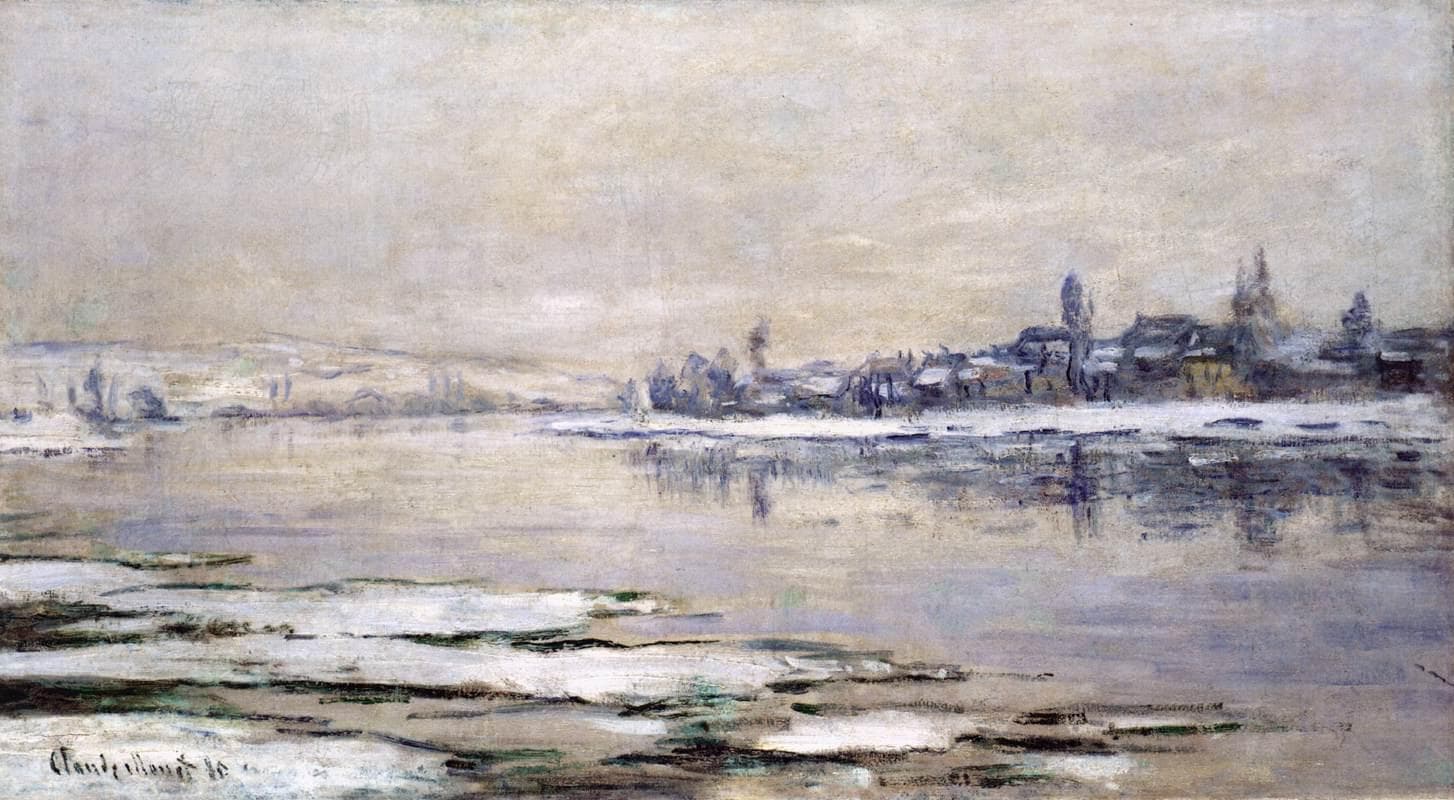
The church appears again across the river in The Church in Vétheuil in Winter in the Musée d'Orsay, and in summer in Vétheuil Church. For the Seine that winter, see Lavacourt in Winter and The Breakup of the Ice at Lavacourt. Together they show Claude Monet recording one village through a single hard season.
Meaning
There is no anecdote in the picture, yet it carries the mood of that season: low light, wet roads, people going about their business in the cold. Monet's attention to a thaw, an in-between state of the landscape, also anticipates his later interest in weather as a sequence of changing effects.
Where to see it
The painting is in the Gothenburg Museum of Art (Göteborgs konstmuseum) in Sweden; it came from the collection of the Gothenburg businessman Gustaf Werner. For more museums worldwide, see where to see Monet's paintings.
Questions & answers
Where is Monet's Road into Vétheuil in Winter?
The painting is in the Gothenburg Museum of Art (Göteborgs konstmuseum) in Sweden. Painted in 1879, it measures 52.5 by 71.5 centimeters and is catalogued as Wildenstein 510. It came to the museum from the collection of the Gothenburg collector Gustaf Werner.
When and where was it painted?
In the winter of 1879, at Vétheuil, the village on the Seine northwest of Paris where Monet lived from 1878 to 1881. That winter, following the death of his wife Camille in September, was one of the coldest of the century in northern France.
What church is in the painting?
It is the church of Notre-Dame at Vétheuil, a Gothic and Renaissance building on a rise above the village. Its tower appears at upper left. Monet painted the church many times while he lived in Vétheuil, from the river, from the road and in snow.
Why is the road so muddy in this winter painting?
Monet shows the village during a thaw, with the snow mostly melted into patches and the road churned to mud and standing water. He was interested in transitional states of weather, and the brown, violet and grey road is the most vigorously painted part of the canvas.
More by the artist
Claude Monet

Bridge over a Pond of Water Lilies
Claude Monet · 1899

Woman with a Parasol – Madame Monet and Her Son
Claude Monet · 1875

Sunset in Venice
Claude Monet · 1908–12

La Grenouillère
Claude Monet · 1869

Beach in Pourville
Claude Monet · 1882

Springtime
Claude Monet · 1872

Boating on the River Epte
Claude Monet · 1890

The Seine at Asnières (Hermitage)
Claude Monet · 1873
Also painted in 1879
The same year
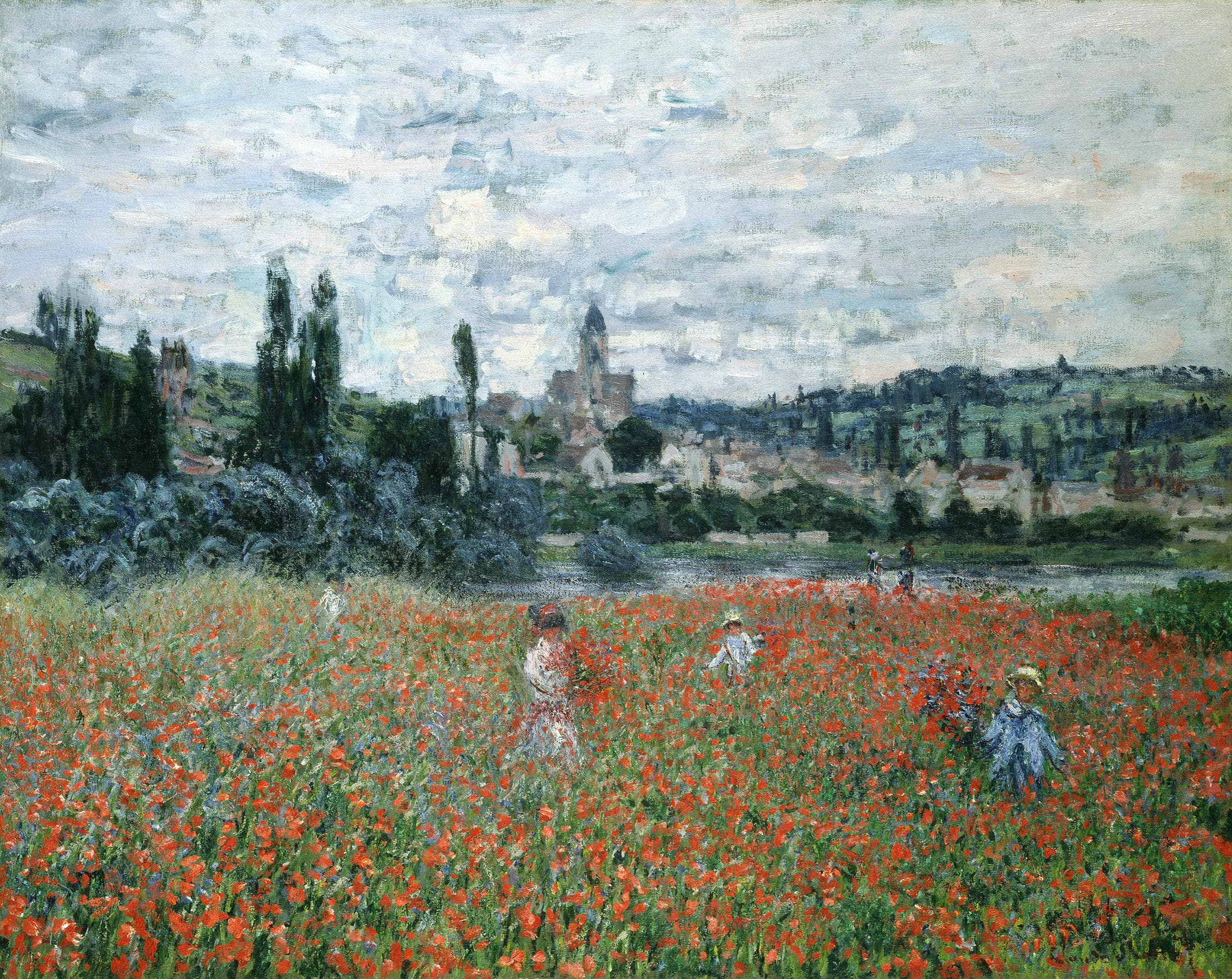
Poppy Field near Vétheuil
Claude Monet · c. 1879
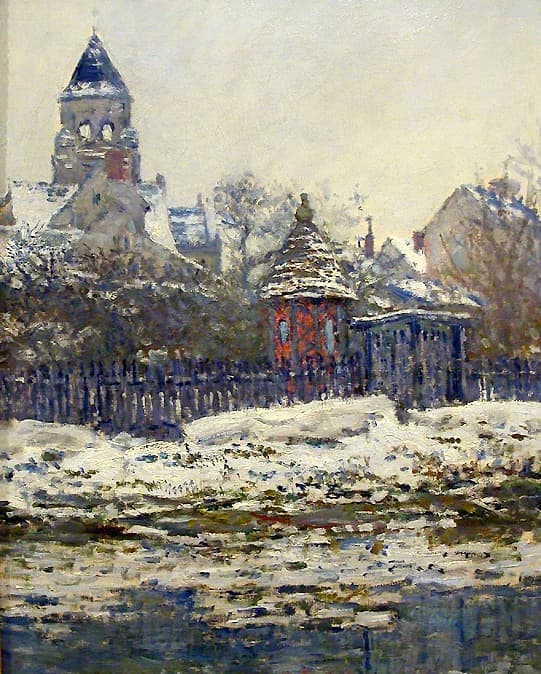
Vétheuil Church
Claude Monet · 1879
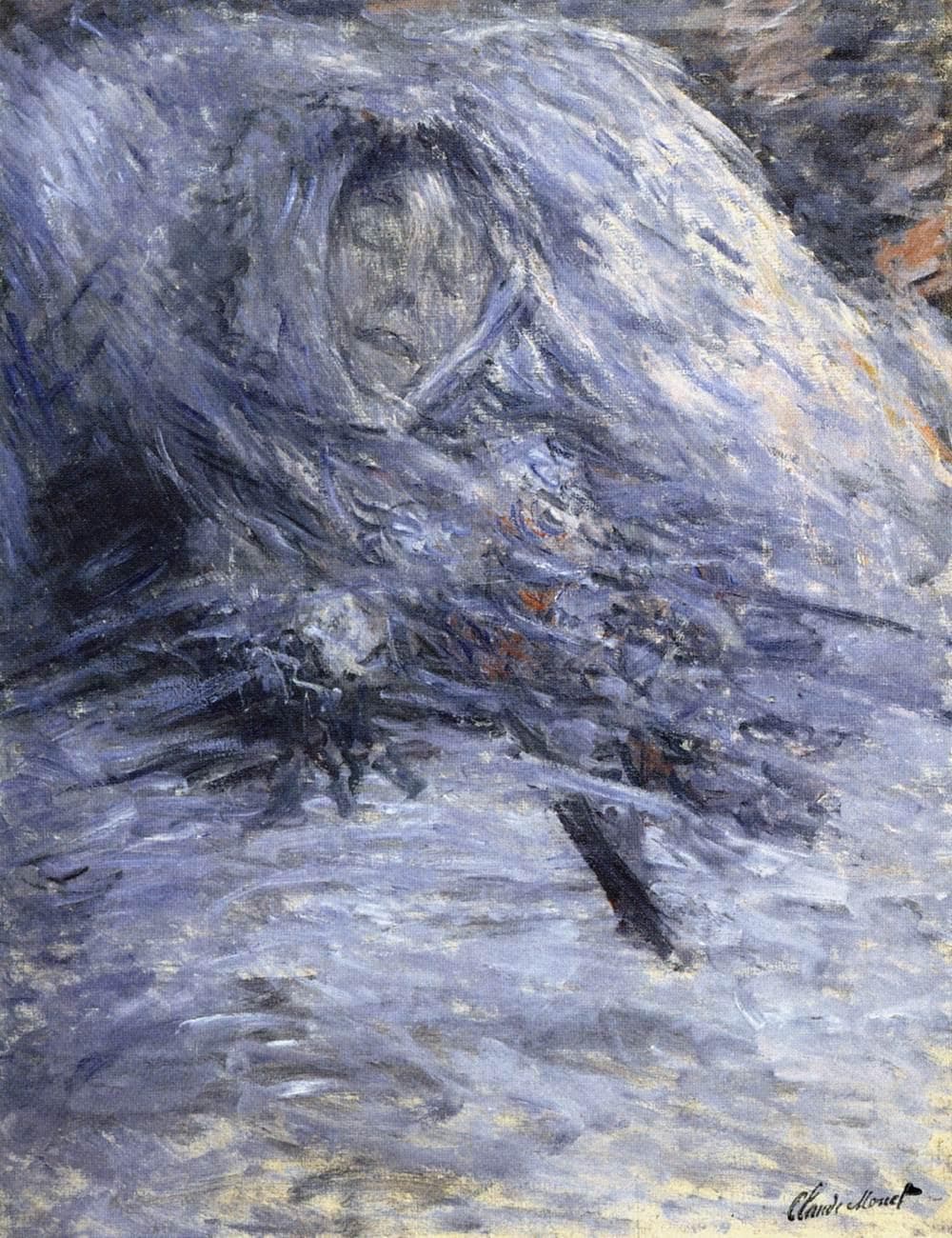
Camille Monet on Her Deathbed
Claude Monet · 1879
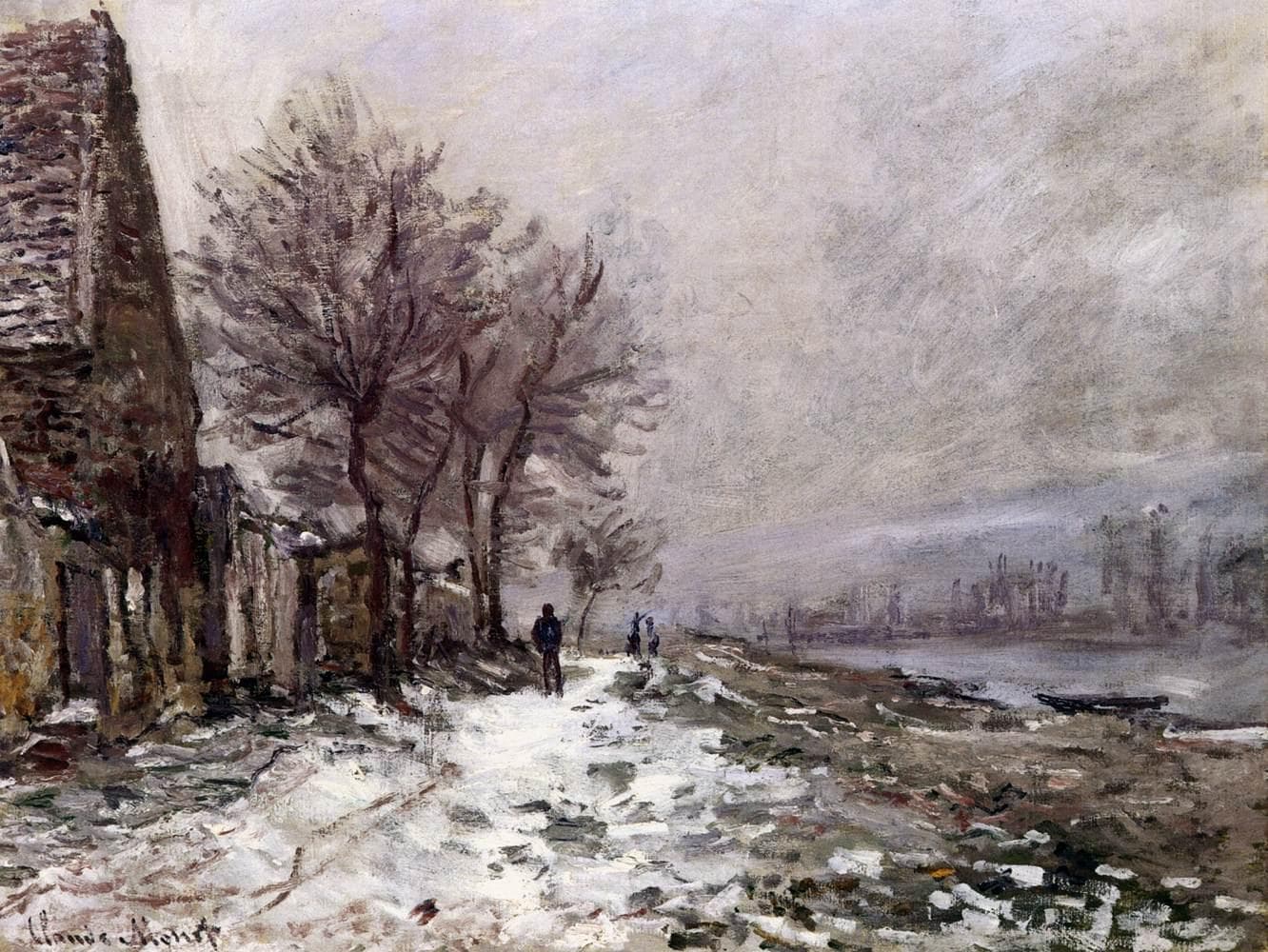
Lavacourt in Winter
Claude Monet · 1879
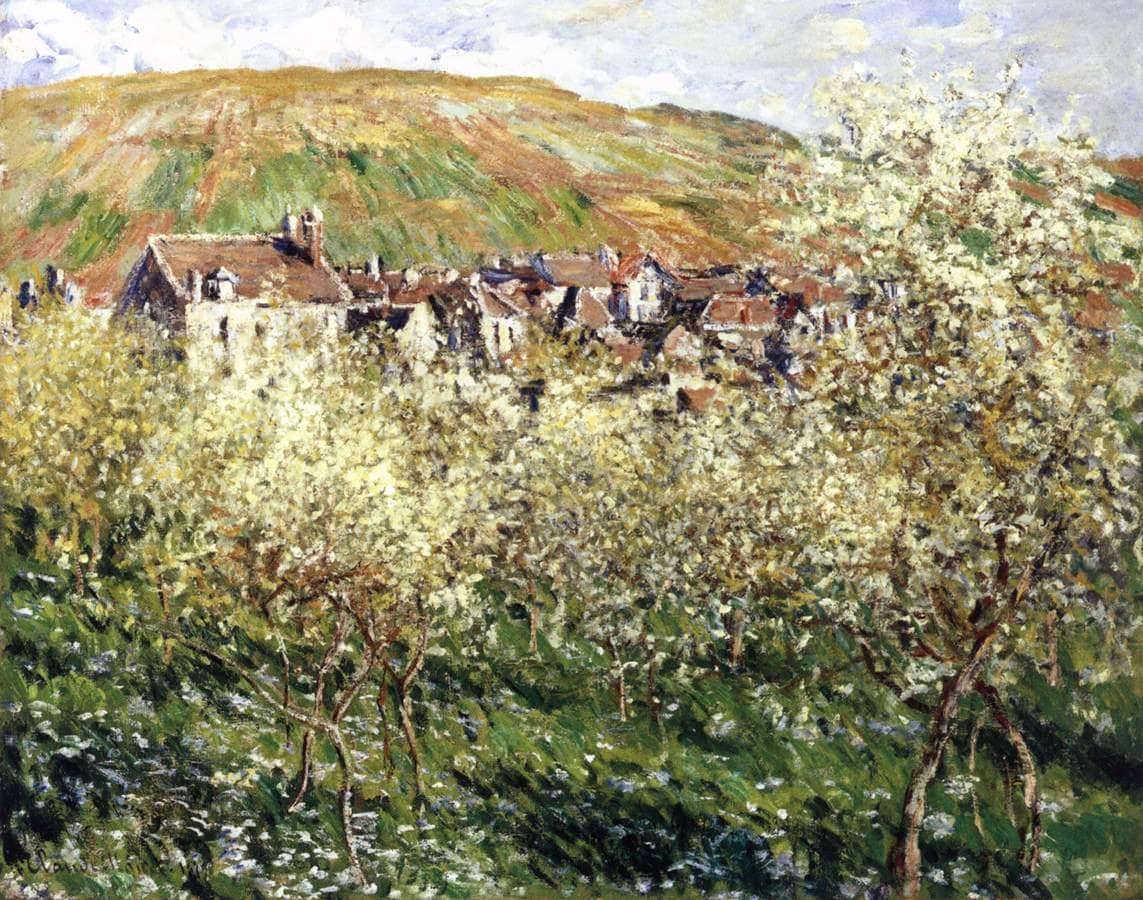
Plum Trees in Bloom
Claude Monet · 1879
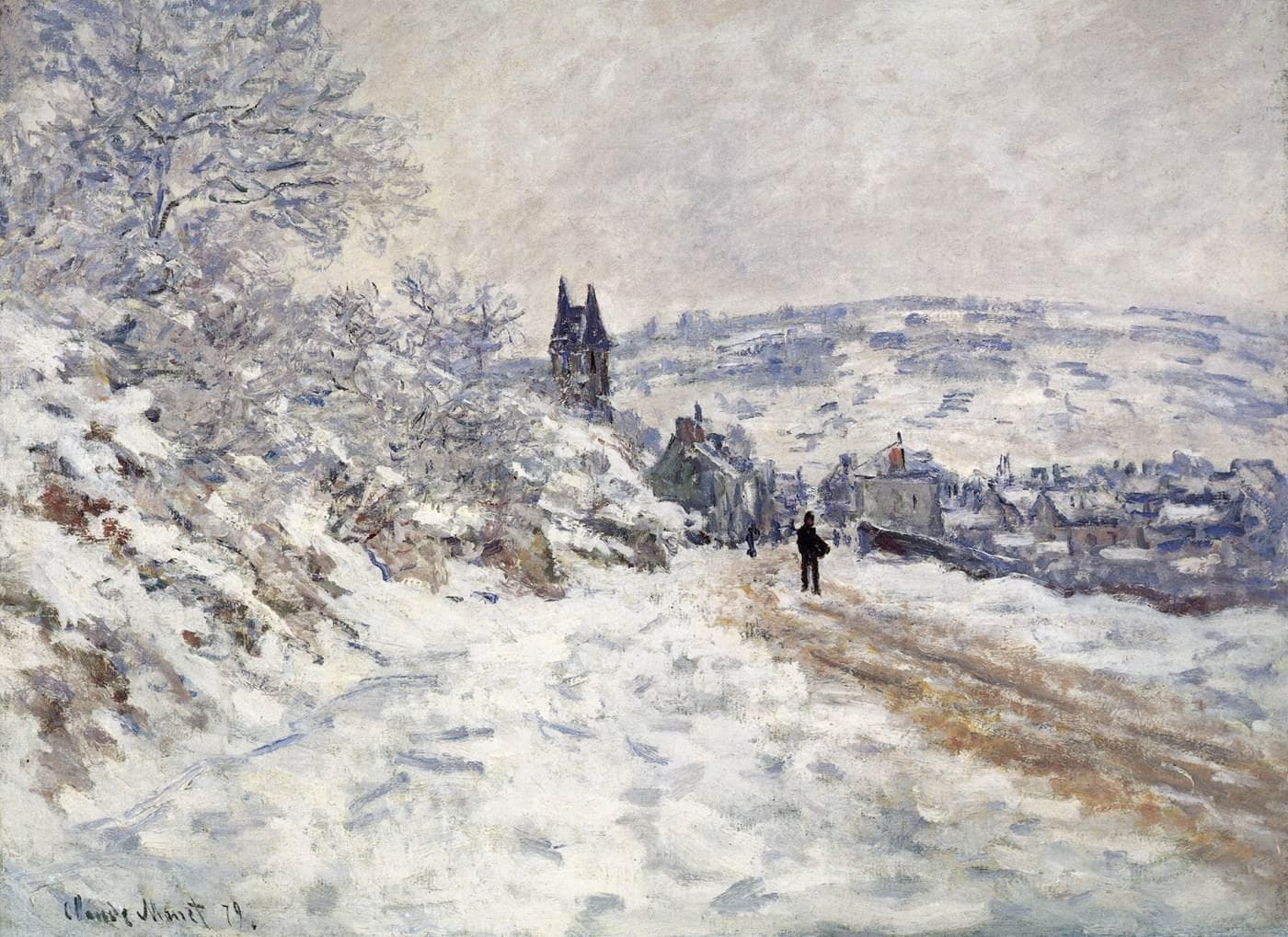
Road to Vétheuil, Snow Effect
Claude Monet · 1879
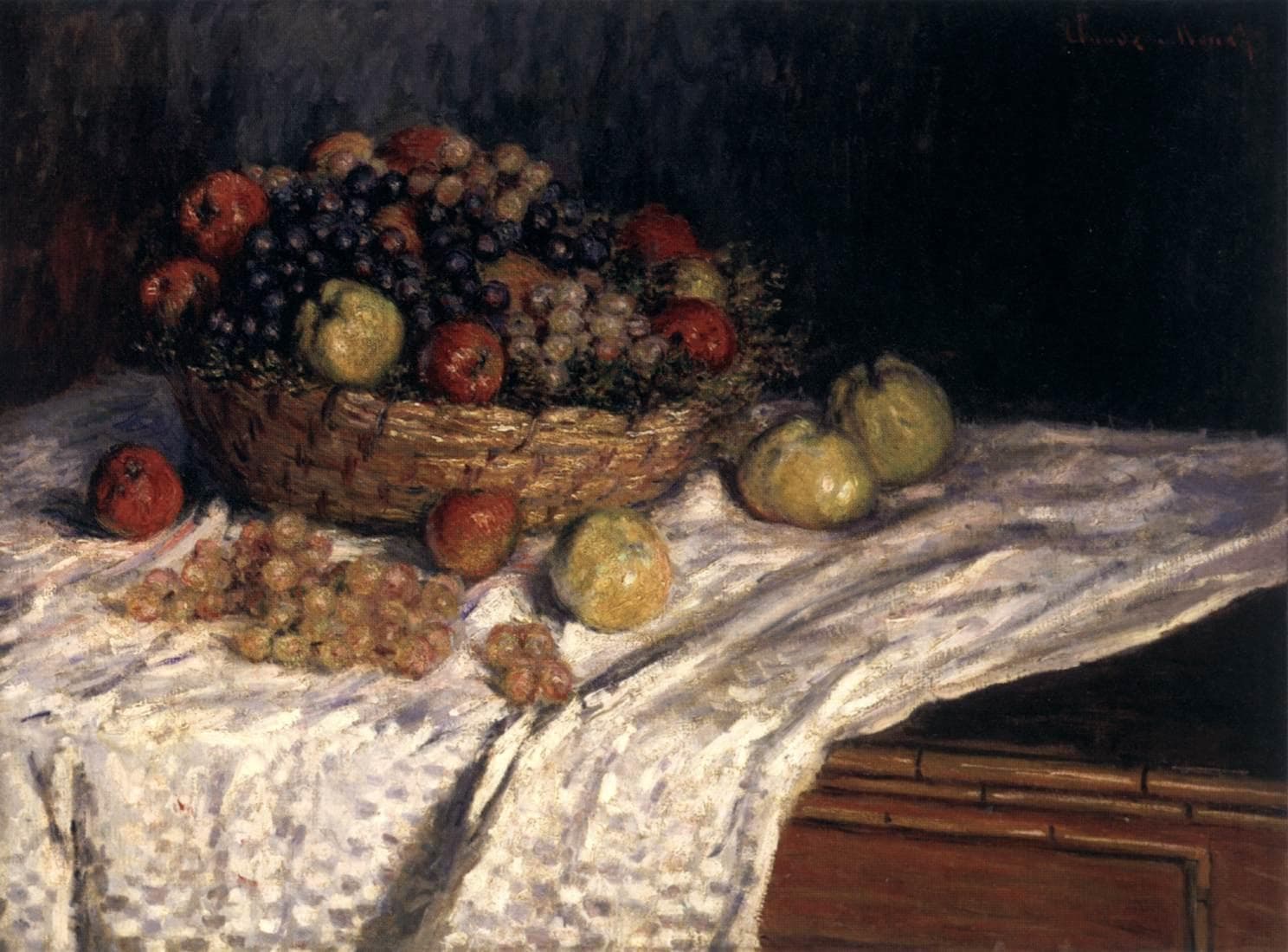
Still-Life with Apples and Grapes
Claude Monet · 1879–80
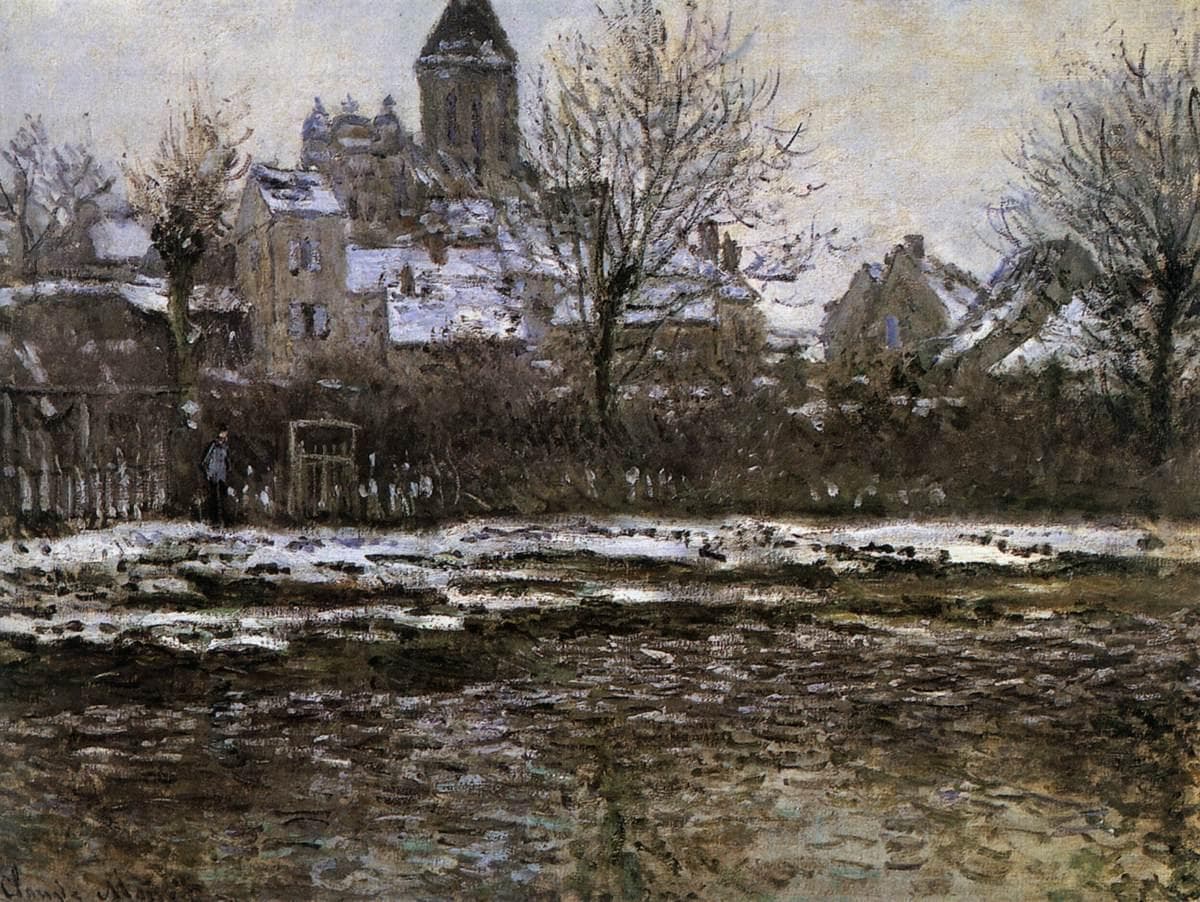
The Church in Vétheuil in Winter
Claude Monet · 1878–79
Kindred works
You may also study
Road to Vétheuil, Snow Effect
Claude Monet · 1879
The Church in Vétheuil in Winter
Claude Monet · 1878–79
Vétheuil Church
Claude Monet · 1879
Lavacourt in Winter
Claude Monet · 1879
The Breakup of the Ice at Lavacourt
Claude Monet · 1880

The Scream
Edvard Munch · 1893

Ophelia
John Everett Millais · 1851–52

The Great Wave off Kanagawa
Katsushika Hokusai · c. 1830–32