Image: The Metropolitan Museum of Art, New York · Public domain · via Wikimedia Commons
Impressionism
The Valley of the Nervia
Claude Monet, 1884
The Valley of the Nervia is an 1884 landscape by Claude Monet of snow-covered Maritime Alps rising above the dry riverbed of the Nervia near Camporosso, on the Italian Riviera. It is in the Metropolitan Museum of Art, New York.
- Artist
- Claude Monet
- Date
- 1884
- Medium
- Oil on canvas
- Dimensions
- 66 × 81.3 cm
- Collection
- The Metropolitan Museum of Art, New York, United States
- Movement
- Impressionism
- Catalogue
- Wildenstein 881
Painted at Monet on the MediterraneanMore at Monet at the Met
Claude Monet painted The Valley of the Nervia in 1884 during his first long working stay on the Italian Riviera, based at Bordighera. It looks up the valley of the Nervia, a short coastal river, past the village of Camporosso to a range of snow-covered peaks of the Maritime Alps. Signed and dated 84 at lower left, the canvas has been in the Metropolitan Museum of Art since 1915.
What you're looking at
The picture is built in three horizontal bands. At the bottom, taking up almost a third of the canvas, is the broad, stony bed of the river, pale beige and cream with streaks of lilac and blue where shallow channels of water run through it. A few dark shrubs and tufts of green sit on the gravel. Just above, across the middle, the valley floor is a strip of olive trees, low green hills and a scatter of pale houses: the village of Camporosso, tucked under the slopes on the riverbank.
Then the land climbs. Wooded foothills in greens and blues slope in from both sides, their shadowed sides violet. Behind them the mountains rise in a jagged line of snow, lit from the right in pale yellow, cream and white, with deep blue and lilac shadows in the gullies. The highest peak, a sharp pyramid, stands just right of center. The sky above is a soft, chalky blue and pink haze, lightly hatched. The whole canvas is high-keyed and light, with the deepest tones kept for the shadowed folds of the hills.
One detail is easy to overlook: a small white building on the right-hand slope, just a single bright dab, which gives scale to the hills and shows how far off the mountains are.
Bordighera, 1884
In December 1883 Monet took a short trip along the Riviera with Pierre-Auguste Renoir. He came back alone in January 1884 and stayed in Bordighera, a resort just over the Italian border, until April. He was dazzled by the light and vegetation, and wrote to the critic Théodore Duret that he would need a palette of diamonds and jewels. He worked feverishly, producing around fifty canvases of palms, villas, gardens and the coast. He also made trips inland, to Dolceacqua and up the Nervia valley, which runs down from the mountains to the sea near Camporosso, just west of Bordighera.
Most of his Bordighera pictures are thick with palm fronds and flowering gardens, like Palm Trees at Bordighera, also at the Met, Bordighera in Chicago and Garden at Bordighera, Impression of Morning in the Hermitage. The Valley of the Nervia is unusual among them: open, cool and mountainous. His Riviera trips of 1884 and 1888 are gathered on Monet on the Mediterranean.
How it was painted
The canvas is a standard landscape size, about 66 by 81 centimeters, and was painted on the spot. Monet builds the snow in thick, directional strokes that follow the slope of each face, so the mountains have a crisp, chiseled look. The riverbed, by contrast, is laid in long, thin horizontal strokes, almost dry, that let the texture of the canvas show. Throughout, he uses colored shadow, violet and blue rather than gray or brown, which keeps the whole picture luminous. The strong, simple banding of riverbed, village, hills and peaks gives a calm structure to what is otherwise a very loosely painted surface.
The subject, a high mountain range seen above a dry Mediterranean valley in winter sun, was new to Monet. It anticipates the sharper color and stronger light of his 1888 pictures at Antibes, such as Antibes.
Where to see it
The painting was bequeathed to the Met in 1915 by Theodore M. Davis, a lawyer and businessman best known for financing excavations in Egypt's Valley of the Kings. It belongs to the museum's large group of Monet paintings; see Monet at the Met. Like most of the collection, it is not always on view, so check the museum's website before visiting.
Questions & answers
Where is Monet's The Valley of the Nervia?
It is in the Metropolitan Museum of Art in New York, which received it in 1915 as part of the bequest of Theodore M. Davis.
When and where was The Valley of the Nervia painted?
Monet painted it in early 1884 near Camporosso, in Liguria, Italy, during a stay of about three months at nearby Bordighera on the Italian Riviera. It is signed and dated '84.
What does The Valley of the Nervia show?
It shows the wide, stony bed of the Nervia river in the foreground, the village of Camporosso among olive groves in the middle, and a range of snow-capped Maritime Alps rising behind, under a pale winter sky.
Did Monet paint other pictures at Bordighera?
Yes, about fifty, mostly palm gardens, villas and coastal views. Two of them, Palm Trees at Bordighera and this painting, are at the Met; others are in Chicago, Saint Petersburg and Santa Barbara.
More by the artist
Claude Monet

Bridge over a Pond of Water Lilies
Claude Monet · 1899

Woman with a Parasol – Madame Monet and Her Son
Claude Monet · 1875

Sunset in Venice
Claude Monet · 1908–12

La Grenouillère
Claude Monet · 1869

Beach in Pourville
Claude Monet · 1882

Springtime
Claude Monet · 1872

Boating on the River Epte
Claude Monet · 1890

The Seine at Asnières (Hermitage)
Claude Monet · 1873
Also painted in 1884
The same year
Kindred works
You may also study
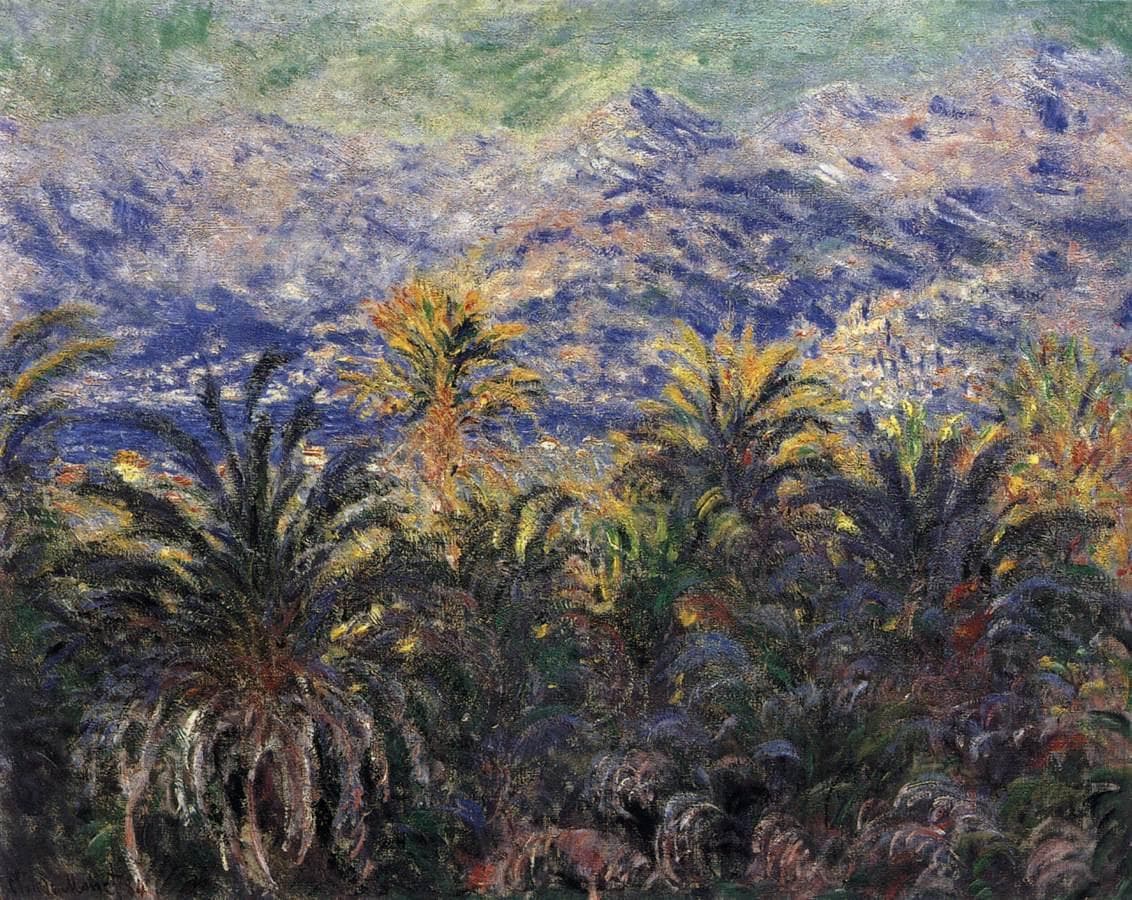
Palm Trees at Bordighera
Claude Monet · 1884
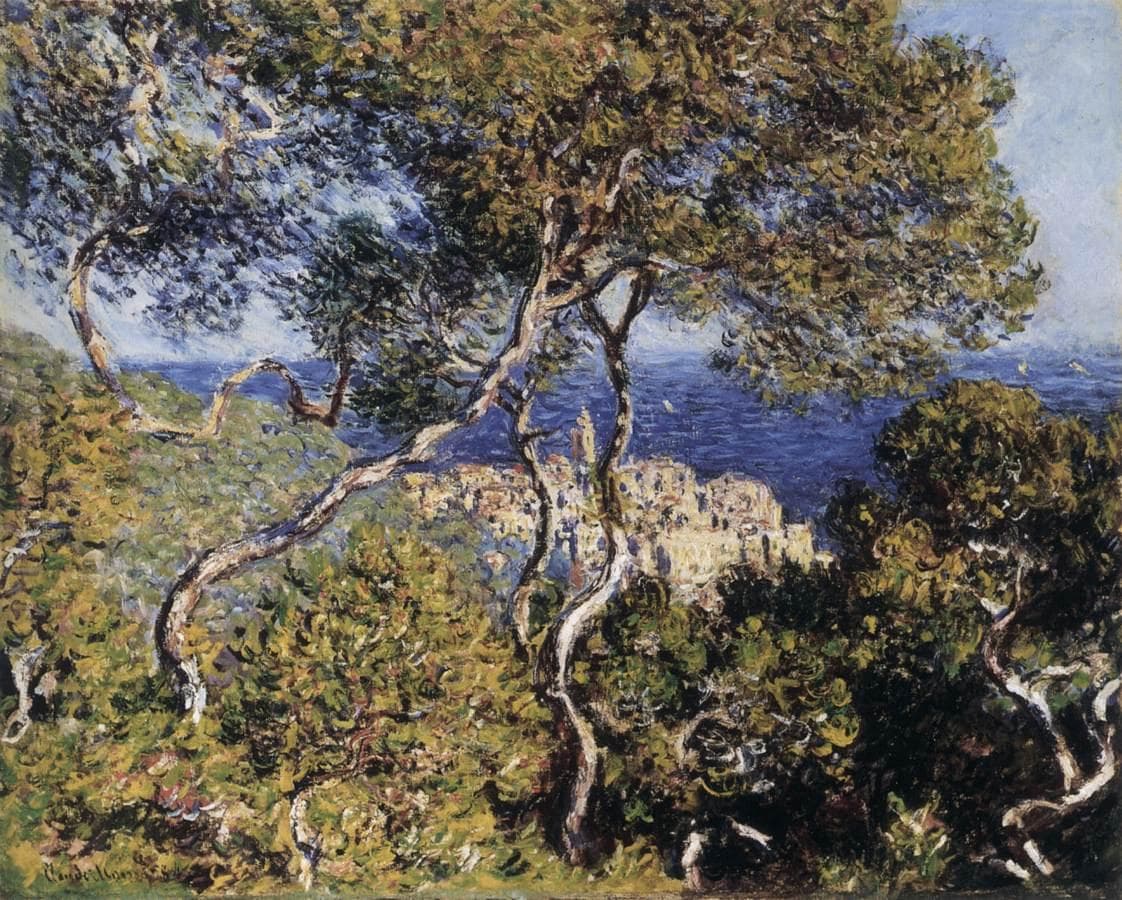
Bordighera
Claude Monet · 1884
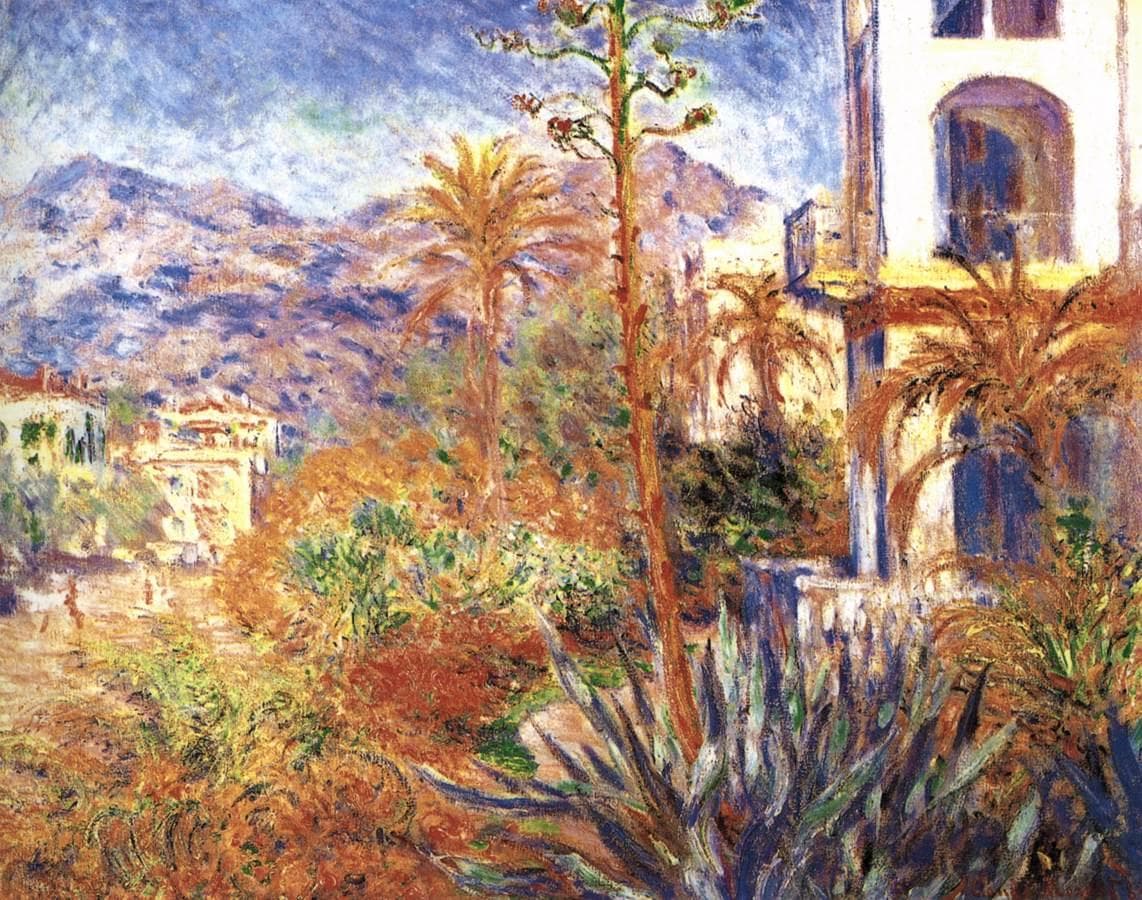
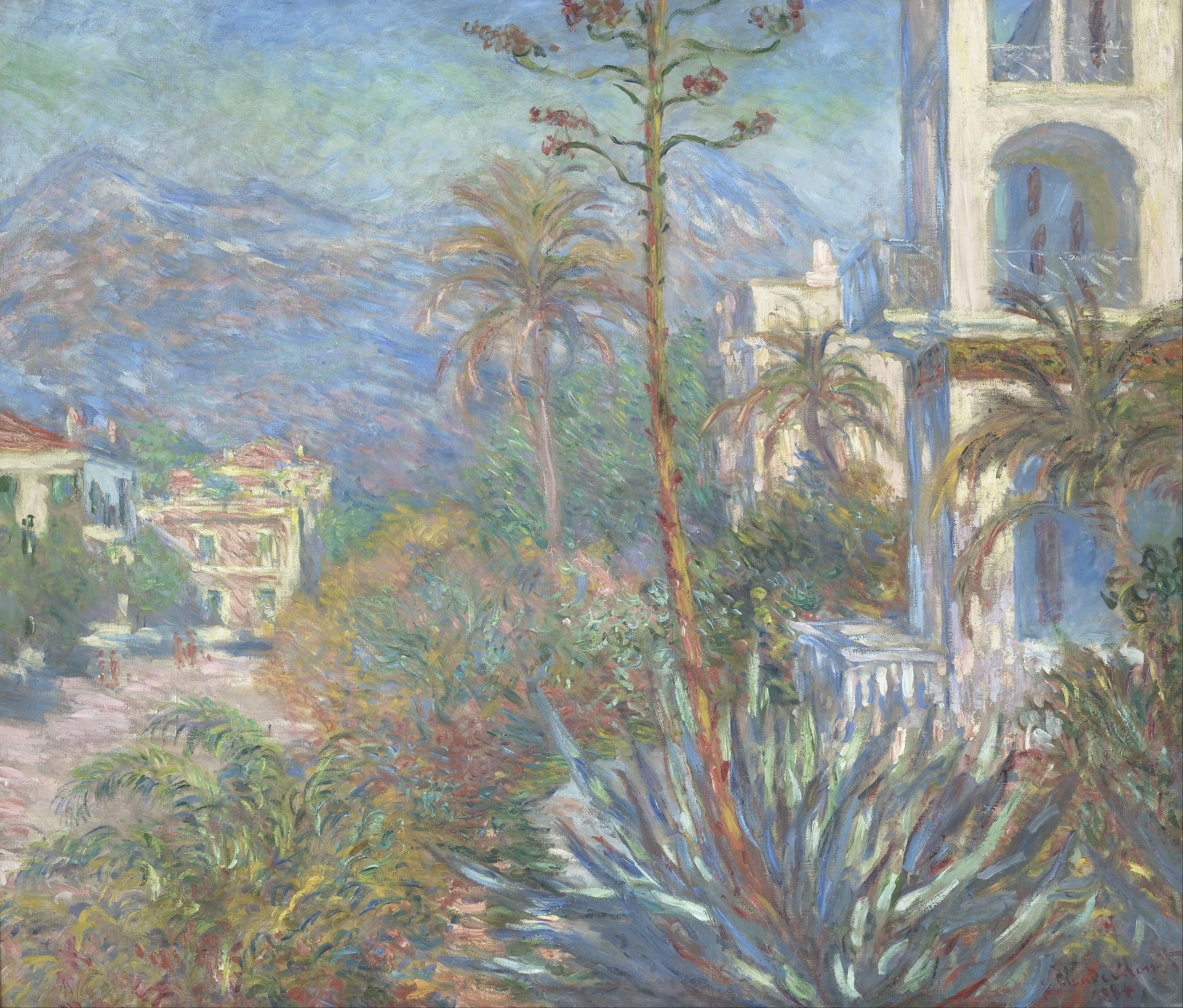
Villas in Bordighera
Claude Monet · 1884
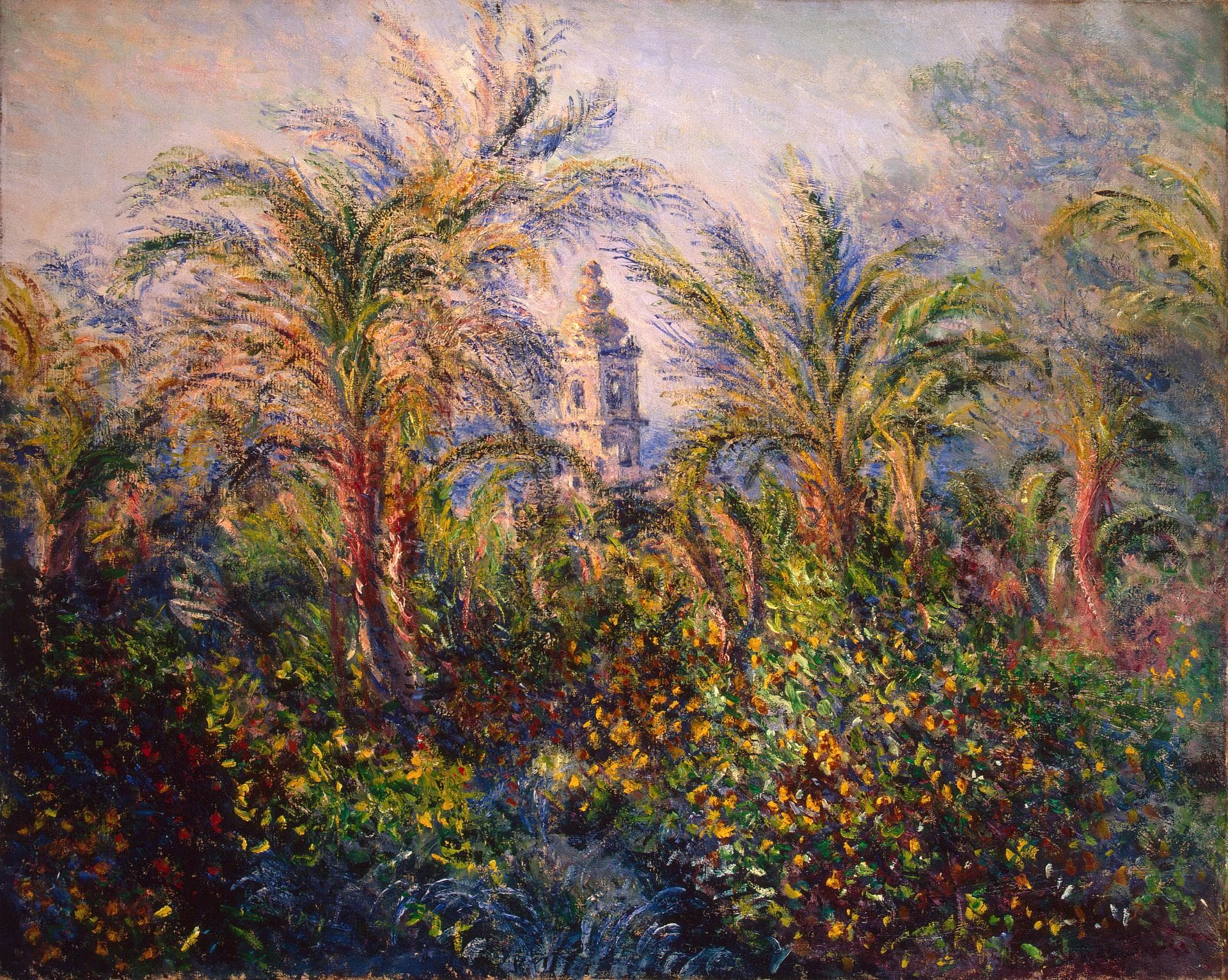
Garden at Bordighera, Impression of Morning
Claude Monet · 1884
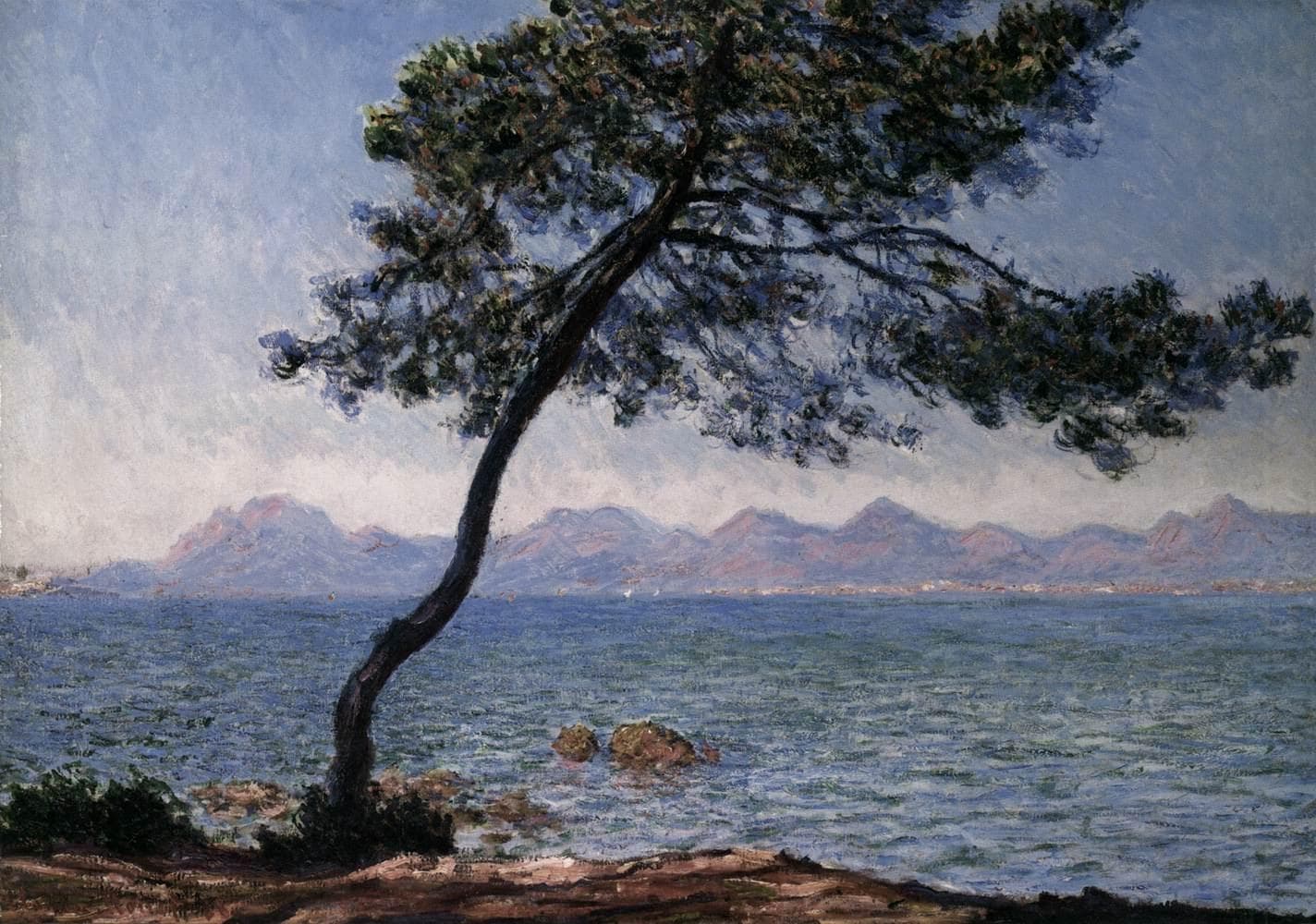
Antibes
Claude Monet · 1888

The Scream
Edvard Munch · 1893

Ophelia
John Everett Millais · 1851–52

The Great Wave off Kanagawa
Katsushika Hokusai · c. 1830–32